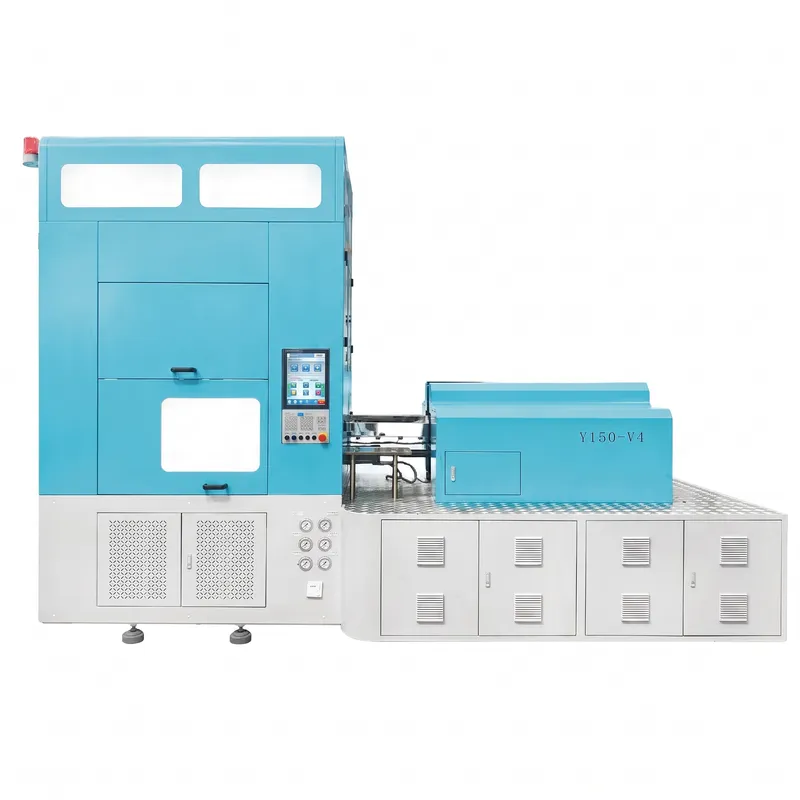
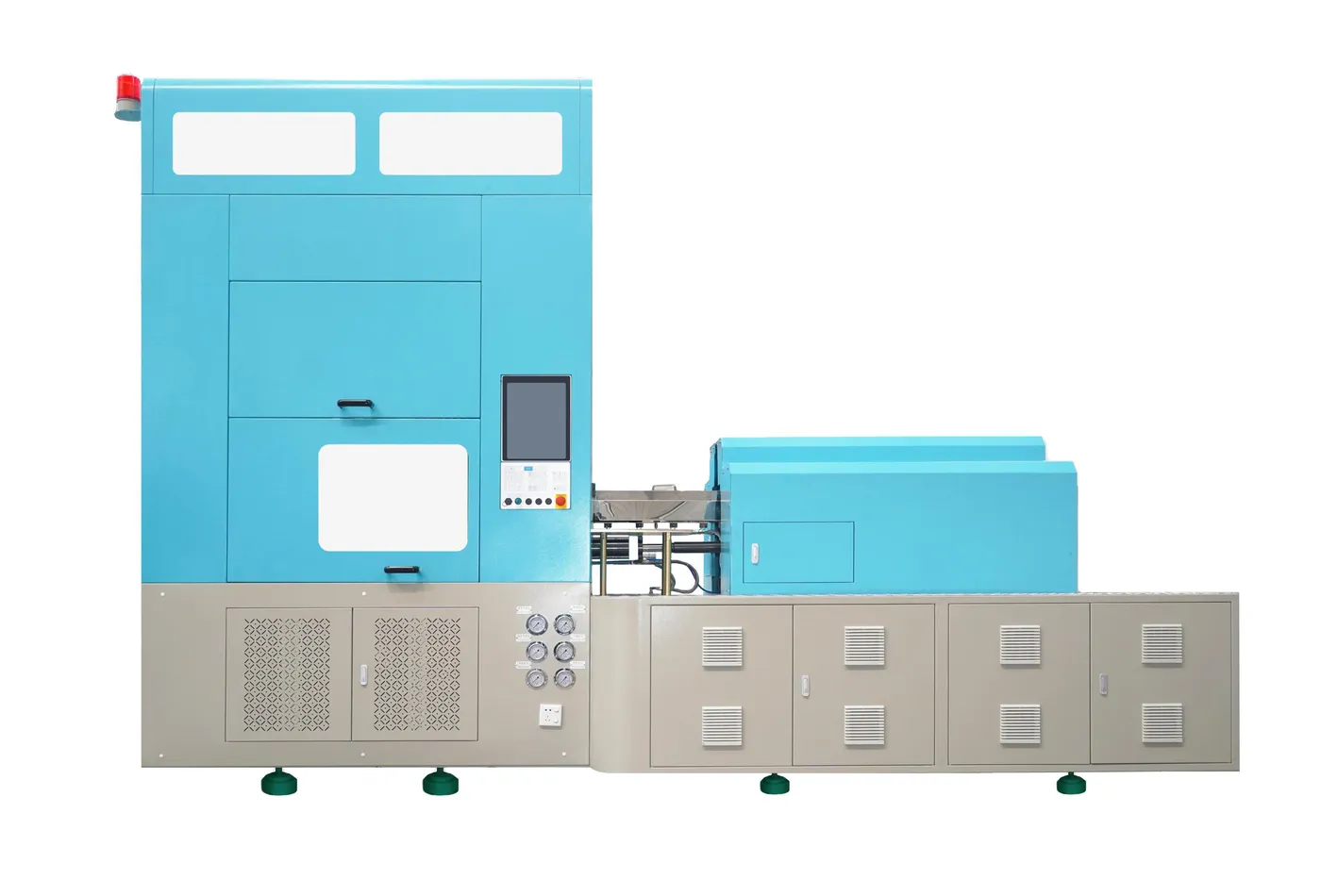
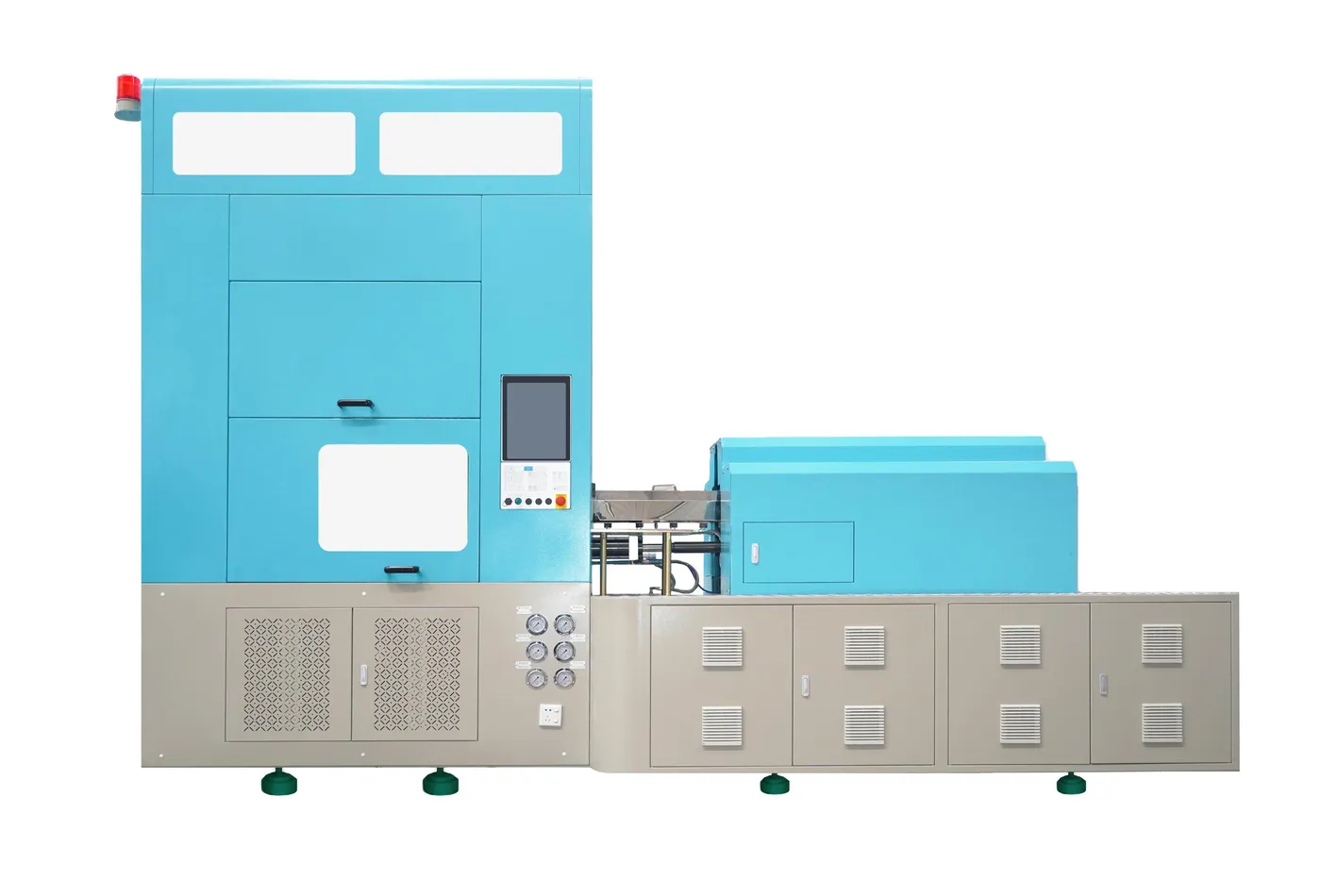
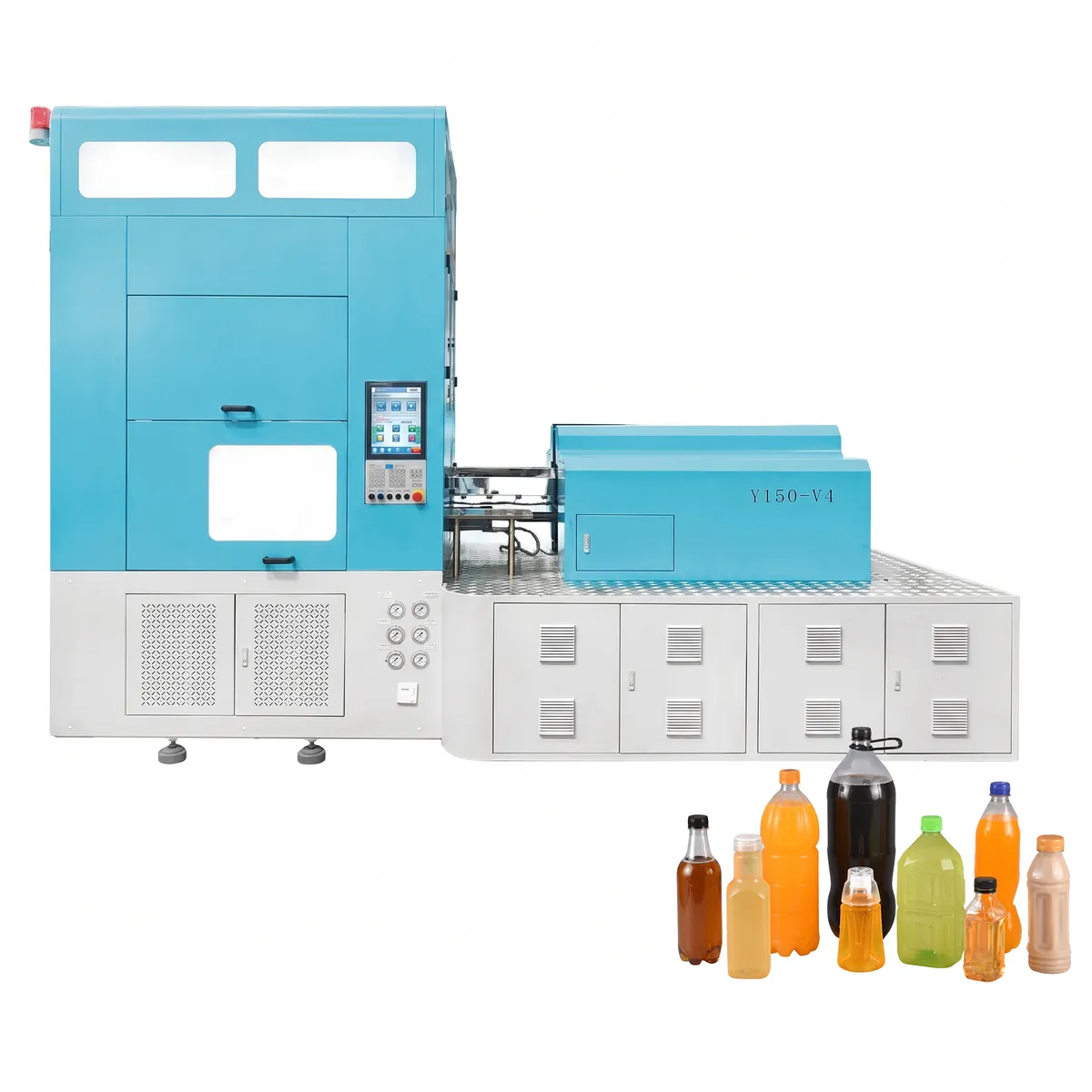
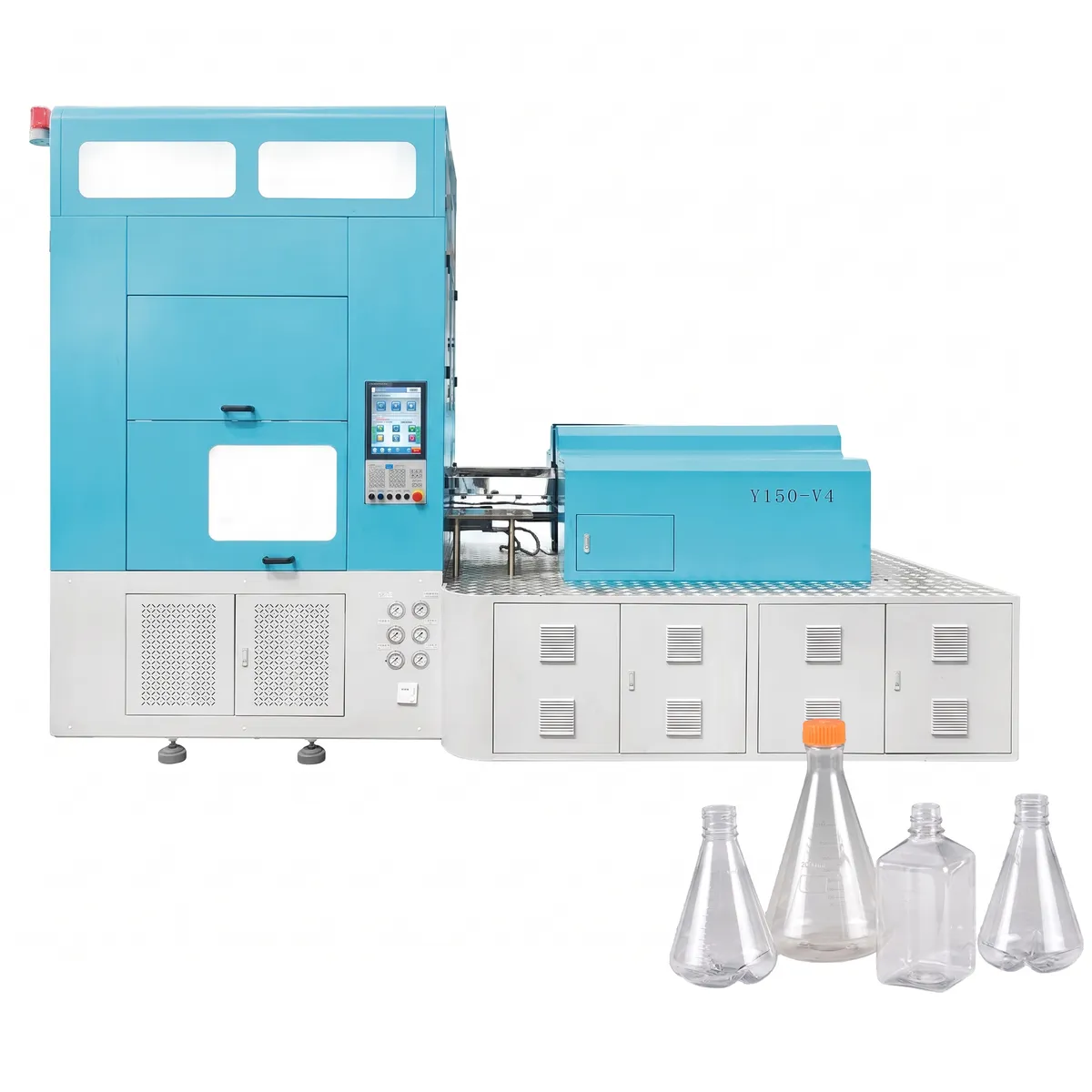
Одноэтапная машина для литья под давлением и выдувного формования Y150-V4 (4 станции)
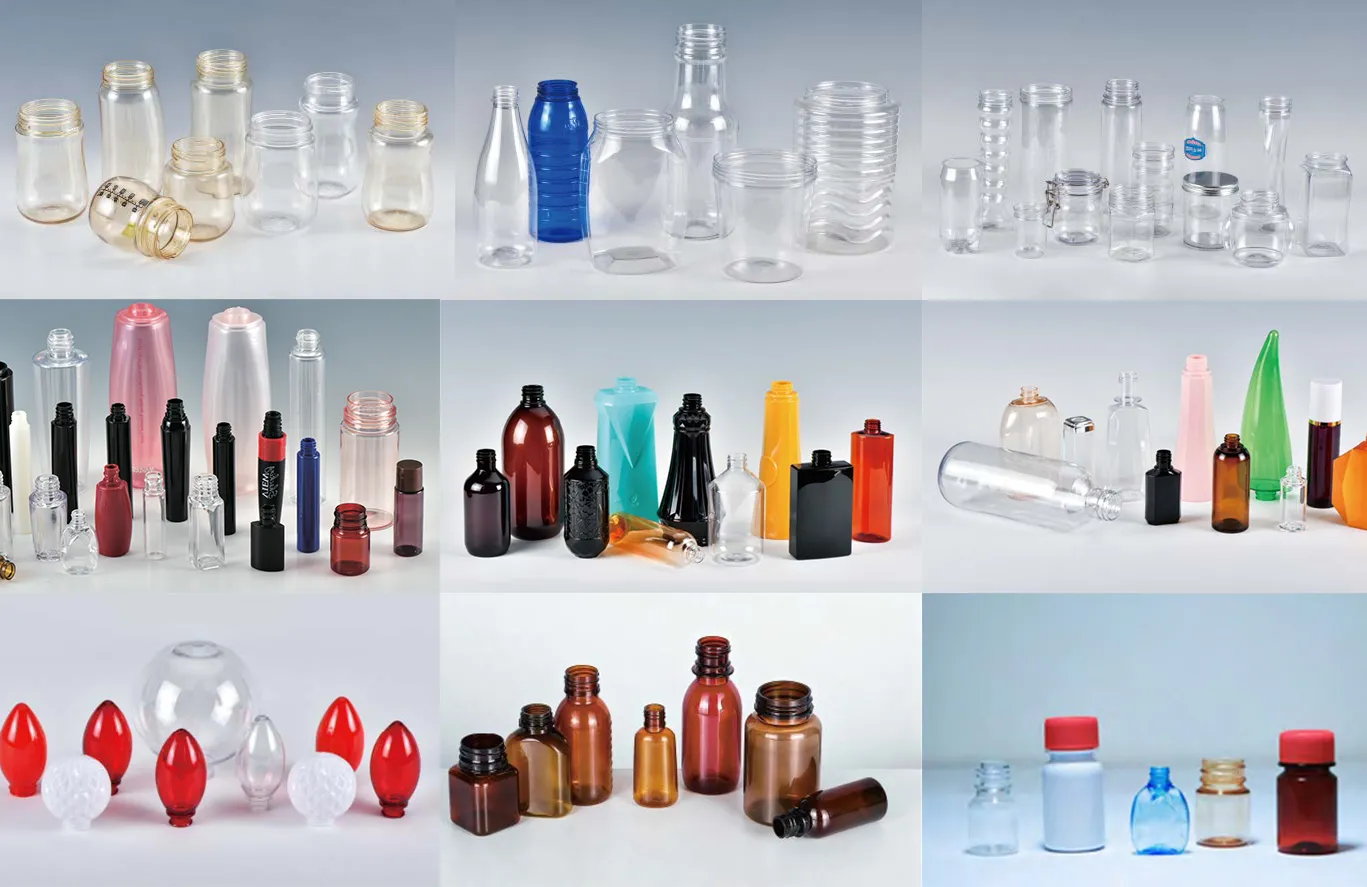
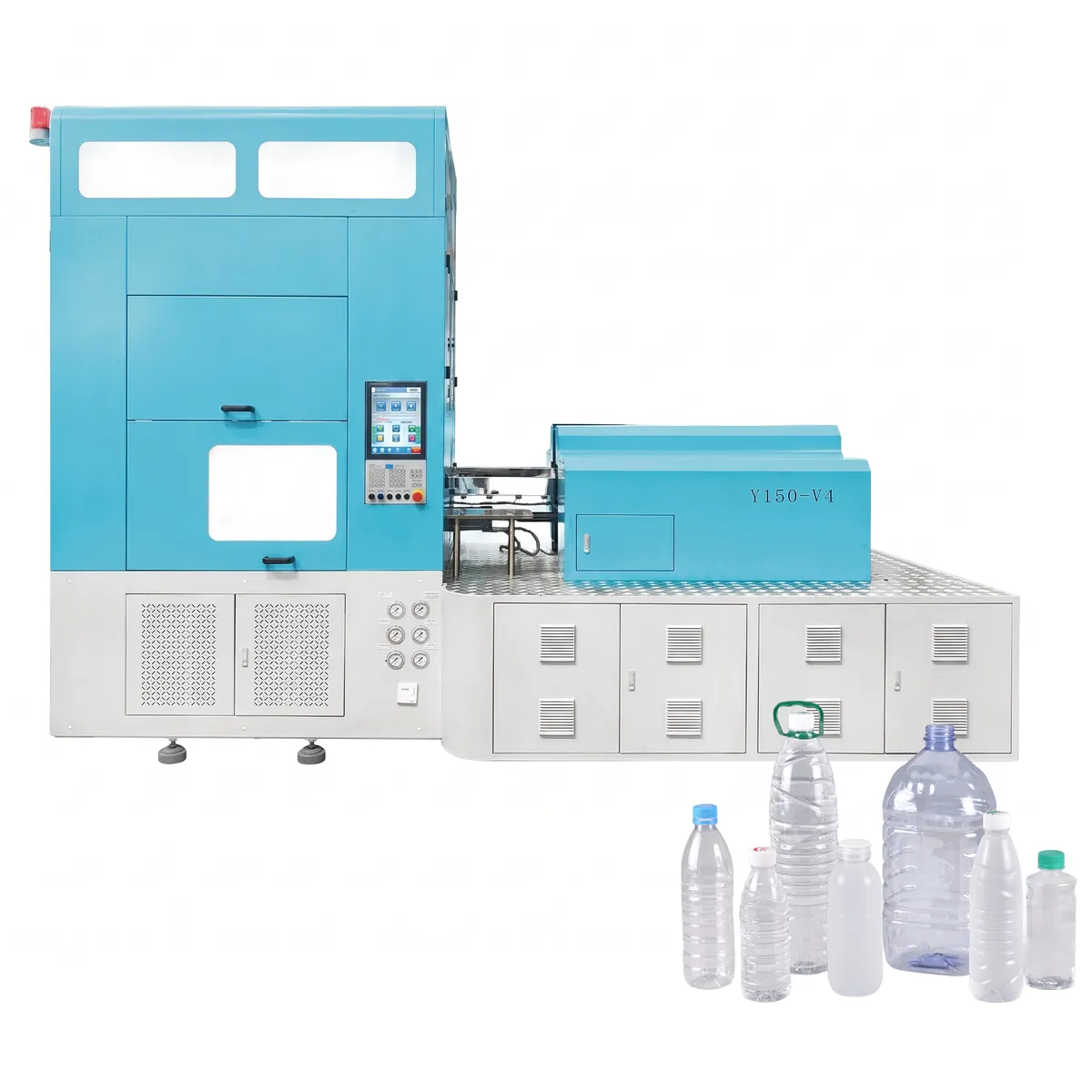
Наша машина для одноэтапного литья под давлением и выдувного формования Y150-V4 — это высокоэффективное решение для формования пластиковых контейнеров, широко используемое в производстве высокоточных, востребованных полых пластиковых изделий, включая детские бутылочки, бутылки для воды, флаконы для лекарств, крафтовые и нестандартные флаконы, а также косметические флаконы из ПЭТ, ПЭТГ, ПП, ПК, тритана, ПС, АБС или ПЛА. Ее отличительной особенностью является то, что три этапа — литье под давлением, выдувное формование и выдувное формование — выполняются непрерывно на одном и том же оборудовании, что исключает промежуточные этапы, которые в противном случае замедлили бы производство и привели бы к отклонениям в качестве.
Наша машина для одноэтапного литья под давлением и выдувного формования Y150-V4 — это высокоэффективное решение для формования пластиковых контейнеров, широко используемое в производстве высокоточных, востребованных полых пластиковых изделий, включая детские бутылочки, бутылки для воды, флаконы для лекарств, крафтовые и нестандартные флаконы, а также косметические флаконы из ПЭТ, ПЭТГ, ПП, ПК, тритана, ПС, АБС или ПЛА. Ее отличительной особенностью является то, что три этапа — литье под давлением, выдувное формование и выдувное формование — выполняются непрерывно на одном и том же оборудовании, что исключает промежуточные этапы, которые в противном случае замедлили бы производство и привели бы к отклонениям в качестве.
Компания CMN, ведущий производитель машин для литьевого выдувного формования, разработала модель Y150-V4 с учетом универсальности применения. Она превосходно подходит для фармацевтических упаковочных линий, требующих соответствия стандартам GMP и работы в безмасляных условиях (доступна в конфигурации с полным сервоприводом), высокоскоростных операций по розливу средств личной гигиены, производства ПЭТ-бутылок пищевого качества и косметических цехов, где важна эстетика без линии разъема. Машина обрабатывает объемы от миниатюрных флаконов-капельниц объемом 20 мл до больших контейнеров объемом 2500 мл, что делает ее по-настоящему универсальной одноступенчатой машиной для литьевого выдувного формования, подходящей для различных производственных задач.
Заменяемая марка и модель
| Стандартная модель | Y150-V4 | Y200-V4 | Y250-V4 |
 | Совместим с японской батареей ASB-12M. | Совместимо с японской моделью Aoki 250. | Совместимо с японским ASB-70DPH. |
| Y150-V4-B | Y500-V3 | - | |
| Совместимо с японской моделью Aoki 100. | Совместимо с японской моделью Aoki 500. | - | |
| Гидравлическое зажимание, гидравлический винтовой впрыск. | |||
| Сервомодель | YS150-V4 | YS200-V4 | YS250-V4 |
 | Зажим сервопривода, впрыск с помощью сервовинтовой передачи. Высокая точность, низкое энергопотребление, долговременная стабильность. | ||
| Полностью электрическая модель | Y150-V4-EV | Y200-V4-EV | Y250-V4-EV |
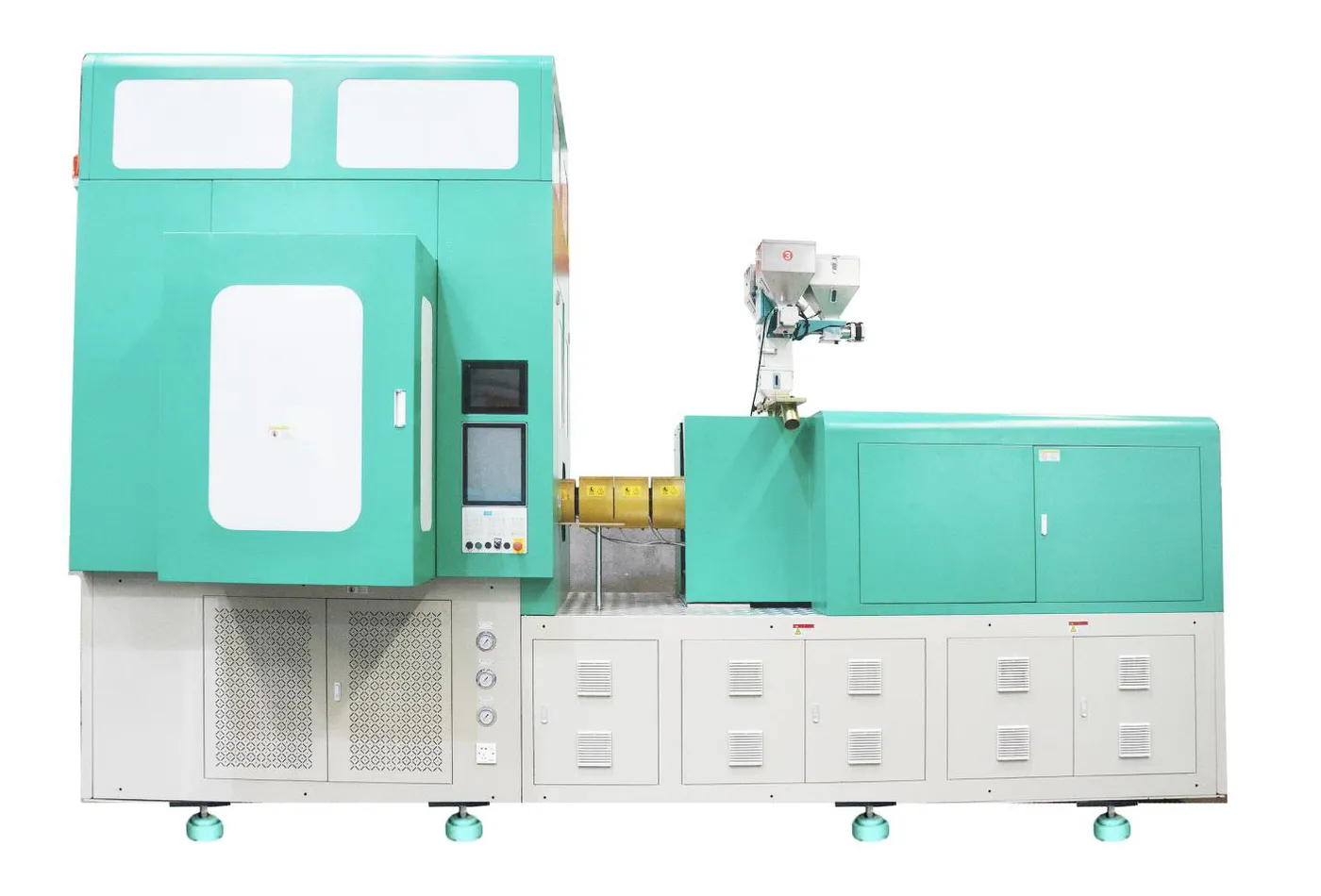 | Полностью электрический привод, исключающий загрязнение масла продуктами сгорания. | ||
Преимущества нашего оборудования ISBM
1. Качество лучше. Все пластиковые бутылки, изготовленные на выдувных формовочных машинах из Японии, имеют линию разъема. Посередине между двумя формами с каждой стороны имеется выступ пластика, который оставляет след. Однако наши формы обладают чрезвычайно высокой точностью, и этот след совершенно незаметен.
2. Наше производство отличается высокой скоростью и большим количеством вариантов шнеков. В то время как в Японии можно производить четыре пластиковые бутылки за раз, мы можем производить шесть.
3. Экономия энергии. Наши машины потребляют на 151–251 тонну/3 тонны меньше энергии, чем машины в Японии, Европе и США.
4. Для замены гидравлических и пневматических компонентов был внедрен широкий спектр технологий электрического управления. Например, пневматические компоненты, используемые в японском механизме нижней резки, здесь заменены серводвигателями, при этом скорость серводвигателей удвоена. В фармацевтической промышленности и других областях можно использовать полностью серводвигатели без каких-либо гидравлических систем, что обеспечивает соответствие стандартам GMP и работу в безмасляной и экологически чистой среде.
Технические характеристики изделия
| Элемент | Единица | Технические характеристики | |||||||
| Имя | Одностадийная машина для литья под давлением и выдувного формования (4 станции) | ||||||||
| Модель | Y150-V4 (совместим с японской моделью ASB-12M) | ||||||||
| Производитель | CMN Transmission | ||||||||
| Материал | ПЭТ/ПЭТГ | ||||||||
| Диаметр винта | ММ | 40 | 50 | 55 | 60 | ||||
| Теоретический объем инъекции | CM³ | 188 | 310 | 380 | 480 | ||||
| Скорость вращения винта (об/мин) | об/мин | 270 | 180 | 150 | 150–220 | ||||
| Сила зажима при впрыске | КН | 150 | |||||||
| Сила сжатия при выдувании | КН | 200 | |||||||
| Мощность двигателя | КВ | 43.2 | |||||||
| Мощность нагрева | КВ | 10 | |||||||
| Давление подаваемого воздуха | Мпа | 2.0-3.5 | |||||||
| Давление охлаждающей воды | Мпа | 0.4-0.6 | |||||||
| Давление воды в маслоохладителе машины | Мпа | 0.3-0.4 | |||||||
| Температура воды в маслоохладителе станка | ℃ | 20-25 | |||||||
| Напряжение | V | 370-400 | |||||||
| Размеры (Д*Ш*В) | ММ | 4200x1400x2900 | |||||||
| Масса | Т | 6 | |||||||
| Размеры изделия | |||||||||
| Количество продукции | ПКС | 1 | 2 | 3 | 4 | 5 | 6 | 7 | 8 |
| Диаметр бутылки | ММ | 118 | 80 | 66 | 56 | 54 | 45 | 28 | 26 |
| Высота бутылки | ММ | 210 | 150 | 100 | |||||
| Диаметр шейки | ММ | 83 | 62 | 48 | 38 | 32 | 25 | 17 | 15 |
| Максимальный объем бутылки | ML | 2500 | 1500 | 900 | 400 | 250 | 100 | 30 | 20 |
| Максимальный вес бутылки | Г | 130 | 65 | 43 | 32 | 26 | 22 | 18 | 16 |
Параметры машины
| Совместимая модель: | Совместимо с японской моделью ASB-12M. |
| Диаметр винта: | 50 мм (опционально) |
| Теоретическая емкость закачки: | 310 г |
| Усилие смыкания при впрыске: | 150 кН |
| Ход верхней части пресс-формы: | 250 мм |
| Нижний ход пресс-формы: | 205 мм |
| ТЕМПЕРАТУРА. Регулирование частоты сердечных сокращений: | 250 мм |
| Регулировка хода ствола по температуре: | 230 мм |
| Удар при выведении мяча из игры: | 170 мм |
| Сила сжатия при продувке: | 200 кН (с одной стороны) |
| Ход ударного ядра: | 250 мм |
| Ход выдувной формы: | 75+75 мм |
| Объем масляного бака: | 300 л |
| Размеры (Д×Ш×В): | 4,2*1,4*2,9 м |
| Масса: | 6Т |
Технический стандарт
| Система сервоуправления: | Используются 3 комплекта сервонасосных систем. |
| Питание сервомотора: | Мощность серводвигателя Inovance/WEICHI: 43,2 кВт. |
| Система компьютерного управления: | Использование ПЛК Inovance/MiRLE. |
| Привод поворотного круга: | Поворотный стол оснащен японским сервомотором Yaskawa или сервомотором WEICHI с тайваньским редуктором TSUNTIEN. |
| Клапан высокого давления: | Использование клапана высокого давления American Parker. |
| Пневматический цилиндр: | Использование пневматического баллона Aitak. |
| Регулировка температуры: | Для регулирования температуры используется встроенный блок управления, обеспечивающий высокую точность, стабильность и простоту в эксплуатации; в качестве альтернативы можно выбрать встроенную в систему систему контроля температуры. |
| Клапан регулирования гидравлического давления: | Используется гидравлический клапан регулирования давления производства компании YUKEN из Тайваня, Китай; |
| Масляная трубка: | Масляная трубка изготовлена из импортного материала, привезенного из Италии. |
| Винт: | Винт нагревается с помощью энергосберегающего нагревательного кольца с наночастицами дальнего инфракрасного излучения (10 кВт). |
| Структура выдувного формования: | В конструкции для выдувного формования используется гидравлический цилиндр или система зажима пресс-формы с двумя сервомоторами и функцией компенсации высокого давления. |
| Блок впрыска: | Управление инжекционным блоком осуществляется одним цилиндром. Двигатель плавления может управляться либо гидравлически, либо сервомотором. |
| Совокупная мощность машины: | Суммарная мощность машины: 53,2 кВт. |
Преимущества машины для литья под давлением и выдувного формования Y150-V4
1. Энергоэффективность
Одноступенчатая машина для литья под давлением и выдувного формования сохраняет тепловую энергию свежевпрыскиваемой заготовки вплоть до стадии выдувания. Дополнительная печь для повторного нагрева не требуется, что позволяет сократить общее потребление электроэнергии до 401 тонны на 3 тонны по сравнению с двухступенчатыми машинами японского и европейского производства. Это напрямую приводит к снижению эксплуатационных расходов и уменьшению выбросов углекислого газа в течение всего срока службы оборудования.
2. Превосходные результаты
В фазе растяжения молекулярные цепи полимера ориентируются аксиально под действием контролируемой силы растяжения стержня. Такая двухосная ориентация значительно повышает сопротивление сжатию, газобарьерные свойства и оптическую прозрачность готовой бутылки. Контейнеры, изготовленные с помощью этой машины для литья под давлением и выдувного формования ПЭТ, неизменно превосходят по характеристикам контейнеры, изготовленные традиционными методами, в испытаниях на удар при падении и на верхнюю нагрузку, что делает их идеальными для газированных напитков и чувствительных фармацевтических жидкостей.
3. Высокая точность и стабильность размеров.
Полная автоматизация процесса, управляемая ПЛК Inovance/MiRLE, сводит к минимуму влияние факторов, зависящих от оператора. Поворотный стол приводится в движение японским серводвигателем Yaskawa в сочетании с тайваньским редуктором TSUNTIEN, что гарантирует повторяемую точность позиционирования при каждом вращении. Равномерность толщины стенок и однородность обработки горловины поддерживаются во всех полостях, что делает Y150-V4 идеальным решением для крупносерийного производства косметической и фармацевтической продукции, где предъявляются жесткие требования к допускам на размеры.
4. Высокая степень использования материалов
Поскольку литье под давлением и выдувание происходят в рамках одного цикла без необходимости повторной шлифовки литников или повторной обработки заготовок, отходы материала сводятся к минимуму. Использование сырья на уровне, близком к 100%, снижает себестоимость единицы продукции и способствует достижению целей устойчивого развития. Эта характеристика особенно ценна при обработке конструкционных смол, таких как ПЭТГ, ПК или тритан, которые имеют более высокую себестоимость материала на килограмм.
5. Низкая стоимость, компактные размеры, высокая стабильность.
При размерах 4200 мм x 1400 мм x 2900 мм и весе всего 6 тонн, линия Y150-V4 занимает значительно меньше производственной площади, чем двухступенчатые линии сопоставимой мощности. Снижение трудозатрат достигается за счет уменьшения ручной обработки между этапами процесса. Нано-инфракрасное энергосберегающее нагревательное кольцо (10 кВт) на шнеке дополнительно снижает эксплуатационные расходы, а масляный бак объемом 300 л и клапаны высокого давления Parker обеспечивают длительные интервалы между техническим обслуживанием и стабильную гидравлическую производительность в течение продолжительных производственных циклов.
6. Совместимо с формами ASB и AOKI.
Модель Y150-V4 разработана как прямая замена машинам ASB ISBM (ASB-12M) и пресс-формам AOKI 100. Производители, уже использующие оборудование японского производства, могут перейти на платформу CMN, не отказываясь от имеющихся пресс-форм, что значительно снижает общую стоимость модернизации. Благодаря такой совместимости CMN является одним из самых востребованных производителей машин для литья под давлением с растяжением и выдувным формованием для компаний, переходящих от дорогостоящего импортного оборудования.
Принцип работы
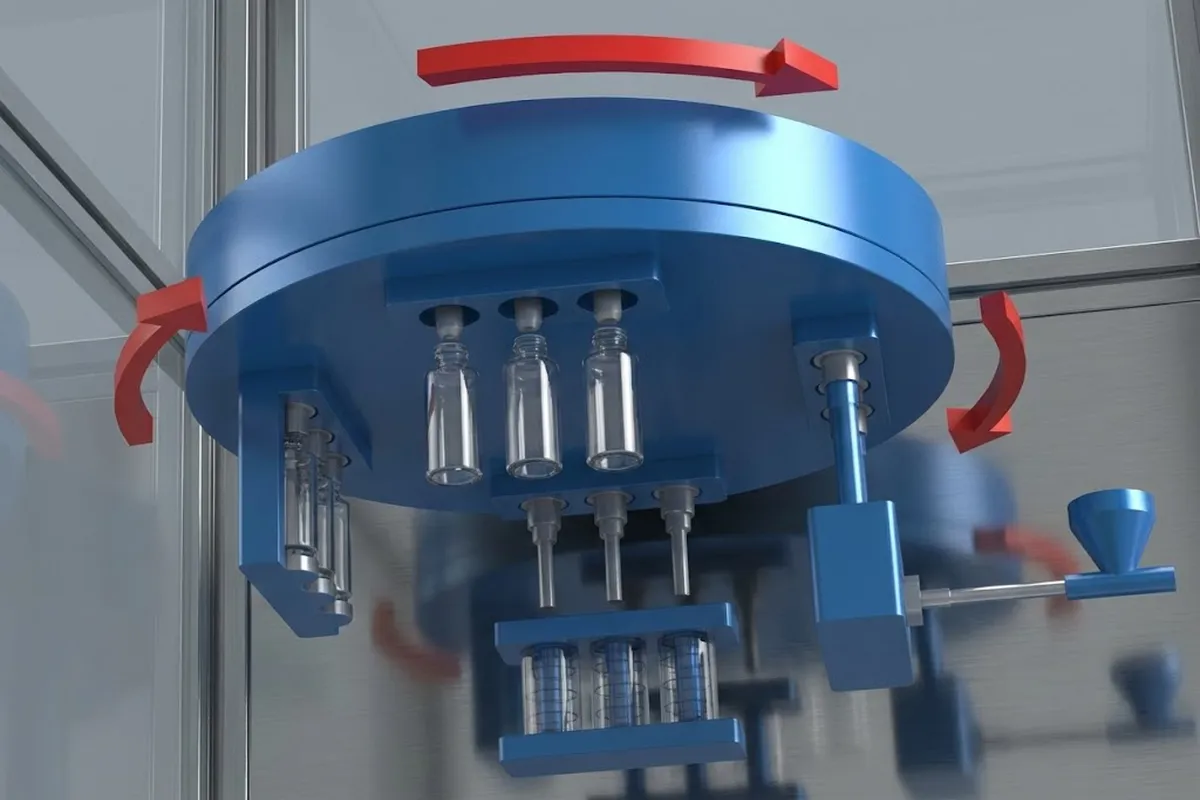
Шаг 1: Процесс инъекции
Расплавленная пластиковая смола, например, гранулы ПЭТ, подается в шнековый цилиндр и гомогенизируется при контролируемой температуре и противодавлении. Затем пластифицированный расплав впрыскивается в полость заготовки в пресс-форме с точно регулируемой скоростью и давлением впрыска. Варианты диаметра шнека (от 40 мм до 60 мм) позволяют получать объемы впрыска от 188 см³ до 480 см³ за один цикл, охватывая широкий диапазон массы продукции. Точный контроль температуры пресс-формы и равномерности наполнения на этом этапе обеспечивает равномерное распределение толщины стенок каждой заготовки, что является основой качества конечной бутылки.
Шаг 2: Настройка температуры
В отличие от двухступенчатых систем, которые позволяют заготовке полностью остыть перед отдельным циклом повторного нагрева, в системе Y150-V4 заготовка перемещается, пока она еще сохраняет тепло от впрыска. Специальная станция температурного регулирования с ходом сердечника 250 мм и ходом цилиндра 230 мм точно настраивает температурный профиль по всей поверхности заготовки, обеспечивая достижение материалом точного диапазона растяжения для каждого типа смолы. Это одноступенчатое управление температурой является основным механизмом, обеспечивающим энергосбережение системы 40% по сравнению с традиционными двухступенчатыми процессами литья под давлением с выдувным формованием.
Шаг 3: Процесс растягивания
Заготовка, прошедшая термообработку, перемещается на станцию выдувного формования, где растягивающий стержень проходит через заготовку в продольном направлении с контролируемой скоростью и силой. Такая продольная ориентация выравнивает молекулярные цепи полимера вдоль оси, что является критически важным этапом, повышающим прочность на разрыв и прозрачность готовой бутылки. Сила смыкания при выдуве 200 кН (с одной стороны) и ход сердечника выдувного устройства 250 мм обеспечивают достаточную механическую мощность для работы с высоковязкими смолами и контейнерами с широким горлышком, гарантируя равномерный контроль стенок на протяжении всего процесса выдува.
Шаг 4: Выдувное формование и охлаждение
Сжатый воздух под давлением от 2,0 до 3,5 МПа нагнетает растянутую в осевом направлении заготовку радиально к внутренней стенке закрытой выдувной формы, одновременно ориентируя полимерные цепи в окружном направлении для создания двуосноориентированного пластика. Ход выдувной формы 75 + 75 мм обеспечивает симметричное сжатие, исключающее образование облоя и поддерживающее жесткие допуски по размерам внешней поверхности бутылки. Встроенные в форму охлаждающие каналы быстро отводят тепло от стенки бутылки, затвердевая форму и фиксируя улучшенные механические и барьерные свойства, достигнутые в результате двуосной ориентации. Затем готовая бутылка выталкивается с помощью механизма выталкивания с ходом 170 мм для дальнейшей транспортировки.
Области применения одноступенчатой установки ISBM Y150-V4
1. Косметические флаконы
Точность пресс-формы CMN исключает видимую линию разъема, которая обычно образуется на японских машинах ASB, придавая косметическим флаконам безупречный, премиальный вид. Модель Y150-V4 работает с полимерами PETG, PC и Tritan, обеспечивая превосходную прозрачность и сохранение блеска, отвечая самым высоким эстетическим стандартам брендов высококачественной упаковки для косметики, сывороток и парфюмерии по всему миру.
2. Фармацевтические флаконы
Полностью электрический вариант Y150-V4-EV работает без гидравлического масла, что соответствует требованиям GMP для безмасляных производственных сред. Сервоприводной механизм нижней резки заменяет пневматические системы, используемые в японских моделях, удваивая скорость резки и исключая риск загрязнения частицами. Он подходит для линий по производству таблеток, капсул, жидких лекарственных препаратов и флаконов для инфузий, подлежащих фармацевтическому регуляторному аудиту.
3. Бутылки с химикатами
Двуосная ориентация, достигаемая машина для литья под давлением с растяжением и выдувным формованием Компания производит бутылки с выдающейся химической стойкостью и барьерными свойствами, что делает их пригодными для упаковки растворителей, чистящих средств, смазочных материалов и промышленных жидкостей. Точный контроль толщины стенок предотвращает микропроницаемость летучих химических веществ, что является критически важным требованием безопасности при упаковке опасных веществ.
4. Бутылки для напитков
ПЭТ-бутылки, производимые на этой одноступенчатой машине для инжекционно-выдувного формования, обладают высокой степенью удержания CO2, оптической прозрачностью и устойчивостью к давлению, что необходимо производителям газированных безалкогольных напитков, минеральной воды, соков и энергетических напитков. Благодаря возможности работы до 6 ячеек за цикл, позволяющих производить бутылки объемом от 20 мл до 2500 мл, машина Y150-V4 обеспечивает необходимый объем производства и гибкость форматов для быстрорастущих рынков потребительских товаров.
5. Бутылки с пестицидами
Упаковка сельскохозяйственных химикатов требует контейнеров, устойчивых к проникновению агрессивных веществ и имеющих защитные крышки от вскрытия для обеспечения безопасности детей. Y150-V4 производит бутылки для пестицидов из ПЭТ и ПЭТГ с однородной геометрией горлышка для надежного затягивания крышки, равномерной толщиной стенок, выдерживающей нагрузки при транспортировке, и превосходными характеристиками устойчивости к ударам по сравнению с альтернативами, изготовленными методом экструзионно-выдувного формования.
6. Флаконы с шампунем и средствами личной гигиены
Преимуществами машины Y150-V4 для упаковки средств личной гигиены являются возможности производства флаконов нестандартной формы со сложными контурами и рельефными поверхностями. Высокоточные пресс-формы машины гарантируют, что каждый флакон в производственной партии имеет одинаковый эргономичный профиль захвата и плоскость этикеточной панели, что обеспечивает автоматизацию последующих этапов маркировки и розлива без брака продукции из-за несоответствия размеров.
7. Бутылочки с приправами
Производители соусов, уксуса, растительного масла и приправ используют бутылки из ПЭТ и ПЭТГ благодаря их прозрачности, позволяющей потребителям оценивать цвет и консистенцию продукта. Материал Y150-V4 позволяет производить контейнеры, соответствующие требованиям безопасности при контакте с пищевыми продуктами, с гладкими внутренними поверхностями, предотвращающими образование остатков продукта, а барьерные свойства, обеспечиваемые двухосной ориентацией, продлевают срок хранения за счет снижения проникновения кислорода через стенки бутылки.
8. Флаконы для заваривания
Полностью автоматизированный процесс Y150-V4 исключает контакт человека с внутренней поверхностью бутылки, что делает его совместимым с производством стерильных инфузионных бутылок. Машина может обрабатывать полипропиленовую смолу для контейнеров, стерилизуемых в автоклаве, и поликарбонат для прозрачных многоразовых инфузионных пакетов. Постоянные размеры горлышка имеют важное значение для надежной фиксации резиновой пробки, и точность размеров ±0,1 мм, обеспечиваемая CMN, удовлетворяет этому требованию в каждой производственной партии.
Компоненты машин ISBM
Блок зажима инжектора
Зажимной узел для литья под давлением обеспечивает усилие фиксации 150 кН, удерживая пресс-форму для заготовки в закрытом положении под действием давления расплавленной смолы. Верхний ход пресс-формы 250 мм и нижний ход пресс-формы 205 мм позволяют работать с широким диапазоном высот заготовок без необходимости замены регулировочного оборудования, что сокращает время простоя при переналадке между различными форматами бутылок.
Впрыскивающий узел (винтовой и цилиндрический)
Впрыскивающий узел использует одноцилиндровое управление с двигателем плавления, который может быть выполнен в гидравлическом или сервоприводном исполнении. Шнек, нагреваемый нано-кольцом с дальним инфракрасным излучением мощностью 10 кВт, выпускается в четырех диаметрах (40 мм, 50 мм, 55 мм, 60 мм), обеспечивая теоретический объем впрыска от 188 см³ до 480 см³ для соответствия различным требованиям по весу бутылок без недолива или потерь материала.
Формоформование и выдувное формование заготовок
Запатентованная технология изготовления пресс-форм CMN обеспечивает исключительную точность поверхности полости, в результате чего бутылки получаются без видимых линий разъема. Выдувная пресс-форма совместима с существующей японской оснасткой ASB-12M, что позволяет напрямую заменить машину ASB ISBM для клиентов, стремящихся к экономически выгодной модернизации. Выбор стали для пресс-формы и расположение каналов охлаждения оптимизированы для каждого типа смолы, чтобы минимизировать время цикла при сохранении стабильности размеров во всех полостях.
Выдувной блок и выдувной штифт
Зажимной узел выдувной формы обеспечивает усилие 200 кН с каждой стороны, а клапаны высокого давления American Parker регулируют давление сжатого воздуха от 2,0 до 3,5 МПа через выдувной сердечник с ходом 250 мм. Симметричный ход выдувной формы 75 + 75 мм обеспечивает сбалансированное усилие закрытия, предотвращающее смещение формы во время высокоскоростных производственных циклов, защищая как форму, так и поверхность горлышка бутылки от повреждений при разделении.
Система охлаждения
Специальный контур охлаждения водой под давлением от 0,4 до 0,6 МПа циркулирует через форму, быстро отводя тепло от выдуваемой бутылки, в то время как отдельный контур масляного охлаждения под давлением от 0,3 до 0,4 МПа (поддерживаемый при температуре от 20 до 25 градусов Цельсия) контролирует температуру гидравлической жидкости для сохранения точности клапанов и приводов. Стабильное управление температурным режимом в обоих контурах имеет важное значение для обеспечения повторяемости циклов и постоянной толщины стенок бутылки.
Система выброса
Механизм извлечения с ходом 170 мм плавно извлекает готовые бутылки из выдувной формы и перемещает их на выходной конвейер без контакта с корпусом бутылки, предотвращая царапины или деформацию. Пневматический цилиндр Airtak на выталкивающем рычаге обеспечивает надежную работу даже при высоких скоростях цикла, что способствует преимуществу Y150-V4 в производительности в час по сравнению с более медленными четырехгнездными японскими конкурентами.
Система управления ПЛК
ПЛК Inovance/MiRLE обеспечивает полностью цифровую архитектуру управления всеми движениями, температурами и давлениями станка. Три сервонасосные системы, приводимые в движение серводвигателями Inovance или WEICHI (общей мощностью 43,2 кВт), обеспечивают точную и энергоэффективную подачу гидравлической энергии по требованию, снижая потребление энергии в режиме ожидания между циклами. Параметры процесса могут сохраняться и вызываться для быстрой смены формата, минимизируя брак при запуске после смены пресс-формы.
Гидравлическая система
В основной гидравлической системе используются гидравлические регулирующие клапаны YUKEN (Тайвань), а импортированные из Италии маслопроводы обеспечивают превосходное удержание давления и коррозионную стойкость по сравнению со стандартными бытовыми системами водоснабжения. Масляный бак объемом 300 л со специальным охладителем обеспечивает тепловой буфер для круглосуточной работы. Конструкция сервонасоса снижает выделение гидравлического тепла, продлевая срок службы масла и минимизируя частоту технического обслуживания.
Машина для литья под давлением с выдувным формованием против машины для литья под давлением с выдувным формованием
Литье под давлением с выдувом (машина IBM)
Литье под давлением с выдувом использует двухэтапный процесс. Сначала заготовка формуется под давлением с точной толщиной стенок. Затем заготовка переносится в выдувную форму, где воздух раздувает ее до окончательной формы. Эта технология обеспечивает превосходную точность размеров и хорошо подходит для изготовления более мелких и сложных пластиковых деталей. Машины IBM создают изделия без нижнего сварного шва, что повышает прочность и улучшает внешний вид. Многие отрасли промышленности используют этот процесс для производства фармацевтических флаконов и небольших контейнеров, где жесткие допуски недопустимы. Однако отсутствие этапа растяжения означает, что полимерные цепи не ориентированы в двух направлениях, что приводит к снижению газобарьерных свойств и ударопрочности по сравнению с аналогами, полученными методом выдувного формования с растяжением.
Литье под давлением с растяжением и выдуванием (машина ISBM)
Выдувное формование с растяжением, также известное как инжекционное выдувное формование с растяжением, модифицирует процесс IBM, добавляя этап осевого растяжения перед раздуванием. После создания заготовки, растягивающий стержень удлиняет ее в продольном направлении, после чего сжатый воздух расширяет ее в радиальном направлении. Это растяжение выравнивает полимерные цепи в двух перпендикулярных направлениях, в результате чего получается двуосноориентированный пластик. Одноэтапная машина ISBM производит контейнеры с повышенной механической прочностью, превосходной прозрачностью и значительно улучшенными барьерными свойствами против кислорода и CO2. Это предпочтительная технология для производства ПЭТ-бутылок для напитков, продуктов питания и средств личной гигиены, где внешний вид, прочность и увеличение срока годности являются одновременно критически важными требованиями.
Таблица сравнения процессов
| Аспект | Экструзионно-выдувное формование | Литье под давлением с выдувом (IBM) | Станок ISBM (Y150-V4) |
|---|---|---|---|
| Этапы процесса | Выдавливание заготовки, зажим, надувание | Впрыснуть заготовку, надуть | Вводить инъекции, кондиционировать, растягивать, надувать |
| Молекулярная ориентация | Никто | Одноосный (ограниченный) | Двуосная ориентация |
| Механическая прочность | Умеренный | Хороший | Высокая (возможна экономия веса на 10-15%) |
| Ясность | Ограниченный | Хороший | Отличное качество (кристально чистый ПЭТ). |
| Газовый барьер | Низкий | Умеренный | Высокая степень удержания CO2 и O2. |
| Равномерность толщины стенки | Переменная | Хороший | Отличный |
| Использование материалов | Умеренный (обрезки) | Хороший | В районе 100% |
| Энергоэффективность | Низкий | Умеренный | Высокая экономия (40% по сравнению с двухэтапным процессом) |
| Типичные области применения | Резервуары, большие бутылки из полиэтилена высокой плотности (HDPE). | Небольшие фармацевтические компании, косметические флаконы | Напитки, косметика, фармацевтические препараты, продукты питания |
| Скорость производства | Помедленнее | Более быстрая обработка (предварительно сформированные заготовки) | Высокая эффективность (до 6 полостей за цикл) |
Когда следует выбирать аппарат ISBM: Производителям следует выбирать машину для литья под давлением с выдувным формованием, если продукт требует превосходной прозрачности, улучшенных газобарьерных свойств, высокой скорости и объемов производства, а также минимально возможной стоимости материала на контейнер. Выдувное формование с выдувным формованием доминирует в производстве бутылок для напитков, поскольку двухосная ориентация позволяет создавать ПЭТ-контейнеры, которые весят на 10–15 процентов меньше, чем аналогичные изделия, изготовленные другими способами, и при этом превосходят их по механическим характеристикам. Специализированная машина для литья под давлением с выдувным формованием, такая как Y150-V4, еще больше расширяет это преимущество, обеспечивая совместимость пресс-форм с инструментами ASB и AOKI, что снижает общие капитальные затраты для производителей, переходящих с японского оборудования на новое.
Когда следует выбирать компьютеры IBM: Литье под давлением с выдувом остается предпочтительным методом для изготовления небольших высокоточных контейнеров объемом менее 100 мл, где точность толщины стенок имеет первостепенное значение, а требования к производительности не оправдывают капиталовложения в полноценную платформу для литья под давлением с выдувом. Типичными примерами являются фармацевтические флаконы, флаконы для глазных капель и небольшие косметические баночки. В ассортимент продукции CMN также входят модели машин для литья под давлением с выдувом для клиентов, чей ассортимент продукции охватывает обе категории процессов.
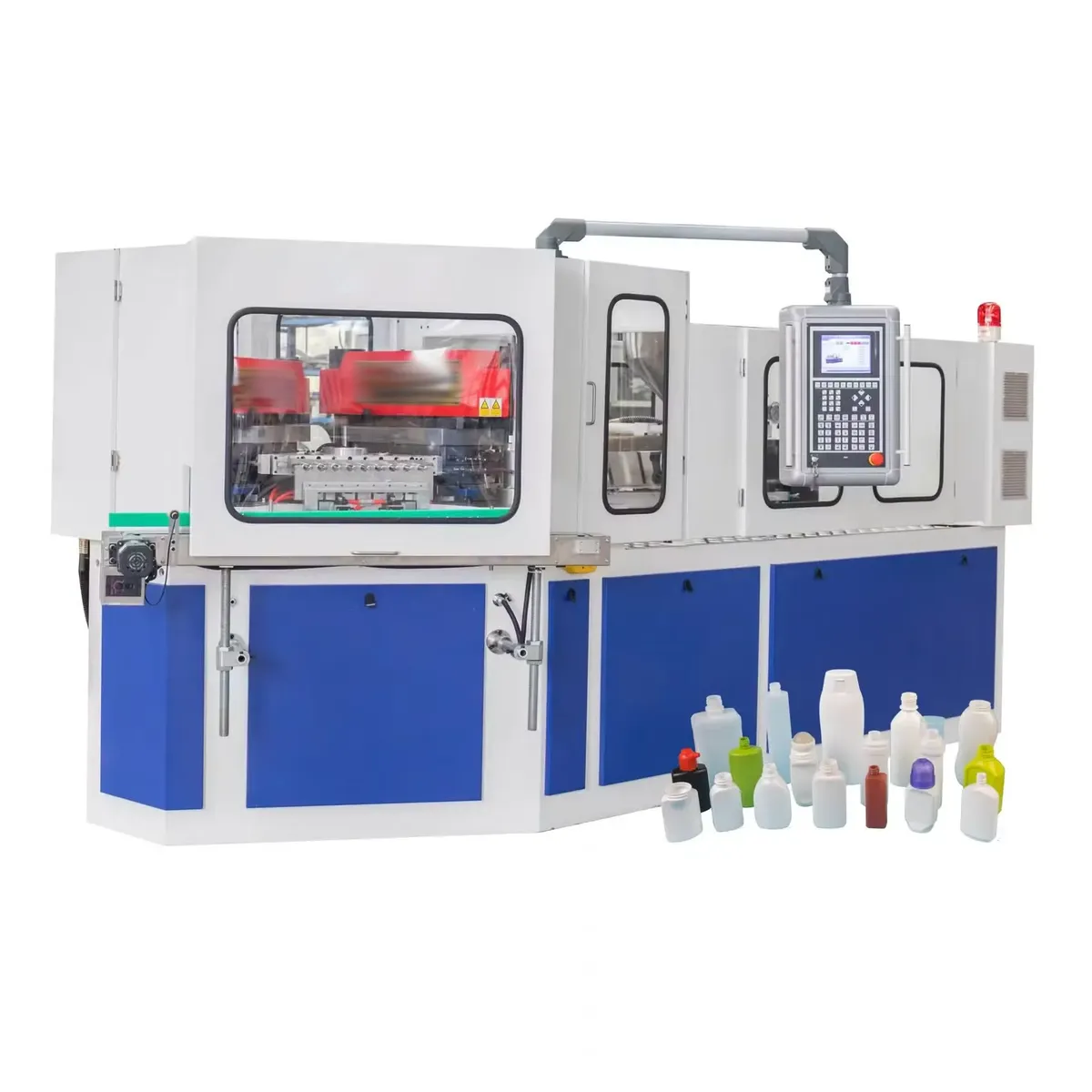 | 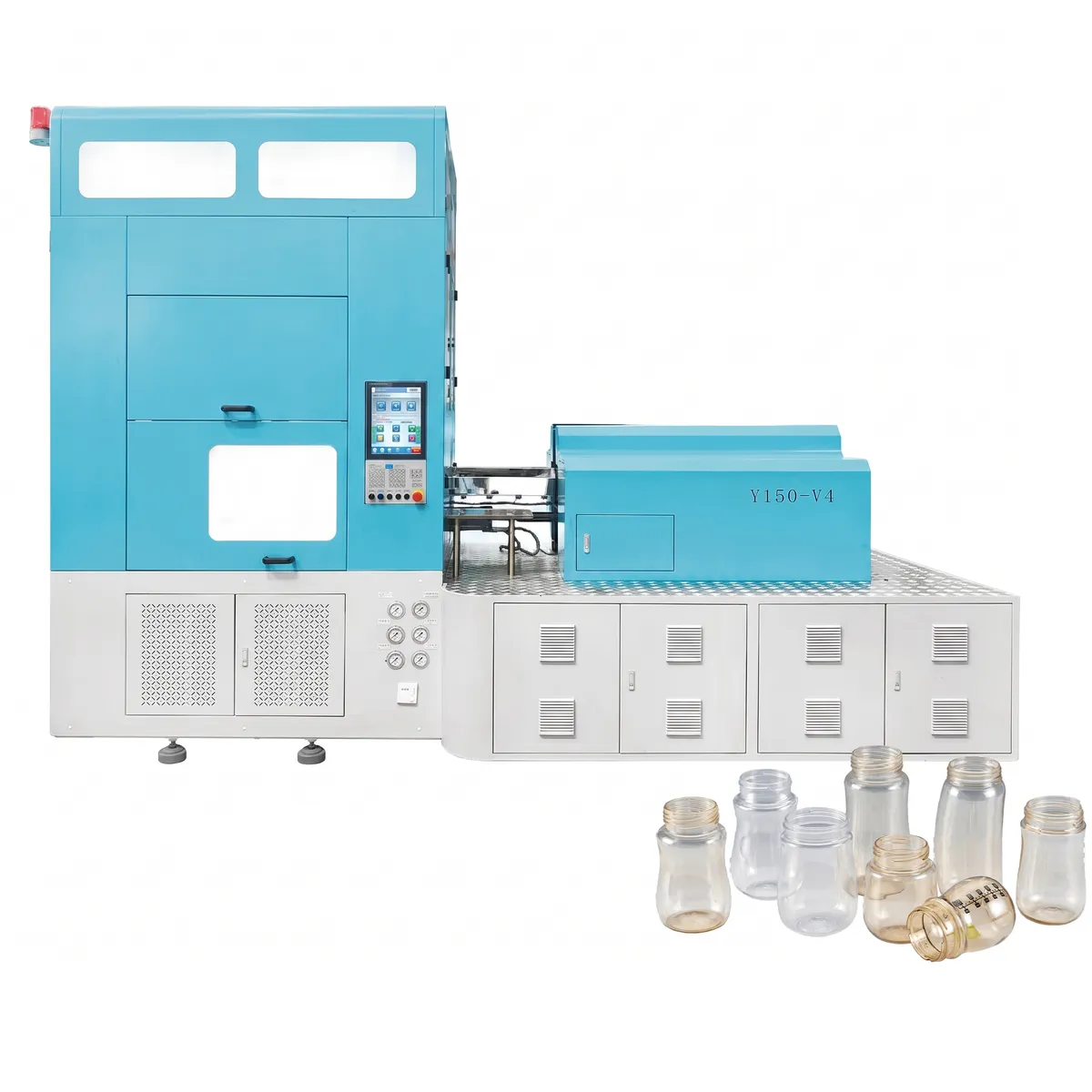 |
| Машина IBM | ISBM Machine |
Совместимые сырьевые материалы для машины ISBM
Полиэтилентерефталат (ПЭТ)
ПЭТ является основной смолой для Y150-V4 и обеспечивает исключительную прозрачность, прочность на разрыв, а также барьерные свойства по отношению к CO2 и влаге. Это мировой стандарт для бутылок для напитков, пищевых контейнеров и фармацевтической упаковки. Возможность вторичной переработки ПЭТ способствует достижению целей устойчивого развития, а его способность выдерживать процессы горячего розлива и пастеризации делает его незаменимым для различных применений в сфере розлива.
Полиэтилентерефталатгликоль (ПЭТГ)
ПЭТГ — это модифицированный сополиэстер, который обеспечивает улучшенную гибкость и ударопрочность по сравнению со стандартным ПЭТ, что делает его идеальным для косметической упаковки, медицинских лотков и специализированных пищевых контейнеров. Его некристаллическая структура сохраняет прозрачность даже в толстостенных изделиях. ПЭТГ также совместим со стерилизацией этиленоксидом, что расширяет его возможности применения в упаковке для медицинских учреждений.
Полипропилен (ПП)
Полипропилен (ПП) обладает выдающейся химической стойкостью и устойчивостью к усталости, что делает его хорошо подходящим для фармацевтической упаковки, бутылок для бытовой химии и контейнеров, подвергающихся многократному использованию с защелкивающимися крышками. Его малый вес и хорошая ударопрочность при комнатной температуре делают его практичным выбором для средств личной гигиены и промышленного применения, где чистота продукта имеет первостепенное значение.
Поликарбонат (ПК)
Поликарбонат ценится за высокую ударопрочность и превосходную оптическую прозрачность, что делает его подходящим для многоразовых бутылок для воды, корпусов медицинских приборов и лабораторных контейнеров. Его термостойкость позволяет ему выдерживать как паровую стерилизацию, так и температуру посудомоечной машины без деформации, что крайне важно для изделий, предназначенных для многоразового использования в быту или медицине и требующих надежной долговременной целостности размеров.
Тритановый сополиэстер
Тритан — это сополиэстер от Eastman Chemical, не содержащий бисфенола-А, который сочетает в себе прозрачность поликарбоната с улучшенной химической стойкостью и устойчивостью к мытью в посудомоечной машине. Он широко используется для детских бутылочек, многоразовых спортивных бутылок и высококачественной пищевой упаковки, где безопасность потребителя и премиальный внешний вид одинаково важны. Точный контроль температуры Y150-V4 эффективно управляет диапазоном обработки тритана, обеспечивая стабильные результаты.
Полистирол (ПС)
Полистирол (ПС) обладает превосходной жесткостью и легко окрашивается, поэтому его часто выбирают для одноразовых контейнеров, рекламных бутылок и специальной крафтовой упаковки, где эстетика и низкая себестоимость единицы продукции ценятся выше долговечности. Низкий уровень влагопоглощения в типичных условиях хранения обеспечивает стабильное качество размеров даже во влажных складских помещениях, что способствует надежной работе последующих линий розлива.
АБС и ПЛА
ABS обеспечивает высокий блеск поверхности и ударопрочность для специализированной промышленной и крафтовой упаковки, в то время как PLA, получаемый из растительного крахмала, является предпочтительным биоразлагаемым вариантом для экологически сознательных брендов, стремящихся к созданию компостируемой упаковки. Программируемый контроль температуры и сервоприводная система зажима Y150-V4 позволяют учитывать различные технологические требования обоих полимеров, что дает производителям возможность предлагать экологичные альтернативы упаковки без инвестиций в специализированное оборудование.
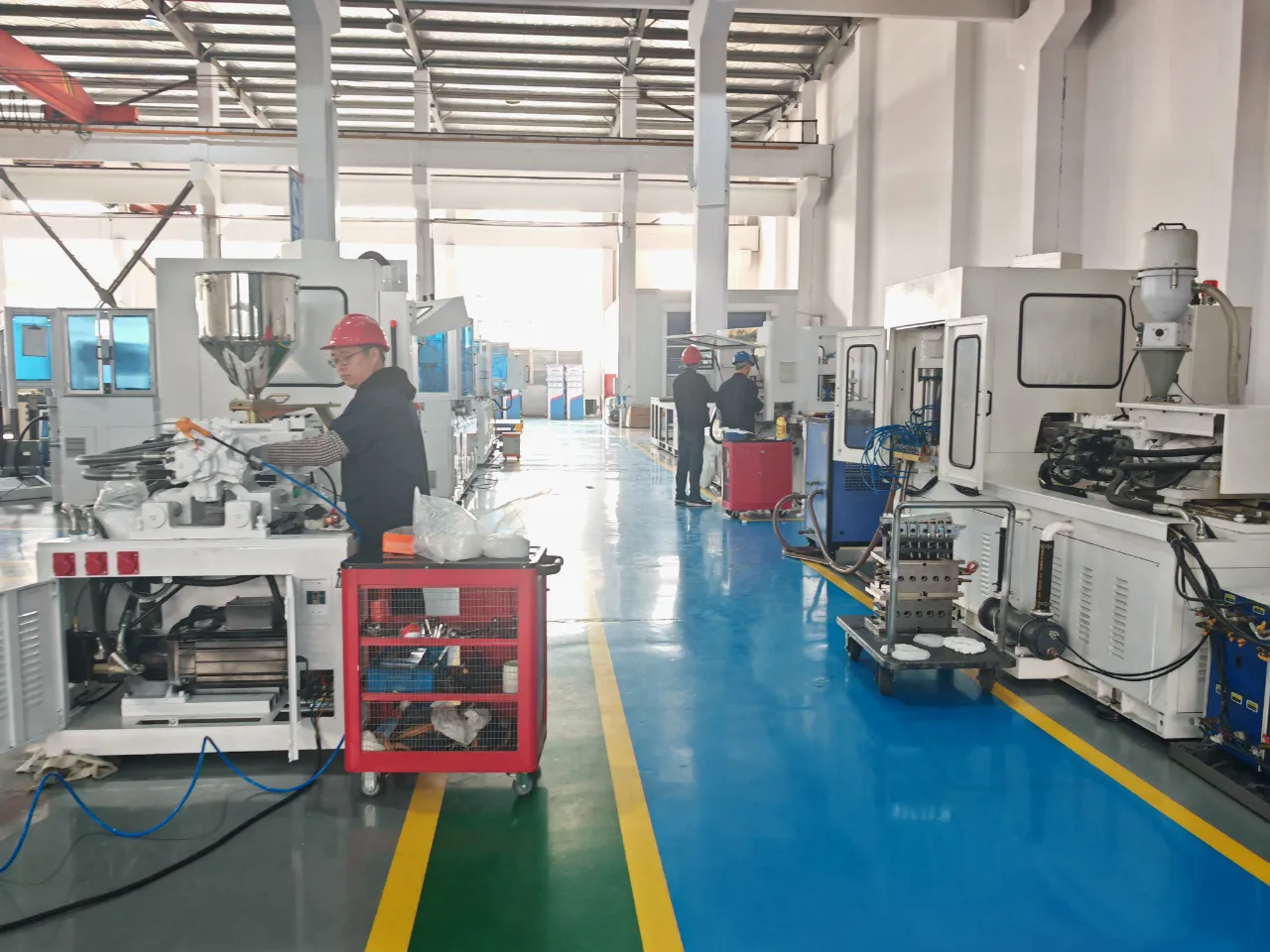
Характеристики машины для литья под давлением и выдувного формования Y150-V4
1. Одноэтапная обработка
Установка Y150-V4 объединяет литье под давлением, термообработку, растяжение и выдувание в единый непрерывный четырехэтапный цикл. Исключение промежуточного хранения или перегрузки материала между этапами процесса устраняет основной источник загрязнения заготовок, повреждений при транспортировке и термической нестабильности, что приводит к повышению качества продукции при снижении общих эксплуатационных затрат по сравнению с двухступенчатым оборудованием для литья под давлением и выдувного формования.
2. Система автоматического управления
ПЛК Inovance/MiRLE управляет каждой осью станка, температурной зоной и функцией синхронизации через сенсорный HMI-интерфейс. Производственные рецепты можно именовать, сохранять и извлекать для быстрой смены формата с минимальными потерями при настройке. Регистрация аварийных сигналов и счетчики производства позволяют руководителям контролировать эффективность и удаленно устранять неполадки, поддерживая цели интеграции Индустрии 4.0 в современных интеллектуальных производственных средах.
3. Сервоприводная система
Три сервонасосные системы, работающие от серводвигателей Inovance или WEICHI (общая мощность 43,2 кВт), заменяют традиционные гидравлические насосы с фиксированным рабочим объемом, обеспечивая точную подачу гидравлического потока и давления по требованию. Такая архитектура исключает потери на дросселирование и снижает тепловыделение в гидравлическом масле, уменьшая энергопотребление в режиме холостого хода и при низкой нагрузке. В сервомодели (YS150-V4) этот принцип распространяется на все функции зажима и впрыска для максимальной энергоэффективности.
4. Вертикальный режим работы
Четырехпозиционный поворотный стол работает на вертикальной оси, что позволяет заготовке последовательно перемещаться через станции впрыска, кондиционирования, растяжения и выдувания в пределах компактной горизонтальной площади. Такая компоновка позволяет использовать силу тяжести на этапе выдувания для равномерного формирования основания и упрощает выравнивание пресс-формы. Поворотный стол приводится в движение серводвигателем Yaskawa в паре с редуктором TSUNTIEN производства Тайваня для точного позиционирования на каждой станции.
5. Компактная конструкция машины
При размерах 4200 мм x 1400 мм x 2900 мм и весе всего 6 тонн, линия Y150-V4 занимает гораздо меньше места, чем аналогичные двухступенчатые производственные линии. Компактная конструкция упрощает планирование размещения оборудования на заводе, снижает потребность в кранах для монтажа и позволяет размещать несколько станков в непосредственной близости друг от друга для эффективного управления оператором, что делает ее особенно подходящей для производственных помещений с высокой стоимостью площади или ограниченной высотой потолков.
6. Одна форма с несколькими полостями
Модель Y150-V4 поддерживает до 8 полостей на один комплект пресс-форм, что позволяет одновременно производить 8 бутылок за цикл, сохраняя при этом индивидуальный контроль каждой полости, необходимый для обеспечения однородного качества. Многогнездные пресс-формы для одной и той же машины пропорционально сокращают время цикла на единицу продукции, обеспечивая преимущество в производительности, что делает одноступенчатую машину ISBM конкурентоспособной по сравнению с гораздо более крупными двухступенчатыми системами выдувного формования без соответствующих инвестиций в инфраструктуру.
7. Различные типы формования изделий
Станок Y150-V4 предназначен для работы с круглыми, овальными, квадратными, крафтовыми бутылками специальной формы и банками с широким горлышком. Объём бутылок варьируется от миниатюрных флаконов-капельниц объёмом 20 мл до крупноформатных контейнеров объёмом 2500 мл в одной конфигурации станка. Такая универсальность позволяет производителям, обслуживающим несколько сегментов конечного рынка, объединить различные производственные задачи на одной платформе, сокращая капитальные затраты на пресс-формы по сравнению с эксплуатацией отдельных специализированных станков.
8. Широкая совместимость с сырьевыми материалами.
Машина Y150-V4 перерабатывает ПЭТ, ПЭТГ, ПП, ПК, тритан, ПС, АБС и ПЛА, а также ПКТГ и конструкционные сополиэфиры. Программируемая сервоуправляемая система управления температурой позволяет операторам точно устанавливать температуру расплава и формования для каждого типа смолы, устраняя необходимость в приобретении машин, предназначенных для конкретных материалов. Такая широкая совместимость с различными материалами делает эту специализированную машину для литья под давлением с растяжением и выдувом перспективным вложением средств по мере развития спецификаций материалов.
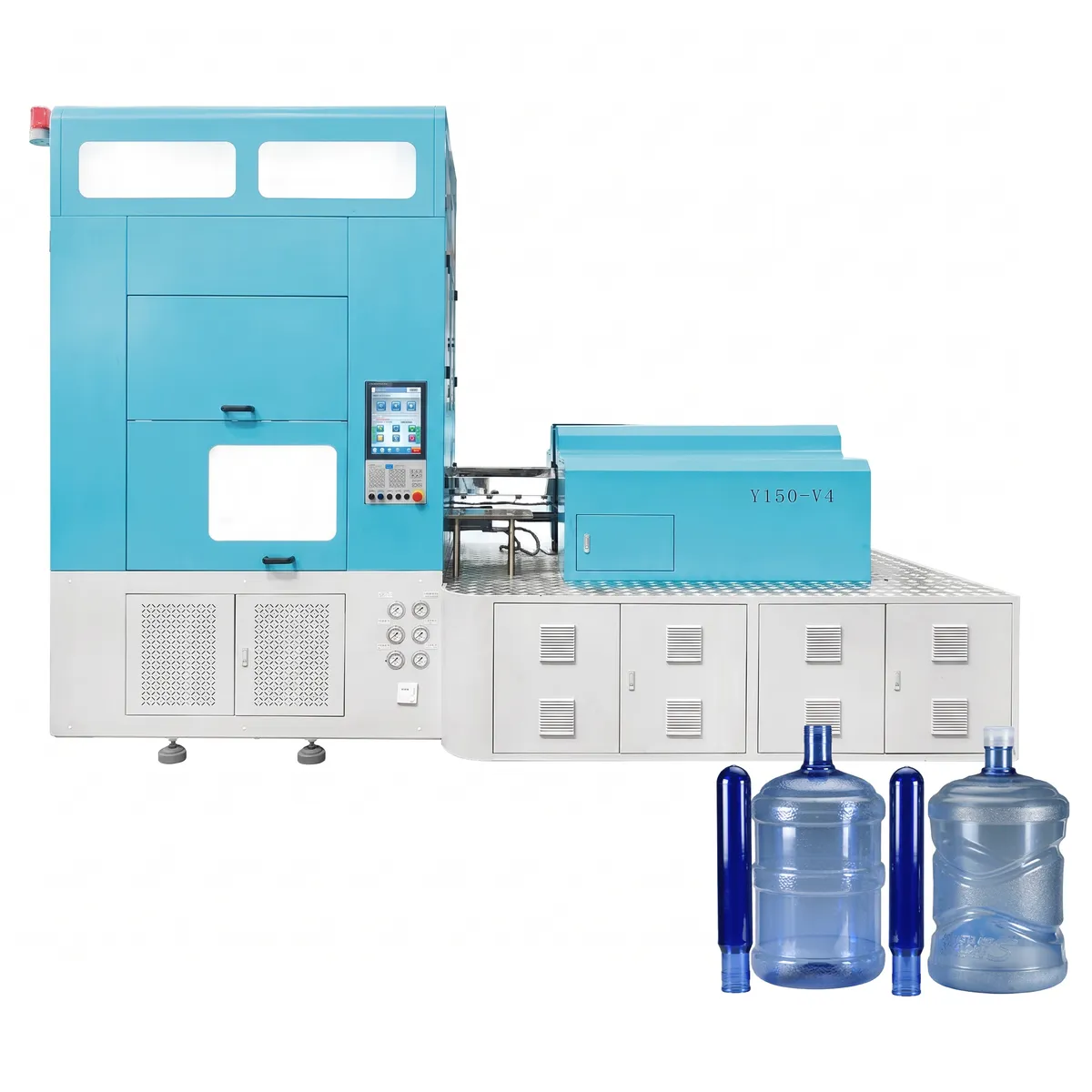
Безопасность эксплуатации и техническое обслуживание
1. Предпусковая проверка
Перед каждым производственным циклом убедитесь, что давление охлаждающей воды находится в пределах допустимых значений от 0,4 до 0,6 МПа, температура маслоохладителя — от 20 до 25 градусов Цельсия, а уровень гидравлического масла — в пределах смотрового окошка. Убедитесь, что все защитные кожухи и блокировки надежно установлены. Осмотрите итальянские маслопроводы на наличие утечек в местах соединений и при необходимости затяните их. Структурированный контрольный список перед запуском снижает риск незапланированных простоев, вызванных незначительными неполадками в работе оборудования, которые могут остаться незамеченными.
2. Протокол сушки смолы
ПЭТ и ПЭТГ смолы гигроскопичны и перед обработкой в литьевой машине должны быть высушены до содержания влаги ниже 0,005% (50 ppm). Обработка невысушенной смолы вызывает гидролитическую деградацию полимерных цепей, что приводит к хрупкости бутылок, появлению разводов на поверхности и снижению молекулярной массы. Используйте осушитель воздуха при температуре и времени выдержки, указанных производителем смолы, и никогда не загружайте невысушенный материал непосредственно из герметичного пакета, который хранился во влажной среде без предварительной обработки.
3. Безопасность при работе со сжатым воздухом высокого давления
Система выдувного формования работает при давлении до 3,5 МПа. Никогда не открывайте фитинги подачи воздуха и не регулируйте настройки клапанов American Parker, когда система находится под давлением. Перед проведением технического обслуживания выдувного штифта, сердечника выдувного устройства или связанных с ними трубопроводов полностью сбросьте давление в аккумуляторе и контуре высокого давления. Весь персонал, работающий вблизи выдувной станции, должен носить соответствующие средства защиты глаз. Фильтры и регуляторы воздушных линий необходимо ежемесячно проверять на наличие засоров и коррозии для поддержания стабильной производительности выдува и предотвращения внезапных сбоев давления.
4. Процедура замены пресс-формы
Перед снятием или установкой пресс-форм всегда соблюдайте процедуру блокировки и маркировки (LOTO). Убедитесь, что зажимной узел литьевой машины полностью втянут, а поворотный стол установлен в положение смены пресс-формы, как указано в руководстве по эксплуатации машины. Используйте прилагаемые подъемные приспособления для перемещения пресс-форм, чтобы избежать падения компонентов пресс-формы, которое может повредить прецизионные поверхности полостей. После установки проверьте выравнивание пресс-формы с помощью индикатора часового типа перед началом пробного запуска и промойте узел литьевой машины свежей смолой перед записью окончательных параметров процесса для нового рецепта формата.
5. Техническое обслуживание гидравлического масла
В 300-литровый гидравлический бак следует заливать масло того сорта, который рекомендован в руководстве по техническому обслуживанию CMN. Пробы масла необходимо анализировать каждые 2000 часов работы на вязкость, кислотное число и наличие частиц. Заменяйте масло и все гидравлические фильтры при первых признаках износа или после истечения указанного производителем интервала обслуживания, в зависимости от того, что наступит раньше. Клапаны регулирования давления YUKEN чувствительны к загрязнению жидкости; использование загрязненного масла приводит к заеданию золотника клапана, колебаниям давления и непостоянной силе зажима, что ухудшает качество баллона и ускоряет износ клапана.
6. Уход за электрическими и системами управления
Шкаф ПЛК Inovance/MiRLE и приводы серводвигателей должны содержаться в сухом месте, без скопления пластиковой пыли. Ежеквартально очищайте вентиляционные отверстия шкафа и радиаторы сжатым воздухом. Проверяйте все кабельные разъемы на жгуте проводов серводвигателя поворотного стола на наличие износа, вызванного вращением, и заменяйте любой кабель с трещинами изоляции. Ежемесячно создавайте резервную копию базы данных рецептов ПЛК на внешнем устройстве для защиты производственных параметров в случае отказа платы управления. Несанкционированная модификация логики ПЛК аннулирует гарантию на машину и может создать небезопасные условия эксплуатации.
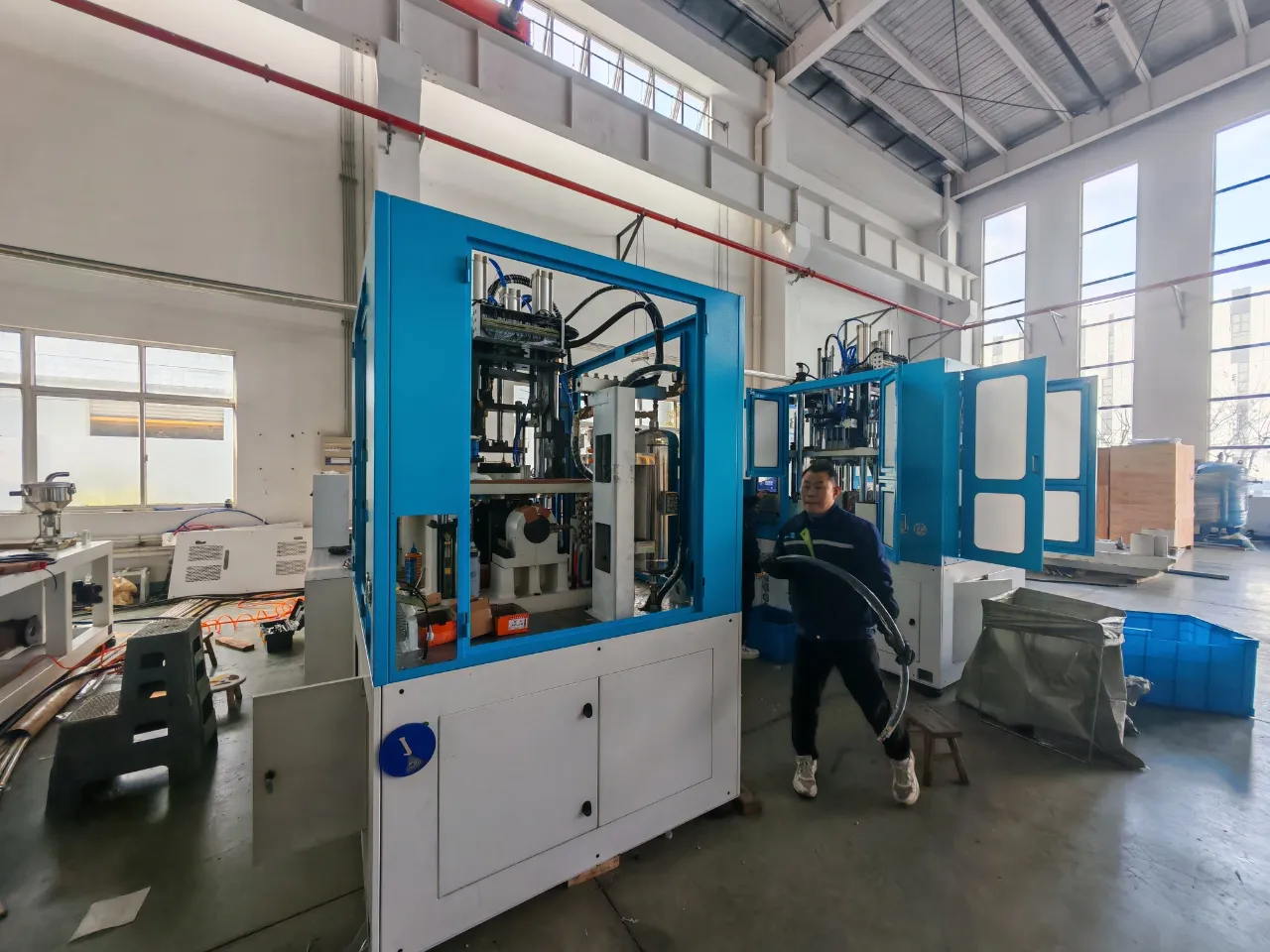
Почему стоит выбрать машины для литья под давлением и выдувного формования от CMN?
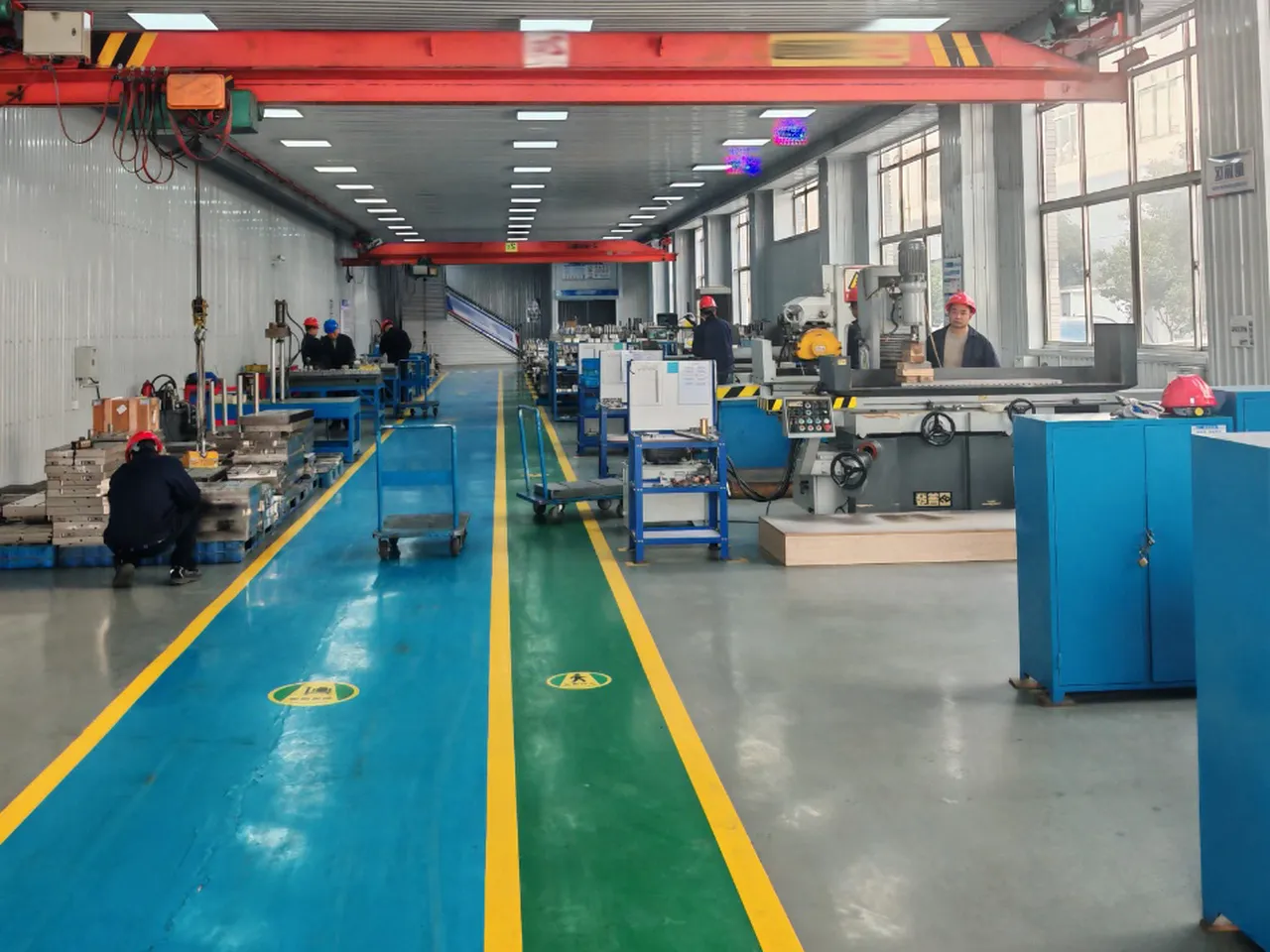
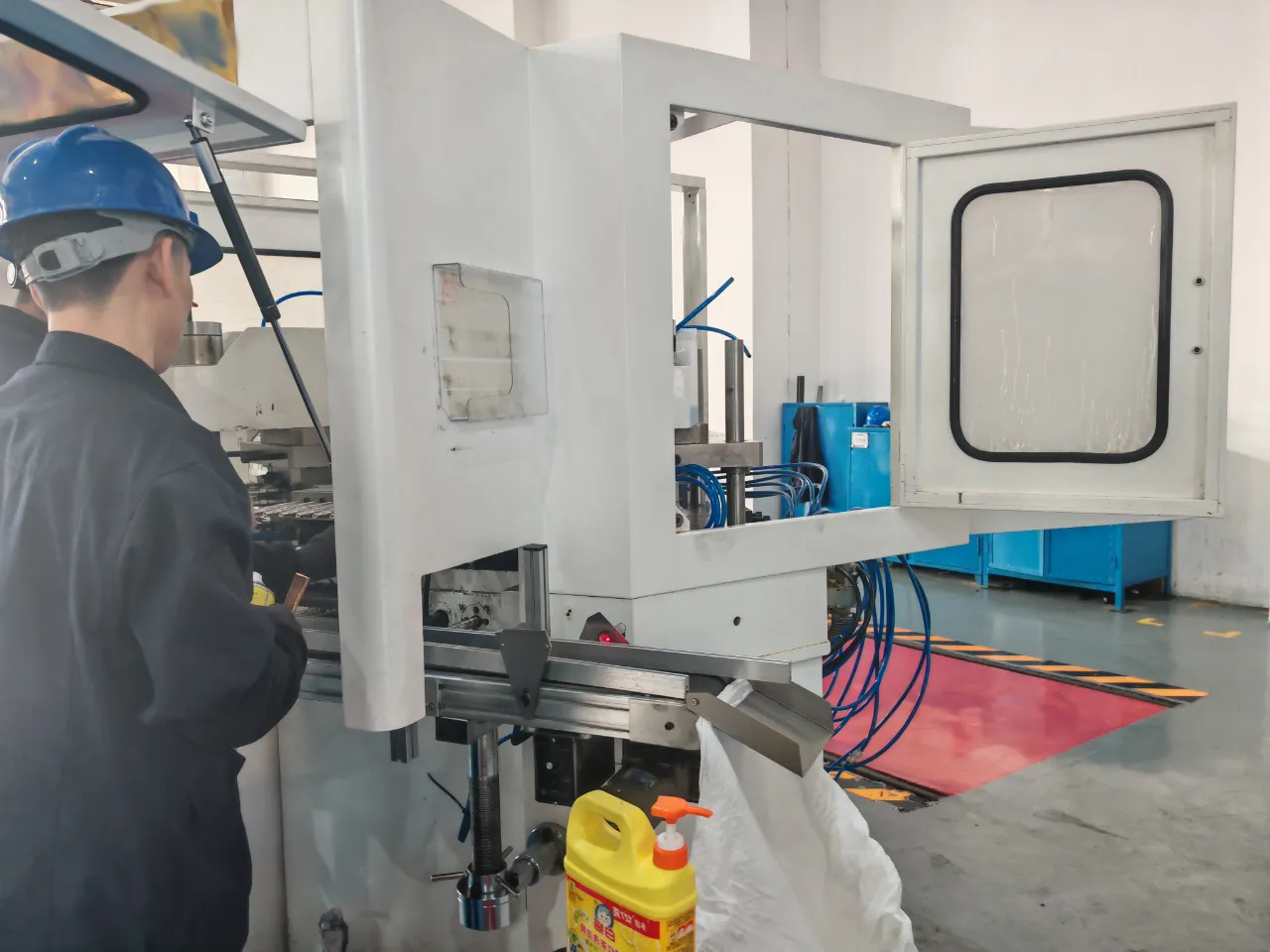
CMN Transmission — это специализированный производитель и поставщик решений, занимающийся исследованиями, разработкой, производством и глобальной продажей автоматических одноступенчатых машин для литья под давлением и выдувного формования под давлением. Наш ассортимент продукции включает в себя машины для литья под давлением, экструзионные выдувные машины, одноступенчатые машины для литья под давлением и широкий спектр вспомогательного оборудования, что делает CMN настоящим универсальным поставщиком для индустрии упаковки пластиковых бутылок.
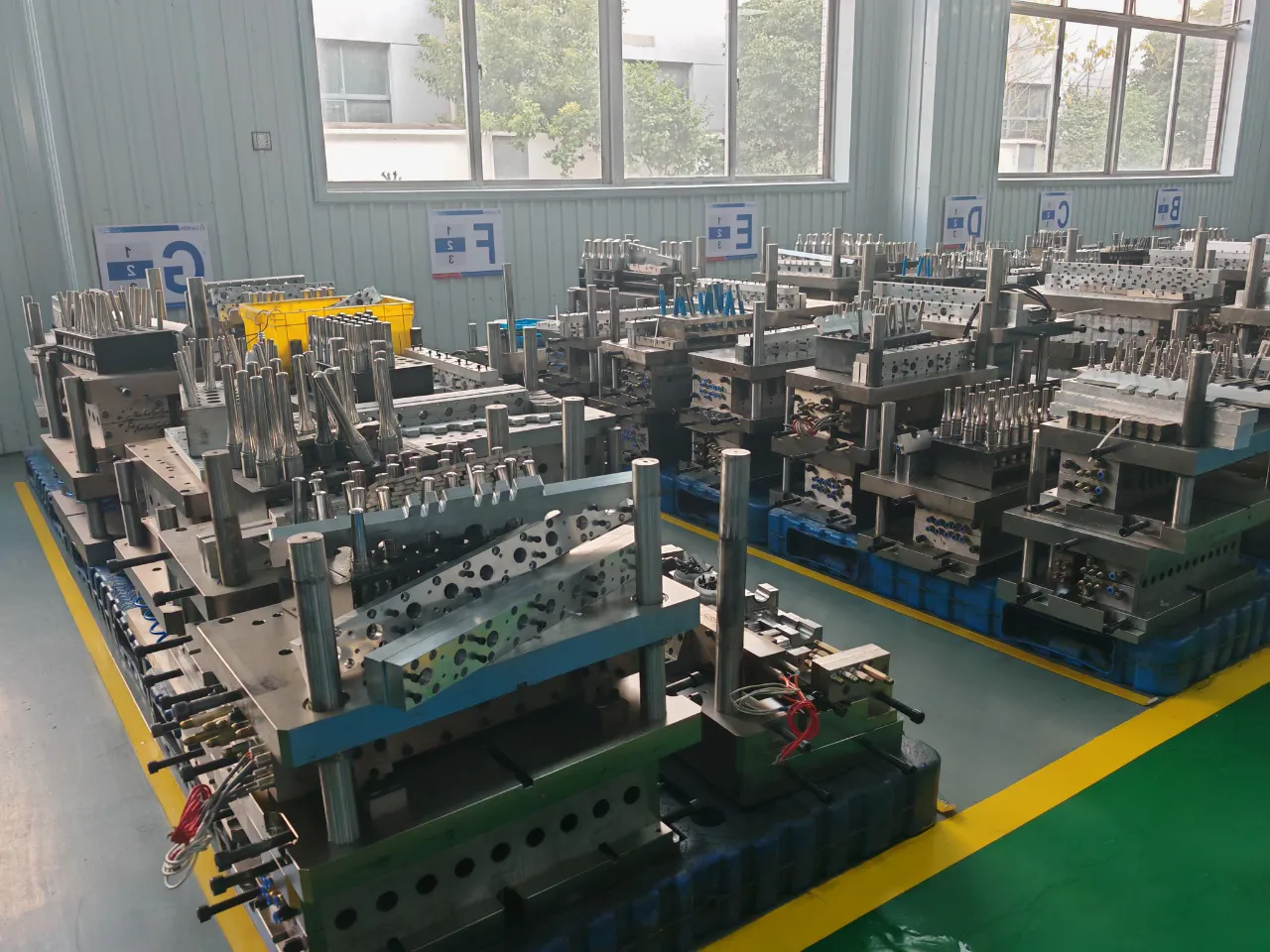
Компания CMN собрала элитную команду исследователей и разработчиков с многолетним опытом работы в области литьевого формования и проектирования пресс-форм. Эта команда сочетает глубокие теоретические знания с обширным практическим опытом работы в фармацевтической, пищевой, косметической и промышленной упаковочной отраслях. Наши инженеры предоставляют подробную и всестороннюю поддержку в разработке технических спецификаций перед продажей, техническое сопровождение в процессе установки и ввода в эксплуатацию, а также комплексное послепродажное обслуживание, подкрепленное хорошо укомплектованным складом запасных частей.
Оборудование CMN обрабатывает широкий спектр материалов, включая HDPE, LDPE, PET, PETG, PP, PS, PPSU, PC, Tritan, ABS, PLA, экологически чистый кукурузный крахмал, EVA и PCTG, что позволяет производить контейнеры объемом от 1 мл до 1000 мл на одной платформе. Области применения охватывают фармацевтическую упаковку, пищевую упаковку, упаковку товаров медицинского назначения, косметическую упаковку и упаковку товаров повседневного спроса.
Компания CMN придерживается принципов развития предприятия, таких как самостоятельность, честность, прагматизм, инновации и ответственность. Мы создаем комплексные производственные решения «под ключ» для клиентов по всему миру, поставляя высококачественные системы литья под давлением, отвечающие самым высоким стандартам качества и обеспечивающие удовлетворенность пользователей на всех этапах — от разработки проекта до долгосрочной эксплуатации. В сфере партнерства с производителями оборудования для литья под давлением, поставки пресс-форм и консультаций по полным производственным линиям CMN является надежным партнером для предприятий упаковочной отрасли в более чем 50 странах.
 |  |
|  |
Часто задаваемые вопросы
В: В чем разница между одностадийной машиной для литья под давлением с растяжением и двухстадийным процессом выдувного формования?
A: В одноэтапной машине ISBM заготовка впрыскивается, подвергается температурной обработке, растягивается и выдувается в рамках одного непрерывного цикла работы машины, при этом заготовка никогда не покидает оборудование и не охлаждается до комнатной температуры. Двухэтапный процесс сначала производит заготовки на отдельной машине для литья под давлением, хранит их, а затем повторно нагревает и выдувает на отдельной машине для повторного нагрева и выдувного формования. Одноэтапный процесс позволяет сэкономить на затратах энергии на повторный нагрев (снижение энергопотребления до 401 тонны на 3 тонны) и исключает повреждения и загрязнение при хранении и транспортировке, что приводит к повышению качества бутылок при снижении эксплуатационных расходов на единицу продукции.
В: Является ли Y150-V4 прямой заменой литьевых машин AOKI с функцией выдувного формования?
A: Да. Модель Y150-V4 полностью совместима с японскими пресс-формами AOKI 100, а модель Y150-V4-B также совместима с форматом AOKI 100. Кроме того, стандартная модель Y150-V4 разработана как замена оснастки станков ASB ISBM (ASB-12M). Клиенты могут установить свои существующие комплекты пресс-форм AOKI или ASB непосредственно на станок CMN, что исключает необходимость инвестиций в новую оснастку. Техническая команда CMN может проверить совместимость пресс-форм и проконсультировать по необходимому интерфейсному оборудованию до подтверждения заказа. Клиентам, переходящим с платформ AOKI 250 или ASB-70DPH, следует обратиться за информацией о серии Y250-V4.
В: Какие материалы может обрабатывать машина для литья под давлением и выдувного формования ПЭТ Y150-V4?
A: Стандартная модель Y150-V4 перерабатывает ПЭТ и ПЭТГ в качестве основных смол. Конструкция шнека и система контроля температуры машины также позволяют работать с ПП, ПК, тританом (сополиэфир Eastman), ПС, АБС и ПЛА при выборе соответствующего диаметра шнека и настройке температурного профиля. Для применений, требующих конструкционных смол, таких как ПКТГ или высокопрозрачные сополиэфиры, компания CMN может проконсультировать по вариантам геометрии шнека. Обратите внимание, что полностью электрическая модель Y150-V4-EV является предпочтительной конфигурацией для смол фармацевтического класса, где обязательно отсутствие загрязнения гидравлическим маслом.
В: Сколько бутылок в час может произвести машина Y150-V4 ISBM?
A: Производительность зависит от количества ячеек, объема бутылки, толщины стенок и времени цикла. При использовании 6-гнездной пресс-формы для производства бутылок объемом 100 мл, производительность Y150-V4 может достигать приблизительно 3600–4800 бутылок в час в зависимости от материала и условий охлаждения. Для бутылок меньшего размера (20–30 мл) в 8-гнездной пресс-форме производительность может быть пропорционально выше. Команда инженеров-технологов CMN может оценить ожидаемую почасовую производительность для ваших конкретных характеристик бутылок до покупки, что позволит точно рассчитать рентабельность инвестиций.
В: В чем разница между стандартной моделью Y150-V4, сервоприводной моделью YS150-V4 и полностью электрической моделью Y150-V4-EV?
A: Стандартная модель Y150-V4 использует три сервогидравлические насосные системы для зажима и впрыска с общей мощностью двигателя 43,2 кВт. В сервоприводной модели YS150-V4 большая часть гидравлических функций заменена прямым приводом от серводвигателя, что обеспечивает меньшее энергопотребление, более высокую точность и более быстрое время отклика. Полностью электрическая модель Y150-V4-EV использует 10 комплектов серводвигателей общей мощностью 102,8 кВт и работает без гидравлической масляной системы, соответствуя требованиям GMP и требованиям к производству в чистых помещениях. Модель EV предназначена для фармацевтической упаковки, детских товаров и контактирующих с пищевыми продуктами применений, где загрязнение маслом недопустимо.
В: Может ли компания CMN поставить машину для литья под давлением с выдувным формованием, изготовленную по индивидуальному заказу, для бутылок нестандартной формы?
A: Да. Компания CMN предлагает индивидуальные конфигурации машин для литья под давлением и выдувного формования бутылок нестандартной формы, включая овальные, квадратные, асимметричные и бутылки с широким горлышком. Разработка и проектирование пресс-форм на заказ входят в перечень услуг CMN. Клиенты могут предоставить 3D-чертежи CAD или образцы бутылок, чтобы команда инженеров CMN могла рассчитать стоимость и изготовить совместимую пресс-форму. Производственный цех CMN по изготовлению пресс-форм поддерживает жесткие допуски по размерам и проводит заводские приемочные испытания каждого комплекта пресс-форм перед отгрузкой, чтобы гарантировать соответствие спецификациям заказчика.
В: Какое электроснабжение требуется для установки Y150-V4?
A: Для работы Y150-V4 требуется трехфазное электропитание напряжением от 370 до 400 В и частотой 50/60 Гц с достаточным током для общей установленной мощности 53,2 кВт. Необходим сжатый воздух со стабильным давлением, достаточным для поддержания рабочего диапазона машины от 2,0 до 3,5 МПа на входе в продувочный клапан (отдельный компрессор высокого давления обычно заказывается отдельно). Также требуется подача охлаждающей воды под давлением от 0,4 до 0,6 МПа с температурой на входе ниже 25 градусов Цельсия. В руководстве по установке CMN приведены подробные чертежи технических характеристик для точек подключения электрооборудования, сжатого воздуха и охлаждающей воды.
В: Как модель Y150-V4 соотносится с моделями других производителей станков ISBM по количеству полостей?
A: Модель Y150-V4 поддерживает одновременное производство до 6 ячеек, по сравнению с максимум 4 ячейками на японском оборудовании ASB-12M того же класса размеров. Это преимущество в количестве ячеек, характерное для 50%, напрямую приводит к пропорционально большей производительности при той же площади и трудозатратах. Компания CMN достигает этого за счет улучшенных размеров плит и оптимизированной скорости индексации поворотного стола. Для клиентов, которые в настоящее время используют японское оборудование и рассматривают возможность модернизации, дополнительная производительность часто окупает инвестиционные затраты на оборудование в более короткие сроки, чем при использовании эквивалентных японских аналогов.
В: Производит ли одноступенчатая машина для литьевого выдувного формования Y150-V4 бутылки без линии разъема?
А: Да. Запатентованная технология изготовления пресс-форм CMN обеспечивает высокую точность, исключая видимый выступ линии разъема, характерный для японских бутылок серии ASB. Чрезвычайно плотное выравнивание полостей в пресс-формах CMN означает, что линия разъема присутствует, но невидима невооруженным глазом при стандартном освещении, что является критически важным преимуществом для высококачественной косметики, средств личной гигиены и продуктов питания премиум-класса, где внешний вид бутылки напрямую влияет на решение потребителя о покупке. Клиенты, которым необходимы образцы бутылок для визуального осмотра и сравнения, могут запросить производственные образцы у CMN перед размещением заказа на пресс-форму.
В: Какие самые маленькие и самые большие бутылки может вместить Y150-V4?
A: Пресс-форма Y150-V4 позволяет производить бутылки объемом от 20 мл (с 8-гнездной формой, диаметр бутылки 26 мм, диаметр горлышка 15 мм) до 2500 мл (с одногнездной формой, диаметр бутылки 118 мм, диаметр горлышка 83 мм). Высота бутылок варьируется от 100 мм до 210 мм в зависимости от количества гнезд и конфигурации пресс-формы. Этот широкий диапазон охватывает большинство форматов бутылок для средств личной гигиены, фармацевтической продукции, продуктов питания и напитков без необходимости замены оборудования, что делает Y150-V4 действительно универсальной платформой для производителей многопрофильной упаковки.
Отзывы покупателей
Пак Джун-хо, руководитель производства косметической продукции, Южная Корея.
«Около десяти месяцев назад мы заменили наш старый ASB-12M на Y150-V4. Честно говоря, переход прошел легче, чем я ожидал, потому что наши существующие формы идеально подошли без каких-либо доработок. Проблема с линией разъема, которая всегда была у нас с японским оборудованием, полностью исчезла. Наши косметические флаконы выглядят значительно чище, и с момента перехода мы не получали никаких жалоб от наших клиентов на качество поверхности. Счета за электроэнергию также заметно снизились из месяца в месяц».
Раджеш Менон, фармацевтическая промышленность, Индия
«Мы используем три установки Y150-V4 на нашей линии по производству фармацевтических ПЭТ-бутылок, и они работают непрерывно уже более года. Соответствие стандартам GMP было основной причиной, по которой мы выбрали полностью электрическую версию (Y150-V4-EV), и она прошла все проверки регулирующих органов без единой проблемы. Ежедневная производительность по производству 50-миллилитровых флаконов с таблетками стабильно достигает 85 000 единиц на трех производственных камерах. Инженеры CMN находились на объекте в течение двух недель во время ввода в эксплуатацию и тщательно обучили всю нашу команду технического обслуживания. Запасные части поступают в течение недели».
Мехмет Йылмаз, индустрия напитков, Турция
«Я немного скептически относился к переходу с японского станка ISBM на станок китайского поставщика, но соотношение цены и качества Y150-V4 просто неоспоримо. Мы производим ПЭТ-бутылки для воды (500 мл и 1500 мл), и прозрачность бутылок соответствует тому, что мы получали на станке ASB. Что меня действительно удивило, так это то, что CMN производит шесть полостей за цикл, в то время как японский станок производил только четыре. Наша производительность увеличилась примерно на 401 тонну на 3 тонны при том же двухсменном графике. Очень доволен этим решением».
Сергей Волков, индустрия средств личной гигиены, Россия
«Машина Y150-V4 прибыла в надежной упаковке, а техническая документация была исчерпывающей. Мы производим бутылки для шампуня и кондиционера из ПЭТГ, и машина отлично справляется с температурой обработки материала. На нашей предыдущей машине часто выходили из строя нагревательные кольца, но нано-инфракрасное нагревательное кольцо на шнеке CMN работает уже более 11 месяцев без единой замены. Доставка из Китая в Россию заняла около 45 дней морем, и все прибыло в целости и сохранности. Служба поддержки клиентов оперативно и оперативно отвечает на запросы, даже с учетом разницы во времени».
Табо Дламини, химическая промышленность, Южная Африка
«Мы — небольшая упаковочная компания, специализирующаяся на бутылках для агрохимикатов, и Y150-V4 стал настоящим прорывом для нашего производства. Усилие смыкания при впрыске в 150 кН позволяет нам работать с нашей химически стойкой полипропиленовой смолой без каких-либо проблем с неполной заливкой даже на высоких скоростях впрыска. Компания CMN помогла нам выбрать правильный диаметр шнека 55 мм для нашего профиля вязкости материала. Размеры машины достаточно малы, поэтому мы установили её внутри существующего здания без каких-либо структурных изменений. Мы определенно рекомендуем CMN другим южноафриканским упаковочным компаниям».
Карлос Феррейра, индустрия упаковки напитков, Бразилия
«Мы приобрели Y150-V4 для нашей линии по розливу напитков и очень довольны. Экономия энергии была основной причиной замены оборудования, и результаты подтвердили обещание снижения потребления электроэнергии на 251 тонну на 3 тонны. Машина была доставлена в согласованные сроки, а предоставленные CMN видеоролики по установке были очень подробными. У нашей команды не было опыта работы с оборудованием ISBM, и тем не менее нам удалось запустить производство в течение трех недель».
Дженнифер Уолш, косметическая индустрия, США
«Мы используем Y150-V4 для высококачественной косметической упаковки из тритановой смолы. Точность контроля температуры машины позволяет работать в узком диапазоне обработки тритана без проблем с его деградацией или изменением цвета. За 14 месяцев непрерывной работы у нас не было ни одного незапланированного простоя, связанного с самой машиной. Цилиндры Airtak на выдвижном рычаге работают безупречно. Технический представитель CMN в США оказал отличную телефонную поддержку, когда у нас возник вопрос о настройке профиля давления выдувания для нового формата банок с широким горлышком, который мы представили в прошлом квартале».
Алехандро Рейес, пищевая упаковочная промышленность, Мексика
«Мы приобрели два станка Y150-V4 для нашей линии по производству бутылок для соусов объемом 250 мл в ПЭТ-бутылках с 4 ячейками. Производительность стабильна и составляет около 3600 бутылок в час на станок, а точность размеров во всех ячейках превосходна. На начальном этапе мы проверили толщину стенок в течение 50 последовательных циклов, и отклонение составило менее 0,08 мм во всех четырех ячейках, что соответствует нашим требованиям. Доставка из CMN в Мексику морем заняла 38 дней. Установка и начало производства состоялись в течение недели после прибытия станка на объект».
Ким Дон-у, фармацевтическая промышленность, Южная Корея
«После сравнения предложений трех поставщиков оборудования ISBM мы выбрали CMN, прежде всего из-за совместимости с пресс-формами ASB-12M. У нас уже было восемь комплектов оснастки ASB, и их замена повлекла бы за собой значительные дополнительные расходы. Y150-V4 принял все восемь комплектов пресс-форм, и мы запустили производство на всех из них в течение двух месяцев после ввода в эксплуатацию. Машина заметно тише, чем наше старое гидравлическое оборудование, и уровень вибрации в цеху ниже. Наши операторы также отметили, что интерфейс ПЛК гораздо более интуитивно понятен в освоении, чем старая японская система HMI».
Детали
| Отредактировано | Yjx |
|---|
Похожие товары
-
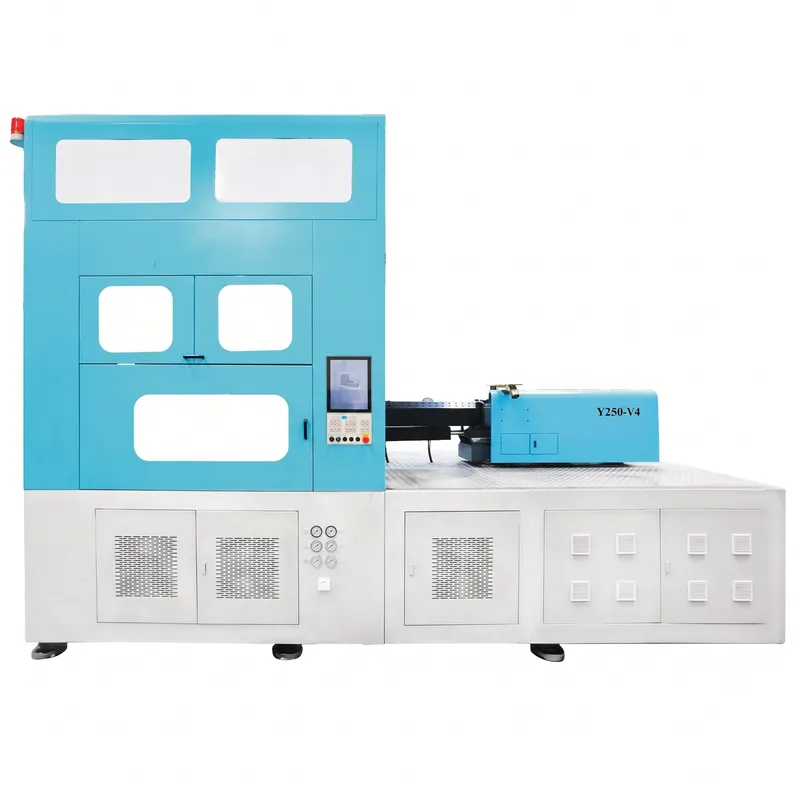
Одноэтапная машина для литья под давлением и выдувного формования Y250-V4 (4 станции)
-
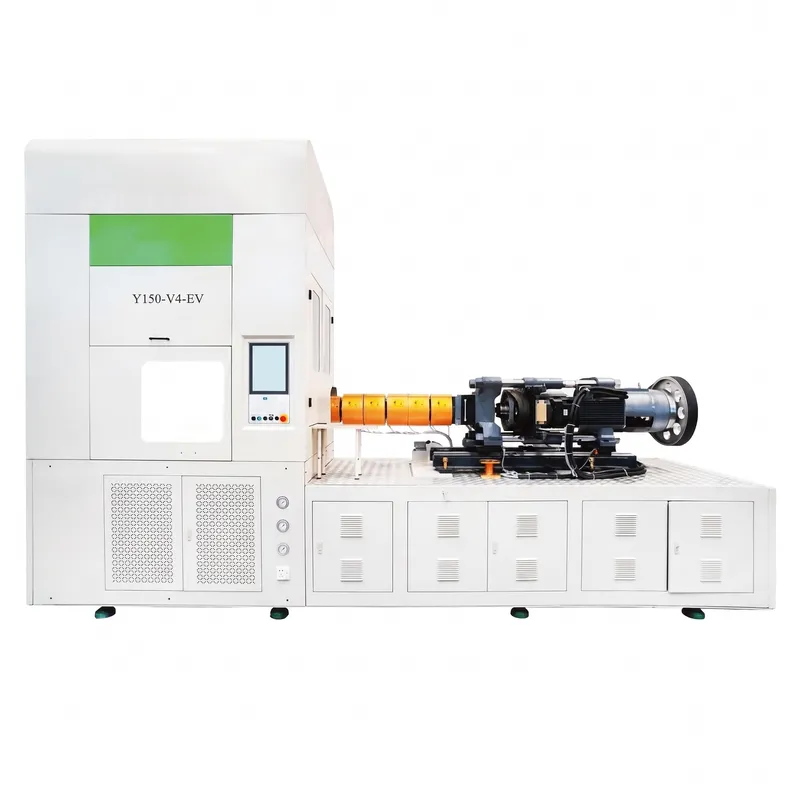
Одноэтапная машина для литья под давлением и выдувного формования Y150-V4-EV (4 станции)
-
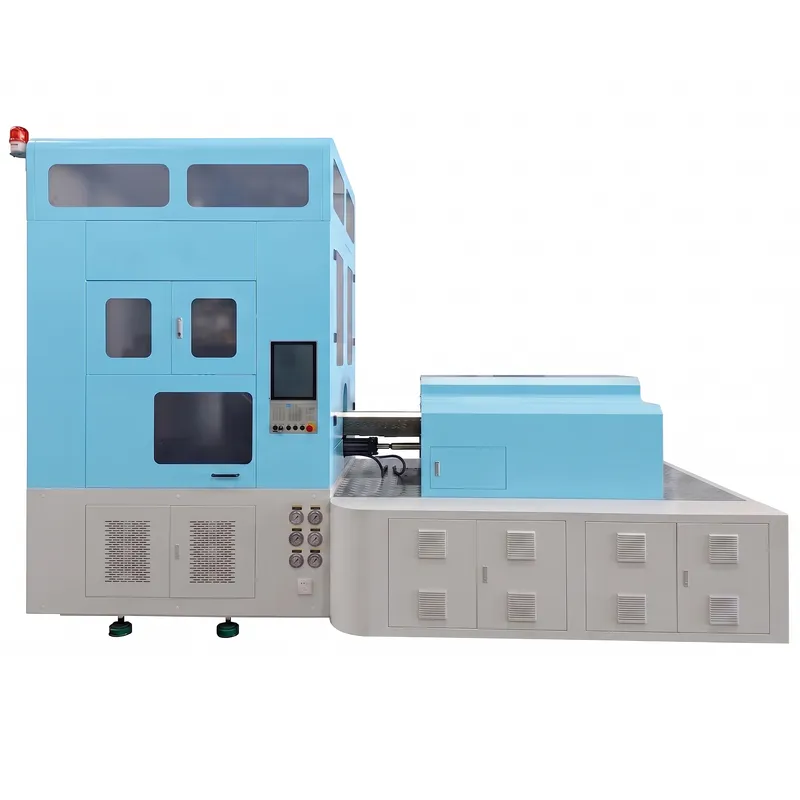
Одноэтапная машина для литья под давлением и выдувного формования Y650-V4 (4 станции)
-
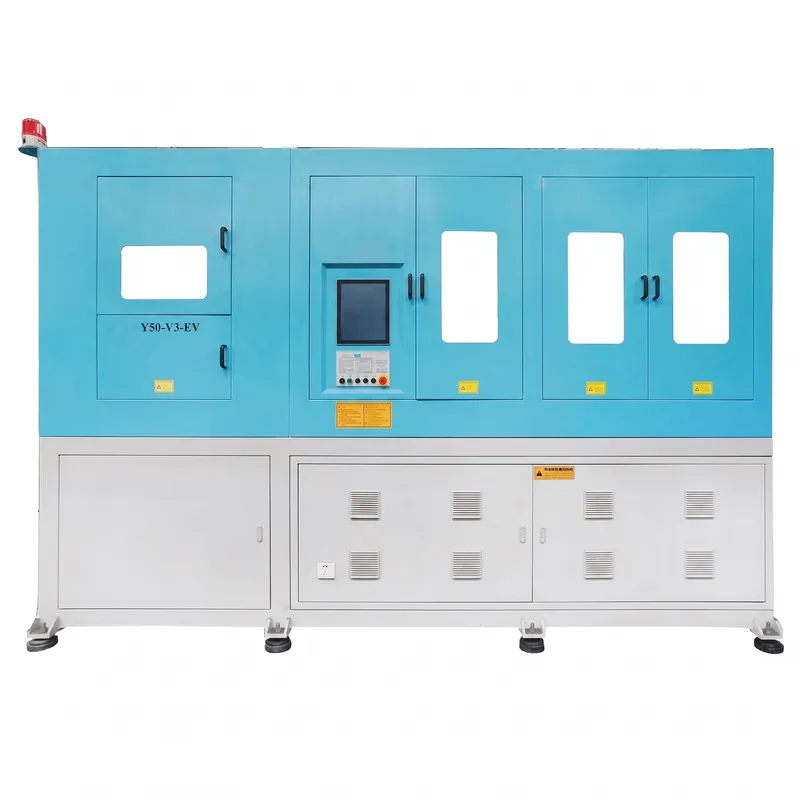
Одноэтапная машина для литья под давлением и выдувного формования Y50-V3-EV (3-позиционная)
-
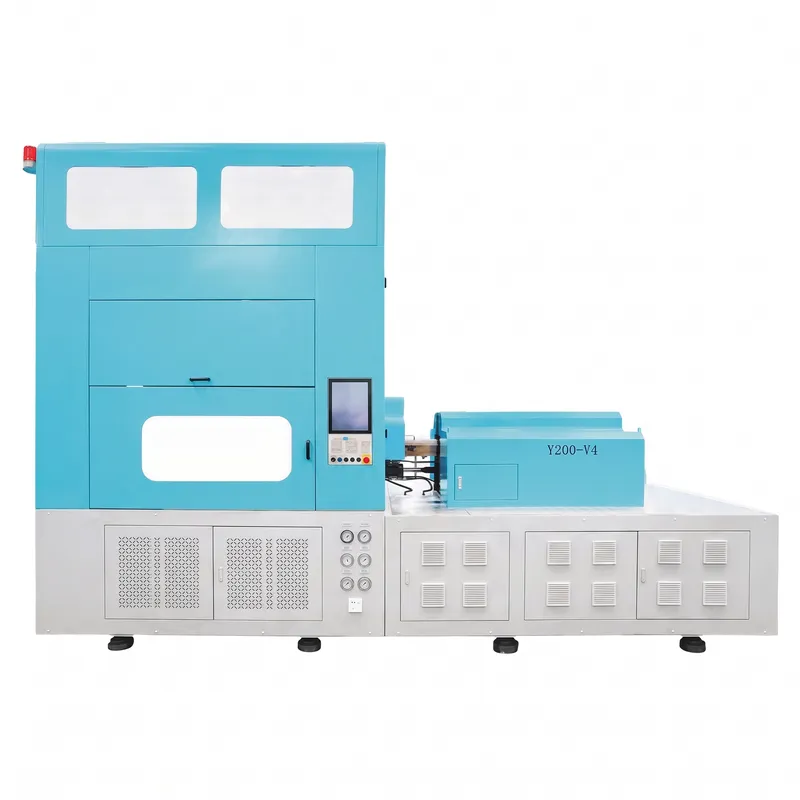
Одноэтапная машина для литья под давлением и выдувного формования Y200-V4 (4 станции)