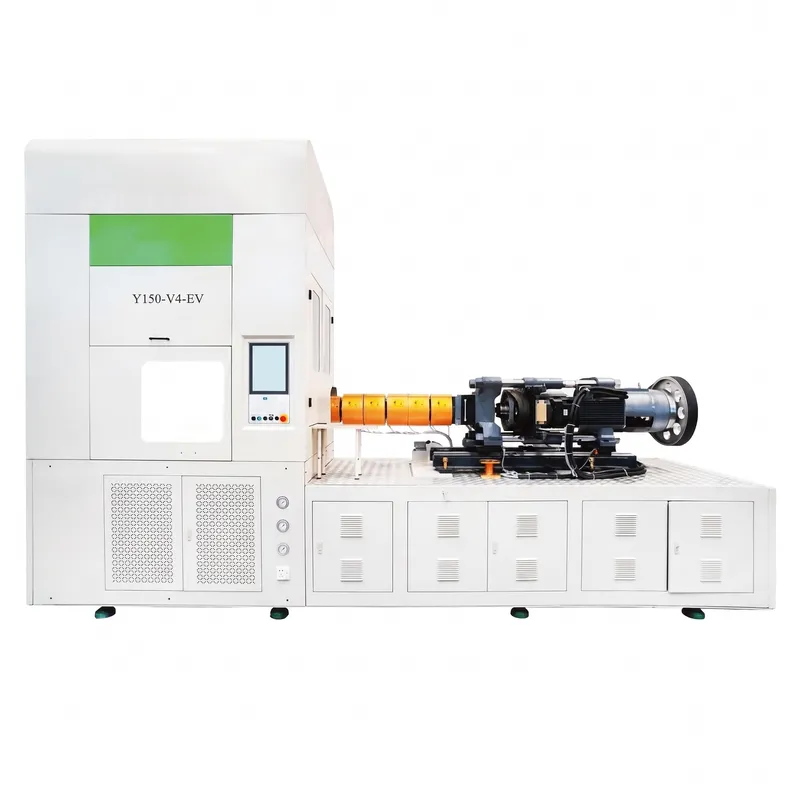
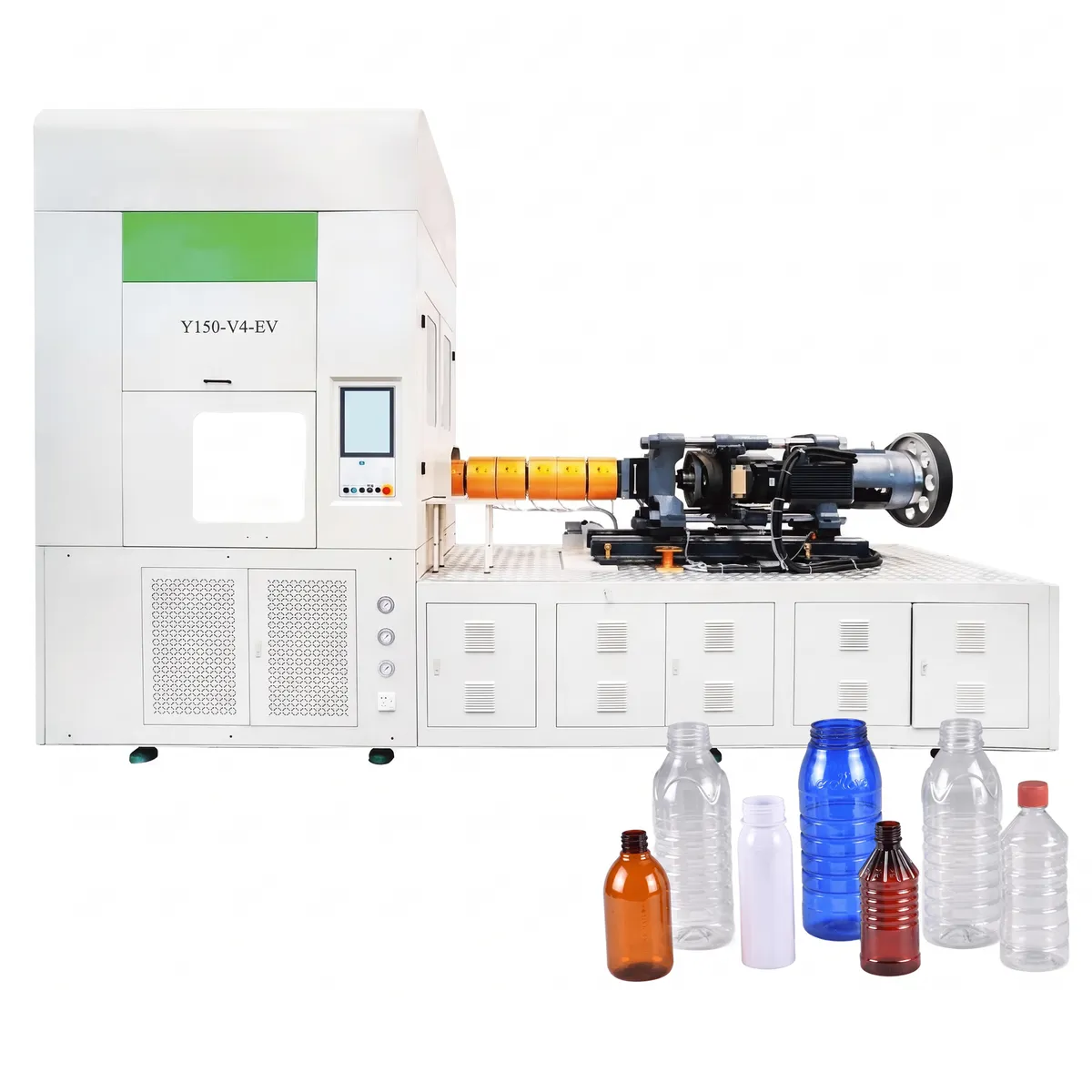
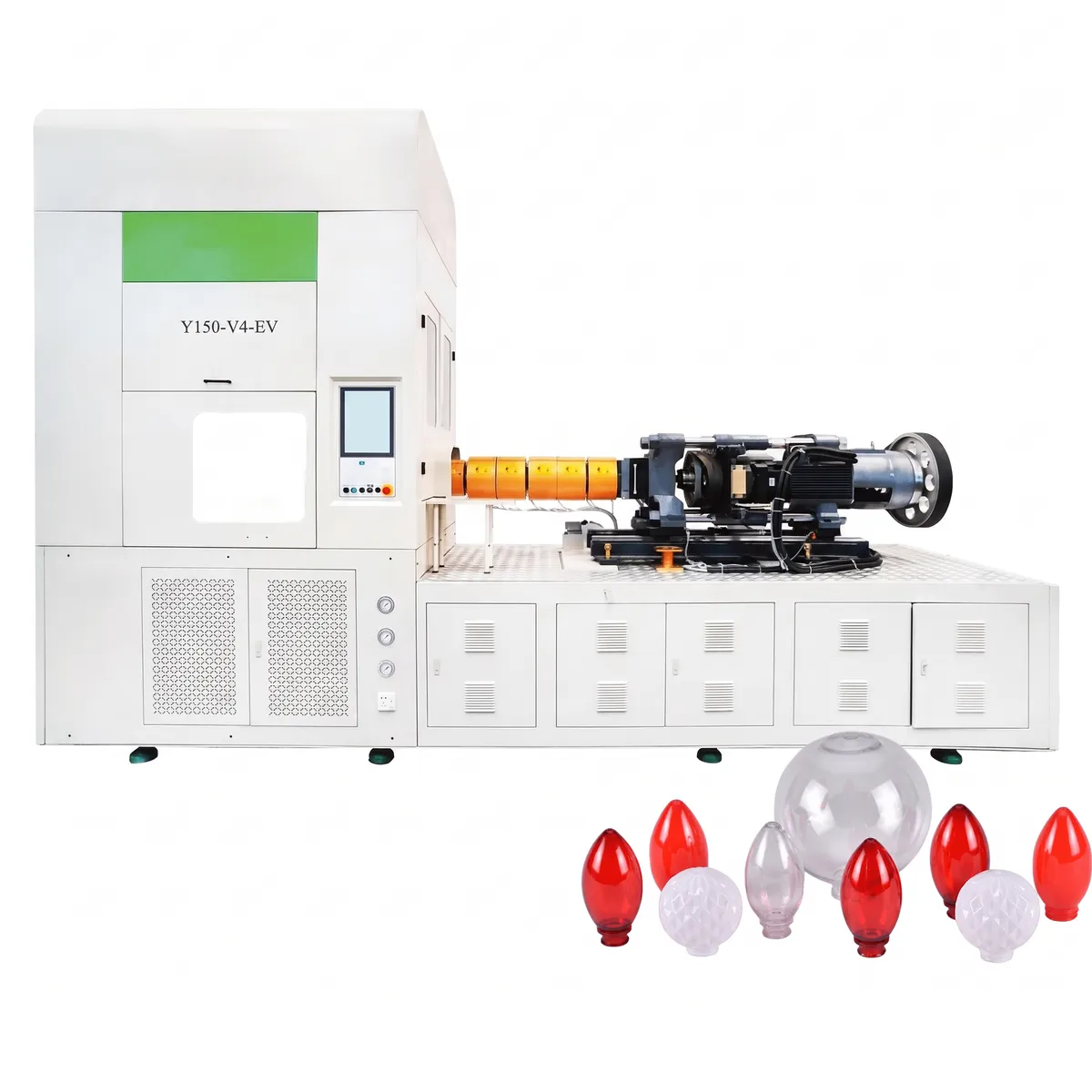
Одноэтапная машина для литья под давлением и выдувного формования Y150-V4-EV (4 станции)
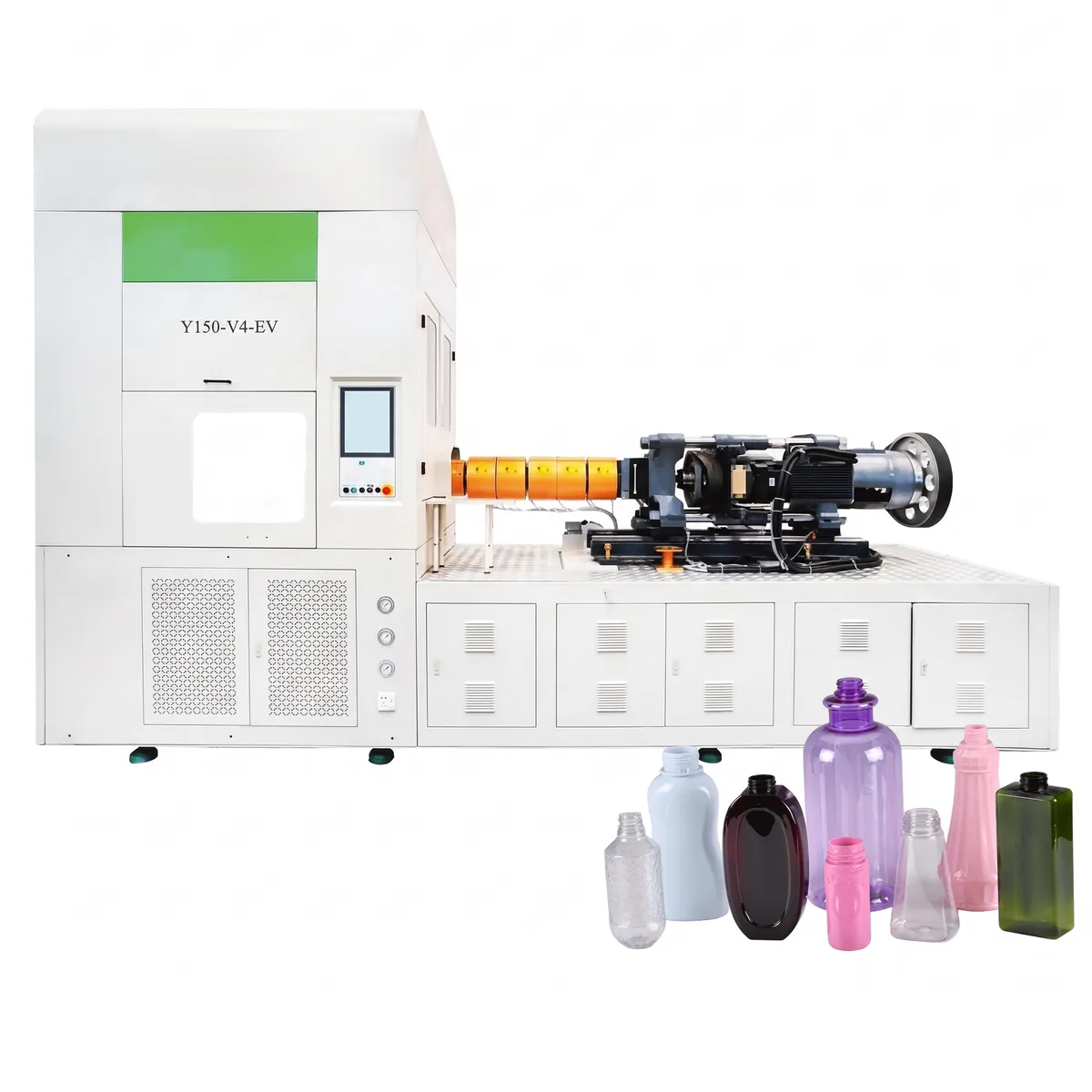
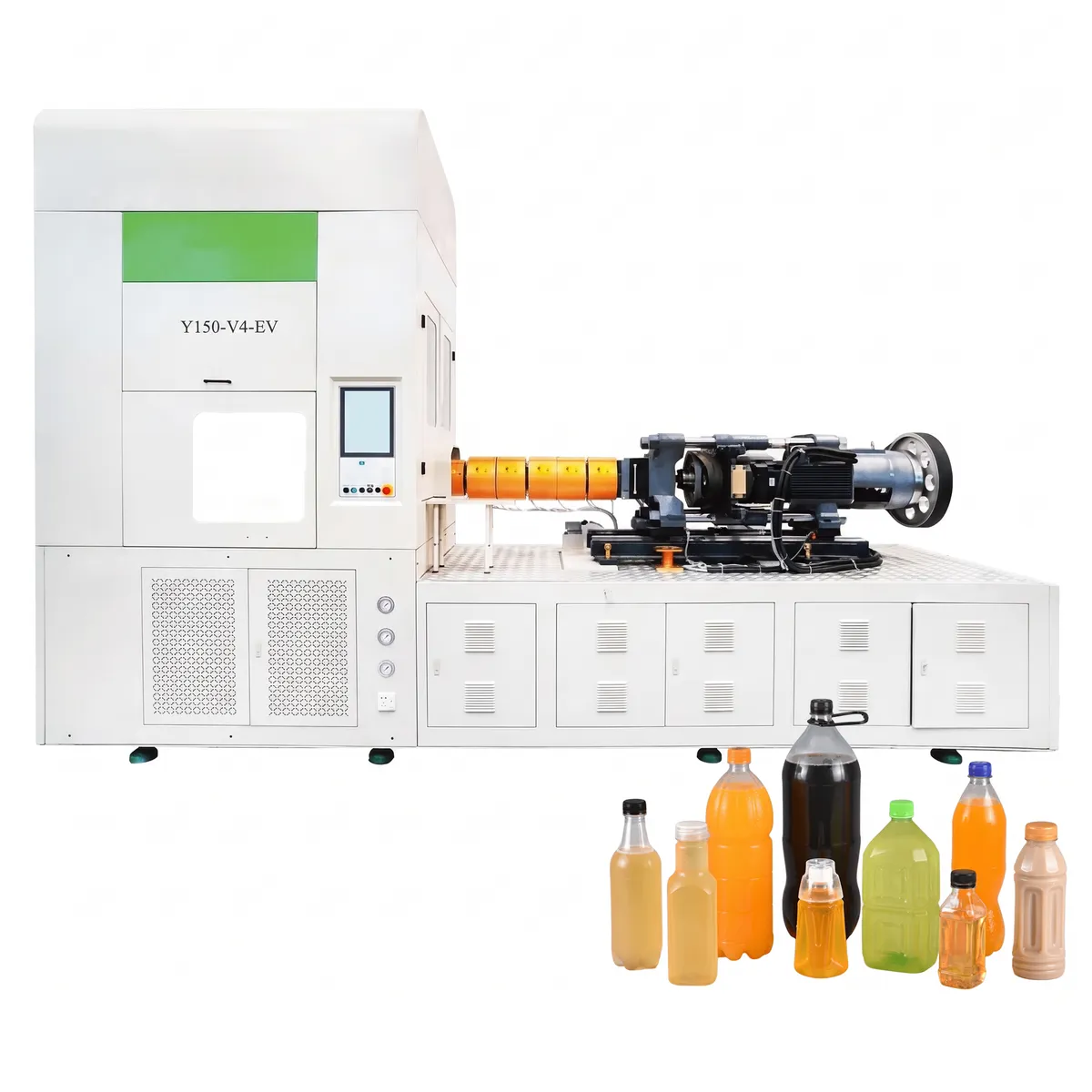
Наша одноступенчатая машина для литья под давлением и выдувного формования Y150-V4-EV представляет собой высокоэффективную систему формования пластиковых контейнеров, широко используемую в производстве высокоточных, востребованных полых пластиковых изделий, включая детские бутылочки, бутылки для воды, флаконы для лекарств, крафтовые и нестандартные флаконы, а также косметические флаконы из ПЭТ, ПЭТГ, ПП, ПК, тритана, ПС, АБС или ПЛА.
Y150-V4-EV Одноэтапная машина для литья под давлением и выдувного формования с растяжением
Наша одноступенчатая машина для литья под давлением и выдувного формования Y150-V4-EV — это высокоэффективная система формования пластиковых контейнеров, широко используемая в производстве высокоточных, востребованных полых пластиковых изделий, включая детские бутылочки, бутылки для воды, флаконы для лекарств, крафтовые и нестандартные флаконы, а также косметические флаконы из ПЭТ, ПЭТГ, ПП, ПК, тритана, ПС, АБС или ПЛА. Как ведущий производитель машин для литья под давлением и выдувного формования, компания CMN Transmission разработала эту полностью электрическую машину, позволяющую непрерывно выполнять все три этапа процесса — литье под давлением, выдувное формование и выдувное формование — в рамках одного оборудования, исключая промежуточные этапы обработки и значительно повышая как эффективность производства, так и стабильность качества продукции.
Y150-V4-EV — это флагманская полностью электрическая машина для литья под давлением и выдувного формования в линейке 4-позиционных машин CMN. Оснащенная 10 комплектами сервомоторов Inovance/WEICHI с суммарной мощностью 102,8 кВт, она заменяет все гидравлические и пневматические компоненты прецизионными сервоприводами, что делает ее соответствующей стандартам GMP и подходящей для работы в безмасляных, беззагрязняющих средах в фармацевтической, пищевой и высококачественной косметической упаковке. Благодаря прямой совместимости с японскими пресс-формами ASB-12M, клиенты могут использовать эту передовую китайскую одноступенчатую машину для литья под давлением и выдувного формования без перепроектирования существующей оснастки, обеспечивая экономически выгодную модернизацию по сравнению с устаревшим импортным оборудованием. Независимо от того, нужна ли вам специализированная машина для литья под давлением и выдувного формования для узкоспециализированной геометрии бутылок или проверенная высокопроизводительная машина для литья ПЭТ под давлением и выдувного формования для линий по производству напитков, Y150-V4-EV обеспечивает ощутимые преимущества в производительности.
Заменяемая марка и модель
| Стандартная модель | Y150-V4 | Y200-V4 | Y250-V4 |
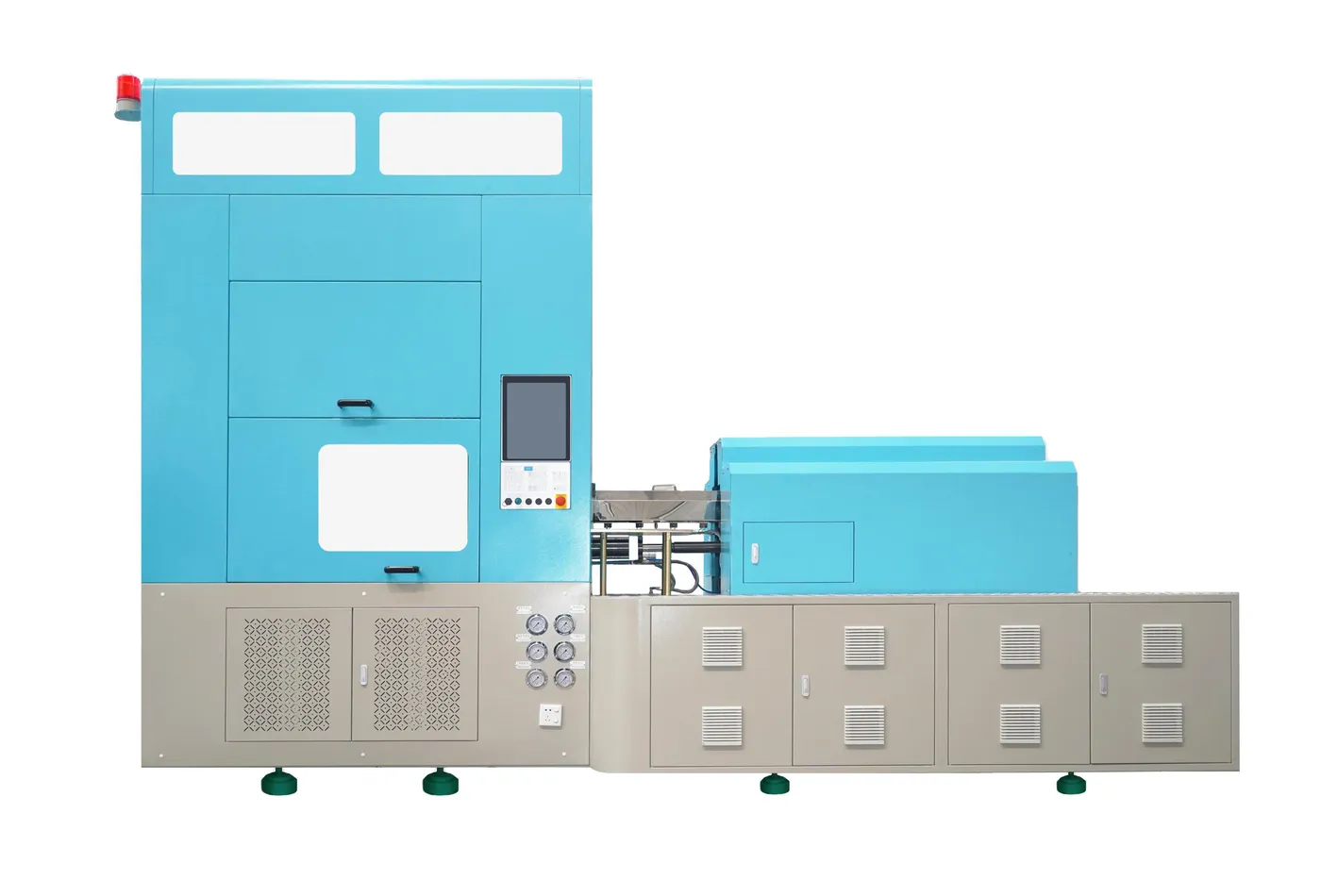 | Совместим с японской батареей ASB-12M. | Совместимо с японской моделью Aoki 250. | Совместимо с японским ASB-70DPH. |
| Y150-V4-B | Y500-V3 | - | |
| Совместимо с японской моделью Aoki 100. | Совместимо с японской моделью Aoki 500. | - | |
| Гидравлическое зажимание, гидравлический винтовой впрыск. | |||
| Сервомодель | YS150-V4 | YS200-V4 | YS250-V4 |
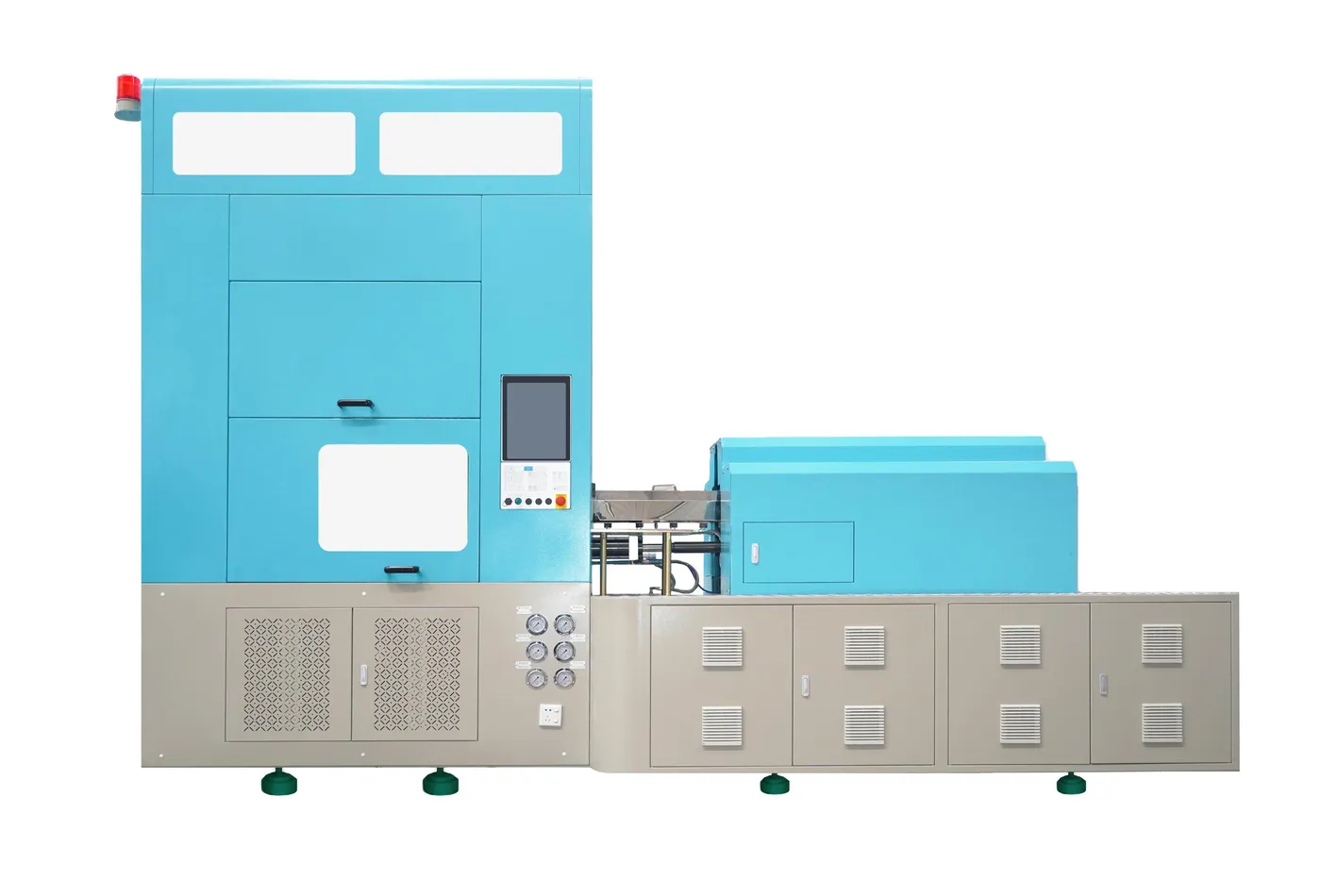 | Зажим сервопривода, впрыск с помощью сервовинтовой передачи. Высокая точность, низкое энергопотребление, долговременная стабильность. | ||
| Полностью электрическая модель | Y150-V4-EV | Y200-V4-EV | Y250-V4-EV |
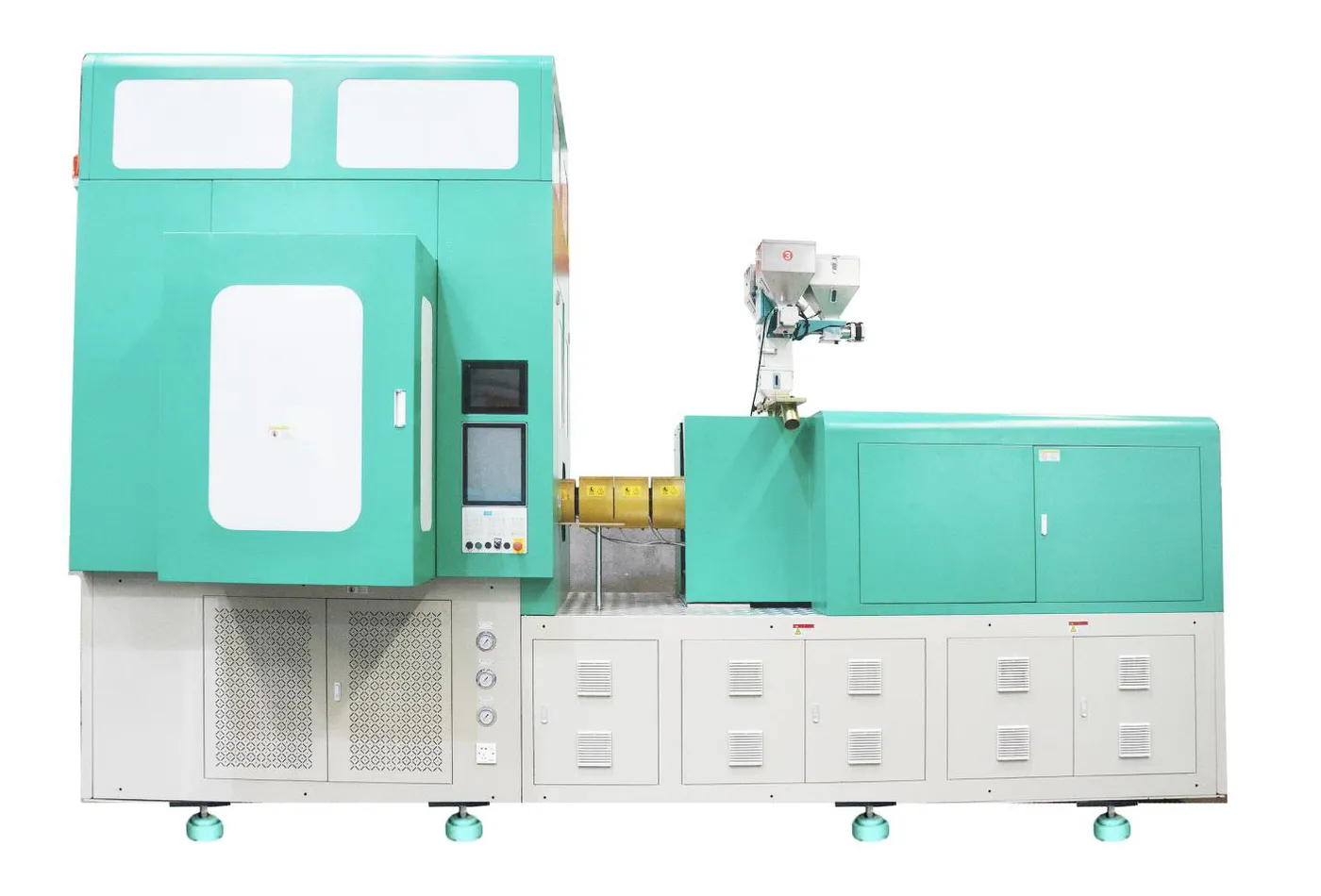 | Полностью электрический привод, исключающий загрязнение масла продуктами сгорания. | ||
Преимущества нашего оборудования ISBM
1. Качество лучше. Все пластиковые бутылки, изготовленные на выдувных формовочных машинах из Японии, имеют линию разъема. Посередине между двумя формами с каждой стороны имеется выступ пластика, который оставляет след. Однако наши формы обладают чрезвычайно высокой точностью, и этот след совершенно незаметен.
2. Наше производство отличается высокой скоростью и большим количеством вариантов шнеков. В то время как в Японии можно производить четыре пластиковые бутылки за раз, мы можем производить шесть.
3. Экономия энергии. Наши машины потребляют на 151–251 тонну/3 тонны меньше энергии, чем машины в Японии, Европе и США.
4. Для замены гидравлических и пневматических компонентов был внедрен широкий спектр технологий электрического управления. Например, пневматические компоненты, используемые в японском механизме нижней резки, здесь заменены серводвигателями, при этом скорость серводвигателей удвоена. В фармацевтической промышленности и других областях можно использовать полностью серводвигатели без каких-либо гидравлических систем, что обеспечивает соответствие стандартам GMP и работу в безмасляной и экологически чистой среде.
Технические характеристики изделия
| Элемент | Единица | Технические характеристики | |||||||
| Имя | Одноэтапное литье под давлением с растяжением и выдувным формованием Станок (4 станции) | ||||||||
| Модель | Y150-V4-EV (совместим с японской моделью ASB-12M) | ||||||||
| Производитель | CMN Transmission | ||||||||
| Материал | ПЭТ/ПЭТГ | ||||||||
| Диаметр винта | ММ | 40 | 50 | 55 | / | ||||
| Теоретический объем инъекции | CM³ | 188 | 392 | 475 | / | ||||
| Скорость вращения винта (об/мин) | об/мин | 350 | 350 | 350 | / | ||||
| Сила зажима при впрыске | КН | 150 | |||||||
| Сила сжатия при выдувании | КН | 200 | |||||||
| Мощность двигателя | КВ | 102.8 | |||||||
| Мощность нагрева | КВ | 10 | |||||||
| Давление подаваемого воздуха | Мпа | 2.0-3.5 | |||||||
| Давление охлаждающей воды | Мпа | 0.4-0.6 | |||||||
| Давление воды в маслоохладителе машины | Мпа | 0.3-0.4 | |||||||
| Температура воды в маслоохладителе станка | ℃ | 20-25 | |||||||
| Напряжение | V | 370-400 | |||||||
| Размеры (Д*Ш*В) | ММ | 5200x1800x3300 | |||||||
| Масса | Т | 7 | |||||||
| Размеры изделия | |||||||||
| Количество продукции | ПКС | 1 | 2 | 3 | 4 | 5 | 6 | 7 | 8 |
| Диаметр бутылки (BD) | ММ | 118 | 80 | 66 | 56 | 54 | 45 | 28 | 26 |
| Высота бутылки (H) | ММ | 210 | 150 | 100 | |||||
| Диаметр шейки (E) | ММ | 83 | 62 | 48 | 38 | 32 | 25 | 17 | 15 |
| Максимальный объем флакона (мл) | ML | 2500 | 1500 | 900 | 400 | 250 | 100 | 30 | 20 |
| Максимальный вес бутылки (Вт) | Г | 130 | 65 | 43 | 32 | 26 | 22 | 18 | 16 |
Параметры машины
| Совместимая модель: | Совместимо с японской моделью ASB-12M. |
| Диаметр винта: | 50 мм (опционально) |
| Теоретическая емкость закачки: | 392 г |
| Усилие смыкания при впрыске: | 150 кН |
| Ход верхней части пресс-формы: | 250 мм |
| Нижний ход пресс-формы: | 205 мм |
| ТЕМПЕРАТУРА. Регулирование частоты сердечных сокращений: | 250 мм |
| Регулировка хода ствола по температуре: | 230 мм |
| Удар при выведении мяча из игры: | 170 мм |
| Сила сжатия при продувке: | 200 кН (с одной стороны) |
| Ход ударного ядра: | 250 мм |
| Ход выдувной формы: | 75+75 мм |
| Размеры (Д×Ш×В): | 5,2*1,8*3,3 м |
| Масса: | 7Т |
Технический стандарт
| Система сервоуправления: | Использование 10 комплектов систем управления сервомоторами. |
| Питание сервомотора: | Мощность серводвигателя Inovance/WEICHI: 102,8 кВт. |
| Система компьютерного управления: | Использование ПЛК Inovance/MiRLE. |
| Привод поворотного круга: | Поворотный стол оснащен японским сервомотором Yaskawa или сервомотором WEICHI с тайваньским редуктором TSUNTIEN. |
| Структура выдувного формования: | Конструкция для выдувного формования использует систему зажима пресс-формы с двумя сервомоторами и функцией компенсации высокого давления. |
| Клапан высокого давления: | Использование клапана высокого давления American Parker. |
| Пневматический цилиндр: | Использование пневматического баллона Aitak. |
| Регулировка температуры: | Использование встроенного блока управления для контроля температуры обеспечивает высокую точность, стабильность и простоту в эксплуатации. |
| Винтовой подогрев: | Винт нагревается с помощью энергосберегающего нагревательного кольца с наночастицами дальнего инфракрасного излучения (10 кВт). |
| Ходовой винт | Ходовой винт: NSK Япония; |
| Совокупная мощность машины: | Суммарная мощность машины: 112,8 кВт. |
Преимущества машины для литья под давлением и выдувного формования Y150-V4-EV
1. Энергоэффективность
Одноступенчатая машина для литья под давлением и выдувного формования сохраняет тепло заготовки от стадии впрыска непосредственно до стадии выдувания, исключая необходимость вторичного подогрева. Этот единый тепловой контур снижает энергопотребление на 151–251 тонну на 3 тонны по сравнению с машинами из Японии, Европы и США и до 401 тонны на 3 тонны по сравнению с двухступенчатыми процессами. Для крупных предприятий, работающих круглосуточно, экономия на электроэнергии напрямую приводит к измеримому улучшению операционной прибыли с течением времени.
2. Превосходные результаты
В этой машине для литья под давлением и выдувного формования осевой растягивающий стержень одновременно выравнивает молекулы полимера в двух направлениях, создавая двуосноориентированные пластиковые структуры. Такая ориентация значительно улучшает сопротивление сжатию, барьерные свойства и оптическую прозрачность готовой бутылки. В результате получается контейнер с превосходной ударопрочностью и лучшими газобарьерными свойствами — качествами, которые особенно важны в фармацевтической, пищевой и масложировой упаковке, где целостность продукта имеет первостепенное значение.
3. Высокая точность и стабильность размеров.
Полностью автоматизированная сервосистема контролирует каждую ось движения с точностью, недостижимой для ручных или гидравлических систем. Человеческий фактор сведен к минимуму, что делает Y150-V4-EV идеальным решением для массового производства бутылок с высокой точностью, где отклонение размеров должно быть в пределах долей миллиметра. Запатентованная технология изготовления пресс-форм CMN обеспечивает настолько высокую точность линии разъема, что шов практически невидим невооруженным глазом, что является преимуществом по сравнению с аналогичными японскими машинами, которые оставляют видимый выступ вдоль линии разъема.
4. Высокая степень использования материалов
Поскольку одноступенчатая машина для инжекционно-выдувного формования перерабатывает сырьевую смолу непосредственно из гранул в готовую бутылку за один непрерывный проход, отсутствует промежуточная стадия обработки заготовок, где могут накапливаться отходы или брак. Выход материала значительно выше, чем в двухступенчатых процессах инжекционно-выдувного формования. Сокращение отходов не только снижает стоимость сырья, но и уменьшает воздействие производственной линии на окружающую среду, способствуя достижению целей устойчивого развития и снижая общую стоимость произведенной единицы продукции при высокой производительности. тома.
5. Низкая стоимость, компактные размеры, высокая стабильность.
Модель Y150-V4-EV занимает всего 5,2 x 1,8 x 3,3 м площади пола, что позволяет ей компактно вписываться в большинство производственных помещений без дорогостоящих модификаций. Благодаря автоматизированной системе выгрузки продукции и встроенному ПЛК-управлению, потребность в рабочей силе минимальна. Полностью электрическая архитектура привода исключает гидравлические масляные контуры, что значительно снижает затраты на техническое обслуживание, незапланированные простои и риск загрязнения масла в чувствительных производственных средах, таких как фармацевтические чистые помещения, соответствующие стандартам GMP.
6. Совместимо с формами AOKI.
Модель Y150-V4-EV полностью сертифицирована как прямая замена японским машинам для литья под давлением и выдувного формования Aoki 250. Клиенты, инвестировавшие в оснастку AOKI, могут перейти на платформу CMN без перепроектирования пресс-форм или переоснащения производственных линий. Эта совместимость значительно снижает стоимость перехода на более энергоэффективную и высокопроизводительную китайскую машину для одноэтапного литья под давлением и выдувного формования, что упрощает расчет рентабельности инвестиций для отделов закупок.
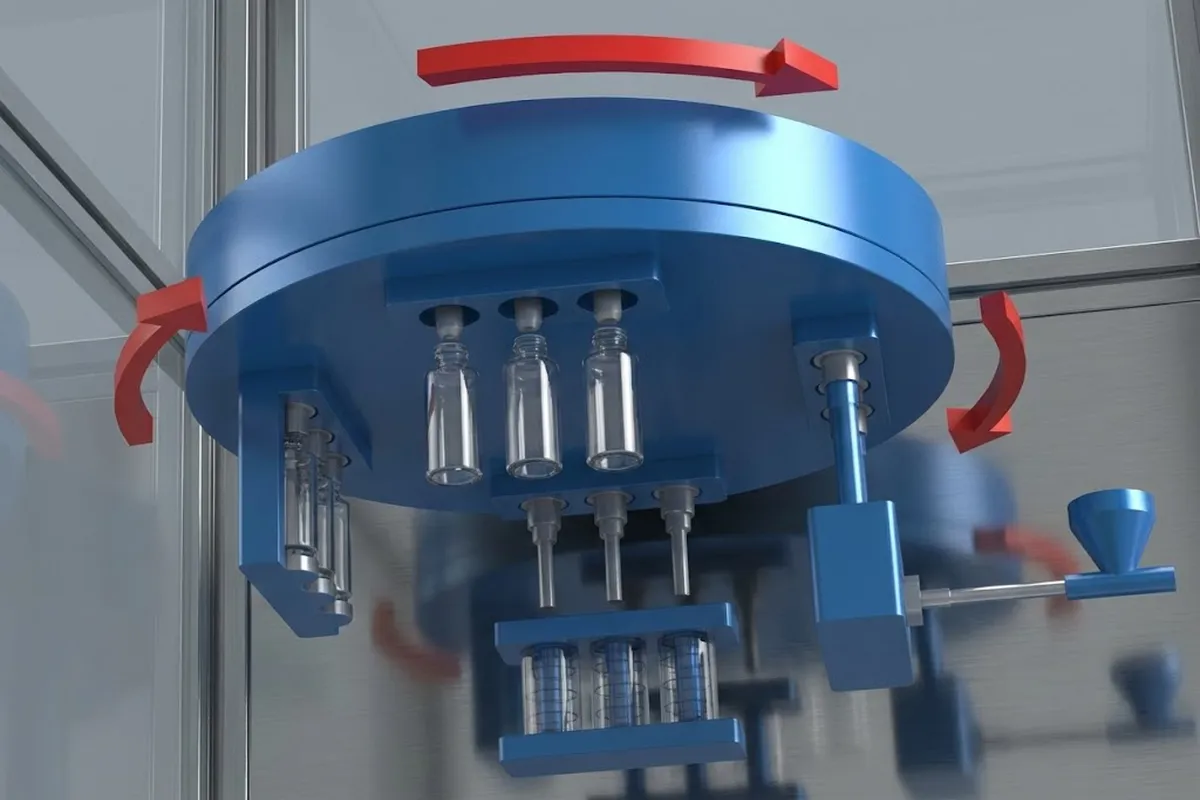
Принцип работы одношаговой машины ISBM
1. Процесс инъекции
Расплавленная ПЭТ или ПЭТГ смола впрыскивается в форму для заготовки под точно контролируемым давлением и температурой. Скорость впрыска, давление расплава и температура полости формы регулируются ПЛК Inovance для обеспечения полного и равномерного заполнения формы. На этом этапе определяется распределение толщины стенок и геометрия горлышка заготовки, что напрямую влияет на качество конечной бутылки.
2. Процесс растяжения
После впрыскивания заготовка подвергается контролируемому начальному охлаждению и перемещается на станцию растяжения, сохраняя при этом тепловую энергию, накопленную при формовании. Растягивающий стержень растягивает заготовку в продольном направлении с точно контролируемой скоростью и температурой. Это осевое растяжение подготавливает молекулярную структуру полимера к двуосной ориентации, что является основным механизмом, лежащим в основе превосходных механических свойств готовой бутылки из литого каучука.
3. Процесс продувки
Сжатый воздух под давлением от 2,0 до 3,5 МПа подается через выдувной штифт, в то время как предварительно растянутая заготовка находится в выдувной форме, прижимая размягченный полимер к стенкам полости формы. Клапан высокого давления Parker обеспечивает точную и стабильную подачу воздуха. Давление выдувания и температура формы контролируются и регулируются в режиме реального времени, чтобы гарантировать точное воспроизведение геометрии готовой бутылки, что крайне важно для соблюдения жестких допусков по размерам в фармацевтической и косметической упаковке.
4. Формование и охлаждение
После выдувания охлажденная вода циркулирует по каналам охлаждения формы, быстро отводя тепло от корпуса бутылки и затвердевая полимер в его окончательной форме. Равномерность охлаждения, продолжительность и температура формы тщательно контролируются для предотвращения деформации, усадки и дефектов поверхности. После достижения бутылкой стабильности размеров автоматизированная система извлечения удаляет ее из формы и помещает на конвейер, завершая полный цикл работы машины для литья под давлением и выдувного формования.
Области применения
1. Фармацевтические флаконы
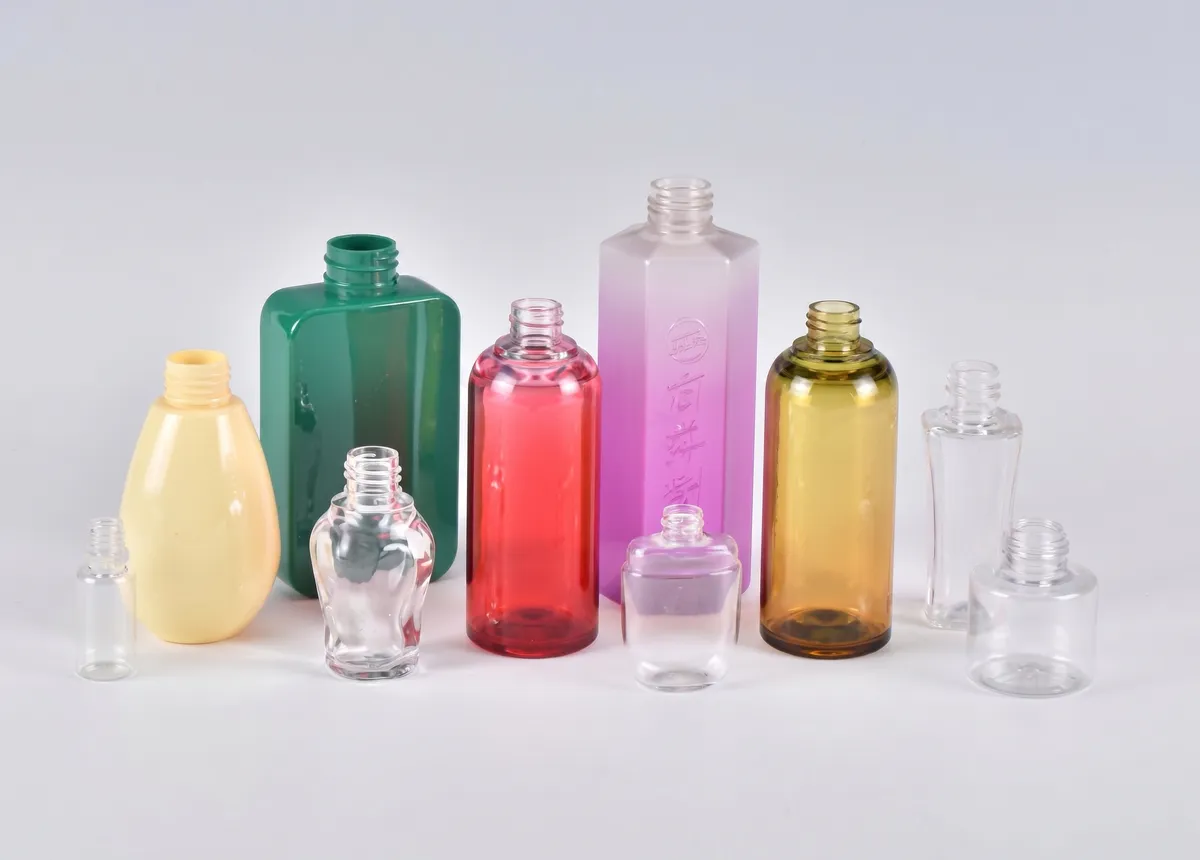
Соответствие стандартам GMP является обязательным в фармацевтической упаковке. Полностью электрическая установка Y150-V4-EV полностью исключает гидравлические контуры, обеспечивая производственную среду без масла и загрязнений, соответствующую стандартам GMP FDA и ЕС. Она производит флаконы для таблеток, емкости для сиропов и инфузионные флаконы из ПЭТ и ПЭТГ с постоянными размерами горлышка, которые точно соответствуют крышкам с защитой от детей и крышкам с защитой от вскрытия.
2. Бутылки для напитков
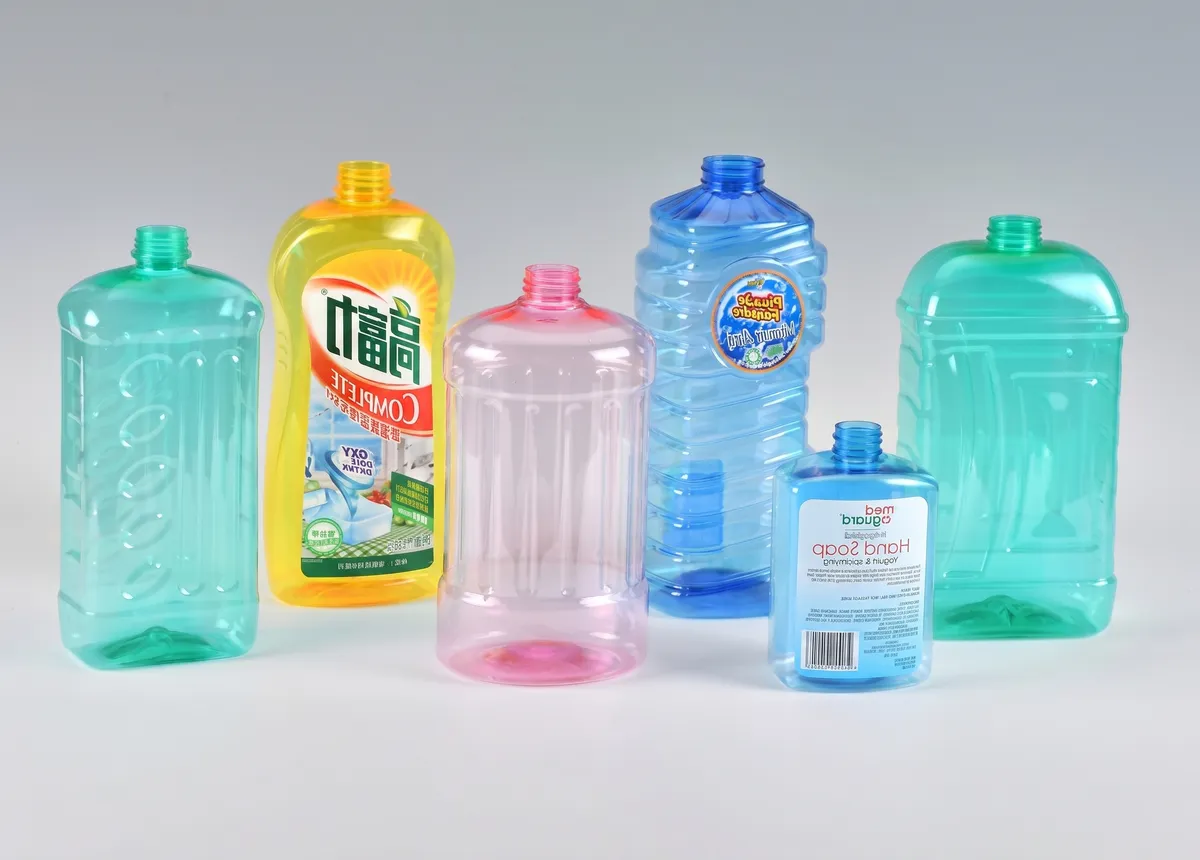
Производители воды, соков и спортивных напитков используют машины для литья под давлением и выдувного формования ПЭТ-бутылок, чтобы выпускать легкие, но устойчивые к давлению бутылки. Модель Y150-V4-EV может производить до 6 бутылок за цикл, по сравнению с 4 за цикл на аналогичных японских моделях, что обеспечивает значительное преимущество в производительности для линий розлива напитков больших объемов. Превосходные барьерные свойства по отношению к CO2, обеспечиваемые двухосной ориентацией, продлевают срок хранения газированных напитков.
3. Бутылки с химикатами
Станок Y150-V4-EV производит бутылки для хранения химических веществ из ПЭТ и ПЭТГ смол, которые обладают превосходной химической стойкостью и структурной целостностью при различном давлении. Двуосная ориентация, достигаемая в процессе выдувного формования, повышает устойчивость контейнера к деформации, что делает его пригодным для упаковки растворителей, смазочных материалов и промышленных жидкостей, требующих длительного срока хранения и отсутствия протечек.
4. Косметические флаконы
Высококлассные косметические бренды требуют от флаконов безупречной чистоты поверхности, идеально прямых линий разъема и стабильных допусков по размерам. Практически невидимая точность линий разъема делает Y150-V4-EV предпочтительной машиной для литья под давлением и выдувного формования, используемой мировыми косметическими брендами для изготовления флаконов для сывороток, лосьонов и кремов. Она поддерживает сложные геометрические формы флаконов из ПЭТ, ПЭТГ, тритана и поликарбоната.
5. Бутылки с пестицидами
Упаковка для агрохимикатов требует контейнеров, устойчивых к агрессивным химическим составам и воздействию УФ-излучения в течение длительного времени хранения. Бутылки из ПЭТ и ПЭТГ, производимые на этом оборудовании IBM, обладают исключительной устойчивостью к концентрациям пестицидов и гербицидов. Цельное горлышко, сформированное на этапе литья под давлением, обеспечивает точное, герметичное соединение с защитными крышками, снижая риск случайных разливов на протяжении всей цепочки поставок.
6. Флаконы с шампунем
Упаковка для средств личной гигиены сочетает в себе эстетические требования и функциональную прочность. Технология Y150-V4-EV позволяет производить флаконы для шампуней и кондиционеров с гладкой, глянцевой поверхностью и равномерной толщиной стенок, что обеспечивает равномерное распределение усилия сжатия для конечного потребителя. Такие материалы, как PETG и Tritan, обеспечивают кристальную прозрачность для привлекательного внешнего вида на полке, сохраняя при этом превосходную химическую стойкость к поверхностно-активным веществам, ароматизаторам и красителям.
7. Флаконы для инфузий
Флаконы для внутривенных инфузий предъявляют самые высокие требования к чистоте, точности размеров и чистоте материала. Полностью электрическая конструкция безмасляной системы Y150-V4-EV исключает любой риск попадания гидравлического масла в производственную среду. Точное сервоуправление гарантирует, что каждый флакон соответствует узким допускам по размерам, необходимым для стерильных линий розлива, требованиям к устойчивости к автоклавированию и международным фармакопейным стандартам для парентеральной упаковки.
8. Бутылочки с приправами
Для бутылок с соевым соусом, уксусом, растительным маслом и острым соусом необходимы превосходные барьерные свойства, предотвращающие потерю вкуса и окисление. Двуосноориентированные ПЭТ-бутылки, изготовленные на этой машине для литья под давлением и выдувного формования, обеспечивают превосходную защиту от кислорода, что продлевает срок хранения продукта. Гибкая возможность смены пресс-форм позволяет производителям приправ выпускать бутылки различных форматов, включая варианты с широким и узким горлышком, на одной платформе.
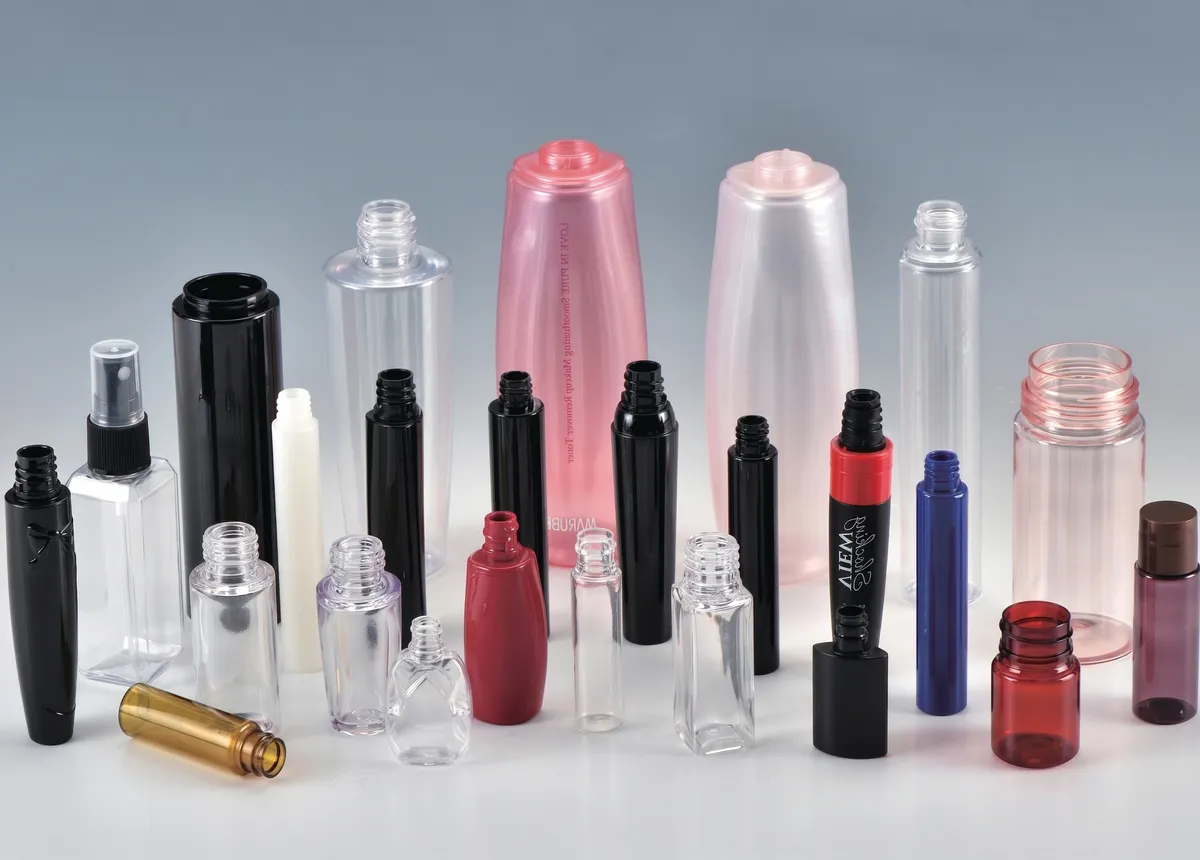 | 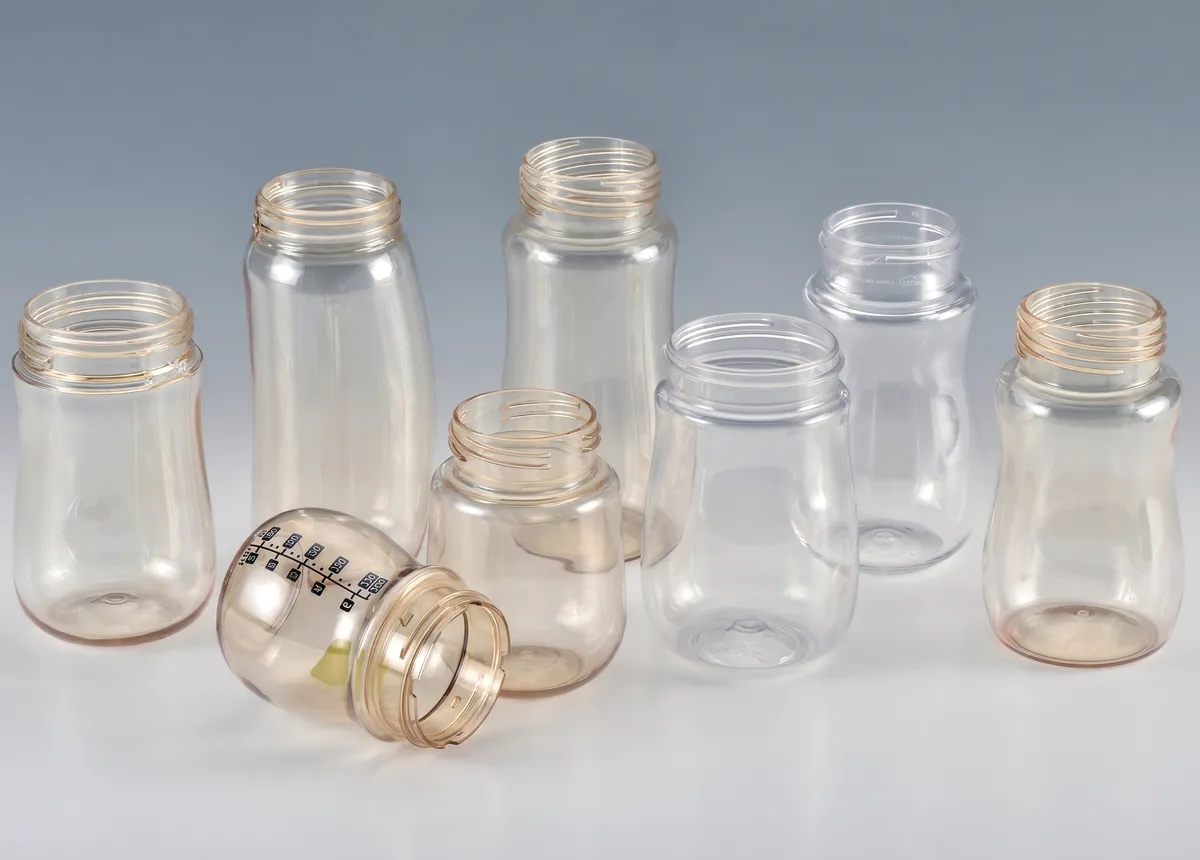 |
| Косметический флакон | Бутылочка для кормления |
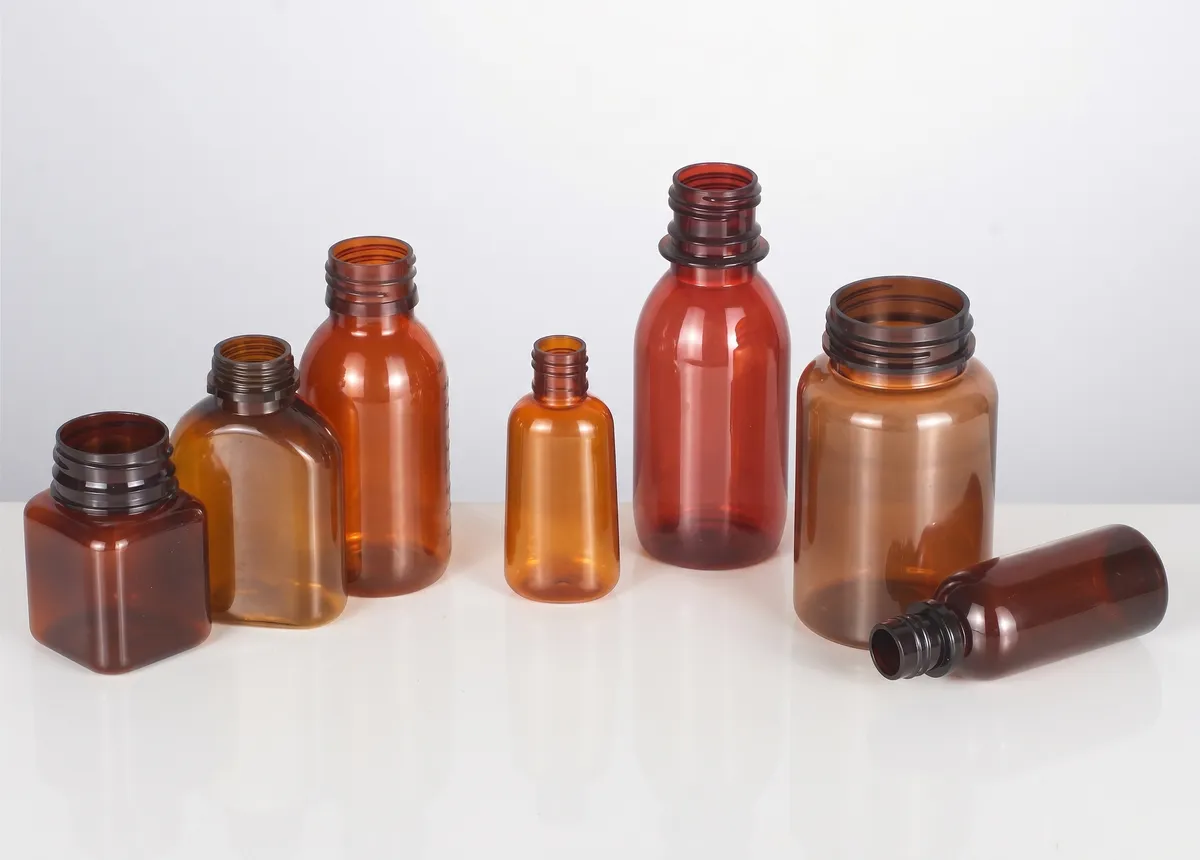 | 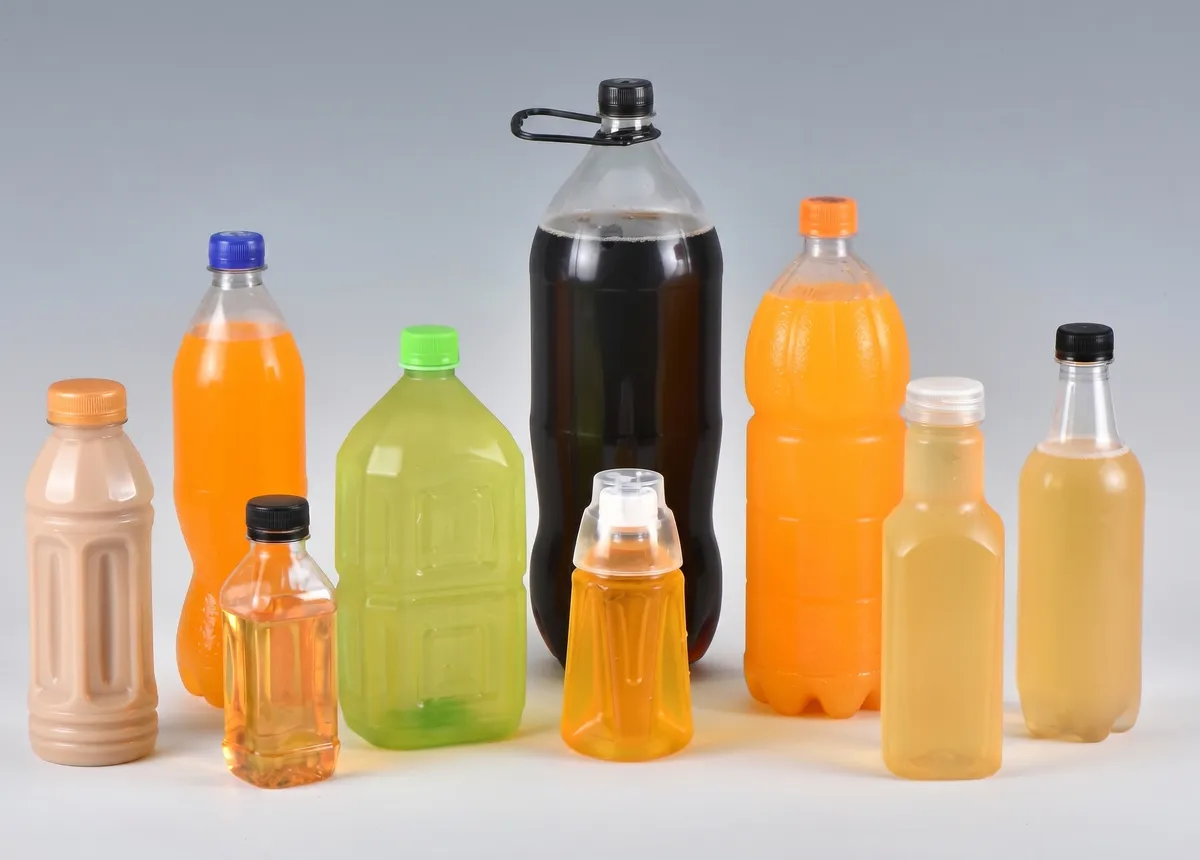 |
| Фармацевтический флакон | Бутылка напитка |
Компоненты машины для литья под давлением с растяжением и выдувным формованием
Зажимное устройство
Зажимной узел для литья под давлением создает усилие 150 кН с помощью полностью сервоприводного механизма, не требующего гидравлического цилиндра. Это обеспечивает более быстрые и воспроизводимые циклы зажима по сравнению с гидравлическими аналогами. Система зажима пресс-формы с двумя сервомоторами на станции выдувания обеспечивает усилие 200 кН (с одной стороны) с функцией компенсации высокого давления, которая поддерживает постоянное усилие зажима даже при износе пресс-формы с течением времени, гарантируя стабильное качество бутылок на протяжении миллионов производственных циклов.
Блок впрыска
Впрыскивающий блок оснащен шнеком диаметром 50 мм (опционально доступны конфигурации 40 мм и 55 мм), приводимым в движение сервомотором Inovance или WEICHI, обеспечивающим теоретический объем впрыска до 392 г за цикл. Шнек нагревается энергосберегающим нано-ИК-нагревательным кольцом мощностью 10 кВт. Скорость вращения фиксирована на уровне 350 об/мин для всех вариантов диаметра шнека, что обеспечивает стабильное качество пластификации независимо от изменений в партиях смолы.
Литье под давлением (формование заготовок)
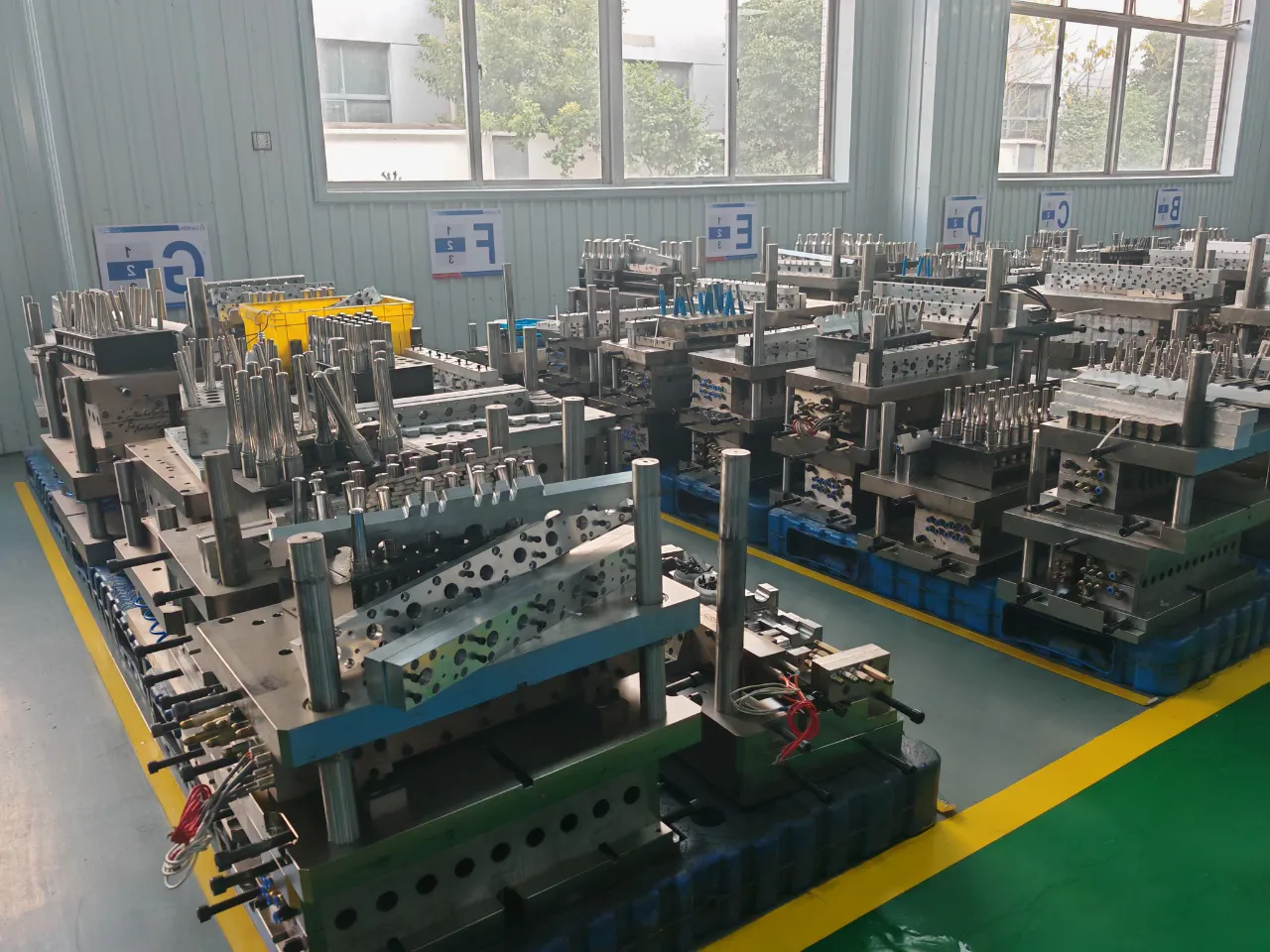
Пресс-форма для заготовки разработана в соответствии со стандартами оснастки ASB-12M, что обеспечивает полную взаимозаменяемость с существующей оснасткой формата ASB. Запатентованная технология производства пресс-форм CMN обеспечивает допуски по размерам, благодаря которым линия разъема настолько тонкая, что невидима невооруженным глазом, устраняя видимые следы шва, часто встречающиеся на бутылках, изготовленных на оборудовании японских производителей. Верхний ход пресс-формы составляет 250 мм, а нижний — 205 мм, что обеспечивает универсальность для широкого диапазона геометрических форм бутылок объемом от 20 мл до 2500 мл.
Штифт и растяжной стержень
Узел выдувного штифта и растягивающего стержня является сердцем процесса ISBM. Ход выдувного сердечника 250 мм позволяет обрабатывать бутылки различной высоты. Подача сжатого воздуха через клапан высокого давления Parker рассчитана на давление от 2,0 до 3,5 МПа, что обеспечивает достаточное давление для полного контакта с формой даже при высоких скоростях заполнения полости. Скорость растягивающего стержня регулируется специальным сервомотором, что позволяет независимо регулировать коэффициент растяжения для различных марок смол и конструкций бутылок.
Система охлаждения
Интегрированная система охлаждения требует подачи охлаждающей воды под давлением от 0,4 до 0,6 МПа и воды для маслоохладителя под давлением от 0,3 до 0,4 МПа, поддерживаемой в диапазоне температур от 20°C до 25°C. Специальные охлаждающие каналы в стенках выдувной формы отводят тепло от бутылки с точно контролируемой скоростью, предотвращая остаточные термические напряжения, которые могут привести к деформации или изменению размеров после формования. Температурно-регулирующий ход сердечника 250 мм и ход цилиндра 230 мм обеспечивают точное управление температурой заготовки перед выдуванием.
Система выброса (извлечения)
Система извлечения с сервоприводом и ходом 170 мм позволяет извлекать готовые бутылки из выдувной формы в конце каждого цикла без ручного вмешательства. Это заменяет пневматический механизм извлечения, используемый в японских машинах, где управление серводвигателем удваивает скорость работы механизма извлечения. Более быстрое извлечение сокращает общее время цикла, что позволяет Y150-V4-EV производить до 6 бутылок за цикл по сравнению с 4 на аналогичных японских моделях.
Система сервоуправления
Десять независимых систем управления сервомоторами регулируют каждую ось движения станка, от вращения поворотного стола и открытия пресс-формы до пластификации шнека и привода растягивающего стержня. Централизованное управление осуществляется с помощью ПЛК Inovance или MiRLE, а сервомотор Yaskawa или WEICHI в паре с редуктором TSUNTIEN производства Тайваня приводит в движение поворотный стол. Эта полностью электрическая архитектура обеспечивает время отклика на уровне миллисекунд, позволяя точно синхронизировать все оси станка и поддерживая стабильное высокоскоростное производство, необходимое клиентам B2B.
Литье под давлением с растяжением и выдувным формованием против экструзионно-выдувного формования
Экструзионно-выдувное формование (ЭВЛ)
Экструзионно-выдувное формование — один из наиболее распространенных видов выдувного формования. В этом процессе расплавленная пластиковая трубка, известная как заготовка, экструдируется вертикально вниз. Затем форма зажимается вокруг заготовки, и сжатый воздух прижимает ее к стенкам формы. Этот метод хорошо подходит для производства крупных, простых полых деталей, таких как бутылки и контейнеры. Производители часто выбирают экструзионно-выдувное формование из-за более низкой стоимости оснастки и высокой скорости производства. Однако этот процесс генерирует значительно больше отходов из-за зажима в нижней части заготовки и обеспечивает менее точный контроль распределения толщины стенок по сравнению с методами литья под давлением.
Литье под давлением с растяжением и выдувом (ISBM)
Литье под давлением с растяжением, также называемое выдувным формованием с растяжением, улучшает процесс литья под давлением за счет добавления этапа осевого растяжения между формированием заготовки и нагнетанием воздуха. После литья заготовки под давлением, растягивающий стержень удлиняет ее вдоль, после чего сжатый воздух расширяет ее радиально. Это двухосное растяжение выравнивает полимерные цепи в двух направлениях, в результате чего получаются контейнеры со значительно улучшенной механической прочностью, оптической прозрачностью и газобарьерными свойствами. Машина для литья под давлением с растяжением является предпочтительным выбором для производства высококачественной упаковки для напитков, продуктов питания, фармацевтических препаратов и косметики.
Сравнительная таблица: Типы процессов выдувного формования
| Процесс | Отличительные характеристики | Принципы функционирования | Типичные области применения |
|---|---|---|---|
| Экструзионно-выдувное формование | Из расплавленной заготовки (препарата) изготавливается экструзионный материал, который зажимается в форме и раздувается. | Полимерный компаунд экструдируется, форма зажимается и герметизируется, воздух нагнетается на стенки. | Крупные простые детали (топливные баки, бутылки для моющих средств); более низкая стоимость оснастки; больше отходов. |
| Литье под давлением с выдувом (IBM) | Используется литая под давлением заготовка, перенесенная в выдувную форму для надувания. | Заготовка, отформованная с контролируемой толщиной стенок, перенесена на подложку и надута. | Небольшие высокоточные контейнеры (фармацевтические флаконы); отсутствие сварного шва на дне; более высокая себестоимость. |
| Литье под давлением с растяжением и выдувом (ISBM) | Перед выдуванием обеспечивается осевое растяжение заготовки для двухосной ориентации. | Заготовка растягивается вдоль оси с помощью стержня, затем надувается, выравнивая полимерные цепи в двух направлениях. | ПЭТ-бутылки для напитков, косметические контейнеры, фармацевтическая упаковка; превосходная прозрачность и прочность. |
Сравнение скорости производства
Литье под давлением с выдувом обеспечивает самые быстрые циклы, особенно при использовании многогнездных форм, где время цикла составляет около 25 секунд. Одноэтапный процесс машина для литья под давлением с растяжением и выдувным формованием Добавление этапа растяжения немного увеличивает цикл, но дополнительные этапы процесса позволяют получить бутылку превосходного качества, которая продается по более высокой цене. Экструзионно-выдувное формование, как правило, медленнее из-за непрерывной экструзии и необходимости охлаждения заготовки. Такие факторы, как скорость вращения шнека, количество ячеек формы и тип машины, влияют на производительность всех трех методов.
Контроль толщины стенки
Процессы литья под давлением (как IBM, так и ISBM) обеспечивают превосходный контроль толщины стенок, поскольку геометрия заготовки определяется литьевой формой, а не провисанием заготовки и механикой отрыва. Именно поэтому поставщики оборудования для ISBM доминируют на рынке фармацевтической упаковки, где стабильность толщины стенок имеет решающее значение для точности дозировки и соответствия нормативным требованиям. Экструзионно-выдувное формование с трудом достигает такого же уровня однородности стенок, особенно в небольших контейнерах.
Гибкость дизайна
Экструзионно-выдувное формование обеспечивает самый широкий диапазон форм контейнеров, включая неправильные и некруглые поперечные сечения, благодаря механизму заготовки и зажима. Машины ISBM оптимизированы для бутылок с вращательной симметрией. Однако модель Y150-V4-EV позволяет формовать бутылки объемом от 20 мл до 2500 мл в 1–8 гнездах, обеспечивая значительную гибкость для высокоточных применений. Разработка пресс-форм по индивидуальному заказу доступна у инженерной команды CMN.
Совместимость материалов
Технология экструзионно-выдувного формования (ISBM) поддерживает самый широкий спектр полимеров, включая ПЭ, ПП, АБС, ПВХ и нейлон, что делает её универсальной для изготовления крупных промышленных деталей. В процессах ISBM в основном используются ПЭТ и ПЭТГ, благодаря их превосходной способности к ориентации и оптической прозрачности. Модель Y150-V4-EV от CMN также поддерживает ПП, ПК, тритан, ПС, АБС и ПЛА, обеспечивая более широкую совместимость с материалами, чем многие конкурирующие платформы ISBM, сохраняя при этом преимущества одностадийной технологии литья под давлением с растяжением и выдуванием.
| Тип процесса | Скорость производства | Контроль толщины стенки | Гибкость дизайна | Лучше всего подходит для |
|---|---|---|---|---|
| Литье под давлением с выдувом (IBM) | Быстрое производство (предварительно сформированные заготовки позволяют ускорить циклы). | Высокий | Мелкие, детализированные формы | Фармацевтические флаконы, небольшие прецизионные контейнеры |
| Экструзионно-выдувное формование | Умеренный (экструзия заготовки, более длительный цикл) | Низкий до умеренного | Сложные формы, асимметричные детали | Большие контейнеры, топливные баки, бутылки с моющими средствами. |
| Литье под давлением с растяжением и выдувом (ISBM) | Высокая (растяжение немного увеличивает накладные расходы, что компенсируется более высоким качеством) | Очень высокий | Высокоточные круглые контейнеры | Бутылки для напитков, косметики, фармацевтических препаратов и продуктов питания |
Совместимое сырье
1. ПЭТ (полиэтилентерефталат)
ПЭТ является основным материалом для этой машины для литья под давлением и выдувного формования ПЭТ. Он обладает исключительной прозрачностью, превосходной прочностью на разрыв и отличными барьерными свойствами по отношению к CO2 и O2, что делает его идеальным для бутылок для напитков, продуктов питания и фармацевтических препаратов. Низкая влагопроницаемость сохраняет свежесть продукта, а полная переработка (код смолы 1) поддерживает инициативы в области экономики замкнутого цикла для брендов, приверженных принципам устойчивого развития.
2. ПЭТГ (ПЭТ, модифицированный гликолем)
ПЭТГ сочетает в себе прозрачность ПЭТ с улучшенной ударопрочностью и более легкой обрабатываемостью при несколько более низких температурах. Он широко используется для косметических флаконов, упаковки медицинских изделий и пищевых контейнеров, где оптическое качество имеет первостепенное значение. ПЭТГ позволяет получать устойчивые к царапинам поверхности со стекловидным блеском и совместим с широким спектром химических ингредиентов, используемых в рецептурах средств личной гигиены.
3. ПП (полипропилен)
Полипропилен (ПП) обладает превосходной химической стойкостью, высокой термостойкостью (автоклавируемость до 121°C) и выдающейся устойчивостью к усталости. Это предпочтительный материал для медицинских бутылочек, детских бутылочек для кормления и пищевых контейнеров, требующих стерилизации паром. Низкая плотность ПП снижает вес контейнеров по сравнению с ПЭТ, что обеспечивает экономию логистических затрат при крупномасштабном производстве упаковки для пищевых продуктов и товаров медицинского назначения, где вес при транспортировке имеет значение.
4. ПК (поликарбонат)
Поликарбонат обладает исключительной ударопрочностью, оптической прозрачностью, сравнимой со стеклом, и широким диапазоном рабочих температур. Он часто используется для многоразовых бутылок для воды, детских бутылочек и лабораторных контейнеров, где требуется прочность и длительный срок службы. Контейнеры из поликарбоната можно стерилизовать автоклавированием, что делает их подходящими для использования в больницах и исследовательских лабораториях. Полностью электрическая архитектура Y150-V4-EV поддерживает узкий диапазон рабочих температур поликарбоната.
5. Тритан (сополиэстер)
Сополиэстер Tritan, разработанный компанией Eastman Chemical, является альтернативой поликарбонату, не содержащей бисфенола-А, и отличается исключительной прозрачностью, устойчивостью к мытью в посудомоечной машине и воздействию агрессивных сред. Он все чаще используется для производства многоразовых бутылок для воды премиум-класса, спортивных бутылок и детской посуды. Широкий диапазон рабочих температур Tritan и совместимость со стандартной оснасткой ISBM позволяют легко интегрировать его в существующие производственные линии с использованием специализированной машины для литья под давлением с растяжением и выдувом от CMN.
6. PCTG
PCTG обеспечивает сбалансированное сочетание высокой прозрачности, превосходной прочности и хорошей химической стойкости, а также более легкую технологичность по сравнению со стандартным ПЭТ при более низких температурах обработки. Он широко используется в косметической упаковке, электронных аксессуарах и контейнерах для предприятий общественного питания, где требуется сочетание эстетических качеств и структурных характеристик. PCTG также обладает высокой совместимостью с цветными мастербатчами, что позволяет получать яркие и стабильные цвета при больших объемах производства.
7. ПЛА (полимолочная кислота)
PLA — это биоразлагаемая, компостируемая смола, получаемая из возобновляемых ресурсов, таких как кукурузный крахмал и сахарный тростник, что делает её очень привлекательной для брендов, стремящихся к устойчивой упаковке. Она обладает прозрачностью, сравнимой с ПЭТ, и хорошей жесткостью для одноразовых бутылок. Точная система контроля температуры Y150-V4-EV имеет решающее значение для обработки PLA в узком термическом диапазоне, предотвращая преждевременную деградацию и обеспечивая полную молекулярную ориентацию на стадии выдувного формования.
8. ППСУ (полифенилсульфон)
ППСУ — это современный конструкционный термопластик, обладающий исключительной термостойкостью (рабочие температуры до 180°C), выдающейся химической стойкостью и превосходной гидролитической стабильностью, что делает его предпочтительным материалом для стерилизуемых детских бутылочек и контейнеров для медицинских жидкостей больничного класса. Его янтарно-коричневый цвет обеспечивает видимость продукта, одновременно защищая его от УФ-излучения. ППСУ имеет высокую цену, но его долговечность и совместимость со стерилизацией делают его предпочтительным материалом для медицинской упаковки, где безопасность пациентов имеет первостепенное значение.
 |  |
Станок ISBM для производства бутылок
Шаг 1: Подготовка оборудования
Выберите подходящий сорт смолы (ПЭТ, ПЭТГ или другой совместимый материал) и проверьте состояние сушки. Для ПЭТ обычно требуется сушка при 150°C в течение 4–6 часов, чтобы снизить содержание влаги ниже 50 ppm, что предотвращает гидролитическую деградацию во время плавления. Предварительно нагрейте все зоны машины до требуемых технологических температур, указанных в техническом паспорте материала и параметрах процесса, специфичных для данной бутылки. Перед началом первого цикла проверьте все поверхности пресс-формы на наличие загрязнений и убедитесь, что давление и температура охлаждающей воды соответствуют заданным параметрам.
Шаг 2: Настройка параметров
Введите соответствующее давление впрыска, скорость впрыска, параметры перемещения растягивающего стержня и давление продувки через сенсорный интерфейс ПЛК Inovance или MiRLE. Профили давления и скорости впрыска обычно устанавливаются в виде многоступенчатых градиентов для обеспечения полного заполнения полости без образования пузырьков или коротких впрысков. Давление продувки устанавливается в диапазоне от 2,0 до 3,5 МПа в зависимости от толщины стенки и объема бутылки. Продолжительность охлаждения регулируется в ПЛК для баланса между временем цикла и достаточным термическим затвердеванием корпуса бутылки перед извлечением.
Шаг 4: Производственный процесс
После подтверждения параметров запустите автоматический производственный цикл. ПЛК координирует работу всех 10 сервоосей в последовательном режиме: впрыскивание расплавленной смолы для формирования заготовки, перемещение заготовки на станцию растяжения, осевое растяжение до запрограммированной глубины стержня, перемещение на станцию выдувания, нагнетание воздуха под высоким давлением для заполнения полости выдувной формы, охлаждение и автоматическое извлечение. Тщательно контролируйте первые 10-20 циклов, проверяя каждую бутылку на наличие облоя, недоливов, побеления под напряжением или отклонений в размерах, прежде чем разрешить запуск производства на полной скорости.
Шаг 4: Контроль качества
В течение всего производственного цикла проводите систематические проверки качества через заданные интервалы. Измеряйте диаметр корпуса бутылки, высоту, диаметр горлышка и толщину стенок в нескольких точках с помощью калиброванных измерительных приборов. Проверяйте наличие визуальных дефектов, включая помутнение поверхности, заусенцы на линии разъема, усадочные раковины и побеление от напряжения. Убедитесь, что вес бутылки находится в пределах заданного диапазона согласно таблице размеров изделия. При обнаружении отклонений скорректируйте соответствующие параметры процесса, такие как скорость впрыска, температура пресс-формы или давление выдува, используя интерфейс ПЛК, и проведите повторную оценку через 5–10 циклов.
Техническое обслуживание оборудования ISBM
1. Регулярная уборка
После каждой производственной смены очищайте полости литьевых форм и поверхности пресс-форм с помощью одобренного средства для удаления разделительных составов и безворсовых салфеток. Удаляйте остатки пластика, пыль и частицы, находящиеся в воздухе, со всех механических компонентов, линейных направляющих и поверхностей поворотного стола. Накопление остатков смолы на линиях разъема пресс-формы является основной причиной дефектов в виде облоя и должно быть незамедлительно устранено для поддержания жестких допусков по линиям разъема, которые обеспечивают бутылкам CMN их конкурентное преимущество в плане прозрачности.
2. Техническое обслуживание системы смазки
Наносите указанную марку смазки или масла на все винтовые узлы NSK, направляющие, подшипники поворотного стола и направляющие механизма открытия пресс-форм в соответствии с графиком технического обслуживания, указанным в руководстве оператора, обычно каждые 250–500 часов работы. Правильная смазка предотвращает преждевременный износ прецизионных компонентов линейного перемещения, снижает нагрузку на серводвигатель и продлевает срок службы винтовых узлов NSK Japan, которые имеют решающее значение для долговременной точности размеров станка.
3. Полная проверка электрической системы
Поскольку Y150-V4-EV — полностью электрическая машина без гидравлических контуров, система серводвигателей требует периодической проверки работоспособности. Ежемесячно проверяйте все 10 приводов серводвигателей на наличие кодов неисправностей, аномальной температуры и необычного шума. Проверяйте точность обратной связи сервоприводов по каждой оси, выполняя цикл калибровки. Осматривайте вентиляторы охлаждения и радиаторы серводвигателей на наличие скопления пыли, которая может снизить теплоотдачу и привести к перегреву и остановкам производства при длительной работе в режиме высокой интенсивности.
4. Техническое обслуживание электрической системы
Ежеквартально осматривайте внутреннюю часть всех шкафов управления электрооборудованием, чтобы выявить ослабленные клеммные соединения, признаки перегрева автоматических выключателей или контакторов, а также скопившуюся пыль на объединительной плате ПЛК. Очистите все воздушные фильтры шкафов и убедитесь в исправности вентиляторов охлаждения внутри электрических корпусов. Проверьте целостность всех жгутов проводов, идущих к серводвигателям и датчикам, уделяя особое внимание местам, где кабели многократно изгибаются во время движения оборудования, что со временем может вызывать периодические неисправности.
5. Уход за плесенью
Регулярно, в зависимости от объема производства, проверяйте все полости, стержни и разъемные поверхности литьевых и выдувных форм на наличие признаков износа, заедания или образования точечных повреждений. Немедленно заменяйте изношенные вставки в полости, чтобы предотвратить изменение размеров готовых бутылок. Проверяйте состояние каналов охлаждения выдувной формы, контролируя температуру охлаждающей воды на входе и выходе. Засорение каналов охлаждения снижает эффективность охлаждения, увеличивает время цикла и может привести к деформации готовых бутылок. Ежегодно полируйте поверхности форм для поддержания оптической чистоты, необходимой для производства прозрачных бутылок.
6. Настройка и калибровка станка
Проводите полную калибровку параметров станка каждые 6 месяцев или после любого крупного технического обслуживания, затрагивающего сервосистему или ходовые винты. Убедитесь, что измерения усилия зажима на станциях впрыска и продувки соответствуют заданным значениям на ПЛК, используя калиброванное измерительное оборудование. Проверьте точность позиционирования поворотного стола с помощью индикаторов часового типа, чтобы убедиться, что индексация между станциями находится в пределах допуска, указанного в акте приемки станка. Перекалибруйте любую ось, в которой наблюдается отклонение, чтобы поддерживать точность размеров, на которой основана гарантия качества CMN.
Почему стоит выбрать машину для литья под давлением и выдувного формования от CMN?
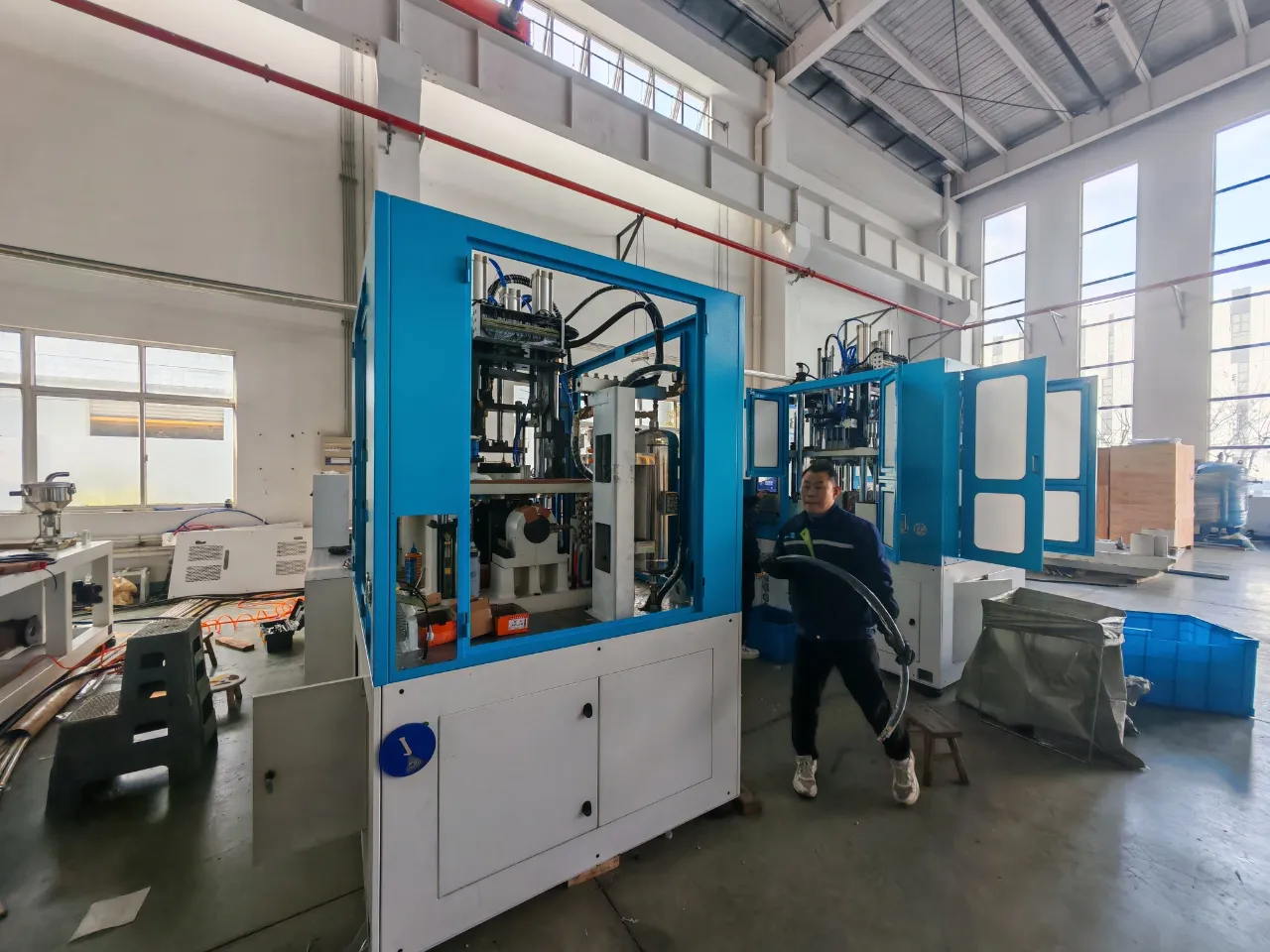
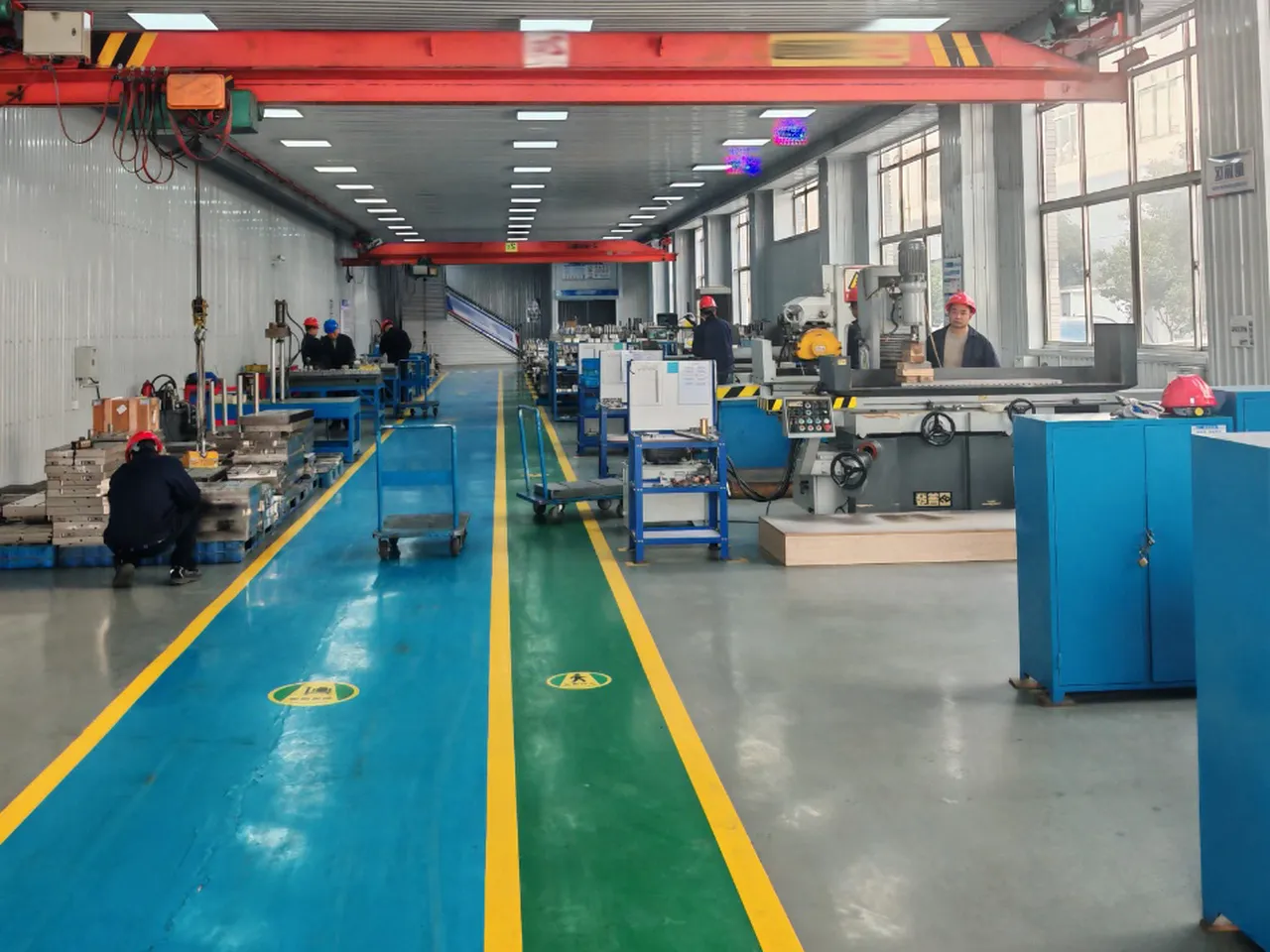
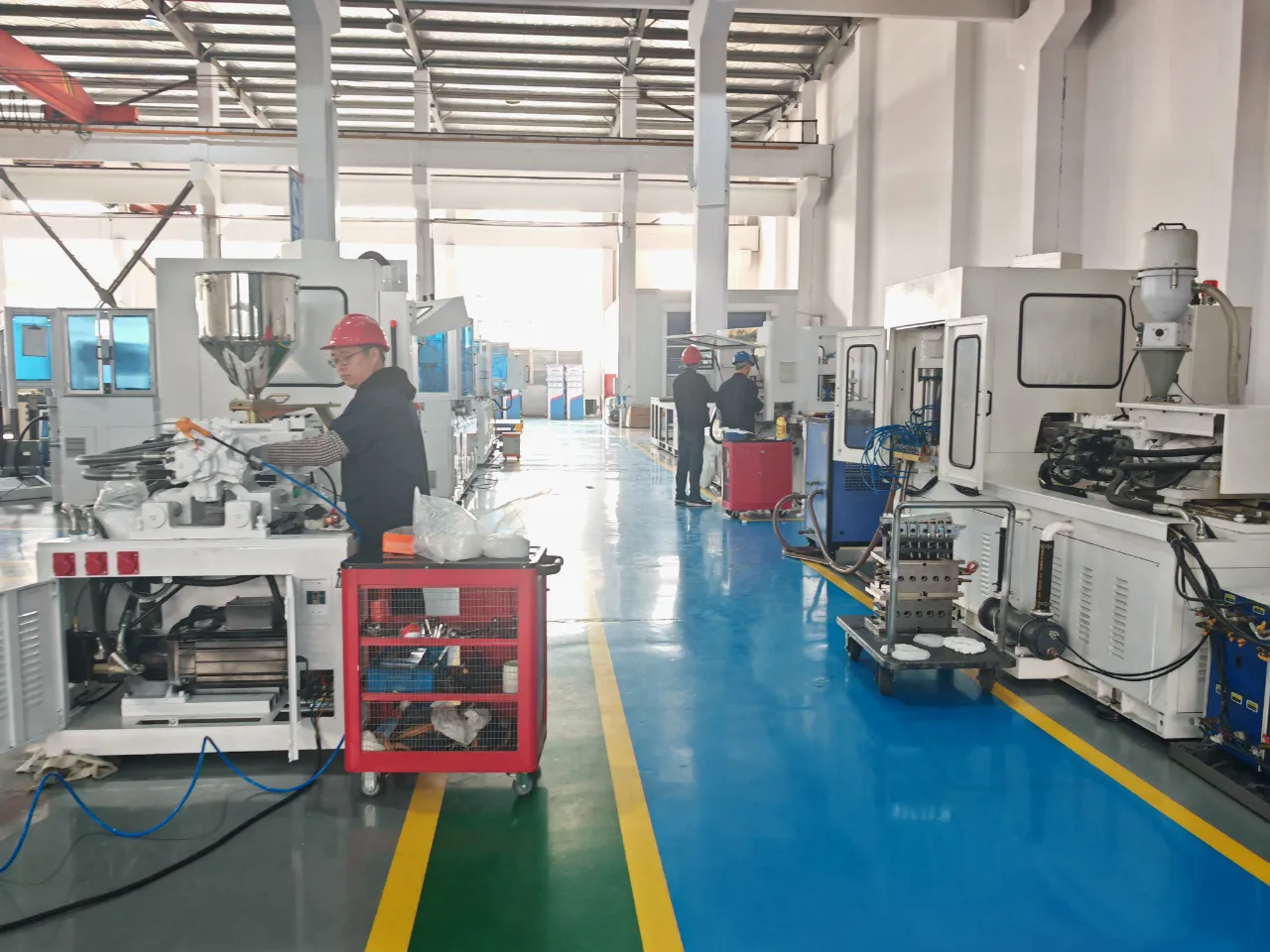
Компания CMN Transmission занимается исследованиями, разработкой, производством и глобальной продажей автоматических одноступенчатых машин для литья под давлением и выдувного формования с растяжением. Ассортимент нашей продукции включает в себя машины для литья под давлением, экструзионные выдувные машины, одноступенчатые и двухступенчатые машины для литья под давлением с растяжением, а также вспомогательное оборудование. Благодаря выгодному расположению производственных площадок и хорошо налаженным международным логистическим партнерским отношениям, CMN обеспечивает надежные поставки клиентам в более чем 50 странах мира.
Компания CMN Transmission собрала исключительную команду инженеров-разработчиков с глубокими знаниями как в области оборудования для литья под давлением, так и в проектировании пресс-форм для литья под давлением. Наши инженеры обладают обширными теоретическими знаниями и практическим опытом производства, накопленным за более чем 20 лет, что позволяет нам предоставлять подробные и высокоэффективные предпродажные технические консультации, поддержку при вводе в эксплуатацию на месте и долгосрочное послепродажное обслуживание. Мы не рассматриваем продажу оборудования как сделку; мы строим долгосрочные партнерские отношения с нашими клиентами в сфере производства.
Наша продукция применяется в фармацевтической, пищевой, медицинской, косметической и широком спектре промышленной пластиковой упаковки. Оборудование CMN способно обрабатывать широкий спектр полимеров, включая HDPE, LDPE, PET, PETG, PP, PS, PPSU, PC, Tritan, ABS, PLA, EVA, PCTG, а также экологически сертифицированные биопластики на основе кукурузы, что позволяет клиентам решать как традиционные, так и новые задачи в области устойчивой упаковки с помощью единой производственной платформы.
Компания CMN Transmission придерживается философии предприятия, основанной на самодостаточности, честности, прагматизме, инновациях и ответственности. Мы создаем комплексные решения «под ключ» для реализации проектов, от проектирования бутылок и разработки пресс-форм до ввода оборудования в эксплуатацию и обучения операторов, поставляя высококачественные системы литья под давлением с растяжением и выдувным формованием, сочетающие в себе мировое качество продукции с экономичностью китайского производства. Сотрудничая с CMN, вы получаете доступ не только к оборудованию, но и к команде, искренне заинтересованной в успехе вашего производства.
|  |
 | 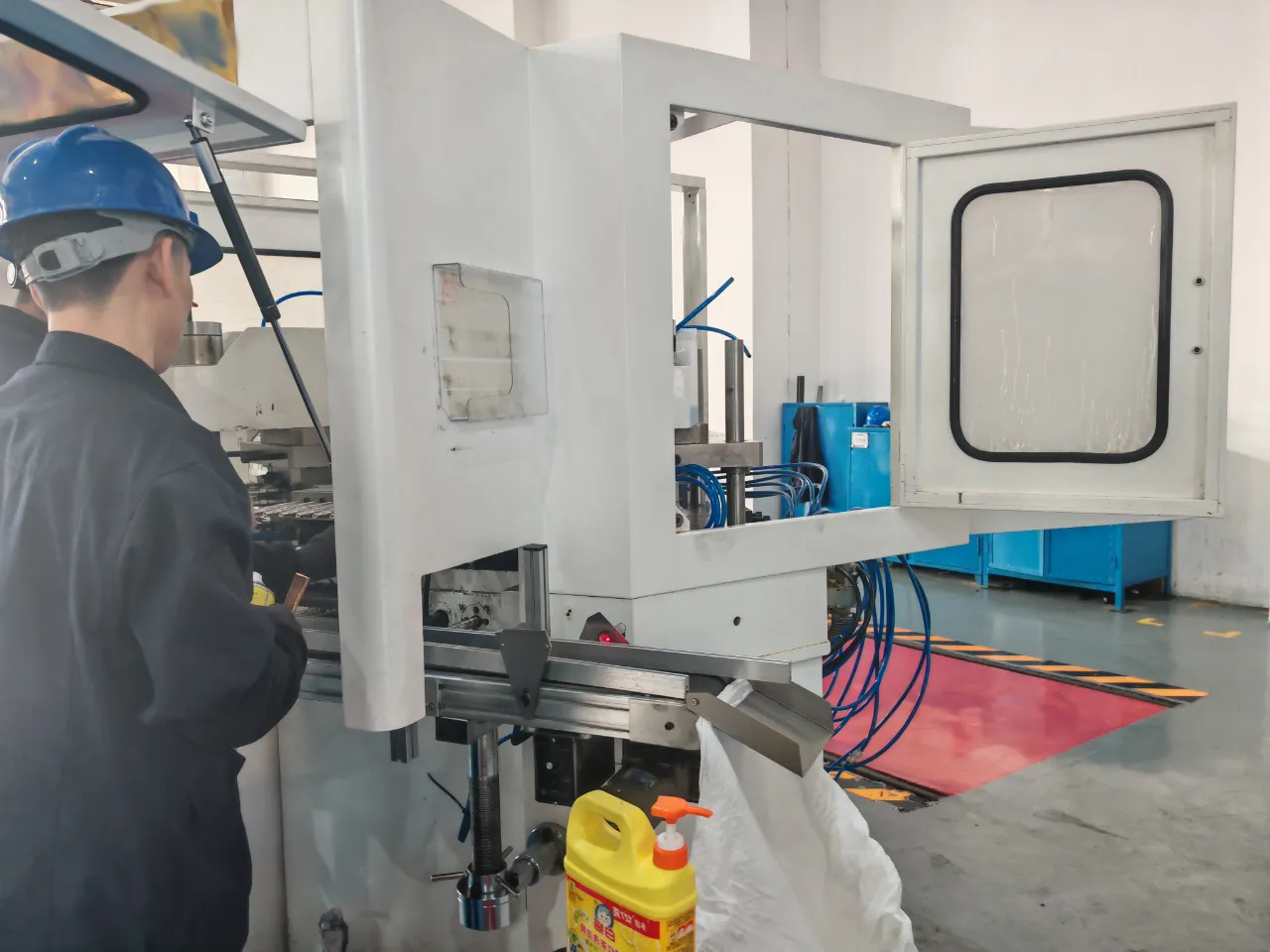 |
Часто задаваемые вопросы
В: В чем разница между одноступенчатой машиной для литья под давлением с растяжением и выдувным формованием и двухступенчатой машиной ISBM?
A: В одноэтапной машине ISBM, такой как Y150-V4-EV, весь процесс впрыска, растяжения и выдувания происходит последовательно в рамках одной машины в одном непрерывном цикле, при этом заготовка никогда не покидает оборудование. В двухэтапном процессе заготовки формуются под давлением на отдельной машине, охлаждаются, хранятся, а затем повторно нагреваются в отдельной машине для повторного нагрева, растяжения и выдувания. Одноэтапный процесс исключает затраты энергии на повторный нагрев, сокращает занимаемую площадь, устраняет риски загрязнения при промежуточной обработке и обеспечивает лучшую точность размеров, поскольку заготовка никогда полностью не остывает между этапами.
В: Действительно ли модель Y150-V4-EV совместима с формами из стали ASB-12M без доработок?
A: Да. Модель Y150-V4-EV сертифицирована как прямая замена оснастки станка ASB ISBM (ASB-12M). Размеры крепления пресс-формы, расстояния между узлами и соотношение между станциями разработаны в соответствии со спецификациями оснастки ASB-12M. Большинство клиентов могут установить свои существующие пресс-формы ASB-12M напрямую без модификаций. Мы рекомендуем запросить отчет о проверке размеров для вашего конкретного комплекта пресс-форм перед покупкой, чтобы подтвердить совместимость. Инженерная группа CMN может предоставить этот отчет на основе ваших чертежей пресс-форм.
В: Насколько экономит энергию модель Y150-V4-EV по сравнению с гидравлическими литьевыми машинами с выдувным формованием?
A: Установка Y150-V4-EV потребляет на 151–251 тонн энергии меньше, чем гидравлические машины ISBM из Японии, Европы и США. По сравнению с двухступенчатыми процессами ISBM, требующими повторного нагрева заготовки, экономия энергии достигает 401 тонны. Основная экономия достигается за счет замены гидравлических насосных двигателей на прецизионные сервоприводы, которые потребляют энергию только по требованию, устраняя постоянное потребление энергии в режиме ожидания, характерное для гидравлических систем. Нано-нагревательное кольцо с дальним инфракрасным излучением также обеспечивает более эффективную и равномерную передачу тепла к шнеку по сравнению с обычными ленточным нагревателями.
В: Может ли Y150-V4-EV обрабатывать материалы, отличные от ПЭТ, такие как ПП, тритан или ПЛА?
A: Да. Хотя ПЭТ и ПЭТГ являются основными материалами для стандартной 4-позиционной машины, Y150-V4-EV также может обрабатывать ПП, ПК, тритан, ПЭТГ, ПКТГ, ПЛА и ППСУ с соответствующей настройкой параметров пресс-формы и процесса. Для каждого материала требуются определенные температурные профили цилиндра, настройки скорости растягивающего стержня и параметры давления продувки. Техническая команда CMN может предоставить рекомендации по обработке для каждого типа смолы. Обратите внимание, что для ПП и тритана может потребоваться корректировка конструкции пресс-формы для оптимальной ориентации и прозрачности.
В: Каков максимальный размер бутылки и вместимость резервуара у модели Y150-V4-EV?
A: Прибор Y150-V4-EV позволяет производить бутылки объемом до 2500 мл с максимальным диаметром 118 мм при работе с одной полостью. При работе с 6 полостями можно производить бутылки объемом до 100 мл с максимальным диаметром 45 мм. Максимальная высота бутылки достигает 210 мм при конфигурации с 1-2 полостями и 100 мм при конфигурации с 7-8 полостями. Максимальная производительность при 6 полостях за цикл составляет приблизительно 6 бутылок за цикл впрыска, по сравнению с 4 бутылками за цикл на аналогичных японских платформах ASB-12M, что обеспечивает значительное преимущество в производительности при крупномасштабном производстве.
В: Подходит ли Y150-V4-EV для фармацевтических производственных сред, сертифицированных по стандартам GMP?
A: Да. Полностью электрическая архитектура Y150-V4-EV исключает все гидравлические контуры, что устраняет риск загрязнения маслом производственной среды. Это обеспечивает полное соответствие требованиям GMP для фармацевтической упаковки, где безмасляная работа является обязательной во многих нормативных документах, включая Приложение 1 к GMP ЕС. Машина может работать в контролируемых чистых помещениях, а встроенная система сервоуправления поддерживает электронное создание протоколов партий, что упрощает документацию по валидации процессов для фармацевтических производителей.
В: Какую послепродажную поддержку предоставляет компания CMN для модели Y150-V4-EV?
A: Компания CMN предоставляет комплексную послепродажную поддержку, включая установку и ввод в эксплуатацию на месте квалифицированными инженерами, прошедшими обучение на заводе, обучение производственного и обслуживающего персонала, удаленную техническую поддержку по видеосвязи, а также услуги по поставке запасных частей с гарантированным сроком их наличия. CMN также оказывает поддержку в оптимизации процессов для новых конструкций бутылок и смены материалов. Для клиентов, которым требуется поддержка на месте после первоначального периода ввода в эксплуатацию, CMN может организовать выездные сервисные визиты через свою дистрибьюторскую сеть или направить инженеров непосредственно с производственного предприятия.
В: Как скорость производства CMN соотносится со скоростью производства японских машин марки ISBM?
A: Модель Y150-V4-EV может производить 6 бутылок за цикл по сравнению с 4 бутылками за цикл на аналогичной японской платформе ASB-12M, что представляет собой увеличение производительности на 501 тонну на одну машину при том же количестве ячеек пресс-формы. Это преимущество достигается благодаря высокоскоростному шнеку CMN, множеству вариантов конфигурации шнека и замене пневматических компонентов в механизме извлечения на серводвигатели, работающие с удвоенной скоростью. Для руководителей производства, рассчитывающих потребности в производственной мощности, это улучшение производительности может сократить количество машин, необходимых для достижения ежедневных производственных целей.
В: Может ли компания CMN изготовить пресс-формы по индивидуальному заказу для конкретных моделей бутылок?
A: Да. Компания CMN Transmission предлагает индивидуальный пакет услуг по изготовлению пресс-форм для литья под давлением и выдувного формования, включающий проектирование и изготовление пресс-форм для бутылок в рамках проекта «под ключ». Команда инженеров CMN по разработке пресс-форм может проектировать пресс-формы для заготовок и выдувные пресс-формы для бутылок нестандартной геометрии на основе предоставленных заказчиком 3D-чертежей или физических образцов бутылок. Стандартный срок изготовления пресс-формы составляет приблизительно от 25 до 35 дней в зависимости от количества ячеек и сложности бутылки. CMN также проводит испытания пресс-форм на своем заводе перед отгрузкой для проверки точности размеров в соответствии со спецификациями заказчика.
В: Какими международными сертификатами обладает машина для литья под давлением и выдувного формования компании CMN?
A: Машины ISBM компании CMN соответствуют требованиям маркировки CE для европейского рынка и отвечают применимым международным стандартам безопасности для промышленного оборудования. Электрическая система разработана в соответствии со стандартами IEC, и машина совместима с трехфазным электропитанием напряжением от 370 до 400 В, как указано в техническом паспорте. Клиенты на регулируемых рынках могут запросить у отдела качества CMN специальные протоколы испытаний и документацию для поддержки процессов импортного таможенного оформления и получения разрешений регулирующих органов в своих странах.
Отзывы покупателей
Пак Чжэ-вон, индустрия косметической упаковки, Южная Корея.
«Около года назад мы перешли с японской пресс-формы ASB-12M на CMN Y150-V4-EV, и, честно говоря, переход прошел легче, чем ожидалось. Заявленная совместимость пресс-форм действительно существует: мы запустили нашу существующую 6-гнездную оснастку для косметических флаконов в первый же день без каких-либо модификаций. Производительность сразу же выросла с 4 флаконов за цикл до 6. Счета за электроэнергию заметно снизились в первые два месяца. Команда послепродажного обслуживания терпеливо относилась к нашим операторам во время обучения и оказывала удаленную поддержку всякий раз, когда у нас возникали вопросы».
Фам Тхи Лан, фармацевтическая упаковочная промышленность, Вьетнам
«Я руковожу линией по производству фармацевтических флаконов объемом 100 мл из ПЭТ-бутылок для таблеток. Мы приобрели Y150-V4-EV именно потому, что она полностью электрическая и не требует смазки. Наш аудитор по надлежащей производственной практике остался доволен во время последней проверки и положительно оценил чистоту производственной среды. Машина работает уже около 14 месяцев без серьезных поломок. Размеры горловины остаются стабильными, что крайне важно для используемых нами крышек с защитой от детей. Инженеры CMN приезжали на место для первоначального ввода в эксплуатацию и оставались там четыре дня, пока все не было настроено должным образом».
Мохаммед Аль-Рашиди, индустрия напитков, Саудовская Аравия
«В начале прошлого года мы заказали два блока Y150-V4-EV для нашего завода по производству бутылок для напитков. Доставка была вовремя, упаковка качественная, повреждений нет. Документация была достаточно подробной, чтобы наша команда технического обслуживания могла ей следовать. Мне особенно понравилось, что CMN включила в комплект видеотеку для обучения операторов, к которой наша команда могла получить удаленный доступ. Мы производили бутылки из PETG для производства сока, и качество изображения превосходное. За первые три месяца у нас возникла одна ошибка сервопривода, и CMN диагностировала ее по видеосвязи в течение двух часов».
Рахул Мехта, пищевая промышленность, Индия
«Как производитель пресс-форм и дилер оборудования, я работал с AOKI, ASB и несколькими европейскими брендами. Около двух лет назад я начал рекомендовать CMN клиентам, ищущим экономичные альтернативы. Модель Y150-V4-EV не уступает конкурентам по качеству сборки. Линия разъема на демонстрационных образцах, присланных CMN, была действительно незаметной, а не просто маркетинговым ходом. Доступность запасных частей хорошая, а цены разумные. На данный момент я продал пять единиц и планирую расширить свой ассортимент продукции CMN в следующем году».
Лукас Феррейра, отрасль упаковки агрохимикатов, Бразилия
«Мы производим контейнеры из ПЭТ для пестицидов и агрохимикатов для внутреннего и экспортного рынков. Бутылки должны быть химически стойкими и иметь жесткие допуски по размерам горлышка для защитных откидных крышек. Станок Y150-V4-EV уже более восьми месяцев производит контейнеры объемом 250 мл с размерами горлышка, которые находятся в пределах допустимых значений. Хочу особо отметить экономию энергии: наши ежемесячные счета за электроэнергию на этой линии примерно на 201 тонну меньше, чем мы платили, работая со старым гидравлическим погрузчиком ISBM. Сервосистема также заметно тише работает».
Ингрид Ван Дамме, индустрия упаковки средств личной гигиены, Бельгия
«На самом деле, перед заказом нас больше всего беспокоила логистика. Компания CMN хорошо скоординировала действия с экспедитором, и два агрегата Y150-V4-EV прибыли в наш порт в Антверпене без повреждений. Установка прошла успешно, габариты машины составляют 5,2 x 1,8 x 3,3 м, поэтому она вписалась в планировку нашего завода без существенных изменений. Мы используем ее для производства бутылок из ПЭТГ для шампуня и средств личной гигиены. Прозрачность очень хорошая, а линия разъема намного чище, чем у предыдущего поставщика. Время реагирования службы поддержки CMN было приемлемым».
Дэвид Чен, индустрия упаковки напитков, Тайвань
«Мы используем станок Y150-V4-EV для обработки тритановой смолы, предназначенной для производства многоразовых бутылок для воды премиум-класса. Этот материал сложен в обработке из-за узкого технологического диапазона, но станок хорошо с ним справляется, если правильно установить температурные параметры. Техническая команда CMN провела с нами видеоконференцию, чтобы подробно объяснить настройки процесса перед началом работы. После примерно шести месяцев производства серьезных проблем не возникло. Бутылки получаются с отличной чистотой поверхности. Мы сравнили результаты с образцами, полученными на тайваньском станке, и продукция CMN оказалась сопоставимой по чистоте и точности размеров при гораздо более низкой цене станка».
Ахмад Юсоф, компания по производству пищевой упаковки, Малайзия
«Мы импортируем упаковочное оборудование, и модель Y150-V4-EV стала нашим бестселлером среди клиентов, работающих в пищевой промышленности. Машина внушает доверие клиентам, поскольку в ней используются известные бренды: клапаны Parker, ходовые винты NSK, серводвигатели Yaskawa. Это бренды, которым наши клиенты уже доверяют. С CMN также легко работать с документацией для таможенного оформления импорта. Мы продали оборудование в Индонезию, Таиланд и на Филиппины, и отзывы из всех регионов положительные. Срок выполнения заказа до доставки последней партии составил около 75 дней».
Аяша Нкоси, компания по производству пищевой упаковки, Южная Африка
«Наш завод производит бутылки для приправ и соусов из ПЭТ. Девять месяцев назад мы приобрели Y150-V4-EV, сравнив его с другой китайской маркой и одной японской моделью. CMN выиграла по цене и пакету послепродажной поддержки. Машина работает с нашей формой для бутылок кетчупа объемом 400 мл, обрабатывая 4 ячейки за цикл с очень стабильной толщиной стенок. У нас вышел из строя один нагревательный элемент примерно через 1200 часов работы, CMN отправила запасную часть в течение недели. В целом мы довольны и, вероятно, закажем второй агрегат до конца этого года для нашего нового производственного цеха».
Детали
| Отредактировано | Yjx |
|---|
Похожие товары
-
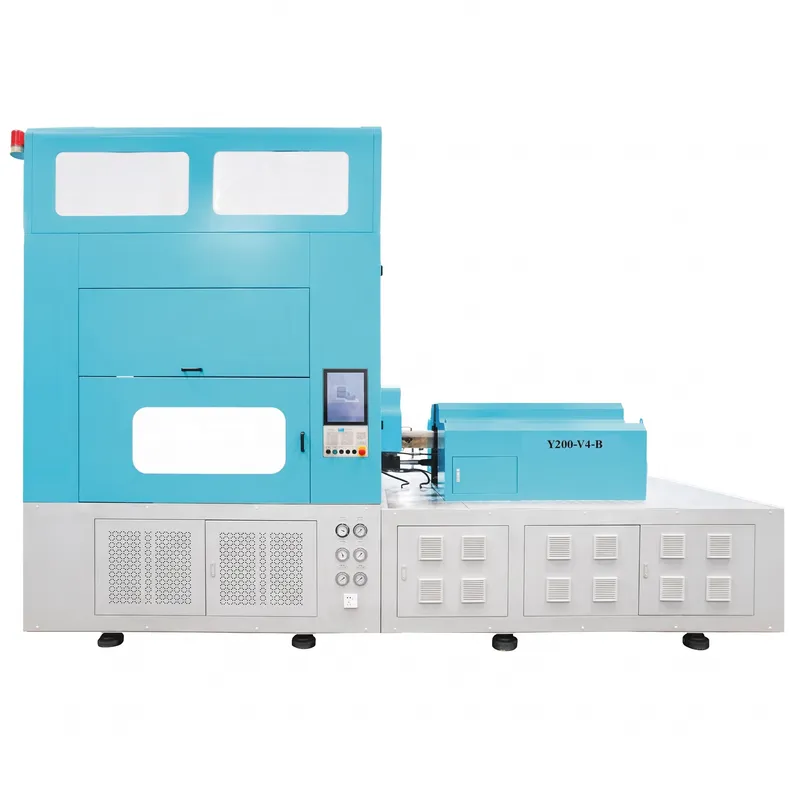
Одноэтапная машина для литья под давлением и выдувного формования Y200-V4-B (4 станции)
-
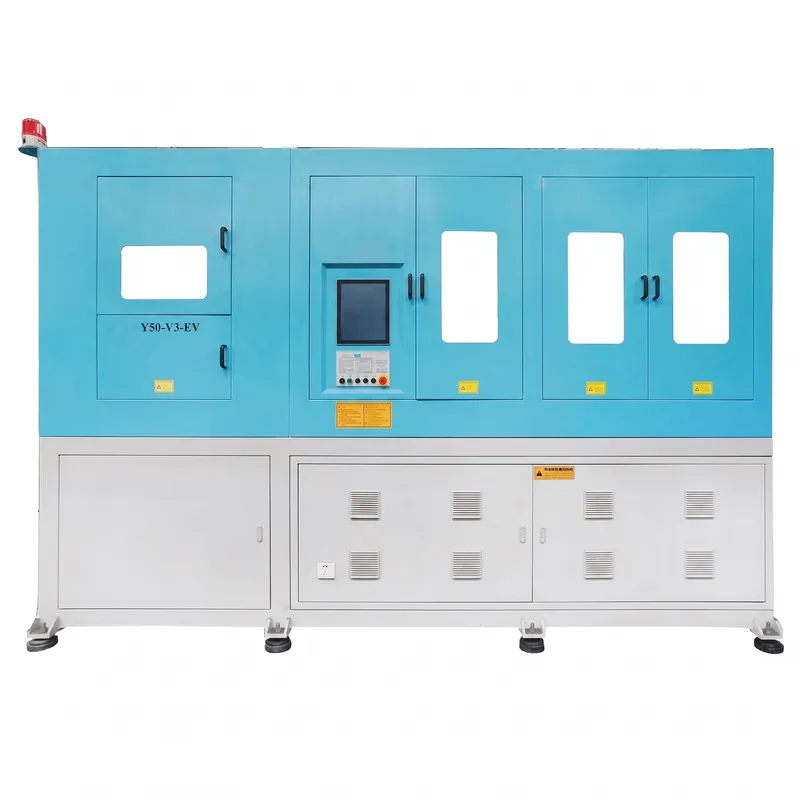
Одноэтапная машина для литья под давлением и выдувного формования Y50-V3-EV (3-позиционная)
-
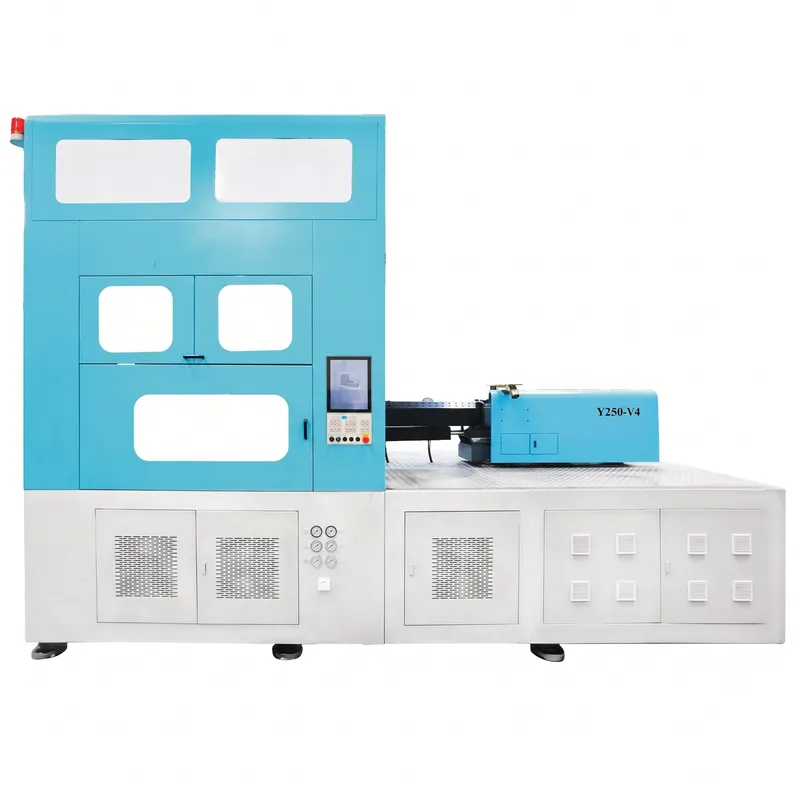
Одноэтапная машина для литья под давлением и выдувного формования Y250-V4 (4 станции)
-
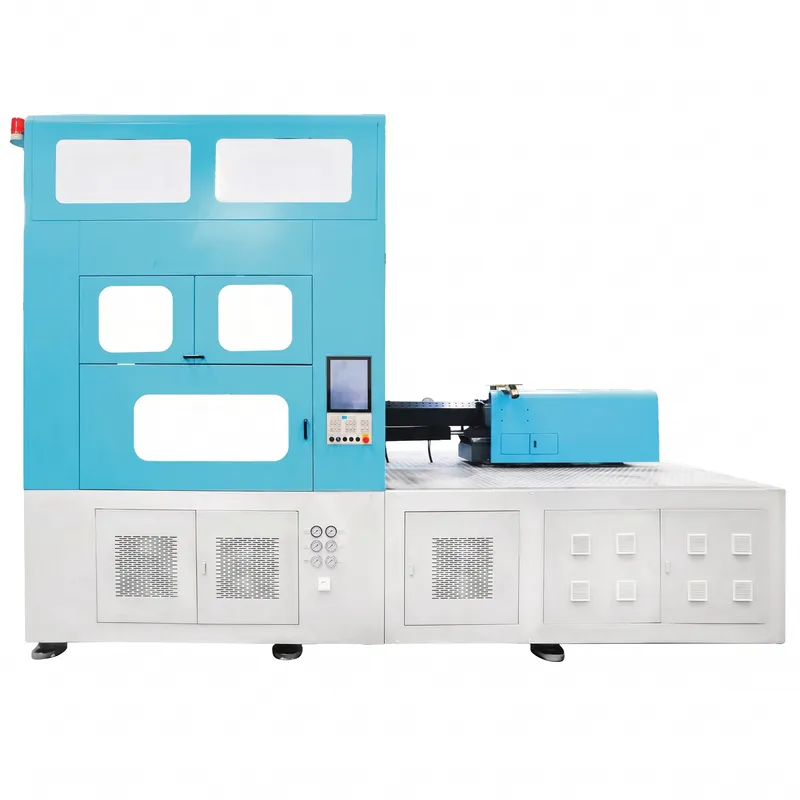
Одноэтапная машина для литья под давлением и выдувного формования Y280-V6 (6-позиционная)
-
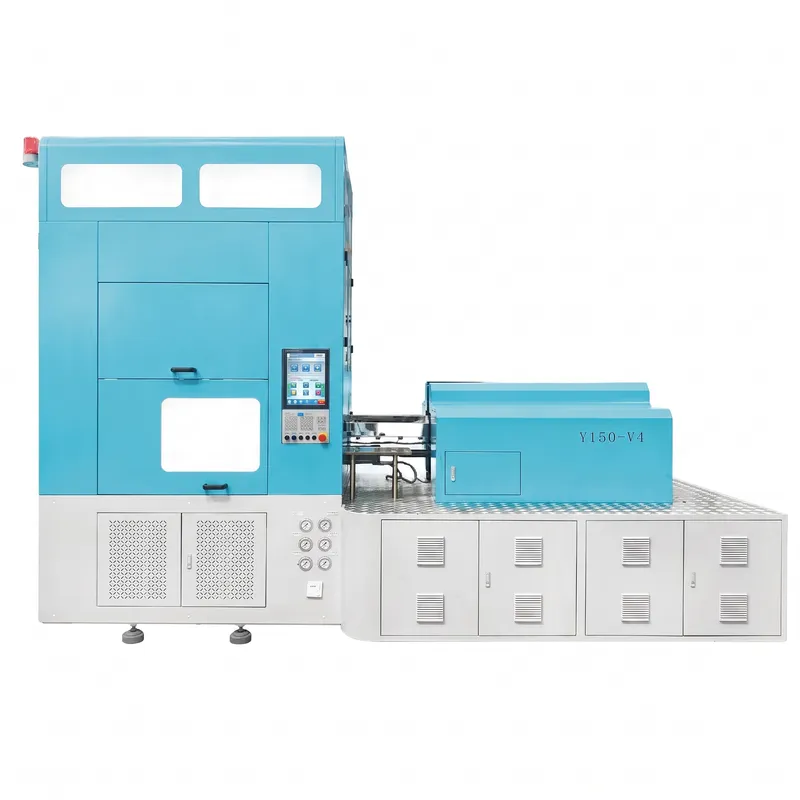
Одноэтапная машина для литья под давлением и выдувного формования Y150-V4 (4 станции)