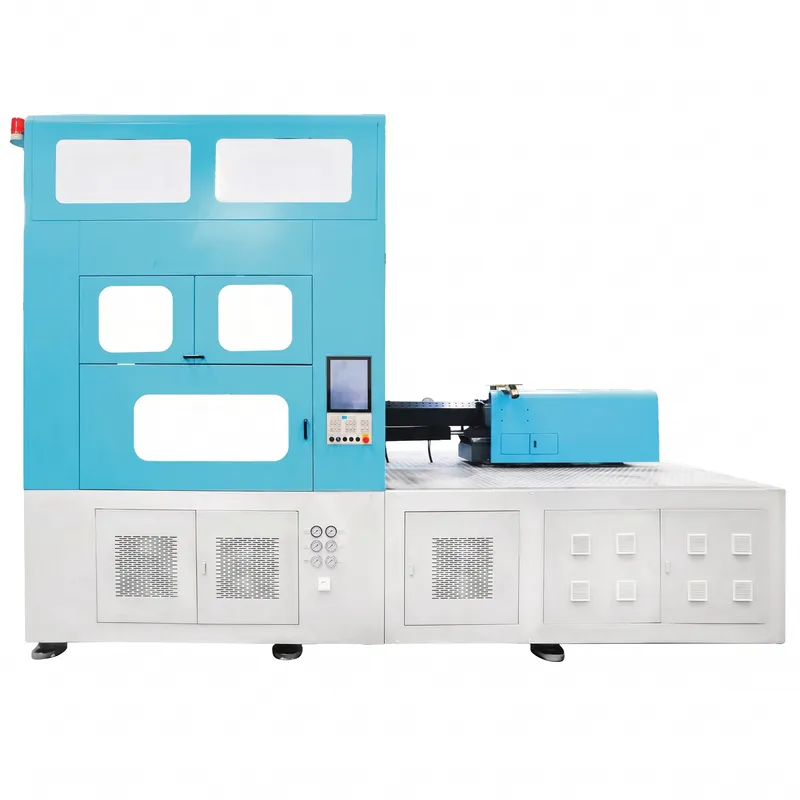
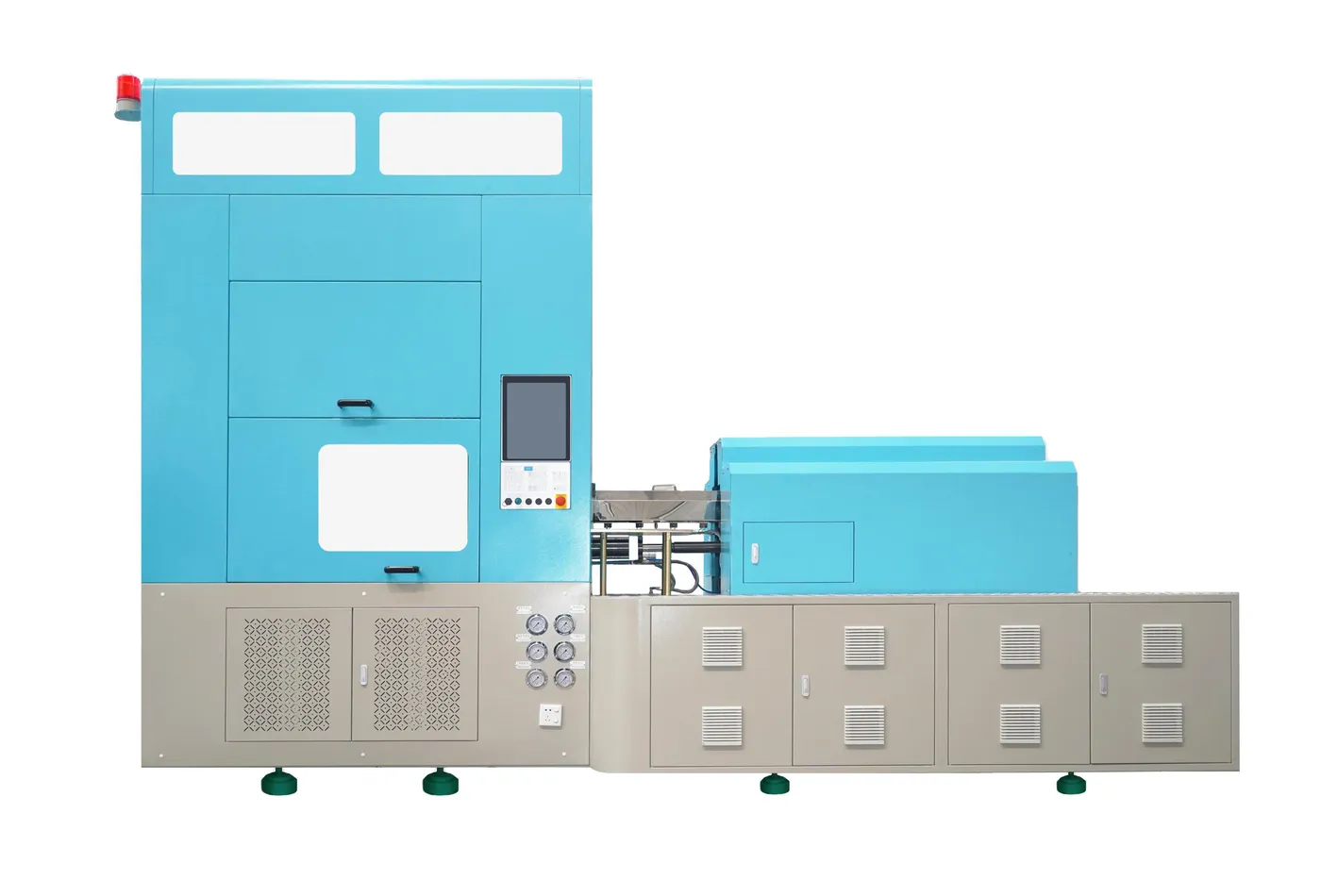
Y280-V6 Jednoetapowa maszyna do formowania wtryskowego z rozciąganiem i rozdmuchiwaniem (6 stanowisk)
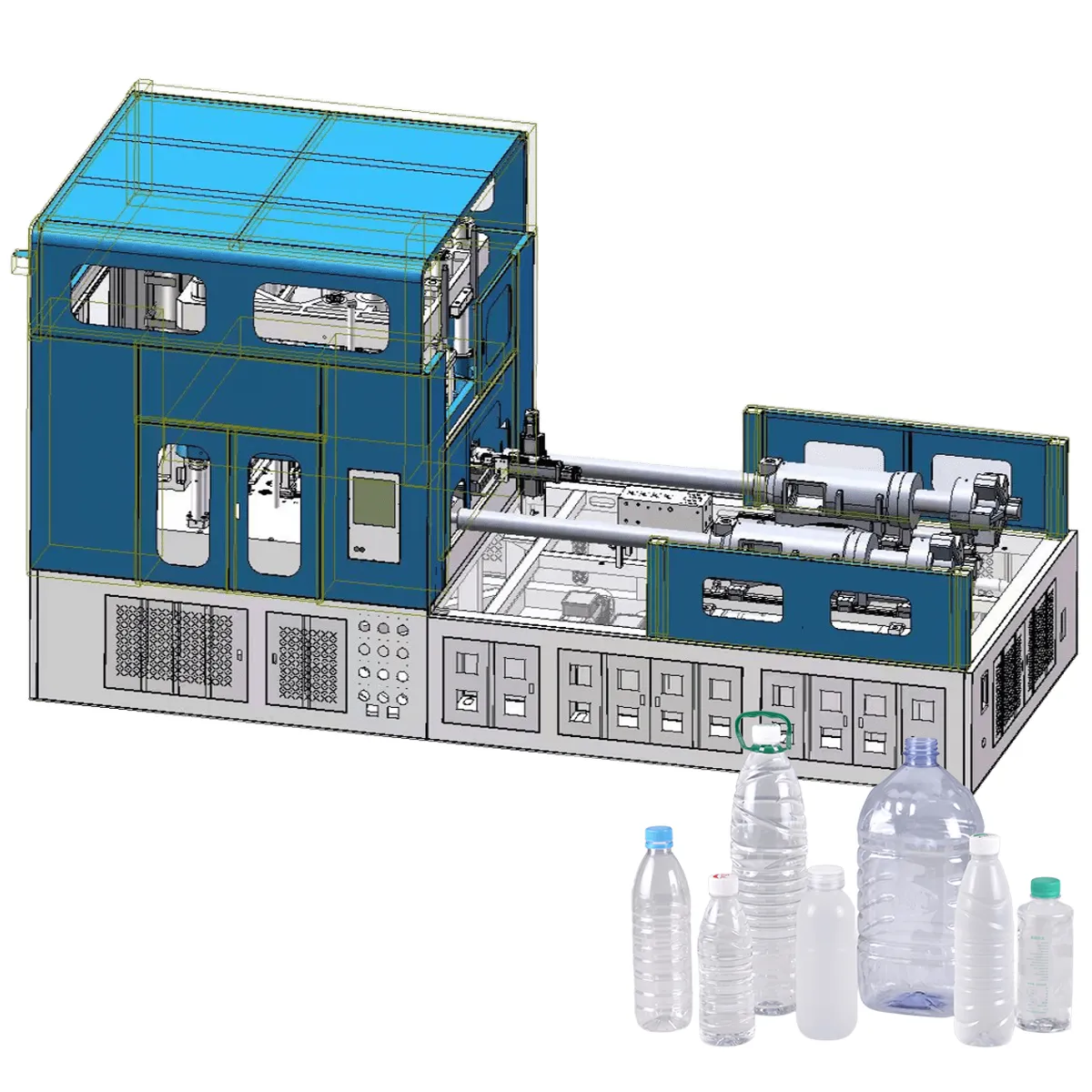
Maszyna do formowania wtryskowego z rozciąganiem i rozdmuchiwaniem Y280-V6 w jednym kroku to wysoce wydajny proces formowania pojemników z tworzyw sztucznych, szeroko stosowany w produkcji precyzyjnych i wysokowydajnych pustych produktów z tworzyw sztucznych, takich jak butelki dla niemowląt, butelki na wodę, butelki na leki, butelki o specjalnych kształtach i kształtach oraz butelki kosmetyczne z PET, PETG, PP, PC, Tritanu, PS, ABS lub PLA. Maszyna Y280-V6 jest bezpośrednim zamiennikiem wiodących japońskich maszyn do formowania wtryskowego z rozciąganiem i rozdmuchiwaniem i jest dostępna w konfiguracji standardowej, serwomotorowej i w pełni elektrycznej, aby sprostać zróżnicowanym warunkom produkcyjnym.
The Y280-V6 One Step Injection Stretch Blow Molding Machine is a highly efficient plastic container molding process widely used in the production of high-precision, high-demand hollow plastic products, including baby bottles, water bottles, medicine bottles, craft and special-shaped bottles, and cosmetic bottles made of PET, PETG, PP, PC, Tritan, PS, ABS, or PLA. As a leading one step ISBM machine with six stations, its defining feature is that injection, stretching, and blow moulding are all completed continuously within the same equipment without any intermediate steps. This single-stage design eliminates reheating energy, reduces floor space, and significantly improves both production efficiency and batch-to-batch product consistency. The Y280-V6 is a direct-replacement option for leading Japanese injection stretch blow molding machines and is available in Standard, Servo, and Fully Electric configurations to suit diverse production environments.
The six-station rotary turntable architecture of the Y280-V6 sets it apart from conventional four-station ISBM machines. By adding two additional stations to the processing cycle, the machine can produce up to six plastic bottles simultaneously per cycle, delivering throughput levels that match high-volume cosmetic, pharmaceutical, beverage, and personal care packaging lines. All critical components are sourced from trusted global suppliers: Japan Yaskawa or WEICHI servo motors drive the turntable, American Parker high-pressure valves manage blowing air, Airtak air cylinders handle actuation, and YUKEN hydraulic control valves from Taiwan govern pressure regulation. The twin-screw system is heated by nano far-infrared energy-saving rings, reducing heating power consumption while maintaining melt quality. Whether you operate in the pharmaceutical sector requiring GMP-grade oil-free production, or a cosmetic packaging line demanding flawless surface finish with no visible parting lines, the Y280-V6 delivers. It is an ideal solution for businesses seeking a reliable PET injection stretch blow molding machine with proven industrial-grade durability and broad mold compatibility.
Wymienna marka i model
CMN Transmission oferuje szeroką gamę modeli maszyn do formowania wtryskowego z rozciąganiem i rozdmuchiwaniem, z których każda została zaprojektowana jako bezpośredni zamiennik wiodących japońskich marek. Wszystkie modele są dostępne w konfiguracji standardowej, serwo i w pełni elektrycznej, aby sprostać Państwa wymaganiom produkcyjnym.
| Model standardowy | Y150-V4 | Y200-V4 | Y250-V4 |
 | Kompatybilny z japońskim ASB-12M | Kompatybilny z japońskim Aoki 250 | Kompatybilny z japońskim ASB-70DPH |
| Y150-V4-B | Y500-V3 | - | |
| Kompatybilny z japońską Aoki 100 | Kompatybilny z japońskim Aoki 500 | - | |
| Zacisk hydrauliczny, wtrysk hydrauliczny ślimakowy. | |||
| Model serwa | YS150-V4 | YS200-V4 | YS250-V4 |
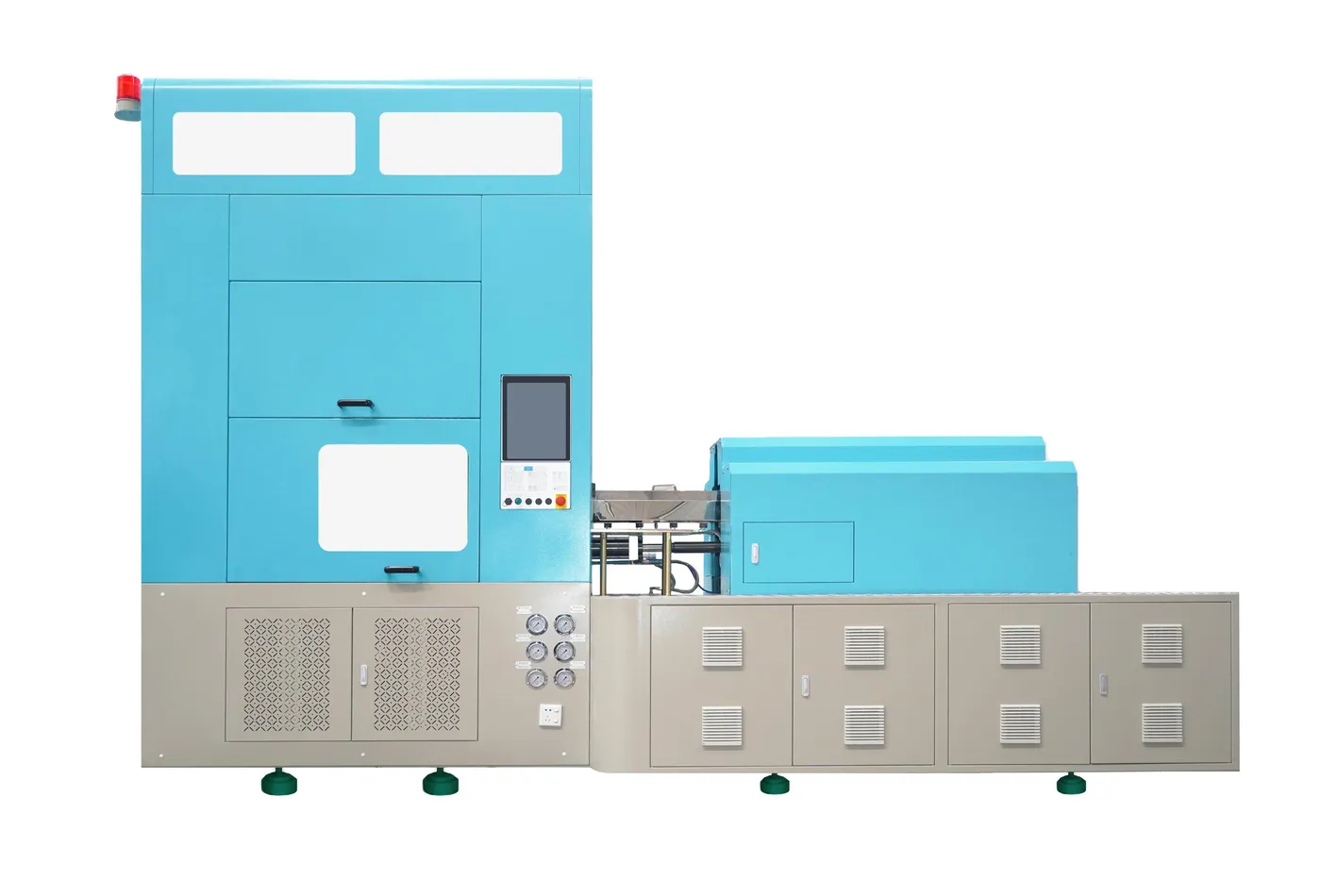 | Zacisk serwo, wtrysk serwo-śrubowy, wysoka precyzja, niskie zużycie energii, długotrwała stabilność | ||
| Model w pełni elektryczny | Y150-V4-EV | Y200-V4-EV | Y250-V4-EV |
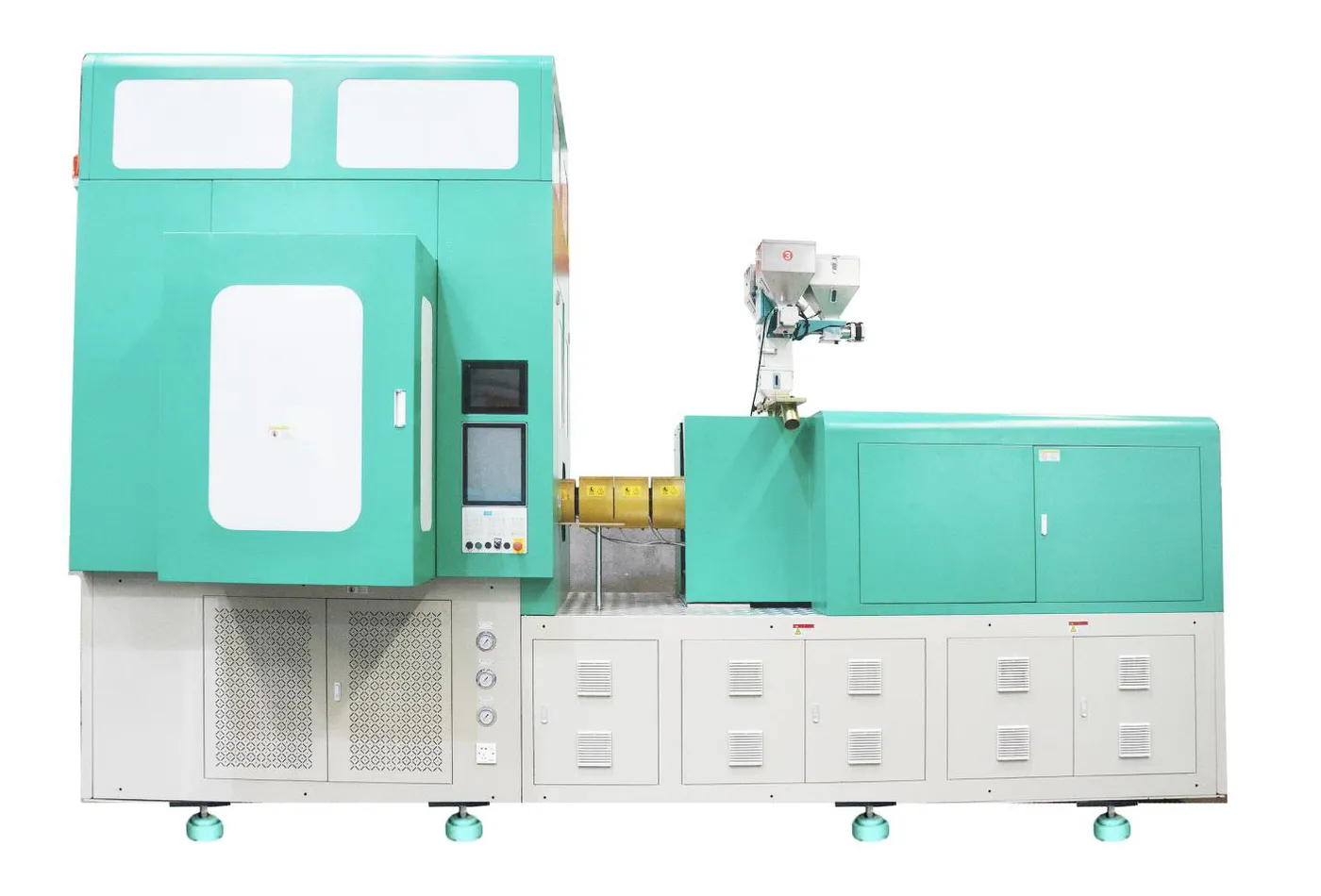 | Napęd całkowicie elektryczny, zapobiegający zanieczyszczeniu produktów olejem. | ||
Korzyści z naszej maszyny ISBM
1. Jakość jest lepsza. Wszystkie plastikowe butelki produkowane przez japońskie maszyny do formowania rozdmuchowego mają linię podziału. Pośrodku obu form, po obu stronach, wystaje kawałek plastiku, co powoduje powstanie znaku. Jednak nasze formy charakteryzują się niezwykle wysoką precyzją, a znak jest całkowicie niewidoczny.
2. Nasza produkcja jest szybka, z dużą liczbą rozwiązań śrubowych i dużą prędkością. Podczas gdy Japonia może produkować cztery plastikowe butelki jednocześnie, my jesteśmy w stanie wyprodukować ich sześć.
3. Oszczędzaj energię. Nasze maszyny zużywają od 15% do 25% mniej energii niż te w Japonii, Europie i Stanach Zjednoczonych.
4. Zastosowano szeroką gamę technologii sterowania elektrycznego w celu zastąpienia komponentów hydraulicznych i pneumatycznych. Na przykład, komponenty pneumatyczne stosowane w mechanizmie tnącym dno w Japonii są zastępowane silnikami serwo, co podwaja ich prędkość. W przemyśle farmaceutycznym i innych branżach, silniki serwo mogą być stosowane bez żadnych układów hydraulicznych, co zapewnia zgodność ze standardami GMP i pracę w środowisku wolnym od oleju i zanieczyszczeń.
Specyfikacja produktu
| Przedmiot | Jednostka | Specyfikacje | |||||||
| Nazwa | One-step injection stretch blow molding machine (6-station) | ||||||||
| Model | Y280-V6 | ||||||||
| Producent | Transmisja CMN | ||||||||
| Meterial | PET/PETG | ||||||||
| Średnica śruby | MM | 40 | 50 | 55 | 60 | ||||
| Teoretyczna objętość wtrysku | CM³ | 188 | 310 | 442 | 480 | ||||
| Prędkość obrotowa śruby (obr./min) | obr./min | 270 | 180 | 150 | 150–220 | ||||
| Siła zacisku wtrysku | KN | 150 | |||||||
| Siła zacisku dmuchawy | KN | 200 | |||||||
| Moc silnika | KW | 43.2 | |||||||
| Moc grzewcza | KW | 10 | |||||||
| Ciśnienie powietrza dmuchanego | MPa | 2.0-3.5 | |||||||
| Ciśnienie wody chłodzącej | MPa | 0.4-0.6 | |||||||
| Ciśnienie wody w chłodnicy oleju maszynowego | MPa | 0.3-0.4 | |||||||
| Temperatura wody w chłodnicy oleju maszynowego | ℃ | 20-25 | |||||||
| Woltaż | V | 370-400 | |||||||
| (Dł.*Sz.*Wys.) Rozmiar(Dł.*Sz.*Wys.) | MM | 5900x2600x3200 | |||||||
| Waga | T | 14 | |||||||
| Wymiary produktu | |||||||||
| Ilość produktu | PCS | 1 | 2 | 4 | 5 | 6 | 7 | 9 | 10 |
| Średnica butelki (BD) | MM | 120 | 110 | 68 | 55 | 50 | 45 | 35 | 20 |
| Wysokość butelki (H) | MM | 210 | 150 | 100 | |||||
| Średnica szyjki (E) | MM | 85 | 70 | 50 | 38 | 32 | 25 | 17 | 12 |
| Maksymalna objętość butelki (ml) | ML | 2500 | 1500 | 900 | 400 | 250 | 100 | 30 | 20 |
| Maksymalna waga butelki (szer.) | G | 130 | 65 | 43 | 32 | 26 | 22 | 18 | 16 |
Parametr maszyny
| Średnica śruby: | 50 mm (opcjonalnie) |
| Teoretyczna wydajność wtrysku: | 310g |
| Siła zacisku wtrysku: | 150 kN |
| Skok górnej formy: | 250 mm |
| Dolny skok formy: | 205 mm |
| TEMP. Regulacja rdzenia: | 250 mm |
| Regulacja temp. skoku lufy: | 230 mm |
| Uderzenie wyjmujące: | 170 mm |
| Siła zacisku dmuchawy: | 200 kN (jednostronnie) |
| Uderzenie rdzenia: | 250 mm |
| Skok formy rozdmuchowej: | 75+75 mm |
| Pojemność zbiornika oleju: | 300L |
| Rozmiar (dł. × szer. × wys.): | 5.9*2.6*3.2m |
| Waga: | 14T |
Norma techniczna
| Układ sterowania serwomechanizmem: | Using 2 sets of servo pump systems. |
| Moc serwosilnika: | Inovance/ WEICHI servo motor power: 43.2KW. |
| System sterowania komputerowego: | Korzystanie ze sterownika PLC Inovance/MiRLE. |
| Napęd gramofonu: | Gramofon wyposażony jest w serwomotor japońskiej firmy Yaskawa lub serwomotor firmy WEICHI z reduktorem TSUNTIEN z Tajwanu. |
| Zawór wysokiego ciśnienia: | Zastosowanie amerykańskiego zaworu wysokociśnieniowego Parker. |
| Cylinder pneumatyczny: | Korzystanie z cylindra pneumatycznego Aitak. |
| Kontrola temperatury: | Do kontrolowania temperatury wykorzystuje się zintegrowaną skrzynkę sterowniczą, która jest niezwykle dokładna, stabilna i łatwa w obsłudze. |
| Zawór sterujący ciśnieniem hydraulicznym: | Wykorzystanie hydraulicznego zaworu sterującego ciśnieniem firmy YUKEN z Tajwanu, Chiny. |
| Podgrzewana śruba: | The twin-screw is heated by a nano-far-infrared energy-saving heating ring(10KW). |
| Struktura formowania rozdmuchowego: | Struktura formowania rozdmuchowego wykorzystuje układ zacisku formy z cylindrem hydraulicznym lub podwójnym serwosilnikiem z funkcją kompensacji wysokiego ciśnienia. |
| Jednostka wtryskowa: | The double-injection unit is controled by a single cylinder. The melt motor may be controlled either hydraulically or by a servo motor. |
| Rurka olejowa: | Rurka olejowa wykonana jest z materiału importowanego z Włoch. |
| Całkowita moc maszyny: | Total power of the machine:53.2KW. |
Key Features of the Y280-V6 ISBM Machine
1. Superior Product Quality
The single-stage injection stretch blow molding machine process produces bottles directly from preforms without reheating, which preserves molecular alignment and surface integrity. Containers achieve high optical clarity, smooth surface finishes, and uniform wall thickness in every cycle. Because the preform and finished bottle are made on the same machine without intermediate handling, there is virtually no risk of contamination or surface damage. The Y280-V6 mold tooling is manufactured to extremely tight tolerances, making parting line marks invisible to the naked eye. This is a clear advantage over Japanese-brand alternatives where a visible parting line protrusion is common.
2. Flexible Design Capabilities
Platforma maszyny do formowania wtryskowego z rozciąganiem i rozdmuchem Y280-V6, dostosowanej do indywidualnych potrzeb, obsługuje skomplikowane kształty butelek, niestandardowe wykończenia szyjek i objętości pojemników od 20 ml do 2500 ml. Dzięki 8 dostępnym konfiguracjom gniazd na cykl, maszyna dostosowuje się zarówno do małych serii zamówień specjalnych, jak i dużych serii produkcyjnych. Ta wszechstronność sprawia, że idealnie nadaje się dla marek kosmetycznych wymagających charakterystycznych profili butelek, producentów farmaceutycznych wymagających precyzyjnego dopasowania zamknięć oraz producentów napojów premium potrzebujących przezroczystych butelek PET o wysokiej atrakcyjności wizualnej. Kompatybilność maszyny z formami wtryskowymi obejmuje również oprzyrządowanie pierwotnie zaprojektowane dla japońskich maszyn ASB i Aoki.
3. Sustainability and Lower Energy Use
The one-step process eliminates the secondary preform reheating stage that two-step systems require, reducing overall energy consumption by 15% to 25% compared to equivalent Japanese, European, or American machines. Nano far-infrared energy-saving heating rings on the twin-screw system further reduce heat loss during the melting phase. The process also generates less material waste than extrusion blow molding because preform weight is precisely controlled before blowing. For manufacturers working with bio-based resins such as PLA or recycled PET content, the stable melt temperature management of the Y280-V6 helps maintain consistent processing conditions without degradation.
4. High Production Efficiency
The six-station rotary architecture of the Y280-V6 produces more bottles per cycle than the four-station designs found in competing Japanese ISBM machine models. While a standard four-station Japanese machine typically produces four bottles simultaneously, the Y280-V6 outputs six bottles per cycle. Combined with a servo-driven turntable and dual servo pump systems that reduce pressure stabilization delays, overall throughput increases significantly. The integrated single-stage processing cycle also reduces machine downtime between production runs, eliminating the need to synchronize separate injection and blow molding equipment. Full-process PLC automation reduces operator intervention and supports cost-effective mass production across extended shifts.
5. Versatile Application Range
As a true-purpose injection blow molding machine for packaging, the Y280-V6 produces containers ranging from 20 ml eye-drop bottles to 2,500 ml wide-mouth packaging. Supported materials include PET, PETG, PP, PC, Tritan, PS, ABS, and PLA, giving manufacturers broad flexibility to serve pharmaceutical, cosmetic, food, beverage, chemical, and personal care markets from a single machine platform. Multiple screw diameter configurations (40, 50, 55, or 60 mm) allow operators to match injection shot size to the specific product and material being run. This versatility makes the Y280-V6 one of the most commercially adaptable one step injection stretch blow molding machines currently available from Chinese manufacturers.
6. Compatible with Japanese ASB or Aoki Machine
One of the most significant commercial benefits of the Y280-V6 is its direct compatibility with mold tooling originally designed for Japanese ASB injection stretch blow molding machines. For manufacturers currently running ASB or Aoki machines, this means existing mold investments can be transferred to the CMN machine without costly retooling. The Y280-V6 is engineered as a direct replacement for ASB ISBM machine models and also offers compatibility paths for Aoki model formats. This mold compatibility dramatically reduces the total cost of switching from Japanese to CMN equipment.
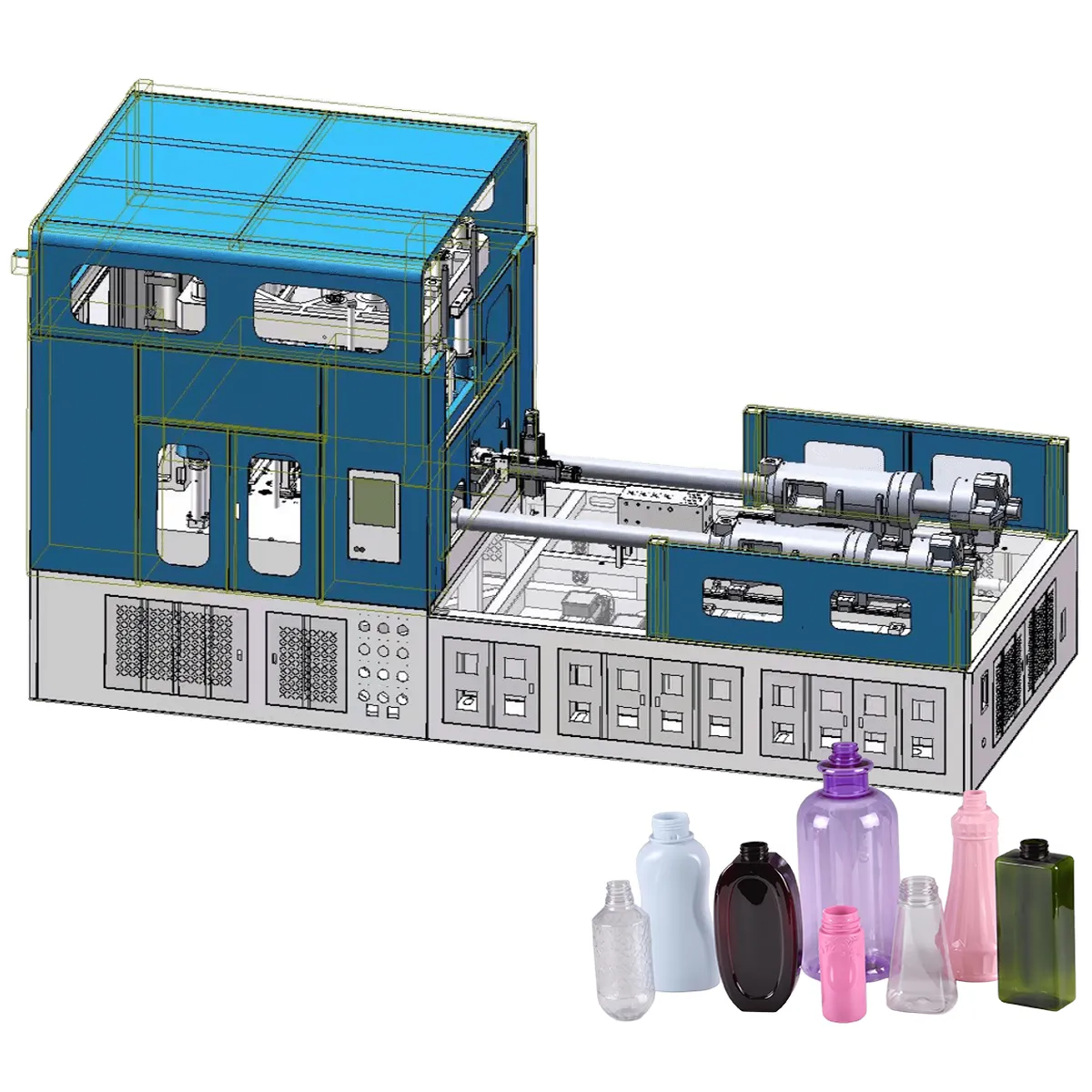
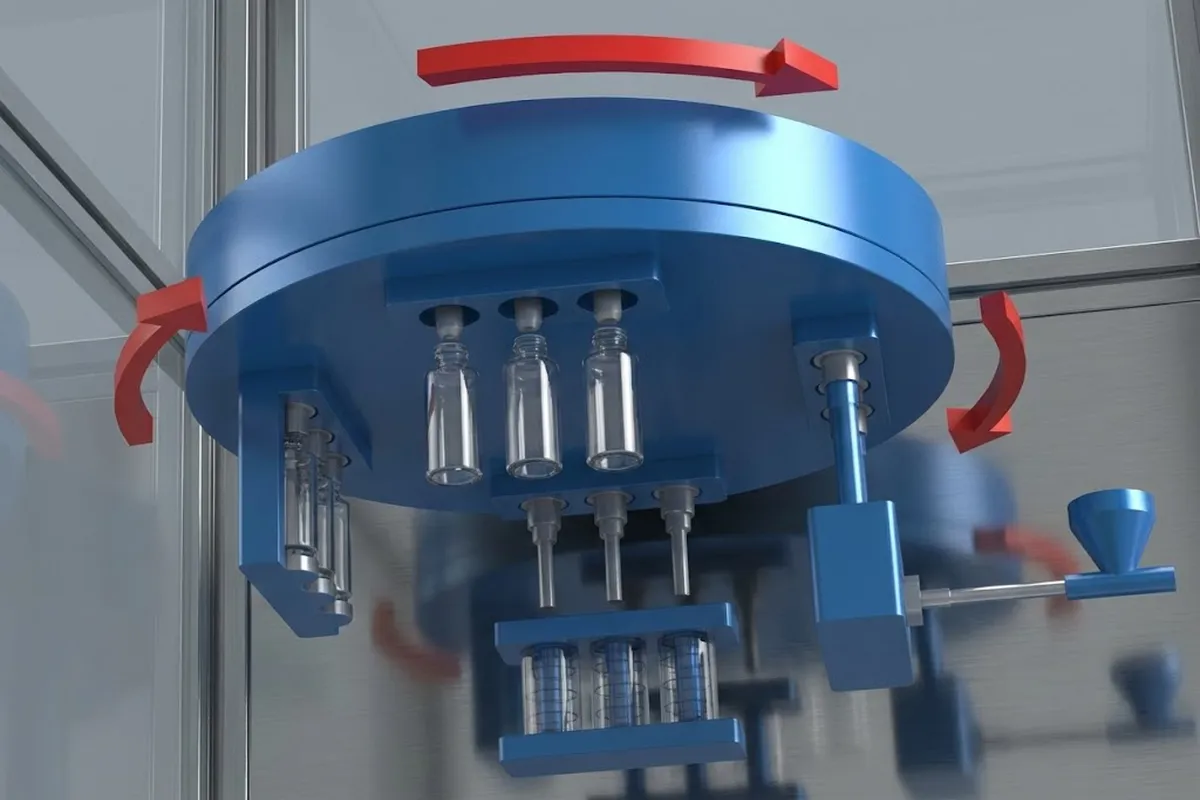
Zasada działania
Krok 1: Formowanie wtryskowe
The process begins by heating PET or PETG resin to a precise molten state using the nano far-infrared screw heating system. The molten material is injected under 150 KN clamping force into a mold cavity to form a preform. The preform is partially cooled to stabilize its shape while retaining sufficient heat to allow effective stretching in the next stage. During this phase, the neck finish, thread geometry, and sealing area are formed to their final dimensions. This ensures reliable cap fitment, dimensional accuracy, and consistent bottle weight from cycle to cycle. The injection unit operates under single-cylinder control, with the melt motor configurable as either hydraulic or servo-driven depending on the production environment and accuracy requirements.
Krok 2: Kondycjonowanie wstępne i transfer
The Japan Yaskawa or WEICHI servo motor drives the six-station rotary turntable, transferring the freshly molded preform from the injection station to the temperature conditioning zone with precise indexing accuracy. As the preform travels between stations, it passes through controlled thermal management zones managed by the integrated temperature control box. The TEMP. Regulating Core Stroke of 250 mm and TEMP. Regulating Barrel Stroke of 230 mm allow fine adjustment of heat distribution along the preform body. This consistent thermal conditioning step is critical for achieving uniform material behavior during the subsequent stretching and blowing stage. Uneven preform temperature is one of the primary causes of thin shoulders, thick bases, or cracking during blow molding, all of which the Y280-V6 conditioning system is engineered to prevent.
Krok 3: Formowanie metodą rozdmuchu z rozciąganiem
To etap transformacji, w którym preforma przybiera ostateczny kształt pojemnika. Skok rdzenia rozdmuchowego wynoszący 250 mm i skok formy rozdmuchowej 75 + 75 mm w urządzeniu Y280-V6 zapewniają szeroki zakres ruchu, dostosowując się do szerokiego zakresu wysokości butelek i profili korpusów. Rozciąganie dwuosiowe rozpoczyna się, gdy pręt rozciągający rozciąga preformę wzdłużnie, a następnie sprężone powietrze o ciśnieniu 2,0–3,5 MPa rozszerza ją na zewnątrz, dopasowując do wnęki formy rozdmuchowej. Układ zacisku formy z siłownikiem hydraulicznym lub podwójnym serwosilnikiem z funkcją kompensacji wysokiego ciśnienia utrzymuje siłę zacisku rozdmuchowego 200 kN (po jednej stronie), zapewniając pełne uszczelnienie formy przed wewnętrznym ciśnieniem powietrza. Ta dwuosiowa orientacja cząsteczek polimeru znacznie poprawia odporność gotowego pojemnika na przenikanie gazu, siłę uderzenia i ciśnienie wewnętrzne, dzięki czemu wyjście jest idealne do napojów gazowanych, płynów farmaceutycznych i opakowań kosmetycznych pod ciśnieniem.
Krok 4: Chłodzenie i wyrzucanie
Once the container has been fully blown into its final shape, the cooling water system (maintained at 0.4 to 0.6 MPa and 20 to 25 degrees Celsius through the machine oil cooler) rapidly removes heat from the mold cavity to solidify the bottle form. Controlled cooling is essential for dimensional stability, consistent bottle weight, and preventing internal stress that could lead to deformation during storage or transport. After sufficient cooling is achieved, the mold opens and the take-out mechanism (with a stroke of 170 mm) automatically ejects the finished bottle from the station. The complete molding cycle concludes with a ready-to-fill plastic container delivered directly to the take-out position, requiring no manual trimming, reheating, or secondary processing before use.
Application Areas
1. Cosmetic Bottles
High-end cosmetic packaging demands flawless surface aesthetics, transparency, and dimensional consistency. The Y280-V6 produces skincare, toner, serum, and lotion containers in Tritan, PETG, and PET with no visible parting lines and excellent optical clarity. The mold precision achievable with CMN tooling makes it the preferred maszyna do formowania wtryskowego z rozciąganiem i rozdmuchiwaniem for cosmetic brands supplying premium retail markets in Europe, North America, and Southeast Asia.
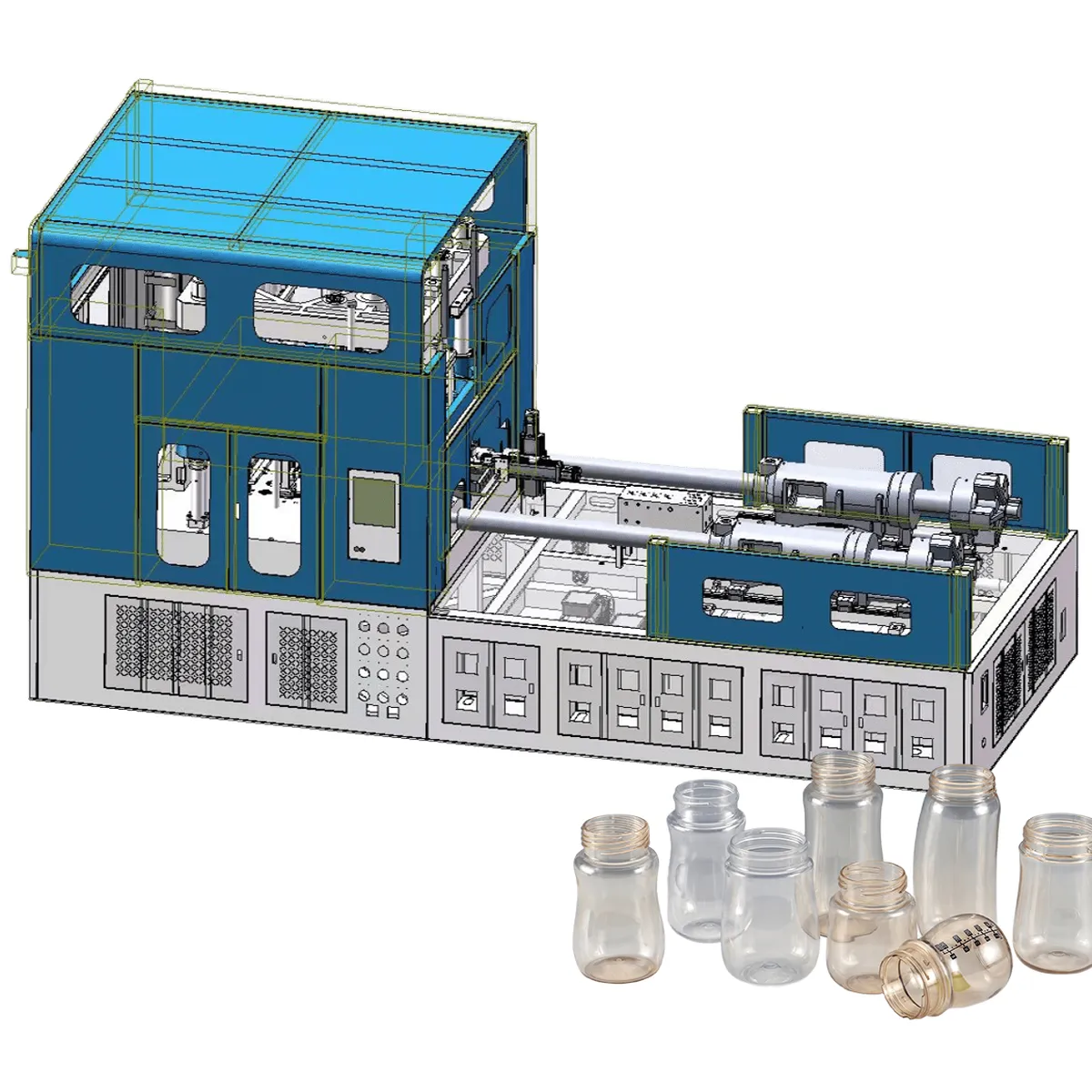
2. Butelki farmaceutyczne
The Y280-V6 is widely used in pharmaceutical packaging facilities requiring GMP-compliant production. The machine supports fully electric, oil-free servo configurations that eliminate hydraulic oil contamination risk. Pharmaceutical bottles for oral liquids, tablets, capsules, syrups, and eye drops can be produced in PET, PETG, and PP from 20 ml to 500 ml with highly accurate neck thread geometry to ensure reliable closure sealing and dosing accuracy.
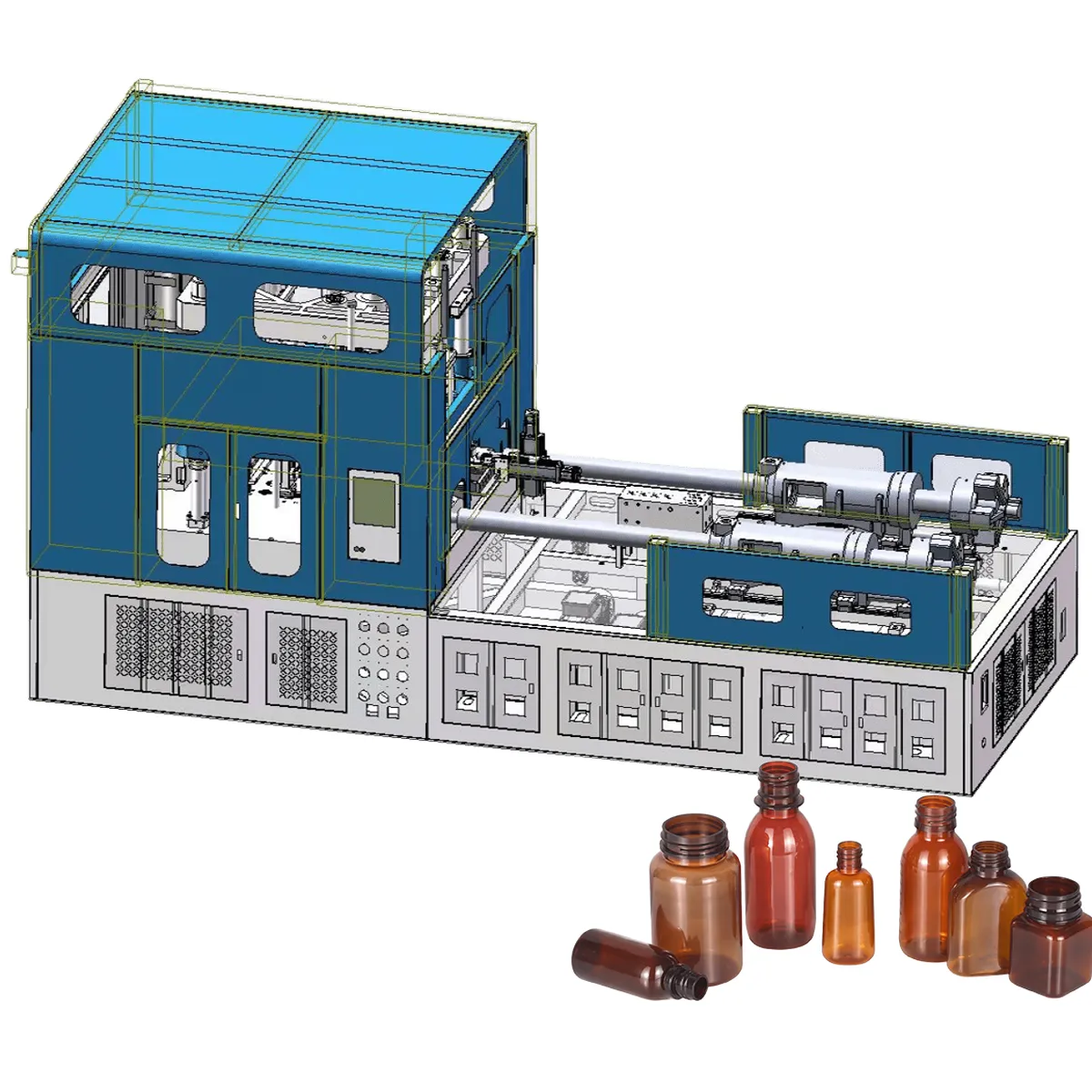
3. Butelki po chemikaliach
Chemical packaging requires containers that resist solvent permeation, maintain structural integrity under varied storage conditions, and offer tamper-evident closure compatibility. The Y280-V6 produces PP and PET chemical bottles with uniform wall thickness and stable shoulder geometry. Applications include agricultural chemical packaging, cleaning agent bottles, industrial lubricant containers, and specialty chemical packaging requiring chemical resistance and controlled vapor permeability.
4. Hand Wash Bottles
Hand wash, liquid soap, and antibacterial gel packaging often requires ergonomic shapes, pump neck compatibility, and high visual appeal on retail shelves. The Y280-V6 ISBM process handles the complex shapes common in personal care packaging, including oval, square-shoulder, and waisted body profiles. The biaxial orientation of the PET or PP material improves bottle squeeze resistance and drop impact performance, which are important factors for consumer personal care products during distribution.
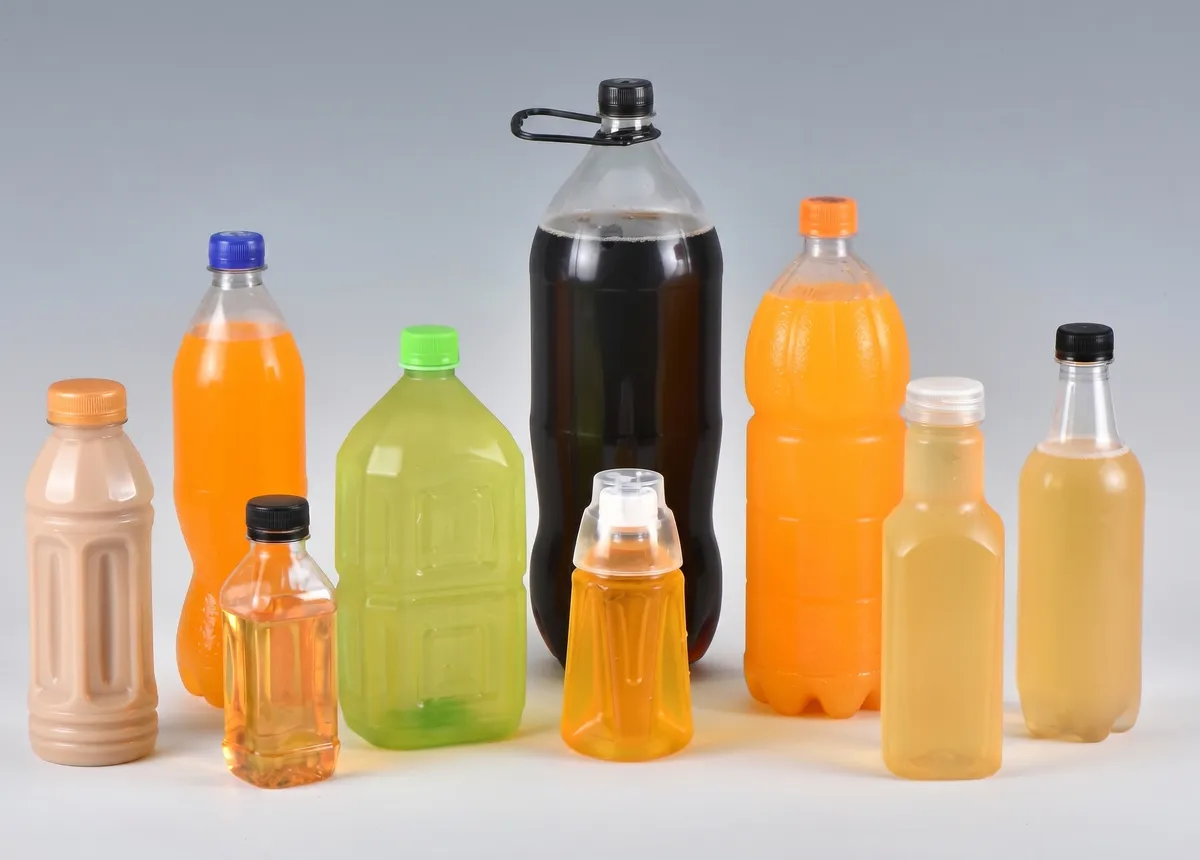
5. Beverage Bottles
PET beverage bottles produced on the Y280-V6 benefit from the biaxial molecular orientation created by the stretch blow process, resulting in improved top-load strength, burst pressure resistance, and excellent optical clarity. The machine can produce still water, juice, tea, and edible oil containers from 100 ml to 2,500 ml per cycle. The servo-controlled turntable indexing ensures consistent preform positioning between stations, which directly affects fill volume accuracy and bottle weight stability across large production runs.
6. Feeding Bottles (Baby Bottles)
Baby bottle production is one of the most demanding applications for any ISBM machine because the materials must be BPA-free, completely transparent, and free of surface defects. The Y280-V6 processes Tritan, PPSU, PC, and PET resins for baby bottles that meet international food contact and chemical migration standards. The one-step ISBM process prevents contamination between stations that could occur with two-step systems, making it the preferred technology for premium infant feeding product manufacturers globally.
7. Body Wash Bottles
Opakowania do mycia ciała muszą zapewniać zarówno funkcjonalność, jak i dobrą prezencję na półce. Maszyna Y280-V6 obsługuje produkcję szerokich, barwionych i matowych pojemników do mycia ciała z PET i PETG z szyjką zamykaną na pompkę lub klapkę. Precyzyjne kondycjonowanie temperaturowe maszyny pozwala na przetwarzanie nieprzezroczystych i półprzezroczystych mieszanek żywic bez nierównomiernego rozkładu kolorów lub miejscowych cienkich plam, które są częstymi defektami przy zwiększonej złożoności kształtu butelek. Wydajność maszyny waha się od 200 ml w formatach podróżnych do 1000 ml w rozmiarach rodzinnych w ramach tej samej konfiguracji komory.
8. Drinking Water Buckets
Large-format PET drinking water containers require outstanding structural rigidity, high clarity, and stackable base geometry. The Y280-V6 accommodates wide-mouth neck configurations and large-body bottle designs up to 2,500 ml. The 200 KN blowing clamping force and 250 mm blow core stroke provide the dimensional control needed for consistent, thick-walled large containers. For water dispenser bottle manufacturers, the Y280-V6 offers a reliable, energy-efficient production platform that meets the volume demands of bulk water packaging markets in Asia, the Middle East, and Africa.
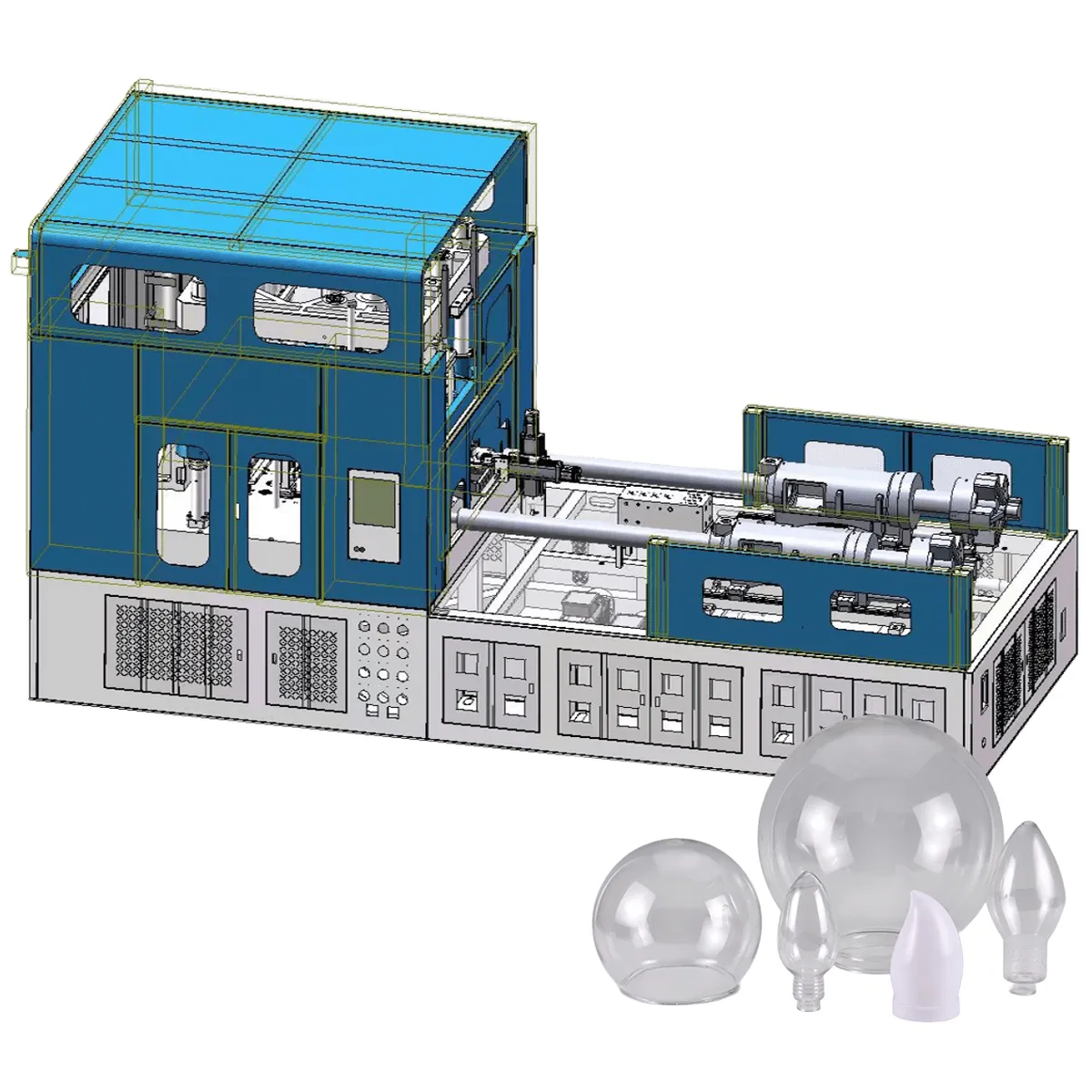
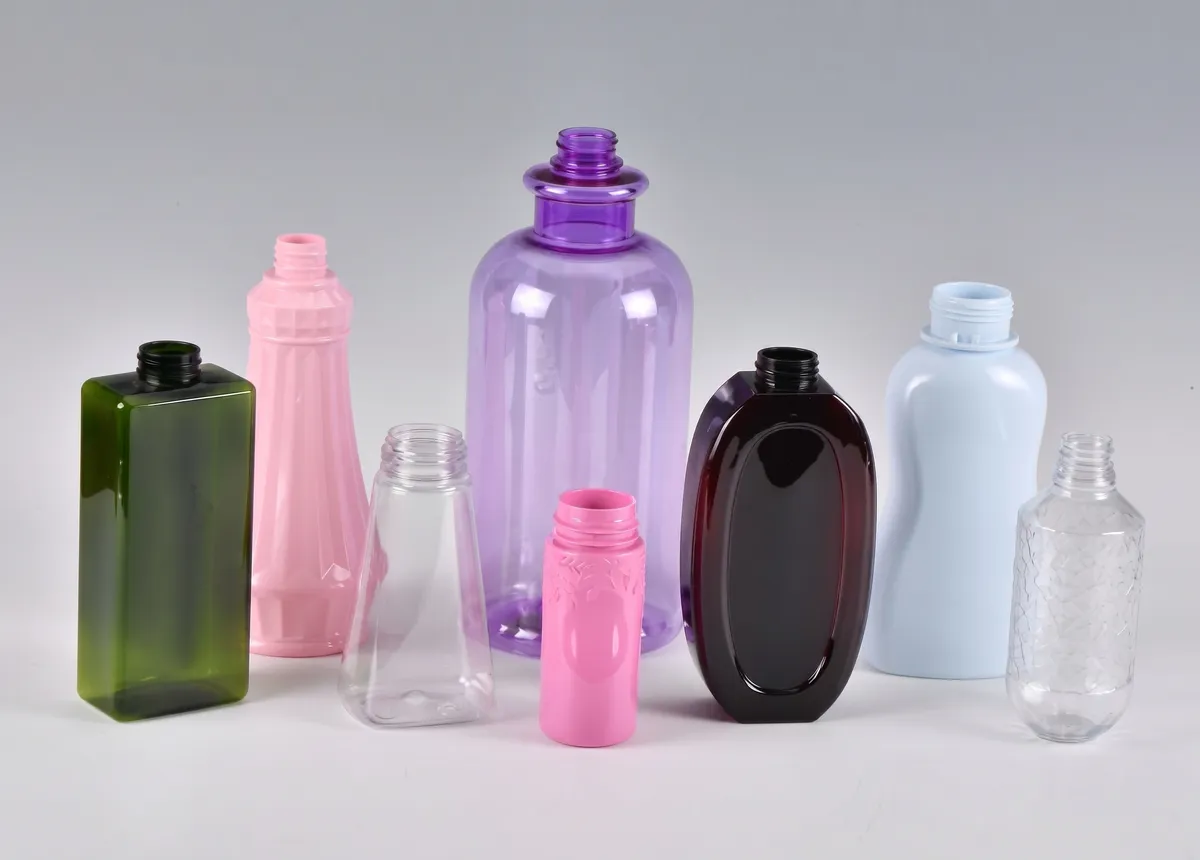 | 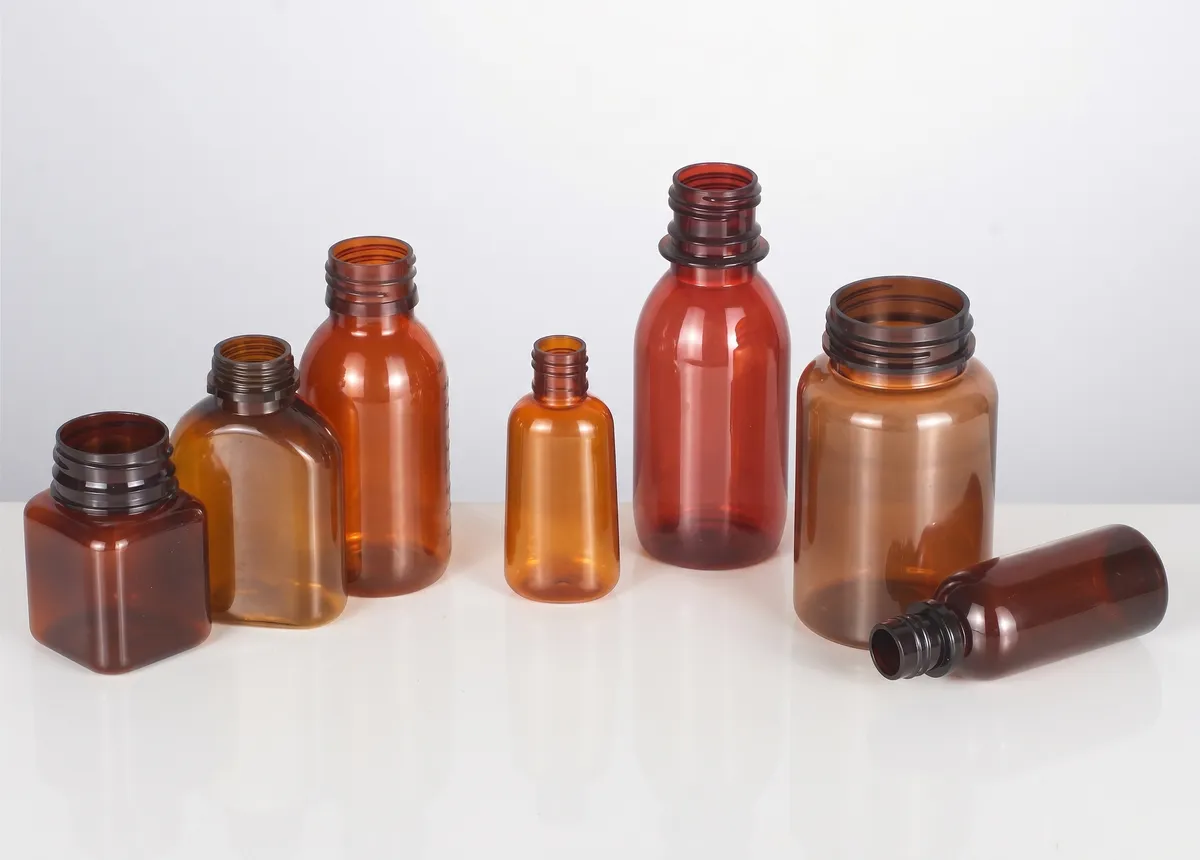 |
| Butelka kosmetyczna | Butelka farmaceutyczna |
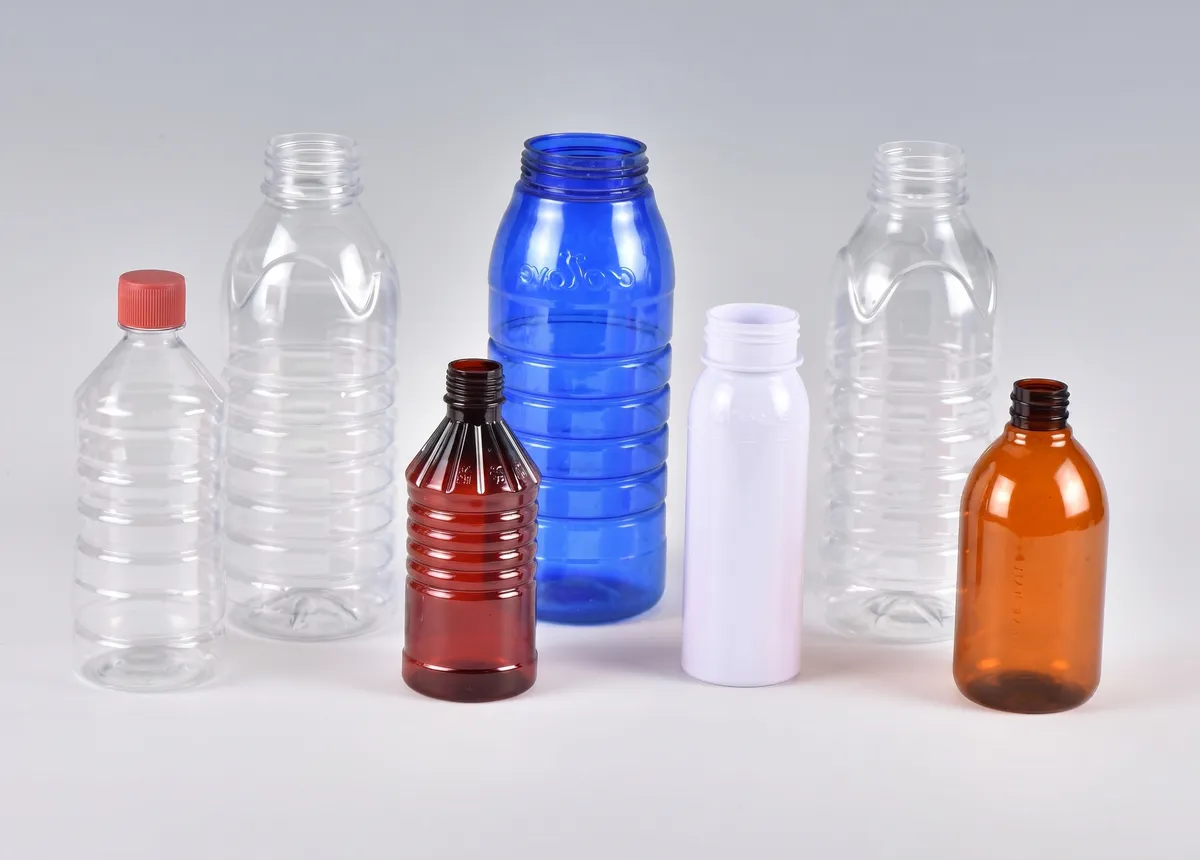 | 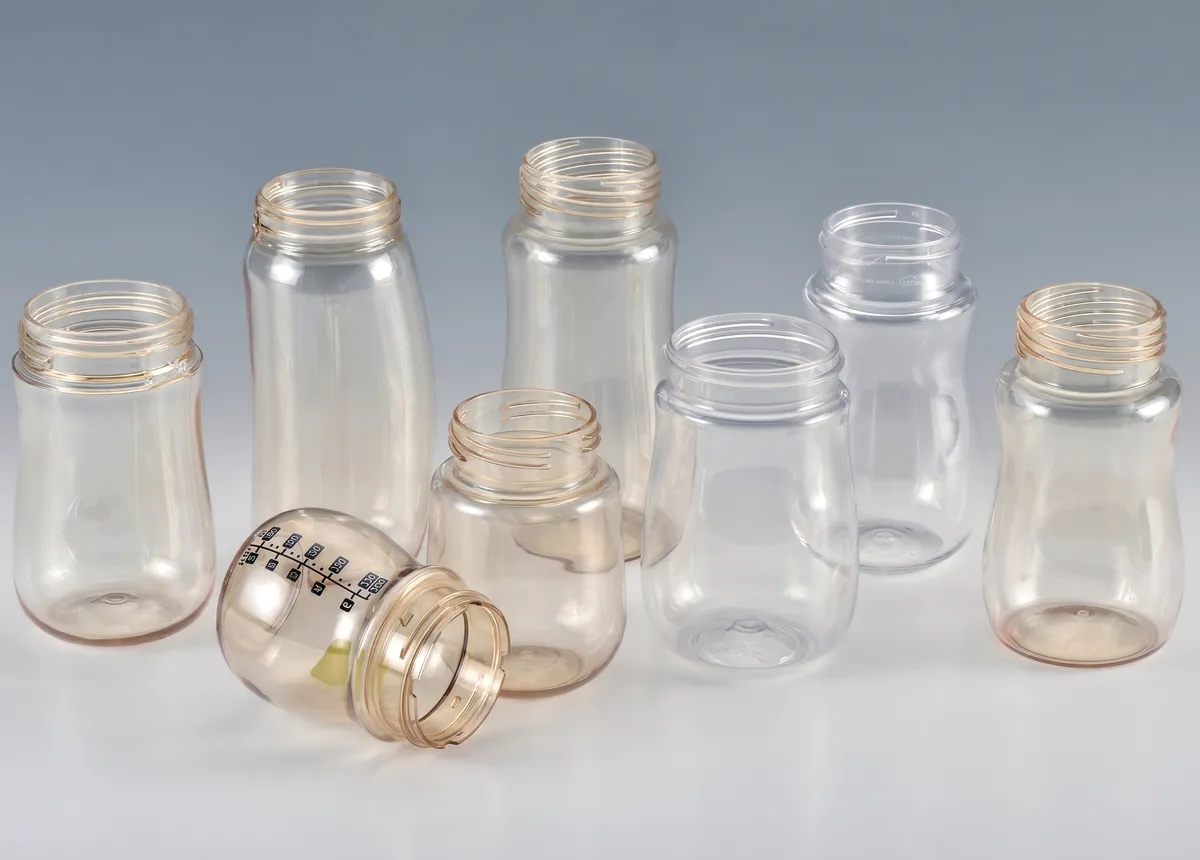 |
| Butelka chemiczna | Butelka do karmienia |
Key Components of ISBM Y280-V6 Machine
Jednostka zaciskowa
The Y280-V6 uses a dual-mode clamping system that supports either a hydraulic cylinder or dual servo motor configuration with high-pressure compensation. The injection clamping force of 150 KN and blow clamping force of 200 KN (single side) are precisely maintained throughout each production cycle. The upper mold stroke of 250 mm and lower mold stroke of 205 mm provide clearance for a wide range of bottle heights up to 210 mm. High-pressure compensation during mold closure eliminates parting line flash and ensures airtight sealing during the blow phase, directly improving finished bottle quality and reducing scrap rates.
Jednostka wtryskowa
Podwójna jednostka wtryskowa jest sterowana przez pojedynczy cylinder, a silnik topiący dostępny jest w wersji hydraulicznej lub serwomotorowej, w zależności od wymagań procesowych klienta. Konstrukcja dwuślimakowa jest ogrzewana przez energooszczędne pierścienie nano dalekiej podczerwieni (o łącznej mocy grzewczej 10 kW), które rozprowadzają ciepło wzdłuż cylindra ślimaka z minimalnymi stratami energii. Dostępne średnice ślimaków 40, 50, 55 i 60 mm pozwalają na precyzyjne dopasowanie wielkości wtrysku do objętości gniazda produktu, przy teoretycznej wydajności wtrysku od 188 cm³ do 480 cm³. Ta elastyczność umożliwia obsługę zarówno małych pojemników z kosmetykami, jak i dużych pojemników z wodą na tej samej platformie maszyny z możliwością zmiany ślimaka.
System form
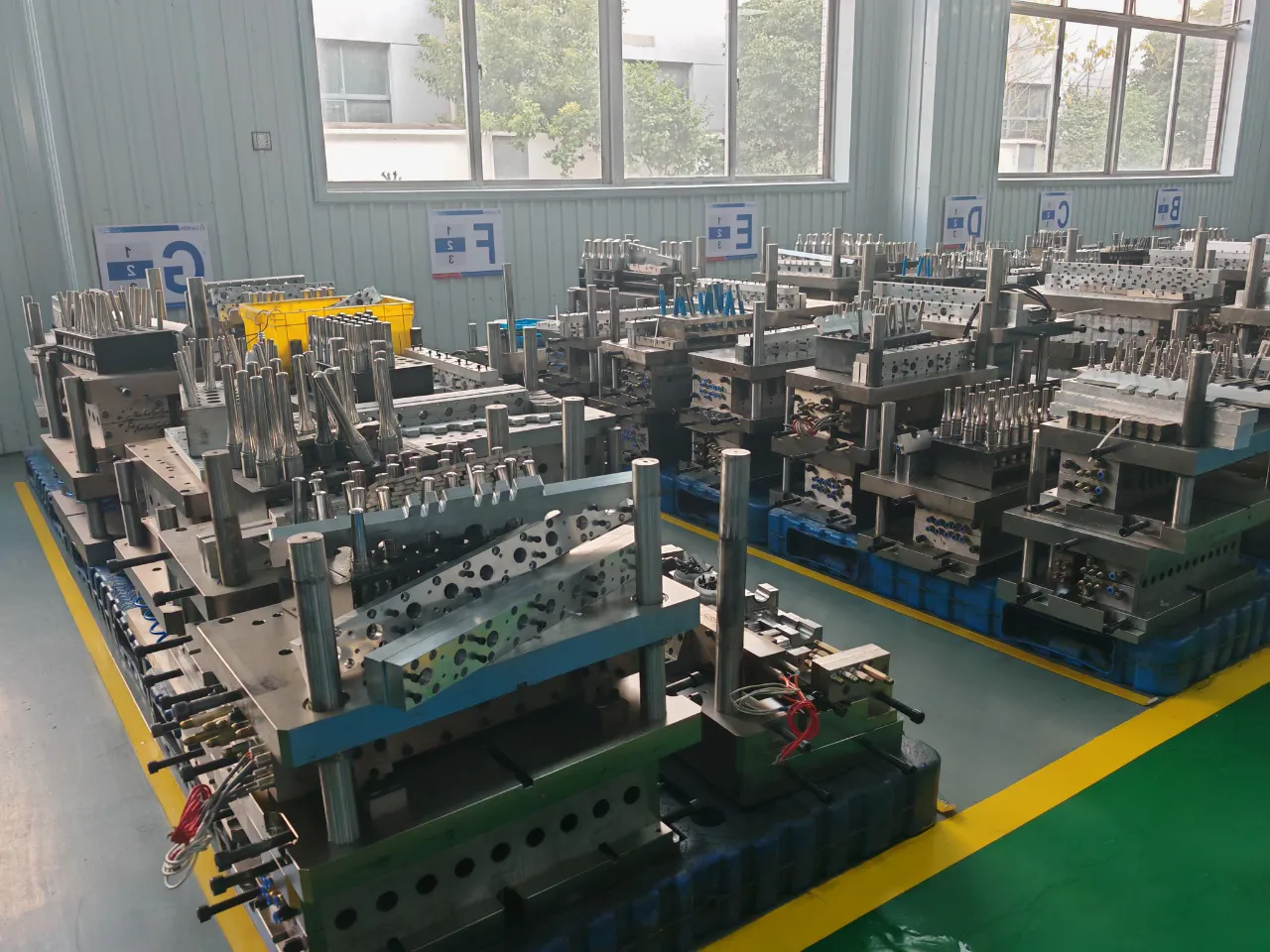
CMN Transmission manufactures injection stretch blow molds to extremely tight tolerances, producing finished containers with parting lines that are virtually invisible to the naked eye. This is a direct performance improvement over equivalent Japanese-brand machines where parting line protrusion is a common quality issue. The mold tooling is compatible with existing ASB injection stretch blow molding machine mold formats, which allows manufacturers transitioning from Japanese equipment to reuse their existing tooling investment. Cavity configurations range from 1 to 10 cavities per cycle, with bottle diameter ranges from 20 mm to 120 mm and volumes from 20 ml to 2,500 ml.
Blow Pin and Air Delivery System
The blow pin assembly on the Y280-V6 operates with a 250 mm blow core stroke, providing sufficient travel for tall bottle body profiles. High-pressure air is delivered through American Parker valves at blowing pressures of 2.0 to 3.5 MPa, which ensures complete mold filling during the blow phase even for complex or thick-walled bottle designs. The consistent air pressure management prevents thin spots, uneven wall distribution, and blow-out defects that can occur when air delivery timing or pressure fluctuates between cycles. The Parker valve specification also ensures long service life under continuous high-pressure cycling conditions typical of commercial production schedules.
Układ chłodzenia
The Y280-V6 cooling system maintains machine oil cooler water at 20 to 25 degrees Celsius at 0.3 to 0.4 MPa, while the primary mold cooling water circuit operates at 0.4 to 0.6 MPa. This dual-circuit approach separates hydraulic system heat management from mold cooling, allowing each to be optimized independently. Effective mold cooling directly determines cycle time and dimensional stability of the finished bottle. The 300-liter oil tank provides adequate thermal mass to buffer heat load fluctuations during high-speed production, maintaining consistent hydraulic oil temperature and preventing viscosity-related performance changes that could affect clamping force or injection pressure accuracy.
System wyrzutu
The take-out mechanism operates with a 170 mm stroke and is driven by Airtak air cylinders for fast, consistent bottle removal at the ejection station. Servo-timed ejection is synchronized with the turntable indexing cycle through the Inovance or MiRLE PLC to prevent mechanical interference and allow maximum production speed without compromising bottle integrity during removal. The ejection stroke and speed are adjustable through the HMI interface, allowing operators to tune take-out timing when switching between different bottle heights or weights. Gentle ejection control is particularly important for thin-walled or elongated containers where rough handling at the take-out station can cause deformation before the bottle has fully solidified.
Injection Blow Molding vs Injection Stretch Blow Molding vs Extrusion Blow Molding
Choosing the right blow molding process is a fundamental decision that affects bottle quality, production cost, mold investment, and material compatibility. Here is how the three main processes compare.
EBM | Extrusion Blow Molding
EBM starts with a hot hollow parison formed by an extruder. The mold closes around the parison, and compressed air expands the plastic into the mold cavity. This method is highly flexible for producing large containers, handled bottles, drums, and HDPE packaging where exact neck precision is less critical. Common materials include HDPE, LDPE, PP, and PVC.
The primary advantage of EBM is shape freedom. Parison extrusion can form handles, wide bodies, and offset shapes more easily than injection-based processes. However, parison sag under gravity can create uneven wall thickness, and the mold closing process often produces flash that requires trimming. For buyers, the main quality risks are inconsistent wall distribution around handles or shoulders and less precise neck thread definition.
IBM | Injection Blow Molding
IBM starts with an injection-molded preform where the neck, thread, and sealing area are formed with high dimensional precision before the bottle body is blown. The preform is transferred into a blow mold and inflated into its final shape. Because the neck geometry is established during injection before blowing, IBM produces exceptionally accurate thread definitions and closure sealing surfaces.
This precision matters most for small pharmaceutical bottles, eye-drop containers, cosmetic jars, and medical packaging where cap and pump fitment must be leak-free. IBM also produces consistent bottle weight and repeatable dimensions. However, IBM does not include a stretch rod, so the biaxial orientation benefits of the ISBM process are not achieved, making IBM less suitable for large or lightweight PET containers where strength and clarity at low wall thickness are priorities.
ISBM | Injection Stretch Blow Molding
ISBM is the process used in the Y280-V6. Like IBM, it starts with an injection-molded preform that establishes the neck geometry. But ISBM adds a stretch rod that extends the preform vertically before compressed air expands it outward. This biaxial orientation aligns the polymer molecules in two directions simultaneously, producing bottles with significantly improved clarity, top-load strength, gas barrier performance, and lightweight potential.
These properties are critical for PET water bottles, carbonated beverage packaging, edible oil containers, and clear cosmetic bottles where both performance and visual clarity matter. The single-stage injection stretch blow molding machine design of the Y280-V6 combines injection and blow molding in one continuous cycle without secondary preform reheating, achieving 15 to 25% energy savings compared to two-step systems while maintaining superior bottle quality and production speed.
Tabela porównawcza
| Typ | Formularz początkowy | Materiały powszechne | Najlepsze produkty | Główna siła | Główne ograniczenie |
|---|---|---|---|---|---|
| EBM | Paryż | HDPE, LDPE, PP, PVC | Duże pojemniki, butelki, beczki | Flexible sizes and lower tooling cost | Mniejsza precyzja gryfu, możliwy błysk |
| IBM | Wykonać | HDPE, PP, PET, PS | Małe butelki i słoiki precyzyjne | Precyzyjne wykończenie szyjki i definicja gwintu | Wyższe koszty oprzyrządowania, mniejszy zakres rozmiarów |
| ISBM | Rozciągnięty preform | PET, PETG, PP, Tritan | Clear bottles, beverage and cosmetic packaging | Strength, clarity, lightweighting, energy savings | Higher machine and mold initial cost |
Zgodne surowce dla maszyny ISBM
PET (politereftalan etylenu)
PET is the most widely processed resin on the Y280-V6 and the material most closely associated with the ISBM process. Its excellent optical clarity, gas barrier properties, and lightweight strength make it the standard choice for water bottles, beverage containers, food packaging, and transparent cosmetic bottles. PET processed through biaxial ISBM stretching achieves significantly better mechanical properties than unstretched PET, including improved top-load strength and drop impact resistance.
PETG (PET modyfikowany glikolem)
PETG is a modified form of PET with superior impact resistance, easier processing, and the ability to be formed into complex shapes without cracking. It offers the same high clarity as standard PET but with greater flexibility and toughness. PETG is commonly chosen for cosmetic packaging, medical containers, and display packaging where the bottle must withstand rough handling or temperature variation without becoming brittle. The Y280-V6 handles PETG with consistent melt quality through its precise barrel temperature control.
PP (polipropylen)
PP jest ceniony za doskonałą odporność chemiczną, odporność na wysokie temperatury oraz zgodność z przepisami dotyczącymi bezpieczeństwa w kontakcie z żywnością. Jest szeroko stosowany w opakowaniach farmaceutycznych, pojemnikach na żywność oraz w produktach do pielęgnacji ciała, gdzie butelka musi przetrwać cykle sterylizacji lub procesy napełniania na gorąco. PP w maszynie Y280-V6 wymaga starannego zarządzania temperaturą ze względu na węższe okno przetwarzania w porównaniu z PET, ale zintegrowany system kontroli temperatury w skrzynce sterowniczej maszyny radzi sobie z tym niezawodnie. Butelki PP produkowane w maszynie Y280-V6 stanowią ekonomiczną alternatywę dla szkła w zastosowaniach farmaceutycznych i spożywczych.
PPSU (Polyphenylsulfone)
PPSU to wysokowydajna żywica inżynieryjna o wyjątkowej odporności termicznej, stabilności hydrolitycznej i przejrzystości, która wytrzymuje wielokrotne cykle sterylizacji parowej w temperaturze 134 stopni Celsjusza. To doskonały wybór do butelek dla niemowląt i pojemników medycznych, które muszą być sterylizowane w autoklawie bez degradacji ani przebarwień. PPSU nie zawiera BPA i spełnia najbardziej rygorystyczne światowe przepisy dotyczące kontaktu z żywnością. Precyzyjna kontrola temperatury w Y280-V6 gwarantuje stabilny przepływ stopu tej żywicy o wysokiej lepkości, nie powodując defektów powierzchni ani degradacji molekularnej.
PC (poliwęglan)
PC offers the highest impact resistance among common transparent engineering plastics and is traditionally used in reusable water bottles, large water dispensing containers, and baby bottles. While BPA concerns have reduced PC use in certain markets, it remains an important material for industrial containers and optical-quality applications requiring exceptional clarity combined with toughness. The Y280-V6 processes PC with precise barrel temperature profiles to prevent degradation and color change during the injection phase. PC containers produced on the ISBM machine achieve superior drop resistance compared to those produced by other molding methods.
Tritan (kopoliester Eastman Tritan)
Tritan is a BPA-free copolyester developed by Eastman Chemical that combines the clarity and toughness of PC with enhanced chemical resistance and dishwasher durability. It has become the leading material for premium reusable water bottles, baby bottles, and kitchen containers marketed to health-conscious consumers. The Y280-V6 processes Tritan effectively through its stable screw temperature management, producing bottles with outstanding clarity, scratch resistance, and long-term durability that justify the premium positioning of Tritan-branded packaging in retail markets.
PCTG (Glycol-Modified PCT)
PCTG is a transparent copolyester with properties positioned between standard PETG and Tritan, offering excellent impact resistance, low-temperature clarity, and good chemical resistance. It is commonly used in cosmetic packaging, medical device housings, and consumer product containers where high clarity and toughness are both required at a cost point below Tritan. PCTG processes at moderate temperatures on the Y280-V6 and produces bottles with a crystal-clear appearance suitable for premium cosmetic and personal care packaging lines targeting demanding retail markets.
Injection Stretch Blow Molding Machine for Beverage Bottle Production
Step 1: PET Resin Drying and Hopper Loading
PET resin for beverage bottle production must be dried to a moisture content below 50 ppm before processing to prevent hydrolytic degradation during melt injection. A dehumidifying dryer operating at 160 to 170 degrees Celsius for 4 to 6 hours is typically required. Dried PET pellets are loaded into the machine hopper, which feeds the injection screw. Undried PET produces bottles with reduced intrinsic viscosity, visible surface haziness, and reduced mechanical strength that can cause bottles to fail burst pressure or drop tests during quality control inspection.
Step 2: Preform Injection Molding
The dried PET resin is fed to the screw barrel, melted at temperatures typically between 270 and 285 degrees Celsius, and injected under precise pressure into the injection mold to form the beverage bottle preform. The preform shape, including the neck thread, sealing surface, and body wall thickness distribution, is determined at this stage. For carbonated beverage bottles, neck finish accuracy is especially critical because the crown or screw cap must seal reliably against the internal CO2 pressure of 2.0 to 4.5 bar. The preform is partially cooled to a stable but pliable temperature before transfer.
Step 3: Temperature Conditioning and Turntable Transfer
The servo-driven rotary turntable transfers the freshly injected preform from the injection station to the temperature conditioning zone. The integrated control box temperature system manages thermal equilibration across the preform body length to achieve a consistent temperature profile before stretching begins. For beverage bottles, the optimal preform temperature for biaxial ISBM stretching is typically 85 to 100 degrees Celsius, varying by bottle design and wall thickness target. Uneven preform temperature at this stage is the most common cause of shoulder thinning, base thickening, and pearl white opacity in the finished bottle.
Step 4: Biaxial Stretch Blow Molding
The conditioned preform enters the blow station where the mold closes around it and a stretch rod extends the preform vertically to the base of the blow mold. High-pressure air at 2.0 to 3.5 MPa is then introduced through the blow pin to expand the preform outward against the mold cavity walls simultaneously. This biaxial stretching step is what produces the superior strength and clarity characteristic of ISBM PET bottles. For carbonated beverage bottles, the resulting molecular orientation improves CO2 barrier performance, burst pressure resistance, and thermal stability during hot filling or pasteurization processes.
Step 5: Mold Cooling and Bottle Solidification
Following the blow molding stage, the bottle is held inside the closed mold while cooling water circulated through the mold channels removes heat from the container surface. Cooling time is a direct determinant of cycle time and dimensional stability. For beverage bottles where high clarity and low haze are commercial requirements, rapid and uniform cooling prevents crystallization that would make the PET appear white or translucent. The Y280-V6 cooling water circuit maintains temperature at 20 to 25 degrees Celsius through the machine oil cooler, providing stable cooling conditions across extended production runs.
Step 6: Ejection and Quality Inspection
Po odpowiednim schłodzeniu forma otwiera się, a mechanizm wyjmowania o skoku 170 mm wyjmuje gotową butelkę na napój ze stanowiska rozdmuchowego. Wyrzucona butelka jest przenoszona do strefy kontroli i pakowania. Kontrole jakości butelek na napoje zazwyczaj obejmują kontrolę wizualną pod kątem wad powierzchni i przejrzystości, pomiar wymiarów szyjki w celu sprawdzenia dopasowania nakrętek, pomiar masy w celu sprawdzenia spójności objętości napełnienia oraz okresowe testy ciśnienia rozrywającego i odporności na uderzenia, zgodnie z planem jakości klienta. Butelki, które pomyślnie przejdą kontrolę, trafiają bezpośrednio na linię napełniania, system przenośników lub stanowisko pakowania bez konieczności dodatkowego przycinania lub obróbki powierzchni.
Step 7: Downstream Packing and Storage
Finished beverage bottles from the Y280-V6 production line are typically collected on conveyors, counted into specified lot quantities, and packed into corrugated cartons or plastic bags for shipment to the filling plant. For high-volume operations, automatic bottle counting and bagging systems can be integrated downstream of the ISBM machine ejection station. Bottles should be stored in clean, dry conditions away from direct sunlight and chemical vapors that could affect PET surface quality before filling. Proper downstream handling protects the investment in bottle quality that the ISBM process provides throughout the entire production chain.
Maintenance and Care
1. Daily Lubrication and Mechanical Checks
At the start of each production shift, inspect all lubrication points on the clamping unit, turntable bearing, and ejection mechanism. Apply grease to specified points according to the maintenance schedule provided in the machine manual. Check that the turntable rotation is smooth and that no unusual vibration or noise is present during indexing. Verify that all air cylinder rod seals are intact and that there is no air leakage at cylinder connections. Addressing minor lubrication deficiencies early prevents accelerated wear on precision components and avoids unplanned downtime during production runs.
2. Hydraulic System Oil Management
Zbiornik oleju hydraulicznego o pojemności 300 litrów należy co tydzień sprawdzać pod kątem poziomu oleju, koloru i stopnia zanieczyszczenia. Świeży olej hydrauliczny ma zazwyczaj jasnobursztynowy kolor; ciemnienie lub zmętnienie wskazuje na utlenianie, zanieczyszczenie wodą lub zanieczyszczenie cząstkami stałymi pochodzącymi ze zużytych uszczelek. Należy wymieniać olej hydrauliczny zgodnie z zaleceniami producenta, zazwyczaj co 2000–3000 godzin pracy. Przy każdej wymianie oleju należy czyścić lub wymieniać filtry oleju hydraulicznego. Utrzymanie czystości oleju hydraulicznego jest kluczowe, ponieważ hydrauliczne zawory sterujące YUKEN i elementy wysokociśnieniowe charakteryzują się ciasnymi luzami wewnętrznymi, które są wrażliwe na zanieczyszczenia cząstkami stałymi, powodujące zacinanie się zaworów, nierównomierne ciśnienie i przyspieszone zużycie elementów.
3. Cooling Water Circuit Maintenance
The cooling water circuit should be inspected monthly for scale buildup, biological growth, and flow rate consistency. The machine oil cooler must maintain water temperature between 20 and 25 degrees Celsius and pressure between 0.3 and 0.4 MPa to keep hydraulic oil viscosity within the operating range. The mold cooling circuit operates at 0.4 to 0.6 MPa and must be monitored for blockages that could cause uneven mold cooling and dimensional variation in bottles. Use treated water or a closed-loop cooling system with corrosion inhibitor to prevent scale and corrosion that would reduce heat transfer efficiency and restrict flow through mold cooling channels over time.
4. Screw and Barrel Cleaning
The injection screw and barrel should be purged and cleaned whenever changing between resin types or colors, and at scheduled intervals during extended production runs of the same material. For PET and PETG, purge with a commercial purging compound or a compatible transition resin to remove degraded material from the screw flights and barrel walls. Degraded PET deposits can cause black specks, yellow streaking, or molecular weight reduction in the finished container if not removed. The nano far-infrared heating ring system heats the barrel uniformly, but stagnant material in low-flow zones can still degrade if the screw is left stationary at temperature for extended periods without purging.
5. Mold Inspection and Cavity Care
Mold tooling should be inspected at regular intervals for wear on the cavity surface, parting line, venting channels, and neck ring components. Clean cavity surfaces with approved mold release agents and plastic-safe solvents to remove resin deposits and oxidation. Inspect water channel connections on the mold for leaks or blockages and verify that the cooling circuit is balanced across all cavities. Misaligned or worn parting surfaces can create flash on bottles, which affects container appearance and may indicate clamping force imbalance. Store molds in climate-controlled storage with protective coating on metal surfaces when not in production to prevent corrosion and humidity damage.
6. Servo Motor and Electrical System Checks
The Inovance or WEICHI servo motors driving the Y280-V6 clamping and injection systems should be inspected quarterly for bearing temperature, encoder signal quality, and cable condition. Check servo drive units in the electrical cabinet for adequate ventilation and absence of dust buildup that could cause overheating or signal interference. The Inovance or MiRLE PLC should have its battery backup status checked annually to ensure parameter memory is retained during power outages. Review the PLC fault log monthly to identify recurring alarms that may indicate developing mechanical or electrical issues before they cause a production stoppage. All electrical connections should be retorqued at commissioning and at annual service intervals to prevent high-resistance contacts from developing.
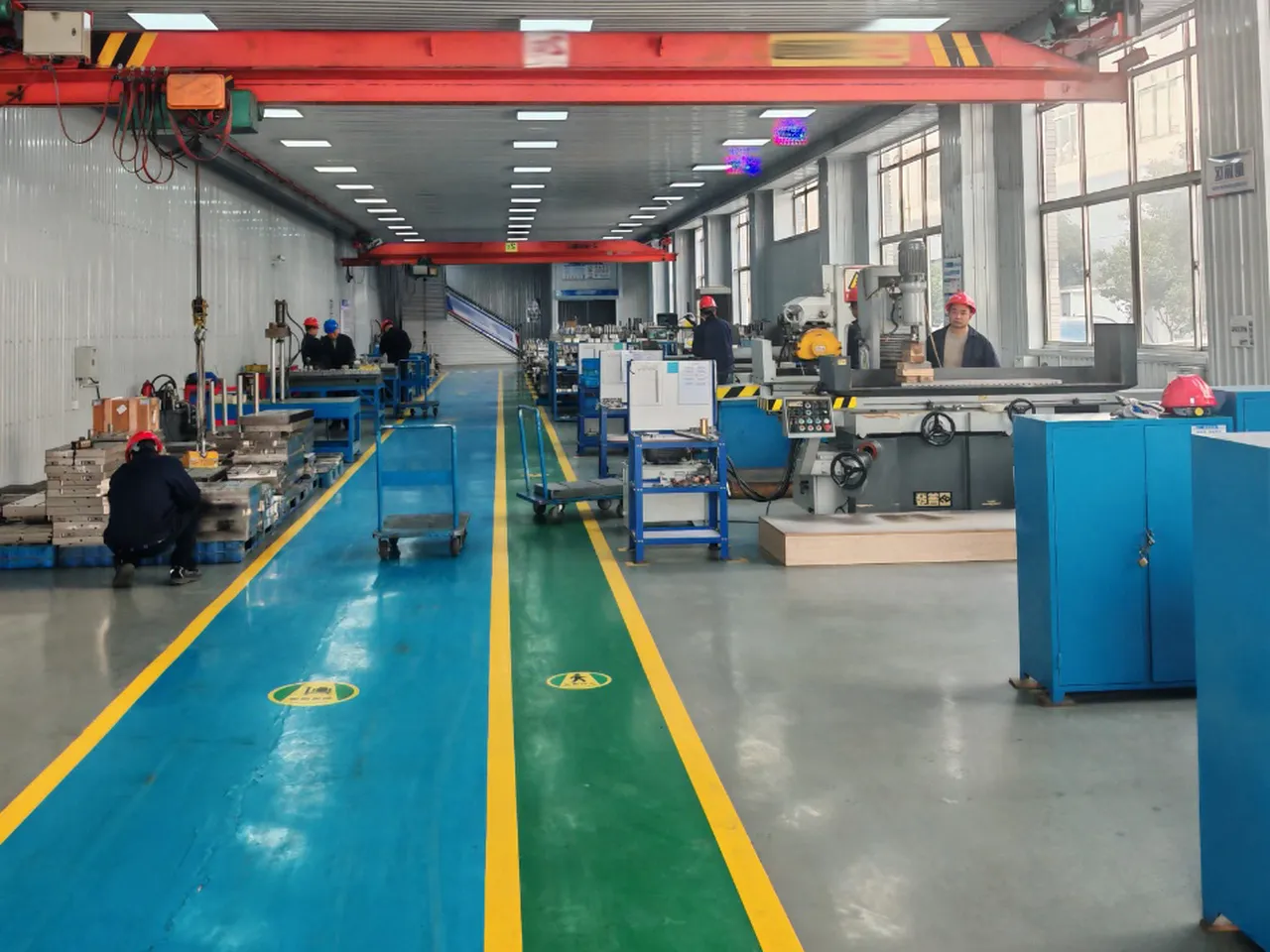
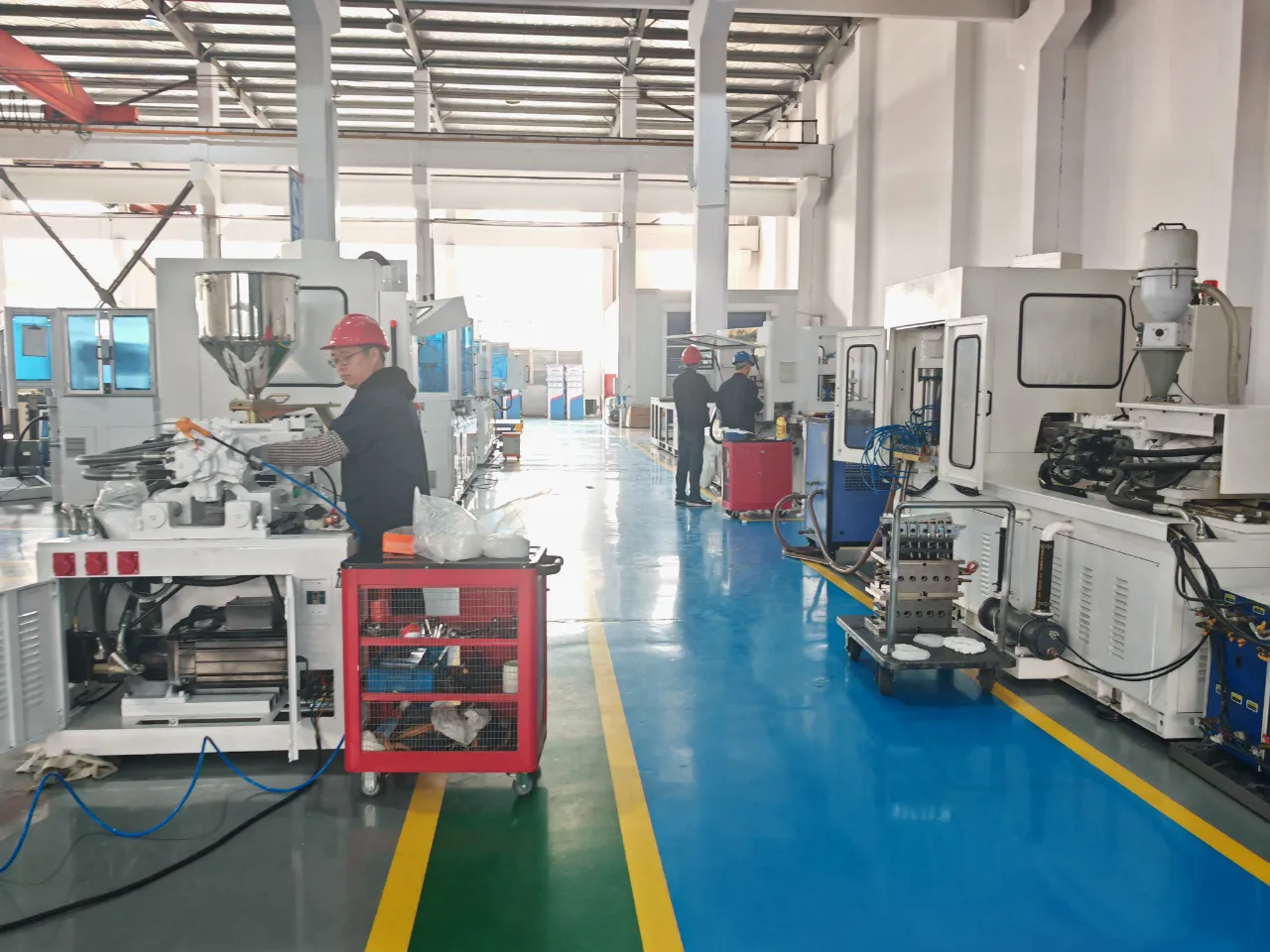
Dlaczego warto wybrać maszynę do formowania wtryskowego z rozciąganiem i rozdmuchiwaniem firmy CMN?
CMN Transmission is a dedicated manufacturer of automatic one-step injection blow molding machines and injection stretch blow molding machine equipment, with a product range covering injection blow molding machines, extrusion blow molding machines, injection stretch blow molding machines, molds, and auxiliary equipment. CMN operates from a well-located production base with efficient logistics access that supports reliable international delivery timelines for customers across Asia, the Middle East, Africa, South America, and Europe.
CMN dysponuje doświadczonym zespołem badawczo-rozwojowym, który składa się z inżynierów i techników z bogatym doświadczeniem zarówno w projektowaniu maszyn do wtrysku, jak i w produkcji form wtryskowych. Ta podwójna wiedza specjalistyczna, obejmująca zarówno maszyny, jak i oprzyrządowanie, daje CMN znaczącą przewagę w pomaganiu klientom w rozwiązywaniu złożonych problemów projektowych związanych z butelkami, które łączą trudne kształty, wymagające materiały lub rygorystyczne tolerancje wymiarowe. Łącząc solidną wiedzę teoretyczną z praktycznym doświadczeniem produkcyjnym, zespół techniczny CMN zapewnia szczegółowe, spersonalizowane konsultacje przedsprzedażowe, responsywne wsparcie techniczne w trakcie sprzedaży oraz zaangażowany serwis posprzedażowy, obejmujący instalację na miejscu, szkolenie operatorów, optymalizację procesów i dostawę części zamiennych.
Zastosowania produktów CMN obejmują opakowania farmaceutyczne, opakowania do żywności i napojów, opakowania do artykułów medycznych i higieny osobistej, opakowania kosmetyczne oraz szeroką gamę specjalistycznych opakowań z tworzyw sztucznych o pojemności od 1 ml do 1000 ml, wykonanych z materiałów takich jak HDPE, LDPE, PET, PETG, PP, PS, PPSU, PC, Tritan, ABS, PLA, PCTG, EVA oraz certyfikowanych ekologicznie żywic na bazie kukurydzy. CMN kieruje się filozofią rozwoju opartą na samowystarczalności, uczciwości, praktyczności, innowacyjności i odpowiedzialności, budując kompleksową, kompleksową ofertę projektów „pod klucz”, obejmującą dobór maszyn, projektowanie form, walidację procesów i stałe wsparcie produkcji. To kompleksowe podejście gwarantuje, że klienci CMN otrzymują wysokiej jakości produkty do wtrysku z rozdmuchem, które konsekwentnie spełniają wymagania jakościowe od pierwszego cyklu produkcyjnego przez cały okres użytkowania urządzenia.
 |  |
 | 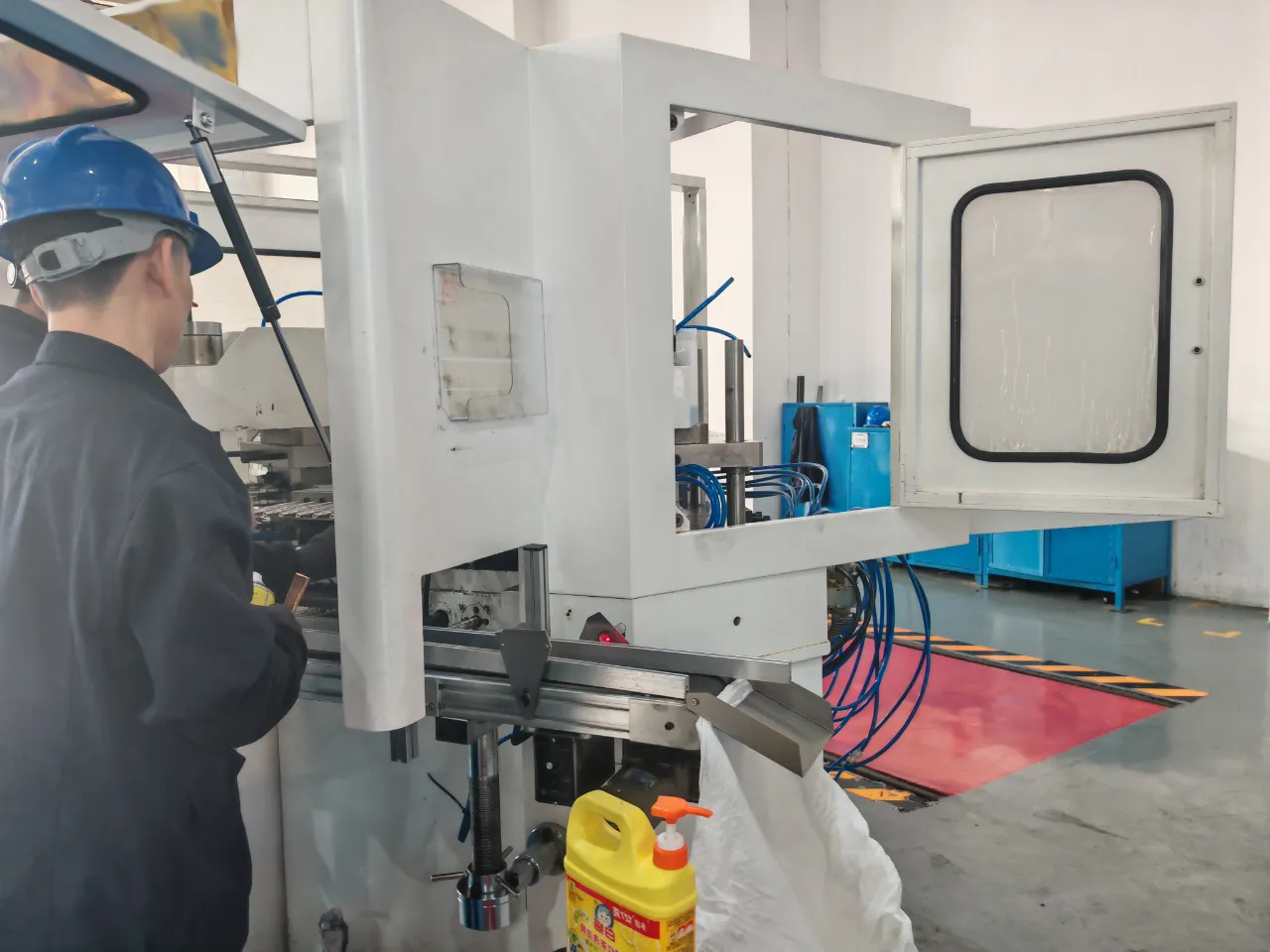 |
Często zadawane pytania
Q: What is the difference between the Y280-V6 and a standard four-station injection stretch blow molding machine?
A: The Y280-V6 uses a six-station rotary turntable instead of the four-station design common in Japanese ISBM machines. This means the Y280-V6 can process six preforms simultaneously in a single rotation cycle, producing more bottles per cycle than a four-station machine running the same tooling configuration. In addition to higher output, the extra stations allow for longer temperature conditioning and cooling dwell times, which can improve bottle quality when running demanding materials or complex shapes.
Q: Can the Y280-V6 use existing ASB or Aoki injection stretch blow molding machine molds?
Odp.: Tak. Model Y280-V6 został zaprojektowany z myślą o kompatybilności z oprzyrządowaniem formującym, oryginalnie produkowanym dla japońskich maszyn do formowania wtryskowego z rozciąganiem i rozdmuchiwaniem ASB, a konkretnie z formami formatowymi ASB-12M i ASB-70DPH. Szersza gama produktów CMN obejmuje również modele kompatybilne z formami formatowymi Aoki 100, Aoki 250 i Aoki 500. Ta kompatybilność form stanowi istotną zaletę handlową dla producentów, którzy zainwestowali już w oprzyrządowanie i chcą przejść na sprzęt CMN bez konieczności wymiany wszystkich form. Skontaktuj się z naszym działem sprzedaży, podając specyfikację posiadanej formy, aby zweryfikować jej kompatybilność przed zakupem.
Q: Is a fully electric version of this one step injection stretch blow molding machine available?
A: Yes. CMN Transmission offers the Y280-V6 in a Fully Electric configuration that replaces all hydraulic drive systems with servo motors. The fully electric version produces no hydraulic oil, making it suitable for pharmaceutical manufacturing facilities that must comply with GMP standards and operate in clean-room-adjacent environments. The fully electric version also offers advantages in energy consumption, positioning repeatability, and quieter operation. It is available at a higher initial cost than the Standard or Servo hydraulic-assisted versions.
Q: What materials can the Y280-V6 PET injection stretch blow molding machine process?
A: Maszyna Y280-V6 została zaprojektowana głównie do przetwarzania PET i PETG, które są najpopularniejszymi materiałami w produkcji ISBM. Maszyna może jednak również przetwarzać PP, PC, Tritan, PPSU, PCTG, ABS, PS i PLA po odpowiednim doborze średnicy ślimaka, regulacji temperatury cylindra i wstępnej obróbce suszeniem. Różne materiały wymagają różnych parametrów przetwarzania, a zespół techniczny CMN może doradzić w zakresie prawidłowej konfiguracji dla konkretnego materiału i konstrukcji butelki przed dostawą.
Q: How much energy does the Y280-V6 single-stage injection stretch blow molding machine save compared to Japanese equivalents?
A: The Y280-V6 consumes 15% to 25% less energy than comparable Japanese, European, or American injection stretch blow molding machines running similar bottle designs and output volumes. This saving comes from three sources: the servo pump systems which only generate pressure on demand rather than running continuously at full flow, the nano far-infrared screw heating rings which reduce heat loss compared to conventional resistance heating, and the single-stage ISBM process which eliminates the secondary preform reheating step required by two-stage blow molding systems. Actual savings vary by bottle design, cycle time, and local utility rates.
Q: What bottle sizes and volumes can the Y280-V6 ISBM machine produce?
A: The Y280-V6 accommodates bottles from 20 ml to 2,500 ml in volume, with bottle diameters from 20 mm to 120 mm and bottle heights up to 210 mm. The machine can run from 1 to 10 cavities per cycle depending on bottle size, with neck diameters from 12 mm up to 85 mm. The product dimensions table provides the maximum bottle specifications at each cavity count. Custom bottle dimensions outside the standard table can be discussed with the CMN engineering team, who will assess mold feasibility and machine stroke compatibility before confirming the order.
Q: What is the difference between a one step ISBM machine and a two-step PET blow molding machine?
A: In a one step ISBM machine like the Y280-V6, the plastic resin is injected into a preform and immediately transferred to the stretch blow molding station within the same machine, retaining the heat from the injection phase. No separate preform reheating equipment is needed. In a two-step system, preforms are injection molded separately, stored and cooled completely, then reheated in a second machine before blow molding. The one-step process uses less energy because it avoids the preform reheating cycle, has a smaller footprint because only one machine is required, and produces bottles directly from resin pellets. The two-step system offers greater flexibility for high-volume commodity PET bottle production where preforms can be produced and stored separately for flexible output scheduling.
Q: How long does installation and commissioning of the Y280-V6 take?
A: Standardowa instalacja i uruchomienie maszyny Y280-V6 z udziałem zespołu technicznego CMN na miejscu zajmuje zazwyczaj od 3 do 5 dni. Proces obejmuje pozycjonowanie i poziomowanie maszyny, podłączenie elektryczne i pneumatyczne, uruchomienie obiegu wody chłodzącej, zalanie układu hydraulicznego i ustawienie ciśnienia, instalację i wyosiowanie formy oraz wstępne próby produkcyjne z wykorzystaniem materiałów i narzędzi klienta. Szkolenie operatora obejmujące konfigurację maszyny, regulację parametrów, procedury bezpieczeństwa i podstawową konserwację odbywa się równolegle podczas uruchomienia. Plan wizyty inżyniera instalacji CMN jest koordynowany w momencie dostawy maszyny i zależy od gotowości klienta oraz dostępności wszystkich mediów i narzędzi na miejscu.
P: Jakiego zasilania sprężonym powietrzem wymaga wtryskarka Y280-V6?
A: Y280-V6 wymaga źródła sprężonego powietrza o ciśnieniu od 2,0 do 3,5 MPa (od 20 do 35 barów). Aby osiągnąć górną granicę tego zakresu dla niektórych konstrukcji lub materiałów butelek, wymagana jest sprężarka wysokociśnieniowa. Objętość powietrza zużywanego na cykl zależy od objętości komory butelki i liczby komór, przy czym większe lub liczniejsze butelki wymagają większej ilości powietrza na cykl. Kupujący powinni obliczyć wymaganą wydajność sprężarki na podstawie przewidywanej prędkości produkcji i objętości butelki przed instalacją. Zbyt mała wydajność źródła sprężonego powietrza jest jedną z najczęstszych przyczyn opóźnień w uruchomieniu nowych instalacji maszyn ISBM.
P: Czy maszyna Y280-V6 może produkować butelki wolne od BPA do zastosowań farmaceutycznych i mających kontakt z żywnością?
Odp.: Tak. Y280-V6 przetwarza materiały niezawierające BPA, takie jak PET, PETG, PP, Tritan, PPSU i PCTG, które są zgodne z najważniejszymi międzynarodowymi przepisami dotyczącymi kontaktu z żywnością i opakowań produktów farmaceutycznych, w tym FDA, UE 10/2011 i równoważnymi normami. W przypadku zastosowań farmaceutycznych, w których GMP wymaga całkowitej eliminacji ryzyka zanieczyszczenia oleju hydraulicznego, zalecana jest w pełni elektryczna konfiguracja serwosilnika Y280-V6. Nabywcy wymagający konkretnej dokumentacji zgodności materiałów lub deklaracji bezpieczeństwa kontaktu z żywnością dla swojego rynku docelowego powinni w momencie zakupu zwrócić się do CMN i swojego dostawcy żywicy o odpowiednie certyfikaty.
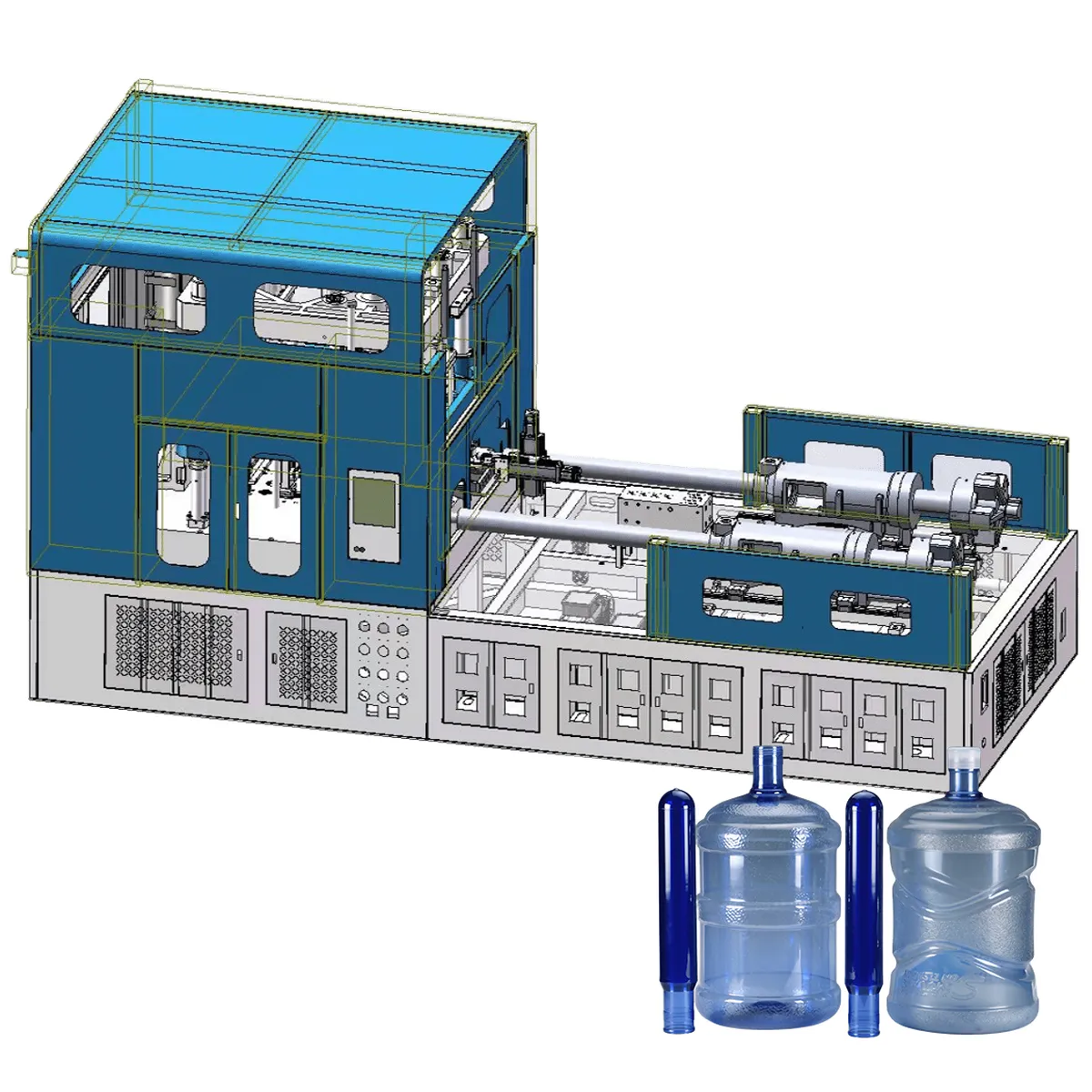
Opinie klientów
Kim Jae-won, Opakowania farmaceutyczne, Korea Południowa
„Zainstalowaliśmy maszynę Y280-V6 w naszym zakładzie pakowania produktów farmaceutycznych w Seulu około czternaście miesięcy temu i szczerze mówiąc, była to jedna z najlepszych decyzji sprzętowych, jakie podjęliśmy. Produkujemy butelki PET na płyny doustne o pojemności 50 ml, używając narzędzi sześciogniazdowych, a spójność wymiarów szyjek jest naprawdę imponująca. Nasz wskaźnik odrzutów z kontroli jakości (QC) na powierzchniach uszczelniających spadł z około 1,21 TP3T do poniżej 0,251 TP3T po przejściu z japońskiej maszyny ISBM. Rachunki za energię również spadły bardziej, niż się spodziewaliśmy – nasz inżynier obliczył, że koszt energii elektrycznej na tysiąc wyprodukowanych butelek spadł o około 221 TP3T. Zespół instalacyjny CMN spędził z nami cztery pełne dni podczas rozruchu. Bardzo dokładny.”
Rajesh Mehta, Opakowania Kosmetyczne, Indie
Prowadzę linię do pakowania kosmetyków w Bombaju i w zeszłym roku przeszliśmy na Y280-V6 ze starszej japońskiej maszyny jednoetapowej. Poprawa jakości powierzchni jest natychmiast widoczna. Nasi klienci narzekali na niewyraźne ślady linii podziału na naszych 150-mililitrowych butelkach z kosmetykami, a po przejściu na narzędzia CMN problem ten całkowicie zniknął. Obróbka Tritanu i PETG na tej maszynie przebiega bardzo stabilnie. Czasy cykli są krótsze, a system serwo jest zauważalnie bardziej responsywny. Obawiałem się wsparcia serwisowego ze strony chińskiego producenta, ale byli dość responsywni. Odpowiedź na moje wiadomości WhatsApp zazwyczaj przychodzi w ciągu kilku godzin.
Ahmed Hassan, Opakowania Napojów, Egipt
Zamówiliśmy dwie jednostki Y280-V6 do naszej linii produkcyjnej butelek PET w Kairze. Czas dostawy wyniósł około 10 tygodni od potwierdzenia zamówienia, co było akceptowalne. Maszyny dotarły w dobrym stanie, z odpowiednim opakowaniem eksportowym. Nasze istniejące japońskie oprzyrządowanie do form ASB zostało przeniesione bez żadnych modyfikacji, co pozwoliło nam zaoszczędzić znaczną ilość pieniędzy na nowych formach. Wydajność na zmianę jest wyższa niż w przypadku czterostanowiskowych maszyn japońskich, z których korzystaliśmy wcześniej. Obsługa języka arabskiego w interfejsie HMI byłaby mile widzianym dodatkiem, ale interfejs w języku angielskim jest łatwy w obsłudze dla naszych operatorów. Ogólne koszty produkcji spadły, a jakość jest spójna.
Fernanda Costa, Opakowania dla niemowląt, Brazylia
Nasza firma w São Paulo produkuje butelki dla niemowląt z Tritanu na brazylijski rynek detaliczny. Wybraliśmy Y280-V6 właśnie ze względu na opcję konfiguracji w pełni elektrycznej, której potrzebowaliśmy, aby spełnić nasze wymagania GMP. Używamy jej od około 8 miesięcy, produkując butelki dla niemowląt o pojemności 120 ml z 6 gniazdami. Spójność wymiarowa między gniazdami jest bardzo dobra – z dokładnością do 0,15 mm na średnicy szyjki, co mieści się w naszej tolerancji. Muszę jednak przyznać, że dokumentacja części zamiennych mogłaby być bardziej szczegółowa w języku portugalskim, ale CMN udostępniło samouczki wideo dotyczące głównych zadań konserwacyjnych, co pomogło naszym technikom. Wydajność produkcji jest niezawodna.
Budi Santoso, sprzęt do pakowania, Indonezja
„Zajmuję się produkcją urządzeń do formowania rozdmuchowego w Dżakarcie od ponad piętnastu lat i mogę powiedzieć, że maszyna Y280-V6 jest naprawdę konkurencyjna w porównaniu z japońskimi maszynami, a jednocześnie ma znacznie niższą cenę. Kupiliśmy ją dla klienta produkującego butelki do mycia rąk z PP i PETG, a rezultaty są znakomite. Spójność wagi butelek jest doskonała – z tolerancją plus/minus 0,3 grama, z czego klient jest bardzo zadowolony. Dane dotyczące zużycia energii, które zmierzyliśmy w praktyce, potwierdzają, że zużycie energii jest o około 20% niższe niż w przypadku poprzedniej japońskiej maszyny o tym samym modelu butelki. CMN bez problemu poradziło sobie z formalnościami wysyłkowymi i celnymi. Zdecydowanie polecę tę maszynę innym klientom.”
Muhammad Khalid, Opakowania do Napojów i Żywności, Pakistan
„Produkujemy butelki PET na soki i oleje jadalne w Lahore i przeanalizowaliśmy oferty trzech różnych producentów maszyn do formowania wtryskowego z rozciąganiem i rozdmuchiwaniem, zanim wybraliśmy CMN. Cena była konkurencyjna, ale tak naprawdę o decyzji zadecydowała kompatybilność formy z naszym istniejącym oprzyrządowaniem ASB. Mieliśmy już sześć zestawów form i nie byliśmy gotowi na inwestowanie w zupełnie nowe oprzyrządowanie. Transfer przebiegł sprawnie, a butelki były spójne od pierwszego dnia produkcji. Nasz koordynator ds. logistyki wspomniał, że dokumentacja wysyłkowa CMN była bardzo dobrze zorganizowana, co przyspieszyło odprawę celną. Dostępność części zamiennych była dobra – wymieniliśmy dwie drobne zawory hydrauliczne, a obie części dotarły w ciągu trzech tygodni.”
Nguyen Thi Lan, Opakowania kosmetyczne, Wietnam
„Nasza fabryka w Ho Chi Minh produkuje butelki kosmetyczne na eksport, a maszynę Y280-V6 wykorzystujemy od około jedenastu miesięcy. Używamy jej głównie do butelek PETG na balsamy i serum o pojemności 200 ml i 300 ml, zazwyczaj z 4 do 6 gniazdami na cykl. Jakość powierzchni butelek jest doskonała – nasi europejscy klienci, którzy sprawdzają próbki, nie zgłaszali żadnych zastrzeżeń dotyczących powierzchni od czasu przejścia na tę maszynę. Reakcja serwomechanizmu podczas wtrysku jest zauważalnie szybsza niż na naszej starej maszynie hydraulicznej. Czas przezbrajania przy zmianie konstrukcji butelek wynosi około 40 minut, co jest akceptowalne w naszym harmonogramie produkcji. Technik CMN odwiedził nas dwukrotnie w ciągu pierwszych trzech miesięcy, aby dostroić parametry procesu. Poziom wsparcia był znacznie lepszy, niż się spodziewałem.”
Thabo Ndlovu, Opakowania Napojów, Republika Południowej Afryki
Prowadzimy zakład produkcji butelek PET w Johannesburgu, dostarczając napoje markom w całej Afryce Południowej. Y280-V6 był naszym pierwszym zakupem od chińskiego producenta maszyn ISBM po wielu latach kupowania maszyn japońskich. Nasz zespół konserwacyjny potrzebował może dwóch miesięcy, aby się w pełni zaznajomić z japońskim układem maszyn. Pod względem wydajności maszyny działają niezawodnie. W ciągu dwunastu miesięcy nie mieliśmy żadnej poważnej awarii – jedynie standardową, planową konserwację. Przejrzystość butelek i wyniki testów wytrzymałości na rozerwanie są zgodne z naszą specyfikacją. Najważniejszą rzeczą, którą chciałbym zasugerować innym kupującym, jest zaplanowanie odpowiedniej wydajności sprężonego powietrza, ponieważ Y280-V6 zużywa więcej powietrza niż starsze maszyny niskociśnieniowe.
Carlos Ramirez, Pakowanie Kontraktowe, Meksyk
Jesteśmy producentem opakowań na zlecenie w Mexico City i osiemnaście miesięcy temu dodaliśmy maszynę Y280-V6 do naszej linii produkcyjnej. Produkujemy butelki z PET i PP na płyny do mycia ciała, szampony i płyny do dezynfekcji rąk dla wielu klientów, o pojemności od 250 ml do 1000 ml. Sześciostunkowa konstrukcja była głównym powodem, dla którego wybraliśmy ją zamiast czterostacyjnych maszyn konkurencji, ponieważ nasi klienci oczekują szybkich cykli dostaw. Rzeczywista prędkość produkcji w naszych warunkach była bardzo dobra. Pamięć receptur PLC to przydatna funkcja do zarządzania wieloma projektami butelek dla różnych klientów. Jedna praktyczna wskazówka dla innych klientów: upewnij się, że lokalne źródło sprężonego powietrza jest odpowiednio dobrane do ciśnienia 3,5 MPa przed instalacją. Początkowo było to dla nas problemem i opóźniło uruchomienie o około tydzień.
Informacje dodatkowe
| Edytowane przez | Yjx |
|---|
Podobne produkty
-
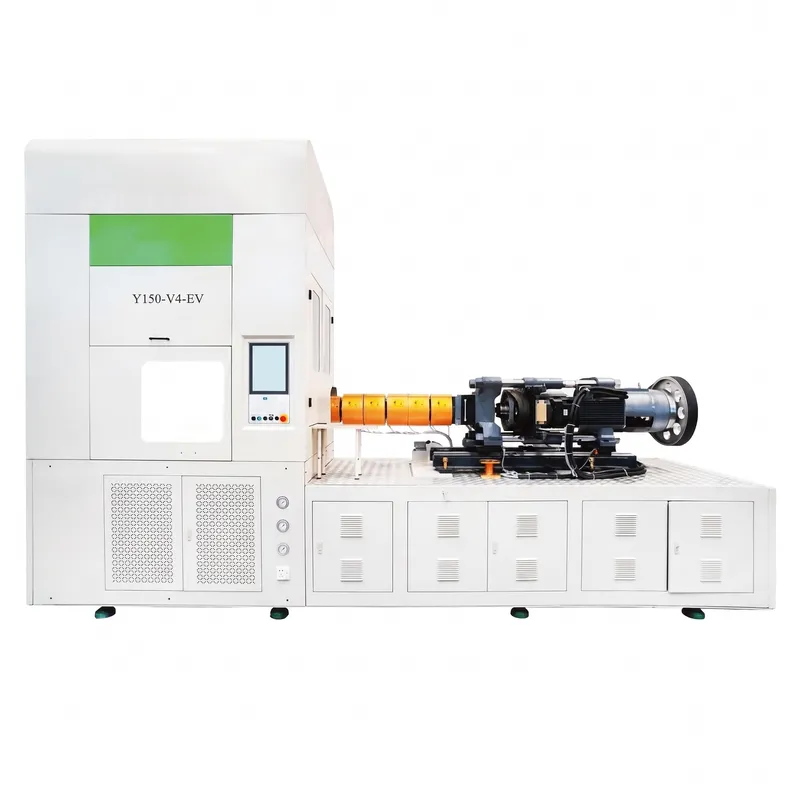
Y150-V4-EV Jednoetapowa maszyna do formowania wtryskowego z rozciąganiem i rozdmuchiwaniem (4 stanowiska)
-
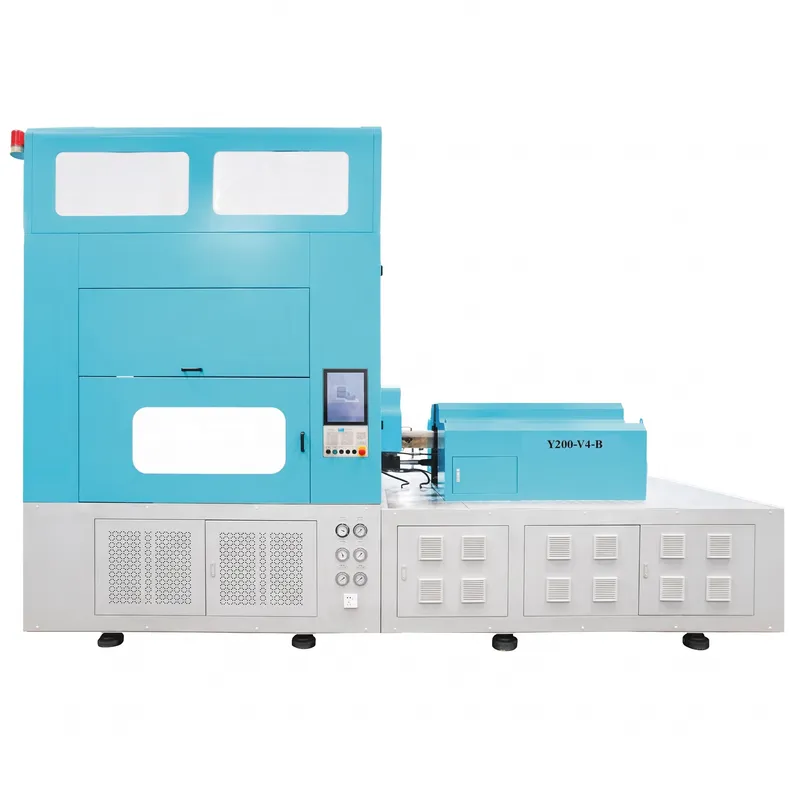
Y200-V4-B Jednoetapowa maszyna do formowania wtryskowego z rozciąganiem i rozdmuchiwaniem (4 stanowiska)
-
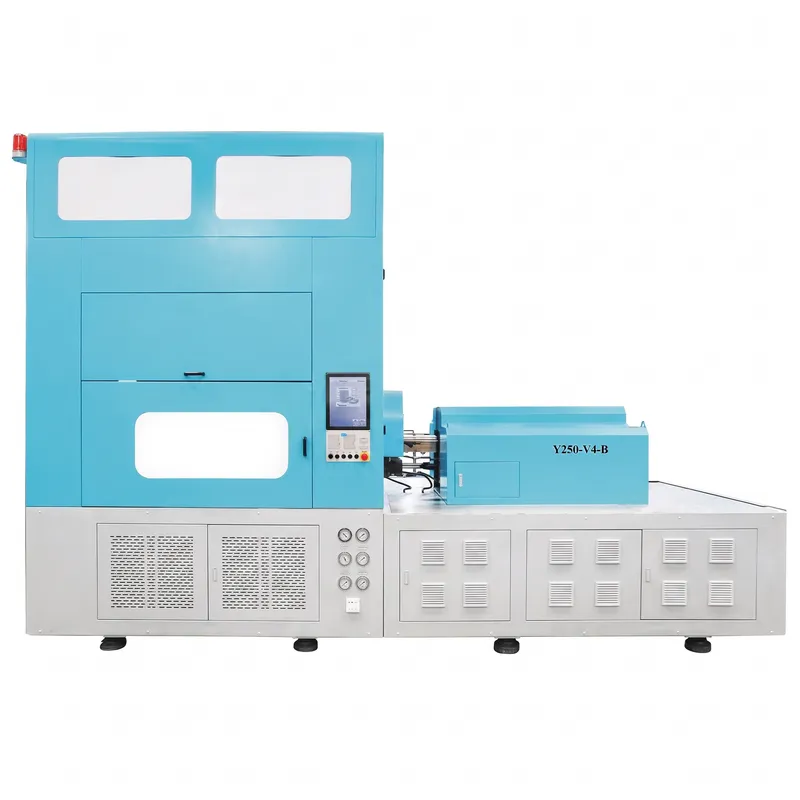
Y250-V4-B Jednoetapowa maszyna do formowania wtryskowego z rozciąganiem i rozdmuchiwaniem (4 stanowiska)
-
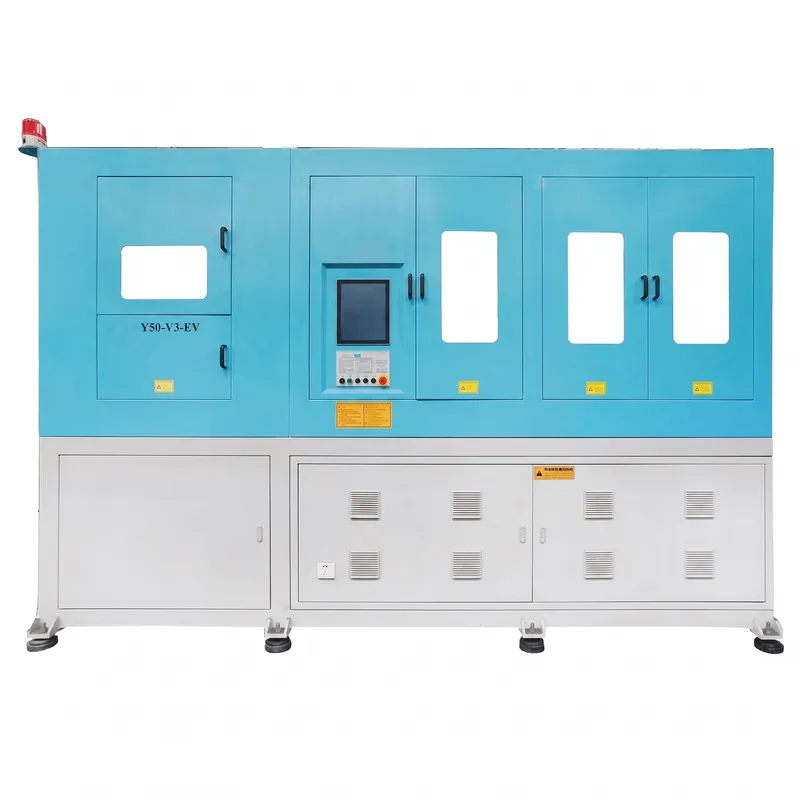
Y50-V3-EV Jednoetapowa maszyna do formowania wtryskowego z rozciąganiem i rozdmuchiwaniem (3 stanowiska)
-
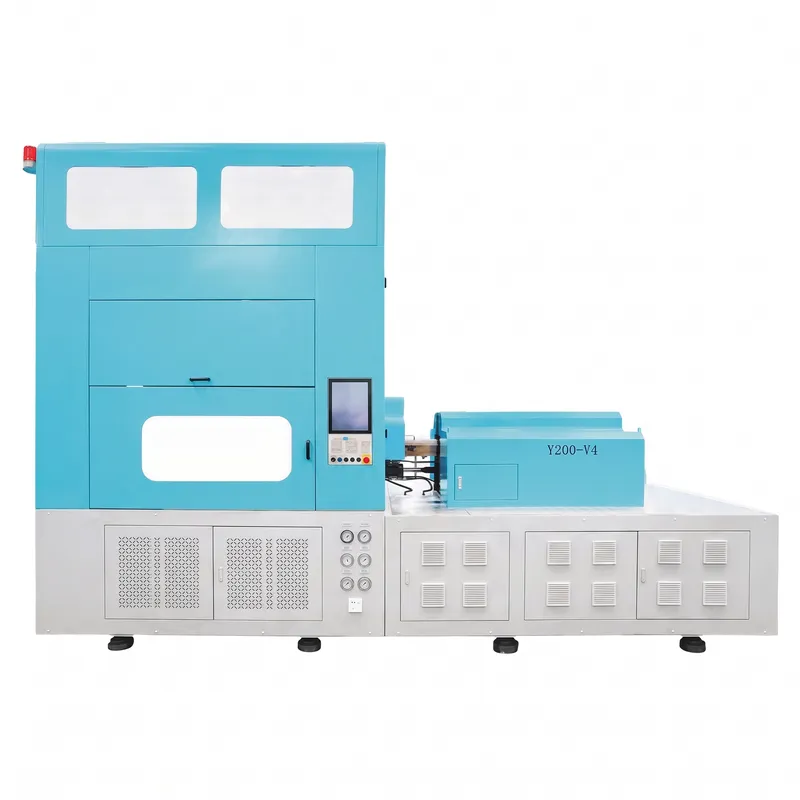
Y200-V4 Jednoetapowa maszyna do formowania wtryskowego z rozciąganiem i rozdmuchiwaniem (4 stanowiska)