
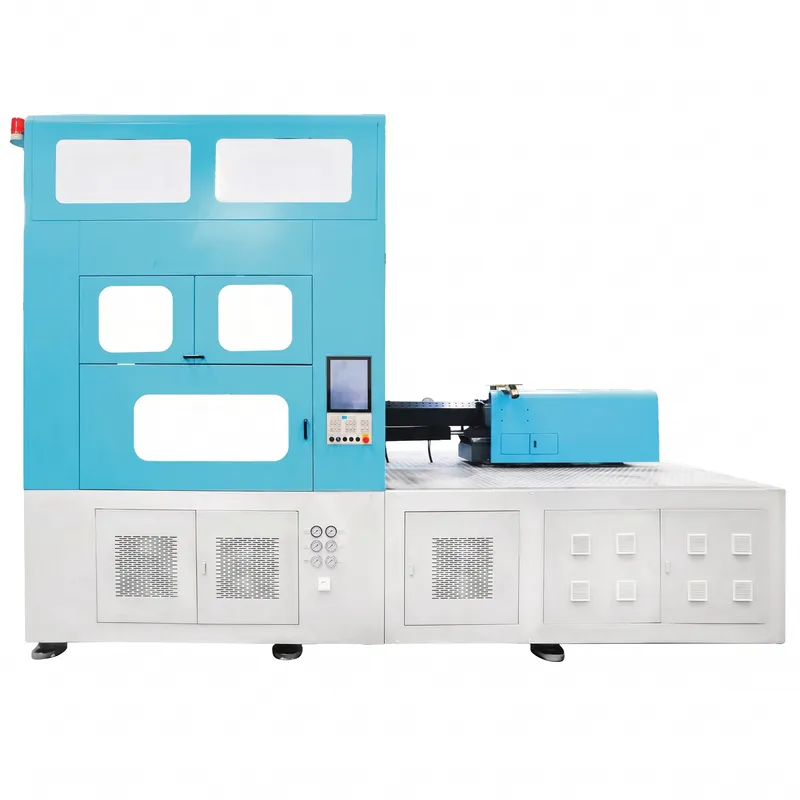
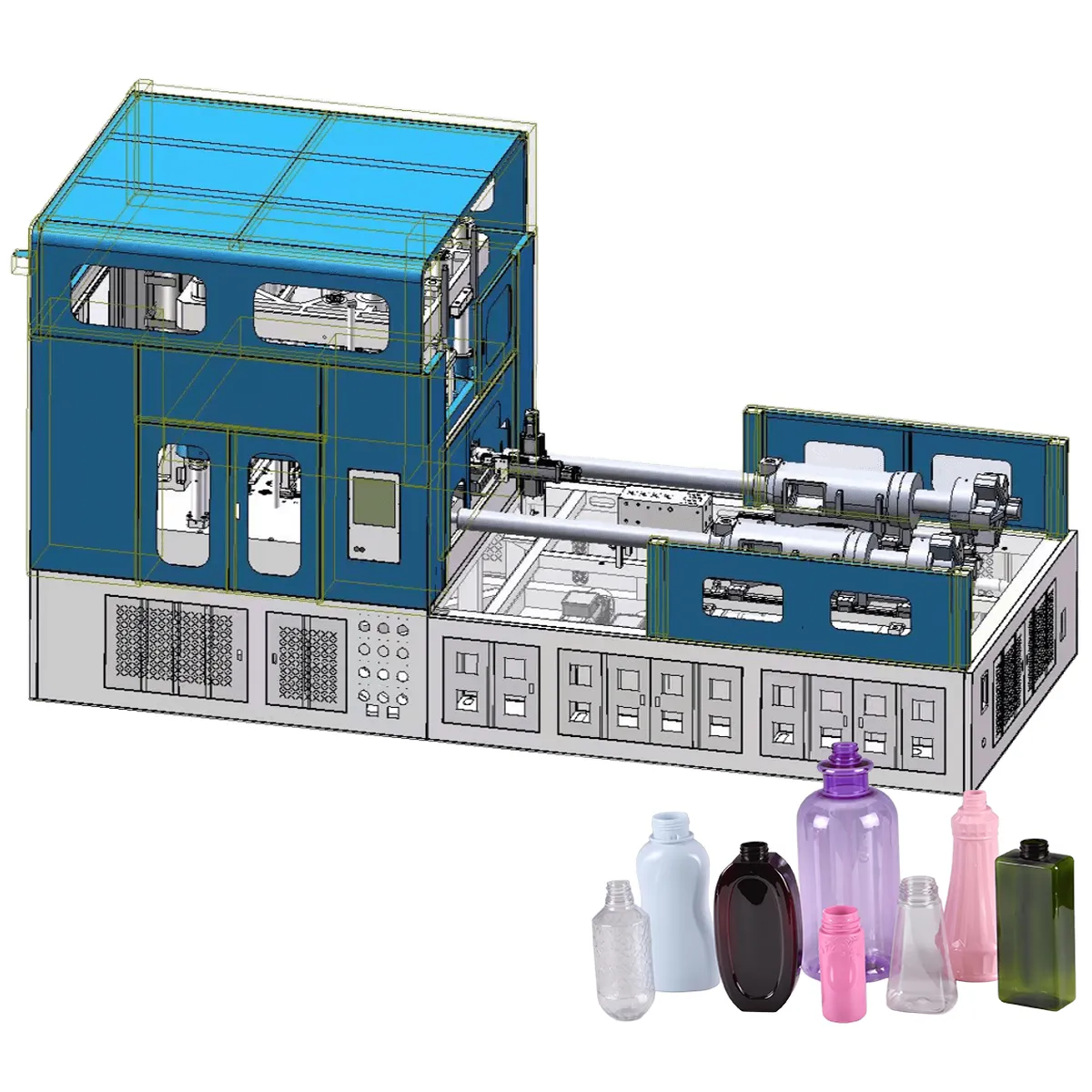
Y280-V6 Einstufen-Spritzstreckblasformmaschine (6 Stationen)
The Y280-V6 One Step Injection Stretch Blow Molding Machine is a highly efficient plastic container molding process widely used in the production of high-precision, high-demand hollow plastic products, including baby bottles, water bottles, medicine bottles, craft and special-shaped bottles, and cosmetic bottles made of PET, PETG, PP, PC, Tritan, PS, ABS, or PLA. The Y280-V6 is a direct-replacement option for leading Japanese injection stretch blow molding machines and is available in Standard, Servo, and Fully Electric configurations to suit diverse production environments.
The Y280-V6 One Step Injection Stretch Blow Molding Machine is a highly efficient plastic container molding process widely used in the production of high-precision, high-demand hollow plastic products, including baby bottles, water bottles, medicine bottles, craft and special-shaped bottles, and cosmetic bottles made of PET, PETG, PP, PC, Tritan, PS, ABS, or PLA. As a leading one step ISBM machine with six stations, its defining feature is that injection, stretching, and blow moulding are all completed continuously within the same equipment without any intermediate steps. This single-stage design eliminates reheating energy, reduces floor space, and significantly improves both production efficiency and batch-to-batch product consistency. The Y280-V6 is a direct-replacement option for leading Japanese injection stretch blow molding machines and is available in Standard, Servo, and Fully Electric configurations to suit diverse production environments.
The six-station rotary turntable architecture of the Y280-V6 sets it apart from conventional four-station ISBM machines. By adding two additional stations to the processing cycle, the machine can produce up to six plastic bottles simultaneously per cycle, delivering throughput levels that match high-volume cosmetic, pharmaceutical, beverage, and personal care packaging lines. All critical components are sourced from trusted global suppliers: Japan Yaskawa or WEICHI servo motors drive the turntable, American Parker high-pressure valves manage blowing air, Airtak air cylinders handle actuation, and YUKEN hydraulic control valves from Taiwan govern pressure regulation. The twin-screw system is heated by nano far-infrared energy-saving rings, reducing heating power consumption while maintaining melt quality. Whether you operate in the pharmaceutical sector requiring GMP-grade oil-free production, or a cosmetic packaging line demanding flawless surface finish with no visible parting lines, the Y280-V6 delivers. It is an ideal solution for businesses seeking a reliable PET injection stretch blow molding machine with proven industrial-grade durability and broad mold compatibility.
Austauschbare Marke und Modell
CMN Transmission bietet ein umfassendes Sortiment an Spritzstreckblasformmaschinen, die jeweils als direkter Ersatz für führende japanische Marken entwickelt wurden. Alle Modelle sind in Standard-, Servo- und vollelektrischer Ausführung erhältlich, um Ihren Produktionsanforderungen gerecht zu werden.
| Standardmodell | Y150-V4 | Y200-V4 | Y250-V4 |
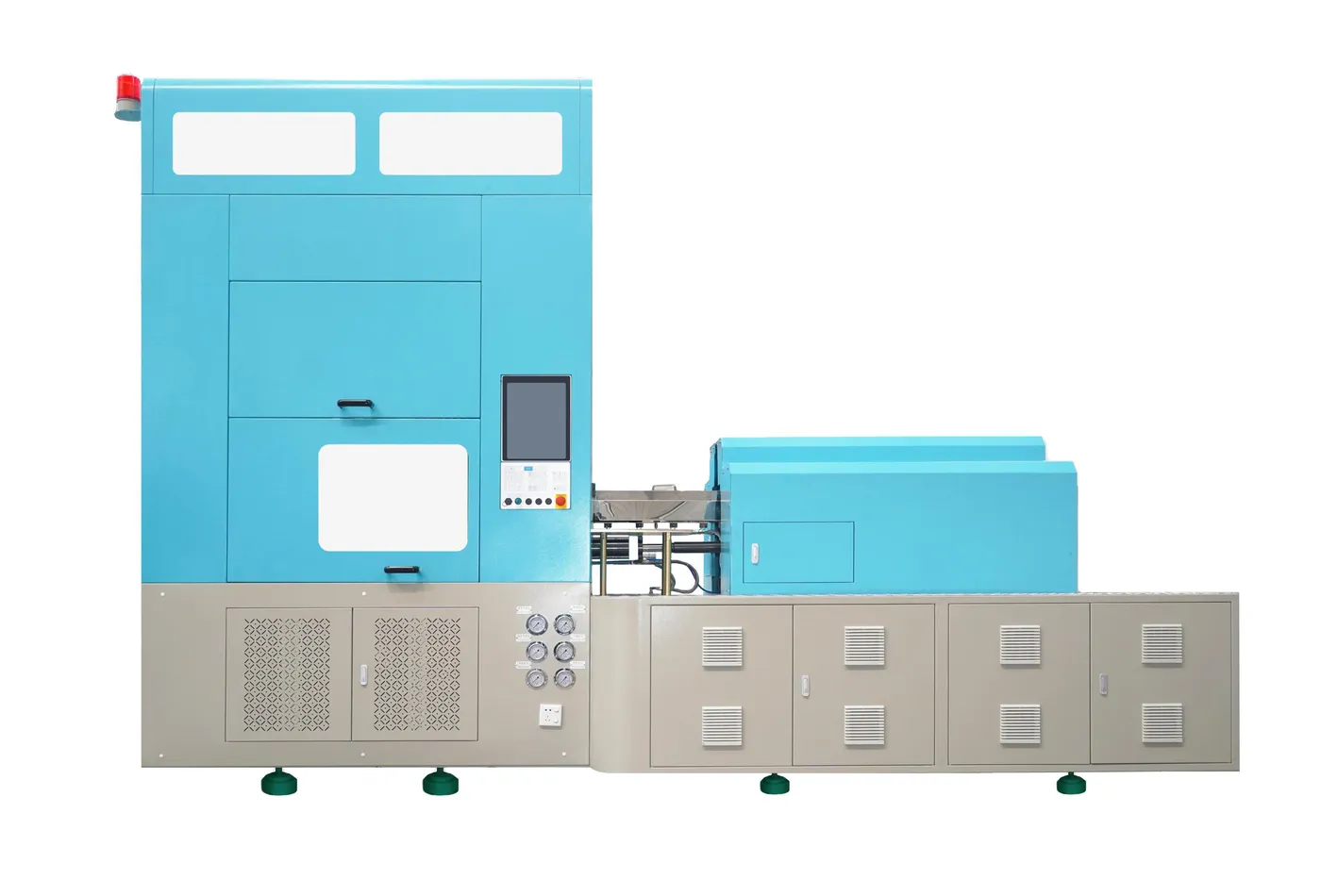 | Kompatibel mit dem japanischen ASB-12M | Kompatibel mit dem japanischen Aoki 250 | Kompatibel mit dem japanischen ASB-70DPH |
| Y150-V4-B | Y500-V3 | - | |
| Kompatibel mit dem japanischen Aoki 100 | Kompatibel mit dem japanischen Aoki 500 | - | |
| Hydraulische Klemmung, hydraulische Schraubeneinspritzung. | |||
| Servo-Modell | YS150-V4 | YS200-V4 | YS250-V4 |
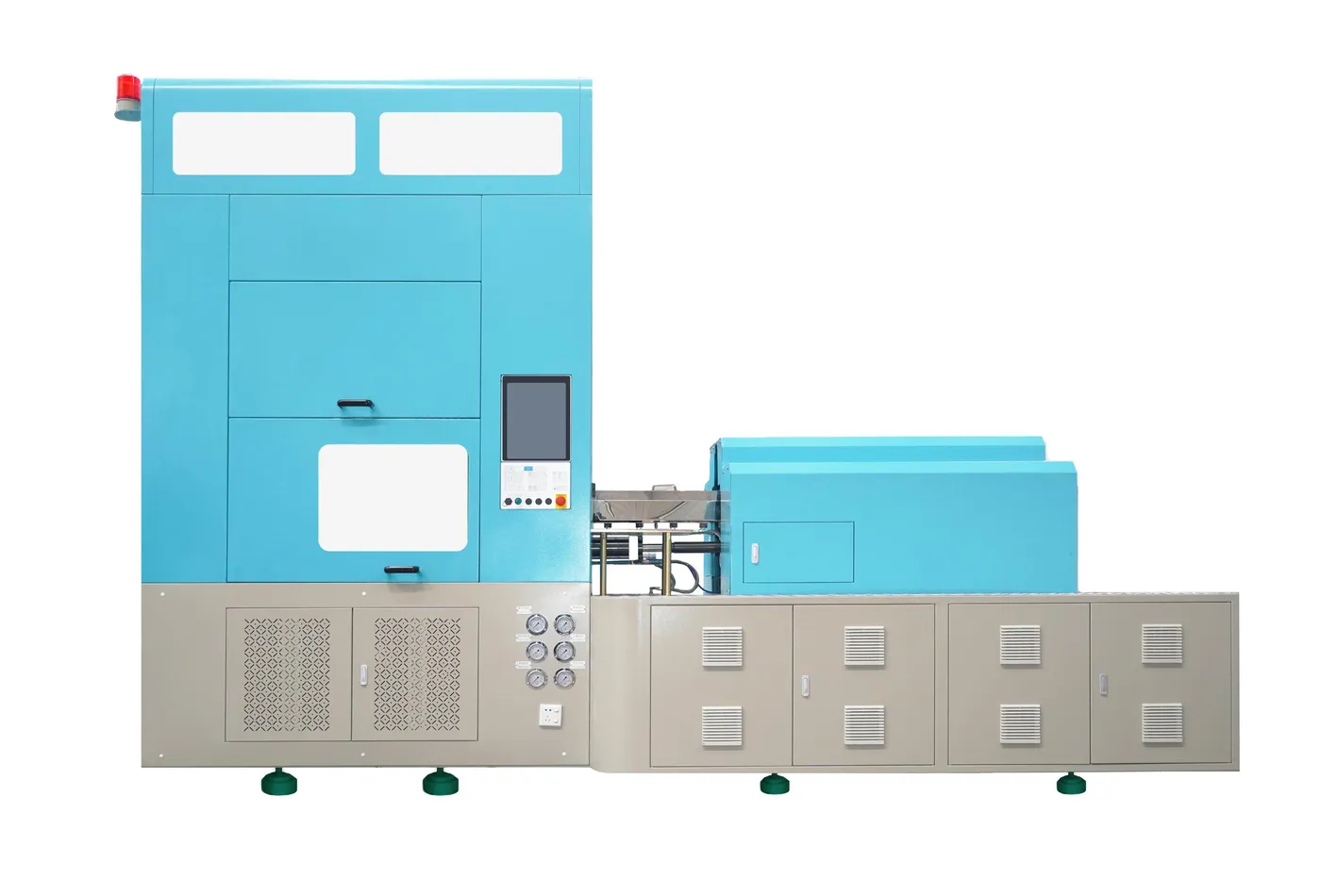 | Servoklemmung, Servo-Schraubeneinspritzung, hohe Präzision, geringer Energieverbrauch, Langzeitstabilität | ||
| Vollelektrisches Modell | Y150-V4-EV | Y200-V4-EV | Y250-V4-EV |
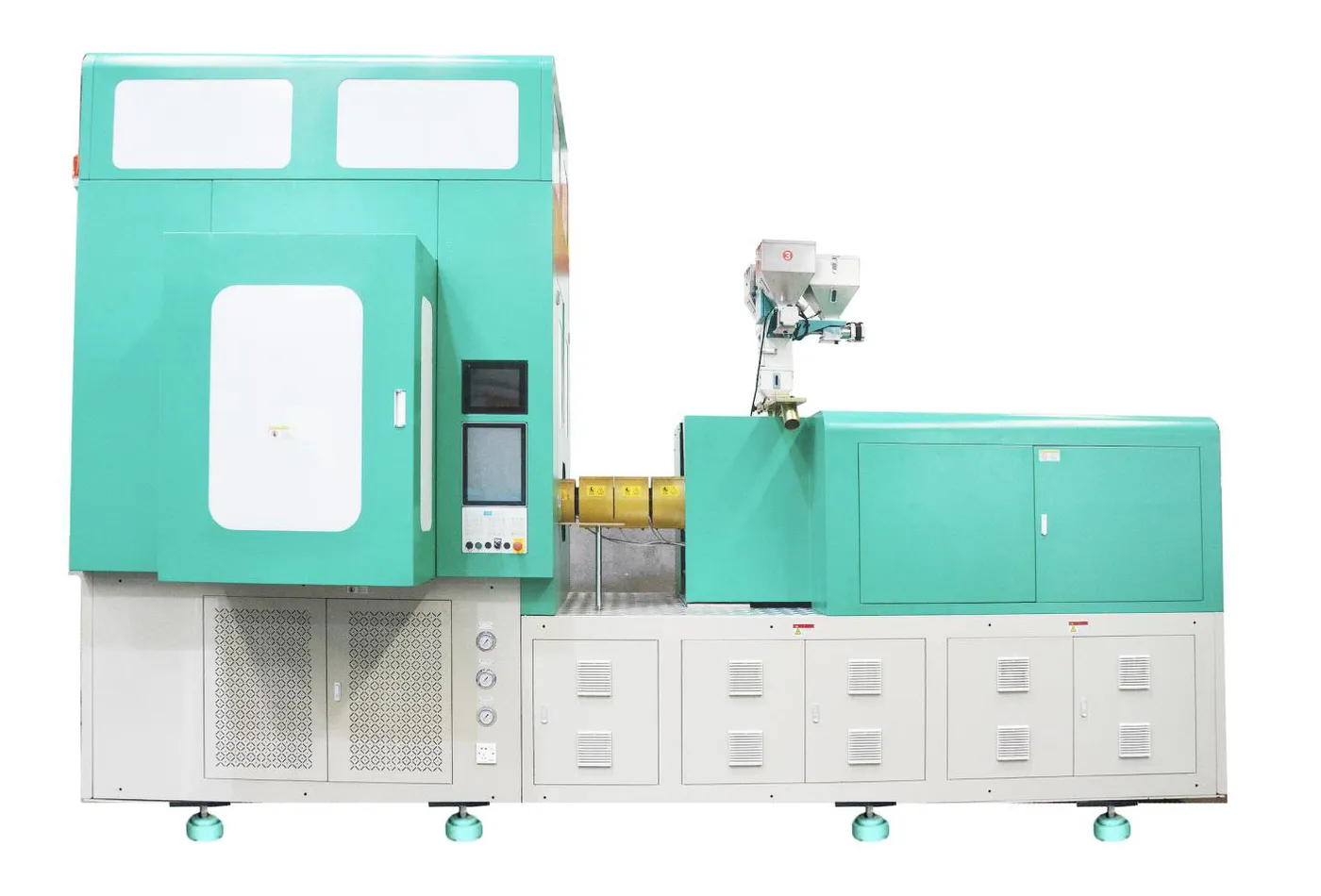 | Vollelektrischer Antrieb, wodurch ölverunreinigte Produkte vermieden werden. | ||
Vorteile unserer ISBM-Maschine
1. Die Qualität ist besser. Die in Japan mit Blasformmaschinen hergestellten Plastikflaschen weisen alle eine Trennlinie auf. Dabei entsteht zwischen den beiden Formteilen auf beiden Seiten ein kleiner Kunststoffüberstand, der eine sichtbare Markierung hinterlässt. Unsere Formen hingegen sind extrem präzise, sodass die Markierung völlig unsichtbar ist.
2. Unsere Produktion ist schnell, dank einer Vielzahl von Schneckensystemen und hoher Produktionsgeschwindigkeit. Während Japan vier Plastikflaschen gleichzeitig herstellen kann, schaffen wir sechs.
3. Energie sparen. Unsere Maschinen verbrauchen 151 bis 251 Tonnen weniger Energie als vergleichbare Maschinen in Japan, Europa und den USA.
4. Zahlreiche elektrische Steuerungstechnologien wurden eingeführt, um hydraulische und pneumatische Komponenten zu ersetzen. Beispielsweise wurden die in Japan im Bodenschneidmechanismus verwendeten pneumatischen Komponenten hier durch Servomotoren ersetzt, deren Drehzahl sich verdoppelt hat. In der pharmazeutischen Industrie und anderen Bereichen können Vollservomotoren ohne Hydrauliksysteme eingesetzt werden, wodurch die Einhaltung der GMP-Standards und ein Betrieb in einer öl- und schadstofffreien Umgebung gewährleistet werden.
Produktspezifikationen
| Artikel | Einheit | Technische Daten | |||||||
| Name | One-step injection stretch blow molding machine (6-station) | ||||||||
| Modell | Y280-V6 | ||||||||
| Hersteller | CMN-Übertragung | ||||||||
| Meterial | PET/PETG | ||||||||
| Schraubendurchmesser | MM | 40 | 50 | 55 | 60 | ||||
| Theoretisches Injektionsvolumen | CM³ | 188 | 310 | 442 | 480 | ||||
| Drehzahl der Schraube (U/min) | r/min | 270 | 180 | 150 | 150–220 | ||||
| Einspritzklemmkraft | KN | 150 | |||||||
| Blasklemmkraft | KN | 200 | |||||||
| Motorleistung | KW | 43.2 | |||||||
| Heizleistung | KW | 10 | |||||||
| Blasluftdruck | MPa | 2.0-3.5 | |||||||
| Kühlwasserdruck | MPa | 0.4-0.6 | |||||||
| Maschinenölkühler-Wasserdruck | MPa | 0.3-0.4 | |||||||
| Maschinenölkühlerwassertemperatur | ℃ | 20-25 | |||||||
| Stromspannung | V | 370-400 | |||||||
| (L*B*H) Größe (L*B*H) | MM | 5900x2600x3200 | |||||||
| Gewicht | T | 14 | |||||||
| Produktabmessungen | |||||||||
| Produktmenge | PCS | 1 | 2 | 4 | 5 | 6 | 7 | 9 | 10 |
| Flaschendurchmesser (BD) | MM | 120 | 110 | 68 | 55 | 50 | 45 | 35 | 20 |
| Flaschenhöhe (H) | MM | 210 | 150 | 100 | |||||
| Halsdurchmesser (E) | MM | 85 | 70 | 50 | 38 | 32 | 25 | 17 | 12 |
| Maximales Flaschenvolumen (ml) | ML | 2500 | 1500 | 900 | 400 | 250 | 100 | 30 | 20 |
| Maximales Flaschengewicht (W) | G | 130 | 65 | 43 | 32 | 26 | 22 | 18 | 16 |
Maschinenparameter
| Schraubendurchmesser: | 50 mm (optional) |
| Theoretische Einspritzkapazität: | 310 g |
| Einspritzklemmkraft: | 150 kN |
| Hub der oberen Form: | 250 mm |
| Unterer Formhub: | 205 mm |
| TEMP. Regulierung des Herzschlags: | 250 mm |
| TEMP. Regulierung des Zylinderhubs: | 230 mm |
| Ausholschlag: | 170 mm |
| Blasklemmkraft: | 200 kN (einseitig) |
| Schlagkernschlag: | 250 mm |
| Blasform-Schlag: | 75+75 mm |
| Öltank VOL: | 300 l |
| Größe (L×B×H): | 5.9*2.6*3.2m |
| Gewicht: | 14T |
Technischer Standard
| Servo-Steuerungssystem: | Using 2 sets of servo pump systems. |
| Servomotorleistung: | Inovance/WEICHI Servomotorleistung: 43,2 kW. |
| Computersteuerungssystem: | Verwendung der Inovance/MiRLE SPS. |
| Plattenspielerantrieb: | Der Plattenspieler ist mit einem japanischen Yaskawa-Servomotor oder einem WEICHI-Servomotor mit einem taiwanesischen TSUNTIEN-Untersetzungsgetriebe ausgestattet. |
| Hochdruckventil: | Verwendung des amerikanischen Parker-Hochdruckventils. |
| Luftzylinder: | Verwendung des Aitak-Luftzylinders. |
| Temperaturregelung: | Die Temperaturregelung erfolgt über eine integrierte Steuereinheit, die hochpräzise, stabil und einfach zu bedienen ist. |
| Hydraulisches Druckregelventil: | Verwendung eines hydraulischen Druckregelventils von YUKEN aus Taiwan, China. |
| Schraubenheizung: | The twin-screw is heated by a nano-far-infrared energy-saving heating ring(10KW). |
| Blasformstruktur: | Die Blasformstruktur verwendet ein hydraulisches Zylinder- oder Doppelservomotor-Formschließsystem mit Hochdruckkompensationsfunktion. |
| Injektionseinheit: | The double-injection unit is controled by a single cylinder. The melt motor may be controlled either hydraulically or by a servo motor. |
| Ölschlauch: | Das Ölrohr besteht aus importiertem Material aus Italien. |
| Gesamtleistung der Maschine: | Gesamtleistung der Maschine: 53,2 kW. |
Key Features of the Y280-V6 ISBM Machine
1. Superior Product Quality
The single-stage injection stretch blow molding machine process produces bottles directly from preforms without reheating, which preserves molecular alignment and surface integrity. Containers achieve high optical clarity, smooth surface finishes, and uniform wall thickness in every cycle. Because the preform and finished bottle are made on the same machine without intermediate handling, there is virtually no risk of contamination or surface damage. The Y280-V6 mold tooling is manufactured to extremely tight tolerances, making parting line marks invisible to the naked eye. This is a clear advantage over Japanese-brand alternatives where a visible parting line protrusion is common.
2. Flexible Design Capabilities
The Y280-V6 customized injection stretch blow molding machine platform supports intricate bottle shapes, custom neck finishes, and container volumes from 20 ml up to 2,500 ml. With 8 available cavity configurations per cycle, the machine adapts to both small-batch specialty orders and large-volume commodity runs. This adaptability makes it ideal for cosmetic brands requiring distinctive bottle profiles, pharmaceutical manufacturers demanding precise closure fitment, and premium beverage producers needing transparent PET bottles with high visual appeal. The machine's mold compatibility also extends to tooling originally designed for Japanese ASB and Aoki equipment.
3. Sustainability and Lower Energy Use
The one-step process eliminates the secondary preform reheating stage that two-step systems require, reducing overall energy consumption by 15% to 25% compared to equivalent Japanese, European, or American machines. Nano far-infrared energy-saving heating rings on the twin-screw system further reduce heat loss during the melting phase. The process also generates less material waste than extrusion blow molding because preform weight is precisely controlled before blowing. For manufacturers working with bio-based resins such as PLA or recycled PET content, the stable melt temperature management of the Y280-V6 helps maintain consistent processing conditions without degradation.
4. High Production Efficiency
The six-station rotary architecture of the Y280-V6 produces more bottles per cycle than the four-station designs found in competing Japanese ISBM machine models. While a standard four-station Japanese machine typically produces four bottles simultaneously, the Y280-V6 outputs six bottles per cycle. Combined with a servo-driven turntable and dual servo pump systems that reduce pressure stabilization delays, overall throughput increases significantly. The integrated single-stage processing cycle also reduces machine downtime between production runs, eliminating the need to synchronize separate injection and blow molding equipment. Full-process PLC automation reduces operator intervention and supports cost-effective mass production across extended shifts.
5. Versatile Application Range
As a true-purpose injection blow molding machine for packaging, the Y280-V6 produces containers ranging from 20 ml eye-drop bottles to 2,500 ml wide-mouth packaging. Supported materials include PET, PETG, PP, PC, Tritan, PS, ABS, and PLA, giving manufacturers broad flexibility to serve pharmaceutical, cosmetic, food, beverage, chemical, and personal care markets from a single machine platform. Multiple screw diameter configurations (40, 50, 55, or 60 mm) allow operators to match injection shot size to the specific product and material being run. This versatility makes the Y280-V6 one of the most commercially adaptable one step injection stretch blow molding machines currently available from Chinese manufacturers.
6. Compatible with Japanese ASB or Aoki Machine
One of the most significant commercial benefits of the Y280-V6 is its direct compatibility with mold tooling originally designed for Japanese ASB injection stretch blow molding machines. For manufacturers currently running ASB or Aoki machines, this means existing mold investments can be transferred to the CMN machine without costly retooling. The Y280-V6 is engineered as a direct replacement for ASB ISBM machine models and also offers compatibility paths for Aoki model formats. This mold compatibility dramatically reduces the total cost of switching from Japanese to CMN equipment.
Working Principle
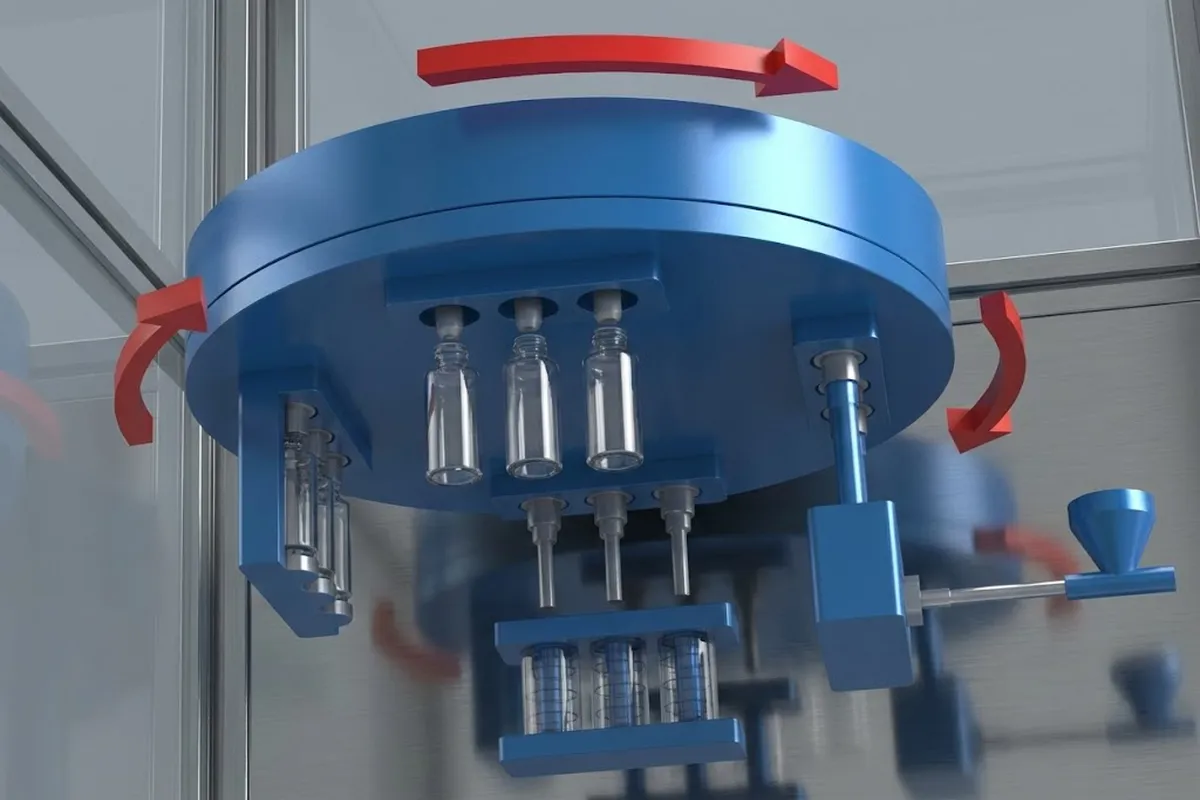
Schritt 1: Spritzgießen
The process begins by heating PET or PETG resin to a precise molten state using the nano far-infrared screw heating system. The molten material is injected under 150 KN clamping force into a mold cavity to form a preform. The preform is partially cooled to stabilize its shape while retaining sufficient heat to allow effective stretching in the next stage. During this phase, the neck finish, thread geometry, and sealing area are formed to their final dimensions. This ensures reliable cap fitment, dimensional accuracy, and consistent bottle weight from cycle to cycle. The injection unit operates under single-cylinder control, with the melt motor configurable as either hydraulic or servo-driven depending on the production environment and accuracy requirements.
Schritt 2: Vorkonditionierung und Transfer
The Japan Yaskawa or WEICHI servo motor drives the six-station rotary turntable, transferring the freshly molded preform from the injection station to the temperature conditioning zone with precise indexing accuracy. As the preform travels between stations, it passes through controlled thermal management zones managed by the integrated temperature control box. The TEMP. Regulating Core Stroke of 250 mm and TEMP. Regulating Barrel Stroke of 230 mm allow fine adjustment of heat distribution along the preform body. This consistent thermal conditioning step is critical for achieving uniform material behavior during the subsequent stretching and blowing stage. Uneven preform temperature is one of the primary causes of thin shoulders, thick bases, or cracking during blow molding, all of which the Y280-V6 conditioning system is engineered to prevent.
Step 3: Stretch Blow Molding
This is the transformation stage where the preform becomes its final container shape. The blow core stroke of 250 mm and blow mold stroke of 75 + 75 mm on the Y280-V6 provide generous travel range to accommodate a wide range of bottle heights and body profiles. Biaxial stretching begins as a stretch rod extends the preform lengthwise, followed by compressed air at 2.0 to 3.5 MPa expanding it outward to match the blow mold cavity. The hydraulic cylinder or dual servo motor mold clamping system with high-pressure compensation function maintains 200 KN blowing clamping force (single side), ensuring the mold seals fully against the internal air pressure. This dual-axis orientation of the polymer molecules significantly improves the finished container's resistance to gas penetration, impact force, and internal pressure, making the output ideal for carbonated beverages, pharmaceutical liquids, and pressurized cosmetic packaging.
Schritt 4: Kühlung und Ausstoß
Once the container has been fully blown into its final shape, the cooling water system (maintained at 0.4 to 0.6 MPa and 20 to 25 degrees Celsius through the machine oil cooler) rapidly removes heat from the mold cavity to solidify the bottle form. Controlled cooling is essential for dimensional stability, consistent bottle weight, and preventing internal stress that could lead to deformation during storage or transport. After sufficient cooling is achieved, the mold opens and the take-out mechanism (with a stroke of 170 mm) automatically ejects the finished bottle from the station. The complete molding cycle concludes with a ready-to-fill plastic container delivered directly to the take-out position, requiring no manual trimming, reheating, or secondary processing before use.
Anwendungsgebiete
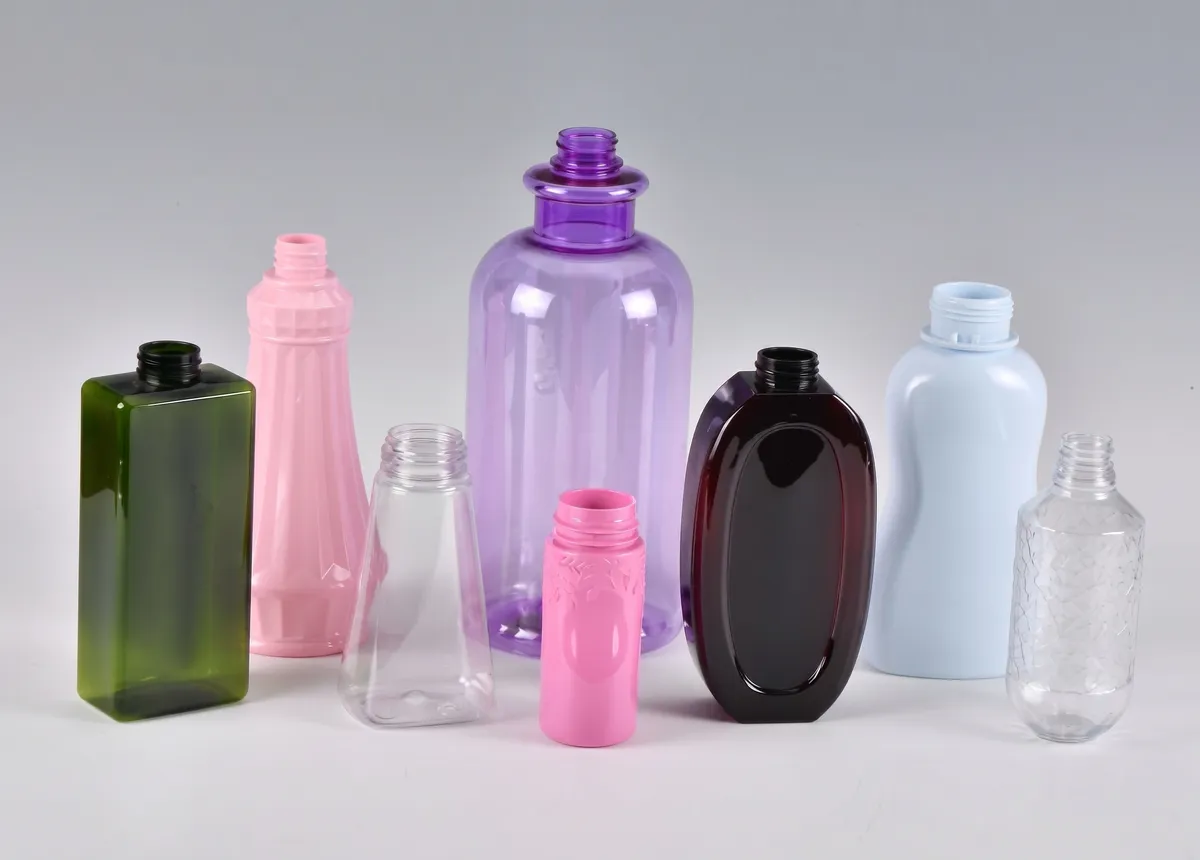
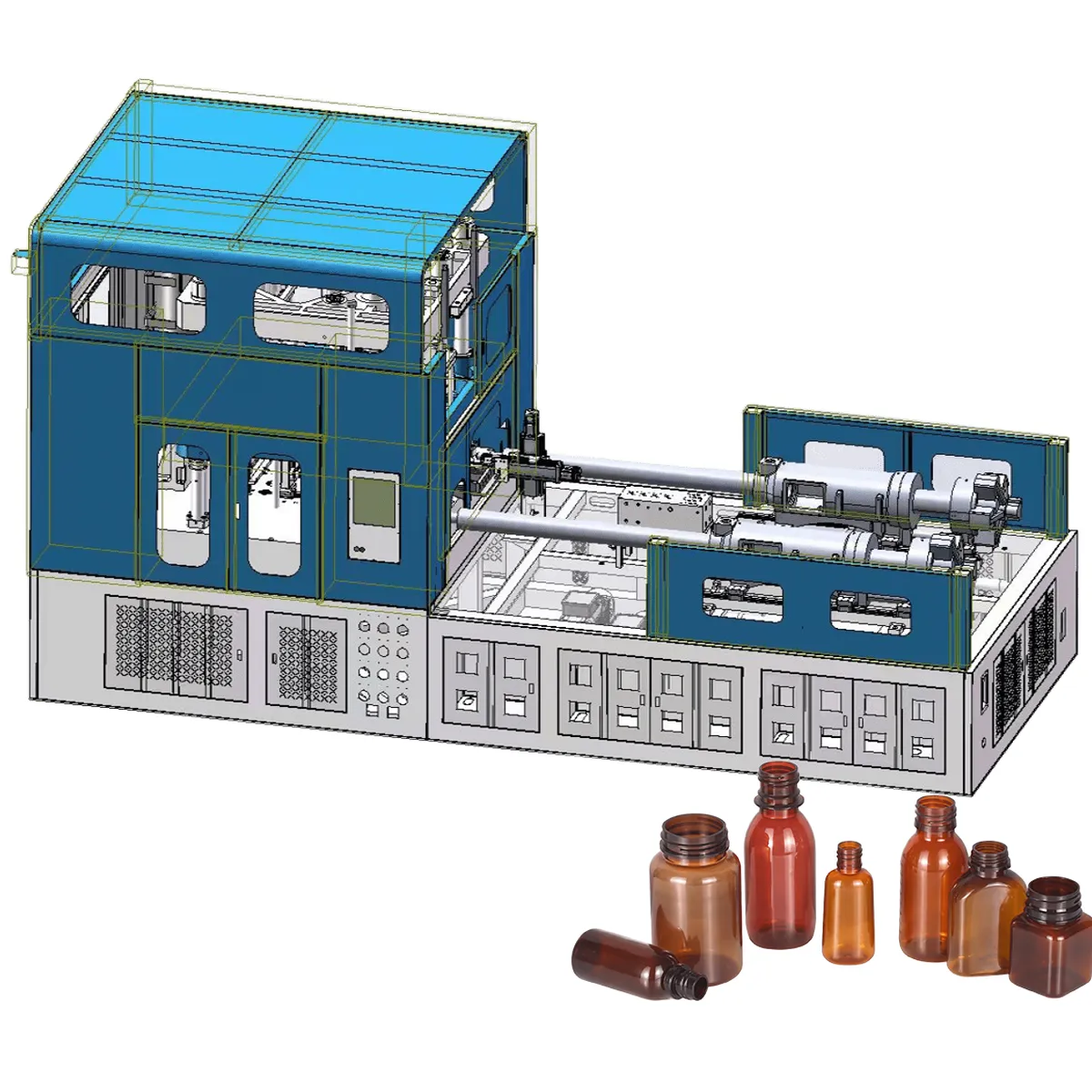
1. Kosmetikflaschen
High-end cosmetic packaging demands flawless surface aesthetics, transparency, and dimensional consistency. The Y280-V6 produces skincare, toner, serum, and lotion containers in Tritan, PETG, and PET with no visible parting lines and excellent optical clarity. The mold precision achievable with CMN tooling makes it the preferred Spritzstreckblasformmaschine for cosmetic brands supplying premium retail markets in Europe, North America, and Southeast Asia.
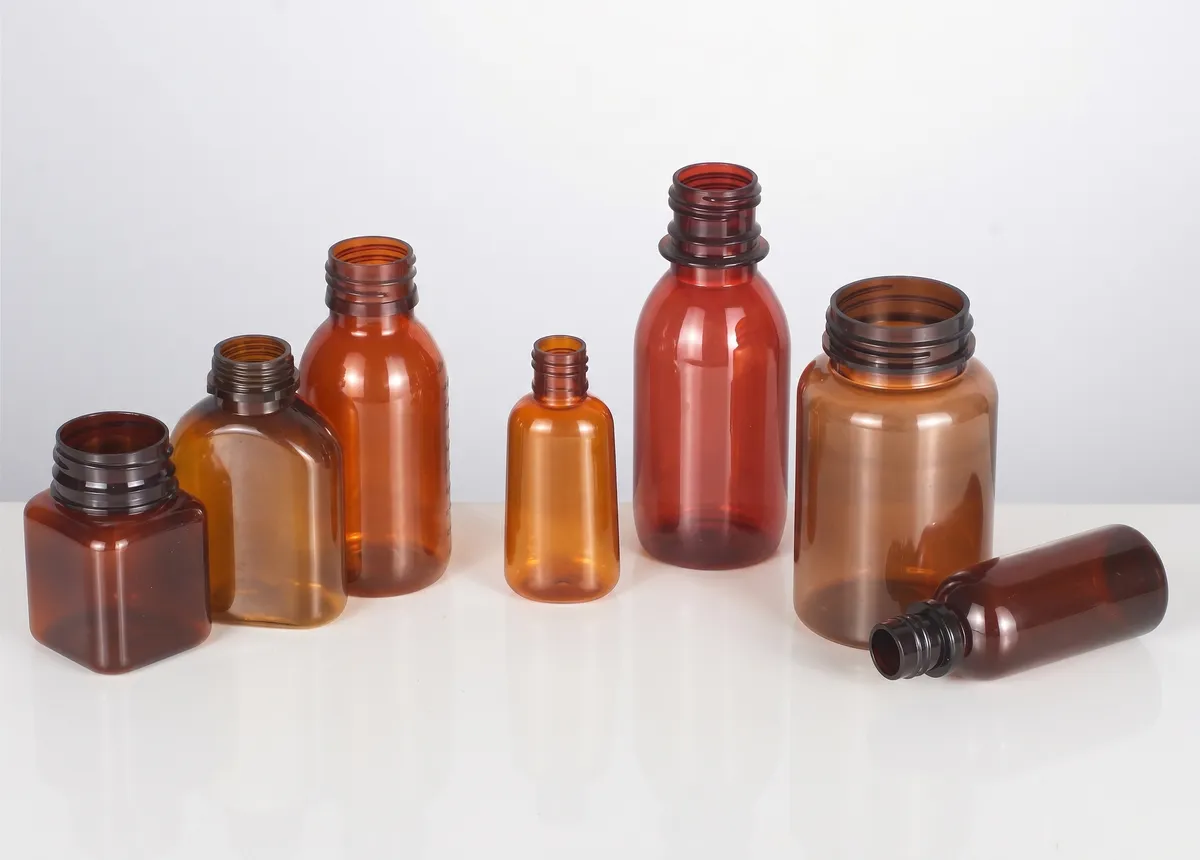
2. Pharmazeutische Flaschen
The Y280-V6 is widely used in pharmaceutical packaging facilities requiring GMP-compliant production. The machine supports fully electric, oil-free servo configurations that eliminate hydraulic oil contamination risk. Pharmaceutical bottles for oral liquids, tablets, capsules, syrups, and eye drops can be produced in PET, PETG, and PP from 20 ml to 500 ml with highly accurate neck thread geometry to ensure reliable closure sealing and dosing accuracy.
3. Chemikalienflaschen
Chemical packaging requires containers that resist solvent permeation, maintain structural integrity under varied storage conditions, and offer tamper-evident closure compatibility. The Y280-V6 produces PP and PET chemical bottles with uniform wall thickness and stable shoulder geometry. Applications include agricultural chemical packaging, cleaning agent bottles, industrial lubricant containers, and specialty chemical packaging requiring chemical resistance and controlled vapor permeability.
4. Hand Wash Bottles
Hand wash, liquid soap, and antibacterial gel packaging often requires ergonomic shapes, pump neck compatibility, and high visual appeal on retail shelves. The Y280-V6 ISBM process handles the complex shapes common in personal care packaging, including oval, square-shoulder, and waisted body profiles. The biaxial orientation of the PET or PP material improves bottle squeeze resistance and drop impact performance, which are important factors for consumer personal care products during distribution.
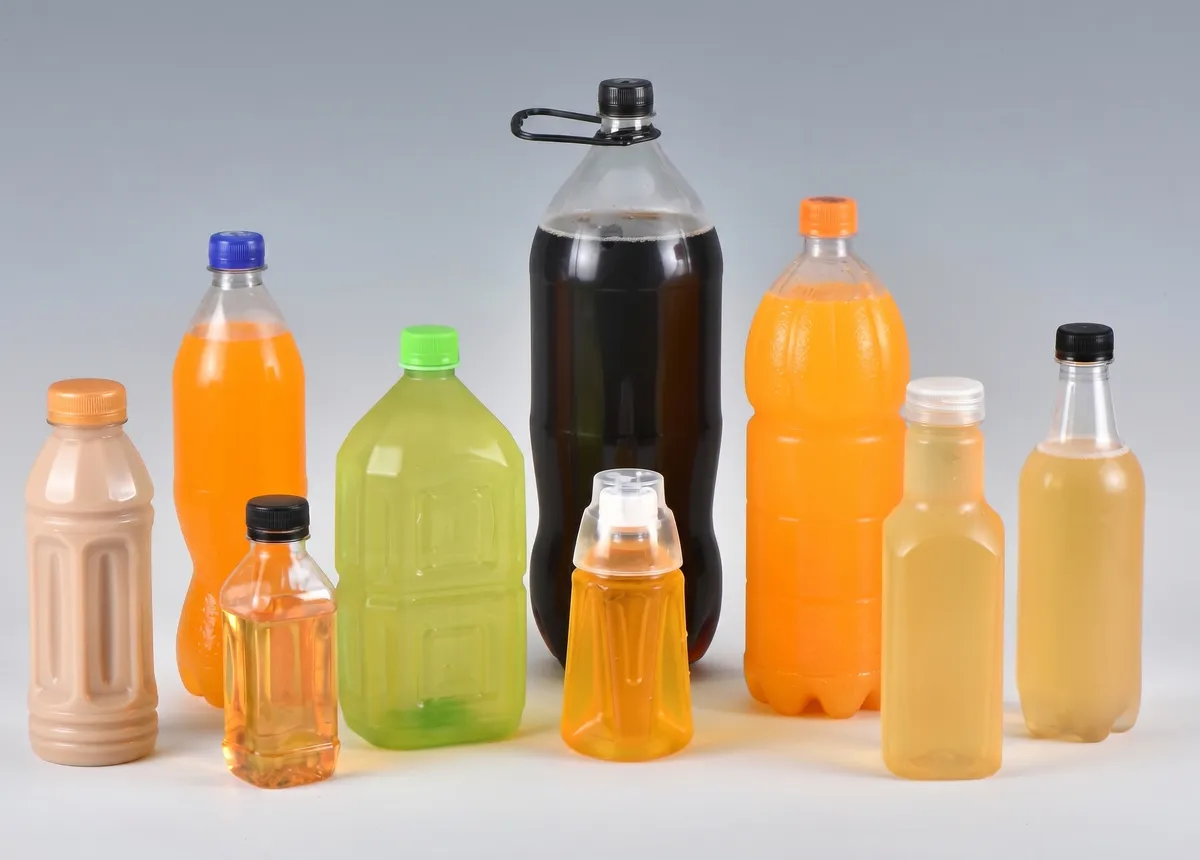
5. Beverage Bottles
PET beverage bottles produced on the Y280-V6 benefit from the biaxial molecular orientation created by the stretch blow process, resulting in improved top-load strength, burst pressure resistance, and excellent optical clarity. The machine can produce still water, juice, tea, and edible oil containers from 100 ml to 2,500 ml per cycle. The servo-controlled turntable indexing ensures consistent preform positioning between stations, which directly affects fill volume accuracy and bottle weight stability across large production runs.
6. Feeding Bottles (Baby Bottles)
Baby bottle production is one of the most demanding applications for any ISBM machine because the materials must be BPA-free, completely transparent, and free of surface defects. The Y280-V6 processes Tritan, PPSU, PC, and PET resins for baby bottles that meet international food contact and chemical migration standards. The one-step ISBM process prevents contamination between stations that could occur with two-step systems, making it the preferred technology for premium infant feeding product manufacturers globally.
7. Body Wash Bottles
Body wash packaging must deliver both functional performance and strong shelf presence. The Y280-V6 supports production of wide-body, tinted, and frosted PET and PETG body wash containers with pump or flip-top closure neck finishes. The machine's temperature conditioning accuracy allows processing of opaque and semi-transparent resin blends without inconsistent color distribution or localized thin spots, which are common defects when bottle shape complexity increases. Output ranges from 200 ml travel sizes to 1,000 ml family-size formats within the same cavity configuration.
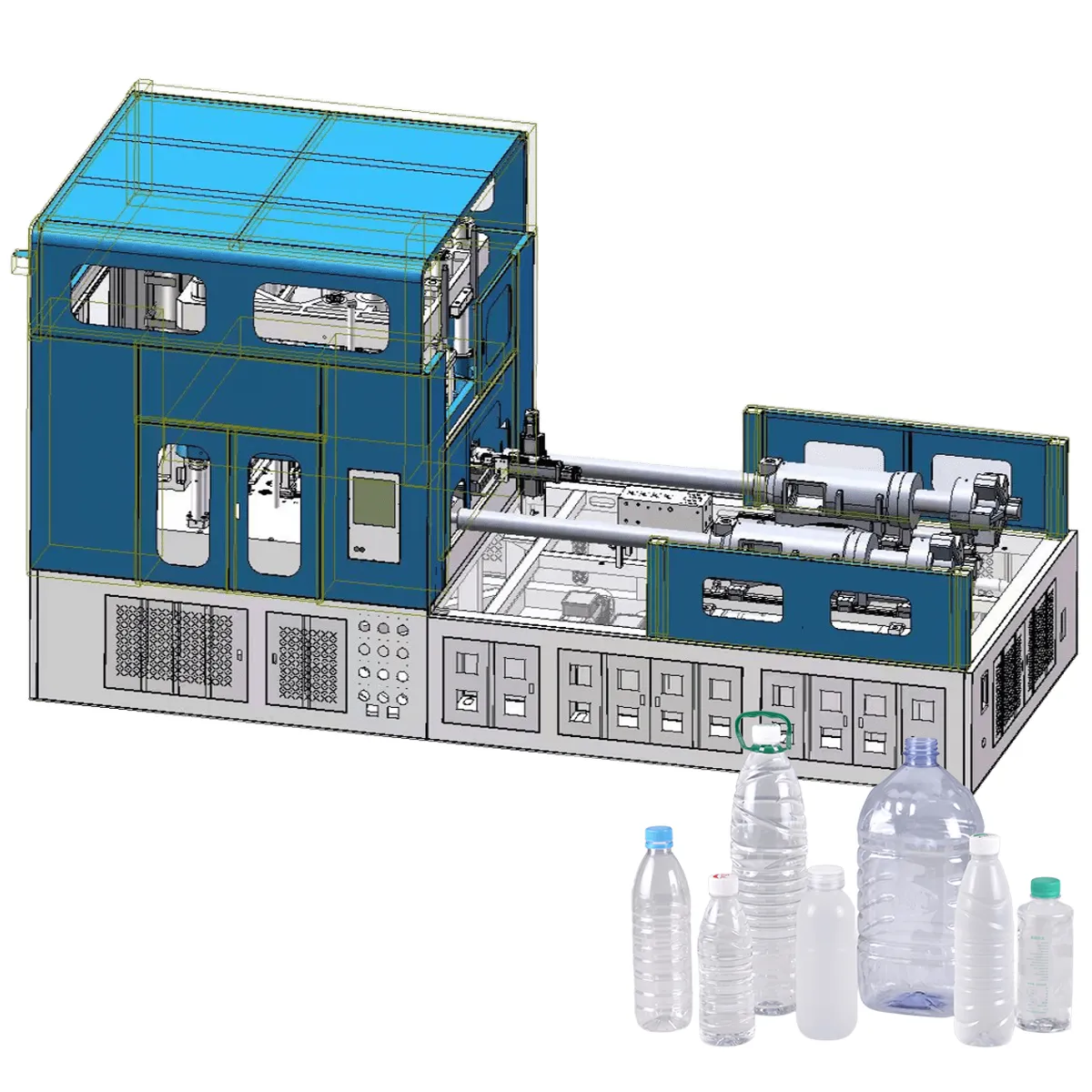
8. Drinking Water Buckets
Large-format PET drinking water containers require outstanding structural rigidity, high clarity, and stackable base geometry. The Y280-V6 accommodates wide-mouth neck configurations and large-body bottle designs up to 2,500 ml. The 200 KN blowing clamping force and 250 mm blow core stroke provide the dimensional control needed for consistent, thick-walled large containers. For water dispenser bottle manufacturers, the Y280-V6 offers a reliable, energy-efficient production platform that meets the volume demands of bulk water packaging markets in Asia, the Middle East, and Africa.
 |  |
| Kosmetikflasche | Pharmazeutische Flasche |
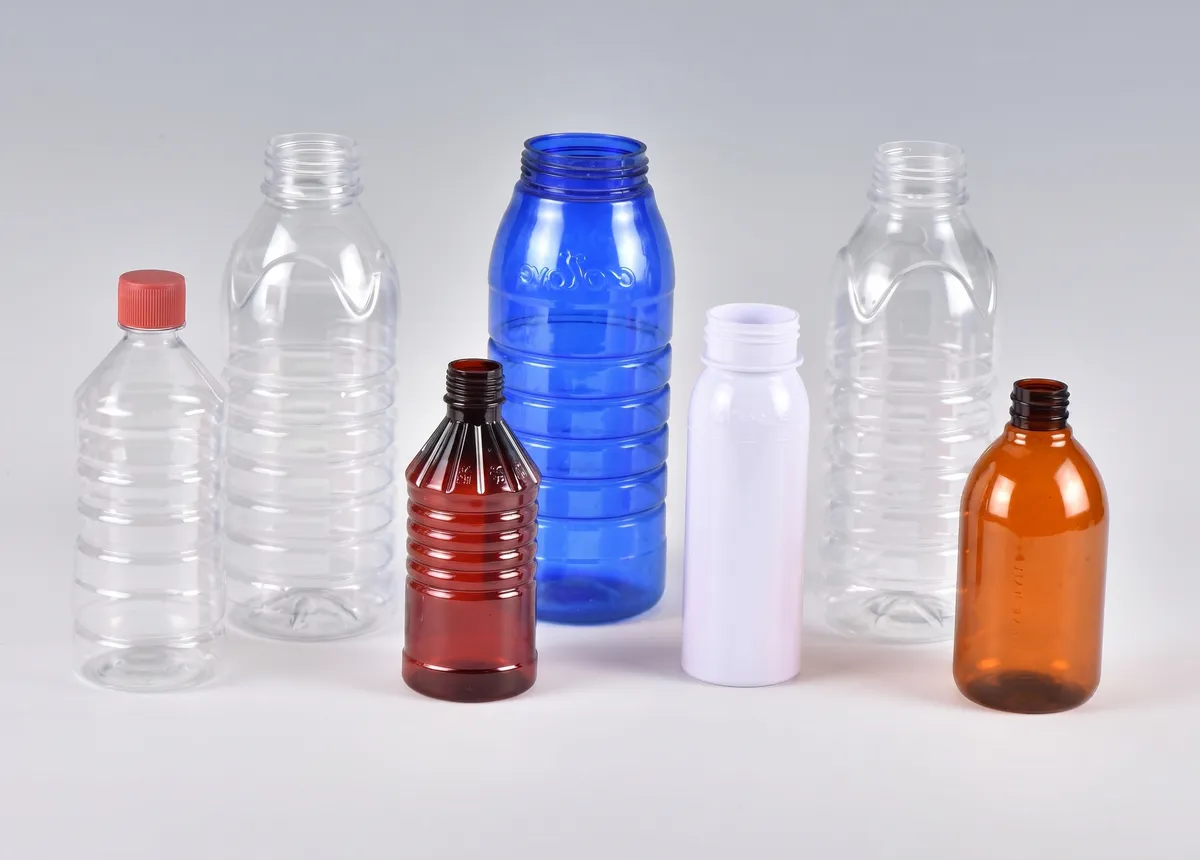 | 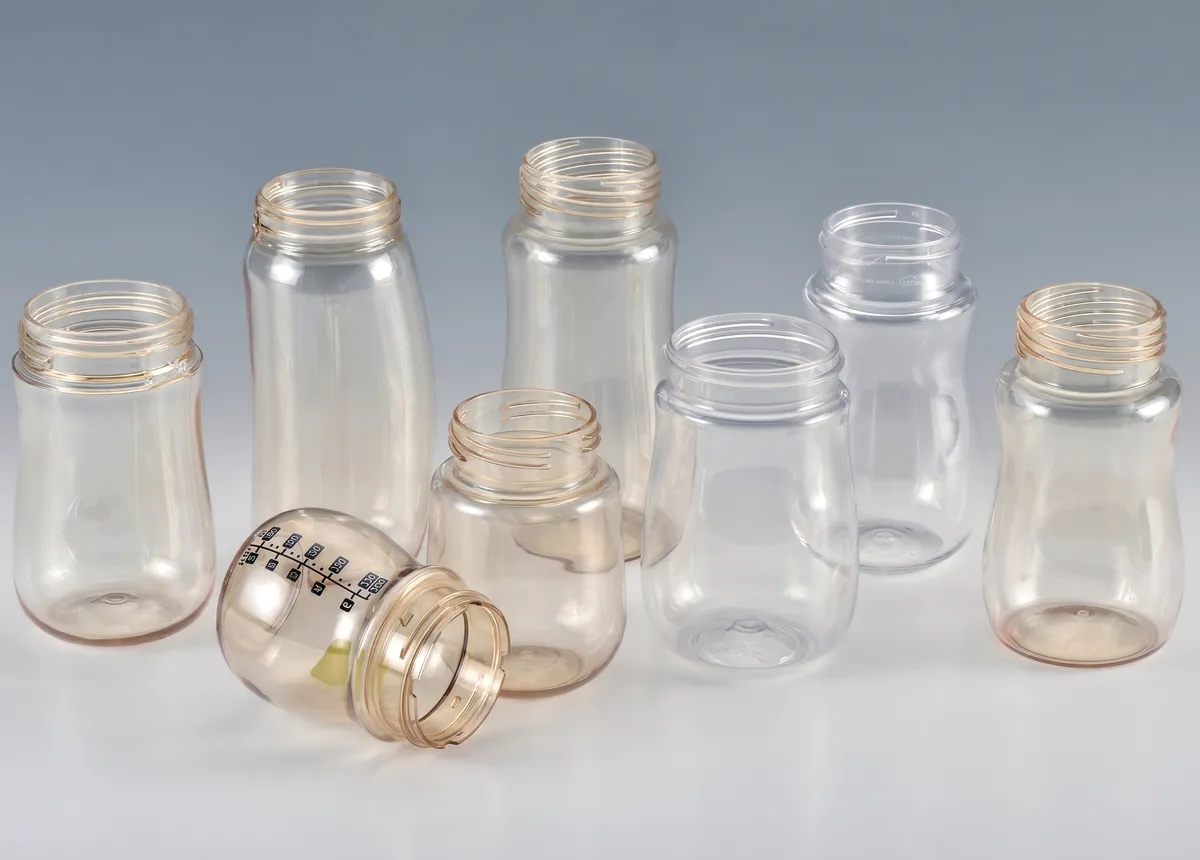 |
| Chemikalienflasche | Saugflasche |
Key Components of ISBM Y280-V6 Machine
Spanneinheit
The Y280-V6 uses a dual-mode clamping system that supports either a hydraulic cylinder or dual servo motor configuration with high-pressure compensation. The injection clamping force of 150 KN and blow clamping force of 200 KN (single side) are precisely maintained throughout each production cycle. The upper mold stroke of 250 mm and lower mold stroke of 205 mm provide clearance for a wide range of bottle heights up to 210 mm. High-pressure compensation during mold closure eliminates parting line flash and ensures airtight sealing during the blow phase, directly improving finished bottle quality and reducing scrap rates.
Injektionseinheit
The double injection unit is controlled by a single cylinder, with the melt motor available in hydraulic or servo motor versions depending on the buyer's process requirements. The twin-screw design is heated by nano far-infrared energy-saving rings (10 KW total heating power) that distribute heat along the screw barrel with minimal energy loss. Available screw diameters of 40, 50, 55, and 60 mm allow the injection shot size to be matched precisely to the product cavity volume, with theoretical injection capacities ranging from 188 cm³ up to 480 cm³. This flexibility makes it practical to run both small cosmetic containers and large water containers on the same machine platform with screw changeovers.
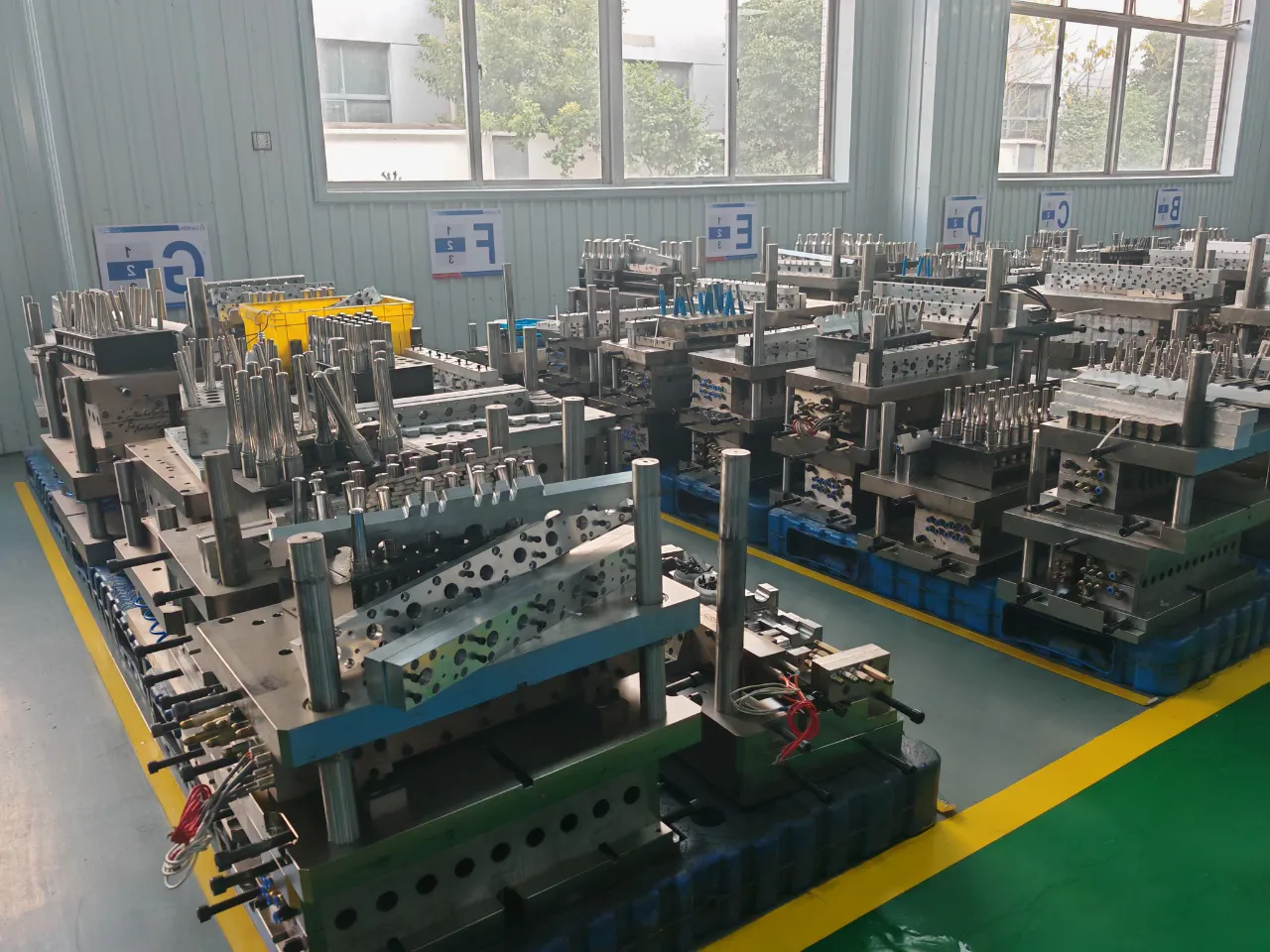
Formsystem
CMN Transmission manufactures injection stretch blow molds to extremely tight tolerances, producing finished containers with parting lines that are virtually invisible to the naked eye. This is a direct performance improvement over equivalent Japanese-brand machines where parting line protrusion is a common quality issue. The mold tooling is compatible with existing ASB injection stretch blow molding machine mold formats, which allows manufacturers transitioning from Japanese equipment to reuse their existing tooling investment. Cavity configurations range from 1 to 10 cavities per cycle, with bottle diameter ranges from 20 mm to 120 mm and volumes from 20 ml to 2,500 ml.
Blow Pin and Air Delivery System
The blow pin assembly on the Y280-V6 operates with a 250 mm blow core stroke, providing sufficient travel for tall bottle body profiles. High-pressure air is delivered through American Parker valves at blowing pressures of 2.0 to 3.5 MPa, which ensures complete mold filling during the blow phase even for complex or thick-walled bottle designs. The consistent air pressure management prevents thin spots, uneven wall distribution, and blow-out defects that can occur when air delivery timing or pressure fluctuates between cycles. The Parker valve specification also ensures long service life under continuous high-pressure cycling conditions typical of commercial production schedules.
Kühlsystem
The Y280-V6 cooling system maintains machine oil cooler water at 20 to 25 degrees Celsius at 0.3 to 0.4 MPa, while the primary mold cooling water circuit operates at 0.4 to 0.6 MPa. This dual-circuit approach separates hydraulic system heat management from mold cooling, allowing each to be optimized independently. Effective mold cooling directly determines cycle time and dimensional stability of the finished bottle. The 300-liter oil tank provides adequate thermal mass to buffer heat load fluctuations during high-speed production, maintaining consistent hydraulic oil temperature and preventing viscosity-related performance changes that could affect clamping force or injection pressure accuracy.
Auswurfsystem
The take-out mechanism operates with a 170 mm stroke and is driven by Airtak air cylinders for fast, consistent bottle removal at the ejection station. Servo-timed ejection is synchronized with the turntable indexing cycle through the Inovance or MiRLE PLC to prevent mechanical interference and allow maximum production speed without compromising bottle integrity during removal. The ejection stroke and speed are adjustable through the HMI interface, allowing operators to tune take-out timing when switching between different bottle heights or weights. Gentle ejection control is particularly important for thin-walled or elongated containers where rough handling at the take-out station can cause deformation before the bottle has fully solidified.
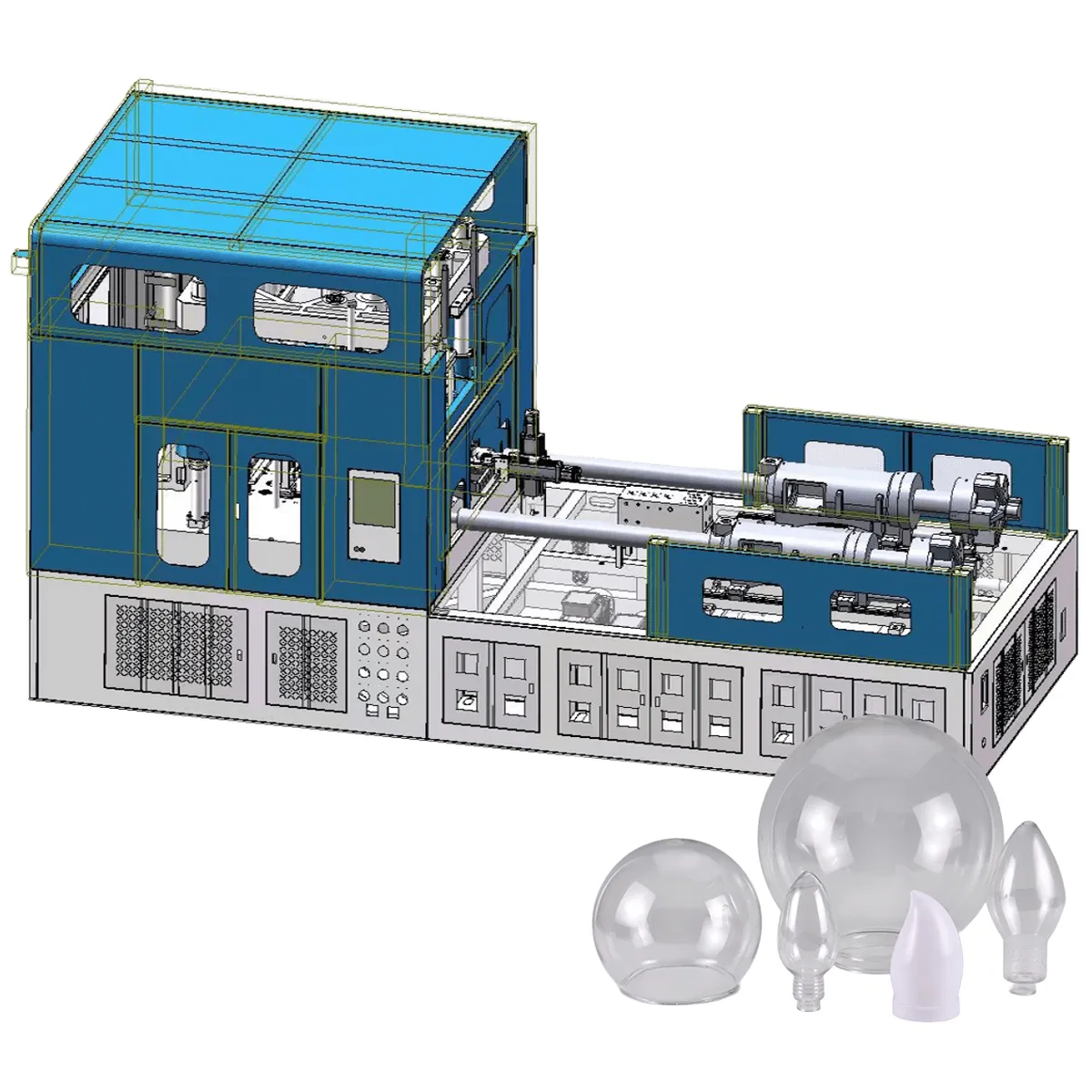
Injection Blow Molding vs Injection Stretch Blow Molding vs Extrusion Blow Molding
Choosing the right blow molding process is a fundamental decision that affects bottle quality, production cost, mold investment, and material compatibility. Here is how the three main processes compare.
EBM | Extrusion Blow Molding
EBM starts with a hot hollow parison formed by an extruder. The mold closes around the parison, and compressed air expands the plastic into the mold cavity. This method is highly flexible for producing large containers, handled bottles, drums, and HDPE packaging where exact neck precision is less critical. Common materials include HDPE, LDPE, PP, and PVC.
The primary advantage of EBM is shape freedom. Parison extrusion can form handles, wide bodies, and offset shapes more easily than injection-based processes. However, parison sag under gravity can create uneven wall thickness, and the mold closing process often produces flash that requires trimming. For buyers, the main quality risks are inconsistent wall distribution around handles or shoulders and less precise neck thread definition.
IBM | Injection Blow Molding
IBM starts with an injection-molded preform where the neck, thread, and sealing area are formed with high dimensional precision before the bottle body is blown. The preform is transferred into a blow mold and inflated into its final shape. Because the neck geometry is established during injection before blowing, IBM produces exceptionally accurate thread definitions and closure sealing surfaces.
This precision matters most for small pharmaceutical bottles, eye-drop containers, cosmetic jars, and medical packaging where cap and pump fitment must be leak-free. IBM also produces consistent bottle weight and repeatable dimensions. However, IBM does not include a stretch rod, so the biaxial orientation benefits of the ISBM process are not achieved, making IBM less suitable for large or lightweight PET containers where strength and clarity at low wall thickness are priorities.
ISBM | Injection Stretch Blow Molding
ISBM is the process used in the Y280-V6. Like IBM, it starts with an injection-molded preform that establishes the neck geometry. But ISBM adds a stretch rod that extends the preform vertically before compressed air expands it outward. This biaxial orientation aligns the polymer molecules in two directions simultaneously, producing bottles with significantly improved clarity, top-load strength, gas barrier performance, and lightweight potential.
These properties are critical for PET water bottles, carbonated beverage packaging, edible oil containers, and clear cosmetic bottles where both performance and visual clarity matter. The single-stage injection stretch blow molding machine design of the Y280-V6 combines injection and blow molding in one continuous cycle without secondary preform reheating, achieving 15 to 25% energy savings compared to two-step systems while maintaining superior bottle quality and production speed.
Comparison Table
| Typ | Startformular | Gängige Materialien | Beste Produkte | Hauptstärke | Hauptbeschränkung |
|---|---|---|---|---|---|
| EBM | Pfarrer | HDPE, LDPE, PP, PVC | Große Behälter, Flaschen mit Griffen, Fässer | Flexible sizes and lower tooling cost | Geringere Präzision beim Halsansatz, möglicher Blitz |
| IBM | Vorform | HDPE, PP, PET, PS | Kleine Präzisionsfläschchen und -gläser | Präzise Halsbearbeitung und Gewindedefinition | Höhere Werkzeugkosten, kleinerer Größenbereich |
| ISBM | Gestreckte Vorform | PET, PETG, PP, Tritan | Clear bottles, beverage and cosmetic packaging | Strength, clarity, lightweighting, energy savings | Higher machine and mold initial cost |
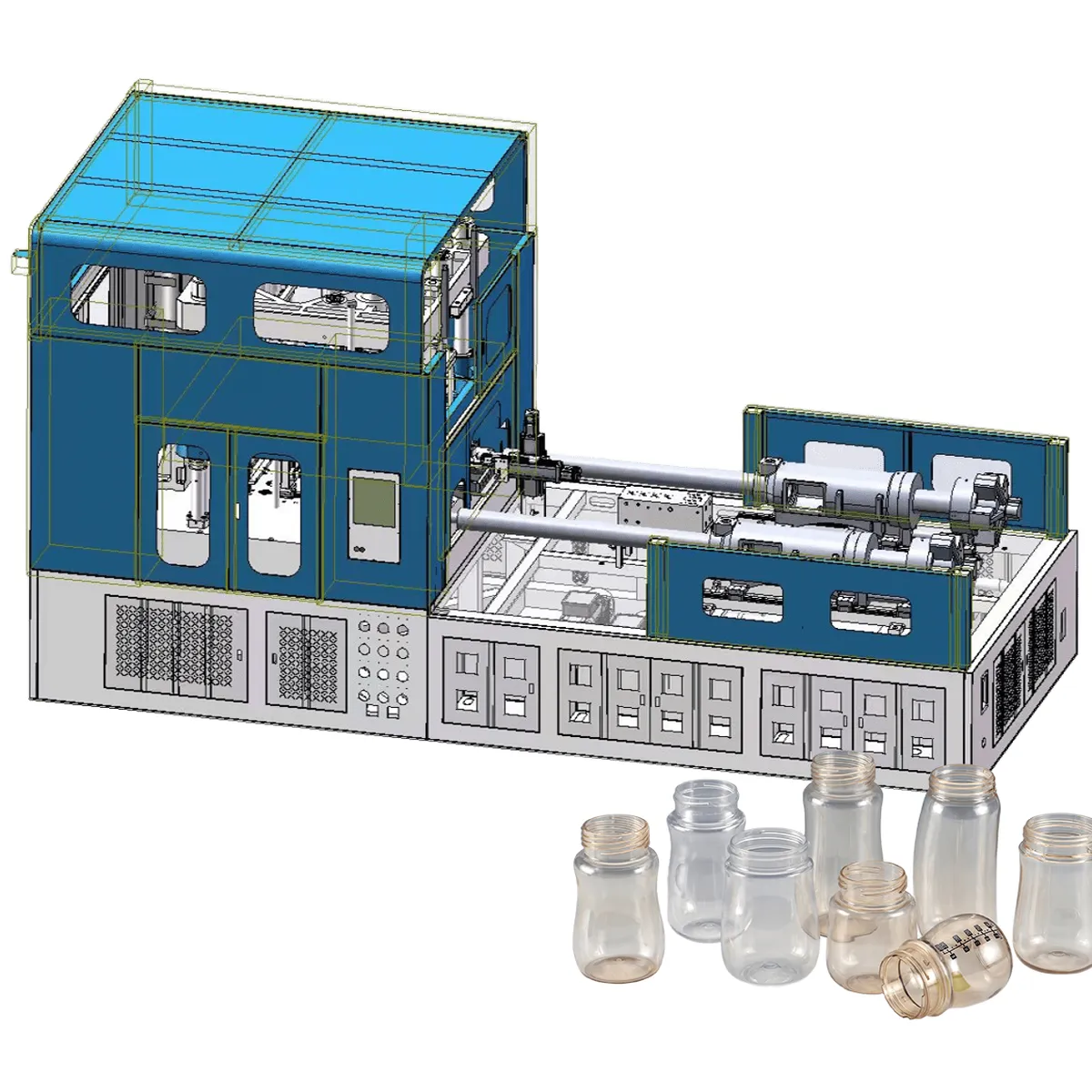
Kompatible Rohstoffe für die ISBM-Maschine
PET (Polyethylenterephthalat)
PET is the most widely processed resin on the Y280-V6 and the material most closely associated with the ISBM process. Its excellent optical clarity, gas barrier properties, and lightweight strength make it the standard choice for water bottles, beverage containers, food packaging, and transparent cosmetic bottles. PET processed through biaxial ISBM stretching achieves significantly better mechanical properties than unstretched PET, including improved top-load strength and drop impact resistance.
PETG (Glycol-Modified PET)
PETG is a modified form of PET with superior impact resistance, easier processing, and the ability to be formed into complex shapes without cracking. It offers the same high clarity as standard PET but with greater flexibility and toughness. PETG is commonly chosen for cosmetic packaging, medical containers, and display packaging where the bottle must withstand rough handling or temperature variation without becoming brittle. The Y280-V6 handles PETG with consistent melt quality through its precise barrel temperature control.
PP (Polypropylen)
PP is valued for its excellent chemical resistance, high-temperature tolerance, and food-contact safety compliance. It is widely used in pharmaceutical packaging, food containers, and personal care applications where the bottle must survive sterilization cycles or hot-fill processes. PP on the Y280-V6 requires careful temperature management due to its narrower processing window compared to PET, but the machine's integrated control box temperature system handles this reliably. PP bottles produced on the Y280-V6 offer a cost-effective alternative to glass for pharmaceutical and food applications.
PPSU (Polyphenylsulfone)
PPSU is a high-performance engineering resin offering exceptional heat resistance, hydrolytic stability, and transparency that withstands repeated steam sterilization cycles at 134 degrees Celsius. It is the premium choice for baby bottles and medical containers that must endure autoclave sterilization without degradation or discoloration. PPSU is BPA-free and meets the most stringent global food contact regulations. The Y280-V6's precision temperature control capability ensures stable melt flow of this high-viscosity resin without causing surface defects or molecular degradation.
PC (Polycarbonat)
PC offers the highest impact resistance among common transparent engineering plastics and is traditionally used in reusable water bottles, large water dispensing containers, and baby bottles. While BPA concerns have reduced PC use in certain markets, it remains an important material for industrial containers and optical-quality applications requiring exceptional clarity combined with toughness. The Y280-V6 processes PC with precise barrel temperature profiles to prevent degradation and color change during the injection phase. PC containers produced on the ISBM machine achieve superior drop resistance compared to those produced by other molding methods.
Tritan (Eastman Tritan Copolyester)
Tritan is a BPA-free copolyester developed by Eastman Chemical that combines the clarity and toughness of PC with enhanced chemical resistance and dishwasher durability. It has become the leading material for premium reusable water bottles, baby bottles, and kitchen containers marketed to health-conscious consumers. The Y280-V6 processes Tritan effectively through its stable screw temperature management, producing bottles with outstanding clarity, scratch resistance, and long-term durability that justify the premium positioning of Tritan-branded packaging in retail markets.
PCTG (Glycol-Modified PCT)
PCTG is a transparent copolyester with properties positioned between standard PETG and Tritan, offering excellent impact resistance, low-temperature clarity, and good chemical resistance. It is commonly used in cosmetic packaging, medical device housings, and consumer product containers where high clarity and toughness are both required at a cost point below Tritan. PCTG processes at moderate temperatures on the Y280-V6 and produces bottles with a crystal-clear appearance suitable for premium cosmetic and personal care packaging lines targeting demanding retail markets.
Injection Stretch Blow Molding Machine for Beverage Bottle Production
Step 1: PET Resin Drying and Hopper Loading
PET resin for beverage bottle production must be dried to a moisture content below 50 ppm before processing to prevent hydrolytic degradation during melt injection. A dehumidifying dryer operating at 160 to 170 degrees Celsius for 4 to 6 hours is typically required. Dried PET pellets are loaded into the machine hopper, which feeds the injection screw. Undried PET produces bottles with reduced intrinsic viscosity, visible surface haziness, and reduced mechanical strength that can cause bottles to fail burst pressure or drop tests during quality control inspection.
Step 2: Preform Injection Molding
The dried PET resin is fed to the screw barrel, melted at temperatures typically between 270 and 285 degrees Celsius, and injected under precise pressure into the injection mold to form the beverage bottle preform. The preform shape, including the neck thread, sealing surface, and body wall thickness distribution, is determined at this stage. For carbonated beverage bottles, neck finish accuracy is especially critical because the crown or screw cap must seal reliably against the internal CO2 pressure of 2.0 to 4.5 bar. The preform is partially cooled to a stable but pliable temperature before transfer.
Step 3: Temperature Conditioning and Turntable Transfer
The servo-driven rotary turntable transfers the freshly injected preform from the injection station to the temperature conditioning zone. The integrated control box temperature system manages thermal equilibration across the preform body length to achieve a consistent temperature profile before stretching begins. For beverage bottles, the optimal preform temperature for biaxial ISBM stretching is typically 85 to 100 degrees Celsius, varying by bottle design and wall thickness target. Uneven preform temperature at this stage is the most common cause of shoulder thinning, base thickening, and pearl white opacity in the finished bottle.
Step 4: Biaxial Stretch Blow Molding
The conditioned preform enters the blow station where the mold closes around it and a stretch rod extends the preform vertically to the base of the blow mold. High-pressure air at 2.0 to 3.5 MPa is then introduced through the blow pin to expand the preform outward against the mold cavity walls simultaneously. This biaxial stretching step is what produces the superior strength and clarity characteristic of ISBM PET bottles. For carbonated beverage bottles, the resulting molecular orientation improves CO2 barrier performance, burst pressure resistance, and thermal stability during hot filling or pasteurization processes.
Step 5: Mold Cooling and Bottle Solidification
Following the blow molding stage, the bottle is held inside the closed mold while cooling water circulated through the mold channels removes heat from the container surface. Cooling time is a direct determinant of cycle time and dimensional stability. For beverage bottles where high clarity and low haze are commercial requirements, rapid and uniform cooling prevents crystallization that would make the PET appear white or translucent. The Y280-V6 cooling water circuit maintains temperature at 20 to 25 degrees Celsius through the machine oil cooler, providing stable cooling conditions across extended production runs.
Step 6: Ejection and Quality Inspection
After sufficient cooling, the mold opens and the take-out mechanism with 170 mm stroke removes the finished beverage bottle from the blow station. The ejected bottle is transferred to the inspection and downstream packaging area. Quality checks for beverage bottles typically include visual inspection for surface defects and clarity, neck dimension gauging for cap fitment, weight measurement for fill volume consistency, and periodic burst pressure and drop impact testing according to the customer's quality plan. Bottles that pass inspection proceed directly to the filling line, conveyor system, or packing station without any secondary trimming or surface treatment.
Step 7: Downstream Packing and Storage
Finished beverage bottles from the Y280-V6 production line are typically collected on conveyors, counted into specified lot quantities, and packed into corrugated cartons or plastic bags for shipment to the filling plant. For high-volume operations, automatic bottle counting and bagging systems can be integrated downstream of the ISBM machine ejection station. Bottles should be stored in clean, dry conditions away from direct sunlight and chemical vapors that could affect PET surface quality before filling. Proper downstream handling protects the investment in bottle quality that the ISBM process provides throughout the entire production chain.
Maintenance and Care
1. Daily Lubrication and Mechanical Checks
At the start of each production shift, inspect all lubrication points on the clamping unit, turntable bearing, and ejection mechanism. Apply grease to specified points according to the maintenance schedule provided in the machine manual. Check that the turntable rotation is smooth and that no unusual vibration or noise is present during indexing. Verify that all air cylinder rod seals are intact and that there is no air leakage at cylinder connections. Addressing minor lubrication deficiencies early prevents accelerated wear on precision components and avoids unplanned downtime during production runs.
2. Hydraulic System Oil Management
The 300-liter hydraulic oil tank should be checked weekly for oil level, color, and contamination. Fresh hydraulic oil is typically light amber; darkening or cloudiness indicates oxidation, water contamination, or particle contamination from worn seals. Replace hydraulic oil completely according to the manufacturer's scheduled interval, typically every 2,000 to 3,000 hours of operation. Clean or replace hydraulic oil filters at each oil change. Maintaining clean hydraulic oil is critical because the YUKEN hydraulic control valves and high-pressure components have tight internal clearances that are sensitive to particulate contamination, which causes valve sticking, erratic pressure behavior, and accelerated component wear.
3. Cooling Water Circuit Maintenance
The cooling water circuit should be inspected monthly for scale buildup, biological growth, and flow rate consistency. The machine oil cooler must maintain water temperature between 20 and 25 degrees Celsius and pressure between 0.3 and 0.4 MPa to keep hydraulic oil viscosity within the operating range. The mold cooling circuit operates at 0.4 to 0.6 MPa and must be monitored for blockages that could cause uneven mold cooling and dimensional variation in bottles. Use treated water or a closed-loop cooling system with corrosion inhibitor to prevent scale and corrosion that would reduce heat transfer efficiency and restrict flow through mold cooling channels over time.
4. Screw and Barrel Cleaning
The injection screw and barrel should be purged and cleaned whenever changing between resin types or colors, and at scheduled intervals during extended production runs of the same material. For PET and PETG, purge with a commercial purging compound or a compatible transition resin to remove degraded material from the screw flights and barrel walls. Degraded PET deposits can cause black specks, yellow streaking, or molecular weight reduction in the finished container if not removed. The nano far-infrared heating ring system heats the barrel uniformly, but stagnant material in low-flow zones can still degrade if the screw is left stationary at temperature for extended periods without purging.
5. Mold Inspection and Cavity Care
Mold tooling should be inspected at regular intervals for wear on the cavity surface, parting line, venting channels, and neck ring components. Clean cavity surfaces with approved mold release agents and plastic-safe solvents to remove resin deposits and oxidation. Inspect water channel connections on the mold for leaks or blockages and verify that the cooling circuit is balanced across all cavities. Misaligned or worn parting surfaces can create flash on bottles, which affects container appearance and may indicate clamping force imbalance. Store molds in climate-controlled storage with protective coating on metal surfaces when not in production to prevent corrosion and humidity damage.
6. Servo Motor and Electrical System Checks
The Inovance or WEICHI servo motors driving the Y280-V6 clamping and injection systems should be inspected quarterly for bearing temperature, encoder signal quality, and cable condition. Check servo drive units in the electrical cabinet for adequate ventilation and absence of dust buildup that could cause overheating or signal interference. The Inovance or MiRLE PLC should have its battery backup status checked annually to ensure parameter memory is retained during power outages. Review the PLC fault log monthly to identify recurring alarms that may indicate developing mechanical or electrical issues before they cause a production stoppage. All electrical connections should be retorqued at commissioning and at annual service intervals to prevent high-resistance contacts from developing.
Warum sollten Sie sich für die Spritzstreckblasformmaschine von CMN entscheiden?
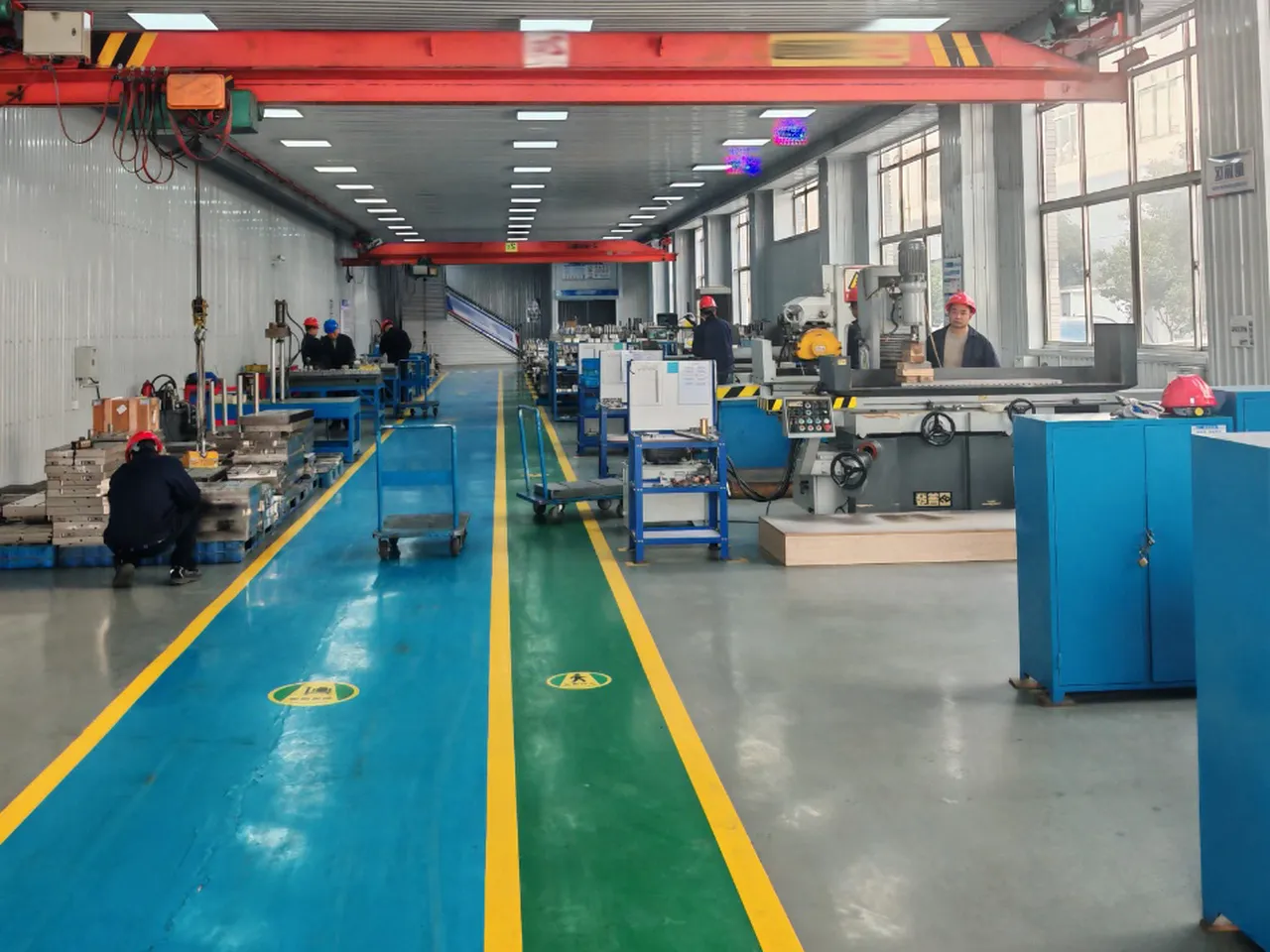
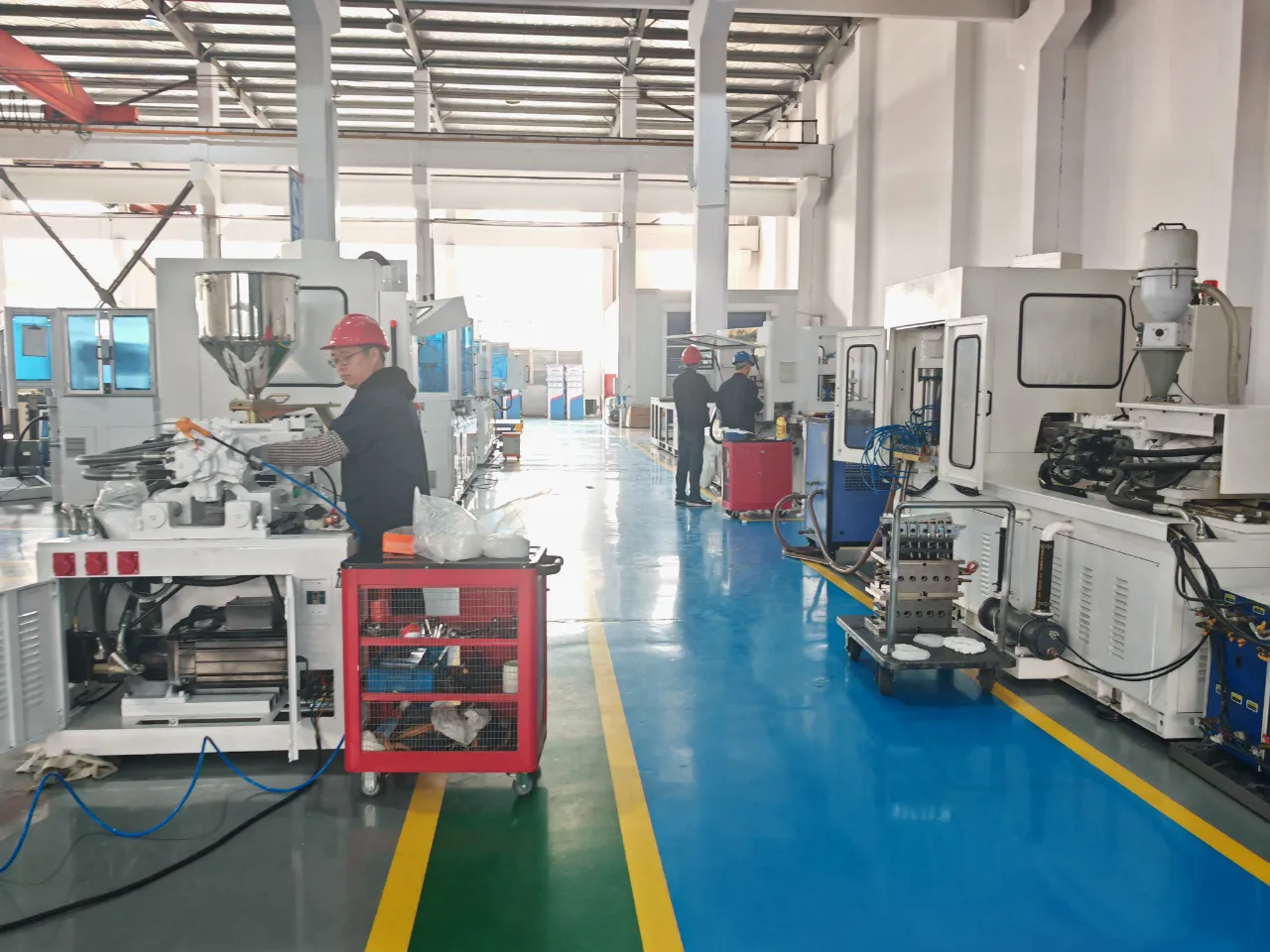
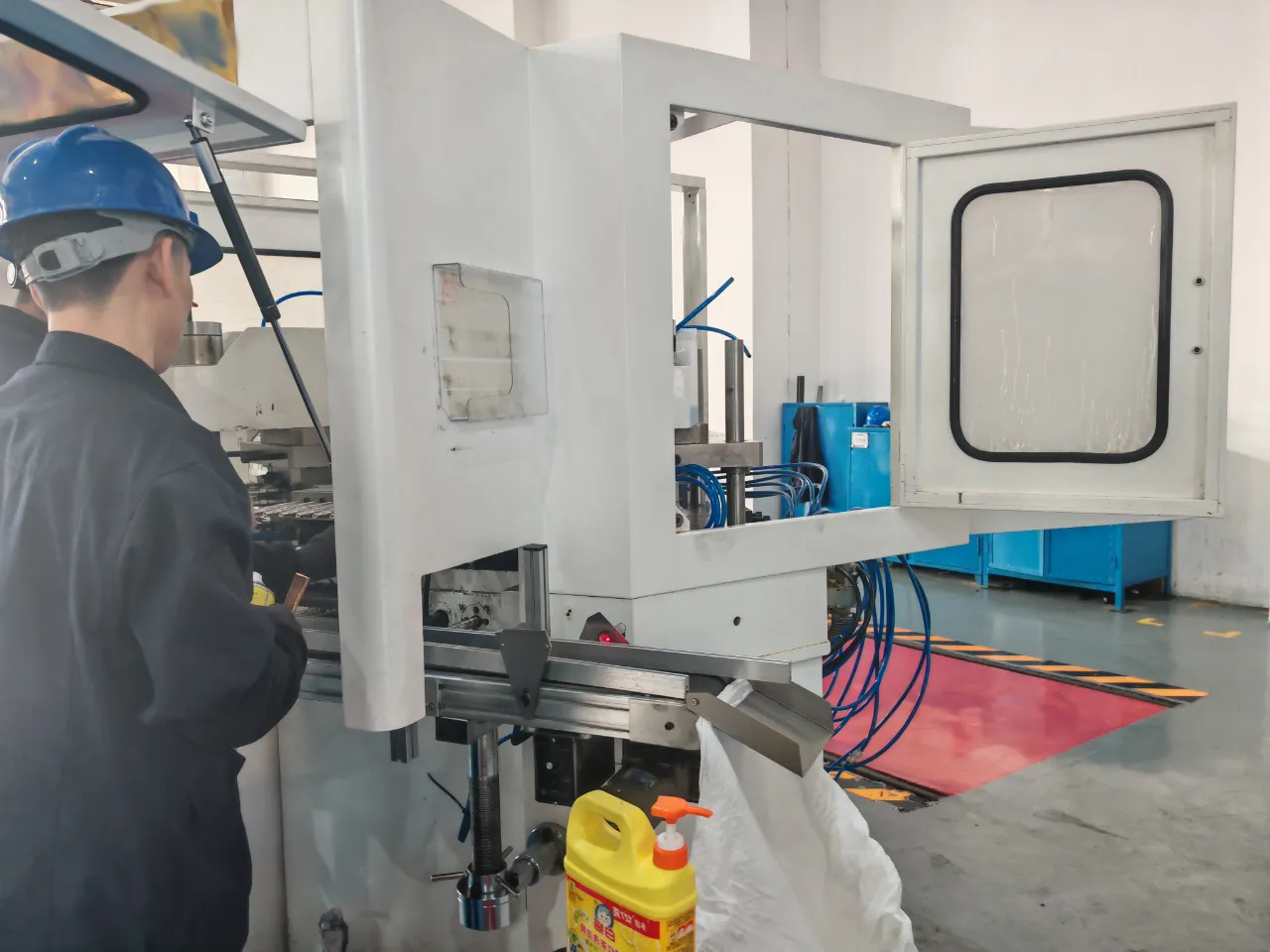
CMN Transmission is a dedicated manufacturer of automatic one-step injection blow molding machines and injection stretch blow molding machine equipment, with a product range covering injection blow molding machines, extrusion blow molding machines, injection stretch blow molding machines, molds, and auxiliary equipment. CMN operates from a well-located production base with efficient logistics access that supports reliable international delivery timelines for customers across Asia, the Middle East, Africa, South America, and Europe.
CMN maintains an experienced R&D team that brings together engineering and technical personnel with deep backgrounds in both injection-blowing machinery design and injection-blowing mold manufacturing. This dual expertise, covering both the machine and the tooling, gives CMN a significant advantage in helping customers solve complex bottle design challenges that combine difficult shapes, demanding materials, or tight dimensional tolerances. Combining strong theoretical knowledge with practical production experience, CMN's technical team provides detailed, personalized pre-sale consultation, responsive in-sale technical support, and committed after-sale service including on-site installation, operator training, process optimization, and spare parts supply.
CMN's product applications span pharmaceutical packaging, food and beverage packaging, healthcare and personal care packaging, cosmetic packaging, and a wide range of specialty plastic packaging products from 1 ml to 1,000 ml in materials including HDPE, LDPE, PET, PETG, PP, PS, PPSU, PC, Tritan, ABS, PLA, PCTG, EVA, and environmentally certified corn-based resins. CMN adheres to the development philosophy of self-reliance, integrity, practicality, innovation, and responsibility, building a comprehensive one-stop turnkey project capability that covers machine selection, mold design, process validation, and ongoing production support. This full-chain approach ensures that CMN customers receive high-end injection-blowing products that consistently meet quality requirements from the first production cycle through the life of the equipment.
 |  |
 |  |
Häufig gestellte Fragen
Q: What is the difference between the Y280-V6 and a standard four-station injection stretch blow molding machine?
A: The Y280-V6 uses a six-station rotary turntable instead of the four-station design common in Japanese ISBM machines. This means the Y280-V6 can process six preforms simultaneously in a single rotation cycle, producing more bottles per cycle than a four-station machine running the same tooling configuration. In addition to higher output, the extra stations allow for longer temperature conditioning and cooling dwell times, which can improve bottle quality when running demanding materials or complex shapes.
Q: Can the Y280-V6 use existing ASB or Aoki injection stretch blow molding machine molds?
A: Yes. The Y280-V6 is designed to be compatible with mold tooling originally manufactured for Japanese ASB injection stretch blow molding machines, specifically ASB-12M and ASB-70DPH format molds. CMN's broader product range also includes models compatible with Aoki 100, Aoki 250, and Aoki 500 mold formats. This mold compatibility is a major commercial advantage for manufacturers who have existing tooling investment and want to switch to CMN equipment without the cost of replacing all their molds. Contact our sales team with your existing mold specifications to verify compatibility before purchase.
Q: Is a fully electric version of this one step injection stretch blow molding machine available?
A: Yes. CMN Transmission offers the Y280-V6 in a Fully Electric configuration that replaces all hydraulic drive systems with servo motors. The fully electric version produces no hydraulic oil, making it suitable for pharmaceutical manufacturing facilities that must comply with GMP standards and operate in clean-room-adjacent environments. The fully electric version also offers advantages in energy consumption, positioning repeatability, and quieter operation. It is available at a higher initial cost than the Standard or Servo hydraulic-assisted versions.
Q: What materials can the Y280-V6 PET injection stretch blow molding machine process?
A: The Y280-V6 is designed primarily for PET and PETG processing, which are the most common materials for ISBM production. However, the machine is also capable of processing PP, PC, Tritan, PPSU, PCTG, ABS, PS, and PLA with appropriate screw diameter selection, barrel temperature adjustment, and drying pre-treatment. Different materials require different processing parameters, and CMN's technical team can advise on the correct configuration for your specific material and bottle design before delivery.
Q: How much energy does the Y280-V6 single-stage injection stretch blow molding machine save compared to Japanese equivalents?
A: The Y280-V6 consumes 15% to 25% less energy than comparable Japanese, European, or American injection stretch blow molding machines running similar bottle designs and output volumes. This saving comes from three sources: the servo pump systems which only generate pressure on demand rather than running continuously at full flow, the nano far-infrared screw heating rings which reduce heat loss compared to conventional resistance heating, and the single-stage ISBM process which eliminates the secondary preform reheating step required by two-stage blow molding systems. Actual savings vary by bottle design, cycle time, and local utility rates.
Q: What bottle sizes and volumes can the Y280-V6 ISBM machine produce?
A: The Y280-V6 accommodates bottles from 20 ml to 2,500 ml in volume, with bottle diameters from 20 mm to 120 mm and bottle heights up to 210 mm. The machine can run from 1 to 10 cavities per cycle depending on bottle size, with neck diameters from 12 mm up to 85 mm. The product dimensions table provides the maximum bottle specifications at each cavity count. Custom bottle dimensions outside the standard table can be discussed with the CMN engineering team, who will assess mold feasibility and machine stroke compatibility before confirming the order.
Q: What is the difference between a one step ISBM machine and a two-step PET blow molding machine?
A: Bei einer einstufigen ISBM-Maschine wie der Y280-V6 wird das Kunststoffgranulat in einen Vorformling eingespritzt und direkt im selben Gerät zur Streckblasformstation transportiert, wobei die Wärme aus der Einspritzphase erhalten bleibt. Eine separate Vorformling-Nacherwärmung ist nicht erforderlich. In einem zweistufigen System werden die Vorformlinge separat eingespritzt, gelagert und vollständig abgekühlt und anschließend in einer zweiten Maschine vor dem Blasformen wiedererwärmt. Das einstufige Verfahren ist energieeffizienter, da der Vorformling-Nacherwärmungszyklus entfällt, benötigt weniger Platz, da nur eine Maschine erforderlich ist, und produziert Flaschen direkt aus Granulat. Das zweistufige System bietet mehr Flexibilität für die Massenproduktion von PET-Flaschen, da die Vorformlinge separat hergestellt und gelagert werden können, um eine flexible Produktionsplanung zu ermöglichen.
F: Wie lange dauert die Installation und Inbetriebnahme des Y280-V6?
A: Die Standardinstallation und Inbetriebnahme der Y280-V6 dauert in der Regel 3 bis 5 Tage und wird von einem CMN-Technikerteam vor Ort durchgeführt. Der Prozess umfasst die Positionierung und Nivellierung der Maschine, den elektrischen und pneumatischen Anschluss, die Inbetriebnahme des Kühlwasserkreislaufs, die Befüllung und Druckeinstellung des Hydrauliksystems, die Werkzeuginstallation und -ausrichtung sowie erste Produktionsversuche mit dem Material und den Werkzeugen des Käufers. Parallel zur Inbetriebnahme findet eine Bedienerschulung statt, die die Maschineneinrichtung, die Parametereinstellung, die Sicherheitsverfahren und die grundlegende Wartung umfasst. Die Terminierung des Besuchs des CMN-Installationstechnikers erfolgt zum Zeitpunkt der Maschinenlieferung und hängt von der Bereitschaft des Käufers sowie der Verfügbarkeit aller Versorgungsleitungen und Werkzeuge vor Ort ab.
F: Welche Druckluftversorgung benötigt die Spritzblasformmaschine Y280-V6?
A: Die Y280-V6 benötigt eine Druckluftversorgung mit einem Blasdruck von 2,0 bis 3,5 MPa (20 bis 35 bar). Für bestimmte Flaschenformen oder -materialien ist ein Hochdruckkompressor erforderlich, um den oberen Bereich dieses Druckbereichs zu erreichen. Der Luftverbrauch pro Zyklus hängt vom Flaschenvolumen und der Anzahl der Kavitäten ab; größere oder zahlreichere Flaschen benötigen mehr Luft pro Zyklus. Käufer sollten die benötigte Kompressorleistung anhand ihrer erwarteten Produktionsgeschwindigkeit und des Flaschenvolumens vor der Installation berechnen. Eine zu kleine Druckluftversorgung ist eine der häufigsten Ursachen für Verzögerungen bei der Inbetriebnahme neuer ISBM-Maschinen.
F: Kann die Y280-V6 BPA-freie Flaschen für Anwendungen im Pharma- und Lebensmittelbereich herstellen?
A: Ja. Die Y280-V6 verarbeitet BPA-freie Materialien wie PET, PETG, PP, Tritan, PPSU und PCTG. Alle diese Materialien entsprechen den wichtigsten internationalen Vorschriften für Lebensmittel- und Pharmaverpackungen, darunter FDA, EU 10/2011 und gleichwertige Normen. Für pharmazeutische Anwendungen, bei denen gemäß GMP das Risiko einer Kontamination mit Hydrauliköl vollständig ausgeschlossen werden muss, wird die vollelektrische Servokonfiguration der Y280-V6 empfohlen. Käufer, die für ihren Endmarkt spezifische Materialkonformitätsdokumente oder Sicherheitserklärungen für den Lebensmittelkontakt benötigen, sollten die entsprechenden Zertifikate zum Zeitpunkt des Kaufs bei CMN und ihrem Harzlieferanten anfordern.
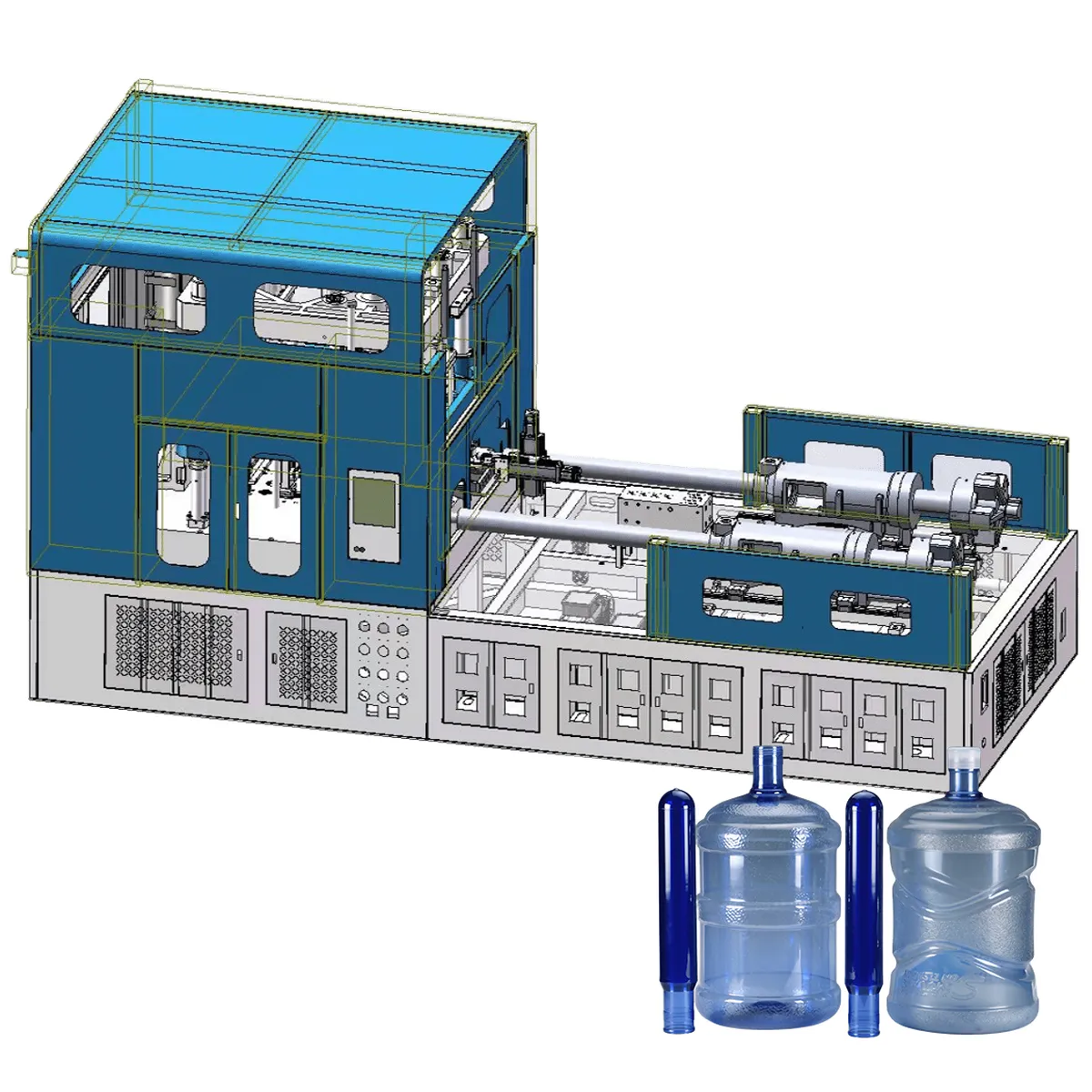
Kundenrezensionen
Kim Jae-won, Pharmaverpackung, Südkorea
„Wir haben die Y280-V6 vor etwa vierzehn Monaten in unserer pharmazeutischen Verpackungsanlage in Seoul installiert, und ehrlich gesagt war das eine unserer besten Entscheidungen. Wir produzieren 50-ml-PET-Flaschen für orale Flüssigkeiten mit 6-fach-Werkzeugen, und die Konsistenz der Halsabmessungen ist wirklich bemerkenswert. Unsere Ausschussquote an den Siegelflächen sank nach dem Wechsel von einer japanischen ISBM-Maschine von etwa 1,21 TP3T auf unter 0,251 TP3T. Auch die Energiekosten fielen stärker aus als erwartet – unser Betriebsingenieur berechnete eine Reduzierung der Stromkosten um rund 221 TP3T pro tausend produzierte Flaschen. Das CMN-Installationsteam war während der Inbetriebnahme vier volle Tage lang für uns da. Sehr gründlich.“
Rajesh Mehta, Kosmetikverpackungen, Indien
„Ich leite eine Kosmetikverpackungslinie in Mumbai und wir haben letztes Jahr von einer älteren japanischen Einstufenmaschine auf die Y280-V6 umgestellt. Die Verbesserung der Oberflächenqualität ist sofort sichtbar. Unsere Kunden beschwerten sich ständig über schwache Trennlinien auf unseren 150-ml-Hautpflegeflaschen, und nach dem Wechsel zu CMN-Werkzeugen ist dieses Problem vollständig verschwunden. Die Verarbeitung von Tritan und PETG läuft auf dieser Maschine sehr stabil. Die Zykluszeiten sind kürzer und das Servosystem reagiert spürbar schneller. Ich hatte Bedenken hinsichtlich des Kundendienstes eines chinesischen Herstellers, aber er ist sehr hilfsbereit. Auf meine WhatsApp-Nachrichten erhalte ich in der Regel innerhalb weniger Stunden eine Antwort.“
Ahmed Hassan, Getränkeverpackungen, Ägypten
„Wir haben zwei Y280-V6-Maschinen für unsere PET-Wasserflaschen-Produktionslinie in Kairo bestellt. Die Lieferzeit betrug ab Auftragsbestätigung etwa 10 Wochen, was für uns akzeptabel war. Die Maschinen kamen in einwandfreiem Zustand und mit fachgerechter Exportverpackung an. Unsere vorhandenen japanischen ASB-Formwerkzeuge konnten ohne Änderungen übernommen werden, wodurch wir erhebliche Kosten für neue Formen einsparten. Der Durchsatz pro Schicht ist höher als bei den zuvor eingesetzten japanischen Vier-Stationen-Maschinen. Die Unterstützung arabischer Sprachen auf der HMI-Oberfläche wäre eine willkommene Ergänzung, aber die englische Oberfläche ist für unsere Bediener gut zu handhaben. Die Produktionskosten sind insgesamt gesunken, und die Qualität ist gleichbleibend.“
Fernanda Costa, Babyverpackungen, Brasilien
„Unser Unternehmen in São Paulo produziert Babyflaschen aus Tritan für den brasilianischen Einzelhandel. Wir haben uns speziell für die Y280-V6 entschieden, da wir diese Option aufgrund der GMP-Anforderungen benötigten und sie daher vollelektrisch ausführen konnten. Wir betreiben die Maschine nun seit etwa acht Monaten und produzieren 120-ml-Babyflaschen mit sechs Kavitäten. Die Maßgenauigkeit der einzelnen Kavitäten ist sehr gut – der Halsdurchmesser weicht nur um 0,15 mm ab, was deutlich innerhalb unserer Toleranz liegt. Die Dokumentation der Ersatzteile könnte in Portugiesisch etwas ausführlicher sein, aber CMN hat uns Video-Tutorials für die wichtigsten Wartungsarbeiten zur Verfügung gestellt, die unseren Technikern sehr geholfen haben. Die Produktion läuft zuverlässig.“
Budi Santoso, Verpackungsausrüstung, Indonesien
„Ich bin seit über fünfzehn Jahren im Blasformanlagengeschäft in Jakarta tätig und die Y280-V6 ist im Vergleich zu japanischen Maschinen durchaus konkurrenzfähig – und das zu einem deutlich niedrigeren Preis. Wir haben eine Maschine für einen Kunden gekauft, der Handwaschmittelflaschen aus PP und PETG herstellt, und die Ergebnisse sind durchweg positiv. Die Gewichtskonstanz der Flaschen ist exzellent – mit einer Abweichung von plus/minus 0,3 Gramm, womit der Kunde sehr zufrieden ist. Die von uns gemessenen Energieverbrauchsdaten bestätigen einen um ca. 201 TP3T geringeren Stromverbrauch als bei der vorherigen japanischen Maschine mit demselben Flaschendesign. CMN hat Versand und Zollabwicklung problemlos abgewickelt. Ich werde sie definitiv weiterempfehlen.“
Muhammad Khalid, Getränke- und Lebensmittelverpackung, Pakistan
„Wir produzieren in Lahore PET-Flaschen für Säfte und Speiseöle und haben drei verschiedene Hersteller von Spritzstreckblasformmaschinen evaluiert, bevor wir uns für CMN entschieden haben. Der Preis war wettbewerbsfähig, aber ausschlaggebend war letztendlich die Kompatibilität der Formen mit unseren bestehenden ASB-Werkzeugen. Wir besaßen bereits sechs Formensätze und wollten nicht in komplett neue Werkzeuge investieren. Der Wechsel verlief reibungslos, und die Flaschen weisen seit Produktionsbeginn eine gleichbleibende Qualität auf. Unser Logistikkoordinator lobte die hervorragende Organisation der Versanddokumentation von CMN, wodurch die Zollabfertigung schneller als erwartet ablief. Auch die Ersatzteilversorgung ist gut – wir mussten zwei kleinere Hydraulikventile austauschen, und beide Teile wurden innerhalb von drei Wochen geliefert.“
Nguyen Thi Lan, Kosmetikverpackungen, Vietnam
„Unser Werk in Ho-Chi-Minh-Stadt produziert Kosmetikflaschen für den Export. Wir setzen die Y280-V6 seit etwa elf Monaten ein. Hauptsächlich fertigen wir damit 200-ml- und 300-ml-PETG-Flaschen für Lotionen und Seren, typischerweise vier bis sechs Kavitäten pro Lauf. Die Oberflächenqualität der Flaschen ist exzellent – unsere europäischen Einkäufer, die Muster prüfen, haben seit der Umstellung auf diese Maschine keine Beanstandungen mehr geäußert. Die Servo-Reaktion beim Einspritzen ist deutlich schneller als bei unserer alten Hydraulikmaschine. Die Rüstzeit beim Wechsel des Flaschendesigns beträgt etwa 40 Minuten, was für unseren Produktionsplan akzeptabel ist. Der CMN-Techniker war in den ersten drei Monaten zweimal bei uns, um die Prozessparameter zu optimieren. Dieser Support war weit besser als erwartet.“
Thabo Ndlovu, Getränkeverpackungen, Südafrika
„Wir betreiben in Johannesburg eine Produktionsanlage für PET-Flaschen und beliefern Getränkemarken in ganz Südafrika. Die Y280-V6 war nach vielen Jahren japanischer Maschinen unser erster Kauf von einem chinesischen ISBM-Maschinenhersteller. Unser Wartungsteam benötigte etwa zwei Monate, um sich vollständig einzuarbeiten, da es an das Layout der japanischen Maschinen gewöhnt war. Die Maschinen laufen zuverlässig. In zwölf Monaten hatten wir keine größeren Ausfälle – nur die planmäßigen Wartungsarbeiten. Die Ergebnisse der Flaschenprüfungen hinsichtlich Klarheit und Berstfestigkeit entsprechen unseren Spezifikationen. Anderen Käufern möchte ich vor allem empfehlen, ausreichend Druckluft einzuplanen, da die Y280-V6 mehr Luftvolumen benötigt als ältere Niederdruckmaschinen.“
Carlos Ramirez, Lohnverpackung, Mexiko
„Wir sind ein Lohnverpackungshersteller in Mexiko-Stadt und haben die Y280-V6 vor 18 Monaten in unsere Produktionslinie integriert. Wir produzieren Flaschen für Duschgel, Shampoo und Handdesinfektionsmittel aus PET und PP für verschiedene Kunden, von 250 ml bis 1.000 ml. Die Sechs-Stationen-Konstruktion war der Hauptgrund für unsere Entscheidung gegenüber den Vier-Stationen-Maschinen anderer Hersteller, da unsere Kunden kurze Lieferzeiten erwarten. Die Produktionsgeschwindigkeit unter unseren Bedingungen ist sehr gut. Die Rezeptspeicherung per SPS ist eine nützliche Funktion für die Verwaltung verschiedener Flaschendesigns für unterschiedliche Kunden. Ein praktischer Tipp für andere Käufer: Stellen Sie vor der Installation sicher, dass Ihre Druckluftversorgung vor Ort für einen Blasdruck von 3,5 MPa ausgelegt ist. Das hat uns anfangs Schwierigkeiten bereitet und die Inbetriebnahme um etwa eine Woche verzögert.“
Zusätzliche Informationen
| Bearbeitet von | Yjx |
|---|
Ähnliche Produkte
-
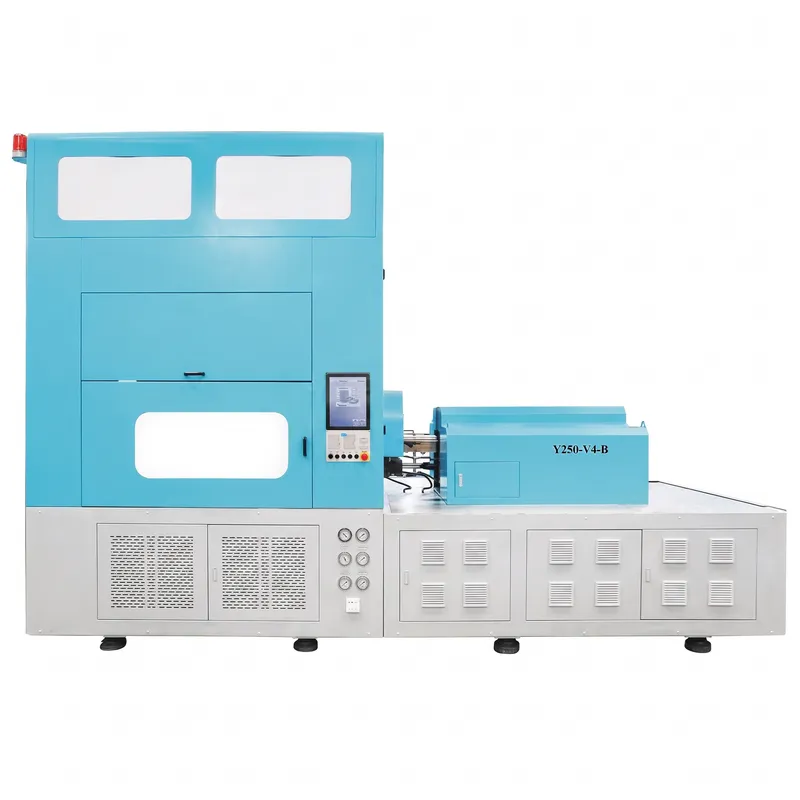
Y250-V4-B Einstufen-Spritzstreckblasformmaschine (4 Stationen)
-
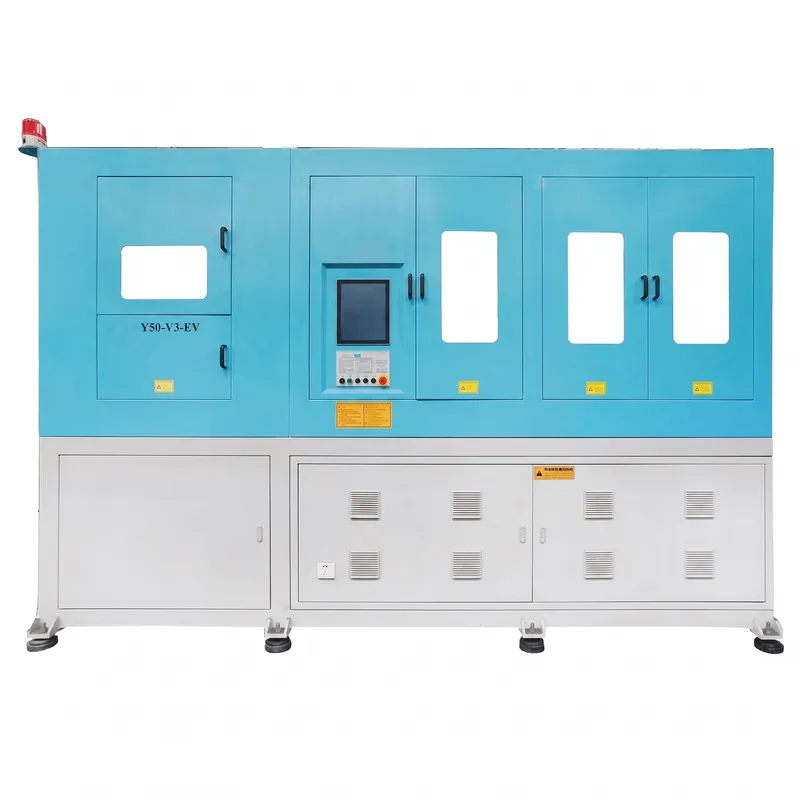
Y50-V3-EV Einstufen-Spritzstreckblasformmaschine (3 Stationen)
-
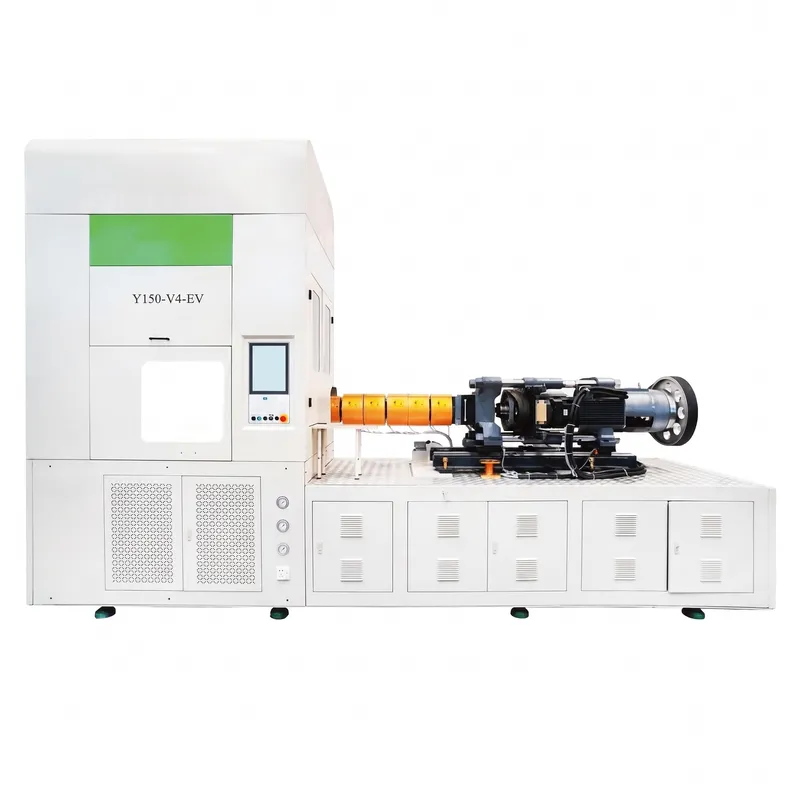
Y150-V4-EV Einstufen-Spritzstreckblasformmaschine (4 Stationen)
-
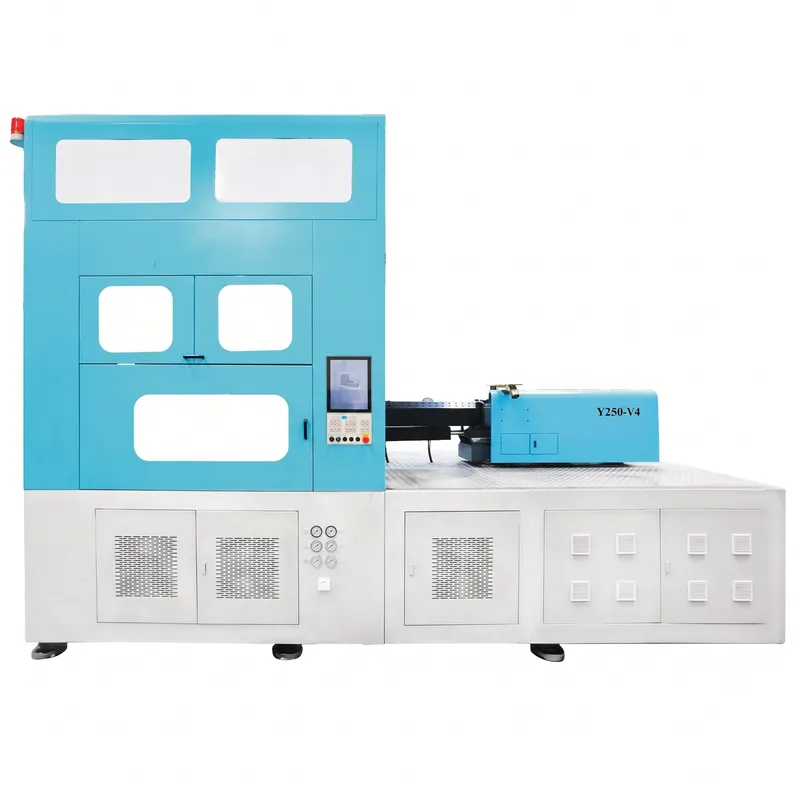
Y250-V4 Einstufen-Spritzstreckblasformmaschine (4 Stationen)
-
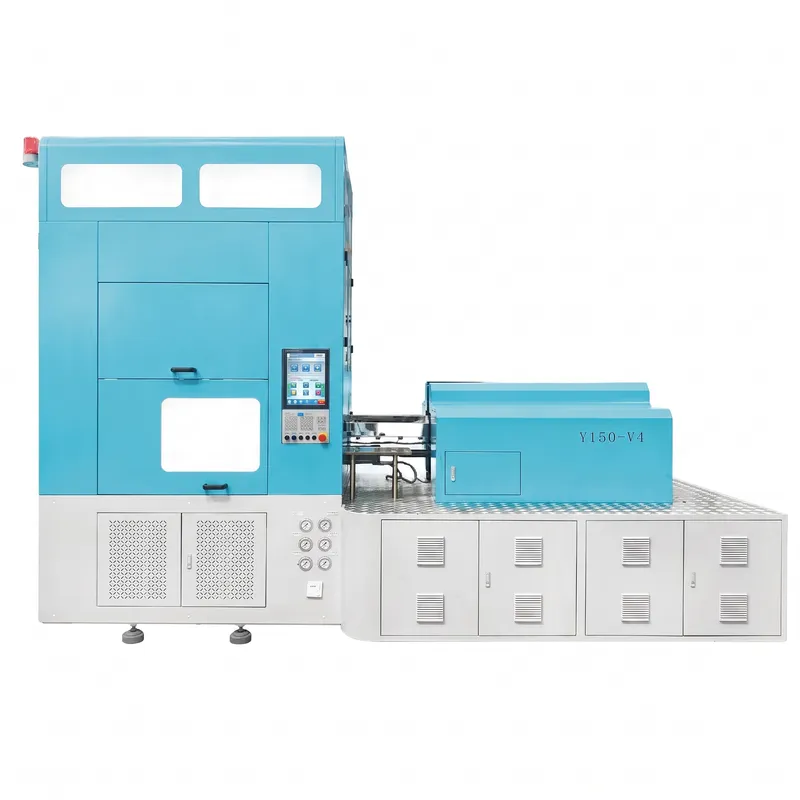
Y150-V4 Einstufige Spritzstreckblasformmaschine (4 Stationen)