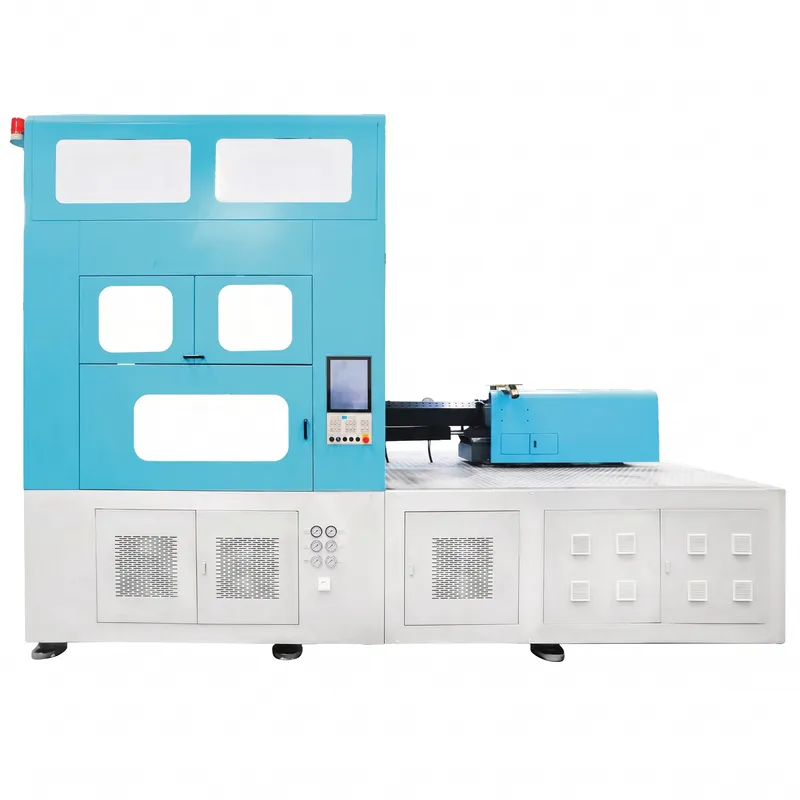
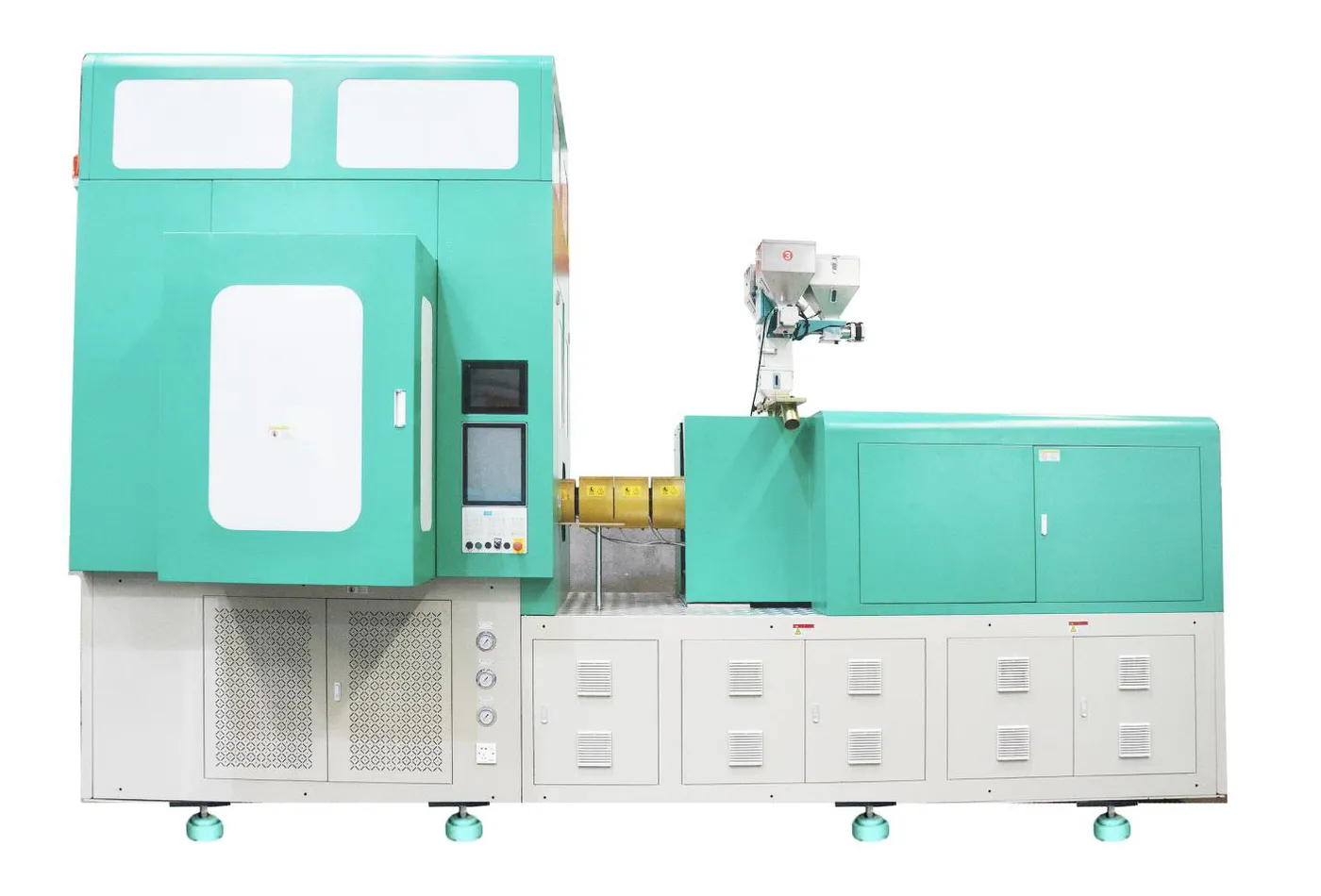
Y280-V6 वन स्टेप इंजेक्शन स्ट्रेच ब्लो मोल्डिंग मशीन (6-स्टेशन)
The Y280-V6 One Step Injection Stretch Blow Molding Machine is a highly efficient plastic container molding process widely used in the production of high-precision, high-demand hollow plastic products, including baby bottles, water bottles, medicine bottles, craft and special-shaped bottles, and cosmetic bottles made of PET, PETG, PP, PC, Tritan, PS, ABS, or PLA. The Y280-V6 is a direct-replacement option for leading Japanese injection stretch blow molding machines and is available in Standard, Servo, and Fully Electric configurations to suit diverse production environments.
The Y280-V6 One Step Injection Stretch Blow Molding Machine is a highly efficient plastic container molding process widely used in the production of high-precision, high-demand hollow plastic products, including baby bottles, water bottles, medicine bottles, craft and special-shaped bottles, and cosmetic bottles made of PET, PETG, PP, PC, Tritan, PS, ABS, or PLA. As a leading one step ISBM machine with six stations, its defining feature is that injection, stretching, and blow moulding are all completed continuously within the same equipment without any intermediate steps. This single-stage design eliminates reheating energy, reduces floor space, and significantly improves both production efficiency and batch-to-batch product consistency. The Y280-V6 is a direct-replacement option for leading Japanese injection stretch blow molding machines and is available in Standard, Servo, and Fully Electric configurations to suit diverse production environments.
The six-station rotary turntable architecture of the Y280-V6 sets it apart from conventional four-station ISBM machines. By adding two additional stations to the processing cycle, the machine can produce up to six plastic bottles simultaneously per cycle, delivering throughput levels that match high-volume cosmetic, pharmaceutical, beverage, and personal care packaging lines. All critical components are sourced from trusted global suppliers: Japan Yaskawa or WEICHI servo motors drive the turntable, American Parker high-pressure valves manage blowing air, Airtak air cylinders handle actuation, and YUKEN hydraulic control valves from Taiwan govern pressure regulation. The twin-screw system is heated by nano far-infrared energy-saving rings, reducing heating power consumption while maintaining melt quality. Whether you operate in the pharmaceutical sector requiring GMP-grade oil-free production, or a cosmetic packaging line demanding flawless surface finish with no visible parting lines, the Y280-V6 delivers. It is an ideal solution for businesses seeking a reliable PET injection stretch blow molding machine with proven industrial-grade durability and broad mold compatibility.
ब्रांड और मॉडल को बदला जा सकता है
CMN ट्रांसमिशन इंजेक्शन स्ट्रेच ब्लो मोल्डिंग मशीन मॉडलों की एक व्यापक श्रृंखला प्रदान करता है, जिनमें से प्रत्येक को अग्रणी जापानी ब्रांडों के सीधे प्रतिस्थापन के रूप में डिज़ाइन किया गया है। सभी मॉडल आपकी उत्पादन आवश्यकताओं के अनुरूप स्टैंडर्ड, सर्वो और पूरी तरह से इलेक्ट्रिक कॉन्फ़िगरेशन में उपलब्ध हैं।
| मानक मॉडल | वाई150-वी4 | वाई200-वी4 | वाई250-वी4 |
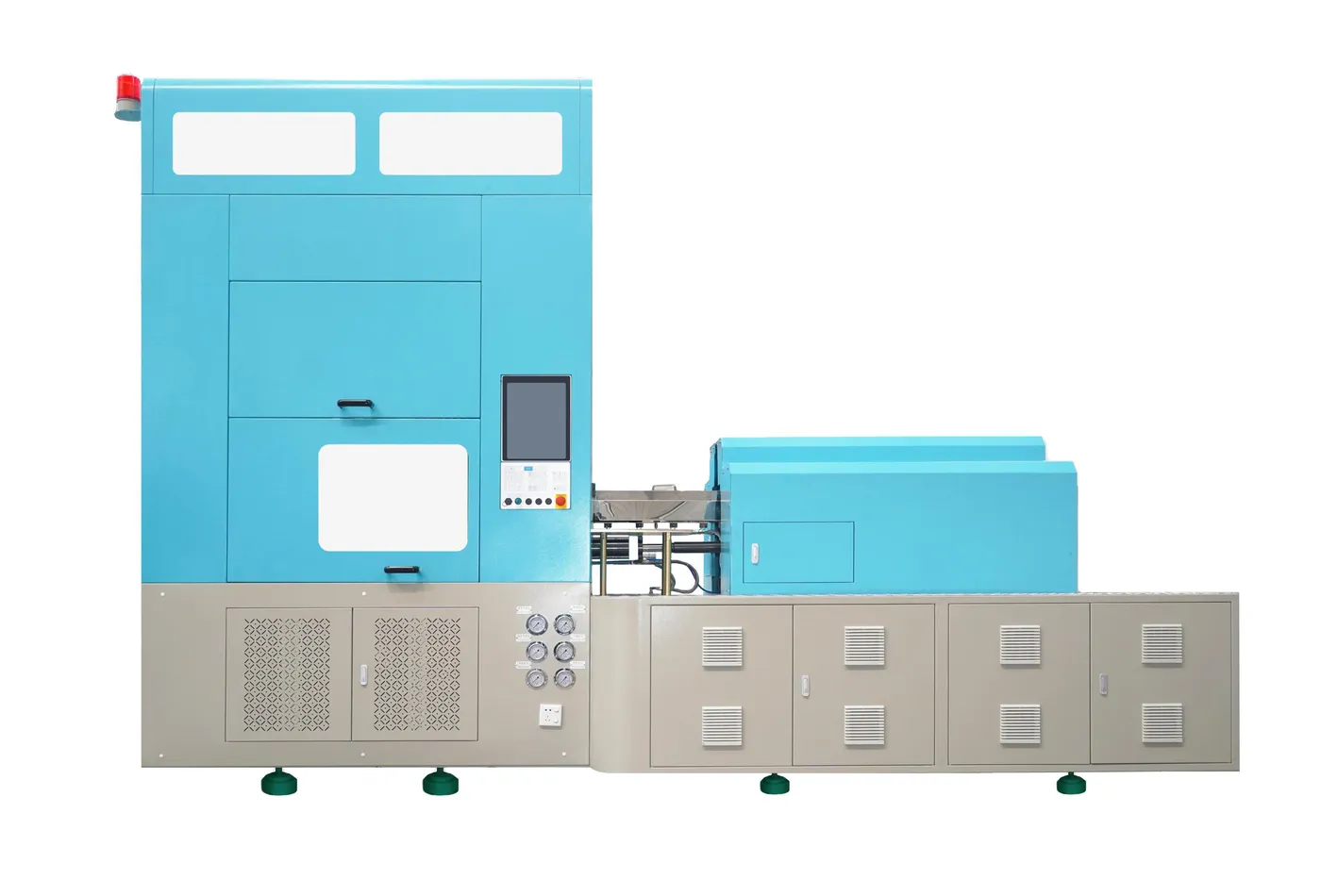 | जापानी ASB-12M के साथ संगत | जापानी आओकी 250 के साथ संगत | जापानी ASB-70DPH के साथ संगत |
| वाई150-वी4-बी | वाई500-वी3 | - | |
| जापानी आओकी 100 के साथ संगत | जापानी आओकी 500 के साथ संगत | - | |
| हाइड्रोलिक क्लैम्पिंग, हाइड्रोलिक स्क्रू इंजेक्शन। | |||
| सर्वो मॉडल | वाईएस150-वी4 | वाईएस200-वी4 | वाईएस250-वी4 |
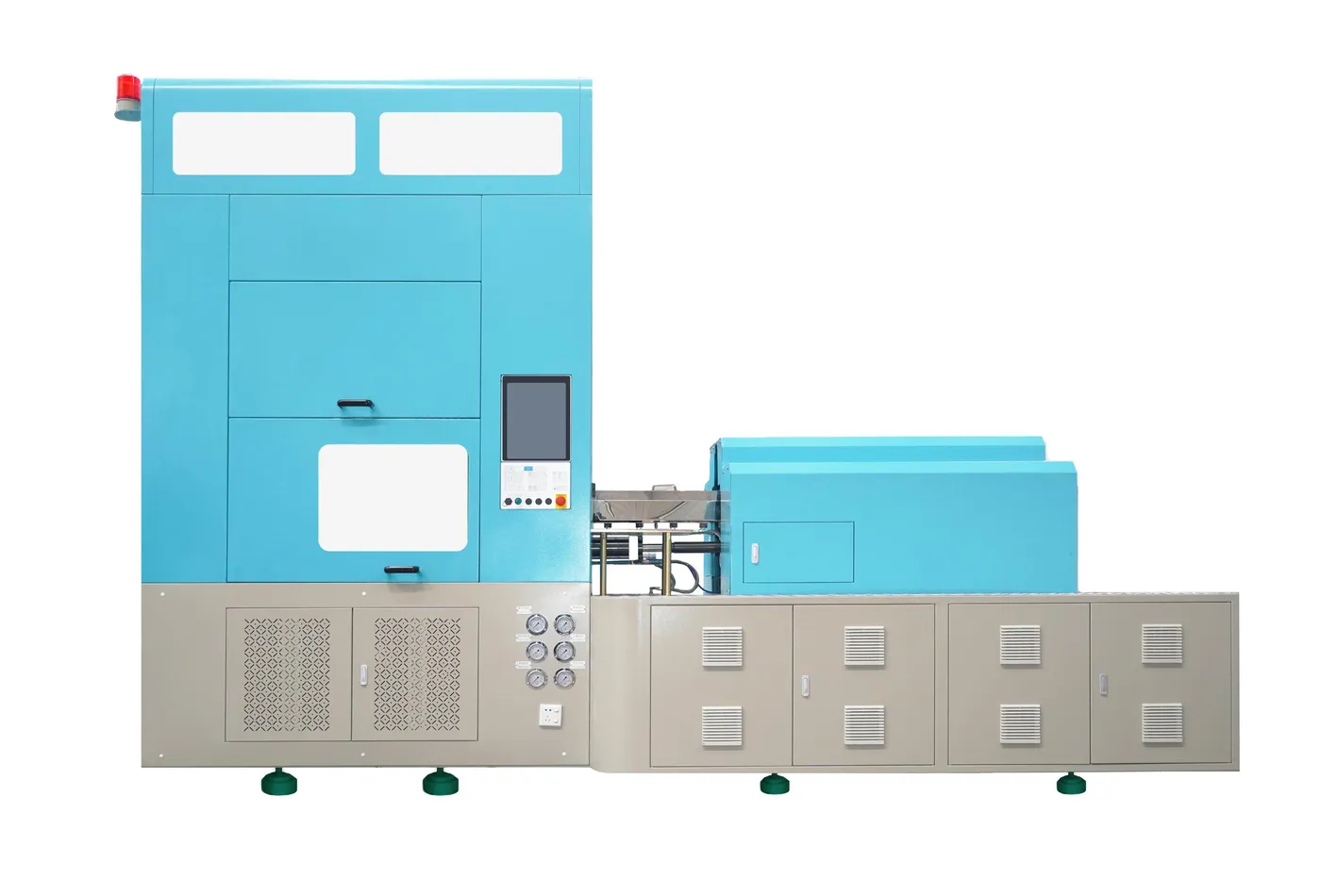 | सर्वो क्लैम्पिंग, सर्वो स्क्रू इंजेक्शन, उच्च परिशुद्धता, कम ऊर्जा खपत, दीर्घकालिक स्थिरता | ||
| पूरी तरह से इलेक्ट्रिक मॉडल | वाई150-वी4-ईवी | Y200-V4-EV | Y250-V4-EV |
 | पूरी तरह से इलेक्ट्रिक ड्राइव, जिससे तेल से दूषित उत्पादों से बचा जा सकता है। | ||
हमारी आईएसबीएम मशीन के लाभ
1. गुणवत्ता बेहतर है। जापान की ब्लो मोल्डिंग मशीनों से बनी प्लास्टिक की बोतलों में एक विभाजन रेखा होती है। दोनों तरफ के सांचों के बीच में प्लास्टिक का एक उभार होता है, जिससे एक निशान बन जाता है। हालांकि, हमारे सांचे अत्यंत उच्च परिशुद्धता वाले हैं, और यह निशान बिल्कुल अदृश्य है।
2. हमारा उत्पादन तीव्र है, जिसमें स्क्रू के कई समाधान और उच्च गति शामिल हैं। जापान एक बार में चार प्लास्टिक की बोतलें बना सकता है, जबकि हम छह बोतलें बना सकते हैं।
3. ऊर्जा बचाएं। हमारी मशीनें जापान, यूरोप और संयुक्त राज्य अमेरिका की मशीनों की तुलना में 15% से 25% कम ऊर्जा की खपत करती हैं।
4. हाइड्रोलिक और न्यूमेटिक घटकों के स्थान पर विद्युत नियंत्रण प्रौद्योगिकियों की एक विस्तृत श्रृंखला को अपनाया गया है। उदाहरण के लिए, जापान में बॉटम कटिंग मैकेनिज्म में उपयोग किए जाने वाले न्यूमेटिक घटकों को यहां सर्वो मोटर्स से बदल दिया गया है, जिससे सर्वो मोटर्स की गति दोगुनी हो गई है। फार्मास्युटिकल उद्योग और अन्य क्षेत्रों में, बिना किसी हाइड्रोलिक सिस्टम के पूरी तरह से सर्वो मोटर्स का उपयोग किया जा सकता है, जिससे जीएमपी मानकों का अनुपालन और तेल-मुक्त एवं प्रदूषण-मुक्त वातावरण में संचालन सुनिश्चित होता है।
उत्पाद विनिर्देश
| वस्तु | इकाई | विशेष विवरण | |||||||
| नाम | One-step injection stretch blow molding machine (6-station) | ||||||||
| नमूना | Y280-V6 | ||||||||
| उत्पादक | सीएमएन ट्रांसमिशन | ||||||||
| Meterial | पीईटी/पीटीजी | ||||||||
| पेंच का व्यास | मिमी | 40 | 50 | 55 | 60 | ||||
| सैद्धांतिक इंजेक्शन मात्रा | सेमी ³ | 188 | 310 | 442 | 480 | ||||
| पेंच की घूर्णी गति (आरपीएम) | r/min | 270 | 180 | 150 | 150~220 | ||||
| इंजेक्शन क्लैम्पिंग बल | के.एन. | 150 | |||||||
| ब्लोइंग क्लैम्पिंग फोर्स | के.एन. | 200 | |||||||
| मोटर शक्ति | किलोवाट | 43.2 | |||||||
| तापन शक्ति | किलोवाट | 10 | |||||||
| हवा का दबाव डालना | एमपीए | 2.0-3.5 | |||||||
| शीतलन जल दबाव | एमपीए | 0.4-0.6 | |||||||
| मशीन ऑयल कूलर जल दाब | एमपीए | 0.3-0.4 | |||||||
| मशीन ऑयल कूलर जल तापमान | ℃ | 20-25 | |||||||
| वोल्टेज | V | 370-400 | |||||||
| (लंबाई*चौड़ाई*ऊंचाई) आकार(लंबाई*चौड़ाई*ऊंचाई) | मिमी | 5900x2600x3200 | |||||||
| वज़न | T | 14 | |||||||
| उत्पाद के आयाम | |||||||||
| उत्पाद गुणवत्ता | पीसी | 1 | 2 | 4 | 5 | 6 | 7 | 9 | 10 |
| बोतल का व्यास (बीडी) | मिमी | 120 | 110 | 68 | 55 | 50 | 45 | 35 | 20 |
| बोतल की ऊंचाई (H) | मिमी | 210 | 150 | 100 | |||||
| गर्दन का व्यास (E) | मिमी | 85 | 70 | 50 | 38 | 32 | 25 | 17 | 12 |
| बोतल की अधिकतम मात्रा (मिलीलीटर) | एमएल | 2500 | 1500 | 900 | 400 | 250 | 100 | 30 | 20 |
| अधिकतम बोतल का वजन (W) | जी | 130 | 65 | 43 | 32 | 26 | 22 | 18 | 16 |
मशीन पैरामीटर
| पेंच का व्यास: | 50 मिमी (वैकल्पिक) |
| सैद्धांतिक इंजेक्शन क्षमता: | 310g |
| इंजेक्शन क्लैम्पिंग बल: | 150KN |
| ऊपरी मोल्ड स्ट्रोक: | 250 मिमी |
| निचला मोल्ड स्ट्रोक: | 205 मिमी |
| तापमान। कोर स्ट्रोक का विनियमन: | 250 मिमी |
| तापमान नियंत्रण बैरल स्ट्रोक: | 230 मिमी |
| टेक-आउट स्ट्रोक: | 170 मिमी |
| ब्लोइंग क्लैम्पिंग बल: | 200KN (एक तरफा) |
| ब्लो कोर स्ट्रोक: | 250 मिमी |
| ब्लो मोल्ड स्ट्रोक: | 75+75 मिमी |
| तेल टैंक VOL: | 300 L |
| आकार (लंबाई × चौड़ाई × ऊंचाई): | 5.9*2.6*3.2m |
| वज़न: | 14T |
तकनीकी मानक
| सर्वो नियंत्रण प्रणाली: | Using 2 sets of servo pump systems. |
| सर्वो मोटर की शक्ति: | Inovance/ WEICHI servo motor power: 43.2KW. |
| कंप्यूटर नियंत्रण प्रणाली: | इनोवेंस/मिर्ले पीएलसी का उपयोग करना। |
| टर्नटेबल ड्राइव: | टर्नटेबल में जापान की यास्कावा सर्वो मोटर या ताइवान के त्सुन्टिएन रिड्यूसर के साथ वीची सर्वो मोटर लगी होती है। |
| उच्च दाब वाल्व: | अमेरिकन पार्कर हाई-प्रेशर वाल्व का उपयोग करना। |
| एयर सिलेंडर: | ऐटक एयर सिलेंडर का उपयोग करना। |
| तापमान नियंत्रण: | Using an integrated control box to control temperature, which is highly accurate, stable, and easy to operate. |
| हाइड्रोलिक प्रेशर कंट्रोल वाल्व: | ताइवान, चीन की YUKEN कंपनी द्वारा निर्मित हाइड्रोलिक प्रेशर कंट्रोल वाल्व का उपयोग किया जा रहा है। |
| स्क्रू हीटेड: | The twin-screw is heated by a nano-far-infrared energy-saving heating ring(10KW). |
| ब्लो मोल्डिंग संरचना: | ब्लो मोल्डिंग संरचना में उच्च दबाव क्षतिपूर्ति कार्यक्षमता के साथ हाइड्रोलिक सिलेंडर या डुअल सर्वो मोटर मोल्ड क्लैम्पिंग सिस्टम का उपयोग किया जाता है। |
| इंजेक्शन इकाई: | The double-injection unit is controled by a single cylinder. The melt motor may be controlled either hydraulically or by a servo motor. |
| तेल नली: | ऑयल ट्यूब इटली से आयातित सामग्री से बनी है। |
| मशीन की कुल शक्ति: | Total power of the machine:53.2KW. |
Key Features of the Y280-V6 ISBM Machine
1. Superior Product Quality
The single-stage injection stretch blow molding machine process produces bottles directly from preforms without reheating, which preserves molecular alignment and surface integrity. Containers achieve high optical clarity, smooth surface finishes, and uniform wall thickness in every cycle. Because the preform and finished bottle are made on the same machine without intermediate handling, there is virtually no risk of contamination or surface damage. The Y280-V6 mold tooling is manufactured to extremely tight tolerances, making parting line marks invisible to the naked eye. This is a clear advantage over Japanese-brand alternatives where a visible parting line protrusion is common.
2. Flexible Design Capabilities
The Y280-V6 customized injection stretch blow molding machine platform supports intricate bottle shapes, custom neck finishes, and container volumes from 20 ml up to 2,500 ml. With 8 available cavity configurations per cycle, the machine adapts to both small-batch specialty orders and large-volume commodity runs. This adaptability makes it ideal for cosmetic brands requiring distinctive bottle profiles, pharmaceutical manufacturers demanding precise closure fitment, and premium beverage producers needing transparent PET bottles with high visual appeal. The machine's mold compatibility also extends to tooling originally designed for Japanese ASB and Aoki equipment.
3. Sustainability and Lower Energy Use
The one-step process eliminates the secondary preform reheating stage that two-step systems require, reducing overall energy consumption by 15% to 25% compared to equivalent Japanese, European, or American machines. Nano far-infrared energy-saving heating rings on the twin-screw system further reduce heat loss during the melting phase. The process also generates less material waste than extrusion blow molding because preform weight is precisely controlled before blowing. For manufacturers working with bio-based resins such as PLA or recycled PET content, the stable melt temperature management of the Y280-V6 helps maintain consistent processing conditions without degradation.
4. High Production Efficiency
The six-station rotary architecture of the Y280-V6 produces more bottles per cycle than the four-station designs found in competing Japanese ISBM machine models. While a standard four-station Japanese machine typically produces four bottles simultaneously, the Y280-V6 outputs six bottles per cycle. Combined with a servo-driven turntable and dual servo pump systems that reduce pressure stabilization delays, overall throughput increases significantly. The integrated single-stage processing cycle also reduces machine downtime between production runs, eliminating the need to synchronize separate injection and blow molding equipment. Full-process PLC automation reduces operator intervention and supports cost-effective mass production across extended shifts.
5. Versatile Application Range
As a true-purpose injection blow molding machine for packaging, the Y280-V6 produces containers ranging from 20 ml eye-drop bottles to 2,500 ml wide-mouth packaging. Supported materials include PET, PETG, PP, PC, Tritan, PS, ABS, and PLA, giving manufacturers broad flexibility to serve pharmaceutical, cosmetic, food, beverage, chemical, and personal care markets from a single machine platform. Multiple screw diameter configurations (40, 50, 55, or 60 mm) allow operators to match injection shot size to the specific product and material being run. This versatility makes the Y280-V6 one of the most commercially adaptable one step injection stretch blow molding machines currently available from Chinese manufacturers.
6. Compatible with Japanese ASB or Aoki Machine
One of the most significant commercial benefits of the Y280-V6 is its direct compatibility with mold tooling originally designed for Japanese ASB injection stretch blow molding machines. For manufacturers currently running ASB or Aoki machines, this means existing mold investments can be transferred to the CMN machine without costly retooling. The Y280-V6 is engineered as a direct replacement for ASB ISBM machine models and also offers compatibility paths for Aoki model formats. This mold compatibility dramatically reduces the total cost of switching from Japanese to CMN equipment.
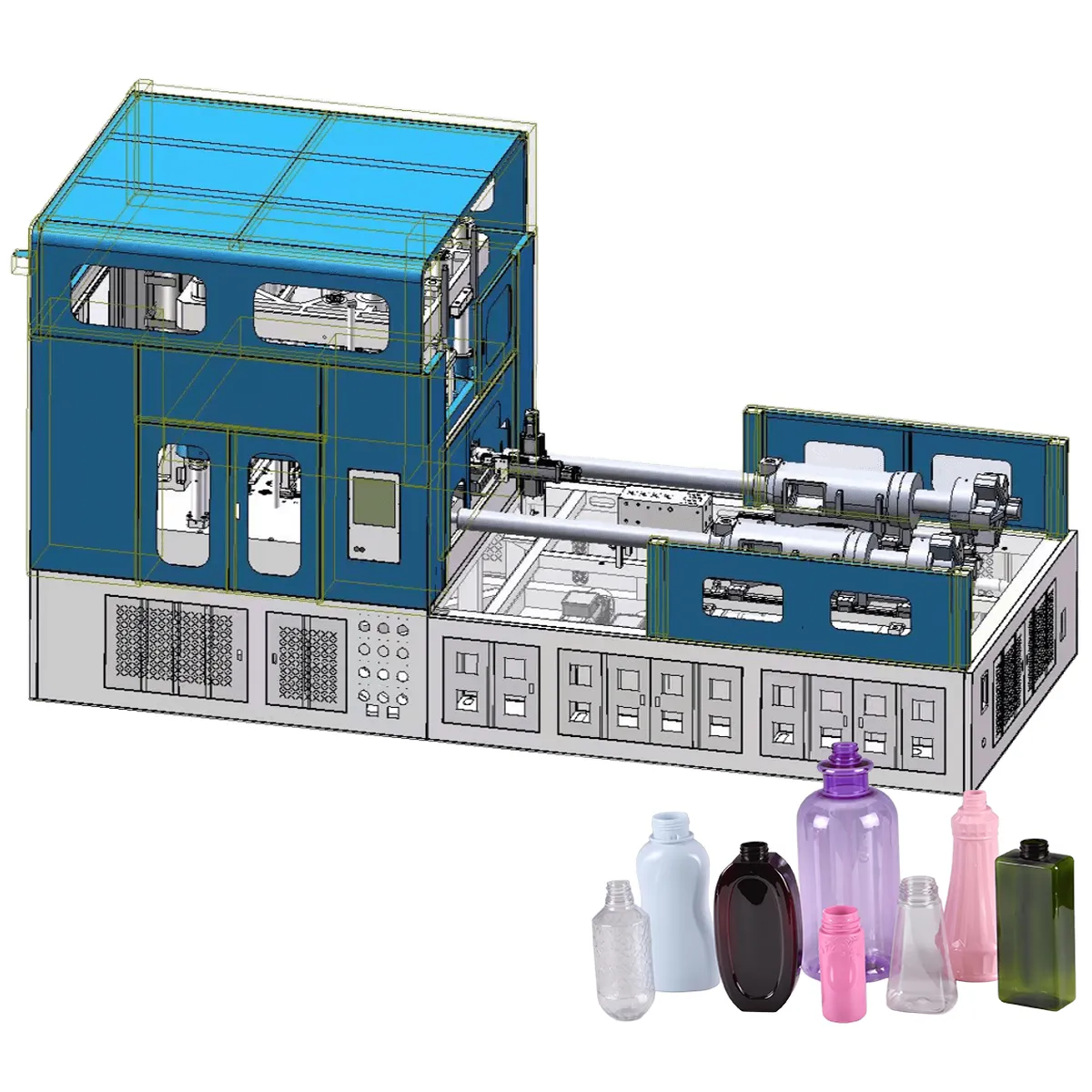
Working Principle
चरण 1: इंजेक्शन मोल्डिंग
The process begins by heating PET or PETG resin to a precise molten state using the nano far-infrared screw heating system. The molten material is injected under 150 KN clamping force into a mold cavity to form a preform. The preform is partially cooled to stabilize its shape while retaining sufficient heat to allow effective stretching in the next stage. During this phase, the neck finish, thread geometry, and sealing area are formed to their final dimensions. This ensures reliable cap fitment, dimensional accuracy, and consistent bottle weight from cycle to cycle. The injection unit operates under single-cylinder control, with the melt motor configurable as either hydraulic or servo-driven depending on the production environment and accuracy requirements.
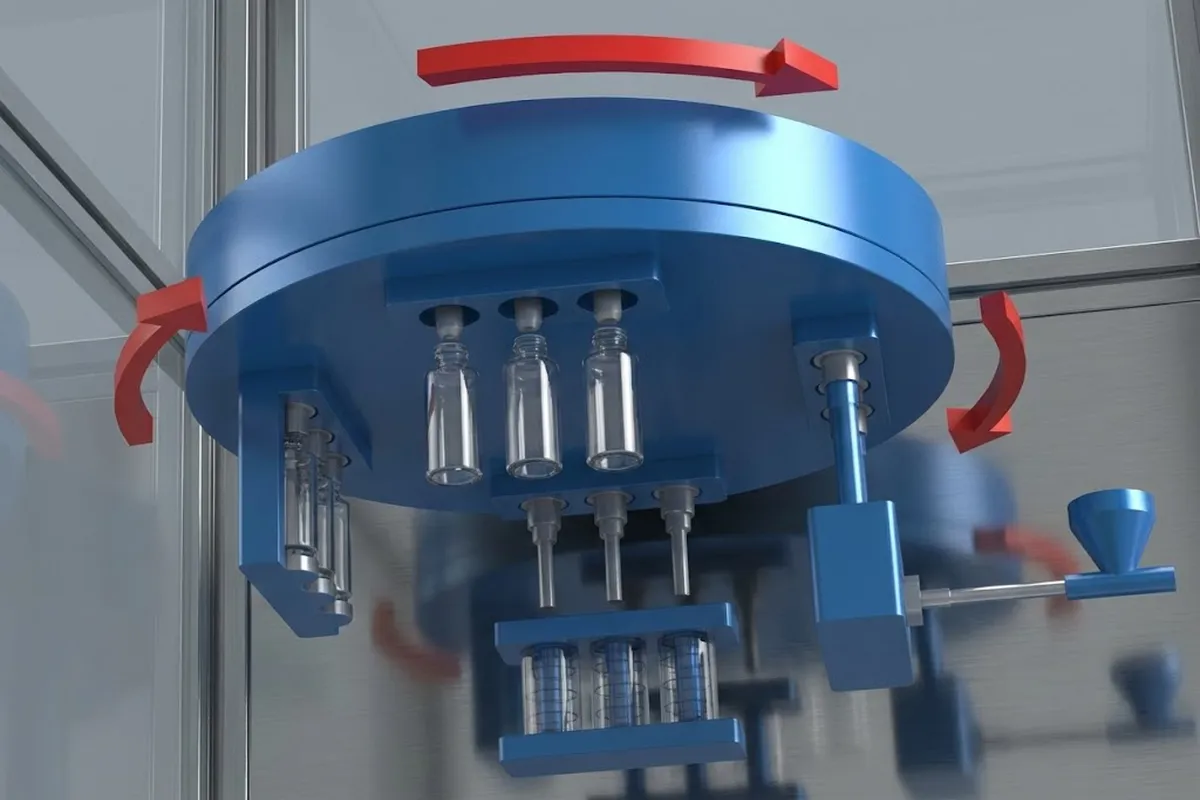
चरण 2: कंडीशनिंग और स्थानांतरण की प्रक्रिया करें
The Japan Yaskawa or WEICHI servo motor drives the six-station rotary turntable, transferring the freshly molded preform from the injection station to the temperature conditioning zone with precise indexing accuracy. As the preform travels between stations, it passes through controlled thermal management zones managed by the integrated temperature control box. The TEMP. Regulating Core Stroke of 250 mm and TEMP. Regulating Barrel Stroke of 230 mm allow fine adjustment of heat distribution along the preform body. This consistent thermal conditioning step is critical for achieving uniform material behavior during the subsequent stretching and blowing stage. Uneven preform temperature is one of the primary causes of thin shoulders, thick bases, or cracking during blow molding, all of which the Y280-V6 conditioning system is engineered to prevent.
चरण 3: स्ट्रेच ब्लो मोल्डिंग
This is the transformation stage where the preform becomes its final container shape. The blow core stroke of 250 mm and blow mold stroke of 75 + 75 mm on the Y280-V6 provide generous travel range to accommodate a wide range of bottle heights and body profiles. Biaxial stretching begins as a stretch rod extends the preform lengthwise, followed by compressed air at 2.0 to 3.5 MPa expanding it outward to match the blow mold cavity. The hydraulic cylinder or dual servo motor mold clamping system with high-pressure compensation function maintains 200 KN blowing clamping force (single side), ensuring the mold seals fully against the internal air pressure. This dual-axis orientation of the polymer molecules significantly improves the finished container's resistance to gas penetration, impact force, and internal pressure, making the output ideal for carbonated beverages, pharmaceutical liquids, and pressurized cosmetic packaging.
चरण 4: शीतलन और निष्कासन
Once the container has been fully blown into its final shape, the cooling water system (maintained at 0.4 to 0.6 MPa and 20 to 25 degrees Celsius through the machine oil cooler) rapidly removes heat from the mold cavity to solidify the bottle form. Controlled cooling is essential for dimensional stability, consistent bottle weight, and preventing internal stress that could lead to deformation during storage or transport. After sufficient cooling is achieved, the mold opens and the take-out mechanism (with a stroke of 170 mm) automatically ejects the finished bottle from the station. The complete molding cycle concludes with a ready-to-fill plastic container delivered directly to the take-out position, requiring no manual trimming, reheating, or secondary processing before use.
अनुप्रयोग क्षेत्र
1. Cosmetic Bottles
High-end cosmetic packaging demands flawless surface aesthetics, transparency, and dimensional consistency. The Y280-V6 produces skincare, toner, serum, and lotion containers in Tritan, PETG, and PET with no visible parting lines and excellent optical clarity. The mold precision achievable with CMN tooling makes it the preferred इंजेक्शन स्ट्रेच ब्लो मोल्डिंग मशीन for cosmetic brands supplying premium retail markets in Europe, North America, and Southeast Asia.
2. दवा की बोतलें
The Y280-V6 is widely used in pharmaceutical packaging facilities requiring GMP-compliant production. The machine supports fully electric, oil-free servo configurations that eliminate hydraulic oil contamination risk. Pharmaceutical bottles for oral liquids, tablets, capsules, syrups, and eye drops can be produced in PET, PETG, and PP from 20 ml to 500 ml with highly accurate neck thread geometry to ensure reliable closure sealing and dosing accuracy.
3. रासायनिक बोतलें
Chemical packaging requires containers that resist solvent permeation, maintain structural integrity under varied storage conditions, and offer tamper-evident closure compatibility. The Y280-V6 produces PP and PET chemical bottles with uniform wall thickness and stable shoulder geometry. Applications include agricultural chemical packaging, cleaning agent bottles, industrial lubricant containers, and specialty chemical packaging requiring chemical resistance and controlled vapor permeability.
4. Hand Wash Bottles
Hand wash, liquid soap, and antibacterial gel packaging often requires ergonomic shapes, pump neck compatibility, and high visual appeal on retail shelves. The Y280-V6 ISBM process handles the complex shapes common in personal care packaging, including oval, square-shoulder, and waisted body profiles. The biaxial orientation of the PET or PP material improves bottle squeeze resistance and drop impact performance, which are important factors for consumer personal care products during distribution.
5. Beverage Bottles
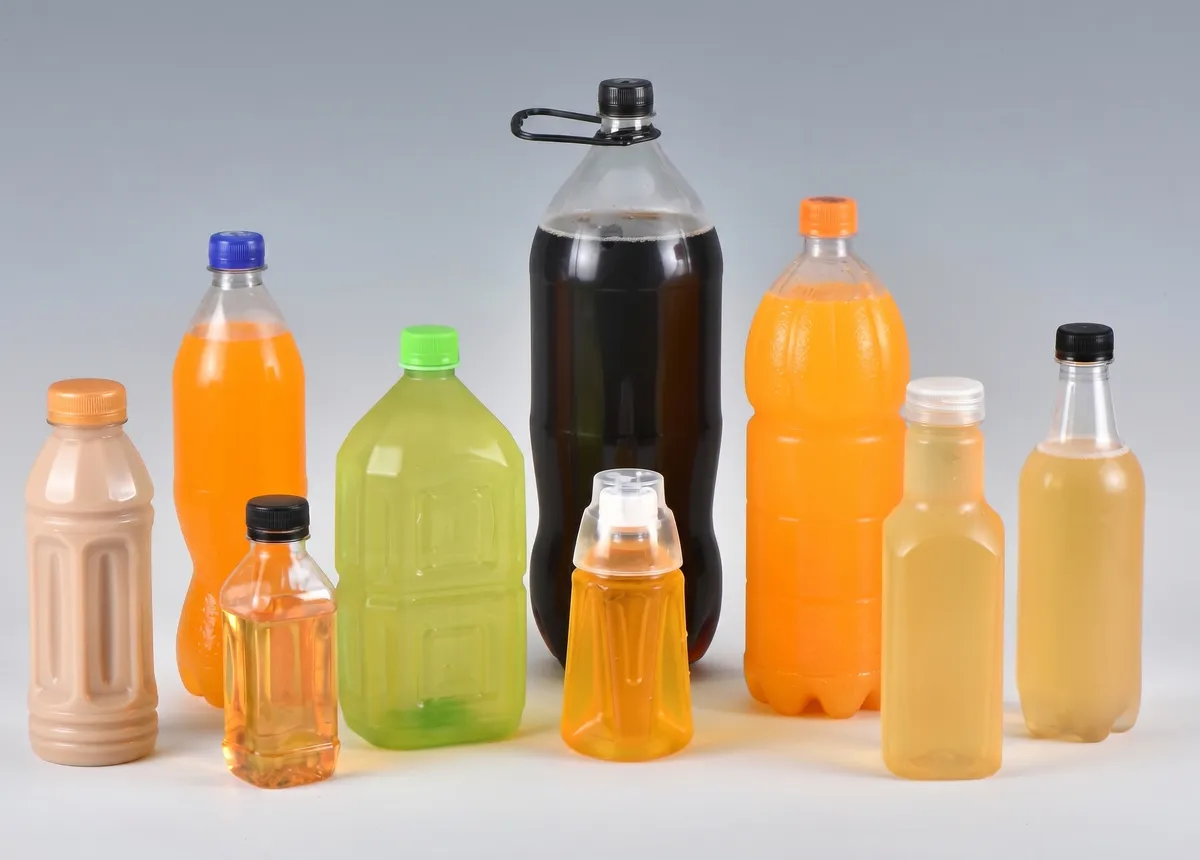
PET beverage bottles produced on the Y280-V6 benefit from the biaxial molecular orientation created by the stretch blow process, resulting in improved top-load strength, burst pressure resistance, and excellent optical clarity. The machine can produce still water, juice, tea, and edible oil containers from 100 ml to 2,500 ml per cycle. The servo-controlled turntable indexing ensures consistent preform positioning between stations, which directly affects fill volume accuracy and bottle weight stability across large production runs.
6. Feeding Bottles (Baby Bottles)
Baby bottle production is one of the most demanding applications for any ISBM machine because the materials must be BPA-free, completely transparent, and free of surface defects. The Y280-V6 processes Tritan, PPSU, PC, and PET resins for baby bottles that meet international food contact and chemical migration standards. The one-step ISBM process prevents contamination between stations that could occur with two-step systems, making it the preferred technology for premium infant feeding product manufacturers globally.
7. Body Wash Bottles
Body wash packaging must deliver both functional performance and strong shelf presence. The Y280-V6 supports production of wide-body, tinted, and frosted PET and PETG body wash containers with pump or flip-top closure neck finishes. The machine's temperature conditioning accuracy allows processing of opaque and semi-transparent resin blends without inconsistent color distribution or localized thin spots, which are common defects when bottle shape complexity increases. Output ranges from 200 ml travel sizes to 1,000 ml family-size formats within the same cavity configuration.
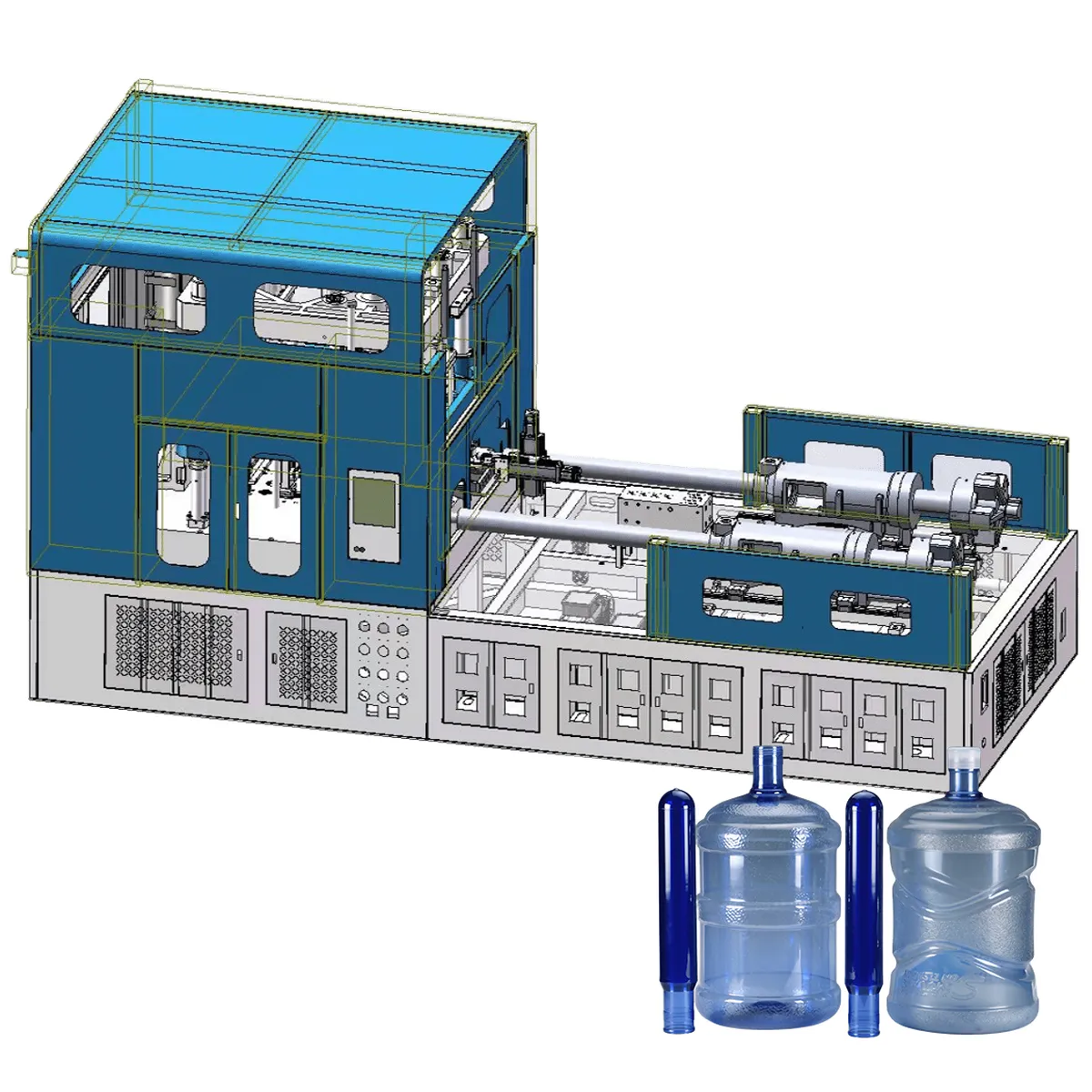
8. Drinking Water Buckets
Large-format PET drinking water containers require outstanding structural rigidity, high clarity, and stackable base geometry. The Y280-V6 accommodates wide-mouth neck configurations and large-body bottle designs up to 2,500 ml. The 200 KN blowing clamping force and 250 mm blow core stroke provide the dimensional control needed for consistent, thick-walled large containers. For water dispenser bottle manufacturers, the Y280-V6 offers a reliable, energy-efficient production platform that meets the volume demands of bulk water packaging markets in Asia, the Middle East, and Africa.
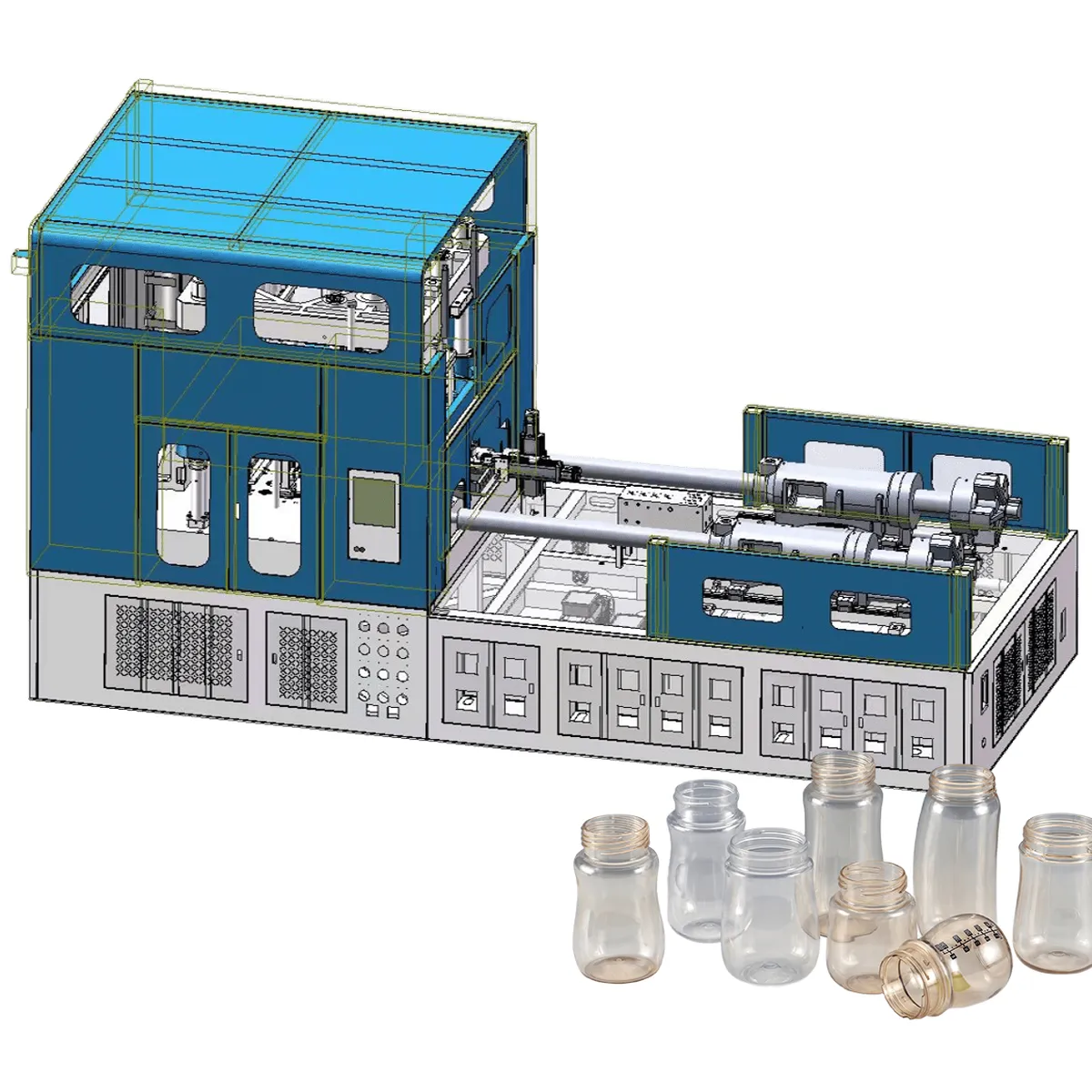
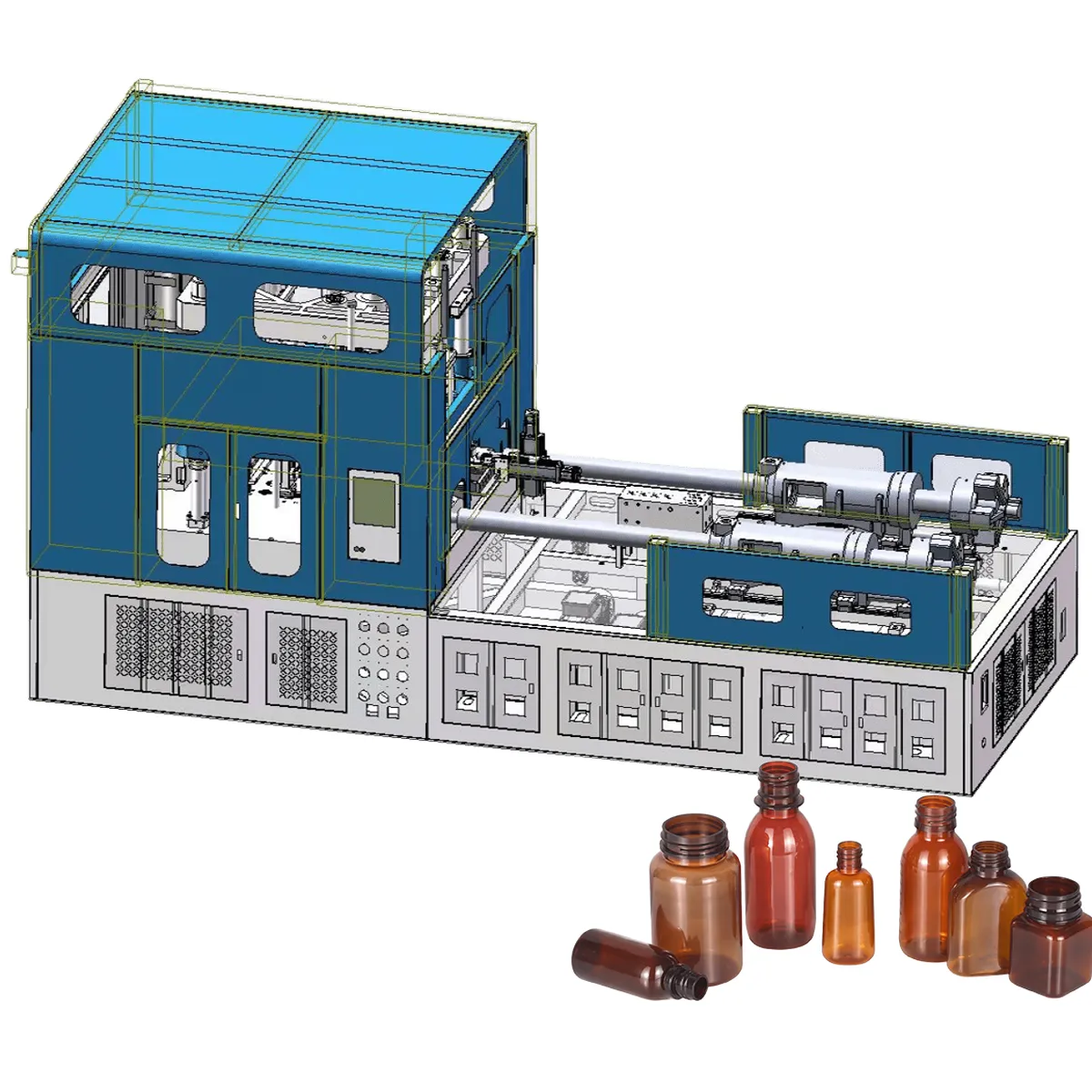
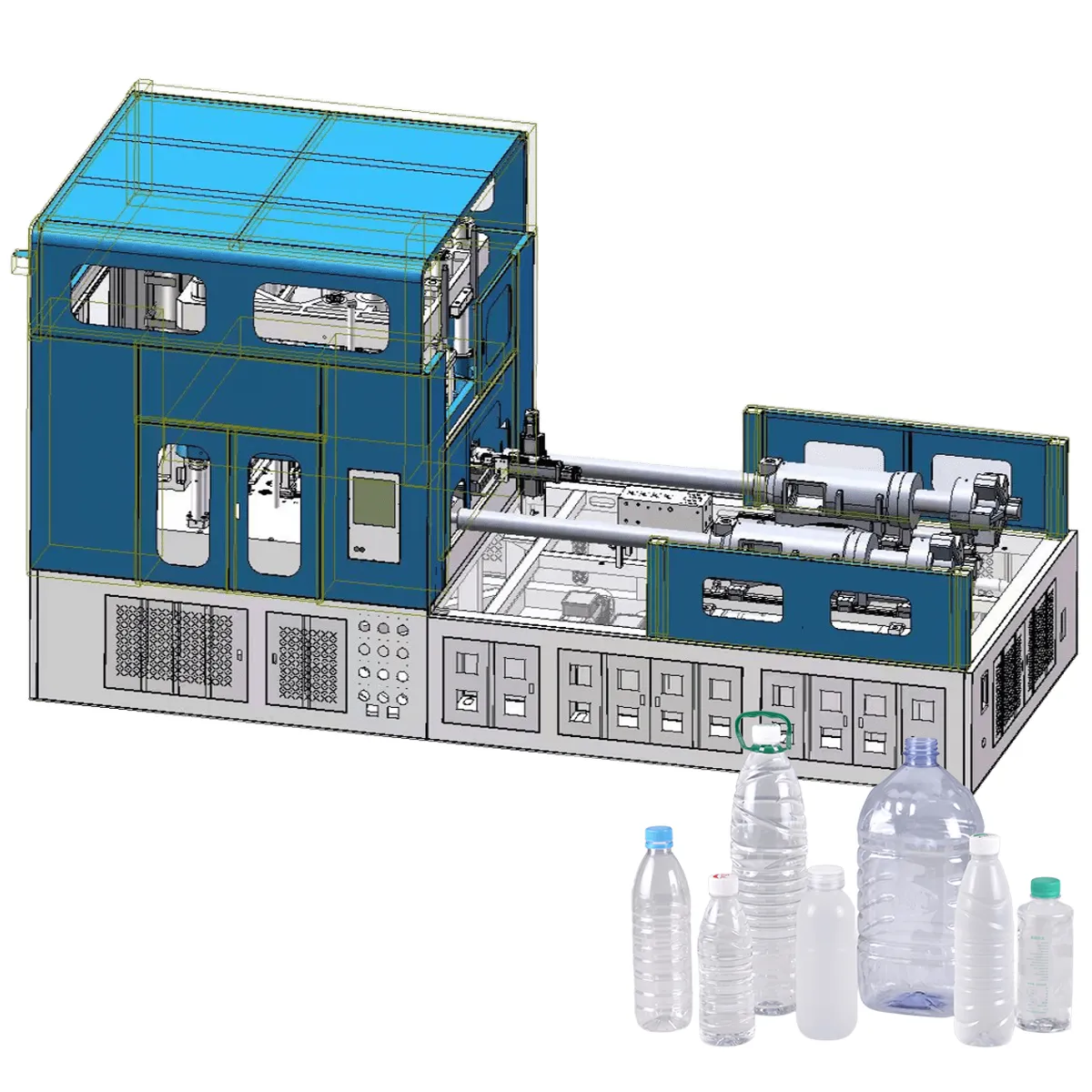
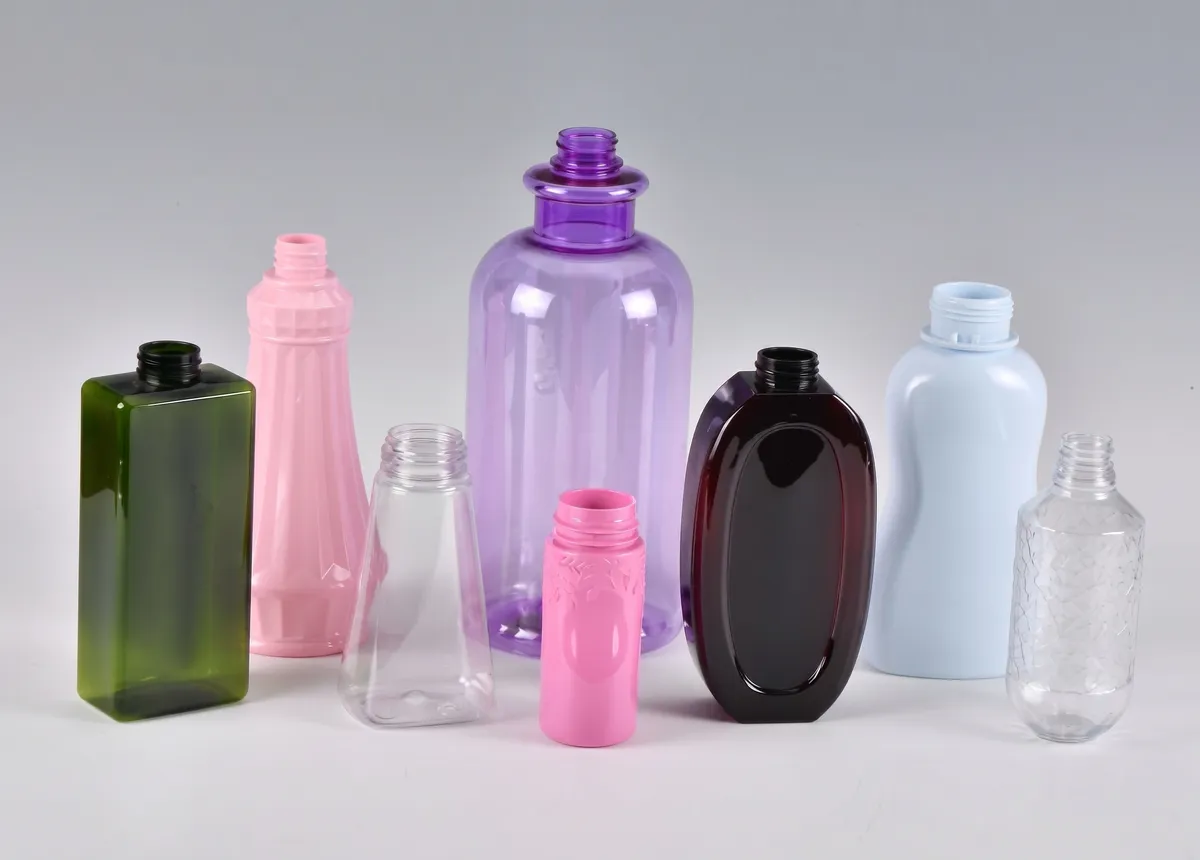 | 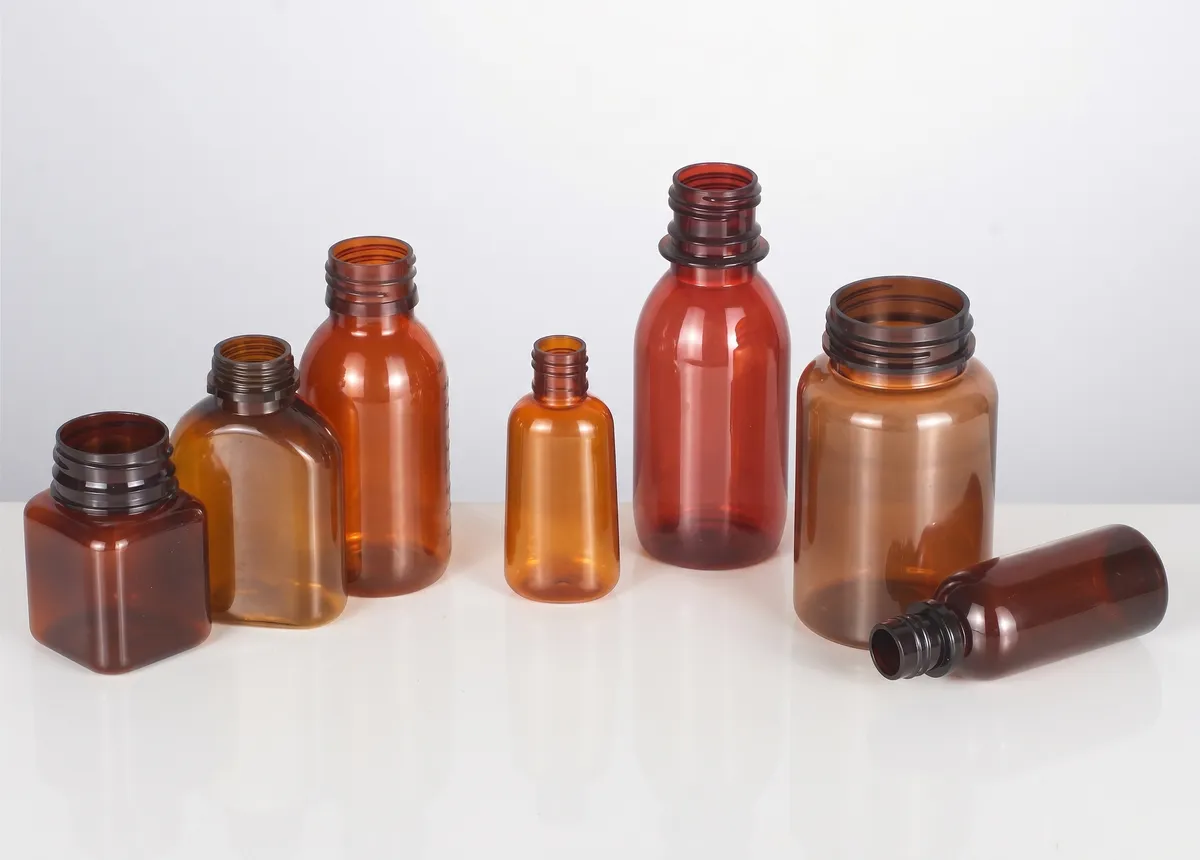 |
| कॉस्मेटिक बोतल | दवा की बोतल |
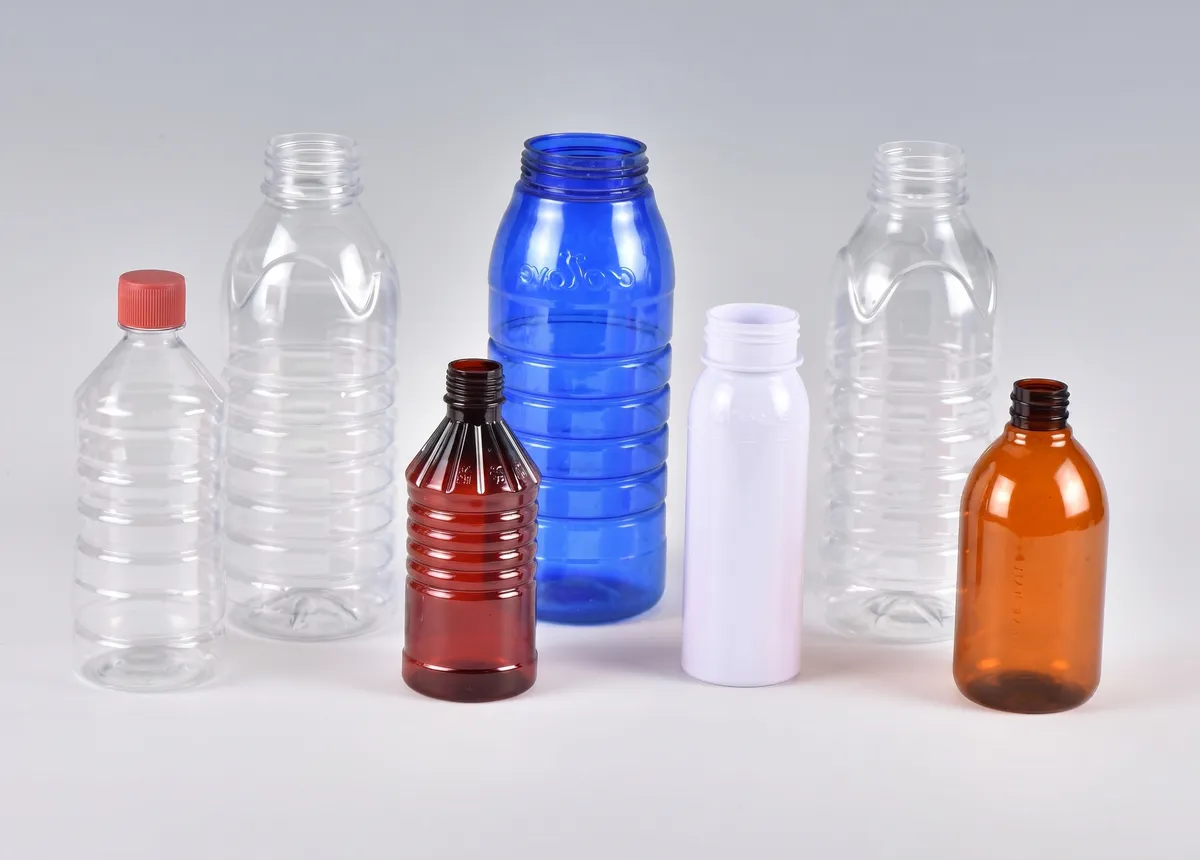 | 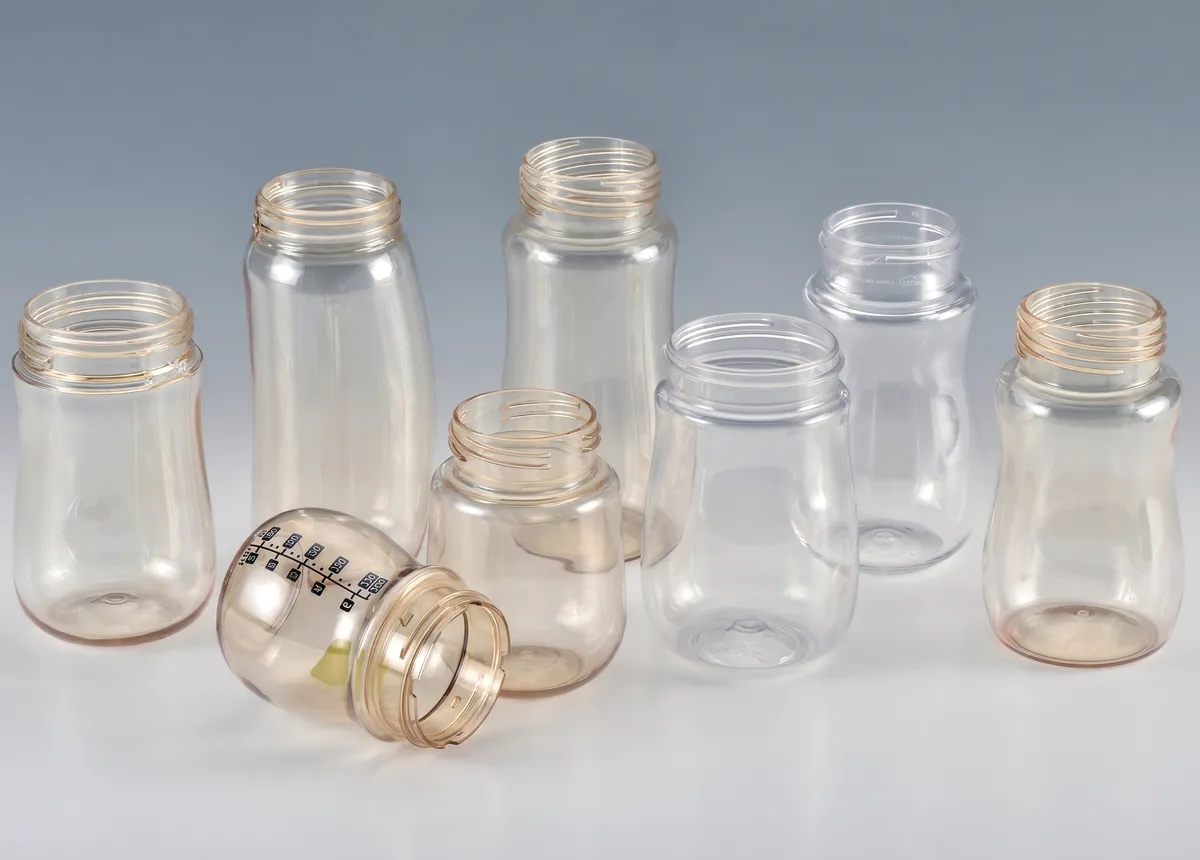 |
| रासायनिक बोतल | बच्चों को दूध पिलाने की बोतल |
Key Components of ISBM Y280-V6 Machine
कीलक इकाई
The Y280-V6 uses a dual-mode clamping system that supports either a hydraulic cylinder or dual servo motor configuration with high-pressure compensation. The injection clamping force of 150 KN and blow clamping force of 200 KN (single side) are precisely maintained throughout each production cycle. The upper mold stroke of 250 mm and lower mold stroke of 205 mm provide clearance for a wide range of bottle heights up to 210 mm. High-pressure compensation during mold closure eliminates parting line flash and ensures airtight sealing during the blow phase, directly improving finished bottle quality and reducing scrap rates.
इंजेक्शन इकाई
The double injection unit is controlled by a single cylinder, with the melt motor available in hydraulic or servo motor versions depending on the buyer's process requirements. The twin-screw design is heated by nano far-infrared energy-saving rings (10 KW total heating power) that distribute heat along the screw barrel with minimal energy loss. Available screw diameters of 40, 50, 55, and 60 mm allow the injection shot size to be matched precisely to the product cavity volume, with theoretical injection capacities ranging from 188 cm³ up to 480 cm³. This flexibility makes it practical to run both small cosmetic containers and large water containers on the same machine platform with screw changeovers.
Mold System
CMN Transmission manufactures injection stretch blow molds to extremely tight tolerances, producing finished containers with parting lines that are virtually invisible to the naked eye. This is a direct performance improvement over equivalent Japanese-brand machines where parting line protrusion is a common quality issue. The mold tooling is compatible with existing ASB injection stretch blow molding machine mold formats, which allows manufacturers transitioning from Japanese equipment to reuse their existing tooling investment. Cavity configurations range from 1 to 10 cavities per cycle, with bottle diameter ranges from 20 mm to 120 mm and volumes from 20 ml to 2,500 ml.
Blow Pin and Air Delivery System
The blow pin assembly on the Y280-V6 operates with a 250 mm blow core stroke, providing sufficient travel for tall bottle body profiles. High-pressure air is delivered through American Parker valves at blowing pressures of 2.0 to 3.5 MPa, which ensures complete mold filling during the blow phase even for complex or thick-walled bottle designs. The consistent air pressure management prevents thin spots, uneven wall distribution, and blow-out defects that can occur when air delivery timing or pressure fluctuates between cycles. The Parker valve specification also ensures long service life under continuous high-pressure cycling conditions typical of commercial production schedules.
शीतलन प्रणाली
The Y280-V6 cooling system maintains machine oil cooler water at 20 to 25 degrees Celsius at 0.3 to 0.4 MPa, while the primary mold cooling water circuit operates at 0.4 to 0.6 MPa. This dual-circuit approach separates hydraulic system heat management from mold cooling, allowing each to be optimized independently. Effective mold cooling directly determines cycle time and dimensional stability of the finished bottle. The 300-liter oil tank provides adequate thermal mass to buffer heat load fluctuations during high-speed production, maintaining consistent hydraulic oil temperature and preventing viscosity-related performance changes that could affect clamping force or injection pressure accuracy.
निष्कासन प्रणाली
The take-out mechanism operates with a 170 mm stroke and is driven by Airtak air cylinders for fast, consistent bottle removal at the ejection station. Servo-timed ejection is synchronized with the turntable indexing cycle through the Inovance or MiRLE PLC to prevent mechanical interference and allow maximum production speed without compromising bottle integrity during removal. The ejection stroke and speed are adjustable through the HMI interface, allowing operators to tune take-out timing when switching between different bottle heights or weights. Gentle ejection control is particularly important for thin-walled or elongated containers where rough handling at the take-out station can cause deformation before the bottle has fully solidified.
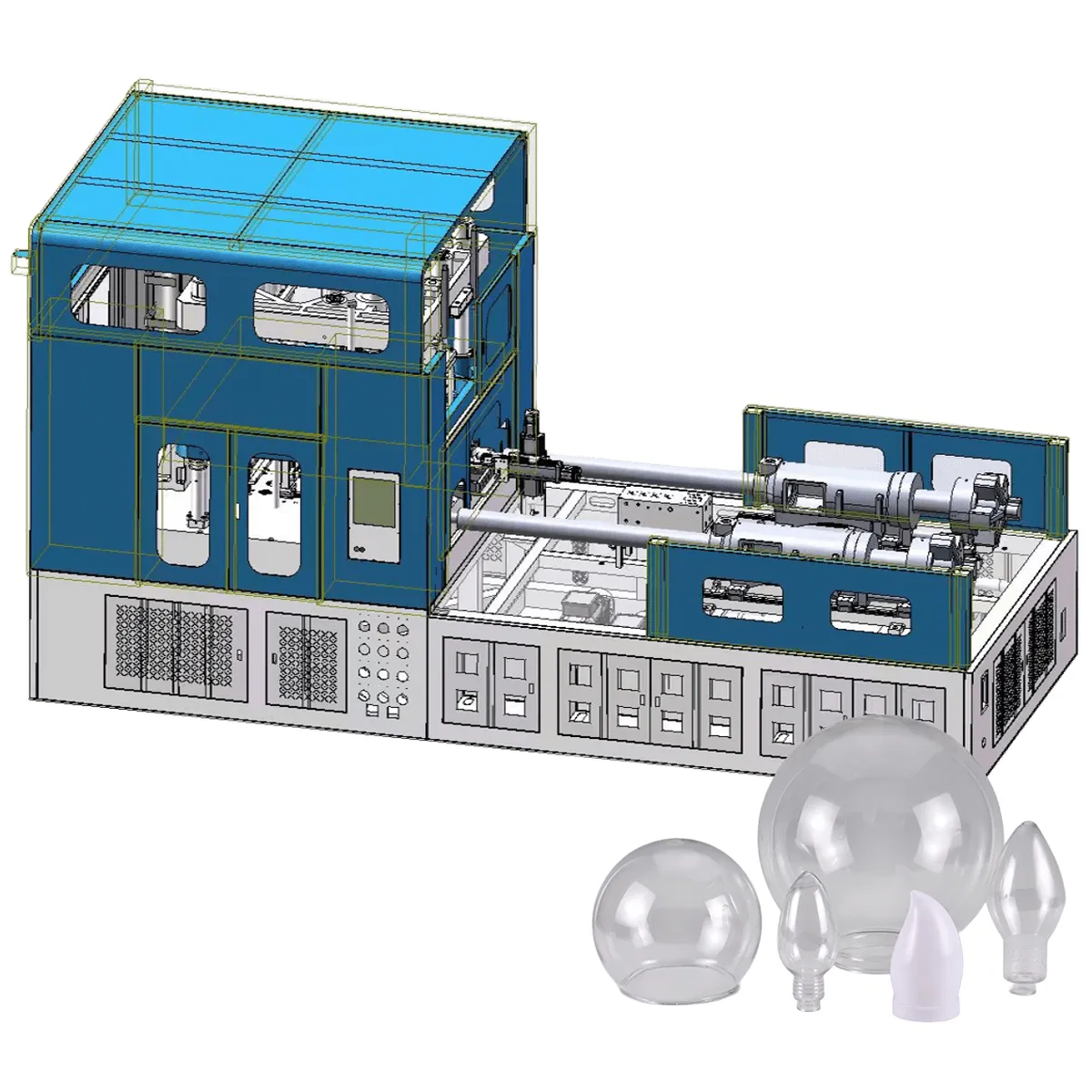
Injection Blow Molding vs Injection Stretch Blow Molding vs Extrusion Blow Molding
Choosing the right blow molding process is a fundamental decision that affects bottle quality, production cost, mold investment, and material compatibility. Here is how the three main processes compare.
EBM | Extrusion Blow Molding
EBM starts with a hot hollow parison formed by an extruder. The mold closes around the parison, and compressed air expands the plastic into the mold cavity. This method is highly flexible for producing large containers, handled bottles, drums, and HDPE packaging where exact neck precision is less critical. Common materials include HDPE, LDPE, PP, and PVC.
The primary advantage of EBM is shape freedom. Parison extrusion can form handles, wide bodies, and offset shapes more easily than injection-based processes. However, parison sag under gravity can create uneven wall thickness, and the mold closing process often produces flash that requires trimming. For buyers, the main quality risks are inconsistent wall distribution around handles or shoulders and less precise neck thread definition.
IBM | Injection Blow Molding
IBM starts with an injection-molded preform where the neck, thread, and sealing area are formed with high dimensional precision before the bottle body is blown. The preform is transferred into a blow mold and inflated into its final shape. Because the neck geometry is established during injection before blowing, IBM produces exceptionally accurate thread definitions and closure sealing surfaces.
This precision matters most for small pharmaceutical bottles, eye-drop containers, cosmetic jars, and medical packaging where cap and pump fitment must be leak-free. IBM also produces consistent bottle weight and repeatable dimensions. However, IBM does not include a stretch rod, so the biaxial orientation benefits of the ISBM process are not achieved, making IBM less suitable for large or lightweight PET containers where strength and clarity at low wall thickness are priorities.
ISBM | Injection Stretch Blow Molding
ISBM is the process used in the Y280-V6. Like IBM, it starts with an injection-molded preform that establishes the neck geometry. But ISBM adds a stretch rod that extends the preform vertically before compressed air expands it outward. This biaxial orientation aligns the polymer molecules in two directions simultaneously, producing bottles with significantly improved clarity, top-load strength, gas barrier performance, and lightweight potential.
These properties are critical for PET water bottles, carbonated beverage packaging, edible oil containers, and clear cosmetic bottles where both performance and visual clarity matter. The single-stage injection stretch blow molding machine design of the Y280-V6 combines injection and blow molding in one continuous cycle without secondary preform reheating, achieving 15 to 25% energy savings compared to two-step systems while maintaining superior bottle quality and production speed.
तुलना तालिका
| प्रकार | आरंभिक प्रपत्र | सामान्य सामग्री | सर्वश्रेष्ठ उत्पाद | मुख्य शक्ति | मुख्य सीमा |
|---|---|---|---|---|---|
| ईबीएम | पैरिसन | एचडीपीई, एलडीपीई, पीपी, पीवीसी | बड़े कंटेनर, हैंडल वाली बोतलें, ड्रम | Flexible sizes and lower tooling cost | गर्दन की सटीकता कम, फ्लैश होने की संभावना |
| आईबीएम | पहिले से बना लेना | एचडीपीई, पीपी, पीईटी, पीएस | छोटी, सटीक बोतलें और जार | सटीक नेक फिनिश और थ्रेड परिभाषा | औजारों की लागत अधिक, आकार सीमा छोटी |
| आई एस बी एम | स्ट्रेच्ड प्रीफॉर्म | PET, PETG, PP, Tritan | Clear bottles, beverage and cosmetic packaging | Strength, clarity, lightweighting, energy savings | Higher machine and mold initial cost |
आईएसबीएम मशीन के लिए संगत कच्चा माल
पीईटी (पॉलीइथिलीन टेरेफ्थालेट)
PET is the most widely processed resin on the Y280-V6 and the material most closely associated with the ISBM process. Its excellent optical clarity, gas barrier properties, and lightweight strength make it the standard choice for water bottles, beverage containers, food packaging, and transparent cosmetic bottles. PET processed through biaxial ISBM stretching achieves significantly better mechanical properties than unstretched PET, including improved top-load strength and drop impact resistance.
पीईटीजी (ग्लाइकॉल-मॉडिफाइड पीईटी)
PETG is a modified form of PET with superior impact resistance, easier processing, and the ability to be formed into complex shapes without cracking. It offers the same high clarity as standard PET but with greater flexibility and toughness. PETG is commonly chosen for cosmetic packaging, medical containers, and display packaging where the bottle must withstand rough handling or temperature variation without becoming brittle. The Y280-V6 handles PETG with consistent melt quality through its precise barrel temperature control.
पीपी (पॉलीप्रोपाइलीन)
PP is valued for its excellent chemical resistance, high-temperature tolerance, and food-contact safety compliance. It is widely used in pharmaceutical packaging, food containers, and personal care applications where the bottle must survive sterilization cycles or hot-fill processes. PP on the Y280-V6 requires careful temperature management due to its narrower processing window compared to PET, but the machine's integrated control box temperature system handles this reliably. PP bottles produced on the Y280-V6 offer a cost-effective alternative to glass for pharmaceutical and food applications.
PPSU (Polyphenylsulfone)
PPSU is a high-performance engineering resin offering exceptional heat resistance, hydrolytic stability, and transparency that withstands repeated steam sterilization cycles at 134 degrees Celsius. It is the premium choice for baby bottles and medical containers that must endure autoclave sterilization without degradation or discoloration. PPSU is BPA-free and meets the most stringent global food contact regulations. The Y280-V6's precision temperature control capability ensures stable melt flow of this high-viscosity resin without causing surface defects or molecular degradation.
पीसी (पॉलीकार्बोनेट)
PC offers the highest impact resistance among common transparent engineering plastics and is traditionally used in reusable water bottles, large water dispensing containers, and baby bottles. While BPA concerns have reduced PC use in certain markets, it remains an important material for industrial containers and optical-quality applications requiring exceptional clarity combined with toughness. The Y280-V6 processes PC with precise barrel temperature profiles to prevent degradation and color change during the injection phase. PC containers produced on the ISBM machine achieve superior drop resistance compared to those produced by other molding methods.
Tritan (Eastman Tritan Copolyester)
Tritan is a BPA-free copolyester developed by Eastman Chemical that combines the clarity and toughness of PC with enhanced chemical resistance and dishwasher durability. It has become the leading material for premium reusable water bottles, baby bottles, and kitchen containers marketed to health-conscious consumers. The Y280-V6 processes Tritan effectively through its stable screw temperature management, producing bottles with outstanding clarity, scratch resistance, and long-term durability that justify the premium positioning of Tritan-branded packaging in retail markets.
PCTG (Glycol-Modified PCT)
PCTG is a transparent copolyester with properties positioned between standard PETG and Tritan, offering excellent impact resistance, low-temperature clarity, and good chemical resistance. It is commonly used in cosmetic packaging, medical device housings, and consumer product containers where high clarity and toughness are both required at a cost point below Tritan. PCTG processes at moderate temperatures on the Y280-V6 and produces bottles with a crystal-clear appearance suitable for premium cosmetic and personal care packaging lines targeting demanding retail markets.
Injection Stretch Blow Molding Machine for Beverage Bottle Production
Step 1: PET Resin Drying and Hopper Loading
PET resin for beverage bottle production must be dried to a moisture content below 50 ppm before processing to prevent hydrolytic degradation during melt injection. A dehumidifying dryer operating at 160 to 170 degrees Celsius for 4 to 6 hours is typically required. Dried PET pellets are loaded into the machine hopper, which feeds the injection screw. Undried PET produces bottles with reduced intrinsic viscosity, visible surface haziness, and reduced mechanical strength that can cause bottles to fail burst pressure or drop tests during quality control inspection.
Step 2: Preform Injection Molding
The dried PET resin is fed to the screw barrel, melted at temperatures typically between 270 and 285 degrees Celsius, and injected under precise pressure into the injection mold to form the beverage bottle preform. The preform shape, including the neck thread, sealing surface, and body wall thickness distribution, is determined at this stage. For carbonated beverage bottles, neck finish accuracy is especially critical because the crown or screw cap must seal reliably against the internal CO2 pressure of 2.0 to 4.5 bar. The preform is partially cooled to a stable but pliable temperature before transfer.
Step 3: Temperature Conditioning and Turntable Transfer
The servo-driven rotary turntable transfers the freshly injected preform from the injection station to the temperature conditioning zone. The integrated control box temperature system manages thermal equilibration across the preform body length to achieve a consistent temperature profile before stretching begins. For beverage bottles, the optimal preform temperature for biaxial ISBM stretching is typically 85 to 100 degrees Celsius, varying by bottle design and wall thickness target. Uneven preform temperature at this stage is the most common cause of shoulder thinning, base thickening, and pearl white opacity in the finished bottle.
Step 4: Biaxial Stretch Blow Molding
The conditioned preform enters the blow station where the mold closes around it and a stretch rod extends the preform vertically to the base of the blow mold. High-pressure air at 2.0 to 3.5 MPa is then introduced through the blow pin to expand the preform outward against the mold cavity walls simultaneously. This biaxial stretching step is what produces the superior strength and clarity characteristic of ISBM PET bottles. For carbonated beverage bottles, the resulting molecular orientation improves CO2 barrier performance, burst pressure resistance, and thermal stability during hot filling or pasteurization processes.
Step 5: Mold Cooling and Bottle Solidification
Following the blow molding stage, the bottle is held inside the closed mold while cooling water circulated through the mold channels removes heat from the container surface. Cooling time is a direct determinant of cycle time and dimensional stability. For beverage bottles where high clarity and low haze are commercial requirements, rapid and uniform cooling prevents crystallization that would make the PET appear white or translucent. The Y280-V6 cooling water circuit maintains temperature at 20 to 25 degrees Celsius through the machine oil cooler, providing stable cooling conditions across extended production runs.
Step 6: Ejection and Quality Inspection
After sufficient cooling, the mold opens and the take-out mechanism with 170 mm stroke removes the finished beverage bottle from the blow station. The ejected bottle is transferred to the inspection and downstream packaging area. Quality checks for beverage bottles typically include visual inspection for surface defects and clarity, neck dimension gauging for cap fitment, weight measurement for fill volume consistency, and periodic burst pressure and drop impact testing according to the customer's quality plan. Bottles that pass inspection proceed directly to the filling line, conveyor system, or packing station without any secondary trimming or surface treatment.
Step 7: Downstream Packing and Storage
Finished beverage bottles from the Y280-V6 production line are typically collected on conveyors, counted into specified lot quantities, and packed into corrugated cartons or plastic bags for shipment to the filling plant. For high-volume operations, automatic bottle counting and bagging systems can be integrated downstream of the ISBM machine ejection station. Bottles should be stored in clean, dry conditions away from direct sunlight and chemical vapors that could affect PET surface quality before filling. Proper downstream handling protects the investment in bottle quality that the ISBM process provides throughout the entire production chain.
Maintenance and Care
1. Daily Lubrication and Mechanical Checks
At the start of each production shift, inspect all lubrication points on the clamping unit, turntable bearing, and ejection mechanism. Apply grease to specified points according to the maintenance schedule provided in the machine manual. Check that the turntable rotation is smooth and that no unusual vibration or noise is present during indexing. Verify that all air cylinder rod seals are intact and that there is no air leakage at cylinder connections. Addressing minor lubrication deficiencies early prevents accelerated wear on precision components and avoids unplanned downtime during production runs.
2. Hydraulic System Oil Management
The 300-liter hydraulic oil tank should be checked weekly for oil level, color, and contamination. Fresh hydraulic oil is typically light amber; darkening or cloudiness indicates oxidation, water contamination, or particle contamination from worn seals. Replace hydraulic oil completely according to the manufacturer's scheduled interval, typically every 2,000 to 3,000 hours of operation. Clean or replace hydraulic oil filters at each oil change. Maintaining clean hydraulic oil is critical because the YUKEN hydraulic control valves and high-pressure components have tight internal clearances that are sensitive to particulate contamination, which causes valve sticking, erratic pressure behavior, and accelerated component wear.
3. Cooling Water Circuit Maintenance
The cooling water circuit should be inspected monthly for scale buildup, biological growth, and flow rate consistency. The machine oil cooler must maintain water temperature between 20 and 25 degrees Celsius and pressure between 0.3 and 0.4 MPa to keep hydraulic oil viscosity within the operating range. The mold cooling circuit operates at 0.4 to 0.6 MPa and must be monitored for blockages that could cause uneven mold cooling and dimensional variation in bottles. Use treated water or a closed-loop cooling system with corrosion inhibitor to prevent scale and corrosion that would reduce heat transfer efficiency and restrict flow through mold cooling channels over time.
4. Screw and Barrel Cleaning
The injection screw and barrel should be purged and cleaned whenever changing between resin types or colors, and at scheduled intervals during extended production runs of the same material. For PET and PETG, purge with a commercial purging compound or a compatible transition resin to remove degraded material from the screw flights and barrel walls. Degraded PET deposits can cause black specks, yellow streaking, or molecular weight reduction in the finished container if not removed. The nano far-infrared heating ring system heats the barrel uniformly, but stagnant material in low-flow zones can still degrade if the screw is left stationary at temperature for extended periods without purging.
5. Mold Inspection and Cavity Care
Mold tooling should be inspected at regular intervals for wear on the cavity surface, parting line, venting channels, and neck ring components. Clean cavity surfaces with approved mold release agents and plastic-safe solvents to remove resin deposits and oxidation. Inspect water channel connections on the mold for leaks or blockages and verify that the cooling circuit is balanced across all cavities. Misaligned or worn parting surfaces can create flash on bottles, which affects container appearance and may indicate clamping force imbalance. Store molds in climate-controlled storage with protective coating on metal surfaces when not in production to prevent corrosion and humidity damage.
6. Servo Motor and Electrical System Checks
The Inovance or WEICHI servo motors driving the Y280-V6 clamping and injection systems should be inspected quarterly for bearing temperature, encoder signal quality, and cable condition. Check servo drive units in the electrical cabinet for adequate ventilation and absence of dust buildup that could cause overheating or signal interference. The Inovance or MiRLE PLC should have its battery backup status checked annually to ensure parameter memory is retained during power outages. Review the PLC fault log monthly to identify recurring alarms that may indicate developing mechanical or electrical issues before they cause a production stoppage. All electrical connections should be retorqued at commissioning and at annual service intervals to prevent high-resistance contacts from developing.
CMN की इंजेक्शन स्ट्रेच ब्लो मोल्डिंग मशीन क्यों चुनें?
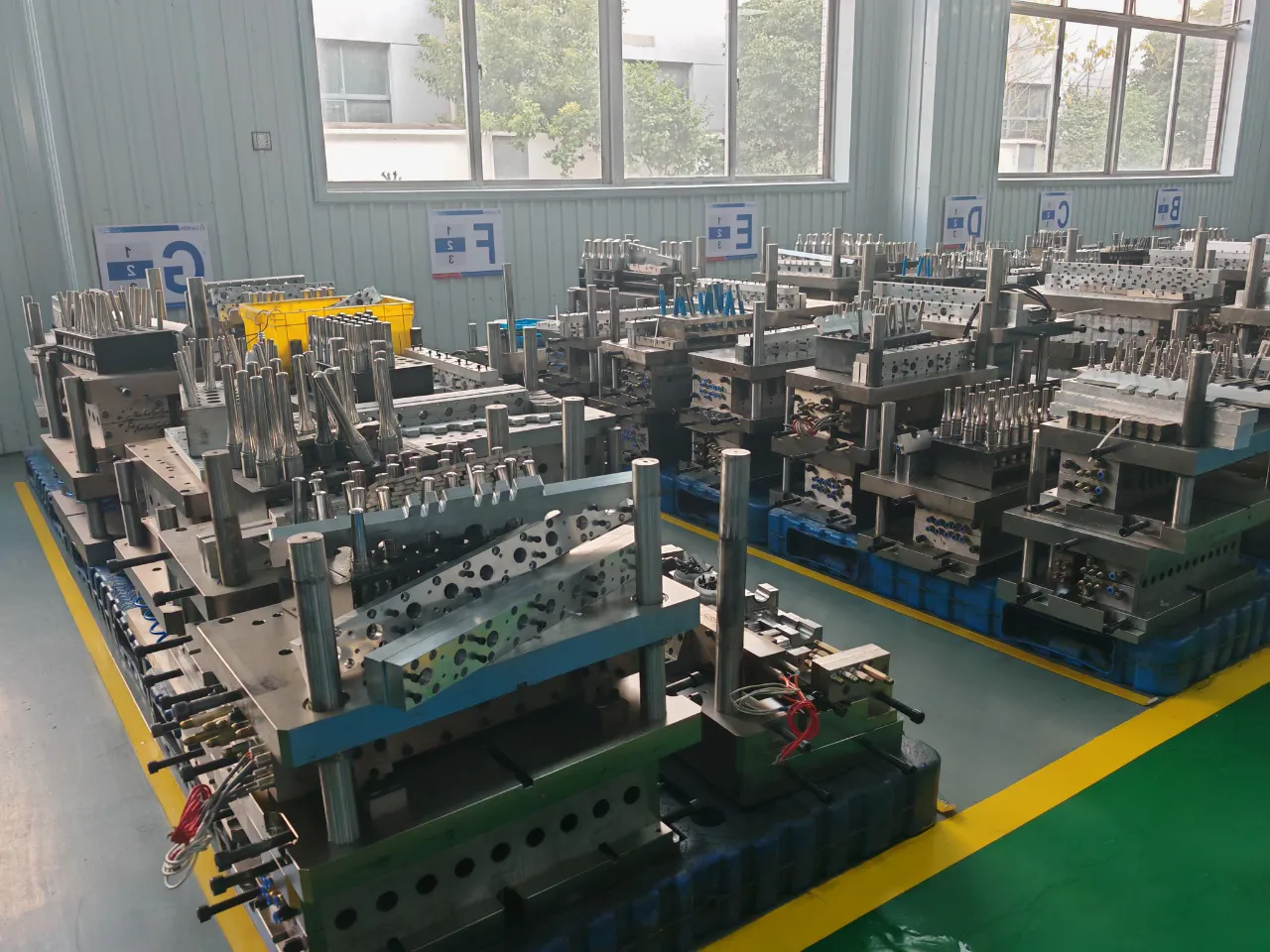
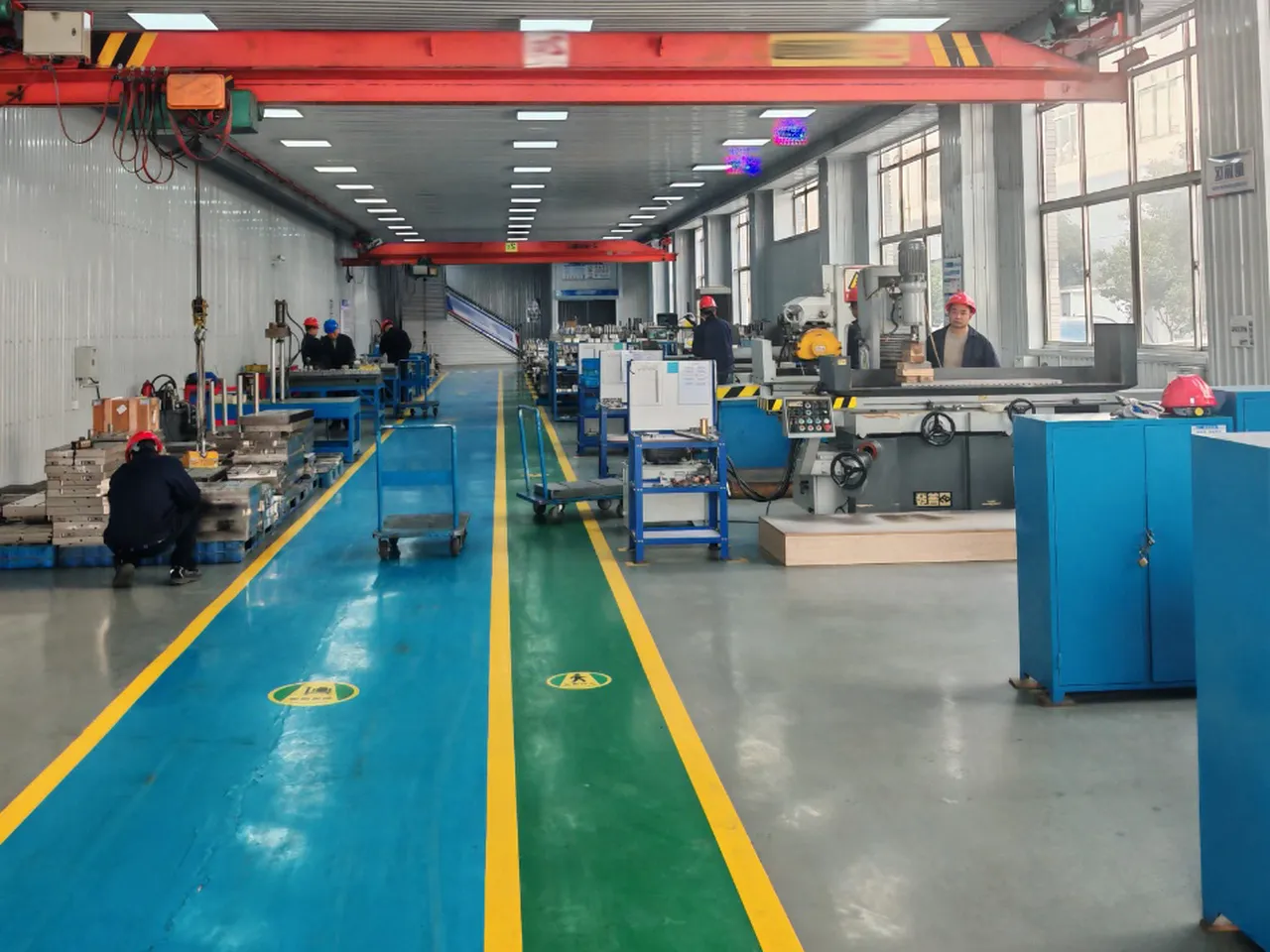
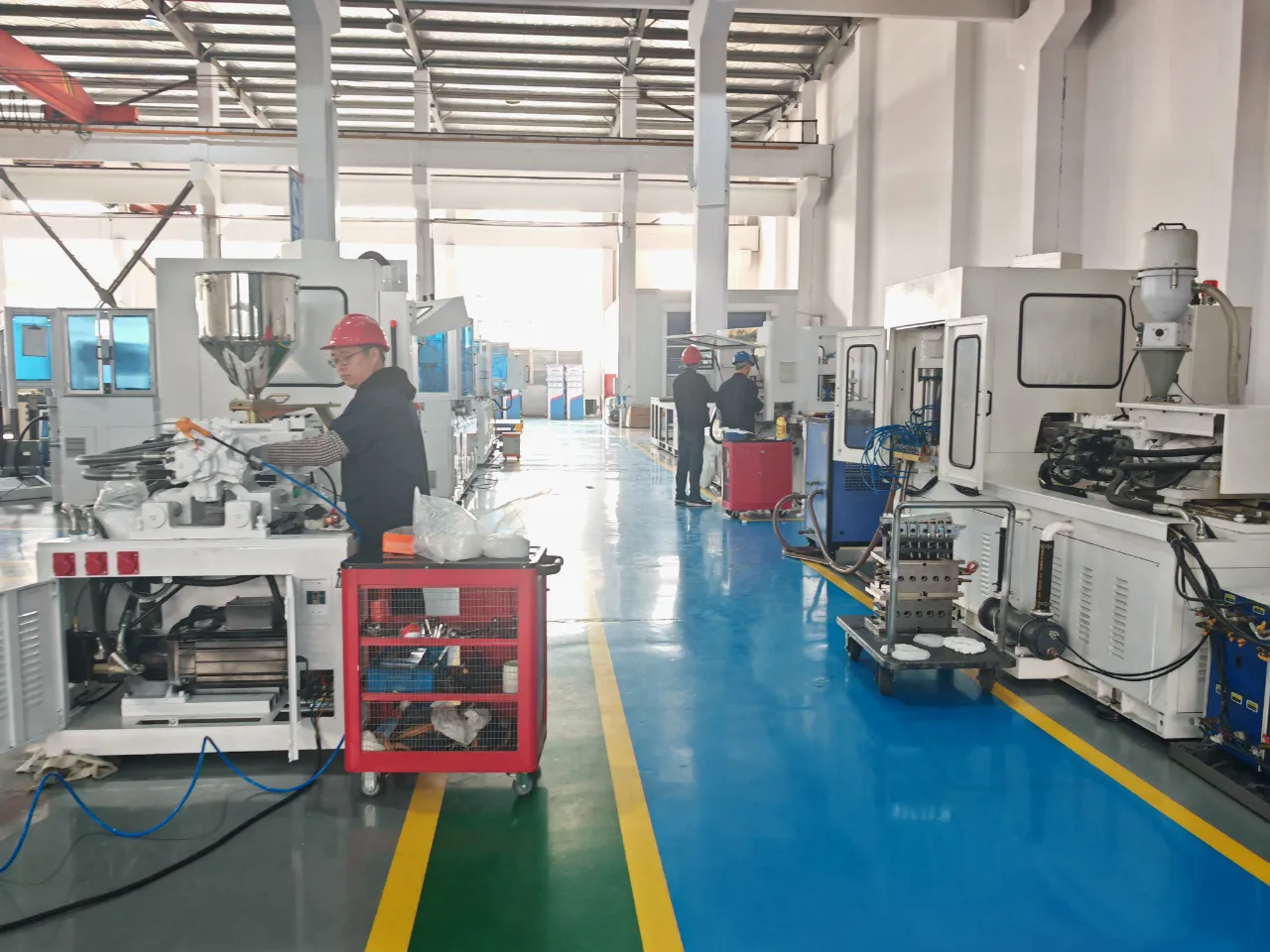
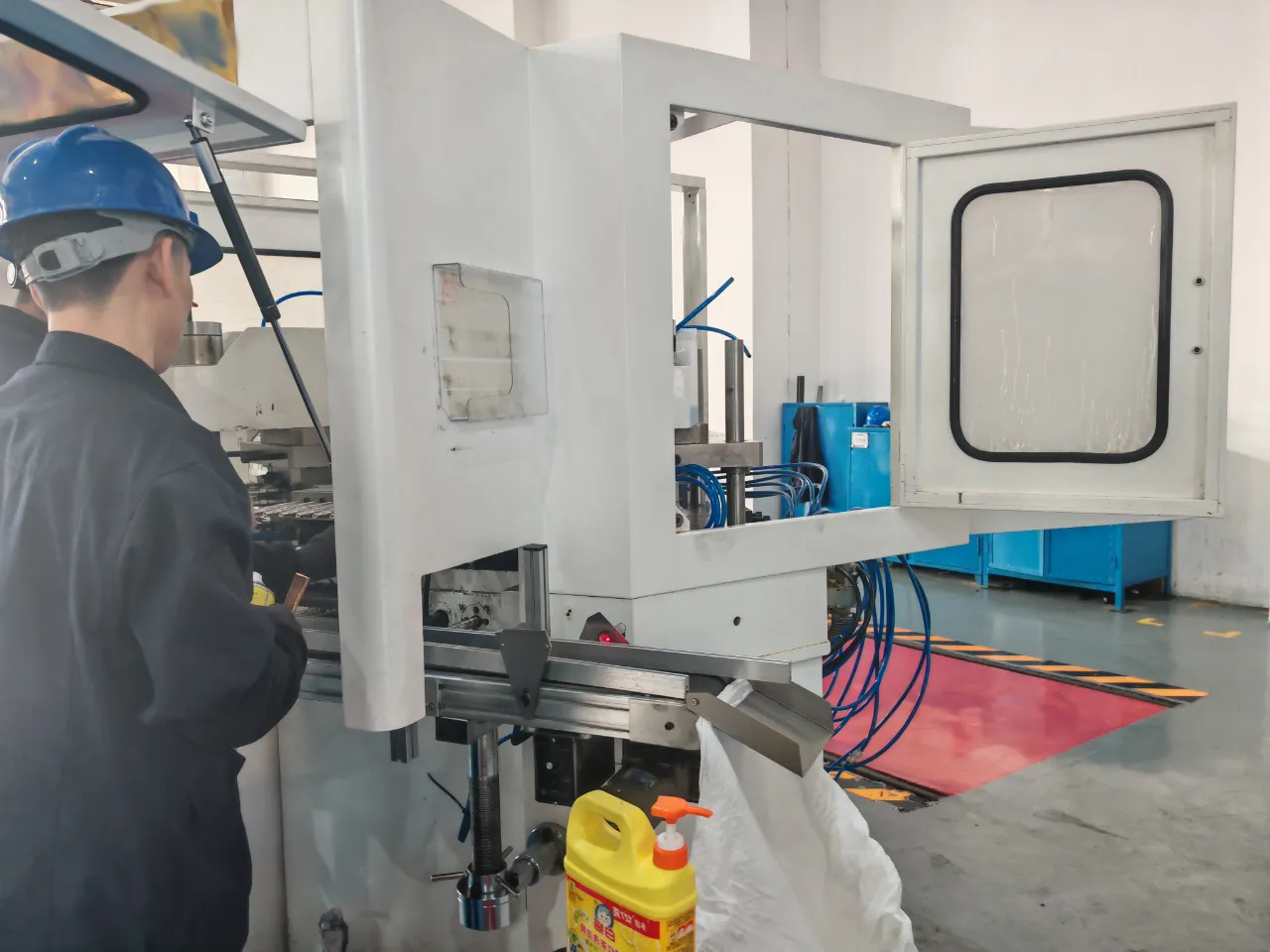
CMN Transmission is a dedicated manufacturer of automatic one-step injection blow molding machines and injection stretch blow molding machine equipment, with a product range covering injection blow molding machines, extrusion blow molding machines, injection stretch blow molding machines, molds, and auxiliary equipment. CMN operates from a well-located production base with efficient logistics access that supports reliable international delivery timelines for customers across Asia, the Middle East, Africa, South America, and Europe.
CMN maintains an experienced R&D team that brings together engineering and technical personnel with deep backgrounds in both injection-blowing machinery design and injection-blowing mold manufacturing. This dual expertise, covering both the machine and the tooling, gives CMN a significant advantage in helping customers solve complex bottle design challenges that combine difficult shapes, demanding materials, or tight dimensional tolerances. Combining strong theoretical knowledge with practical production experience, CMN's technical team provides detailed, personalized pre-sale consultation, responsive in-sale technical support, and committed after-sale service including on-site installation, operator training, process optimization, and spare parts supply.
CMN's product applications span pharmaceutical packaging, food and beverage packaging, healthcare and personal care packaging, cosmetic packaging, and a wide range of specialty plastic packaging products from 1 ml to 1,000 ml in materials including HDPE, LDPE, PET, PETG, PP, PS, PPSU, PC, Tritan, ABS, PLA, PCTG, EVA, and environmentally certified corn-based resins. CMN adheres to the development philosophy of self-reliance, integrity, practicality, innovation, and responsibility, building a comprehensive one-stop turnkey project capability that covers machine selection, mold design, process validation, and ongoing production support. This full-chain approach ensures that CMN customers receive high-end injection-blowing products that consistently meet quality requirements from the first production cycle through the life of the equipment.
 |  |
 |  |
अक्सर पूछे जाने वाले प्रश्न
Q: What is the difference between the Y280-V6 and a standard four-station injection stretch blow molding machine?
A: The Y280-V6 uses a six-station rotary turntable instead of the four-station design common in Japanese ISBM machines. This means the Y280-V6 can process six preforms simultaneously in a single rotation cycle, producing more bottles per cycle than a four-station machine running the same tooling configuration. In addition to higher output, the extra stations allow for longer temperature conditioning and cooling dwell times, which can improve bottle quality when running demanding materials or complex shapes.
Q: Can the Y280-V6 use existing ASB or Aoki injection stretch blow molding machine molds?
A: Yes. The Y280-V6 is designed to be compatible with mold tooling originally manufactured for Japanese ASB injection stretch blow molding machines, specifically ASB-12M and ASB-70DPH format molds. CMN's broader product range also includes models compatible with Aoki 100, Aoki 250, and Aoki 500 mold formats. This mold compatibility is a major commercial advantage for manufacturers who have existing tooling investment and want to switch to CMN equipment without the cost of replacing all their molds. Contact our sales team with your existing mold specifications to verify compatibility before purchase.
Q: Is a fully electric version of this one step injection stretch blow molding machine available?
A: Yes. CMN Transmission offers the Y280-V6 in a Fully Electric configuration that replaces all hydraulic drive systems with servo motors. The fully electric version produces no hydraulic oil, making it suitable for pharmaceutical manufacturing facilities that must comply with GMP standards and operate in clean-room-adjacent environments. The fully electric version also offers advantages in energy consumption, positioning repeatability, and quieter operation. It is available at a higher initial cost than the Standard or Servo hydraulic-assisted versions.
Q: What materials can the Y280-V6 PET injection stretch blow molding machine process?
A: The Y280-V6 is designed primarily for PET and PETG processing, which are the most common materials for ISBM production. However, the machine is also capable of processing PP, PC, Tritan, PPSU, PCTG, ABS, PS, and PLA with appropriate screw diameter selection, barrel temperature adjustment, and drying pre-treatment. Different materials require different processing parameters, and CMN's technical team can advise on the correct configuration for your specific material and bottle design before delivery.
Q: How much energy does the Y280-V6 single-stage injection stretch blow molding machine save compared to Japanese equivalents?
ए: Y280-V6, समान बोतल डिज़ाइन और उत्पादन क्षमता वाली जापानी, यूरोपीय या अमेरिकी इंजेक्शन स्ट्रेच ब्लो मोल्डिंग मशीनों की तुलना में 15% से 25% तक कम ऊर्जा की खपत करती है। यह बचत तीन स्रोतों से प्राप्त होती है: सर्वो पंप सिस्टम जो निरंतर पूर्ण प्रवाह पर चलने के बजाय केवल मांग पर दबाव उत्पन्न करता है, नैनो फार-इन्फ्रारेड स्क्रू हीटिंग रिंग जो पारंपरिक प्रतिरोध हीटिंग की तुलना में ऊष्मा हानि को कम करती है, और एकल-चरण ISBM प्रक्रिया जो दो-चरण ब्लो मोल्डिंग सिस्टम द्वारा आवश्यक द्वितीयक प्रीफॉर्म रीहीटिंग चरण को समाप्त करती है। वास्तविक बचत बोतल डिज़ाइन, चक्र समय और स्थानीय बिजली दरों के आधार पर भिन्न हो सकती है।
प्रश्न: Y280-V6 ISBM मशीन किस आकार और मात्रा की बोतलों का उत्पादन कर सकती है?
ए: वाई280-वी6 मशीन 20 मिलीलीटर से 2,500 मिलीलीटर तक की क्षमता वाली बोतलों को समायोजित कर सकती है, जिनका व्यास 20 मिमी से 120 मिमी और ऊंचाई 210 मिमी तक हो सकती है। बोतल के आकार के आधार पर, मशीन प्रति चक्र 1 से 10 कैविटी तक चला सकती है, और बोतल के गले का व्यास 12 मिमी से 85 मिमी तक हो सकता है। उत्पाद आयाम तालिका प्रत्येक कैविटी संख्या पर बोतल के अधिकतम विनिर्देश प्रदान करती है। मानक तालिका से बाहर के कस्टम बोतल आयामों पर सीएमएन इंजीनियरिंग टीम के साथ चर्चा की जा सकती है, जो ऑर्डर की पुष्टि करने से पहले मोल्ड की व्यवहार्यता और मशीन स्ट्रोक अनुकूलता का आकलन करेगी।
प्रश्न: एक चरण वाली आईएसबीएम मशीन और दो चरण वाली पीईटी ब्लो मोल्डिंग मशीन में क्या अंतर है?
ए: वाई280-वी6 जैसी एक-चरणीय आईएसबीएम मशीन में, प्लास्टिक रेज़िन को प्रीफ़ॉर्म में इंजेक्ट किया जाता है और इंजेक्शन चरण की ऊष्मा को बनाए रखते हुए, उसी मशीन के भीतर ही तुरंत स्ट्रेच ब्लो मोल्डिंग स्टेशन में स्थानांतरित कर दिया जाता है। प्रीफ़ॉर्म को दोबारा गर्म करने के लिए किसी अलग उपकरण की आवश्यकता नहीं होती है। दो-चरणीय प्रणाली में, प्रीफ़ॉर्म को अलग-अलग इंजेक्शन मोल्ड किया जाता है, पूरी तरह से ठंडा होने के लिए संग्रहीत किया जाता है, और फिर ब्लो मोल्डिंग से पहले दूसरी मशीन में दोबारा गर्म किया जाता है। एक-चरणीय प्रक्रिया में कम ऊर्जा की खपत होती है क्योंकि इसमें प्रीफ़ॉर्म को दोबारा गर्म करने का चक्र नहीं होता है, केवल एक मशीन की आवश्यकता होने के कारण इसका आकार छोटा होता है, और यह सीधे रेज़िन पेलेट्स से बोतलें बनाती है। दो-चरणीय प्रणाली उच्च मात्रा में कमोडिटी पीईटी बोतल उत्पादन के लिए अधिक लचीलापन प्रदान करती है, जहां लचीले उत्पादन शेड्यूलिंग के लिए प्रीफ़ॉर्म को अलग-अलग उत्पादित और संग्रहीत किया जा सकता है।
प्रश्न: Y280-V6 की स्थापना और चालू करने में कितना समय लगता है?
ए: वाई280-वी6 की मानक स्थापना और कमीशनिंग में आमतौर पर सीएमएन की तकनीकी टीम के साथ 3 से 5 दिन लगते हैं। इस प्रक्रिया में मशीन की स्थिति निर्धारण और समतलीकरण, विद्युत और वायवीय कनेक्शन, शीतलन जल सर्किट की कमीशनिंग, हाइड्रोलिक सिस्टम की प्राइमिंग और दबाव निर्धारण, मोल्ड की स्थापना और संरेखण, और खरीदार की सामग्री और उपकरणों के साथ प्रारंभिक उत्पादन परीक्षण शामिल हैं। कमीशनिंग के दौरान ऑपरेटर को मशीन सेटअप, पैरामीटर समायोजन, सुरक्षा प्रक्रियाओं और बुनियादी रखरखाव का प्रशिक्षण भी दिया जाता है। सीएमएन के इंस्टॉलेशन इंजीनियर के दौरे का समय मशीन की डिलीवरी के समय तय किया जाता है और यह खरीदार की तैयारी और साइट पर सभी सुविधाओं और उपकरणों की उपलब्धता पर निर्भर करता है।
प्रश्न: Y280-V6 इंजेक्शन ब्लो मोल्डिंग मशीन को किस प्रकार की संपीड़ित वायु आपूर्ति की आवश्यकता होती है?
ए: Y280-V6 मशीन को 2.0 से 3.5 MPa (20 से 35 बार) के दबाव पर हवा प्रवाहित करने में सक्षम संपीड़ित वायु आपूर्ति की आवश्यकता होती है। कुछ बोतल डिज़ाइन या सामग्रियों के लिए इस सीमा के ऊपरी सिरे तक हवा पहुंचाने के लिए उच्च-दबाव कंप्रेसर की आवश्यकता होती है। प्रति चक्र खपत होने वाली हवा की मात्रा बोतल के कैविटी के आयतन और कैविटी की संख्या पर निर्भर करती है; बड़ी या अधिक संख्या वाली बोतलों के लिए प्रति चक्र अधिक हवा की आवश्यकता होती है। खरीदारों को स्थापना से पहले अपनी अपेक्षित उत्पादन गति और बोतल के आयतन के आधार पर आवश्यक कंप्रेसर क्षमता की गणना करनी चाहिए। अपर्याप्त संपीड़ित वायु आपूर्ति, नई ISBM मशीन की स्थापना में देरी के सबसे आम कारणों में से एक है।
प्रश्न: क्या Y280-V6 फार्मास्युटिकल और खाद्य संपर्क अनुप्रयोगों के लिए बीपीए-मुक्त बोतलें बना सकता है?
जी हां। Y280-V6 बीपीए-मुक्त सामग्रियों जैसे पीईटी, पीईटीजी, पीपी, ट्राइटन, पीपीएसयू और पीसीटीजी को प्रोसेस करता है, जो सभी एफडीए, ईयू 10/2011 और समकक्ष मानकों सहित प्रमुख अंतरराष्ट्रीय खाद्य संपर्क और फार्मास्युटिकल पैकेजिंग नियमों का अनुपालन करते हैं। फार्मास्युटिकल अनुप्रयोगों के लिए जहां जीएमपी के अनुसार हाइड्रोलिक तेल संदूषण के जोखिम को पूरी तरह से समाप्त करना आवश्यक है, वहां Y280-V6 का पूरी तरह से इलेक्ट्रिक सर्वो कॉन्फ़िगरेशन अनुशंसित है। जिन खरीदारों को अपने अंतिम बाजार के लिए विशिष्ट सामग्री अनुपालन दस्तावेज़ या खाद्य संपर्क सुरक्षा घोषणाओं की आवश्यकता है, उन्हें खरीद के समय सीएमएन और अपने रेज़िन आपूर्तिकर्ता से संबंधित प्रमाणपत्र प्राप्त करने चाहिए।
ग्राहक समीक्षाएँ
किम जे-वॉन, फार्मास्युटिकल पैकेजिंग, दक्षिण कोरिया
"हमने लगभग चौदह महीने पहले सियोल स्थित अपनी फार्मास्युटिकल पैकेजिंग सुविधा में Y280-V6 स्थापित किया था और सच कहूँ तो यह हमारे द्वारा लिए गए सर्वोत्तम उपकरण निर्णयों में से एक रहा है। हम 6-कैविटी टूलिंग का उपयोग करके 50 मिलीलीटर पीईटी ओरल लिक्विड बोतलें बनाते हैं और गर्दन के आयामों में एकरूपता वाकई सराहनीय है। जापानी ISBM मशीन से बदलने के बाद सीलिंग सतहों पर हमारी QC अस्वीकृति दर लगभग 1.2% से घटकर 0.25% से भी कम हो गई। ऊर्जा बिल भी हमारी अपेक्षा से कहीं अधिक कम हो गए - हमारे प्लांट इंजीनियर ने प्रति हजार बोतलों के उत्पादन पर बिजली लागत में लगभग 22% की कमी का अनुमान लगाया। CMN की स्थापना टीम ने कमीशनिंग के दौरान हमारे साथ पूरे चार दिन बिताए। बहुत ही कुशल और मेहनती।"
राजेश मेहता, कॉस्मेटिक पैकेजिंग, भारत
"मैं मुंबई में कॉस्मेटिक पैकेजिंग का काम करता हूँ और हमने पिछले साल एक पुरानी जापानी वन-स्टेप मशीन से Y280-V6 मशीन पर स्विच किया। सतह की गुणवत्ता में सुधार तुरंत दिखाई देता है। हमारे ग्राहक हमारी 150 मिलीलीटर स्किनकेयर बोतलों पर हल्की पार्टिंग लाइन के निशान की शिकायत करते रहते थे, और CMN टूलिंग पर स्विच करने के बाद यह समस्या पूरी तरह से दूर हो गई। इस मशीन पर ट्राइटन और PETG प्रोसेसिंग बहुत स्थिर रही है। साइकिल टाइम कम हो गया है और सर्वो सिस्टम पहले से कहीं अधिक प्रतिक्रियाशील है। मुझे एक चीनी निर्माता से सेवा सहायता को लेकर चिंता थी, लेकिन वे काफी तत्पर रहे हैं। मेरे व्हाट्सएप संदेशों का जवाब आमतौर पर कुछ ही घंटों में आ जाता है।"
अहमद हसन, पेय पदार्थ पैकेजिंग, मिस्र
"हमने काहिरा में अपनी पीईटी पानी की बोतल उत्पादन लाइन के लिए दो Y280-V6 यूनिट का ऑर्डर दिया था। ऑर्डर की पुष्टि के बाद डिलीवरी का समय लगभग 10 सप्ताह था, जो स्वीकार्य था। मशीनें उचित निर्यात पैकिंग के साथ अच्छी स्थिति में पहुंचीं। हमारे मौजूदा जापानी ASB मोल्ड टूलिंग को बिना किसी बदलाव के स्थानांतरित कर दिया गया, जिससे हमें नए मोल्ड पर काफी बचत हुई। प्रति शिफ्ट उत्पादन उन चार-स्टेशन वाली जापानी मशीनों से अधिक है जिनका हम पहले उपयोग कर रहे थे। HMI इंटरफ़ेस पर अरबी भाषा का समर्थन एक स्वागत योग्य सुविधा होगी, लेकिन अंग्रेजी इंटरफ़ेस हमारे ऑपरेटरों के लिए उपयोगी है। कुल मिलाकर उत्पादन लागत में कमी आई है और गुणवत्ता स्थिर बनी हुई है।"
फर्नांडा कोस्टा, बेबी पैकेजिंग, ब्राजील
साओ पाउलो स्थित हमारी कंपनी ब्राज़ील के खुदरा बाज़ार के लिए ट्राइटन से बेबी बॉटल बनाती है। हमने Y280-V6 को विशेष रूप से इसलिए चुना क्योंकि इसमें पूरी तरह से इलेक्ट्रिक कॉन्फ़िगरेशन का विकल्प है, जो हमारे GMP मानकों का पालन करने के लिए आवश्यक था। हम लगभग 8 महीनों से इसका उपयोग कर रहे हैं और 6 कैविटी वाली 120 मिलीलीटर की बेबी बॉटल बना रहे हैं। कैविटी के बीच आकार में एकरूपता बहुत अच्छी है - गर्दन के व्यास में 0.15 मिमी की सटीकता है, जो हमारी सहनशीलता सीमा के भीतर है। एक बात जो मैं कहना चाहूंगा वह यह है कि स्पेयर पार्ट्स के दस्तावेज़ पुर्तगाली भाषा में अधिक विस्तृत हो सकते थे, लेकिन CMN ने मुख्य रखरखाव कार्यों के लिए वीडियो ट्यूटोरियल उपलब्ध कराए, जिससे हमारे तकनीशियनों को मदद मिली। उत्पादन विश्वसनीय रहा है।
बुडी सैंटोसो, पैकेजिंग उपकरण, इंडोनेशिया
मैं जकार्ता में पंद्रह वर्षों से अधिक समय से ब्लो मोल्डिंग उपकरण व्यवसाय में हूँ और Y280-V6 जापानी मशीनों के मुकाबले काफी कम कीमत पर वाकई प्रतिस्पर्धी है। हमने PP और PETG में हैंड वॉश बोतलें बनाने वाले एक ग्राहक के लिए एक मशीन खरीदी और परिणाम शानदार रहे हैं। बोतलों के वजन में एकरूपता उत्कृष्ट है - लगभग 0.3 ग्राम का अंतर है, जिससे ग्राहक बहुत खुश हैं। हमने व्यवहार में जो ऊर्जा खपत डेटा मापा है, वह इस बात की पुष्टि करता है कि समान बोतल डिज़ाइन पर पिछली जापानी मशीन की तुलना में लगभग 20% कम बिजली की खपत होती है। CMN ने शिपिंग और सीमा शुल्क संबंधी कागजी कार्रवाई बिना किसी समस्या के पूरी की। मैं निश्चित रूप से अन्य ग्राहकों को उनकी सिफारिश करूंगा।
मुहम्मद खालिद, पेय पदार्थ और खाद्य पैकेजिंग, पाकिस्तान
"हम लाहौर में पीईटी जूस और खाद्य तेल की बोतलें बनाते हैं और सीएमएन को चुनने से पहले हमने तीन अलग-अलग इंजेक्शन स्ट्रेच ब्लो मोल्डिंग मशीन निर्माताओं का मूल्यांकन किया। कीमत प्रतिस्पर्धी थी, लेकिन सबसे महत्वपूर्ण बात जिसने हमें सीएमएन को चुनने के लिए प्रेरित किया, वह थी हमारे मौजूदा एएसबी टूलिंग के साथ मोल्ड की अनुकूलता। हमारे पास पहले से ही छह सेट मोल्ड थे और हम पूरी तरह से नए टूलिंग में निवेश करने के लिए तैयार नहीं थे। स्थानांतरण सुचारू रूप से हुआ और उत्पादन के पहले दिन से ही बोतलों की गुणवत्ता एक जैसी रही है। हमारे लॉजिस्टिक्स समन्वयक ने बताया कि सीएमएन से शिपिंग दस्तावेज़ बहुत अच्छी तरह से व्यवस्थित थे, जिससे सीमा शुल्क निकासी अपेक्षा से अधिक तेजी से हुई। स्पेयर पार्ट्स की उपलब्धता अच्छी रही है - हमें दो छोटे हाइड्रोलिक वाल्व बदलने पड़े और दोनों पार्ट्स तीन सप्ताह के भीतर आ गए।"
गुयेन थी लैन, कॉस्मेटिक पैकेजिंग, वियतनाम
हो ची मिन्ह सिटी स्थित हमारी फैक्ट्री निर्यात बाजारों के लिए कॉस्मेटिक बोतलें बनाती है और हम लगभग ग्यारह महीनों से Y280-V6 मशीन का उपयोग कर रहे हैं। हम इसका उपयोग मुख्य रूप से 200 मिलीलीटर और 300 मिलीलीटर PETG लोशन और सीरम की बोतलों के लिए करते हैं, जिनमें आमतौर पर प्रति बैच 4 से 6 खांचे होते हैं। बोतलों की सतह की गुणवत्ता उत्कृष्ट है - हमारे यूरोपीय खरीदार जो नमूनों का निरीक्षण करते हैं, उन्होंने इस मशीन पर स्विच करने के बाद से सतह की गुणवत्ता के बारे में कोई शिकायत नहीं की है। इंजेक्शन के दौरान सर्वो प्रतिक्रिया हमारी पुरानी हाइड्रोलिक मशीन की तुलना में काफी तेज है। बोतल के डिजाइन बदलने में लगभग 40 मिनट का समय लगता है, जो हमारे उत्पादन कार्यक्रम के लिए स्वीकार्य है। CMN तकनीशियन ने प्रक्रिया मापदंडों को ठीक करने के लिए पहले तीन महीनों में दो बार हमसे मुलाकात की। इस स्तर का सहयोग मेरी अपेक्षा से कहीं बेहतर था।
थाबो न्दलोवु, पेय पदार्थ पैकेजिंग, दक्षिण अफ्रीका
हम जोहान्सबर्ग में एक पीईटी बोतल उत्पादन संयंत्र चलाते हैं, जो पूरे दक्षिणी अफ्रीका में पेय पदार्थों के ब्रांडों को आपूर्ति करता है। कई वर्षों तक जापानी मशीनें खरीदने के बाद, Y280-V6 हमारी पहली चीनी आईएसबीएम मशीन निर्माता से की गई खरीद थी। हमारी रखरखाव टीम को पूरी तरह से सहज होने में लगभग दो महीने लगे, मुख्य रूप से इसलिए क्योंकि वे जापानी मशीन लेआउट के आदी थे। प्रदर्शन के लिहाज से मशीनें भरोसेमंद रही हैं। बारह महीनों में हमें कोई बड़ी खराबी नहीं आई - केवल नियमित रखरखाव कार्य ही किया गया। बोतल की स्पष्टता और फटने की क्षमता के परीक्षण परिणाम हमारे मानकों के अनुरूप हैं। अन्य खरीदारों के लिए मेरी मुख्य सलाह यह है कि पर्याप्त संपीड़ित वायु क्षमता की योजना बनाएं क्योंकि Y280-V6 पुरानी कम दबाव वाली मशीनों की तुलना में अधिक वायु मात्रा का उपयोग करती है।
कार्लोस रामिरेज़, कॉन्ट्रैक्ट पैकेजिंग, मेक्सिको
हम मेक्सिको सिटी में कॉन्ट्रैक्ट पैकेजिंग निर्माता हैं और हमने अठारह महीने पहले Y280-V6 को अपने उत्पादन में शामिल किया था। हम कई ग्राहकों के लिए PET और PP मटेरियल से 250 मिली से 1,000 मिली तक की बॉडी वॉश, शैम्पू और हैंड सैनिटाइजर की बोतलें बनाते हैं। हमने प्रतिस्पर्धी चार-स्टेशन मशीनों के बजाय इसे इसलिए चुना क्योंकि हमारे ग्राहक तेज़ डिलीवरी चाहते हैं। हमारे यहाँ उत्पादन की गति बहुत अच्छी रही है। PLC रेसिपी स्टोरेज सुविधा विभिन्न ग्राहकों के लिए कई बोतल डिज़ाइनों को प्रबंधित करने में बहुत उपयोगी है। अन्य खरीदारों के लिए एक उपयोगी सलाह - इंस्टॉलेशन से पहले सुनिश्चित करें कि आपकी स्थानीय कंप्रेस्ड एयर सप्लाई 3.5 MPa ब्लोइंग प्रेशर के लिए सही आकार की हो। शुरुआत में हमें इसी समस्या का सामना करना पड़ा और इससे स्टार्टअप में लगभग एक सप्ताह की देरी हुई।
अतिरिक्त जानकारी
| द्वारा संपादित | वाईजेएक्स |
|---|
संबंधित उत्पाद
-
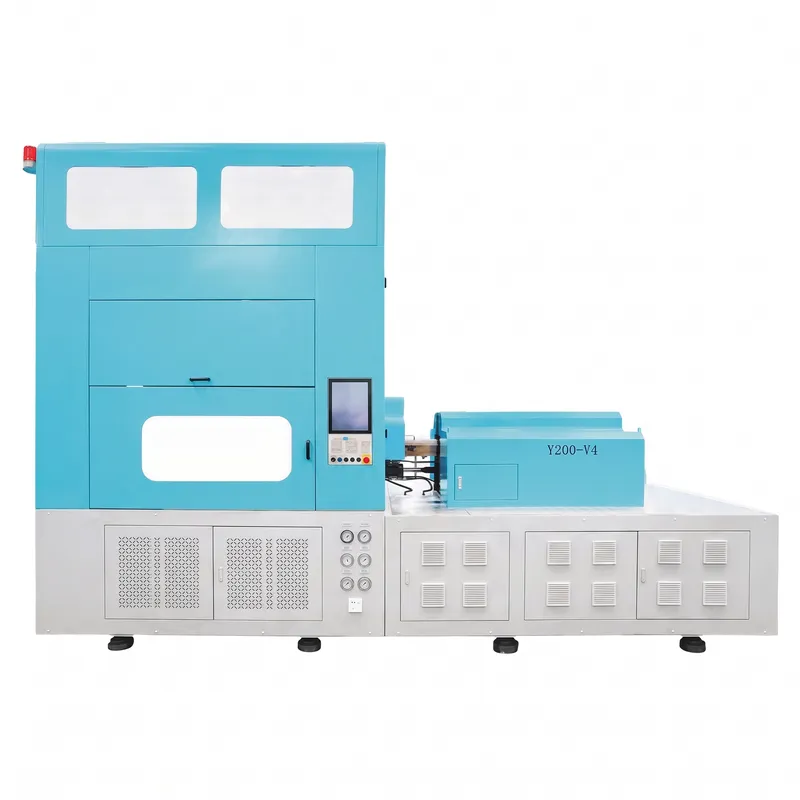
Y200-V4 वन स्टेप इंजेक्शन स्ट्रेच ब्लो मोल्डिंग मशीन (4-स्टेशन)
-
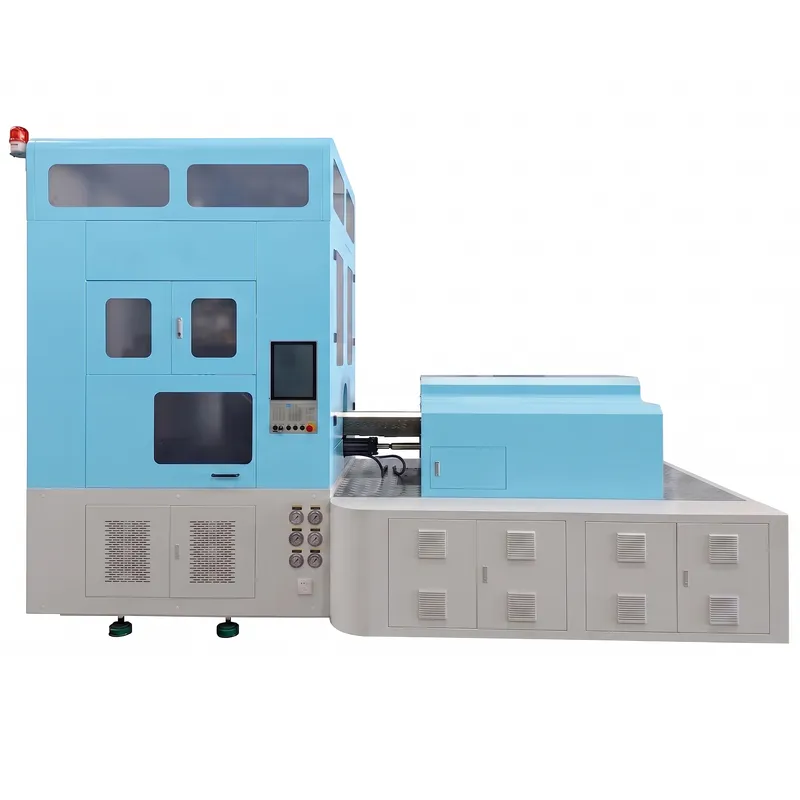
Y650-V4 वन स्टेप इंजेक्शन स्ट्रेच ब्लो मोल्डिंग मशीन (4-स्टेशन)
-
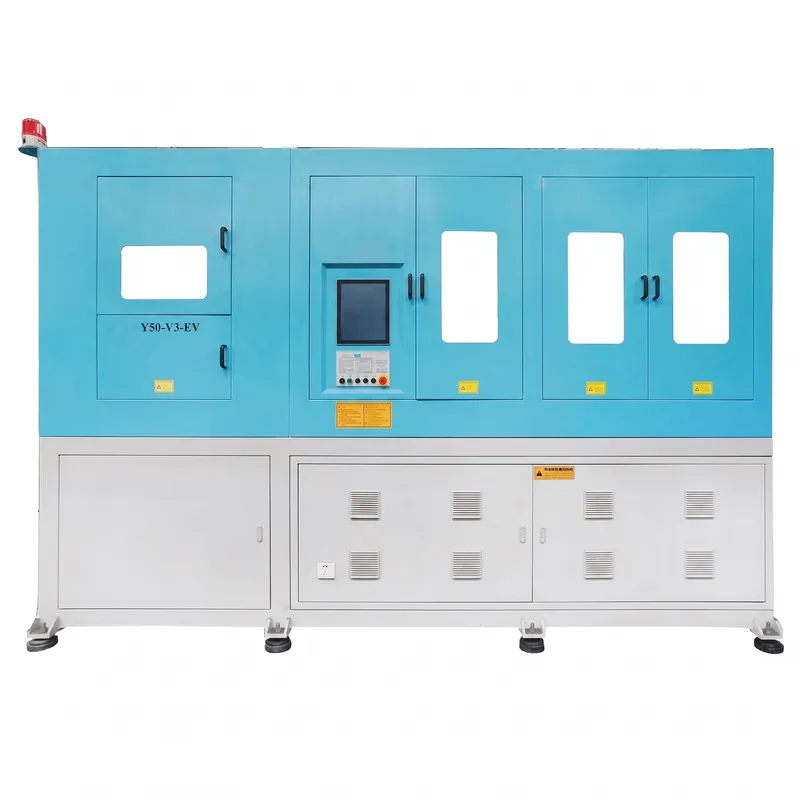
Y50-V3-EV वन स्टेप इंजेक्शन स्ट्रेच ब्लो मोल्डिंग मशीन (3-स्टेशन)
-
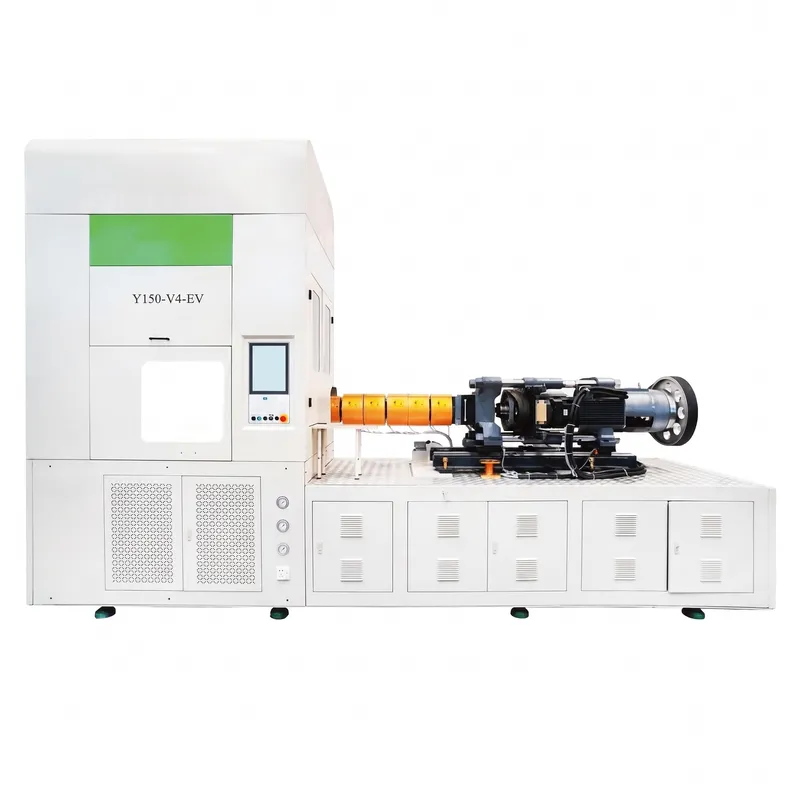
Y150-V4-EV वन स्टेप इंजेक्शन स्ट्रेच ब्लो मोल्डिंग मशीन (4-स्टेशन)
-
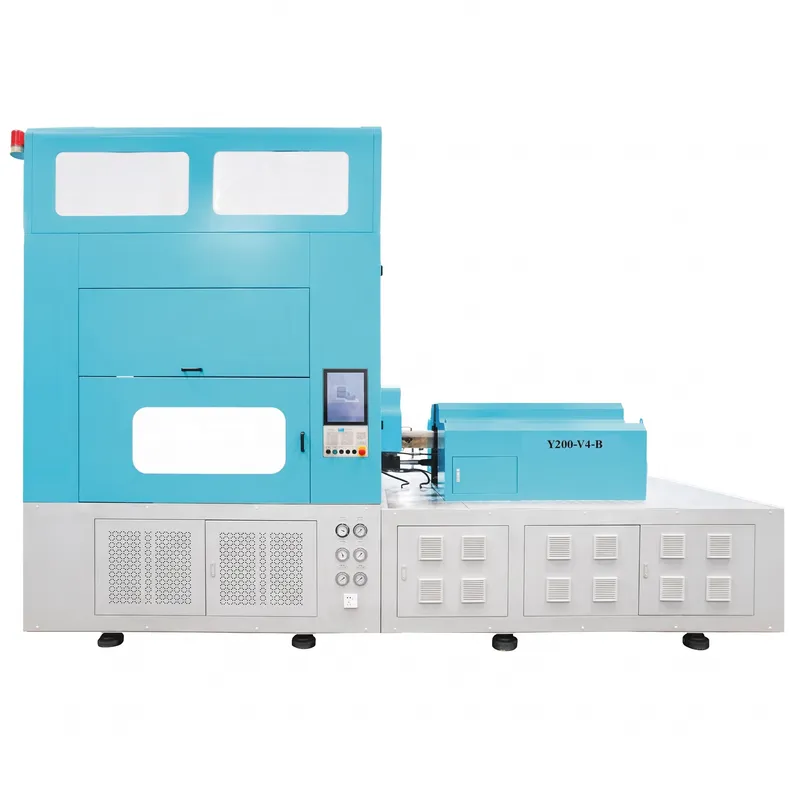
Y200-V4-B वन स्टेप इंजेक्शन स्ट्रेच ब्लो मोल्डिंग मशीन (4-स्टेशन)