
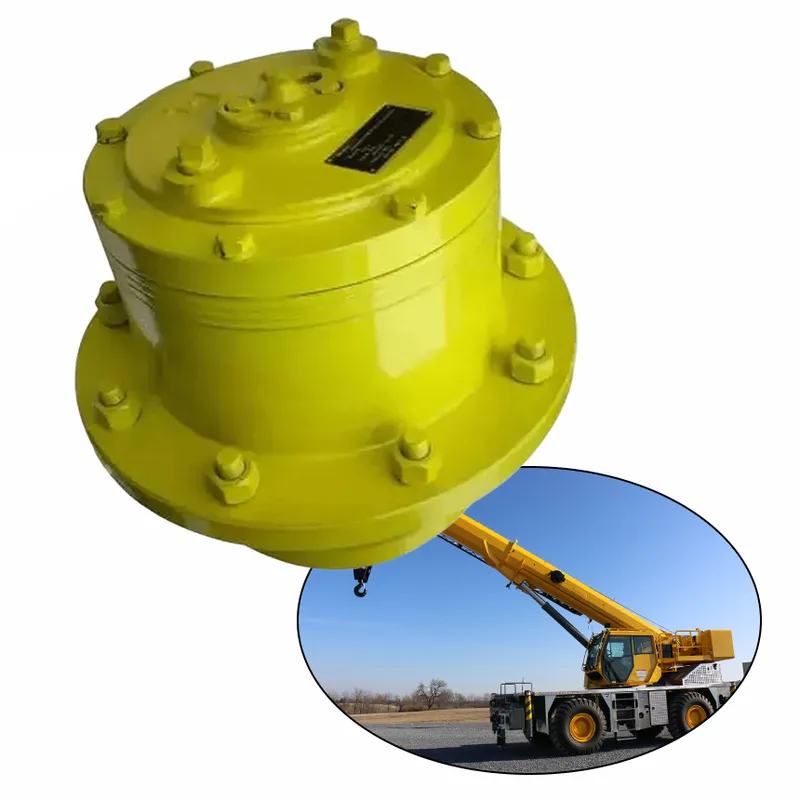
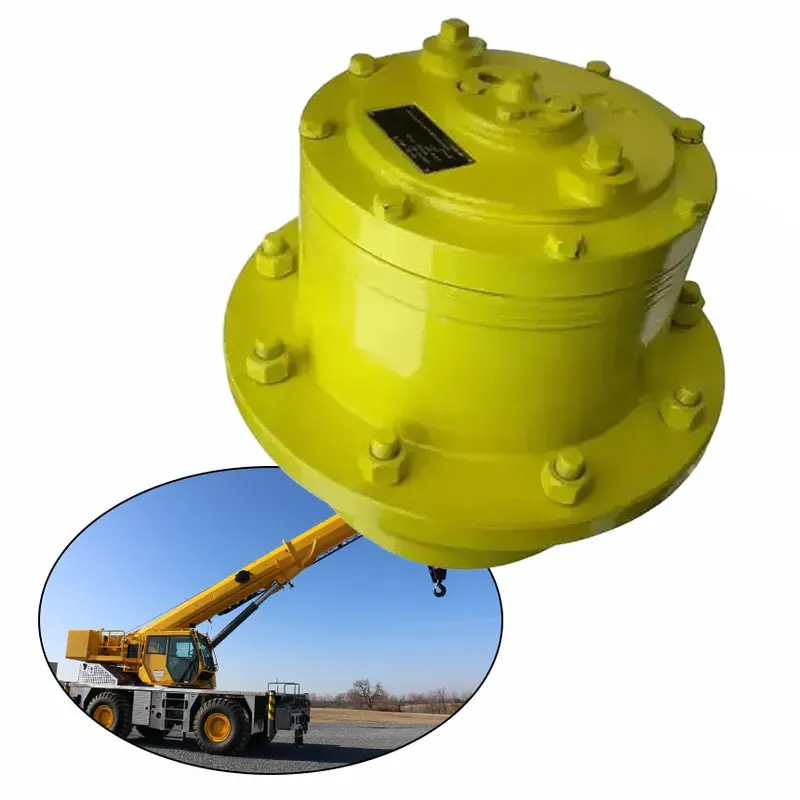
Caja de engranajes de transmisión planetaria para grúas sobre ruedas
La caja de engranajes planetarios para grúas de ruedas es un sistema de transmisión sofisticado y compacto, diseñado para ofrecer una alta multiplicación de par y reducción de velocidad directamente en los cubos de las ruedas, facilitando una propulsión y maniobrabilidad eficientes en aplicaciones de grúas móviles. Estas cajas de engranajes planetarios son fundamentales para la tracción de las ruedas, ya que garantizan una tracción estable, un manejo preciso de la carga y una mayor estabilidad en terrenos irregulares o difíciles, como los que se encuentran en la construcción, la minería y las operaciones de elevación pesada. Ofrecen ventajas significativas, como una gran capacidad de par, alta eficiencia de transmisión, estabilidad a baja velocidad y niveles de ruido reducidos en comparación con las cajas de engranajes helicoidales o de tornillo sin fin convencionales.
La caja de engranajes planetarios para grúas de ruedas es un sistema de transmisión sofisticado y compacto, diseñado para proporcionar una alta multiplicación de par y reducción de velocidad directamente en los cubos de las ruedas, facilitando una propulsión y maniobrabilidad eficientes en aplicaciones de grúas móviles. Esta caja de engranajes planetarios emplea una configuración epicicloidal o planetaria, que comprende un engranaje solar central que acciona múltiples engranajes planetarios orbitales montados sobre un soporte, todos ellos encerrados dentro de una corona dentada exterior. Esta disposición permite la alineación coaxial de los ejes de entrada y salida, lo que resulta en un diseño que ahorra espacio y se integra a la perfección con motores hidráulicos o eléctricos, mientras que los robustos cojinetes de complemento completo absorben las fuerzas axiales y radiales ejercidas durante el funcionamiento.
En el contexto de las grúas sobre ruedas, como las grúas móviles montadas sobre camión o todoterreno, estas cajas de engranajes son fundamentales para la tracción de las ruedas, ya que garantizan una tracción estable, un manejo preciso de la carga y una mayor estabilidad en terrenos irregulares o difíciles, como los que se encuentran en entornos de construcción, minería y elevación de cargas pesadas. Ofrecen ventajas significativas, como una gran capacidad de par, una alta eficiencia de transmisión, estabilidad a baja velocidad y niveles de ruido reducidos en comparación con las convencionales. reductores de tornillo sin fin o cajas de engranajes helicoidales.
Dimensiones de la transmisión planetaria
Definiciones técnicas
| Símbolos | Unidades de medida | Descripción |
| i | - | Relación de reducción |
| T2máx | [Nuevo Méjico] | Par máximo de salida |
| T2p | [Nuevo Méjico] | Par máximo de salida |
| T2maxint | [Nuevo Méjico] | Par intermitente máximo |
| T2cont | [Nuevo Méjico] | Par de salida continuo |
| Pcont | [kW] | Máxima potencia continua |
| Pinta | [kW] | Potencia intermitente máxima |
| n1máx | [rpm] | Velocidad máxima de entrada |
| n2máx | [rpm] | Velocidad máxima de salida |
GR 80
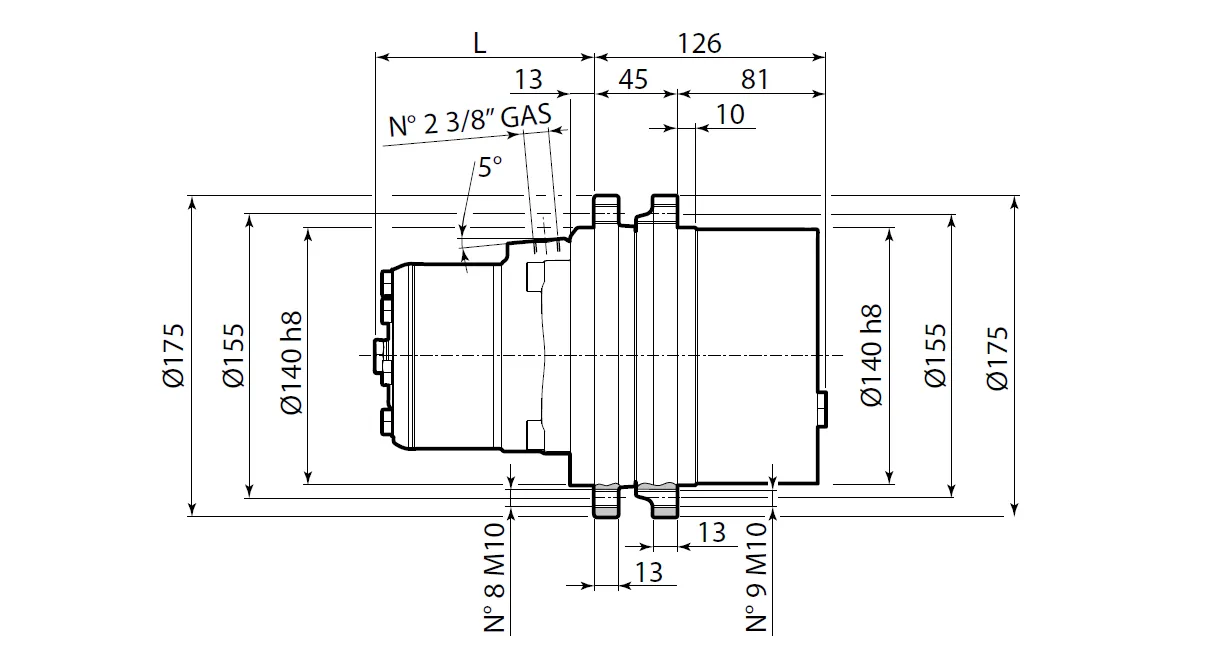
| Tipo | Disparador de motor [cc] | Despensa total [cc] | i | Esfuerzo de torsión | Velocidad n2máx | Fuerza | |||||||
| T2cont | T2maxint | T2p | Pcont [kW] | Pinta [kW] | |||||||||
| [Nuevo Méjico] | Δp [barra] | [Nuevo Méjico] | Δp [barra] | [Nuevo Méjico] | Δp [barra] | [rpm] | portata fluir [l/min] | ||||||
| GR80-MR50 | 51,6 | 269,9 | 5,23 | 470 | 145 | 570 | 175 | 630 | 205 | 115 | 30 | 5,5 | 7 |
| GR80-MR80 | 80,3 | 420,0 | 800 | 145 | 960 | 175 | 1060 | 205 | 68 | 30 | 5,5 | 7 | |
| GR80-MR100 | 99,8 | 522,0 | 800 | 115 | 1000 | 145 | 1310 | 205 | 55 | 30 | 5,5 | 7 | |
| GR80-MR125 | 125,7 | 657,4 | 800 | 95 | 1000 | 120 | 1500 | 190 | 45 | 30 | 5,5 | 7 | |
| GR80-MR160 | 159,6 | 834,7 | 800 | 75 | 1000 | 95 | 1500 | 145 | 33 | 30 | 5 | 7 | |
| GR80-MR200 | 199,8 | 1045,0 | 800 | 60 | 1000 | 75 | 1500 | 115 | 26 | 30 | 5 | 7 | |
| GR80-MR250 | 249,3 | 1303,8 | 800 | 50 | 1000 | 60 | 1500 | 95 | 21 | 30 | 4,5 | 6 | |
GR 200
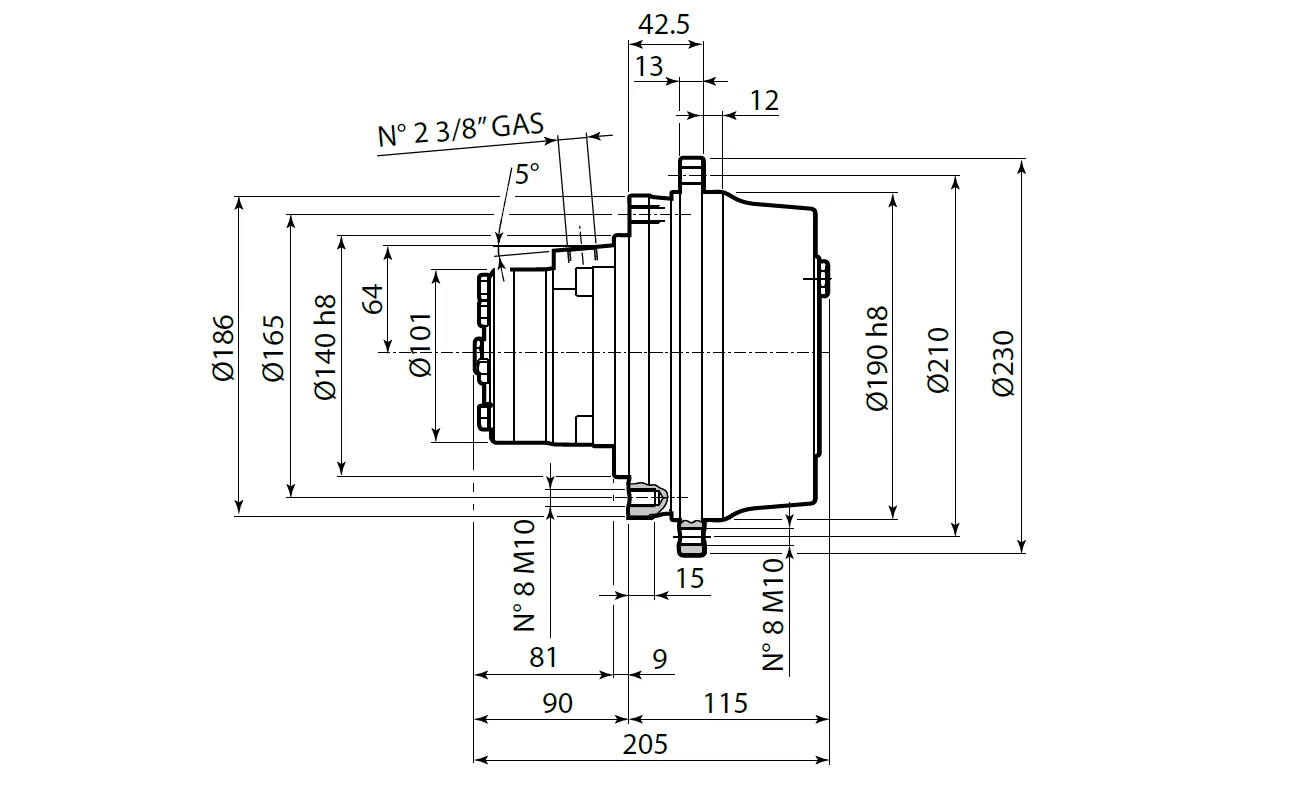
| Tipo | Disparador de motor [cc] | Despensa total [cc] | i | Esfuerzo de torsión | Velocidad norte2máximo | Fuerza | |||||||
| T2continuación | T2maxint | T2pag | Pcont [kW] | Pinta [kW] | |||||||||
| [Nuevo Méjico] | Δp [barra] | [Nuevo Méjico] | Δp [barra] | [Nuevo Méjico] | Δp [barra] | [rpm] | portata fluir [l/min] | ||||||
| GR200-MR50 | 51,6 | 319,9 | 6,20 | 560 | 145 | 670 | 175 | 740 | 205 | 98 | 30 | 5,5 | 7 |
| GR200-MR80 | 80,3 | 497,9 | 950 | 145 | 1150 | 175 | 1250 | 205 | 58 | 30 | 5,5 | 7 | |
| GR200-MR100 | 99,8 | 618,8 | 1180 | 145 | 1420 | 175 | 1560 | 205 | 46 | 30 | 5,5 | 7 | |
| GR200-MR125 | 125,7 | 779,3 | 1450 | 145 | 1750 | 175 | 1920 | 205 | 38 | 30 | 5,5 | 7 | |
| GR200-MR160 | 159,6 | 989,5 | 1600 | 125 | 2100 | 165 | 2450 | 205 | 29 | 30 | 5 | 7 | |
| GR200-MR200 | 199,8 | 1238,8 | 1600 | 100 | 2150 | 135 | 2500 | 165 | 23 | 30 | 5 | 7 | |
| GR200-MR250 | 249,3 | 1545,7 | 1600 | 80 | 2150 | 105 | 2500 | 135 | 18 | 30 | 4,5 | 6 | |
| GR200-MR315 | 315,7 | 1957,3 | 1600 | 65 | 2150 | 85 | 2500 | 110 | 15 | 30 | 4 | 5 | |
| GR200-MR375 | 372,6 | 2310,1 | 1600 | 55 | 2150 | 70 | 2500 | 90 | 12 | 30 | 3,5 | 4,5 | |
EH 210
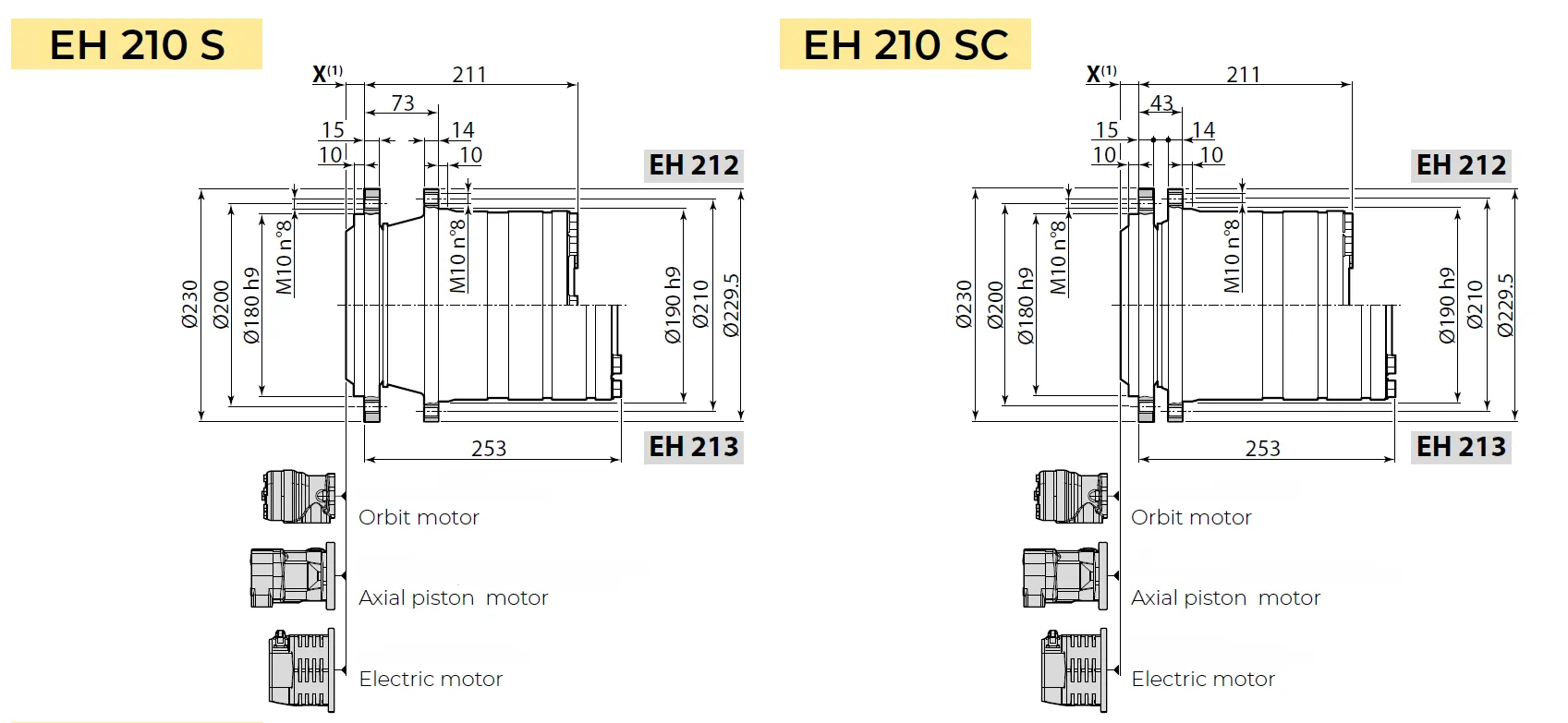
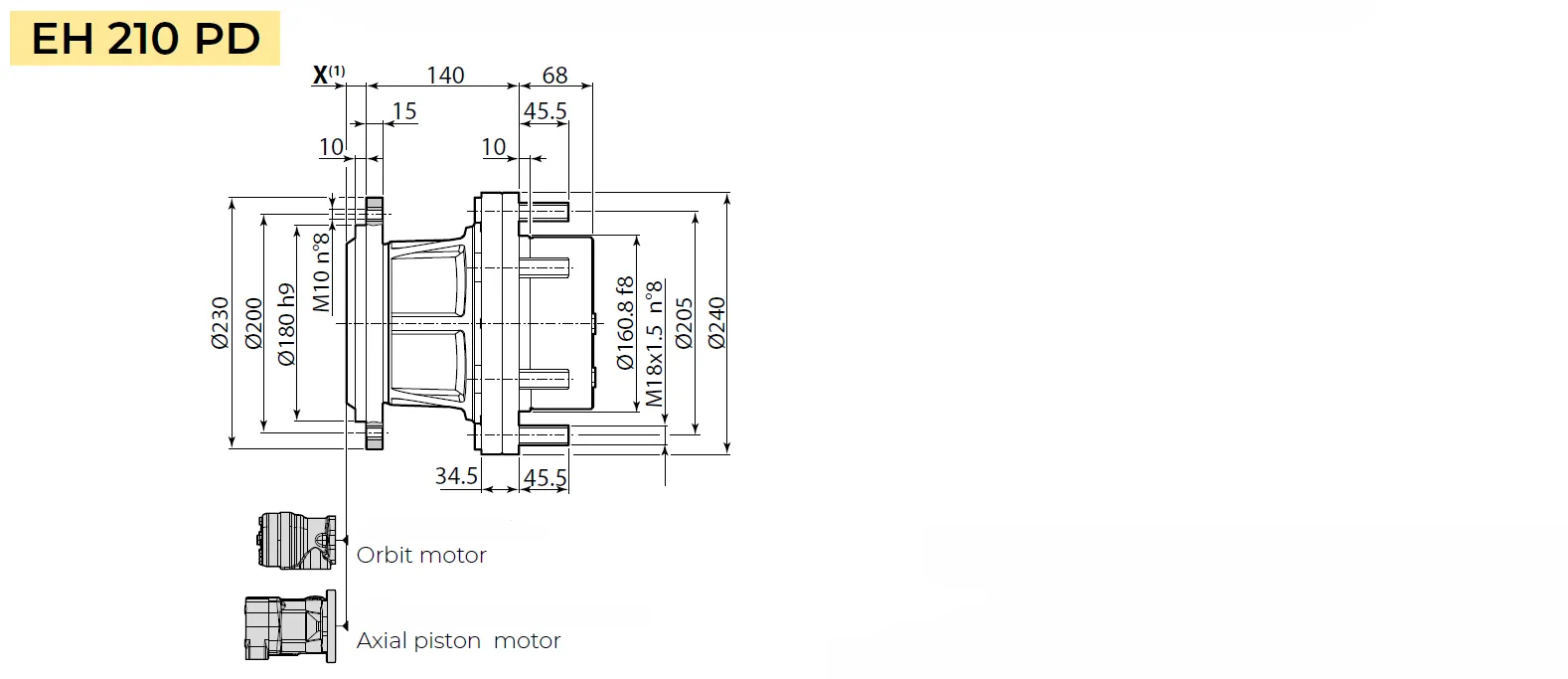
| Tipo | Peso | Cantidad de aceite | yo (de ÷ a / Desde ÷ hasta) | T2máx [Nuevo Méjico] | n1máx [rpm] | ||||
| EH 212 | EH 213 | EH 212 | EH 213 | EH 212 | EH 213 | ||||
| EH 210 S | 35 | 40 | 0.8 | 1 | 11 ÷ 29 | 41 ÷ 129 | 3950 | 3500 | |
| EH 210 SC | |||||||||
| EH 210 PD | - | - | |||||||
EH 240
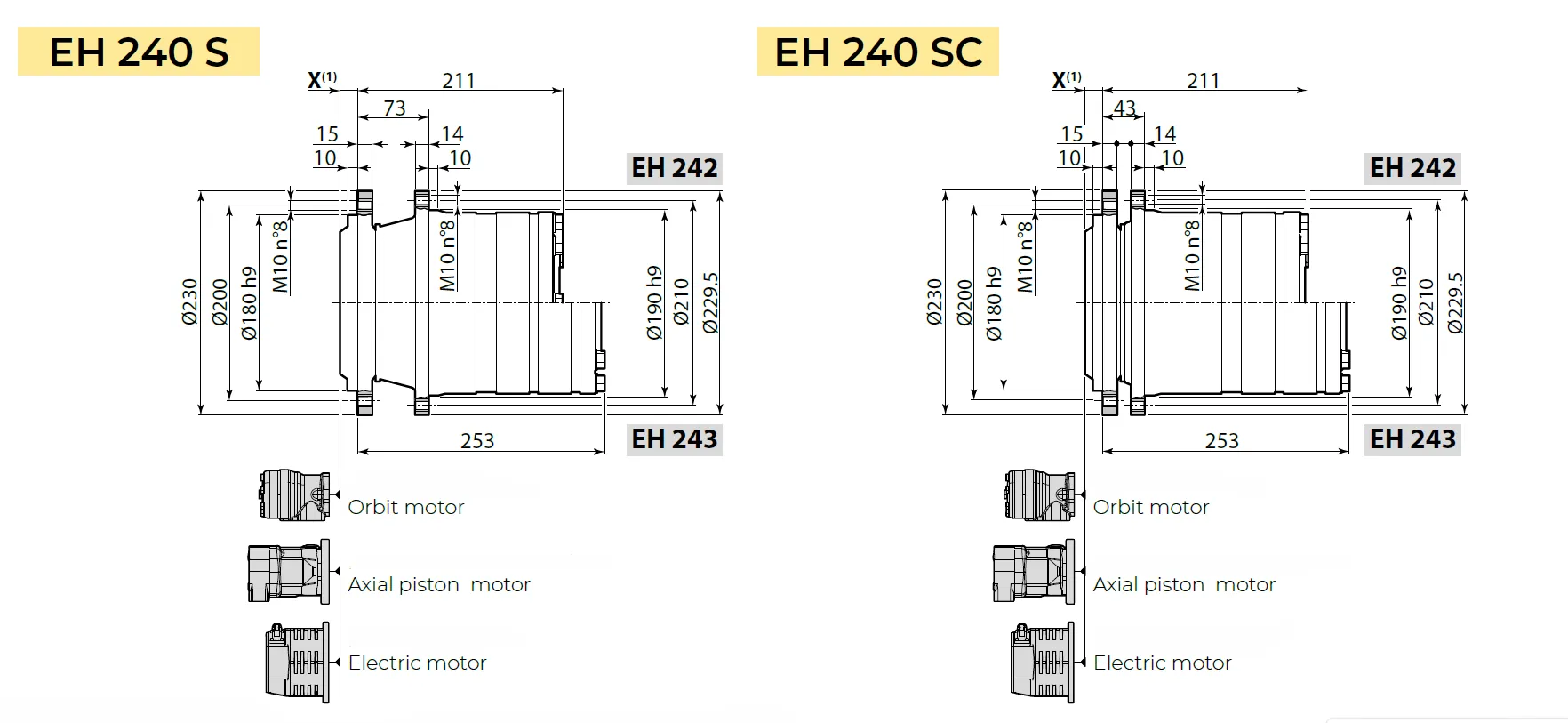
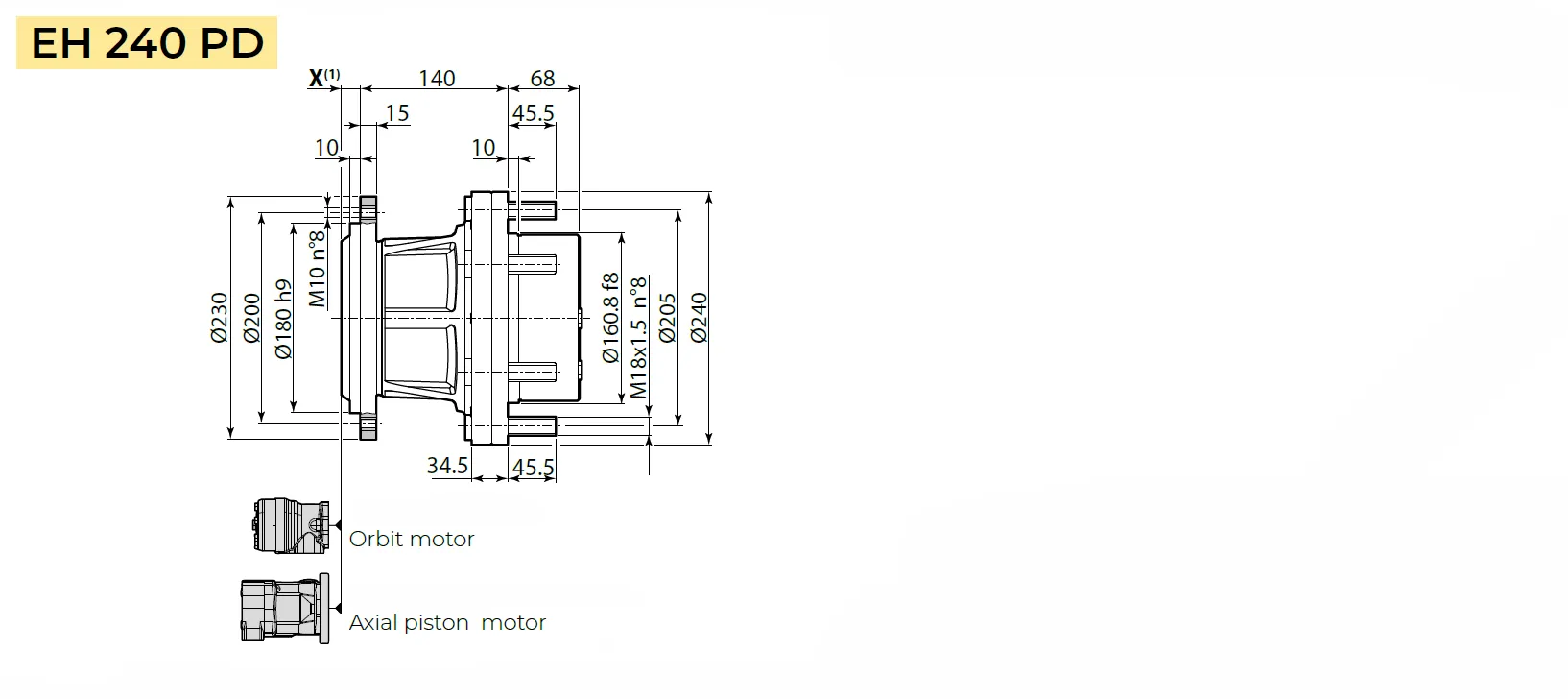
| Tipo | Peso | Cantidad de aceite | yo (de ÷ a / Desde ÷ hasta) | T2máx [Nuevo Méjico] | n1máx [rpm] | ||||
| EH 242 | EH 243 | EH 242 | EH 243 | EH 242 | EH 243 | ||||
| EH 240 S | 35 | 40 | 0.8 | 1 | 12 ÷ 31 | 45 ÷ 135 | 5600 | 3500 | |
| EH 240 SC | |||||||||
| EH 240 PD | - | - | |||||||
EH 350
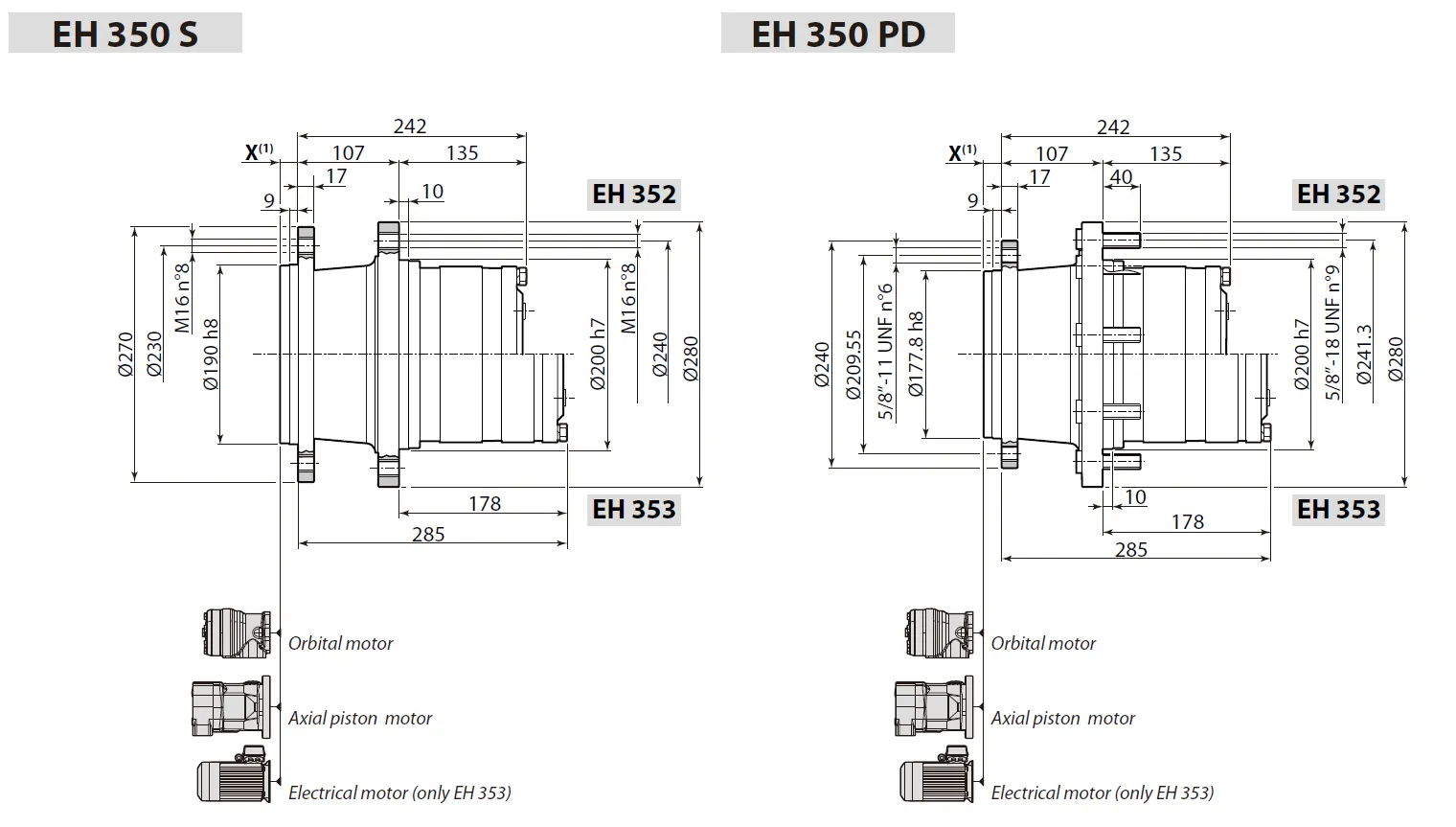
| Tipo | Peso | Cantidad de aceite | yo (de ÷ a / Desde ÷ hasta) | T2máx [Nuevo Méjico] | n1máx [rpm] | ||||
| EH 352 | EH 353 | EH 352 | EH 353 | EH 352 | EH 353 | ||||
| EH 350 S | 55 | 60 | 1 | 1.2 | 15 ÷ 31 | 52 ÷ 135 | 7200 | 3500 | |
| EH 350 PD | |||||||||
EH 610
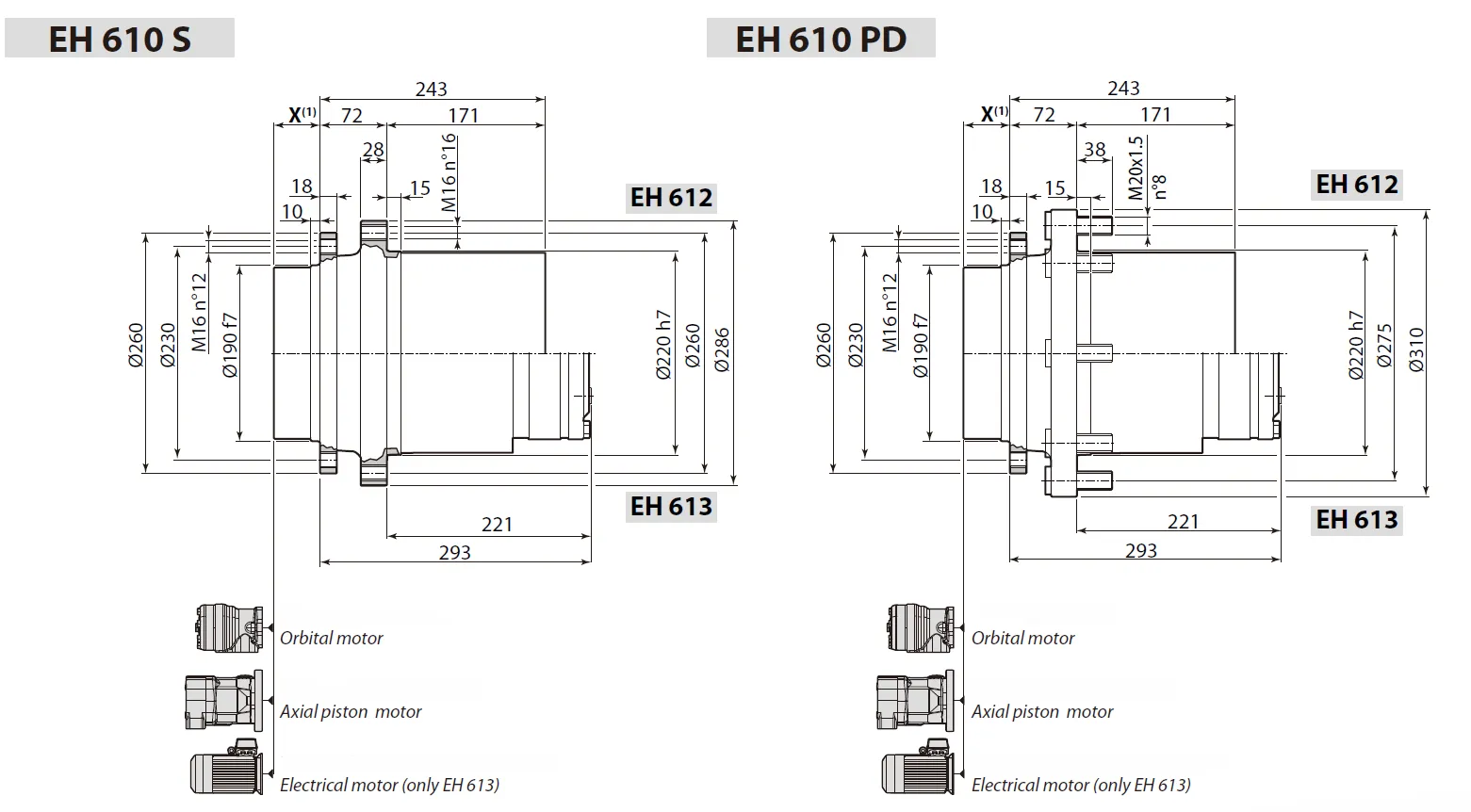
| Tipo | Peso | Cantidad de aceite | yo (de ÷ a / Desde ÷ hasta) | T2máx [Nuevo Méjico] | n1máx [rpm] | ||||
| EH 612 | EH 613 | EH 612 | EH 613 | EH 612 | EH 613 | ||||
| EH 610 S | 60 | 70 | 1.2 | 1.5 | 12 ÷ 31 | 47 ÷ 138 | 13500 | 3500 | |
| EH 610 PD | |||||||||
EH 910
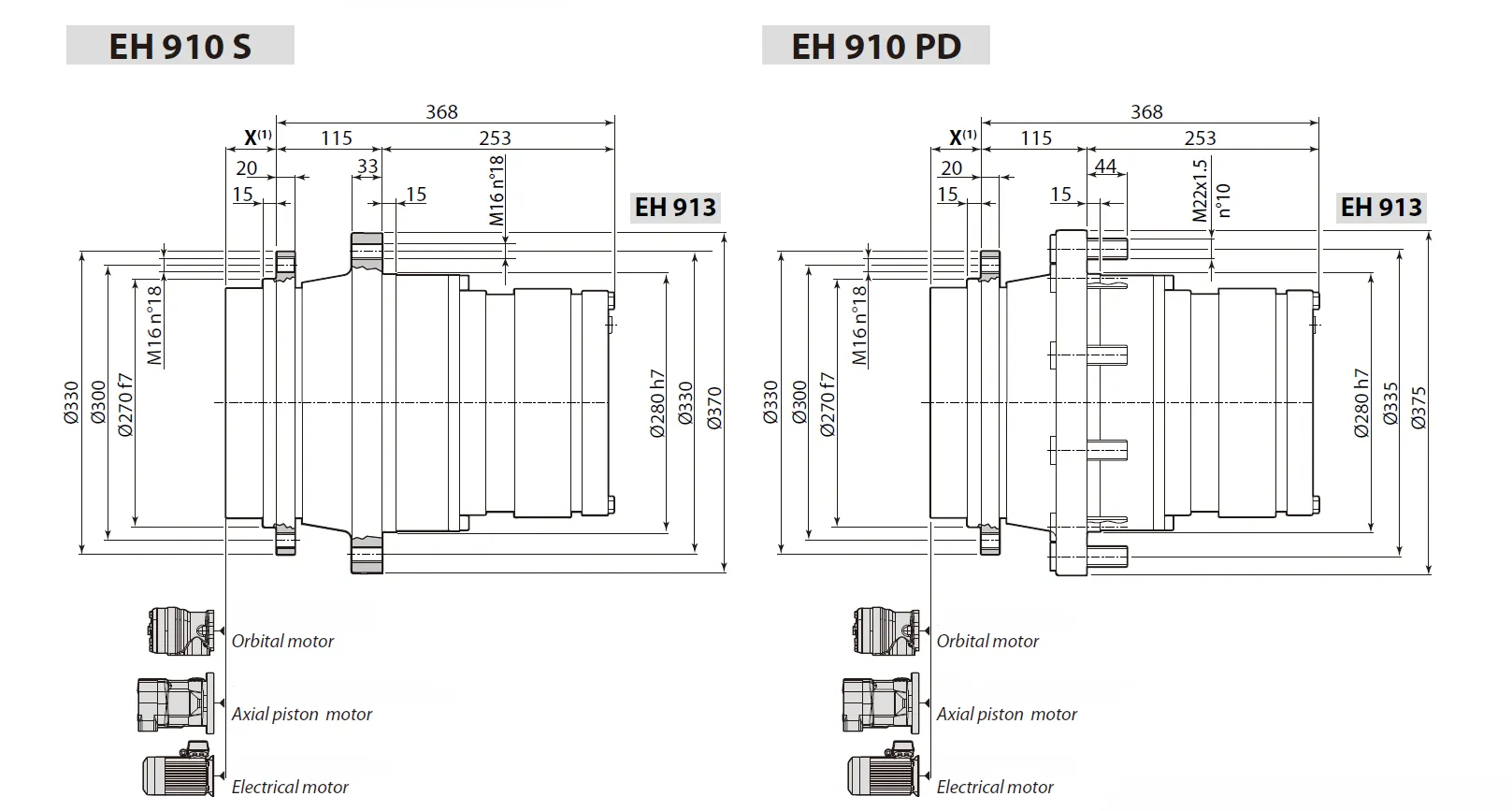
| Tipo | Peso | Cantidad de aceite | yo (de ÷ a / Desde ÷ hasta) | T2máx | n1máx | |
| EH 913 | EH 913 | EH 913 | [Nuevo Méjico] | [rpm] | ||
| EH 910 S | 130 | 1 | 47 ÷ 131 | 24200 | 3500 | |
| EH 910 PD | ||||||
Versión S

| Tamaño | Dimensiones | ||||||||||
| D1 | D2 | D3 | D4 | D5 | D6 | D7 | D8 | L1 | L2 | L3 | |
| EH 210 S | 230 | 200 | 180 h9 | 190 h9 | 210 | 229.5 | M10 n.° 8 | M10 n.° 8 | 253 | 73 | 180 |
| EH 240 S | 230 | 200 | 180 h9 | 190 h9 | 210 | 229.5 | M10 n.° 8 | M10 n.° 8 | 253 | 73 | 180 |
| EH 350 S | 270 | 230 | 190 h8 | 200 h7 | 240 | 280 | M16 n.° 8 | M16 n.° 8 | 242 | 107 | 178 |
| EH 610 S | 260 | 230 | 190 f7 | 220 h7 | 260 | 286 | M16 n.° 12 | M16 n.° 16 | 243 | 72 | 171 |
| EH 910 S | 330 | 300 | 270 f7 | 280 h7 | 350 | 370 | M16 n.° 18 | M16 n.° 18 | 368 | 115 | 253 |
Versión PD
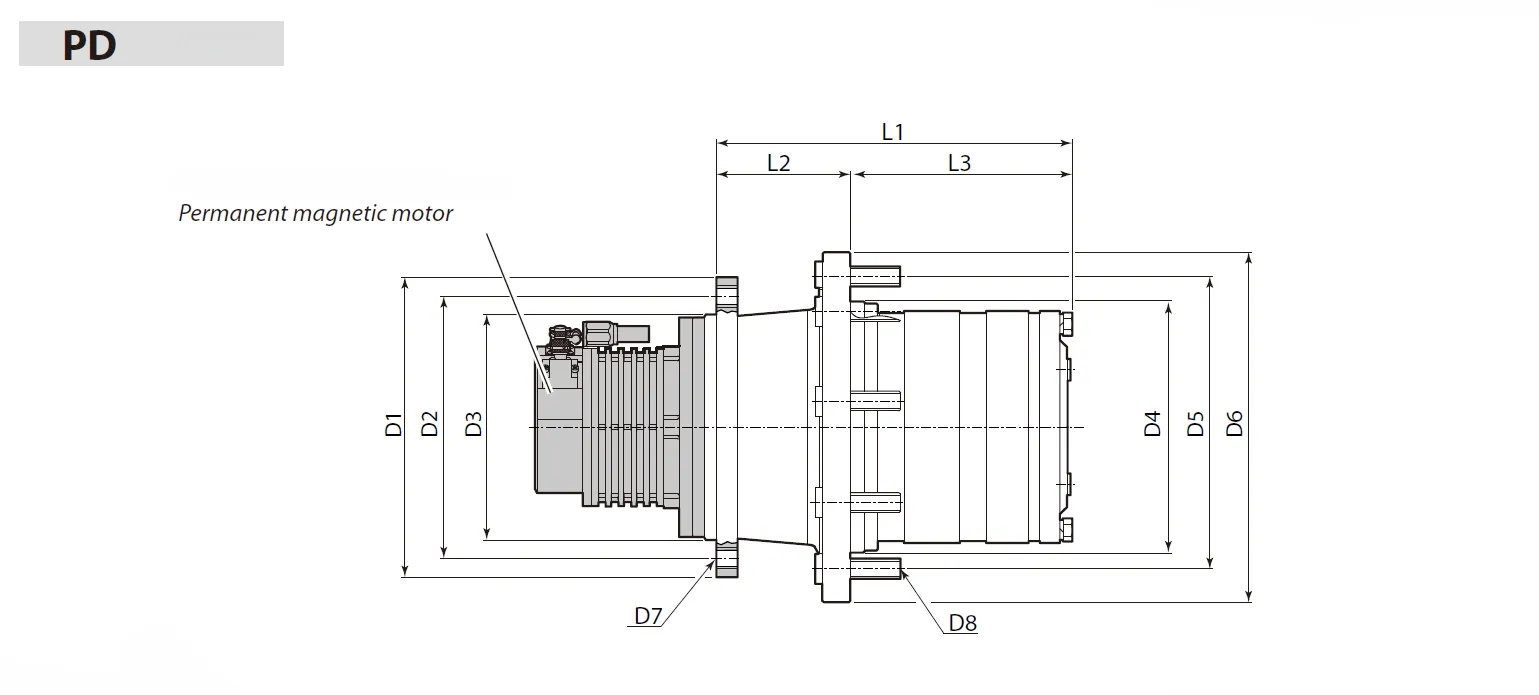
| Tamaño | Dimensiones | ||||||||||
| D1 | D2 | D3 | D4 | D5 | D6 | D7 | D8 | L1 | L2 | L3 | |
| EH 210 PD | 230 | 200 | 180 h9 | 160.8 f8 | 205 | 240 | M10 (8x) | M18x1.5 (6x) | 210 | 140 | 70 |
| EH 240 PD | 230 | 200 | 180 h9 | 160.8 f8 | 205 | 240 | M10 (8x) | M18x1.5 (6x) | 210 | 140 | 70 |
| EH 350 PD | 240 | 209.55 | 177,8 h8 | 200 h7 | 241.3 | 280 | 5/8"-11 UNC (6x) | 5/8"-19 UNF (9x) | 285 | 107 | 178 |
| EH 610 PD | 260 | 230 | 190 f7 | 220 h7 | 275 | 310 | M16 (12x) | M20x1.5 (8x) | 293 | 72 | 221 |
| EH 910 PD | 330 | 300 | 270 f7 | 280 h7 | 335 | 375 | M16 (18x) | M22x1.5 (10x) | 368 | 115 | 253 |
Ventajas de la caja de cambios con transmisión planetaria para grúas de ruedas
1. Diseño compacto y optimización del espacio
La caja de engranajes planetarios con transmisión por engranajes cuenta con una alineación coaxial de los ejes de entrada y salida, lo que permite una estructura extraordinariamente compacta que ahorra valioso espacio de instalación en grúas sobre ruedas. Este diseño reduce el peso total del vehículo hasta en 601 toneladas, lo que posibilita el uso de estructuras de soporte más ligeras sin comprometer la robustez, algo esencial para aplicaciones móviles donde la maniobrabilidad y la transportabilidad son primordiales.
2. Alta capacidad de par
Diseñado para ofrecer una multiplicación de par excepcional, que a menudo supera los 70 000 Nm, este sistema de transmisión planetaria transfiere eficientemente la potencia de los motores hidráulicos o eléctricos directamente a las ruedas de las grúas. Facilita las operaciones de elevación pesada al proporcionar un par considerable a bajas velocidades, lo que garantiza un control preciso y una gran estabilidad durante la manipulación de cargas en terrenos irregulares.
3. Eficiencia de transmisión superior
Con índices de eficiencia superiores a los del 90% incluso con reducciones elevadas como 70:1, la configuración planetaria minimiza la pérdida de energía mediante una distribución uniforme de la potencia entre los múltiples engranajes planetarios. Esto se traduce en un consumo de combustible optimizado y una reducción de los costes operativos de las grúas de ruedas, manteniendo un rendimiento constante durante periodos prolongados de servicio.
4. Mayor durabilidad y fiabilidad
Gracias a sus rodamientos de complemento completo y su configuración planetaria modular, la caja de engranajes planetarios de transmisión por rueda soporta fuerzas axiales y radiales, garantizando una fiabilidad a largo plazo en entornos exigentes de grúas. Su distribución uniforme del par y su rigidez rotacional evitan el desgaste prematuro, prolongando la vida útil y minimizando el tiempo de inactividad por mantenimiento.
5. Resistencia superior a las cargas de impacto.
El acoplamiento multiengranaje del sistema planetario permite una absorción eficaz de los impactos y vibraciones repentinas habituales en las operaciones con grúas de ruedas, como las que se producen durante el desplazamiento fuera de carretera o el cambio de cargas pesadas. Esta capacidad protege los componentes internos, mejorando la seguridad y la continuidad operativa en entornos dinámicos.
6. Mayor estabilidad y maniobrabilidad
Al proporcionar una tracción estable y un control preciso de la velocidad en los cubos de las ruedas, el reductor de engranajes planetarios mejora la estabilidad general de las grúas de ruedas en superficies difíciles, reduciendo el riesgo de vuelco durante las elevaciones. Esto contribuye a operaciones más seguras y productivas, con características como la estabilidad a baja velocidad y la reversibilidad que facilitan maniobras complejas en espacios reducidos.
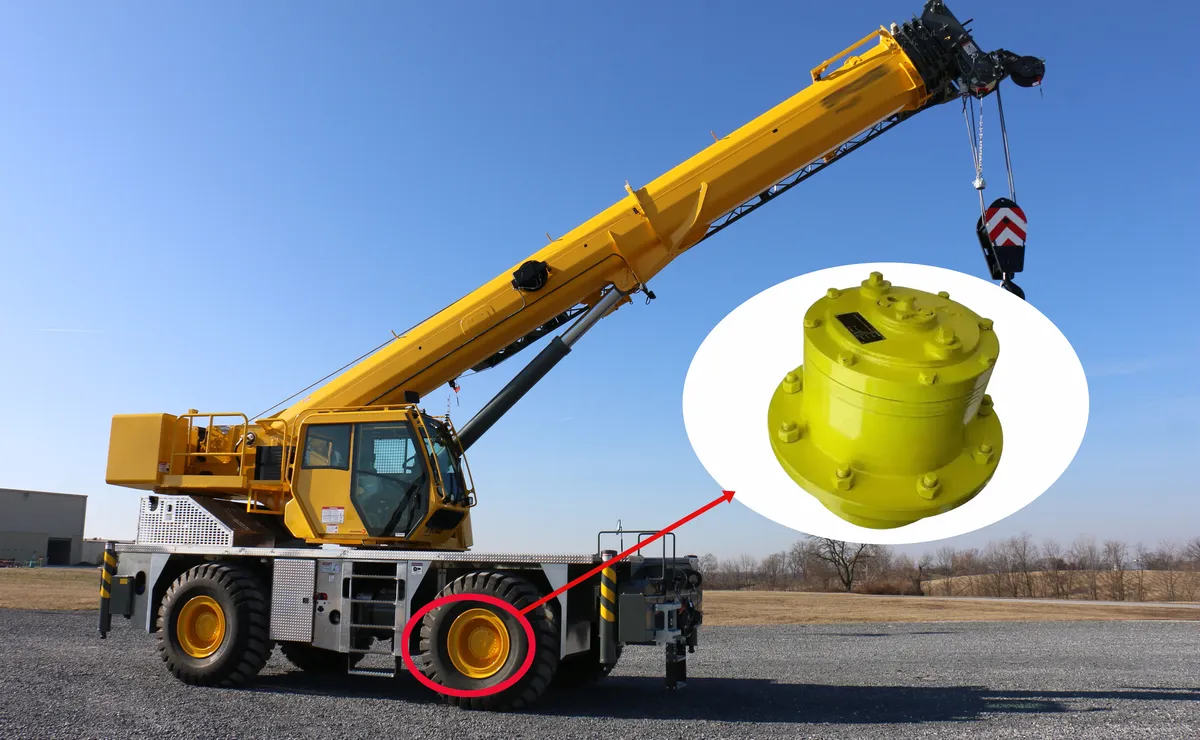
Aplicaciones de las transmisiones por ruedas planetarias
1. Maquinaria de construcción
En equipos de construcción como grúas móviles, excavadoras y bombas de hormigón, la caja de engranajes planetarios de transmisión a las ruedas proporciona una entrega de par robusta y una integración compacta, lo que permite una maniobrabilidad fluida en terrenos irregulares al tiempo que soporta cargas pesadas y garantiza la estabilidad durante las operaciones de elevación y posicionamiento para una mayor eficiencia en la obra.
2. Equipos de minería
Utilizada en vehículos mineros como camiones de transporte, cargadoras y plataformas de perforación, esta caja de engranajes planetarios ofrece altas relaciones de reducción y resistencia a los golpes, lo que facilita una propulsión fiable de las ruedas en condiciones adversas, tanto subterráneas como a cielo abierto, mejorando así la tracción, reduciendo el tiempo de inactividad y optimizando el uso de la energía en los procesos de extracción de recursos.
3. Maquinaria agrícola
Aplicada en tractores, cosechadoras y sistemas de riego, la caja de cambios de transmisión planetaria garantiza una transferencia de potencia eficiente a las ruedas para un control de velocidad variable, mejorando la navegación en terrenos irregulares, aumentando el rendimiento de los cultivos mediante operaciones precisas y minimizando el consumo de combustible en las prácticas agrícolas modernas.
4. Sistemas de manipulación de materiales
En vehículos guiados automáticamente (AGV), carretillas elevadoras y robots de almacén, permite la integración compacta del cubo de la rueda para un movimiento ágil en las instalaciones logísticas, lo que admite altas capacidades de carga útil, una navegación fluida en espacios reducidos y flujos de trabajo automatizados que optimizan las operaciones de la cadena de suministro y reducen los costes laborales.
5. Sector de las energías renovables
Empleada en los sistemas de control de guiñada y cabeceo de las turbinas eólicas, así como en los sistemas de seguimiento solar, la caja de engranajes de transmisión de las ruedas facilita un control de rotación preciso para una captación óptima de energía. Su diseño duradero permite soportar condiciones climáticas extremas, lo que contribuye a la generación de energía sostenible y a la fiabilidad a largo plazo en proyectos de infraestructura verde.
6. Automoción y vehículos eléctricos
Integrado en los sistemas de tracción de vehículos eléctricos e híbridos, proporciona una multiplicación eficiente del par motor para mejorar la aceleración y la recuperación de energía, lo que favorece la movilidad ecológica con emisiones reducidas, una mejor maniobrabilidad en diferentes tipos de carreteras y compatibilidad con sistemas de baterías avanzados en la industria del transporte en constante evolución.
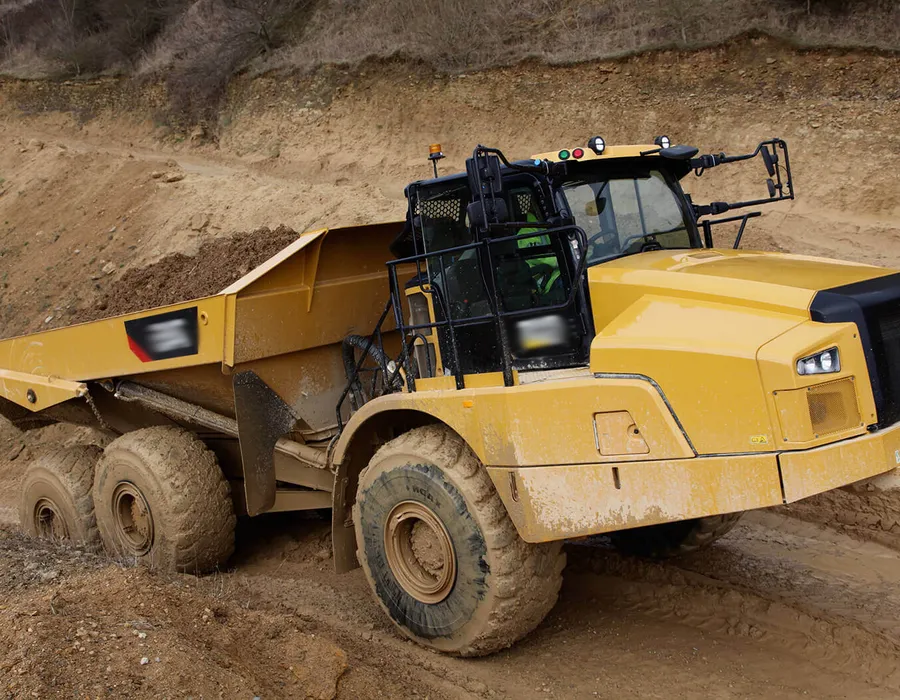 | 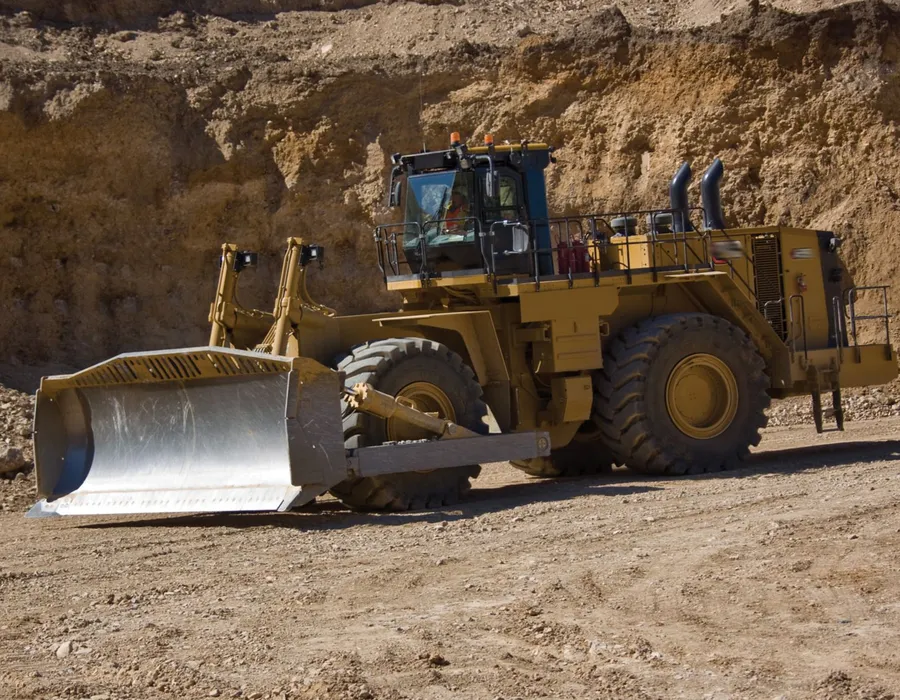 |
| Tracción planetaria para camiones articulados | Transmisión planetaria para excavadoras de ruedas mineras |
 |  |
| Transmisión planetaria para pulverizadores de barra | Transmisión planetaria para rodillos compactadores |
Solución de problemas de la caja de cambios planetaria de tracción a las ruedas
1. Problemas de sobrecalentamientoEl calor excesivo en la caja de engranajes planetarios de la transmisión suele deberse a una lubricación inadecuada, cargas elevadas o una mala disipación del calor, lo que provoca una disminución de la viscosidad del aceite y posibles fallos en los componentes. Para solucionar el problema, controle la temperatura periódicamente con termómetros infrarrojos, inspeccione y reemplace el lubricante según las especificaciones, reduzca las cargas operativas si es necesario y mejore la refrigeración mediante una mejor ventilación o sistemas auxiliares para mantener la eficiencia.
2. Problemas de ruido y vibracionesLos ruidos o vibraciones inusuales suelen deberse al desgaste de los cojinetes, la desalineación de los engranajes o desequilibrios en el conjunto planetario, lo que puede acelerar el desgaste y comprometer la estabilidad en aplicaciones de tracción a las ruedas. Para solucionar este problema, realice inspecciones visuales en busca de residuos, compruebe la alineación con herramientas de precisión, sustituya los componentes dañados, como engranajes o cojinetes, y equilibre el sistema para restablecer un funcionamiento suave y prevenir daños mayores.
3. Fugas de lubricanteLas fugas en los sellos o juntas de la caja de engranajes planetarios pueden deberse al envejecimiento de los materiales, una instalación incorrecta o la contaminación, lo que reduce la lubricación y aumenta la fricción interna. Para solucionar el problema, examine los sellos en busca de grietas o desgaste, limpie las áreas afectadas, reemplace los sellos defectuosos de inmediato y asegúrese de aplicar el par de apriete adecuado durante el reensamblaje para mantener la integridad del fluido y la fiabilidad operativa.
4. Desgaste y daños en el equipoEl desgaste, como picaduras, adherencia o fracturas en los dientes de los engranajes planetarios, es común debido a sobrecargas, lubricación deficiente o defectos en los materiales, lo que provoca ineficiencia y posibles averías en la transmisión de las ruedas. Para solucionarlo, desmonte el sistema para su inspección, mida las tolerancias de los engranajes, reemplace las piezas desgastadas por otras de alta calidad y mejore las prácticas de lubricación para prolongar la vida útil de los componentes y optimizar la transmisión del par.
5. Errores de alineación e instalaciónLa desalineación entre el motor y el reductor de engranajes planetarios, o un montaje incorrecto, puede provocar una distribución desigual de la carga, un aumento de la tensión en los componentes y fallos prematuros en entornos dinámicos de tracción a las ruedas. Para corregir este problema, utilice una alineación precisa con comparadores de cuadrante, verifique la instalación según los planos del fabricante, ajuste las tolerancias y realice pruebas para confirmar el acoplamiento correcto y minimizar las interrupciones operativas.
6. Pérdida de potencia o ineficienciaLa reducción de la potencia de salida puede deberse a contaminación interna, fallos en los cojinetes o problemas hidráulicos en el sistema planetario, lo que afecta a la tracción y la maniobrabilidad de las grúas de ruedas o maquinaria similar. Para solucionar el problema, compruebe si hay contaminantes en el aceite, mida las presiones hidráulicas, sustituya los cojinetes o juntas defectuosos y recalibre el sistema para restablecer el par y la eficiencia óptimos para tareas exigentes.
Información adicional
| Editado por | Yjx |
|---|
Productos relacionados
-
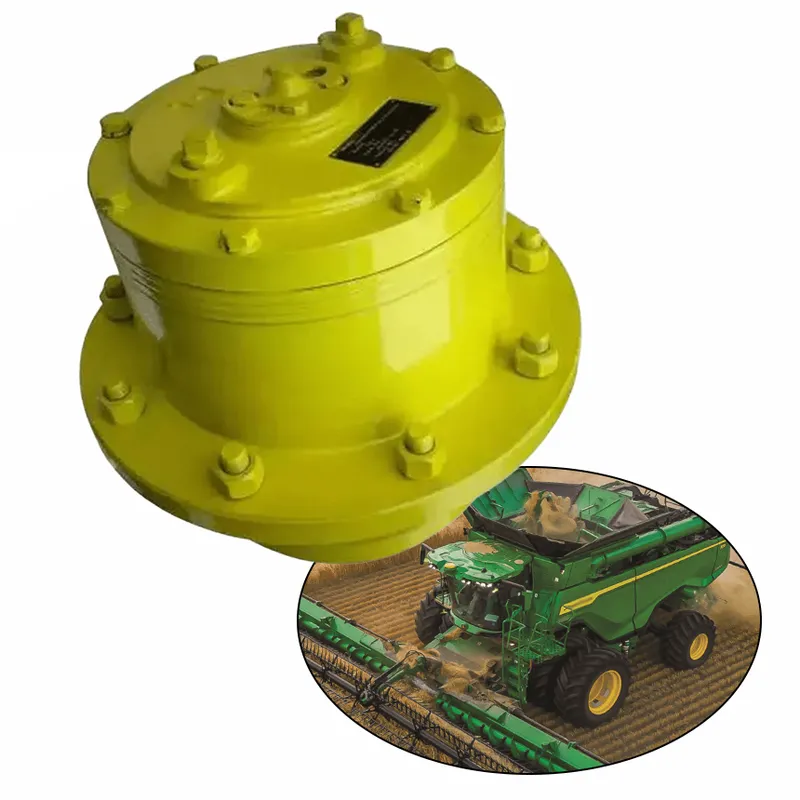
Caja de engranajes de transmisión planetaria para cosechadoras
-
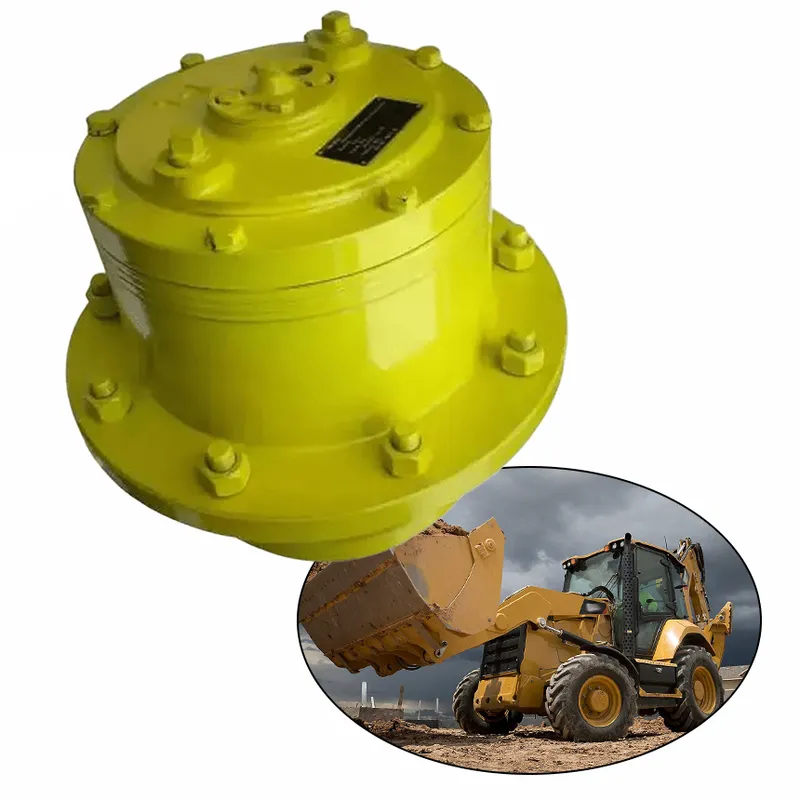
Caja de engranajes de transmisión planetaria para retroexcavadoras
-
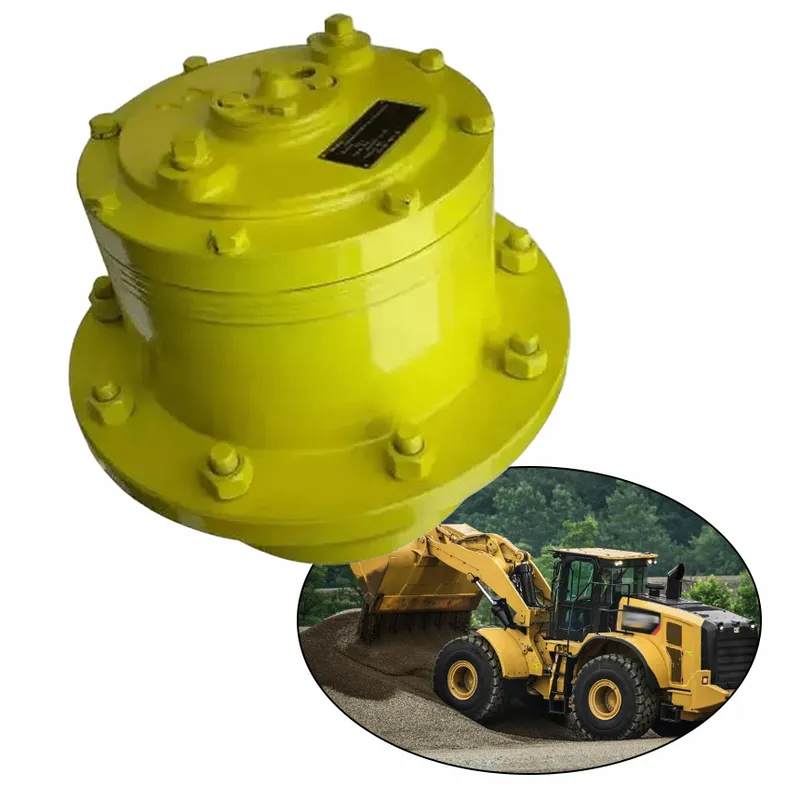
Caja de engranajes de transmisión planetaria para cargadoras de ruedas
-
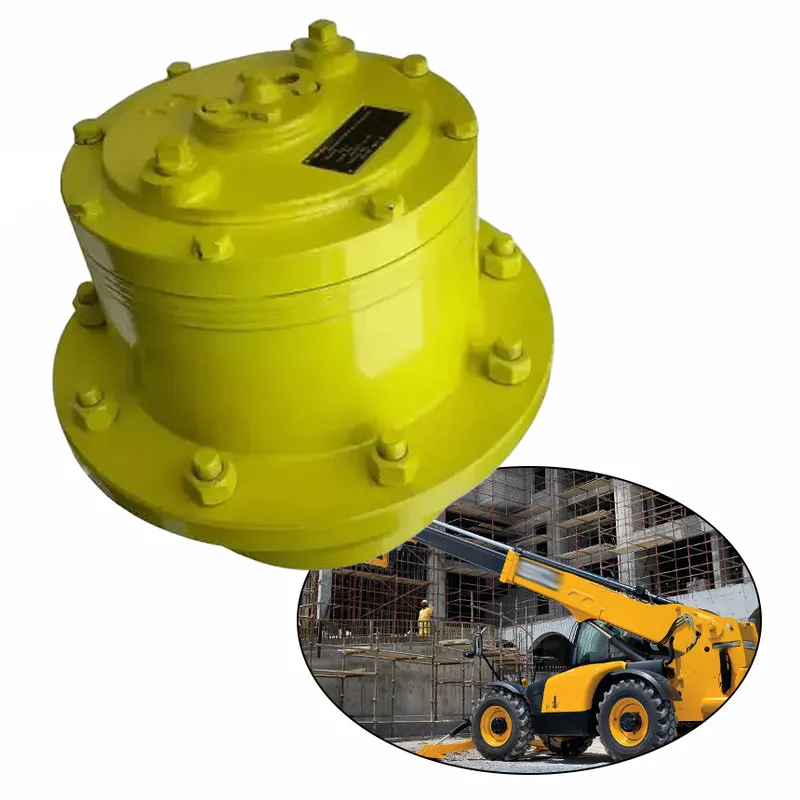
Caja de engranajes de transmisión planetaria para manipuladores telescópicos
-
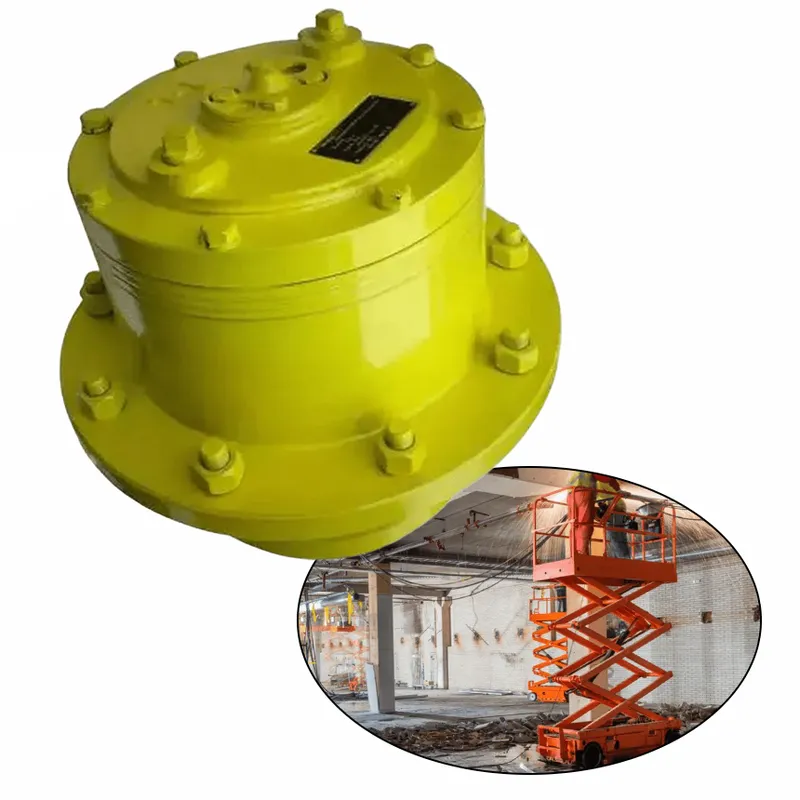
Caja de engranajes de transmisión planetaria para elevadores de tijera