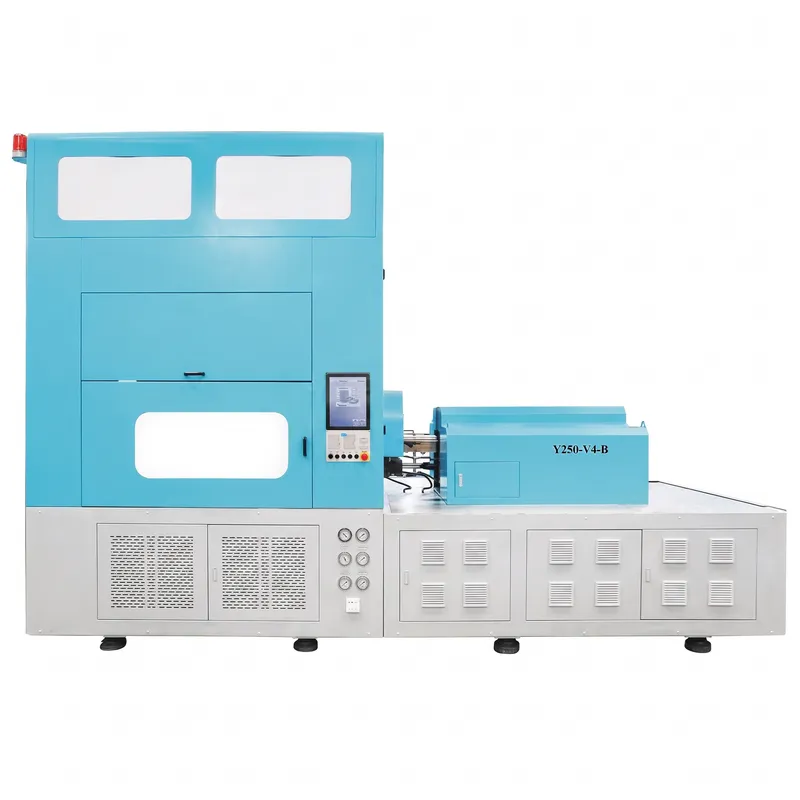
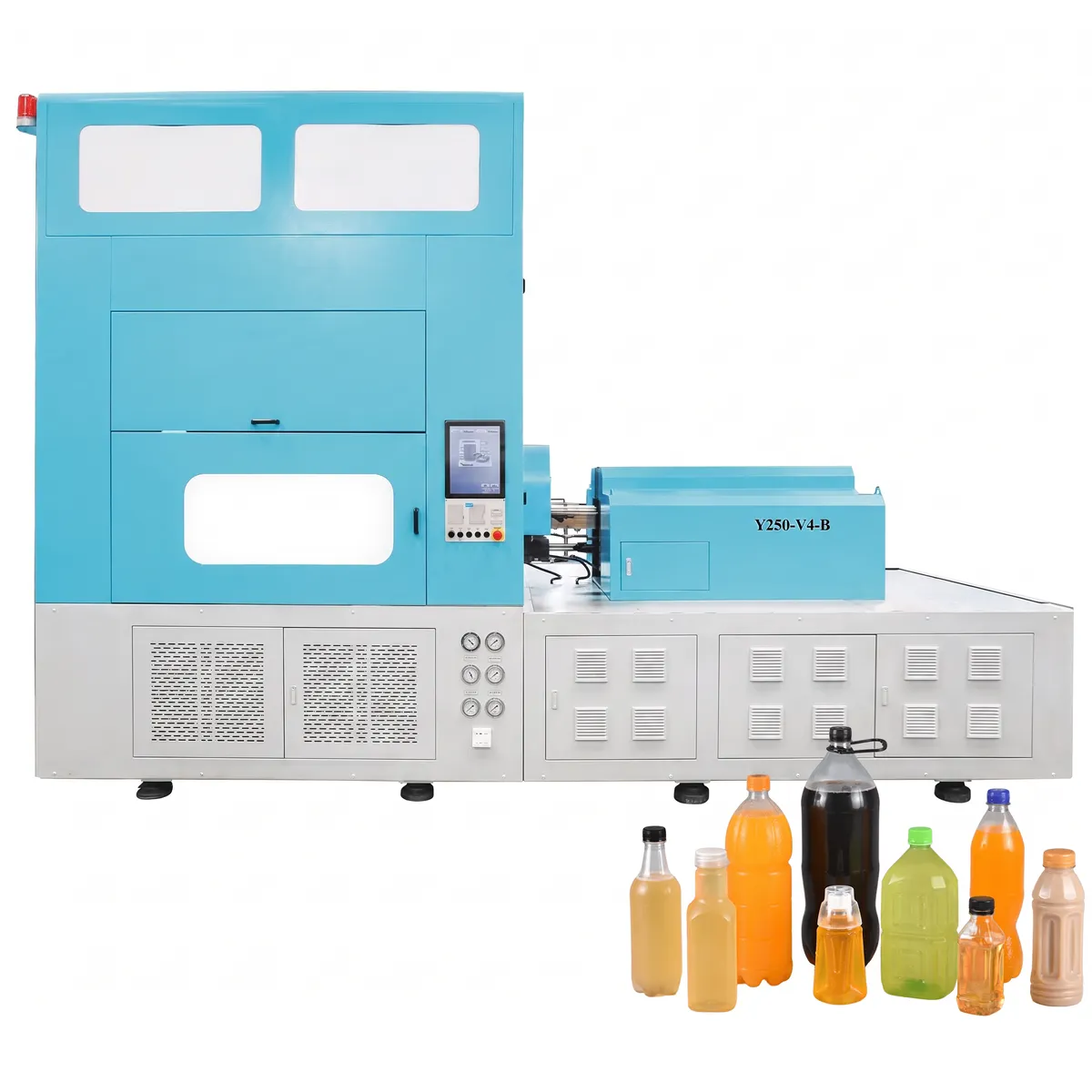
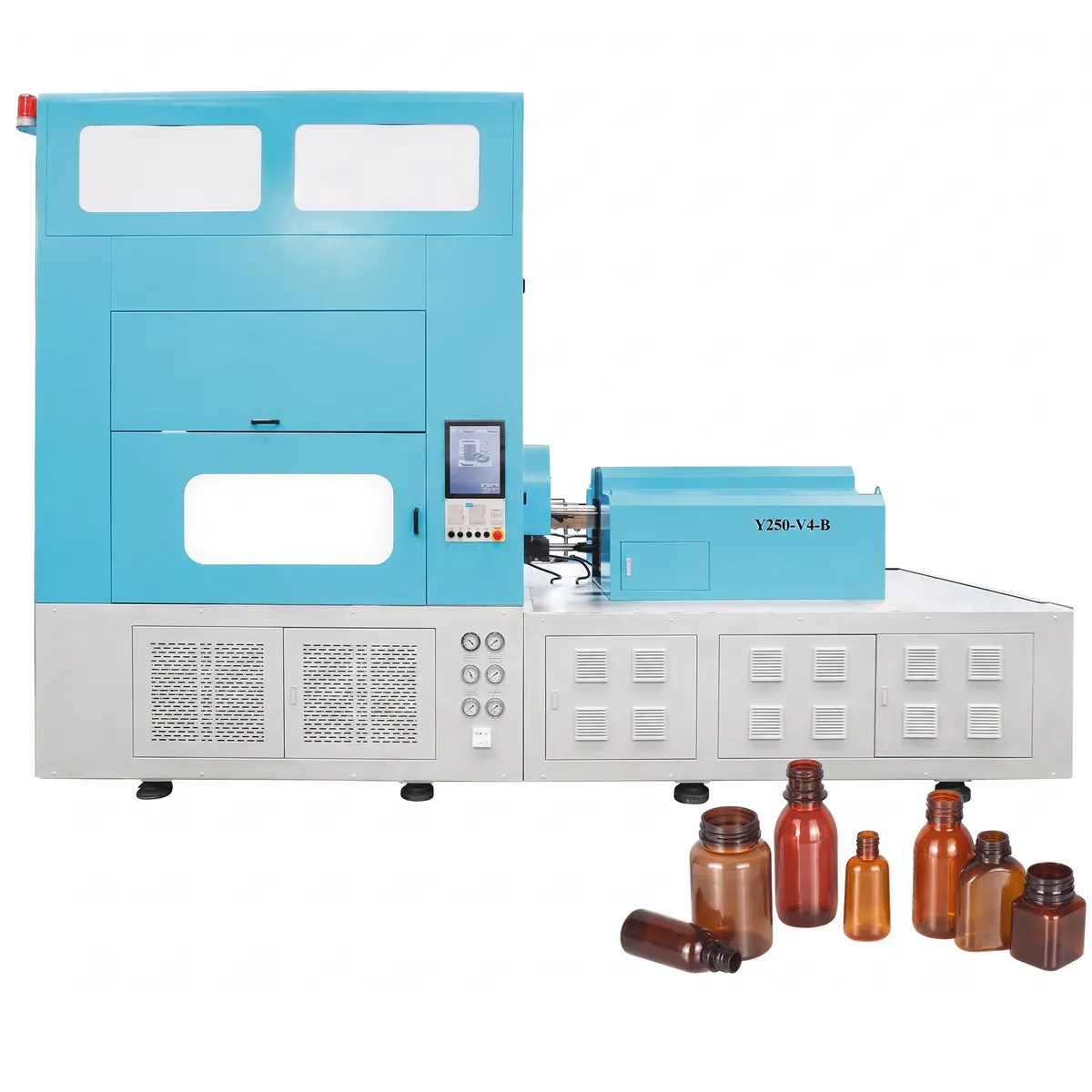
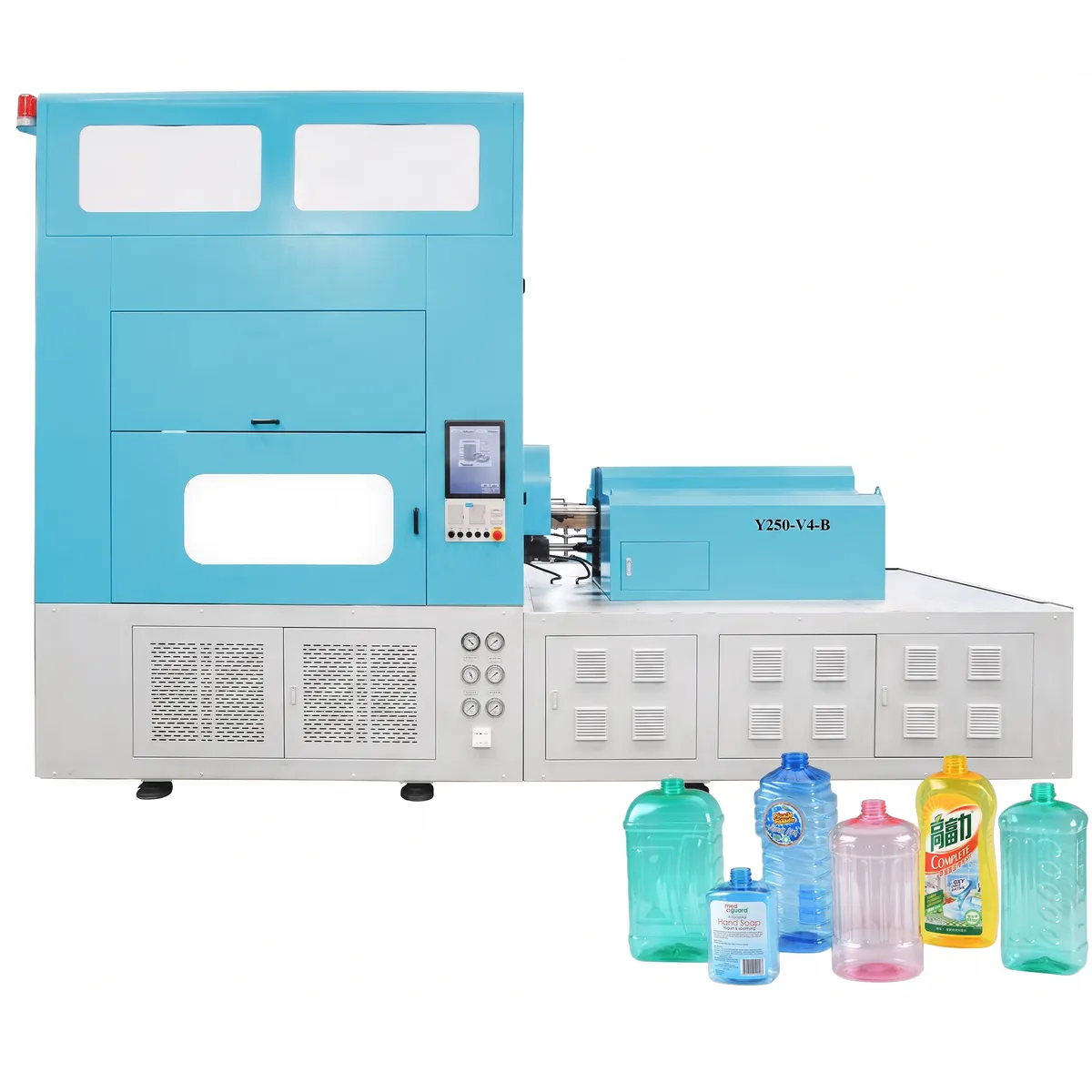
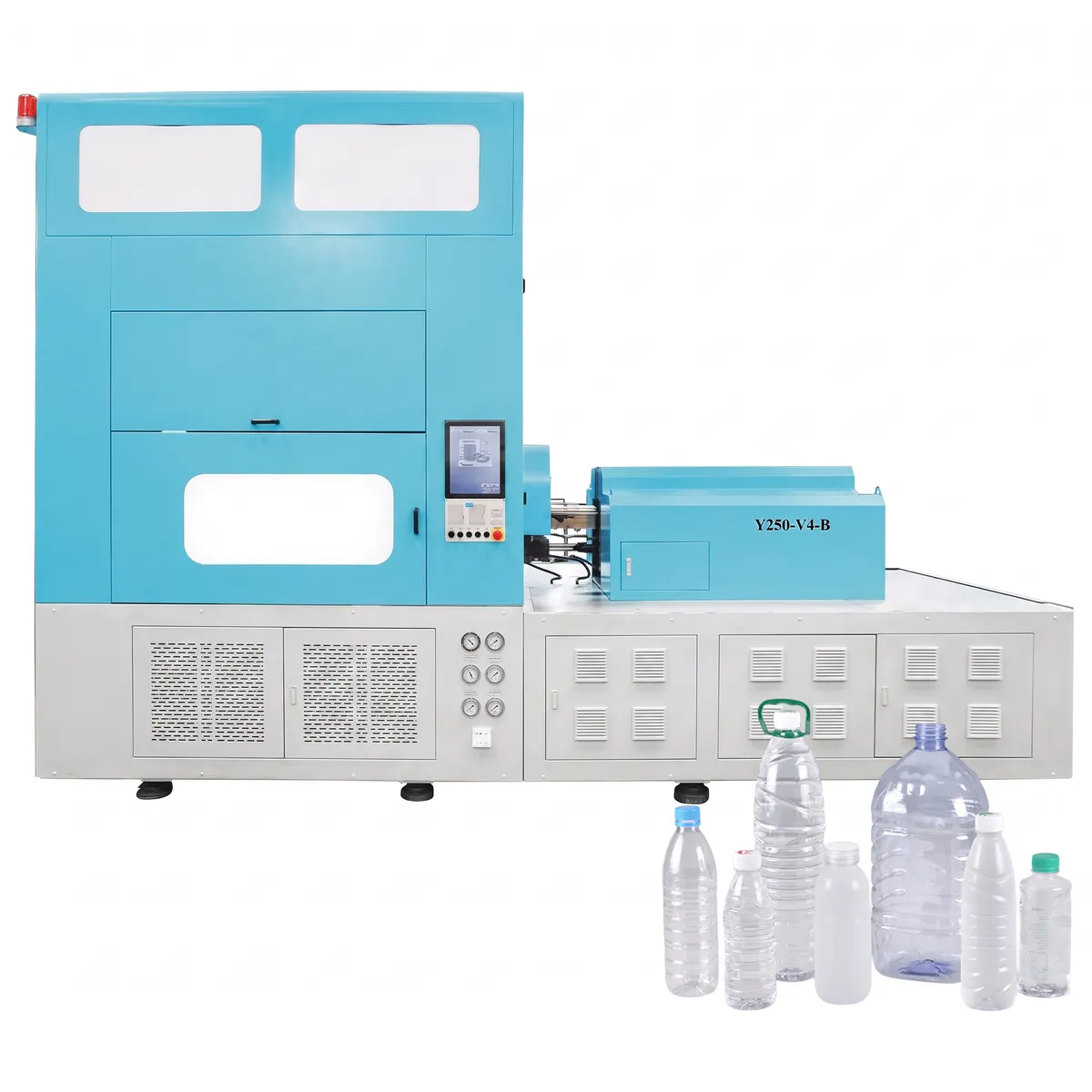
Y250-V4-B Macchina per stampaggio a iniezione-soffiaggio a un solo passaggio (4 stazioni)
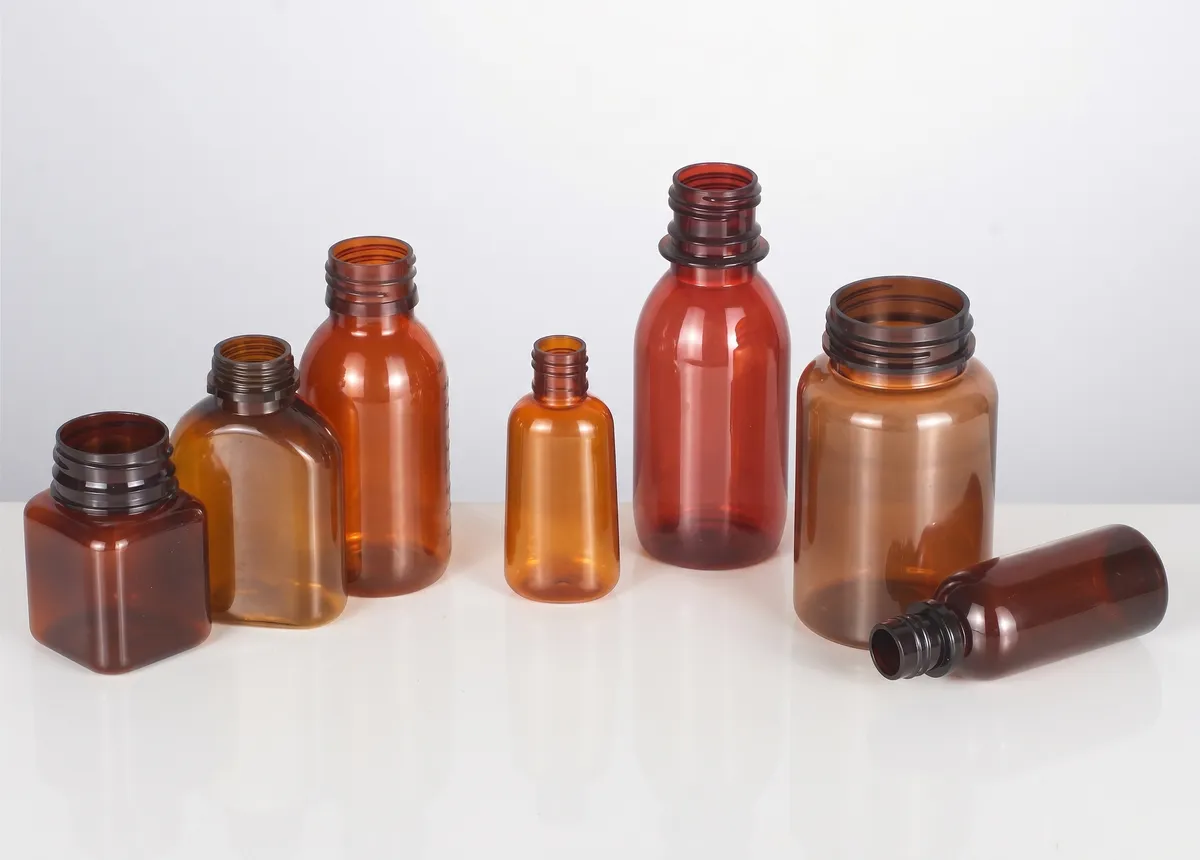
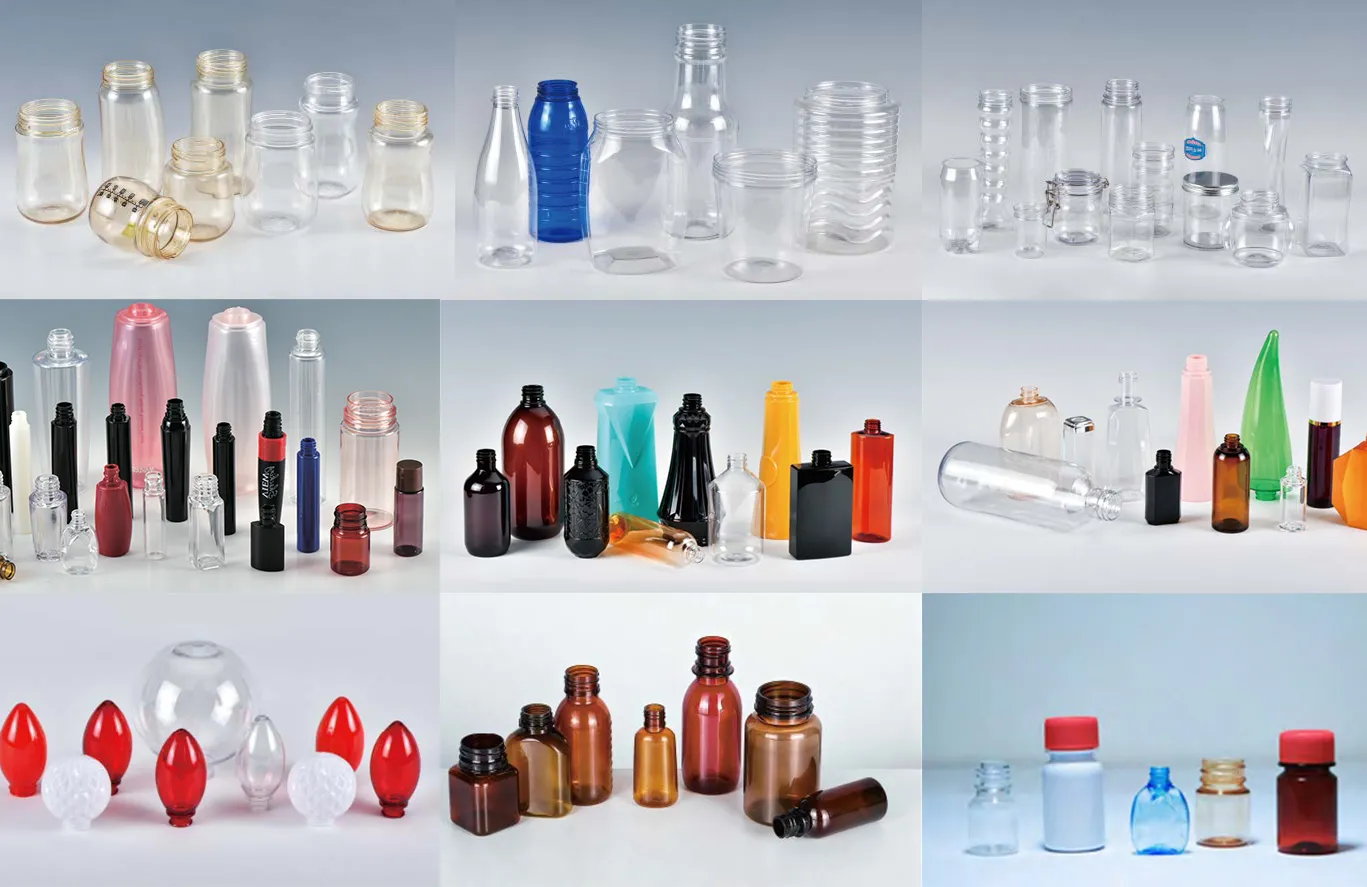
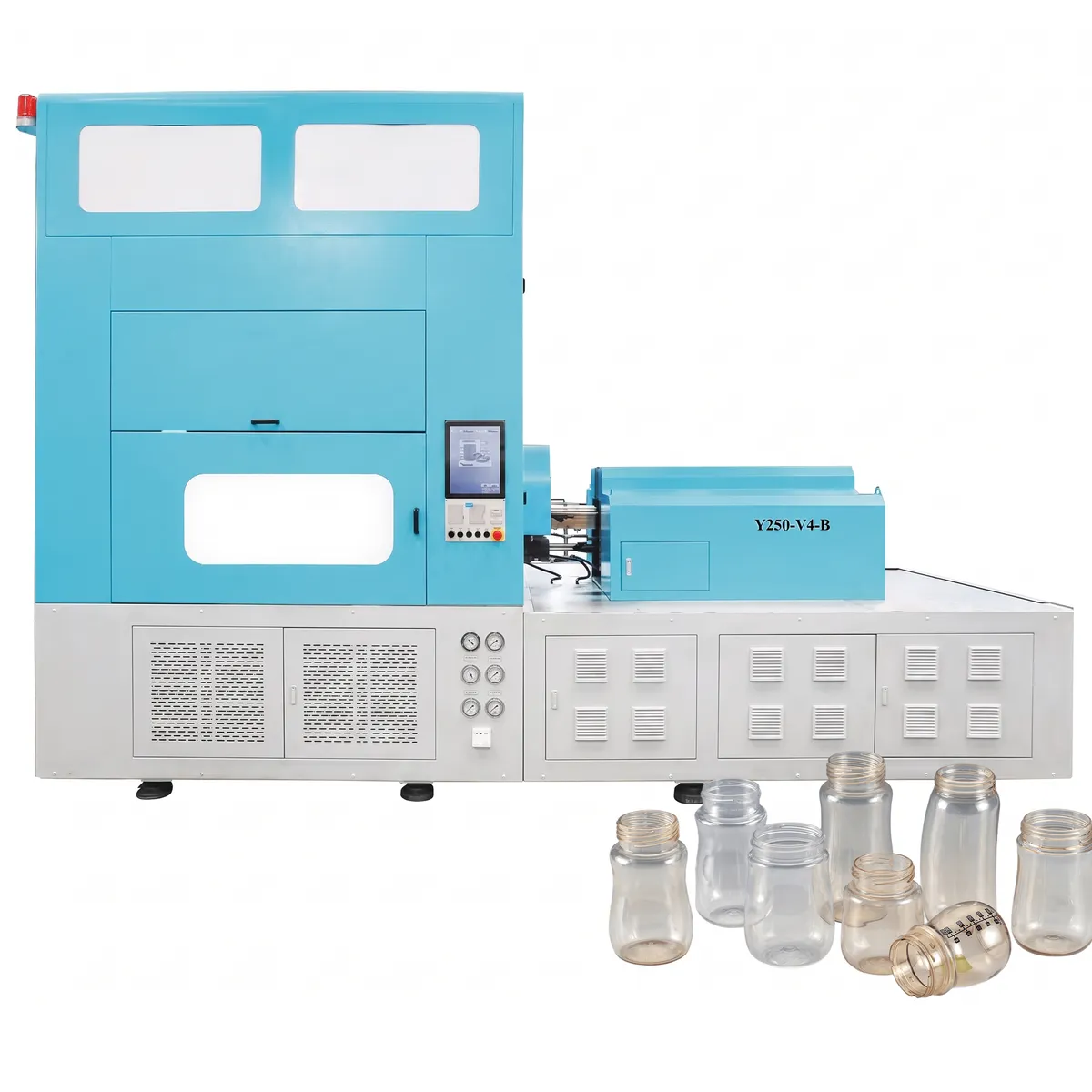
La macchina per stampaggio a iniezione, stiramento e soffiaggio in un'unica fase Y250-V4-B è una soluzione altamente efficiente per lo stampaggio di contenitori in plastica, ampiamente utilizzata nella produzione di prodotti cavi in plastica di alta precisione e ad alta richiesta, tra cui biberon, bottiglie d'acqua, flaconi per medicinali, bottiglie artigianali e di forme speciali, e flaconi per cosmetici realizzati in PET, PETG, PP, PC, Tritan, PS, ABS o PLA. Il suo vantaggio principale risiede nell'esecuzione continua delle tre fasi principali di iniezione, stiramento e soffiaggio all'interno di un'unica macchina, eliminando le fasi di movimentazione intermedie e migliorando drasticamente sia l'efficienza produttiva che la stabilità dimensionale del prodotto.
La macchina per stampaggio a iniezione, stiramento e soffiaggio in un'unica fase Y250-V4-B è una soluzione altamente efficiente per lo stampaggio di contenitori in plastica, ampiamente utilizzata nella produzione di prodotti cavi in plastica di alta precisione e ad alta richiesta, tra cui biberon, bottiglie d'acqua, flaconi per medicinali, bottiglie artigianali e di forme speciali, e flaconi per cosmetici realizzati in PET, PETG, PP, PC, Tritan, PS, ABS o PLA. Il suo vantaggio principale risiede nell'esecuzione continua delle tre fasi principali di iniezione, stiramento e soffiaggio all'interno di un'unica macchina, eliminando le fasi di movimentazione intermedie e migliorando drasticamente sia l'efficienza produttiva che la stabilità dimensionale del prodotto.
La Y250-V4-B, una pressa a iniezione-soffiaggio monostadio a 4 stazioni, è progettata per soddisfare le esigenze di settori industriali come quello farmaceutico, alimentare e delle bevande, della cura della persona e dei prodotti chimici industriali. La macchina è configurata in fabbrica per essere compatibile con il modello giapponese ASB-70DPH, offrendo una soluzione collaudata per le aziende che cercano una sostituzione economicamente vantaggiosa delle macchine ASB ISBM senza compromettere la qualità o la produttività. Grazie al controllo tramite servopompa, alle valvole ad alta pressione Parker, agli anelli riscaldanti a infrarossi lontani nano e al sistema PLC Inovance/MiRLE, questa pressa a iniezione-soffiaggio per PET garantisce un ciclo di produzione affidabile, efficiente dal punto di vista energetico e di facile utilizzo per contenitori da 50 ml a 1.000 ml.
Marca e modello sostituibili
CMN Transmission offre una gamma completa di macchine per lo stampaggio a iniezione-soffiaggio, ciascuna progettata come sostituto diretto dei principali marchi giapponesi. Tutti i modelli sono disponibili nelle configurazioni Standard, Servo e Completamente Elettrica per soddisfare le vostre esigenze di produzione.
| Modello standard | Y150-V4 | Y200-V4 | Y250-V4 |
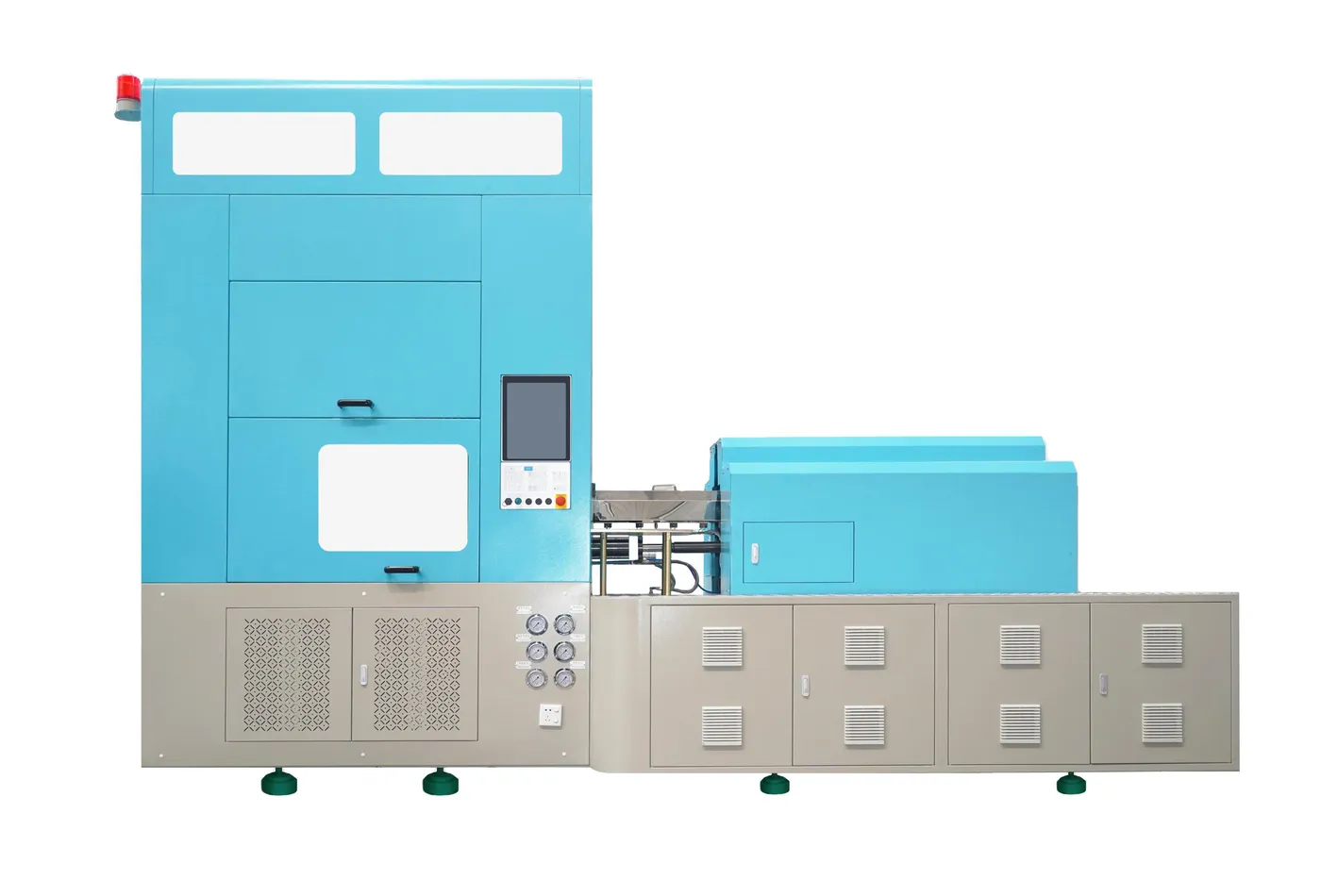 | Compatibile con l'ASB-12M giapponese | Compatibile con l'Aoki 250 giapponese | Compatibile con l'ASB-70DPH giapponese |
| Y150-V4-B | Y500-V3 | - | |
| Compatibile con l'Aoki 100 giapponese | Compatibile con l'Aoki 500 giapponese | - | |
| Serraggio idraulico, iniezione idraulica a vite. | |||
| Modello servo | YS150-V4 | YS200-V4 | YS250-V4 |
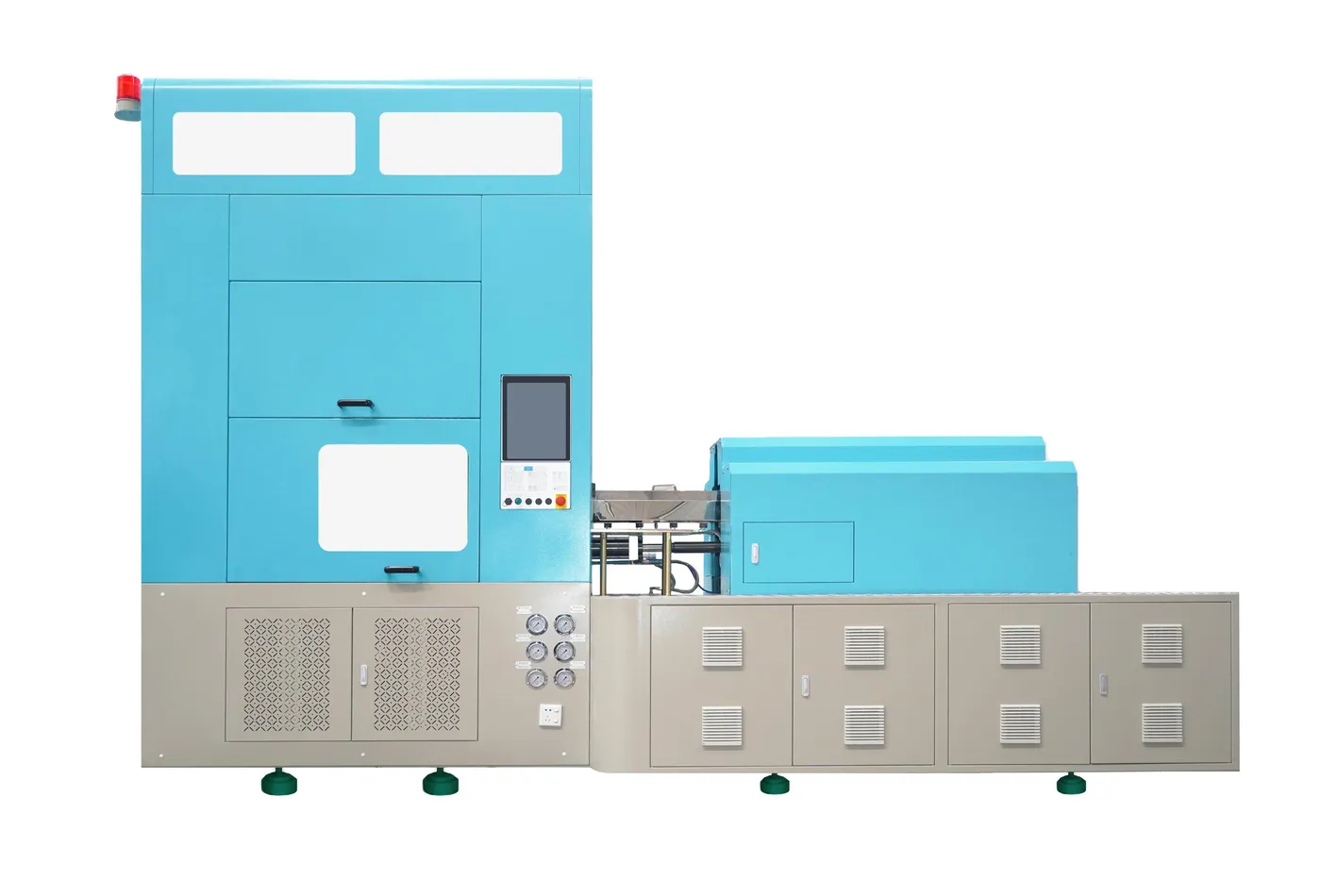 | Serraggio servoassistito, iniezione di vite servoassistita, alta precisione, basso consumo energetico, stabilità a lungo termine | ||
| Modello completamente elettrico | Y150-V4-EV | Y200-V4-EV | Y250-V4-EV |
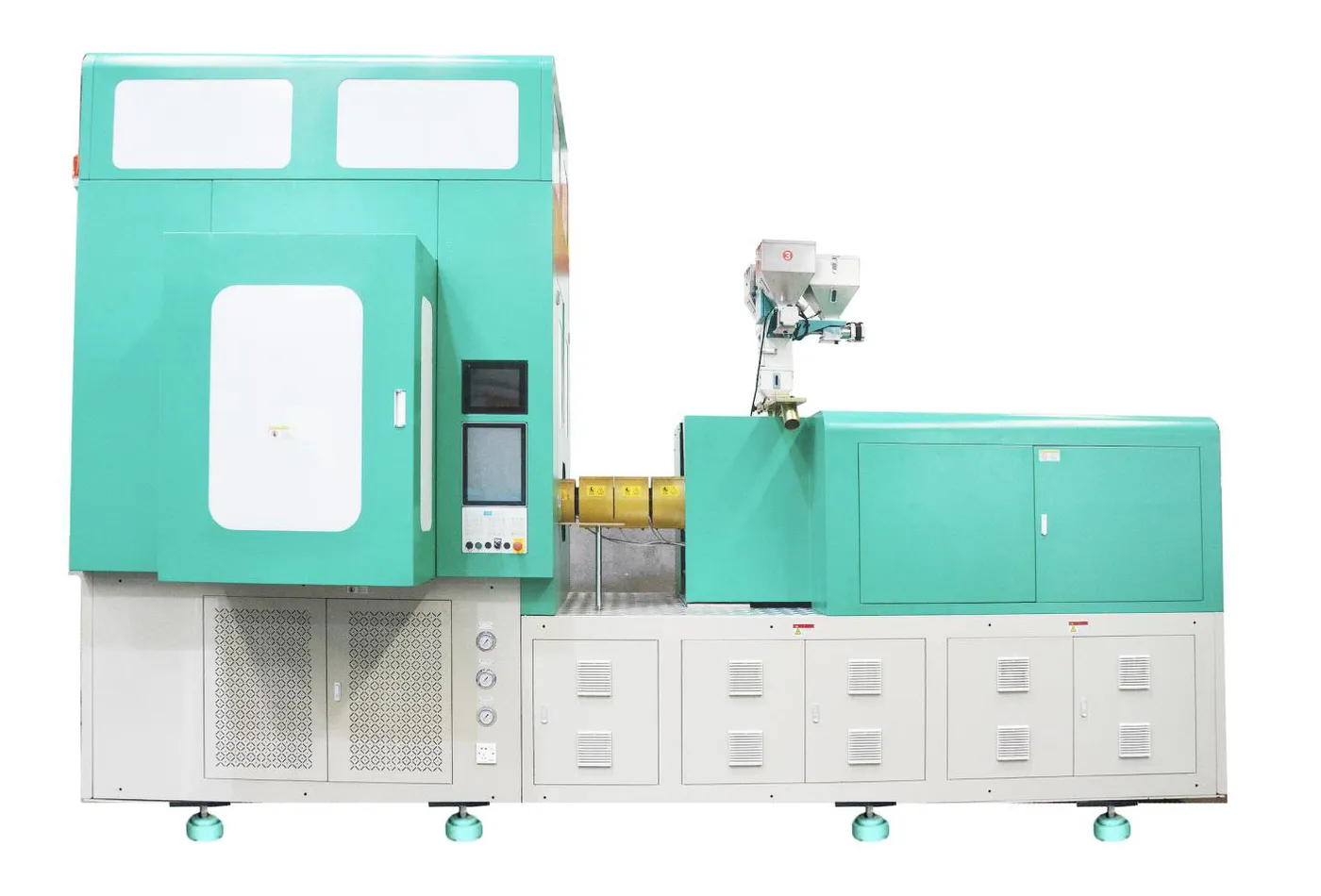 | Azionamento completamente elettrico, senza l'utilizzo di prodotti contaminati da petrolio. | ||
I vantaggi della nostra macchina ISBM
1. La qualità è superiore. Le bottiglie di plastica prodotte con le macchine per soffiaggio giapponesi presentano tutte una linea di separazione. Si tratta di una sporgenza di plastica tra i due stampi, su entrambi i lati, che lascia un segno. I nostri stampi, invece, sono estremamente precisi e il segno è completamente invisibile.
2. La nostra produzione è rapida, con un'ampia gamma di soluzioni di viti e un'elevata velocità. Mentre il Giappone può produrre quattro bottiglie di plastica alla volta, noi ne possiamo produrre sei.
3. Risparmio energetico. Le nostre macchine consumano da 15% a 25% in meno di energia rispetto a quelle in Giappone, Europa e Stati Uniti.
4. È stata adottata un'ampia gamma di tecnologie di controllo elettrico per sostituire i componenti idraulici e pneumatici. Ad esempio, i componenti pneumatici utilizzati nel meccanismo di taglio inferiore in Giappone sono stati sostituiti qui da servomotori, raddoppiandone la velocità. Nell'industria farmaceutica e in altri settori, è possibile utilizzare esclusivamente servomotori senza alcun sistema idraulico, garantendo la conformità agli standard GMP e il funzionamento in un ambiente privo di olio e inquinamento.
Specifiche del prodotto
| Articolo | Unità | Specifiche | |||||||
| Nome | Stampaggio a iniezione-soffiaggio in un'unica fase Macchina (4 stazioni) | ||||||||
| Modello | Y250-V4-B (compatibile con il modello giapponese ASB-70DPH) | ||||||||
| Produttore | Trasmissione CMN | ||||||||
| Materiale | PET/PETG | ||||||||
| Diametro della vite | MM | 50 | 55 | 60 | / | ||||
| Volume di iniezione teorico | CM³ | 315 | 442 | 480 | / | ||||
| Velocità di rotazione della vite (RPM) | r/min | 270 | 180 | 150~220 | / | ||||
| Forza di serraggio dell'iniezione | KN | 300 | |||||||
| Forza di serraggio del soffiaggio | KN | 250 | |||||||
| Potenza del motore | KW | 67.7 | |||||||
| Potenza di riscaldamento | KW | 15 | |||||||
| pressione dell'aria soffiata | Mpa | 2.0-3.5 | |||||||
| Pressione dell'acqua di raffreddamento | Mpa | 0.4-0.6 | |||||||
| Pressione dell'acqua del radiatore dell'olio motore | Mpa | 0.3-0.4 | |||||||
| Temperatura dell'acqua del radiatore dell'olio motore | °C | 20-25 | |||||||
| Voltaggio | V | 370-400 | |||||||
| Dimensioni (L*P*A) | MM | 5200x2500x3800 | |||||||
| Peso | T | 16 | |||||||
| Dimensioni del prodotto | |||||||||
| Quantità del prodotto | PCS | 8 | 10 | 12 | 14 | 16 | 20 | 24 | 28 |
| Diametro della bottiglia (BD) | MM | 85 | 85 | 79 | 66 | 54 | 45 | 37 | 25 |
| Altezza della bottiglia (H) | MM | 260 | |||||||
| Diametro del collo (E) | MM | 58 | 56 | 48 | 38 | 32 | 26 | 24 | 15 |
| Volume massimo della bottiglia (ml) | ML | 1000 | 900 | 800 | 600 | 400 | 250 | 100 | 50 |
| Peso massimo della bottiglia (W) | G | 55 | 44 | 36 | 32 | 28 | 25 | 20 | 15 |
Parametri della macchina
| Modello compatibile: | Compatibile con il modello giapponese ASB-70DPH |
| Diametro della vite: | 60 mm (opzionale) |
| Capacità teorica di iniezione: | 680 g |
| Forza di serraggio dell'iniezione: | 300 kN |
| tratto superiore dello stampo: | 600 mm |
| TEMP. Regolazione della frequenza cardiaca: | 250 mm |
| TEMP. regolazione della corsa della canna: | 250 mm |
| Fase di uscita: | 200 mm |
| Forza di serraggio del soffiaggio: | 250 kN (lato singolo) |
| Colpo centrale di soffiaggio: | 300 mm |
| Fase di soffiaggio: | 75+75mm |
| Serbatoio dell'olio VOL: | 300 litri |
| Dimensioni (L×P×A): | 5,2*2,5*3,8 m |
| Peso: | 16T |
Norma tecnica
| Sistema di servocontrollo: | Utilizzo di 3 set di sistemi di pompe servoassistite. |
| Potenza del servomotore: | Potenza servomotore Inovance/WEICHI: 67,7KW. |
| Sistema di controllo computerizzato: | Utilizzo del PLC Innovance/MiRLE. |
| Azionamento del piatto girevole: | Il piatto girevole è dotato di un servomotore giapponese Yaskawa o di un servomotore WEICHI con riduttore taiwanese TSUNTIEN. |
| Valvola ad alta pressione: | Utilizzo della valvola ad alta pressione American Parker. |
| Cilindro pneumatico: | Utilizzo del cilindro pneumatico Aitak. |
| Controllo della temperatura: | È possibile utilizzare una centralina di controllo integrata per regolare la temperatura, garantendo elevata precisione, stabilità e facilità d'uso; in alternativa, si può optare per il sistema di controllo della temperatura integrato nel sistema stesso. |
| Valvola di controllo della pressione idraulica: | Utilizzo di una valvola di controllo della pressione idraulica YUKEN proveniente da Taiwan, Cina. |
| Viti riscaldate: | La vite viene riscaldata da un anello riscaldante a risparmio energetico a nano-infrarossi (15 kW). |
| Struttura stampata a soffiaggio: | La struttura di stampaggio a soffiaggio adotta un sistema di bloccaggio dello stampo con cilindro idraulico o doppio servomotore con funzione di compensazione dell'alta pressione. |
| Unità di iniezione: | L'unità di iniezione è controllata da un singolo cilindro. Il motore di fusione può essere controllato idraulicamente o tramite un servomotore. |
| Tubo dell'olio: | Il tubo dell'olio è realizzato con materiale importato dall'Italia. |
| Potenza totale della macchina: | Potenza totale della macchina: 82,7 kW. |
Principali vantaggi della macchina ISBM a un solo passaggio Y250-V4-B
1. Contenitori leggeri ma eccezionalmente resistenti
Bottiglie e contenitori prodotti da questo macchina per stampaggio a iniezione-stiro-soffiaggio Subiscono un orientamento molecolare biassiale, che si traduce in pareti sottili, leggere e altamente resistenti agli urti. Questa combinazione rende i prodotti finiti facili da trasportare, economici da spedire e in grado di proteggere in modo affidabile il contenuto al loro interno, sia in applicazioni farmaceutiche, alimentari o cosmetiche.
2. Ampia gamma di contenitori versatili in un'unica macchina
La Y250-V4-B supporta da 8 a 28 cavità per ciclo e può gestire volumi di bottiglie da 50 ml fino a 1.000 ml nella configurazione standard. Questa flessibilità consente ai produttori di passare da una linea di prodotto all'altra con tempi di riattrezzaggio minimi, rendendo la macchina una risorsa estremamente versatile per le aziende che operano in diversi settori con questa piattaforma di stampaggio a iniezione-stiro-soffiaggio personalizzabile.
3. Da 15% a 25% Energia in meno rispetto ai concorrenti giapponesi
Tre sistemi di servopompe e la tecnologia di riscaldamento a nano-infrarossi consentono alla Y250-V4-B di consumare da 15% a 25% di energia in meno rispetto a macchine equivalenti prodotte in Giappone, Europa o Stati Uniti. In un tipico anno di produzione, ciò si traduce in un notevole risparmio sui costi, contribuendo direttamente al ritorno sull'investimento a lungo termine della macchina e riducendo l'impronta di carbonio complessiva dell'impianto.
4. Nessuna linea di separazione visibile
Una caratteristica distintiva fondamentale di questa macchina ISBM a un solo passaggio è che gli stampi di precisione eliminano la sporgenza visibile della linea di separazione, tipica delle macchine tradizionali di marca giapponese. Il risultato è un prodotto esteticamente superiore con una finitura esterna liscia e uniforme, aspetto particolarmente importante per gli imballaggi di alta gamma di cosmetici, prodotti farmaceutici e alimenti premium, dove l'aspetto sullo scaffale influenza le decisioni di acquisto dei consumatori.
5. Proprietà di barriera superiori e conservazione del prodotto
Il processo di stiramento biassiale allinea le molecole del polimero sia in direzione longitudinale che radiale, conferendo ai contenitori in PET un'eccezionale resistenza alla penetrazione dell'ossigeno, alla perdita di CO2 e al trasferimento di umidità. Queste proprietà di barriera sono fondamentali per bevande gassate, liquidi farmaceutici e prodotti nutrizionali sensibili, aiutando i produttori a rispettare i tempi di conservazione e a ridurre i resi dovuti al deterioramento del prodotto.
6. Compatibile con ASB-70DPH e vantaggio dell'uscita a sei cavità.
In quanto sostituzione diretta degli utensili per macchine ASB ISBM, la Y250-V4-B è pienamente compatibile con gli stampi giapponesi ASB-70DPH, proteggendo gli investimenti esistenti in utensili durante gli aggiornamenti degli impianti. Inoltre, laddove le apparecchiature giapponesi producono in genere quattro bottiglie per ciclo, la piattaforma per macchine ISBM di CMN ne produce sei o più, offrendo un vantaggio tangibile in termini di produttività per gli impianti di produzione ad alto volume che desiderano ridurre i costi unitari senza sacrificare la precisione dimensionale.
Working Principle
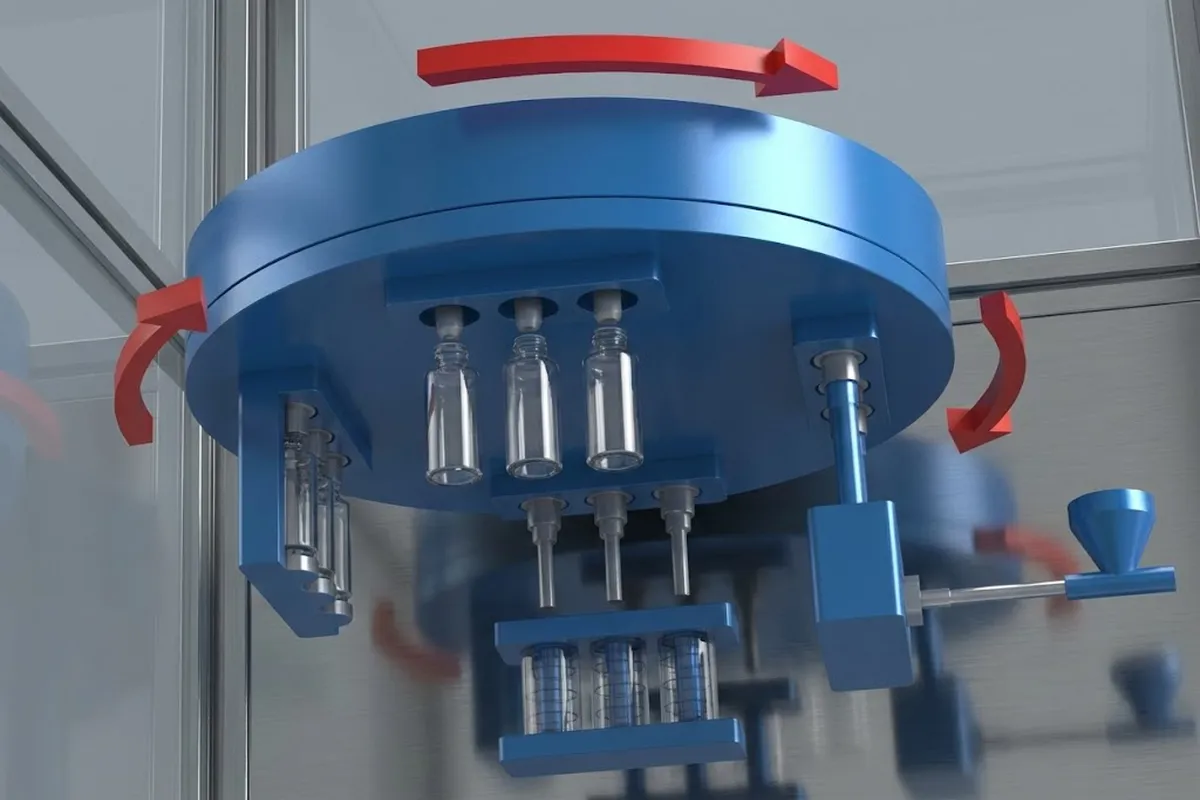
Fase 1: Stampaggio a iniezione
Il ciclo inizia riscaldando la resina PET o PETG fino allo stato fuso e iniettandola in una cavità di stampo di precisione per formare una preforma. La preforma viene parzialmente raffreddata per stabilizzarne la geometria, mantenendo al contempo sufficiente energia termica per la successiva fase di stiramento. Durante questa fase, anche la finitura del collo viene formata nella sua forma finale, dimensionalmente precisa, garantendo una tenuta affidabile, prestazioni di riempimento costanti e il profilo di temperatura corretto necessario per una risposta di stiramento uniforme.
Fase 2: Eseguire il condizionamento e il trasferimento
Un sistema di tavola rotante di precisione, azionato da un servomotore Yaskawa giapponese e da un riduttore TSUNTIEN taiwanese, trasferisce la preforma appena stampata dalla stazione di iniezione alla zona di condizionamento. Mentre la preforma si sposta attraverso aree a gestione termica controllata, la sua temperatura interna si stabilizza lungo tutto lo spessore della parete. Questo condizionamento termico uniforme è fondamentale per produrre contenitori con una distribuzione uniforme dello spessore della parete, un rischio ridotto di difetti di sbiancamento o assottigliamento e una ripetibilità dimensionale affidabile anche in produzioni ad alto volume.
Fase 3: Processo di stampaggio a soffiaggio per stiramento
In questa fase, la preforma si trasforma nella sua forma finale di contenitore. Un'asta di stiramento estende simultaneamente la preforma assialmente, mentre aria compressa a una pressione compresa tra 2,0 e 3,5 MPa la gonfia radialmente per adattarla alla cavità dello stampo per soffiaggio. Questo stiramento biassiale allinea le molecole di polimero in due direzioni perpendicolari, migliorando significativamente le prestazioni di barriera ai gas, la resistenza agli urti, la trasparenza ottica e la finitura superficiale complessiva del contenitore. Il risultato è un contenitore con spessore della parete uniforme, dimensioni stabili e le proprietà meccaniche richieste dagli esigenti standard di confezionamento per il settore farmaceutico e alimentare.
Fase 4: Raffreddamento ed espulsione
Una volta che il contenitore ha raggiunto la sua geometria finale, il rapido raffreddamento tramite il sistema di stampaggio integrato a raffreddamento ad acqua solidifica la struttura e fissa la precisione dimensionale ottenuta durante lo stiramento. La pressione dell'acqua di raffreddamento viene mantenuta tra 0,4 e 0,6 MPa. Dopo un raffreddamento sufficiente, lo stampo si apre automaticamente e la bottiglia finita viene espulsa senza necessità di ulteriori rifiniture o lavorazioni. Questa espulsione senza sbavature è uno dei principali vantaggi in termini di efficienza della macchina per stampaggio a iniezione-stiro-soffiaggio monostadio rispetto alle alternative basate sull'estrusione.
Componenti chiave della macchina per stampaggio a iniezione-soffiaggio
Unità di serraggio
L'unità di bloccaggio a iniezione eroga una forza di bloccaggio di 300 kN, garantendo che le superfici dello stampo rimangano perfettamente allineate e sigillate durante l'iniezione di resina ad alta pressione. La corsa superiore dello stampo di 600 mm si adatta a un'ampia gamma di geometrie di preforme e altezze dello stampo, conferendo a questa macchina ISBM una notevole flessibilità in relazione alle diverse dimensioni del collo della bottiglia e alle configurazioni dei contenitori.
Unità di iniezione
L'unità di iniezione funziona tramite controllo monocilindrico, con servomotore o azionamento idraulico opzionale per il motore di fusione. I diametri della vite disponibili di 50, 55 e 60 mm offrono volumi di iniezione teorici da 315 a 480 cm³, mentre gli anelli riscaldanti a infrarossi lontani nano da 15 kW garantiscono una plastificazione precisa ed efficiente dal punto di vista energetico delle resine PET e PETG a velocità di rotazione da 150 a 270 giri/min.
Sistema di stampaggio
La Y250-V4-B è pienamente compatibile con gli stampi giapponesi ASB-70DPH, proteggendo l'investimento esistente in caso di aggiornamenti della macchina. Il processo di produzione degli stampi proprietario di CMN consente di ottenere tolleranze di cavità estremamente strette, eliminando le sporgenze della linea di separazione presenti sulle macchine della concorrenza e producendo flaconi con una superficie esterna visivamente uniforme che soddisfa gli elevati standard dei marchi cosmetici e farmaceutici.
Perno di fissaggio e gruppo di allungamento
La corsa del nucleo di soffiaggio di 300 mm e la corsa dello stampo di soffiaggio di 75 + 75 mm consentono al sistema di gestire un'ampia gamma di altezze dei contenitori fino a 260 mm. La valvola ad alta pressione Parker mantiene la pressione dell'aria di soffiaggio tra 2,0 e 3,5 MPa con un controllo preciso, garantendo una distribuzione uniforme della parete e un orientamento molecolare biassiale che definiscono le prestazioni meccaniche dei contenitori stampati a iniezione-soffiaggio.
Sistema di raffreddamento
Un circuito di raffreddamento ad acqua integrato mantiene la stabilità della temperatura dello stampo durante l'intero ciclo di produzione, utilizzando una pressione dell'acqua di raffreddamento da 0,4 a 0,6 MPa e una pressione dell'acqua di raffreddamento dell'olio della macchina da 0,3 a 0,4 MPa a 20-25 gradi Celsius. Il raffreddamento rapido e costante nello stampo è fondamentale per la stabilità dimensionale e per il raggiungimento dei livelli di cristallinità desiderati che determinano la trasparenza del contenitore e le prestazioni di barriera nelle bottiglie in PET.
Sistema di espulsione
Il meccanismo di espulsione automatizzato con corsa di estrazione di 200 mm rimuove delicatamente i contenitori finiti senza necessità di ulteriori rifilature, un vantaggio significativo rispetto ai processi di stampaggio a soffiaggio per estrusione che generano scarti di materiale. Ogni bottiglia espulsa è immediatamente pronta per l'etichettatura, il riempimento o il confezionamento, riducendo la manodopera e eliminando i rischi di qualità secondari associati alle operazioni di rifilatura post-stampaggio su contenitori di alta precisione.
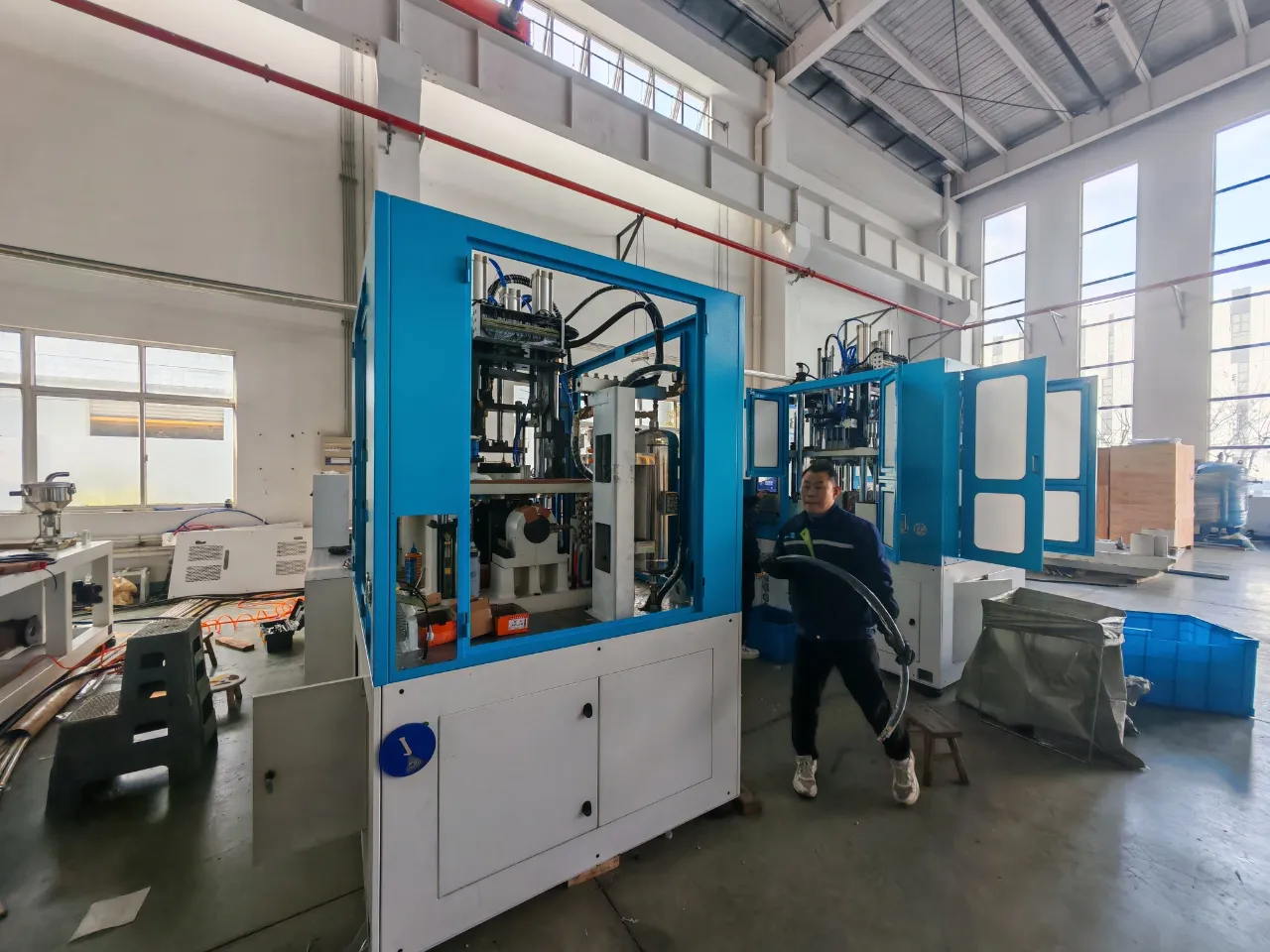
Applicazioni delle macchine per stampaggio a iniezione-soffiaggio monostadio
Flaconi farmaceutici
La finitura di precisione del collo e la produzione senza bave rendono la Y250-V4-B ideale per flaconi in PET di compresse, capsule, medicinali liquidi e liquidi orali, dove la conformità alle GMP, le dimensioni di sigillatura precise e la produzione pulita sono requisiti imprescindibili.
Flaconi per cosmetici
Le superfici esterne lucide e senza giunture, prodotte da questa macchina per stampaggio a iniezione-soffiaggio, sono perfette per il packaging di lusso di prodotti per la cura della pelle, profumi e prodotti per la cura della persona. I marchi che richiedono una presenza di prestigio sugli scaffali e l'assenza di segni di giunzione scelgono costantemente le macchine ISBM a un solo passaggio per la produzione di contenitori cosmetici.
Chemical Bottles
La superiore resistenza chimica del PET e del PETG, combinata con tolleranze precise del collo, rende questa macchina per lo stampaggio a iniezione-soffiaggio adatta al confezionamento di detergenti, solventi industriali e reagenti da laboratorio che richiedono una stretta compatibilità di chiusura e ripetibilità dimensionale in cicli di produzione ad alto volume.
Bottiglie per alimenti
Le eccellenti proprietà di barriera ai gas, l'elevata trasparenza ottica e il materiale PET idoneo al contatto con gli alimenti rendono la Y250-V4-B la scelta ideale per bottiglie di condimenti, salse, oli alimentari e succhi di frutta. La macchina produce contenitori con spessore delle pareti uniforme che garantiscono volumi di riempimento precisi e una chiusura antimanomissione affidabile per i marchi alimentari al dettaglio.
Biberon
I biberon per neonati richiedono i più elevati standard di purezza dei materiali, precisione dimensionale e finitura superficiale. Utilizzando resine PC, PETG, PP o Tritan, la Y250-V4-B produce biberon privi di BPA, otticamente trasparenti, termicamente stabili e fabbricati in un ambiente di produzione pulito, privo di rischio di contaminazione da olio idraulico quando configurata in modalità servo completa.
Pesticide Bottles
Il confezionamento dei prodotti chimici agricoli richiede contenitori con un'eccezionale resistenza chimica, chiusure sicure e stabilità ai raggi UV. Le bottiglie in PET prodotte da questa macchina IBM offrono la precisione dimensionale necessaria per i sistemi di tappi a prova di bambino e antimanomissione, mentre il processo monostadio a zero sbavature elimina il rischio di contaminazione che i residui della linea di separazione possono introdurre nella produzione di bottiglie per prodotti agrochimici.
Body Wash Bottles
I produttori di grandi volumi di prodotti per la cura della persona utilizzano questa macchina per lo stampaggio a iniezione e soffiaggio di PET per produrre flaconi di gel doccia, shampoo e lozioni per il corpo con profili complessi delle spalle, elevata trasparenza e dimensioni uniformi della filettatura del collo della pompa. Il versatile sistema di stampaggio supporta sia flaconi di forma standard che speciali in un'unica produzione.
Bottiglie di olio da cucina
I contenitori in PET per oli alimentari richiedono un'eccellente trasparenza, affinché i consumatori possano valutare la qualità del colore dell'olio, unitamente a forti proprietà barriera per prevenire l'ossidazione. Questa macchina per stampaggio a iniezione-soffiaggio monostadio produce bottiglie per olio da cucina con spessore delle pareti e precisione del collo rigorosamente controllati, garantendo una tenuta affidabile e prevenendo perdite durante la distribuzione e l'esposizione nei punti vendita.
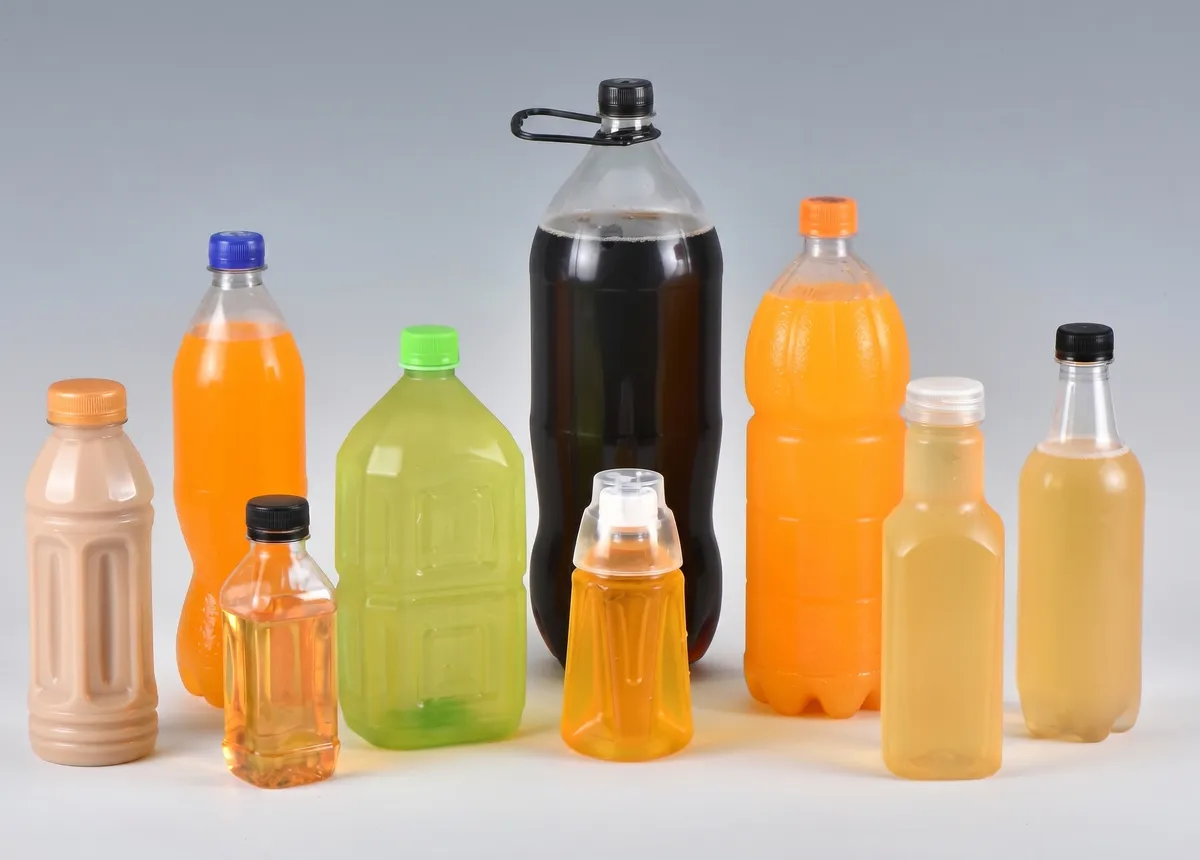 | 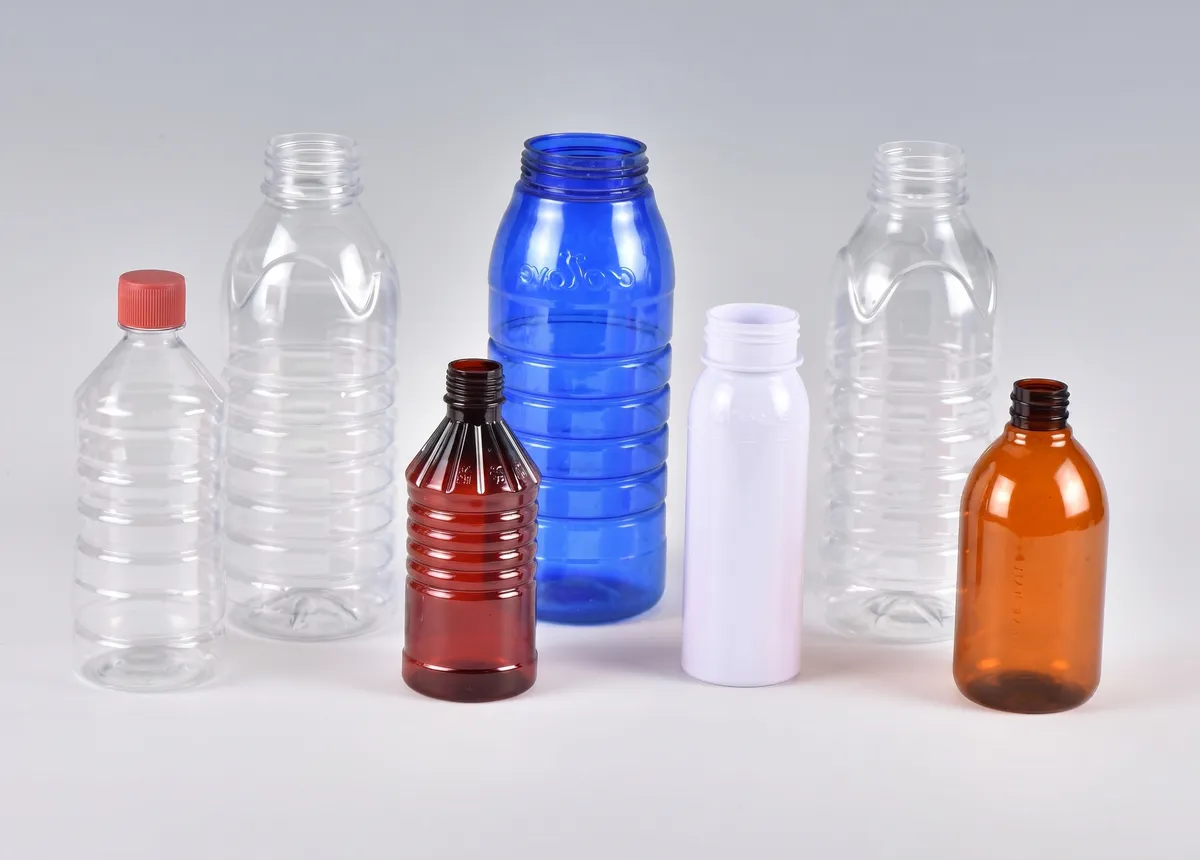 |
| Bottiglia di bevanda | Bottiglia chimica |
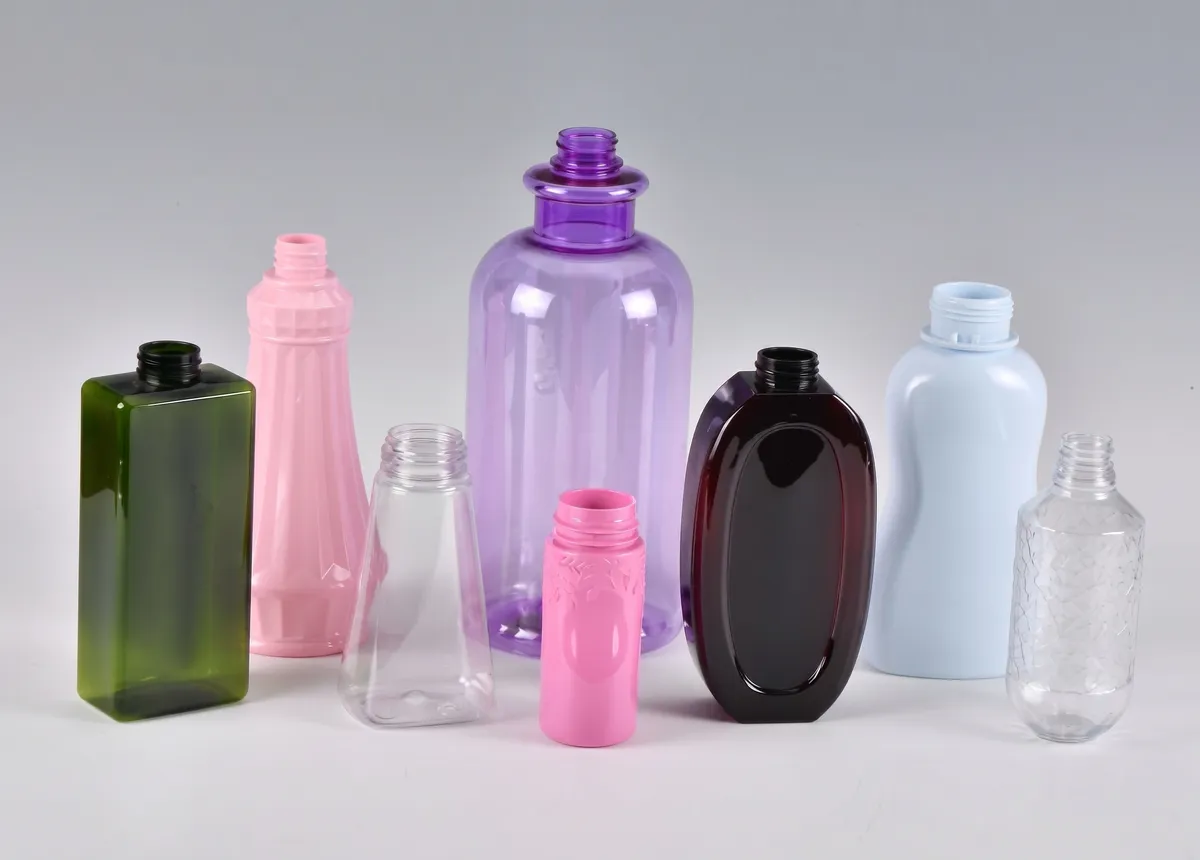 |  |
| Flacone cosmetico | Flacone farmaceutico |
Materiali compatibili
1. PET (Polietilene Tereftalato)
La resina principale utilizzata in questa macchina, il PET, combina eccezionale trasparenza, leggerezza, resistenza ed eccellenti proprietà di barriera ai gas. È lo standard globale per bottiglie d'acqua, contenitori per bevande gassate, vasetti per alimenti e flaconi farmaceutici. Il PET è completamente riciclabile, consentendo ai produttori di rispettare gli impegni di sostenibilità e gli obiettivi di economia circolare per gli imballaggi nei mercati regolamentati di tutto il mondo.
2. PETG (PET modificato con glicole)
Rispetto al PET standard, il PETG offre una maggiore resistenza agli urti e una trasparenza superiore, senza richiedere un processo di essiccazione altrettanto intensivo. È ampiamente utilizzato per flaconi cosmetici, imballaggi per la cura della persona e contenitori per dispositivi medici, dove un aspetto cristallino e una superficie antigraffio sono essenziali e dove il contatto diretto con formulazioni aggressive richiede una resina chimicamente robusta.
3. PP (Polipropilene)
L'elevato punto di fusione e l'eccellente resistenza chimica del polipropilene lo rendono adatto per applicazioni di riempimento a caldo, come salse, zuppe e liquidi farmaceutici che richiedono la sterilizzazione ad alte temperature. I contenitori in PP mantengono la loro stabilità dimensionale e l'integrità della chiusura anche a temperature di riempimento che deformerebbero resine alternative, rendendolo un'opzione preferibile per gli impianti di trasformazione alimentare e di confezionamento medicale.
4. PC (Policarbonato)
Il policarbonato offre un'eccezionale resistenza agli urti e trasparenza ottica, il che lo rende la resina ideale per bottiglie d'acqua riutilizzabili, borracce sportive e contenitori di sicurezza che devono resistere a impatti ripetuti senza screpolarsi o rompersi. L'elevata stabilità dimensionale del policarbonato lo rende inoltre adatto ad applicazioni di precisione come lenti ottiche, involucri per strumenti medicali e produzione di biberon, dove la consistenza delle pareti è fondamentale.
5. PS (polistirene)
Il polistirene offre un'eccellente trasparenza e rigidità a un costo del materiale competitivo, il che lo rende ampiamente utilizzato in applicazioni di imballaggio in cui la presentazione visiva del prodotto è importante, come bicchieri trasparenti, contenitori per cosmetici e imballaggi per campioni medicali. Le sue proprietà ottiche consentono ai consumatori e agli ispettori di qualità di valutare il contenuto del prodotto attraverso la parete del contenitore senza aprirlo o manometterlo.
6. PLA e Tritan
Il PLA (acido polilattico), derivato da materie prime rinnovabili, consente la realizzazione di imballaggi compostabili per i marchi impegnati a ridurre l'utilizzo di plastica di origine fossile. Il Tritan, il copoliestere brevettato da Eastman privo di BPA, offre trasparenza e resistenza agli urti simili a quelle del policarbonato, senza i problemi legati all'attività ormonale, il che lo rende la resina di riferimento per biberon di alta qualità, contenitori riutilizzabili e imballaggi a contatto con gli alimenti, destinati a mercati di consumo attenti alla salute.
Stampaggio a iniezione-soffiaggio vs stampaggio a estrusione-soffiaggio
Entrambi i processi creano contenitori di plastica cavi, ma partono da forme iniziali fondamentalmente diverse e sono ottimizzati per diverse geometrie di bottiglie, requisiti di precisione del collo ed economia di produzione. Gli acquirenti che utilizzano la terminologia britannica possono confrontare gli stessi processi come stampaggio a iniezione-soffiaggio e stampaggio a estrusione-soffiaggio.
| Caratteristica | Stampaggio a iniezione e soffiaggio (IBM) | Stampaggio a soffiaggio per estrusione (EBM) |
|---|---|---|
| Modulo di partenza | Preforma stampata a iniezione | Parcella estrusa |
| Precisione del collo | Estremamente alto; collo preformato mediante iniezione | Standard; dipende dalla chiusura e dalla rifinitura dello stampo |
| Scarti / rifiuti | Zero flash; scarti di processo minimi. | Genera residui che richiedono rifilatura e riciclo |
| Dimensioni ottimali del contenitore | Bottiglie di precisione di piccole e medie dimensioni | Contenitori cavi di medie e grandi dimensioni |
| Costo iniziale dello stampo | Maggiori investimenti per utensili di precisione | Minori costi iniziali per i container di grandi dimensioni |
| Le migliori applicazioni | Confezionamento per prodotti farmaceutici, medicali, cosmetici e da laboratorio. | Taniche, fusti, serbatoi, grandi contenitori |
| Priorità alla qualità | Consistenza dimensionale e affidabilità della tenuta | Flessibilità dimensionale ed economicità del volume dei container |
Scegli IBM quando ne hai bisogno
- Bottiglie di precisione di piccole o medie dimensioni con colli filettati con precisione e spessore delle pareti uniforme.
- Confezionamento di prodotti farmaceutici, medicali, cosmetici o da laboratorio, dove la precisione del collo e la pulizia della produzione sono requisiti imprescindibili.
- Ridotta produzione di scarti di lavorazione e ambienti di produzione senza necessità di manodopera per la rifinitura secondaria.
- Dimensioni stabili, spessore delle pareti ripetibile e prestazioni di tenuta altamente affidabili in tutte le cavità.
Scegli EBM quando ne hai bisogno
- Bottiglie di grandi dimensioni, taniche, fusti, serbatoi o parti cave irregolari che superano la capacità di stampaggio IBM
- Minori costi iniziali di attrezzaggio per linee di confezionamento meno critiche in termini di precisione e geometrie dei contenitori più semplici.
- Massima flessibilità per i contenitori di grandi dimensioni e accesso a una più ampia gamma di geometrie di prodotto, tra cui maniglie e sottosquadri complessi.
- Ambienti di produzione in cui la rimozione delle sbavature è una parte accettata e gestibile del flusso di lavoro produttivo.
Per la produzione di flaconi di piccole dimensioni di precisione nei settori farmaceutico, medicale, cosmetico e degli imballaggi di alto valore, dove la precisione del collo e la pulizia della produzione sono fondamentali, lo stampaggio a iniezione-soffiaggio è la scelta standard del settore. L'EBM gestisce contenitori più grandi con attrezzature più semplici, ma a scapito degli scarti di rifilatura e di un minore controllo dimensionale del collo. IBM riduce gli scarti di rifilatura e migliora la precisione della finitura del collo. Per la maggior parte delle applicazioni in cui è specificata la Y250-V4-B di questo fornitore di macchine ISBM, IBM offre una migliore redditività a lungo termine, considerando appieno i tassi di scarto, l'affidabilità della sigillatura e i costi di movimentazione secondaria.
Precauzioni per l'utilizzo della macchina ISBM
1. Ispezione di sicurezza pre-avvio
Prima di ogni avvio della produzione, verificare che tutte le protezioni di sicurezza, i coperchi di protezione interbloccati e i circuiti di arresto di emergenza siano perfettamente funzionanti. Verificare che non vi sia personale all'interno della zona di apertura/chiusura dello stampo e confermare che il flusso dell'acqua di raffreddamento, la pressione di alimentazione dell'aria compressa e il livello dell'olio idraulico rientrino nei rispettivi intervalli operativi specificati prima di avviare la sequenza di avvio.
2. Conformità all'essiccazione della resina
Le resine PET e PETG sono igroscopiche e devono essere essiccate fino a un contenuto di umidità inferiore a 0,005% prima della lavorazione per prevenire la degradazione idrolitica delle catene polimeriche durante la plastificazione. Una pre-essiccazione inadeguata della resina comporta una riduzione del peso molecolare, una minore resistenza delle bottiglie, opacità e una maggiore fragilità dei contenitori finiti. Verificare sempre il funzionamento dell'essiccatore a disidratante e il contenuto di umidità della resina prima di avviare un nuovo lotto di produzione.
3. Procedura di aumento graduale della temperatura
Prima di iniziare l'iniezione, attendere che tutte le zone di riscaldamento del cilindro, i circuiti di controllo della temperatura dello stampo e il sistema dell'olio idraulico raggiungano le temperature target. Affrettare la fase di riscaldamento aumenta il rischio di iniezione di materiale freddo, di una temperatura di fusione non uniforme lungo la vite e di un'usura prematura dei bordi della spira causata dalla spinta di granuli di resina solidi o parzialmente plastificati attraverso la zona di dosaggio.
4. Protocollo di sicurezza per il cambio stampo
Tutte le operazioni di installazione e rimozione dello stampo devono essere eseguite con la macchina in modalità manuale e con l'alimentazione principale disattivata a livello del quadro di comando del servomotore. Utilizzare esclusivamente attrezzature di sollevamento certificate e omologate per il peso dello stampo e non permettere mai agli operatori di posizionare mani o parti del corpo all'interno della zona di movimento del piano di lavoro durante l'allineamento dello stampo. Verificare i collegamenti del circuito dell'acqua di raffreddamento dello stampo prima di riavviare il flusso dell'acqua di raffreddamento per evitare perdite dai raccordi nel quadro elettrico.
5. Precauzioni relative al sistema ad aria compressa ad alta pressione
Il sistema di soffiaggio ad aria compressa funziona a pressioni comprese tra 2,0 e 3,5 MPa. Non aprire o scollegare mai i circuiti di soffiaggio ad aria compressa, i raccordi a perno o le tubazioni ad alta pressione mentre il sistema è pressurizzato. Depressurizzare completamente il sistema prima di qualsiasi intervento di manutenzione sui componenti pneumatici e ispezionare i tubi flessibili dell'aria, i raccordi e la valvola ad alta pressione Parker per verificare l'eventuale presenza di usura o perdite a ogni intervallo di manutenzione programmata.
6. Gestione del sistema idraulico
Monitorare regolarmente la temperatura, la pressione e le condizioni dell'olio idraulico. Il serbatoio dell'olio da 300 litri e le tubazioni di importazione italiana sono progettati per una lunga durata, ma è possibile che l'olio venga contaminato da acqua o resina in ambienti umidi o in seguito alla rottura di un giunto. Sostituire l'olio idraulico e i filtri dell'olio secondo il programma di manutenzione e verificare eventuali improvvise variazioni di pressione o colore dell'olio, in quanto indicatori precoci di usura o guasto dei componenti del circuito.
Come scegliere la macchina per stampaggio a iniezione-soffiaggio più adatta
Requisiti di volume di produzione
Prima di valutare le macchine, definite la vostra produzione target in bottiglie all'ora. La Y250-V4-B supporta da 8 a 28 cavità per ciclo, risultando adatta ad impianti con volumi di produzione medio-alti. La comprensione del volume di produzione è fondamentale anche per definire i tempi di ciclo target, i turni di lavoro e per stabilire se una singola macchina o un impianto multi-macchina rappresenti la configurazione più conveniente per il vostro ambiente produttivo.
Specifiche relative a dimensioni e forma della bottiglia
Scegliete la capacità di stampaggio della macchina in base all'intero portafoglio prodotti, non solo al vostro SKU di punta attuale. La Y250-V4-B è adatta a diametri del collo da 15 mm a 58 mm e altezze delle bottiglie fino a 260 mm, coprendo un'ampia gamma di applicazioni. Se il vostro piano di sviluppo prevede contenitori di forma speciale, asimmetrici o a bocca larga, verificate la compatibilità dello stampo con gli ingegneri CMN prima di finalizzare le specifiche.
Tipo di materiale e compatibilità con la resina
La Y250-V4-B è ottimizzata di serie per PET e PETG, con configurazioni opzionali per PP, PC, Tritan, PS, ABS e PLA. Resine diverse richiedono design della vite, profili di temperatura e parametri di asciugatura differenti. Verificate con CMN che le specifiche della resina scelta siano supportate dalla configurazione della macchina selezionata, soprattutto se la vostra produzione prevede l'utilizzo di diversi tipi di resina su linee di prodotto differenti.
Livello di automazione e requisiti GMP
Il modello standard Y250-V4-B utilizza tre sistemi di servopompe per un elevato livello di automazione, con alcuni componenti idraulici. Gli impianti che operano secondo gli standard GMP farmaceutici o che producono biberon potrebbero richiedere la variante completamente elettrica della macchina per stampaggio a iniezione-soffiaggio, che elimina completamente l'olio idraulico dall'ambiente di produzione. Prima di selezionare la configurazione di azionamento, verificare i requisiti normativi e di pulizia per evitare costosi aggiornamenti successivi all'installazione.
Efficienza energetica e costi operativi
Il costo totale di proprietà va ben oltre il prezzo dell'apparecchiatura. L'architettura della servopompa e il sistema di riscaldamento a nano-infrarossi del modello Y250-V4-B riducono il consumo energetico di 15% - 25% rispetto alle macchine convenzionali giapponesi, europee e americane di pari capacità produttiva. Nell'arco di un ciclo di vita produttivo di cinque anni, questo risparmio energetico si traduce in un notevole vantaggio in termini di costi, soprattutto nei mercati con tariffe elettriche industriali elevate o meccanismi di tariffazione del carbonio.
Assistenza post-vendita e fornitura di pezzi di ricambio
L'affidabilità di una macchina dipende dalla rete di assistenza che la supporta. CMN Transmission offre consulenza tecnica pre-vendita, messa in servizio in loco, formazione degli operatori e un'assistenza post-installazione tempestiva, grazie a un team di ingegneri con una profonda esperienza nelle macchine per lo stampaggio a iniezione-soffiaggio. I componenti soggetti a usura, tra cui viti, cilindri, anelli riscaldanti, guarnizioni e parti dello stampo, sono tenuti a magazzino per una spedizione rapida, riducendo al minimo i tempi di fermo imprevisti nel vostro impianto di produzione.
Perché scegliere la macchina per stampaggio a iniezione-soffiaggio di CMN?
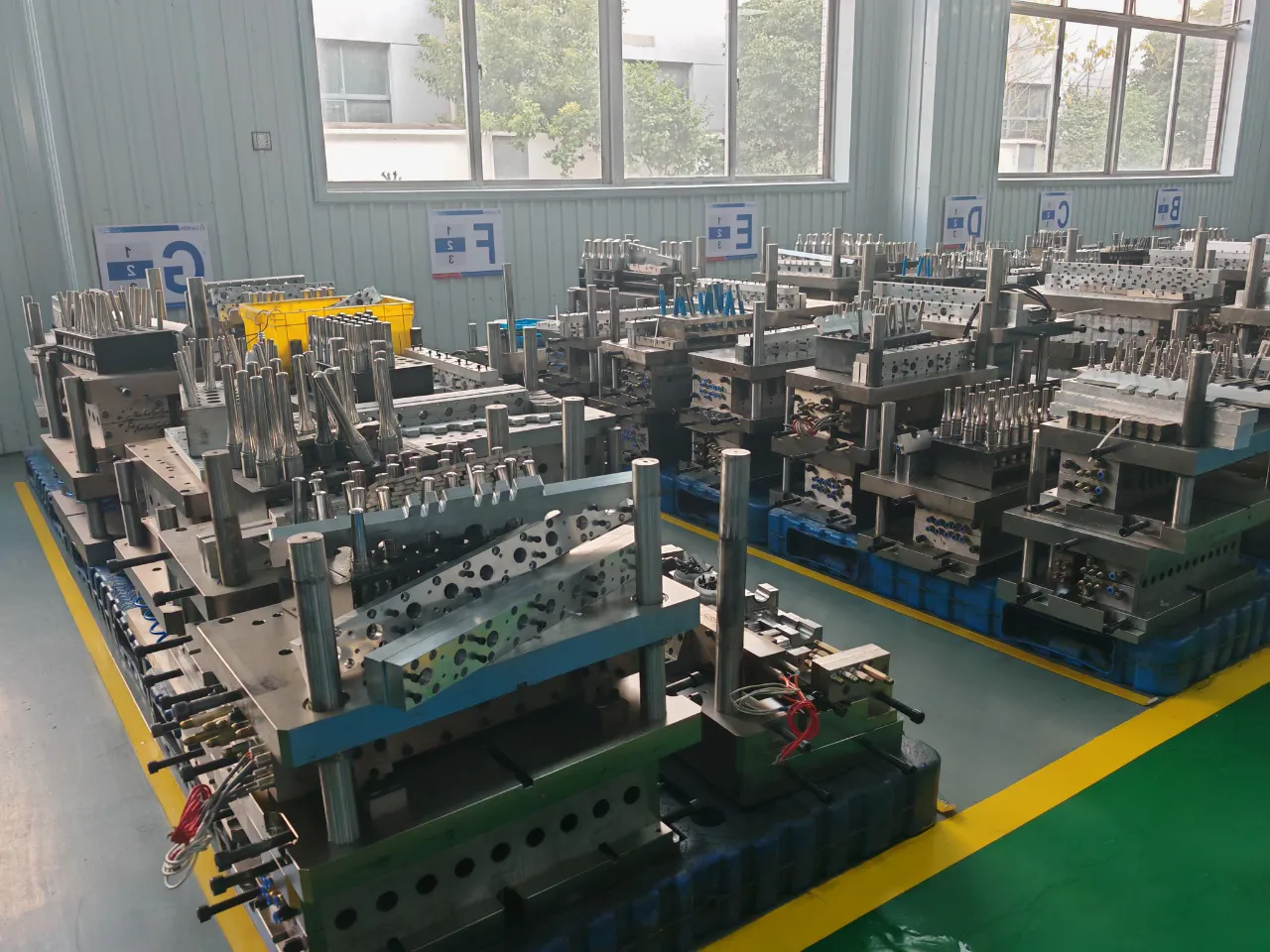
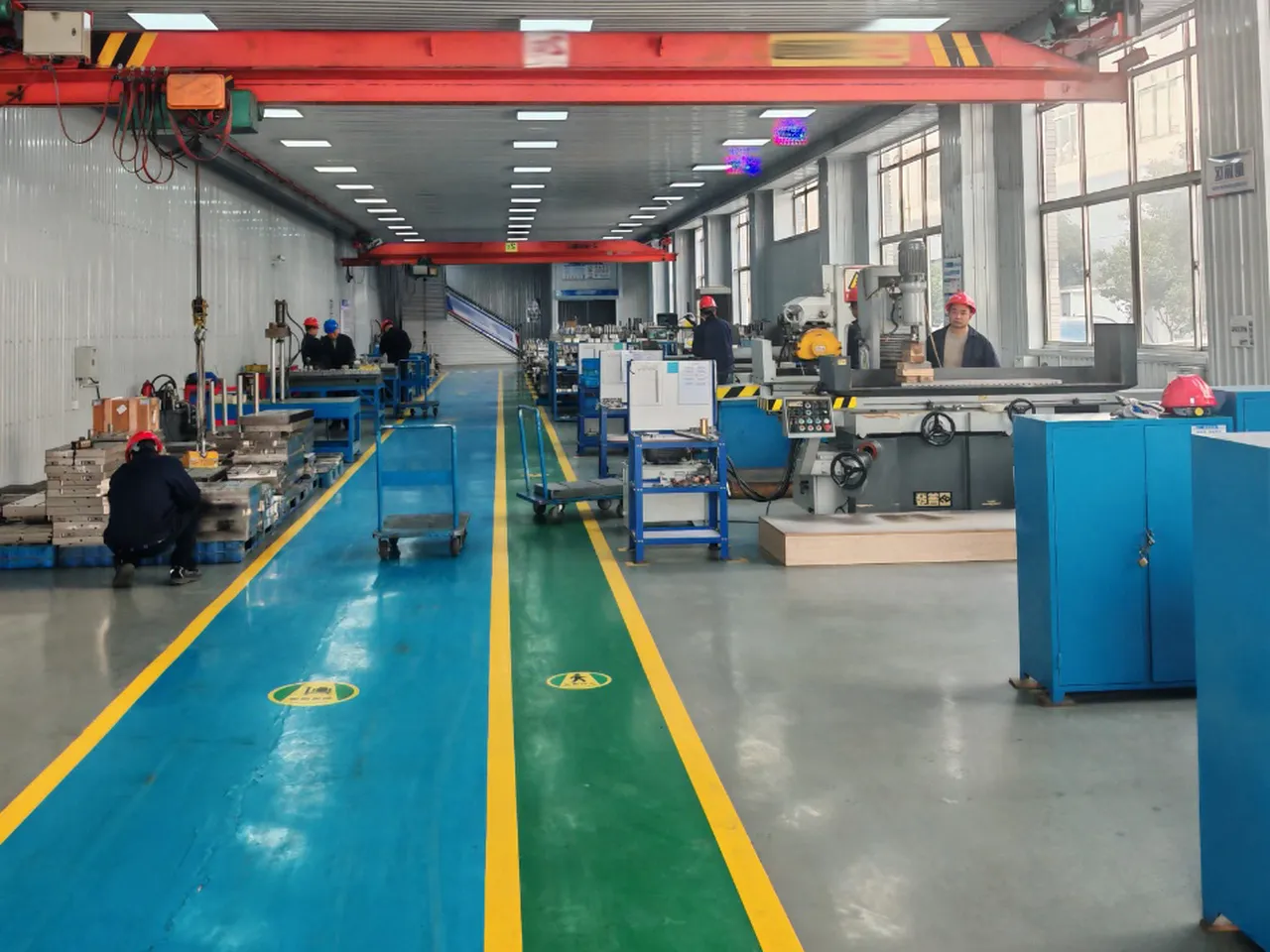
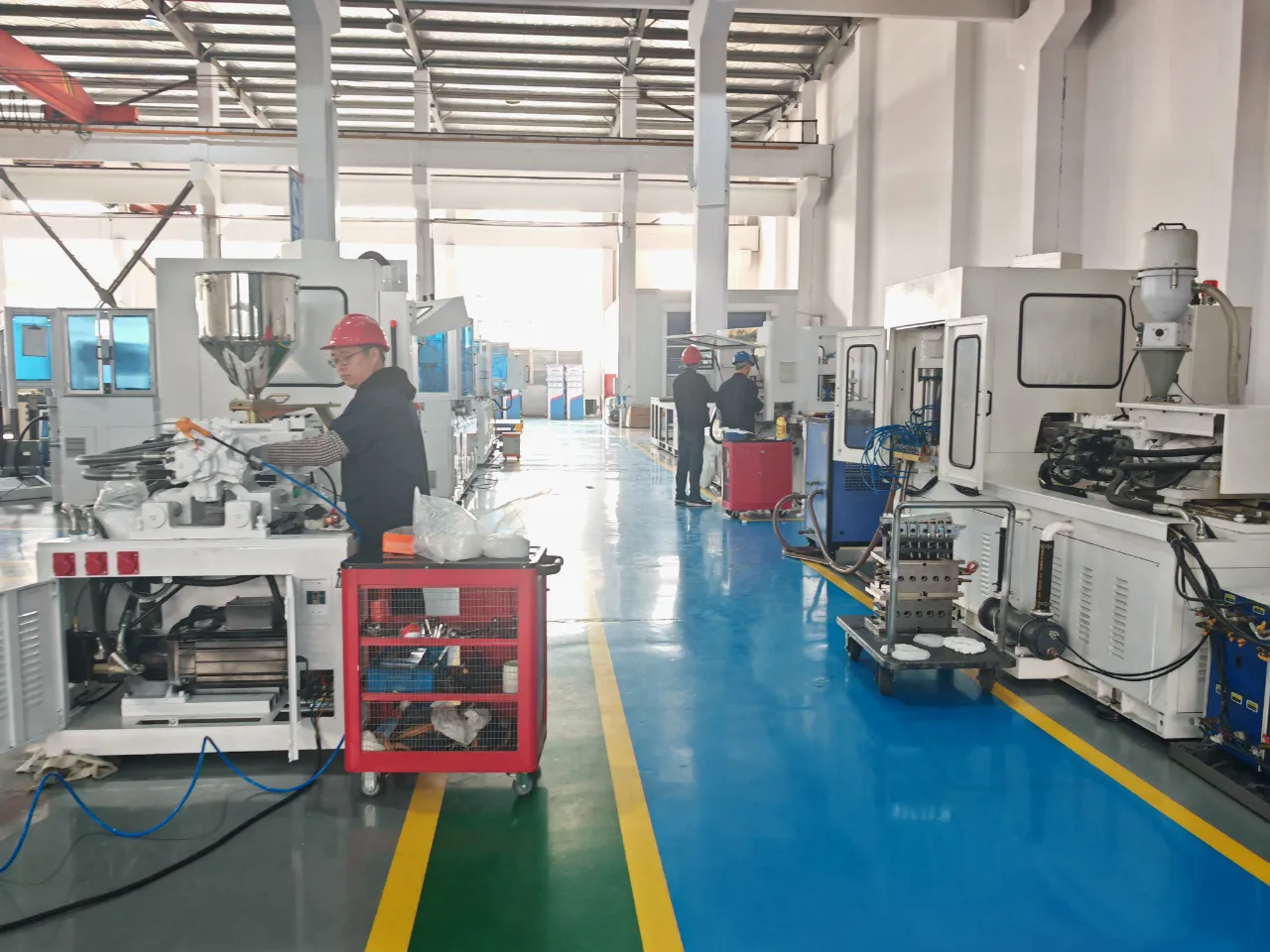
CMN Transmission si occupa principalmente di ricerca e sviluppo, produzione, vendita e commercializzazione a livello globale di macchine automatiche per lo stampaggio a iniezione-soffiaggio in un'unica fase e per lo stampaggio a iniezione-soffiaggio a estrusione. Il nostro portafoglio prodotti comprende macchine per lo stampaggio a iniezione-soffiaggio, macchine per lo stampaggio a estrusione-soffiaggio, macchine per lo stampaggio a iniezione-soffiaggio a estrusione e attrezzature ausiliarie, il tutto supportato da una completa capacità di produzione di stampi per lo stampaggio a iniezione-soffiaggio in un'unica fase presso il nostro stabilimento produttivo di 20.000 metri quadrati.
Il nostro team di ingegneri riunisce specialisti con decenni di esperienza combinata in macchinari per lo stampaggio a iniezione e soffiaggio e nella progettazione di stampi per questo tipo di lavorazione. Ciò consente a CMN di fornire consulenza pre-vendita dettagliata e completa, ingegneria di progetto, collaudo in loco e un servizio post-vendita a lungo termine. Questa profonda competenza è ciò che distingue CMN dai rivenditori di attrezzature e ci permette di offrire un reale valore tecnico ai clienti nei settori del confezionamento farmaceutico, alimentare, sanitario, cosmetico e chimico industriale in tutto il mondo.
Le macchine CMN sono in grado di lavorare HDPE, LDPE, PET, PETG, PP, PS, PPSU, PC, Tritan, ABS, PLA, materiale ecologico derivato dal mais, EVA e resine PCTG, producendo contenitori in plastica da 1 ml a 1.000 ml con la precisione e la qualità estetica richieste dai clienti di marchi globali. Abbiamo collaborato con importanti marchi internazionali nei settori dei beni di consumo, farmaceutico e alimentare, offrendo agli ingegneri CMN un'esperienza diretta degli standard qualitativi applicati dagli acquirenti di imballaggi più esigenti al mondo.
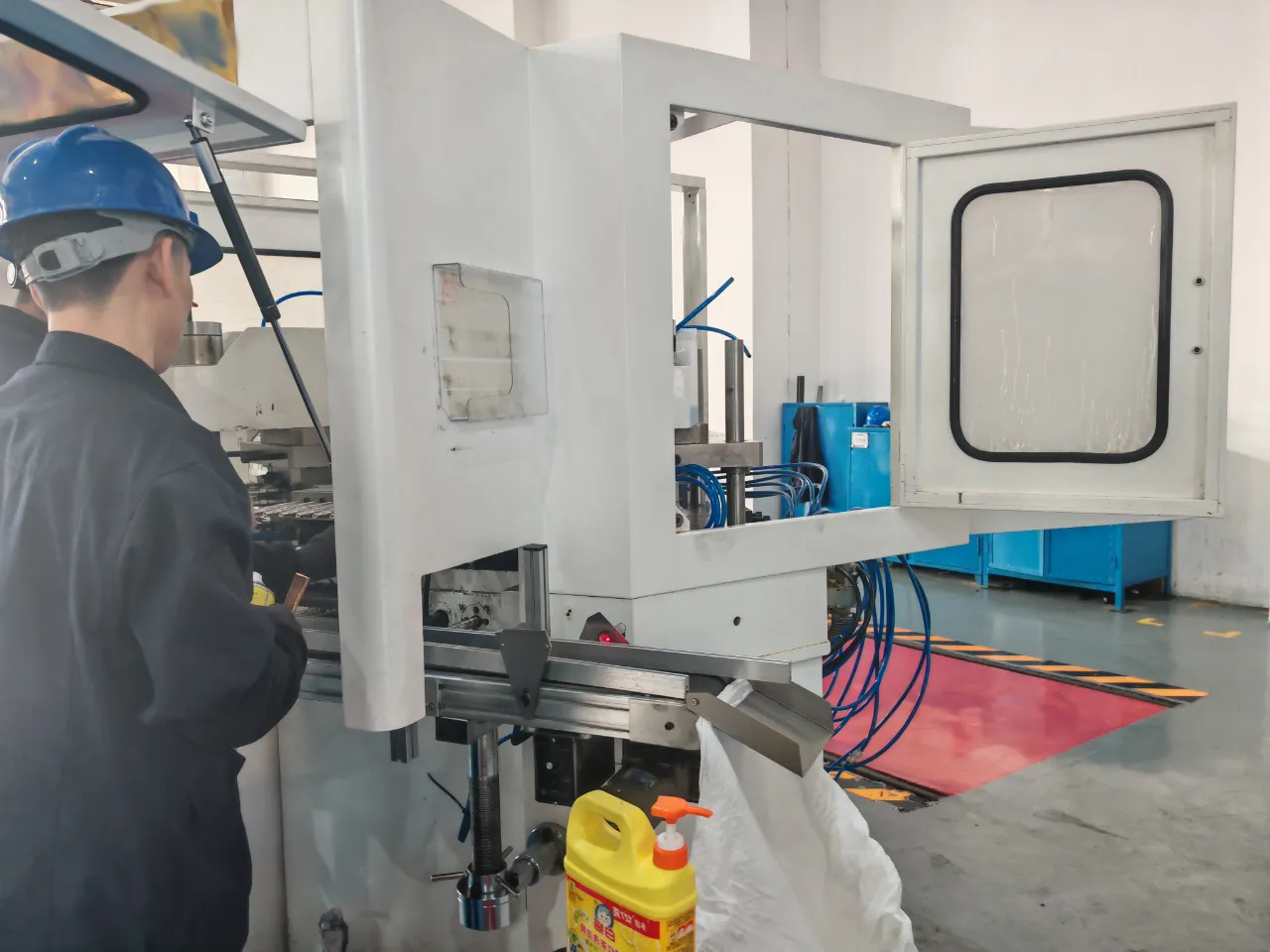
CMN Transmission aderisce ai principi di sviluppo aziendale di autosufficienza, integrità, pragmatismo, innovazione e responsabilità. Offriamo ai nostri clienti soluzioni complete "chiavi in mano" per le macchine per lo stampaggio a iniezione-soffiaggio, dalla progettazione delle bottiglie alla messa in funzione della linea di produzione, in modo che possano concentrarsi sui propri marchi mentre CMN garantisce che i loro macchinari per l'imballaggio offrano una produzione costante, affidabile ed efficiente dal punto di vista energetico per una lunga durata. Che si tratti di valutare il primo acquisto di una macchina ISBM, di sostituire le macchine per lo stampaggio a iniezione-soffiaggio AOKI o di espandere la capacità produttiva di un impianto esistente, CMN possiede le competenze ingegneristiche, le capacità produttive e l'impegno nel servizio clienti per essere il vostro partner a lungo termine per i macchinari.
 |  |
 |  |
Domande frequenti
D: Qual è la differenza tra una macchina per stampaggio a iniezione-soffiaggio a un solo passaggio e un processo a due passaggi?
A: In una macchina per stampaggio a iniezione-soffiaggio a una fase, la preforma viene stampata a iniezione e immediatamente stirata e soffiata nella forma finale del contenitore all'interno della stessa macchina, utilizzando il calore residuo dell'iniezione. Non è necessario alcun riscaldamento. In un processo a due fasi, le preforme vengono stampate a iniezione in una macchina separata, immagazzinate e successivamente riscaldate e soffiate in una macchina per stampaggio a iniezione-soffiaggio indipendente. La macchina ISBM a una fase consuma circa 40% in meno di energia, produce bottiglie con una maggiore trasparenza e richiede meno spazio e manodopera rispetto all'approccio a due fasi.
D: Il modello Y250-V4-B è compatibile con gli stampi giapponesi ASB-70DPH che già possiedo?
R: Sì. La Y250-V4-B è progettata in fabbrica come sostituto compatibile dei modelli di macchine ASB ISBM, in particolare della ASB-70DPH. Ciò significa che gli investimenti esistenti in stampi, barre d'anima e inserti per anelli di fissaggio in formato ASB-70DPH possono essere trasferiti direttamente alla macchina CMN senza modifiche nella maggior parte dei casi. Si consiglia di condividere i disegni dello stampo con gli ingegneri CMN prima dell'acquisto, in modo che eventuali piccole modifiche di compatibilità possano essere confermate in anticipo.
D: Quante bottiglie può produrre la Y250-V4-B per ciclo e quali formati supporta?
A: La Y250-V4-B supporta 8, 10, 12, 14, 16, 20, 24 o 28 cavità per ciclo, a seconda delle dimensioni della bottiglia. I volumi delle bottiglie variano da 50 ml (configurazione a 28 cavità) fino a 1.000 ml (configurazione a 8 cavità). Sono supportate bottiglie con altezze fino a 260 mm e diametri del collo da 15 mm a 58 mm. Sono realizzabili sia geometrie di contenitori standard rotondi che di forme speciali, e CMN può progettare stampi personalizzati in base al disegno specifico della vostra bottiglia.
D: Quali materiali plastici può lavorare questa macchina per stampaggio a iniezione-soffiaggio?
A: Il modello standard Y250-V4-B è configurato per PET e PETG, le resine più comuni per questa classe di macchine. Le configurazioni opzionali supportano PP, PC, Tritan, PS, ABS e PLA, a seconda del design della vite e delle regolazioni della zona di temperatura. La scelta del materiale dipende dai requisiti dell'applicazione: trasparenza, resistenza chimica, resistenza alla temperatura, conformità normativa e riciclabilità sono tutti fattori che influenzano la scelta ottimale. Gli ingegneri di CMN possono fornire consulenza sulla resina e sulla configurazione della vite più adatte alla vostra specifica applicazione di confezionamento.
D: Questa macchina per stampaggio a iniezione-soffiaggio PET è in grado di soddisfare i requisiti GMP per la produzione farmaceutica?
A: Il modello standard Y250-V4-B utilizza sistemi idraulici con servomotori. Per gli ambienti farmaceutici GMP rigorosi che richiedono una produzione senza olio, CMN offre la variante completamente elettrica della macchina per stampaggio a iniezione-soffiaggio (serie YS o EV), che elimina tutti i sistemi idraulici e utilizza esclusivamente servomotori. L'opzione completamente elettrica non presenta alcun rischio di contaminazione da olio idraulico ed è la configurazione consigliata per flaconi per compresse farmaceutiche, flaconi in PET per liquidi orali e contenitori per iniezioni prodotti sotto ispezione GMP.
D: Come si confronta il consumo energetico del modello Y250-V4-B con quello delle macchine ISBM giapponesi?
A: La Y250-V4-B consuma da 15% a 25% di energia in meno rispetto a macchine per stampaggio a iniezione-soffiaggio comparabili prodotte in Giappone, Europa e Stati Uniti. Il risparmio energetico è ottenuto grazie a tre sistemi di servopompe, anelli riscaldanti a infrarossi lontani nano (che riscaldano in modo più efficiente rispetto ai tradizionali riscaldatori a resistenza) e un design ottimizzato del circuito idraulico. Con una potenza totale della macchina di 82,7 kW, di cui 67,7 kW per il servomotore e 15 kW per il riscaldamento, la macchina offre un'elevata produttività con un costo dell'elettricità significativamente ridotto per mille bottiglie prodotte.
D: Quali sono i tempi di consegna per il modello Y250-V4-B e cosa include la consegna?
A: I tempi di consegna standard, dall'ordine confermato e dal versamento dell'acconto alla messa in funzione della macchina, sono in genere dai 60 ai 90 giorni, a seconda della configurazione e del programma di produzione in corso. La consegna include la macchina completamente assemblata e collaudata in fabbrica, un set completo di parti di ricambio soggette ad usura, manuali di funzionamento e manutenzione e schemi elettrici. CMN fornisce inoltre assistenza per l'installazione in loco, formazione per gli operatori e supporto per la messa in servizio della produzione, per aiutare il vostro team a raggiungere la qualità di produzione desiderata fin dalla prima produzione.
D: Qual è la differenza tra il modello Y250-V4-B e il modello Y250-V4?
A: La Y250-V4-B è la versione a doppia fila della serie Y250, progettata per un numero maggiore di cavità e per la produzione di bottiglie più piccole in uno stampo più compatto. La Y250-V4 è la versione standard a fila singola, che consente di utilizzare bottiglie di diametro maggiore per cavità, ma con un numero totale di cavità inferiore. La Y250-V4-B è più adatta alla produzione di grandi volumi di contenitori di piccole e medie dimensioni (da 50 ml a 1.000 ml), mentre la Y250-V4 è preferibile per la produzione di un numero inferiore di contenitori di dimensioni maggiori, fino a volumi simili. Entrambe sono compatibili con gli stampi in formato ASB-70DPH.
D: CMN offre servizi di progettazione e produzione di stampi personalizzati per il modello Y250-V4-B?
R: Sì. CMN Transmission offre servizi completi di progettazione e produzione di stampi a iniezione-soffiaggio in un'unica fase, per soddisfare i disegni specifici delle vostre bottiglie, le specifiche di finitura del collo e il numero di cavità desiderato. La progettazione dello stampo viene eseguita utilizzando CAD e simulazioni di flusso per ottimizzare la posizione del punto di iniezione, la disposizione dei canali di raffreddamento e il bilanciamento delle cavità prima di iniziare qualsiasi taglio. La produzione di stampi di precisione di CMN raggiunge costantemente tolleranze estremamente ristrette che eliminano i segni visibili della linea di separazione sui contenitori finiti, uno standard di qualità che ha reso CMN un fornitore preferito di macchine per stampaggio a iniezione ISBM per marchi cosmetici e farmaceutici esigenti.
D: Quale assistenza post-vendita e supporto tecnico offre CMN agli acquirenti internazionali?
A: CMN offre una consulenza tecnica pre-vendita completa, supervisione dell'installazione in loco e formazione degli operatori all'avvio della macchina, nonché un supporto post-vendita continuo tramite videochiamata, accesso remoto alla diagnostica PLC e visite in loco di tecnici specializzati per interventi di assistenza importanti. I pezzi di ricambio, tra cui anelli riscaldanti, viti, guarnizioni e componenti idraulici, sono disponibili a magazzino per spedizioni internazionali rapide. I tecnici CMN vantano esperienza nell'assistenza a macchine operative in Asia, Medio Oriente, Sud America, Africa ed Europa e sono in grado di gestire sessioni di supporto remoto nella maggior parte dei fusi orari.
Recensioni dei clienti
Kim Jae-won | Confezionamento farmaceutico | Corea del Sud
"Circa otto mesi fa abbiamo sostituito una macchina ASB giapponese con la Y250-V4-B nella nostra linea di confezionamento farmaceutico a Seoul. Onestamente, all'inizio ero un po' scettico a causa dell'enorme differenza di prezzo, ma dopo averla utilizzata per alcuni mesi posso affermare che la qualità delle bottiglie è paragonabile e che i costi energetici di quella linea si sono ridotti notevolmente. Utilizziamo flaconi in PET per liquidi orali a 12 cavità da 60 ml e il tasso di scarto per difetto del collo è rimasto inferiore a 0,4% sin dalla messa in funzione. Gli ingegneri di CMN hanno trascorso quattro giorni in loco per aiutarci a impostare correttamente i parametri e si sono dimostrati molto pazienti durante tutto il processo."
Mariana Costa | Confezionamento cosmetici | Brasile
"Utilizziamo la Y250-V4-B per la produzione di flaconi per cosmetici qui a San Paolo da quasi un anno e mezzo. Realizziamo cicli a 20 cavità su flaconi per lozioni in PETG da 250 ml e la finitura superficiale è davvero eccellente. I nostri clienti ci hanno fatto notare che i flaconi hanno un aspetto migliore rispetto a quelli che producevamo con la vecchia macchina, il che credo sia dovuto all'eliminazione della linea di giunzione. I tempi di consegna della macchina sono stati ragionevoli e i pezzi di ricambio che abbiamo ordinato sei mesi prima sono arrivati entro due settimane, quindi l'assistenza post-vendita è solida."
Zhang Wei | Imballaggi alimentari | Cina
"La macchina è arrivata in ottime condizioni e il team di installazione di CMN si è dimostrato molto professionale. Avevamo una richiesta specifica riguardo alla configurazione del controllo della temperatura, poiché utilizziamo sulla stessa macchina sia bottiglie in PET per alimenti da 500 ml che bottiglie per condimenti da 100 ml, e si sono resi disponibili a personalizzare la configurazione per velocizzare i cambi di formato. Dopo tre mesi, la produzione è in linea con i nostri obiettivi e gli operatori, dopo la formazione, trovano l'interfaccia PLC facile da usare. Sono rimasto piacevolmente sorpreso anche dalla reattività del team di vendita durante le trattative."
Rajesh Mehta | Produzione di prodotti per la cura della persona | India
"Gestisco un'azienda di medie dimensioni per l'imbottigliamento di prodotti per la cura della persona a Mumbai e abbiamo acquistato la Y250-V4-B per sostituire una macchina di un concorrente che ci causava troppi problemi di inattività. Il sistema con servopompa garantisce livelli di rumorosità molto più bassi nell'area di produzione, un aspetto che il mio team apprezza molto. Utilizziamo flaconi di shampoo da 400 ml a 16 cavità e la costanza del ciclo è ottima. Un aspetto che vorrei sottolineare è il risparmio energetico, perché l'elettricità nella nostra regione è costosa e la riduzione dei consumi ha fatto una differenza significativa sui nostri costi fissi mensili. Consiglierei questa macchina a chiunque operi nel settore della cura della persona."
Carlos Álvarez | Imballaggio agrochimico | Messico
"Abbiamo ordinato due unità della Y250-V4-B per il nostro impianto di produzione di flaconi per prodotti agrochimici a Guadalajara. La decisione di affidarci a un produttore cinese di macchine ISBM anziché ai tradizionali marchi giapponesi non è stata facile, ma dopo dodici mesi di produzione posso affermare con certezza che è stata la scelta giusta. I flaconi superano tutti i test di coppia di chiusura e di resistenza alle cadute, la linea di giunzione è pulita e non abbiamo avuto un singolo fermo macchina imprevisto. Anche la spedizione e la documentazione doganale sono state gestite in modo efficiente, rendendo il processo di importazione molto più agevole del previsto."
Ayse Demir | Produzione di articoli per neonati | Turchia
"Siamo specializzati nella produzione di biberon ad Ankara e abbiamo valutato quattro diversi fornitori di macchine per lo stampaggio a iniezione-soffiaggio prima di scegliere CMN. Il fattore chiave per noi è stata la disponibilità di una configurazione dello stampo compatibile con PC e l'opzione completamente servoassistita, adatta all'ambiente di camera bianca. Alla fine abbiamo optato per il modello standard Y250-V4-B, che utilizza PETG, e la qualità della produzione è stata eccellente. I nostri clienti del settore pediatrico effettuano rigorosi controlli di qualità sulle dimensioni della finitura del collo e sullo spessore delle pareti, e il nostro tasso di scarto dall'installazione è ben al di sotto dello 0,5%. Il team tecnico di CMN ci ha inoltre fornito indicazioni dettagliate sulla gestione del materiale, specifiche per il PETG, che si sono rivelate molto utili."
Ahmed Hassan | Confezionamento di olio alimentare | Egitto
"La nostra azienda di imbottigliamento di olio alimentare al Cairo ha acquistato la Y250-V4-B otto mesi fa e da allora è in funzione senza interruzioni. Produciamo bottiglie di olio da cucina in PET da 1000 ml in 8 cavità e le bottiglie sono cristalline, una caratteristica molto apprezzata dai nostri clienti perché desiderano vedere il colore dell'olio prima dell'acquisto. L'ingombro della macchina è sufficientemente compatto per il nostro stabilimento e il peso di 16 tonnellate è gestibile con la nostra attuale capacità di carico. Ero un po' preoccupato per l'assistenza tecnica data la distanza, ma il supporto tramite videochiamata degli ingegneri di CMN è stato rapido ed efficace ogni volta che ne abbiamo avuto bisogno."
Piotr Kowalski | Distribuzione di macchinari per l'imballaggio | Polonia
"Siamo un distributore di macchine per l'imballaggio con sede a Varsavia e abbiamo aggiunto la Y250-V4-B al nostro catalogo due anni fa. Ad oggi abbiamo installato sette unità presso clienti in Polonia e Repubblica Ceca, operanti nei settori farmaceutico, alimentare e cosmetico. Il feedback ricevuto da tutte e sette le installazioni è stato positivo. La compatibilità degli stampi con gli utensili ASB è stata fondamentale per diversi clienti che avevano già investito in stampi. I tempi di consegna, dall'ordine alla consegna, sono stati di circa 90 giorni, un dato competitivo, e CMN si è dimostrata sempre disponibile a rispondere alle nostre domande tecniche per conto dei clienti. Si tratta di una macchina di alto livello a un prezzo molto competitivo."
Nguyen Thi Lan | Gruppo di produzione cosmetica | Vietnam
"Gestisco gli acquisti per un gruppo di produttori di cosmetici a Ho Chi Minh City e di recente abbiamo ricevuto la nostra seconda Y250-V4-B, dopo che la prima ha funzionato così bene. Produciamo principalmente flaconi in PETG da 50 ml a 250 ml per sieri e lozioni e la trasparenza ottica e la qualità della superficie sono sempre state elevate. La differenza nel consumo energetico rispetto alla nostra vecchia macchina idraulica è evidente sui nostri contatori. Apprezzo anche il fatto che CMN abbia inviato un tecnico per l'installazione della seconda macchina senza che dovessimo richiederlo, e che ci abbia portato una resistenza riscaldante di ricambio come pezzo di ricambio omaggio. Questo tipo di supporto proattivo infonde grande fiducia."
Informazioni aggiuntive
| A cura di | Yjx |
|---|
Prodotti correlati
-
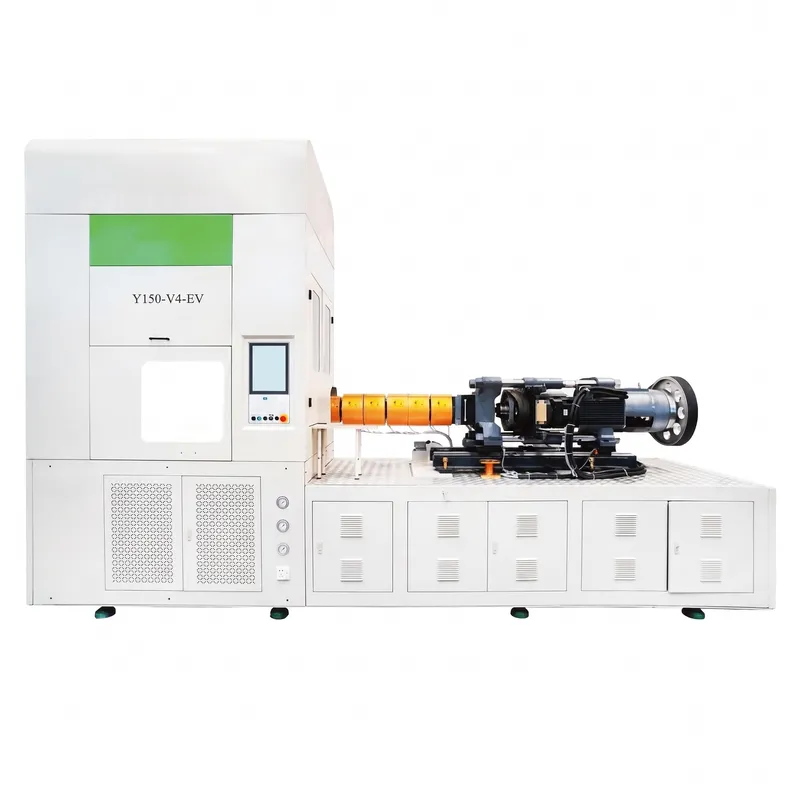
Macchina per stampaggio a iniezione-soffiaggio monostadio Y150-V4-EV (4 stazioni)
-
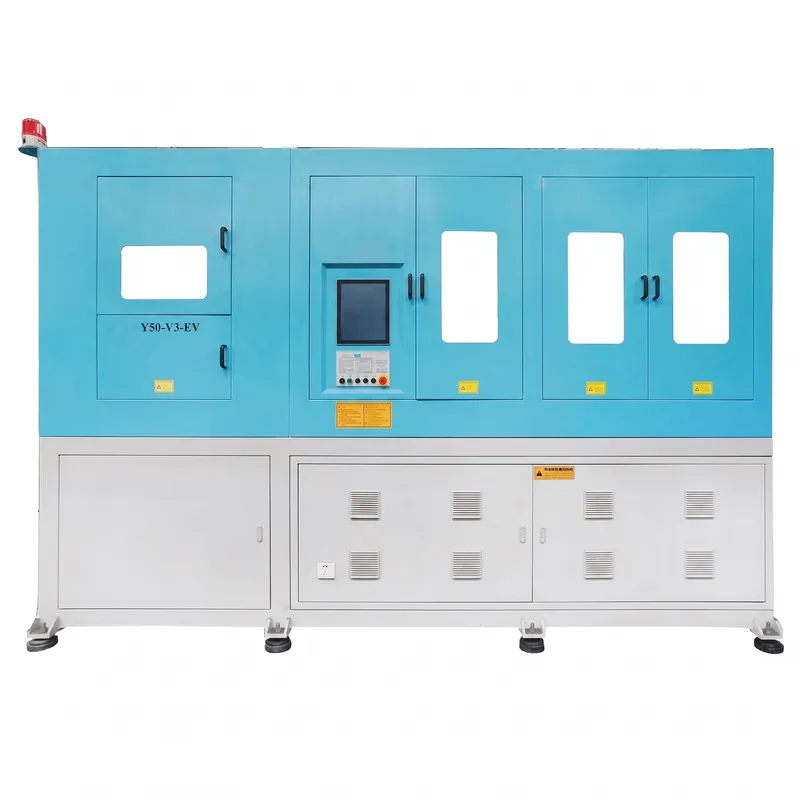
Macchina per stampaggio a iniezione-soffiaggio monostadio Y50-V3-EV (3 stazioni)
-
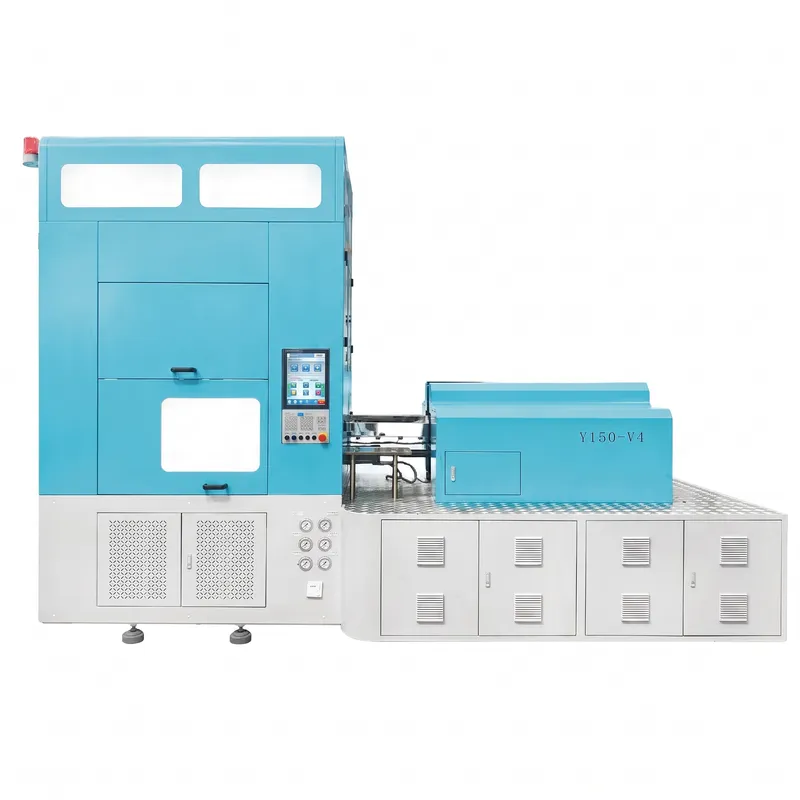
Macchina per stampaggio a iniezione-soffiaggio monostadio Y150-V4 (4 stazioni)
-
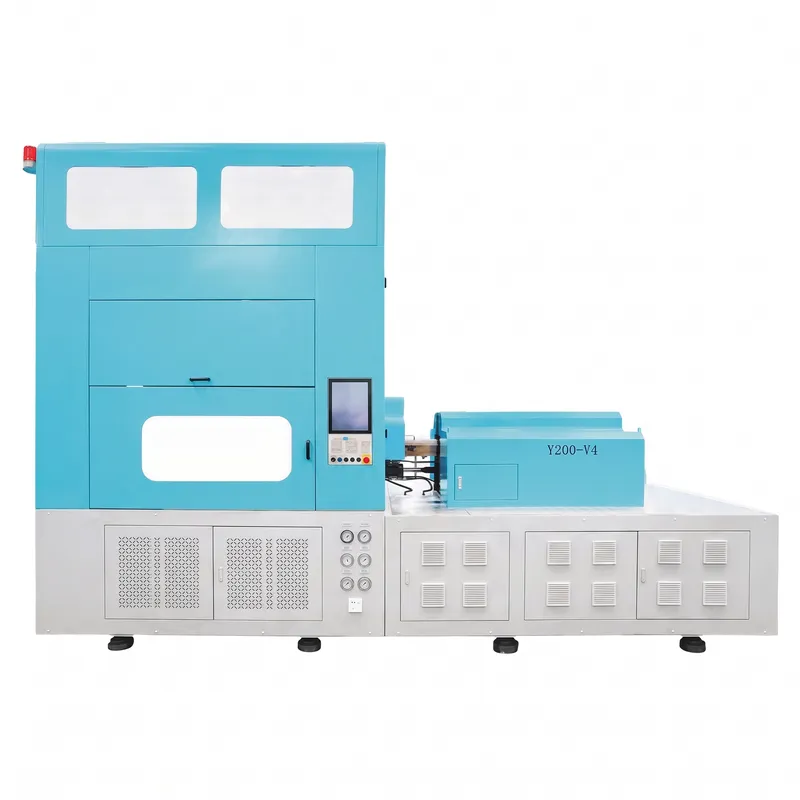
Macchina per stampaggio a iniezione-soffiaggio monostadio Y200-V4 (4 stazioni)
-
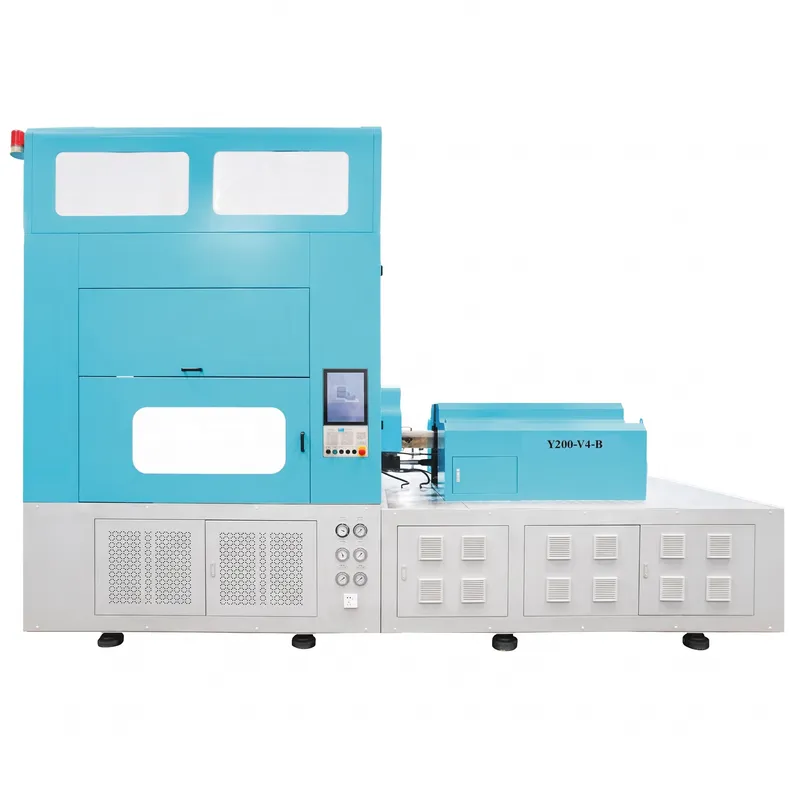
Y200-V4-B Macchina per stampaggio a iniezione-soffiaggio a un solo passaggio (4 stazioni)