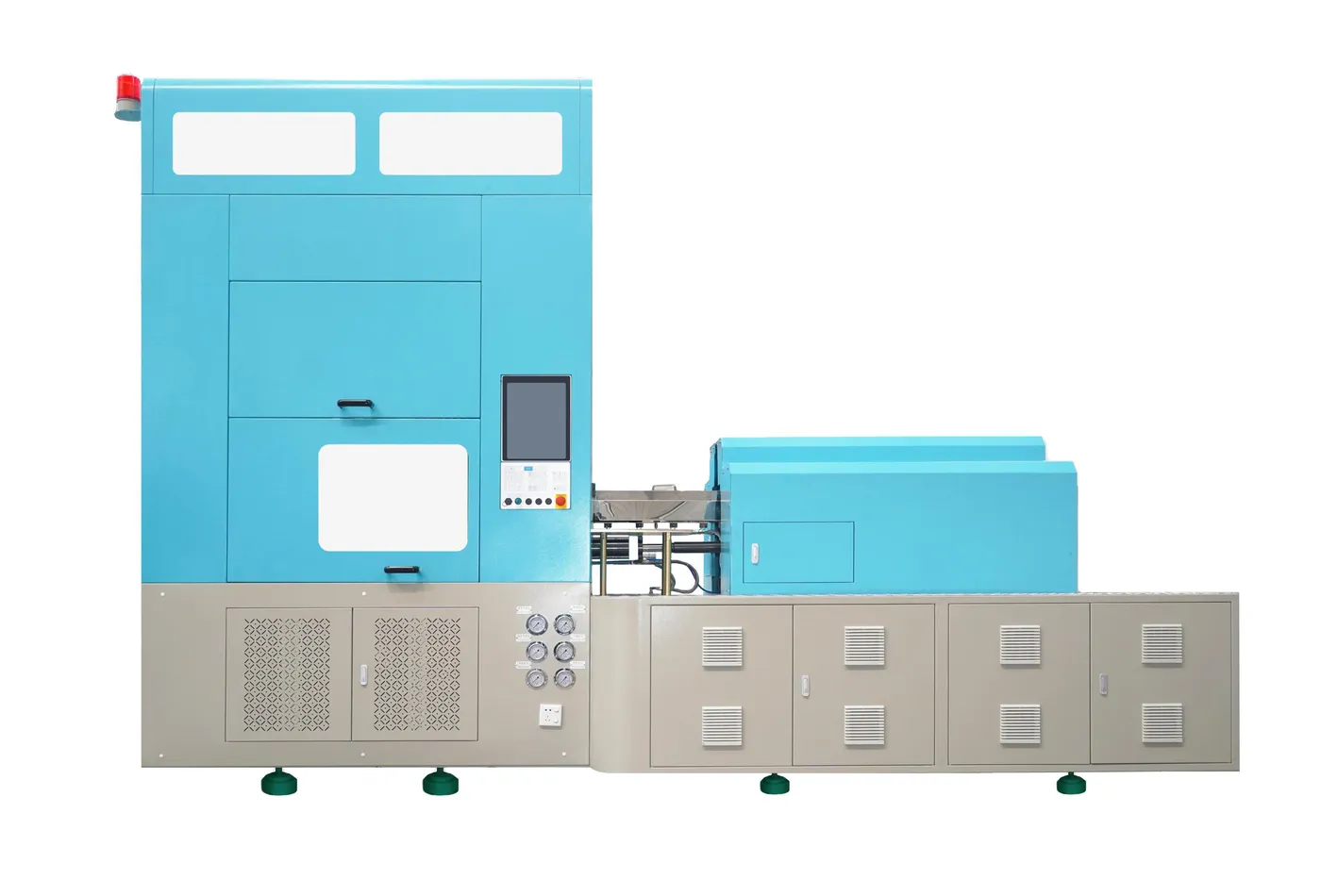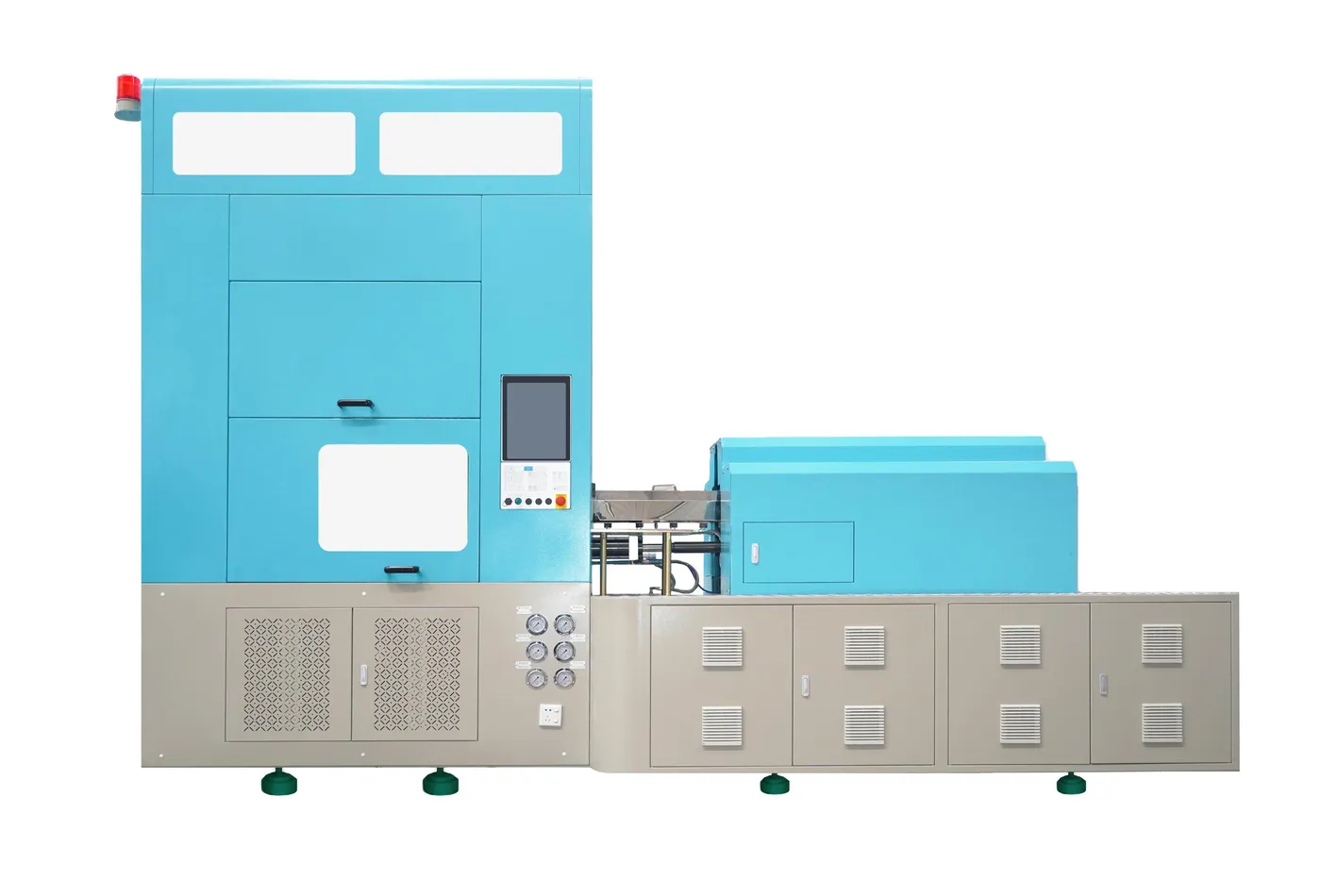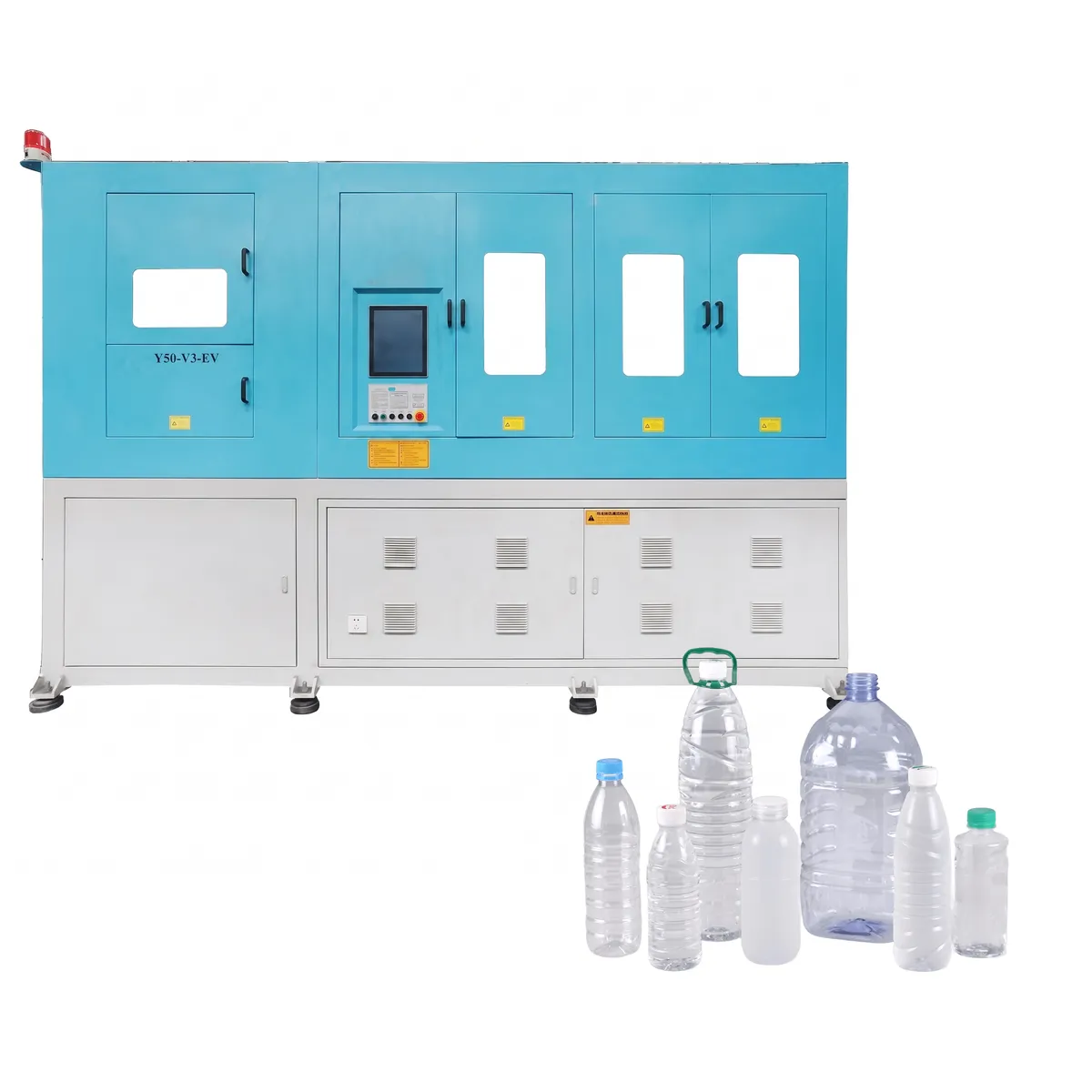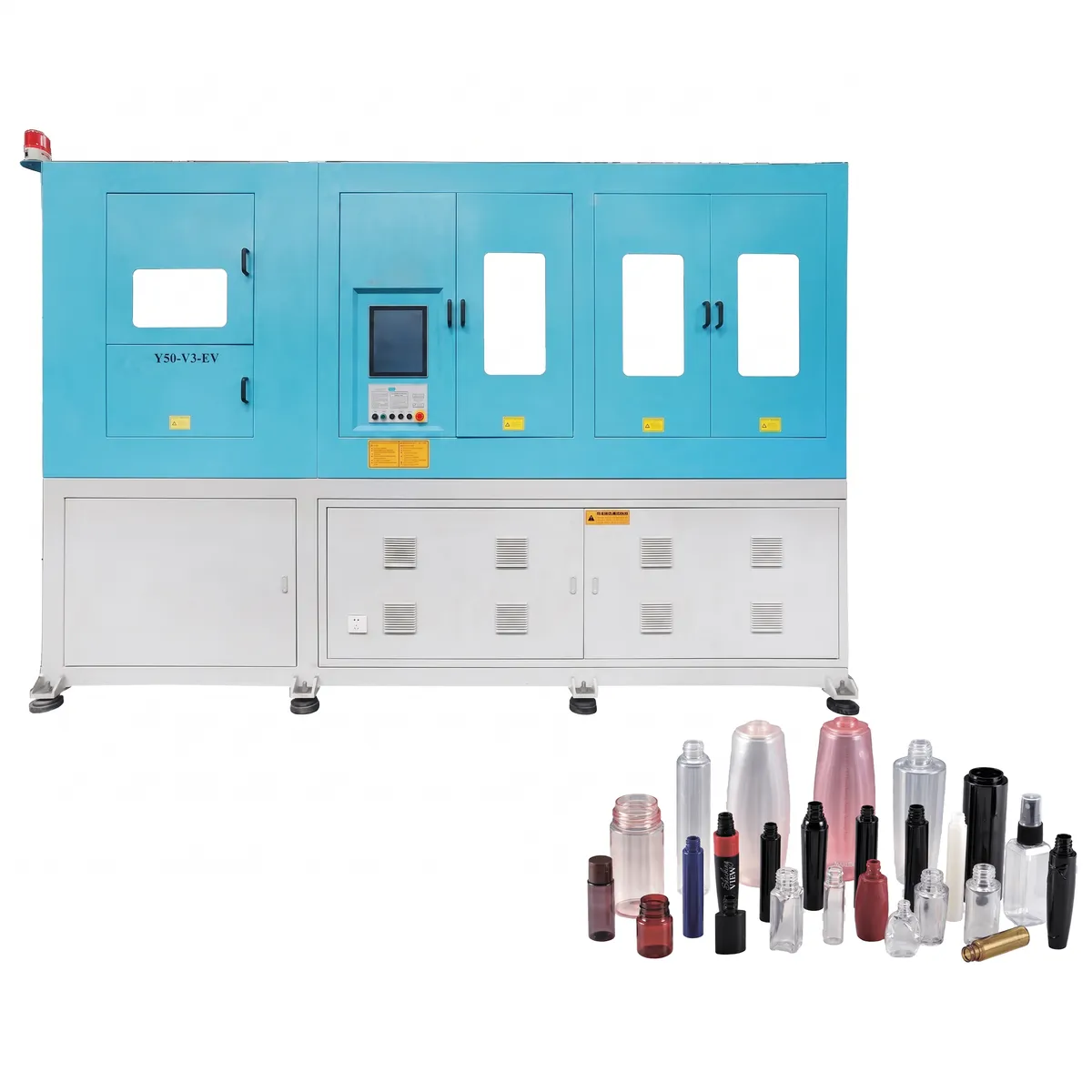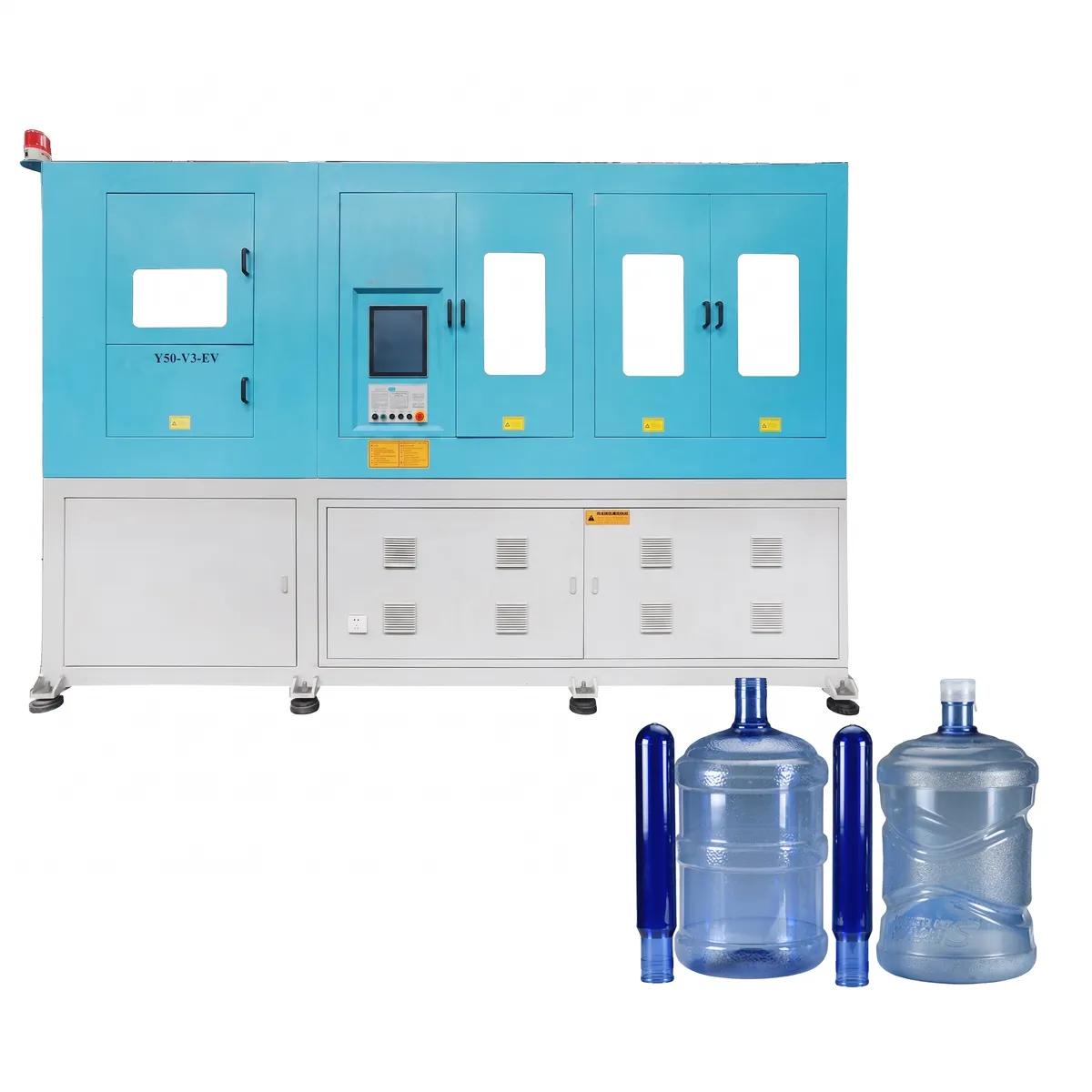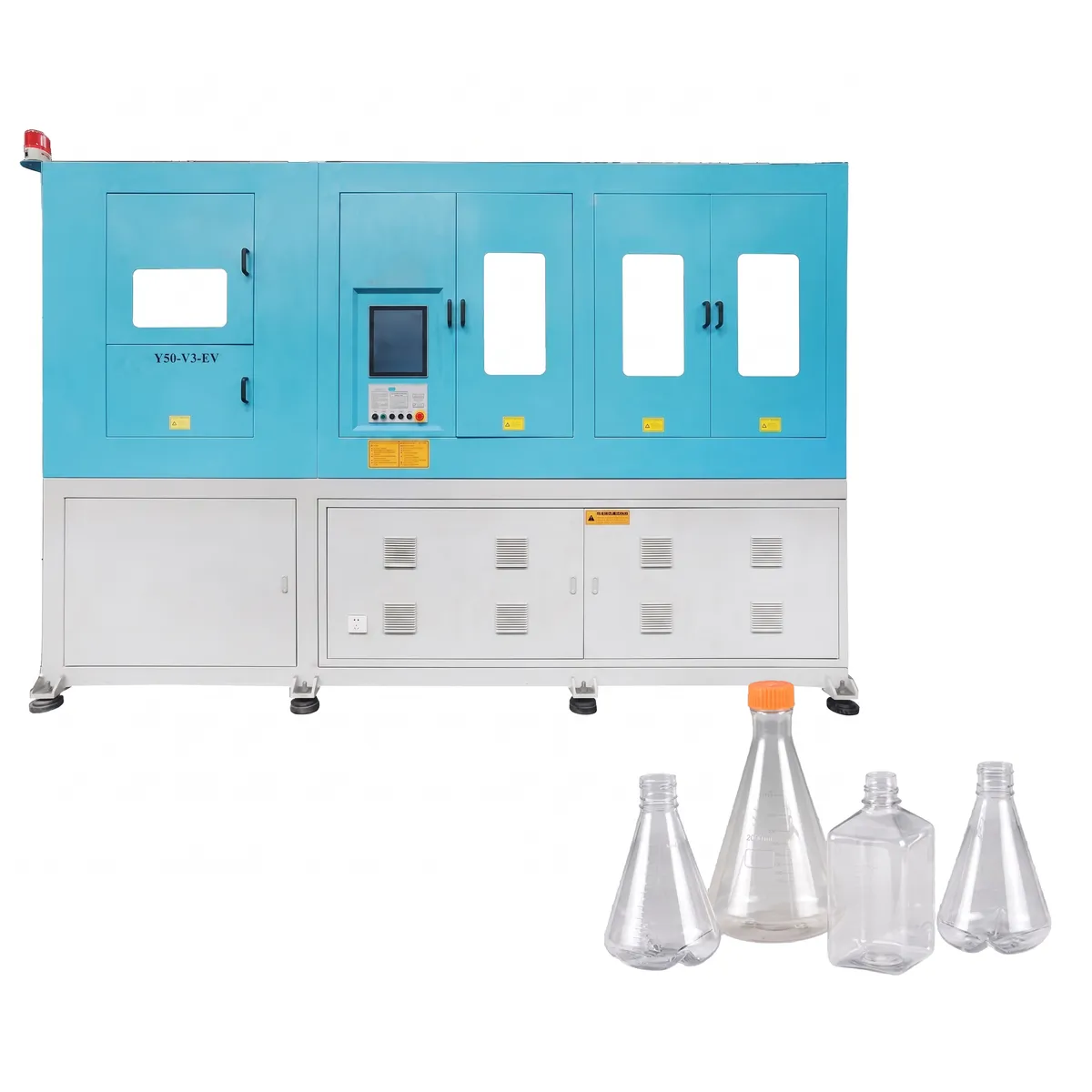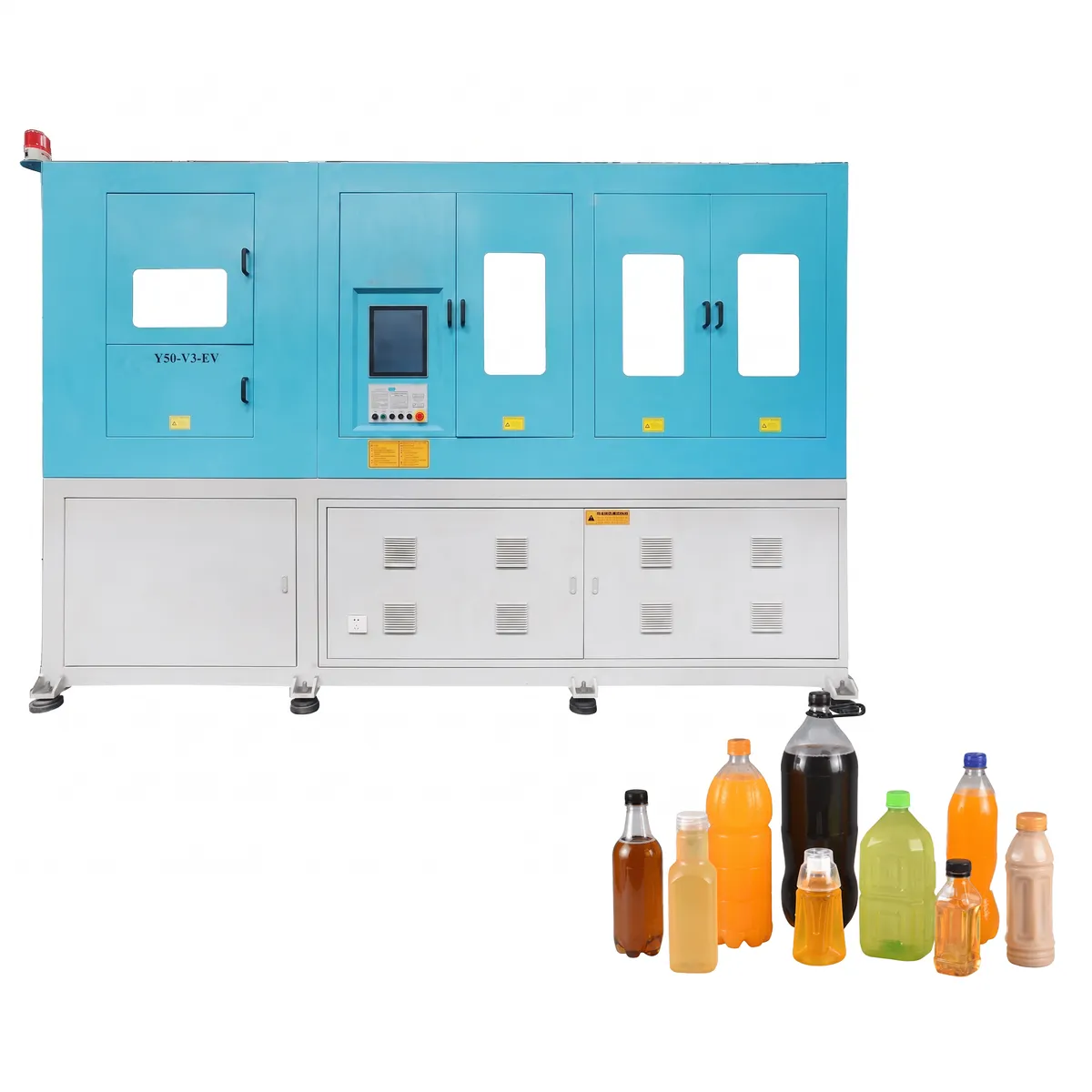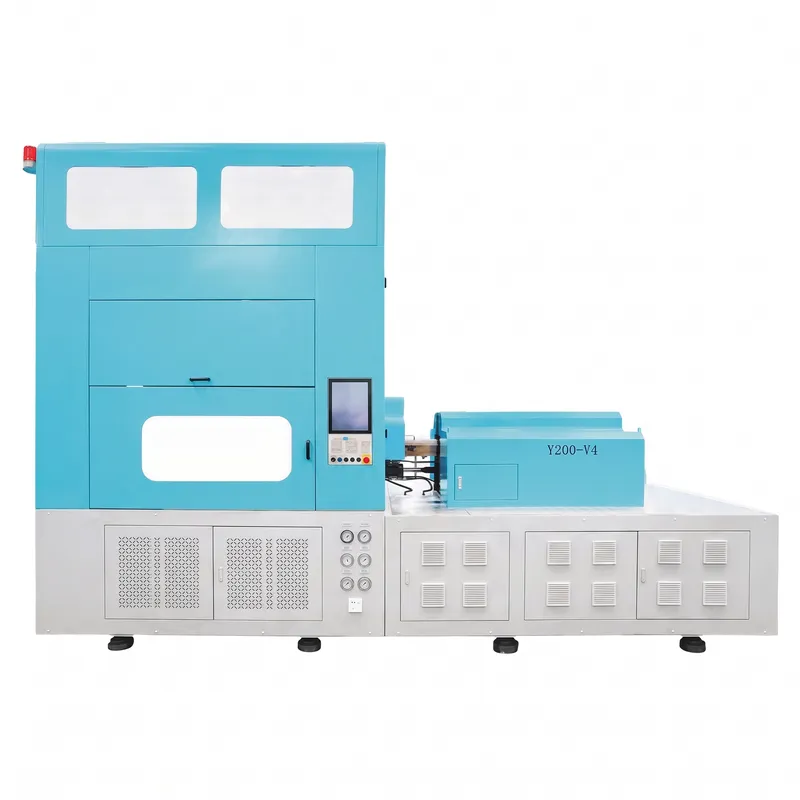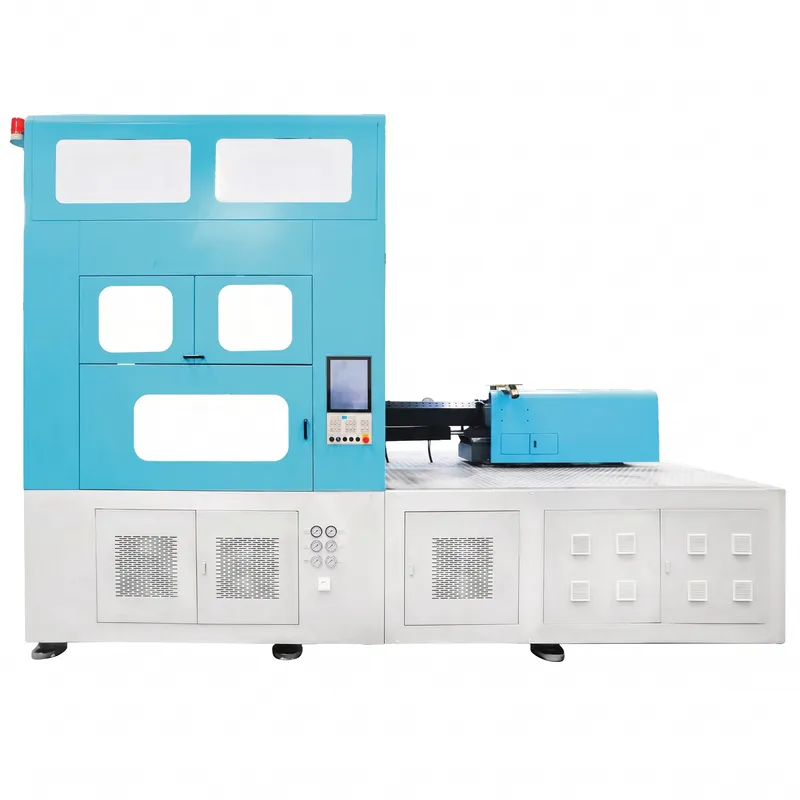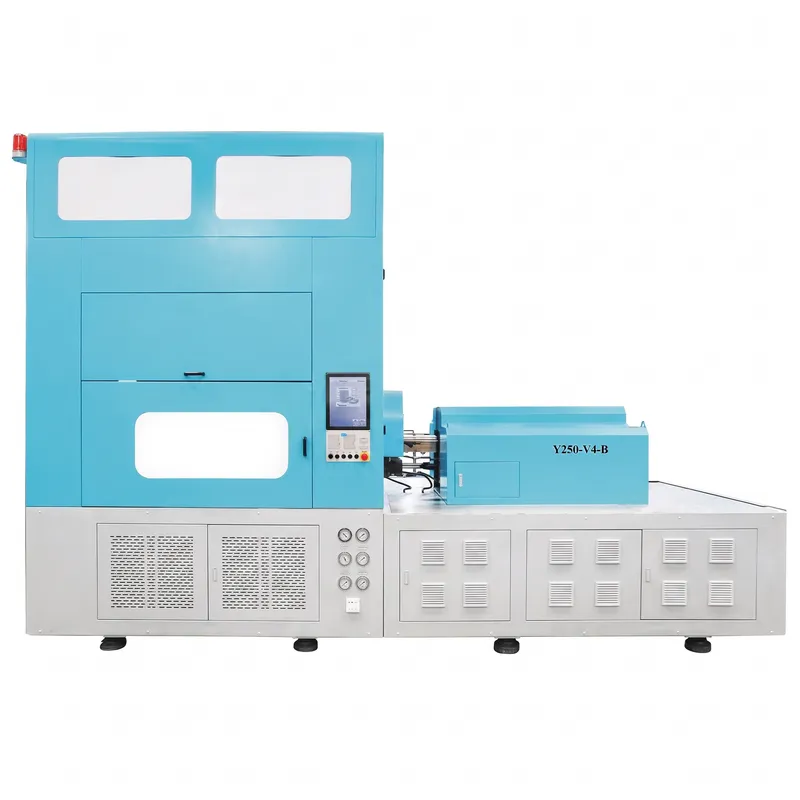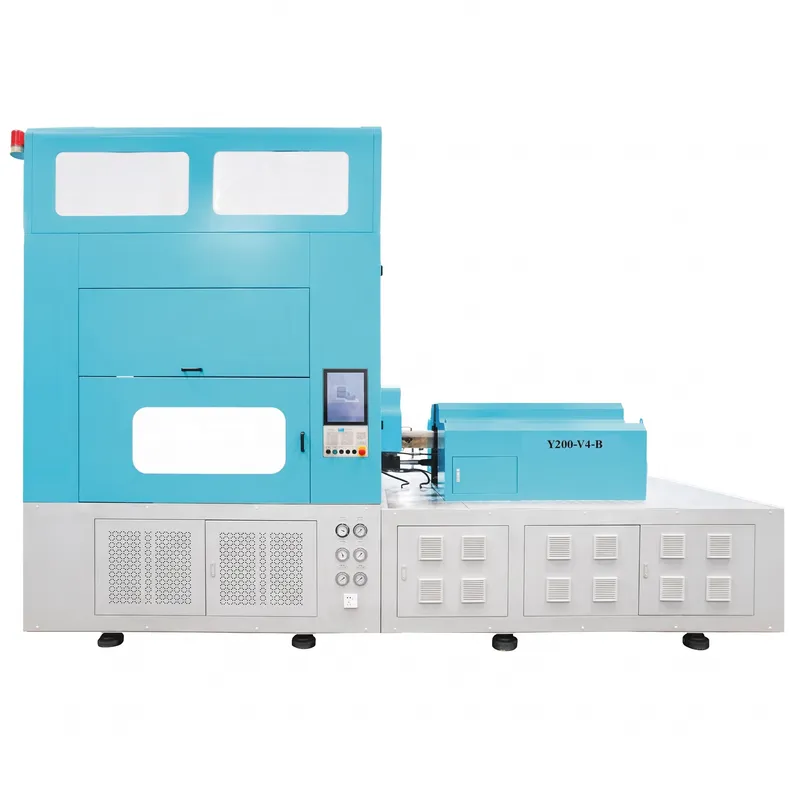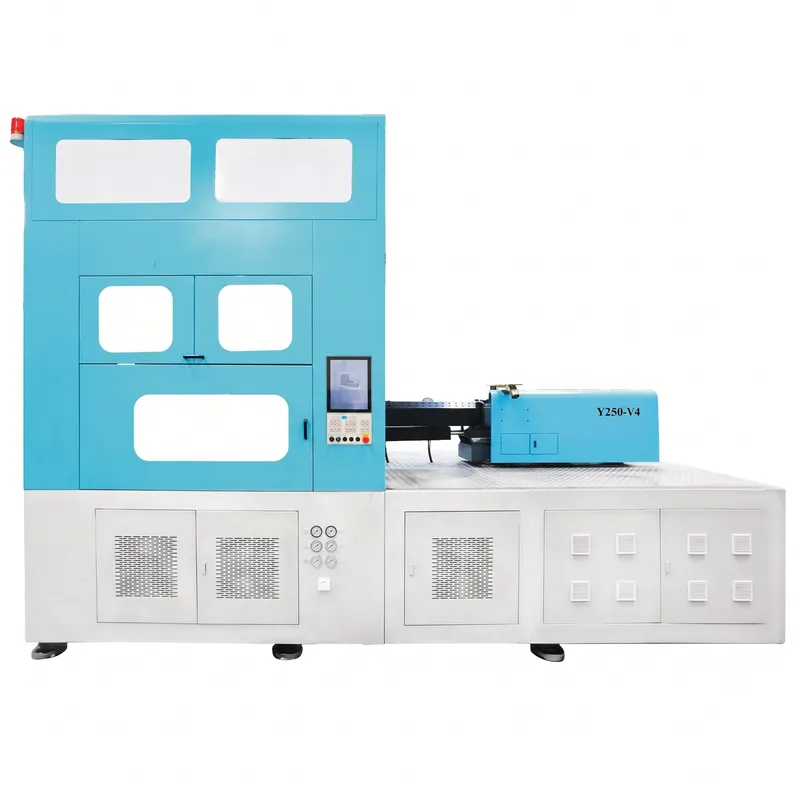
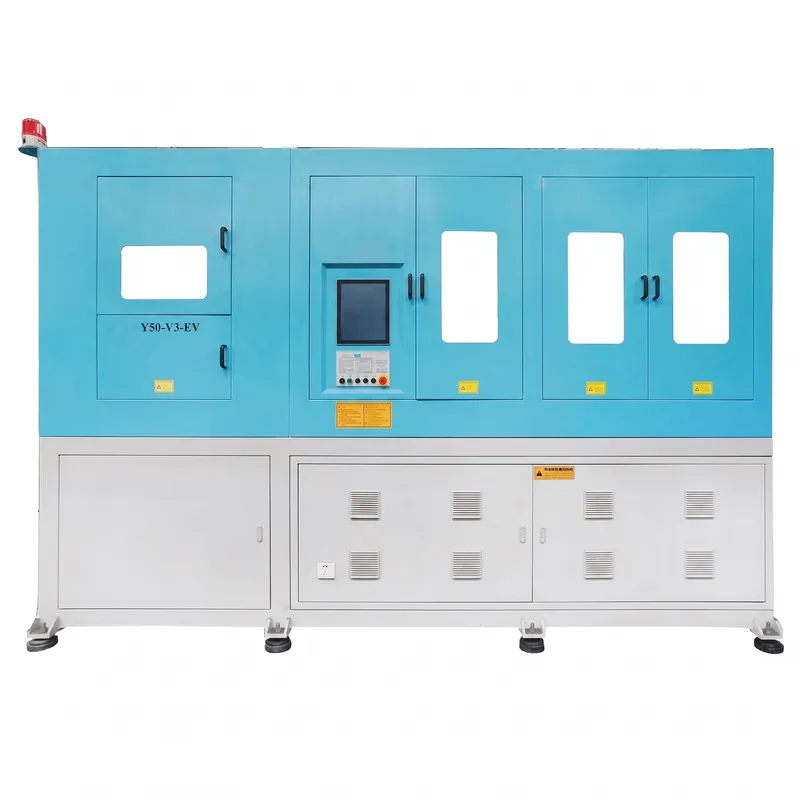
Y50-V3-EV One Step Injection Stretch Blow Molding Machine (3-Station)
The Y50-V3-EV is a fully electric, single-stage injection stretch blow molding machine engineered for high-precision, high-throughput hollow plastic container production. As a versatile one step ISBM machine, it integrates the three critical stages of injection, stretching, and blow moulding into one seamless continuous process within a single compact unit. By eliminating intermediate transfer steps, the Y50-V3-EV dramatically reduces cycle time, minimizes contamination risk, and ensures superior dimensional consistency.
The Y50-V3-EV is a fully electric, single-stage injection stretch blow molding machine engineered for high-precision, high-throughput hollow plastic container production. As a versatile one step ISBM machine, it integrates the three critical stages of injection, stretching, and blow moulding into one seamless continuous process within a single compact unit. By eliminating intermediate transfer steps, the Y50-V3-EV dramatically reduces cycle time, minimizes contamination risk, and ensures superior dimensional consistency. Designed to process PET and PETG materials, this machine is the ideal solution for manufacturers seeking a reliable, energy-efficient alternative to traditional two-step systems and a direct replacement for Japanese AOKI injection stretch blow molding machines.
Manufactured by CMN Transmission, a professional injection stretch blow molding machine manufacturer, the Y50-V3-EV is widely deployed in pharmaceutical packaging, cosmetic bottle production, food and beverage container manufacturing, pesticide bottle forming, and specialty packaging applications. With its five-servo control architecture, NSK Japan lead screws, American Parker high-pressure valves, and a dual servo motor blow mold clamping system, this customized injection stretch blow molding machine delivers the performance and versatility that modern production lines demand, whether you are scaling up output or transitioning from legacy AOKI blow molding equipment.

交換可能なブランドとモデル
| Standard Model | Y150-V4 | Y200-V4 | Y250-V4 |
![]() | Compatible with the Japanese ASB-12M | Compatible with the Japanese Aoki 250 | Compatible with the Japanese ASB-70DPH |
| Y150-V4-B | Y500-V3 | - | |
| Compatible with the Japanese Aoki 100 | Compatible with the Japanese Aoki 500 | - | |
| Hydraulic clamping, hydraulic screw injection. | |||
| Servo Model | YS150-V4 | YS200-V4 | YS250-V4 |
![]() | Servo clamping, servo screw injection High precision, low energy, long-term stability | ||
| Fully Electric Model | Y150-V4-EV | Y200-V4-EV | Y250-V4-EV |
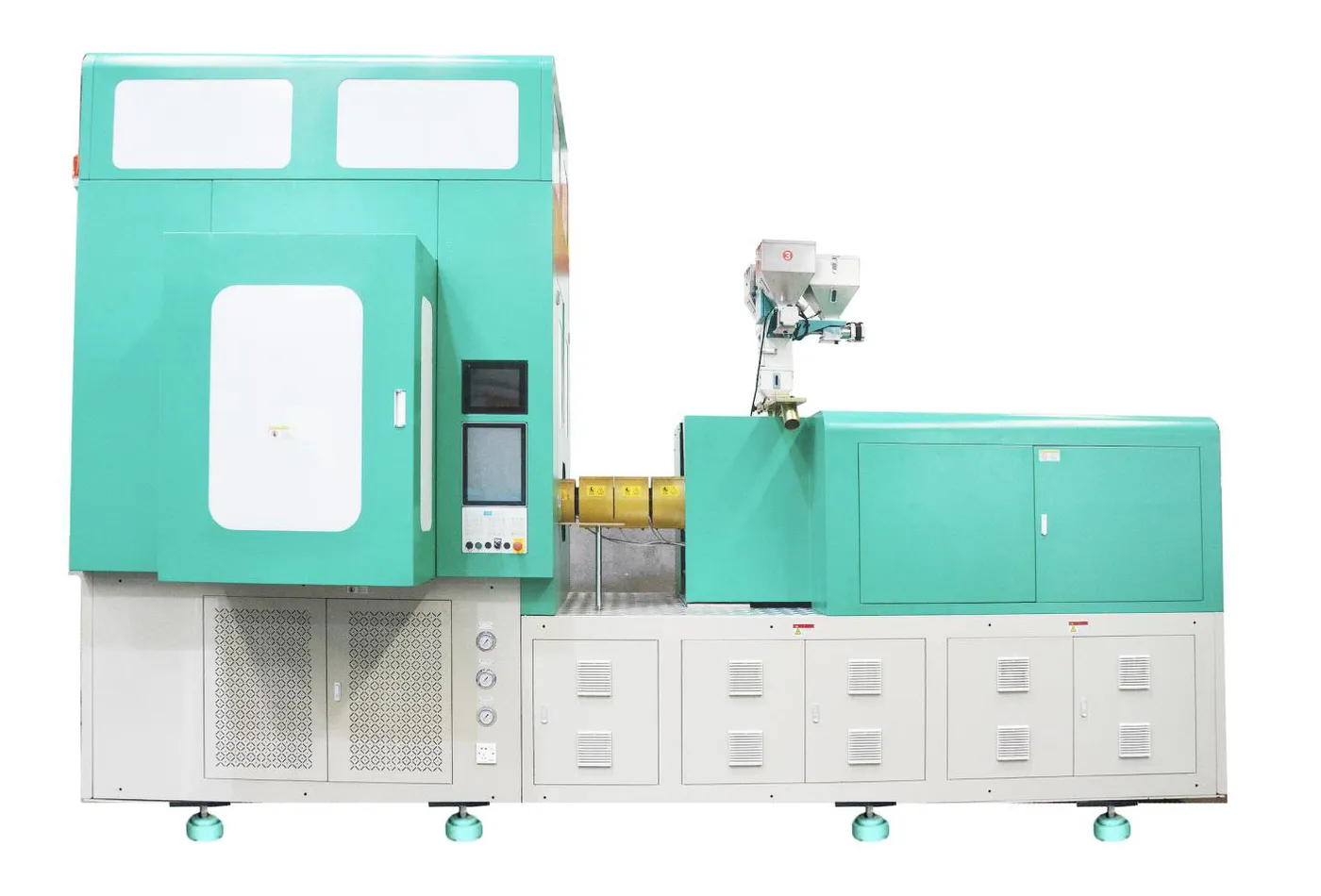
![]() | Fully electric drive, avoiding oil contamination products. | ||
Our Injection Stretch Blow Molding Machine Advanatges
1. The quality is better. The plastic bottles produced by the blow molding machines from Japan all have a parting line. There is a protrusion of plastic in the middle of the two molds on either side, which results in a mark. However, our molds have extremely high precision, and the mark is completely invisible.
2. Our production is fast, with a large amount of screw solutions and high speed. While Japan can produce four plastic bottles at a time, we can produce six.
3. Save energy. Our machines consume 15% to 25% less energy than those in Japan, Europe, and the United States.
4. A wide range of electric control technologies has been adopted to replace hydraulic and pneumatic components. For example, the pneumatic components used in the bottom cutting mechanism in Japan are replaced by servo motors here, and the speed of the servo motors is doubled. In the pharmaceutical industry and other fields, fully servo motors can be used without any hydraulic systems, ensuring compliance with GMP standards and operation in an oil-free and pollution-free environment.
Product Specifications
For custom configurations or integration with existing tooling, please contact our technical team at Mexico Ever-Power ISBM Machinery Co., Ltd. We provide tailored solutions to match your exact production requirements.
| アイテム | ユニット | 仕様 | |||||
| 名前 | One-step Injection Stretch Blow Molding Machine(3-station) | ||||||
| モデル | Y50-V3-EV | ||||||
| メーカー | CMNトランスミッション | ||||||
| 材料 | PET/PETG | ||||||
| ネジ径 | MM | 40 | 50 | 55 | |||
| Theoretical Injection Volume | CM³ | 239 | 315 | 442 | |||
| Screw Rotational Speed(RPM) | r/分 | 240 | 180 | 150 | |||
| 射出成形時の型締め力 | KN | 50 | |||||
| Blowing Clamping Force | KN | 100 | |||||
| モーター出力 | キロワット | 34.8 | |||||
| Heating Power | キロワット | 10.4 | |||||
| Blowing air pressure | Mpa | 2.0-3.5 | |||||
| Cooling Water Pressure | Mpa | 0.4-0.6 | |||||
| 電圧 | V | 370-400 | |||||
| (L*W*H) Size(L*W*H) | MM | 3800*1200*2500 | |||||
| 重さ | T | 3.5 | |||||
| Product Dimensions | |||||||
| Product Quantity | PCS | 1 | 2 | 3 | 4 | 5 | 6 |
| Bottle Diameter | MM | 100 | 90 | 62 | 45 | 35 | 28 |
| Bottle Height | MM | 100 | |||||
| Neck Diameter | MM | 60 | 38 | 30 | 27 | 20 | 17 |
| Max. Bottle Volume | ML | 2500 | 1500 | 900 | 400 | 250 | 100 |
| Max. Bottle Weight | G | 130 | 65 | 43 | 32 | 26 | 22 |
Machine Parameter
| Compatible Model: | Compatible with the Japanese ASB-12M model |
| Screw Diameter: | 40mm(optional) |
| Theoretical Injection Capacity: | 239g |
| Injection clamping force: | 50KN |
| Upper mold stroke: | 280mm |
| Lower mold stroke: | 280mm |
| Take-out stroke: | 150mm |
| Blowing clamping force: | 100KN (single side) |
| Blow core stroke: | 100mm |
| Blow mold stroke: | 60+60mm |
| Size(L×W×H): | 3.8*1.2*2.5m |
| Weight: | 3.5T |
Technical Standard
| Servo Control System: | Using 5 sets of servo systems(Inovance/ MiRLE) |
| Servo Motor Power: | Inovance/ WEICHI servo motor power: 34.8KW |
| Computer Control System: | Using the Inovance/ MiRLE PLC. |
| Turntable Drive: | The turntable is equipped with a Japan Yaskawa servo motor or a WEICHI servo motor with a Taiwan TSUNTIEN reducer. |
| High- Pressure Valve: | Using the American Parker high- pressure valve; |
| Air Cylinder: | Using the Aitak air cylinder; |
| Temperature Control: | Using an integrated control box to control temperature, which is highly accurate, stable, and easy to operate. |
| Screw and Material: | The heating power of the screw and material pipes is 10.4KW. |
| Lead Screw: | Lead screw: NSK Japan. |
| Blow Molding Structure: | The blow molding structure adopts a dual servo motor mold clamping system with a high-pressure compensation function. |
| Total Power of the Machine: | 45.2KW. |
Advantages of the Y50-V3-EV Injection Stretch Blow Molding Machine
1. Energy Efficient: 40% Lower Consumption
The Y50-V3-EV one step injection stretch blow molding machine keeps the preform at process temperature directly through from injection to blowing, eliminating the need for secondary reheating. This single-stage thermal efficiency translates to a documented 40% reduction in energy consumption compared to two-step PET injection stretch blow molding machines. Facilities switching from conventional two-step processes or older Japanese ASB ISBM machines consistently report significant reductions in their monthly electricity expenditure, making this a high-ROI investment for any production environment.
2. Excellent Bottle Performance
The biaxial stretching process in this injection stretch blow moulding machine causes the polymer chains within the PET or PETG material to align in both the longitudinal and radial directions simultaneously. This molecular orientation significantly improves the compression resistance, gas barrier properties, and optical transparency of the finished bottle. Containers produced on the Y50-V3-EV consistently achieve superior top-load strength, excellent CO2 retention for carbonated beverages, and a crystal-clear finish that outperforms bottles made on older generation equipment without oriented stretching.
3. High Precision and Dimensional Stability
As a fully electric ISBM machine equipped with five independent servo control systems and NSK Japan lead screws, the Y50-V3-EV delivers repeatable, high-precision motion across every cycle. Full-process automation control reduces reliance on operator skill and eliminates the variability associated with manual adjustments. Mold precision is significantly tighter than competing hydraulic systems, resulting in invisible parting lines and near-zero batch-to-batch dimensional variation. This makes the machine ideal for pharmaceutical, cosmetic, and food-grade container production where dimensional tolerance is critical.
4. High Material Utilization Rate
Because the injection and blow molding steps are completed in the same cycle within the same machine, the Y50-V3-EV generates significantly less scrap and regrind material than two-stage processes. The preform is never over-heated, cooled, reheated, or mishandled between stages, which eliminates a major source of rejects and wasted feedstock. Combined with precisely controlled injection parameters, the overall material utilization rate is maximized, contributing to lower per-unit material cost, reduced environmental impact, and a cleaner production floor.
5. Low Cost, Small Footprint, High Stability
The Y50-V3-EV ISBM machine consolidates injection, stretching, and blowing into a single compact unit measuring just 3,800 x 1,200 x 2,500 mm and weighing 3.5 tonnes. This small footprint reduces factory floor space requirements substantially compared to operating separate injection and blow molding lines. With no hydraulic system to maintain, oil change costs and contamination risks are eliminated entirely. Labor costs are minimized through fully automated operation, and the machine's inherent process stability ensures consistent output during extended production runs with minimal downtime.
6. Compatible with AOKI Molds
The Y50-V3-EV is engineered to be a direct replacement for AOKI injection stretch blow molding machines. It is fully compatible with molds designed for the Japanese ASB-12M model, allowing manufacturers to migrate to this more energy-efficient and cost-effective platform without discarding their existing mold investment. This compatibility, combined with CMN's expertise as a leading ISBM machine manufacturer, makes the transition straightforward and dramatically lowers the total cost of switching from legacy Japanese equipment to our advanced PET injection stretch blow molding machine platform.

Working Principle
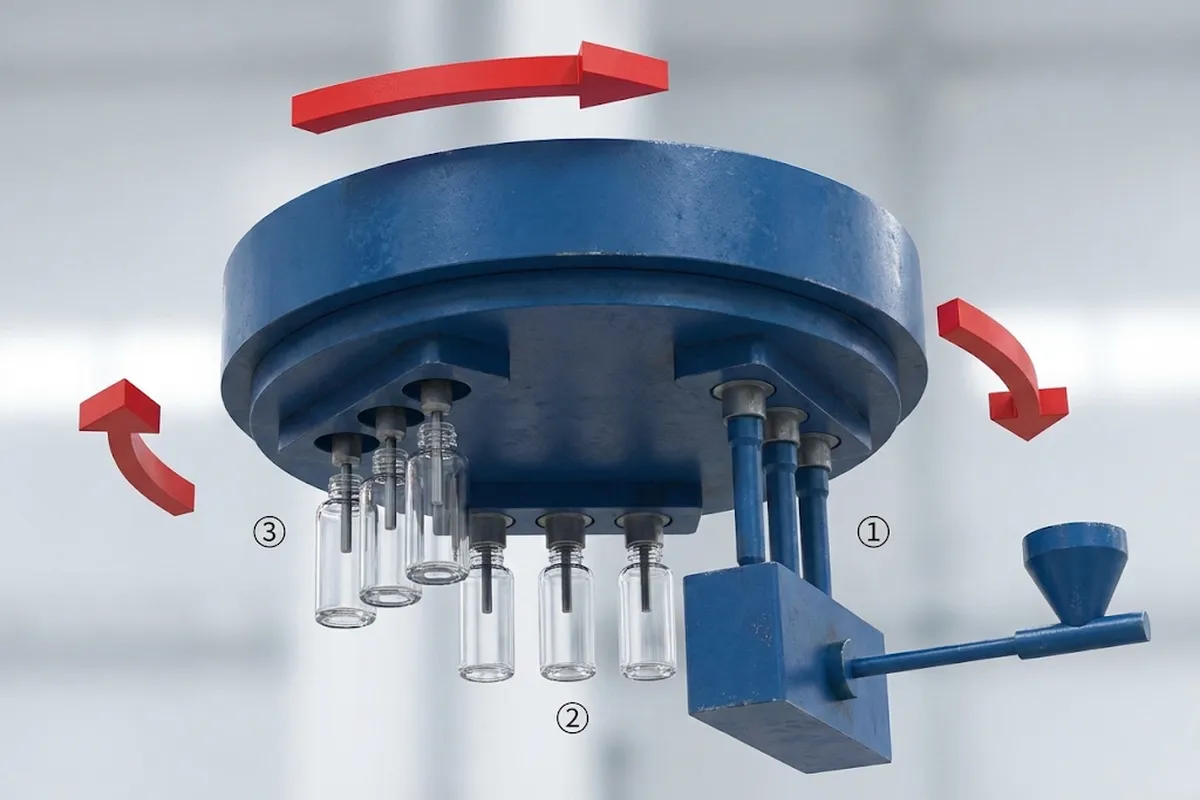
1. 射出成形プロセス
The injection process is the initial stage of the entire ISBM cycle. Molten plastic (such as PET granules) is plasticized by the screw and injected into the preform mold under high temperature and pressure. Critical parameters including injection speed, injection pressure, and mold temperature are precisely controlled by the Inovance or MiRLE PLC system to ensure the molten plastic achieves optimal fluidity and fills the mold cavity uniformly and completely. The result is a dimensionally accurate preform with a consistent wall thickness distribution that directly determines the quality of the final bottle.
2. ストレッチングプロセス
In this single-stage injection stretch blow molding machine, the injected preform retains its heat and is transferred directly to the stretching station without intermediate reheating. The stretching rod engages the preform and elongates it longitudinally while precise cooling time and temperature parameters are maintained to ensure dimensional stability. This mechanical stretching causes the polymer molecular chains to orient in the longitudinal direction, which is a prerequisite for achieving superior biaxial orientation strength during the subsequent blowing stage. Servo motor control of the bottom-cutting mechanism replaces the pneumatic components used in older Japanese systems, doubling the operational speed.
3. ブロー成形工程
After longitudinal stretching, the preform is transferred to the blow mold where compressed air at 2.0 to 3.5 MPa is introduced through the blow pin. The dual servo motor mold clamping system with high-pressure compensation function ensures the blow mold remains precisely sealed throughout the expansion. The softened, pre-stretched preform expands radially to conform to the inner cavity of the blow mold, forming the predetermined bottle shape with excellent wall thickness uniformity. American Parker high-pressure valves and Airtak air cylinders ensure reliable, consistent air delivery for every cycle, which is crucial for bottle shape fidelity and structural integrity.
4. Molding and Cooling Process
Following blow molding, the formed bottle must be cooled and set within the mold to achieve its final dimensional accuracy and surface finish. The mold cooling channels circulate water at 0.4 to 0.6 MPa pressure, rapidly extracting heat from the bottle wall and solidifying the PET or PETG structure. The integrated temperature control box manages mold temperature with high precision and stability, which is critical for achieving the required surface gloss, dimensional accuracy, and freedom from stress-induced warpage. Once fully cooled and set, the ejection system removes the finished bottle cleanly and efficiently before the cycle recommences.

Applications of the Y50-V3-EV ISBM Machine
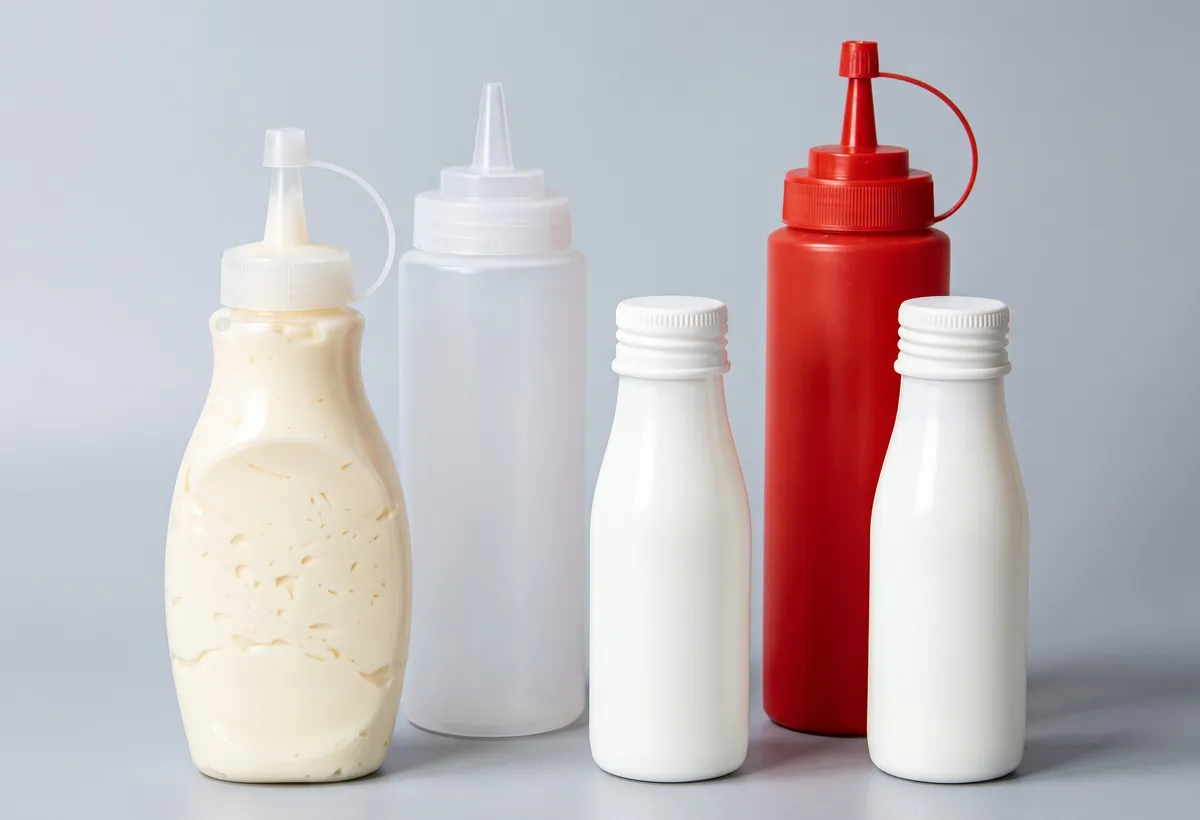
1. 化学薬品ボトル
The Y50-V3-EV produces high-barrier chemical containers in PET and PETG with excellent resistance to chemical permeation. The superior wall uniformity achieved through biaxial orientation makes these bottles suitable for industrial solvents, cleaning agents, automotive fluids, and household chemical products requiring leak-proof integrity under varied storage conditions.
2. 化粧品ボトル
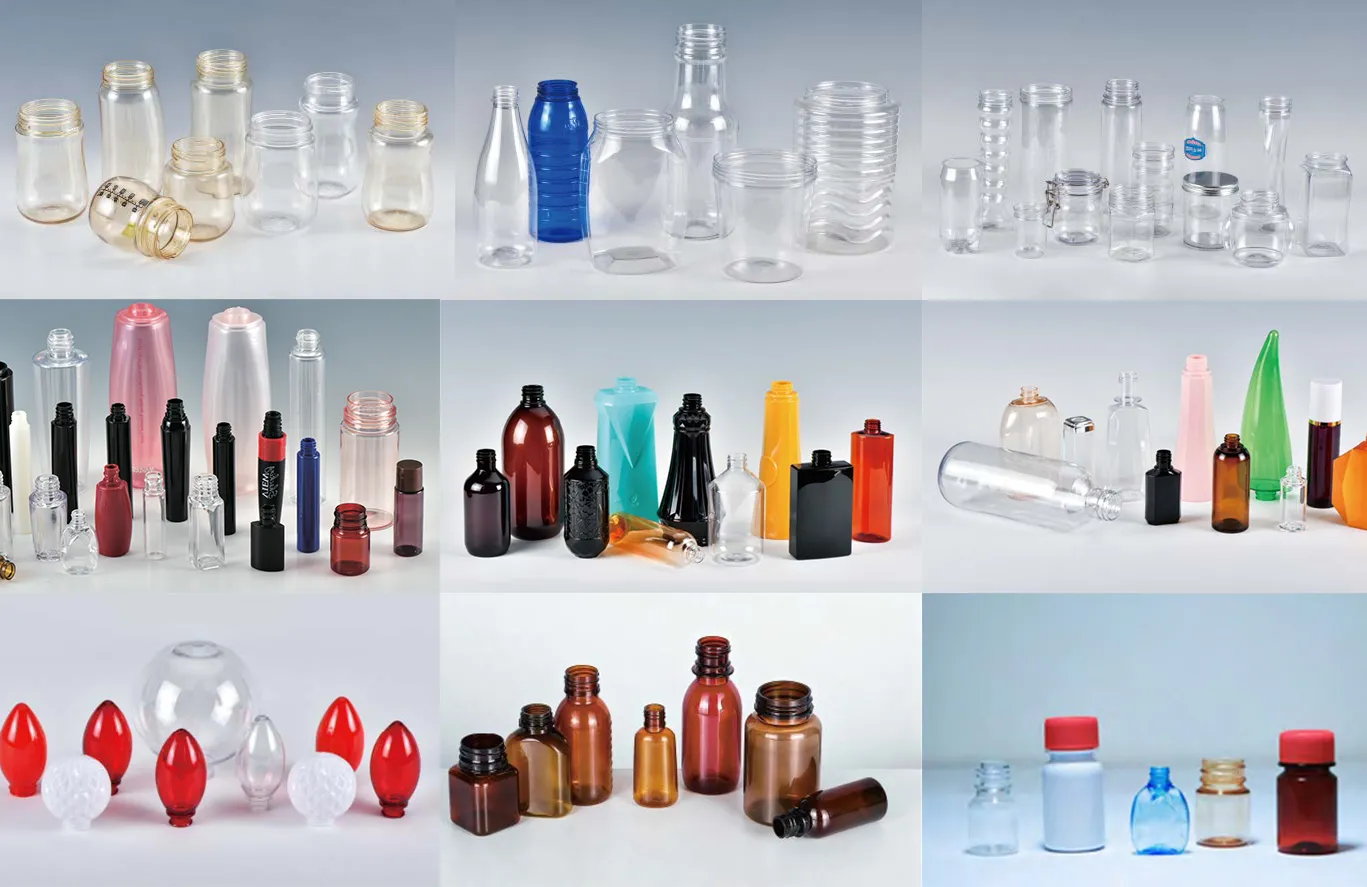
The exceptional transparency and invisible parting line quality of bottles produced on this injection stretch blow moulding machine make it an industry favorite for high-end cosmetic packaging. Lotions, serums, perfume bases, toners, and shampoo containers can be produced with crystal-clear walls and complex neck geometries that meet the premium aesthetic standards demanded by leading beauty brands globally.
3. Pharmaceutical Bottles
As a fully electric ISBM machine with no hydraulic system, the Y50-V3-EV is inherently GMP-compliant and operates in an oil-free, contamination-free environment. This is essential for pharmaceutical packaging of tablets, capsules, syrups, and diagnostic reagents. The machine meets strict FDA and EU pharmaceutical packaging standards, and the servo-driven system ensures dosing-critical neck dimensions are held to extremely tight tolerances.
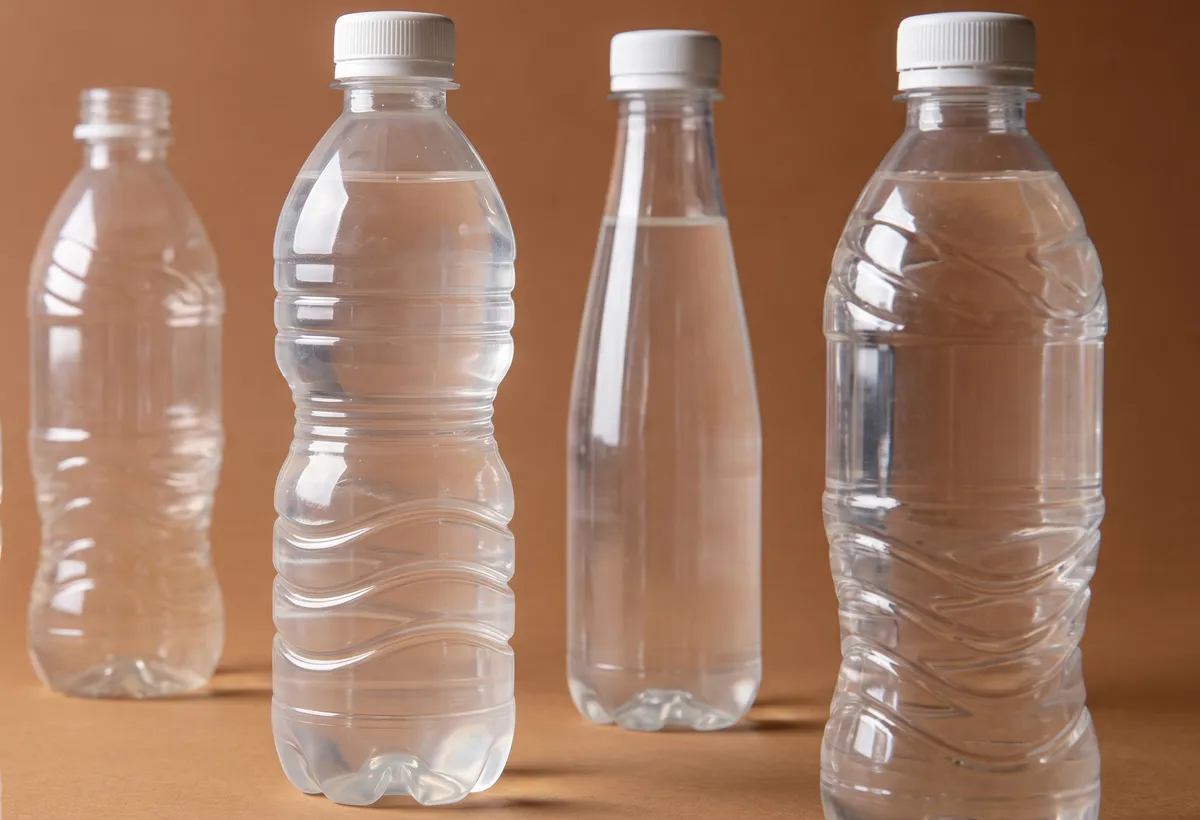
4. 飲料ボトル
The outstanding gas barrier properties and structural rigidity of PET bottles produced on the Y50-V3-EV make it ideal for still and carbonated beverage packaging. From mineral water and juice bottles to sports drinks and carbonated soft drink containers, the biaxially oriented PET wall structure provides superior CO2 retention, shelf life performance, and consumer-facing clarity that beverage brands rely on.
5. Pesticide Bottles
Pesticide and agrochemical formulations impose demanding requirements on packaging including chemical resistance, UV stability, and robust closure compatibility. The Y50-V3-EV produces heavy-gauge PET containers with thick, uniform walls and precise neck finishes that provide reliable sealing against volatile or corrosive agrochemical contents, meeting the stringent requirements of the agricultural packaging industry worldwide.
6. Shampoo Bottles
Personal care and hair care brands require packaging that combines aesthetic appeal with functional performance. The Y50-V3-EV injection stretch blow molding machine produces shampoo and conditioner bottles with smooth, blemish-free surfaces, consistent wall thickness, and the dimensional precision required for pump and flip-cap fitment compatibility. High-volume production at up to 6 cavities per cycle ensures competitive unit economics at consumer goods production scales.
7. Infusion Bottles
IV infusion bottle production demands the highest standards of cleanliness, dimensional precision, and material purity. Because the Y50-V3-EV is a fully electric machine with no hydraulic oil in the production environment, it is uniquely suited to medical-grade infusion bottle manufacturing. The machine satisfies GMP requirements for parenteral packaging and ensures that every bottle produced meets strict sterility and dimensional standards required by hospitals and medical device regulators.
8. Condiment Bottles
Sauce, vinegar, cooking oil, and seasoning containers benefit greatly from the structural strength and excellent barrier properties delivered by biaxially oriented PET. The Y50-V3-EV one step injection stretch blow molding machine produces condiment bottles with wide mouth openings, thick stable bases, and precisely formed necks compatible with a wide range of closure systems, enabling food manufacturers to package their products with confidence in both appearance and functional performance.

Injection Stretch Blow Molding Machine Components
1. Injection Unit
The injection unit comprises a precision screw and barrel assembly with a screw diameter of 40 mm (optional 50 or 55 mm) and a theoretical injection volume of 239 to 442 cm³ depending on screw selection. The screw is driven by an Inovance or WEICHI servo motor rated at 34.8 KW, providing precise, repeatable plasticization and injection velocity control. The 50 KN injection clamping force ensures the preform mold remains securely sealed during the high-pressure injection phase, eliminating flash and ensuring gate quality on every shot.
2. Injection and Blow Mold System
The Y50-V3-EV is compatible with Japanese ASB-12M mold tooling, making it an ideal replacement for AOKI and ASB ISBM machines. The machine supports up to 6 cavities simultaneously, allowing bottle production from 100 ml to 2,500 ml volumes. Mold precision is engineered to CMN's exacting tolerances, ensuring invisible parting lines, consistent neck finishes, and dimensional accuracy that surpasses the parting line defects commonly observed on standard Japanese ISBM mold systems.
3. Blow Pin and Air Delivery System
The blow pin assembly, with a 100 mm blow core stroke and American Parker high-pressure valves, delivers compressed air at 2.0 to 3.5 MPa into the pre-stretched preform. The Parker valves are renowned for their reliability, response speed, and seal integrity under sustained high-pressure cycling. Airtak air cylinders provide consistent actuating force for all pneumatic movements, ensuring that the blow pin engages and withdraws repeatably and without variation across multi-shift production runs.
4. Clamping Unit
The blow mold clamping system on the Y50-V3-EV uses a dual servo motor architecture with a high-pressure compensation function, providing a blowing clamping force of 100 KN on each side with a 60+60 mm blow mold stroke. Upper and lower mold strokes of 280 mm each accommodate the full range of compatible bottle heights. NSK Japan lead screws transmit servo motor torque to the clamping mechanism with zero backlash, ensuring that mold closing force is perfectly controlled and consistent across tens of millions of cycles.
5. Cooling System
The integrated cooling system circulates water at a controlled pressure of 0.4 to 0.6 MPa through the mold cooling channels. The cooling circuit is designed to extract heat uniformly from the bottle wall, preventing hot spots, warpage, or crystallization artifacts in transparent PET bottles. The integrated temperature control box monitors and adjusts mold temperature with high accuracy and stability, which is especially critical for maintaining optical clarity in cosmetic and beverage containers produced at high cycle speeds.
6. Ejection System
The take-out station features a 150 mm take-out stroke servo system that smoothly removes finished bottles from the blow mold at the end of each cycle without marking or deforming the freshly formed container. The servo-driven take-out mechanism, replacing the pneumatic components used in conventional Japanese injection stretch blow molding machines, achieves double the removal speed, contributing to a shorter overall cycle time and higher output per hour across all cavity configurations from 1 to 6 bottles per cycle.

Blow Molding vs Injection Molding
What is Blow Molding?
Blow molding is a plastic manufacturing process analogous to glass blowing in which a heated thermoplastic parison is expanded inside a mold by compressed air. The process begins with heating raw plastic material and extruding or injecting it into a hollow tube or perform shape. The parison is then placed inside a mold and air at approximately 80 psi is blown in, forcing the plastic to expand and conform to the mold cavity. After cooling, the part is ejected as a hollow plastic component.
Three Types of Blow Molding:
- Injection Blow Molding: A core rod injects the parison into a mold cavity. The resulting test-tube shaped preform is transferred to a blow mold where compressed air expands it to the final shape. Best for small, precise containers with tight neck tolerances.
- Extrusion Blow Molding: Available in continuous (parison constantly fed and cut) or intermittent (mold ejected before new parison inserted) variants. Lower cost and faster tooling, suited for HDPE fuel tanks, jerry cans, and industrial containers.
- Injection Stretch Blow Molding (ISBM): Combines injection molding preform production with biaxial stretching and blow molding in one or two stages. The process used in the Y50-V3-EV machine produces superior bottle strength, clarity, and barrier performance compared to other blow molding methods.
Advantages of Blow Molding:
- Lower production cost for hollow parts versus injection molding
- Eliminates the need for a two-part mold for hollow geometries
- Greater design flexibility for bottle shapes and sizes
- Broad application in automotive, pharmaceutical, food, and consumer goods
What is Injection Molding?
Injection molding is a manufacturing process in which molten thermoplastic is injected under high pressure into a closed precision mold. After cooling and solidification, the mold opens and the part is ejected. The process is capable of producing highly detailed, dimensionally precise solid parts with complex geometries and excellent repeatability. Surface finishing processes can be applied subsequently to achieve specific cosmetic standards.
Advantages of Injection Molding:
- Capability for highly detailed molds with multi-cavity options up to hundreds of cavities
- Extremely high dimensional precision suitable for medical and electronic components
- Cost-effective at very high production volumes with long tool life
- Wide material flexibility including engineering-grade and reinforced polymers
Applications of Injection Molding:
Injection molding is applied to the high-volume production of solid parts with intricate details including container closures, bottle caps, combs, mobile phone housings, automotive interior components, and precision medical devices. It excels where wall thickness is uniform and the part is solid rather than hollow.
Blow Molding vs Injection Molding: Key Differences
| Comparison Factor | Blow Molding (ISBM) | 射出成形 |
|---|---|---|
| Molding Process | Preform injected then expanded by air inside blow mold; air is used to form hollow shape | Molten plastic sealed in injection chamber, injected directly into closed mold; no air used |
| Part Type | Hollow parts: bottles, tanks, containers, jars | Solid parts: caps, housings, casings, mechanical components |
| Mold Design | Flexible mold design; issues can include air leaks, wall thinning, and flashing during blow | Highly precise CNC-machined molds required; complex internal geometries possible |
| 材料 | PET, PETG, PP, HDPE, LDPE, ABS, PC (flexible and semi-rigid thermoplastics) | Polycarbonate, Nylon, POM, PEEK, PVC, reinforced engineering resins |
| Production Cost | Lower tooling and machine cost; highly competitive for hollow containers at scale | Higher mold cost offset by extreme longevity; best economics at very high volumes |
| Transparency | Excellent optical clarity in PET/PETG through biaxial orientation (ISBM) | Clear for some resins; generally solid or opaque for structural parts |
| Wall Thickness | Thin, uniform walls achievable through controlled stretching and blowing | Controlled by mold cavity; thick walls possible; thin walls require specialized tooling |
| Best Application | Bottles, beverage containers, pharmaceutical packaging, cosmetic containers, fuel tanks | Bottle caps, combs, phone cases, automotive parts, medical device housings |
Which Process is Right for You?
The decisive factor is the nature of the part you need to produce. If your product requires a hollow interior, such as a bottle, container, fuel tank, or jar, blow molding and specifically injection stretch blow molding via the Y50-V3-EV is the correct process. If your product is a solid part with complex three-dimensional geometry and rigid structural requirements, such as a bottle cap or electronic housing, injection molding is the appropriate choice. Many packaging operations use both processes in tandem, producing containers on ISBM machines like the Y50-V3-EV and closures on separate injection molding equipment.

Compatible Raw Materials
PET (Polyethylene Terephthalate)
PET is the primary and most widely used material on this ISBM machine. It offers outstanding transparency, excellent gas barrier properties, high strength-to-weight ratio, and full food and pharmaceutical grade compliance. The biaxial orientation achieved by the Y50-V3-EV stretching process maximizes all of these properties, making PET the optimal choice for beverage, food, pharmaceutical, and cosmetic container production.
PETG (PET Glycol-Modified)
PETG provides all the clarity and processability of standard PET with enhanced impact resistance, improved chemical resistance, and greater flexibility for complex bottle geometries. It is widely used in cosmetic packaging, personal care products, and specialty containers where PET might crack under impact. The Y50-V3-EV processes PETG with the same precision and efficiency as PET, without requiring significant parameter changes.
PP(ポリプロピレン)
Polypropylene offers excellent chemical resistance, heat resistance up to approximately 130°C, and compatibility with a broad range of food products and medical applications. PP containers produced on this one step injection stretch blow molding machine are suitable for hot-fill packaging, autoclavable pharmaceutical bottles, and food containers that require high-temperature resistance not achievable with PET or PETG.
PC (Polycarbonate)
Polycarbonate provides exceptional impact strength, high optical clarity, and resistance to high temperatures, making it the material of choice for reusable water bottles, baby bottles, and laboratory containers. PC bottles produced on this injection stretch blow moulding machine offer superior drop resistance and maintain dimensional integrity across repeated autoclave sterilization cycles, which is critical for medical and laboratory applications.
Tritan (Eastman Tritan Copolyester)
Tritan is a BPA-free copolyester developed by Eastman Chemical Company that provides PC-like clarity and impact resistance with improved chemical resistance and dishwasher durability. It is the preferred material for premium reusable water bottles and drinkware that must be both visually appealing and proven safe for long-term food contact. The Y50-V3-EV processes Tritan with precision to produce containers that meet the demanding requirements of the premium consumer goods market.
PS (Polystyrene) and ABS
Polystyrene offers rigidity, optical clarity, and excellent printability at low cost, making it suitable for cosmetic and personal care containers where premium appearance at competitive price is required. ABS (Acrylonitrile Butadiene Styrene) adds superior impact resistance and toughness to the styrene base, making it ideal for industrial and consumer product containers that must withstand rough handling during shipping and use, while maintaining a high-quality surface finish suitable for labeling and decoration.
PCTG (PCT Glycol-Modified)
PCTG is a high-performance copolyester that combines exceptional clarity with superior chemical and impact resistance, and excellent compatibility with a wide range of sanitizers and cleaning agents. It is particularly valued in medical device packaging, laboratory consumables, and food service applications where both optical clarity and robust chemical resistance are mandatory. This customized injection stretch blow molding machine configuration accommodates PCTG to serve these demanding application segments.
PLA (Polylactic Acid)
PLA is a biobased and industrially compostable thermoplastic derived from renewable resources such as corn starch or sugarcane. It provides good clarity and rigidity for short shelf-life food and beverage applications, and is increasingly specified by brands committed to sustainable packaging initiatives. The Y50-V3-EV can process PLA to produce environmentally responsible containers for food, beverage, and personal care products that align with growing global regulatory and consumer demand for compostable packaging solutions.
![]() | ![]() |
![]() | ![]() |
Common Troubleshooting of the ISBM Machine
Issue 1: Uneven Wall Thickness
Uneven wall thickness in blown bottles is most commonly caused by non-uniform preform temperature distribution, incorrect stretching rod speed, or asymmetric blow pressure delivery. Check the integrated temperature control box settings for each heating zone and verify that all zones are reaching the set points evenly. Inspect the blow pin for partial blockage that might cause uneven air distribution. Review the screw rotational speed and injection parameters to ensure the preform melt is homogeneous before injection. Adjust the stretching rod descent speed if the wall is consistently thicker on one side.
Issue 2: Haze or Cloudiness in Bottle Walls
Haze or opacity in transparent PET or PETG bottles indicates that the material has undergone partial crystallization before or during blowing. This is typically caused by the preform temperature being too low at the stretch-blow stage, incorrect mold cooling water temperature, or PET resin that has absorbed moisture before processing. Verify that the preform surface and core temperatures are within the optimal processing window before blowing. Check the cooling water pressure (should be 0.4 to 0.6 MPa) and confirm that PET granules were properly dried before processing (typically 4 to 6 hours at 160 to 180 degrees C).
Issue 3: Flash on Parting Line
Flash at the mold parting line indicates that mold clamping force is insufficient or the mold mating surfaces are worn or contaminated. Check that the injection clamping force is set to the correct value (50 KN) and that the blowing clamping force is properly set (100 KN per side). Inspect the mold parting surface for debris, plastic residue, or damage. Verify that the dual servo motor mold clamping system with high-pressure compensation is operating correctly and that the NSK lead screws are properly adjusted. Replace worn mold sealing surfaces if required.
Issue 4: Short Shot or Incomplete Fill
A short shot occurs when the preform mold cavity is not fully filled during the injection stage. Common causes include insufficient injection pressure or speed, incorrect screw back pressure, material viscosity too high due to inadequate barrel temperature, or a partially blocked gate. Review the screw diameter and theoretical injection volume configuration for your current mold cavity count. Check all barrel temperature zone setpoints and verify they are being achieved. Inspect the gate and nozzle for any blockage or cold slug. Increase injection speed or pressure incrementally while monitoring preform weight until consistent full fill is achieved.
Issue 5: Bottle Sticking in Mold
Bottles sticking to the blow mold cavity after the blowing cycle most often indicate that mold cooling is insufficient, causing the bottle to remain too soft at ejection, or that the mold release angle is incorrect. Increase the cooling water flow rate and verify that cooling water pressure is within the specified 0.4 to 0.6 MPa range. Check that the mold cooling channels are not fouled with scale or deposits that reduce thermal conductivity. Inspect the mold cavity surface for surface roughness or damage that might cause adhesion. Reduce blowing pressure if over-expansion is causing the bottle to lock into the mold contours.
Issue 6: Servo System Alarm or Fault
Servo drive alarms on Inovance or WEICHI servo systems typically indicate overload, overcurrent, encoder feedback error, or communication faults between the servo drive and PLC. Read the alarm code on the servo drive display and cross-reference with the Inovance or MiRLE PLC error log to identify the specific fault. Check all wiring connections for the affected servo axis, particularly the encoder cable, as vibration can loosen connectors over time. Verify that the servo motor is not mechanically overloaded by checking for binding in the associated mechanical components. Contact CMN's technical support team if the alarm persists after basic checks, providing the alarm code and machine serial number.

メンテナンスのヒント
1. Regular Cleaning
Clean the injection mold and blow mold cavities, cores, and parting surfaces at the end of every production shift using approved plastic-safe cleaning agents. Remove all plastic residue, gate vestige, and dust from all mold surfaces. Clean the machine exterior, the screw and barrel inlet hopper, and the take-out area to prevent plastic particle accumulation. A clean machine is the foundation of consistent part quality and mold longevity on this ISBM machine.
2. Lubrication Maintenance
Apply the correct grade of lubricating oil or grease to all guide rails, NSK lead screws, and rotary bearings according to the maintenance schedule specified in the machine manual. Proper lubrication prevents accelerated wear on precision linear and rotary components and is particularly important for the NSK Japan lead screws that are central to the machine's dimensional accuracy. Under-lubrication of lead screws leads to premature wear and loss of positional precision, while over-lubrication attracts dust and can contaminate the product.
3. Electric System Checking
Inspect all servo drive status indicators, PLC I/O module LEDs, and the integrated temperature control box display at the start of each shift to confirm normal operation status. Check encoder cable connectors, servo drive input and output terminals, and PLC communication cables monthly for looseness, corrosion, or signs of wear. Verify that the operating voltage is consistently within the 370 to 400 V specification range to prevent damage to servo drives and PLC components from voltage irregularities in the facility power supply.
4. Electrical System Maintenance
Inspect the interior of the main electrical cabinet quarterly for signs of overheating, insulation discoloration, loose terminal block connections, or corroded contactors. Verify that all circuit breakers are correctly rated and in good condition. Check cooling fans in servo drive enclosures and the main electrical cabinet for dust accumulation and replace filters as required. Ensure all ground connections are secure and of the correct resistance. Electrical system integrity is critical for safe and reliable operation of the five servo systems and PLC on this fully electric injection stretch blow molding machine.
5. Mold Maintenance
Inspect mold cavity surfaces, gate inserts, and venting channels for wear, corrosion, and plastic residue buildup at intervals appropriate to production volume and material processed. Measure critical mold dimensions periodically against the original mold specifications to detect wear-related dimensional drift. Replace worn gate inserts before they affect preform gate quality. Inspect blow mold parting surfaces for damage that could cause flash. Proper mold storage, with cavity surfaces protected by appropriate mold release coating and cavities covered, is essential to extending mold service life.
6. Machine Parameter Adjustment
Periodically review and recalibrate the PLC-stored process recipes to compensate for any drift in machine response characteristics due to component wear over time. Verify servo motor zero position calibration for the injection unit, clamping systems, and take-out system. Check American Parker high-pressure valve response time and Airtak air cylinder travel and speed against baseline values recorded at commissioning. Document all parameter adjustments in a machine log to build a maintenance history that supports predictive maintenance planning and rapid diagnosis when product quality deviations occur.

Why Choose CMN's Injection Stretch Blow Molding Machine?
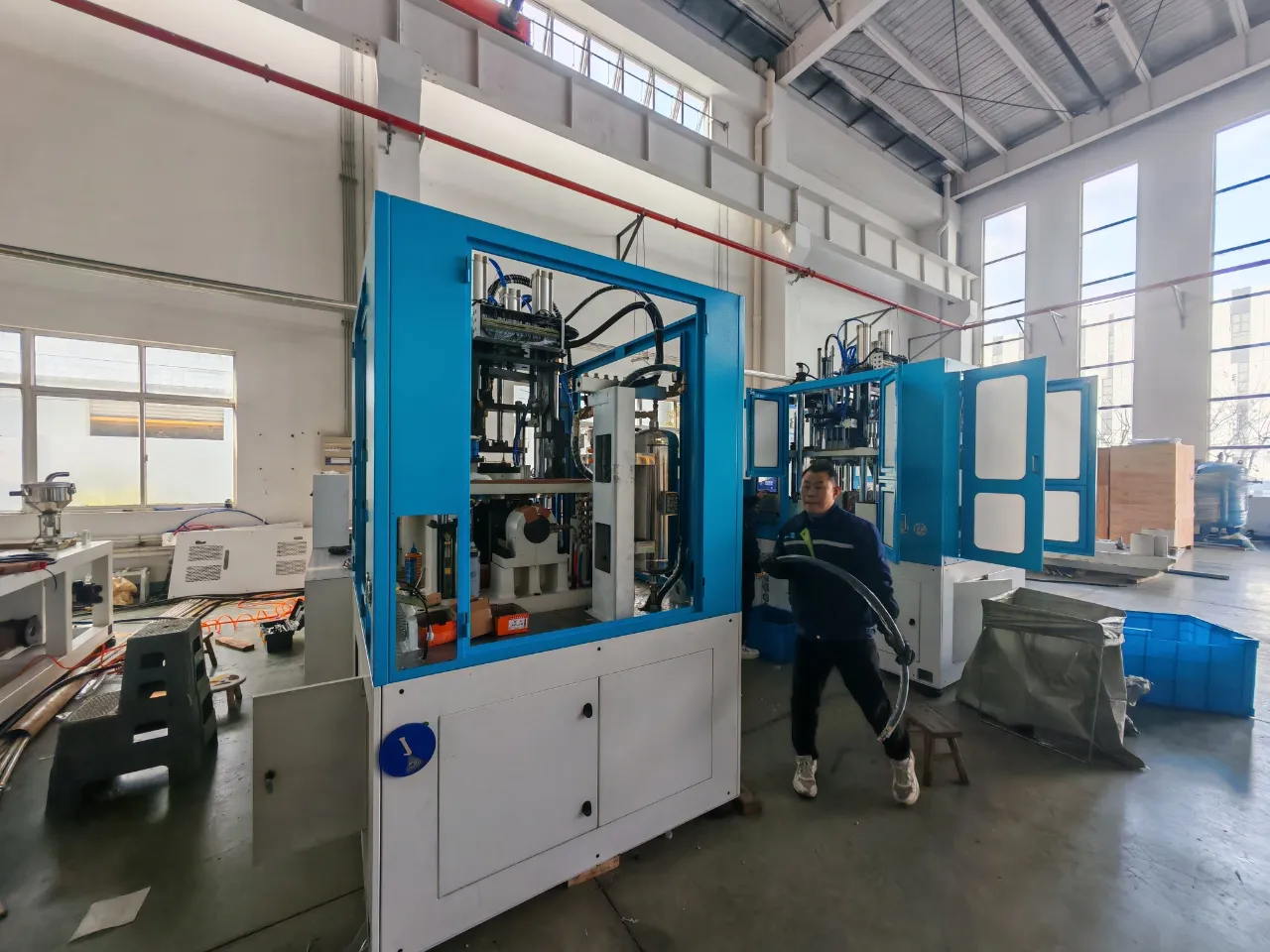
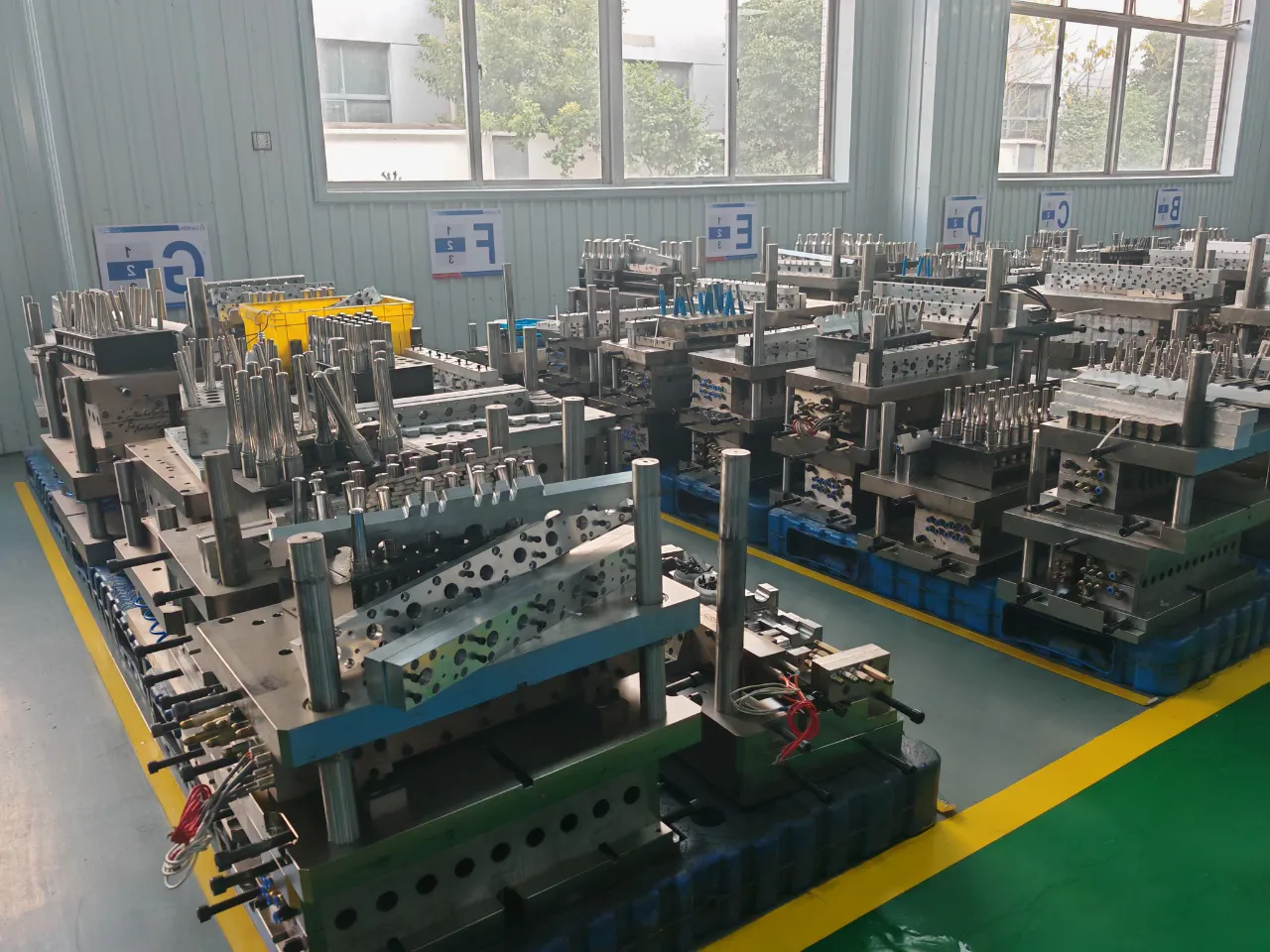
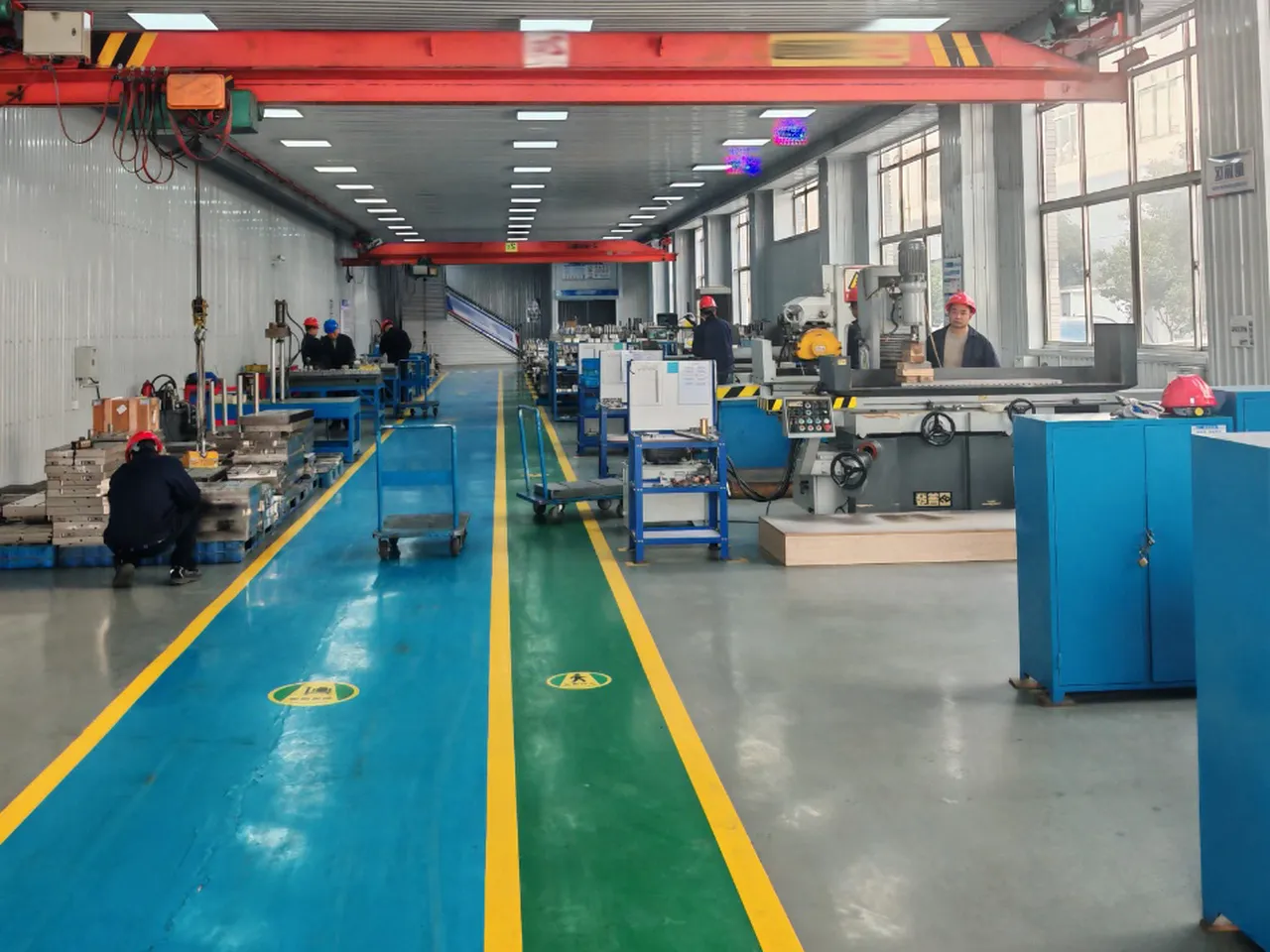
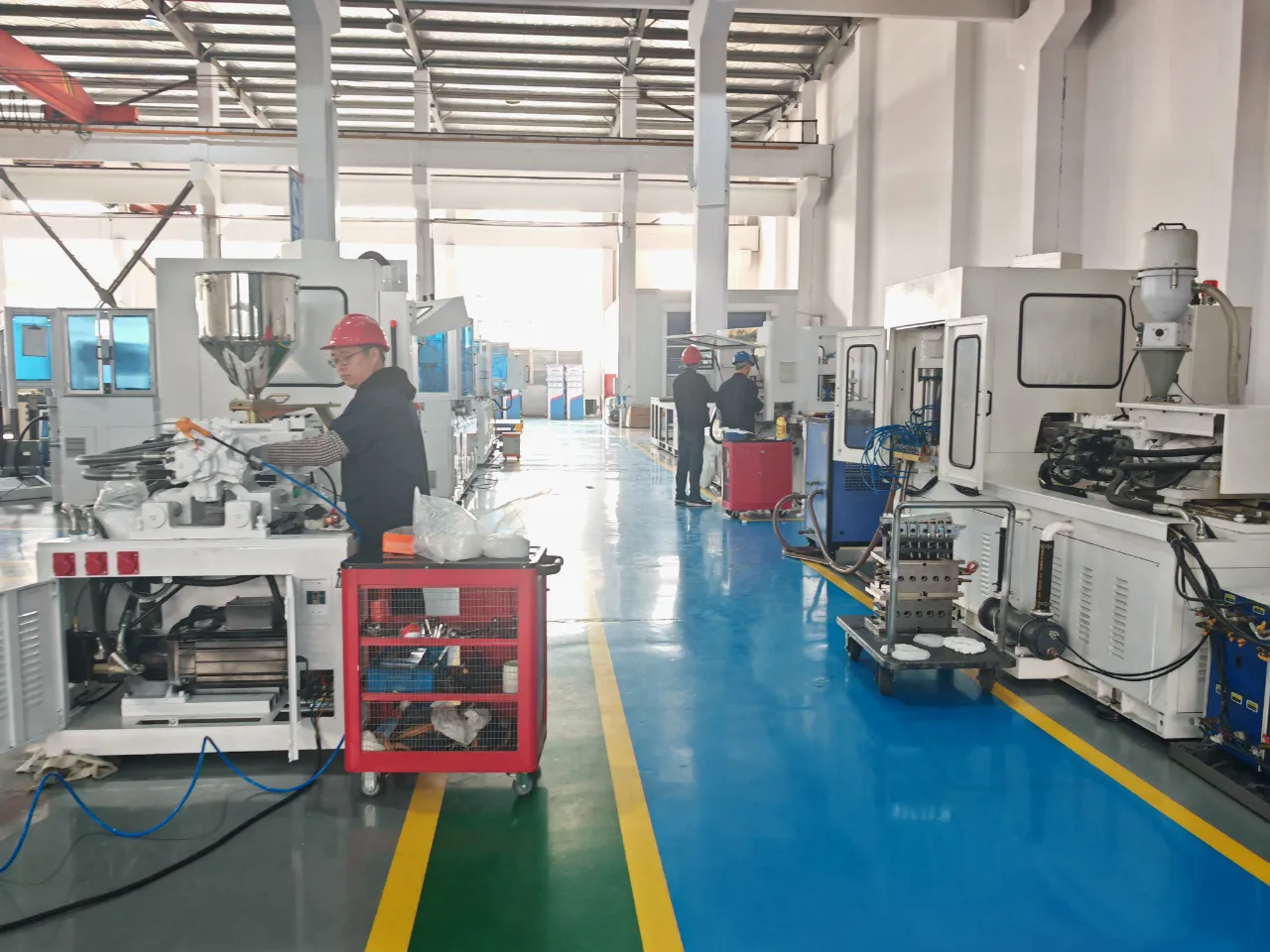
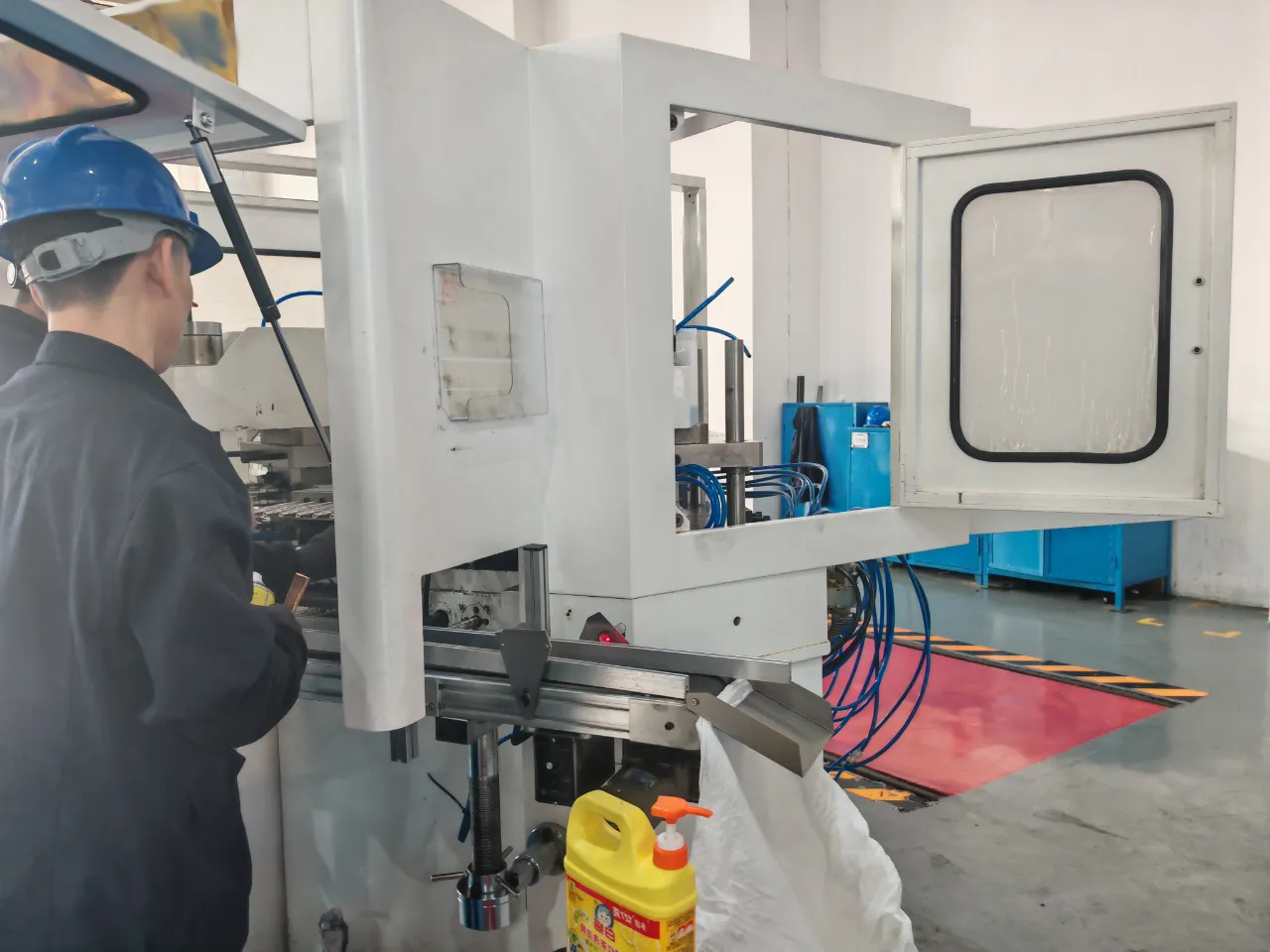
CMN Transmission is a professional injection stretch blow molding machine manufacturer and supplier specializing in the research and development, production, sales, and international trade of automatic one-step Injection Blow Molding Machines and Injection Stretch Blow Molding Machines. Our product portfolio covers injection blow molding machines, extrusion blow molding machines, single-stage and two-stage injection stretch blow molding machines, and a complete range of auxiliary equipment, allowing us to serve as a single-source solution partner for your entire blow molding operation.
CMN Transmission brings together a dedicated R&D engineering team with deep expertise in injection-blowing machinery and injection-blowing mold design. With decades of accumulated theoretical and practical experience, our engineers provide detailed and responsive pre-sale consultation, in-process technical support, and comprehensive after-sale service for every customer globally. Our technical staff speaks your language and understands your production requirements, not just the machine specifications.
Our machines produce plastic containers from 1 ml to 1,000 ml and beyond in HDPE, LDPE, PET, PETG, PP, PS, PPSU, PC, Tritan, ABS, PLA, environmental corn material, EVA, PCTG, and more, covering pharmaceutical packaging, food packaging, healthcare packaging, cosmetic packaging, and specialty industrial packaging applications. This breadth of material and application coverage reflects CMN's position as one of the most versatile and capable injection stretch blow molding machine manufacturers in the industry.
CMN Transmission adheres to the enterprise development philosophy of self-reliance, integrity, pragmatism, innovation and responsibility. We build complete turnkey solutions for high-end injection-blowing production, delivering machines and molds that meet the quality and performance expectations of the world's most demanding packaging customers. Whether you need a standard Y50-V3-EV PET injection stretch blow molding machine or a customized injection stretch blow molding machine engineered specifically for your product and process, CMN Transmission has the expertise, the equipment, and the commitment to support your success.
![]() | ![]() |
![]() | ![]() |
よくある質問
Q: What is the difference between a one-step ISBM machine and a two-step injection stretch blow molding machine?
A: A one step injection stretch blow molding machine like the Y50-V3-EV completes preform injection, conditioning, stretching, and blow molding in a single continuous cycle within the same machine. A two-step system separates preform injection and blow molding into two distinct machines, requiring the preform to be cooled, stored, reheated, and transferred before blowing. The one-step process retains preform heat throughout, reducing energy consumption by approximately 40%, and eliminates the contamination and damage risks associated with preform handling and storage between stages.
Q: Is the Y50-V3-EV a direct replacement for AOKI injection stretch blow molding machines?
A: Yes. The Y50-V3-EV is engineered to be fully compatible with Japanese ASB-12M mold tooling, making it a direct functional replacement for ASB ISBM machines and a practical alternative to AOKI injection stretch blow molding machines. Existing molds from these Japanese platforms can be installed on the Y50-V3-EV without modification in most cases, allowing manufacturers to migrate to this more energy-efficient and cost-effective platform while protecting their existing mold investment. CMN's engineers can assess mold compatibility for your specific tooling prior to purchase.
Q: What bottle sizes and volumes can the Y50-V3-EV produce?
A: The Y50-V3-EV can produce bottles from 100 ml to 2,500 ml maximum volume depending on the number of cavities configured. At 1 cavity, the maximum bottle diameter is 100 mm and maximum volume is 2,500 ml. At 6 cavities, the bottle diameter is 28 mm and maximum volume is 100 ml. Bottle height is 100 mm for all multi-cavity configurations. The machine supports a range of neck diameters from 17 mm (6-cavity) to 60 mm (1-cavity), accommodating a broad spectrum of closure types.
Q: Is the Y50-V3-EV suitable for pharmaceutical GMP production environments?
A: Yes. As a fully electric injection stretch blow molding machine with no hydraulic system, the Y50-V3-EV operates in a completely oil-free environment, which is a fundamental requirement for GMP-compliant pharmaceutical packaging production. The absence of hydraulic fluid eliminates any risk of oil contamination of the product or production environment. CMN can provide documentation supporting GMP qualification including IQ/OQ/PQ protocols on request. The machine's servo-driven, fully automated operation also minimizes manual handling of product, further supporting cleanroom-compatible pharmaceutical production.
Q: How much energy does the Y50-V3-EV consume compared to a conventional hydraulic ISBM machine?
A: The Y50-V3-EV has a total power rating of 45.2 KW (motor power 34.8 KW plus heating power 10.4 KW). Because the five servo motor drives only consume power proportional to the actual mechanical load at each stage of the cycle, rather than maintaining constant hydraulic pressure like a conventional machine, actual energy consumption during production is significantly lower than the rated figure. CMN customers consistently report 15% to 25% lower energy consumption compared to imported Japanese and European ISBM machines, and up to 40% lower compared to two-step PET stretch blow molding lines.
Q: Can the Y50-V3-EV process materials other than PET and PETG?
A: Yes. While the machine is primarily optimized and rated for PET and PETG, it can also process PP, PC, Tritan, PS, PCTG, ABS, PLA, and other thermoplastics. Processing parameters including barrel temperature zones, screw speed, injection velocity, and blowing pressure will need to be adjusted for each material. CMN's technical team provides material-specific process guidelines and supports customers during the process optimization stage when switching to new materials. Some materials may require specific screw and barrel configurations for optimal results.
Q: What is the production output per hour for the Y50-V3-EV one step ISBM machine?
A: The actual output per hour depends on the bottle size, cavity count, material, and specific process parameters. Generally, with 6 cavities producing small containers (100 to 250 ml), the Y50-V3-EV typically achieves cycle times that translate to several thousand bottles per hour. The machine produces 6 bottles per cycle compared to 4 bottles per cycle on comparable Japanese ISBM machines, which represents a 50% increase in per-cycle output at the same cavity format. Contact CMN's sales team with your specific bottle specification for a detailed output projection.
Q: Does CMN offer customized injection stretch blow molding machine configurations?
A: Yes. As a specialized ISBM machine manufacturer, CMN Transmission offers fully customized injection stretch blow molding machine configurations to match specific production requirements. Customization options include screw diameter selection (40, 50, or 55 mm), cavity count configuration, specific mold compatibility engineering, material-specific screw and barrel specifications, special voltage requirements for different country standards, and integration with downstream filling or labeling equipment. Contact our technical team to discuss your specific application requirements and receive a tailored solution proposal.
Q: What installation space and utility requirements does the Y50-V3-EV need?
A: The machine footprint is 3,800 x 1,200 mm with a height of 2,500 mm and a weight of 3.5 tonnes. Allow additional clearance around the machine for access during maintenance. Utility requirements include a power supply of 370 to 400 V (confirm local supply compatibility), a cooling water supply at 0.4 to 0.6 MPa, and a compressed air supply capable of delivering 2.0 to 3.5 MPa for blowing. Adequate ventilation for the electrical cabinet and machine area is also required. CMN provides detailed installation drawings and utility specification sheets prior to delivery.
Q: How does the single-stage ISBM process compare to extrusion blow molding for PET bottles?
A: Single-stage injection stretch blow molding (ISBM) and extrusion blow molding (EBM) are fundamentally different processes suited to different applications. ISBM produces bottles with superior clarity, tighter dimensional tolerances, better gas barrier properties, and higher strength-to-weight ratios due to the biaxial orientation of the polymer. EBM is better suited for HDPE containers, large containers, and non-PET materials. For PET bottles where optical clarity, neck precision, and barrier performance are critical (beverages, pharmaceuticals, cosmetics), single-stage ISBM via the Y50-V3-EV is the preferred process over extrusion blow molding.

お客様の声
Kim Jae-won, Production Manager, South Korea
"We have been running the Y50-V3-EV for about ten months now at our pharmaceutical packaging facility in Incheon, and honestly it has exceeded what we expected. The fact that it is fully electric with no hydraulic oil was what made us choose it over a competitor's model. We are producing 50ml oral liquid PET bottles with 4 cavities per cycle, and the bottle dimension consistency has been really impressive. Our quality control rejection rate on neck dimensions is under 0.3% which is way better than what we were getting with our old two-step system. The CMN engineers were incredibly thorough during installation and commissioning, spending three full days with our team to make sure everyone understood the machine properly. Very satisfied."
Rajesh Subramaniam, Plant Director, India
"We replaced our old ASB ISBM machine with the Y50-V3-EV about six months ago. I was a little nervous about the transition but CMN provided complete support. The ASB-12M mold compatibility was the main reason we went with this machine because we had a significant investment in existing molds. The changeover was straightforward and the molds worked perfectly. Production efficiency went up noticeably and energy consumption on that line came down. The bottle clarity on cosmetic containers is exceptional. Our customer for luxury skincare in Delhi was actually surprised at how good the bottles looked and asked what machine we had switched to. I would recommend this injection stretch blow moulding machine without hesitation."
Mehmet Yilmaz, Factory Owner, Turkey
"I have been in the PET bottle business in Istanbul for over fifteen years and I have used equipment from Japan, Taiwan, and China. The Y50-V3-EV is genuinely the best small-format ISBM machine I have operated in terms of energy savings and product quality. We mainly produce 250ml condiment bottles and 500ml water bottles. The 6-cavity output per cycle is a real advantage over what the Japanese machines were giving us. What really stood out was the after-sales responsiveness. When we had a servo alarm in month two, CMN's technical team was on a video call with our maintenance engineer within two hours and had us back in production the same day. That kind of support is very important when you are running a high-volume line."
Alexei Voronov, Operations Manager, Russia
"We purchased the Y50-V3-EV for our shampoo and personal care bottle line in Yekaterinburg. I chose CMN because we needed a machine that could process both PET and PETG depending on the order, and this one handles both without any issue. The machine arrived well-packaged and the documentation was thorough and easy to translate. Installation was completed by our own team following CMN's remote guidance. The machine has been running for four months without any major issues. The bottles produced have no visible parting line defects which was a persistent problem with our previous equipment. Delivery lead time could have been slightly shorter but the product quality makes up for it."
Thabo Nkosi, Packaging Engineer, South Africa
"We are a mid-sized beverage company in Johannesburg and the Y50-V3-EV was our first ISBM machine investment after years of buying bottles from external suppliers. I can honestly say the decision paid off much faster than we projected. The energy consumption is genuinely low, which matters a lot for us given local electricity costs. We are producing 500ml and 1000ml PET water bottles at 5 cavities per cycle. The bottles come out with consistent wall thickness and excellent clarity. The machine footprint is very compact which was important for our facility. CMN's team was patient with our questions throughout the purchasing process and very detailed in their technical explanations. Would definitely buy again."
Fernanda Cavalcanti, Purchasing Director, Brazil
"Our company in Sao Paulo works with packaging for beauty and pharmaceutical products. We bought the Y50-V3-EV about eight months ago and we are very satisfied with the results. First, the bottle quality is excellent, with no visible parting line. Second, the energy consumption is clearly lower than our previous machine. The CMN team was very professional throughout the whole process, from negotiation to installation and training. The after-sales service is fast and the technicians respond quickly to our questions. We strongly recommend the manufacturer CMN for any company that needs a high-quality and cost-effective ISBM machine."
Derek Hoffman, VP Manufacturing, United States
"We run a specialty packaging operation in Ohio serving pharmaceutical and nutraceutical customers who demand GMP-compliant bottle production. The Y50-V3-EV's fully electric, oil-free operation was the deciding factor for us. We have been running it for seven months producing 30ml PETG vitamin bottles at 6 cavities per cycle. The servo system accuracy is excellent and the bottle weight consistency is the tightest we have ever achieved, within plus or minus 0.2g per bottle. Our FDA audit specifically noted the cleanliness of the production environment, which the oil-free machine contributes to directly. The technical support from CMN has been responsive and knowledgeable. This is a serious machine for serious production requirements."
Luis Ramos Gutierrez, General Manager, Mexico
"We installed the Y50-V3-EV in our Monterrey plant five months ago to produce PET bottles for the food industry. The machine works really well. The quality of the bottles is superior to the Japanese machine we had before, especially in the elimination of the visible parting line which was always a problem. The production of 6 bottles per cycle was a great positive surprise compared to the 4 bottles we made before. Energy consumption has dropped considerably. The only comment is that the English manual could have more diagrams, but CMN's technical team always responded well to our questions by video. Overall a very good investment."
Sven Andersson, Technical Buyer, Sweden
"We evaluated three injection stretch blow molding machine manufacturers before selecting CMN for our cosmetic bottle line. The deciding factors were the ASB-12M mold compatibility (we had six existing molds we wanted to reuse), the fully electric drive system, and the price-performance ratio which was clearly better than the alternatives from Japan and other European-branded suppliers. After eight months of operation producing 100ml Tritan bottles for premium skincare, I can say the machine has met all our quality targets. The Yaskawa servo turntable drive is particularly smooth and reliable. We have had zero unplanned downtime since commissioning. An excellent ISBM machine manufacturer to work with."
追加情報
| 編集者 | Yjx |
|---|