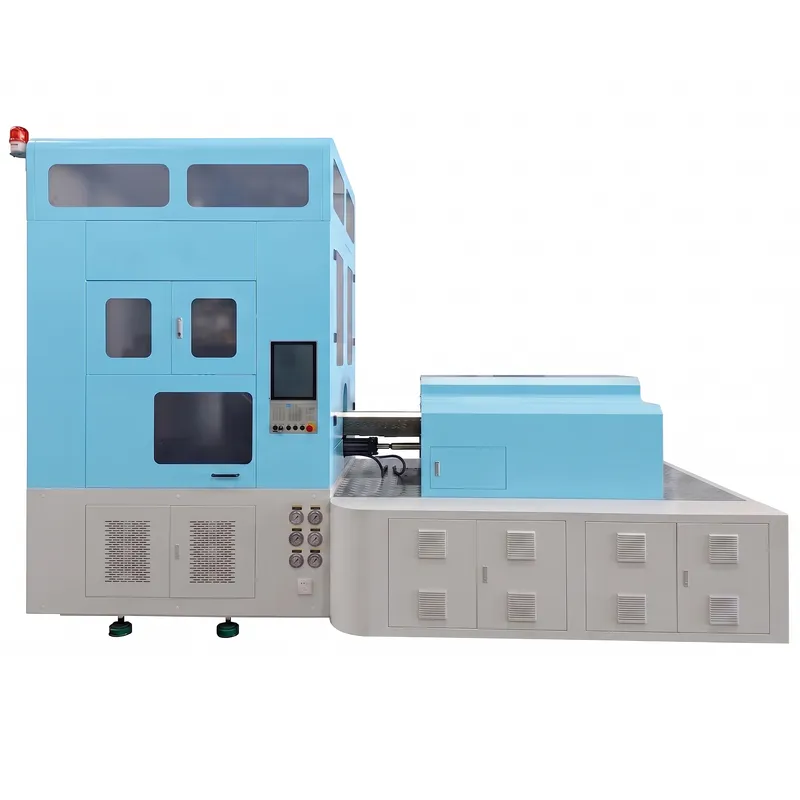
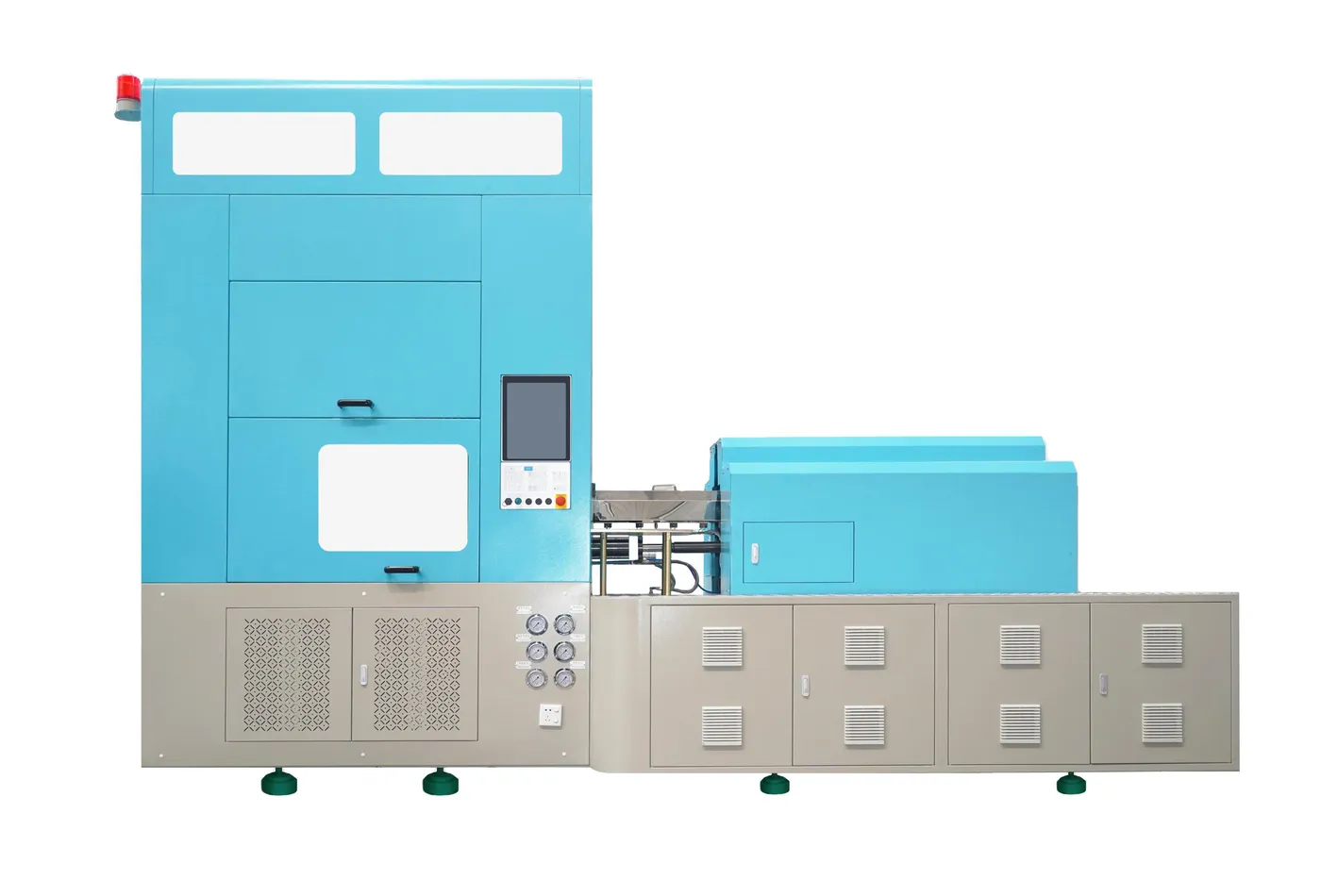
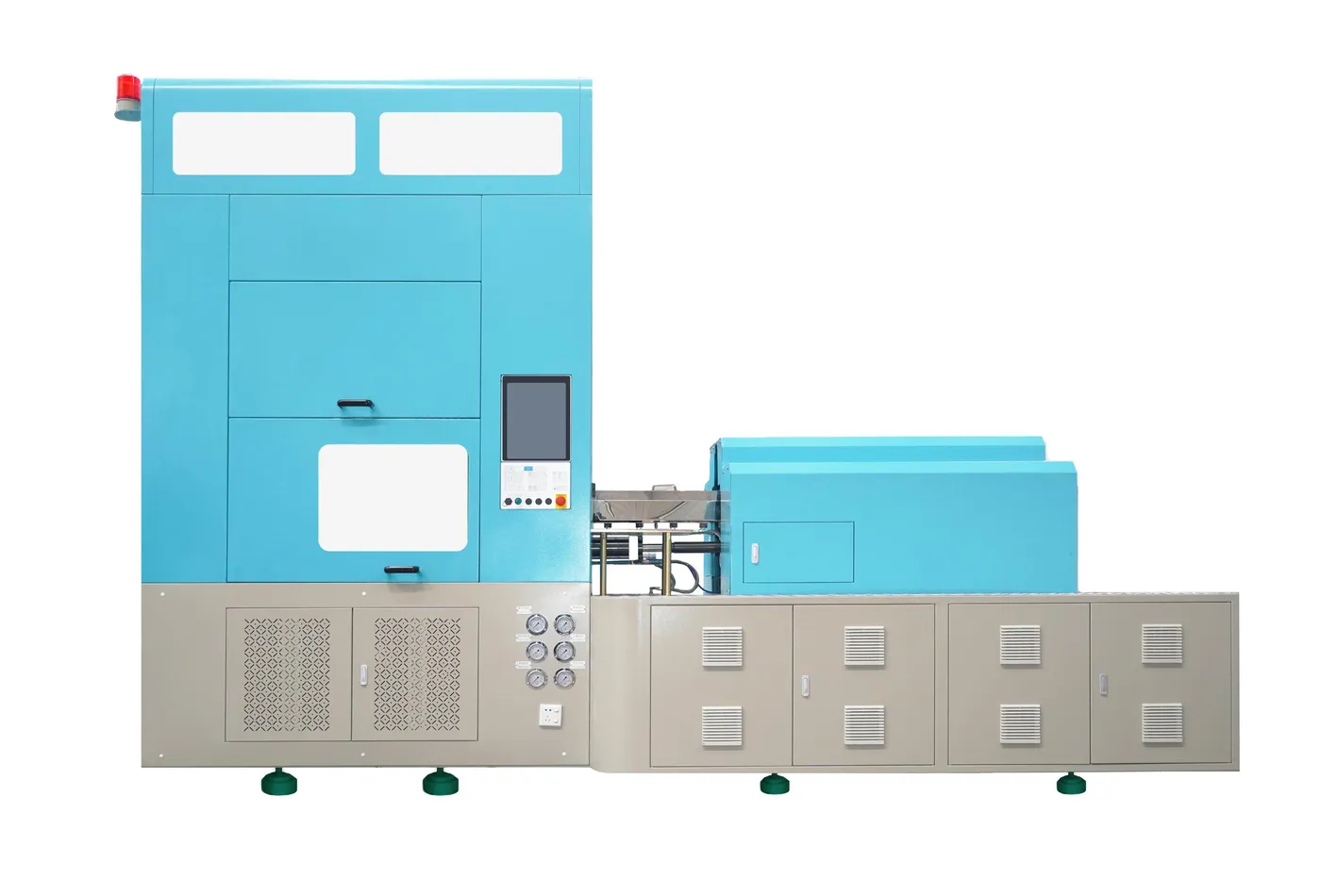
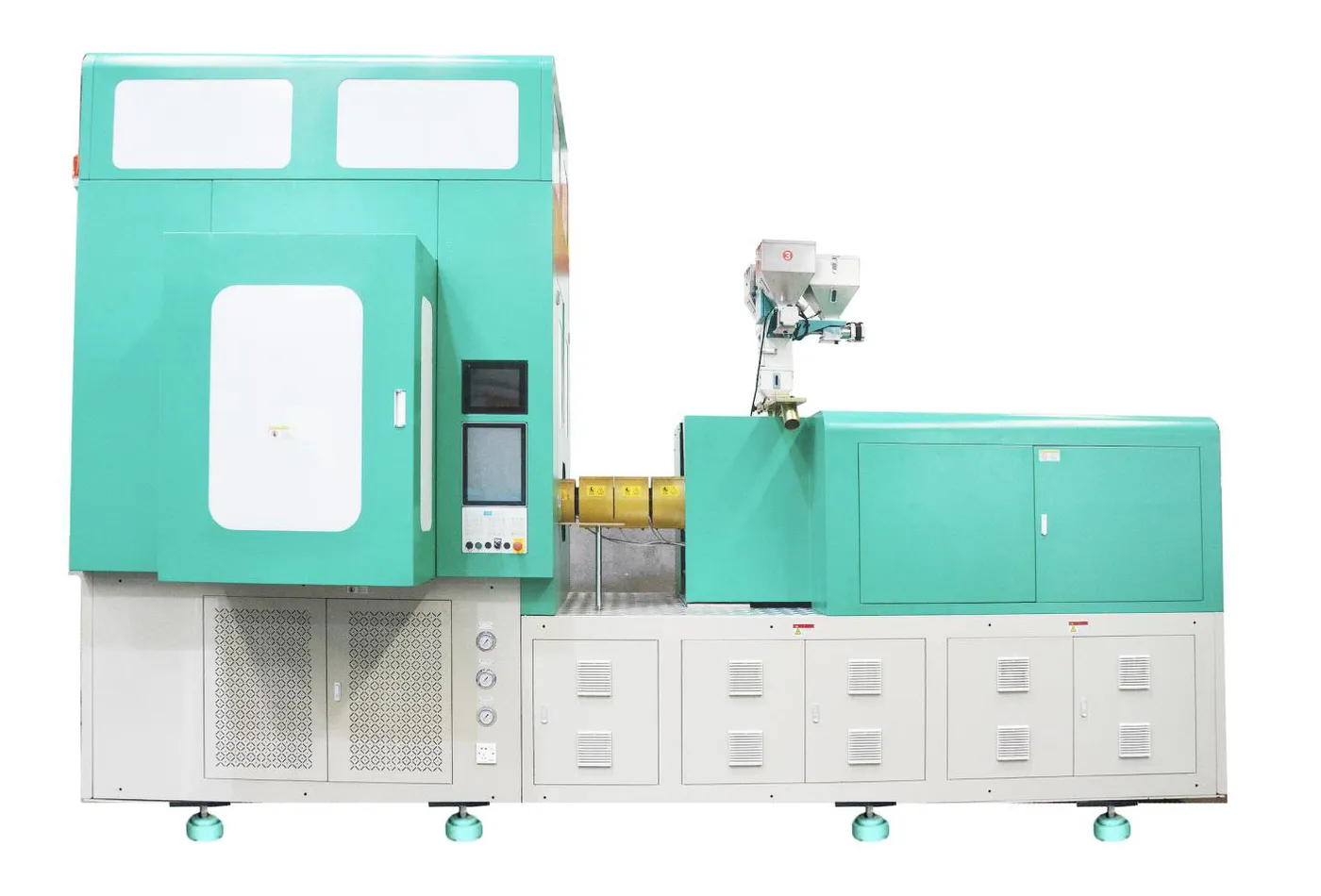
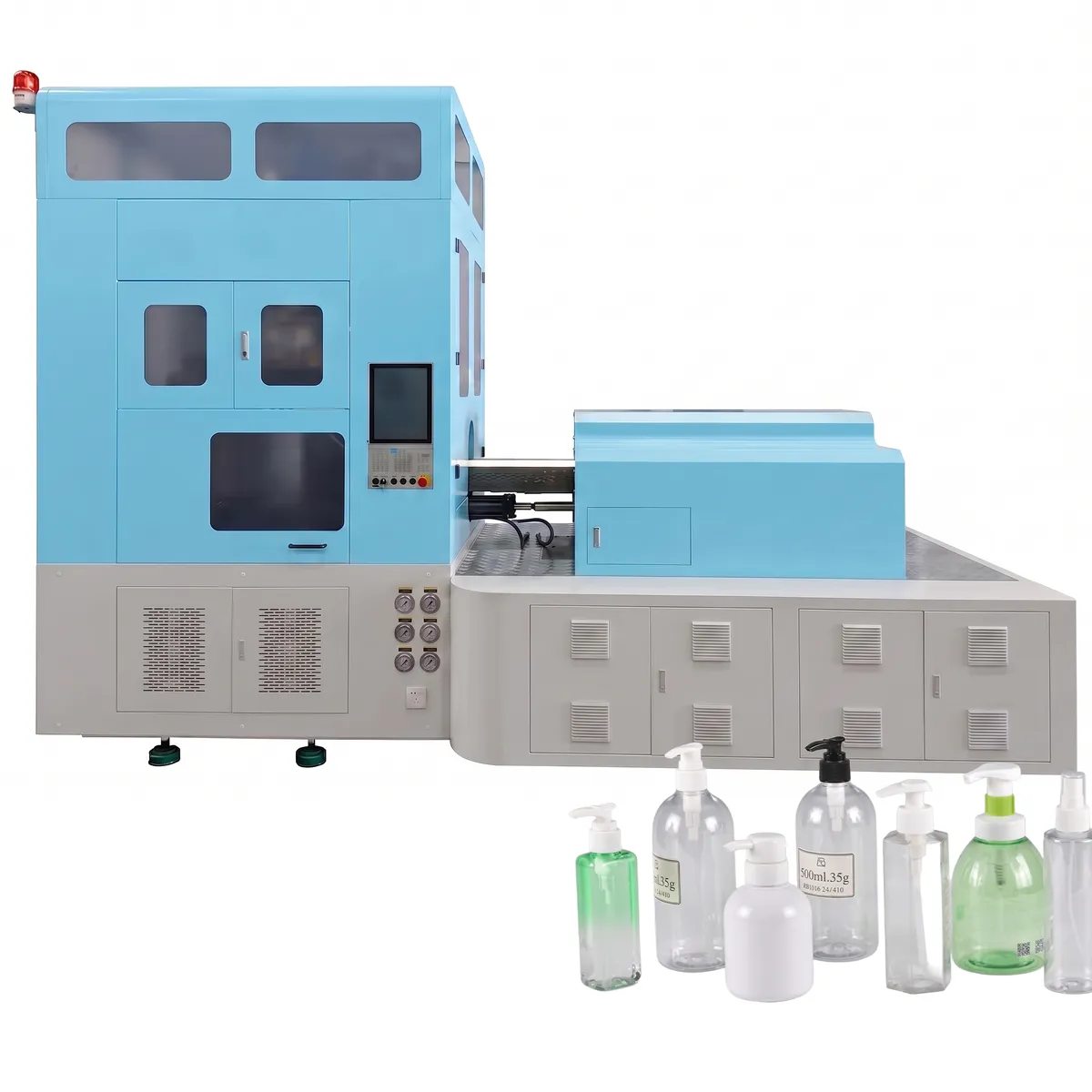
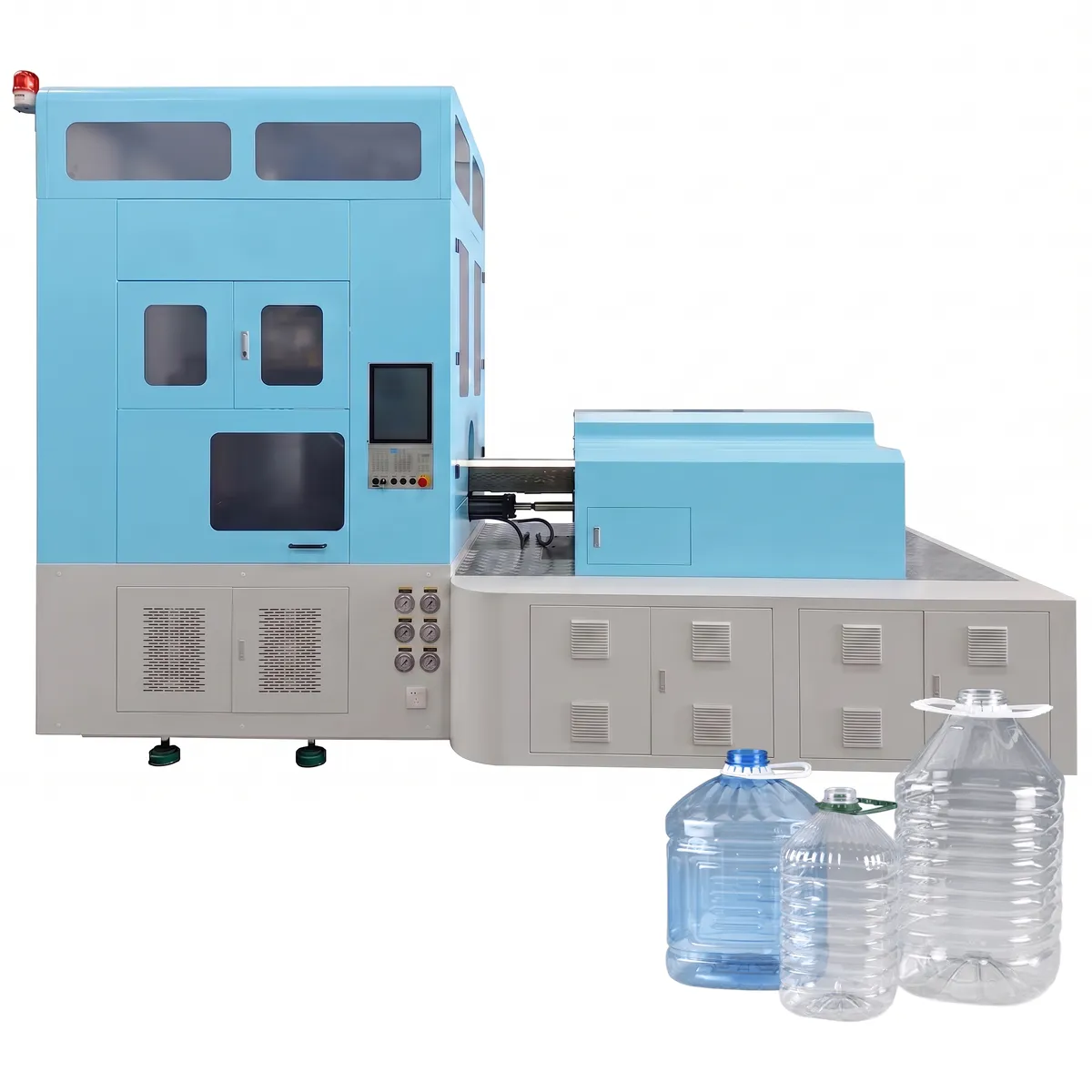
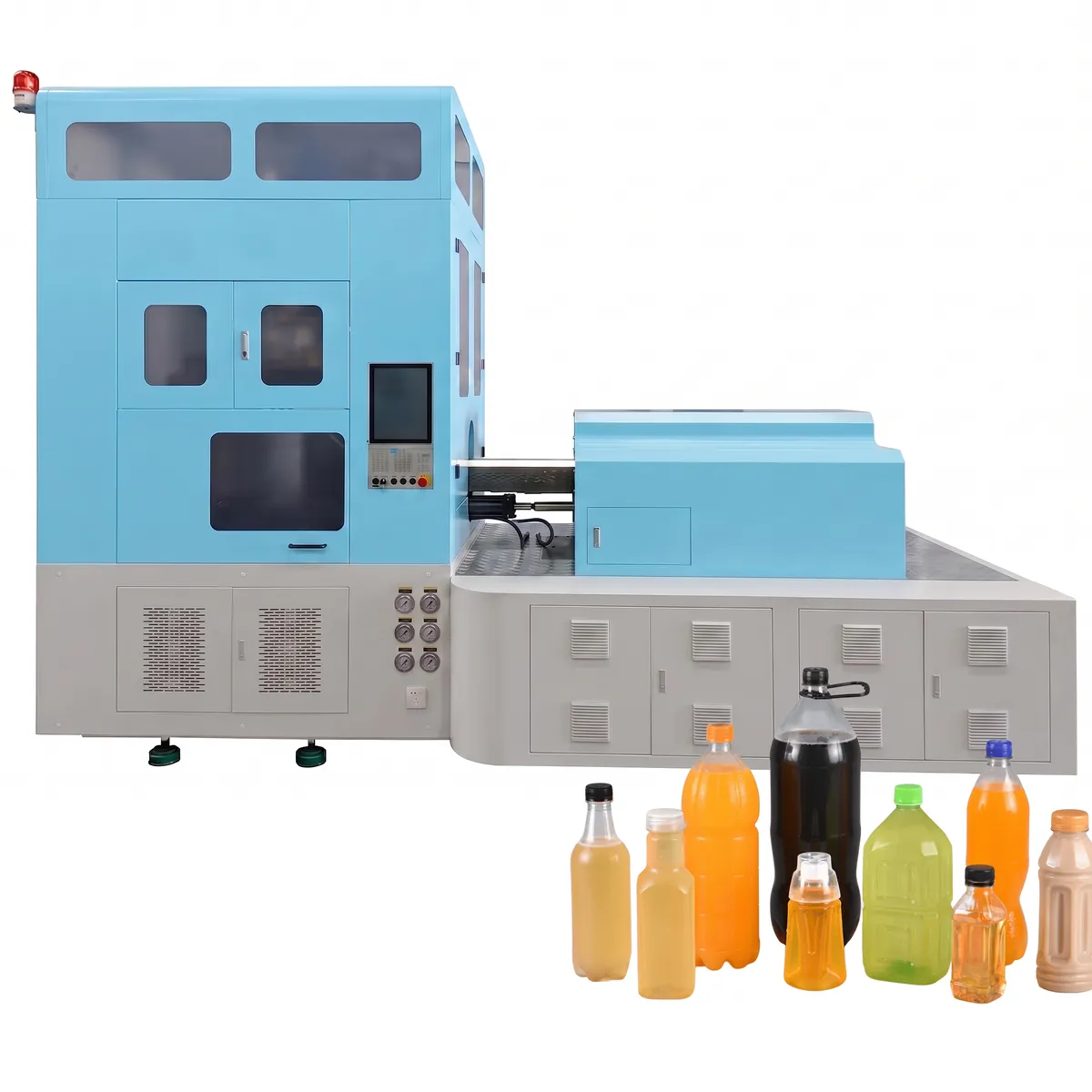
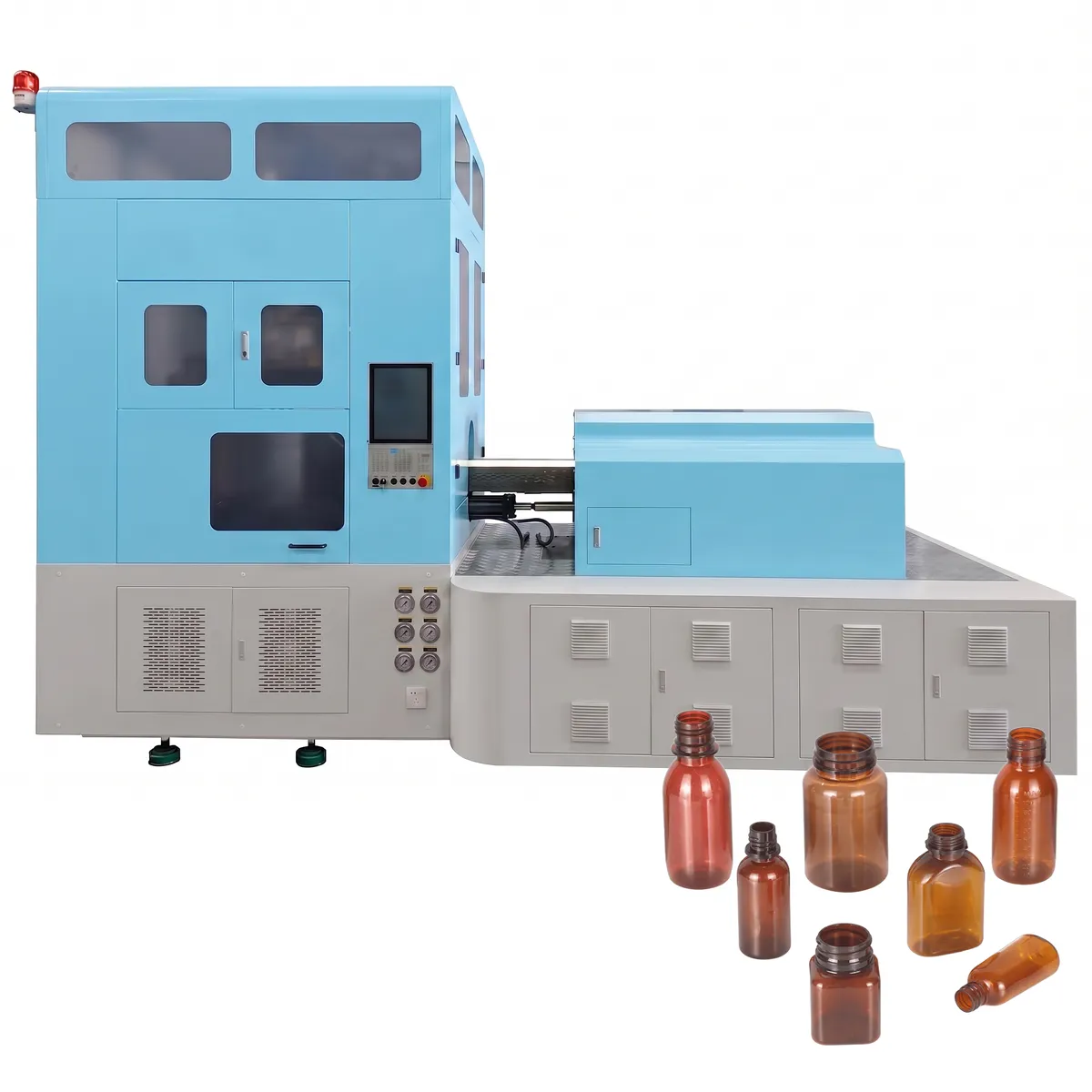
Máquina de moldagem por sopro e estiramento por injeção em uma etapa Y650-V4 (4 estações)
A CMN Transmission Y650-V4 é uma máquina de moldagem por injeção e sopro de grande formato e alta eficiência (4 estações), projetada especificamente para a produção de recipientes plásticos ocos de alta precisão e alta demanda. Operando com resinas PET e PETG, ela consolida os processos de injeção, estiramento e sopro em um único fluxo de trabalho contínuo, eliminando etapas intermediárias de transferência que reduzem a produtividade e introduzem variabilidade dimensional. As aplicações abrangem mamadeiras, recipientes para água potável, frascos de medicamentos, garrafas artesanais e com formatos especiais, além de embalagens para cosméticos.
A CMN Transmission Y650-V4 é uma máquina de moldagem por injeção e sopro de grande formato e alta eficiência (4 estações), projetada especificamente para a produção de recipientes plásticos ocos de alta precisão e alta demanda. Operando com resinas PET e PETG, ela consolida os processos de injeção, estiramento e sopro em um único fluxo de trabalho ininterrupto, eliminando etapas intermediárias de transferência que reduzem a produtividade e introduzem variabilidade dimensional. As aplicações abrangem mamadeiras, recipientes para água potável, frascos de medicamentos, garrafas artesanais e com formatos especiais, além de embalagens para cosméticos. O formato de moldagem por injeção e sopro de estágio único reduz o risco de contaminação e erros humanos, tornando-a a escolha padrão para indústrias regulamentadas, como a farmacêutica e a de embalagens para bebidas alimentícias.
A Y650-V4 se destaca no segmento de grandes embalagens do mercado de máquinas ISBM por sua força de fechamento de injeção e sopro líder na categoria, de 400 kN, um curso superior do molde estendido de 1.070 mm e um curso de sopro de 175 + 175 mm, permitindo a produção de garrafas individuais de até 20 litros com diâmetros de gargalo de até 140 mm. Três sistemas de servobombas acionam o circuito hidráulico, enquanto um CLP Inovance ou MiRLE controla toda a sequência de automação. Um servomotor Yaskawa ou WEICHI (Japão) gerencia a rotação da mesa giratória por meio de um redutor TSUNTIEN (Taiwan), e válvulas de alta pressão Parker (EUA) regulam o ar de sopro. A compatibilidade de moldes com as ferramentas japonesas das séries ASB e AOKI 500 significa que os ativos de moldes existentes podem ser reutilizados na migração de uma máquina japonesa para esta máquina de moldagem por injeção e sopro de PET, protegendo os investimentos em ferramentas e acelerando a troca de linha.
Marca e modelo substituíveis
A CMN Transmission oferece uma gama completa de máquinas de moldagem por injeção e sopro, cada uma projetada como substituta direta das principais marcas japonesas. Todos os modelos estão disponíveis nas configurações Standard, Servo e Totalmente Elétrica para atender às suas necessidades de produção.
| Modelo padrão | Y150-V4 | Y200-V4 | Y250-V4 |
 | Compatível com o ASB-12M japonês | Compatível com o Aoki 250 japonês | Compatível com o modelo japonês ASB-70DPH. |
| Y150-V4-B | Y500-V3 | - | |
| Compatível com o Aoki 100 japonês | Compatível com o Aoki 500 japonês | - | |
| Fixação hidráulica, injeção hidráulica por parafuso. | |||
| Modelo Servo | YS150-V4 | YS200-V4 | YS250-V4 |
 | Fixação servo, injeção de parafuso servo, alta precisão, baixo consumo de energia, estabilidade a longo prazo | ||
| Modelo totalmente elétrico | Y150-V4-EV | Y200-V4-EV | Y250-V4-EV |
 | Acionamento totalmente elétrico, evitando produtos contaminados com óleo. | ||
Benefícios da nossa máquina ISBM
1. A qualidade é superior. As garrafas de plástico produzidas por máquinas de moldagem por sopro japonesas apresentam uma linha de junção. Há uma saliência de plástico no meio dos dois moldes, em ambos os lados, o que resulta em uma marca. No entanto, nossos moldes possuem altíssima precisão, e a marca é completamente invisível.
2. Nossa produção é rápida, com um grande número de soluções de rosca e alta velocidade. Enquanto o Japão consegue produzir quatro garrafas plásticas por vez, nós conseguimos produzir seis.
3. Economize energia. Nossas máquinas consomem de 15% a 25% menos energia do que as do Japão, da Europa e dos Estados Unidos.
4. Uma ampla gama de tecnologias de controle elétrico tem sido adotada para substituir componentes hidráulicos e pneumáticos. Por exemplo, os componentes pneumáticos usados no mecanismo de corte inferior no Japão são substituídos por servomotores, e a velocidade dos servomotores é duplicada. Na indústria farmacêutica e em outros setores, servomotores podem ser usados sem a necessidade de sistemas hidráulicos, garantindo a conformidade com as normas GMP e a operação em um ambiente livre de óleo e poluição.
Especificações do produto
| Item | Unidade | Especificações | |||
| Nome | Moldagem por sopro e estiramento por injeção em uma única etapa Máquina (4 estações) | ||||
| Modelo | Y650-V4 | ||||
| Fabricante | Transmissão CMN | ||||
| Material | PET/PETG | ||||
| Diâmetro do parafuso | MM | 50 | 55 | 60 | / |
| Volume teórico de injeção | CM³ | 340 | 420 | 480 | / |
| Velocidade de rotação do parafuso (RPM) | r/min | 180 | 150 | 150~220 | / |
| Força de fechamento da injeção | KN | 400 | |||
| Força de fixação por sopro | KN | 400 | |||
| Potência do motor | KW | 75.7 | |||
| Potência de aquecimento | KW | 15 | |||
| Pressão do ar soprando | Mpa | 2.0-3.5 | |||
| Pressão da água de refrigeração | Mpa | 0.4-0.6 | |||
| Pressão da água do resfriador de óleo da máquina | Mpa | 0.3-0.4 | |||
| Temperatura da água do resfriador de óleo da máquina | ℃ | 20-25 | |||
| Tensão | V | 370-400 | |||
| Tamanho (C*L*A) | MM | 6100x2600x4200 | |||
| Peso | T | 28 | |||
| Dimensões do produto | |||||
| Quantidade de produtos | PCS | 1 | 2 | 3 | 4 |
| Diâmetro da garrafa (BD) | MM | 280 | 235(280) | 230 | 180 |
| Altura da garrafa (H) | MM | 510 | |||
| Diâmetro do pescoço (E) | MM | 140 | 120 | 90 | 84 |
| Volume máximo do frasco (ml) | eu | 20 | 20 | 12 | 5 (7) |
| Peso máximo da garrafa (W) | G | 900 | 460 | 310 | 230 |
Parâmetro da máquina
| Diâmetro do parafuso: | 60mm (opcional) |
| Capacidade teórica de injeção: | 480g |
| Força de fechamento da injeção: | 400 kN |
| Curso superior do molde: | 1070 mm |
| Curso inferior do molde: | 550 mm |
| TEMP. Regulação do fluxo sanguíneo central: | 300 mm |
| TEMP. regulando o curso do cano: | 300 mm |
| Golpe de retirada: | 300 mm |
| Força de fixação por sopro: | 400 kN (lado único) |
| Golpe central de sopro: | 300 mm |
| Método de moldagem por sopro: | 175+175mm |
| Volume do tanque de óleo: | 600L |
| Dimensões (C×L×A): | 6,1 x 2,6 x 4,2 m |
| Peso: | 28T |
Norma Técnica
| Sistema de controle servo: | Utilizando 3 conjuntos de sistemas de servobombas. |
| Potência do servomotor: | Potência do servo motor Inovance/ WEICHI: 75 KW. |
| Sistema de controle computadorizado: | Utilizando o PLC Inovance/MiRLE; |
| Acionamento do prato giratório: | O toca-discos está equipado com um servomotor Yaskawa do Japão ou um servomotor WEICHI com um redutor TSUNTIEN de Taiwan. |
| Válvula de Alta Pressão: | Utilizando a válvula de alta pressão americana Parker. |
| Cilindro de ar: | Utilizando o cilindro de ar Aitak. |
| Controle de temperatura: | Utilizando uma caixa de controle integrada para controlar a temperatura, que é altamente precisa, estável e fácil de operar; alternativamente, você pode escolher o sistema de controle de temperatura embutido no próprio sistema. |
| Válvula de controle de pressão hidráulica: | Utilizando uma válvula de controle de pressão hidráulica da YUKEN, de Taiwan, China. |
| Parafuso aquecido: | O parafuso é aquecido por um anel de aquecimento nano-infravermelho distante com baixo consumo de energia (15KW). |
| Estrutura de Moldagem por Sopro: | A estrutura de moldagem por sopro adota um sistema de fechamento do molde com cilindro hidráulico ou servomotor duplo com função de compensação de alta pressão. |
| Unidade de Injeção: | A unidade de injeção é controlada por um único cilindro. O motor de fusão pode ser controlado hidraulicamente ou por um servomotor. |
| Tubo de óleo: | O tubo de óleo é feito de material importado da Itália. |
| Potência total da máquina: | Potência total da máquina: 90,7 kW. |
Vantagens da máquina de moldagem por injeção e sopro Y650-V4
1. Eficiência energética
A máquina de moldagem por injeção e sopro em uma única etapa retém o calor da pré-forma diretamente da fase de injeção até o sopro, eliminando o reaquecimento secundário. Essa eficiência térmica reduz o consumo de energia em até 40% em comparação com os sistemas ISBM de reaquecimento em dois estágios. A arquitetura da bomba servo Y650-V4 proporciona uma redução adicional de 15% a 25% no consumo de energia em relação às máquinas convencionais japonesas, europeias ou americanas com bomba hidráulica operando com a mesma capacidade, o que se traduz em economias significativas em cronogramas de produção de 24 horas com múltiplos turnos.
2. Excelente desempenho
A haste de estiramento longitudinal induz a orientação molecular biaxial nas resinas PET e PETG antes que o ar comprimido expanda a pré-forma para fora. Essa orientação em dois eixos aumenta substancialmente a resistência à compressão, o desempenho de barreira contra oxigênio e dióxido de carbono e a transparência óptica. Essas propriedades são essenciais para embalagens de bebidas de grande formato, frascos farmacêuticos com barreira crítica e embalagens cosméticas premium produzidas nesta máquina de moldagem por injeção e sopro de PET, atendendo às mais altas exigências de integridade do produto e atratividade na prateleira.
3. Alta precisão e estabilidade dimensional
A automação completa do processo, através do PLC Inovance ou MiRLE, controla todas as variáveis, desde a velocidade de injeção e a temperatura do molde até o tempo de acionamento da haste de estiramento e a pressão de sopro, eliminando a necessidade de ajustes manuais por parte do operador. As tolerâncias de precisão na fabricação de moldes da CMN resultam em marcas de linha de partição praticamente invisíveis nas garrafas acabadas, uma clara melhoria em relação às linhas de partição visíveis típicas de ferramentas de origem japonesa. Esse nível de consistência dimensional é essencial para ambientes de produção em massa de alto volume e com múltiplos turnos.
4. Alta utilização de materiais
O processamento em estágio único elimina o desperdício de canais de injeção e de moldagem associado aos sistemas de dois estágios. Como a pré-forma passa diretamente da injeção para o processo de estiramento e sopro sem refusão, não há ciclo de remanufatura para gerenciar nem geração de sucata de material degradado na inicialização ou após mudanças de cor. O resultado é um custo de matéria-prima por unidade menor, um fluxo de resíduos mais simples e uma pegada ambiental reduzida. Isso torna a máquina de moldagem por injeção e estiramento e sopro personalizada uma excelente opção para fábricas que buscam certificações de sustentabilidade ou metas de gestão ambiental da ISO 14001.
5. Baixo custo operacional e tamanho compacto
A integração das etapas de injeção, estiramento e sopro em uma única máquina de 6.100 x 2.600 x 4.200 mm significa que a área necessária é muito menor do que a de uma linha equivalente com duas máquinas. Os sistemas de movimento servoacionados reduzem os custos de energia elétrica e exigem menos manutenção do fluido hidráulico. A intensidade de mão de obra por unidade produzida também é menor, pois um único operador pode supervisionar todo o ciclo de produção, reduzindo a necessidade de pessoal para operações de fabricação de garrafas de alto volume e melhorando a eficiência geral da linha.
6. Compatível com moldes japoneses AOKI e ASB
A Y650-V4 foi projetada como substituta direta das máquinas de moldagem por injeção e sopro da AOKI e é compatível com as ferramentas de moldagem de grande formato da série ASB. Para fábricas que já operam com moldes da série 500 da AOKI ou moldes ASB, não é necessário investir em novos moldes ao atualizar a máquina. Essa compatibilidade é um fator decisivo para empresas de embalagens que comparam fabricantes de máquinas de moldagem por injeção e sopro e buscam um custo total de migração menor ao trocar de uma plataforma de máquina japonesa para a CMN, protegendo o capital já investido em ferramentas de qualidade.
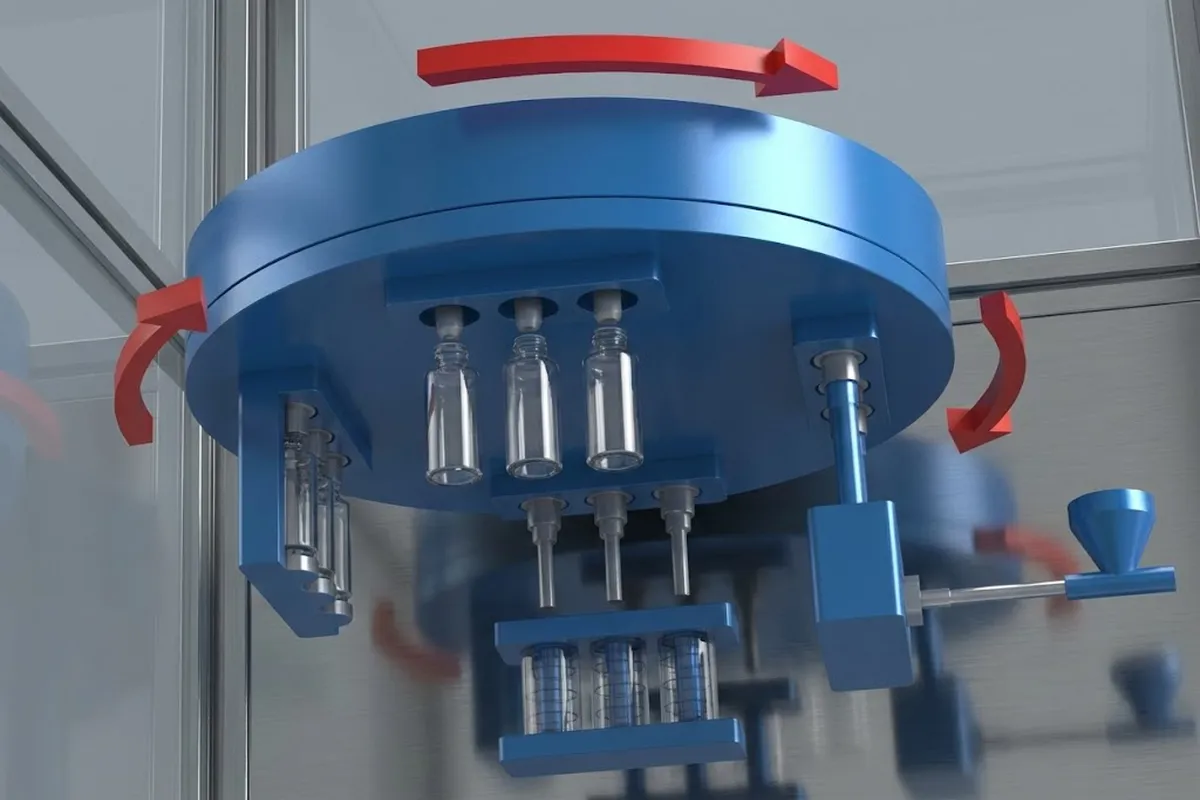
Princípio de funcionamento da máquina ISBM
1. Processo de Injeção
O processo de injeção é a etapa inicial. A resina PET ou PETG fundida é injetada no molde da pré-forma sob alta temperatura e pressão. A velocidade de injeção, a pressão de injeção e a temperatura do molde são controladas com precisão para garantir que o plástico fundido preencha a cavidade do molde de maneira uniforme e completa, produzindo uma pré-forma com o formato e as dimensões desejadas. A Y650-V4 processa volumes de injeção teóricos de 340 cm³ a 480 cm³, dependendo do diâmetro da rosca, atendendo a uma ampla gama de pesos de pré-formas para embalagens de grande formato.
2. Processo de alongamento
A pré-forma é indexada à estação de condicionamento térmico, onde as temperaturas do núcleo e do cilindro são reguladas para a faixa de estiramento ideal. A haste de estiramento alonga a pré-forma longitudinalmente, induzindo a orientação da cadeia molecular ao longo do eixo vertical. O tempo de resfriamento e a temperatura de condicionamento são controlados cuidadosamente para garantir a estabilidade dimensional e a qualidade da superfície antes do sopro. A Y650-V4 possui curso do núcleo e do cilindro com regulagem de temperatura de 300 mm cada, proporcionando um condicionamento térmico preciso para pré-formas grandes destinadas a recipientes de 5L a 20L.
3. Processo de sopro
Após o estiramento, a pré-forma é transferida para o molde de sopro e o ar comprimido a 2,0 a 3,5 MPa expande o plástico amolecido contra a parede do molde, formando o formato predeterminado da garrafa. Esta etapa de orientação biaxial é crucial para a uniformidade da espessura da parede da garrafa, a transparência e a resistência estrutural. O curso do molde de sopro Y650-V4 é de 175 + 175 mm com uma força de fechamento de 400 kN em um dos lados, permitindo a moldagem precisa de recipientes de até 20 litros e 280 mm de diâmetro em até 4 posições de cavidade.
4. Processo de Moldagem e Resfriamento
Após a extrusão, a garrafa é mantida no molde enquanto canais de resfriamento circulam água gelada para remover rapidamente o calor da parede da garrafa. A uniformidade, a velocidade e a duração controladas do resfriamento permitem que o PET ou PETG solidifique em sua forma final com o acabamento superficial e a precisão dimensional necessários. A pressão da água de resfriamento é mantida entre 0,4 e 0,6 MPa e a temperatura da água do resfriador de óleo é mantida entre 20 e 25 °C para estabilizar a temperatura do molde durante longos períodos de produção. A garrafa finalizada é então ejetada na estação de extração com um curso de 300 mm.
Áreas de aplicação
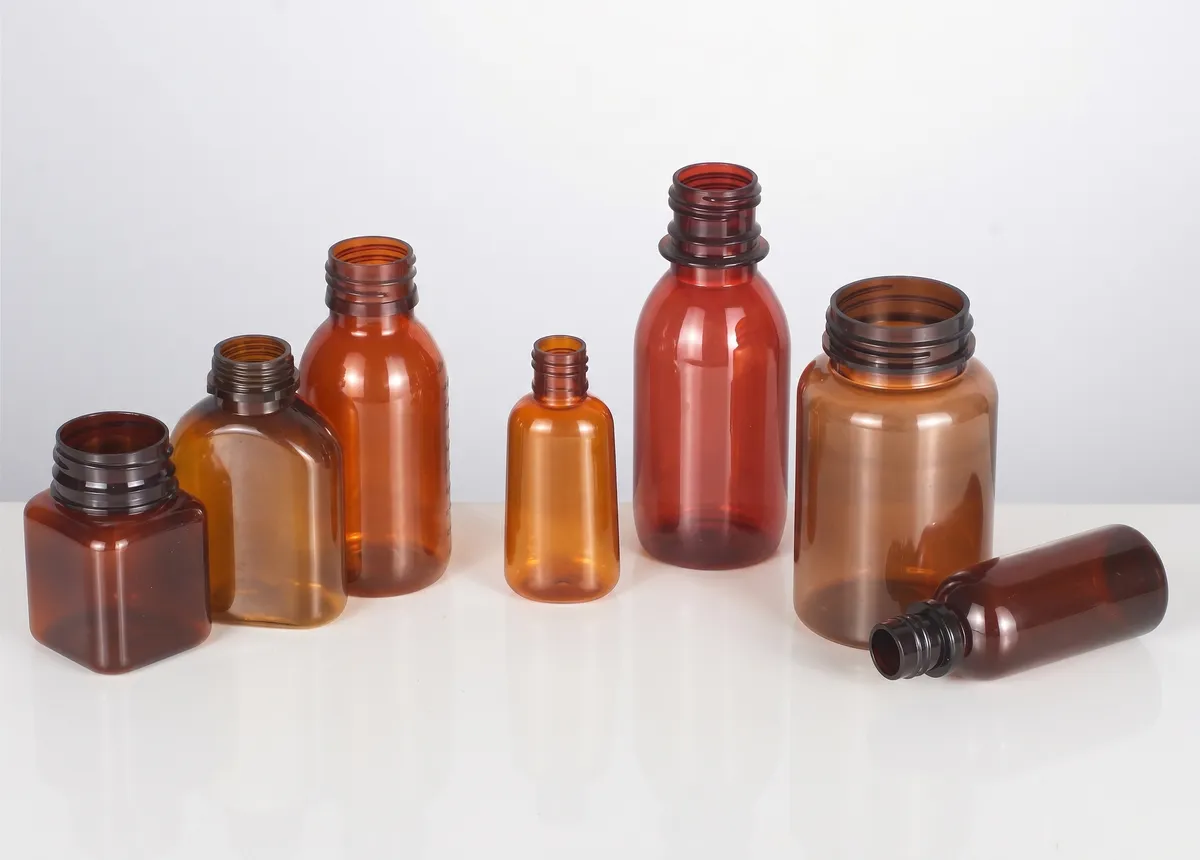
1. Frasco farmacêutico
Os recipientes farmacêuticos de grande formato e os frascos para líquidos orais em PET ou PETG se beneficiam da geometria precisa do gargalo da Y650-V4, das linhas de separação limpas e do sistema de acionamento servo opcional que atende aos padrões de produção GMP isentos de óleo e contaminação. A precisão dimensional da máquina e o controle PLC baseado em receitas atendem aos requisitos de rastreabilidade de lotes farmacêuticos e à qualidade consistente em todas as produções.
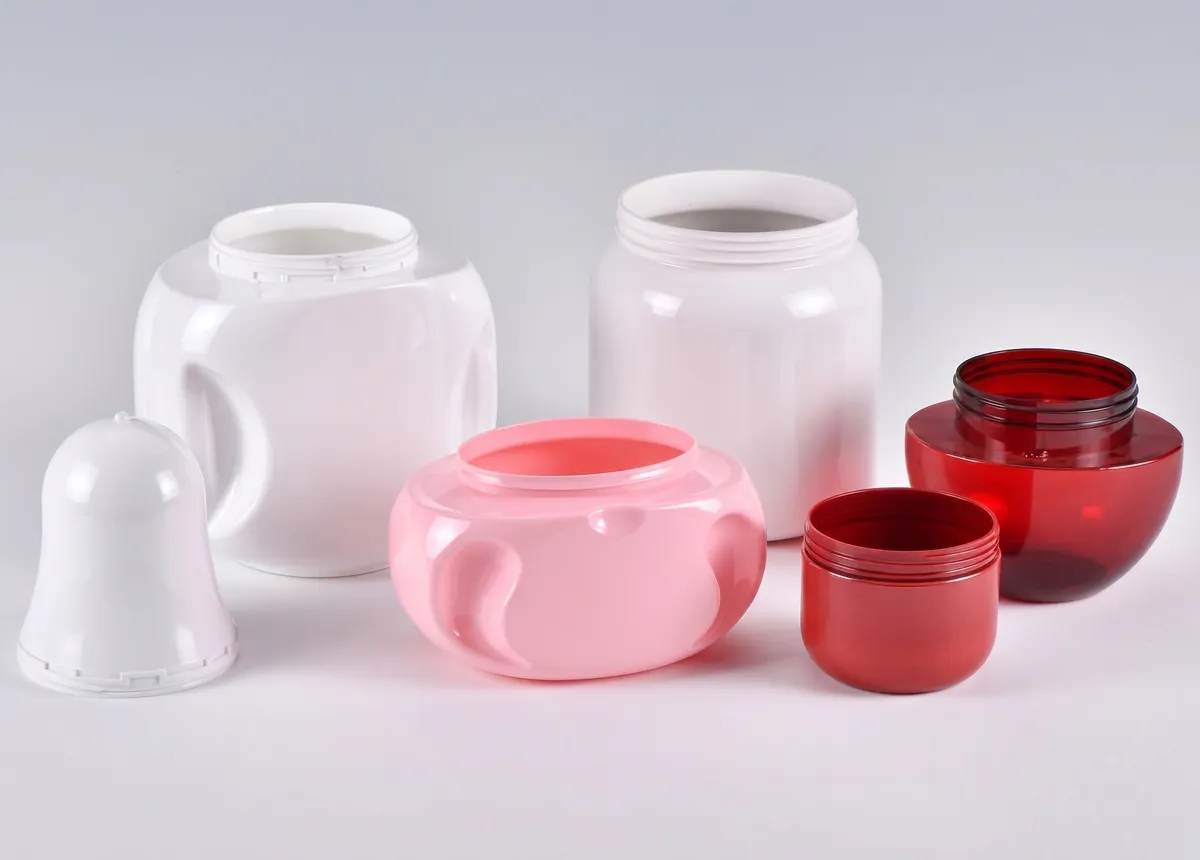
2. Frasco de cosmético
Frascos de alta qualidade para cuidados com a pele, perfumes e tônicos exigem transparência óptica e suavidade de superfície, características que o processo ISBM proporciona por meio da orientação molecular biaxial do PETG. A Y650-V4 processa embalagens cosméticas especiais e com formatos não padronizados. A CMN fornece máquinas para fabricantes que atendem grandes marcas de cosméticos, e o acabamento com linha de separação invisível é um diferencial fundamental para a apresentação premium nas prateleiras do varejo e em lojas duty-free.
3. Frasco de produto químico
Embalagens para produtos químicos industriais, lubrificantes e agroquímicos exigem fortes propriedades de barreira e bocas largas. O molde Y650-V4, com capacidade para garrafas de até 280 mm de diâmetro e gargalos de até 140 mm, é ideal para embalagens de PET com bocas largas para produtos químicos e industriais. A força de fechamento por sopro de 400 kN garante a integridade do molde mesmo na produção de recipientes químicos de paredes espessas sob pressão máxima.
4. Frasco de xampu
As embalagens de xampu e condicionador para cuidados pessoais frequentemente apresentam geometrias complexas nos ombros e formatos ergonômicos para melhor aderência. O processo em uma única etapa garante espessura de parede consistente em zonas curvas, algo difícil de se obter com a moldagem por sopro de extrusão, resultando em embalagens de nível profissional. O controle preciso de temperatura da Y650-V4 ajusta o perfil térmico da pré-forma na área do ombro da embalagem, garantindo distribuição uniforme do material em designs assimétricos.
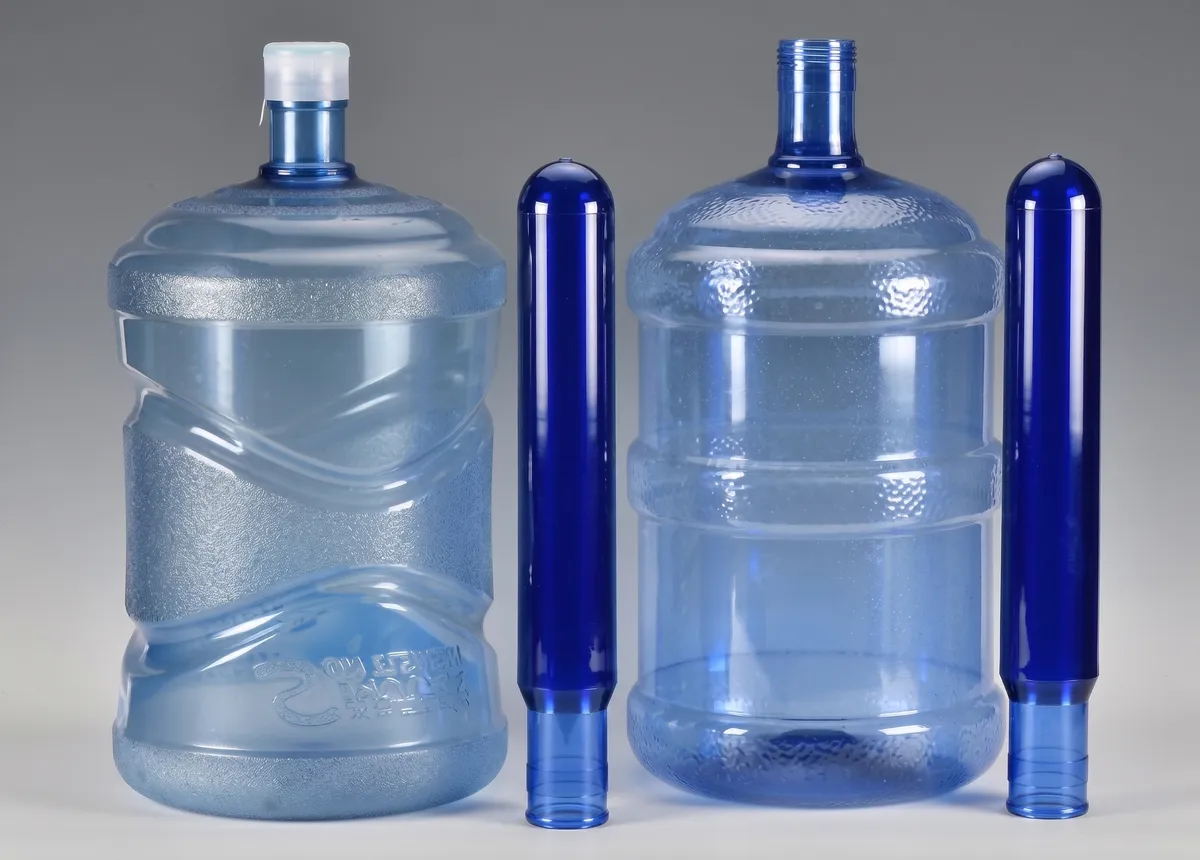
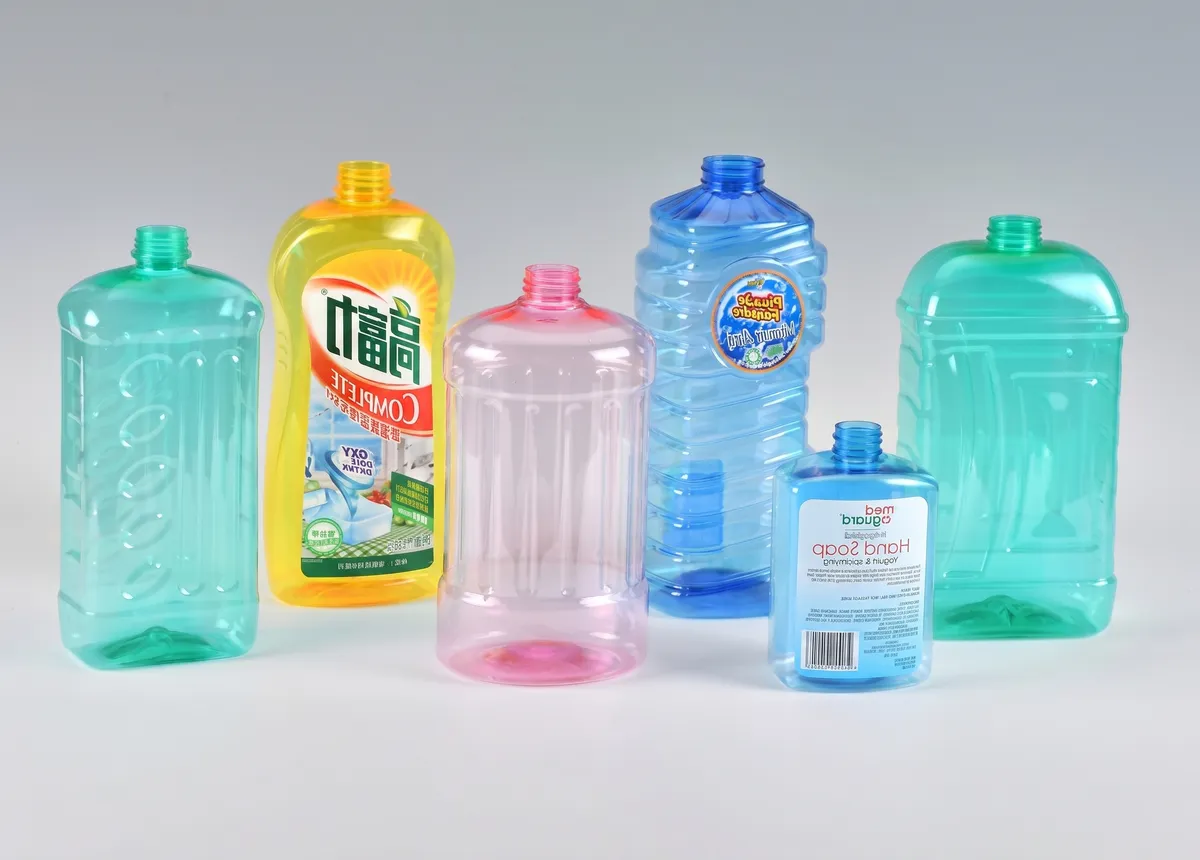
5. Garrafa de bebida
Dispensadores de água de grande volume e recipientes para bebidas de 5L a 20L são a principal aplicação da Y650-V4. A orientação biaxial do PET proporciona a resistência circunferencial e a transparência esperadas neste segmento. Garrafas cilíndricas de 20L com cavidade única, diâmetro do corpo de 280 mm e diâmetro do gargalo de 140 mm estão dentro das dimensões nominais do produto da máquina, e a economia de energia em comparação com as máquinas japonesas torna esta máquina ISBM de uma única etapa altamente competitiva para produtores de água em galões de grande volume em todo o mundo.
6. Mamadeira
A produção de mamadeiras exige o máximo em termos de transparência do material, conformidade com as normas de contato com alimentos e precisão da rosca do gargalo. O processo ISBM e o sistema de fixação do molde com controle servo garantem a precisão geométrica necessária para a rosca do bico sem vazamentos, além de suportar o processamento de resina PETG livre de BPA, em conformidade com as normas de segurança infantil. A Y650-V4 é adequada para projetos de moldes de mamadeiras com perfis de gargalo não padronizados.
7. Frasco de sabonete líquido
Frascos de sabonete líquido com bomba dosadora, de grande porte (500 ml a 2.000 ml), são frequentemente produzidos utilizando o processo ISBM. A Y650-V4 suporta configurações multicavidades para frascos com diâmetro de até 180 mm, com 4 cavidades por ciclo, permitindo a produção eficiente de frascos de sabonete líquido com excelente brilho superficial e distribuição uniforme do material nas paredes. O sistema de fechamento do molde com controle servo garante o registro preciso da linha de junção em todas as cavidades, em cada ciclo.
8. Tampa da lâmpada
As capas transparentes para difusores de iluminação e alojamentos de lâmpadas exigem alta clareza óptica e repetibilidade dimensional. O PET e o PETG, produzidos pelo processo ISBM, atingem as propriedades de transmissão de luz necessárias para capas de lâmpadas LED e fluorescentes. O amplo curso superior do molde da Y650-V4, de 1.070 mm, permite a fabricação de formatos alongados de capas de lâmpadas que máquinas com cursos menores não conseguem produzir, tornando-a a escolha ideal para a produção de capas especiais alongadas para iluminação industrial.
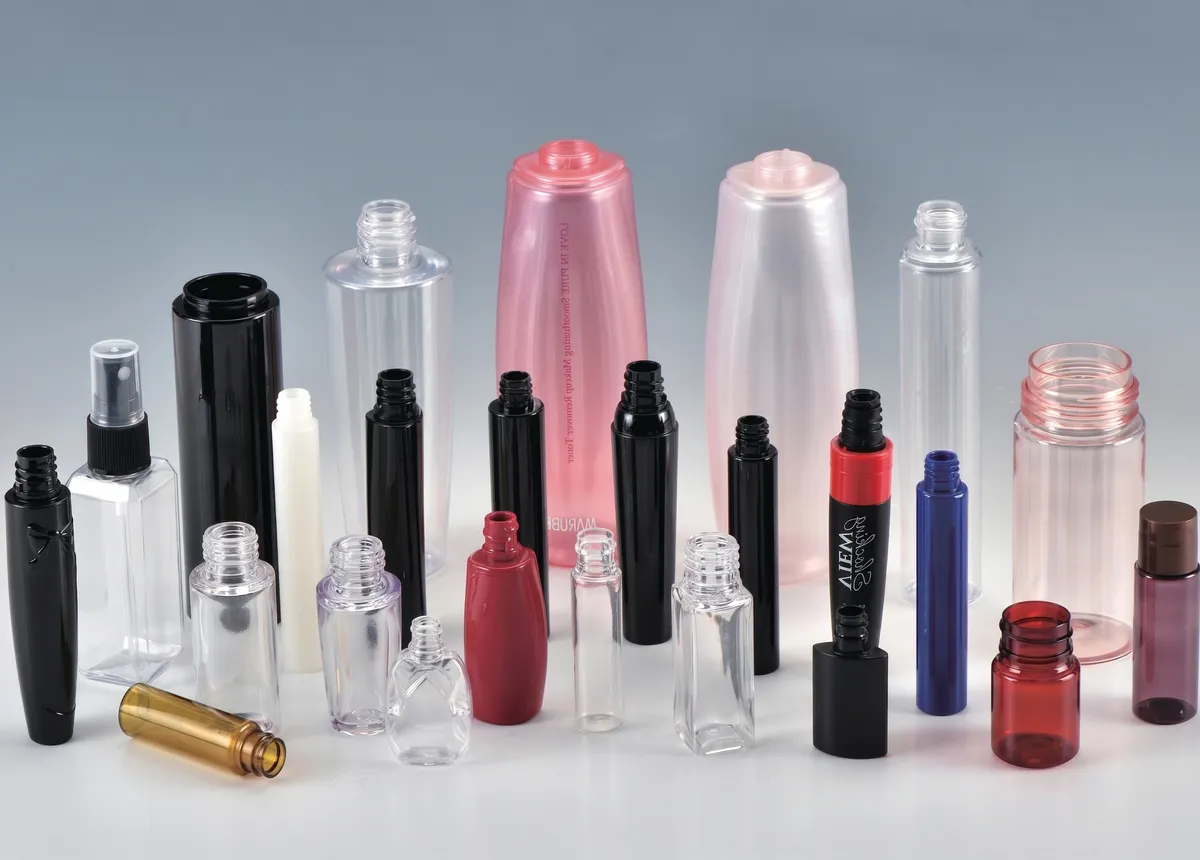 | 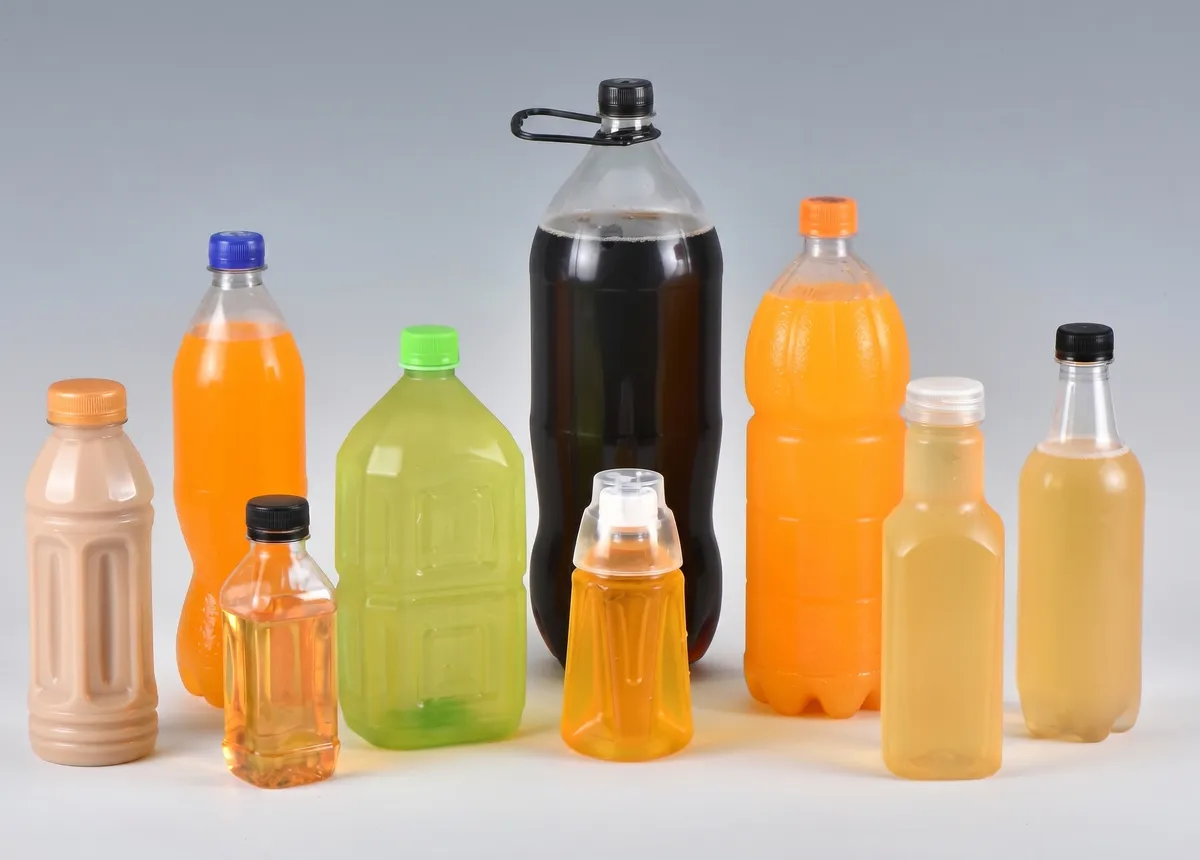 |
| Frasco cosmético | Garrafa de bebida |
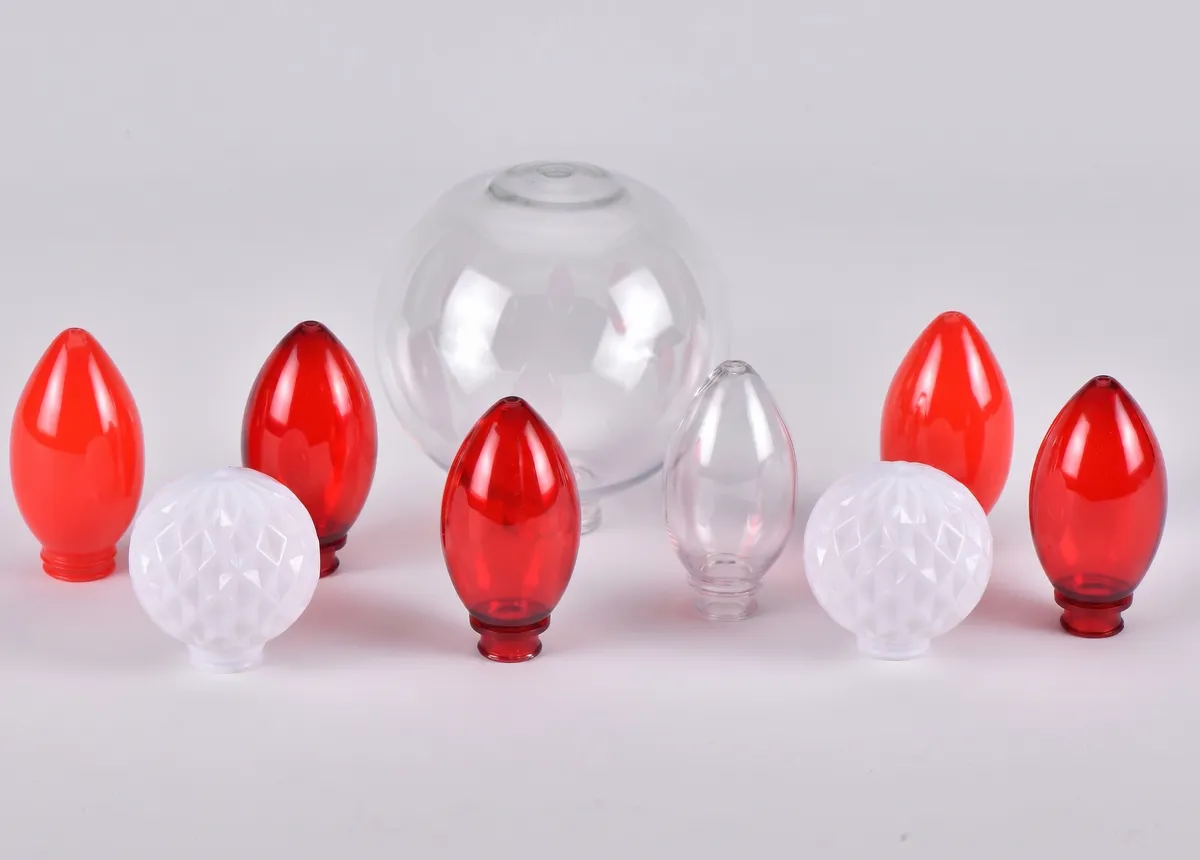 | 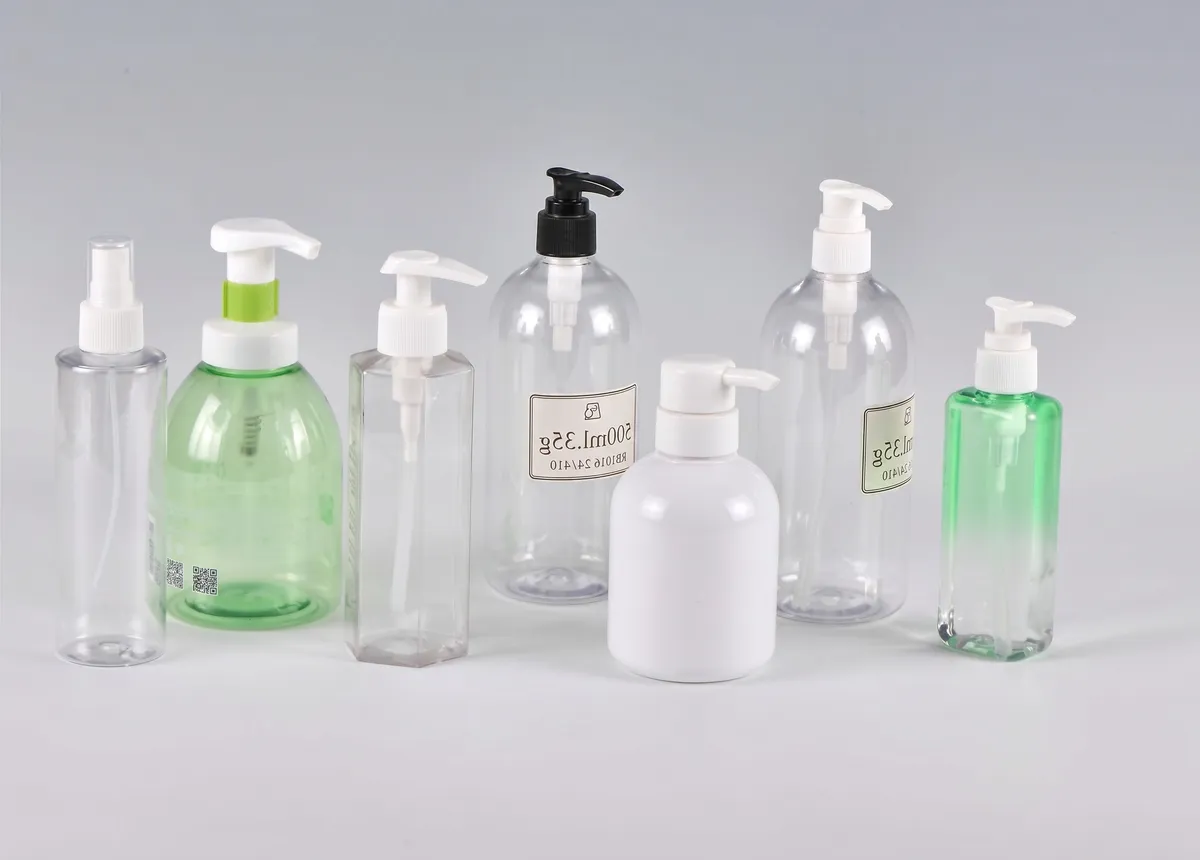 |
| Tampa da lâmpada | Frasco de sabonete líquido para as mãos |
Componentes da máquina de moldagem por injeção e sopro
Unidade de Fixação
A unidade de fechamento por injeção fornece 400 kN de força para manter o molde da pré-forma fechado durante a injeção de alta pressão. A unidade de fechamento por sopro fornece 400 kN em um dos lados para vedar o molde de sopro contra ar comprimido de 2,0 a 3,5 MPa. Ambas as unidades utilizam uma função de compensação de alta pressão para manter uma força de fechamento consistente à medida que os componentes do molde se expandem devido aos ciclos térmicos, garantindo repetibilidade dimensional em longas séries de produção sem intervenção do operador.
Unidade de Injeção
Controlada por um único cilindro, a unidade de injeção possui um parafuso plastificante disponível em diâmetros de 50, 55 ou 60 mm, com capacidade teórica de injeção de até 480 cm³ a 60 mm. O motor de fusão pode ser controlado hidraulicamente ou por um servomotor, dependendo da configuração selecionada. Um anel de aquecimento nano-infravermelho de baixo consumo de energia, com potência nominal de 15 kW, proporciona um aquecimento eficiente e uniforme do cilindro, com menor desperdício de energia do que os aquecedores de resistência convencionais.
Moldagem por pré-formas e sopro
A CMN fabrica moldes de injeção e sopro para pré-formas com tolerâncias extremamente rigorosas, resultando em linhas de junção praticamente invisíveis nas garrafas acabadas, uma melhoria significativa em relação às ferramentas padrão japonesas. A Y650-V4 aceita configurações de moldes de sopro de 1 a 4 cavidades. O curso superior do molde é de 1.070 mm e o curso inferior é de 550 mm, permitindo a produção de garrafas com até 510 mm de altura e compatibilidade com as ferramentas de moldagem de grande formato existentes da AOKI e da ASB.
Pino de sopro e haste de estiramento
O núcleo de sopro entra no gargalo da pré-forma e fornece ar comprimido a uma pressão de 2,0 a 3,5 MPa para expandir a pré-forma radialmente. Trabalhando em conjunto com a haste de estiramento, que se estende longitudinalmente para esticar a pré-forma antes da inflação com ar, a ação em dois estágios cria uma orientação biaxial na parede da garrafa. O curso do núcleo de sopro na Y650-V4 é de 300 mm, acomodando formatos de recipientes altos, incluindo grandes dispensadores de água e recipientes industriais alongados.
Sistema de refrigeração
Água gelada a 0,4 a 0,6 MPa circula por canais no molde de sopro para solidificar rapidamente a parede da garrafa após a expansão. Um circuito separado de resfriamento do óleo da máquina mantém a temperatura do óleo hidráulico entre 20 e 25 °C a 0,3 e 0,4 MPa, protegendo o tanque de óleo de 600 L e prolongando a vida útil dos componentes hidráulicos. O controle da temperatura do molde é essencial para uma contração consistente da garrafa e repetibilidade dimensional, principalmente para recipientes de grande formato com paredes espessas.
Sistema de Ejeção
Após o resfriamento, a plataforma giratória se posiciona na estação de retirada, onde as garrafas finalizadas são removidas pelo mecanismo de extração com um curso de 300 mm. A plataforma giratória é acionada por um servomotor Yaskawa ou WEICHI do Japão, através de um redutor TSUNTIEN de Taiwan, proporcionando uma indexação suave e precisa entre as quatro estações. O cilindro pneumático Airtak aciona o braço de extração, garantindo uma descarga confiável e de alta velocidade das garrafas, sem marcas ou deformações na superfície da embalagem final.
Sistema hidráulico
Três sistemas de servobombas acionam o circuito hidráulico principal, reduzindo o desperdício de energia durante os períodos de inatividade, ajustando a potência das bombas à demanda real. As válvulas de controle de pressão hidráulica da YUKEN Taiwan regulam a pressão do circuito, enquanto os tubos de óleo, fabricados com material importado da Itália, garantem resistência a vazamentos a longo prazo. O tanque de óleo de 600 litros proporciona ampla massa térmica para o controle estável da temperatura do fluido hidráulico durante longos períodos de produção em alta potência, minimizando os intervalos de manutenção.
Máquina IBM vs. Máquina ISBM: Principais Diferenças
Entender a diferença entre um máquina de moldagem por injeção e sopro (Máquina IBM) e um máquina de moldagem por injeção, estiramento e sopro A escolha da máquina ISBM é essencial na seleção de equipamentos de moldagem por sopro. O método de moldagem determina a estrutura da parede da garrafa, a precisão do gargalo, o acabamento da superfície e a gama de materiais e tamanhos que podem ser produzidos com eficiência.
IBM: Moldagem por Injeção e Sopro
O processo de fabricação por injeção de metal (IBM) começa com uma pré-forma moldada por injeção que já possui geometria precisa de gargalo e rosca. A pré-forma é transferida diretamente para um molde de sopro e inflada até atingir o formato final, sem a necessidade de hastes de estiramento. O processo IBM é preferido quando a precisão da vedação é o requisito principal e o tamanho do recipiente é pequeno, como em frascos conta-gotas farmacêuticos, potes cosméticos e tampas com rosca de precisão. O processo IBM produz excelente definição de gargalo, mas não atinge a orientação molecular biaxial que confere aos frascos fabricados por injeção de metal (ISBM) sua superior relação resistência/peso e desempenho de barreira.
ISBM: Moldagem por Injeção, Estiramento e Sopro
A máquina de moldagem por injeção e sopro (ISBM) também começa com uma pré-forma, mas insere uma haste de estiramento mecânico antes da fase de sopro. A haste alonga a pré-forma longitudinalmente enquanto o ar comprimido a expande radialmente, criando uma orientação biaxial que melhora drasticamente a resistência à compressão, o desempenho de barreira, a transparência óptica e o potencial de redução de peso. O ISBM é o processo dominante para garrafas PET de bebidas, grandes recipientes de água e qualquer aplicação onde a resistência da parede e a transparência visual sejam críticas. A Y650-V4 é o produto principal da CMN Transmission como fabricante de máquinas ISBM para recipientes de grande formato.
Onde cada tipo de máquina se encaixa melhor
| Tipo | Formulário inicial | Materiais comuns | Melhores Produtos | Principal força | Limitação principal |
|---|---|---|---|---|---|
| EBM | Parison | HDPE, LDPE, PP, PVC | Grandes recipientes, garrafas com alça, tambores | Tamanhos flexíveis, custo de ferramental reduzido | Menos precisão no pescoço, possível brilho excessivo. |
| IBM | Pré-forma | HDPE, PP, PET, PS | Frascos e potes de precisão de pequeno porte | Acabamento preciso do braço e definição da rosca | Custo de ferramental mais elevado, gama de tamanhos menor |
| ISBM | Pré-forma esticada | PET, PETG, PP | Garrafas transparentes e recipientes de grande formato | Força, clareza, leveza | Custo mais elevado de máquinas e moldes |
| Máquina de sopro para animais de estimação | Baseado em pré-formas | PET, rPET | Água, refrigerante, óleo, frascos de cosméticos | Produção escalável de garrafas PET | Não é uma categoria de processo separada |
Como o método de moldagem altera a qualidade da garrafa
O método de moldagem determina muito mais do que apenas a forma como o plástico entra no molde. Ele afeta diretamente a distribuição da espessura da parede, a precisão do gargalo, o acabamento da superfície, a transparência, a resistência mecânica e o risco de defeitos. Uma máquina pode ter capacidade de produção suficiente, mas se o método de moldagem não for adequado ao design da garrafa, problemas como vazamentos, zonas de parede fina, baixa transparência ou peso instável da garrafa surgirão durante a produção contínua.
IBM cria formulários a partir de pré-formas sem esticar.
A tecnologia IBM injeta uma pré-forma precisa com um gargalo totalmente formado e, em seguida, a transfere diretamente para um molde de sopro sem estiramento. A ausência de uma haste de estiramento significa que nenhuma orientação biaxial é induzida, resultando em menor resistência da parede e transparência do que a tecnologia ISBM. A tecnologia IBM se destaca para frascos pequenos de produtos farmacêuticos e cosméticos, onde as tolerâncias rigorosas do gargalo superam a necessidade de um desempenho de parede otimizado pela orientação e o volume do recipiente é inferior a 500 ml.
A ISBM adiciona a vantagem da haste extensível
A haste de estiramento do Y650-V4 alinha as cadeias de polímero axialmente antes da inflação radial, que as orienta circunferencialmente. Essa orientação biaxial produz garrafas com resistência superior à carga superior, resistência a quedas e desempenho de barreira a gases com menor espessura de parede, tornando cada garrafa mais leve sem sacrificar a durabilidade. Para recipientes de água de 5L a 20L, essa redução de peso se traduz em economia significativa de custos de material em altos volumes de produção.
Matérias-primas compatíveis com a máquina ISBM
BICHO DE ESTIMAÇÃO
O tereftalato de polietileno é a resina principal do Y650-V4. Sua excelente transparência, propriedades de barreira a gases e reciclabilidade o tornam ideal para grandes recipientes de bebidas, bebedouros e embalagens para alimentos. O PET responde bem à orientação biaxial ISBM, atingindo alta resistência com baixa espessura de parede e produzindo a aparência cristalina que os consumidores esperam em garrafas de água de grande formato e recipientes premium para alimentos.
PETG
O PET modificado com glicol oferece resistência superior ao impacto e maior transparência óptica em comparação ao PET padrão, além de ser mais fácil de processar e apresentar melhor resistência química. O PETG é a opção preferida para frascos de cosméticos, embalagens de bebidas premium e mamadeiras, onde a ausência de BPA é um requisito e o brilho superior é exigido por marcas e consumidores finais em mercados regulamentados.
PP
O polipropileno é valorizado por sua resistência química, tolerância a altas temperaturas e segurança para contato com alimentos. Os recipientes de PP produzidos em máquinas ISBM são utilizados para embalagens de alimentos a quente, preparações farmacêuticas e recipientes que requerem esterilização em autoclave. O PP exige temperaturas de processamento ligeiramente mais altas do que o PET e se beneficia de um controle preciso do tempo de estiramento e da temperatura na zona de condicionamento.
PPSU
O polifenilsulfona (PPSU) suporta repetidos ciclos de esterilização a vapor e autoclave sem degradação, tornando-se o material preferido para mamadeiras de uso médico e recipientes farmacêuticos reutilizáveis. O PPSU é totalmente livre de BPA e mantém sua transparência após centenas de ciclos de esterilização, atendendo aos requisitos dos mais exigentes padrões de segurança infantil e de saúde em todo o mundo.
PC
O policarbonato oferece excepcional resistência ao impacto e transparência óptica para recipientes industriais e de laboratório exigentes. O PC é utilizado em dispensadores de água reutilizáveis de grande volume e em frascos de precisão para laboratório. A resistência à temperatura e aos raios UV torna o PC adequado para aplicações que exigem longa vida útil sob manuseio repetido e exposição a condições ambientais variáveis.
Tritan
O copolímero Eastman Tritan oferece transparência e resistência semelhantes ao policarbonato, sem conter bisfenol, tornando-o a escolha ideal para garrafas reutilizáveis de alta qualidade, produtos para alimentação infantil e recipientes de cozinha. O Tritan pode ser lavado na lava-louças e mantém sua integridade estrutural e brilho mesmo após milhares de lavagens, reforçando o posicionamento premium da marca em mercados consumidores preocupados com a saúde.
PCTG
O copolímero de glicol PCT oferece excelente resistência química, transparência e tenacidade a um custo inferior ao do Tritan ou do PC. O PCTG é amplamente utilizado em embalagens cosméticas, recipientes de laboratório e frascos para contato com alimentos, onde a exposição a produtos químicos e a esterilização frequente são preocupações, mas o custo do material de grau industrial deve ser controlado para manter preços competitivos.
PLA
O ácido polilático (PLA) é uma resina de origem biológica, industrialmente compostável e que vem ganhando espaço em embalagens sustentáveis. O PLA permite a produção de recipientes transparentes com boa rigidez, ideais para bebidas e alimentos com prazo de validade curto, nos quais a biodegradabilidade ou a certificação de conteúdo de base biológica são requisitos da marca. O processamento do PLA exige um controle rigoroso da temperatura para evitar a degradação hidrolítica durante a injeção.
 |  |
 |  |
Máquina ISBM para Frascos Farmacêuticos: Processo de Produção Completo
PASSO 1: Preparação da Máquina
Selecione resina PET ou PETG de grau farmacêutico e verifique o estado de secagem antes do carregamento. O PET deve ser seco a um teor de umidade inferior a 0,02% em um secador desumidificador com dessecante a uma temperatura entre 160 e 180 °C por 4 a 6 horas para evitar a degradação hidrolítica durante a injeção. Pré-aqueça as zonas do cilindro da Y650-V4 à temperatura de processamento adequada para o seu tipo de resina. Verifique as configurações de força de fechamento do molde, a pressão da água de refrigeração e a pressão da linha de ar comprimido antes de iniciar a sequência de produção para garantir que todos os equipamentos estejam dentro das especificações.
PASSO 2: Configuração de parâmetros
Carregue a receita salva para o seu recipiente farmacêutico a partir do PLC Inovance ou MiRLE. Defina a pressão de injeção, a velocidade de injeção, a velocidade de rotação da rosca dentro da faixa de 150 a 220 RPM para rosca de 60 mm, o tempo de estiramento da haste, a pressão de sopro entre 2,0 e 3,5 MPa e a duração do resfriamento. Para aplicações farmacêuticas em conformidade com as Boas Práticas de Fabricação (BPF), ajuste os parâmetros para garantir que as superfícies de contato atendam aos padrões de limpeza e ausência de contaminação. Documente todas as configurações de parâmetros para os registros de rastreabilidade do lote exigidos pelas regulamentações farmacêuticas.
ETAPA 3: Operação de Fabricação
Injeção: Resina fundida de grau farmacêutico preenche o molde da pré-forma a uma velocidade e pressão controladas para formar uma pré-forma precisa. Estiramento: A pré-forma é condicionada à temperatura ideal de estiramento e a haste de estiramento a alonga longitudinalmente. Sopro: Ar de alta pressão, entre 2,0 e 3,5 MPa, expande a pré-forma contra a cavidade do molde de sopro para formar o frasco farmacêutico finalizado. Moldagem: Água de resfriamento solidifica rapidamente o frasco, conferindo-lhe sua forma final precisa. A plataforma giratória indexa e o recipiente finalizado é ejetado na estação de saída, pronto para transferência para a linha de envase farmacêutico.
ETAPA 4: Inspeção de Qualidade
Verificar a altura, o diâmetro do corpo, o diâmetro do gargalo e a espessura da parede dos frascos farmacêuticos acabados, comparando-os com as especificações do produto, utilizando calibradores. Realizar testes de vazamento nas roscas do gargalo, utilizando amostras tampadas sob pressão de ar. Verificar a transparência óptica comparando-a com amostras de referência. Analisar os registros de dados do CLP para identificar qualquer desvio de parâmetros durante a produção. Ajustar a pressão de retenção da injeção, o tempo de resfriamento ou a temperatura de condicionamento, conforme necessário, para manter as dimensões dentro da tolerância. Documentar todos os resultados da inspeção para os registros de lote farmacêutico e para os requisitos de submissão regulatória.
Falhas comuns e resolução de problemas
1. Espessura irregular da parede
A distribuição irregular da espessura da parede é geralmente causada por temperatura inconsistente da pré-forma, desalinhamento da haste de estiramento em relação à linha central da pré-forma ou temporização incorreta da pressão de sopro. Verifique se as zonas de condicionamento de temperatura são uniformes em todas as cavidades, verifique a concentricidade da haste de estiramento e revise o perfil da rampa de pressão de sopro no CLP. Inspecione as temperaturas do núcleo e do cilindro, que regulam a temperatura, para verificar variações entre as cavidades no Y650-V4 antes de ajustar outros parâmetros.
2. Marcas brancas de tensão no corpo da garrafa
Marcas de tensão brancas ou opacas no ombro ou no corpo da garrafa indicam que a pré-forma estava muito fria quando o estiramento começou, causando o branqueamento por tensão em vez da verdadeira orientação molecular. Aumente a duração do condicionamento térmico ou eleve a temperatura de referência do cilindro. Verifique se o tempo de permanência da pré-forma na estação de condicionamento é consistente entre os ciclos e se as temperaturas da zona de condicionamento correspondem à faixa de estiramento ideal da sua resina para o peso específico da pré-forma que está sendo processada.
3. Garrafa presa no molde de sopro
Garrafas que aderem à superfície do molde de sopro após a expansão indicam tempo de resfriamento insuficiente, temperatura elevada do molde ou problema no acabamento da superfície. Verifique se a vazão e a temperatura da água de resfriamento (ideal entre 20 e 25 °C para resfriadores de óleo e entre 0,4 e 0,6 MPa para resfriamento de garrafas) estão dentro das especificações. Aumente o tempo de resfriamento. Se o problema persistir, inspecione os canais de ventilação do molde e considere o polimento ou texturização da superfície para reduzir a tendência de adesão em paredes de recipientes de grande diâmetro.
4. Peso inconsistente da garrafa entre as cavidades
A variação de peso entre as posições das cavidades indica uma distribuição irregular do material fundido no coletor de canais quentes, diferenças na velocidade de preenchimento das cavidades ou variações na temperatura do molde em cada cavidade. Verifique os valores de ajuste de temperatura da zona de canais quentes em comparação com as leituras reais, inspecione a condição da ponta do bico de injeção para detectar obstruções parciais e meça o fluxo de água de refrigeração para cada cavidade individualmente. As curvas de pressão de injeção registradas pelo CLP para cada cavidade ajudam a identificar se uma posição específica da cavidade está apresentando subenchimento consistente.
5. Defeitos na superfície da pré-forma (espaçamento irregular, bolhas, queimaduras)
Defeitos superficiais na pré-forma, como estrias, bolhas de ar ou marcas de queimadura no ponto de injeção, geralmente resultam de umidade na resina, temperatura excessiva do cilindro ou ar aprisionado na massa fundida. PET e PETG são higroscópicos e devem ser secos a um teor de umidade inferior a 0,02% antes do processamento. Verifique a temperatura e a duração da secagem. Reduza as temperaturas ajustadas do cilindro na zona afetada e verifique a contrapressão da rosca. Inspecione a válvula de retenção na ponta da rosca quanto a desgaste que possa permitir o refluxo da massa fundida.
6. Dimensão do pescoço fora da tolerância
Dimensões da rosca do gargalo ou da superfície de vedação fora da tolerância causam falhas na vedação da tampa e vazamentos em campo. A geometria do gargalo é determinada na estação de injeção. As causas incluem desgaste do núcleo do molde, pressão de injeção ou pressão de retenção incorretas, variação da temperatura do núcleo do molde ou alterações no lote de resina. Meça as dimensões do gargalo com um calibrador de rosca, revise as curvas de tempo de retenção e pressão de injeção no registro de dados do CLP e inspecione o núcleo e a cavidade do gargalo em busca de desgaste ou contaminação que possa ter ocorrido durante a produção atual.
Por que escolher a máquina de moldagem por injeção e sopro da CMN?
A CMN Transmission dedica-se principalmente à pesquisa e desenvolvimento, produção, vendas e comércio internacional de máquinas automáticas de moldagem por injeção e sopro em uma única etapa e máquinas de moldagem por injeção e estiramento e sopro. Nossa linha de produtos abrange máquinas de moldagem por injeção e sopro, máquinas de moldagem por extrusão e sopro, máquinas de moldagem por injeção e estiramento e uma gama completa de equipamentos auxiliares, atendendo a todas as necessidades da tecnologia moderna de produção de embalagens plásticas.
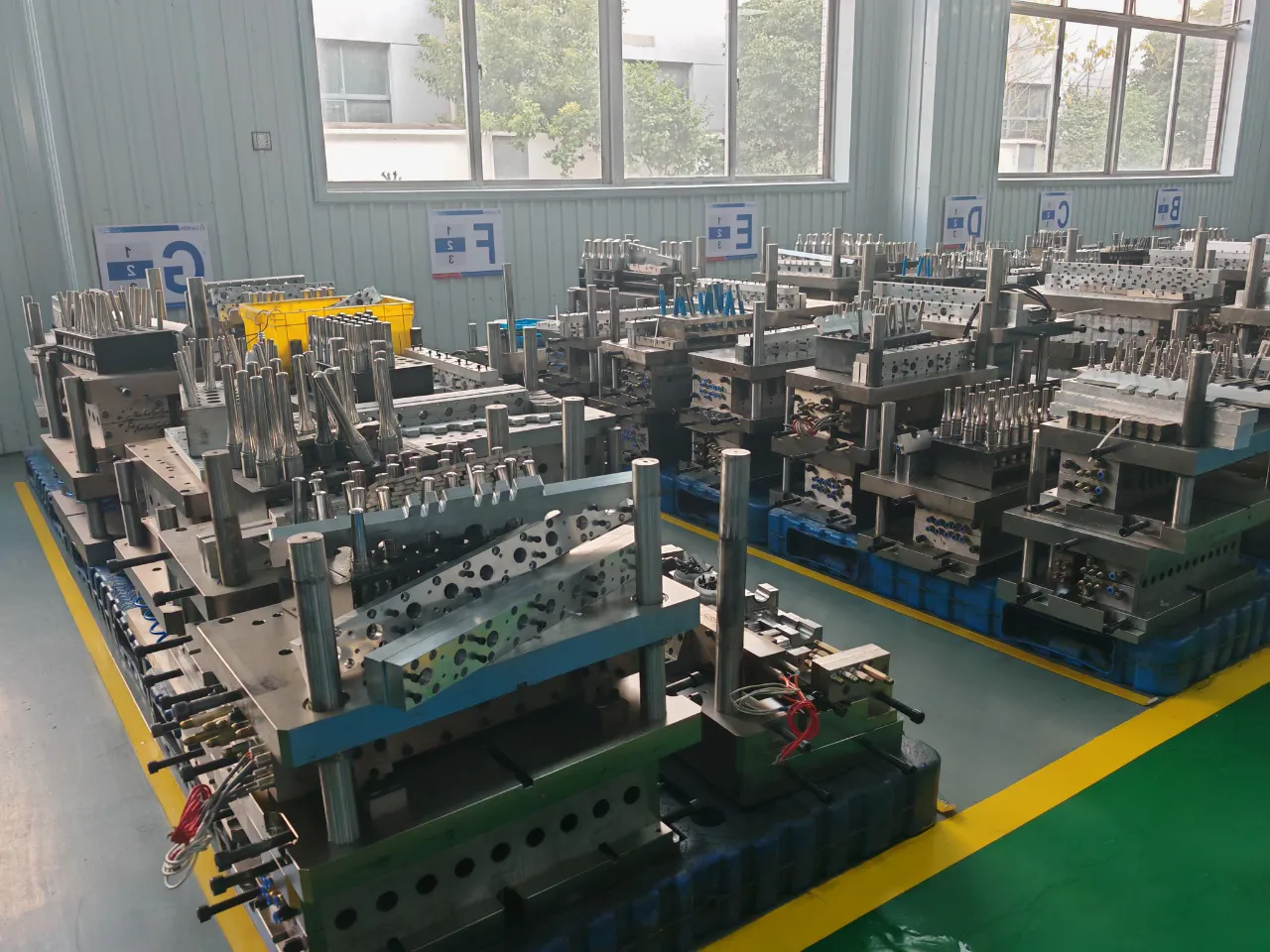
A CMN Transmission opera em uma unidade de produção com mais de 20.000 metros quadrados na Zona Industrial de Yingfu, cidade de Taiping, distrito de Qingxin, cidade de Qingyuan, província de Guangdong, com uma segunda unidade em Guangzhou. Após mais de 20 anos dedicados ao desenvolvimento e fabricação, nossa equipe de engenharia acumulou profundo conhecimento tanto em projeto de máquinas quanto em fabricação de moldes, solicitando inúmeras patentes nacionais e posicionando a CMN na vanguarda do setor no desenvolvimento de máquinas de alta tecnologia para os segmentos de cosméticos, alimentos, farmacêutico e embalagens de grande formato.
Nossos produtos têm aplicações em embalagens farmacêuticas, embalagens de alimentos, embalagens para a área da saúde, embalagens cosméticas e outros segmentos de embalagens plásticas. As máquinas da CMN podem produzir embalagens plásticas de 1 ml a 1.000 ml e volumes maiores, utilizando resinas como HDPE, LDPE, PET, PETG, PP, PS, PPSU, PC, Tritan, ABS, PLA, materiais ecológicos, EVA, PCTG e outras, de acordo com as necessidades de cada projeto do cliente.
A CMN Transmission adere aos princípios de desenvolvimento empresarial de autossuficiência, integridade, pragmatismo, inovação e responsabilidade, construindo uma cadeia de suprimentos completa para projetos personalizados de máquinas de moldagem por injeção e sopro. Oferecemos consultoria pré-venda detalhada e ágil, suporte técnico durante a venda e um abrangente serviço pós-venda para clientes em mais de 50 países, com o apoio de uma equipe profissional de engenheiros de ponta, comprometidos com o sucesso da sua produção.
- Mais de 20 anos de experiência em fabricação: Fundada em 2003, a CMN dedicou mais de duas décadas ao aprimoramento do projeto de máquinas ISBM de etapa única, acumulando propriedade intelectual e conhecimento prático de produção que norteiam cada máquina que construímos para clientes em todo o mundo.
- Base de clientes global em todos os principais setores: As máquinas da CMN atendem marcas de cosméticos, fabricantes de produtos farmacêuticos, produtores de bebidas, embaladores de alimentos e fabricantes de embalagens especiais em mais de 50 países na Ásia, Oriente Médio, África, Europa e Américas.
- Projeto e fabricação de moldes internos: A CMN projeta e constrói internamente moldes de injeção para pré-formas e moldes de sopro, oferecendo aos clientes um único ponto de contato e permitindo a otimização da transição da pré-forma para a garrafa para cada design de recipiente específico e combinação de resina.
- Suporte técnico global ágil: A equipe de serviços profissionais da CMN oferece suporte remoto rápido por meio de videochamadas e análise de dados de CLP, com engenheiros disponíveis no local para comissionamento e resolução de falhas complexas, além de peças de reposição em estoque para envio rápido em todo o mundo.
- Aprovado por marcas líderes globais: As máquinas CMN têm sido utilizadas por fabricantes que fornecem para marcas como C'ESTBON, HAITIAN, Luhua, Walch, Blue Moon, PROYA, Liby, Estee Lauder, Wal-Mart e outras grandes marcas de consumo, confirmando o desempenho com os mais altos padrões de qualidade do mercado.
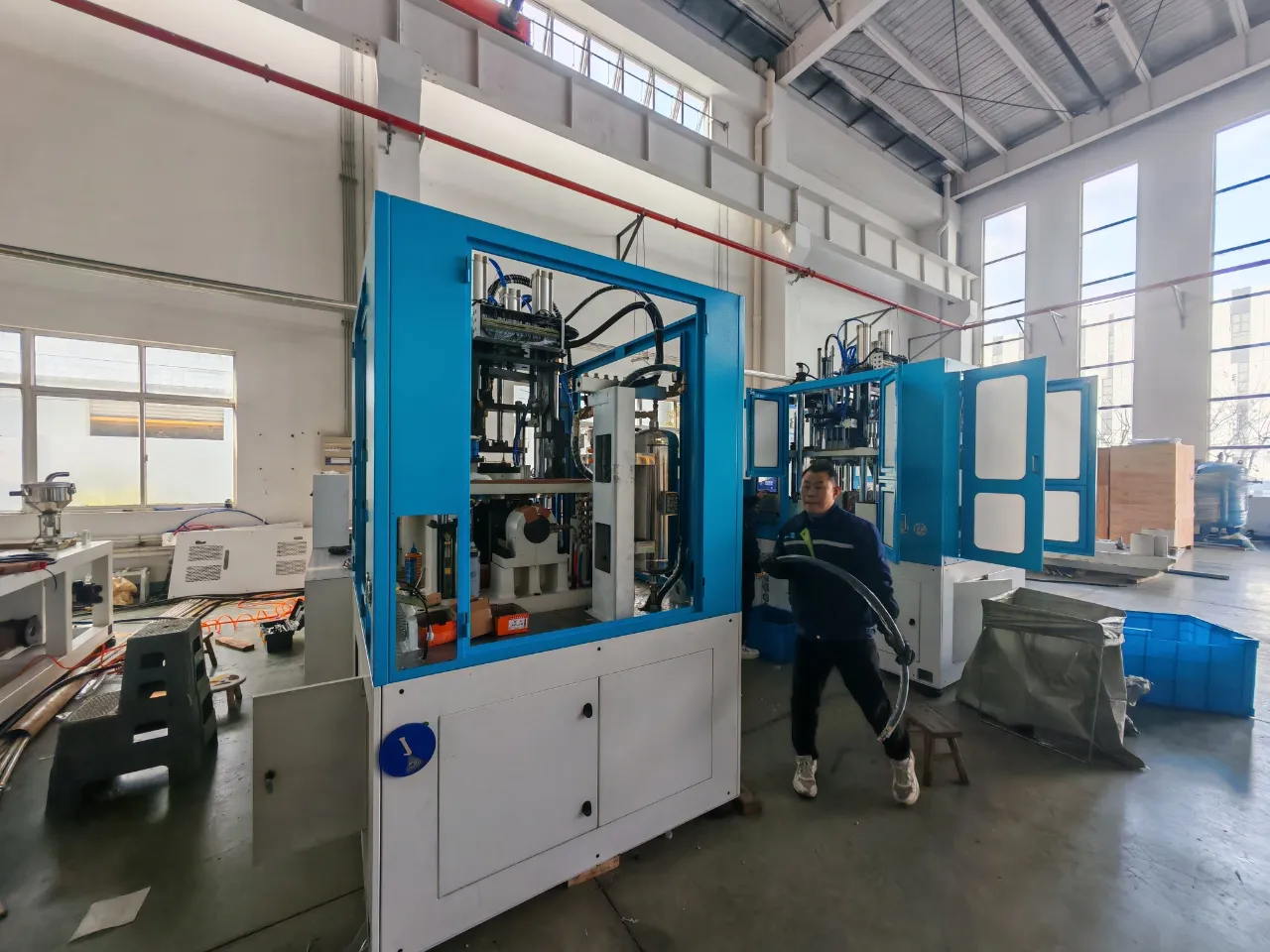 | 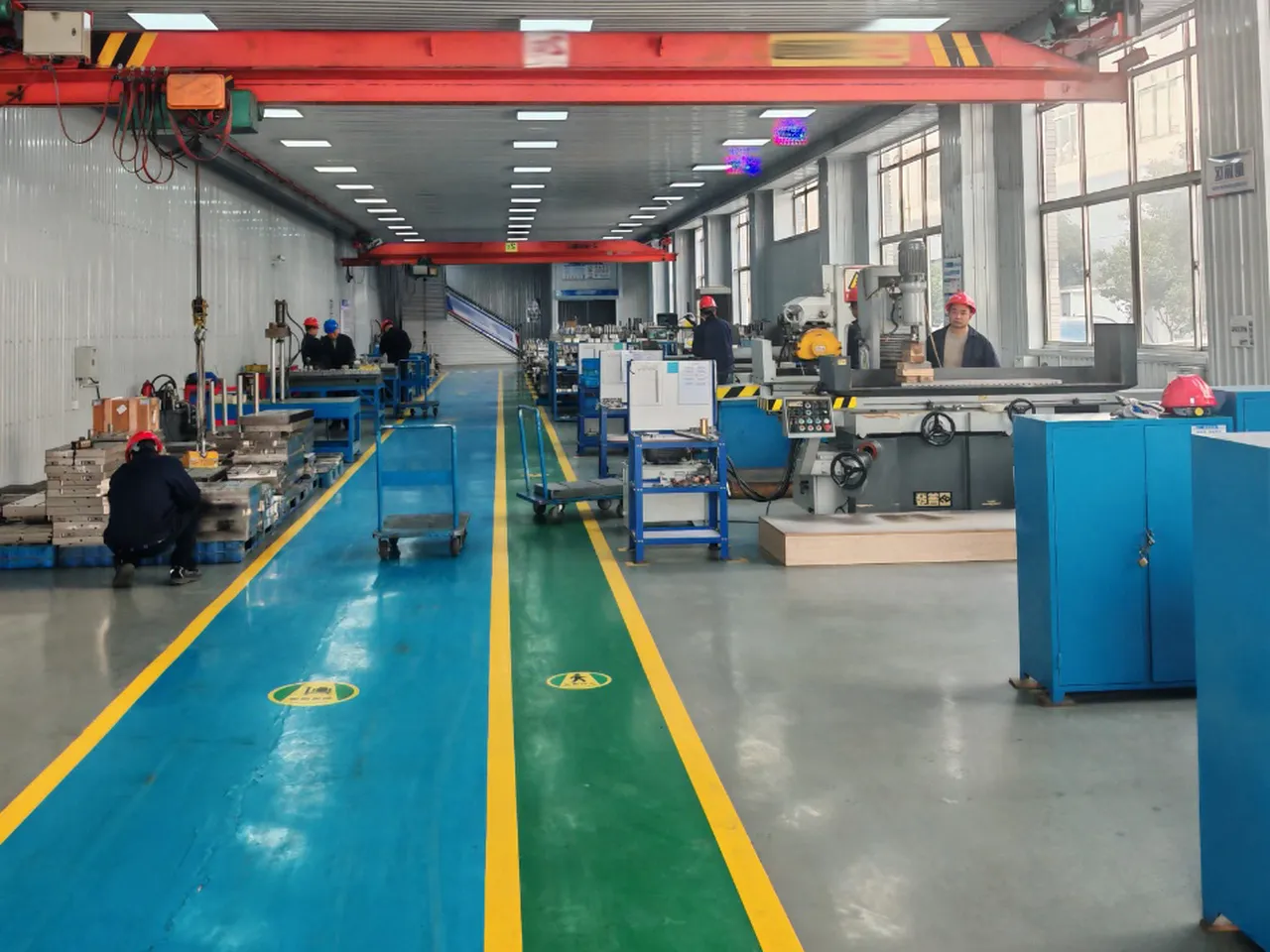 |
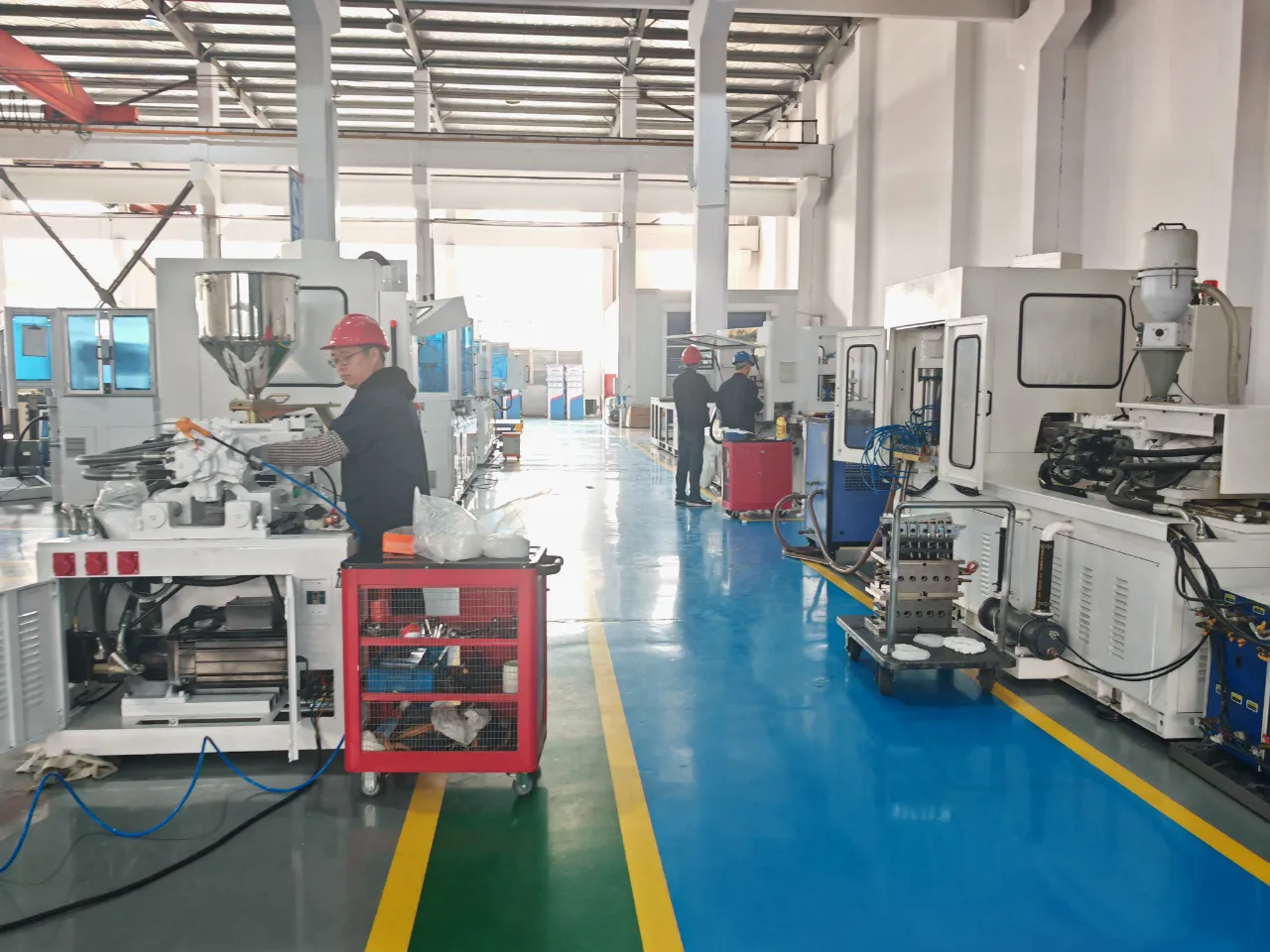 | 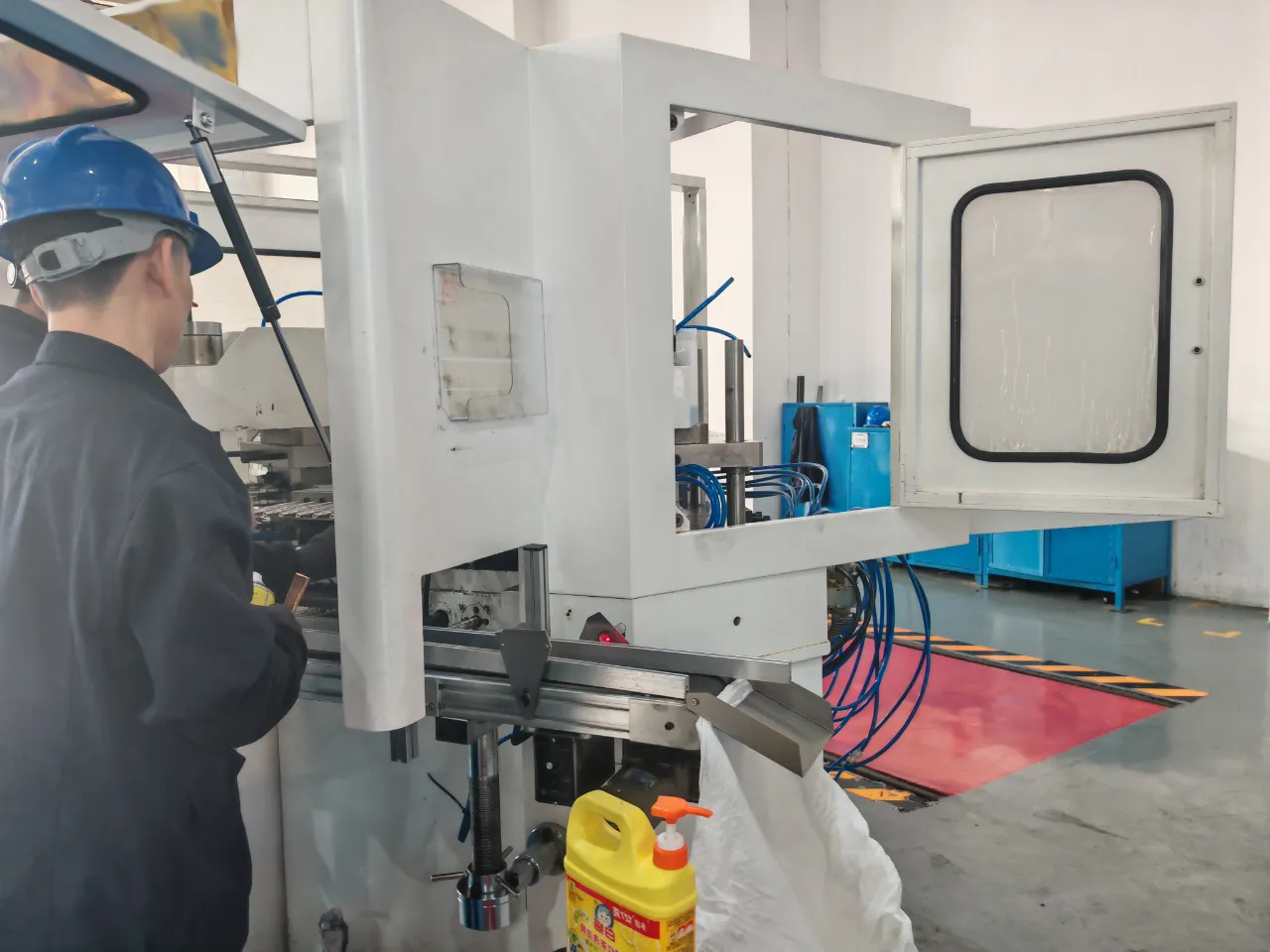 |
Perguntas frequentes
P: Qual é o volume máximo de garrafa que a máquina de moldagem por injeção e sopro Y650-V4, em uma única etapa, pode produzir?
A: A Y650-V4 pode produzir garrafas de até 20 litros em uma configuração de cavidade única, com diâmetro de 280 mm e altura de 510 mm. Em uma configuração de duas cavidades, o volume máximo também é de 20 litros, com diâmetro de 235 mm ou 280 mm. Para configurações de três e quatro cavidades, o volume máximo é de 12 litros e de 5 a 7 litros, respectivamente. Esses são os limites nominais para resinas PET e PETG com espessura de parede padrão. Especificações de parede mais espessas reduzem o volume máximo alcançável por posição de cavidade.
P: O modelo Y650-V4 é compatível com os moldes japoneses ASB ou AOKI ISBM?
R: Sim. A Y650-V4 foi projetada como substituta direta das máquinas japonesas AOKI série 500 e é compatível com as ferramentas de moldagem de grande formato das séries AOKI 500 e ASB. Essa compatibilidade de moldes é uma grande vantagem para fábricas que estão migrando de máquinas japonesas e desejam proteger seu investimento em ferramentas existentes. A CMN pode analisar seus desenhos de moldes existentes para verificar a compatibilidade antes da emissão do pedido. Se seus moldes exigirem pequenas modificações na interface, a equipe de engenharia da CMN pode orientá-lo sobre o escopo de quaisquer alterações necessárias, sem custo adicional de consultoria.
P: Qual a diferença entre uma máquina de moldagem por injeção e sopro de estágio único e uma de dois estágios?
A: Uma máquina ISBM de estágio único, como a Y650-V4, realiza injeção, condicionamento, estiramento e sopro em uma única máquina integrada, sem a necessidade de transferir as pré-formas entre os estágios. Um processo de dois estágios utiliza uma máquina de moldagem por injeção separada para produzir as pré-formas, resfriá-las e armazená-las, e então reaquece-as em uma máquina de estiramento e sopro. O processamento em estágio único evita o reaquecimento secundário, gerando economia de energia de até 40%, reduz o risco de contaminação durante a transferência das pré-formas e requer menos espaço na fábrica. Para garrafas grandes, o ISBM de estágio único é geralmente preferido em relação aos sistemas de reaquecimento em dois estágios.
P: Que resinas, além do PET, podem ser processadas pela Y650-V4?
A: A Y650-V4 é classificada para PET e PETG como materiais padrão. A CMN pode configurar a máquina para PP, PC, Tritan, PCTG, PPSU e PLA, dependendo da aplicação e das especificações da garrafa. A seleção da resina afeta o projeto da rosca e do cilindro, as configurações do perfil de temperatura e os requisitos de secagem. Especifique a resina desejada ao solicitar um orçamento para que a CMN possa confirmar o diâmetro da rosca apropriado, o perfil de aquecimento do cilindro e quaisquer ferramentas adicionais necessárias para o material e o design da embalagem escolhidos.
P: Como a Y650-V4 se compara às máquinas japonesas de moldagem por injeção e sopro em termos de consumo de energia?
A: A Y650-V4 consome de 15% a 25% menos eletricidade do que máquinas japonesas, europeias e americanas comparáveis na mesma classe de produção. O sistema hidráulico com três servobombas ajusta a potência da bomba à demanda real do ciclo, em vez de operar com pressão constante como as bombas convencionais de deslocamento fixo. O anel de aquecimento por parafuso com nanoinfravermelho distante, de 15 kW, também opera com maior eficiência do que os aquecedores de resistência convencionais. Com uma potência total de 90,7 kW para uma máquina de 28 toneladas capaz de processar garrafas de 20 litros, a relação potência/potência é competitiva com as melhores máquinas do mundo nessa classe de tamanho de embalagem.
P: O modelo Y650-V4 pode ser configurado como uma máquina ISBM totalmente elétrica para uso farmacêutico em conformidade com as Boas Práticas de Fabricação (GMP)?
A: A CMN oferece a plataforma Y650 nas configurações Standard, Servo e Totalmente Elétrica. A versão padrão Y650-V4 utiliza três sistemas de servobombas com um circuito hidráulico. Para aplicações farmacêuticas em conformidade com as Boas Práticas de Fabricação (BPF) que exigem operação isenta de óleo e a eliminação do risco de contaminação hidráulica, a CMN pode configurar o motor de fusão e a estrutura de moldagem por sopro com servomotores substituindo os atuadores hidráulicos, reduzindo significativamente o risco de contaminação. Especifique seus requisitos de BPF no momento da consulta e a equipe de engenharia da CMN irá orientá-lo sobre a configuração ideal para o seu ambiente regulatório.
P: Qual é o prazo de entrega típico para o Y650-V4 e esse prazo inclui o projeto do molde?
R: O prazo de entrega da máquina Y650-V4 é normalmente de 90 a 120 dias a partir da confirmação do pedido e do pagamento do depósito, dependendo da programação de produção atual e se o trabalho de molde personalizado está incluído. A CMN projeta e fabrica internamente moldes de injeção e moldes de sopro para pré-formas. O projeto do molde requer o recebimento dos desenhos do seu projeto de garrafa e normalmente adiciona de 15 a 30 dias, que podem coincidir com o tempo de construção da máquina. O prazo total do projeto, desde a revisão inicial do projeto da garrafa até a máquina com os moldes prontos para envio, é normalmente de 110 a 150 dias para uma configuração padrão.
P: Como a Y650-V4 consegue uma qualidade de linha de partição superior às máquinas ISBM japonesas?
A: A CMN fabrica seus moldes de sopro com tolerâncias de usinagem na linha de junção mais rigorosas do que o padrão da indústria. As duas metades do molde de sopro são retificadas e combinadas para minimizar o degrau na linha de junção. A força de fechamento do molde de sopro Y650-V4 de 400 kN em um dos lados e a função de compensação de alta pressão garantem que as duas metades do molde permaneçam em contato firme sob pressão máxima de ar de sopro de até 3,5 MPa, evitando a pequena separação do molde sob carga que causa marcas de junção visíveis em recipientes grandes produzidos com alta pressão de sopro.
P: Que tipo de suporte pós-venda a CMN Transmission oferece globalmente?
A: A CMN oferece suporte pós-venda completo, incluindo assistência na instalação e comissionamento por meio de engenheiro no local ou suporte remoto por vídeo, treinamento de operadores, fornecimento de peças de reposição do estoque de Guangdong, suporte remoto para diagnóstico via videochamada e análise de dados do CLP, além de visitas de engenheiros no local para problemas técnicos complexos. As peças de reposição para o Y650-V4, incluindo parafusos, cilindros, anéis de aquecimento, servoacionamentos e módulos de CLP, estão em estoque nas instalações da CMN e geralmente podem ser enviadas dentro de 24 a 48 horas após o pedido, para minimizar o tempo de inatividade da produção para clientes em todo o mundo.
P: Quais são os requisitos de infraestrutura do local para a instalação do Y650-V4?
A: A Y650-V4 requer uma alimentação trifásica de 370 a 400 V com uma carga total conectada de 90,7 kW. É necessária água de refrigeração a 0,4 a 0,6 MPa para o resfriamento do molde e do corpo da máquina, além de um circuito de resfriamento de óleo separado a 0,3 a 0,4 MPa para manter a temperatura entre 20 e 25 °C. O ar comprimido a 2,0 a 3,5 MPa deve ser fornecido por um compressor de alta pressão separado do ar comprimido padrão da oficina. As dimensões da máquina são 6.100 x 2.600 mm, com uma altura de 4.200 mm. A capacidade de carga do piso, adequada ao peso da máquina de 28 toneladas, deve ser verificada com seu engenheiro civil antes do planejamento da instalação.
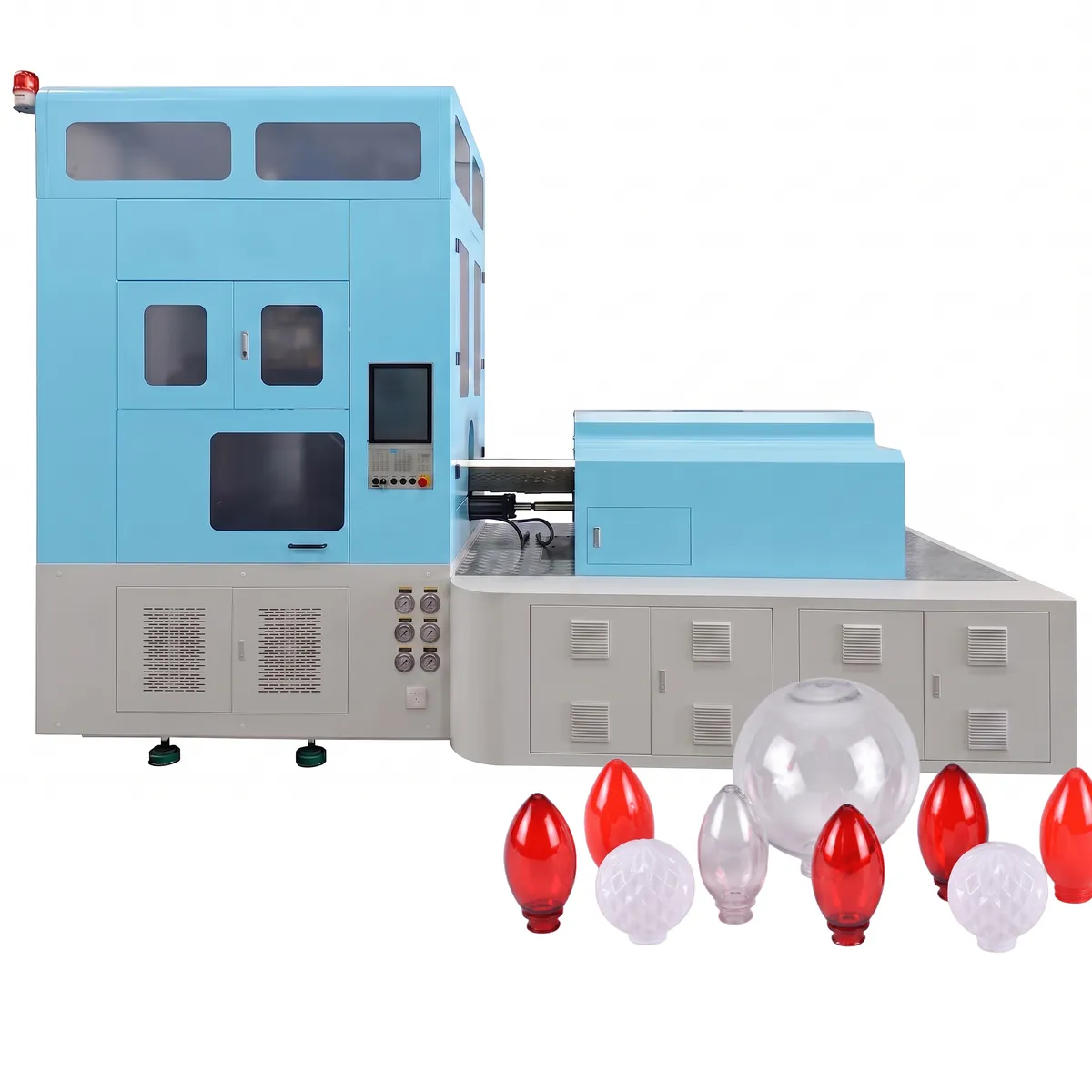
Avaliações de clientes
Carlos Mendoza, Indústria de Embalagens de Alimentos, México
"Nossa fábrica na Cidade do México produz embalagens PET de boca larga para a indústria de processamento de alimentos e encomendamos a Y650-V4 para processar embalagens de grande formato de 5L a 20L. A logística de Guangdong para Veracruz levou mais tempo do que o esperado, mas a CMN providenciou toda a documentação de exportação em ordem, então o desembaraço aduaneiro foi tranquilo. A máquina chegou bem embalada e sem danos. A instalação foi feita com suporte remoto da CMN por vídeo e nossa equipe de manutenção a executou com sucesso. Já se passaram 5 meses e estamos operando em 2 turnos diários com bons resultados na consistência do peso das garrafas."
Piotr Kowalski, Embalagem por Contrato, Polônia
"Somos uma empresa de embalagens terceirizadas em Lodz, produzindo garrafas para diversos clientes do setor de bens de consumo. Escolhemos a Y650-V4 especificamente para um contrato de garrafas PETG de 10 litros que exigia alta transparência e dimensões específicas de gargalo. A CMN analisou as especificações da nossa garrafa antes de confirmar a adequação da máquina. A opção de rosca de 60 mm com volume teórico de injeção de 480 cm³ era exatamente o que precisávamos para essa pré-forma pesada. A máquina está em produção há 7 meses, a transparência é excelente e nosso cliente já fez um novo pedido. Estamos satisfeitos com a experiência geral e não hesitaríamos em recomendar a CMN a outros fabricantes de embalagens."
Emmanuel Okonkwo, Embalagens de Bebidas, Nigéria
"Eu estava hesitante em comprar uma máquina ISBM chinesa, mas a diferença de preço em relação às máquinas japonesas era muito significativa para ignorar, considerando nosso orçamento. Visitamos pessoalmente a fábrica da CMN em Qingyuan antes de fechar negócio; as instalações eram realmente impressionantes e a equipe de engenharia respondeu a todas as nossas perguntas técnicas com clareza. A Y650-V4 que compramos para a produção de barris de água de 18,9 litros está funcionando há 10 meses em Lagos e estamos muito satisfeitos. O consumo de energia é definitivamente menor do que o da nossa máquina antiga e o suporte técnico, quando temos dúvidas, tem sido rápido por meio do WhatsApp."
Fernanda Costa, Embalagens Especiais, Brasil
"Utilizamos a Y650-V4 para a produção de garrafas artesanais, fabricando recipientes PET com formatos especiais para um cliente de nicho no setor de embalagens para presentes em São Paulo. A máquina lida bem com a geometria irregular de nossas garrafas e o curso superior do molde de 1.070 mm foi essencial para nossos designs de garrafas mais altas. A CMN personalizou o layout da cavidade do molde de acordo com as especificações de nossas garrafas, algo que muitos fornecedores não estavam dispostos a fazer para pedidos de menor quantidade. O prazo de entrega, desde a aprovação do molde até a entrega da máquina, foi de 110 dias. Nossos clientes apreciam a clareza e as linhas de partição invisíveis, que eram um problema com as ferramentas do nosso fornecedor anterior."
Mohamed Hassan, Embalagem de Óleo Comestível, Egito
"Nossa empresa no Cairo fornece garrafas PET para marcas de óleo comestível e condimentos em todo o Egito e Norte da África. Avaliamos diversos fornecedores de máquinas ISBM de um passo e a CMN ofereceu a melhor combinação de especificações técnicas e compromisso com o suporte pós-venda. A Y650-V4 agora é nossa principal máquina de produção para embalagens de óleo de 5 litros. O tempo de ciclo é consistente, o sistema de bomba servo é mais silencioso do que nossa antiga máquina hidráulica, o que os operadores apreciam, e a disponibilidade de peças de reposição não tem sido um problema. Já planejamos encomendar uma segunda Y650-V4 para nossa linha de produção expandida no próximo ano."
Abdullah Al-Rashid, Indústria de Embalagens de Bebidas, Arábia Saudita
"Há cerca de 14 meses, trocamos nossa máquina japonesa AOKI 500 pela Y650-V4 em nossa fábrica de bebedouros em Jeddah. Sinceramente, nossa principal preocupação era se os moldes funcionariam, e eles se encaixaram perfeitamente, sem necessidade de modificações. A máquina consome cerca de 221 TP/3T a menos de energia, de acordo com nosso sistema de monitoramento de energia, o que é significativo em turnos de 24 horas. A qualidade da produção em nossos galões de água PET de 18,9 litros é excelente e nossa taxa de rejeição está bem abaixo da anterior. A instalação e o comissionamento levaram cerca de 5 dias, com os engenheiros da CMN no local, que foram muito profissionais durante todo o processo."
Nguyen Thi Lan, Fabricação de Embalagens Cosméticas, Vietnã
"Produzimos frascos cosméticos de PETG de grande porte para marcas de exportação e utilizamos a Y650-V4 há cerca de 8 meses em nossa fábrica nos arredores da cidade de Ho Chi Minh. A qualidade da linha de separação é, sinceramente, melhor do que a que obtínhamos com nossa antiga máquina japonesa. Nossos compradores notaram e elogiaram o acabamento da superfície. A CMN foi muito prestativa durante a fase de projeto do molde; os engenheiros analisaram nossos desenhos dos frascos e sugeriram ajustes nas paredes da pré-forma que melhoraram a transparência. A entrega foi feita dentro do prazo estipulado e a documentação para a alfândega estava completa e correta."
Priya Mehta, Embalagens Farmacêuticas, Índia
"Eu administro uma operação de embalagens farmacêuticas em Pune e precisava de uma máquina que pudesse processar garrafas PET de 5L a 12L sem risco de contaminação por óleo. A CMN configurou a Y650-V4 com a opção de motor de fusão servo, o que elimina em grande parte a preocupação com contaminação em nosso ambiente GMP. Está em operação há cerca de 6 meses, a consistência da produção é boa, o PLC armazena todas as nossas receitas de parâmetros, o que torna a troca entre tamanhos de garrafa muito mais rápida do que em nossa configuração anterior. O suporte pós-venda, quando tivemos um problema inicial com um sensor, foi rápido; eles apresentaram uma solução em 24 horas por videochamada."
Ahmet Yilmaz, Comércio e Distribuição de Máquinas, Turquia
"Importamos máquinas para clientes de produção de garrafas em toda a Turquia e avaliamos quatro fabricantes antes de selecionar a CMN para este pedido. A especificação da Y650-V4 para garrafas grandes foi a melhor que encontramos nesta faixa de preço, cerca de 30% mais barata do que máquinas japonesas comparáveis. O que mais nos impressionou foi a transparência da CMN em relação ao prazo de entrega, sem alterações na data. Um de nossos clientes que comprou conosco está agora no 11º mês sem nenhuma parada não planejada, o que é um resultado excelente para a primeira máquina de um novo fabricante."
Informação adicional
| Editado por | Yjx |
|---|
Produtos relacionados
-
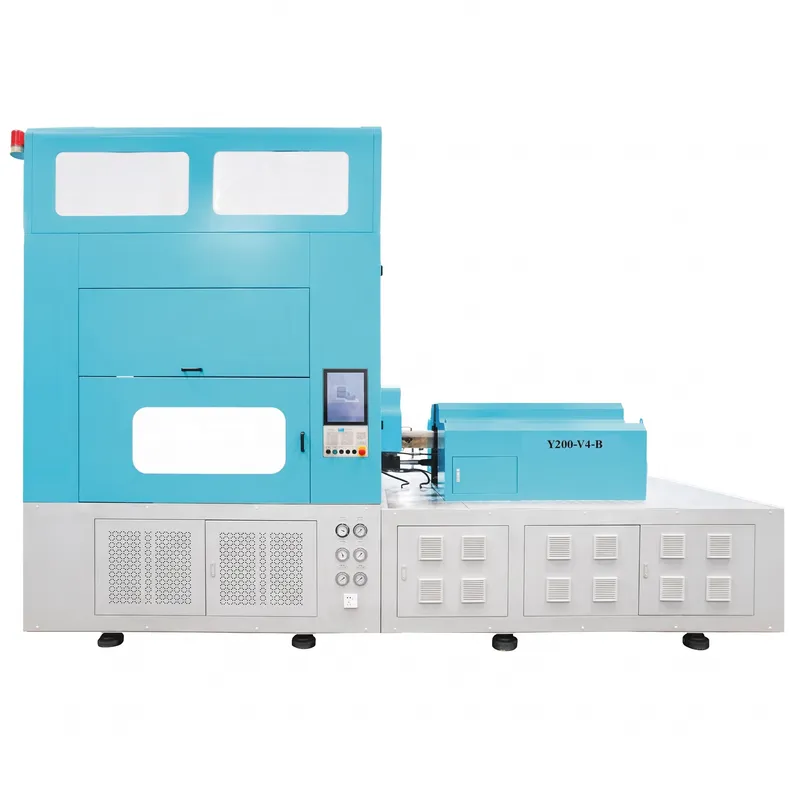
Máquina de moldagem por injeção e sopro em uma etapa Y200-V4-B (4 estações)
-
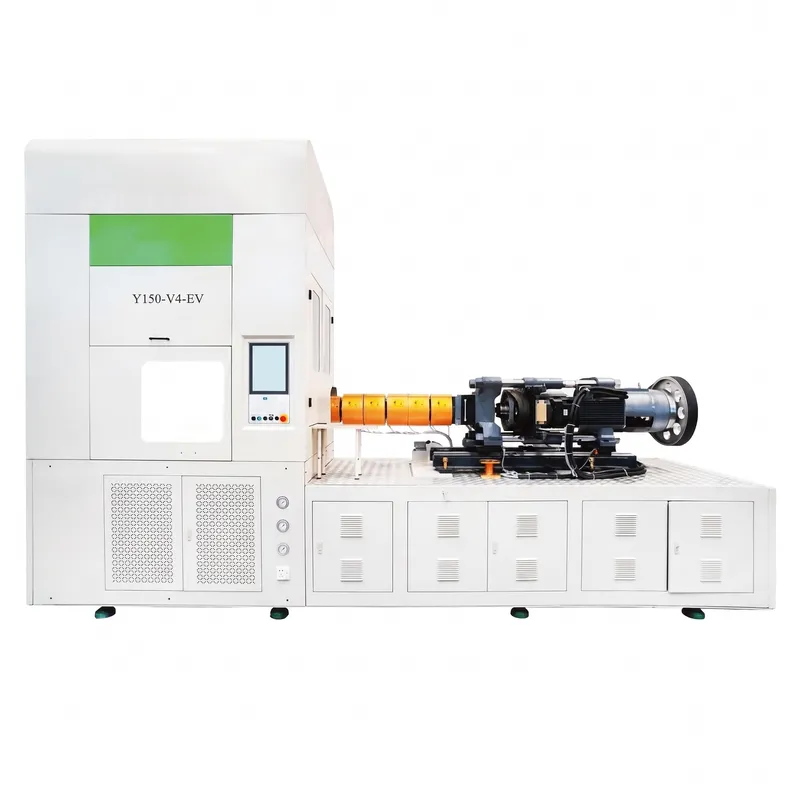
Máquina de moldagem por injeção e sopro em uma etapa Y150-V4-EV (4 estações)
-
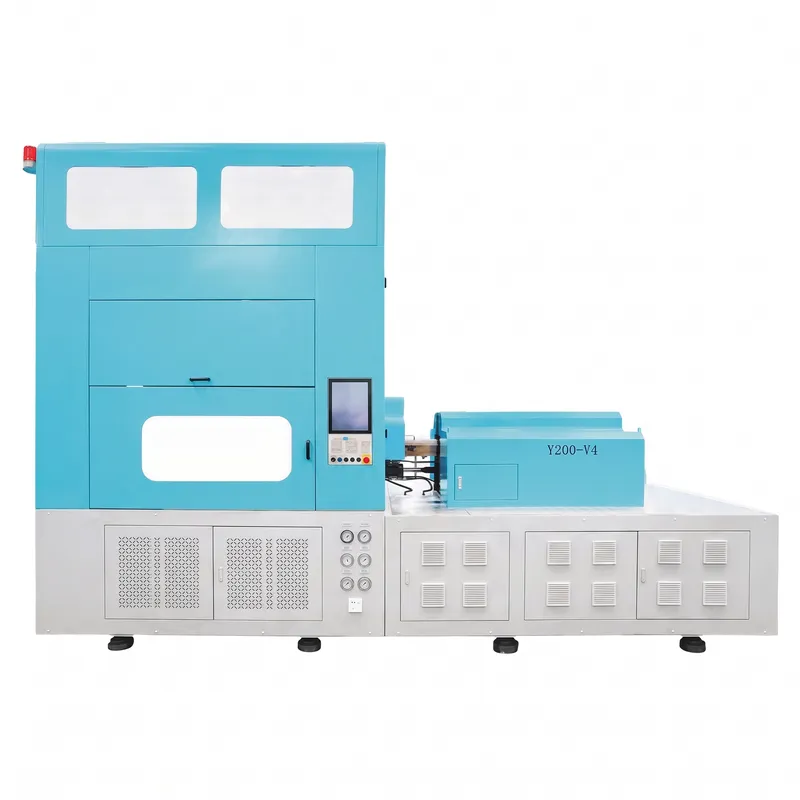
Máquina de moldagem por sopro e estiramento por injeção em uma etapa Y200-V4 (4 estações)
-
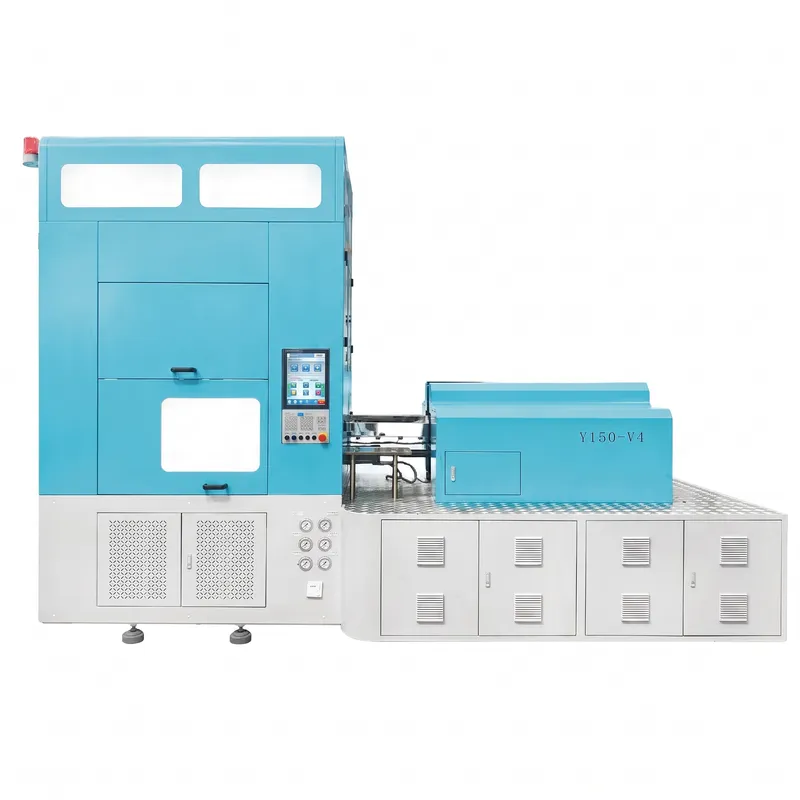
Máquina de moldagem por sopro e estiramento por injeção em uma etapa Y150-V4 (4 estações)
-
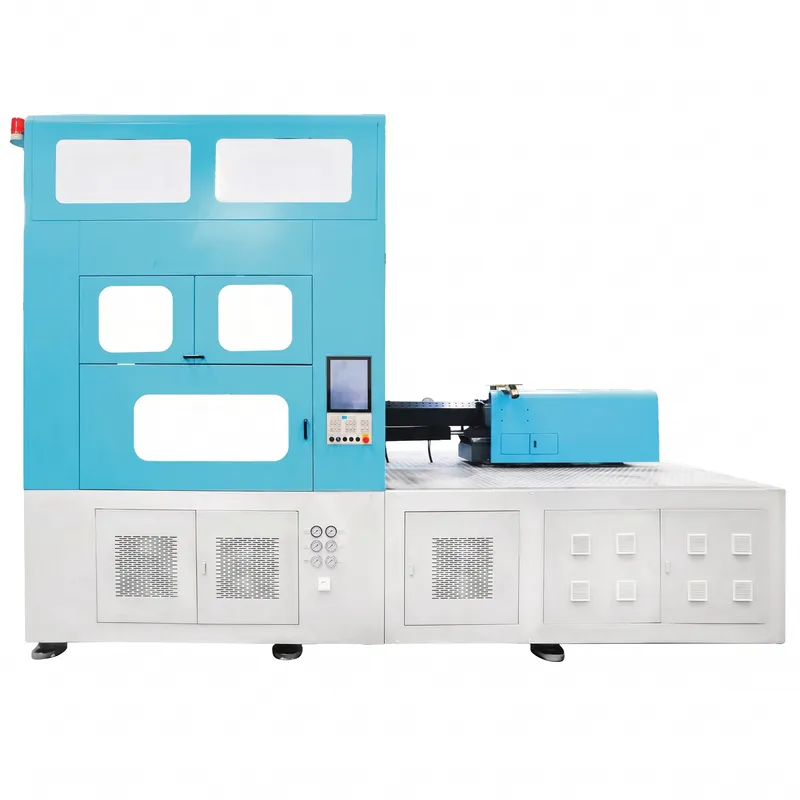
Máquina de moldagem por sopro e estiramento por injeção em uma etapa Y280-V6 (6 estações)