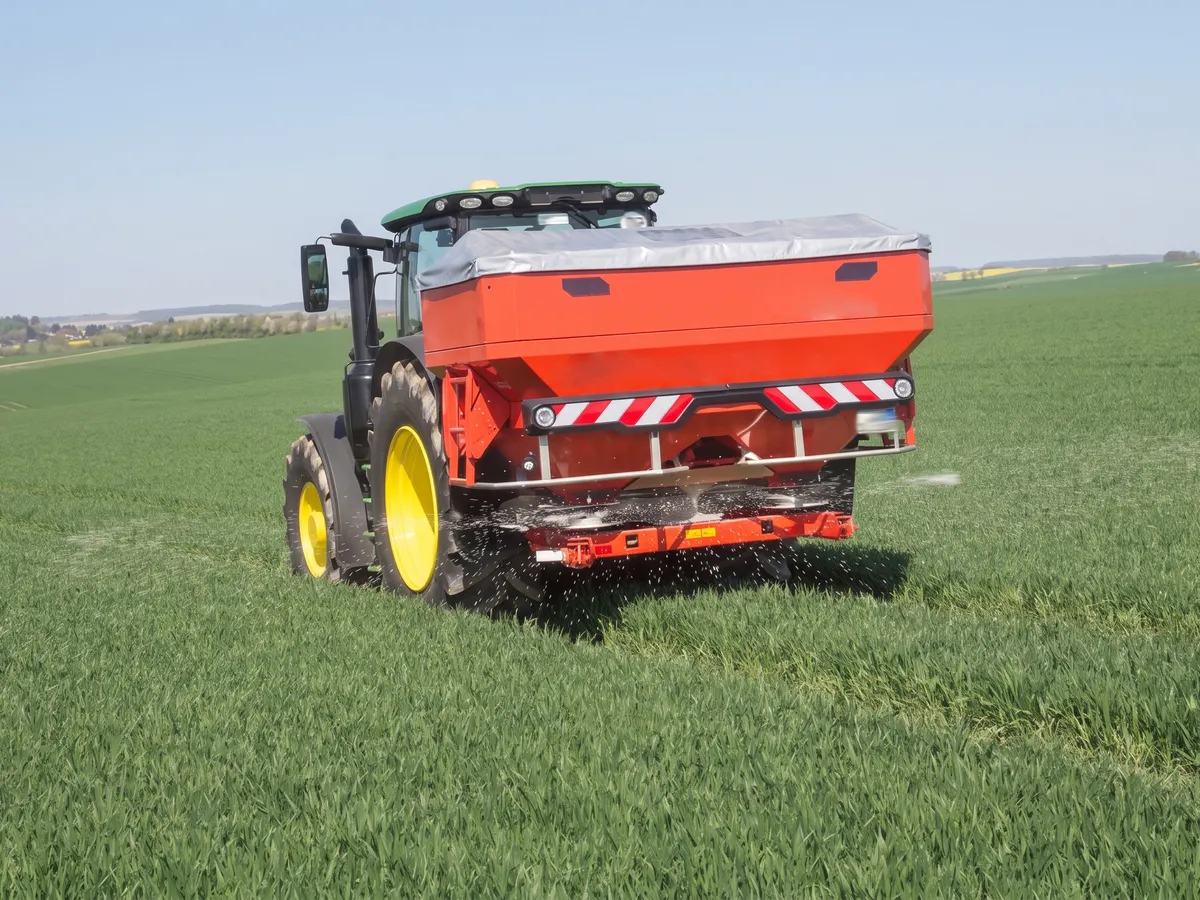
Caixa de engrenagens do distribuidor de fertilizantes
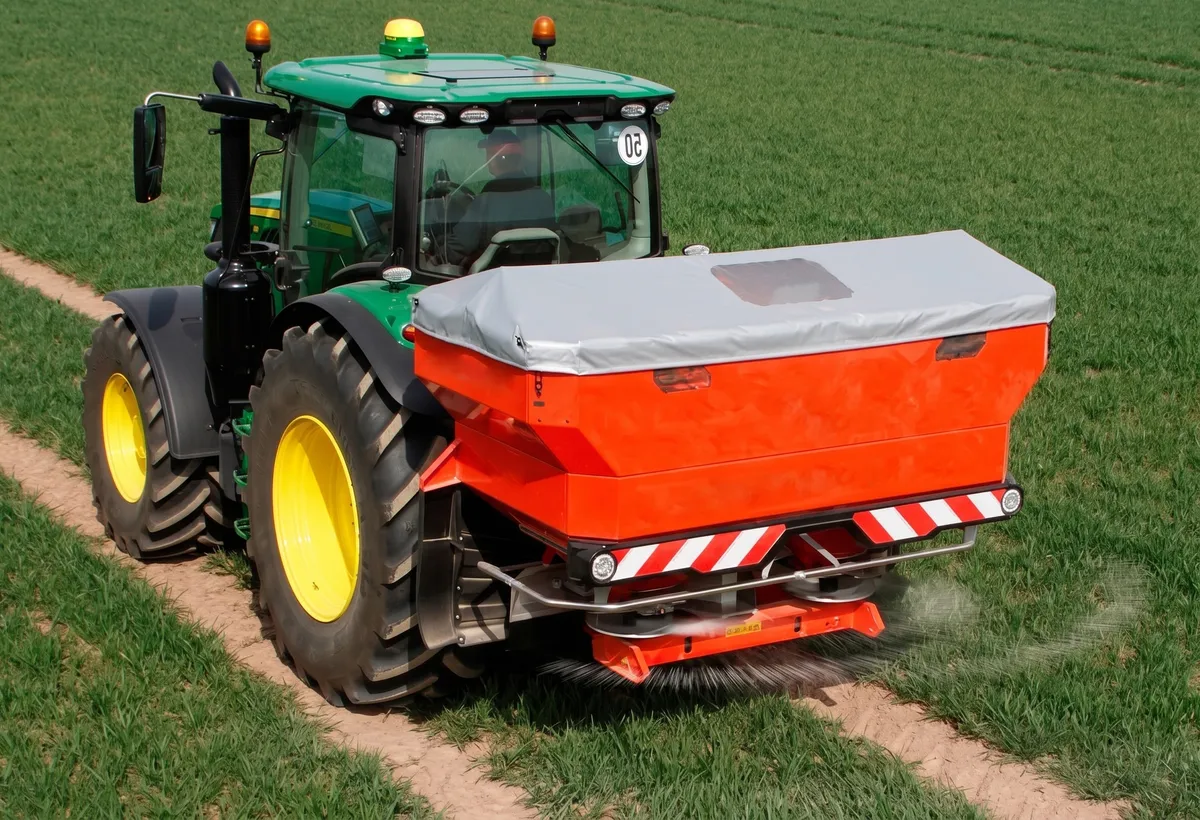
A caixa de engrenagens de um distribuidor de fertilizantes, também chamada de caixa de engrenagens de um espalhador de fertilizantes, é um componente essencial de máquinas agrícolas, projetada especificamente para tarefas como preparo do solo, tratamento de culturas e distribuição de fertilizantes. Localizada no centro da máquina, ela transmite a potência da tomada de força (TDF) do trator para os discos ou roscas giratórias que distribuem o fertilizante uniformemente pelo campo.
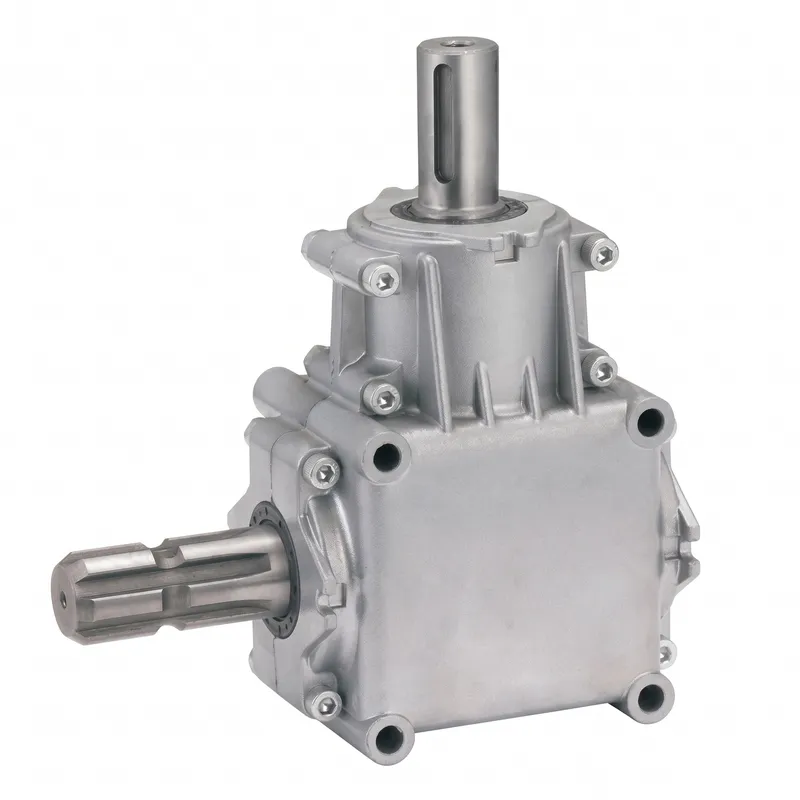
Modelo de caixa de engrenagens Comer substituível
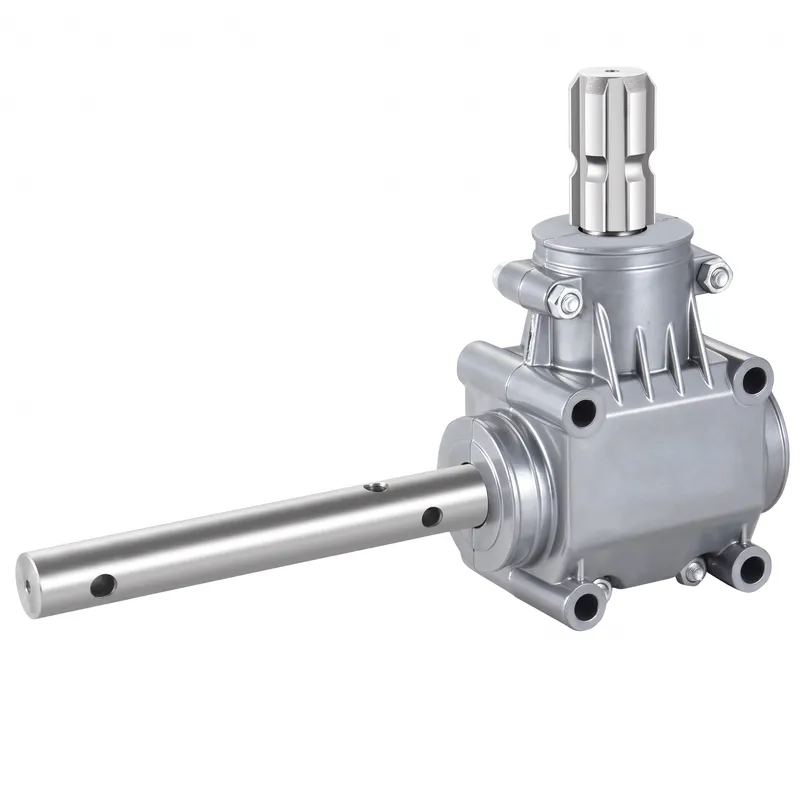
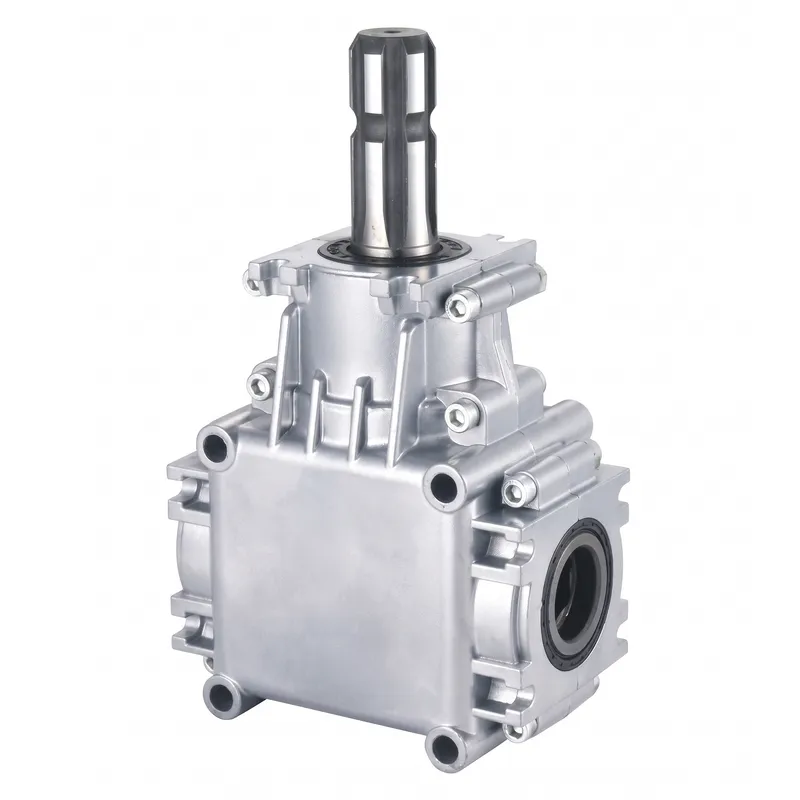
Nossos modelos de caixas de engrenagens para distribuidores de fertilizantes, incluindo L-25A, L-25J, T-281A e T-281J, são substitutos diretos totalmente compatíveis com a série Comer correspondente, apresentando dimensões e especificações de montagem idênticas para uma instalação perfeita, sem necessidade de modificações. Projetadas para aplicações agrícolas exigentes, essas caixas de engrenagens são amplamente utilizadas em distribuidores de fertilizantes rebocáveis e montados, distribuidores de calcário, distribuidores de sal e areia e distribuidores de adubo orgânico, proporcionando transmissão de potência confiável em pequenas propriedades rurais, grandes plantações, manejo de gramados e operações de manutenção de estradas.
Caixa de engrenagens do distribuidor de fertilizantes L-25A
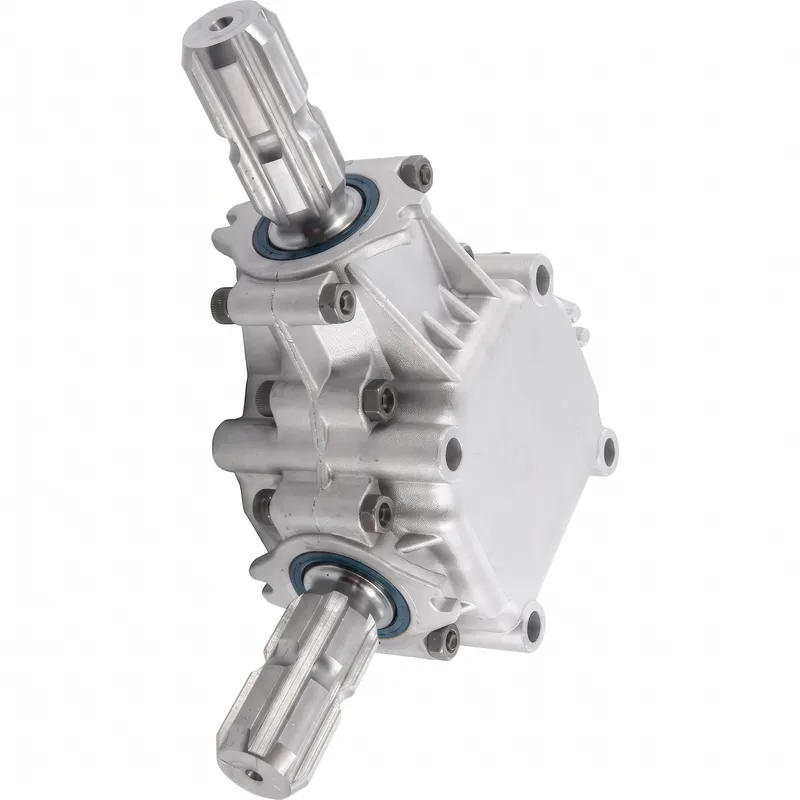
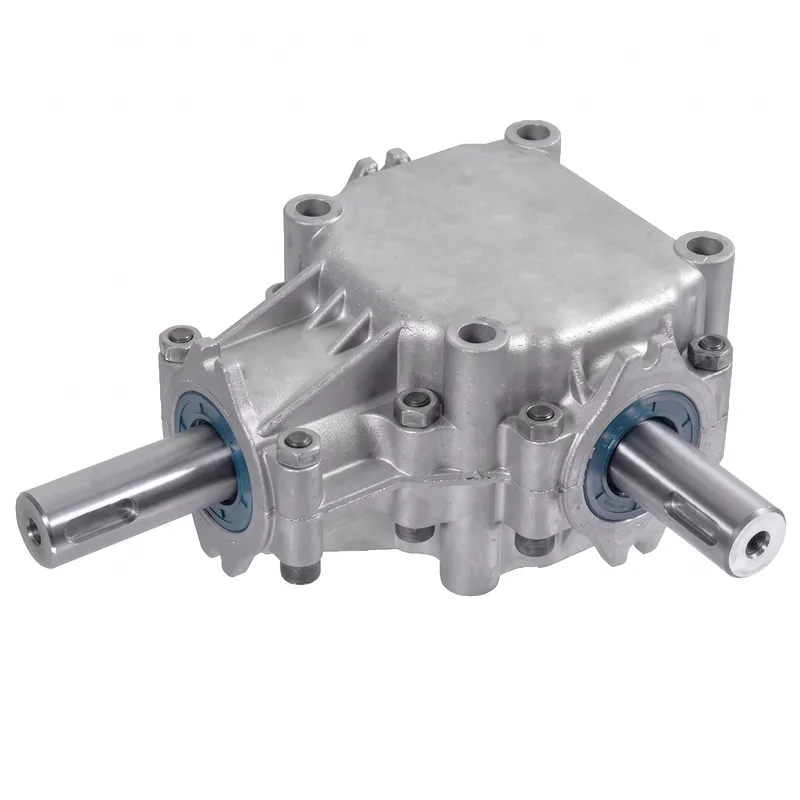
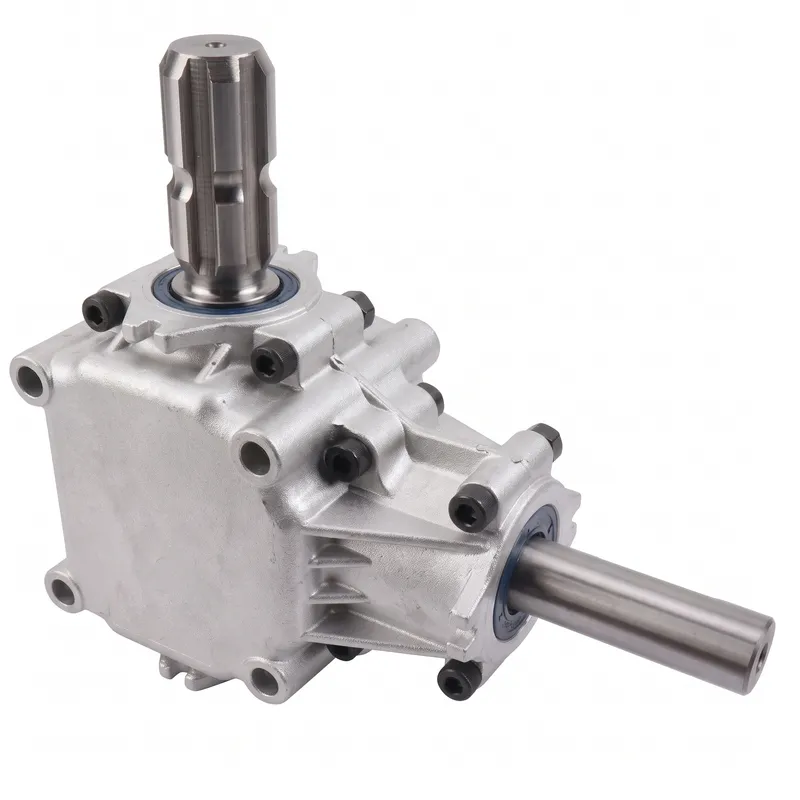
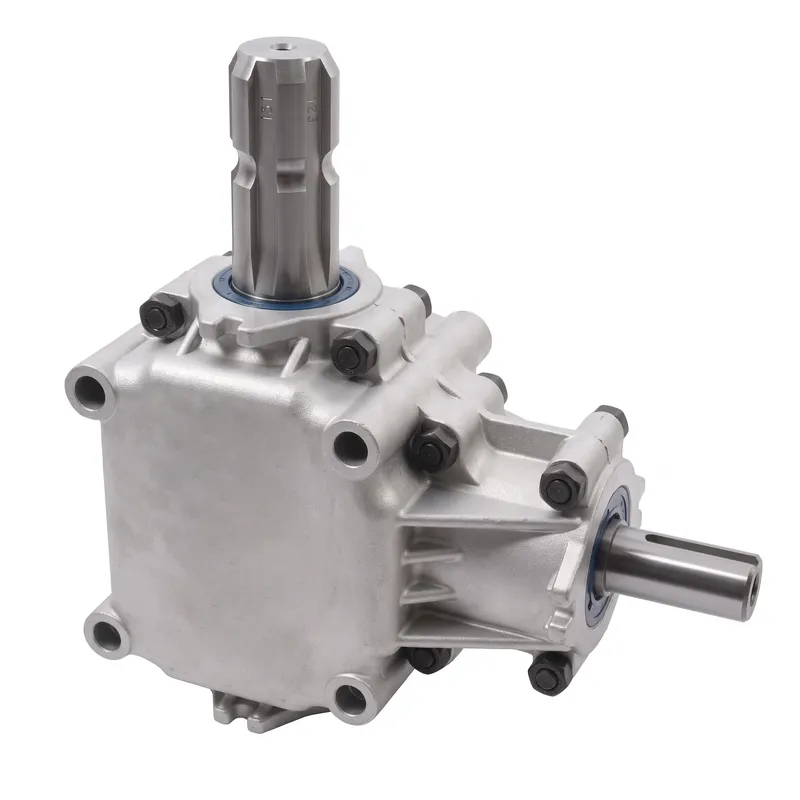
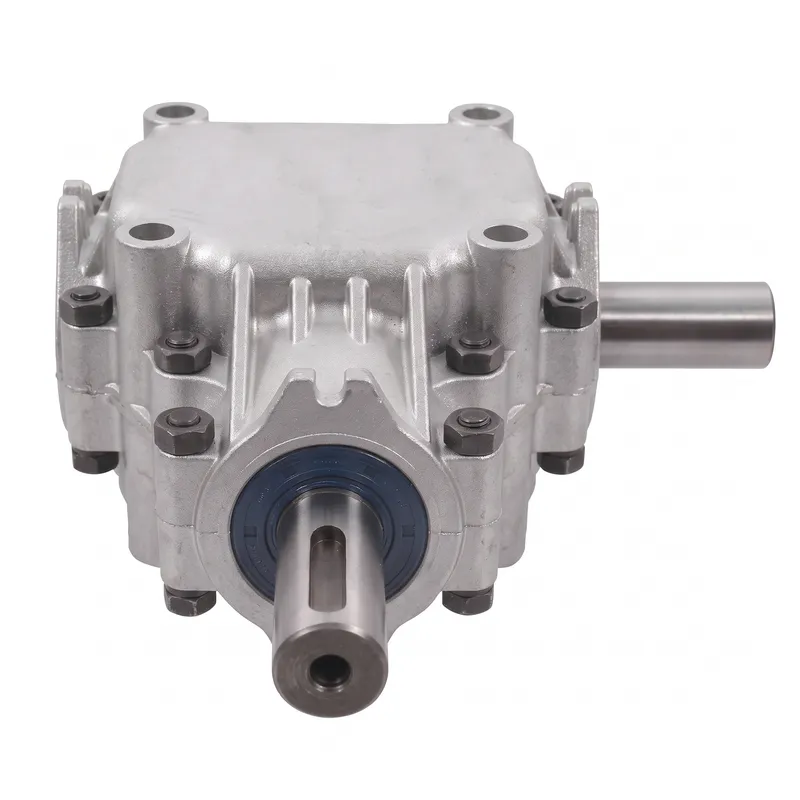
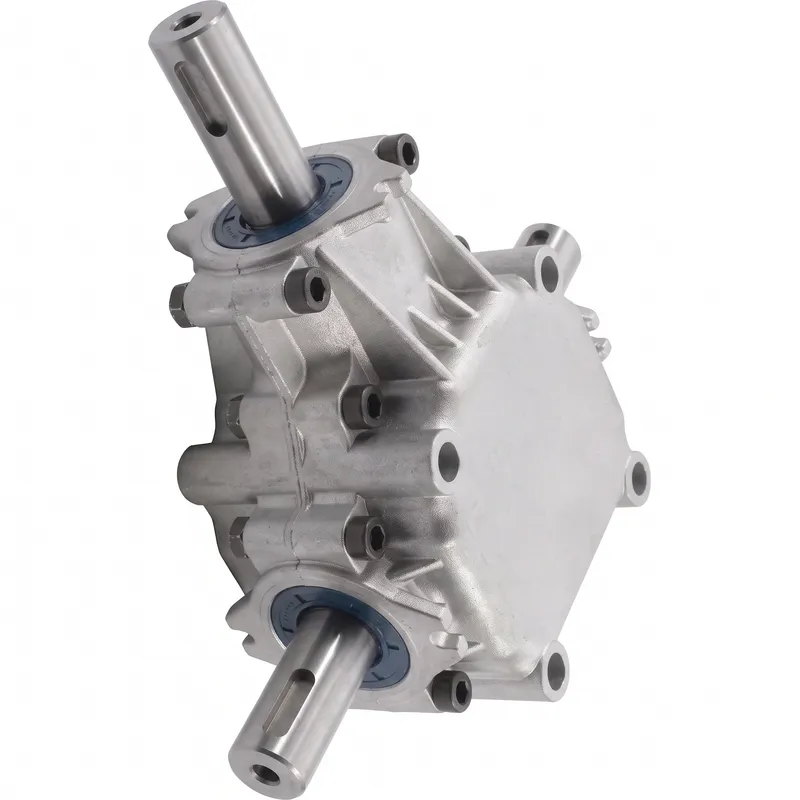
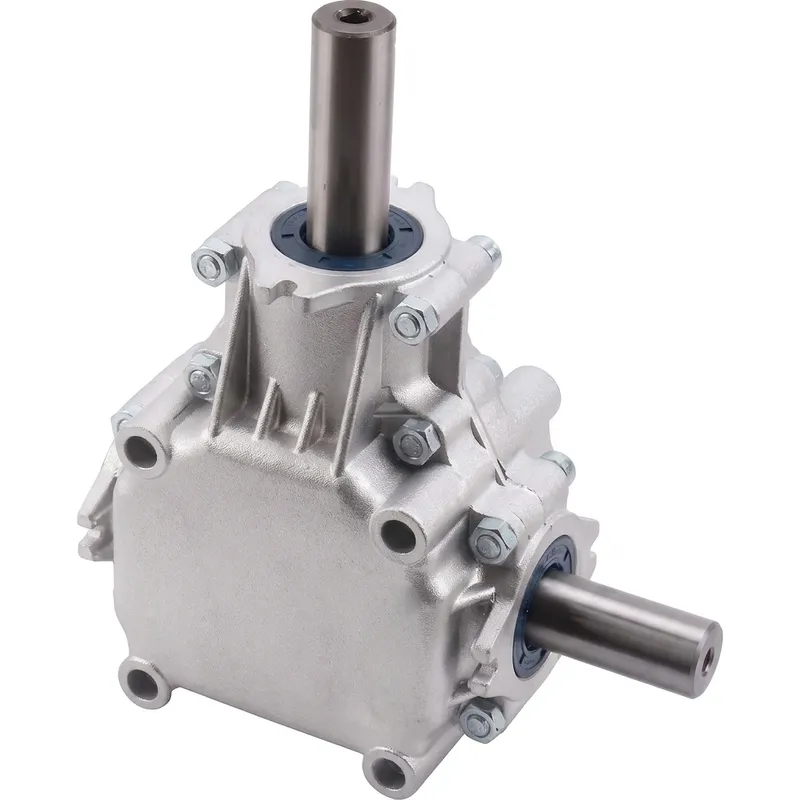
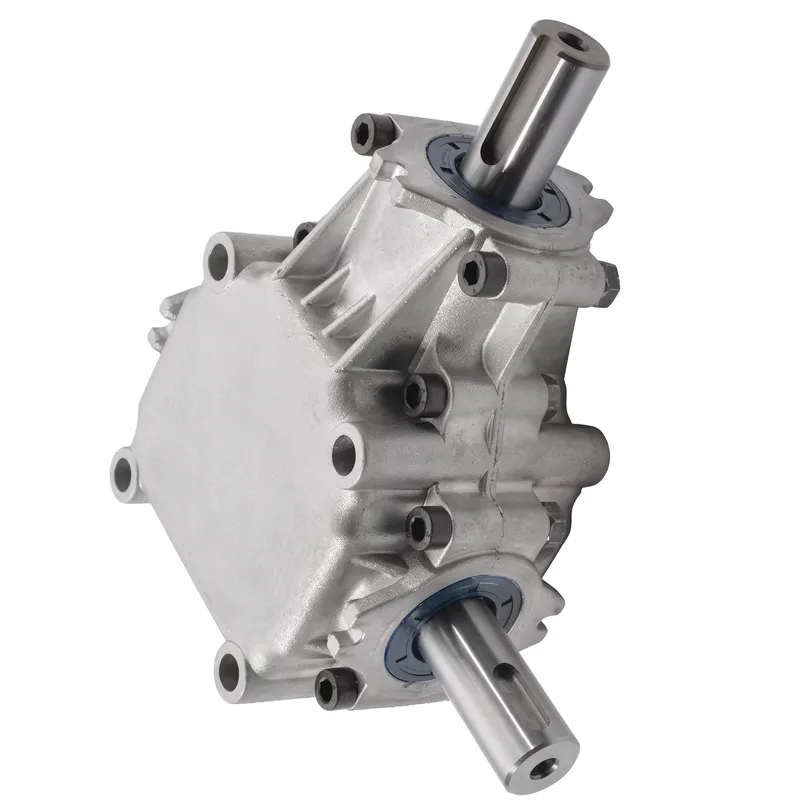
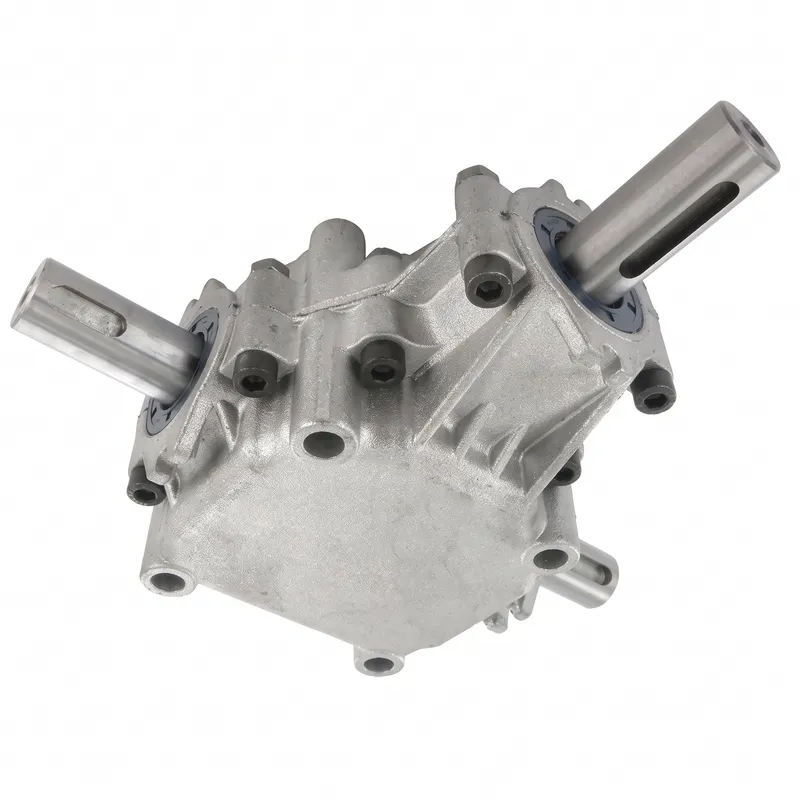
Caixa de Engrenagens para Espalhador de Fertilizantes T-281A
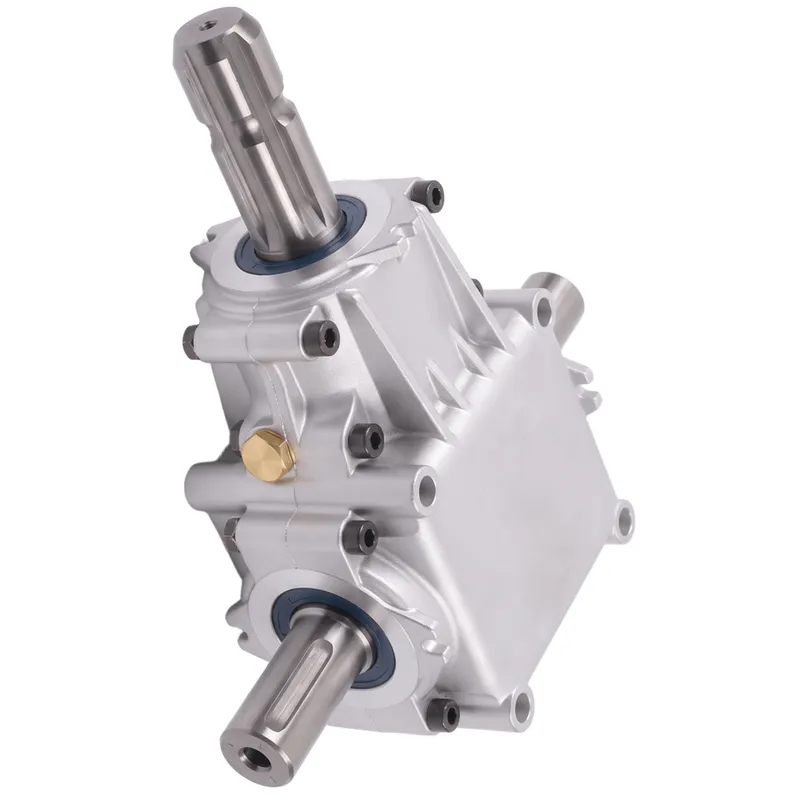
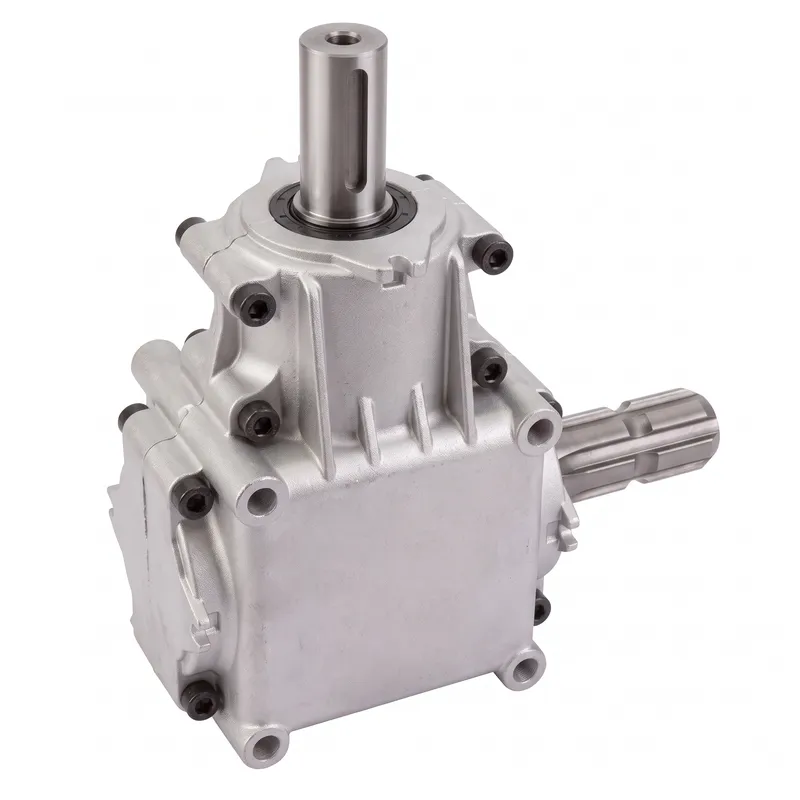
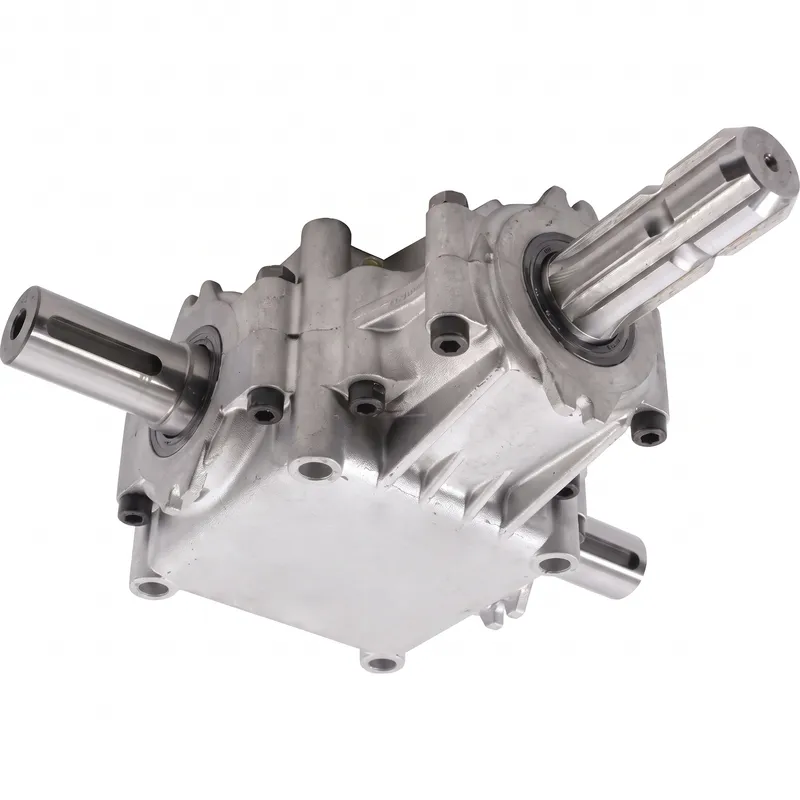
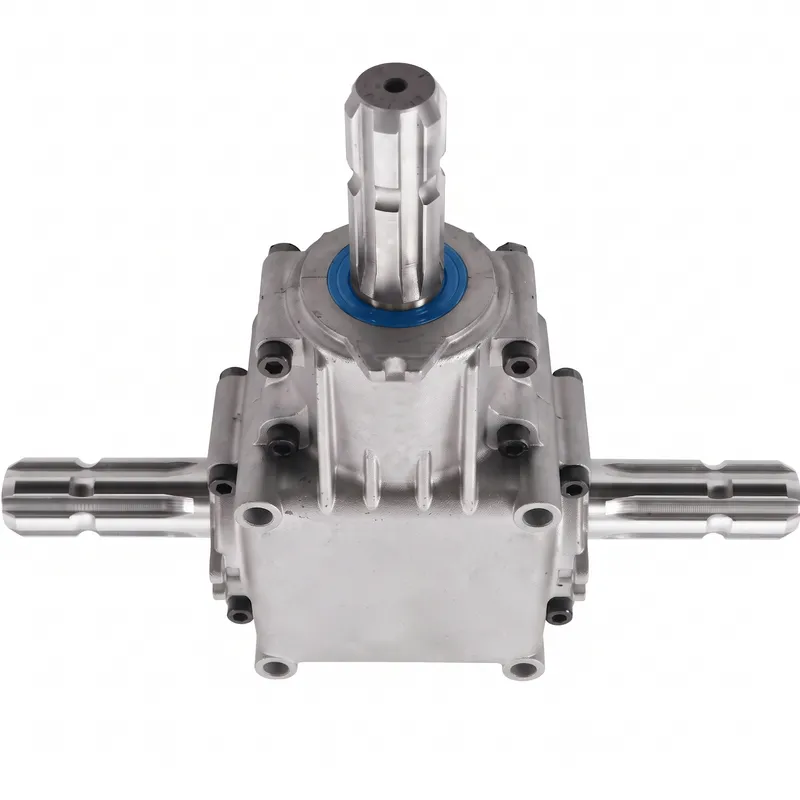
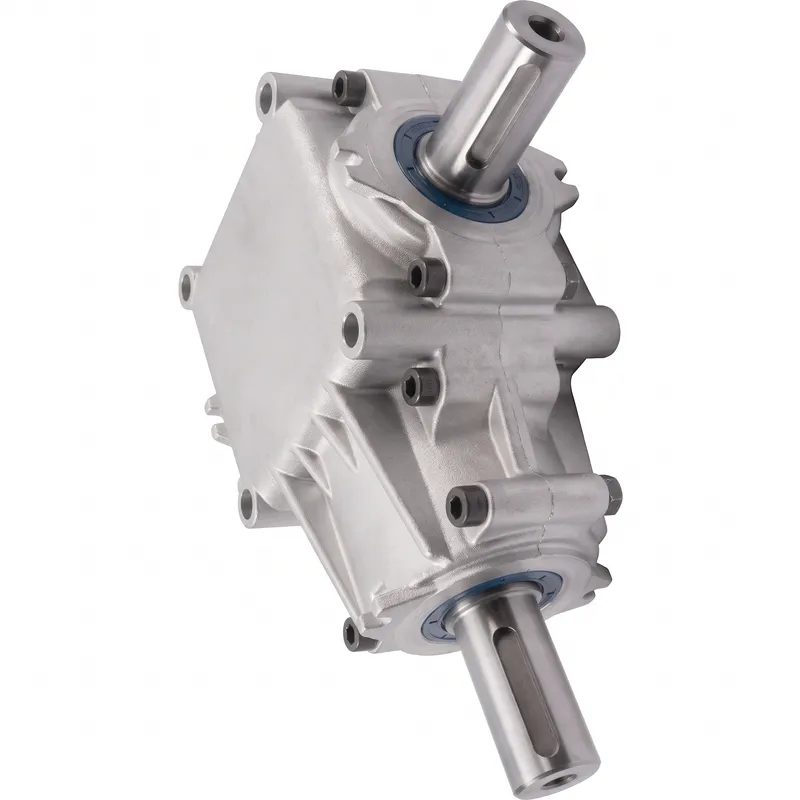
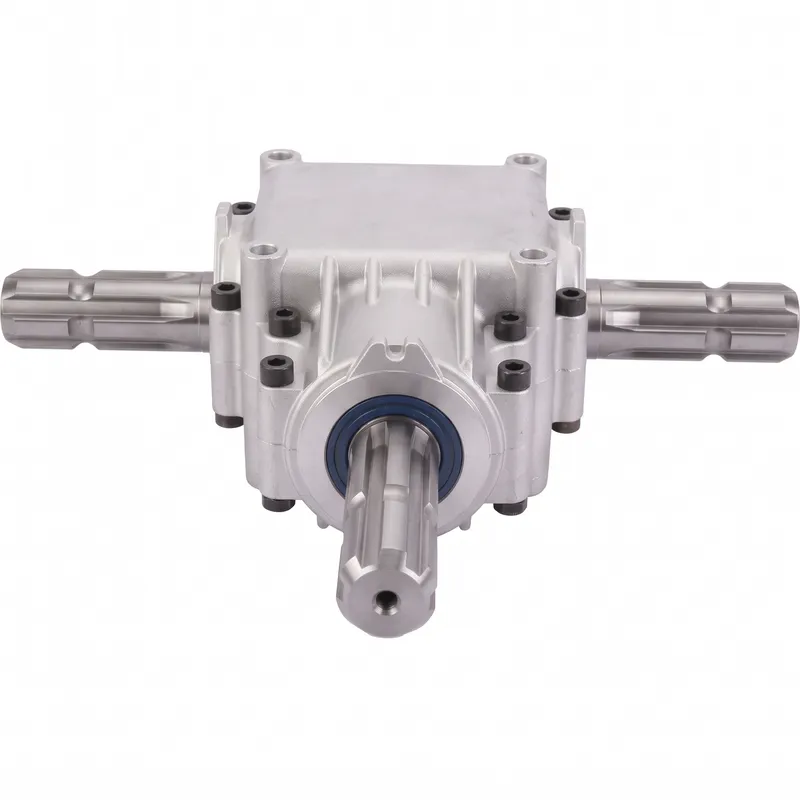
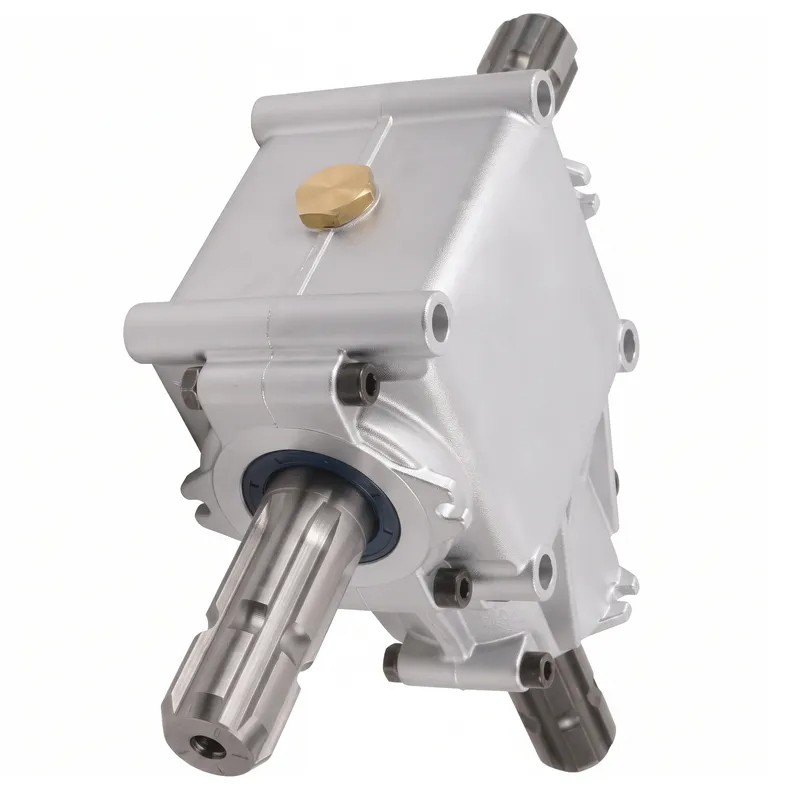
Caixa de engrenagens do distribuidor de fertilizantes L-25J
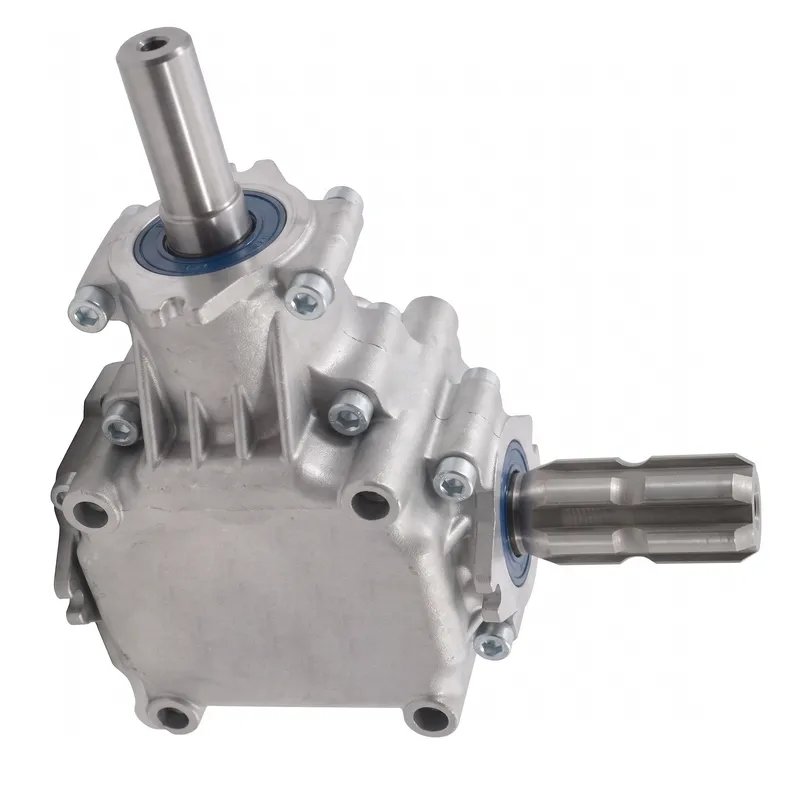
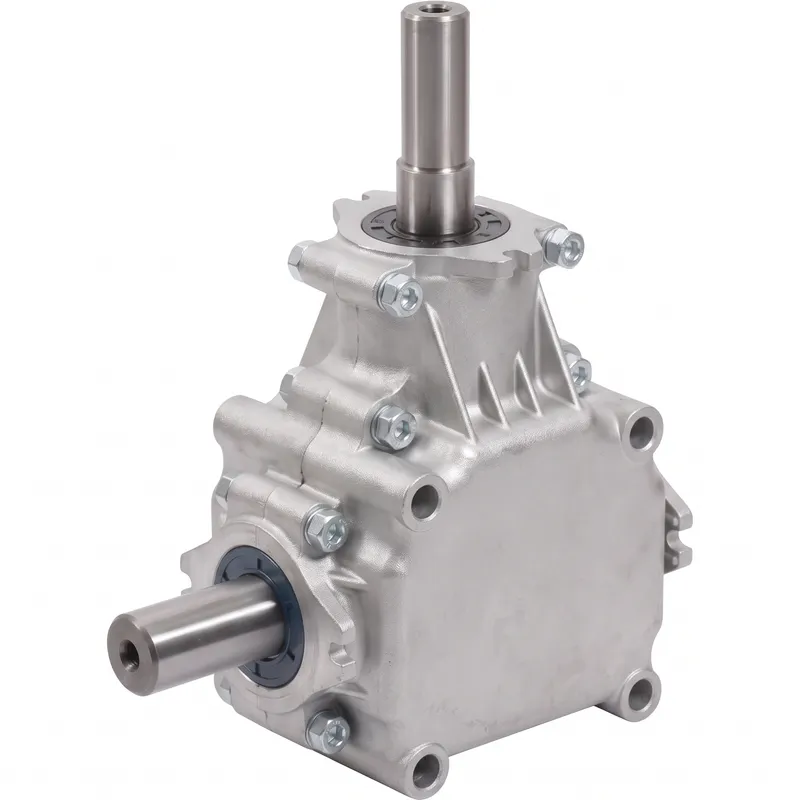
Outro modelo de caixa de engrenagens para distribuidor de fertilizantes
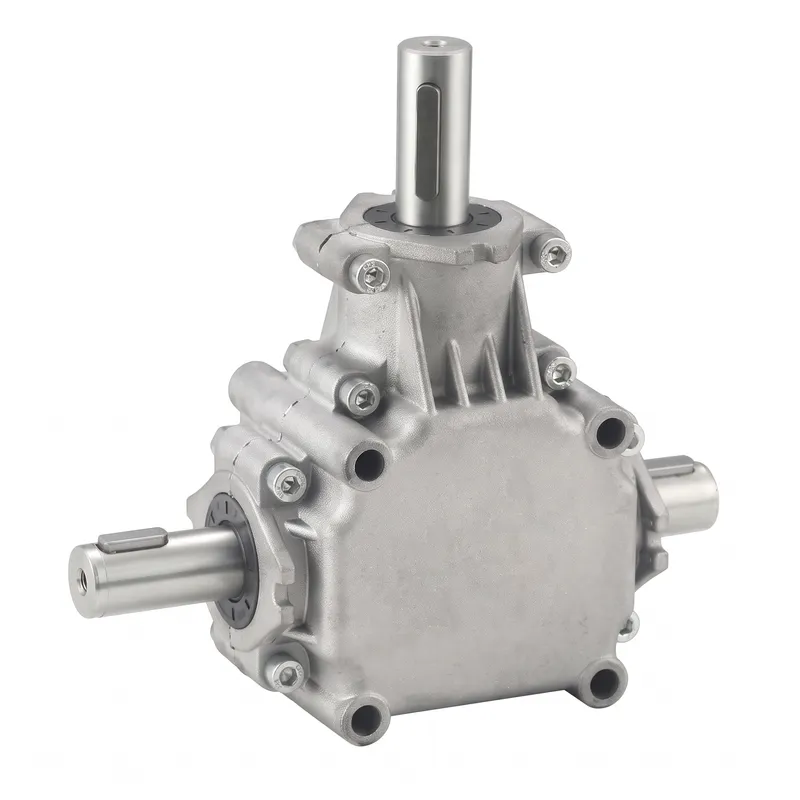
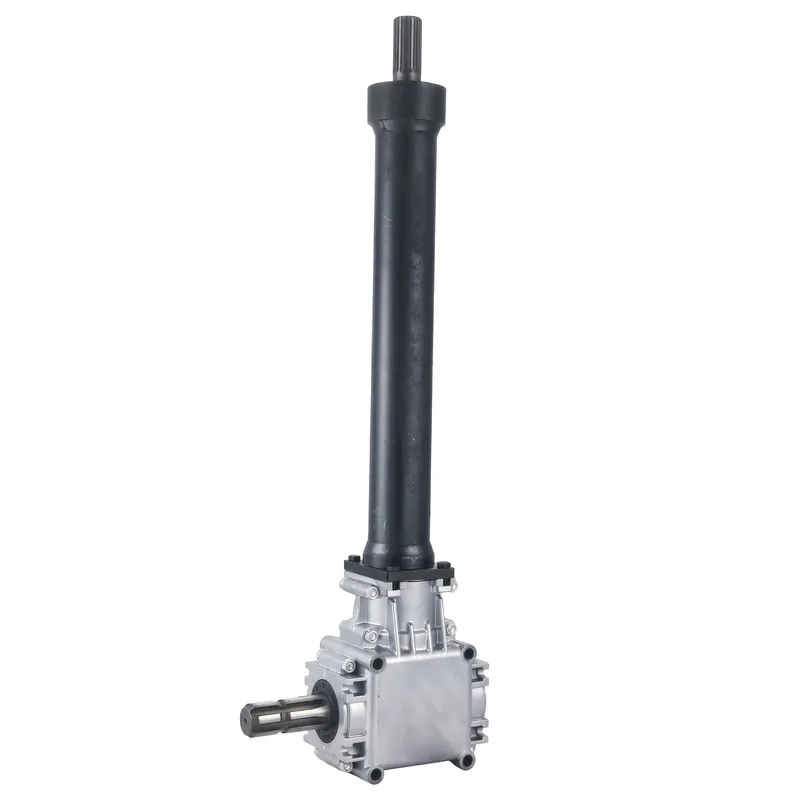
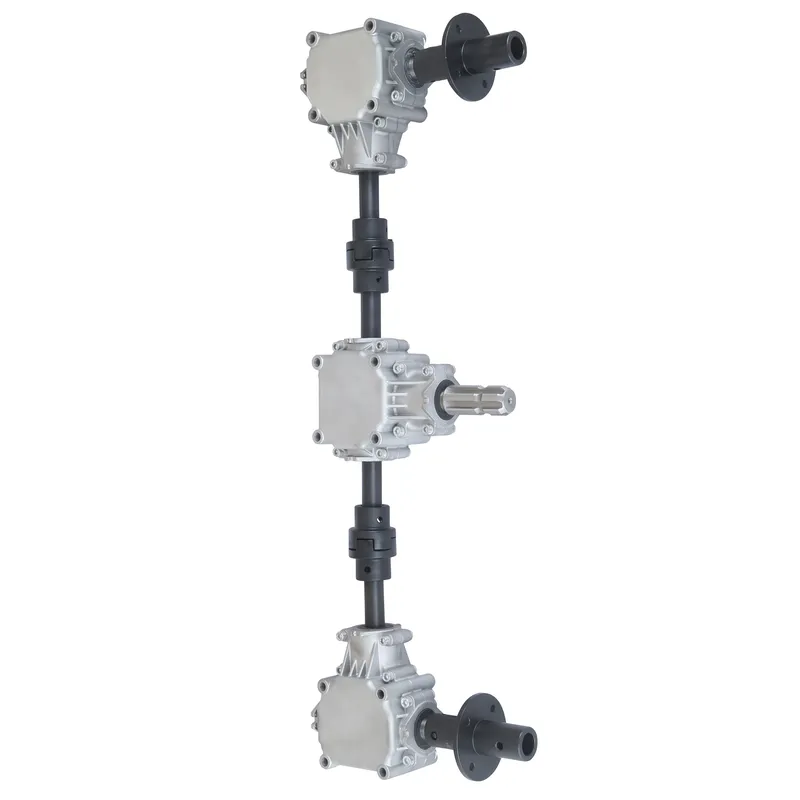
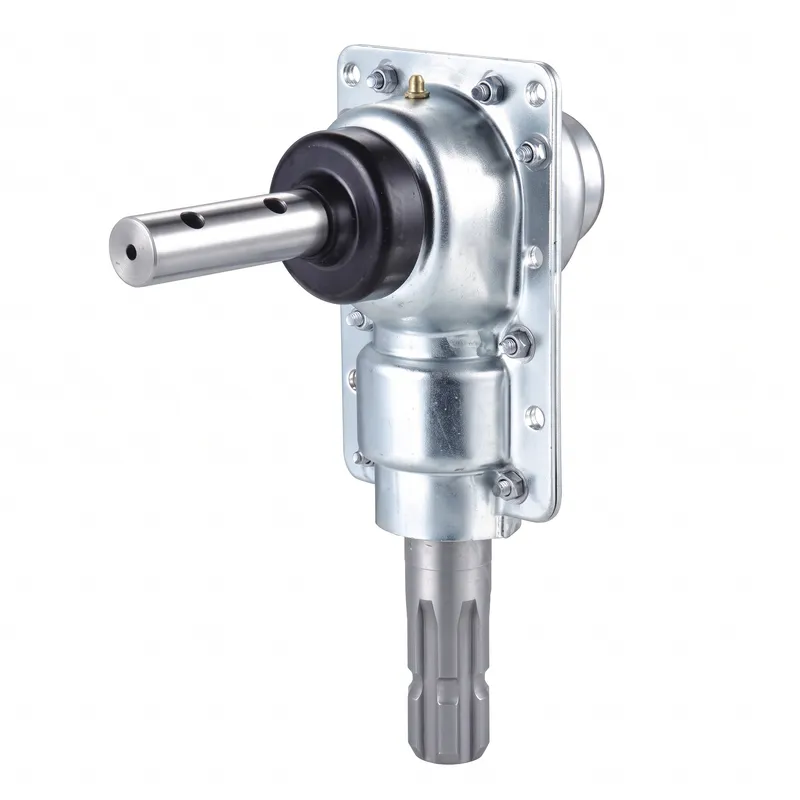
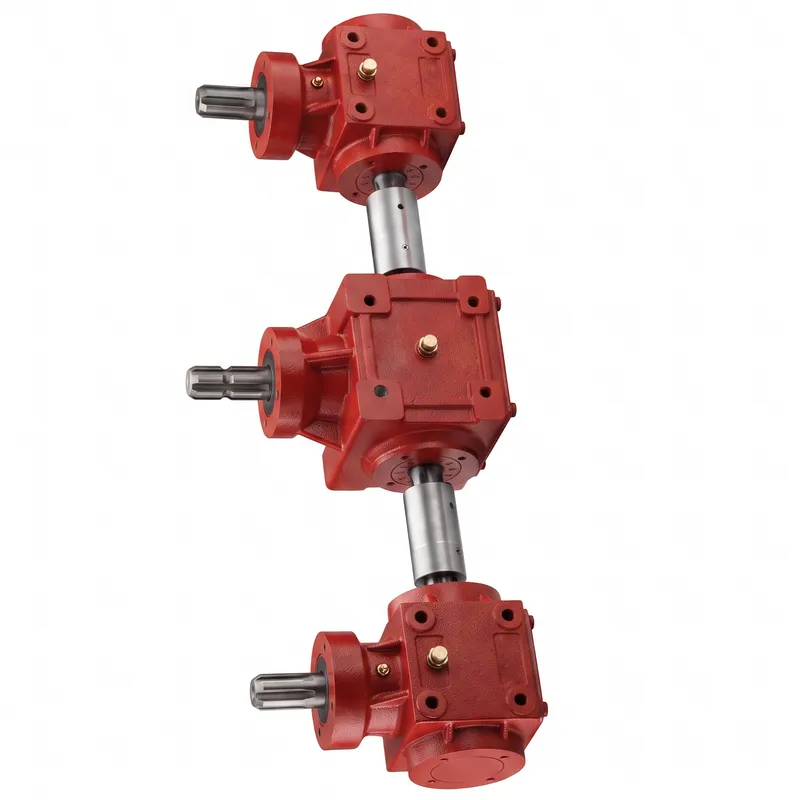
Caixa de engrenagens do distribuidor de fertilizantes de disco duplo
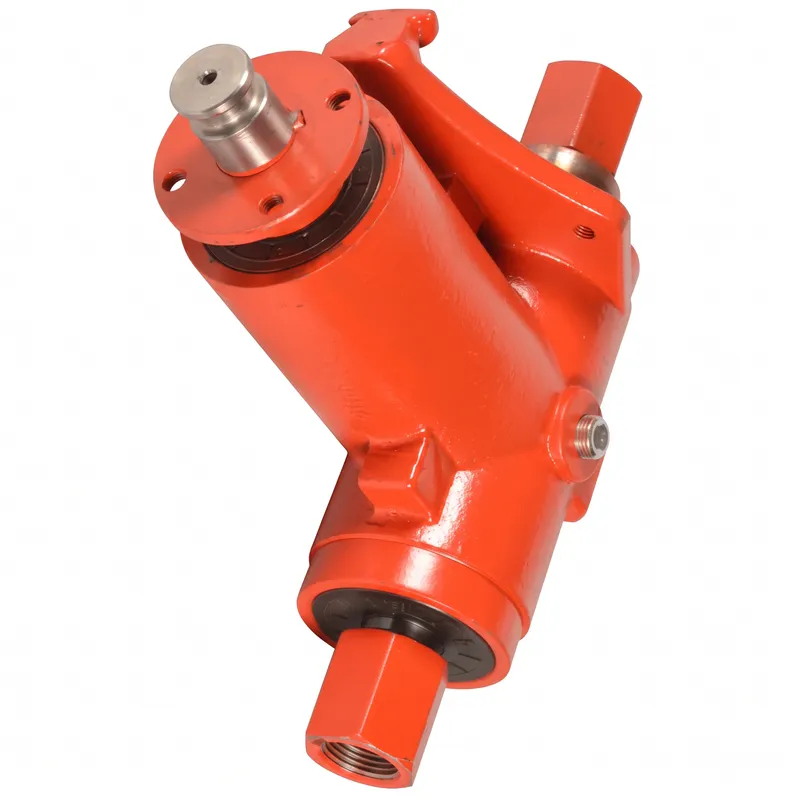
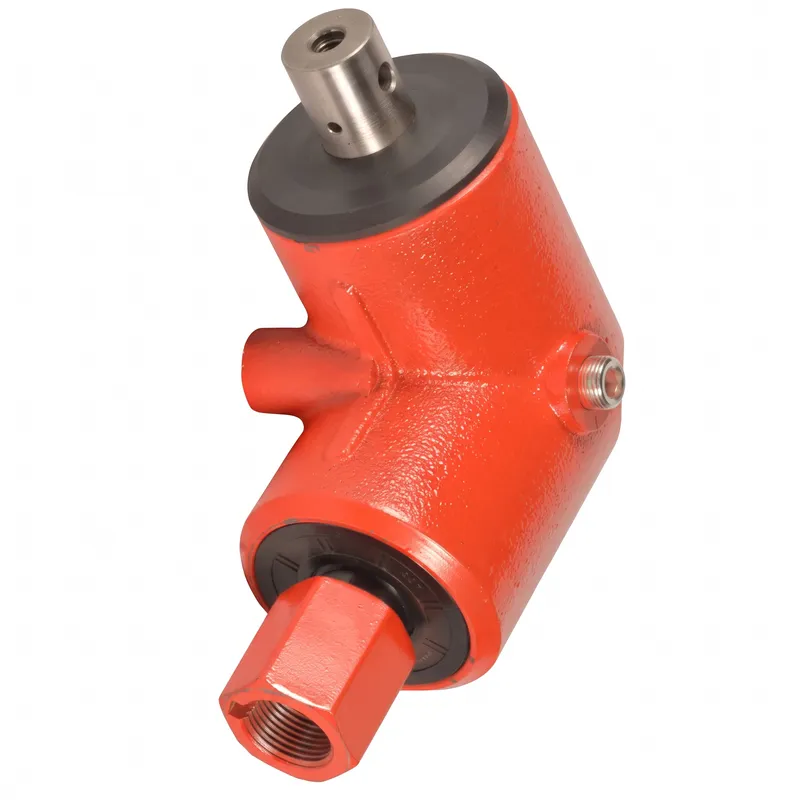
Caixa de Engrenagens do Distribuidor de Fertilizantes
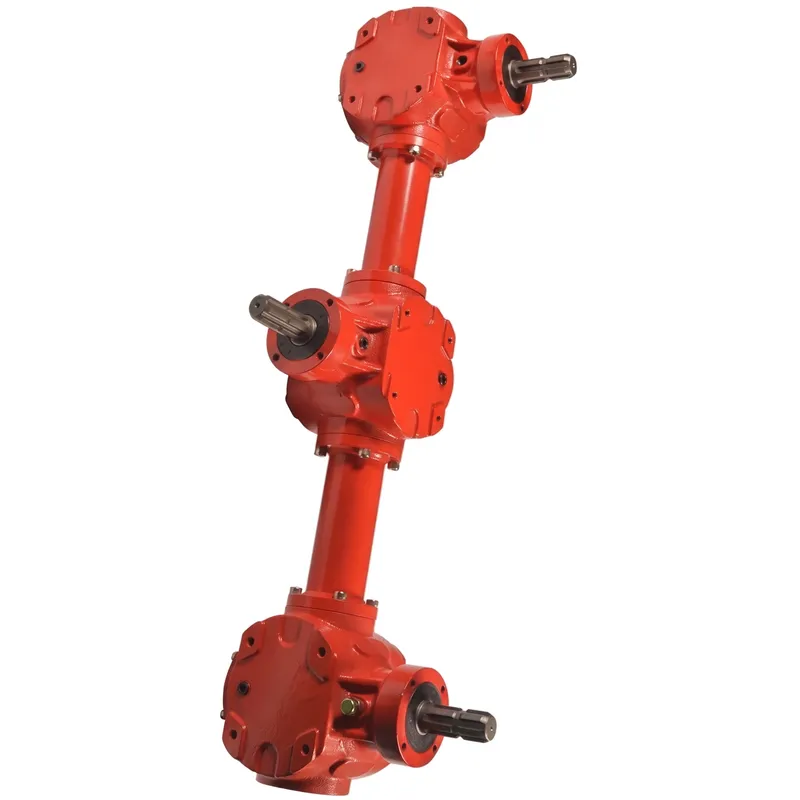
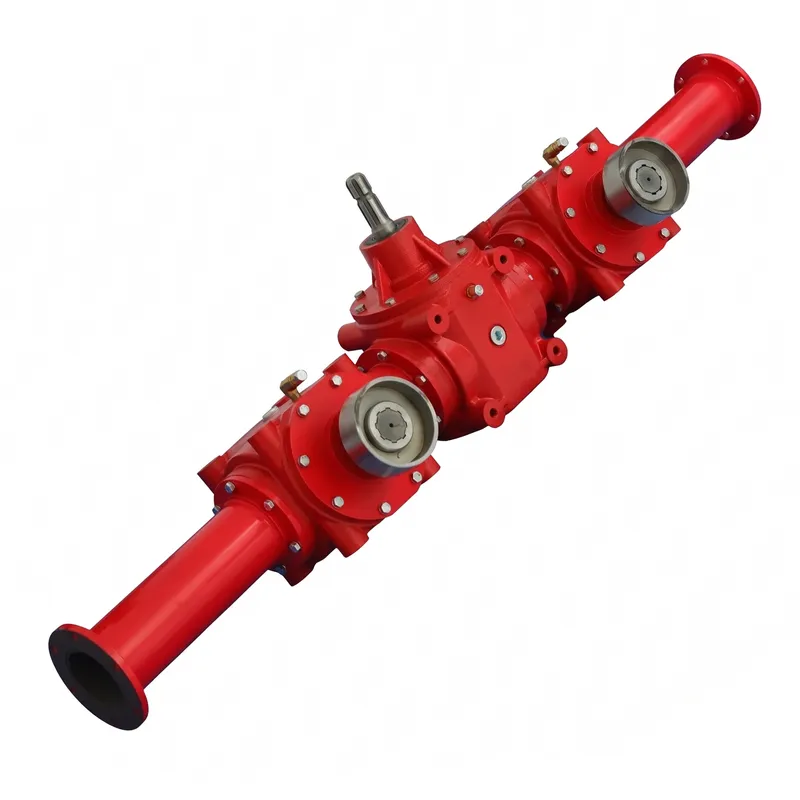
O que é uma caixa de engrenagens para um distribuidor de fertilizantes?
A caixa de engrenagens de um distribuidor de fertilizantes, também chamada de caixa de engrenagens de espalhamento de fertilizantes, é um componente essencial de máquinas agrícolas, projetada especificamente para tarefas como preparo do solo, tratamento de culturas e distribuição de fertilizantes. Localizada no centro da máquina, ela transmite a potência da tomada de força (TDF) do trator para os discos ou roscas giratórias que distribuem o fertilizante uniformemente pelo campo. Construída em ferro fundido resistente ou liga de alumínio resistente à corrosão, com engrenagens de aço temperado e rolamentos selados internos, a unidade é projetada especificamente para suportar exposição prolongada à poeira de fertilizantes, umidade e vibração do campo sem perder sua precisão dimensional ou consistência de distribuição.
Essas caixas de engrenagens são projetadas para durabilidade e confiabilidade, garantindo transmissão de potência consistente para atender às diversas demandas operacionais. Elas são equipadas com uma série de engrenagens e eixos que ajustam a velocidade de rotação e o torque de acordo com as necessidades de espalhamento, otimizando o desempenho da máquina. Construídas para suportar as condições rigorosas do trabalho agrícola, essas caixas de engrenagens desempenham um papel crucial no aumento da eficiência e eficácia das principais tarefas agrícolas.
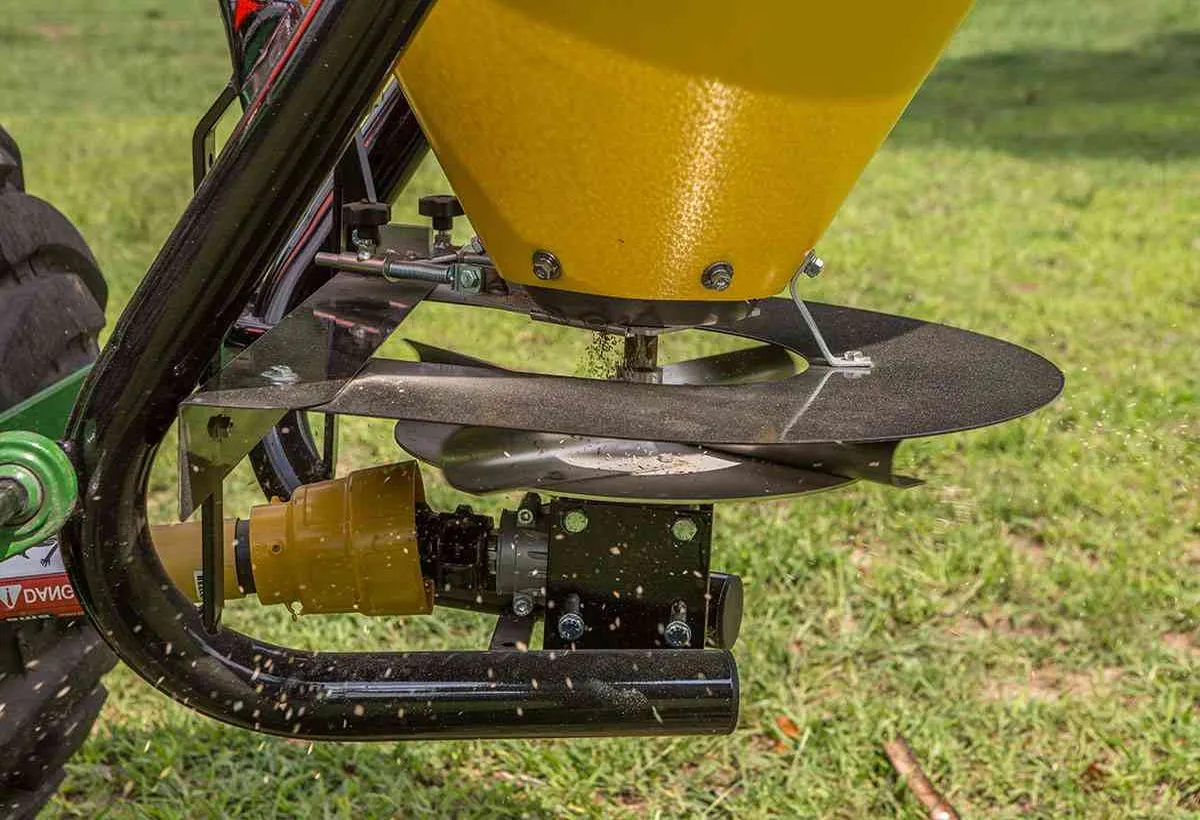
Peças da caixa de engrenagens do distribuidor de fertilizantes
1. Carcaça da caixa de câmbio
A carcaça forma a estrutura externa rígida que mantém todos os componentes internos no lugar durante a operação. Ferro fundido ou liga de alumínio são os dois materiais mais comumente escolhidos para essa carcaça, cada um oferecendo um equilíbrio diferente entre peso e resistência às exigências físicas do trabalho no campo. Uma carcaça bem vedada também impede que poeira de fertilizante, umidade e areia cheguem à engrenagem — um ponto importante, pois o fertilizante granulado é quimicamente corrosivo em contato prolongado.
2. Eixo de entrada
O eixo de entrada conecta-se diretamente à tomada de força (TDF) do trator e transmite a potência rotacional para a caixa de engrenagens externamente. Na maioria dos modelos de espalhadores, a extremidade de entrada é usinada com um perfil de 1-3/8 polegadas e 6 estrias, operando a 540 ou 1.000 RPM, em conformidade com os padrões de TDF de tratores norte-americanos e europeus. O encaixe das estrias, o diâmetro do eixo e a capacidade de torque nominal devem ser compatíveis com o trator antes da instalação de qualquer eixo de reposição.
3. Engrenagens cônicas (Conjunto de engrenagens)
O conjunto de engrenagens dentro da caixa converte a direção e a velocidade do movimento rotacional de entrada antes de transmiti-lo para o lado de saída. As caixas de engrenagens de distribuidores de fertilizantes geralmente usam engrenagens cônicas para redirecionar a potência em um ângulo reto do eixo de entrada para o eixo de saída. O material da engrenagem é tipicamente aço-liga 8620H ou 20CrMnTi, tratado termicamente por cementação e têmpera para obter dureza superficial e resistência ao desgaste sem sacrificar a tenacidade no núcleo.
4. Eixo de saída
O eixo de saída recebe a potência rotacional condicionada do conjunto de engrenagens e a transmite diretamente ao disco ou rosca giratória que distribui o material pelo campo. Os eixos de saída estão disponíveis com chaveta redonda, estriada ou flangeada, dependendo do padrão de montagem do disco do espalhador. Uma relação de engrenagem comum de 1:3 significa que o eixo de saída gira três vezes para cada revolução do eixo de entrada, atingindo a velocidade do disco necessária para uma cobertura ampla e uniforme.
5. Rolamentos
Os rolamentos de esferas e de rolos suportam as cargas radiais e axiais aplicadas em cada eixo rotativo, mantendo o alinhamento e reduzindo o atrito em toda a engrenagem. A escolha dos rolamentos está diretamente ligada à vida útil em campo. Unidades equipadas com rolamentos selados e pré-lubrificados toleram as condições úmidas e empoeiradas do trabalho com fertilizantes muito melhor do que os modelos com rolamentos de pista aberta. Rolamentos desgastados produzem um ruído audível e devem ser substituídos antes que a folga do eixo cause desalinhamento das engrenagens.
6. Retentores de óleo
Os retentores de óleo ficam localizados em cada ponto de saída do eixo para impedir o vazamento do lubrificante e evitar a entrada de contaminantes externos. Sistemas de vedação de alta qualidade impedem a entrada de poeira, grânulos e umidade, que estão entre as principais causas de desgaste prematuro das engrenagens e rolamentos nas caixas de engrenagens dos espalhadores. Os retentores labiais são o modelo mais comum; eles devem ser verificados sempre que a caixa de engrenagens for drenada para a troca de óleo, pois um lábio endurecido ou rasgado fará com que o óleo escorra mais rápido do que o esperado.
7. Sistema de Lubrificação
O sistema de lubrificação garante que as engrenagens e os rolamentos funcionem com uma película de óleo contínua, reduzindo o atrito e prevenindo o acúmulo de calor que leva à fadiga do metal. A maioria das caixas de engrenagens de distribuidores de fertilizantes opera com lubrificação por imersão em óleo, em vez de circuitos pressurizados. Bujões de enchimento, drenagem e nível permitem o acesso ao compartimento de óleo no campo, e um respiro equaliza a pressão interna à medida que a unidade aquece e esfria ao longo do dia de trabalho. Monitorar rotineiramente o nível e a condição do óleo é uma das medidas mais simples para prolongar a vida útil da caixa de engrenagens.
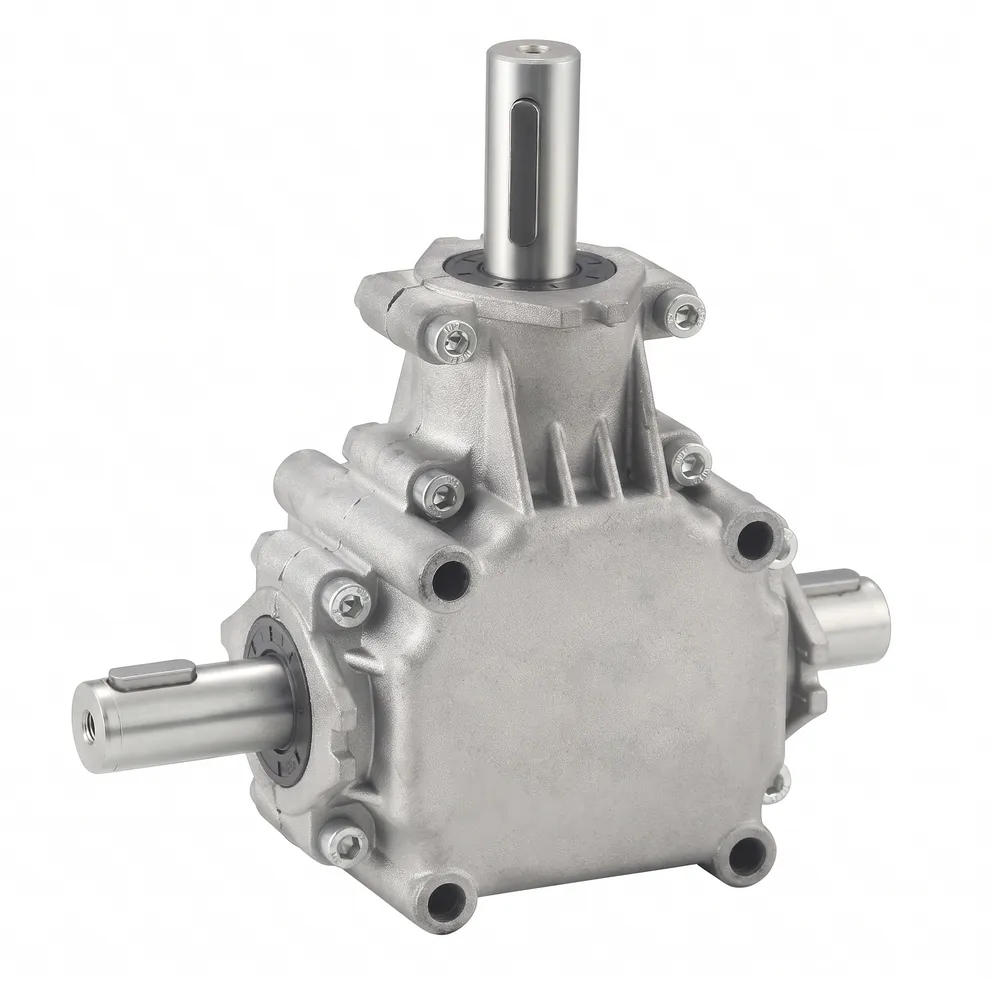
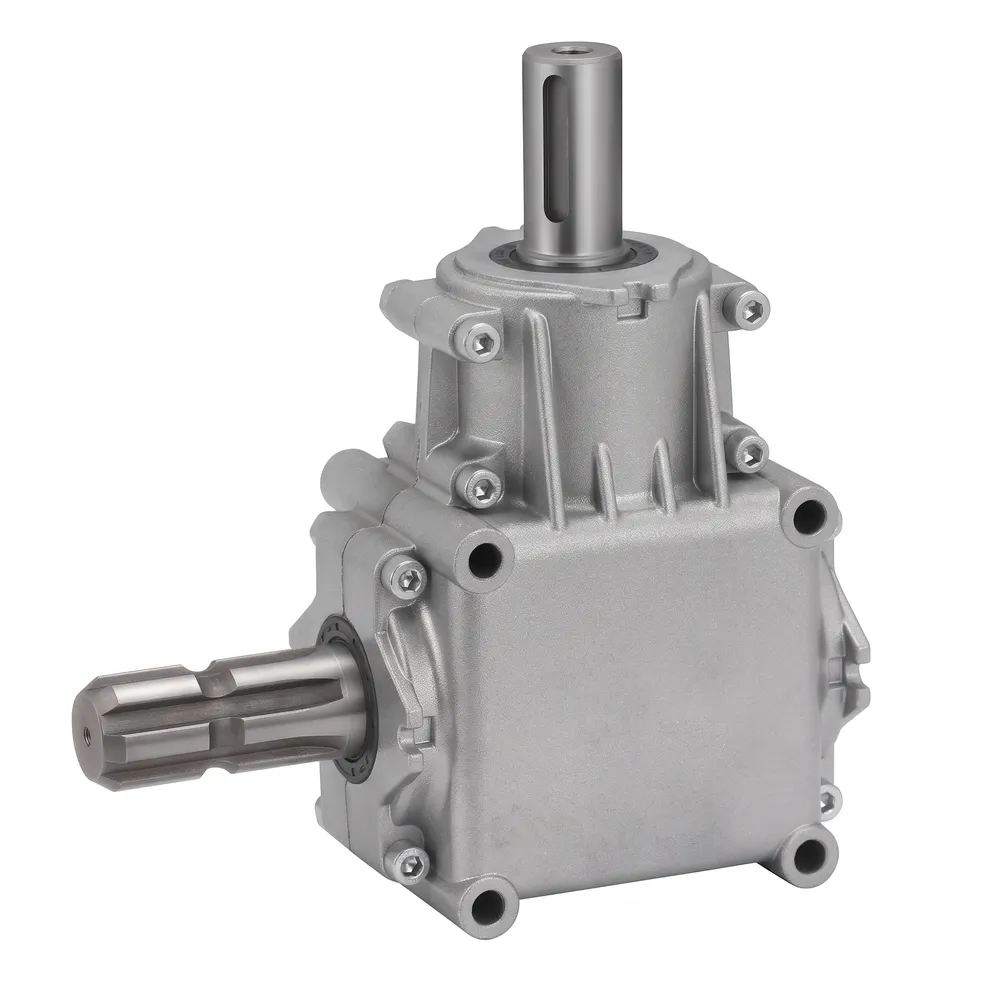
Características da caixa de engrenagens do distribuidor de fertilizantes
1. Carcaça resistente à corrosão
Os produtos químicos agrícolas degradam rapidamente os componentes metálicos desprotegidos. As caixas de engrenagens de distribuidores de alta qualidade utilizam revestimentos protetores especializados ou invólucros robustos de aço inoxidável para evitar a ferrugem e a degradação estrutural causadas pela exposição prolongada a fertilizantes nitrogenados e fosfatados.
2. Configuração de Engrenagem Cônica de Precisão
Internamente, essas unidades contam com engrenagens cônicas de alta resistência, usinadas com tolerâncias exatas. Esse projeto garante a transferência perfeita da potência rotacional do eixo da tomada de força (TDF) do trator para os discos espalhadores, sem falhas ou desgaste excessivo.
3. Mecanismos de Vedação Avançados
O trabalho de campo expõe as máquinas a níveis intensos de poeira, umidade e resíduos químicos. Os fabricantes integram retentores de óleo multilábios e juntas reforçadas para reter os lubrificantes dentro da carcaça, bloqueando completamente a entrada de contaminantes ambientais nocivos nos rolamentos internos sensíveis.
4. Alta capacidade de torque para cargas variáveis
As operações de espalhamento frequentemente exigem mudanças repentinas na velocidade de operação, de acordo com as necessidades do solo. Os sistemas de transmissão são projetados para absorver impactos severos e gerenciar o alto torque de saída, mantendo a rotação constante dos discos, independentemente da densidade ou da consistência do material.
5. Sistemas de Lubrificação de Baixa Manutenção
Os agricultores precisam de equipamentos que permaneçam no campo, em vez de na oficina de reparos. Os projetos modernos de caixas de engrenagens incorporam bicos de lubrificação de fácil acesso ou sistemas de banho de óleo de alta capacidade, que aumentam o intervalo entre as manutenções regulares e simplificam a manutenção sazonal.
6. Capacidade de dissipação térmica
A operação contínua durante os períodos de pico de plantio gera um calor interno significativo. A carcaça externa apresenta estruturas geométricas com nervuras específicas que atuam como dissipadores de calor, afastando as altas temperaturas das partes móveis para evitar a ruptura do fluido e falhas mecânicas.
Aplicações da caixa de engrenagens do distribuidor de fertilizantes
1. Cultivo de lavouras: Culturas em fileiras, cereais, hortaliças e frutas de pomar exigem uma distribuição consistente de nutrientes em estágios específicos de crescimento. A caixa de engrenagens do distribuidor de fertilizantes regula a velocidade e o torque de saída, de modo que os fertilizantes granulados ou em pó sejam aplicados em taxas calibradas em amplas faixas de plantio, reduzindo o desperdício e protegendo as raízes da queimadura química causada pela concentração irregular.
2. Manejo de Pastagens: As operações pecuárias dependem da densidade e do valor nutricional da forragem ao longo da estação de pastoreio. Uma caixa de engrenagens de distribuição bem ajustada mantém uma rotação constante em terrenos irregulares e velocidades de deslocamento variáveis, permitindo que os operadores cubram as pastagens com misturas de nitrogênio, fósforo e potássio que reconstroem a matéria orgânica do solo e promovem o crescimento de grama densa e rica em proteínas entre os ciclos de pastoreio.
3. Manejo de gramados e relvados: Campos esportivos, fairways de golfe e parques municipais exigem programas de fertilização precisos o suficiente para evitar listras ou queimaduras. Distribuidores acionados por caixa de engrenagens convertem a entrada da tomada de força ou do motor em uma rotação suave e repetível dos discos, proporcionando aos gestores de gramados a consistência na largura de distribuição e o controle da taxa necessários para manter superfícies de alto tráfego densas, resilientes e visualmente uniformes durante o uso intenso sazonal.
4. Horticultura e Viveiros: Bancadas de estufa e fileiras de viveiros ao ar livre contêm plantas em estágios de crescimento radicalmente diferentes, cada uma com tolerâncias distintas à nutrição. Caixas de engrenagens de distribuição com taxas de saída ajustáveis permitem que os trabalhadores apliquem fertilizantes em baixo volume e com partículas finas, sem perturbar os sistemas radiculares superficiais ou contaminar as plantas vizinhas com deriva de fertilizantes.
5. Paisagismo e jardinagem: Jardins residenciais, canteiros de flores municipais e áreas verdes comerciais frequentemente apresentam limites irregulares e plantios mistos que exigem operação intermitente sem o acúmulo de grânulos residuais. Conjuntos de engrenagens compactos em distribuidores manuais ou acoplados a tratores mantêm a velocidade dos discos constante desde o momento em que o operador aciona a tração, garantindo que cada metro quadrado receba a mesma carga de nutrientes calculada, independentemente do ritmo do operador.
6. Distribuição de corretivos de solo: Cal agrícola, gesso, biochar e matéria orgânica compostada compartilham o desafio físico da densidade aparente e do tamanho variável das partículas, o que faz com que os sistemas convencionais de distribuição por gravidade apresentem resultados inconsistentes. Uma caixa de engrenagens para distribuidores, projetada especificamente para essa finalidade, compensa essa inconsistência por meio da distribuição estável de torque sob flutuações de carga, permitindo que agricultores e gestores de terras incorporem os corretivos de forma uniforme no perfil do solo e alcancem a correção do pH ou a melhoria estrutural almejada em seus programas agronômicos.
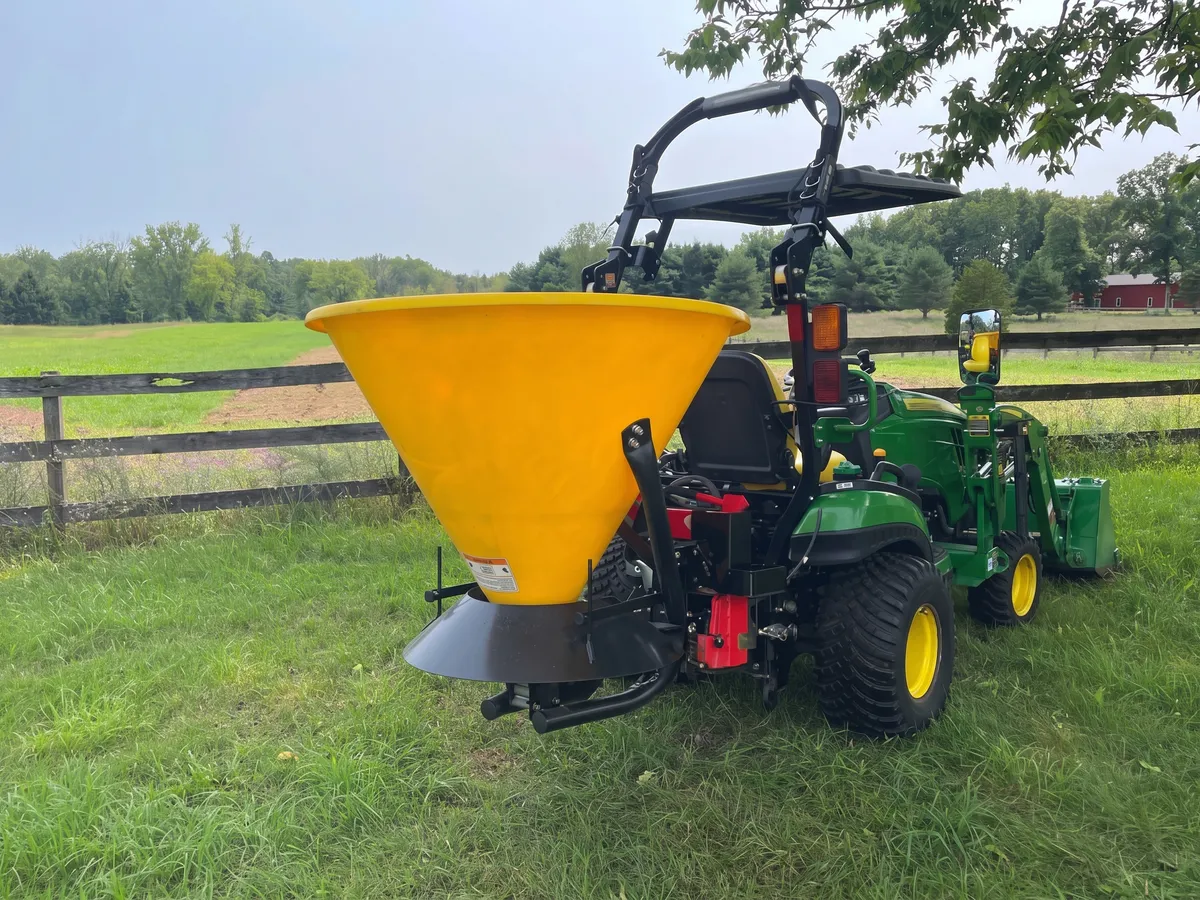
Gestão de Gramados e Relvados
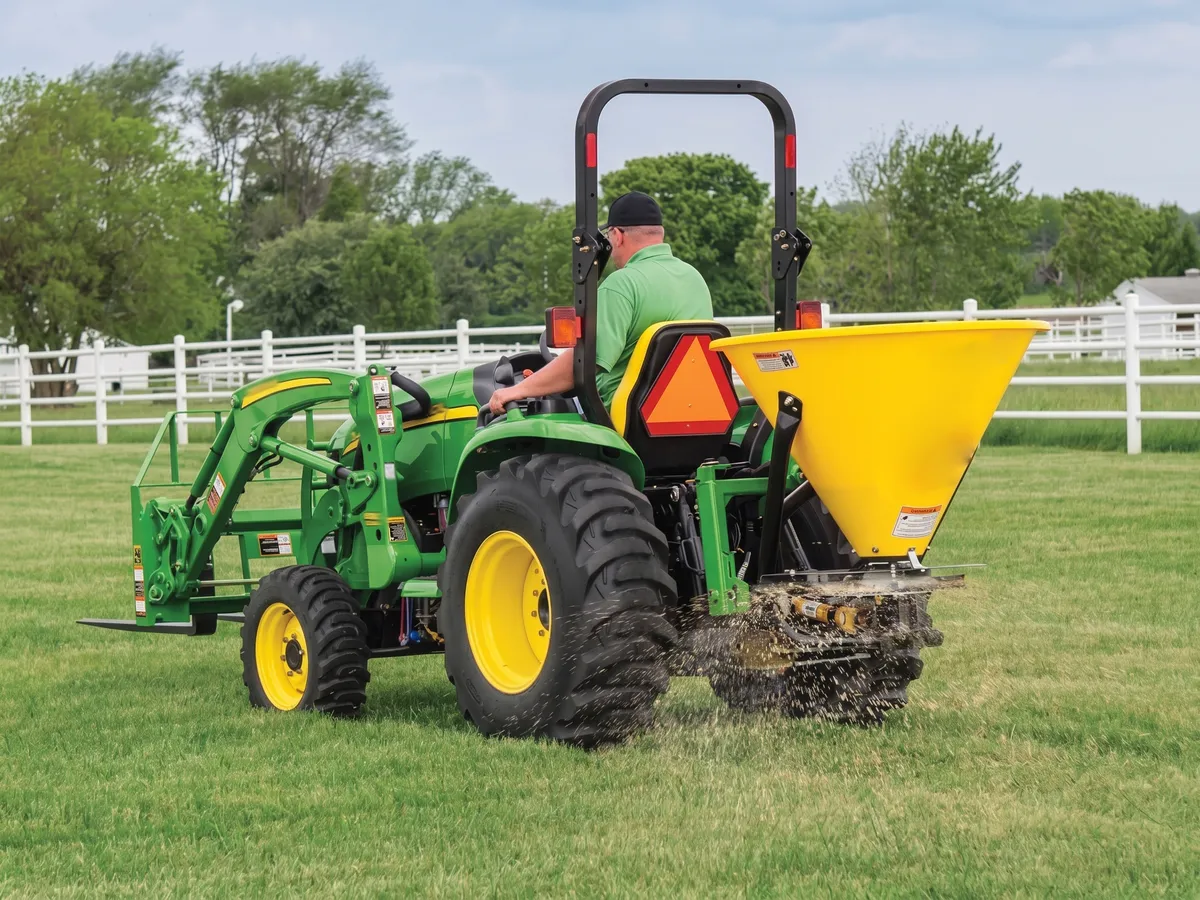
Paisagismo e jardinagem
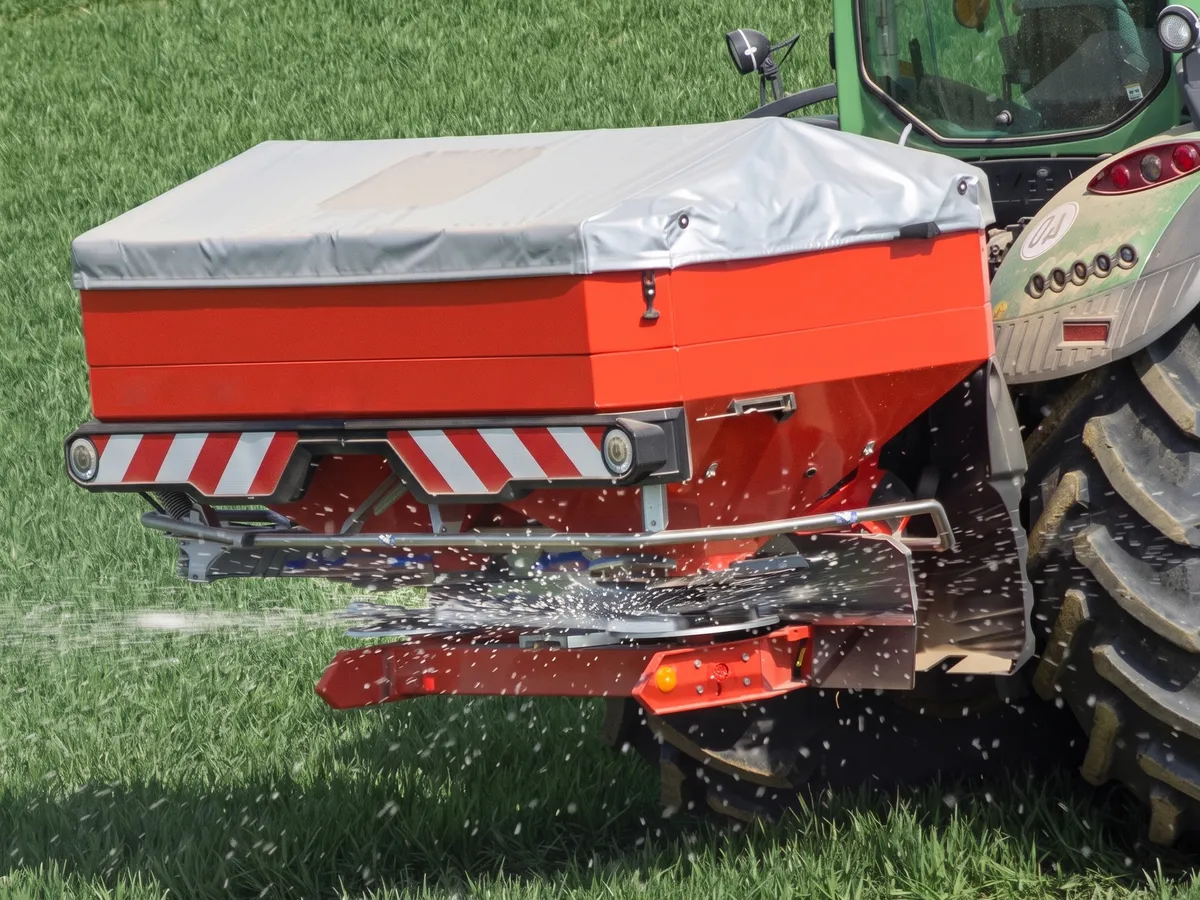
Cultivo de lavouras