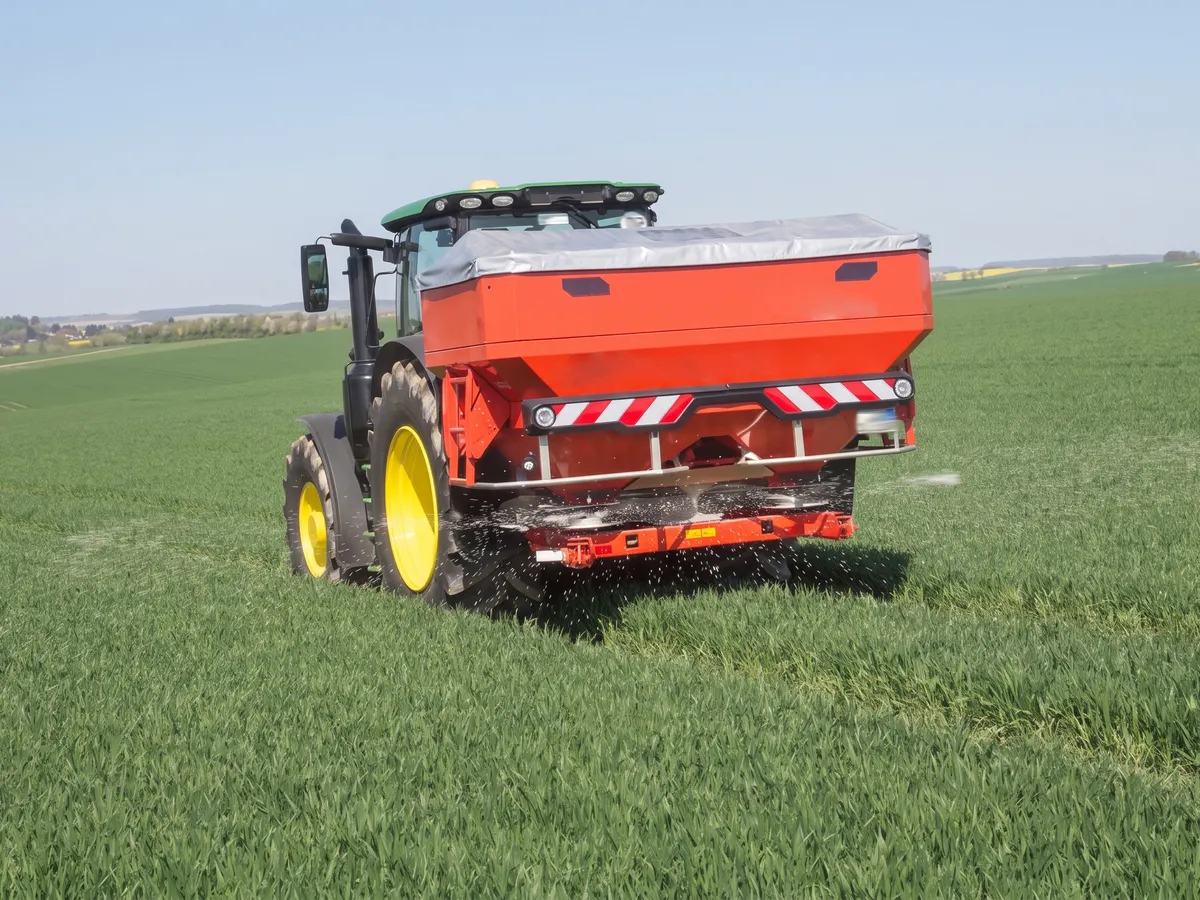
Kotak Gear Penyebar Baja
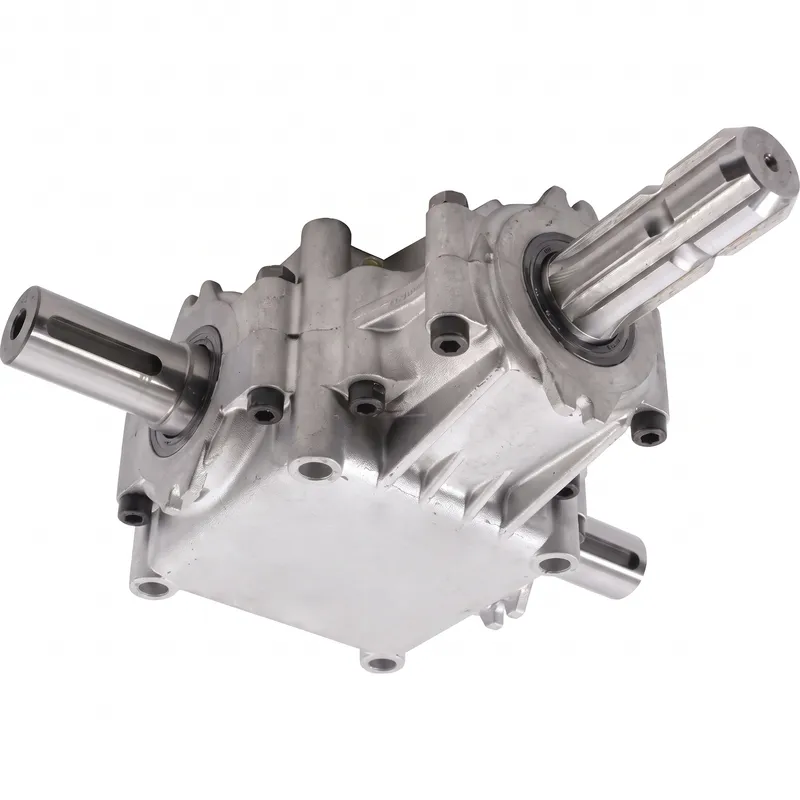
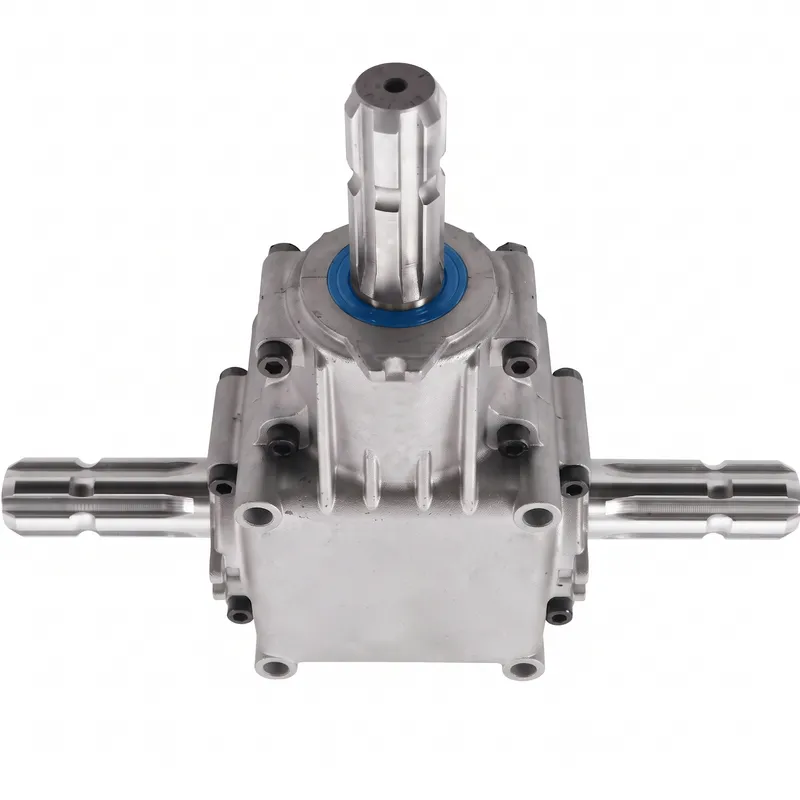
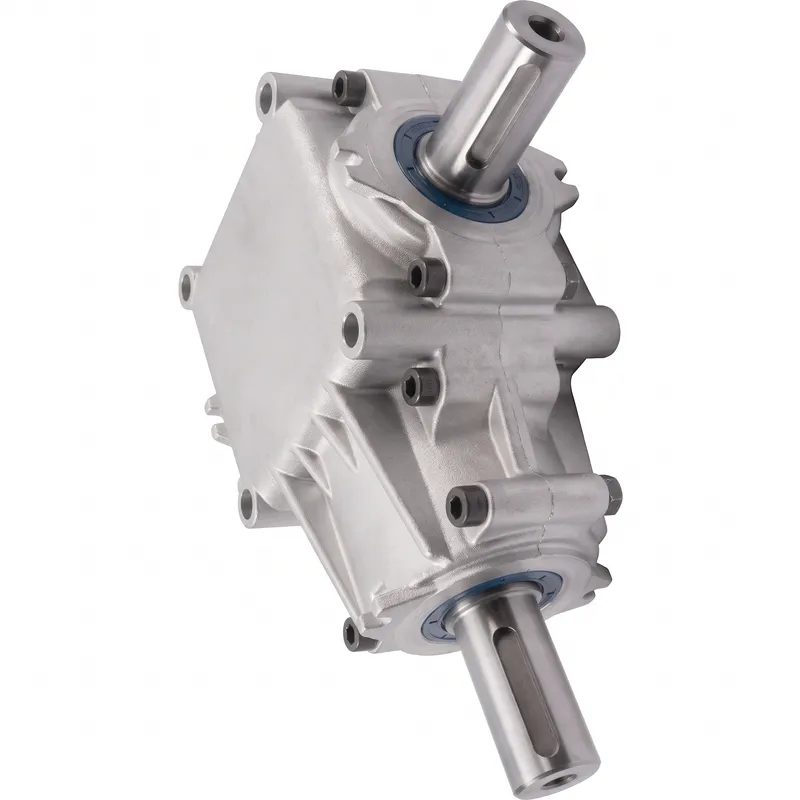
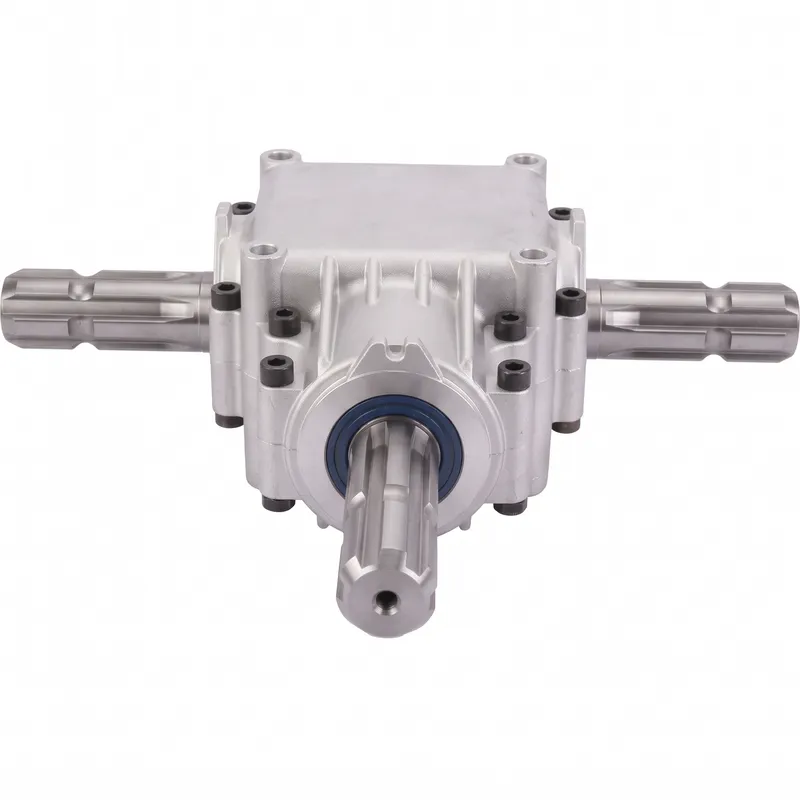
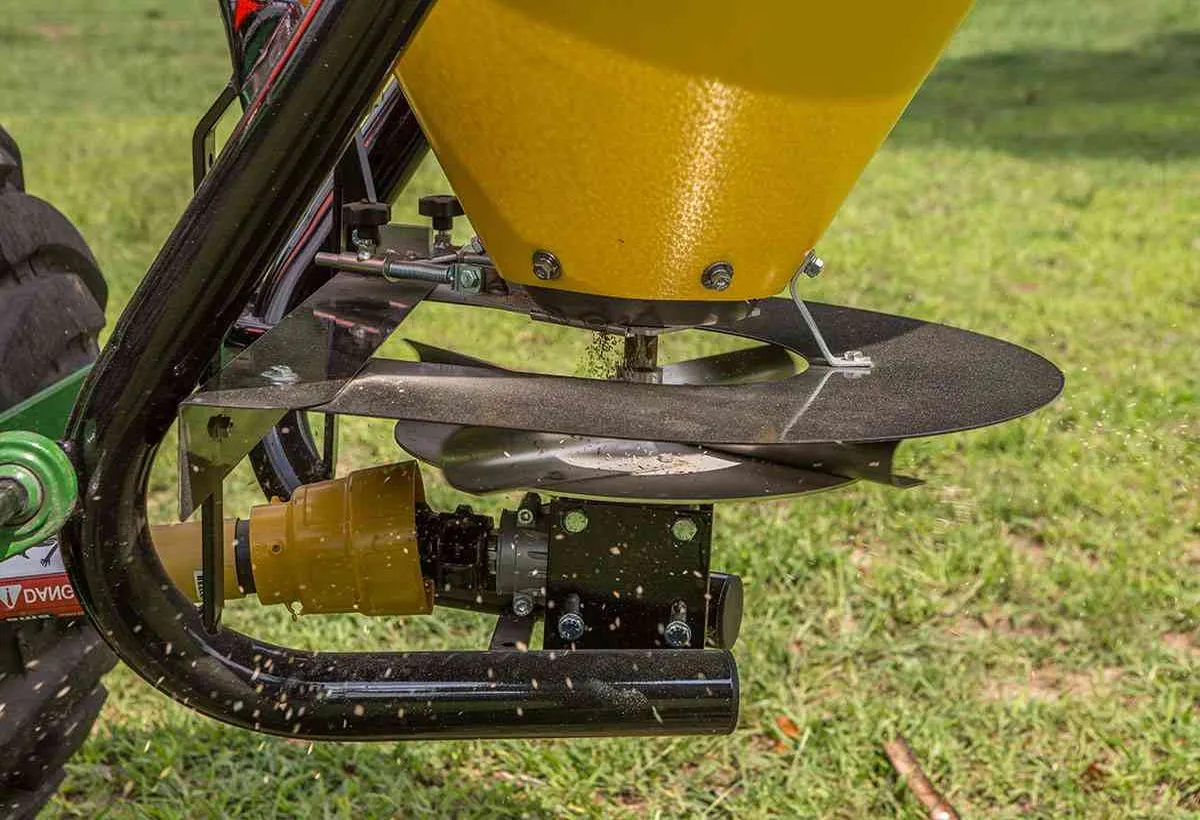
Kotak gear penyebar baja, juga dikenali sebagai kotak gear pengedar baja, merupakan komponen penting dalam jentera pertanian, yang direka khusus untuk tugas-tugas seperti penyediaan tanah, rawatan tanaman dan penyebaran baja. Terletak di tengah-tengah mesin, ia menghantar kuasa daripada pengangkut kuasa (PTO) traktor ke cakera berputar atau gerimit yang mengagihkan baja secara sekata di seluruh ladang.
Model Kotak Gear Penjuru Boleh Diganti
Model Kotak Gear Penyebar Baja kami, termasuk L-25A, L-25J, T-281A dan T-281J, merupakan pengganti langsung yang serasi sepenuhnya untuk siri Comer yang sepadan, menampilkan dimensi dan spesifikasi pemasangan yang sama untuk pemasangan terus masuk yang lancar tanpa sebarang pengubahsuaian. Direkayasa untuk aplikasi pertanian yang mencabar, kotak gear ini digunakan secara meluas dalam penyebar baja tunda dan dipasang, penyebar kapur, penyebar garam dan pasir dan pengedar baja organik, memberikan penghantaran kuasa yang andal merentasi ladang kecil, ladang tanaman berskala besar, pengurusan turf dan operasi penyelenggaraan jalan.
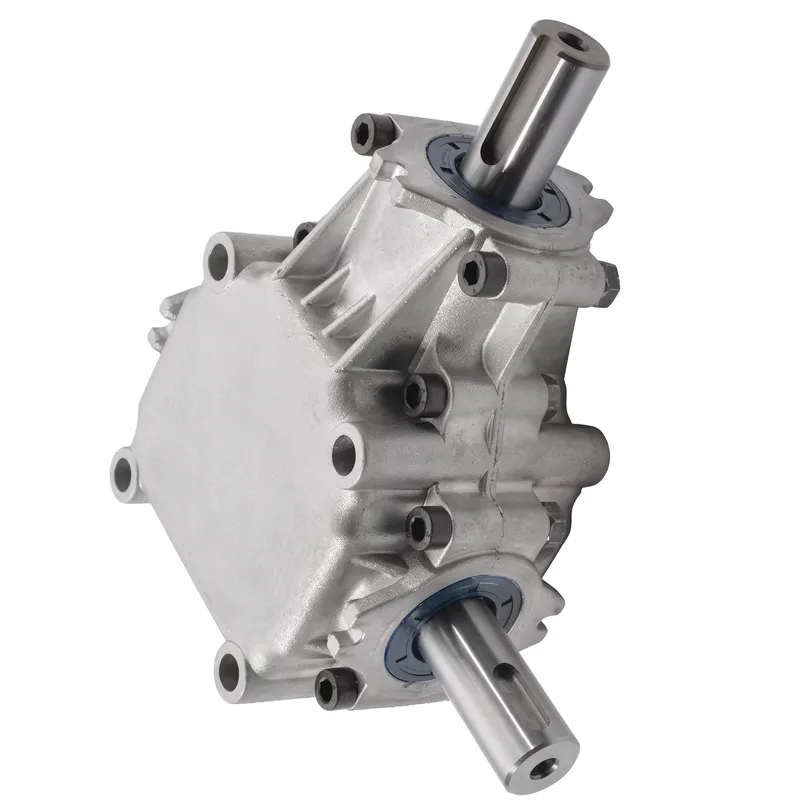
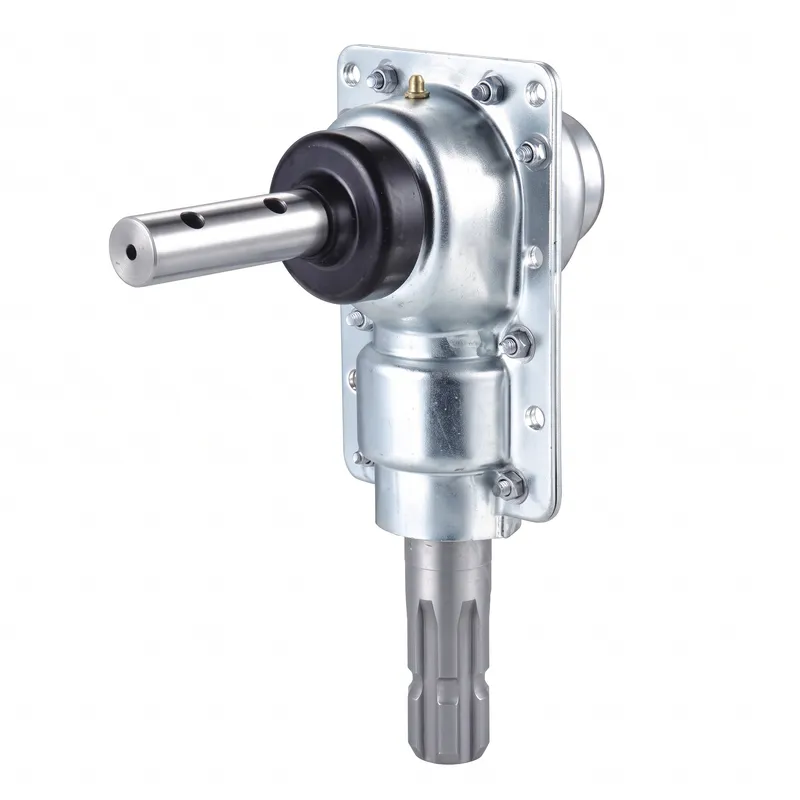
Kotak Gear Penyebar Baja L-25A
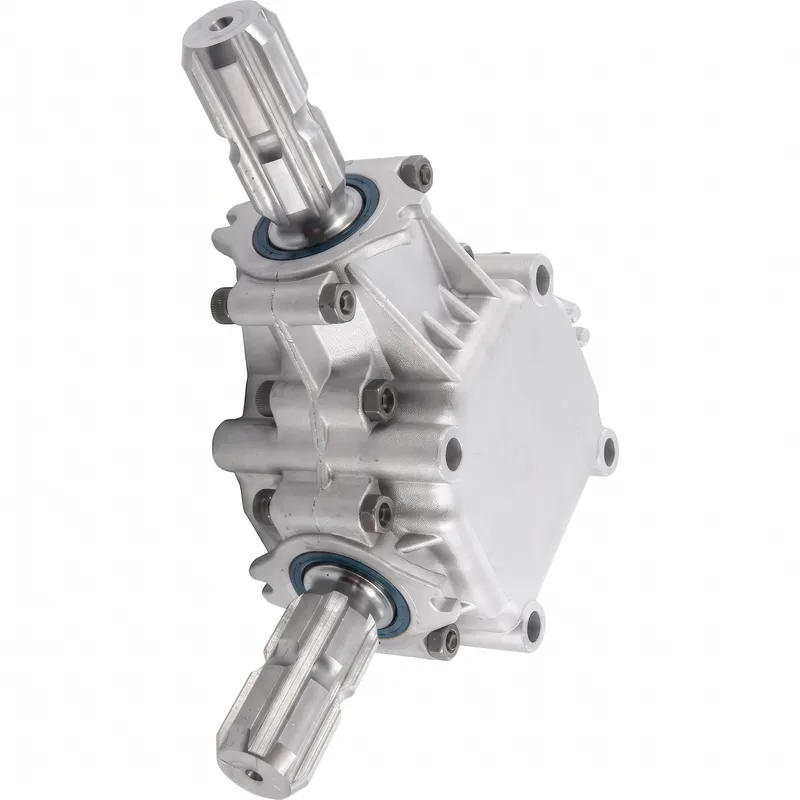
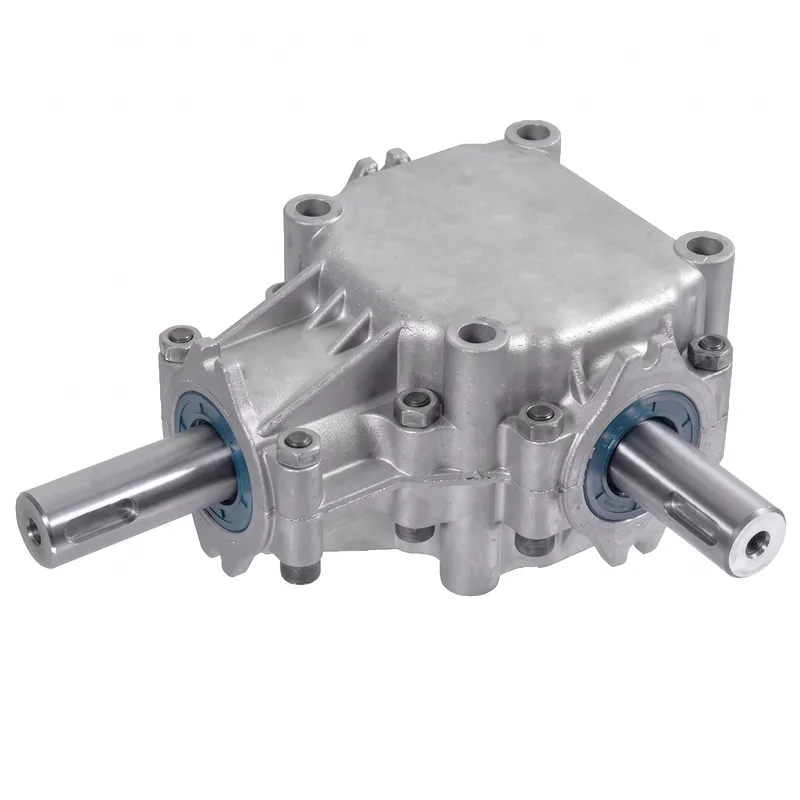
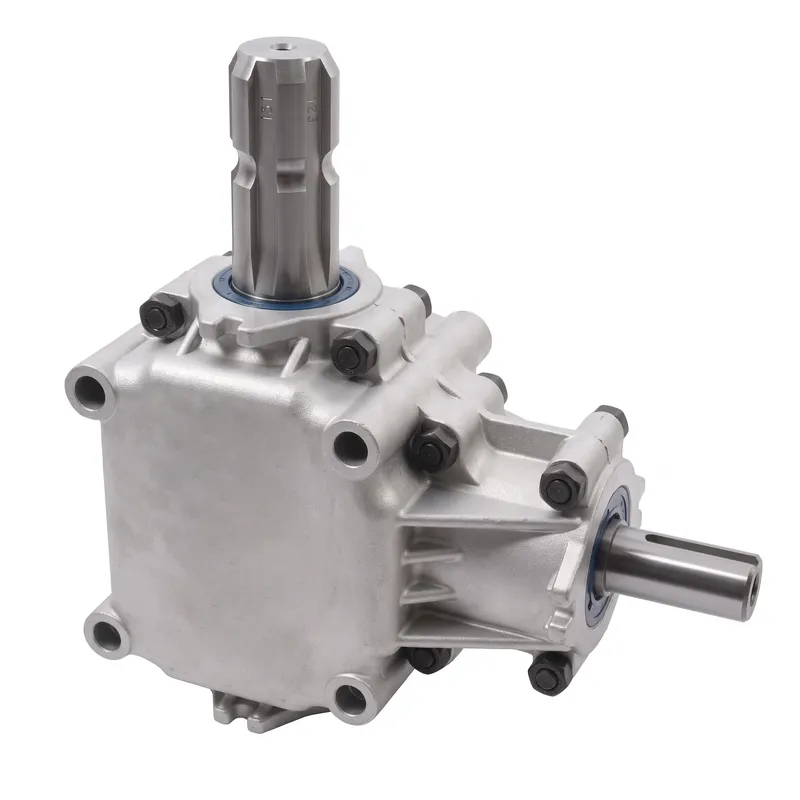
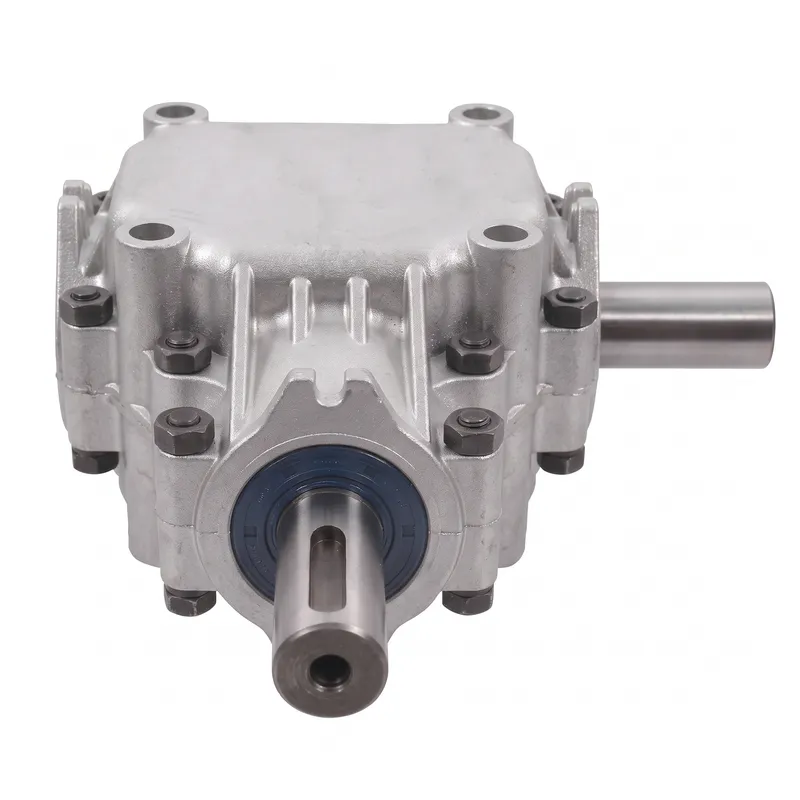
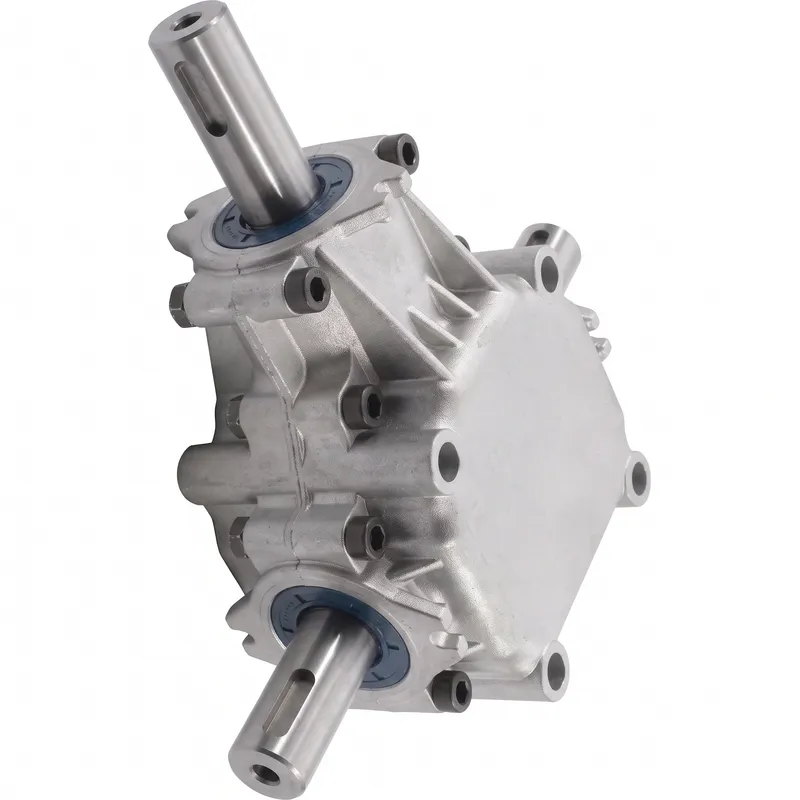
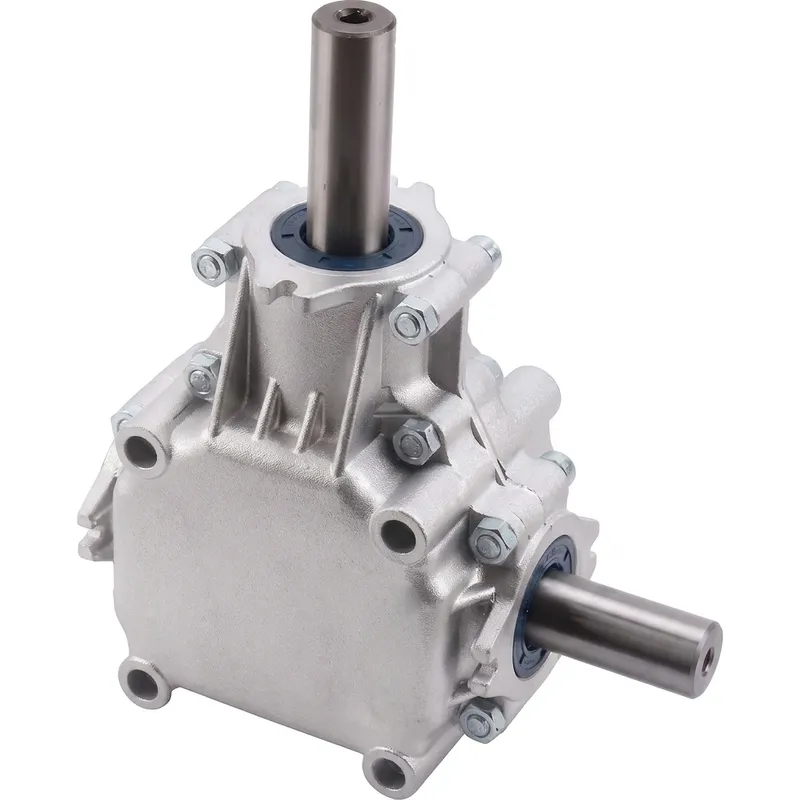
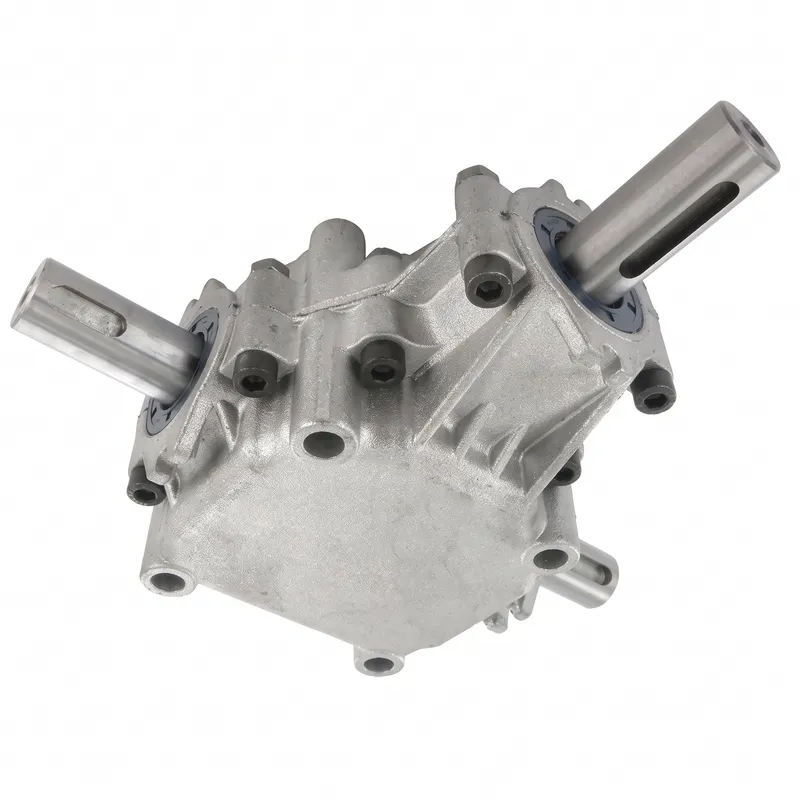
Kotak Gear Penyebar Baja T-281A
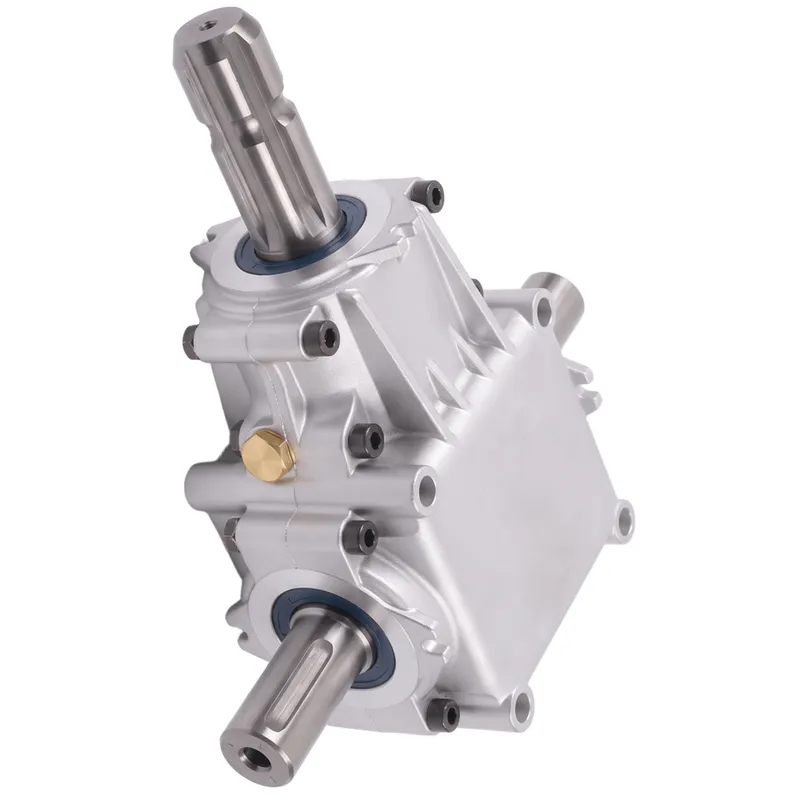
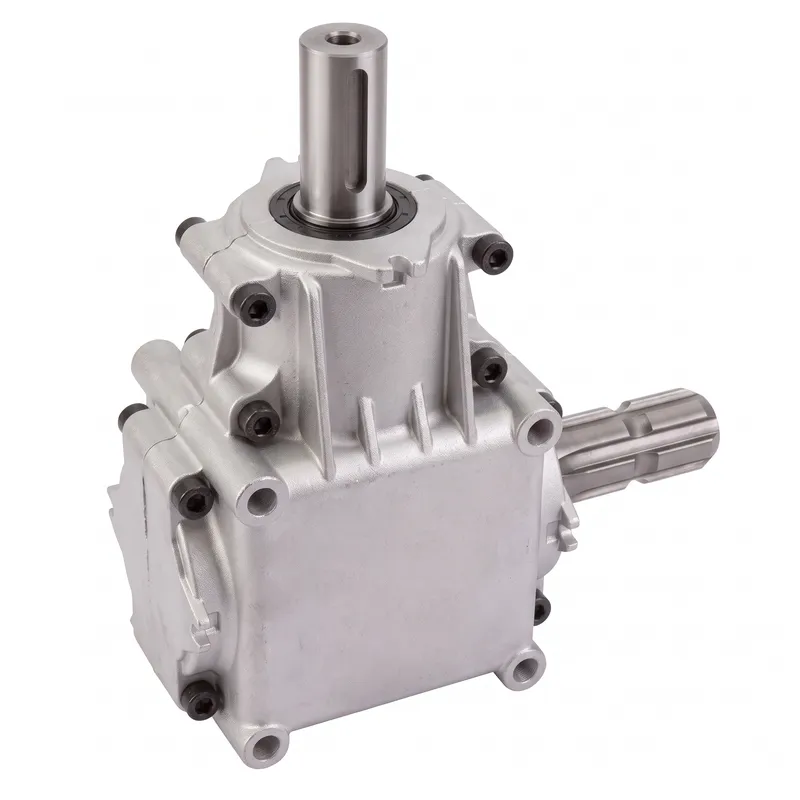
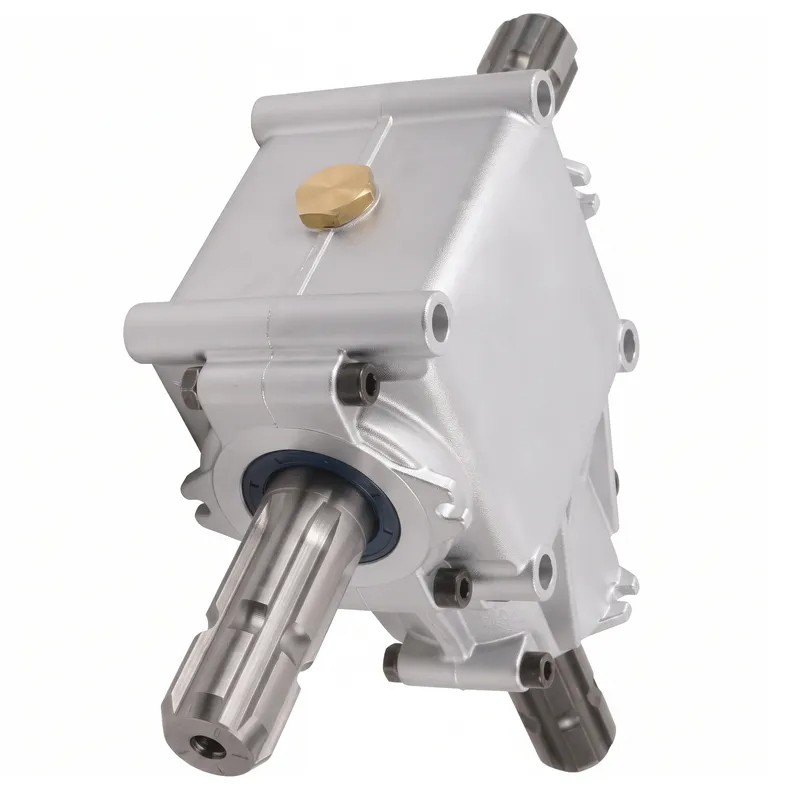
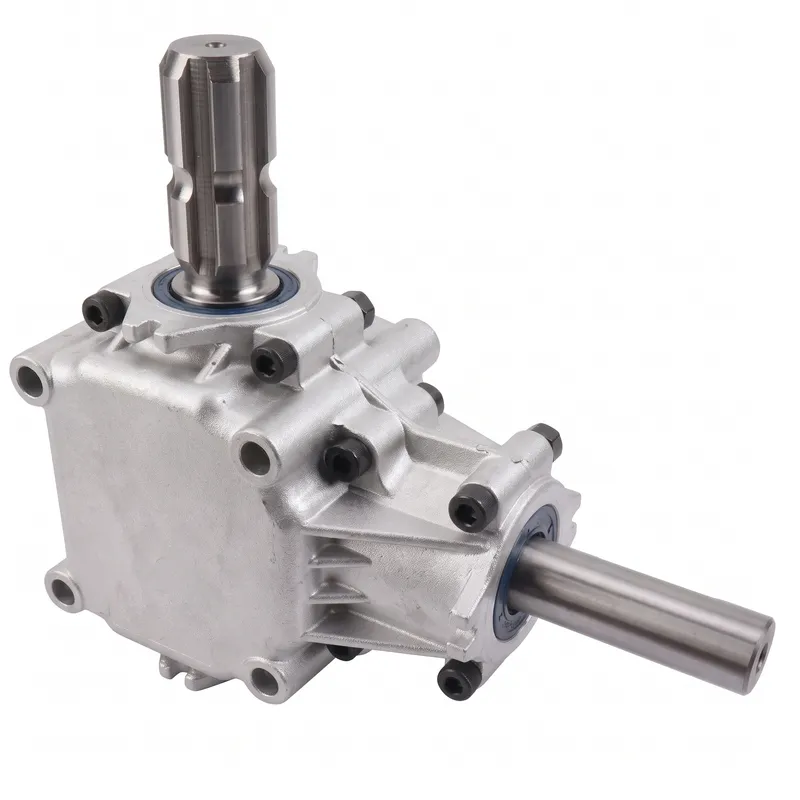
Kotak Gear Penyebar Baja L-25J
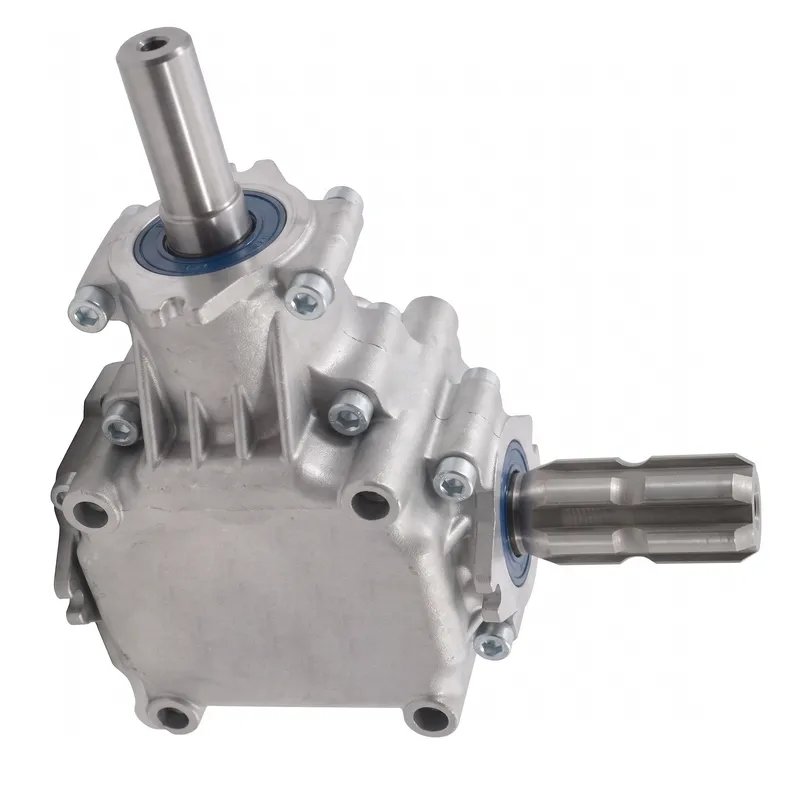
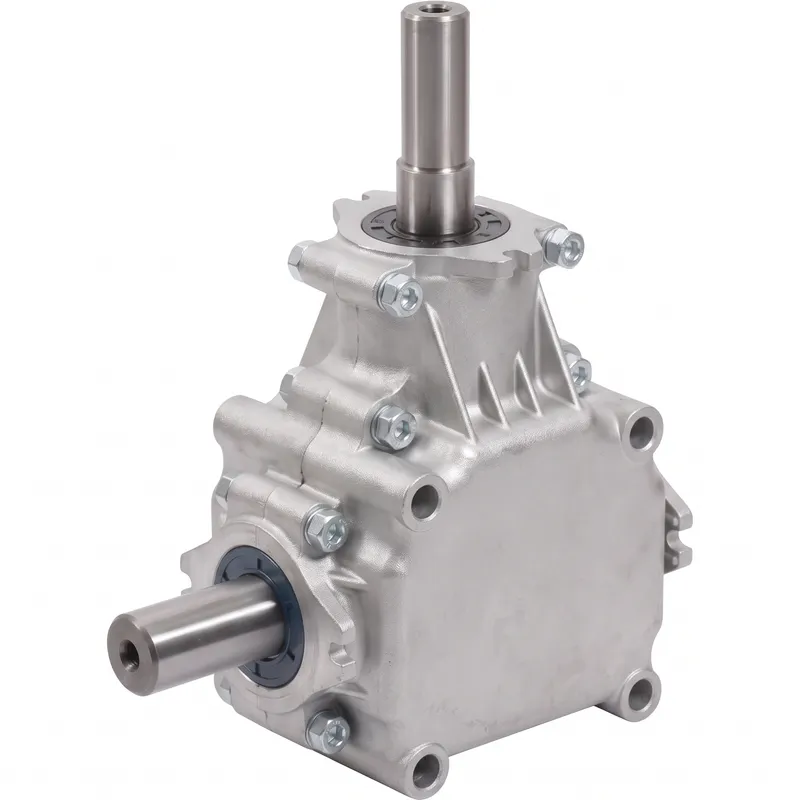
Model Kotak Gear Penyebar Baja Lain
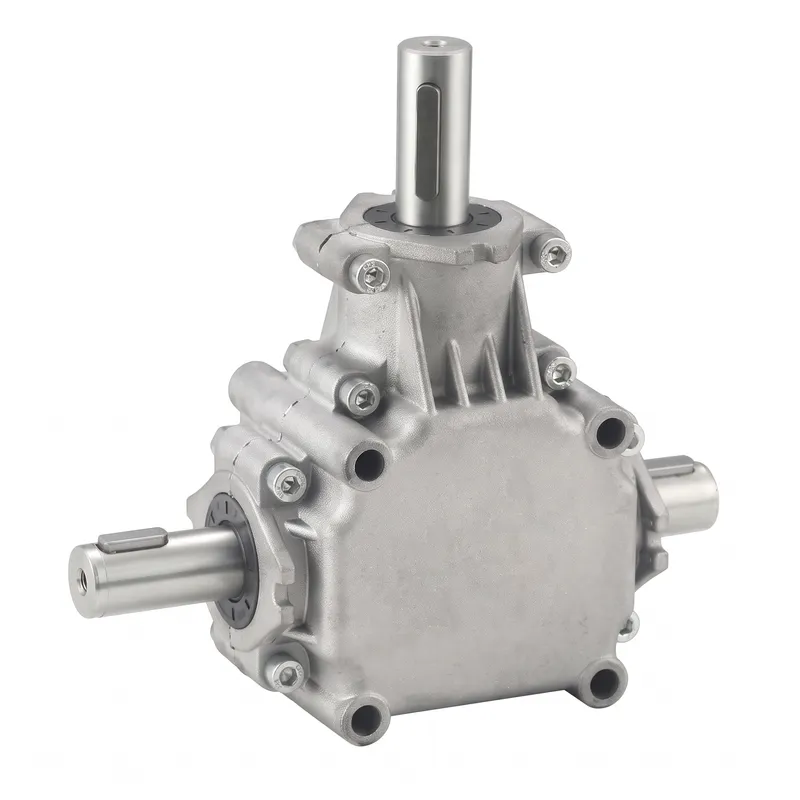
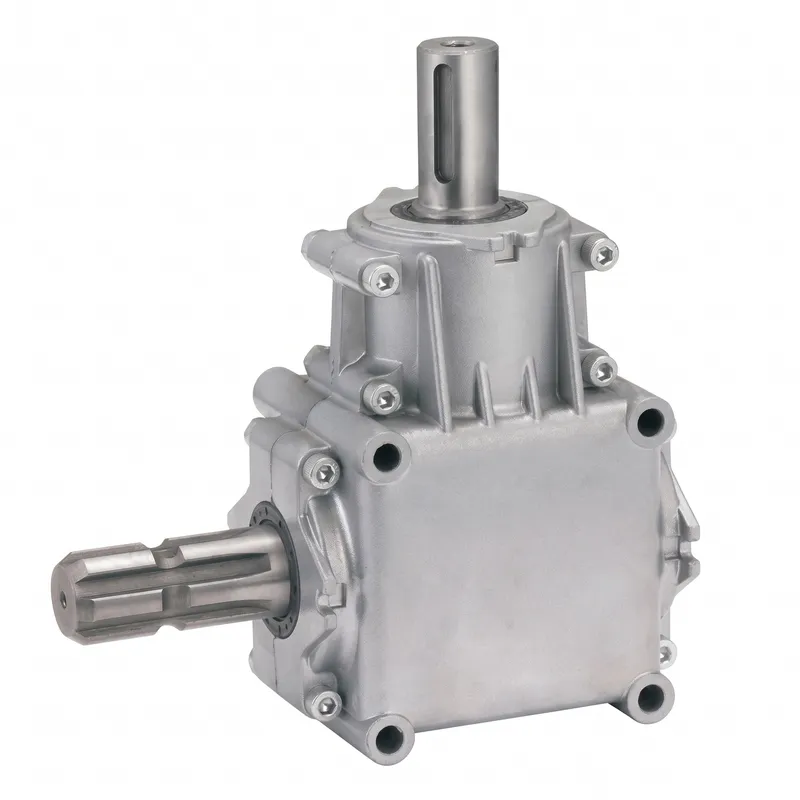
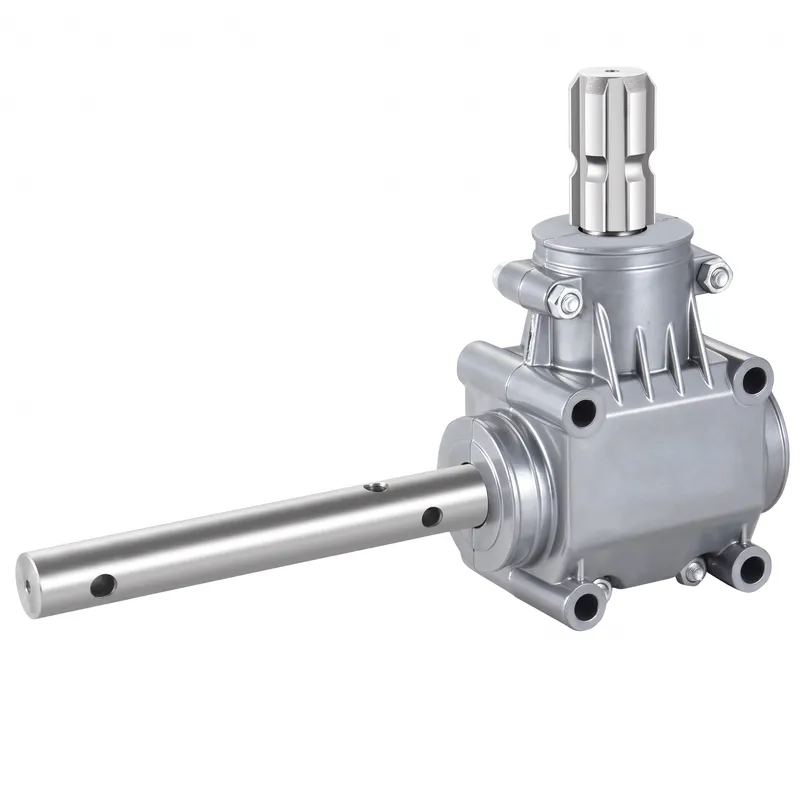
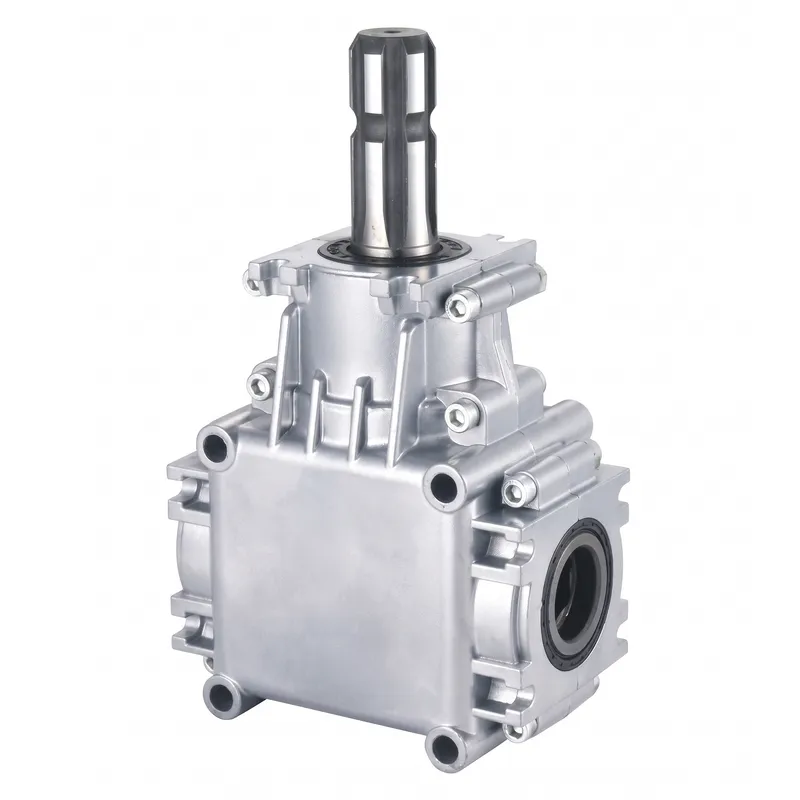
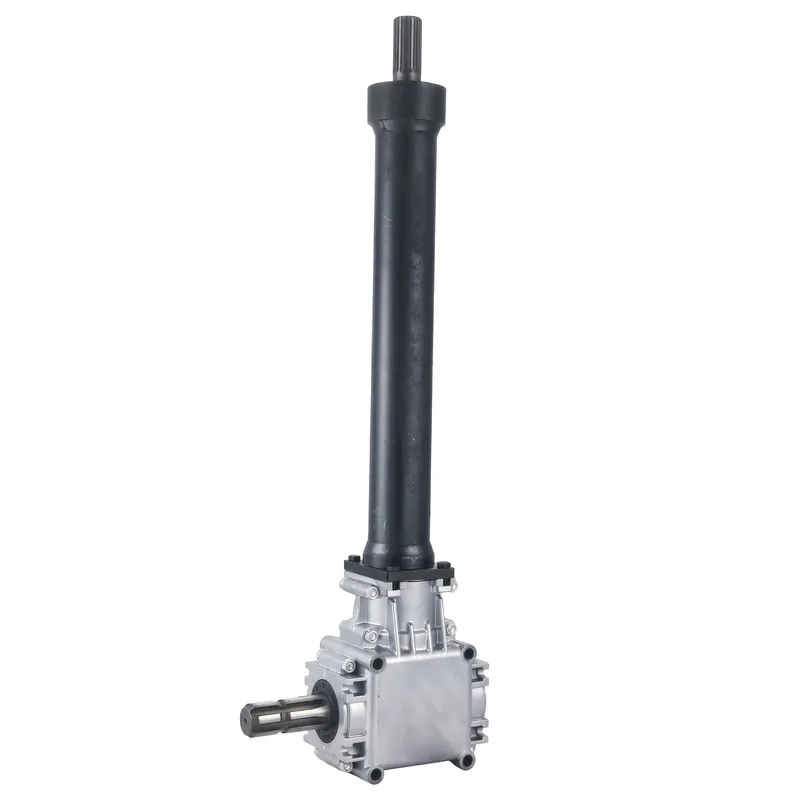
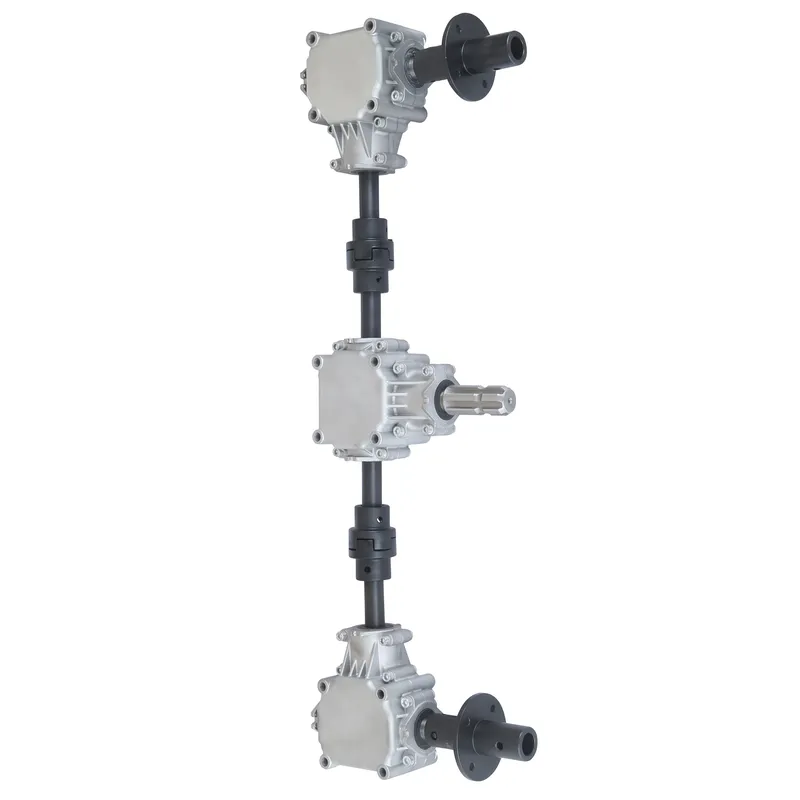
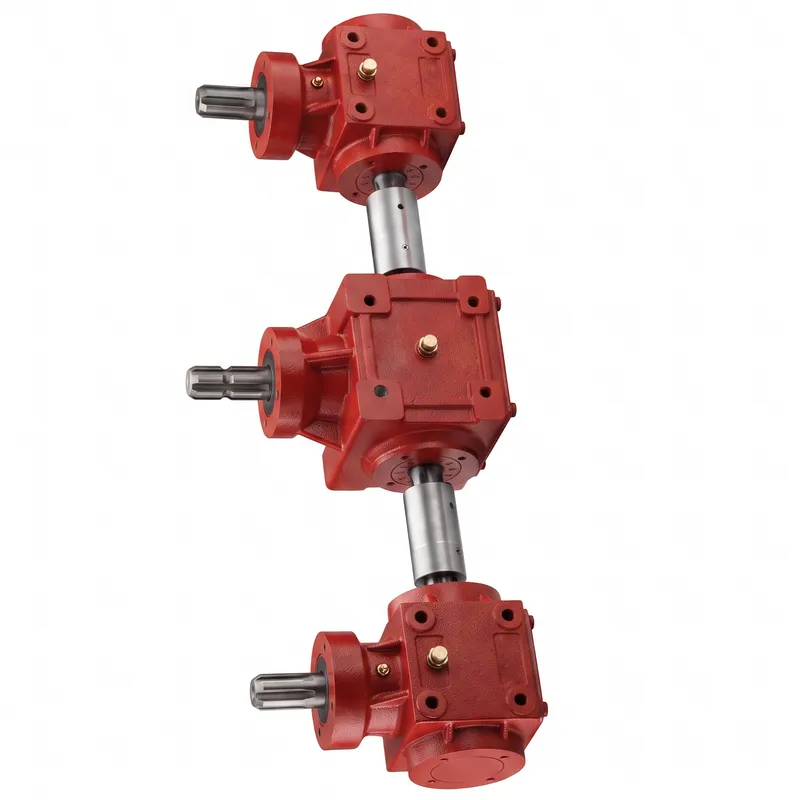
Kotak Gear Penyebar Baja Cakera Berganda
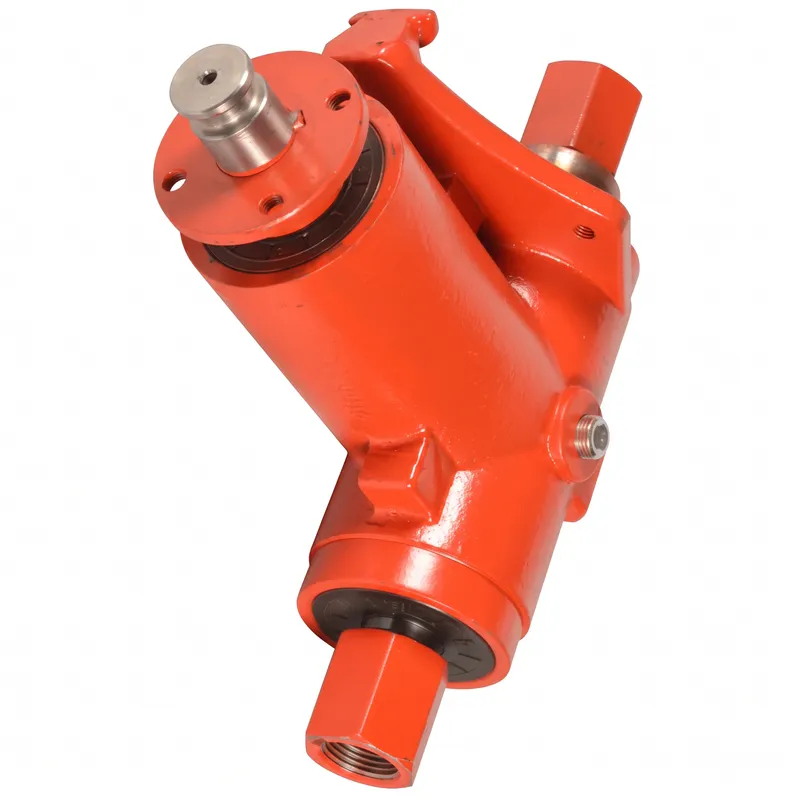
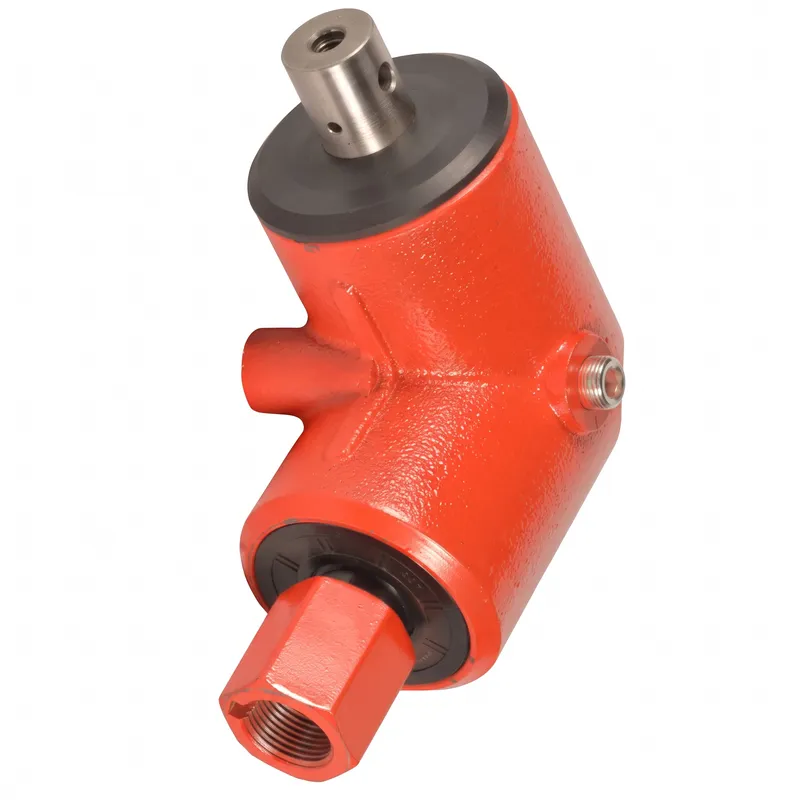
Kotak Gear Penyiar Baja
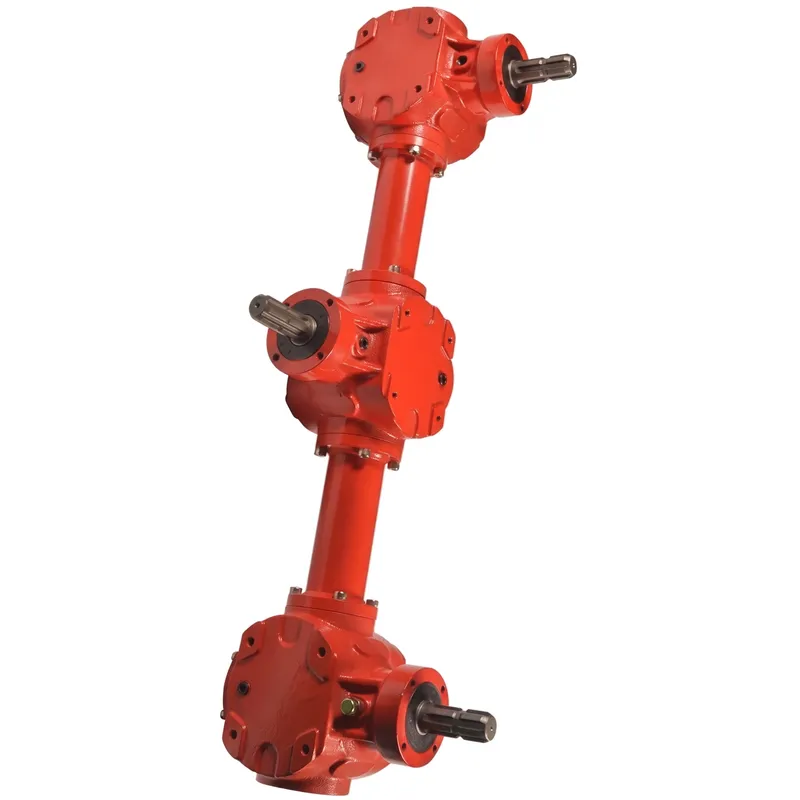
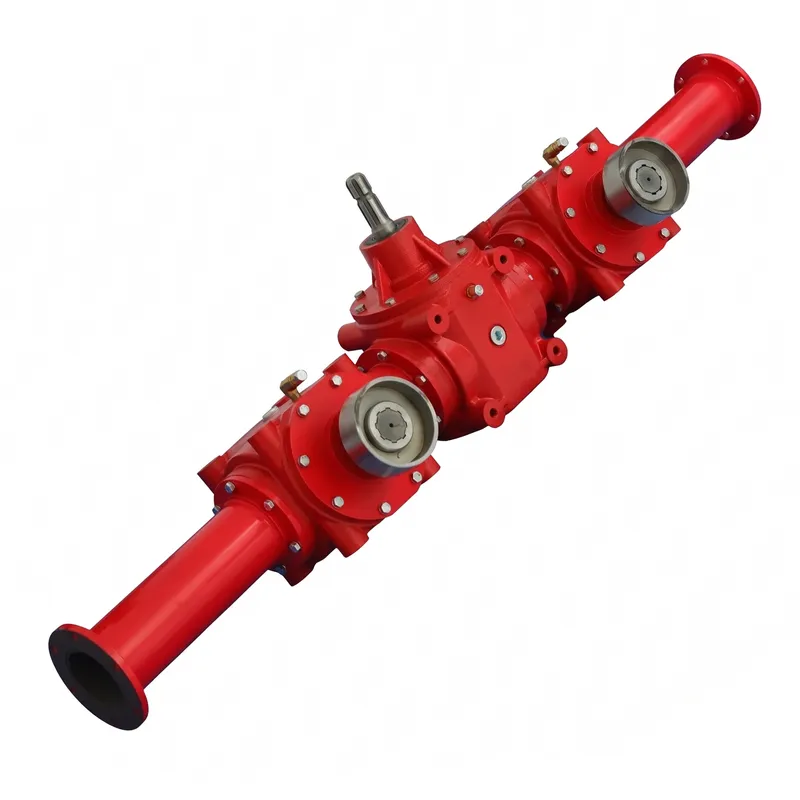
Apakah Kotak Gear untuk Penyebar Baja?
Kotak gear penyebar baja, juga dikenali sebagai kotak gear pengedar baja, merupakan komponen penting dalam jentera pertanian, yang direka khusus untuk tugas-tugas seperti penyediaan tanah, rawatan tanaman dan penyebaran baja. Terletak di tengah-tengah mesin, ia menghantar kuasa daripada pengangkut kuasa (PTO) traktor ke cakera berputar atau gerimit yang mengagihkan baja secara sekata ke seluruh ladang. Dibina daripada besi tuang tugas berat atau aloi aluminium tahan kakisan, dengan gear keluli yang dikeraskan dan galas tertutup di dalamnya, unit ini direka bentuk khas untuk mengendalikan pendedahan berpanjangan kepada habuk baja, kelembapan dan getaran medan tanpa kehilangan ketepatan dimensi atau konsistensi outputnya.
Kotak gear ini direka bentuk untuk ketahanan dan kebolehpercayaan, memastikan penghantaran kuasa yang konsisten bagi memenuhi pelbagai permintaan operasi. Ia dilengkapi dengan satu siri gear dan aci yang melaraskan kelajuan putaran dan tork berdasarkan keperluan penyebaran, mengoptimumkan prestasi mesin. Dibina untuk menahan keadaan kerja pertanian yang ketat, kotak gear ini memainkan peranan penting dalam meningkatkan kecekapan dan keberkesanan tugas pertanian utama.
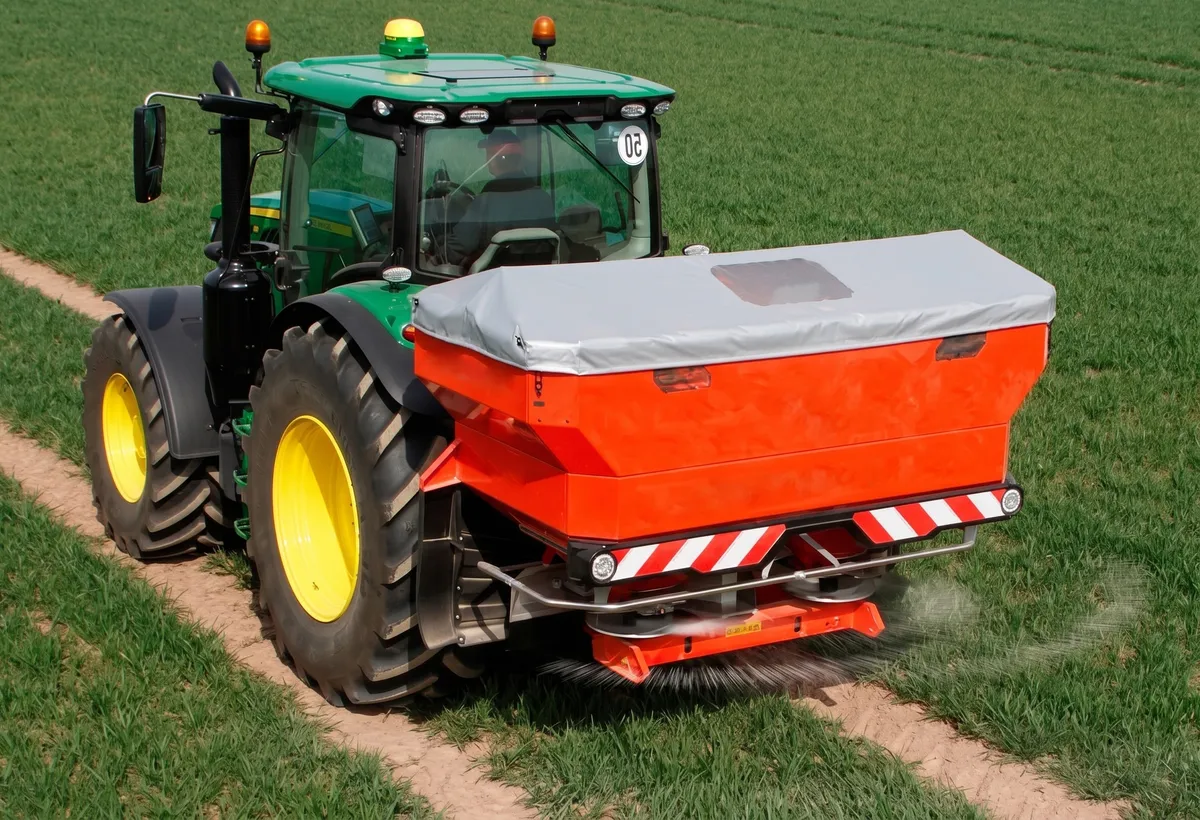
Bahagian Kotak Gear Penyebar Baja
1. Perumahan Kotak Gear
Perumah ini membentuk cangkerang luar yang tegar yang memegang setiap komponen dalaman di tempatnya semasa operasi. Besi tuang atau aloi aluminium adalah dua bahan yang paling biasa dipilih untuk cangkerang ini, setiap satu menawarkan keseimbangan yang berbeza antara berat dan rintangan terhadap tuntutan fizikal kerja lapangan. Perumah yang ditutup rapat juga menghalang habuk baja, kelembapan dan pasir daripada sampai ke set gear, satu titik yang penting kerana baja berbutir menghakis secara kimia apabila bersentuhan lama.
2. Aci Input
Aci input bersambung terus ke PTO traktor dan membawa kuasa putaran ke dalam kotak gear dari luar. Pada kebanyakan model penyebar, hujung input dimesin kepada profil 6-spline 1-3/8 inci yang berjalan pada 540 atau 1,000 RPM, yang sepadan dengan piawaian PTO traktor Amerika Utara dan Eropah. Padanan spline, diameter aci dan kapasiti tork yang dinilai mesti sepadan dengan traktor sebelum sebarang aci gantian dipasang.
3. Gear Serong (Set Gear)
Set gear di dalam perumah menukar arah dan kelajuan gerakan putaran masuk sebelum menghantarnya ke bahagian output. Kotak gear penyebar baja paling kerap menggunakan gear serong untuk mengalihkan kuasa pada sudut tepat dari aci input ke aci output. Bahan gear biasanya keluli aloi 8620H atau 20CrMnTi, dirawat haba melalui pengkarbonan dan pelindapkejutan untuk membina kekerasan permukaan dan rintangan haus tanpa mengorbankan keliatan pada terasnya.
4. Aci Keluaran
Aci keluaran mengambil kuasa putaran terkondisi daripada set gear dan menghantarnya terus ke cakera berputar atau auger yang mengagihkan bahan merentasi medan. Aci keluaran boleh didapati dalam konfigurasi kekunci bulat, splined atau flanged bergantung pada corak pelekap cakera penyebar. Nisbah gear biasa 1:3 bermaksud aci keluaran berputar tiga kali untuk setiap pusingan input, mencapai kelajuan cakera yang diperlukan untuk liputan yang luas dan sekata.
5. Galas
Galas bebola dan galas penggelek membawa beban jejarian dan paksi yang diletakkan pada setiap aci berputar, mengekalkan penjajaran dan mengurangkan geseran di seluruh rangkaian gear. Pemilihan galas terikat secara langsung pada jangka hayat lapangan, unit yang dilengkapi dengan galas yang dimeteraikan dan telah disapu gris, bertolak ansur dengan keadaan basah dan berdebu kerja baja dengan jauh lebih baik daripada reka bentuk perlumbaan terbuka. Galas yang haus menghasilkan deruman yang boleh didengar dan harus diganti sebelum ia membenarkan pergerakan aci menyebabkan jaringan gear tidak sejajar.
6. Pengedap Minyak
Pengedap minyak diletakkan pada setiap titik keluar aci untuk menghentikan kebocoran pelinciran di samping menghalang pencemaran medan daripada berfungsi ke dalam. Sistem pengedap berkualiti tinggi menghalang kemasukan habuk, granul dan kelembapan, yang merupakan antara punca utama haus gear dan galas pramatang dalam kotak gear penyebar. Pengedap bibir adalah reka bentuk yang paling biasa; ia harus diperiksa setiap kali kotak gear dikeringkan untuk pertukaran minyak, kerana bibir yang mengeras atau koyak akan mengalirkan mandian minyak lebih cepat daripada yang dijangkakan.
7. Sistem Pelinciran
Sistem pelinciran memastikan gear dan galas berjalan dengan filem minyak berterusan, mengurangkan geseran dan mencegah pengumpulan haba yang menyebabkan keletihan logam. Kebanyakan kotak gear penyebar baja berjalan sebagai mandian minyak pelincir percikan dan bukannya litar bertekanan. Palam isi, toskan dan ratakan memberikan akses medan ke rongga minyak, dan lubang pernafasan menyamakan tekanan dalaman apabila unit memanas dan menyejuk sepanjang hari bekerja. Memantau tahap dan keadaan minyak secara rutin adalah salah satu langkah paling mudah untuk memanjangkan hayat perkhidmatan kotak gear.
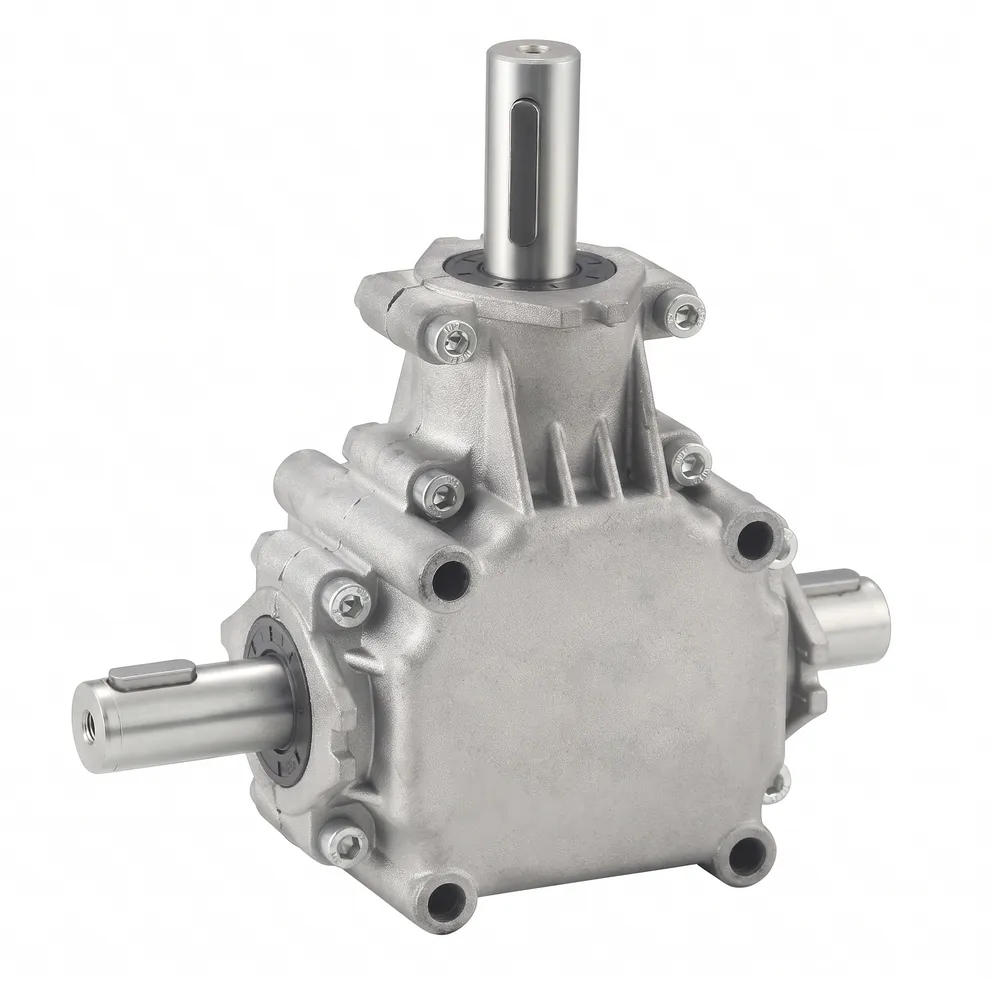
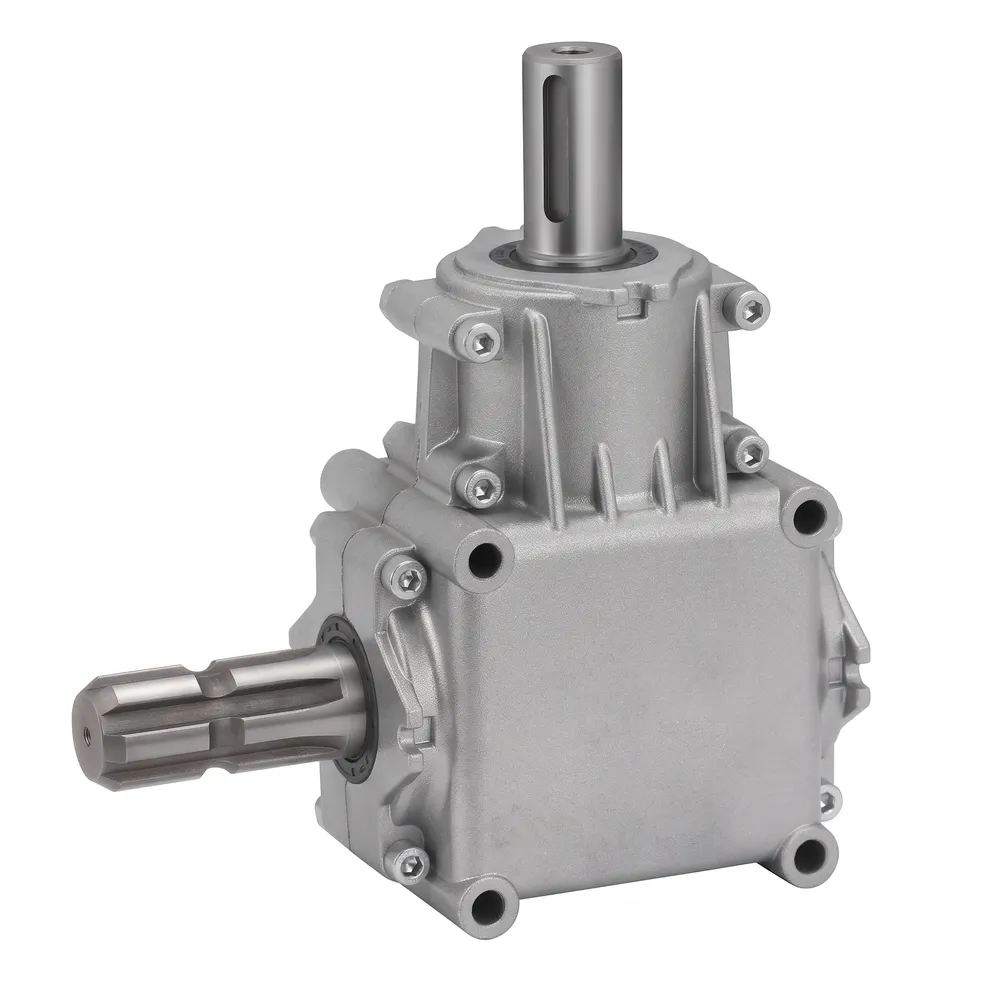
Ciri-ciri Kotak Gear Penyebar Baja
1. Perumahan Tahan Kakisan
Bahan kimia pertanian cepat menguraikan komponen logam yang tidak dilindungi. Kotak gear penyebar berkualiti tinggi menggunakan salutan pelindung khusus atau penutup keluli tahan karat yang lasak untuk mencegah karat dan degradasi struktur yang disebabkan oleh pendedahan berpanjangan kepada baja berasaskan nitrogen dan fosfat.
2. Konfigurasi Gear Serong Ketepatan
Secara dalaman, unit-unit ini bergantung pada gear serong tugas berat yang dimesin mengikut toleransi yang tepat. Reka bentuk ini memastikan pemindahan kuasa putaran yang lancar dari aci pengangkut kuasa (PTO) traktor ke cakera penyebar tanpa melangkau atau haus yang berlebihan.
3. Mekanisme Pengedap Lanjutan
Kerja lapangan mendedahkan jentera kepada habuk, kelembapan dan kersik kimia yang kuat. Pengilang menggabungkan pengedap minyak berbilang bibir dan gasket tugas berat untuk mengunci pelincir di dalam selongsong sambil menyekat sepenuhnya bahan cemar alam sekitar yang merosakkan daripada sampai ke galas dalaman yang sensitif.
4. Kapasiti Tork Tinggi untuk Beban Berubah-ubah
Operasi penyebaran selalunya memerlukan perubahan kelajuan operasi secara tiba-tiba berdasarkan keperluan tanah. Sistem transmisi direka bentuk untuk menyerap beban kejutan berat dan mengurus output tork yang tinggi, mengekalkan putaran cakera yang konsisten tanpa mengira aliran bahan yang padat atau bergumpal.
5. Sistem Pelinciran Penyelenggaraan Rendah
Petani memerlukan peralatan yang kekal di ladang dan bukannya di bengkel pembaikan. Reka bentuk kotak gear moden menggabungkan penapis gris yang mudah diakses atau sistem mandian minyak berkapasiti tinggi yang memanjangkan masa antara rutin servis biasa dan memudahkan penyelenggaraan bermusim.
6. Keupayaan Pelesapan Terma
Operasi berterusan semasa musim puncak penanaman menghasilkan haba dalaman yang ketara. Perumah luaran mempunyai struktur bergaris geometri khusus yang bertindak sebagai penyerap haba, menarik suhu tinggi daripada bahagian yang bergerak untuk mencegah kerosakan bendalir dan kegagalan mekanikal.
Aplikasi Kotak Gear Penyebar Baja
1. Pertanian Tanaman: Tanaman baris, bijirin, sayur-sayuran pasar dan buah-buahan dusun semuanya memerlukan penghantaran nutrien yang konsisten pada peringkat pertumbuhan tertentu. Kotak gear penyebar baja mengawal kelajuan dan tork output supaya baja berbutir atau serbuk jatuh pada kadar yang dikalibrasi merentasi laluan ladang yang luas, mengurangkan pembaziran sambil melindungi zon akar daripada pembakaran kimia yang disebabkan oleh kepekatan yang tidak sekata.
2. Pengurusan Padang Rumput: Operasi ternakan bergantung pada kepadatan makanan ternakan dan nilai pemakanan sepanjang musim ragut. Kotak gear penyebar yang sepadan mengekalkan output putaran yang stabil merentasi rupa bumi yang tidak rata dan kelajuan tanah yang berbeza-beza, membolehkan pengendali menyelimuti padang rumput dengan campuran nitrogen, fosforus dan kalium yang membina semula bahan organik tanah dan menyokong pertumbuhan rumput yang tebal dan tinggi protein antara kitaran ragut.
3. Pengurusan Rumput dan Turf: Padang sukan, fairway golf dan taman perbandaran memerlukan program baja yang cukup tepat untuk mengelakkan jalur atau hangus. Penyebar yang dipacu kotak gear menterjemahkan input PTO atau motor kepada putaran cakera yang lancar dan boleh diulang, memberikan pengurus rumput konsistensi lebar hamparan dan kawalan kadar yang diperlukan untuk memastikan permukaan trafik tinggi padat, berdaya tahan dan seragam secara visual melalui penggunaan bermusim yang banyak.
4. Hortikultur dan Nurseri: Bangku rumah hijau dan barisan nurseri luar mengandungi tumbuhan pada peringkat pertumbuhan yang sangat berbeza, setiap satunya dengan toleransi pemakanan yang berbeza. Kotak gear penyebar dengan nisbah output boleh laras membolehkan pekerja mendail aplikasi zarah halus isipadu rendah tanpa mengganggu sistem akar cetek atau mencemari stok bekas bersebelahan dengan hanyutan baja di luar sasaran.
5. Lanskap dan Berkebun: Taman kediaman, batas bunga perbandaran dan ruang hijau komersial sering menampilkan sempadan yang tidak teratur dan tanaman campuran yang memerlukan operasi henti dan mula tanpa sisa penggumpalan granul. Perhimpunan kotak gear padat pada penyebar berjalan di belakang atau yang dipasang pada traktor mengekalkan kelajuan cakera yang konsisten dari saat pengendali mengaktifkan pemacu, memastikan setiap meter persegi menerima beban nutrien yang dikira sama tanpa mengira kelajuan pengendali.
6. Pengagihan Pindaan Tanah: Kapur pertanian, gipsum, bioarang dan bahan organik yang dikompos berkongsi cabaran fizikal iaitu ketumpatan pukal dan saiz zarah yang berubah-ubah, yang menyebabkan sistem graviti konvensional mengukur secara tidak konsisten. Kotak gear penyebar yang dibina khas mengimbangi melalui penghantaran tork yang stabil di bawah turun naik beban, membolehkan petani dan pengurus tanah memasukkan pindaan secara sekata ke dalam profil tanah dan mencapai pembetulan pH atau penambahbaikan struktur yang disasarkan oleh program agronomi mereka.
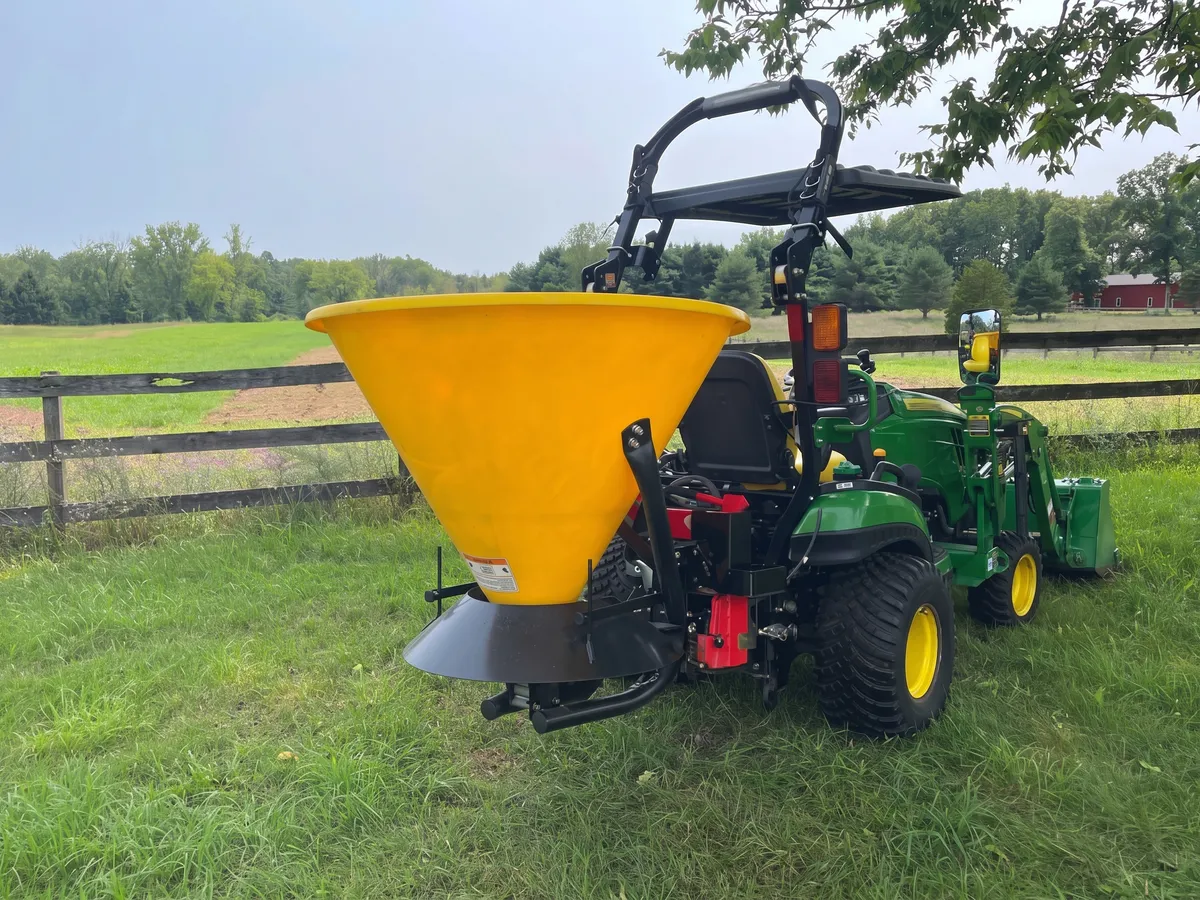
Pengurusan Rumput dan Turf
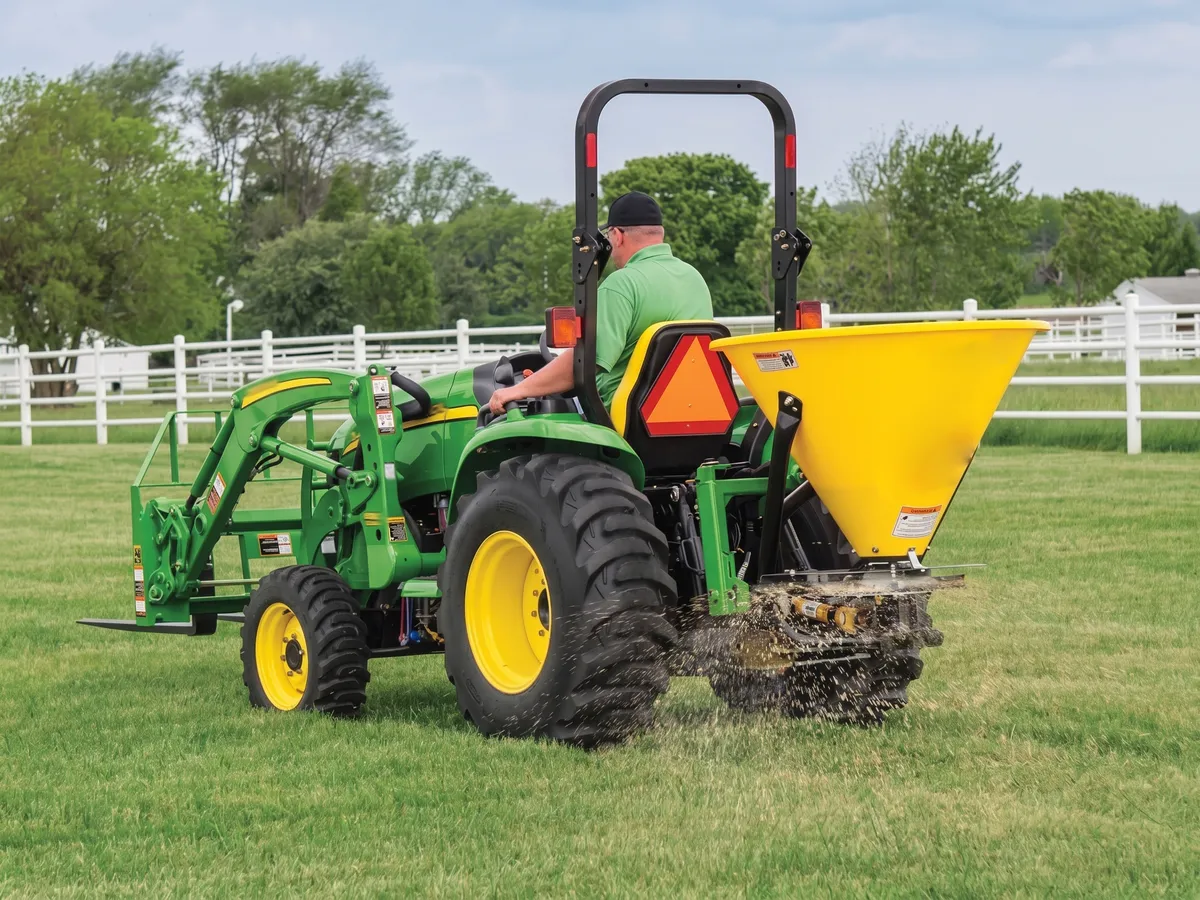
Landskap dan Berkebun
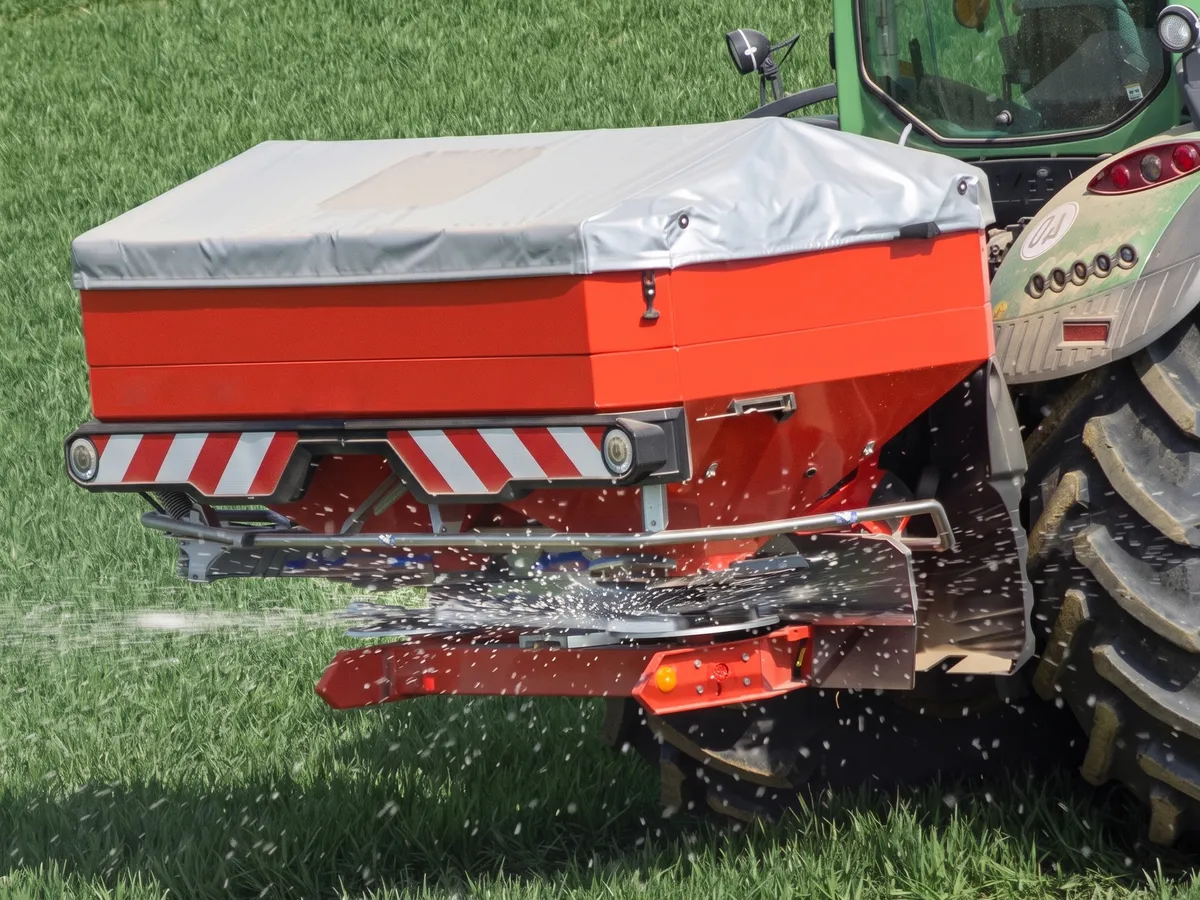
Pertanian Tanaman