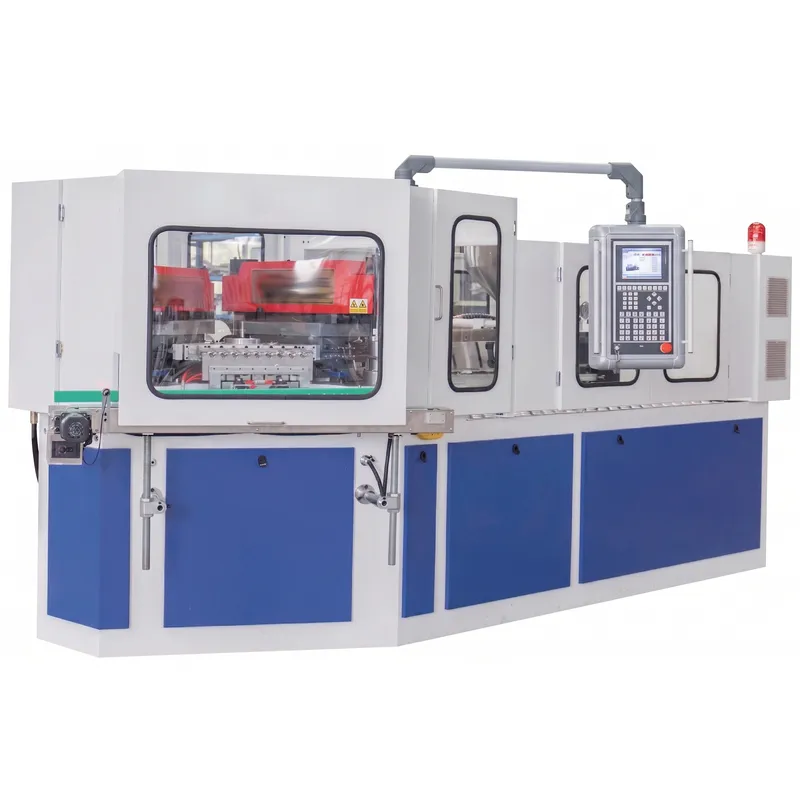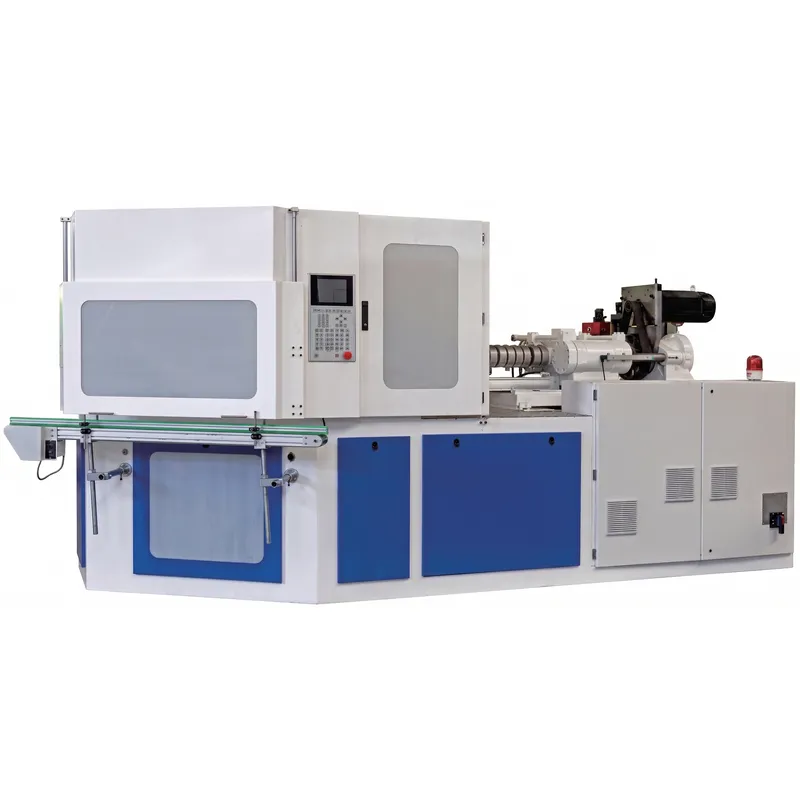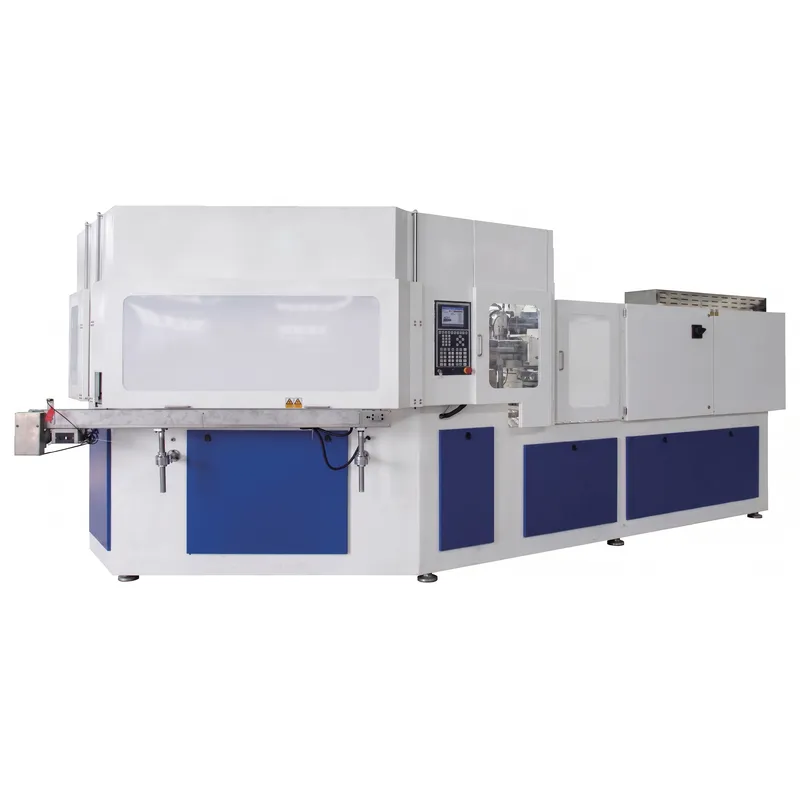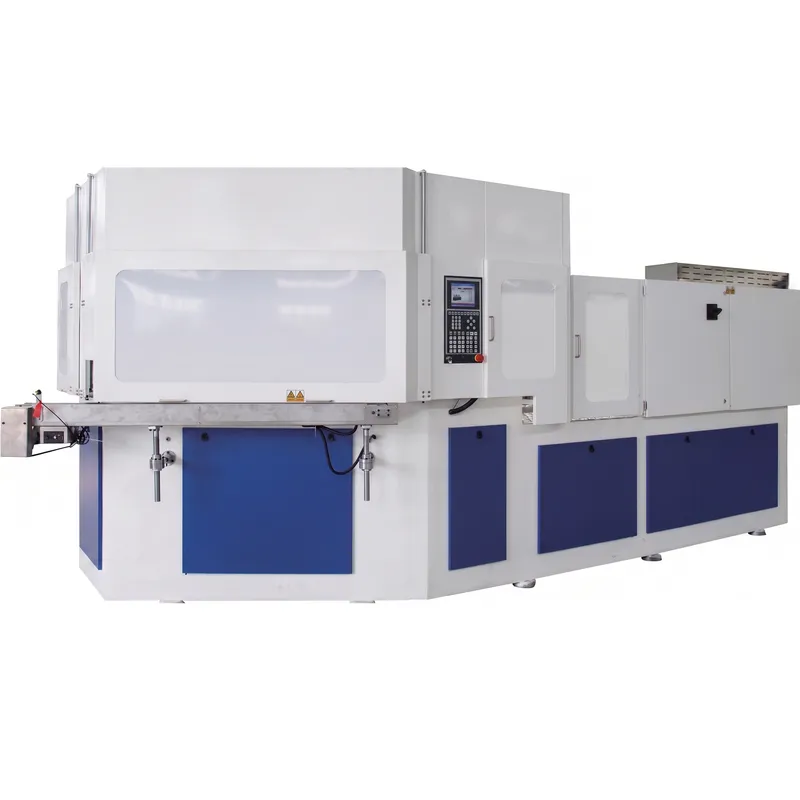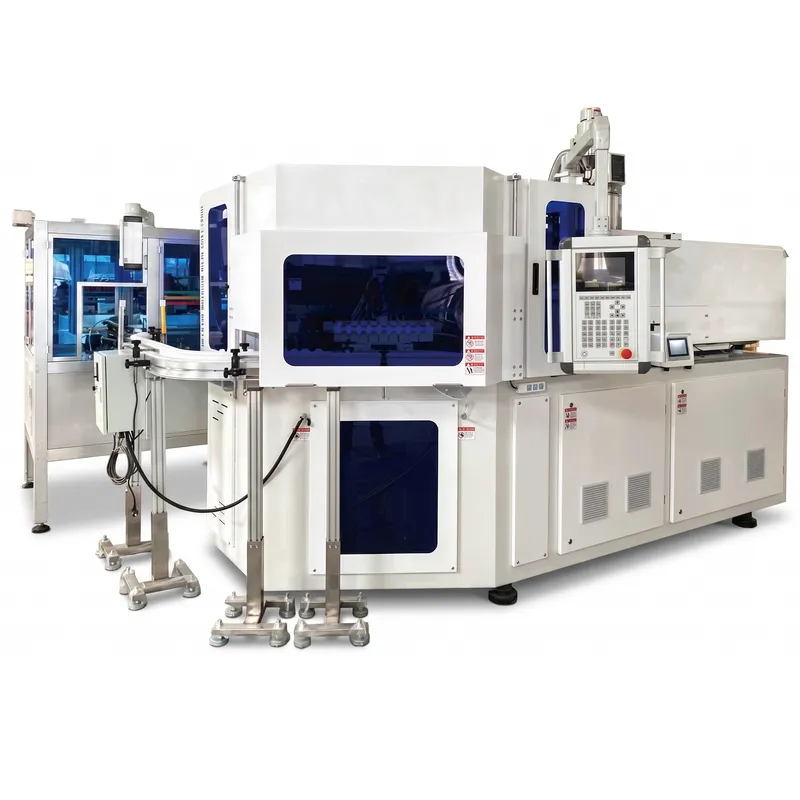
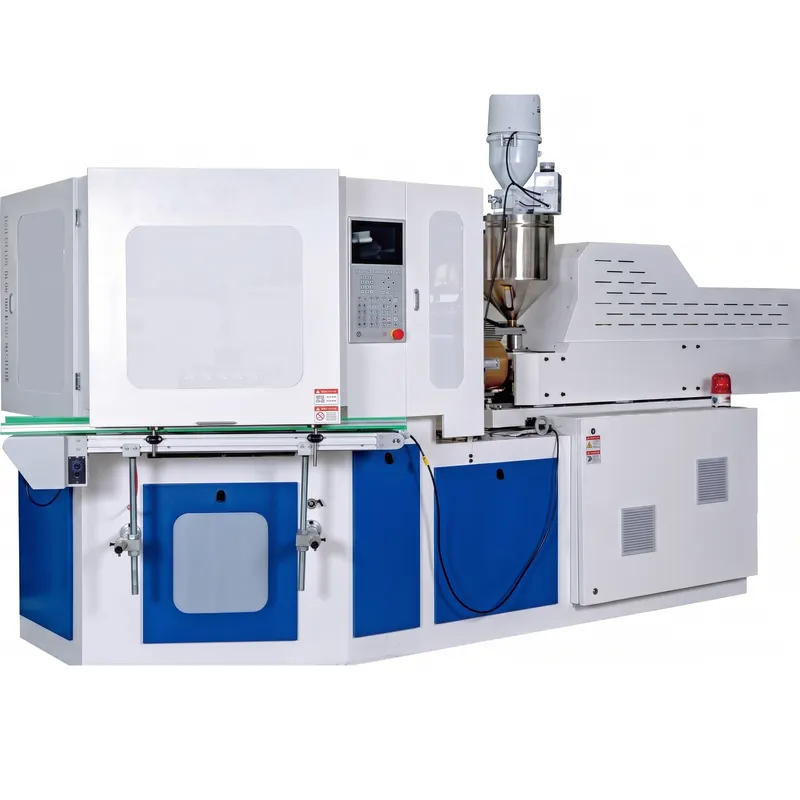
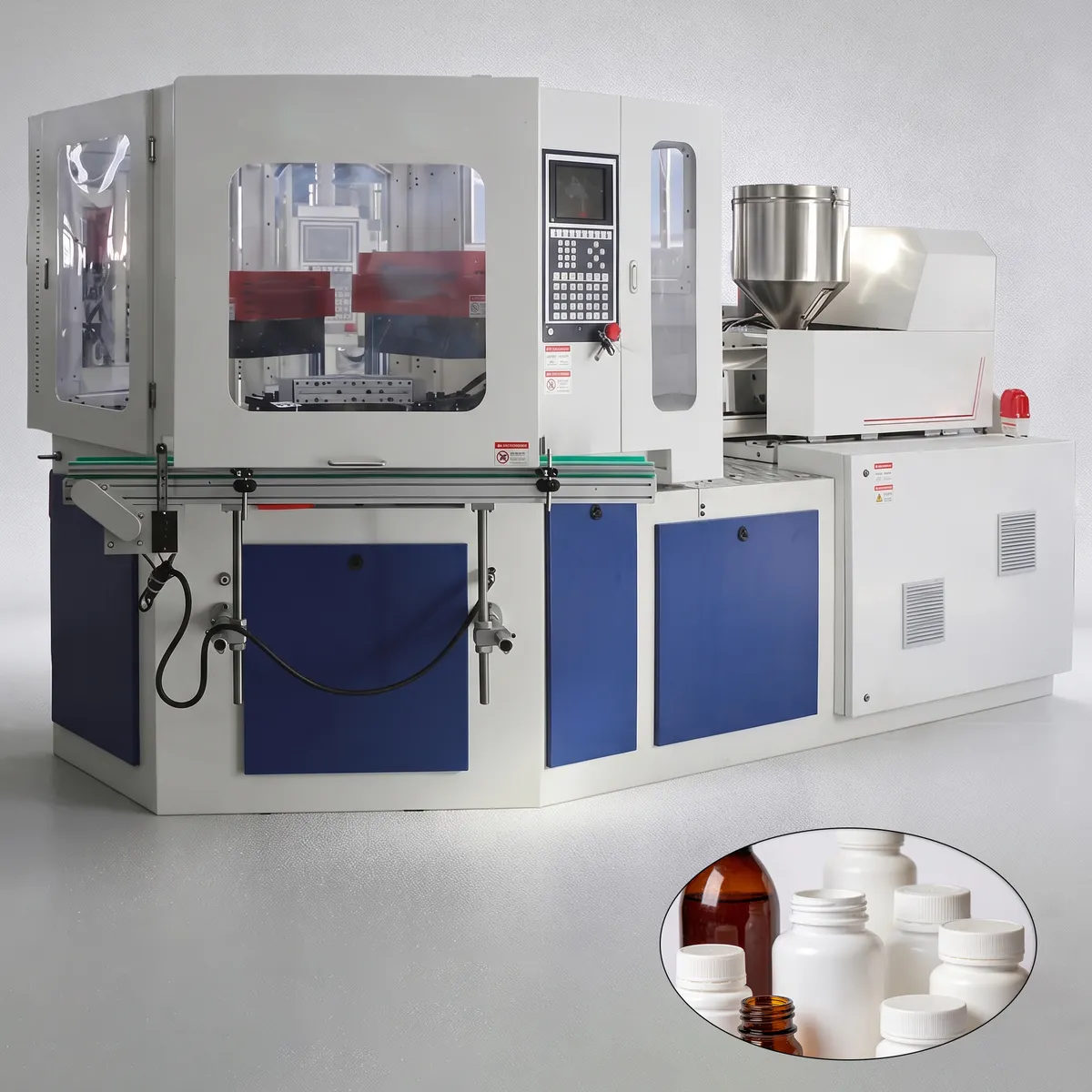
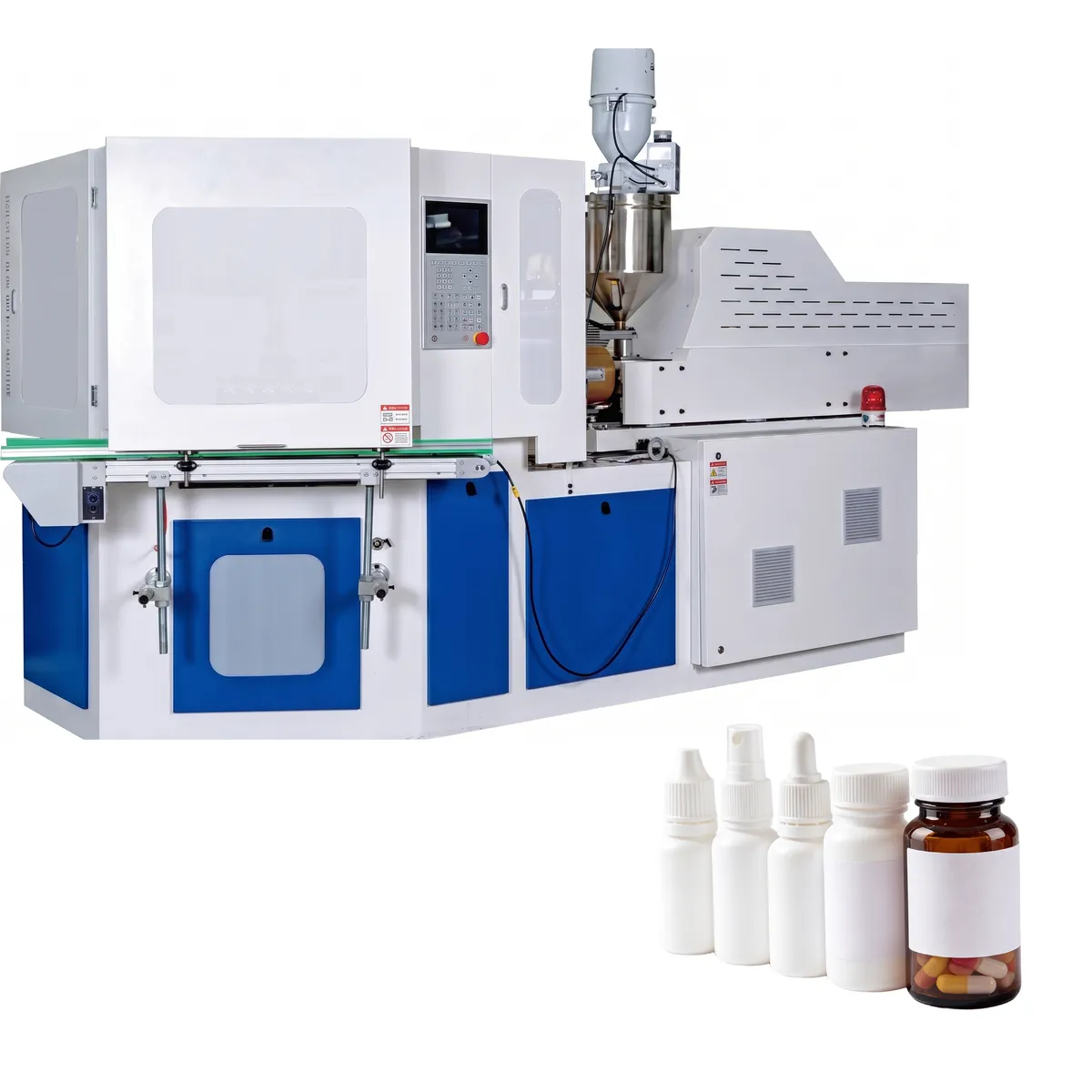
ZQ40 इंजेक्शन ब्लो मोल्डिंग मशीन (यूरोपीय)
हमारी ZQ40 इंजेक्शन ब्लो मोल्डिंग मशीन में पूर्ण यूरोपीय शैली का संरचनात्मक डिज़ाइन समाहित है, जो दीर्घकालिक स्थिर संचालन के लिए एक ठोस आधार प्रदान करता है। बाज़ार में उपलब्ध समान इंजेक्शन ब्लो मोल्डिंग मशीनों की तुलना में 20%-30% अधिक अवमंदन बल के साथ, यह वर्कपीस की एकसमान दीवार मोटाई और त्रुटिहीन फिनिश सुनिश्चित करता है। मानक सर्वो रोटेशन प्रणाली सटीक नियंत्रण और सरल संचालन को सक्षम बनाती है, जिससे ऑपरेटरों के लिए सीखने की प्रक्रिया आसान हो जाती है।
ZQ40 इंजेक्शन ब्लो मोल्डिंग मशीन (यूरोपीय)
हमारी ZQ40 इंजेक्शन ब्लो मोल्डिंग मशीन में पूर्ण यूरोपीय शैली का संरचनात्मक डिज़ाइन है, जो दीर्घकालिक स्थिर संचालन के लिए एक ठोस आधार प्रदान करता है। बाज़ार में उपलब्ध समान इंजेक्शन ब्लो मोल्डिंग मशीनों की तुलना में 20%-30% अधिक अवमंदन बल के साथ, यह वर्कपीस की एकसमान दीवार मोटाई और त्रुटिहीन फिनिश सुनिश्चित करता है। मानक सर्वो रोटेशन प्रणाली सटीक नियंत्रण और सरल संचालन को सक्षम बनाती है, जिससे ऑपरेटरों के लिए सीखने की प्रक्रिया आसान हो जाती है। अद्वितीय दबावयुक्त क्लैम्पिंग संरचना के कारण, बूस्टर सिलेंडर मोल्ड खोलने या बंद करने में भाग नहीं लेता है, जिससे न केवल क्लैम्पिंग स्थिरता में सुधार होता है, बल्कि उद्योग मानकों की तुलना में ऊर्जा खपत भी 10%-20% कम हो जाती है। यह IBM मशीन उन निर्माताओं के लिए असाधारण सटीकता प्रदान करने के लिए डिज़ाइन की गई है जो न्यूनतम दोषों के साथ उच्च मात्रा में उत्पादन चाहते हैं।
विभिन्न प्रकार की पैकेजिंग के लिए डिज़ाइन की गई ZQ40 प्लास्टिक इंजेक्शन ब्लो मोल्डिंग मशीन का व्यापक रूप से फार्मास्युटिकल बोतल उत्पादन, कॉस्मेटिक कंटेनर निर्माण, खाद्य-ग्रेड पैकेजिंग और दैनिक रासायनिक उत्पाद पैकेजिंग में उपयोग किया जाता है। चाहे आपको 10 मिलीलीटर की छोटी आईड्रॉपर बोतलें बनानी हों या 1000 मिलीलीटर के बड़े कंटेनर, यह इंजेक्शन ब्लो मोल्डिंग मशीन आधुनिक उत्पादन लाइनों की मांग के अनुसार लचीलापन और विश्वसनीयता प्रदान करती है। मात्र 3.5 x 1.3 x 1.7 मीटर के कॉम्पैक्ट आकार और 3.8 टन के शुद्ध वजन के साथ, ZQ40 मौजूदा फैक्ट्री लेआउट में आसानी से फिट हो जाती है, साथ ही उद्योग-अग्रणी उत्पादन दर और ऊर्जा दक्षता प्रदान करती है, जो इसे दुनिया भर में इंजेक्शन ब्लो मोल्डिंग मशीन निर्माताओं के बीच एक शीर्ष विकल्प बनाती है।
मोल्ड कैविटेशन (संदर्भ के लिए)
| लगभग आयतन | 10 मिलीलीटर | 30 मिलीलीटर | 60 मिलीलीटर | 100 मिलीलीटर | 250 मिलीलीटर | 500 मिलीलीटर | 1000 मिलीलीटर |
|---|---|---|---|---|---|---|---|
| अधिकतम गुहा | 9 | 8 | 6 | 4 | 3 | 2 | 1 |
तकनीकी मापदंड
| वस्तु | इकाई | जेडक्यू40 |
|---|---|---|
| इंजेक्शन प्रणाली | ||
| पेंच का व्यास | मिमी | 40/45 |
| स्क्रू एल/डी | % | 22:1 |
| इंजेक्शन का वजन! | जी | 190/260 |
| तापन शक्ति | किलोवाट | 7.5 |
| बैरल ज़ोन की संख्या | 3+एन | |
| इंजेक्शन स्ट्रोक | मिमी | 120 |
| क्लैम्पिंग सिस्टम | ||
| इंजेक्शन का क्लैम्पिंग बल | के.एन. | 400 |
| इंजेक्शन के लिए प्रारंभिक चरण | मिमी | 165 |
| सी लैंपिंग बल | के.एन. | 60 |
| फूंक मारने के लिए शुरुआती स्ट्रोक | मिमी | 140 |
| रोटरी टेबल की उठाने की ऊँचाई | मिमी | 70 |
| ढालना | ||
| प्लेटन का अधिकतम आकार (लंबाई x चौड़ाई) | मिमी | 480x340 |
| मोल्ड की मोटाई | मिमी | 180 |
| बोतल का व्यास | मिमी | 120 |
| बोतल की ऊंचाई | मिमी | 220 |
| उपयुक्त बोतल की ऊंचाई | मिमी | 1-1500 |
| स्ट्रिपिंग स्ट्रोक | मिमी | 220 |
| हाइड्रोलिक प्रणाली | ||
| हाइड्रोलिक दबाव | मानचित्र | 14 |
| मोटर शक्ति | किलोवाट | 11 |
| शुष्क चक्र | एस | 3.5 |
| कुल शक्ति | किलोवाट | 20 |
| परिचालन शक्ति | % | 52-70 |
| अन्य | ||
| संपीड़ित वायु का न्यूनतम वायु दाब | एमपीए | 0.7- 1.2 |
| संपीड़ित वायु क्षमता | एम³/मिनट | 0.7 |
| जल प्रवाह | एम³/घंटा | 3.5 |
| शीतलन जल दबाव | एमपीए | 0.3-0.4 |
| आयाम (लंबाई x चौड़ाई x ऊंचाई) | एम | 3.5x1.3x1.7 |
| शुद्ध वजन | टन | 3.8 |
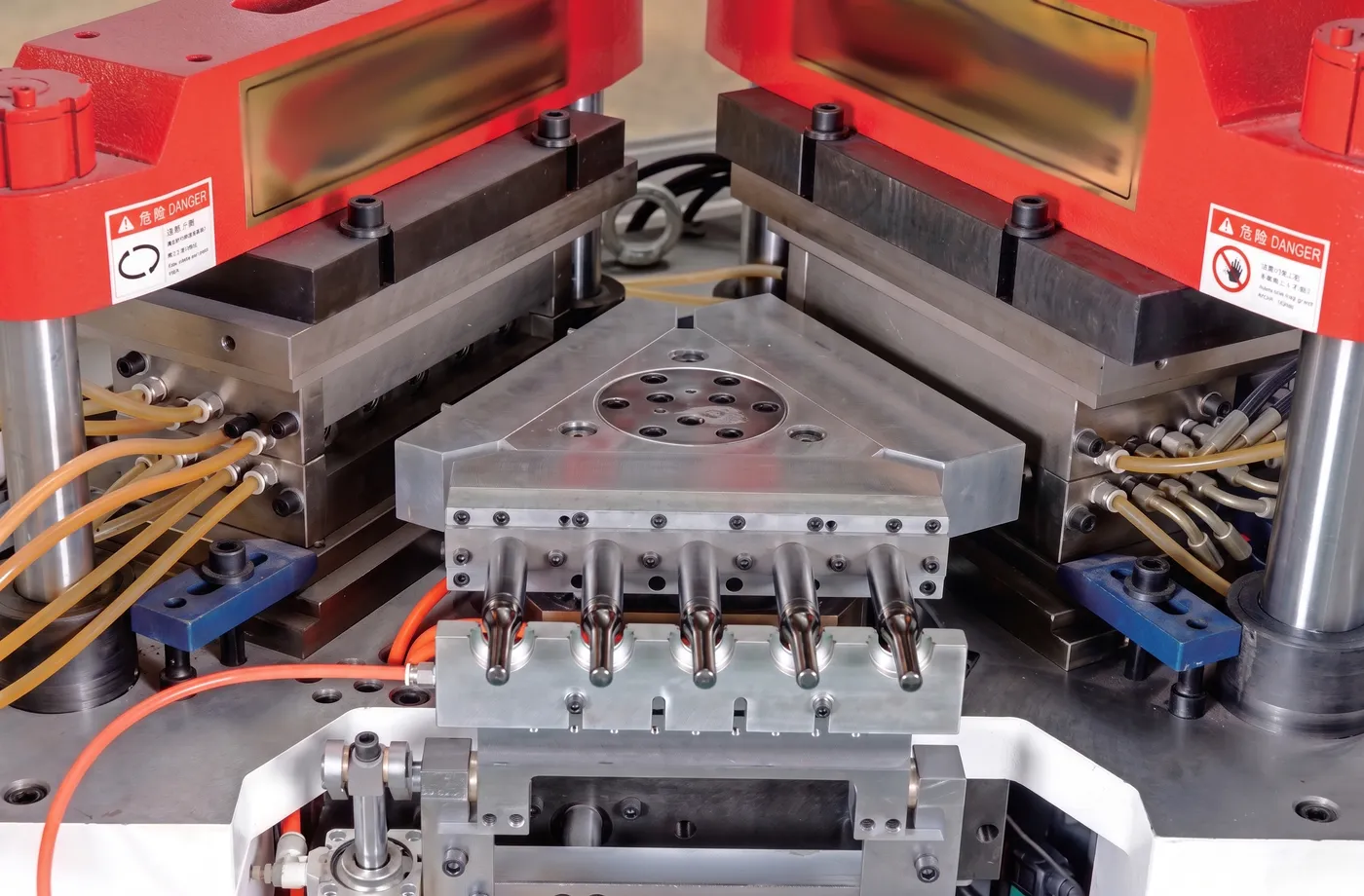
ZQ40 इंजेक्शन ब्लो मोल्डिंग मशीन के घटक
| 1 | स्टॉक तैयार करने/इंजेक्शन लगाने का उपकरण | 2 | हॉट रनर |
| 3 | कोर रॉड | 4 | बोतल प्रीफॉर्म |
| 5 | इंजेक्शन मोल्ड | 6 | इंजेक्शन स्टेशन |
| 7 | ब्लो स्टेशन | 8 | ब्लो मोल्ड |
| 9 | स्ट्रिपिंग स्टेशन |
ब्रांड और मॉडल को बदला जा सकता है
| सीएमएन | शिकंजे का बल | जोमर | सुमा | यूनिलॉय | ब्लोमा |
| जेडक्यू40 | 40टी | आईबीएम40 | 40iB | यूआईबी70 | आईबीएम45 |
| जेडक्यू60 | 60टी | आईबीएम65 | 65iB | UIB90 | आईबीएम50 |
| ZQ80 | 80टी | आईबीएम85एस | 85iB | यूआईबी120 | आईबीएम85 |
| जेडक्यू110 | 110टी | आईबीएम135 | 135iB | यूआईबी150 | आईबीएम135 |
| जेडक्यू135 | 135टी | आईबीएम175 | 175iB | यूआईबी180 |
आईबीएम मशीन स्क्रू व्यास
| सीएमएन | पेंच का व्यास | जोमर | सुमा | ब्लोमा |
| जेडक्यू40 | 40/45 | 35/40 | 40 | 45 |
| जेडक्यू60 | 45/50 | 45 | 40/50 | 50 |
| ZQ80 | 55 | 55 | 50/60 | 50 |
| जेडक्यू110 | 65 | 65 | 65/76 | 70 |
| जेडक्यू135 | 70 | 70 | 65/76 |
आईबीएम मशीन इंजेक्शन वजन
| सीएमएन | इंजेक्शन का वजन | जोमर | सुमा | ब्लोमा |
| जेडक्यू40 | 190/260 | 180 | 169 | 180 |
| जेडक्यू60 | 260/383 | 205 | 169/264 | 240 |
| ZQ80 | 466 | 300 | 333/480 | 310/280 |
| जेडक्यू110 | 540 | 450/550 | 580/770 | 560 |
| जेडक्यू135 | 650 | 450/550 | 580/770 |
आईबीएम मशीन इंजेक्शन क्लैम्पिंग बल
| सीएमएन | इंजेक्शन क्लैम्पिंग बल | जोमर | सुमा | ब्लोमा |
| जेडक्यू40 | 400KN | 340KN | 386KN | 350KN |
| जेडक्यू60 | 600KN | 460KN | 580KN | 500KN |
| ZQ80 | 800 केएन | 680KN | 720KN | 700 केएन |
| जेडक्यू110 | 1100KN | 1210 केएन | 1200KN | 1250KN |
| जेडक्यू135 | 1350KN | 1560KN | 1600KN |
आईबीएम मशीन मोल्ड का आकार
| सीएमएन | मोल्ड का आकार | जोमर | सुमा | ब्लोमा |
| जेडक्यू40 | 480 × 340 | 394 × 508 | 470 × 350 | 450 × 390 |
| जेडक्यू60 | 600 × 390 | 432 × 660 | 620 × 400 | 620 × 430 |
| ZQ80 | 800 × 400 | 464 × 749 | 700 × 400 | 620 × 430 |
| जेडक्यू110 | 1100 × 460 | 559 × 1118 | 1000 × 500 | 900 × 480 |
| जेडक्यू135 | 1300 × 500 | 635 × 1372 | 1200 × 600 |
आईबीएम मशीन का आकार
| सीएमएन | सांचे का आकार (मील) | जोमर | सुमा | ब्लोमा |
| जेडक्यू40 | 3.8 × 1.3 × 1.7 | 2.72 × 1.9 × 2.75 | 3.8 × 1.5 × 2.3 | 4.05 × 1.52 × 2.55 |
| जेडक्यू60 | 3.8 × 1.4 × 1.8 | 2.92 × 1.98 × 3.41 | 4 × 1.7 × 2.3 | 620 × 430 × 2.55 |
| ZQ80 | 4.5 × 1.6 × 2 | 3.33 × 1.94 × 3.41 | 4.5 × 2 × 2.6 | 620 × 430 × 2.55 |
| जेडक्यू110 | 5 × 1.8 × 2.2 | 3.79 × 2.4 × 3.41 | 5 × 2.4 × 2.7 | 900 × 480 × 2.55 |
| जेडक्यू135 | 5.5 × 2 × 2.4 | 4.22 × 2.67 × 3.58 | 6 × 2.6 × 2.7 |
नोट: ब्रांडों का उल्लेख केवल ग्राहकों को उत्पाद चुनने में मदद करने के लिए किया गया है, न कि उन ब्रांडों के उत्पादों को बेचने के लिए।
ZQ40 आईबीएम मशीन की प्रमुख विशेषताएं
1. पूर्ण सर्वो मोटर ड्राइव प्रणाली
यह पूरी तरह से इलेक्ट्रिक इंजेक्शन ब्लो मोल्डिंग मशीन एक पूर्ण सर्वो मोटर ड्राइव सिस्टम का उपयोग करती है, जिससे मशीन की सभी गतिविधियों में हाइड्रोलिक तेल की आवश्यकता पूरी तरह समाप्त हो जाती है। पारंपरिक हाइड्रोलिक घटकों को हटाकर, ZQ40 एक स्वच्छ, शांत और पर्यावरण के अनुकूल उत्पादन वातावरण प्रदान करती है। सर्वो-चालित संरचना रखरखाव की आवश्यकताओं को भी काफी कम करती है, संवेदनशील पैकेजिंग अनुप्रयोगों में तेल संदूषण के जोखिम को कम करती है, और मोल्डिंग चक्र के हर चरण में मशीन का सुचारू और अधिक प्रतिक्रियाशील नियंत्रण प्रदान करती है।
2. 20% कम चक्र समय
परंपरागत इंजेक्शन ब्लो मोल्डिंग मशीनों की तुलना में, ZQ40 का चक्र समय 20% कम है। मानक 30 मिलीलीटर की बोतलों के लिए, प्रत्येक उत्पादन चक्र मात्र 8.2 सेकंड में पूरा हो जाता है, जिससे प्रतिदिन लगभग 105,000 बोतलों का उत्पादन होता है और इसकी अधिकतम क्षमता 115,000 बोतलों तक पहुँच जाती है। यह उत्कृष्ट उत्पादन क्षमता ZQ40 को उच्च मात्रा में फार्मास्युटिकल और कॉस्मेटिक कंटेनर उत्पादन के लिए सर्वश्रेष्ठ इंजेक्शन ब्लो मोल्डिंग मशीन विकल्पों में से एक बनाती है, जहाँ गति और निरंतरता आपूर्ति की मांग को पूरा करने के लिए महत्वपूर्ण हैं।
3. उच्च परिशुद्धता के साथ 30% ऊर्जा बचत
इस आईबीएम इंजेक्शन ब्लो मोल्डिंग मशीन की ऊर्जा खपत पारंपरिक मॉडलों की तुलना में लगभग 30% कम है, जो 30 मिलीलीटर की बोतल के उत्पादन के दौरान केवल 12 किलोवाट-घंटे प्रति घंटा ऊर्जा की खपत करती है। मशीन काफी कम शोर करती है, जिससे काम करने का वातावरण अधिक आरामदायक हो जाता है। सर्वो सिस्टम में एकीकृत एब्सोल्यूट एनकोडर के साथ, ZQ40 असाधारण रूप से सटीक दोहराव और स्थिति निर्धारण सुनिश्चित करता है। विशेष क्लैम्पिंग संरचना 40 से 80 टन तक समायोज्य क्लैम्पिंग बल की अनुमति देती है, जिससे प्रदर्शन में कोई कमी किए बिना उत्पादों की विभिन्न विशिष्टताओं को पूरा किया जा सकता है।
4. स्वच्छ बॉटम-अप डिज़ाइन
ZQ40 इंजेक्शन ब्लोइंग मोल्डिंग मशीन में नीचे से ऊपर की ओर खुलने वाला संरचनात्मक डिज़ाइन है जो पूरे मोल्ड क्षेत्र को चिकनाई वाले तेल से पूरी तरह मुक्त रखता है। यह स्वच्छ संरचना विशेष रूप से फार्मास्युटिकल पैकेजिंग, खाद्य-ग्रेड कंटेनर और उच्च गुणवत्ता वाली प्लास्टिक की बोतलों के लिए आवश्यक सख्त स्वच्छता मानकों को पूरा करने के लिए डिज़ाइन की गई है। विनियमित उद्योगों में निर्माताओं के लिए, यह तेल-मुक्त मोल्ड क्षेत्र संदूषण के जोखिम को समाप्त करता है, उत्पाद की शुद्धता सुनिश्चित करता है और प्राथमिक पैकेजिंग सामग्री के लिए GMP और FDA दिशानिर्देशों द्वारा आवश्यक सत्यापन प्रक्रिया को सरल बनाता है।
5. इलेक्ट्रिक सिलेंडर-चालित इंजेक्शन यूनिट
बिक्री के लिए उपलब्ध पूर्णतः अनुकूलित इंजेक्शन ब्लो मोल्डिंग मशीन ZQ40 में एक इलेक्ट्रिक सिलेंडर-चालित इंजेक्शन इकाई है जो पूरे उत्पादन चक्र में बेहतर इंजेक्शन स्थिरता प्रदान करती है। यह उन्नत ड्राइव तंत्र पारंपरिक हाइड्रोलिक इंजेक्शन प्रणालियों का स्थान लेता है, जिसके परिणामस्वरूप रखरखाव लागत में काफी कमी आती है और प्रत्येक शॉट में अधिक सुसंगतता सुनिश्चित होती है। इलेक्ट्रिक सिलेंडर सटीक दबाव और गति नियंत्रण प्रदान करता है, जिससे निर्माता विभिन्न सामग्रियों और बोतल ज्यामिति के लिए इंजेक्शन मापदंडों को ठीक से समायोजित कर सकते हैं, जो इष्टतम दीवार मोटाई वितरण और सतह गुणवत्ता प्राप्त करने के लिए आवश्यक है।
6. पूर्ण स्वचालन अनुकूलता
ZQ40 ब्लो इंजेक्शन मोल्डिंग मशीन का पिछला कन्वेयर आगे के स्वचालित उपकरणों के साथ सहज एकीकरण के लिए डिज़ाइन किया गया है। यह बोतल के भीतर बाहरी कणों, बोतल के मुख पर अपर्याप्त सामग्री और बोतल के असमान तलों का पता लगाने के लिए दृश्य निरीक्षण प्रणालियों के साथ पूरी तरह से संगत है। मशीन को साइड-लीक परीक्षकों, लेबलिंग मशीनों और स्वचालित पैकेजिंग उपकरणों से भी जोड़ा जा सकता है, जिससे मोल्डिंग से लेकर तैयार पैकेजिंग तक पूरी तरह से स्वचालित उत्पादन लाइन बिना किसी मानवीय हस्तक्षेप के संचालित हो सकती है।
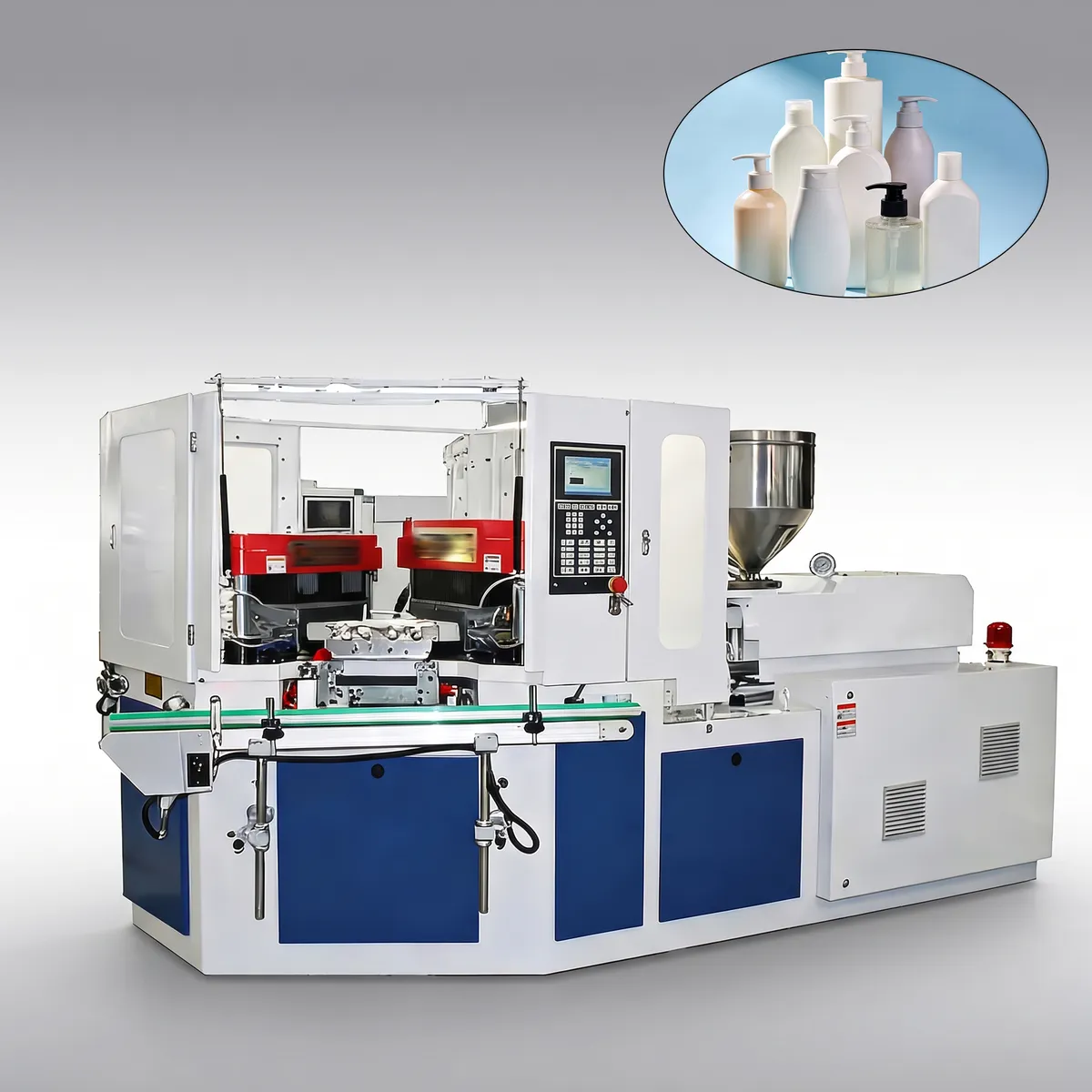
इंजेक्शन ब्लो मोल्डिंग मशीन का कार्य सिद्धांत
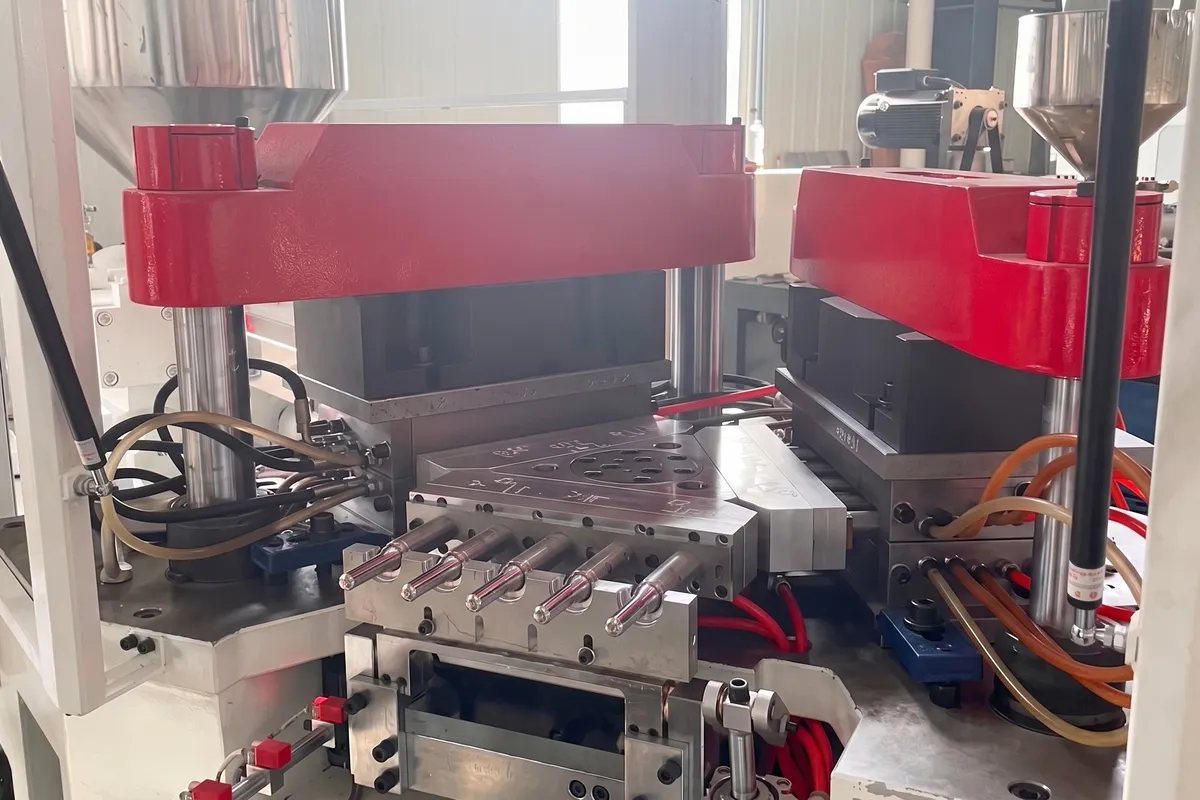
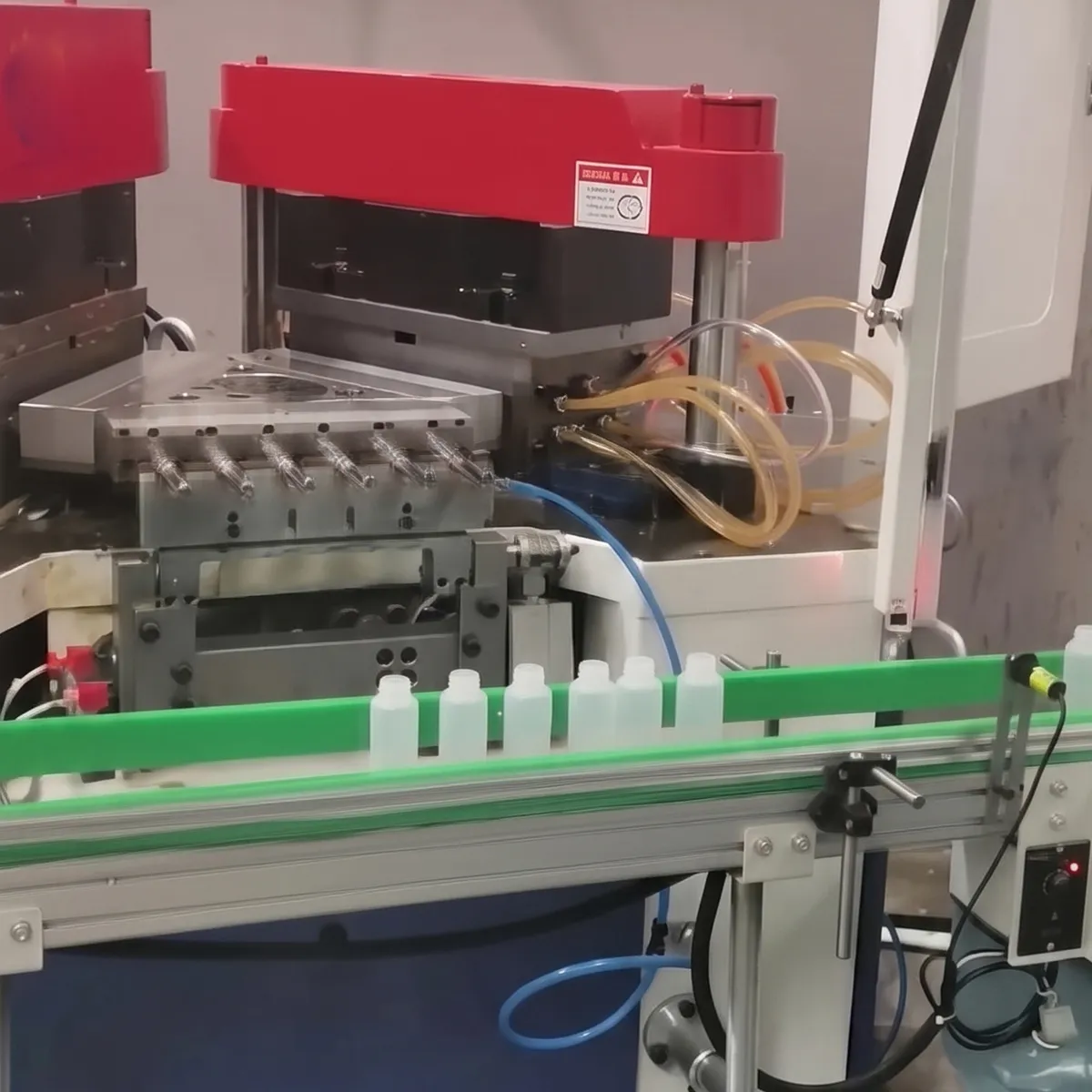
ZQ40 वन-स्टेप इंजेक्शन ब्लो मोल्डिंग मशीन एक सिंक्रोनाइज़्ड थ्री-स्टेशन रोटरी प्रक्रिया के माध्यम से काम करती है, जो इंजेक्शन, ब्लोइंग और स्ट्रिपिंग को एक ही निरंतर उत्पादन चक्र में संयोजित करती है। यह एकीकृत दृष्टिकोण दक्षता को अधिकतम करते हुए अपशिष्ट को न्यूनतम करता है, जिससे यह व्यावसायिक बोतल उत्पादन के लिए उपलब्ध सबसे उन्नत इंजेक्शन ब्लो मोल्डिंग मशीनों में से एक बन जाती है।
चरण 1: इंजेक्शन लगाने की प्रक्रिया शुरू करें
प्रीफॉर्म इंजेक्शन चरण के दौरान, कच्चे प्लास्टिक पदार्थ को गर्म किया जाता है और सटीक रूप से नियंत्रित स्क्रू और बैरल सिस्टम के माध्यम से इंजेक्शन मोल्ड कैविटी में इंजेक्ट किया जाता है। इस स्टेशन पर थ्रेड्स और सीलिंग सतहों सहित बोतल का ऊपरी भाग उच्च आयामी सटीकता के साथ ढाला जाता है। प्रीफॉर्म (पैरीसन) का सही आकार, वजन और सामग्री वितरण सुनिश्चित करने के लिए तापमान, दबाव और समय के संदर्भ में इंजेक्शन प्रक्रिया को सावधानीपूर्वक नियंत्रित किया जाता है। एक बार जब प्रीफॉर्म पर्याप्त रूप से ठंडा और ठोस हो जाता है और अपना आकार बनाए रखता है, तो मोल्ड खुल जाता है और प्रीफॉर्म को ले जाने वाले मैंड्रेल को रोटरी टेबल द्वारा उत्पादन के अगले चरण के लिए ब्लो मोल्डिंग स्टेशन पर स्थानांतरित कर दिया जाता है।
चरण 2: ब्लो मोल्डिंग
ब्लो मोल्डिंग स्टेशन पर, कोर रॉड मैंड्रेल के माध्यम से संपीड़ित हवा डाली जाती है ताकि गर्म प्रीफॉर्म को ब्लो मोल्ड कैविटी की दीवारों के विरुद्ध बाहर की ओर फुलाया जा सके। बोतल का आकार और अंतिम आयाम ब्लो मोल्ड डिज़ाइन द्वारा निर्धारित होते हैं, और इस स्टेशन पर कैविटी की संख्या लक्षित बोतल के आकार पर निर्भर करती है। जैसे ही दबावित हवा पैरिसन को फैलाती है, नरम प्लास्टिक मोल्ड के आंतरिक किनारों के अनुरूप सटीक रूप से ढल जाता है, जिससे एक निर्बाध, एकसमान कंटेनर बॉडी बनती है। बोतल के आकार को स्थिर करने के लिए थोड़े समय के शीतलन के बाद, ब्लो मोल्ड खुलता है और रोटरी टेबल मैंड्रेल और तैयार बोतल को स्ट्रिपिंग स्टेशन तक ले जाती है।
चरण 3: छीलना
स्ट्रिपिंग स्टेशन पर, तैयार बोतलें स्ट्रिपिंग मैकेनिज़्म द्वारा ठंडी कोर रॉड से स्वचालित रूप से बाहर निकल जाती हैं। बाहर निकली बोतलों को निरीक्षण, लेबलिंग या पैकेजिंग के लिए आगे के उपकरणों तक पहुँचाया जाता है। महत्वपूर्ण बात यह है कि इंजेक्शन ब्लो मोल्डिंग प्रक्रिया की तीनों क्रियाएँ (इंजेक्शन, ब्लोइंग और स्ट्रिपिंग) अपने-अपने स्टेशनों पर एक साथ चलती हैं। जब प्रीफॉर्म के एक सेट में इंजेक्शन लगाया जा रहा होता है, तो दूसरे सेट को बोतलों में ढाला जा रहा होता है, और तैयार बोतलों के तीसरे सेट से स्ट्रिपिंग की जा रही होती है। यह एक साथ चलने वाली प्रक्रिया ही इस इंजेक्शन ब्लो मोल्डिंग मशीन की उच्च दक्षता, कम चक्र समय और न्यूनतम सामग्री अपशिष्ट का मुख्य कारण है।
अनुप्रयोग उद्योग
1. रासायनिक बोतलें
ZQ40 इंजेक्शन ब्लो मोल्डिंग मशीन उत्कृष्ट रासायनिक प्रतिरोध और एकसमान दीवार मोटाई वाली रासायनिक बोतलें बनाती है। ये कंटेनर प्रयोगशाला अभिकर्मकों, सफाई एजेंटों, विलायकों और अन्य औद्योगिक रसायनों के भंडारण के लिए आदर्श हैं, जिन्हें रिसाव-रोधी, वायुरोधी सीलिंग और ऐसी सामग्री की आवश्यकता होती है जो लंबे समय तक भंडारण के दौरान सामग्री के साथ प्रतिक्रिया न करें।
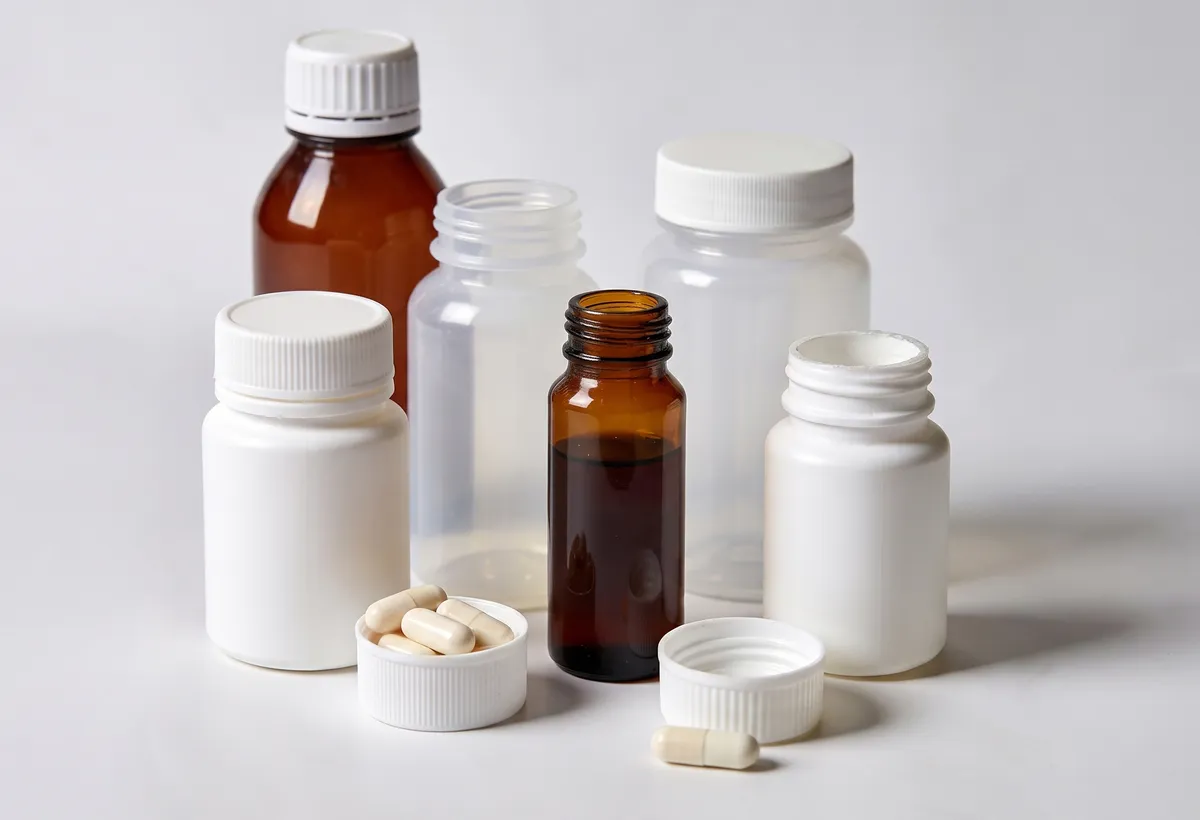
2. दवा की बोतलें
फार्मास्युटिकल पैकेजिंग में सटीकता, स्वच्छता और सामग्री की गुणवत्ता के उच्चतम मानकों की आवश्यकता होती है। ZQ40 IBM मशीन खुरदरे मुंह वाली बोतलें, 100% सीलबंद थ्रेड्स और तेल-मुक्त मोल्ड ज़ोन के कारण संदूषण का शून्य जोखिम प्रदान करती है। यह टैबलेट की बोतलों, तरल दवा के कंटेनरों, कैप्सूल की शीशियों और अन्य फार्मास्युटिकल प्राथमिक पैकेजिंग के उत्पादन के लिए उपयुक्त है और पूरी तरह से GMP मानकों का पालन करती है।
3. कॉस्मेटिक बोतलें
कॉस्मेटिक उद्योग के लिए, सतह की गुणवत्ता सर्वोपरि है। ZQ40 प्लास्टिक इंजेक्शन ब्लो मोल्डिंग मशीन यह कंपनी क्रिस्टल जैसी पारदर्शिता, चिकनी बाहरी सतह और सटीक गर्दन के आकार वाले कॉस्मेटिक कंटेनर बनाती है। यह लोशन की बोतलें, सीरम के कंटेनर, फाउंडेशन की बोतलें और प्रीमियम स्किनकेयर पैकेजिंग के निर्माण के लिए एकदम सही है, जहां ब्रांड की छवि त्रुटिहीन दृश्य प्रस्तुति और विश्वसनीय कार्यक्षमता पर निर्भर करती है।
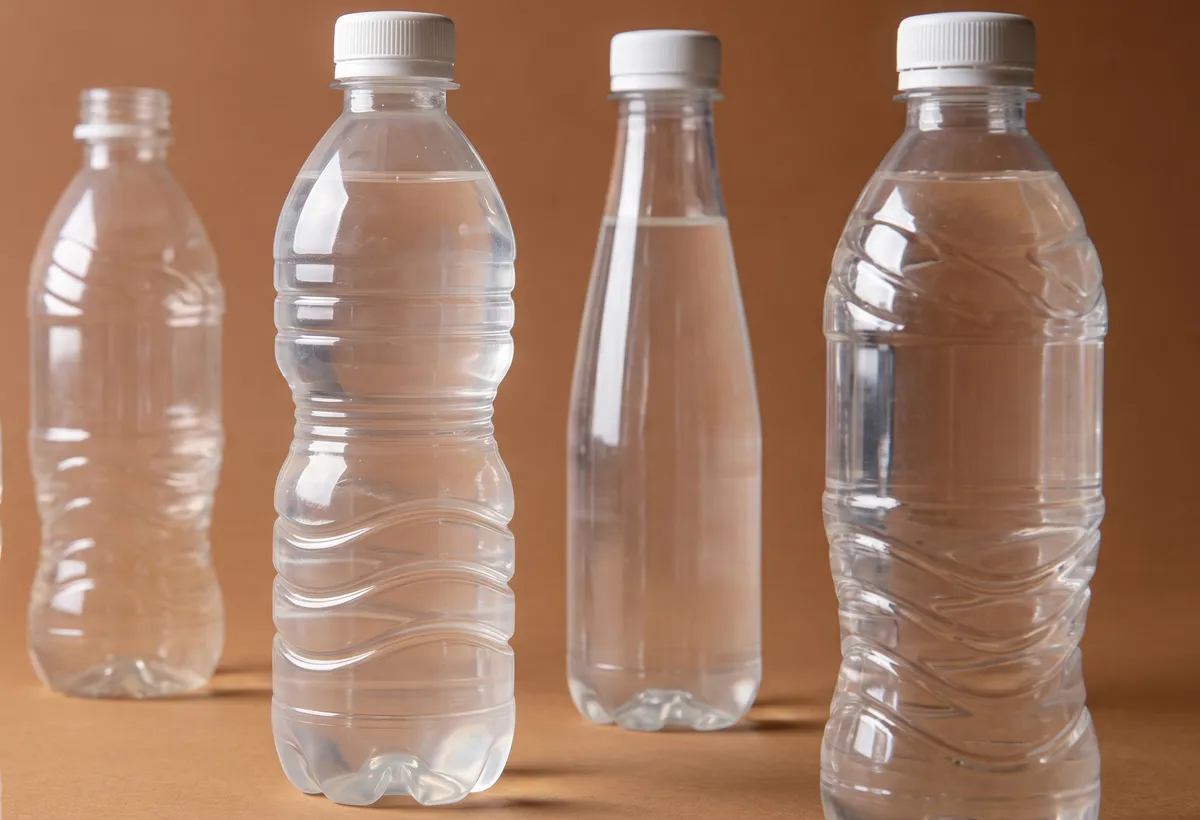
4. पेय पदार्थों की बोतलें
ZQ40 मशीन PP और HDPE जैसी सामग्रियों से खाद्य-योग्य पेय पदार्थों की बोतलें बनाने में सक्षम है, जिनका उपयोग डेयरी पेय पदार्थ, जूस के कंटेनर और फ्लेवर्ड पानी की बोतलों के लिए किया जा सकता है। इसकी एकसमान दीवार मोटाई और स्थिर वजन नियंत्रण (11 TP 3 T के भीतर भिन्नता) यह सुनिश्चित करते हैं कि प्रत्येक बोतल भरने, ढक्कन लगाने और परिवहन के दौरान अपनी संरचनात्मक अखंडता बनाए रखे, जिससे उत्पाद की हानि कम होती है और आपूर्ति श्रृंखला में इसकी आकर्षक छवि बनी रहती है।
5. खाद्य बोतलें
इस इंजेक्शन ब्लो मोल्डिंग मशीन द्वारा निर्मित खाद्य पैकेजिंग बोतलें कड़े सुरक्षा और स्वच्छता मानकों को पूरा करती हैं। यह मशीन खाद्य-सुरक्षित प्लास्टिक का उपयोग करके मसालों, सॉस, शहद, खाना पकाने के तेल और चटनी के लिए कंटेनर बना सकती है। बोतल के मुंह और तल पर कोई खरोंच या खुरदुरापन नहीं होता, जिससे प्रत्येक कंटेनर पूरी तरह से सील हो जाता है और एक साफ-सुथरा रूप प्रदान करता है, जिसकी अपेक्षा खाद्य निर्माता और उपभोक्ता प्रीमियम पैकेजिंग से करते हैं।
6. आईड्रॉपर बोतलें
छोटे आकार की आईड्रॉपर बोतलों के लिए गर्दन के आयामों और थ्रेड की सटीकता में असाधारण परिशुद्धता आवश्यक है। ZQ40 मशीन 5ml से 30ml की रेंज में 100% सीलबंद मुखों और सटीक आयामी सहनशीलता वाली इन छोटी बोतलों के निर्माण में उत्कृष्ट है। ये बोतलें नेत्र देखभाल समाधानों, आवश्यक तेलों, फार्मास्युटिकल ड्रॉप्स और सटीक तरल वितरण अनुप्रयोगों के लिए आवश्यक हैं, जहाँ खुराक की सटीकता और संदूषण की रोकथाम महत्वपूर्ण आवश्यकताएँ हैं।
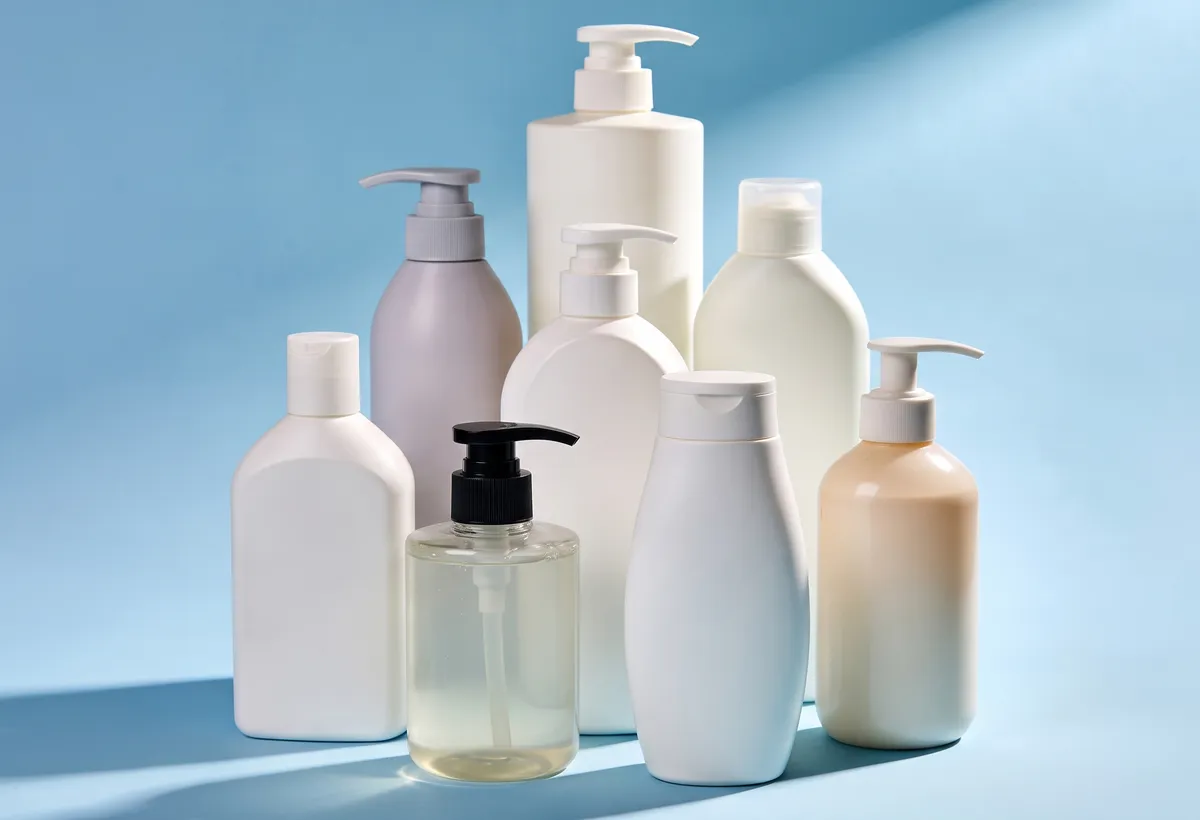
7. शैम्पू की बोतलें
ZQ40 इंजेक्शन ब्लोइंग मोल्डिंग मशीन टिकाऊ और आकर्षक शैम्पू की बोतलें बनाती है जिनकी मोटाई एक समान होती है और सतह चिकनी होती है। ये बोतलें आमतौर पर 200ml से 500ml तक की होती हैं और इन्हें बार-बार दबाने पर भी अपना आकार बनाए रखना होता है और इनका ढक्कन मज़बूती से बंद होना चाहिए। यह मशीन HDPE, PP और अन्य सामग्रियों को भी बेहतरीन ढंग से प्रोसेस करती है जिनका उपयोग आमतौर पर पर्सनल केयर पैकेजिंग में किया जाता है।
8. कीटनाशक की बोतलें
कीटनाशक और कृषि रसायनों के कंटेनरों के लिए मजबूत रासायनिक प्रतिरोध, रिसाव-रोधी सीलिंग और छेड़छाड़-रोधी ढक्कन की आवश्यकता होती है। यह इंजेक्शन ब्लो मोल्डिंग मशीन मजबूत कीटनाशक बोतलें बनाती है जो कृषि पैकेजिंग के सख्त नियमों का पालन करती हैं। एकसमान दीवार की मोटाई, सटीक थ्रेड आयाम और खुरदरापन रहित फिनिश, खतरनाक रसायनों के पूरे वितरण चक्र के दौरान सुरक्षित भंडारण और परिवहन सुनिश्चित करते हैं।
 |  |
| पेय की बोतल | दवा की बोतल |
 | 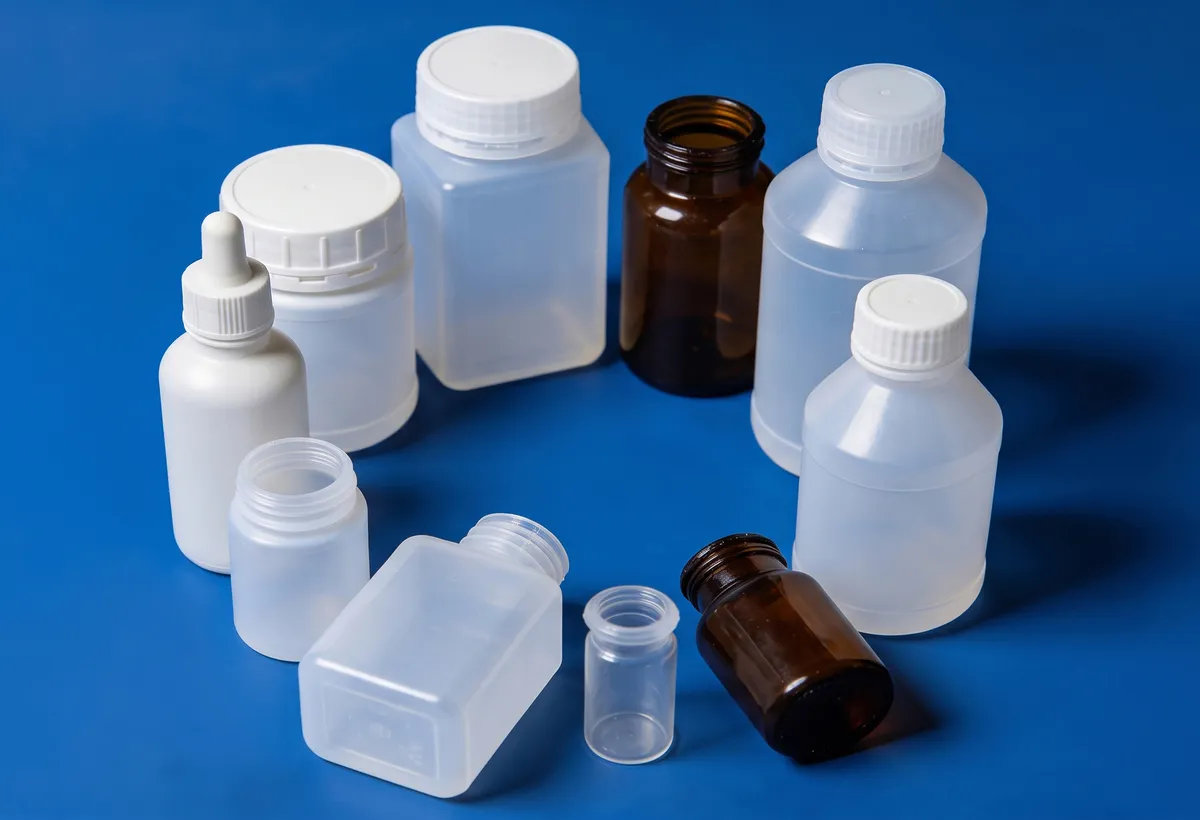 |
| शैम्पू की बोतल | रासायनिक बोतल |
ZQ40 इंजेक्शन ब्लो मोल्डिंग मशीन के घटक
1. स्टॉक तैयार करने/इंजेक्शन लगाने का उपकरण
स्टॉक तैयार करने और इंजेक्शन लगाने वाला उपकरण प्राथमिक सामग्री प्रसंस्करण इकाई के रूप में कार्य करता है। इसमें हॉपर, स्क्रू बैरल असेंबली और हीटिंग तत्व शामिल हैं जो प्रत्येक उत्पादन चक्र के लिए सटीक रूप से नियंत्रित तापमान, दबाव और मात्रा के साथ कच्चे प्लास्टिक राल को पिघलाते, मिलाते और मोल्ड कैविटी में इंजेक्ट करते हैं।
2. हॉट रनर सिस्टम
ऑप्टिमाइज़्ड हॉट रनर सिस्टम इंजेक्शन नोजल से मोल्ड की प्रत्येक कैविटी तक प्लास्टिक सामग्री के प्रवाह के दौरान उसे पिघली हुई अवस्था में बनाए रखता है। यह महत्वपूर्ण घटक सामग्री का एकसमान वितरण सुनिश्चित करता है, कैविटीज़ के बीच ग्राम भार में अंतर को कम करता है और कोल्ड रनर की बर्बादी को समाप्त करता है, जिससे सामग्री उपयोग दक्षता में उल्लेखनीय सुधार होता है।
3. कोर रॉड (मैंड्रेल)
कोर रॉड, जिसे मैंड्रेल भी कहा जाता है, रोटरी टेबल पर लगा होता है और बोतल के प्रीफॉर्म का आंतरिक आकार निर्धारित करता है। इसकी विशेष रूप से डिज़ाइन की गई संरचना कोर को कुशलतापूर्वक ठंडा करने में सक्षम बनाती है और मोल्डिंग चक्र को तेज़ करती है। ब्लो मोल्डिंग के दौरान कोर रॉड वायु प्रवाह का चैनल और स्ट्रिपिंग स्टेशन पर निष्कासन बिंदु के रूप में भी कार्य करता है।
4. बोतल प्रीफॉर्म (पैरीसन)
बोतल का प्रीफॉर्म, जिसे पैरिसन भी कहते हैं, इंजेक्शन प्रक्रिया के दौरान बनने वाला मध्यवर्ती उत्पाद है। इसमें सटीक रूप से ढाला गया गर्दन वाला भाग होता है जिस पर धागे बने होते हैं, और एक नलीनुमा संरचना होती है जो ब्लो मोल्डिंग के दौरान फैलती है। प्रीफॉर्म की गुणवत्ता, जिसमें वजन की एकरूपता और दीवार की मोटाई की स्थिरता शामिल है, सीधे तौर पर अंतिम बोतल की गुणवत्ता निर्धारित करती है।
5. इंजेक्शन मोल्ड
इंजेक्शन मोल्ड प्रीफॉर्म के आकार को निर्धारित करता है, जिसमें नेक थ्रेड्स, सीलिंग सतहें और बॉडी प्रोफाइल शामिल हैं। आयातित S136 स्टील मिश्र धातु या 4Cr13 स्टेनलेस स्टील से बने ये सटीक मोल्ड गतिविधि-आधारित कैविटी और विशेष कूलिंग चैनलों से सुसज्जित होते हैं, जो प्रत्येक उत्पादन चक्र में स्थिर तापमान नियंत्रण और बिलेट के एकसमान आयाम सुनिश्चित करते हैं।
6. इंजेक्शन स्टेशन
इंजेक्शन स्टेशन वह स्थान है जहाँ कच्चे माल को कोर रॉड के चारों ओर मोल्ड कैविटी में इंजेक्ट किया जाता है। इसमें क्लैम्पिंग तंत्र लगा होता है जो इंजेक्शन के दौरान 400 केएन तक का क्लैम्पिंग बल प्रदान करता है, जिससे उच्च इंजेक्शन दबाव में भी मोल्ड के दोनों हिस्से कसकर सील रहते हैं। सटीक क्लैम्पिंग नियंत्रण फ्लैश को रोकता है और दोषरहित प्रीफॉर्म उत्पादन सुनिश्चित करता है।
7. ब्लो स्टेशन
ब्लो स्टेशन वह स्थान है जहाँ कोर रॉड के माध्यम से प्रवाहित संपीड़ित वायु का उपयोग करके गर्म किए गए प्रीफॉर्म को अंतिम बोतल के आकार में फुलाया जाता है। इस स्टेशन पर स्थित ब्लो मोल्ड तैयार बोतल की बाहरी आकृति और सतह की बनावट को निर्धारित करता है। 60 केएन की ब्लोइंग क्लैम्पिंग बल और सटीक वायु दाब नियंत्रण के साथ, प्रत्येक बोतल एकसमान आयाम और चिकनी सतह प्राप्त करती है।
8. ब्लो मोल्ड
ब्लो मोल्ड एक सटीक मशीन से निर्मित उपकरण है जो तैयार बोतल की बाहरी ज्यामिति निर्धारित करता है, जिसमें उसका आकार, निचला भाग और उभरी हुई आकृतियाँ शामिल हैं। लंबे समय तक चलने के लिए डिज़ाइन किया गया, ब्लो मोल्ड में कुशल शीतलन सर्किट लगे होते हैं जो सटीक आयामी सहनशीलता और प्रत्येक ढाली गई बोतल पर उत्कृष्ट सतह गुणवत्ता बनाए रखते हुए त्वरित चक्र समय को सक्षम बनाते हैं।
9. स्ट्रिपिंग स्टेशन
स्ट्रिपिंग स्टेशन अंतिम चरण है जहाँ ठंडी की गई कोर रॉड से तैयार बोतलें स्वचालित रूप से बाहर निकल जाती हैं। स्ट्रिपिंग तंत्र 220 मिमी के स्ट्रोक के साथ काम करता है ताकि बोतलों को बिना किसी विकृति या सतह की क्षति के साफ-सुथरा हटाया जा सके। स्ट्रिप की गई बोतलों को आगे की प्रक्रिया, निरीक्षण या पैकेजिंग के लिए आउटपुट कन्वेयर पर स्थानांतरित कर दिया जाता है।
एक्सट्रूज़न मोल्डिंग और इंजेक्शन मोल्डिंग के बीच अंतर
एक्सट्रूज़न मोल्डिंग का अवलोकन
एक्सट्रूज़न मोल्डिंग में पिघले हुए प्लास्टिक को डाई से गुजारकर पाइप, ट्यूब और शीट जैसे उत्पाद बनाए जाते हैं, जिससे प्लास्टिक सामग्री को निरंतर और एकसमान आकार मिलता है। यह मशीनरी लगातार चलती रहती है, जिससे यह सरल, रेखीय आकृतियों के बड़े पैमाने पर उत्पादन के लिए आदर्श है। एक्सट्रूज़न मोल्डिंग में ज्यादातर पॉलीप्रोपाइलीन, पॉलीइथिलीन और पॉलीस्टाइरीन जैसे थर्मोप्लास्टिक का उपयोग होता है। ये सामग्रियां लचीलापन, रासायनिक प्रतिरोध और टिकाऊपन प्रदान करती हैं, जो विभिन्न उद्योगों के लिए उपयुक्त हैं।
कई उद्योग अपनी दक्षता और बहुमुखी प्रतिभा के कारण एक्सट्रूज़न मोल्डिंग पर निर्भर करते हैं। उदाहरण के लिए, सौर उद्योग इसका उपयोग पैनल फ्रेम के लिए करता है, जबकि ऑटोमोटिव क्षेत्र वेदर सील और गैस्केट का उत्पादन करता है। उपकरण निर्माता ऊर्जा-कुशल गैस्केट और हैंडल के लिए एक्सट्रूज़न का उपयोग करते हैं, और निर्माण उद्योग खिड़कियों और दरवाजों के लिए इसका उपयोग करता है। चिकित्सा उपकरण कंपनियां ट्यूबिंग और कैथेटर का उत्पादन करती हैं, और पैकेजिंग उद्योग फिल्म और शीट का निर्माण करता है।
सामान्य एक्सट्रूज़न मोल्डिंग सामग्री
| सामग्री | मुख्य विशेषताएं | आवेदन |
|---|---|---|
| polypropylene | उच्च लचीलापन क्षमता, नमी प्रतिरोधक क्षमता | ट्यूब, इंटीरियर ट्रिम, धातु प्रतिस्थापन |
| नायलॉन | उच्च शक्ति-से-भार अनुपात, रासायनिक प्रतिरोध | ऑटोमोटिव इंजनों में जलाशय, ट्यूब |
| एक्रिलिक | स्पष्टता, प्रकाश संचरण, प्रभाव प्रतिरोध | ऑप्टिकल अनुप्रयोग |
| polyethylene | लचीलापन, सहनशीलता, रासायनिक प्रतिरोध | पैकेजिंग फिल्म, पाइप, कंटेनर |
| polystyrene | उत्कृष्ट इन्सुलेशन, हल्का | निर्माण इन्सुलेशन |
| पॉलीकार्बोनेट | प्रभाव प्रतिरोध, प्रकाशीय स्पष्टता | ऑटोमोटिव घटक, इलेक्ट्रॉनिक आवरण |
| पेट | कठोरता, घर्षण प्रतिरोध | विद्युत पाइप, उपकरण के आवरण, ट्रिम |
इंजेक्शन मोल्डिंग का अवलोकन
इंजेक्शन मोल्डिंग में पिघले हुए प्लास्टिक को सांचे में डालकर जटिल, त्रि-आयामी पुर्जे बनाए जाते हैं। इस प्रक्रिया में विशेष मशीनरी का उपयोग होता है जो कई प्रकार के थर्मोप्लास्टिक और थर्मोसेट को संभाल सकती है, जिससे जटिल डिज़ाइन, सटीक माप और उच्च गुणवत्ता वाली सतह वाली वस्तुएं तैयार होती हैं। निर्माता अक्सर ऐसे उत्पादों के लिए इंजेक्शन मोल्डिंग का चयन करते हैं जिनमें सटीकता और बारीक विशेषताओं की आवश्यकता होती है।
सामग्री का चयन उत्पाद की जटिलता और कार्यक्षमता निर्धारित करने में महत्वपूर्ण भूमिका निभाता है। इंजेक्शन मोल्डिंग का उपयोग खिड़की और दरवाज़े के फ्रेम, प्लंबिंग फिक्स्चर, इलेक्ट्रिकल बॉक्स, खाद्य पैकेजिंग, चिकित्सा उपकरण, रक्षा उपकरण, कृषि उपकरण, इलेक्ट्रॉनिक घटक और फर्नीचर के पुर्जों सहित कई उद्योगों में किया जाता है। आईएसबीएम मशीन (इंजेक्शन स्ट्रेच ब्लो मोल्डिंग मशीन) इंजेक्शन मोल्डिंग का एक विशेष रूप है जो इंजेक्ट किए गए प्रीफॉर्म को खींचकर और फुलाकर खोखले प्लास्टिक कंटेनर बनाती है, जिससे ठोस और खोखले दोनों प्रकार की वस्तुओं के उत्पादन में इंजेक्शन मोल्डिंग की अनुकूलता स्पष्ट होती है।
एक्सट्रूज़न मोल्डिंग बनाम इंजेक्शन मोल्डिंग
एक्सट्रूज़न मोल्डिंग और इंजेक्शन मोल्डिंग के बीच मुख्य अंतर उत्पाद के आकार, जटिलता, लागत और अनुप्रयोगों से संबंधित हैं। एक्सट्रूज़न मोल्डिंग से निरंतर, एकसमान प्रोफाइल बनते हैं, जो इसे पाइप और फ्रेम जैसी वस्तुओं के लिए आदर्श बनाते हैं। इंजेक्शन मोल्डिंग जटिल, विस्तृत, त्रि-आयामी पुर्जे बनाने में उत्कृष्ट है, जैसे कि ऑटोमोटिव घटक और चिकित्सा उपकरण। हाल के विकास, जिनमें ओवरमोल्डिंग, इंसर्ट मोल्डिंग, पॉलीएथरइमाइड और पॉलीएथर ईथर कीटोन जैसे नए थर्मोप्लास्टिक और कृत्रिम बुद्धिमत्ता और रोबोटिक्स का एकीकरण शामिल हैं, ने इन दोनों विधियों के बीच चुनाव को और अधिक स्पष्ट किया है, जो आधुनिक विनिर्माण के विकास को दर्शाता है।
तकनीकी तुलना: इंजेक्शन मोल्डिंग बनाम एक्सट्रूज़न मोल्डिंग
| पहलू | अंतः क्षेपण ढलाई | एक्सट्रूज़न मोल्डिंग |
|---|---|---|
| मशीनरी | सांचों में सामग्री डालने के लिए विशेषीकृत मशीनरी | सामग्री को आकार देने के लिए डाई का उपयोग करके की जाने वाली सतत प्रक्रिया |
| पिघलने की क्षमता | जटिल आकृतियों के लिए उच्च पिघलने की क्षमता | कम पिघलने की क्षमता, सरल प्रोफाइल के लिए उपयुक्त |
| सामग्री संभाली गई | थर्मोप्लास्टिक्स और थर्मोसेट्स की विस्तृत श्रृंखला | मुख्यतः थर्मोप्लास्टिक्स, विशिष्ट प्रकारों तक सीमित |
| भाग जटिलता | जटिल डिजाइन बनाने में सक्षम | सरल, एकसमान आकृतियों के लिए सर्वोत्तम |
| सतह की फिनिश | उच्च गुणवत्ता वाली सतह फिनिश प्राप्त की जा सकती है | सतह की फिनिशिंग अलग-अलग हो सकती है, अक्सर कम परिष्कृत होती है। |
| उत्पादन मात्रा | उच्च मात्रा में उत्पादन के लिए उपयुक्त | निरंतर उत्पादन के लिए आदर्श |
| समय चक्र | शीतलन और जमने के कारण चक्र का समय बढ़ जाता है | कम चक्र समय, निरंतर प्रवाह |
| औजारों की लागत | प्रारंभिक टूलिंग लागत अधिक | टूलिंग की लागत कम करें |
| सामग्री अपशिष्ट | स्पू और रनर के कारण अधिक सामग्री की बर्बादी | सामान्यतः कम सामग्री अपशिष्ट |
| शुद्धता | उच्च परिशुद्धता और सटीक सहनशीलता संभव है | मध्यम स्तर की सटीकता, आयामों पर कम नियंत्रण |
| उत्पाद का आकार | मोल्ड के आकार द्वारा सीमित | इससे लंबी निरंतर आकृतियाँ बनाई जा सकती हैं। |
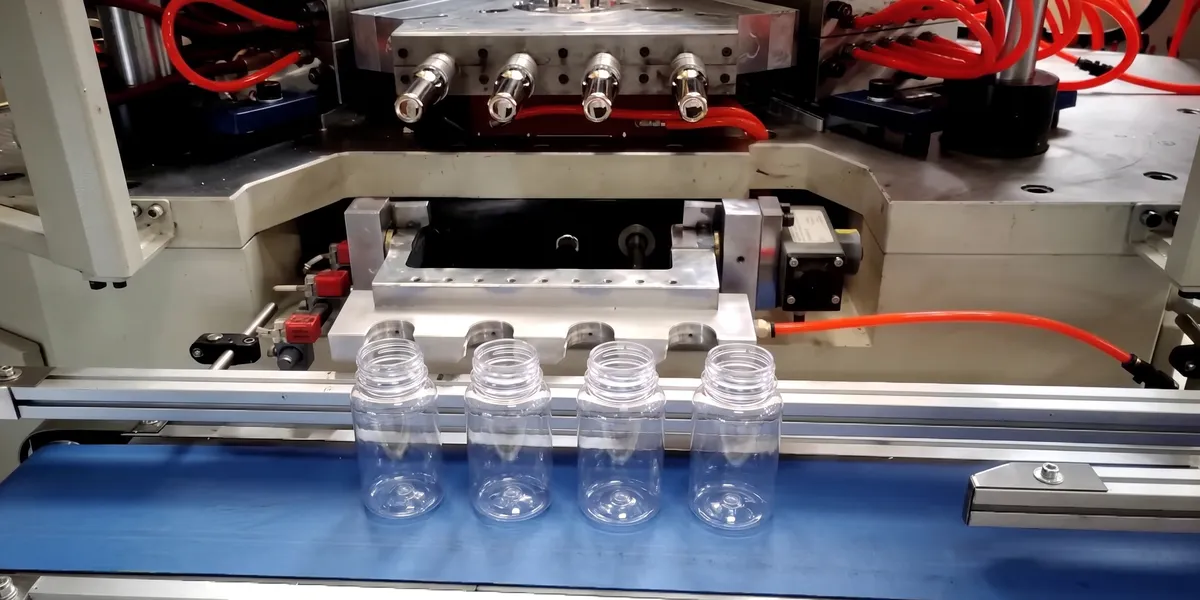
ZQ सीरीज इंजेक्शन ब्लो मोल्डिंग मशीन मोल्ड
1. गतिविधि-आधारित गुहा और गर्दन विन्यास
इस इंजेक्शन मोल्ड में गतिविधि-आधारित डिज़ाइन वाली कैविटी और नेक सेक्शन हैं, जिनमें विशेष रूप से इंजीनियर किए गए ऑयल चैनल लेआउट हैं। यह डिज़ाइन कैविटी और नेक घटकों को विभिन्न उत्पाद कॉन्फ़िगरेशन के लिए आसानी से बदलने की सुविधा देता है, साथ ही मोल्ड में ट्यूब बिलेट के आकार में एकरूपता और तापमान का स्थिर वितरण सुनिश्चित करता है। विनिमेय डिज़ाइन विभिन्न बोतल विशिष्टताओं के बीच स्विच करते समय डाउनटाइम को कम करता है।
2. प्रीमियम स्टील मिश्र धातु मोल्ड सामग्री
सभी इंजेक्शन मोल्ड के पुर्जे आयातित S136 स्टील मिश्र धातु या 4Cr13 स्टेनलेस स्टील से निर्मित होते हैं। ये उच्च-शक्ति और संक्षारण-प्रतिरोधी स्टील ग्रेड असाधारण कठोरता, घिसाव प्रतिरोध और पॉलिश करने की क्षमता प्रदान करते हैं, जिससे मोल्ड का सेवा जीवन काफी बढ़ जाता है। उच्च गुणवत्ता वाली सामग्री का चयन यह सुनिश्चित करता है कि मोल्ड लाखों उत्पादन चक्रों के बाद भी अपनी आयामी सटीकता और सतह की गुणवत्ता बनाए रखें।
3. अनुकूलित हॉट रनर और मैंड्रेल सिस्टम
यह अनुकूलित हॉट रनर सिस्टम सभी कैविटीज़ में ग्राम वजन विचलन और दीवार की मोटाई में भिन्नता को कम करने के लिए सटीक रूप से इंजीनियर किया गया है। विशेष रूप से संरचित मैंड्रेल डिज़ाइन के साथ मिलकर, यह सिस्टम उत्कृष्ट कोर कूलिंग प्रभावशीलता प्रदान करते हुए एक तेज़ मोल्डिंग चक्र बनाए रखता है। इसका परिणाम यह होता है कि एक ही चक्र में उत्पादित प्रत्येक इकाई के वजन में न्यूनतम अंतर के साथ लगातार एकसमान बोतलें प्राप्त होती हैं।
4. सटीक थ्रेड और 100% सील सटीकता
यह मोल्ड सिस्टम असाधारण आयामी सटीकता के साथ बोतल के मुख और थ्रेड्स का निर्माण करता है, जिससे प्रत्येक बोतल पर 100% सीलिंग विश्वसनीयता प्राप्त होती है। यह सटीकता फार्मास्युटिकल और रासायनिक अनुप्रयोगों के लिए महत्वपूर्ण है, जहां कंटेनर की अखंडता सीधे उत्पाद सुरक्षा, शेल्फ लाइफ और नियामक अनुपालन को प्रभावित करती है। सटीक थ्रेड निर्माण मानक क्लोजर और डिस्पेंसिंग एक्सेसरीज़ के साथ अनुकूलता भी सुनिश्चित करता है।
5. मुंह और तल पर कोई खुरदुरापन नहीं और कोई बर्बादी नहीं।
एक्सट्रूज़न ब्लो मोल्डिंग के विपरीत, जिसमें 20-40% स्क्रैप सामग्री उत्पन्न होती है, ZQ सीरीज़ मशीनों पर इंजेक्शन ब्लो मोल्डिंग प्रक्रिया से ऐसी बोतलें बनती हैं जिनके मुंह और तल पर बिल्कुल भी खुरदरापन या अपशिष्ट पदार्थ नहीं होता है। इससे उत्पादन के बाद छंटाई की आवश्यकता समाप्त हो जाती है, सामग्री की लागत कम हो जाती है, उत्पाद की गुणवत्ता में सुधार होता है और यह सुनिश्चित होता है कि प्रत्येक तैयार बोतल बिना किसी अतिरिक्त प्रसंस्करण के तुरंत भरने और पैकेजिंग के लिए तैयार है।
6. एकसमान आकार, वजन और दीवार की मोटाई
ZQ सीरीज़ के सांचे से बनी हर बोतल का आकार, वज़न, सांचे की विभाजन रेखा और दीवार की मोटाई एक समान रहती है। वज़न में लगभग 11 TP3T का अंतर होता है, जबकि एक्सट्रूज़न ब्लो मोल्डिंग में यह अंतर आमतौर पर 31 TP3T होता है। यह असाधारण स्थिरता स्वचालित फिलिंग लाइनों, गुणवत्ता नियंत्रण के अनुपालन और बड़े पैमाने पर उत्पादन में ब्रांड मानकों को बनाए रखने के लिए अत्यंत महत्वपूर्ण है।
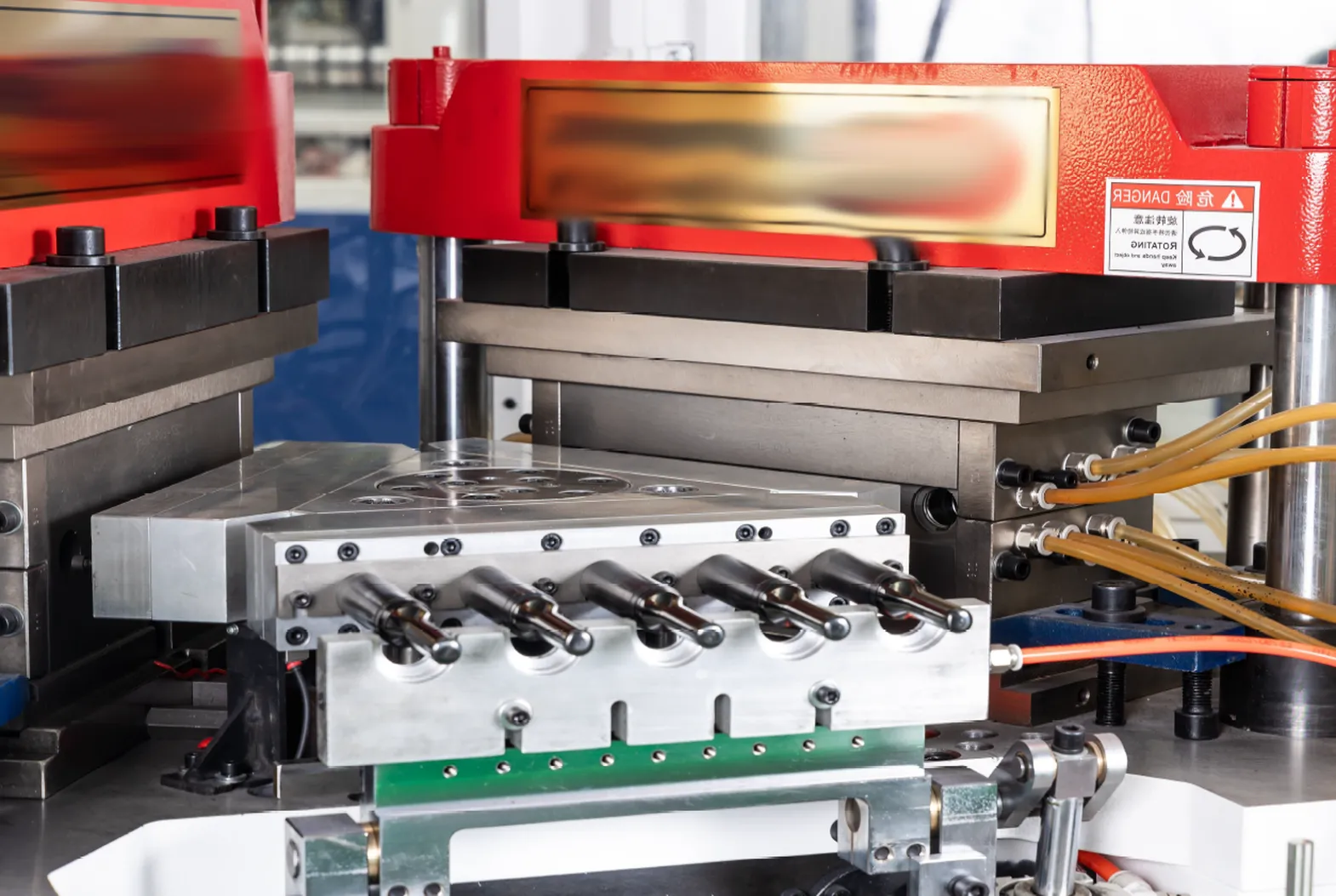
आईबीएम मशीन के संचालन के लिए सावधानियां
1. संचालन पूर्व सुरक्षा निरीक्षण
इंजेक्शन ब्लो मोल्डिंग मशीन चालू करने से पहले, ऑपरेटरों को सभी यांत्रिक, विद्युत और वायवीय प्रणालियों का पूरी तरह से सुरक्षा निरीक्षण करना चाहिए। सुनिश्चित करें कि आपातकालीन स्टॉप बटन काम कर रहे हैं, सभी सुरक्षा गार्ड सही ढंग से लगे हुए हैं, संपीड़ित वायु प्रणाली आवश्यक दबाव (0.7-1.2 एमपीए) पर है, और शीतलन जल की आपूर्ति सही दबाव और तापमान पर हो रही है। सभी पूर्व-चालन जांचों को दैनिक रखरखाव लॉगबुक में दर्ज करें।
2. सामग्री की तैयारी और पूर्व-सुखाना
हॉपर में डालने से पहले यह सुनिश्चित करें कि कच्चा माल निर्माता द्वारा अनुशंसित नमी स्तर तक ठीक से सुखाया गया हो। एचडीपीई, पीपी या पीएस जैसी सामग्रियों में अत्यधिक नमी इंजेक्शन प्रक्रिया के दौरान सतह की खराबी, बुलबुले और दीवार की मोटाई में असमानता का कारण बन सकती है। प्रत्येक विशिष्ट रेज़िन प्रकार के लिए सही तापमान और अवधि पर सेट किए गए मटेरियल ड्रायर का उपयोग करें और लोड करने से पहले सामग्री में संदूषण या बाहरी कणों की जांच करें।
3. तापमान क्षेत्र निगरानी
उपयोग की जा रही सामग्री के लिए सही प्रोसेसिंग तापमान सुनिश्चित करने हेतु बैरल हीटिंग ज़ोन (3+N ज़ोन) के तापमान पर बारीकी से नज़र रखें। तापमान में अनुचित सेटिंग से अपूर्ण पिघलाव, सामग्री का क्षरण, असमान प्रवाह वितरण और दोषपूर्ण प्रीफॉर्म हो सकते हैं। उत्पादन शुरू करने से पहले बैरल को एक समान तापमान पर पहुँचने के लिए पर्याप्त समय दें और संचालन के दौरान तापमान नियंत्रक की रीडिंग नियमित रूप से जांचें।
4. मोल्ड इंस्टॉलेशन और अलाइनमेंट
ZQ40 पर मोल्ड लगाते या बदलते समय, इंजेक्शन मोल्ड, ब्लो मोल्ड और स्ट्रिपिंग मैकेनिज़्म को रोटरी टेबल की स्थिति के साथ सटीक रूप से संरेखित करना सुनिश्चित करें। गलत संरेखण से मोल्ड को नुकसान, असमान क्लैम्पिंग और दोषपूर्ण उत्पाद बन सकते हैं। सभी मोल्ड माउंटिंग बोल्ट के लिए निर्माता द्वारा दिए गए टॉर्क विनिर्देशों का पालन करें और नए टूलिंग सेटअप के साथ परीक्षण शुरू करने से पहले मोल्ड कूलिंग चैनल कनेक्शनों की जांच कर लें कि उनमें कोई रिसाव नहीं है।
5. नियमित रखरखाव अनुसूची का अनुपालन
सर्वो मोटर्स, रोटरी टेबल बेयरिंग, स्क्रू बैरल असेंबली और सभी ड्राइव घटकों के लिए अनुशंसित निवारक रखरखाव अनुसूची का सख्ती से पालन करें। निर्धारित अंतराल पर निर्दिष्ट बिंदुओं को चिकनाई दें, स्क्रू टिप्स और चेक वाल्व जैसे घिसाव वाले भागों की खराबी के संकेतों के लिए जांच करें और घिसे हुए घटकों को तुरंत बदलें। नियमित रखरखाव अप्रत्याशित रुकावट को रोकता है और यह सुनिश्चित करता है कि मशीन अपने पूरे परिचालन जीवनकाल में अपनी सटीकता और दक्षता बनाए रखे।
6. शटडाउन प्रक्रिया और बैरल की सफाई
इंजेक्शन ब्लो मोल्डिंग मशीन को बंद करते समय सही शटडाउन प्रक्रिया का पालन करें। निष्क्रिय अवधि के दौरान अवशिष्ट राल को हटाने और कार्बनीकरण को रोकने के लिए उपयुक्त पर्जिंग कंपाउंड या ट्रांजिशन सामग्री से बैरल को साफ करें। सामग्री विनिर्देशों के अनुसार बैरल के तापमान को धीरे-धीरे कम करें, मशीन के पर्याप्त रूप से ठंडा होने के बाद ही शीतलन जल की आपूर्ति बंद करें, और मशीन को बिना निगरानी के छोड़ने से पहले सभी सुरक्षा लॉक लगा दें।
इंजेक्शन ब्लो मोल्डिंग मशीन के लिए सामान्य समस्या निवारण
असमान दीवार की मोटाई
यदि तैयार बोतलों की दीवार की मोटाई असमान हो, तो प्रीफॉर्म के तापमान की एकरूपता, कोर रॉड के संरेखण और सभी कैविटीज़ में इंजेक्शन दबाव संतुलन की जाँच करें। कोर रॉड का गलत संरेखण या बैरल ज़ोन के तापमान में असमानता इसके सबसे आम कारण हैं। सुनिश्चित करें कि हॉट रनर सिस्टम सामग्री को समान रूप से वितरित कर रहा है, कोर रॉड की संकेंद्रता का निरीक्षण करें और सभी मोल्ड कैविटीज़ में संतुलित भराई सुनिश्चित करने के लिए इंजेक्शन मापदंडों को समायोजित करें।
अपूर्ण ब्लो मोल्डिंग / पतले धब्बे
जब बोतलों में पतले धब्बे दिखाई दें या ब्लो मोल्डिंग अधूरी हो, तो समस्या आमतौर पर अपर्याप्त ब्लो एयर प्रेशर, ब्लो स्टेज से पहले प्रीफॉर्म का अत्यधिक ठंडा होना, या गलत पैरिसन तापमान वितरण से संबंधित होती है। सुनिश्चित करें कि संपीड़ित वायु की आपूर्ति 0.7-1.2 MPa ऑपरेटिंग रेंज के भीतर है, इंजेक्शन और ब्लोइंग स्टेशनों के बीच के समय की जाँच करें, और इन्फ्लेशन के दौरान सामग्री के अधिक समान खिंचाव के लिए प्रीफॉर्म तापमान प्रोफ़ाइल को समायोजित करें।
पार्टिंग लाइन पर फ्लैश या बर्र
मोल्ड पार्टिंग लाइन के साथ फ्लैश या अतिरिक्त सामग्री की उपस्थिति अपर्याप्त क्लैम्पिंग बल, घिसी हुई मोल्ड सतहों या अत्यधिक इंजेक्शन दबाव का संकेत देती है। घिसावट, मलबा या क्षति के लिए मोल्ड की मिलान सतहों का निरीक्षण करें। सुनिश्चित करें कि क्लैम्पिंग बल ठीक से सेट किया गया है (ZQ40 40-80 टन समायोज्य क्लैम्पिंग का समर्थन करता है), मोल्ड पार्टिंग सतहों को साफ करें, और यदि यांत्रिक जांच पूरी होने के बाद भी फ्लैश बना रहता है, तो इंजेक्शन दबाव या गति को कम करें।
बोतल मोल्ड या कोर रॉड से चिपक रही है
यदि बोतलें मोल्ड से आसानी से नहीं निकल रही हैं या स्ट्रिपिंग स्टेशन पर कोर रॉड से चिपक रही हैं, तो मोल्ड की सतह की स्थिति, कूलिंग चैनल के तापमान और स्ट्रिपिंग मैकेनिज़्म के संचालन की जाँच करें। मोल्ड का अत्यधिक तापमान, अपर्याप्त कूलिंग समय या घिसे हुए स्ट्रिपिंग कंपोनेंट्स, ये सभी चिपकने की समस्या पैदा कर सकते हैं। आवश्यकतानुसार मोल्ड की सतहों को पॉलिश करें, कूलिंग वॉटर का प्रवाह बढ़ाएँ और सुनिश्चित करें कि स्ट्रिपिंग स्ट्रोक पूरी 220 मिमी की दूरी तय करता है।
अधूरे शॉट्स या अपूर्ण भराई
मोल्ड कैविटी में सामग्री पूरी तरह से न भरने पर शॉर्ट शॉट्स की समस्या उत्पन्न होती है। इसके सामान्य कारणों में अपर्याप्त इंजेक्शन दबाव, बैरल का कम तापमान, हॉट रनर नोजल का बंद होना या हॉपर से सामग्री की अपर्याप्त आपूर्ति शामिल हैं। इंजेक्शन दबाव और गति बढ़ाएँ, बैरल ज़ोन का तापमान धीरे-धीरे बढ़ाएँ, हॉट रनर चैनलों का निरीक्षण और सफाई करें, और सुनिश्चित करें कि हॉपर में सामग्री फीड सिस्टम बिना किसी रुकावट या अवरोध के सुचारू रूप से काम कर रहा है।
सतही दोष (धारियाँ, बुलबुले, धंसे हुए निशान)
सतह पर दिखने वाली खामियां, जैसे धारियां, बुलबुले या धब्बे, कच्चे माल में नमी, बैरल के अत्यधिक तापमान के कारण सामग्री का क्षरण, फंसी हुई हवा या अपर्याप्त पैकिंग दबाव के कारण हो सकती हैं। सुनिश्चित करें कि सामग्री को अच्छी तरह से पहले से सुखाया गया है, बैरल के तापमान की जांच करें कि कहीं वह ज़्यादा गरम तो नहीं हो रही है, मोल्ड में वेंटिंग साफ है या नहीं, इसकी पुष्टि करें और ठंडा होने के दौरान सामग्री के सिकुड़ने की भरपाई के लिए होल्डिंग दबाव और समय बढ़ाएं।
CMN की इंजेक्शन ब्लो मोल्डिंग मशीन क्यों चुनें?
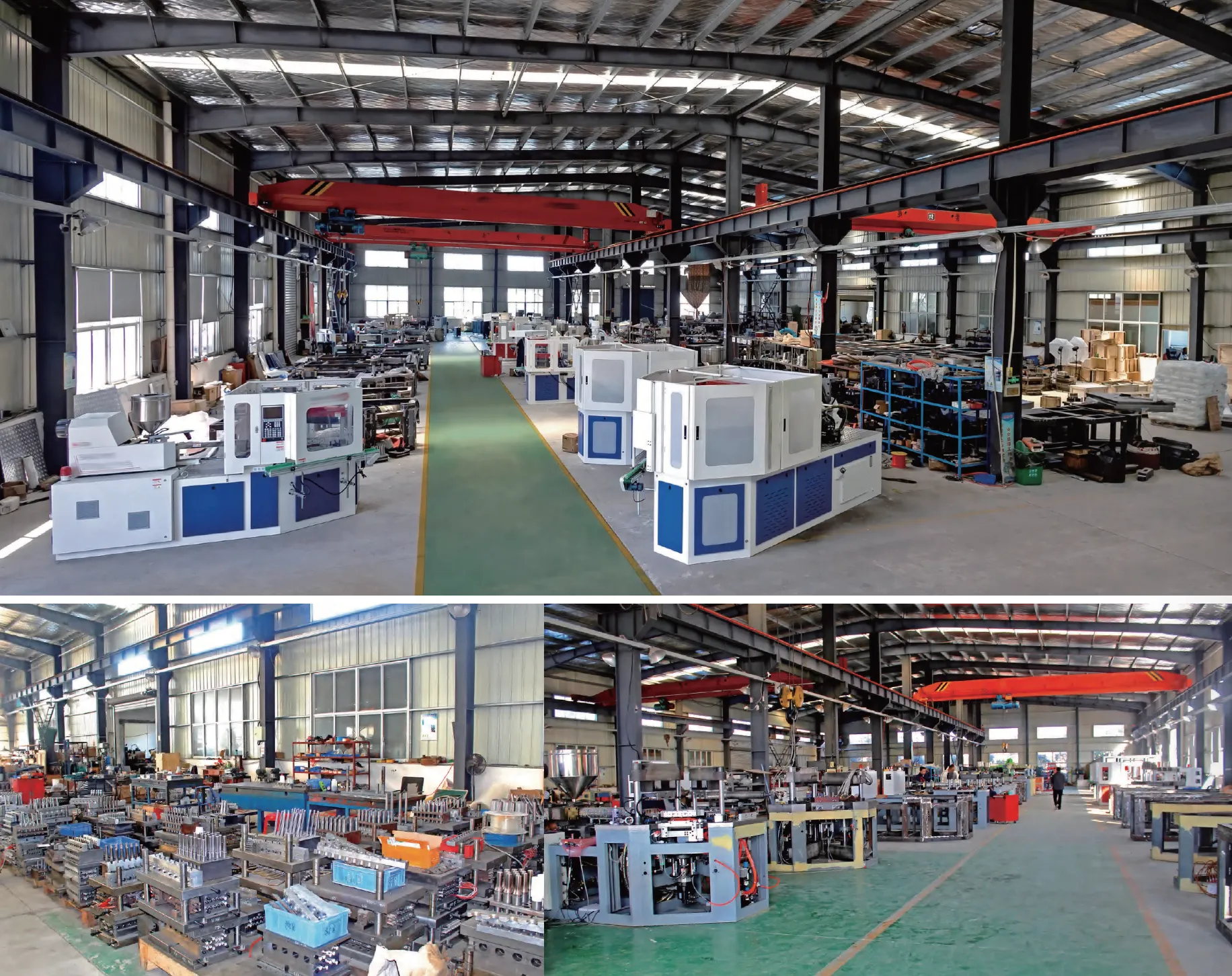
सीएमएन ट्रांसमिशन एक विशिष्ट इंजेक्शन ब्लो मोल्डिंग मशीन निर्माता है जो मुख्य रूप से स्वचालित वन-स्टेप इंजेक्शन-ब्लोइंग ब्लो मोल्डिंग मशीनों और सहायक इंजेक्शन-ब्लोइंग मोल्ड सिस्टम के अनुसंधान एवं विकास, उत्पादन, बिक्री और अंतर्राष्ट्रीय व्यापार में संलग्न है। हमारी व्यापक उत्पाद श्रृंखला में इंजेक्शन ब्लो मोल्डिंग मशीनें, एक्सट्रूज़न ब्लो मोल्डिंग मशीनें, इंजेक्शन स्ट्रेच ब्लो मोल्डिंग मशीनें और सहायक उपकरणों की पूरी श्रृंखला शामिल है। सुविधाजनक परिवहन पहुंच वाले रणनीतिक रूप से लाभप्रद स्थान पर स्थित, सीएमएन ट्रांसमिशन एशिया, यूरोप, अमेरिका, अफ्रीका और मध्य पूर्व में ग्राहकों को सेवा प्रदान करता है।
CMN Transmission के पास एक उत्कृष्ट अनुसंधान एवं विकास टीम है जिसमें इंजेक्शन-ब्लोइंग मशीनरी और इंजेक्शन-ब्लोइंग मोल्ड तकनीक में विशेषज्ञता रखने वाले कई अनुभवी इंजीनियरिंग और तकनीकी पेशेवर शामिल हैं। वर्षों के उद्योग नेतृत्व से अर्जित व्यापक सैद्धांतिक ज्ञान और व्यावहारिक अनुभव के साथ, हमारी टीम ग्राहकों को विस्तृत और व्यापक बिक्री-पूर्व परामर्श, बिक्री के दौरान तकनीकी मार्गदर्शन और बिक्री-पश्चात सहायता सेवाएं प्रदान करती है। प्रारंभिक उत्पादन योजना से लेकर मशीन स्थापना, ऑपरेटर प्रशिक्षण और निरंतर रखरखाव सहायता तक, CMN Transmission आपका दीर्घकालिक विनिर्माण भागीदार बनने के लिए प्रतिबद्ध है।
हमारी इंजेक्शन ब्लो मोल्डिंग मशीन का उपयोग फार्मास्युटिकल पैकेजिंग, खाद्य पैकेजिंग, स्वास्थ्य देखभाल उत्पाद पैकेजिंग, कॉस्मेटिक पैकेजिंग और प्लास्टिक कंटेनर निर्माण के विभिन्न क्षेत्रों सहित कई उद्योगों में होता है। CMN मशीनें HDPE, LDPE, PP, PS (लैक्टिक एसिड बैक्टीरिया ग्रेड सहित), उच्च-पारदर्शी PS, ABS, पर्यावरण अनुकूल मक्का-आधारित बायोडिग्रेडेबल सामग्री, EVA, PCTG और कई अन्य विशिष्ट रेजिन जैसी सामग्रियों का उपयोग करके 1ml से 1000ml तक के प्लास्टिक उत्पाद बना सकती हैं। सामग्रियों की यह विविधता सुनिश्चित करती है कि आपकी पैकेजिंग संबंधी जो भी आवश्यकताएं हों, CMN ट्रांसमिशन के पास आपकी विशिष्ट उत्पादन आवश्यकताओं और गुणवत्ता मानकों को पूरा करने वाला समाधान प्रदान करने के लिए उपकरण और विशेषज्ञता मौजूद है।
CMN ट्रांसमिशन आत्मनिर्भरता, ईमानदारी, व्यावहारिकता, नवाचार और उत्तरदायित्व के उद्यम विकास दर्शन का पालन करता है। हम संपूर्ण, संपूर्ण और संपूर्ण परियोजना समाधान प्रदान करने के लिए प्रतिबद्ध हैं, जो हमारे ग्राहकों को उच्च गुणवत्ता वाले इंजेक्शन ब्लो मोल्डिंग उत्पाद बनाने और उन्हें संतोषजनक अंतिम उपयोगकर्ता अनुभव प्रदान करने में सक्षम बनाते हैं। अग्रणी इंजेक्शन ब्लो मोल्डिंग मशीन आपूर्तिकर्ताओं और इंजेक्शन स्ट्रेच ब्लो मोल्डिंग मशीन निर्माताओं में से एक के रूप में, हम उन्नत यूरोपीय शैली के डिज़ाइन सिद्धांतों को लागत प्रभावी विनिर्माण के साथ मिलाकर ऐसी मशीनें प्रदान करते हैं जो प्रीमियम ब्रांडों को प्रतिस्पर्धी मूल्य पर टक्कर देती हैं। चाहे आपको एक ZQ40 यूनिट की आवश्यकता हो या पूर्ण डाउनस्ट्रीम स्वचालन के साथ एक बहु-मशीन उत्पादन लाइन की, CMN ट्रांसमिशन के पास आपकी परियोजना को सफल बनाने की क्षमता और प्रतिबद्धता है।
अक्सर पूछे जाने वाले प्रश्न
प्रश्न: ZQ40 इंजेक्शन ब्लो मोल्डिंग मशीन द्वारा उत्पादित बोतलों की अधिकतम मात्रा क्या है?
ए: ZQ40 मशीन 1 मिलीलीटर से 1500 मिलीलीटर तक की ऊँचाई वाली बोतलें बना सकती है, जिसकी व्यावहारिक क्षमता 10 मिलीलीटर से 1000 मिलीलीटर तक है। 1000 मिलीलीटर की क्षमता वाली बोतलें सिंगल-कैविटी कॉन्फ़िगरेशन में चलती हैं, जबकि 10 मिलीलीटर जैसी छोटी बोतलों को अधिकतम उत्पादन क्षमता के लिए प्रति चक्र 9 कैविटी तक का उपयोग करके बनाया जा सकता है। बोतल का अधिकतम व्यास 120 मिमी और अधिकतम ऊँचाई 220 मिमी है।
प्रश्न: एक पूर्णतः विद्युतीकृत इंजेक्शन ब्लो मोल्डिंग मशीन की तुलना हाइड्रोलिक मॉडल से कैसे की जाती है?
ए: ZQ40 जैसी पूरी तरह से इलेक्ट्रिक इंजेक्शन ब्लो मोल्डिंग मशीन हाइड्रोलिक तेल का उपयोग पूरी तरह से समाप्त कर देती है, जिसके परिणामस्वरूप ऊर्जा की खपत लगभग 30% कम हो जाती है, शोर का स्तर काफी कम हो जाता है, मोल्ड क्षेत्र में तेल संदूषण का कोई खतरा नहीं रहता और दीर्घकालिक रखरखाव लागत कम हो जाती है। सर्वो-चालित प्रणाली पारंपरिक मशीनों में उपयोग किए जाने वाले आनुपातिक हाइड्रोलिक वाल्वों की तुलना में निरपेक्ष एनकोडर के माध्यम से उच्च परिशुद्धता और दोहराव प्रदान करती है।
प्रश्न: इस आईबीएम मशीन का सामान्य चक्र समय और दैनिक उत्पादन कितना है?
ए: मानक 30 मिलीलीटर की बोतलों के लिए, ZQ40 लगभग 8.2 सेकंड प्रति चक्र का समय लेता है, जिसका अर्थ है कि 24 घंटे के उत्पादन में प्रतिदिन लगभग 105,000 बोतलों का उत्पादन होता है, और अधिकतम क्षमता 115,000 बोतलों प्रति दिन तक पहुंच सकती है। बोतल के आकार, सामग्री के प्रकार, दीवार की मोटाई और उपयोग में आने वाले कैविटी की संख्या के आधार पर चक्र समय भिन्न हो सकता है, हालांकि छोटी बोतलों के लिए चक्र गति आमतौर पर तेज़ होती है।
प्रश्न: क्या ZQ40 को Aoki इंजेक्शन ब्लो मोल्डिंग मशीन के प्रतिस्थापन के रूप में इस्तेमाल किया जा सकता है?
जी हां, ZQ40 को Aoki इंजेक्शन ब्लो मोल्डिंग मशीन सिस्टम और अन्य प्रीमियम ब्रांडों के प्रतिस्पर्धी विकल्प के रूप में डिज़ाइन किया गया है। यह 400KN इंजेक्शन क्लैम्पिंग बल, पूर्ण सर्वो ड्राइव और यूरोपीय शैली के संरचनात्मक डिज़ाइन सहित तुलनीय या बेहतर तकनीकी विशिष्टताएँ प्रदान करता है, साथ ही अधिक प्रतिस्पर्धी मूल्य भी उपलब्ध कराता है। CMN ट्रांसमिशन की इंजीनियरिंग टीम अन्य ब्रांडों से स्विच करने वाले ग्राहकों के लिए मोल्ड अनुकूलता मूल्यांकन और ट्रांज़िशन प्लानिंग में सहायता कर सकती है।
प्रश्न: यह इंजेक्शन ब्लो मोल्डिंग मशीन किस प्रकार की प्लास्टिक सामग्री को संसाधित कर सकती है?
ए: ZQ40 मशीन एचडीपीई, एलडीपीई, पीपी, पीएस, उच्च-पारदर्शी पीएस, एबीएस, पीसीटीजी, ईवीए और पर्यावरण अनुकूल मक्का-आधारित सामग्रियों सहित विभिन्न प्रकार के थर्मोप्लास्टिक रेजिन को संसाधित कर सकती है। यह मशीन विशेष रूप से इन सामग्रियों से फार्मास्युटिकल, कॉस्मेटिक और खाद्य-ग्रेड पैकेजिंग बोतलें बनाने के लिए उपयुक्त है। 3+एन बैरल ज़ोन कॉन्फ़िगरेशन प्रत्येक विशिष्ट रेजिन प्रकार के लिए सटीक तापमान प्रोफाइलिंग की अनुमति देता है, जिससे पिघलने की गुणवत्ता और उत्पाद की स्थिरता को अनुकूलित किया जा सके।
प्रश्न: इंजेक्शन ब्लो मोल्डिंग मशीन और इंजेक्शन स्ट्रेच ब्लो मोल्डिंग मशीन में क्या अंतर है?
ए: इंजेक्शन ब्लो मोल्डिंग मशीन (आईबीएम) एक ही चरण में बोतलें बनाती है। इसमें प्रीफॉर्म को इंजेक्ट किया जाता है और बिना खींचे तुरंत फुलाया जाता है। इंजेक्शन स्ट्रेच ब्लो मोल्डिंग मशीन (आईएसबीएम) में खींचने की प्रक्रिया भी शामिल होती है, जिससे प्लास्टिक को द्विअक्षीय रूप से व्यवस्थित किया जाता है, जिससे मजबूती और पारदर्शिता बढ़ती है। यह मशीन आमतौर पर पीईटी बोतलों के लिए उपयोग की जाती है। जेडक्यू40 एक आईबीएम मशीन है जिसे एचडीपीई, पीपी और पीएस पैकेजिंग के लिए अनुकूलित किया गया है। पीईटी कंटेनर उत्पादन के लिए, पीईटी इंजेक्शन ब्लो मोल्डिंग मशीन या सिंगल स्टेज इंजेक्शन स्ट्रेच ब्लो मोल्डिंग मशीन की सिफारिश की जाती है।
प्रश्न: आमतौर पर बिक्री के लिए उपलब्ध कस्टमाइज्ड इंजेक्शन ब्लो मोल्डिंग मशीन की कीमत कितनी होती है?
ए: इंजेक्शन ब्लो मोल्डिंग मशीन इकाइयों की कीमत स्पेसिफिकेशन, कैविटेशन काउंट, ऑटोमेशन लेवल और कस्टमाइजेशन आवश्यकताओं के आधार पर अलग-अलग होती है। सीएमएन ट्रांसमिशन प्रत्येक ग्राहक की विशिष्ट उत्पादन आवश्यकताओं के अनुरूप प्रतिस्पर्धी इंजेक्शन ब्लो मोल्डिंग मशीन मूल्य कोटेशन प्रदान करता है। अपनी लक्षित बोतल स्पेसिफिकेशन, दैनिक उत्पादन आवश्यकताएं और सामग्री प्रकार के साथ हमारी बिक्री टीम से संपर्क करें ताकि आपको मशीन, मोल्ड, सहायक उपकरण और इंस्टॉलेशन सहायता सहित विस्तृत कोटेशन मिल सके।
प्रश्न: क्या ZQ40 जीएमपी आवश्यकताओं के साथ फार्मास्युटिकल बोतल उत्पादन के लिए उपयुक्त है?
ए: बिलकुल। ZQ40 को विशेष रूप से फार्मास्युटिकल पैकेजिंग मानकों को पूरा करने के लिए डिज़ाइन किया गया है। इसका बॉटम-अप डिज़ाइन यह सुनिश्चित करता है कि मोल्ड क्षेत्र पूरी तरह से चिकनाई वाले तेल से मुक्त रहे, बर्र-मुक्त बोतल उत्पादन से कण संदूषण का खतरा समाप्त हो जाता है, और 100% सीलबंद थ्रेड्स कंटेनर की मज़बूती सुनिश्चित करते हैं। ये विशेषताएं ZQ40 को फार्मास्युटिकल और हेल्थकेयर पैकेजिंग क्षेत्रों में इंजेक्शन ब्लो मोल्डिंग मशीन निर्माताओं के बीच एक पसंदीदा विकल्प बनाती हैं।
प्रश्न: इंजेक्शन ब्लो मोल्डिंग मशीन खरीदने वालों को सीएमएन किस प्रकार की बिक्री पश्चात सहायता प्रदान करता है?
ए: सीएमएन ट्रांसमिशन व्यापक बिक्री पश्चात सेवा प्रदान करता है जिसमें अनुभवी वरिष्ठ इंजीनियरों द्वारा ऑन-साइट इंस्टॉलेशन और कमीशनिंग, पेशेवर ऑपरेटर प्रशिक्षण कार्यक्रम, 24/7 सर्विस हॉटलाइन सहायता, निवारक रखरखाव अनुस्मारक सेवाएं और डाउनटाइम को कम करने के लिए पर्याप्त स्पेयर पार्ट्स इन्वेंटरी शामिल हैं। त्वरित समस्या निदान और समाधान के लिए वीडियो कॉल के माध्यम से रिमोट समस्या निवारण सहायता भी उपलब्ध है, जिससे यह सुनिश्चित होता है कि आपकी इंजेक्शन ब्लो मोल्डिंग मशीनें उच्चतम परिचालन प्रदर्शन बनाए रखें।
प्रश्न: ZQ40 को छोटे से मध्यम उत्पादन स्तरों के लिए सर्वश्रेष्ठ इंजेक्शन ब्लो मोल्डिंग मशीन क्या बनाती है?
ए: ZQ40 अपने कॉम्पैक्ट आकार (3.5 x 1.3 x 1.7 मीटर), कम बिजली खपत (20 किलोवाट), मोल्ड को जल्दी बदलने की क्षमता और लचीले कैविटेशन विकल्पों (1 से 9 कैविटी) के कारण छोटे से मध्यम उत्पादन के लिए बेहद उपयुक्त है। इसकी समायोज्य 40-80 टन क्लैम्पिंग फोर्स निर्माताओं को एक ही मशीन पर विभिन्न बोतल आकारों और सामग्रियों का उपयोग करने की अनुमति देती है, जिससे उपकरण का अधिकतम उपयोग होता है और साथ ही एक पूर्ण इलेक्ट्रिक इंजेक्शन ब्लो मोल्डिंग मशीन से अपेक्षित सटीकता और गुणवत्ता मानकों को बनाए रखा जा सकता है।
ग्राहक समीक्षाएँ
पार्क जून-हो, प्लांट मैनेजर, दक्षिण कोरिया
"हमने लगभग आठ महीने पहले अपनी दवा पैकेजिंग सुविधा के लिए ZQ40 इंजेक्शन ब्लो मोल्डिंग मशीन खरीदी थी। इंजेक्शन सिस्टम की 400KN क्लैम्पिंग फोर्स से हमें हर बार बोतल के मुंह पूरी तरह से सील मिलते हैं। हम प्रति चक्र लगभग 7 कैविटी की दर से 50ml HDPE टैबलेट की बोतलें बना रहे हैं, और दैनिक उत्पादन लगभग 90,000 यूनिट तक पहुंच रहा है। जिस बात ने हमें सबसे ज्यादा प्रभावित किया वह है ऊर्जा की बचत। हमारे पुराने हाइड्रोलिक मॉडल की तुलना में हमारा बिजली का बिल काफी कम हो गया है। CMN के इंजीनियर इंस्टॉलेशन के दौरान पूरे एक हफ्ते तक साइट पर मौजूद रहे और उन्होंने हमारी पूरी टीम को अच्छी तरह से प्रशिक्षित किया।"
राजेश पटेल, संचालन निदेशक, भारत
"हमारी कंपनी पिछले पंद्रह वर्षों से कॉस्मेटिक बोतलें बना रही है। कई इंजेक्शन ब्लो मोल्डिंग मशीन निर्माताओं की तुलना करने के बाद, हमने CMN की ZQ40 मशीन को चुना क्योंकि इसमें फुल सर्वो ड्राइव सिस्टम और ऑयल-फ्री मोल्ड ज़ोन है। हम 30ml लोशन की बोतलें बना रहे हैं और साइकिल टाइम वाकई वादे के मुताबिक लगभग 8 सेकंड है, जो हमारे पिछले उपकरण की तुलना में एक महत्वपूर्ण सुधार है। सतह की गुणवत्ता उत्कृष्ट है। हमारे कॉस्मेटिक ब्रांड के ग्राहक बोतलों की पारदर्शिता और चिकनी फिनिश से बहुत खुश हैं। डिलीवरी समय पर हुई और जरूरत पड़ने पर स्पेयर पार्ट्स भी तुरंत मिल गए।"
मेहमत यिलमाज़, उत्पादन पर्यवेक्षक, तुर्की
"हमें अपने डेयरी उत्पादों के लिए 100 मिलीलीटर पीपी बोतलें बनाने के लिए एक भरोसेमंद आईबीएम मशीन की आवश्यकता थी। ZQ40 पिछले पांच महीनों से हमारे कारखाने में चल रही है और इसकी कार्यक्षमता उल्लेखनीय है। बोतलों के वजन में अंतर 1% के भीतर रहता है, जो हमारी स्वचालित फिलिंग लाइन के लिए बिल्कुल उपयुक्त है। एक बात जो मुझे विशेष रूप से पसंद आई, वह यह है कि यह मशीन हमारे पुराने हाइड्रोलिक मॉडलों की तुलना में कितनी शांत है। सर्वो सिस्टम से कार्यशाला के शोर स्तर में वाकई उल्लेखनीय अंतर आया है। जब भी हमें कोई प्रश्न हुआ, सीएमएन की बिक्रीोत्तर सहायता टीम ने तुरंत जवाब दिया।"
दिमित्री वोल्कोव, तकनीकी निदेशक, रूस
"हमारे कारखाने में फिलहाल दो ZQ40 मशीनें साथ-साथ चल रही हैं। पहली मशीन एक साल से अधिक समय से चल रही है और HDPE में 60ml की दवा की बोतलें बना रही है। हम इससे इतने संतुष्ट थे कि हमने तीन महीने पहले दूसरी मशीन का ऑर्डर दे दिया। इलेक्ट्रिक सिलेंडर से चलने वाली इंजेक्शन यूनिट बहुत स्थिर है और रखरखाव का खर्च हमारे पुराने उपकरणों की तुलना में काफी कम है। मशीनें इतनी कॉम्पैक्ट हैं कि हमारे मौजूदा कारखाने की जगह में बिना ज्यादा बदलाव किए आसानी से फिट हो जाती हैं। CMN की कीमत और कुल मिलाकर मिलने वाले लाभ से हम बहुत खुश हैं।"
थाबो मोलेफे, फैक्ट्री मालिक, दक्षिण अफ्रीका
"एक अच्छी इंजेक्शन ब्लो मोल्डिंग मशीन को उचित मूल्य पर ढूंढना हमारी सबसे बड़ी चिंता थी। CMN ट्रांसमिशन के साथ बातचीत के बाद, हमें लगा कि ZQ40 प्रदर्शन और लागत का सबसे अच्छा संतुलन प्रदान करती है। हम इसका उपयोग 250ml और 500ml रासायनिक बोतलों के लिए कर रहे हैं, जिनमें क्रमशः दो और तीन कैविटी हैं। बोतलों में कोई खुरदुरापन नहीं है, पार्टिंग लाइनें साफ हैं और रासायनिक प्रतिरोध उत्कृष्ट है। मशीन अच्छी तरह से पैक होकर और अच्छी स्थिति में पहुंची। CMN के तकनीशियनों की मदद से, जो फैक्ट्री से आए थे, इंस्टॉलेशन में लगभग चार दिन लगे।"
कार्लोस एडुआर्डो सिल्वा, इंजीनियरिंग मैनेजर, ब्राजील
लगभग दस महीने पहले हमने अपने पुराने इंजेक्शन ब्लो मोल्डिंग उपकरण को ZQ40 से बदल दिया और सुधार ज़बरदस्त रहा है। 30% की ऊर्जा खपत में कमी हमारे बिजली बिलों पर स्पष्ट रूप से दिखाई देती है। हम बारी-बारी से कीटनाशक और खाद्य पदार्थों की बोतलें बनाते हैं, और मोल्ड बदलने की प्रक्रिया बहुत आसान है। 3+N बैरल ज़ोन कॉन्फ़िगरेशन हमें विभिन्न रेज़िन के लिए सामग्री के तापमान पर अच्छा नियंत्रण देता है। एकमात्र छोटी सी समस्या लॉजिस्टिक्स के कारण शिपिंग में थोड़ी देरी थी, लेकिन CMN ने हमें पूरी प्रक्रिया के दौरान सूचित रखा और मशीन ने हमारी अपेक्षाओं से कहीं बेहतर प्रदर्शन किया है।
माइक हेंडरसन, संचालन उपाध्यक्ष, संयुक्त राज्य अमेरिका
कई फार्मास्युटिकल कंपनियों के लिए कॉन्ट्रैक्ट पैकेजिंग करने वाली कंपनी होने के नाते, मशीन की विश्वसनीयता हमारे लिए सर्वोपरि है। ZQ40 मशीन पिछले सात महीनों से बिना किसी अप्रत्याशित रुकावट के हमारे लिए अधिकतम कैविटेशन (क्रमशः 9 और 8 कैविटी) पर 10ml और 30ml की आईड्रॉपर बोतलें बना रही है। सर्वो सिस्टम में लगे एब्सोल्यूट एनकोडर सटीक माप प्रदान करते हैं, जिससे हमारी रिजेक्शन दर 0.3% से कम रहती है। हमने कन्वेयर आउटपुट से एक विजुअल इंस्पेक्शन सिस्टम और लीक टेस्टर जोड़ा है, और पूरी लाइन रात की शिफ्ट के दौरान बिना किसी देखरेख के चलती रहती है। शानदार मशीन, शानदार सपोर्ट।
मारिया गोंजालेज, प्रोडक्शन सुपरवाइजर, मेक्सिको
"हमारी तकनीकी टीम ने सीएमएन ट्रांसमिशन के कारखाने का दौरा किया और वहां मशीनों को उत्पादन में देखा, जिसके बाद हमने ZQ40 को चुना। यूरोपीय शैली के डिजाइन और निर्माण गुणवत्ता ने हमें आश्वस्त किया कि यह सही निवेश है। हम अपने लैक्टिक एसिड बैक्टीरिया पेय पदार्थों के लिए 100 मिलीलीटर पीएस बोतलों का उपयोग कर रहे हैं और पारदर्शिता उत्कृष्ट है। 40 से 80 टन तक समायोज्य क्लैम्पिंग बल वास्तव में उपयोगी है क्योंकि हम सप्ताहांत में मोटी दीवारों वाली शैम्पू की बोतलों का भी उपयोग करते हैं। सीएमएन ने व्यापक प्रशिक्षण प्रदान किया और उनकी व्हाट्सएप सहायता ने हमें जरूरत पड़ने पर त्वरित समस्या निवारण सलाह देने में बहुत मदद की।"
प्रिया शर्मा, प्रबंध निदेशक, भारत
"हमने CMN को चुनने से पहले कई इंजेक्शन ब्लो मोल्डिंग मशीन आपूर्तिकर्ताओं का मूल्यांकन किया। ZQ40 अपने कॉम्पैक्ट आकार (3.5 x 1.3 x 1.7 मीटर) के लिए उल्लेखनीय है। यह हमारी मौजूदा फिलिंग लाइन के साथ हमारे उत्पादन हॉल में पूरी तरह से फिट बैठती है। हम 30ml से 250ml तक के विभिन्न आकारों में कॉस्मेटिक बोतलें बना रहे हैं और सभी आकारों में गुणवत्ता लगातार उच्च बनी हुई है। बॉटम-अप डिज़ाइन हमारे कॉस्मेटिक पैकेजिंग के लिए एक वास्तविक लाभ है, जहाँ किसी भी प्रकार का तेल संदूषण अस्वीकार्य होगा। मशीन विश्वसनीय साबित हुई है और हम अगले साल अपनी नई सुविधा के लिए दूसरी यूनिट का ऑर्डर देने की योजना बना रहे हैं।"
अतिरिक्त जानकारी
| द्वारा संपादित | वाईजेएक्स |
|---|