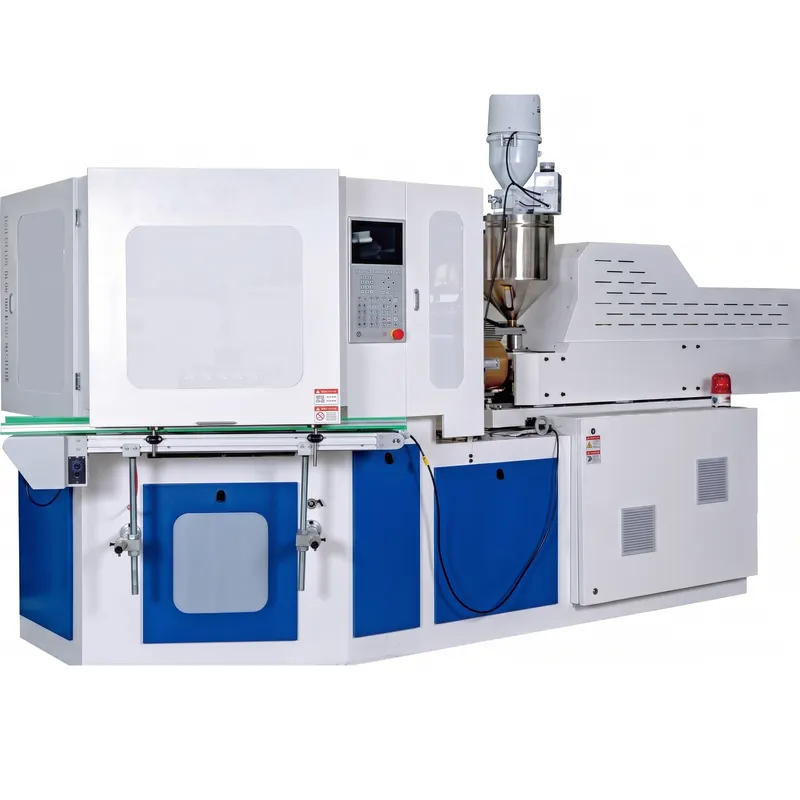
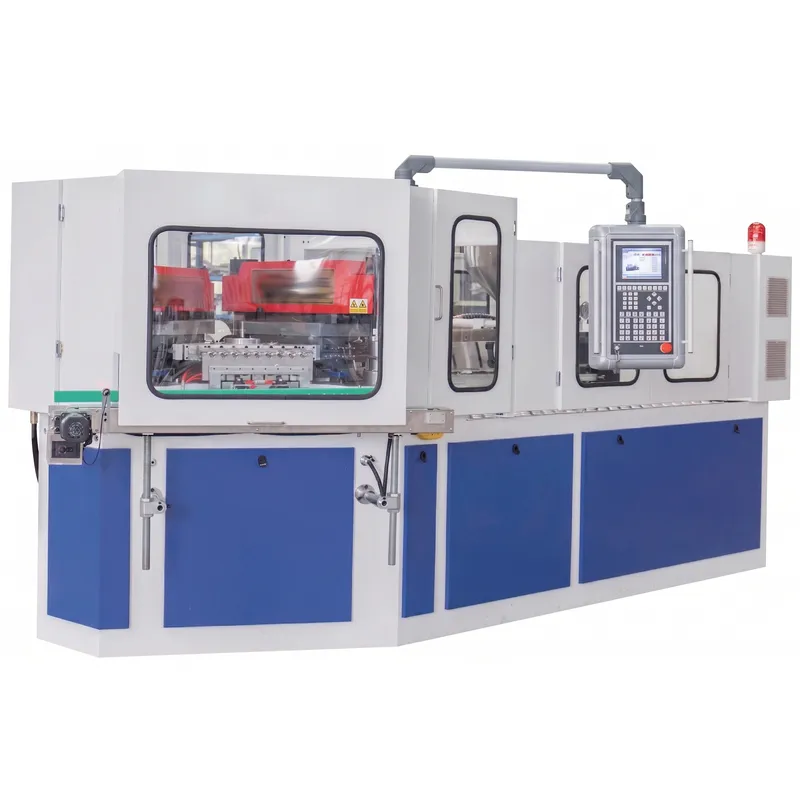
Enjeksiyonlu Şişirme Kalıplama Makinesi
Enjeksiyonlu şişirme kalıplama makinesi, diğer adıyla IBM makinesi, enjeksiyon kalıplama ve şişirme kalıplama işlemlerini tek bir makinede birleştiren bir tür plastik kalıplama üretim ekipmanıdır ve plastik şişe üretiminde yaygın olarak kullanılır. IBM makineleri yüksek hassasiyet, yüksek otomasyon ve yüksek verimlilik özelliklerine sahiptir. Ayrıca, karmaşık şekillere sahip plastik şişelerin üretim gereksinimlerini karşılayabilir. Üretim, enerji tasarrufu ve çevre koruma alanlarındaki sürekli gelişmelerle birlikte, enjeksiyonlu şişirme kalıplama makinesi teknolojisi de sürekli olarak ilerlemektedir.
Enjeksiyonlu Şişirme Kalıplama Makinesi Modelleri
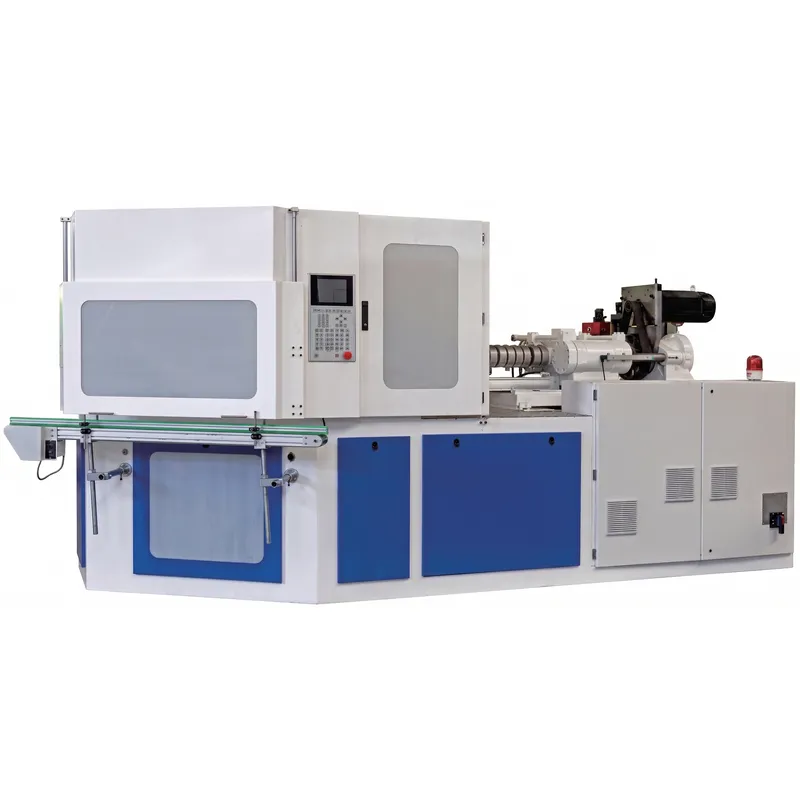
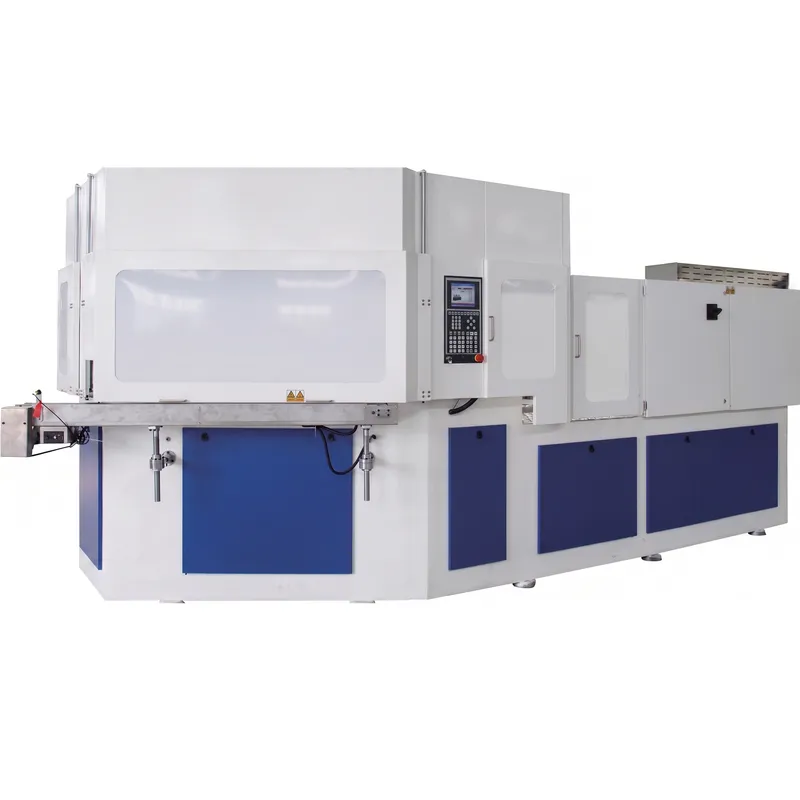
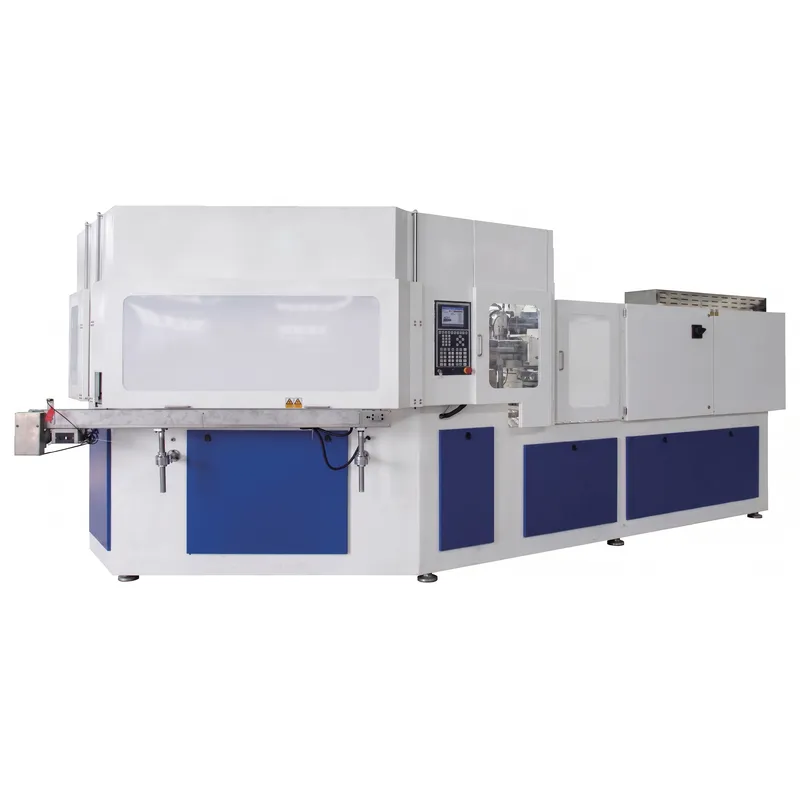
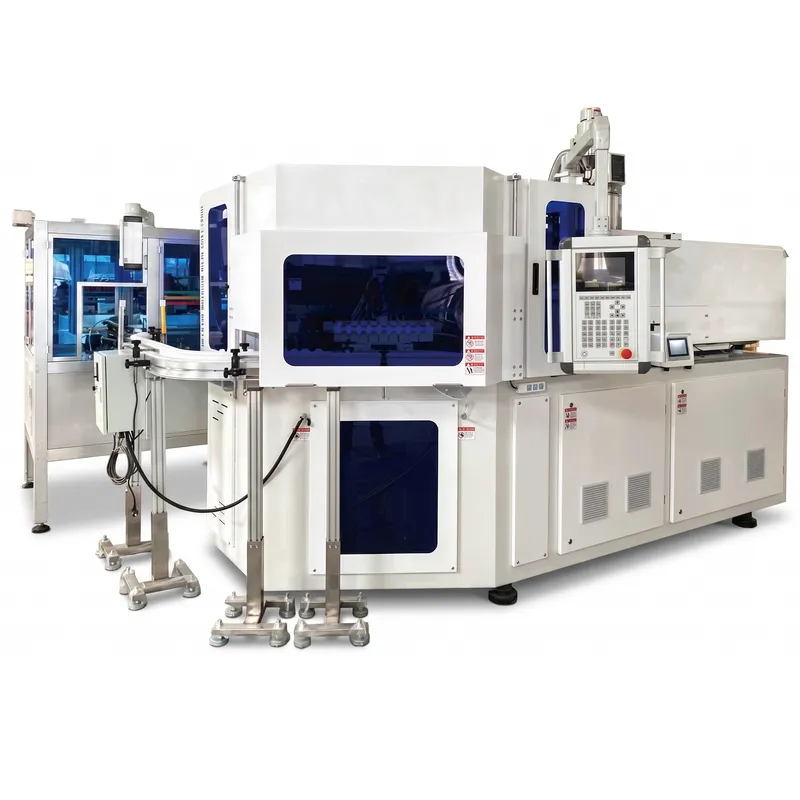
Enjeksiyonlu Şişirme Kalıplama Makinesi Nedir?
Enjeksiyon şişirme kalıplama makinesi, diğer adıyla IBM makinesi, enjeksiyon kalıplama ve şişirme kalıplama işlemlerini tek bir makinede birleştiren bir tür plastik kalıplama üretim ekipmanıdır ve plastik şişe üretiminde yaygın olarak kullanılmaktadır. IBM makineleri yüksek hassasiyet, yüksek otomasyon ve yüksek verimlilik özelliklerine sahiptir. Ayrıca, karmaşık şekillere sahip plastik şişelerin üretim gereksinimlerini karşılayabilir. Üretim, enerji tasarrufu ve çevre koruma alanlarındaki sürekli iyileştirmelerle birlikte, enjeksiyon şişirme kalıplama makinesi teknolojisi de sürekli olarak gelişmektedir. Tek aşamalı bir kalıplama işlemiyle ön kalıpların enjeksiyon kalıplaması, soğutma ve şişirme kalıplama, otomatik çıkarma gibi çok adımlı işlemleri tamamlayarak yüksek hassasiyette plastik şişeler elde edilmesini sağlar.
Geleneksel iki aşamalı kalıplama işlemine kıyasla, IBM makinesi kısa üretim döngüsü, nihai ürünün iyi tutarlılığı ve şişe boynunun yüksek hassasiyeti gibi önemli avantajlara sahiptir. Kompakt yapısı ve yüksek otomasyon derecesi, onu modern temiz ambalaj endüstrisinde vazgeçilmez bir ekipman haline getirmektedir.
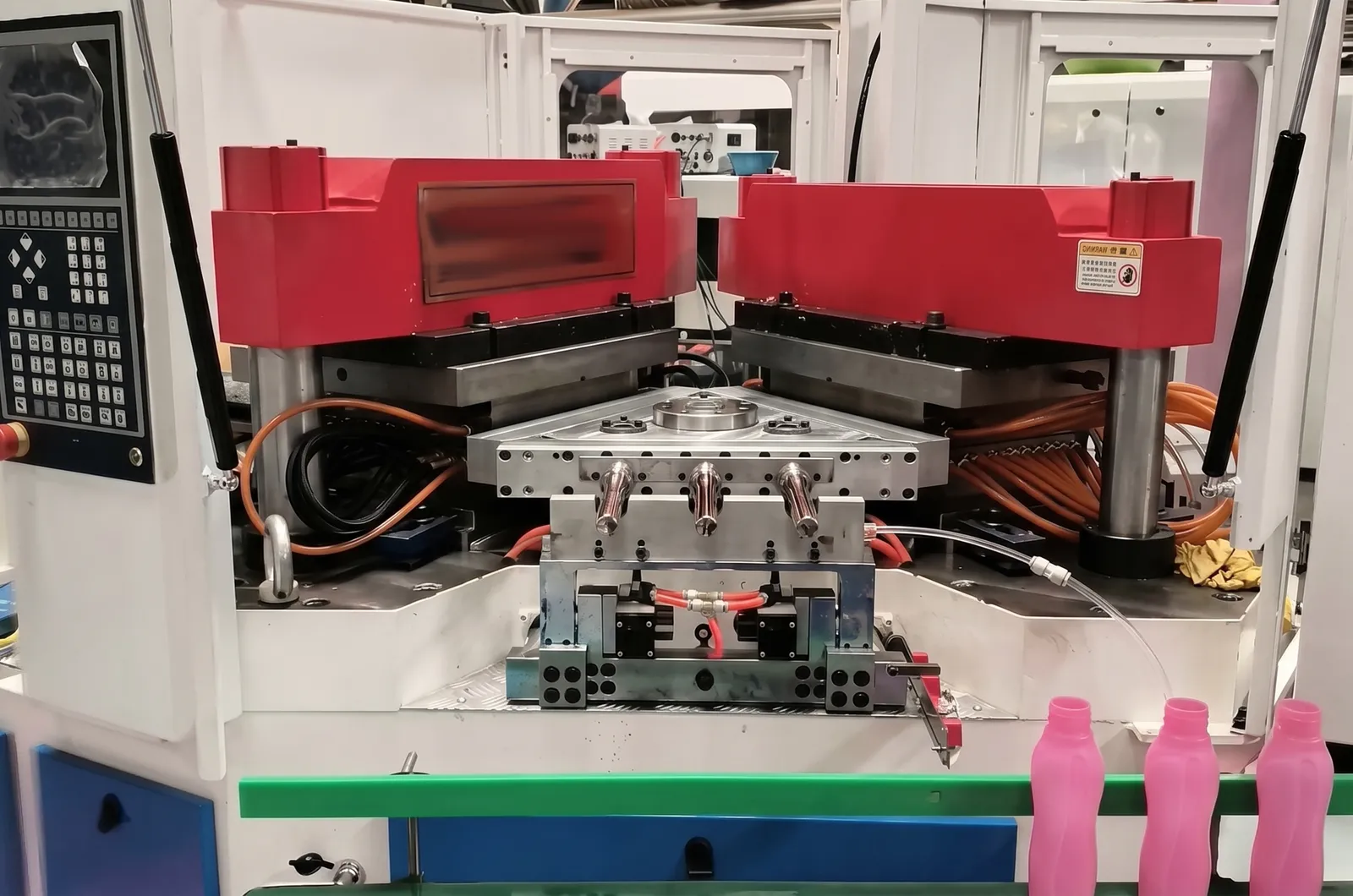
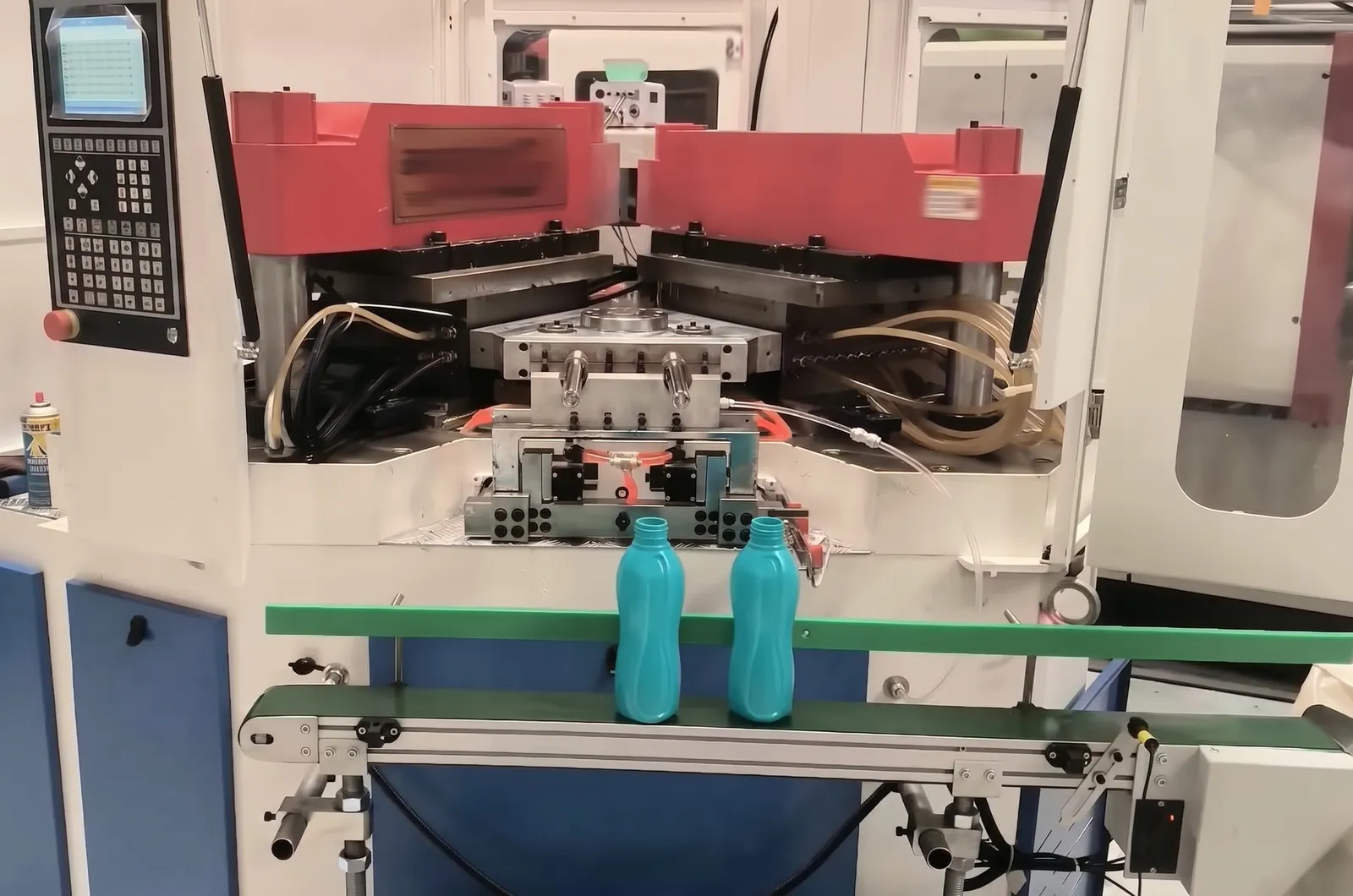
Çalışma Prensibi
1. Ön Kalıp Enjeksiyonu
Erimiş malzeme, kontrollü sıcaklık ve basınç koşulları altında ön şekillendirme boşluğuna hassas bir şekilde enjekte edilerek, şişe boynu ve dişli uç, tam boyut toleranslarına uygun şekilde oluşturulur. Enjeksiyon döngüsü tamamlandıktan ve ön şekillendirme yeterince soğuduktan sonra, kalıp açılır ve şekillendirilmiş ön şekillendirme parçasıyla birlikte mandrel, üretim sürecinin bir sonraki aşaması için şişirme kalıplama istasyonuna sorunsuz bir şekilde aktarılır.
2. Şişirme Kalıplama
Şişirme kalıplama istasyonunda, yüksek basınçlı hava mandrel aracılığıyla içeri verilir ve bu hava, ısıtılmış ön kalıbı, çevredeki kalıp boşluğunun hatlarına tam olarak uyacak şekilde dışa doğru genişletir. Şişe şekli ve duvar kalınlığı bu aşamada belirlenir ve boşluk sayısı, istenen şişe tasarımına ve üretim çıktısına bağlıdır. Son şeklin sabitlenmesi için yeterli soğutmadan sonra, kalıp açılır ve mandrel, tamamen şekillendirilmiş şişe ile birlikte sıyırma istasyonuna döner.
3. Sıyırma (Çıkarma)
Sıyırma istasyonunda, bitmiş şişeler manuel müdahale olmaksızın otomatik ve temiz bir şekilde soğuk çubuklardan çıkarılır ve daha sonra doğrudan kalite kontrolü ve paketleme için taşınır. Enjeksiyon, şişirme kalıplama ve şişe çıkarma işlemlerinin her üçü de her makine döngüsünde ilgili istasyonlarda eş zamanlı olarak gerçekleştiğinden, genel üretim süreci olağanüstü yüksek verimlilik, minimum malzeme israfı ve sürekli çalışma boyunca tutarlı ürün kalitesi sağlar.
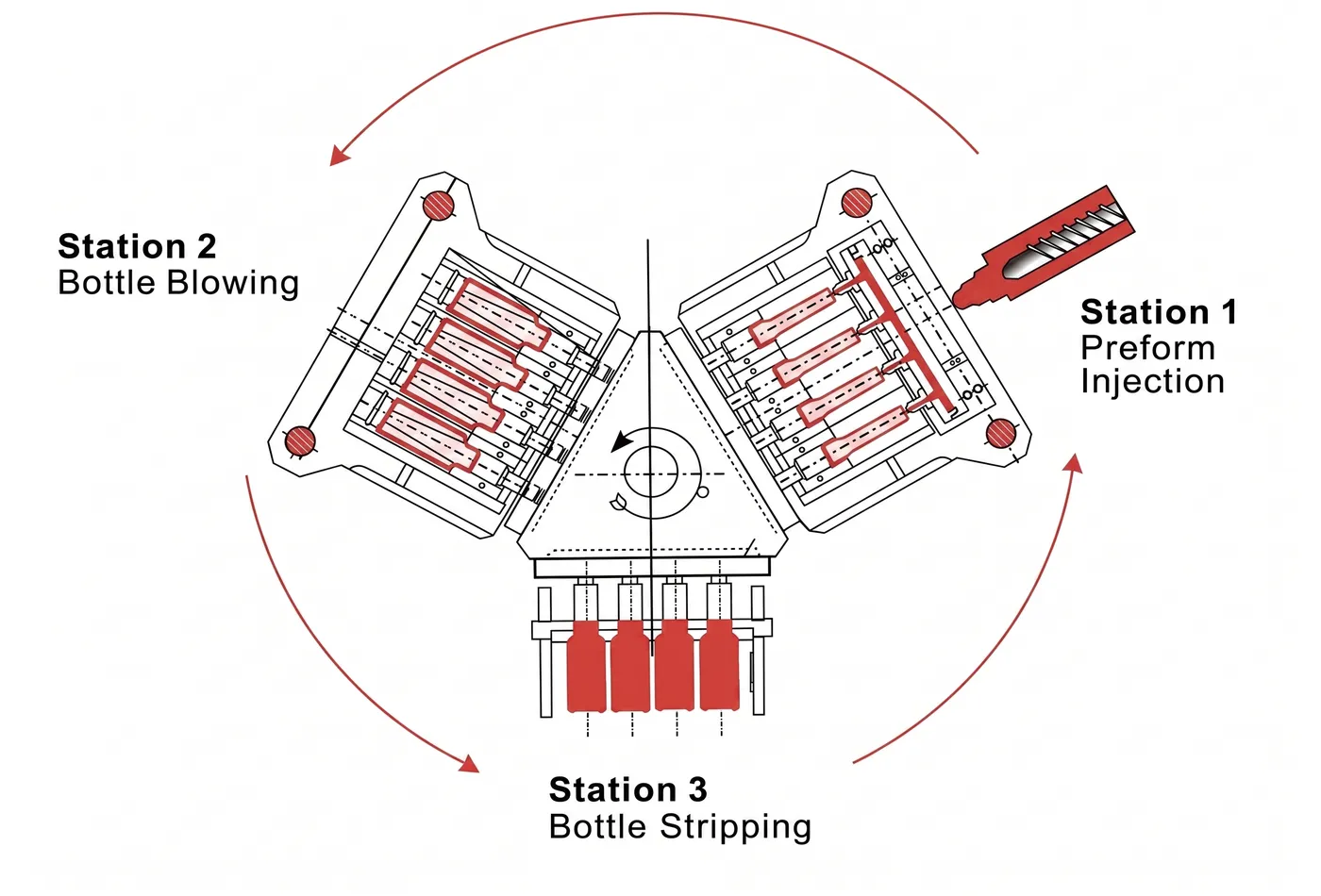
| 1 | Stok Hazırlama/Enjeksiyon Cihazı | 2 | Sıcak Koşucu |
| 3 | Çekirdek Çubuk | 4 | Şişe Preformu |
| 5 | Enjeksiyon Kalıbı | 6 | Enjeksiyon İstasyonu |
| 7 | Üfleme İstasyonu | 8 | Şişirme Kalıp |
| 9 | Soyma İstasyonu |
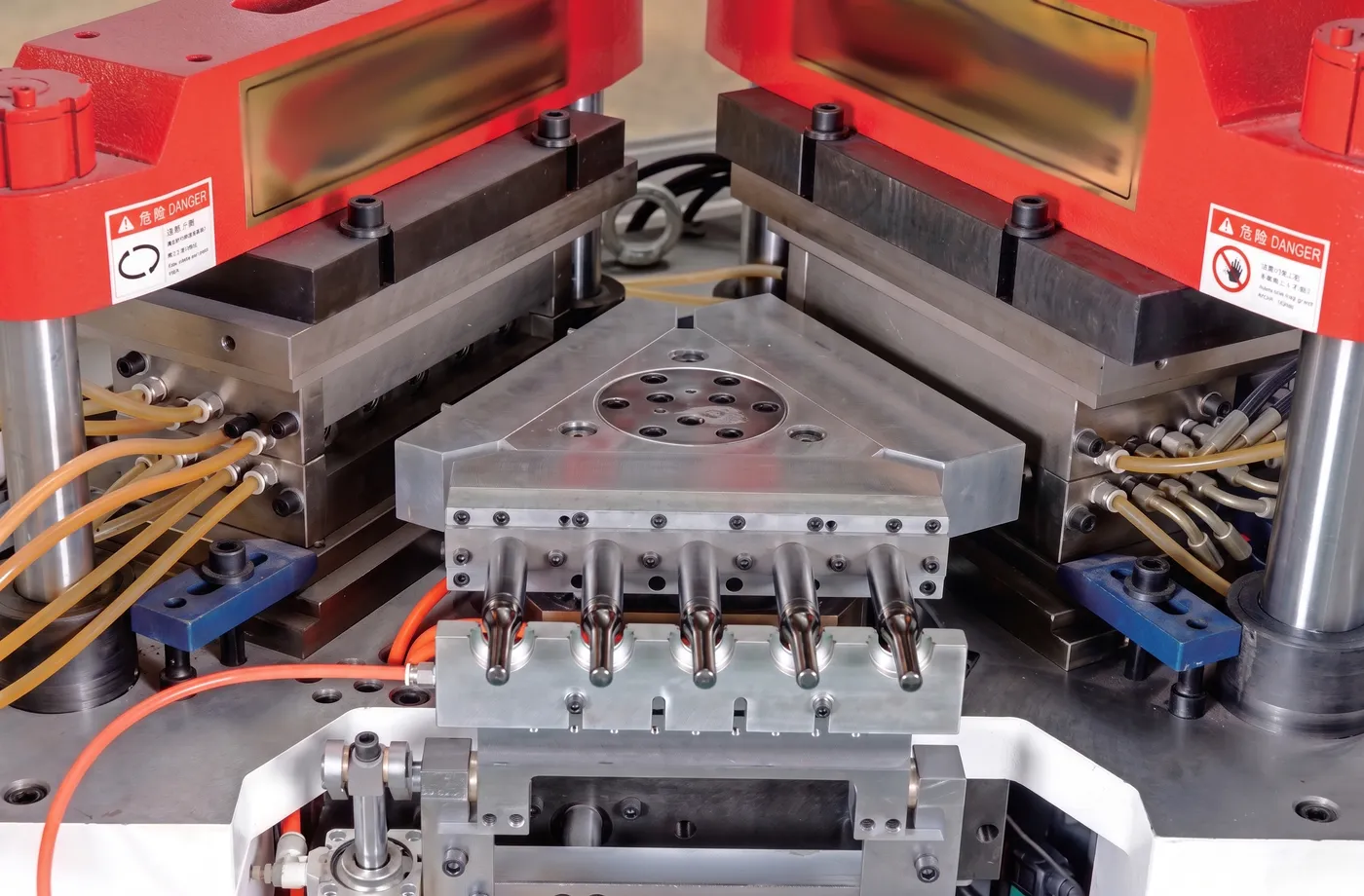
IBM Makinelerinin Avantajları
1. Yüksek Hassasiyetli Enjeksiyon Kalıp Tasarımı
Enjeksiyon kalıbı, hassas toleranslara göre tasarlanmıştır ve her üretim aşamasında tutarlı şişe boynu boyutları, üstün eş eksenlilik ve güvenilir sızdırmazlık performansı garanti eder. Bu boyutsal doğruluk seviyesi, ilaç, kozmetik ve gıda ambalaj uygulamalarının gerektirdiği katı kalite ve güvenlik standartlarını doğrudan karşılar.
2. Döner Tabla Yapısı
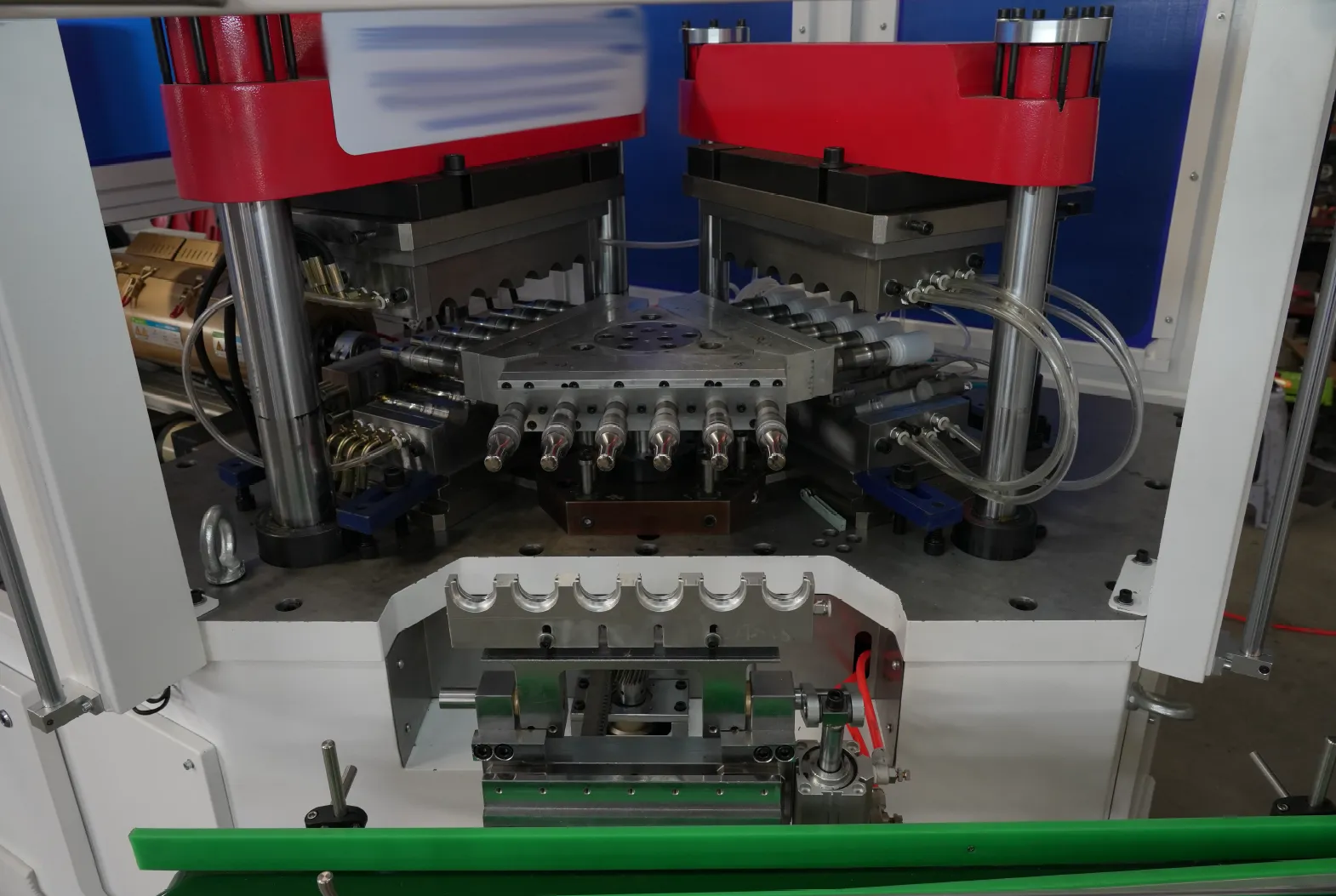
Döner tabla mekanizması, ön şekillendirilmiş parçaları enjeksiyon, üfleme ve püskürtme istasyonları arasında tek bir sürekli döngü içinde sorunsuz bir şekilde aktarır. Bu senkronize çok istasyonlu düzen, işlemler arasındaki bekleme süresini ortadan kaldırır, verimliliği en üst düzeye çıkarır ve istikrarlı bir üretim ritmi sağlar; bu da boyut tutarlılığından veya şişe bütünlüğünden ödün vermeden daha yüksek üretim kapasitesiyle sonuçlanır.
3. Akıllı PLC Kontrol Sistemi
Gelişmiş bir programlanabilir mantık kontrolcüsü, enjeksiyon basıncı, erime sıcaklığı, üfleme zamanlaması ve soğutma süresi dahil olmak üzere her kritik proses değişkenini gerçek zamanlı hassasiyetle yönetir. Operatörler, belirli ürün tariflerini saklayabilir ve geri çağırabilir, bu da geçiş süresini önemli ölçüde azaltır ve vardiya veya operatörden bağımsız olarak her partinin aynı kalite ölçütlerini karşılamasını sağlar.
4. Enerji Tasarrufu Sistemi
Bu makine, namlu, kalıp ve soğutma kanalları boyunca homojen ve istikrarlı sıcaklıkları koruyan optimize edilmiş bir termal yönetim tasarımına sahiptir. Bu dengeli ısı dağılımı, kalıplama döngülerini kısaltır, reçine bozulmasını azaltır, üretilen birim başına elektrik tüketimini düşürür ve üretim hızından ödün vermeden çevreye duyarlı üretim hedeflerini destekler.
5. Otomatik Kalıptan Çıkarma Cihazı
Şişeler, özel bir sıyırma mekanizması aracılığıyla otomatik olarak kalıplardan ayrılır ve bu aşamada manuel çıkarma ihtiyacını ortadan kaldırır. Kontrollü fırlatma kuvveti, yüzey çizilmesini, deformasyonu veya boyun hasarını önleyerek, doğrudan ret oranlarını düşürür, iş gücüne bağımlılığı azaltır ve uzun vadeli sürekli çalışma boyunca birim üretim maliyetlerini düşürür.
6. Kirlilikten Arındırılmış Kalıplama Ortamı
Makine gövdesi ve kalıp alanı, üretim sırasında havada bulunan toz, partiküller ve çevresel kirleticilerin kalıp boşluğuna ulaşmasını fiziksel olarak engelleyen sağlam, sızdırmaz bir muhafazaya sahiptir. Bu yerleşik kirlilik kontrolü, özellikle temizlik uyumluluğunun müzakere edilemez bir yasal gereklilik olduğu ilaç şişeleri, göz damlası şişeleri ve tıbbi kaplar için son derece önemlidir.
Enjeksiyonlu Şişirme Kalıplama Makinelerinin Uygulamaları
1. Yiyecek ve İçecek
Gıda ve içecek endüstrisi, güvenli ve verimli ambalajlama için büyük ölçüde enjeksiyonlu şişirme kalıplama yöntemine güvenmektedir. Üreticiler bu işlemi süt, meyve suları, soslar ve baharatlar için plastik şişeler, kavanozlar ve kapaklar üretmek için kullanmaktadır. IBM makinesi, katı FDA ve GMA düzenlemelerine uygun gıda ambalajları üreterek tüketici güvenliğini sağlamaktadır.
- Enjeksiyonlu şişirme kalıplama, tutarlı kaliteyle özelleştirilmiş kapların yüksek hacimli üretimini destekler.
- PET ve HDPE gibi gıda sınıfı plastikler, dayanıklılık ve kimyasal direnç sağlar.
- Bu işlem, hava geçirmez contalar oluşturarak tazeliği korur ve raf ömrünü uzatır.
- Karmaşık şekiller ve sıkı toleranslar, ambalaj bütünlüğünü korumaya ve sızıntıları önlemeye yardımcı olur.
- Sıcaklığa dayanıklı kaplar, yiyecek ve içecekleri depolama ve taşıma sırasında korur.
Bu teknoloji, gıda ve içecek sektörünün çok çeşitli ürünler için güvenli, çekici ve güvenilir ambalajlar sunmasını sağlıyor.
2. Kozmetik ve Kişisel Bakım
Kozmetik ve kişisel bakım endüstrisi, görsel olarak çekici ve işlevsel ambalajlar oluşturma yeteneği nedeniyle enjeksiyonlu şişirme kalıplama yöntemine değer vermektedir. Şirketler bu işlemi losyon şişeleri, deodorant çubukları ve kozmetik kavanozları üretmek için kullanmaktadır. ISBM makinesine kıyasla, IBM makinesi özel kalıp tasarımlarına olanak tanıyarak markaların ürünlerini benzersiz şekiller ve ergonomik formlarla farklılaştırmasına imkan vermektedir.
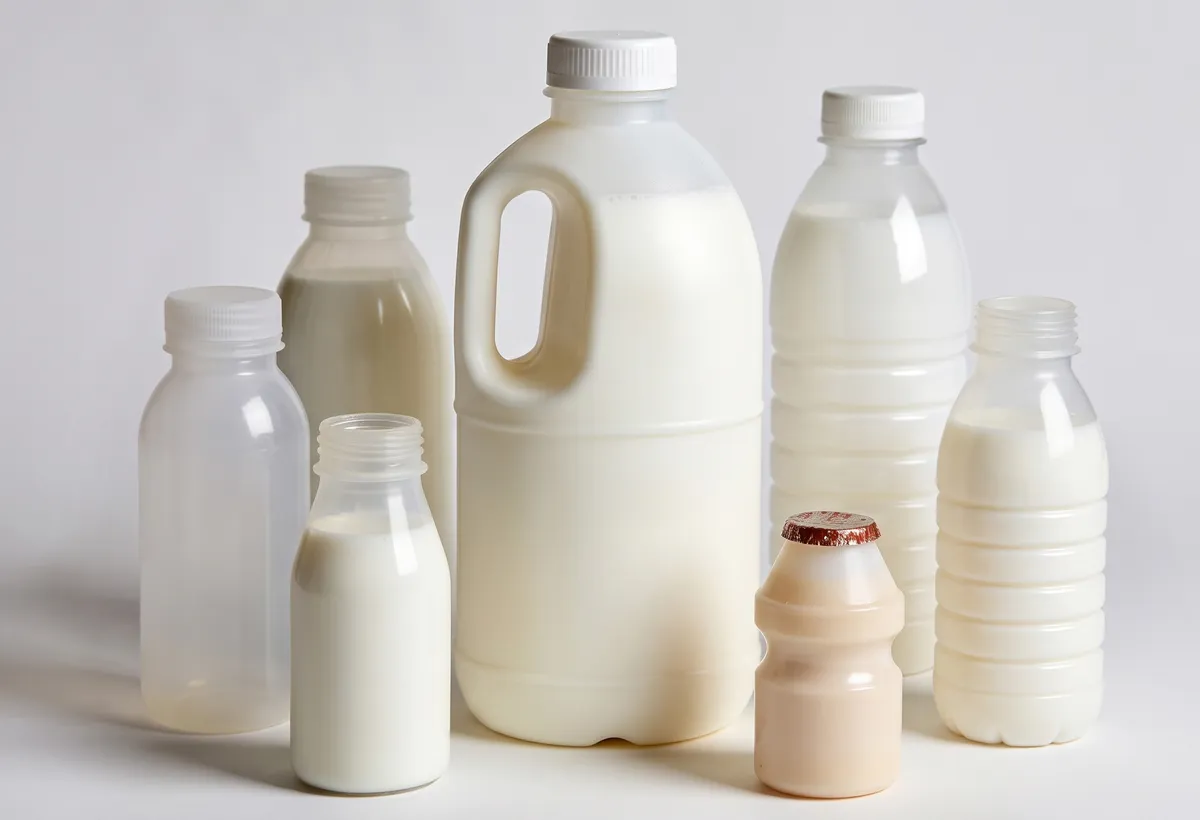
Yiyecek Şişesi
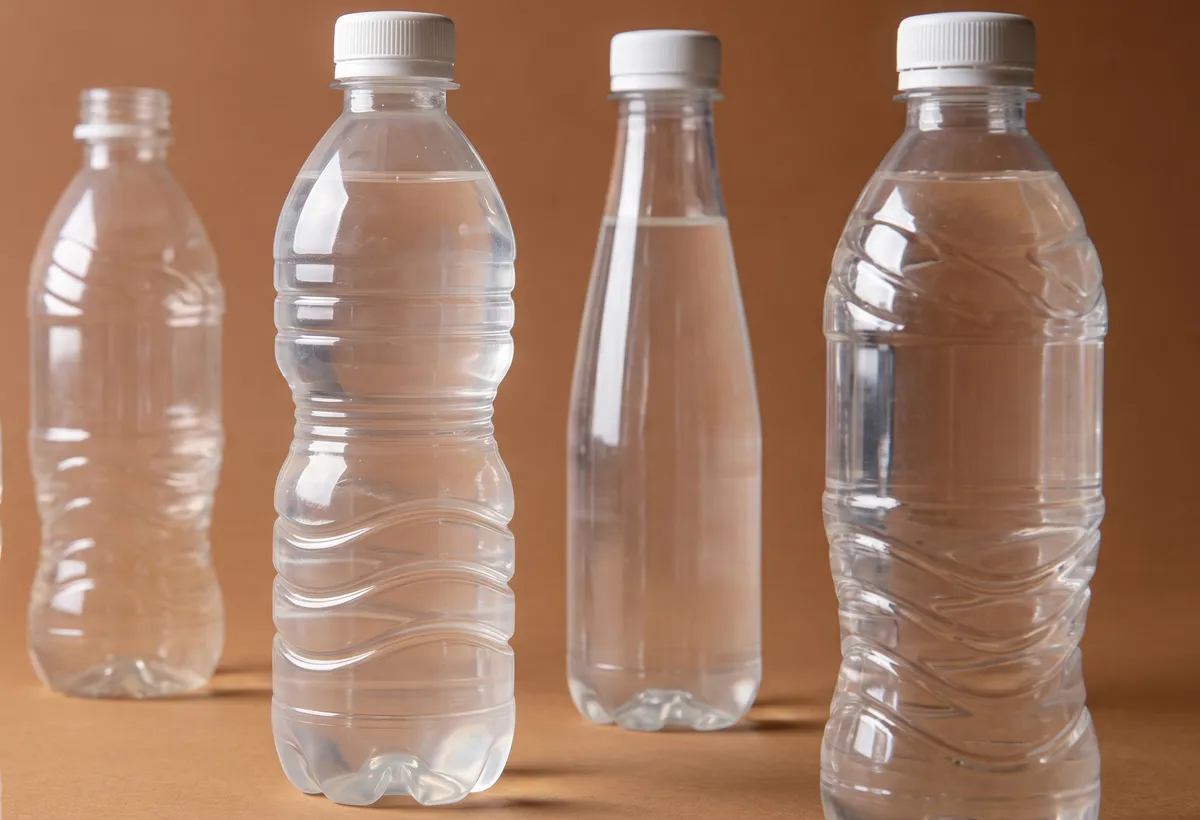
İçecek Şişesi
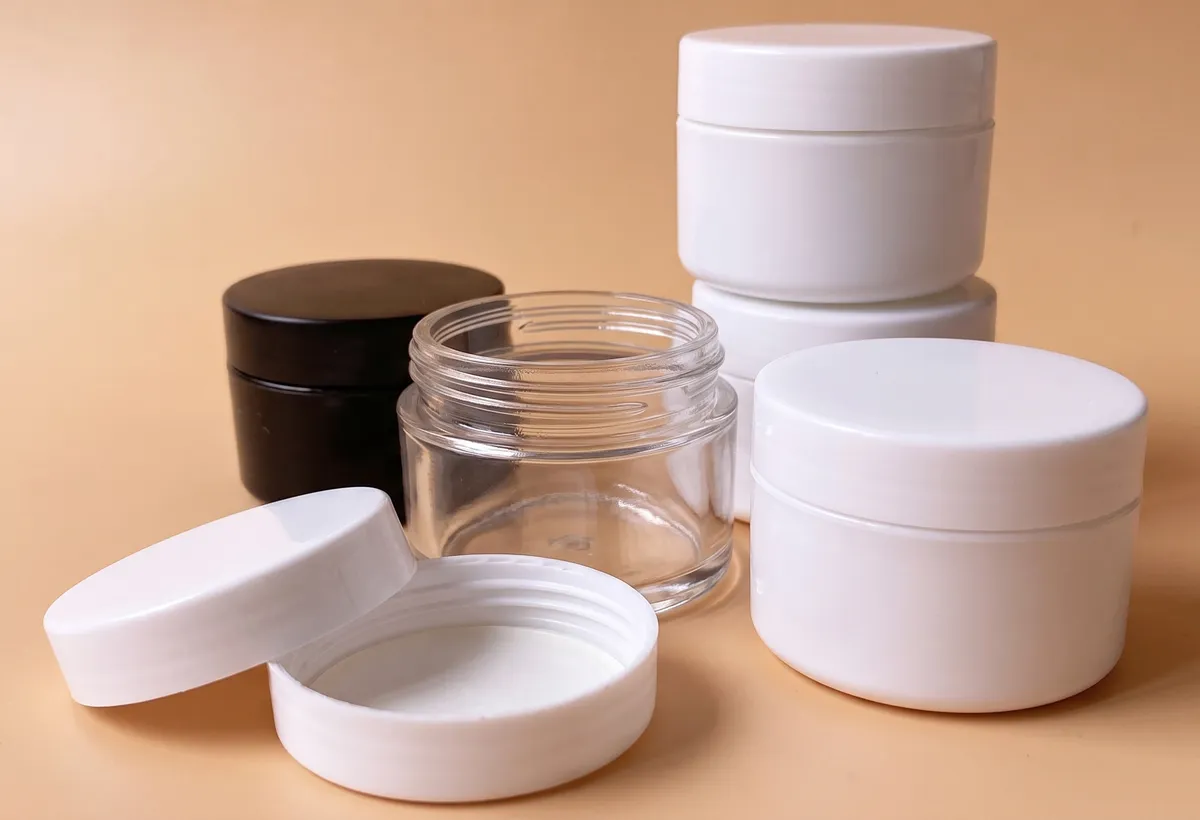
Kozmetik Şişesi
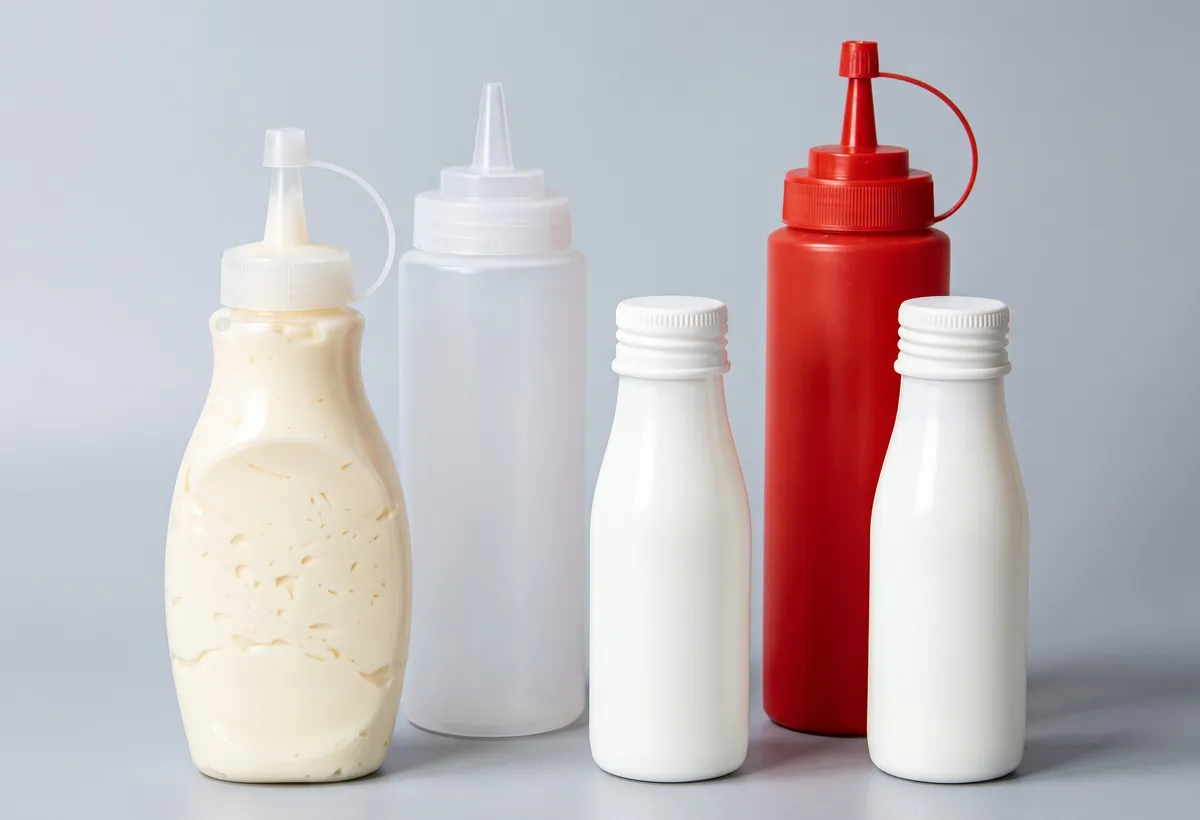
Baharat Şişesi
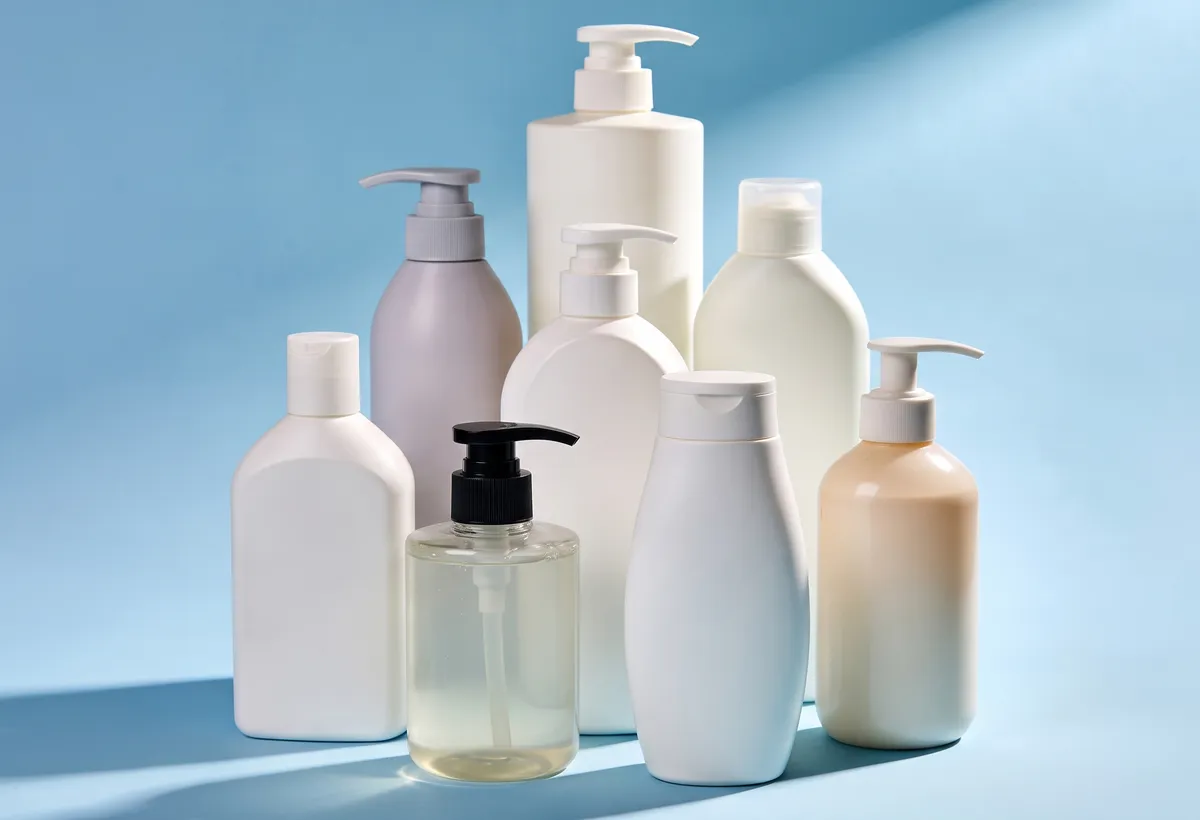
Şampuan Şişesi
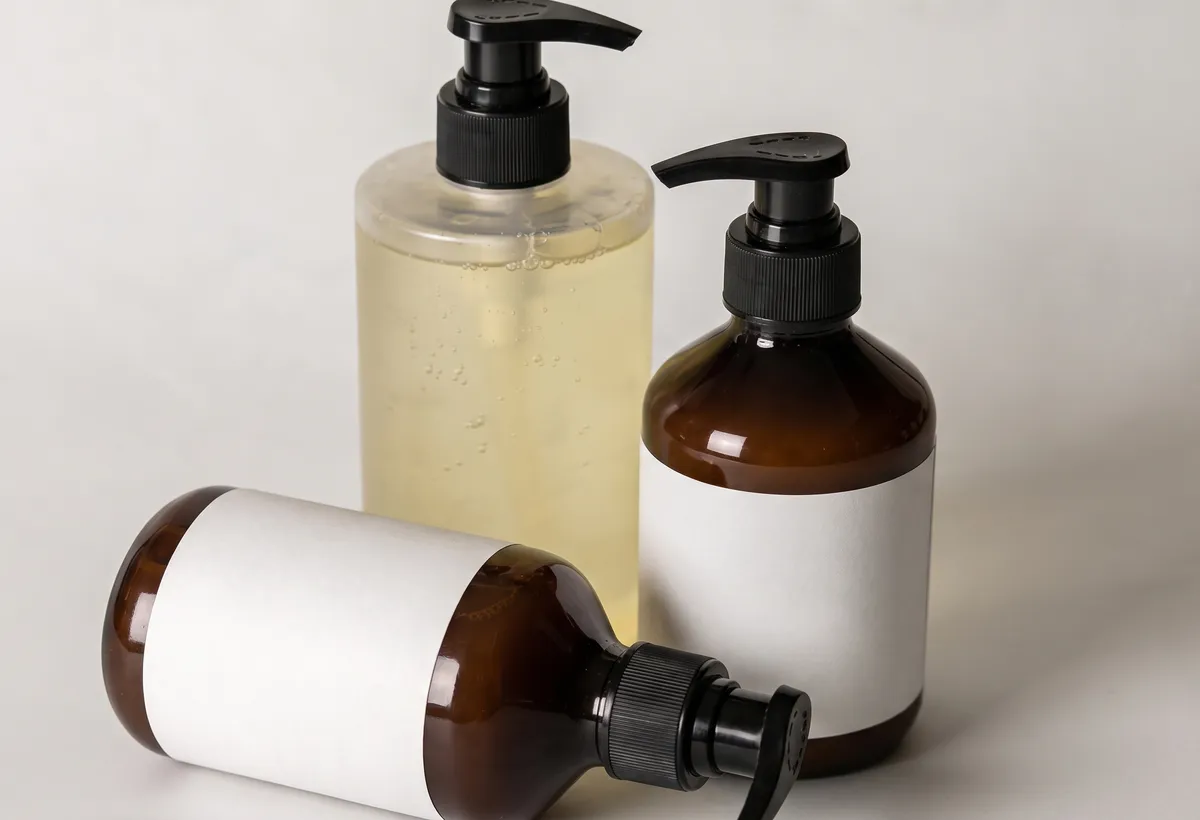
Vücut Yıkama Jeli Şişesi
3. İlaçlar
İlaç şirketleri, ilaçlar, şuruplar ve takviyeler için hassas plastik kaplar üretmek amacıyla enjeksiyonlu şişirme kalıplama yöntemine güvenmektedir. Bu işlem, küresel düzenleyici standartlara uygun ISBM şişeleri ve flakonları üretir. PET şişeler, şeffaflıkları, dayanıklılıkları ve hafiflikleri nedeniyle ilaç ambalajlarında yaygın olarak kullanılmaktadır. Bu kaplar, neme ve oksijene karşı mükemmel bariyer koruması sağlayarak ilaç stabilitesini ve raf ömrünü korur.
Üreticiler, steriliteyi korumak için temiz oda ortamlarında IBM makineleri kullanır. Otomatik denetim sistemleri, kalite ve uyumluluk açısından üretimin her aşamasını kontrol eder. Kurcalamaya karşı korumalı ve çocuk kilidi bulunan kapaklar güvenliği artırır. Enjeksiyon kalıplama yöntemiyle üretilen boyun kısmı, sızıntıları ve kirlenmeyi önleyerek güvenli bir sızdırmazlık sağlar. İlaç ambalajları, kimyasal uyumluluk ve mekanik dayanıklılık açısından titiz testlerden geçmek zorundadır; bu nedenle enjeksiyon şişirme kalıplama bu sektör için tercih edilen yöntemdir.
4. Kimyasallar
Kimya üreticileri, kapaklar, kapatma mekanizmaları, dozaj kapakları, pompalar ve püskürtücüler gibi ambalaj bileşenleri üretmek için enjeksiyonlu şişirme kalıplama yöntemini kullanırlar. Bu işlem, HDPE, LDPE ve PET gibi uygun polimerlerin seçilmesiyle kimyasal direnci ve güvenliği sağlar. Bu malzemeler, agresif kimyasallara ve çevresel streslere karşı dayanıklıdır.
- Hızlı enjeksiyon kalıplama, hızlı prototipleme ve uyumluluk testine olanak tanır.
- Tasarım özellikleri arasında düzgün duvar kalınlığı ve çocuk kilidi gibi güvenlik mekanizmaları yer almaktadır.
- Kalite kontrolü, boyut kontrolü, sızıntı testi ve malzeme doğrulamasını içerir.
Enjeksiyon şişirme kalıplama yöntemi, kimya endüstrisinin güvenilir ürün muhafazasına olan ihtiyacını destekleyen, dayanıklı, güvenli ve özelleştirilebilir ambalaj bileşenleri sağlar.
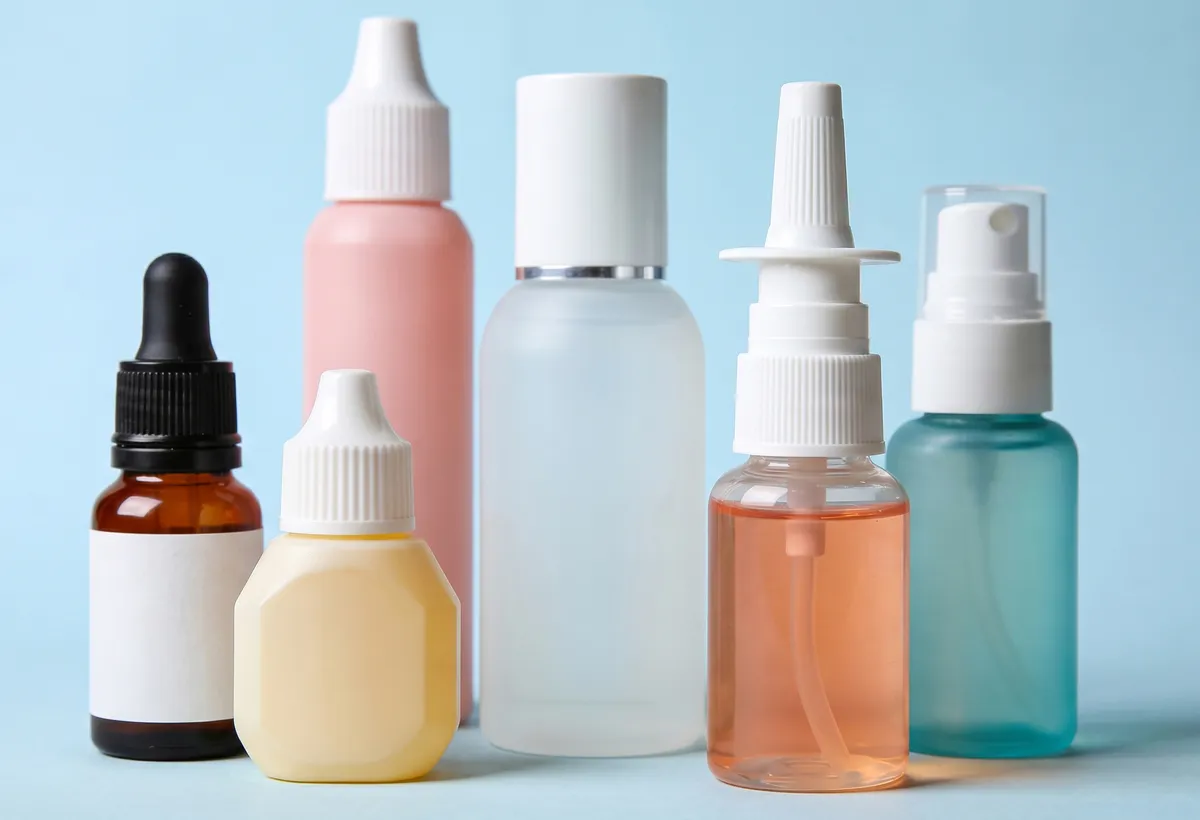
Göz Damlası Şişesi
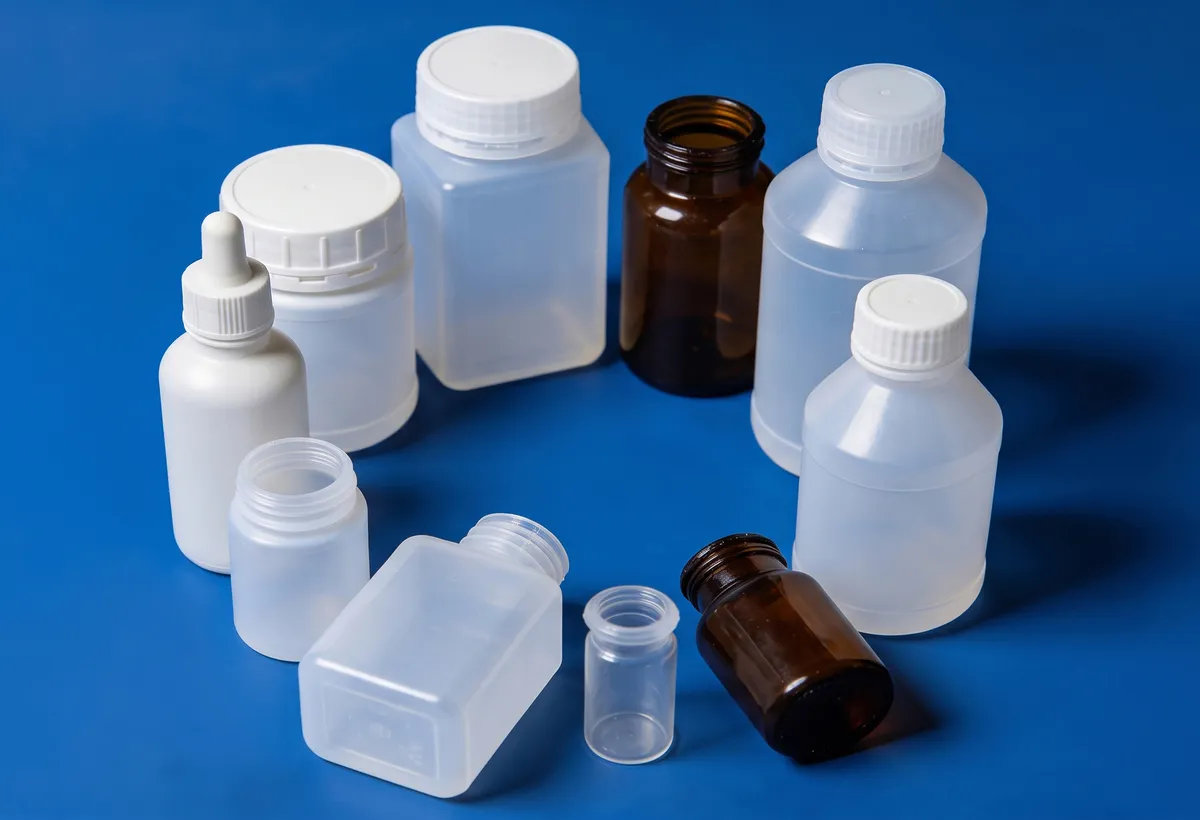
Kimyasal Şişe
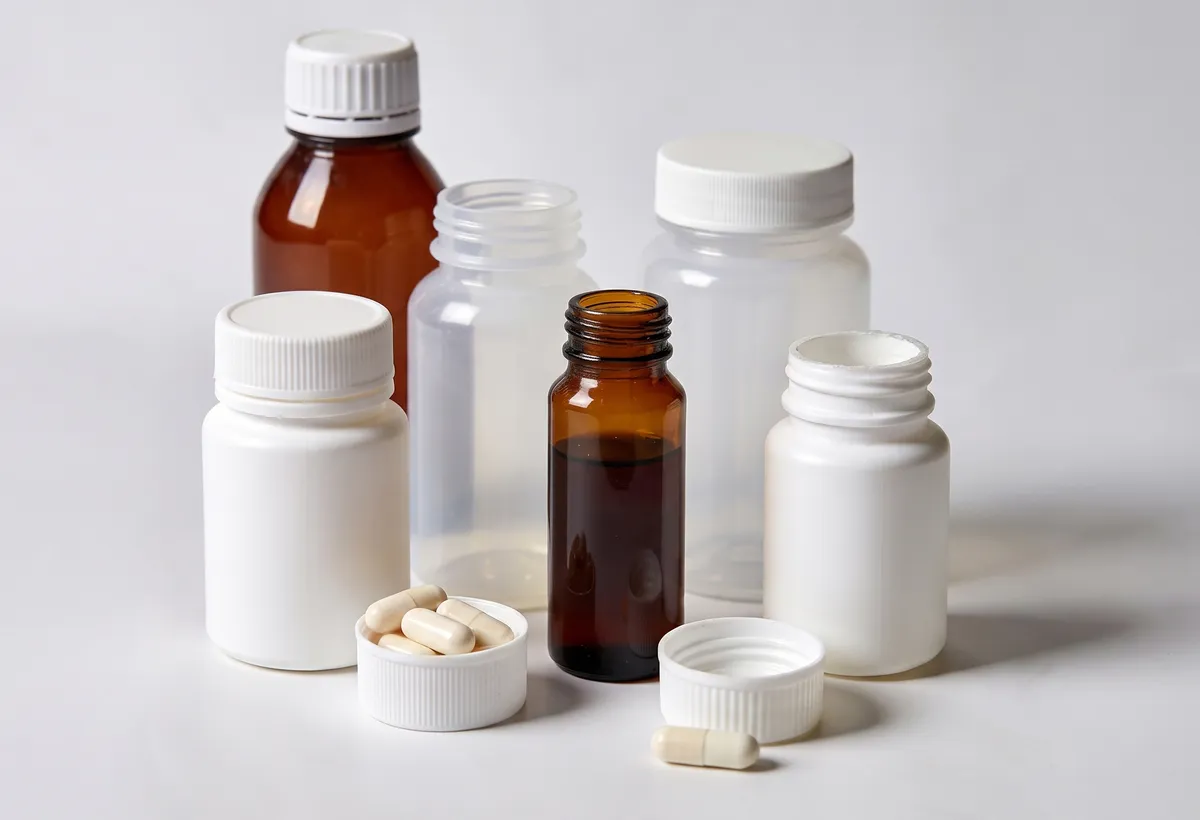
İlaç Şişesi
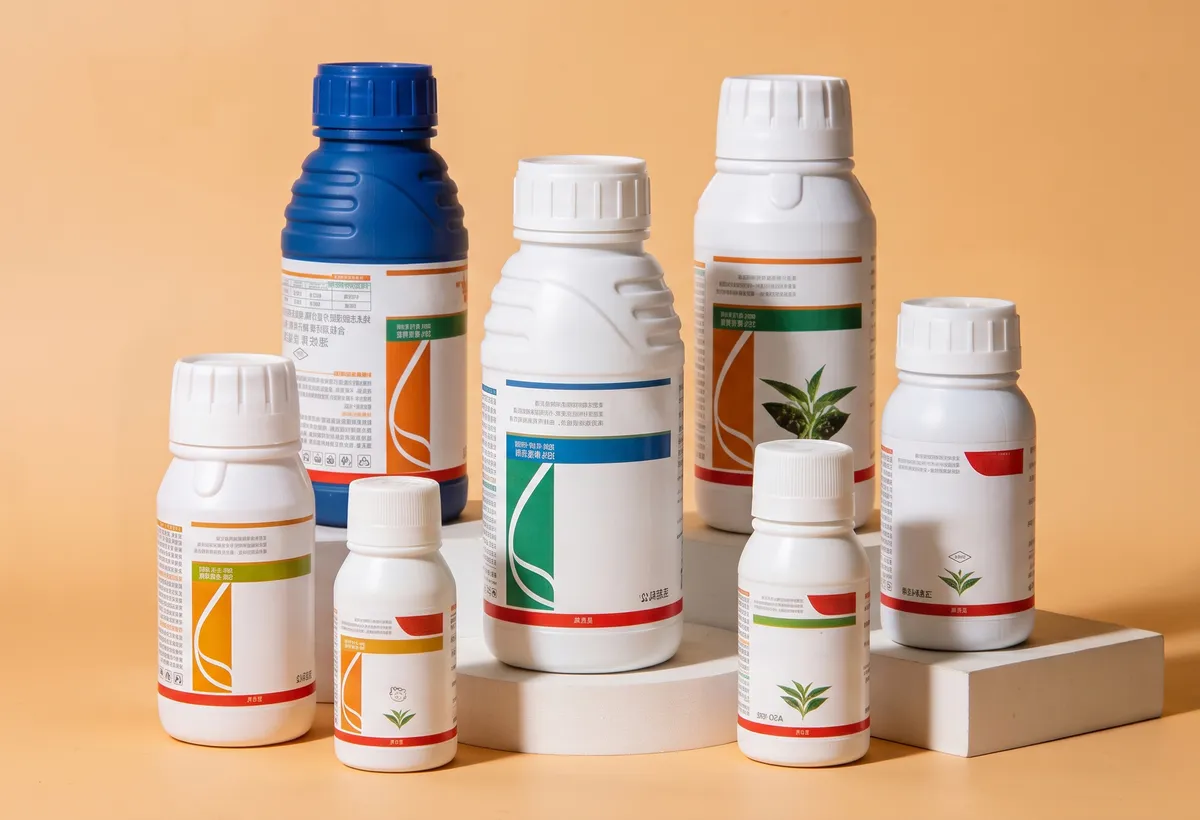
Böcek ilacı şişesi
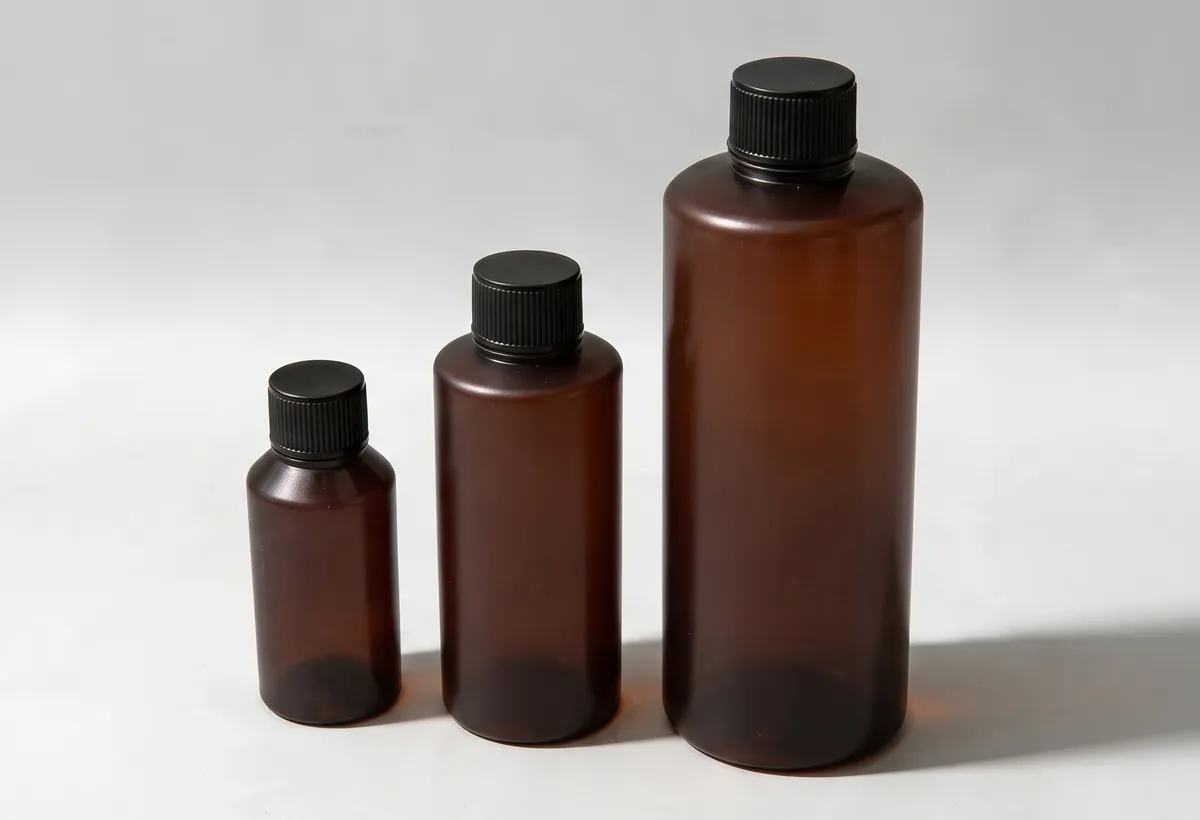
Farmasötik Kuru Şurup Şişesi
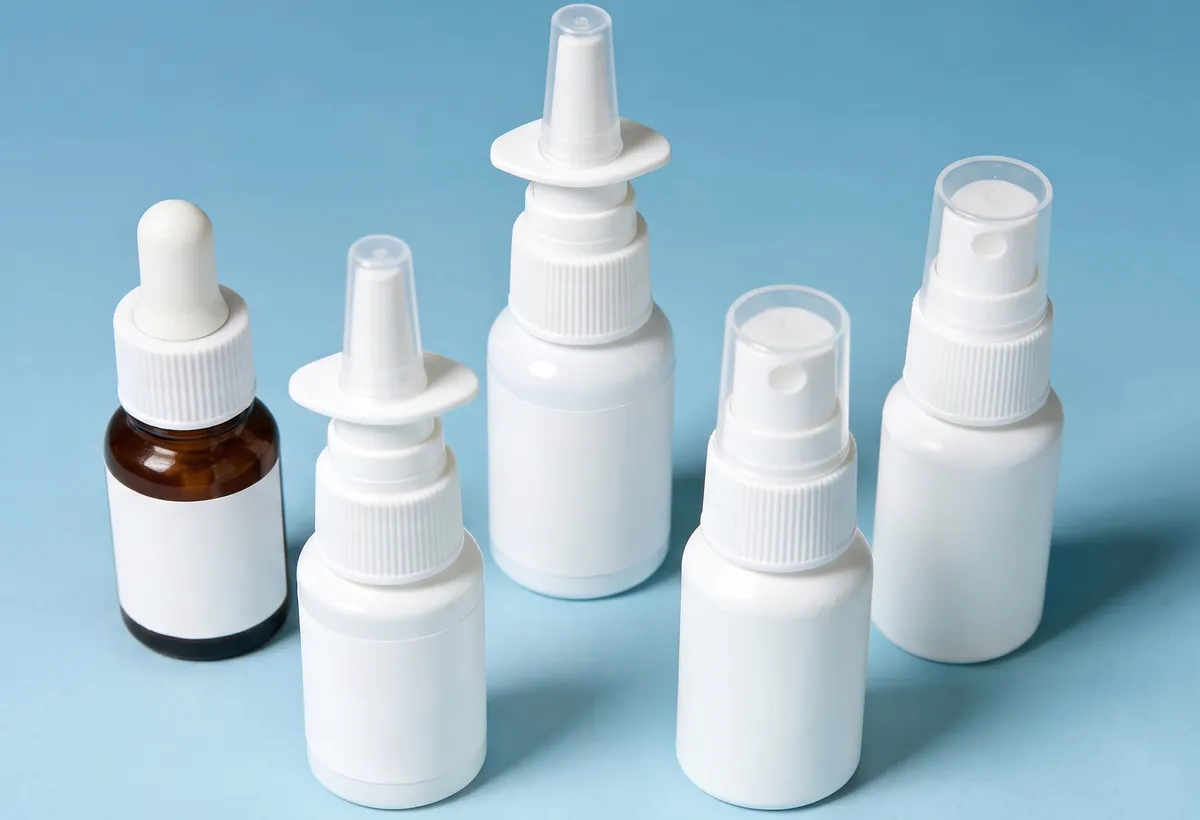
Tıbbi Sprey Şişesi
Enjeksiyonlu Şişirme Kalıplama ile Ekstrüzyonlu Şişirme Kalıplama Karşılaştırması
Bu farklılık, boyun hassasiyetini, duvar kalınlığı kontrolünü, kesim atıklarını, kalıp yapısını, malzeme davranışını, çevrim kararlılığını ve her bir işlemin verimli bir şekilde üretebileceği şişe türünü etkiler.
Enjeksiyonlu Şişirme Kalıplama (IBM)
- Enjeksiyon: Erimiş plastik, hassas bir ön şekillendirme ve boyun bitişi oluşturmak için bir çekirdek çubuğun etrafına enjekte edilir.
- Üfleme: Ön şekillendirilmiş parça şişirme istasyonuna taşınır ve şişe kalıbının içinde şişirilir.
- Soyunma: Bitmiş şişe, fazla atıkların kesilmesine gerek kalmadan çıkarılır.
Ekstrüzyon Şişirme Kalıplama (EBM)
- Ekstrüzyon: Erimiş plastik, parison adı verilen içi boş bir tüp şeklinde aşağı doğru ekstrüde edilir.
- Sıkıştırma: Kalıp, ön kalıbın etrafını sarar ve fazla malzemeyi sıkıştırarak çıkarır.
- Üfleme ve düzeltme: Şişenin içinde hava oluşur, daha sonra soğuduktan sonra fazlalıkların kesilmesi gerekir.
IBM ve EBM'de Kullanılan Hammaddeler
Her iki işlem de yaygın olarak kullanılan ambalaj plastikleriyle çalışabilir, ancak malzeme seçimi her zaman şişe geometrisi, sızdırmazlık gereksinimleri, düzenleyici ihtiyaçlar ve üretim istikrarı açısından doğrulanmalıdır.
IBM ve EBM Süreçlerindeki Farklılıklar
| Özellik | Enjeksiyonlu Şişirme Kalıplama (IBM) | Ekstrüzyon Şişirme Kalıplama (EBM) |
|---|---|---|
| Başlangıç formu | Enjeksiyon kalıplı ön şekil | Ekstrüde edilmiş parison |
| Boyun hassasiyeti | Son derece yüksek; boyun kısmı enjeksiyon yöntemiyle önceden kalıplanmıştır. | Standart; kalıp kapatma, kesme ve boyun kalibrasyonuna bağlıdır. |
| Hurda / atık malzeme | Sıfır flaş ve çok düşük işlem atığı | Kırpma ve yeniden kullanım gerektiren flaş flaşlar oluşturur. |
| En uygun konteyner boyutu | Küçük ila orta boy hassas şişeler | Orta ila büyük boy içi boş kaplar |
| İlk kalıp maliyeti | Hassas takım ve karot çubukları için daha yüksek başlangıç yatırımı | Birçok büyük içi boş kap için ilk kalıp maliyetlerini düşürün. |
| En iyi uygulamalar | İlaç şişeleri, göz damlalıkları, kozmetik ürünler, laboratuvar kapları | Büyük süt bidonları, deterjan bidonları, bidonlar, karmaşık kulplar |
| Kalite önceliği | Boyutsal tutarlılık, temiz üretim ve sızdırmazlık güvenilirliği | Boyut esnekliği, üretim ve konteyner hacmi ekonomisi |
IBM ve EBM için Yaygın Şişe Uygulamaları
| Başvuru | Daha uygun | Neden önemli? |
|---|---|---|
| ilaç şişeleri | Enjeksiyon şişirme kalıplama | Hassas boyun bitişi, temiz üretim ve istikrarlı sızdırmazlık genellikle düşük kalıp maliyetinden daha önemlidir. İlaç şişesi üretim kılavuzuna bakın. Özellikle tıbbi ve farmasötik ambalajlar için, özel tıbbi ambalajlama süreci karşılaştırmasına göz atın. |
| Göz damlası ve burun spreyi şişeleri | Enjeksiyon şişirme kalıplama | Küçük dozajlı ambalajlar, doğru boyun geometrisi ve tutarlı boyutlar gerektirir. Farmasötik göz damlası çözümlerini inceleyin. |
| Kozmetik kavanozları ve küçük günlük kimyasal şişeleri | Enjeksiyon şişirme kalıplama | Yüzey kalitesi, boyut kontrolü ve azaltılmış kesim atığı, ürün kalitesini artırır. Kozmetik şişe üretim makinelerinin uygulamalarını keşfedin. |
| Bidonlar, variller ve büyük kaplar | Ekstrüzyon şişirme kalıplama | Büyük hacimli ve esnek içi boş şekiller genellikle EBM ekipmanıyla daha iyi uyum sağlar. |
| Büyük endüstriyel içi boş parçalar | Ekstrüzyon şişirme kalıplama | EBM, kesme işlemi gerektirse bile, daha büyük ön kalıpları ve daha geniş ürün şekillerini işleyebilir. |
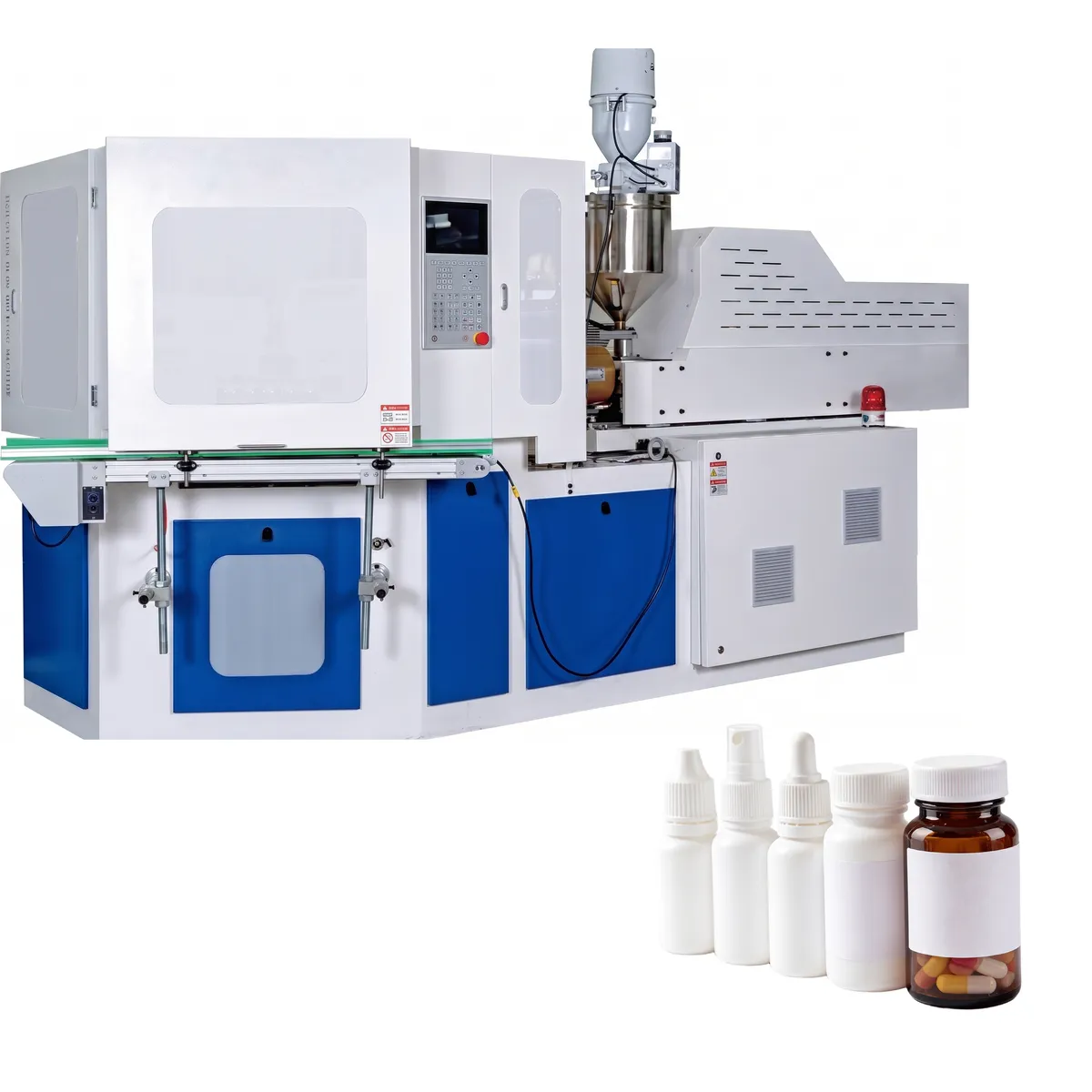
IBM Makinesi
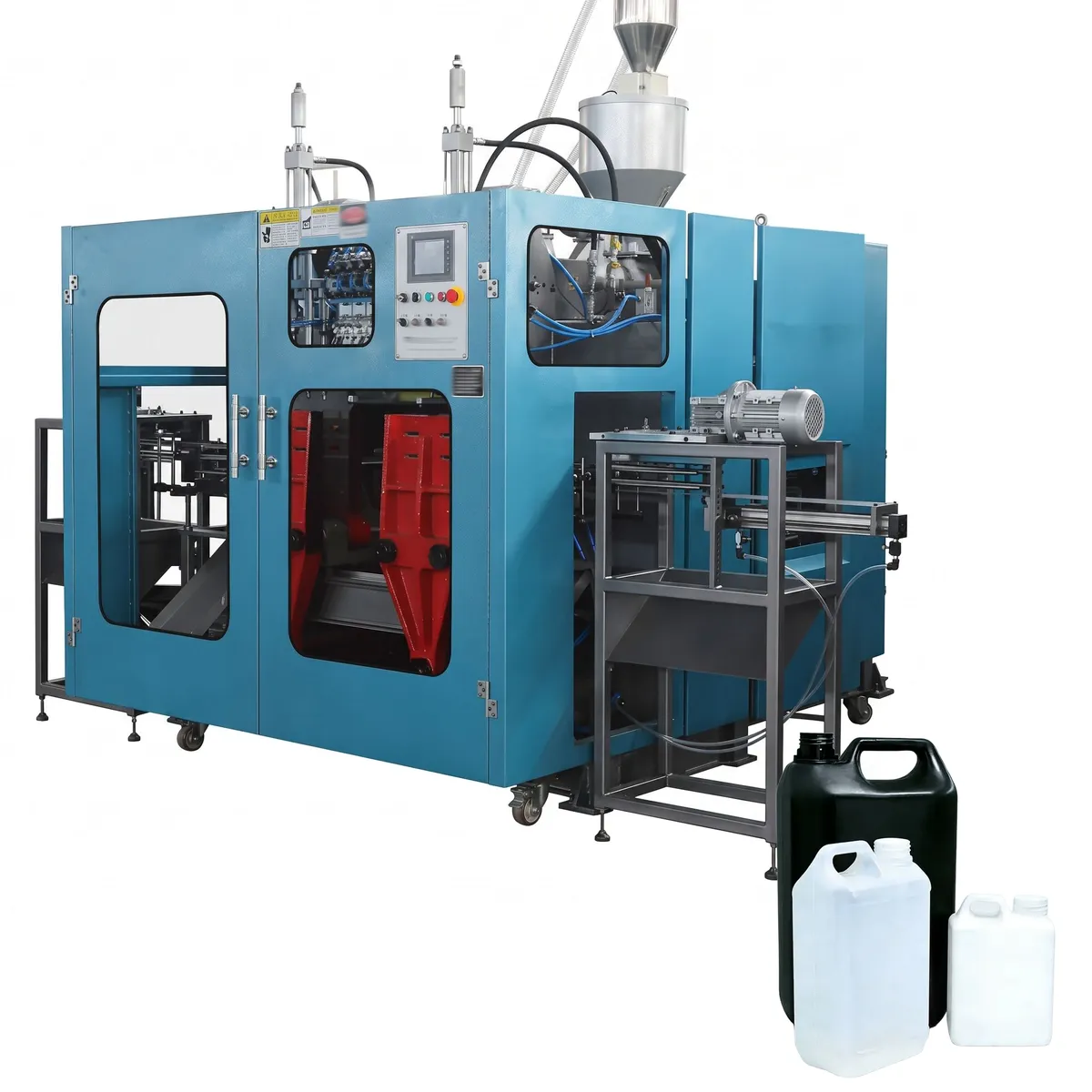
EBM Makinesi
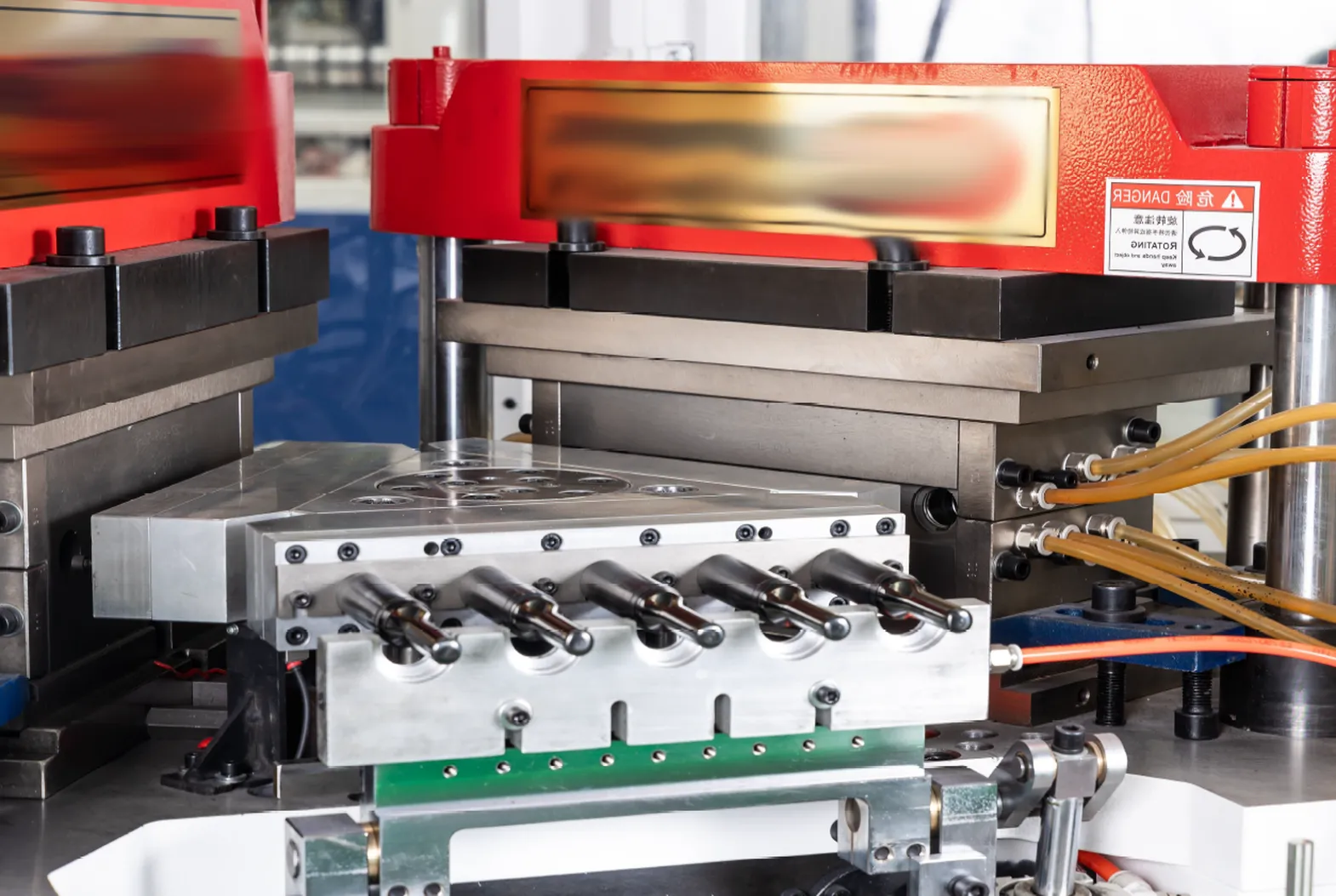
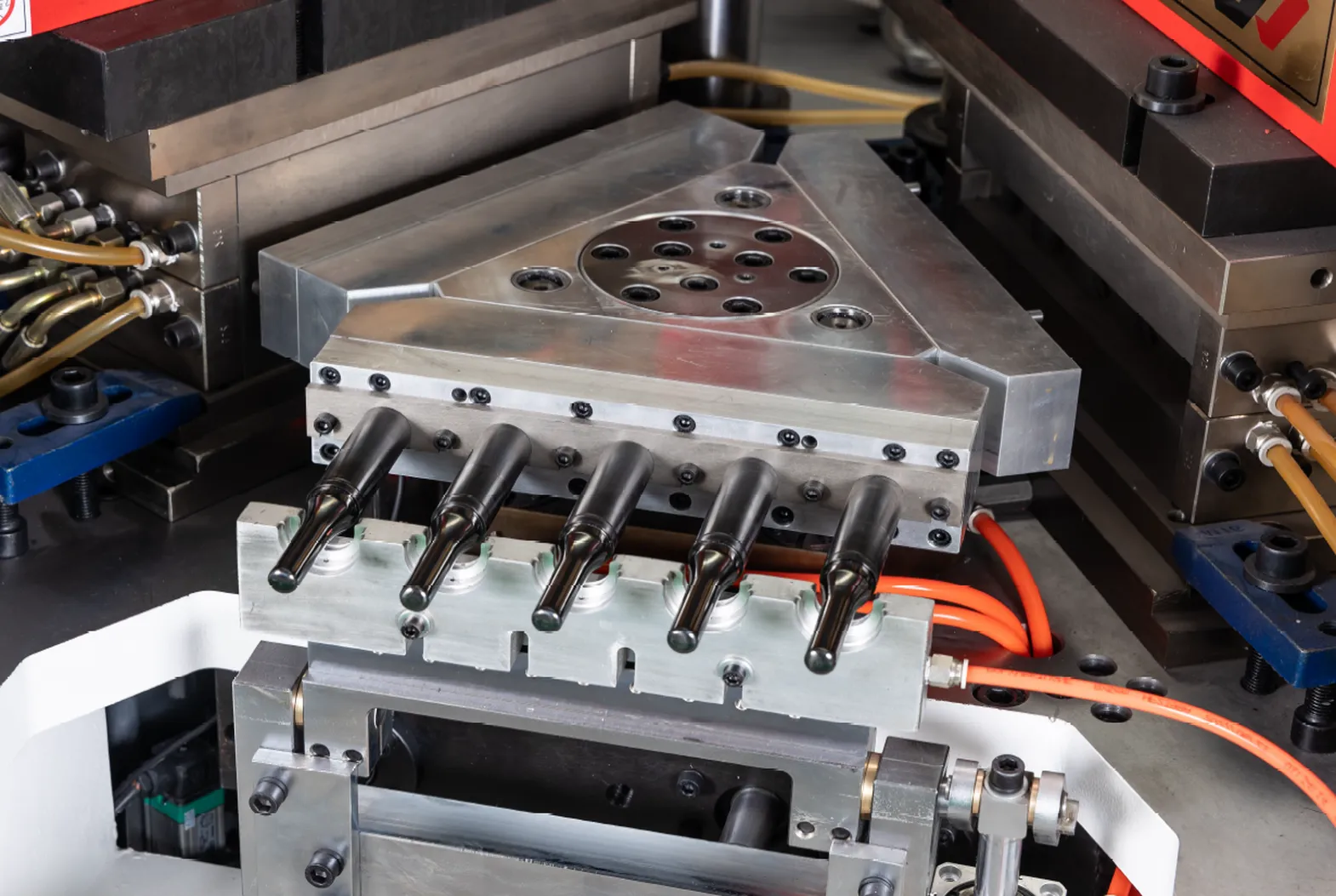
ZQ Serisi Otomatik Kalıp Özellikleri
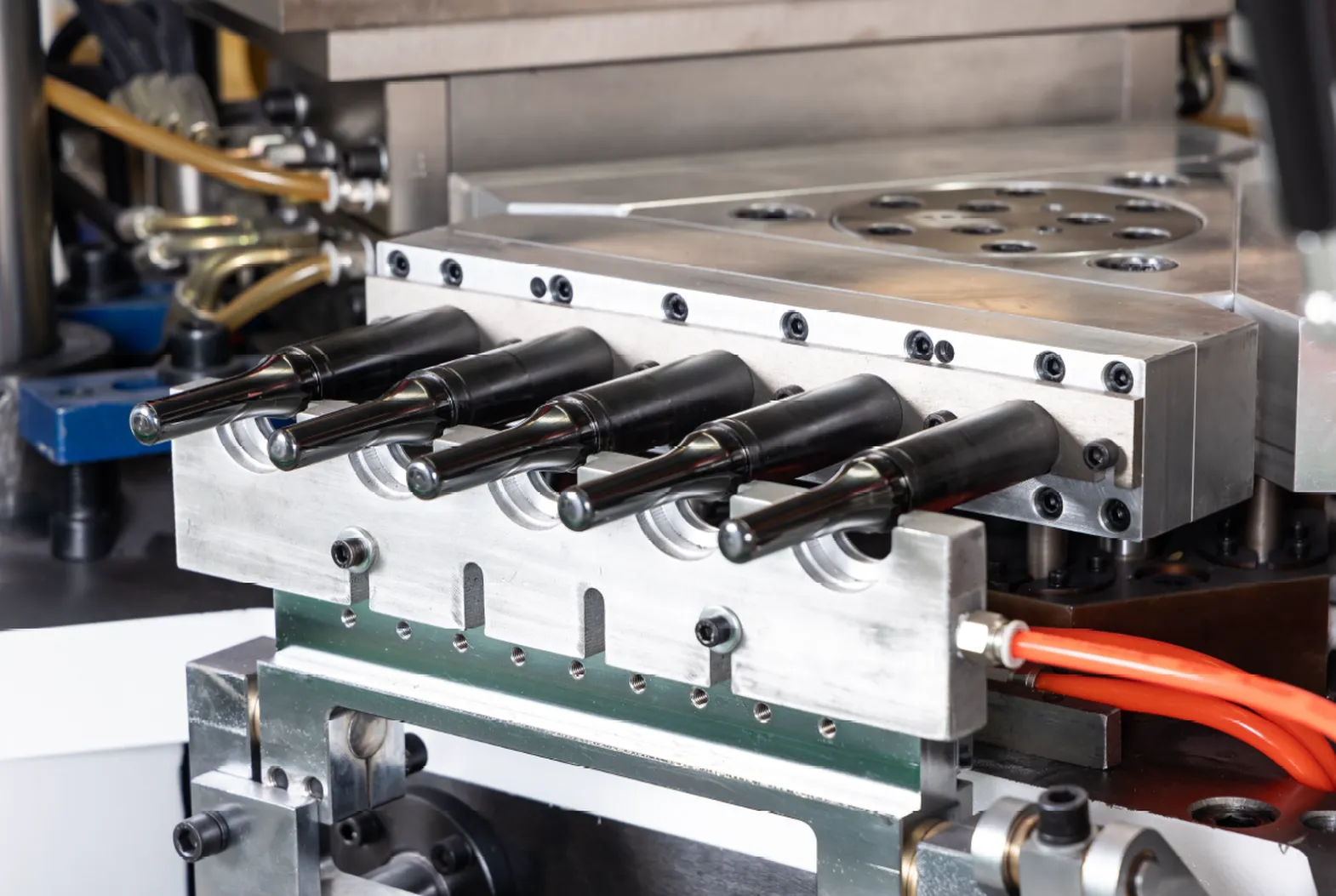
1. Bu işlemde, enjeksiyon kalıbının iç boşluğu ve boyun kısmı ile özel olarak tasarlanmış yağlama kanalı bulunur; bu kanallar, boru kütüğünün boyutunu ve sıcaklığının sabit kalmasını sağlamak için kolaylıkla değiştirilebilir.
2. Enjeksiyon kalıbı malzemesi olarak ithal S136 çelik alaşımı veya 4Cr13 paslanmaz çelik kullanılmaktadır. Yüksek mukavemetli çelik, kullanım ömrünü uzatır.
3. Gram ağırlığı sapması ve duvar kalınlığı sapmasının en aza indirilmesini sağlamak için optimize edilmiş sıcak yolluk sistemi ve kalıp gövdesi. Mandrelin özel yapısı, hızlı kalıplama döngüsünü ve iyi bir çekirdek soğutma etkisini koruyacaktır.
4. Ağız ve diş ölçüleri doğrudur ve 100% ile kapatılmıştır.
5. Şişenin ağzında ve dibinde çapak veya atık bulunmamaktadır.
6. Ürün boyutu, ağırlığı, kalıp çizgisi ve şişe kalınlığı tutarlıdır.
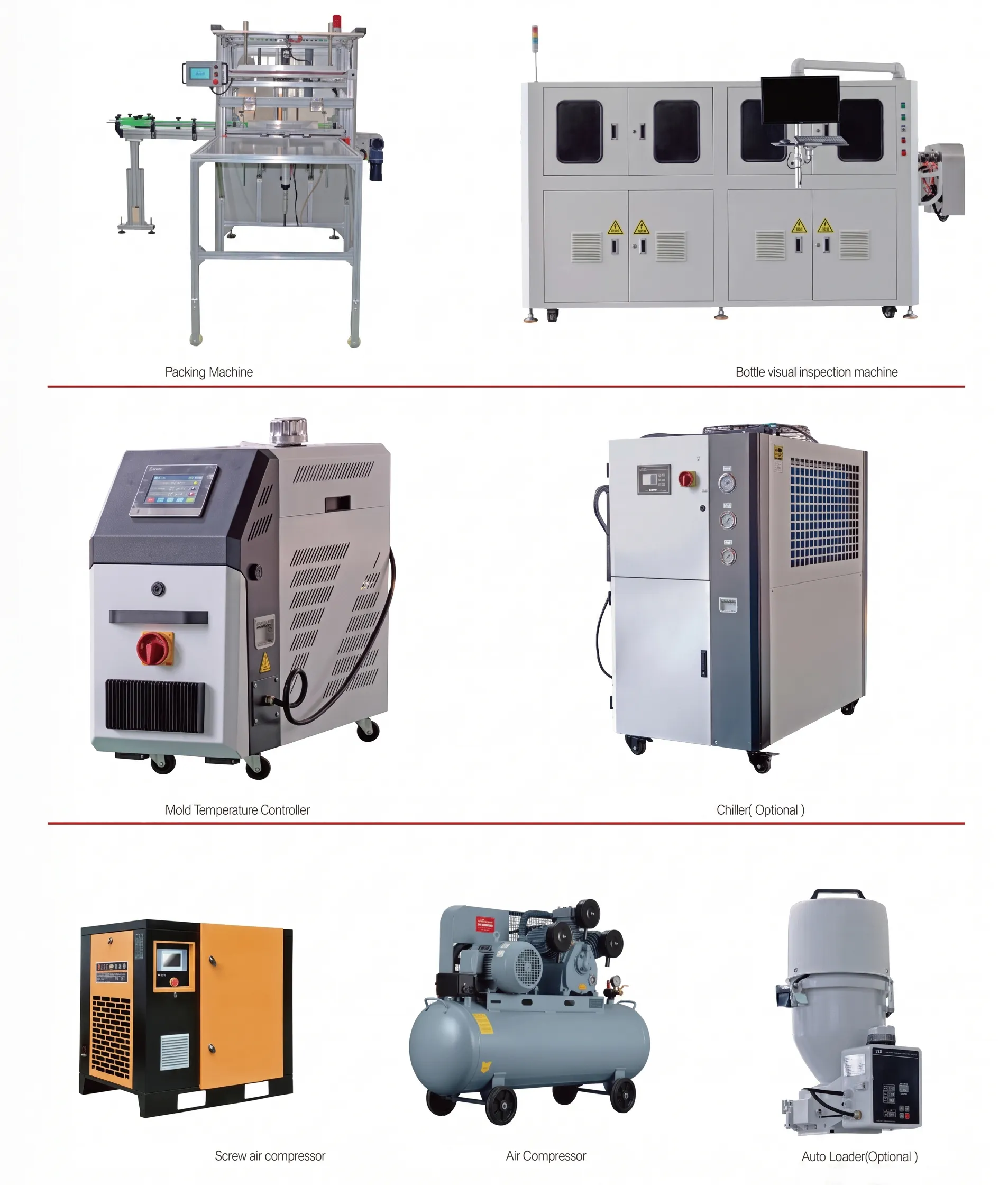
Yardımcı Ekipmanlar