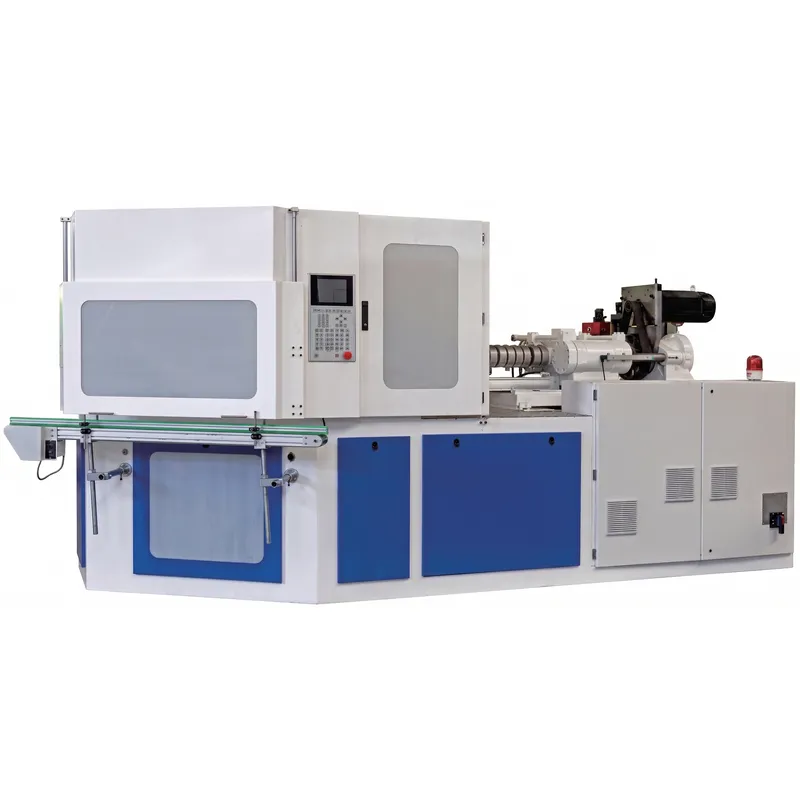
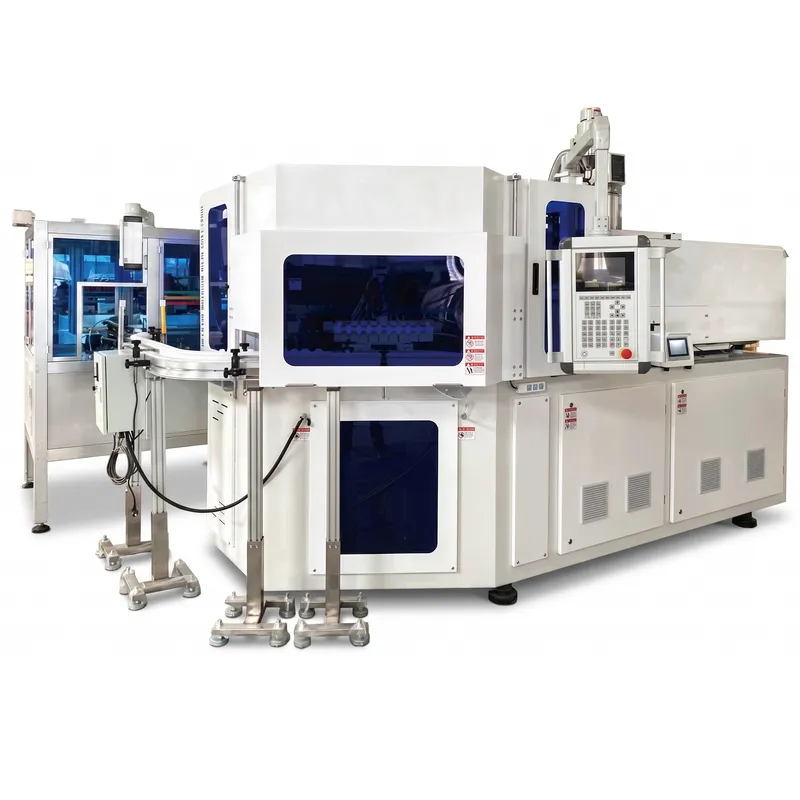
ZQ80 Enjeksiyonlu Şişirme Kalıplama Makinesi (Avrupa)
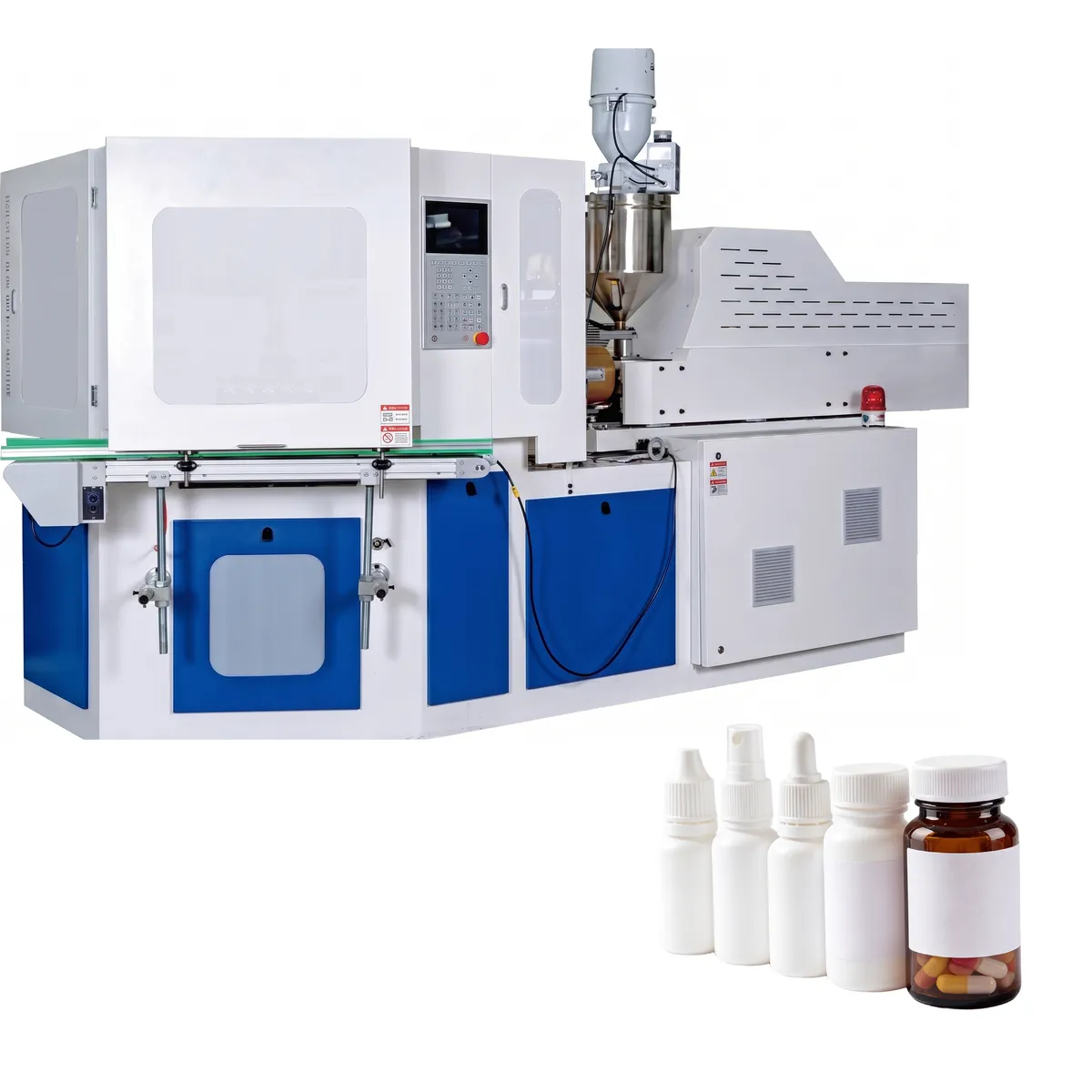
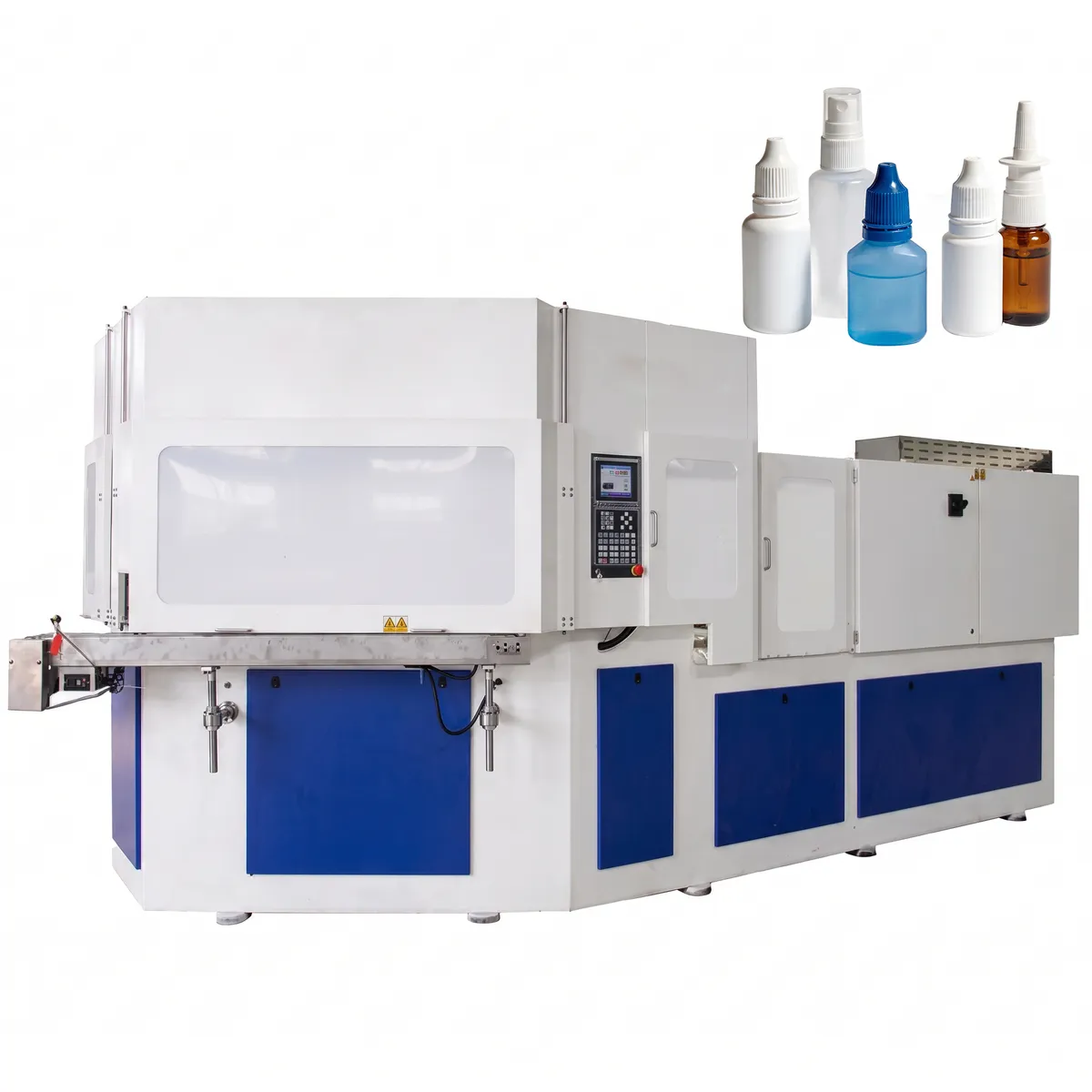
ZQ80 enjeksiyonlu şişirme kalıplama makinesinin tamamen Avrupa tarzı yapısı, olağanüstü dayanıklılık ve güvenilir performans için tasarlanmıştır ve bu da onu yoğun, kesintisiz üretim ortamları için son derece uygun hale getirir. Bu gelişmiş IBM makinesi, aynı sınıftaki rakip modellere göre 20% ila 30% daha fazla sıkıştırma kuvveti sağlayarak, kalıplama döngüsü sırasında titreşimden kaynaklanan malzeme israfını önemli ölçüde azaltır. Standart servo tahrikli bir döndürme sistemine sahip olan makine, günlük bakımı basitleştiren, işletim karmaşıklığını azaltan ve operatör eğitim süresini kısaltan sade bir mekanik düzeni korur.
ZQ80 Enjeksiyonlu Şişirme Kalıplama Makinesi (Avrupa)
ZQ80 enjeksiyon şişirme kalıplama makinesinin tamamen Avrupa tarzı yapısı, olağanüstü dayanıklılık ve güvenilir performans için tasarlanmıştır ve bu da onu yoğun, kesintisiz üretim ortamları için ideal hale getirir. Bu gelişmiş IBM makinesi, aynı sınıftaki rakip modellere göre 20% ila 30% daha fazla sıkıştırma kuvveti sağlayarak, kalıplama döngüsü sırasında titreşimden kaynaklanan malzeme israfını önemli ölçüde azaltır. Standart servo tahrikli bir döndürme sistemine sahip olan makine, günlük bakımı basitleştiren, çalışma karmaşıklığını azaltan ve operatör eğitim süresini kısaltan sade bir mekanik düzeni korur. Yenilikçi basınçlı sıkıştırma yapısı, takviye silindirini kalıp açma ve kapama işleminden tamamen uzak tutarak enerji tüketimini 10% ila 20% azaltır ve işletme üretim maliyetlerini doğrudan düşürür. Tesisiniz ilaç kapları, kozmetik ambalajları veya küçük içecek şişeleri üretiyor olsun, bu plastik enjeksiyon şişirme kalıplama makinesi, üretim hattınızın gerektirdiği tutarlılığı ve verimliliği sağlar.
Orta ve yüksek hacimli üretim için tasarlanan ZQ80 enjeksiyonlu şişirme kalıplama makinesi, 10 ml'den 1.000 ml'ye kadar şişeleri işleyebilir ve daha küçük kaplar için döngü başına 20 kalıba kadar maksimum kavitasyon sağlayabilir. 800 KN enjeksiyon sıkıştırma kuvveti ve 55 mm vida çapı, her atışta istikrarlı plastikleştirme ve homojen eriyik dağılımı sağlar. İlaç şişelerinden damlalıklı şişelere, şampuan kaplarından pestisit ambalajlarına kadar bu çok yönlü üretim sistemi, sıkı boyut toleranslarını ve kusursuz boyun bitişlerini korurken çeşitli ürün gereksinimlerine uyum sağlar. Servo kontrollü platform, tahrik sisteminde hidrolik yağa olan ihtiyacı ortadan kaldırarak, hassas ürün kategorileri için GMP ve hijyen standartlarını karşılayan daha temiz bir çalışma alanı yaratır.
Kalıp Kavitasyonu (Referans Amaçlı)
| Yaklaşık Hacim | 10 ml | 30 ml | 60 ml | 100 ml | 250 ml | 500 ml | 1000 ml |
| Maks.kavitasyon | 20 | 18 | 14 | 12 | 8 | 5-6 | 3-4 |
Teknik Özellikler
| Öğe | Birim | ZQ80 |
| Enjeksiyon Sistemi | ||
| Vida Çapı | mm | 55 |
| Vida L/D | % | 22:1 |
| Enjeksiyon ağırlığı! | G | 466 |
| Isıtma gücü | KW | 11 |
| Varil bölgesi sayısı | 4+N | |
| Enjeksiyon darbesi | mm | 180 |
| Sıkıştırma Sistemi | ||
| Enjeksiyonun sıkıştırma kuvveti | KN | 800 |
| Enjeksiyon için açılış vuruşu | mm | 140 |
| C üfleme kuvveti | KN | 120 |
| Üflemek için açılış vuruşu | mm | 140 |
| Döner tablanın kaldırma yüksekliği | mm | 70 |
| Kalıba dökmek | ||
| Maks.Tabak boyutu (UxG) | mm | 800x400 |
| Kalıp kalınlığı | mm | 280 |
| şişenin çapı | mm | 120 |
| Şişe yüksekliği | mm | 220 |
| Uygun şişe yüksekliği | mm | 1-2000 |
| Sıyırma vuruşu | mm | 230 |
| Hidrolik sistem | ||
| Hidrolik Basınç | Harita | 14 |
| Motor gücü | KW | 18.5+18.5 |
| Kuru döngü | S | 4 |
| Toplam Güç | KW | 55 |
| Çalışma gücü | % | 52-70 |
| Diğerleri | ||
| Sıkıştırılmış havanın minimum hava basıncı | MPa | 0.8-1.2 |
| basınçlı hava kapasitesi | M³/dak | 0.8 |
| Su akışı | M³/h | 4 |
| Soğutma suyu basıncı | MPa | 0.3-0.4 |
| Boyutlar (Uzunluk x Genişlik x Yükseklik) | M | 4,5x1,6x2 |
| Net ağırlığı | Ton | 10 |
Değiştirilebilir Marka ve Model
| CMN | Sıkıştırma Kuvveti | Jomar | SUMA | Uniloy | Bloma |
| ZQ40 | 40T | IBM40 | 40iB | UIB70 | IBM45 |
| ZQ60 | 60T | IBM65 | 65iB | UIB90 | IBM50 |
| ZQ80 | 80T | IBM85S | 85iB | UIB120 | IBM85 |
| ZQ110 | 110T | IBM135 | 135iB | UIB150 | IBM135 |
| ZQ135 | 135T | IBM175 | 175iB | UIB180 |
IBM Makine Vidası Çapı
| CMN | Vida Çapı | Jomar | SUMA | Bloma |
| ZQ40 | 40/45 | 35/40 | 40 | 45 |
| ZQ60 | 45/50 | 45 | 40/50 | 50 |
| ZQ80 | 55 | 55 | 50/60 | 50 |
| ZQ110 | 65 | 65 | 65/76 | 70 |
| ZQ135 | 70 | 70 | 65/76 |
IBM Makine Enjeksiyon Ağırlığı
| CMN | Enjeksiyon Ağırlığı | Jomar | SUMA | Bloma |
| ZQ40 | 190/260 | 180 | 169 | 180 |
| ZQ60 | 260/383 | 205 | 169/264 | 240 |
| ZQ80 | 466 | 300 | 333/480 | 310/280 |
| ZQ110 | 540 | 450/550 | 580/770 | 560 |
| ZQ135 | 650 | 450/550 | 580/770 |
IBM Makine Enjeksiyon Sıkıştırma Kuvveti
| CMN | Enjeksiyon Sıkıştırma Kuvveti | Jomar | SUMA | Bloma |
| ZQ40 | 400 kN | 340 kN | 386KN | 350 kN |
| ZQ60 | 600 kN | 460 kN | 580KN | 500 kN |
| ZQ80 | 800KN | 680KN | 720KN | 700 kN |
| ZQ110 | 1100KN | 1210KN | 1200KN | 1250KN |
| ZQ135 | 1350KN | 1560KN | 1600KN |
IBM Makine Kalıp Boyutu
| CMN | Kalıp Boyutu | Jomar | SUMA | Bloma |
| ZQ40 | 480 × 340 | 394 × 508 | 470 × 350 | 450 × 390 |
| ZQ60 | 600 × 390 | 432 × 660 | 620 × 400 | 620 × 430 |
| ZQ80 | 800 × 400 | 464 × 749 | 700 × 400 | 620 × 430 |
| ZQ110 | 1100 × 460 | 559 × 1118 | 1000 × 500 | 900 × 480 |
| ZQ135 | 1300 × 500 | 635 × 1372 | 1200 × 600 |
IBM Makine Boyutu
| CMN | Kalıp Boyutu (M) | Jomar | SUMA | Bloma |
| ZQ40 | 3,8 × 1,3 × 1,7 | 2,72 × 1,9 × 2,75 | 3,8 × 1,5 × 2,3 | 4,05 × 1,52 × 2,55 |
| ZQ60 | 3,8 × 1,4 × 1,8 | 2,92 × 1,98 × 3,41 | 4 × 1,7 × 2,3 | 620 × 430 × 2,55 |
| ZQ80 | 4,5 × 1,6 × 2 | 3,33 × 1,94 × 3,41 | 4,5 × 2 × 2,6 | 620 × 430 × 2,55 |
| ZQ110 | 5 × 1,8 × 2,2 | 3,79 × 2,4 × 3,41 | 5 × 2,4 × 2,7 | 900 × 480 × 2,55 |
| ZQ135 | 5,5 × 2 × 2,4 | 4,22 × 2,67 × 3,58 | 6 × 2,6 × 2,7 |
Not: Markaların belirtilmesinin amacı yalnızca müşterilerin ürün seçmesine yardımcı olmaktır, bu markaların ürünlerini satmak değildir.
Enjeksiyonlu Şişirme Kalıplama Makinesi Bileşenleri
1. Stok Hazırlama / Enjeksiyon Cihazı
Enjeksiyon cihazı, ham plastik reçineyi eritme, homojenleştirme ve ön şekillendirilmiş kalıba enjekte etme görevini üstlenir. 22:1 L/D oranına sahip 55 mm'lik bir vida ile donatılmış olup, kapsamlı plastikleştirme ve tutarlı erime kalitesi sağlar. 4+N namlu ısıtma bölgeleri, farklı polimerler için hassas sıcaklık profillemesi sağlar ve 180 mm'lik enjeksiyon stroku, her atışta 466 g'a kadar malzeme iletebilir.
2. Sıcak Yolluk Sistemi
Sıcak yolluk sistemi, plastik enjeksiyon memesinden her bir ön kalıp boşluğuna akarken homojen bir erime sıcaklığı sağlar. Bu kontrollü termal yol, malzeme bozulmasını en aza indirir, çevrim süresini kısaltır ve tüm boşluklarda eşit dolum sağlar. Soğuk yolluk atığını ortadan kaldırarak, sıcak yolluk tasarımı hammadde tüketimini azaltır ve daha sürdürülebilir üretim operasyonlarına katkıda bulunur.
3. Ana Çubuk (Mandrel)
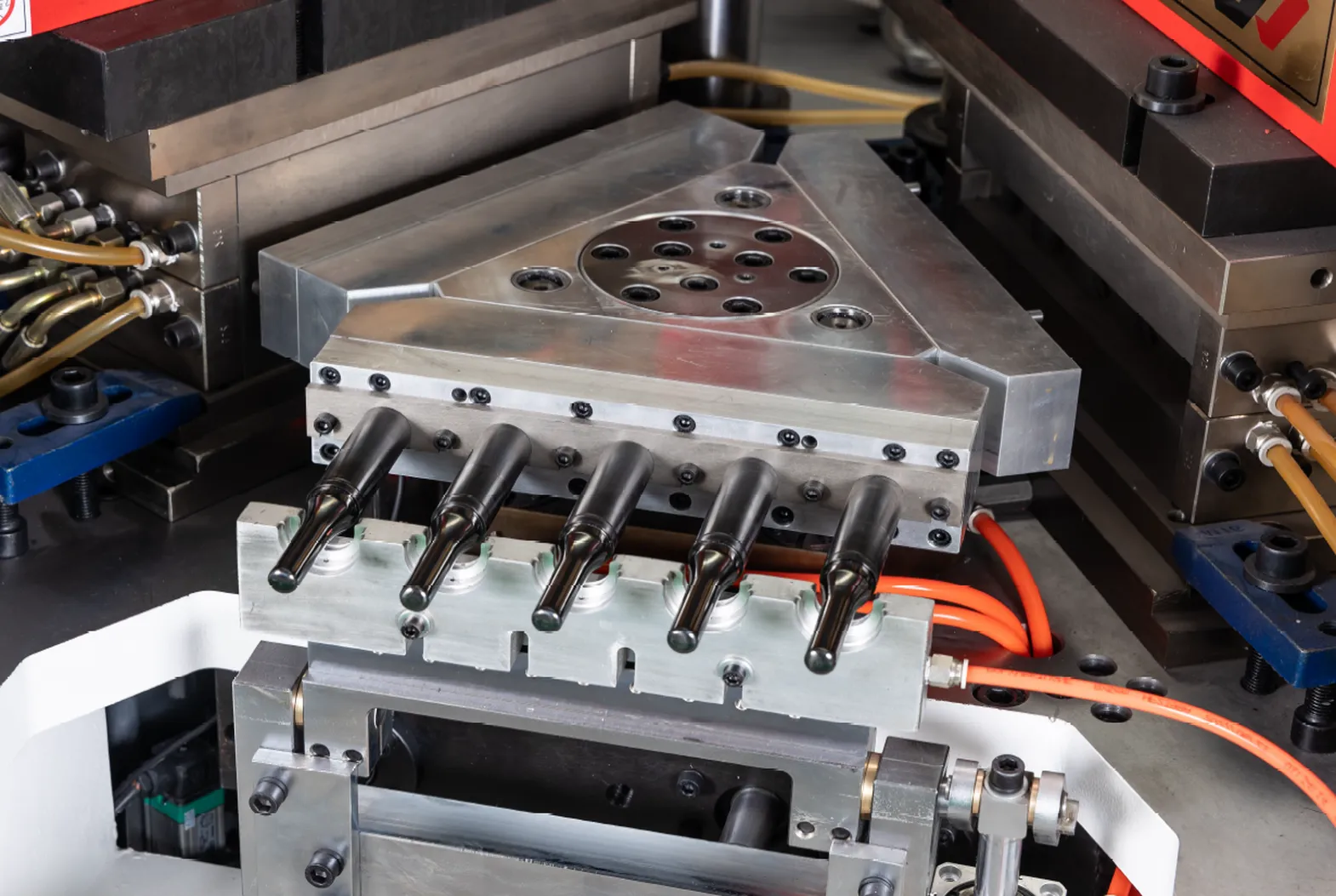
Çekirdek çubuklar, her bir ön kalıbın iç boşluğunu oluşturur ve şişirme kalıplama aşamasında hava iletimi için ortam görevi görür. Özel olarak tasarlanmış soğutma kanalları, hızlı ve eşit sıcaklık düşüşü sağlayarak, duvar kalınlığı homojenliğinden ödün vermeden daha kısa çevrim süreleri sağlar. Hassas işlenmiş mandrel yüzeyi, farmasötik ve gıda sınıfı standartlarını karşılayan pürüzsüz iç şişe duvarları üretmek için kritik öneme sahiptir.
4. Şişe Ön Kalıbı
Şişe ön kalıbı, diğer adıyla parison veya tüp kütüğü, enjeksiyon istasyonunda oluşturulan ara üründür. Şekli, duvar dağılımı ve boyun geometrisi, nihai şişenin kalitesini doğrudan belirler. Optimize edilmiş ön kalıp tasarımı, minimum ağırlık değişimini ve tutarlı üfleme performansını sağlayarak, ince noktalar, düzensiz omuzlar ve bozuk boyun bitişleri gibi yaygın kusurları ortadan kaldırır.
5. Enjeksiyon Kalıbı
Enjeksiyon kalıbı, ön şekillendirme boşluğu, boyun halkası ve çekirdek pim tertibatından oluşur. İthal S136 çelik alaşımından veya 4Cr13 paslanmaz çelikten üretilen bu kalıplar, sürekli yüksek sıcaklık ve yüksek basınç altında mükemmel korozyon direnci ve uzun hizmet ömrü sunar. Aktiviteye göre tasarlanmış boşluk ve boyun ek parçaları, ürün değişimleri için hızlı bir şekilde değiştirilebilir ve böylece üretim süreçleri arasındaki arıza süresi azaltılır.
6. Enjeksiyon İstasyonu
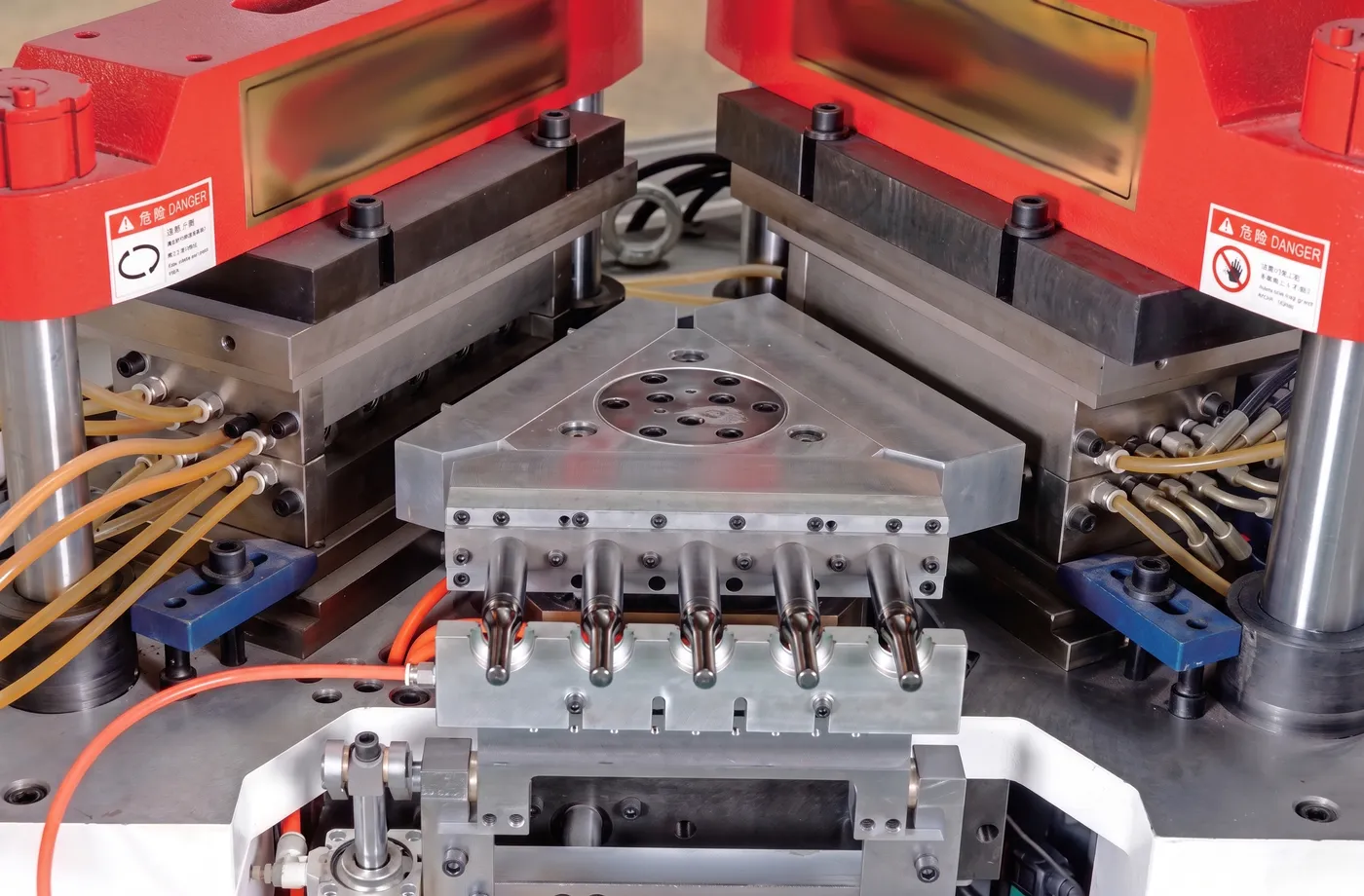
Enjeksiyon istasyonu, döner tabla üzerindeki üç konumdan ilkidir. Burada, sıkıştırma sistemi enjeksiyon kalıbını kilitlemek için 800 kN'ye kadar kuvvet uygularken, vida ünitesi erimiş reçineyi ön kalıp boşluklarına iter. Enjeksiyon basıncı, hızı ve bekleme süresinin hassas kontrolü, boşluğun tamamen doldurulmasını sağlar ve ön kalıp yapısında eksik enjeksiyonları, çapakları ve batma izlerini ortadan kaldırır.
7. Üfleme İstasyonu
Şişirme istasyonunda, 0,8 ila 1,2 MPa basınçtaki sıkıştırılmış hava, ısıtılmış ön kalıbı şişirme kalıbının duvarlarına doğru şişirmek için çekirdek çubuktan verilir. 120 kN'luk şişirme sıkıştırma kuvveti, şişirme ve ardından gelen soğutma sırasında kalıbı sıkıca kapalı tutar. Kontrollü hava akışı ve soğutma suyu sirkülasyonu, şişenin düzgün duvar kalınlığı ve gerilme izleri veya kırışıklıklardan arındırılmış pürüzsüz bir dış yüzeyle nihai şekline ulaşmasını sağlar.
8. Şişirme Kalıplama
Şişirme kalıbı, şişenin gövde konturu, taban profili ve kabartmalı metin veya desenler de dahil olmak üzere nihai dış şeklini belirler. Sertleştirilmiş takım çeliğinden hassas bir şekilde işlenmiş bu kalıplar, tutarlı şişe boyutlarını korurken çevrim sürelerini hızlandıran entegre soğutma kanallarına sahiptir. Hızlı değiştirme kalıp arayüzleri, operatörlerin üretim alanında minimum kesintiyle farklı şişe tasarımları arasında geçiş yapmasına olanak tanır.
9. Soyma İstasyonu
Sıyırma istasyonu, döner tablanın son noktasıdır ve burada tamamlanmış şişeler otomatik olarak çekirdek çubuklardan çıkış konveyörüne atılır. 230 mm'lik sıyırma stroku, 220 mm yüksekliğe kadar olan şişeler için yeterli boşluk sağlar ve mekanik fırlatma sistemi, şişe hasarını önlemek için hassas zamanlamayla çalışır. Buradan, şişeler tamamen entegre bir iş akışı için sonraki aşamalardaki kalite kontrol, etiketleme veya paketleme ekipmanlarına geçer.
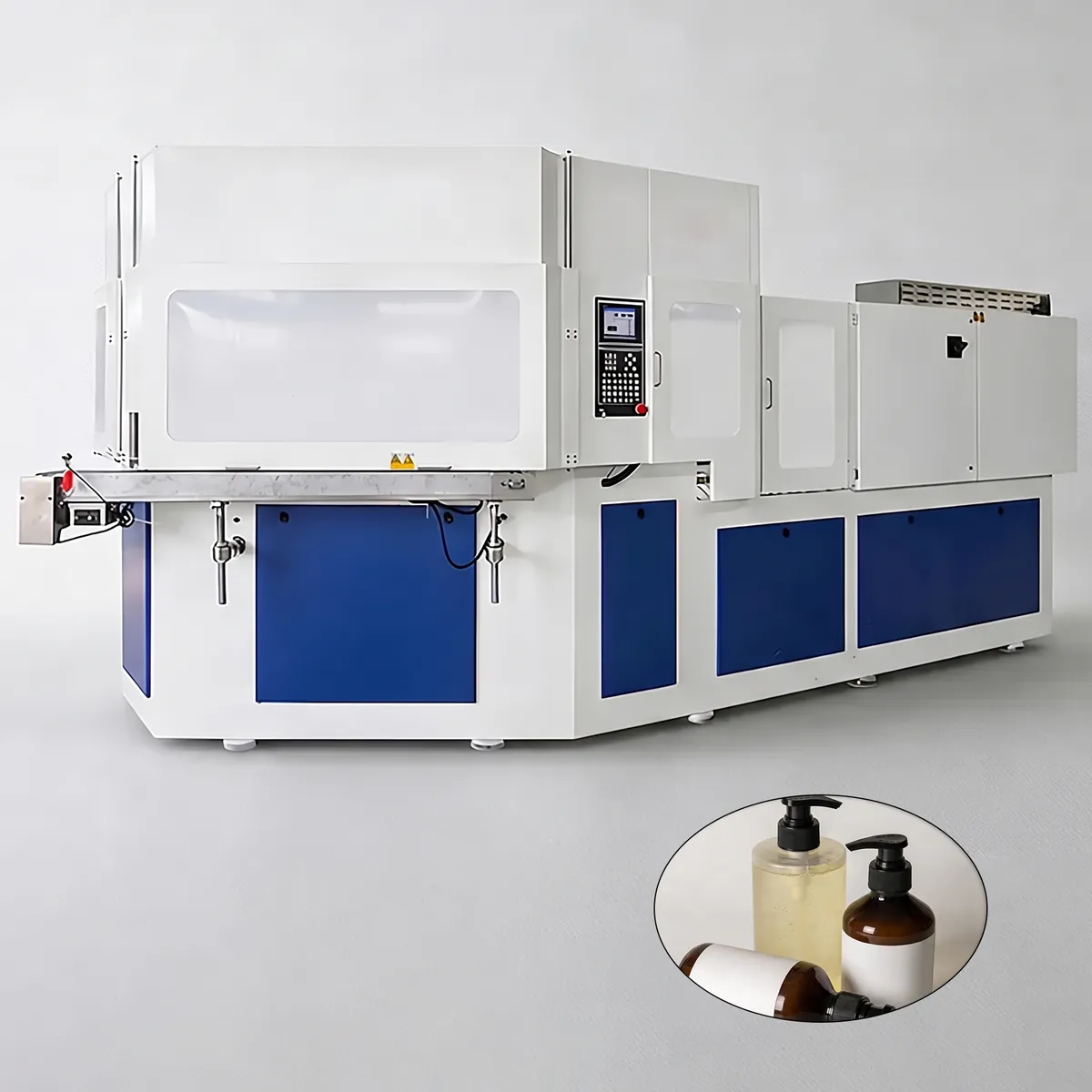
ZQ80 Enjeksiyonlu Şişirme Kalıplama Makinesinin Başlıca Özellikleri
1. Yüksek Verimli Servo Tahrikli Üretim
Bu enerji tasarruflu üretim platformu, ilaç, kozmetik ve gıda ambalaj sektörlerinde küçük ve orta boy plastik şişelerin seri üretimi için özel olarak tasarlanmıştır. Hassas sıcaklık ve basınç kontrol sistemleriyle donatılmış olan makine, her bir nihai üründe düzgün duvar kalınlığı, pürüzsüz dış yüzeyler ve istikrarlı boyutsal doğruluk sağlar. Gelişmiş geri besleme döngüsü, namlu sıcaklığını gerçek zamanlı olarak izleyerek operatörlerin üretim sürecini kesintiye uğratmadan farklı reçine türleri ve şişe geometrileri için işlem parametrelerini hassas bir şekilde ayarlamasına olanak tanır.
2. Tamamen Elektrikli Çalışma, Hidrolik Yağ Kullanımı Yok
Bu servo kontrollü tamamen elektrikli enjeksiyon şişirme kalıplama makinesi Tamamen hidrolik yağ kullanmadan çalışır ve tüm mekanik hareketler yüksek torklu servo motorlarla sağlanır. Geleneksel hidrolik modellere kıyasla 20% daha kısa çevrim süresi elde eder ve 30 ml'lik şişeler için her çevrimi sadece 8,2 saniyede tamamlar. Bu, standart vardiyalarda günde yaklaşık 105.000 şişeye, maksimum günlük üretimde ise 115.000 şişeye ulaşılmasına karşılık gelir. Enerji tüketimi 30% azaltılarak, 30 ml'lik şişe üretimi için saatte ortalama yaklaşık 12 kWh'e düşürülmüştür. Mutlak enkoderlere sahip servo sistemi sayesinde düşük gürültü seviyesinde çalışma daha da geliştirilmiş, yüksek hassasiyet ve olağanüstü tekrarlanabilirlik sağlanmıştır.
3. Çok Yönlü Üretim İçin Ayarlanabilir Sıkıştırma Kuvveti
Özel olarak tasarlanmış bir sıkıştırma yapısı, 40 ila 80 ton arasında ayarlanabilir sıkıştırma kuvveti sağlayarak, bu çok yönlü sistemin farklı şişe boyutları ve reçine formülasyonlarında geniş bir üretim yelpazesinin gereksinimlerini karşılamasını mümkün kılar. İnce duvarlı kozmetik kapları veya kalın gövdeli kimyasal ambalajlar üretilirken, operatörler kalıp bütünlüğünü korumak ve çapak oluşumunu önlemek için gereken hassas sıkıştırma basıncını ayarlayabilirler. Sağlam sıkıştırma mekanizması, uzun üretim süreçleri boyunca tutarlı kalıp kapatma kuvveti sağlayarak, şişe kalitesini parti parti korur.
4. Farmasötik Standartlarda Hijyenik Tasarım
Bu gelişmiş üretim sisteminin alttan yukarıya doğru mekanik düzeni, yağlama yağını kalıp alanından tamamen uzak tutarak, ilaç ve yüksek kaliteli plastik şişe ambalaj uygulamaları için katı hijyen standartlarını karşılar. Bu tasarım özelliği, kontaminasyon risklerinin ortadan kaldırılması gereken ilaç şişeleri, sağlık takviyesi kapları ve gıda ile temas eden ambalajlar üreten üreticiler için çok önemlidir. Temiz kalıp bölgesi, yağsız servo tahrik sistemiyle birleşerek ZQ80'i GMP tesis gereksinimlerine ve uluslararası ambalaj güvenliği düzenlemelerine tamamen uygun hale getirir.
5. Üstün Stabilite için Elektrikli Silindir Enjeksiyonu
Müşteriye özel gereksinimlere göre tasarlanan bu sınıfının en iyi enjeksiyonlu şişirme kalıplama makinesi, enjeksiyon stabilitesini önemli ölçüde artıran ve uzun vadeli bakım maliyetlerini önemli ölçüde azaltan elektrikli silindir tahrikli bir enjeksiyon ünitesi kullanır. Düzenli conta değişimi, yağ filtrasyonu ve basınç kalibrasyonu gerektiren hidrolik enjeksiyon sistemlerinin aksine, elektrikli silindir mekanizması, hareketli parçalarda minimum aşınma ile tutarlı enjeksiyon kuvveti sağlar. Bu mühendislik yaklaşımı, servis aralıklarını uzatır, yedek parça envanterini azaltır ve toplam sahip olma maliyetini piyasadaki benzer hidrolik tahrikli sistemlerin çok altında tutar.
6. Tam Otomasyon ve Hat İçi Kalite Kontrolü
Tamamen otomatikleştirilmiş üretim hatları için, bu gelişmiş IBM makinesinin konveyör sistemi, kapsamlı bir dizi alt kademe ekipmanla entegre edilebilir. Görsel inceleme sistemleri, şişe gövdesindeki yabancı parçacıkları, ağız kısmındaki yetersiz malzemeyi ve düzensiz tabanları gerçek zamanlı olarak kontrol eder. Yan sızıntı test cihazları, her bir ünitede sızdırmazlık bütünlüğünü doğrular; hat içi etiketleme makineleri ve otomatik paketleme ekipmanları ise üretim iş akışını tamamlar. Bu entegrasyon, gerçek anlamda gözetimsiz çalışmayı mümkün kılarak, işçilik maliyetlerini azaltır ve modern üretim tesislerinde yüksek hacimli vardiyalarda insan hatası kaynaklı kusurları ortadan kaldırır.
Çalışma Prensibi
1. Ön Kalıp Enjeksiyonu
İlk aşamada, ham plastik reçine namlu içinde eritilir ve 55 mm'lik vida ünitesi aracılığıyla kontrollü basınç altında ön kalıp boşluğuna enjekte edilir. Şişe boynu ve diş, bu istasyonda tam boyutsal hassasiyetle kalıplanarak mükemmel bir sızdırmazlık geometrisi sağlanır. Enjeksiyon döngüsü tamamlandıktan ve ön kalıp doğru sıcaklık profiline ulaştıktan sonra, kalıp açılır ve döner tabla, yeni şekillendirilmiş kalıp parçasıyla birlikte mandreli şişirme kalıplama istasyonuna aktarır. Bu aktarım, kalıp açılmasını ve döner tabla kaldırmasını tek bir mekanik hareketle senkronize eden yüksek hassasiyetli açı bölücü sayesinde sorunsuz bir şekilde gerçekleşir.
2. Şişirme Kalıplama
Şişirme kalıplama istasyonunda, sıkıştırılmış hava içi boş mandrelden henüz sıcak olan ön kalıba yönlendirilerek, plastik duvar şişirme kalıbı boşluğunun hatlarına tam olarak uyana kadar dışarı doğru şişirilir. Şişe şekli ve kalıp tasarımı, bu istasyonda aynı anda çalıştırılabilecek boşluk sayısını belirler. Şişirilmiş kap, şeklini koruyacak kadar soğuduktan sonra, şişirme kalıbı açılır ve döner mekanizma, bitmiş şişeyi içeren mandreli sıyırma istasyonuna doğru döndürür. Kontrollü soğutma döngüsü, düzgün duvar kalınlığını korur ve bükülmeye veya boyut kaymasına neden olabilecek iç gerilimi ortadan kaldırır.
3. Sıyırma ve Çıkarma
Son istasyonda, tamamen şekillendirilmiş ve soğutulmuş şişeler otomatik olarak çekirdek çubuklardan çıkarılır ve toplama veya sonraki paketleme işlemleri için çıkış konveyörüne aktarılır. Bu tek aşamalı IBM tasarımının en önemli avantajı, üç işlemin de eş zamanlı olarak çalışmasıdır: bir kalıp seti yeni ön kalıpları enjekte ederken, başka bir set şişeleri şişirir ve üçüncü bir set de bitmiş ürünleri ayırır. Bu eş zamanlı çalışma, istasyonlar arasındaki bekleme süresini ortadan kaldırarak, neredeyse sıfır malzeme israfı ve bitmiş şişelerde çapak veya pürüz olmamasıyla son derece verimli bir döngü oluşturur; çünkü boyun, ikincil bir işlem sırasında kesilmek yerine enjeksiyon sırasında şekillendirilir.
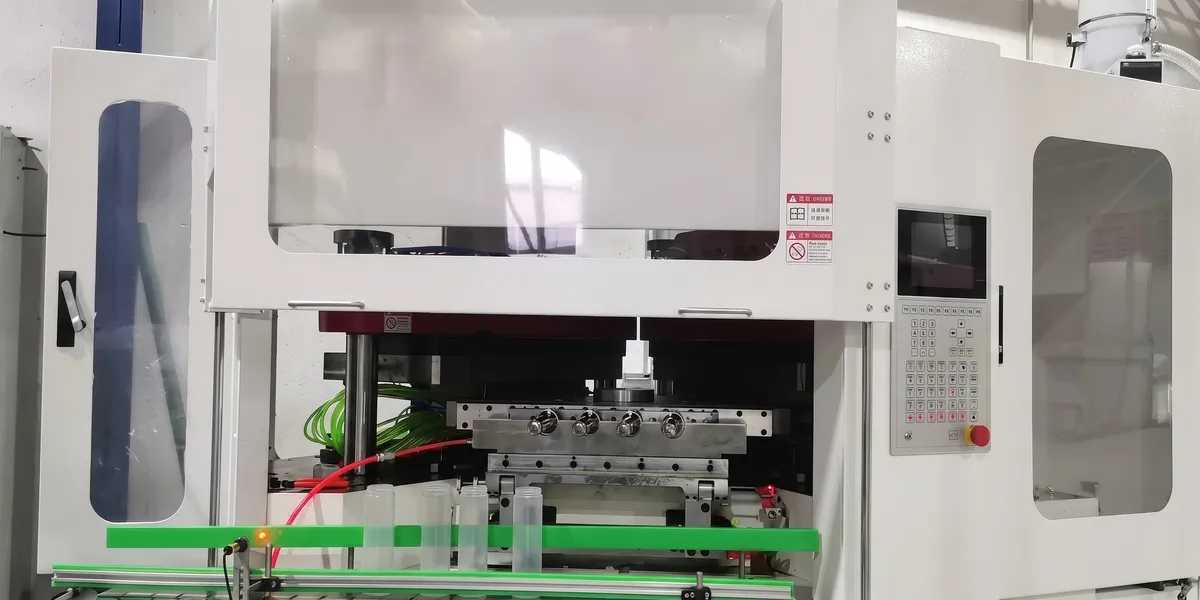
IBM ZQ80 Makinesinin Uygulamaları
İlaç şişelerinden endüstriyel kimyasal kaplara kadar ZQ80, çok çeşitli plastik şişe uygulamalarını kapsar.
1. Kimyasal Şişeler
Kimyasal ambalajlar, depolama ve taşıma sırasında sızıntıyı önlemek için aşındırıcı maddelere karşı mükemmel direnç ve tutarlı duvar kalınlığı gerektirir. ZQ80, hassas boyut kontrolü ile HDPE ve PP kimyasal şişeler üreterek, tehlikeli sıvıların muhafazasında endüstriyel güvenlik standartlarını karşılayan güvenilir sızdırmazlık bütünlüğü sağlar.
2. İlaç Şişeleri
İlaç ambalajları, hassas ilaçları kontaminasyondan korumak için kusursuz boyun bitişlerine, çapaksız yüzeylere ve tam sızdırmazlığa ihtiyaç duyar. Bu makinenin yağsız tasarımı ve alttan yukarıya doğru yapısı, GMP gerekliliklerine uygun hijyenik bir üretim alanı sağlar ve bu da onu tablet şişeleri, sıvı ilaç flakonları ve takviye ambalajları için ideal bir seçim haline getirir.
3. Kozmetik Şişeleri
Kozmetik ambalaj endüstrisi, pürüzsüz yüzey bitişine ve yüksek görsel kaliteye değer verir ve ZQ80 bu özelliklerin her ikisini de tutarlı bir şekilde sunar. Hassas basınç kontrolü, yüzey kusurlarını ortadan kaldırarak losyonlar, serumlar, fondötenler ve çekici bir raf görünümü ve üstün bir his gerektiren diğer güzellik ürünleri için uygun şişeler üretir.
4. İçecek Şişeleri
İçecek ambalaj uygulamaları için ZQ80, 100 ml ile 1.000 ml arasında değişen hacimlerde dayanıklı PP ve HDPE şişeler üretir. Yüksek kavitasyon kapasitesi ve hızlı çevrim süresi, gıda güvenliğine uygun malzeme uyumluluğu ve tutarlı kalite ile su şişeleri, meyve suyu kapları, süt ürünleri ambalajları ve sağlıklı içecek şişelerinin uygun maliyetli seri üretimini mümkün kılar.
5. Biberonlar
Bebek biberonları, BPA içermeyen malzeme işleme ve kusursuz boyun dişi oluşumu da dahil olmak üzere en katı güvenlik ve hijyen standartlarını karşılamalıdır. ZQ80, hassas diş doğruluğu ve 100% sızdırmazlık bütünlüğü ile PP ve PPSU reçinelerinden biberonlar üreterek ebeveynlere ve bakıcılara bebek beslenme ürünleri için güvenli ve güvenilir ambalaj sağlar.
6. Damlalıklı Şişeler
Damla şişeleri ve küçük hacimli dağıtım kapları, olağanüstü boyun hassasiyeti ve ince, düzgün duvar kesitleri gerektirir. ZQ80, 10 ml kadar küçük hacimlerde bu minyatür şişeleri üretmede üstün performans gösterir ve bu boyutta 20 gözlü kapasitesini kullanarak yüksek verimlilik sağlar. Enjeksiyon kalıplama yöntemiyle üretilen boyun, çapak veya boyut varyasyonu olmadan tekrarlanabilir damlalık uyumu sağlar.
7. Şampuan Şişeleri
Şampuan ve kişisel bakım ürün şişeleri genellikle karmaşık şekillere sahiptir ve çekici yüzey kaplamaları gerektirir. ZQ80, 220 mm'ye kadar şişe yüksekliğine ve 120 mm'ye kadar çapa uyum sağlayarak standart ve özel şampuan şişesi tasarımları için esneklik sunar. Tutarlı duvar dağılımı, tüketici kullanımı sırasında güvenilir pompa kapağı bağlantısı ve sıkma direnci sağlar.
8. Böcek İlacı Şişeleri
Tarım ilaçlama kapları, agresif kimyasal formülasyonlara dayanmalı ve aynı zamanda kurcalamaya karşı koruyucu sızdırmazlık özelliklerini korumalıdır. ZQ80, kalın, düzgün duvarlara ve nakliye ve saha kullanımı sırasında sızıntıyı önleyen hassas bir şekilde şekillendirilmiş boyun dişlerine sahip sağlam HDPE ilaçlama şişeleri üretir. Yüksek mukavemetli sıkıştırma sistemi, yüksek viskoziteli HDPE reçineleri yüksek sıcaklıklarda çalıştırırken bile boyutsal stabilite sağlar.
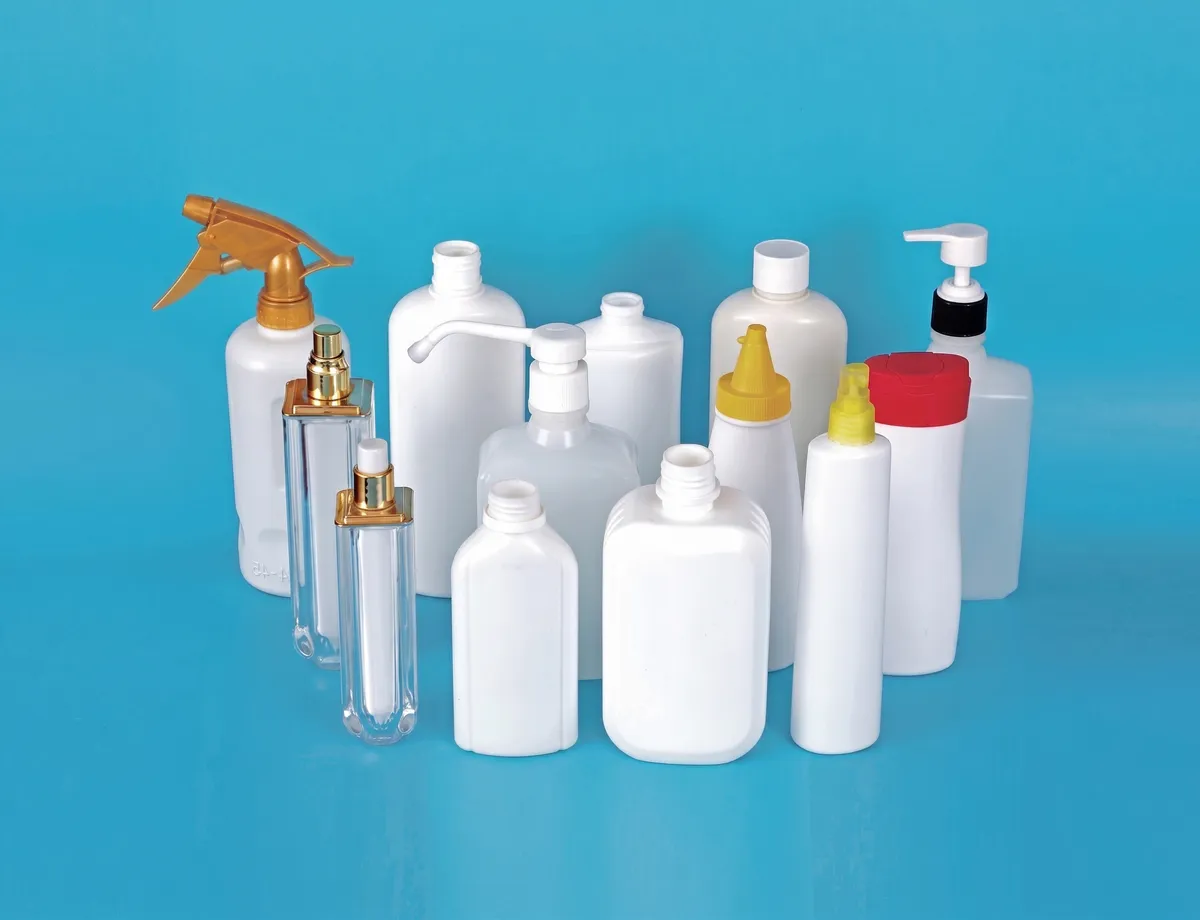 | 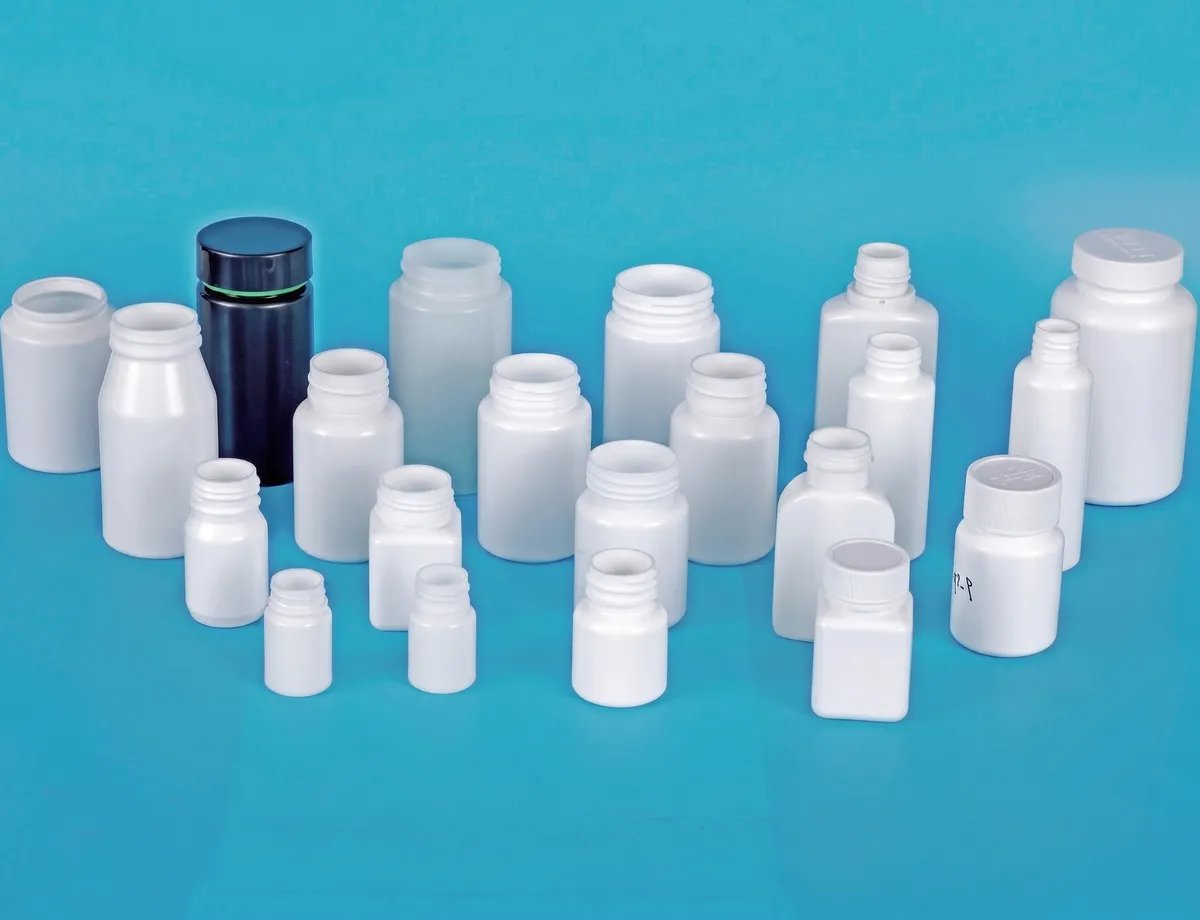 |
| Günlük Kimyasal Şişeler | İlaç Şişeleri |
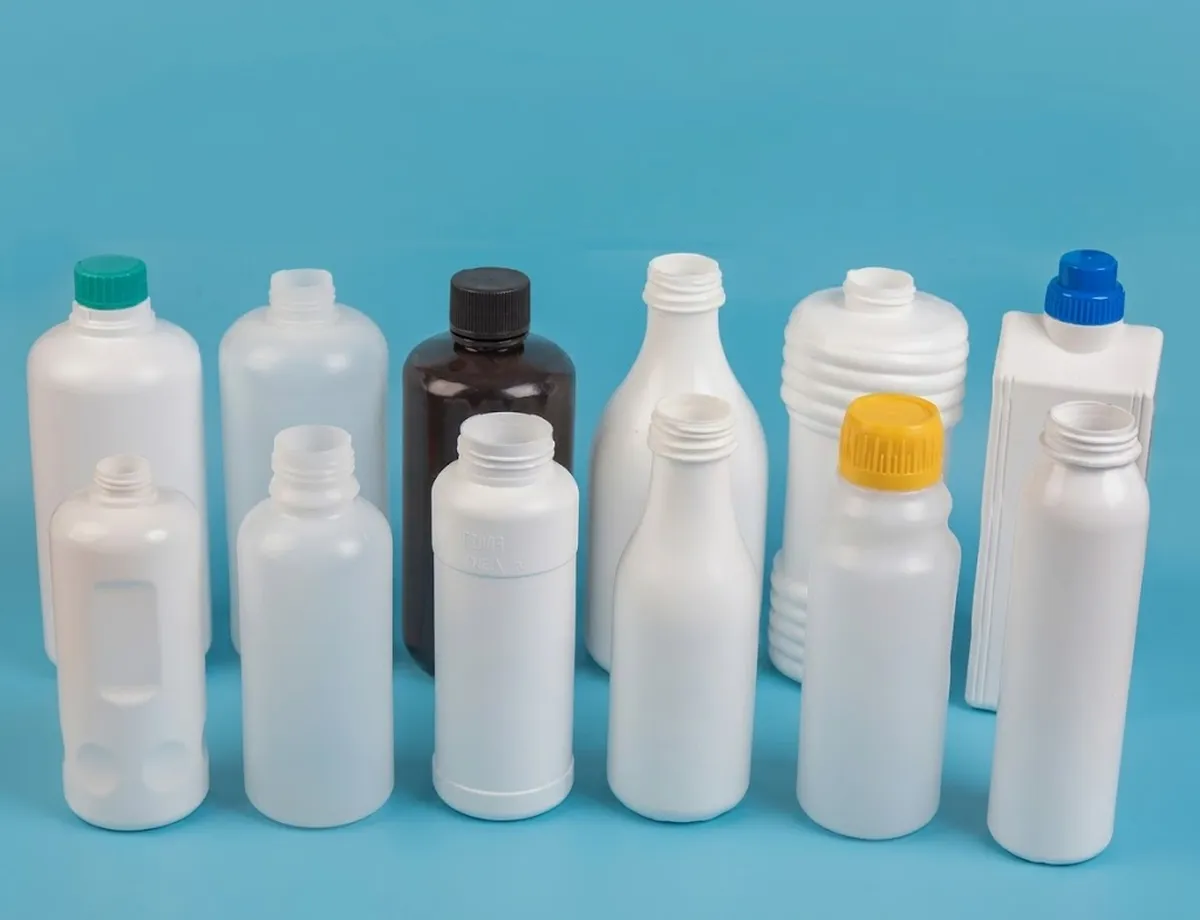 | 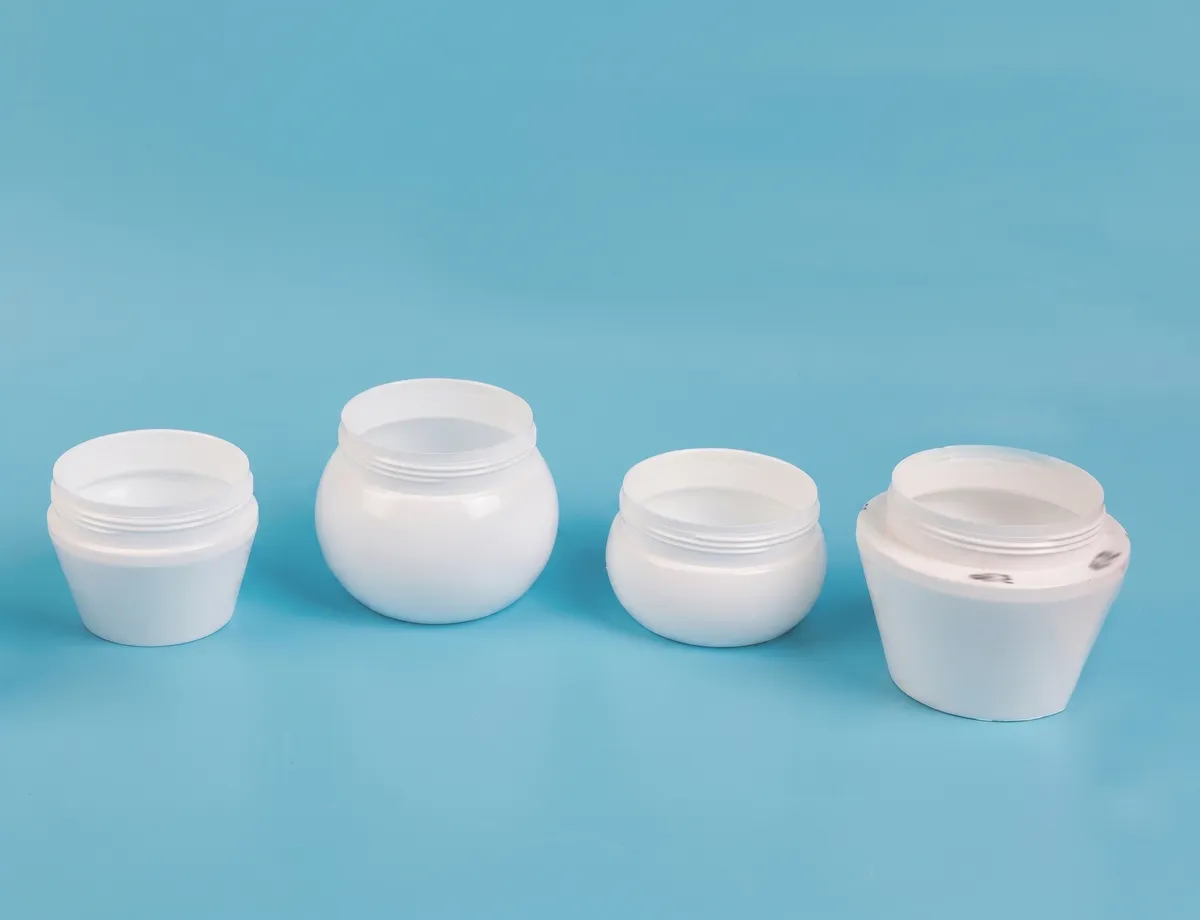 |
| Gıda Şişeleri | Kozmetik Şişeleri |
IBM Makinesi ile ISBM Makinesi karşılaştırması
Enjeksiyonlu şişirme kalıplama makinesi ile enjeksiyonlu germe şişirme kalıplama makinesi arasında seçim yapmak, ürün gereksinimlerinize, malzeme tercihlerinize ve üretim hedeflerinize bağlıdır.
Enjeksiyonlu Gerdirme Şişirme Kalıplama (ISBM) makineleri ve standart Enjeksiyonlu Şişirme Kalıplama (IBM) makineleri, plastik kapların üretiminde iki yerleşik yaklaşımı temsil eder ve her biri özel üretim dizileriyle farklı teknik talepleri karşılamak üzere tasarlanmıştır. ISBM çalışma süreci üç entegre aşamadan oluşur: ön kalıbı oluşturmak için ilk enjeksiyon kalıplama, ardından bir germe çubuğu ile eksenel germe ve malzemenin nihai şekle genişletilmesi için son şişirme kalıplama. Buna karşılık, IBM süreci, ön kalıbın enjeksiyon kalıplaması ve hemen şişirme kalıplamasıyla sınırlı, herhangi bir germe aşamasını içermeyen daha basit iki aşamalı bir döngüyü izler.
Kalıplama prensibindeki bu temel farklılık, farklı sonuçlar doğurur. Tek aşamalı enjeksiyonlu germe şişirme kalıplama makine sistemlerinde, germe hareketi polimer zincirlerinin çift eksenli yönelimini teşvik eder; bu da moleküler yapıyı güçlendirir ve olağanüstü optik berraklıkla birleşmiş yüksek mekanik mukavemete sahip şişeler elde edilmesini sağlar. IBM sistemleri, ön kalıbın doğrudan şişirilmesi yoluyla sonuçlarını elde eder ve kap boyunca tutarlı ve düzgün duvar kalınlığı sağlar, ayrıca boyun bitişi gibi kritik boyutlar üzerinde hassas kontrol imkanı sunar.
Ürün şekillendirme yetenekleri de teknolojiler arasında önemli ölçüde farklılık gösterir. ISBM ekipman üreticileri, sistemlerini karmaşık geometrilerin ve basınç altında yapısal bütünlüğü koruyan daha büyük kapasiteli tasarımların oluşturulmasını destekleyecek şekilde tasarlarlar. Bununla birlikte, IBM teknolojisi, basitlik ve tekrarlanabilirliğin öncelikli olduğu daha basit konfigürasyonlar ve daha küçük şişe formatları için daha etkili olduğunu kanıtlamaktadır.
Malzeme uyumluluğu bu farklılıkları pekiştirir. ISBM işlemleri öncelikle germe avantajlarından yararlanmak için polietilen tereftalat (PET) reçineleri kullanır; bu nedenle PET şişe platformları genellikle germe-şişirme özelliğine sahiptir. Standart IBM sistemleri, polietilen (PE), polipropilen (PP), polivinil klorür (PVC) ve polistiren (PS) dahil olmak üzere daha geniş bir reçine yelpazesini destekleyerek reçine seçiminde daha fazla çok yönlülük sağlar ve ilaç, kozmetik ve endüstriyel sektörlerde uygulamaların önünü açar.
Bu teknik özellikler, belirli uygulama senaryolarıyla uyumludur. Gazlı içecek ve maden suyu üreticileri, yüksek hızlı üretim hatlarına uygun, basınca dayanıklı, kristal berraklığında şişeler üretebilme yetenekleri nedeniyle genellikle ISBM makinelerini tercih ederler. İlaç, kozmetik ve küçük hacimli ambalajlama tesisleri ise, düzgün duvar dağılımı ve kompakt kap boyutlarında hassas formülasyonlarla uyumlulukları nedeniyle genellikle IBM sistemlerini tercih ederler. Aoki enjeksiyonlu şişirme kalıplama makinesinin veya benzer bir markanın yerine geçecek bir makine seçimi, genellikle bu proses farklılıklarını belirli ürün hattınıza uyarlamaya bağlıdır.
| Özellik | ISBM Makinesi | IBM Makinesi |
|---|---|---|
| Çalışma Süreci | Enjeksiyon, germe, şişirme kalıplama | Enjeksiyon, şişirme kalıplama |
| Kalıplama Prensibi | Çift eksenli germe yoluyla malzemenin özelliklerini geliştirir. | Germe işlemi yapılmadan doğrudan şişirme kalıplama |
| Ürün Performansı | Yüksek mukavemet ve mükemmel berraklık | Düzgün duvar kalınlığı |
| Ürün Şekli | Karmaşık ve büyük şişe şekilleri | Basit ve küçük şişe şekilleri |
| Birincil Malzemeler | Esas olarak PET | PE, PP, PVC, PS |
| Uygulama Senaryoları | Gazlı içecek, maden suyu hatları | İlaçlar, kozmetik ürünler, küçük ambalajlar |
Enjeksiyonlu Şişirme Kalıplama Makinesi için Uyumlu Hammaddeler
HDPE (Yüksek Yoğunluklu Polietilen)
HDPE, bu ekipmanda en sık işlenen reçinelerden biridir. Mükemmel kimyasal direnci, sertliği ve nem bariyeri özellikleri ile bilinen HDPE, ilaç şişeleri, ev kimyasal kapları ve pestisit ambalajları için tercih edilen bir malzemedir. Makine, 22:1 L/D vida oranı sayesinde HDPE'yi istikrarlı bir plastikleştirme performansı ile işler.
LDPE (Düşük Yoğunluklu Polietilen)
LDPE, üstün esneklik ve sıkma özellikleri sunarak sıkılabilir dağıtım şişeleri, göz damlası kapları ve yumuşak gövdeli ambalajlar için idealdir. Makine, LDPE'yi daha düşük varil sıcaklıklarında işler ve 4+N varil bölümlerindeki hassas sıcaklık bölgelemesi, tutarlı erime akışı ve pürüzsüz şişe yüzeyleri sağlar.
PP (Polipropilen)
Polipropilen, yüksek ısı direnci, belirli kalitelerde mükemmel şeffaflık ve güçlü kimyasal tolerans sunar. ZQ80'de üretilen PP şişeler, gıda ambalajlarında, sıcak dolum içecek kaplarında ve tıbbi cihaz ambalajlarında yaygın olarak kullanılmaktadır. Ayarlanabilir sıkıştırma kuvveti, operatörlerin PP'nin soğuma sırasındaki özel büzülme özelliklerine göre kalıp kapatmayı optimize etmelerini sağlar.
PS (Polistiren) ve Yüksek Şeffaflıkta PS
ZQ80 makinesinde, kristal berraklığında şişe duvarları ve sağlam yapı gerektiren uygulamalar için standart PS ve yüksek şeffaflıkta PS (laktik asit bakterisi ambalaj kaliteleri dahil) işlenmektedir. Bu malzemeler, görsel ürün sunumu ve marka algısının tüketici satın alma kararlarında önemli rol oynadığı süt ürünleri ambalajlarında ve probiyotik içecek kaplarında popülerdir.
ABS (Akrilnitril Bütadien Stiren)
ABS reçinesi, dayanıklılığı, sertliği ve iyi yüzey estetiğini bir araya getirerek özel kaplar, LED ampul kapağı üretim uygulamaları ve üstün mat veya parlak yüzey gerektiren kozmetik ambalajlar için uygun hale gelir. ZQ80, ABS'yi orta dereceli namlu sıcaklıklarında mükemmel dolum performansı ve boyutsal kararlılıkla işler.
PCTG ve EVA
PCTG, üstün şeffaflığı, kimyasal direnci ve BPA içermeme özelliğiyle birinci sınıf kozmetik şişeleri ve yeniden kullanılabilir su kapları için idealdir. EVA (etilen-vinil asetat), özel ambalajlar için yumuşak dokunuş özellikleri sağlar. Makine ayrıca, çevre bilincine sahip pazarlarda sürdürülebilir ambalaj alternatifleri arayan üreticiler için çevre dostu mısır bazlı biyoplastikleri de işleyebilir.
ZQ Serisi Otomatik Kalıp Özellikleri
Özel kalıp sistemi, hızlı kalıp değişimleri, uzun kullanım ömrü ve sıfır hata ile şişe üretimi için tasarlanmıştır.
1. Değiştirilebilir Ağız İçi ve Boyun Parçaları
Enjeksiyon kalıbı, özel olarak tasarlanmış yağ kanallarına sahip, hızlı ve kolay bir şekilde değiştirilebilen, aktiviteye göre tasarlanmış bir boşluk ve boyun bölümüne sahiptir. Bu modüler tasarım, kalıp boyunca istikrarlı sıcaklık dağılımı sağlayarak, uzun üretim süreçlerinde tutarlı tüp kütük boyutlarını korur. Operatörler, minimum kesinti süresiyle şişe boyutlarını değiştirebilir ve fabrika katında kullanım oranlarını yüksek tutabilirler.
2. Üstün Kalite S136 ve 4Cr13 Paslanmaz Çelik Yapı
Enjeksiyon kalıplarının tüm bileşenleri, üstün sertlikleri, korozyon dirençleri ve parlatma özellikleri nedeniyle seçilen ithal S136 çelik alaşımından veya 4Cr13 paslanmaz çelikten üretilmektedir. Bu yüksek mukavemetli malzemeler, sürekli yüksek sıcaklık ve yüksek basınç döngüleri altında kalıp kullanım ömrünü önemli ölçüde uzatarak, değiştirme sıklığını azaltır ve yüksek hacimli işlemler için toplam kalıp sahipliği maliyetini düşürür.
3. Optimize Edilmiş Sıcak Yolluk ve Ön Kalıp Tasarımı
Optimize edilmiş sıcak yolluk sistemi, tüm boşluklarda gram ağırlığı sapmasını ve duvar kalınlığı varyasyonunu en aza indirmek için hassas mühendislikle tasarlanmış şişe ön kalıbıyla birlikte çalışır. Özel olarak yapılandırılmış mandrel, mükemmel çekirdek soğutma performansı sağlarken hızlı kalıplama döngülerini korur ve her bir ön kalıbın, şişenin düzgün genişlemesi için ideal sıcaklıkta üfleme istasyonuna ulaşmasını sağlar.
4. Hassas Ağız ve Diş Oluşturma
Şişe ağzı ve dişlisi, enjeksiyon aşamasında yüksek boyutsal hassasiyetle şekillendirilerek, üretilen her şişede 100% sızdırmazlık bütünlüğü sağlanır. Bu hassasiyet, sızıntı veya kirlenmenin tamamen ortadan kaldırılması gereken ilaç, gıda ve kimyasal ambalaj uygulamaları için kritik öneme sahiptir. Boyun geometrisi, üretim hızı veya parti hacminden bağımsız olarak tutarlı kalır.
5. Çapaksız, Sıfır Atık Şişe Yüzey İşlemi
Tek aşamalı enjeksiyon-şişirme işlemi, hem şişe ağzında hem de tabanında çapak ve malzeme israfını ortadan kaldırarak, ikincil kesme veya çapak alma gerektirmeyen temiz, bitmiş bir kap üretir. Bu atıksız yaklaşım, ham madde tasarrufu sağlar, sonraki kesme ekipmanlarını ortadan kaldırır ve şişeleri, fırlatıldıktan hemen sonra etiketleme ve doldurmaya hazır, pürüzsüz ve profesyonel bir görünümle sunar.
6. Boyut ve Ağırlıkta Tutarlı Homojenlik
Ürün boyutu, ağırlığı, kalıp ayırma çizgisi görünürlüğü ve duvar kalınlığı, her üretim sürecinde ilk şişeden son şişeye kadar tutarlı kalır. ZQ Serisi kalıp sistemi, en sıkı kalite kontrol şartnamelerini karşılayan tekrarlanabilir sonuçlar sunarak istatistiksel proses kontrol (SPC) programlarını destekler ve üreticilerin tüm şişe boyutlarında düşük ret oranları ve yüksek müşteri memnuniyeti sağlamasına olanak tanır.
IBM Makineleri İçin Yaygın Sorun Giderme Yöntemleri
Operatörler bu tür ekipmanları çalıştırırken sıklıkla çeşitli sorunlarla karşılaşırlar. Birçok sorun, enjeksiyon ve şişirme kalıplama işlemlerinin tek bir döngü içinde entegre edilmesinden kaynaklanır. Döngü parametrelerinin ayarlanması, kalıpların iyice temizlenmesi ve şişirme kalıplama için tasarlanmış yüksek kaliteli kalıp ayırıcı maddelerin kullanılması, üretimdeki çoğu hatayı çözecektir.
1. Yanlış Döngü Parametrelerinden Kaynaklanan Ürün Hataları
Yanlış sıcaklık, çevrim süresi veya soğutma süresi ayarları, bitmiş şişelerde eğrilme, kısa atışlar, çökme izleri veya düzensiz duvar kalınlığına neden olabilir. Operatörler, hazne bölgesi sıcaklıklarının reçine üreticisinin önerdiği işlem aralığıyla eşleştiğini doğrulamalı ve enjeksiyon hızını ve tutma basıncını ince ayar yapmalıdır. Soğutma süresi ayarlamaları, ZQ80'de şişe boyutları veya reçine türleri arasında geçiş yaparken özellikle önemlidir.
2. Makine Çalışmıyor
Makine çalışmadığında, operatörler öncelikle güç kaynağını kontrol etmeli ve tüm kabloları gevşek bağlantılar veya gözle görülür hasar açısından incelemelidir. Döngüyü başlatmaya çalışmadan önce tambur sıcaklıklarının gerekli ayar noktalarına ulaştığından emin olun. Özellikle elektrik kesintisi veya acil durum kapatmasından sonra basınç şalteri ayarlarının yeniden kalibre edilmesi gerekebilir. Tüm güvenlik kilitlerinin ve acil durdurma devrelerinin doğru şekilde sıfırlandığından emin olun.
3. Makine Durmuyor
Makine durması gerekirken çalışmaya devam ediyorsa, basınç şalterinde arıza veya yanlış kalibrasyon olup olmadığını kontrol edin. Hidrolik yağ seviyelerini kontrol edin ve hortumlarda, bağlantı parçalarında ve silindir bağlantılarında sızıntı olup olmadığını inceleyin. Hidrolik devredeki sıkışmış bir solenoid valf de çevrimin düzgün bir şekilde sonlandırılmasını engelleyebilir. Operatörler PLC kontrol mantığını incelemeli ve çevrim sonu sinyalinin kontrolör tarafından doğru şekilde alındığını doğrulamalıdır.
4. Makine Basıncı Tutamıyor
Enjeksiyon veya üfleme döngüsü sırasında basınç kaybı genellikle pnömatik veya hidrolik devrelerdeki hava kaçaklarından, tıkanmış filtrelerden veya aşınmış contalardan kaynaklanır. Operatörler tüm kablo bağlantılarını kontrol etmeli, hava hatlarını sistematik olarak sızıntılara karşı incelemeli ve tıkanmış filtreleri veya bozulmuş contaları değiştirmelidir. ZQ80'de basınçlı hava sistemi 0,8 ila 1,2 MPa arasında çalışır, bu nedenle küçük sızıntılar bile üfleme basıncı tutarlılığını ve şişe kalitesini önemli ölçüde etkileyebilir.
5. Aşırı Makine Gürültüsü
Çalışma sırasında olağandışı sesler, motor hız kontrolü sorunlarını, hava veya hidrolik sızıntılarını veya kalıp hasarını gösterebilir. Operatörler, servo motorun nominal hız aralığında çalıştığını doğrulamalı ve tüm pnömatik ve hidrolik bağlantıları duyulabilir sızıntılar açısından kontrol etmelidir. Kalıplarda çatlaklar, gevşek parçalar veya titreşime neden olabilecek kırık soğutma bağlantıları olup olmadığını inceleyin. Döner tabla veya tahrik milindeki aşınmış yataklar, daha fazla mekanik hasarı önlemek için derhal değiştirilmelidir.
6. Kirli Kalıplar ve Düşük Parça Kalitesi
Kirlenmiş kalıp yüzeyleri veya düşük kaliteli kalıp ayırıcı maddelerin kullanımı, bitmiş şişelerde sıklıkla yüzey kusurlarına, yapışmaya ve boyut tutarsızlığına neden olur. Operatörler, onaylanmış çözücüler kullanarak kalıp boşluklarını düzenli aralıklarla iyice temizlemeli ve şişirme kalıplama uygulamaları için özel olarak formüle edilmiş yüksek kaliteli kalıp ayırıcı ürünler kullanmalıdır. Kalıp boşluğu yüzeyinin düzenli olarak parlatılması, ilaç ve kozmetik şişe üretiminde gerekli olan pürüzsüz yüzeyi korur.
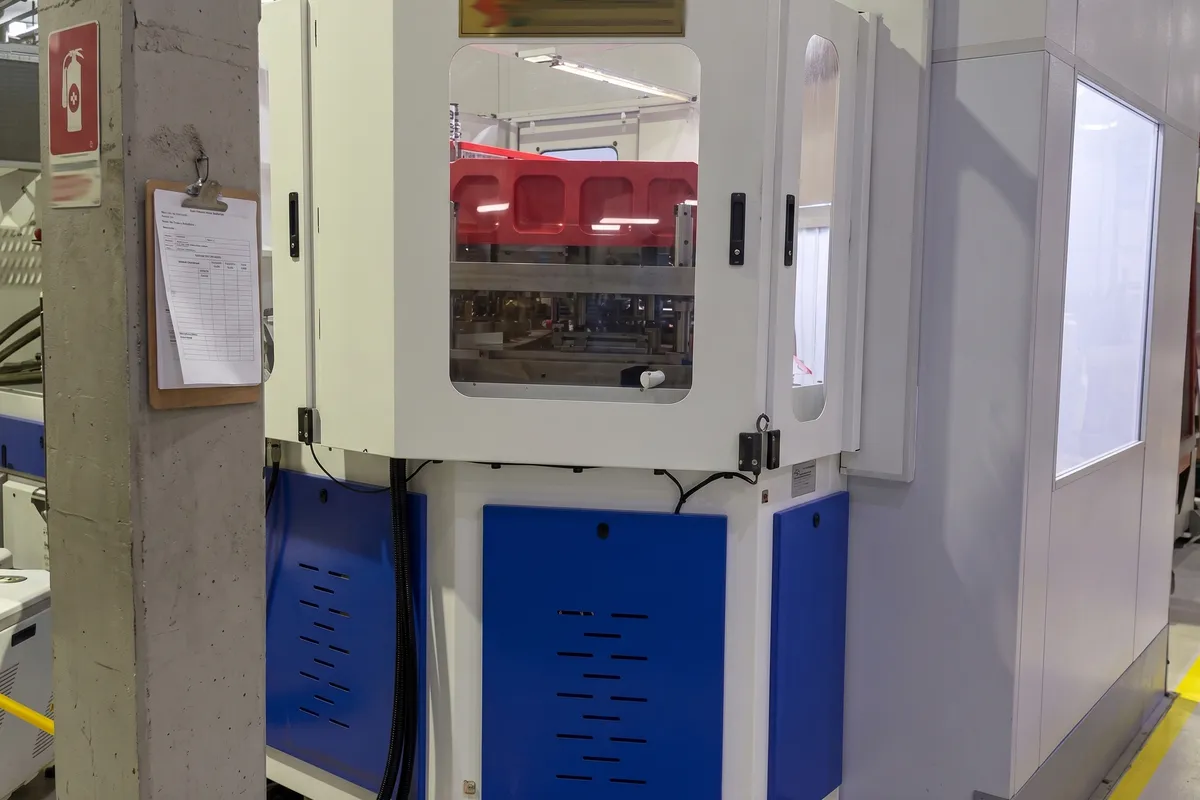
Güvenlik ve Bakım
Günlük Bakım
Genel İnceleme ve Temizlik
Operatörler her vardiyaya, gözle görülür arızaları, yağ damlamalarını, su sızıntılarını veya gevşek donanımları kontrol ederek kapsamlı bir inceleme ile başlamalıdır. Üretim ekipmanındaki tüm kritik noktaları doğrulamak için standartlaştırılmış bir kontrol listesi kullanın. Malzeme değiştirirken kirlenmeyi önlemek için varili kalan plastik reçineyi temizleyerek temizleyin. Makine tablasından döküntüleri temizleyin ve yağ dönüş portunun tıkanmadığından emin olun.
Yağlama ve Nem Kontrolü
Soğutma kanallarında pas oluşumunu önlemek için hidrolik yağ soğutucusundan ve kalıp soğutucusundan basınçlı hava kullanarak suyu boşaltın. Menteşeler, mafsal bağlantıları ve tahrik milleri dahil olmak üzere tüm hareketli parçaları üreticinin yağlama programına göre yağlayın. Baypas ve yağ emme filtresi basınç göstergelerini kontrol edin ve gerektiğinde filtre kartuşlarını temizleyin veya değiştirin. Doğru yağlama, mekanik bileşenlerin kullanım ömrünü uzatır ve beklenmedik arıza sürelerini azaltır.
Elektrik ve Soğutma Sistemi Kontrolleri
Aşırı ısınmayı önlemek için motor soğutma fanını ve elektrik kontrol kabinini düzenli olarak temizleyin. Kablolara zarar verebilecek kemirgenleri uzaklaştırmak için elektrik kutusunun içine naftalin yerleştirin. Vardiya boyunca tambur bölgesi sıcaklıklarını izleyin ve okumaları ayar noktalarıyla karşılaştırın. Soğutma suyu akış hızının belirtilen 4 m³/h gereksinimini karşıladığını ve soğutma suyu basıncının 0,3 ila 0,4 MPa çalışma aralığında kaldığını doğrulayın.
Güvenlik Doğrulaması
Acil durdurma düğmelerinin tümünün doğrulanması, güvenlik kalkanlarının ve koruyucularının incelenmesi ve elektrik panosu kapaklarının güvenli bir şekilde kilitlendiğinin teyit edilmesi de dahil olmak üzere günlük güvenlik kontrolleri gerçekleştirin. Operatörler, ekipman çalışırken asla kalıp sıkıştırma alanına veya hazneye uzanmamalıdır. Düzenli güvenlik doğrulaması, iş yeri kazalarını önlemeye ve iş sağlığı ve güvenliği yönetmeliklerine uyumu sağlamaya yardımcı olur.
Uzun Vadeli Bakım
Hidrolik Sistem ve Yağ Analizi
Hidrolik yağ seviyelerini haftalık olarak kontrol edin ve kirlenme, oksidasyon veya aşınmayı gösteren metal parçacıklarını tespit etmek için dört ayda bir laboratuvar analizine yağ örnekleri gönderin. Pompalar, vanalar ve hortumlar dahil olmak üzere hidrolik aksamları sızıntı ve olağandışı sesler açısından inceleyin. Arızalar meydana gelmeden önce önleyici bir program dahilinde hidrolik contaları ve hortum aksamlarını değiştirin. Temiz ve uygun şekilde şartlandırılmış hidrolik sıvının korunması, tutarlı sıkıştırma kuvveti için çok önemlidir.
Vida, Namlu ve Isıtıcı Muayenesi
Yıllık olarak, vida tertibatını çıkararak şaftı, kanatları ve namlu iç çapını aşınma izleri açısından inceleyin. Hasarlı ısıtma elemanlarını veya kopmuş kabloları tespit etmek için ısıtıcı bantlarını bir sıcaklık probuyla kontrol edin. Enjeksiyon sisteminde aşırı ısınmaya ve plastikleştirme verimliliğinin azalmasına neden olabilecek kireç birikimini önlemek için ısı eşanjörü yılda bir kez hafif bir asit yıkamasına ve bobin incelemesine tabi tutulmalıdır.
Baskı tablası, bağlantı çubuğu ve mekanik bileşenler
Kalıp değişimleri arasında baskı plakası yüzeylerini hasar açısından kontrol edin ve gerekirse taş baskı plakalarını düzeltin. Baskı plakası deliklerindeki diş hasarını kontrol edin ve gerektiğinde yeniden diş açın. Belirli aralıklarla bağlantı çubuğu hizalamasını, burç aşınmasını ve yağlama sistemi işlevini doğrulayın. Elektrik kabinini temiz ve yağ veya kalıntılardan arındırılmış halde tutun ve fan tertibatlarını ve terminal sıkılığını kontrol edin. Zincirleme arızaları önlemek için herhangi bir elektrik hasarını derhal giderin.
Planlı Bakımın Faydaları
Yapılandırılmış bir bakım programı izlemek, planlanmamış arıza sürelerini azaltır ve üretim ekipmanının optimum performansını destekler. Sürekli olarak izlenmesi gereken temel adımlar şunlardır: kaliteli ham maddelerin hazırlanması ve yüklenmesi, hassas sıcaklık ve hava basıncı parametrelerinin ayarlanması, kalıplama sürecinin yakından izlenmesi, uygun soğutma ve sorunsuz fırlatmanın sağlanması ve arızaların derhal giderilmesi. Güvenlik bilinci, düzenli bakım ve dikkatli izleme, eğrilme veya eksik kalıplama gibi yaygın sorunların önlenmesine yardımcı olur.
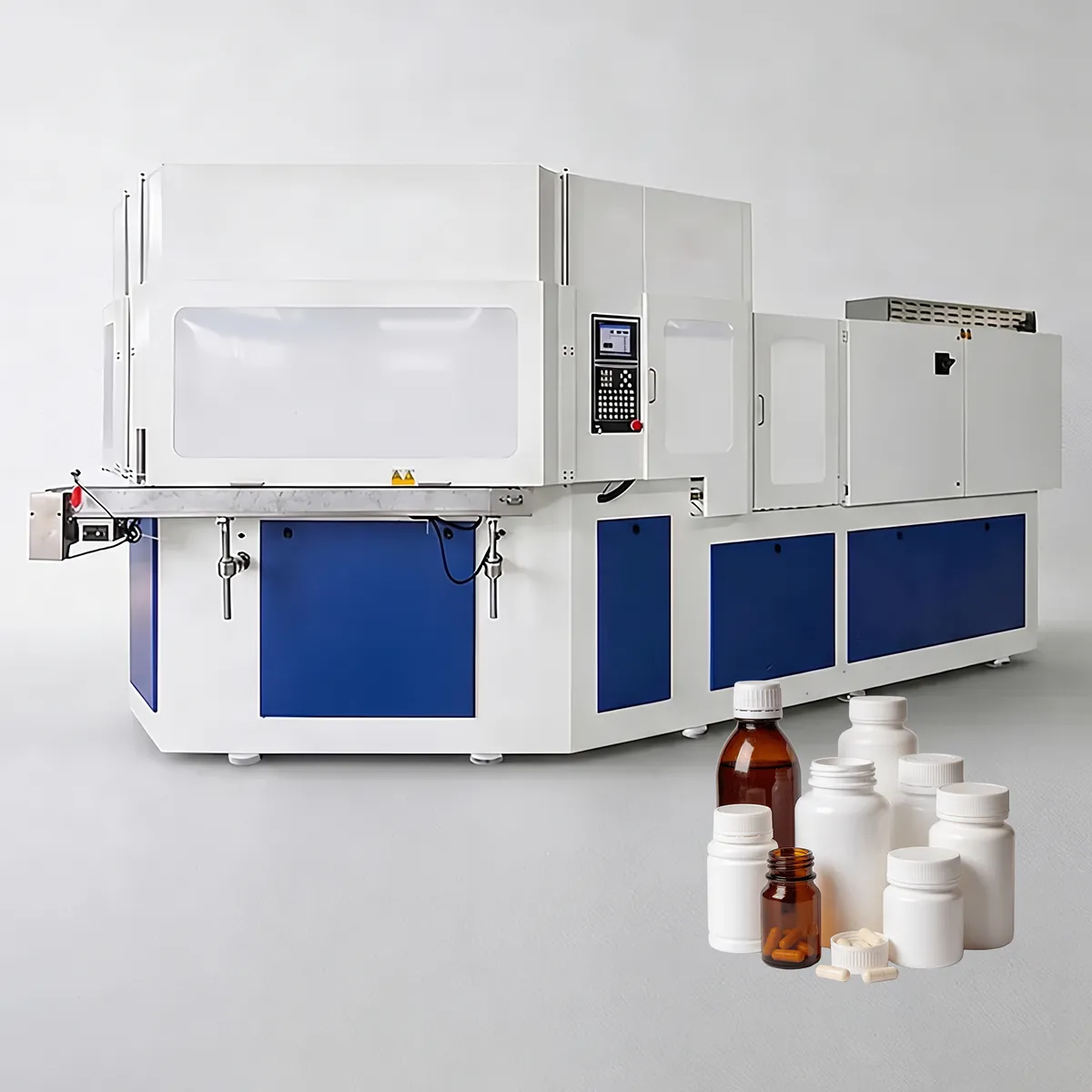
CMN'nin Enjeksiyonlu Şişirme Kalıplama Makinelerini Neden Tercih Etmelisiniz?
CMN Transmission, öncelikle otomatik tek aşamalı enjeksiyonlu şişirme kalıplama makineleri ve destekleyici enjeksiyonlu şişirme kalıplama sistemlerinin araştırma ve geliştirme, üretim, satış ve uluslararası ticaretiyle ilgilenmektedir. Ürün portföyümüz, enjeksiyonlu şişirme, ekstrüzyonlu şişirme ve germeli şişirme makine kategorilerini ve kapsamlı bir yardımcı ekipman yelpazesini kapsamaktadır. Mükemmel lojistik altyapısına ve elverişli ulaşım erişimine sahip bir bölgede bulunan CMN Transmission, güvenilir tedarik zinciri yönetimi ve hızlı ihracat desteğiyle 30'dan fazla ülkedeki müşterilerine hizmet vermektedir.
Şirketimiz, enjeksiyonlu şişirme makineleri tasarımı ve enjeksiyonlu şişirme kalıp mühendisliği konusunda uzmanlaşmış deneyimli mühendis ve teknik profesyonellerden oluşan üstün bir araştırma ve geliştirme ekibine sahiptir. Derin teorik temeller ve kapsamlı saha deneyimiyle mühendislerimiz, iş birliğinin her aşamasında müşterilerine detaylı ve özenli hizmet sunmaktadır. Satış öncesi danışmanlık sırasında yapılan ilk ürün fizibilite analizinden, satış aşamasında yerinde kurulum ve devreye alma desteğine, satış sonrası dönemde uzun vadeli teknik yardım ve yedek parça tedarikine kadar CMN Transmission, üreticilerin en yüksek üretim performansına ulaşmalarına yardımcı olan uçtan uca proje desteği sunmaktadır.
Makine uygulamalarımız ilaç ambalajı, gıda ambalajı, sağlık ürünleri ambalajı, kozmetik ambalajı ve çeşitli endüstriyel plastik ambalaj sektörlerini kapsamaktadır. Üretim kapasitemiz, HDPE, LDPE, PP, PS, yüksek şeffaflıkta PS, ABS, çevre dostu mısır bazlı biyoplastikler, EVA ve PCTG gibi malzemeler kullanarak 1 ml'den 1.000 ml'ye kadar kapları kapsamaktadır. İster standart bir konfigürasyona ister tamamen özelleştirilmiş bir üretim çözümüne ihtiyacınız olsun, mühendislik ekibimiz, özel ürün gereksinimlerinize ve düzenleyici ortama optimize edilmiş anahtar teslim çözümler tasarlar, üretir ve teslim eder.
CMN Transmission, özgüven, dürüstlük, pragmatizm, yenilikçilik ve sorumluluk gibi kurumsal gelişim ilkelerine bağlı kalmaktadır. Birinci sınıf kalite ve eksiksiz müşteri memnuniyeti ile üstün enjeksiyonlu şişirme ürünleri üreten, tek elden anahtar teslim projeler geliştirmeye kararlıyız. CMN'yi güvenilir üretim ekipmanı ortağınız olarak seçtiğinizde, üretim verimliliğinizi optimize etmeye, işletme maliyetlerinizi düşürmeye ve rekabetçi küresel pazarlarda iş büyümenizi desteklemeye adanmış bir üretim ortağı kazanmış olursunuz.
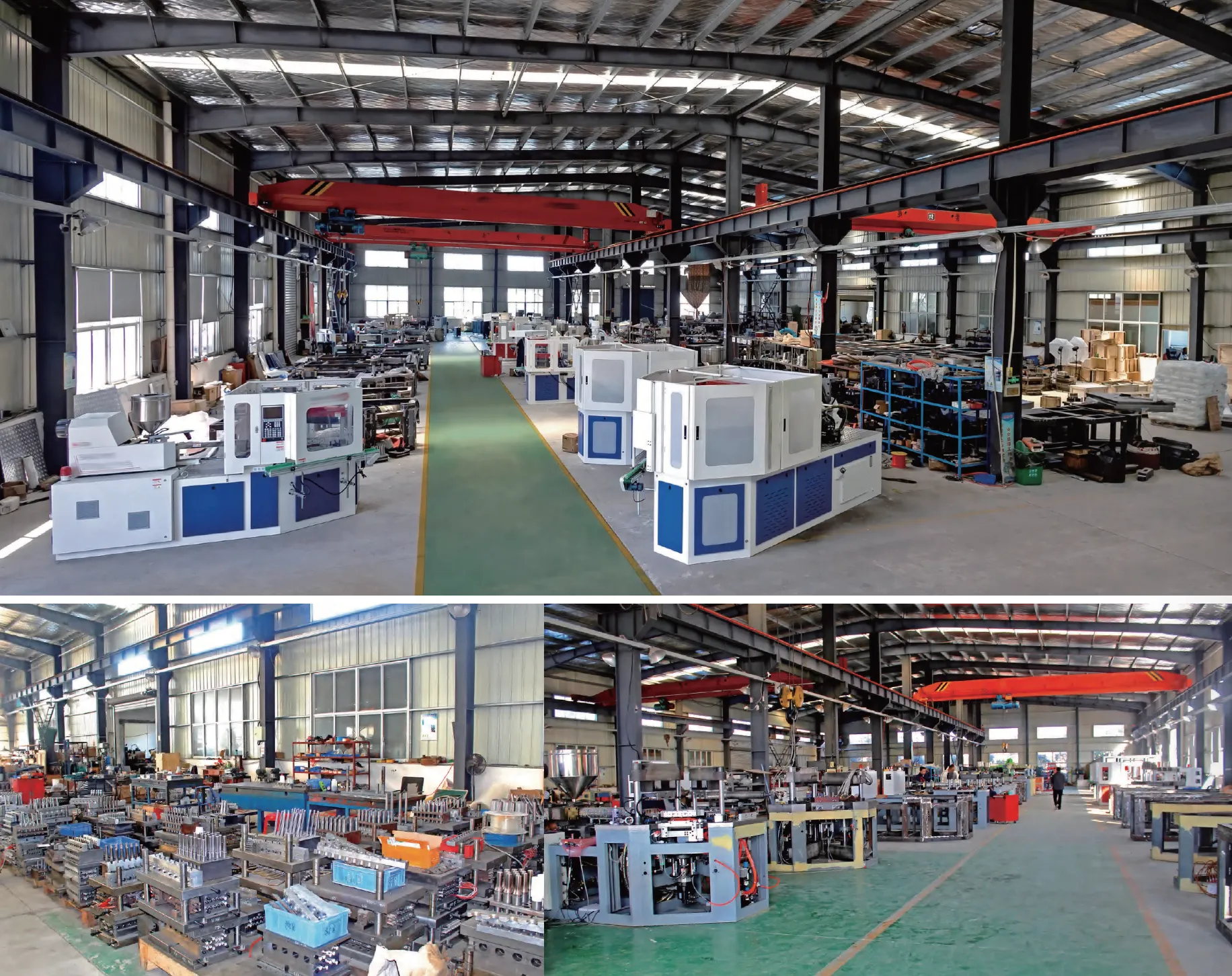
SSS
S: ZQ80 enjeksiyonlu şişirme kalıplama makinesi hangi şişe boyutlarını üretebilir?
A: ZQ80, uygun şişe yüksekliğinde 1 ml'den yaklaşık 2.000 ml'ye kadar şişe üretebilmektedir. Maksimum şişe çapı 120 mm, döngü başına maksimum şişe yüksekliği ise 220 mm'dir. Kalıp boşluğu sayısı hacme göre değişir: 10 ml'lik şişeler için 20 boşluk, 30 ml için 18, 60 ml için 14, 100 ml için 12, 250 ml için 8, 500 ml için 5 ila 6 ve 1.000 ml'lik kaplar için 3 ila 4 boşluk.
S: IBM ZQ80 makinesinin günlük üretim kapasitesi nedir?
A: ZQ80, 30 ml'lik şişeler için 8,2 saniyelik bir çevrim süresi elde eder; bu da standart bir vardiyada yaklaşık 105.000 şişe ve maksimum günlük 115.000 şişe üretim kapasitesine karşılık gelir. Gerçek üretim miktarı, şişe boyutuna, reçine türüne ve yapılandırılmış kalıp boşluklarının sayısına bağlı olarak değişir. Daha az boşluğa sahip daha büyük şişeler daha düşük günlük üretim sağlarken, daha fazla boşluğa sahip daha küçük şişeler daha yüksek hacim üretir.
S: Bu tamamen elektrikli makine ne kadar enerji tüketiyor?
A: ZQ80, 30 ml'lik şişeler üretirken saatte yaklaşık 12 kWh enerji tüketir; bu da geleneksel hidrolik tahrikli modellere kıyasla 30%'lik bir azalmayı temsil eder. Toplam kurulu güç 55 kW'tır, ancak çalışma gücü tüketimi genellikle nominal kapasitenin % ile %'si arasında değişir. Servo tahrikli sistem ve basınçlı sıkıştırma yapısı, kalıp açma ve kapama aşamalarında boşta güç tüketimini ortadan kaldırarak enerji tasarrufuna katkıda bulunur.
S: ZQ80 gibi bir plastik işleme makinesinde hangi plastikler işlenebilir?
A: ZQ80, HDPE, LDPE, PP, PS (yüksek şeffaflıkta PS ve laktik asit bakterisi kaliteleri dahil), ABS, PCTG, EVA ve çevre dostu mısır bazlı biyoplastikler de dahil olmak üzere çok çeşitli termoplastik reçineleri işler. Bu çok yönlülük, makineyi ilaç, kozmetik, gıda sınıfı, endüstriyel kimyasal ve tarımsal ambalaj uygulamaları için uygun hale getirir. 4+N tambur ısıtma bölgeleri ve ayarlanabilir vida hızı, her reçine türü için hassas sıcaklık ve akış kontrolü sağlar.
S: ZQ80, GMP uyumluluğu gerektiren ilaç şişesi üretimi için uygun mudur?
A: Evet. ZQ80, yağlama yağının kalıp alanından tamamen uzak tutulmasını sağlayan, alttan yukarıya doğru mekanik bir tasarıma sahiptir ve ilaç ve gıda sınıfı plastik şişe ambalajları için GMP hijyen standartlarını karşılar. Yağsız servo tahrik sistemi, hidrolik yağ kontaminasyonu riskini ortadan kaldırır. Enjeksiyon kalıplama yöntemiyle üretilen boyun ve diş, sıfır çapakla 100% sızdırmazlık bütünlüğü sağlar ve ilaç şişeleri, takviye kapları ve sağlık ürünleri ambalajları için katı kalite gereksinimlerini karşılar.
S: ZQ80'i otomatik paketleme ve denetleme ekipmanlarıyla entegre edebilir miyim?
A: Evet. ZQ80'in konveyör arka kısmı, aşağı akış otomasyon ekipmanlarıyla sorunsuz entegrasyon için tasarlanmıştır. Uyumlu sistemler arasında yabancı parçacıkları, şişe ağzındaki yetersiz malzemeyi ve düzensiz tabanları tespit etmek için görsel inceleme kameraları bulunur. Yan sızıntı test cihazları, hat içi etiketleme makineleri ve otomatik paketleme sistemleri bağlanarak tamamen gözetimsiz çalışma sağlanabilir, böylece iş gücü gereksinimleri azaltılır ve genel üretim verimliliği artırılır.
S: Hurda kenarlı enjeksiyonlu şişirme kalıplama makinesi ile ZQ80 arasındaki fark nedir?
A: Atık kenarlı enjeksiyonlu şişirme kalıplama makineleri genellikle ayırma hattında çapak veya artık malzeme içeren şişeler üretir ve bu da ikincil kesme işlemlerini gerektirir. ZQ80, boyun kısmının hassas bir şekilde enjeksiyonla kalıplandığı ve gövdenin doğrudan şişirildiği tek aşamalı bir enjeksiyon-şişirme işlemi kullanır; bu da şişenin hem ağzında hem de dibinde çapak, çapak ve artık malzemeyi ortadan kaldırır. Bu sıfır atık yaklaşımı, malzeme maliyetlerini düşürür ve çapak alma ekipmanına olan ihtiyacı ortadan kaldırır.
S: ZQ80 enjeksiyonlu şişirme kalıplama makinesi için gerekli kurulum alanı nedir?
A: ZQ80'in genel boyutları 4,5 m (Uzunluk) x 1,6 m (Genişlik) x 2,0 m (Yükseklik) ve net ağırlığı 10 tondur. Tesis, operatör erişimi, kalıp değişimleri ve konveyör yönlendirmesi için makine çevresinde yeterli boşluk sağlamalıdır. Ek olarak, kurulum sahasının 0,8 ila 1,2 MPa'da 0,8 m³/dak kapasiteli basınçlı hava beslemesine, 0,3 ila 0,4 MPa'da 4 m³/saat soğutma suyu akışına ve toplam 55 KW güç gereksinimini karşılayabilecek kararlı bir elektrik beslemesine ihtiyacı vardır.
S: Makine fiyatlandırması için nasıl fiyat teklifi alabilirim?
A: ZQ80 veya ürün yelpazemizdeki diğer modeller için detaylı bir fiyat teklifi almak için lütfen İletişim sayfamızı ziyaret edin veya ürün sayfasındaki Fiyat Teklifi Talep Formunu kullanın. Lütfen hedef şişe özelliklerinizi (hacim, malzeme, günlük üretim) belirtin; mühendislik ekibimiz, üretim gereksinimlerinize göre uyarlanmış makine fiyatlandırması, kalıp maliyetleri, nakliye tahmini ve kurulum desteği seçeneklerini içeren eksiksiz bir teklif sunacaktır.
S: CMN özelleştirilmiş makine konfigürasyonları sunuyor mu?
A: Evet. Deneyimli bir enjeksiyonlu şişirme kalıplama makinesi üreticisi olarak CMN Transmission, özel üretim ihtiyaçlarına uygun özelleştirilmiş konfigürasyonlar sunmaktadır. Özelleştirme seçenekleri arasında benzersiz şişe şekilleri için özel kalıp tasarımları, entegre otomasyon paketleri, farklı bölgesel güç standartları için voltaj ve frekans adaptasyonu ve özel reçineler için özel vida ve namlu konfigürasyonları yer almaktadır. Özelleştirme gereksinimlerinizi görüşmek ve üretim hattınız için özel olarak tasarlanmış bir çözüm almak için mühendislik ekibimizle iletişime geçin.
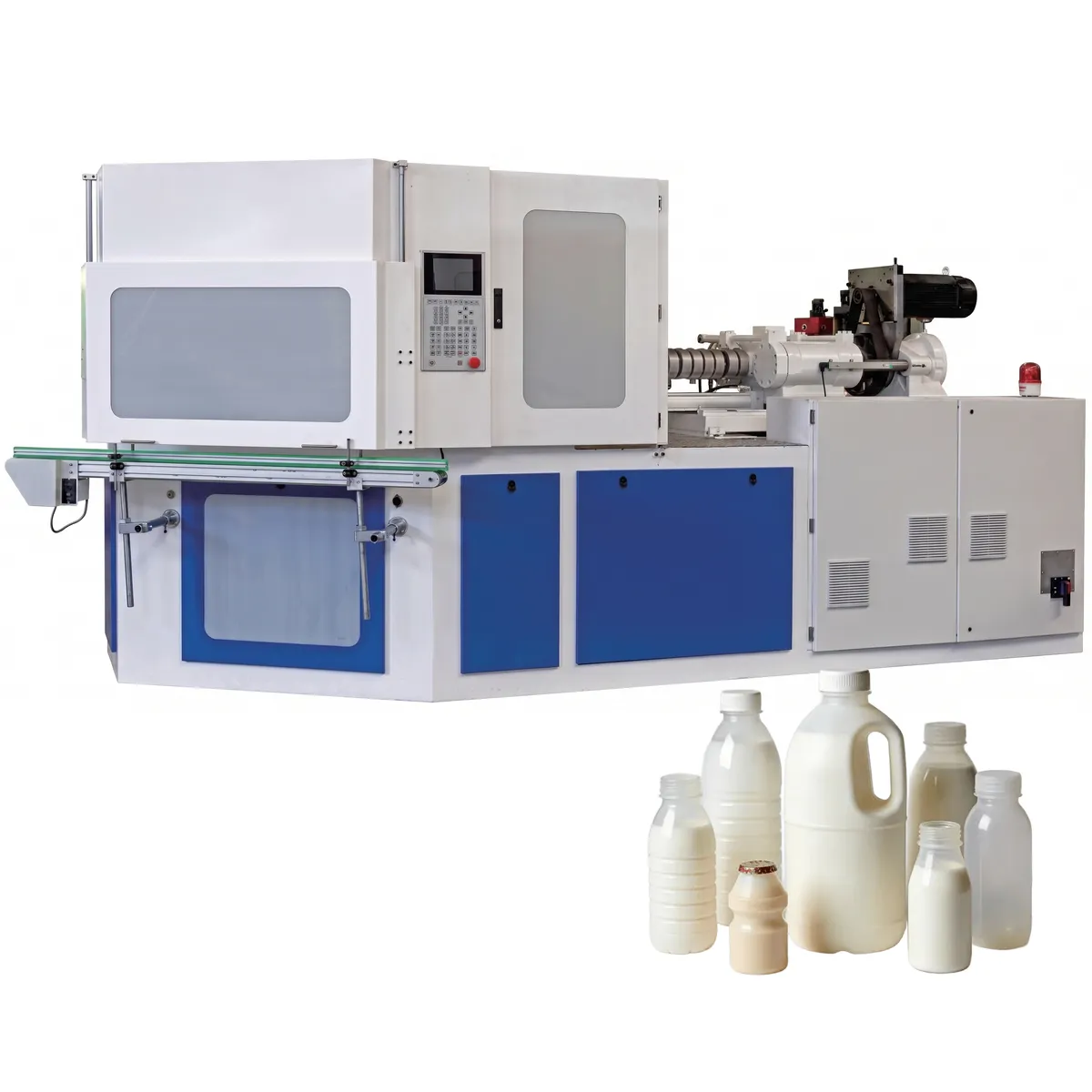
Müşteri Yorumları
Park Joon-ho, Fabrika Müdürü, Güney Kore
"ZQ80 makinesini yaklaşık sekiz ay önce ilaç üretim hattımıza kurduk ve ilk günden beri neredeyse hiç durmadan çalışıyor. 800 KN'lik sıkıştırma kuvveti, 60 ml'lik ilaç şişelerimizi hiçbir sorun yaşamadan işliyor. Bizi gerçekten şaşırtan şey ise enerji tasarrufu oldu. Önceki makinemiz saatte yaklaşık 20 kWh enerji tüketiyordu, bu makine ise aynı şişe boyutu için ortalama 12 kWh tüketiyor. CMN ekibi, ilk hafta boyunca varil sıcaklık bölgelerini uzaktan yapılandırmamıza yardımcı oldu, bu da bize birçok deneme yanılma sürecinden tasarruf sağladı. Bu satın alımdan çok memnunuz."
Rajesh Mehta, Yapım Direktörü, Hindistan
"Fabrikamızda kozmetik ambalaj için 30 ml'den 250 ml'ye kadar değişen HDPE ve PP şişeler kullanıyoruz. ZQ80, malzeme değişimlerini beklediğimden daha hızlı gerçekleştiriyor ve kalıp değiştirme işlemi oldukça basit. 30 ml'lik hatta günde yaklaşık 100.000 şişe üretiyoruz ki bu da CMN'nin bize verdiği rakamla tamamen örtüşüyor. Servo motor sistemi, eski hidrolik ünitemize göre önemli ölçüde daha sessiz ve operatörlerim vardiyaları sırasında gürültü seviyesinin azalmasından memnunlar. Mumbai'ye teslimat, lojistik ekibinin gümrükleme yardımı da dahil olmak üzere, kapıdan kapıya yaklaşık beş hafta sürdü."
Ahmet Yılmaz, Teknik Müdür, Türkiye
"Yeni şişeleme hattımız için CMN Transmission'ı seçmeden önce üç farklı ekipman üreticisini değerlendirdik. ZQ80 Avrupa modeli, teknik özellikleri ve fiyatıyla öne çıktı. 40 ile 80 ton arasında ayarlanabilen sıkıştırma kuvveti, ince duvarlı kozmetik kaplarımız ile daha kalın kimyasal şişelerimiz arasında geçiş yaparken gerçek bir avantaj sağlıyor. Yedek ısıtıcı bantların temininde küçük bir gecikme yaşandı, ancak makine dört aydır sorunsuz çalışıyor. Sorularımız olduğunda teknik destek bir gün içinde yanıt veriyor."
Dmitry Volkov, Baş Mühendis, Rusya
"ZQ80, üretim hattımızda yaklaşık bir yıldır çalışıyor ve 100 ml'lik ilaç şişelerinde gösterdiği performanstan çok memnunuz. Yağı kalıp alanından uzak tutan alttan yukarıya doğru tasarım, tesisimizin katı GMP düzenlemelerine uyması gerektiğinden bizim için önemli bir karar faktörü oldu. Sıcak yolluk sistemi, malzemeyi 12 boşluğun tamamına eşit şekilde dağıtıyor ve şişeler arasında 0,5 gramdan daha az ağırlık sapması görüyoruz. CMN, teknisyenlerimizin son derece faydalı bulduğu çok detaylı kurulum çizimleri ve Rusça bir kullanım kılavuzu sağladı."
Thabo Nkosi, Güney Afrika Operasyon Müdürü
"Johannesburg'daki yeni kişisel bakım ürünleri hattımız için ZQ80'i satın aldık ve CMN, liman gümrükleme belgeleri de dahil olmak üzere tüm nakliye işlemlerini organize etti. Makine, tüm aksesuarları düzgün bir şekilde paketlenmiş olarak iyi durumda geldi. Ekibimiz, mühendislerinin uzaktan yönlendirmesiyle üç gün içinde makineyi çalışır hale getirdi. Şu anda HDPE'den yaklaşık 5 kalıp kullanarak 500 ml'lik şampuan şişeleri üretiyoruz ve duvar kalınlığı tutarlılığı, önceki ekipmanımızdan elde ettiğimizden belirgin şekilde daha iyi. Bu kalite seviyesi için fiyatlandırma çok rekabetçiydi."
Carlos Eduardo Silva, Fabrika Sahibi, Brezilya
"Sao Paulo'daki fabrikamızda yıllardır çeşitli markalardan IBM makineleri kullanıyoruz ve ZQ80 Avrupa modeli, enerji verimliliği açısından sahip olduğumuz en iyi makine. 30 ml'lik damlalıklı şişe hattımızda saatte yaklaşık 12,5 kWh'lik gerçek güç tüketimi ölçtük; bu da aylık elektrik faturamızda önemli bir tasarruf sağlıyor. 55 mm'lik vida, sıkma şişelerimiz için LDPE'yi mükemmel bir şekilde plastikleştiriyor. CMN ayrıca, ambalajlamadan önce kusurları yakalayan bir görsel inceleme kamera sistemini konveyör çıkışına entegre etmemize de yardımcı oldu."
James Mitchell, Üretimden Sorumlu Başkan Yardımcısı, Amerika Birleşik Devletleri
"250 ml'lik pestisit şişesi üretim hattımızda ZQ80'i yaklaşık beş aydır kullanıyoruz. 800 KN'lik enjeksiyon sıkıştırma kuvveti, HDPE için yeterli basınç sağlıyor ve şişeler çok temiz boyun dişleriyle ve hiç çapak olmadan çıkıyor. Kurulum, kurulum için gelen iki CMN mühendisi tarafından gerçekleştirildi ve ekibimize günlük bakım prosedürleri ve temel sorun giderme konusunda eğitim verdiler. Tek küçük şikayetim, kullanım kılavuzundaki İngilizcenin bazı bölümlerde daha anlaşılır olabileceği, ancak makinenin performansı kendini gösteriyor."
Maria Gonzalez, Üretim Sorumlusu, Meksika
"Monterrey'deki fason ambalajlama işimiz için güvenilir bir IBM makine tedarikçisine ihtiyacımız vardı. Birkaç seçeneği karşılaştırdıktan sonra, 10 ml'den 1.000 ml'ye kadar en geniş şişe boyut yelpazesini işleyebildiği için ZQ80'i seçtik. İlk üç ayda, ilaç tabletleri, vitamin takviyeleri, yemeklik yağ ve el dezenfektanı şişeleri de dahil olmak üzere dört farklı müşteri için üretim partileri gerçekleştirdik. Hızlı kalıp değiştirme sistemi, ürünleri 90 dakikadan kısa sürede değiştirmemizi sağlıyor ve bu da programımızı esnek tutuyor. Yatırımın karşılığını fazlasıyla veriyor."
Nguyen Van Thanh, Genel Müdür, Vietnam
"ZQ80 modelini PP laktik asit bakteri şişeleri üreten bir hatta kullanıyorum ve yüksek şeffaflığa sahip PS seçeneği de probiyotik içecek ambalajlarımız için mükemmel çalışıyor. Makinenin 4,5 x 1,6 x 2 metre boyutları tesisimize çok iyi uyuyor ve 10 tonluk ağırlığı yüksek üretim hızlarında bile stabil kalmasını sağlıyor. CMN Transmission, kalıplar, yedek parça kiti ve bir yıllık garanti dahil olmak üzere komple paket için çok uygun fiyatlar sundu. Satış sonrası ekipleri hafta sonları bile WhatsApp üzerinden yanıt veriyor, bu da gece vardiyası üretim artışımız sırasında sorularımız olduğunda çok işimize yaradı."
Ek bilgi
| Düzenleyen | Yjx |
|---|
İlgili ürünler
-
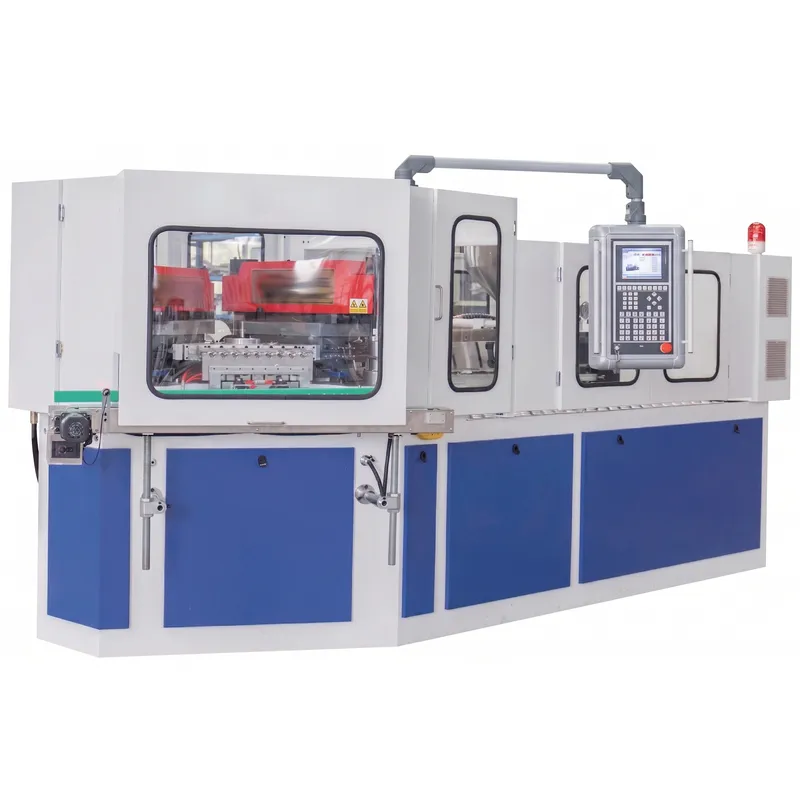
ZQ60 Enjeksiyonlu Şişirme Kalıplama Makinesi (Avrupa)
-
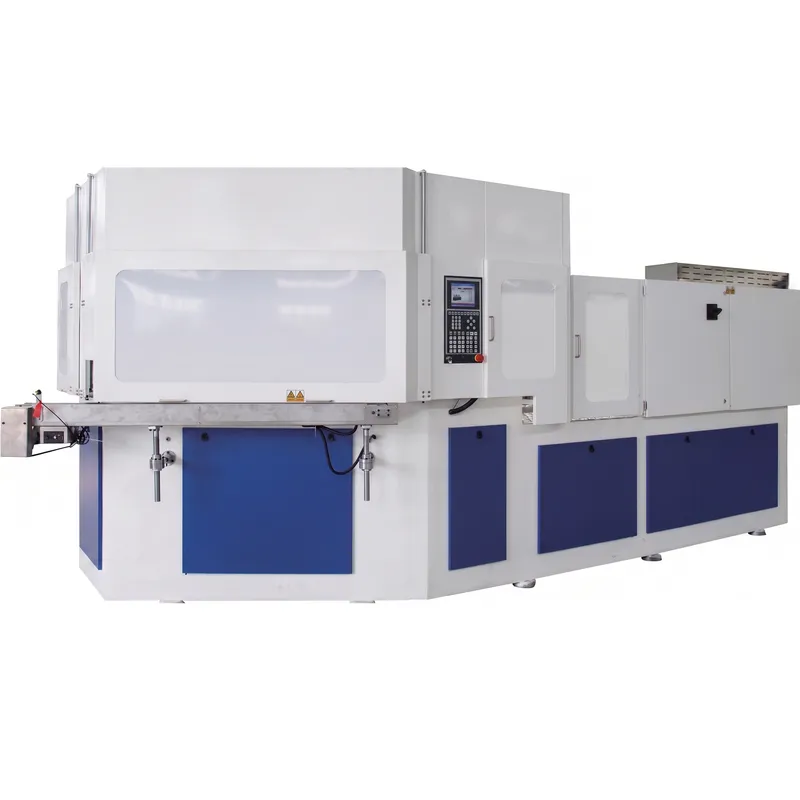
ZQ110 Enjeksiyonlu Şişirme Kalıplama Makinesi (Avrupa)
-
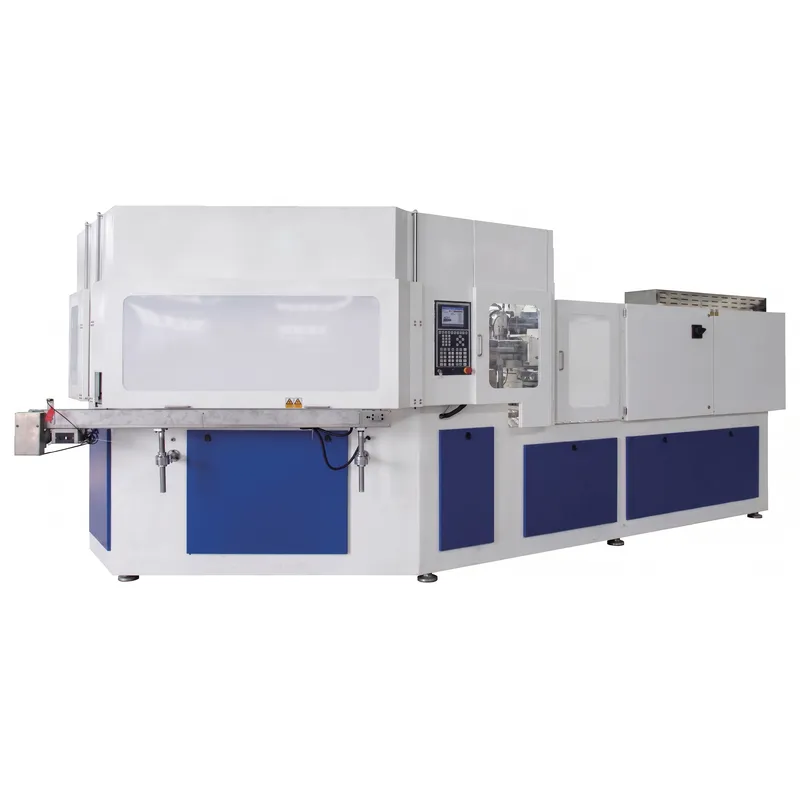
ZQ135 Enjeksiyonlu Şişirme Kalıplama Makinesi (Avrupa)
-
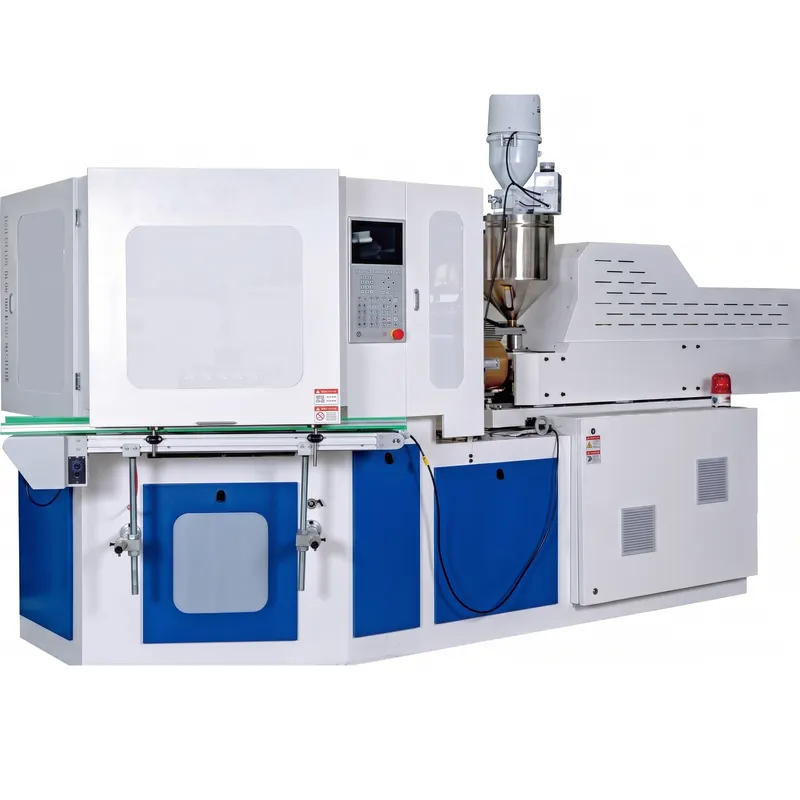
ZQ40 Enjeksiyonlu Şişirme Kalıplama Makinesi (Avrupa)
-
ZQ60HE Yüksek Hızlı Tam Elektrikli Enjeksiyonlu Şişirme Kalıplama Makinesi (Avrupa)