
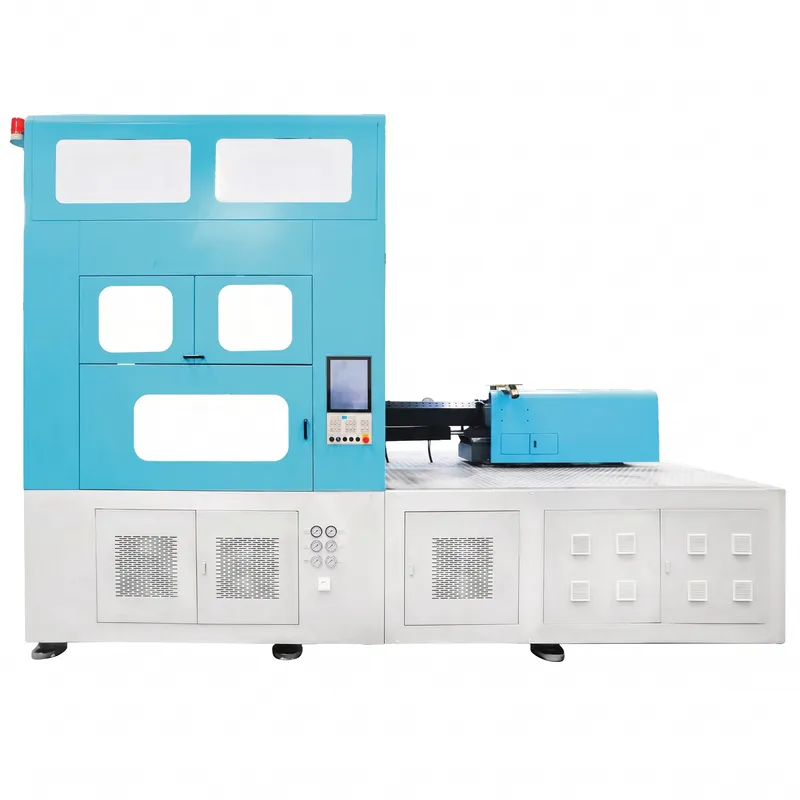
Mesin Cetak Tiup Peregangan Injeksi Satu Langkah Y280-V6 (6 Stasiun)
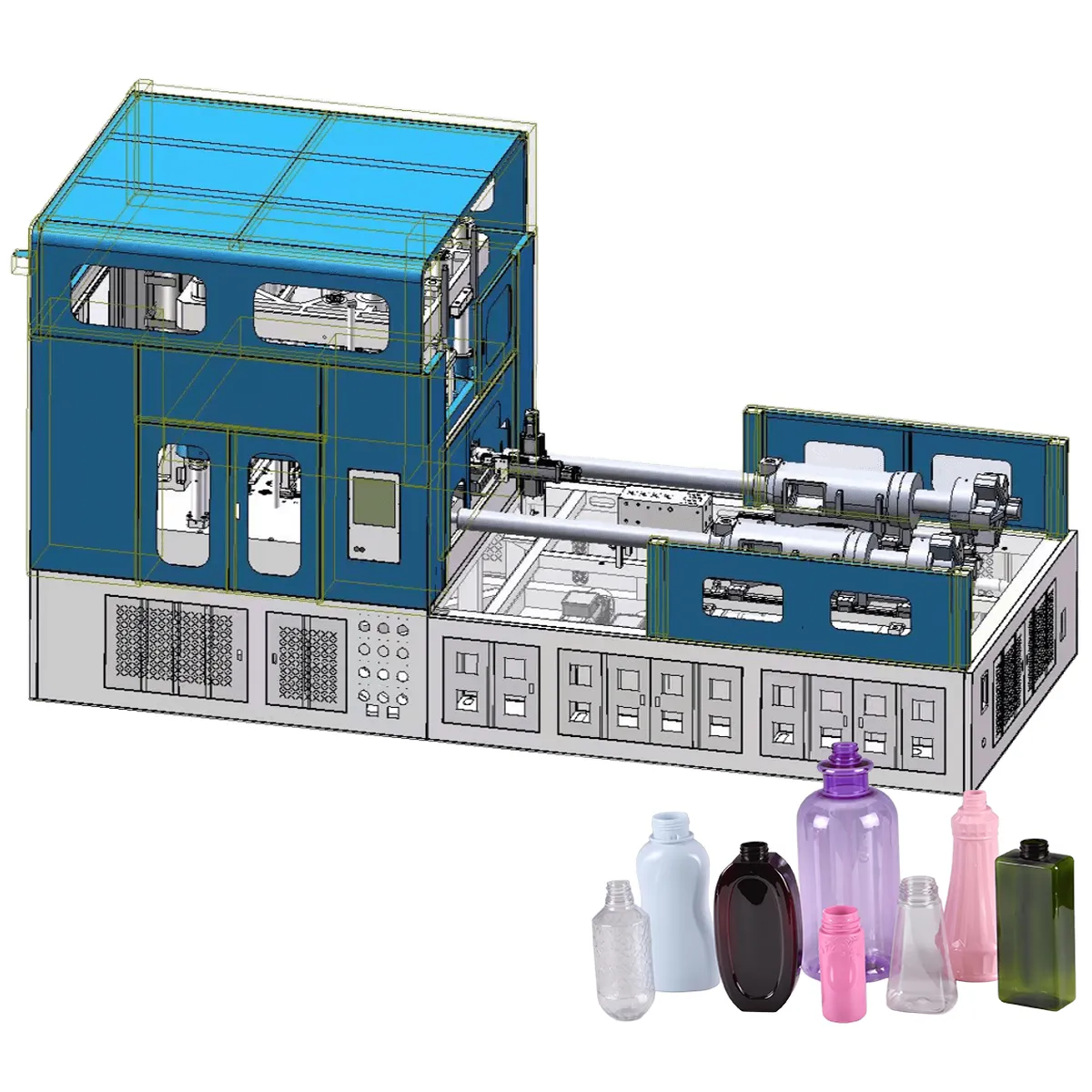
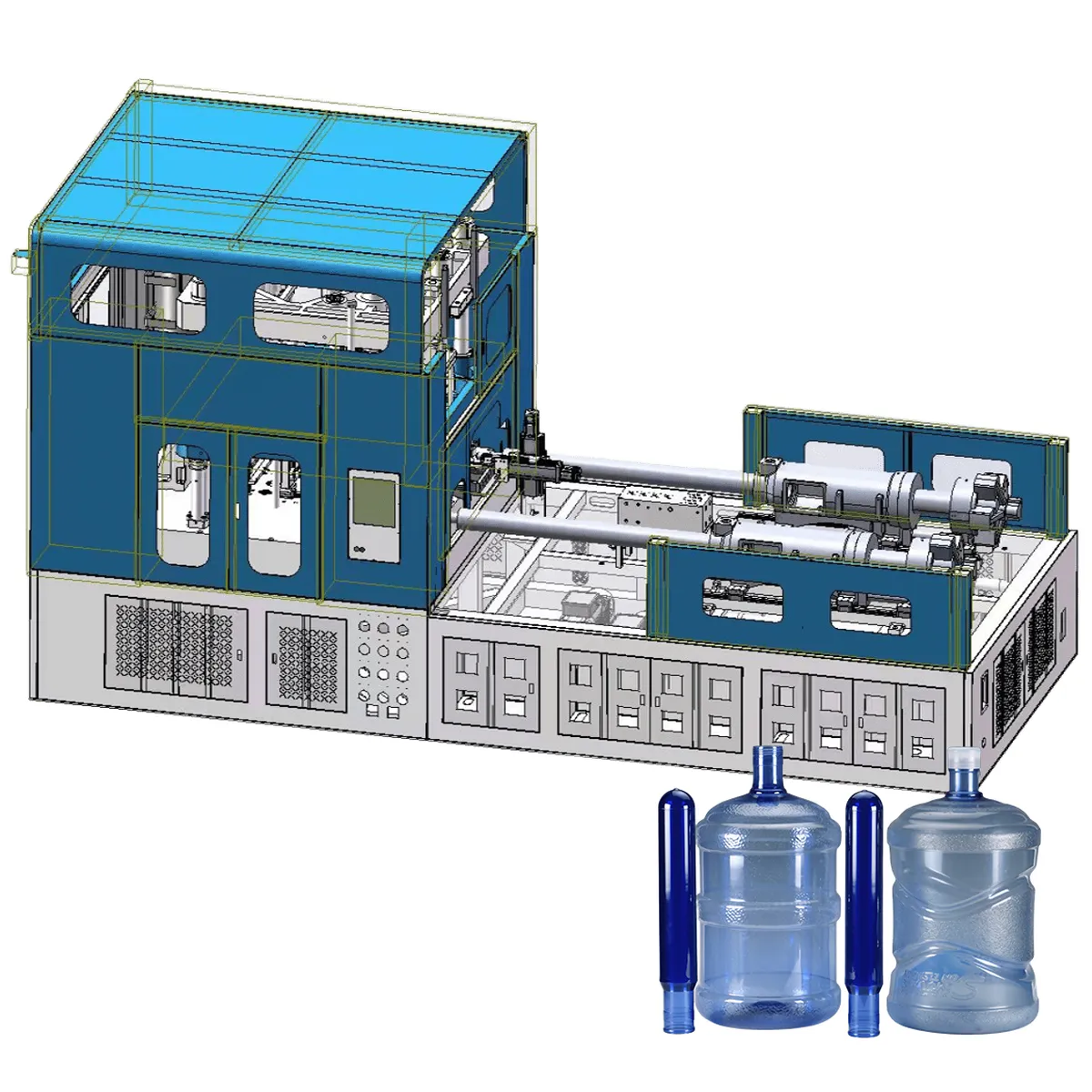
The Y280-V6 One Step Injection Stretch Blow Molding Machine is a highly efficient plastic container molding process widely used in the production of high-precision, high-demand hollow plastic products, including baby bottles, water bottles, medicine bottles, craft and special-shaped bottles, and cosmetic bottles made of PET, PETG, PP, PC, Tritan, PS, ABS, or PLA. The Y280-V6 is a direct-replacement option for leading Japanese injection stretch blow molding machines and is available in Standard, Servo, and Fully Electric configurations to suit diverse production environments.
The Y280-V6 One Step Injection Stretch Blow Molding Machine is a highly efficient plastic container molding process widely used in the production of high-precision, high-demand hollow plastic products, including baby bottles, water bottles, medicine bottles, craft and special-shaped bottles, and cosmetic bottles made of PET, PETG, PP, PC, Tritan, PS, ABS, or PLA. As a leading one step ISBM machine with six stations, its defining feature is that injection, stretching, and blow moulding are all completed continuously within the same equipment without any intermediate steps. This single-stage design eliminates reheating energy, reduces floor space, and significantly improves both production efficiency and batch-to-batch product consistency. The Y280-V6 is a direct-replacement option for leading Japanese injection stretch blow molding machines and is available in Standard, Servo, and Fully Electric configurations to suit diverse production environments.
The six-station rotary turntable architecture of the Y280-V6 sets it apart from conventional four-station ISBM machines. By adding two additional stations to the processing cycle, the machine can produce up to six plastic bottles simultaneously per cycle, delivering throughput levels that match high-volume cosmetic, pharmaceutical, beverage, and personal care packaging lines. All critical components are sourced from trusted global suppliers: Japan Yaskawa or WEICHI servo motors drive the turntable, American Parker high-pressure valves manage blowing air, Airtak air cylinders handle actuation, and YUKEN hydraulic control valves from Taiwan govern pressure regulation. The twin-screw system is heated by nano far-infrared energy-saving rings, reducing heating power consumption while maintaining melt quality. Whether you operate in the pharmaceutical sector requiring GMP-grade oil-free production, or a cosmetic packaging line demanding flawless surface finish with no visible parting lines, the Y280-V6 delivers. It is an ideal solution for businesses seeking a reliable PET injection stretch blow molding machine with proven industrial-grade durability and broad mold compatibility.
Merek dan Model yang Dapat Diganti
CMN Transmission menawarkan rangkaian lengkap model mesin cetak tiup peregangan injeksi, yang masing-masing dirancang sebagai pengganti langsung untuk merek-merek terkemuka Jepang. Semua model tersedia dalam konfigurasi Standar, Servo, dan Sepenuhnya Elektrik untuk menyesuaikan kebutuhan produksi Anda.
| Model Standar | Y150-V4 | Y200-V4 | Y250-V4 |
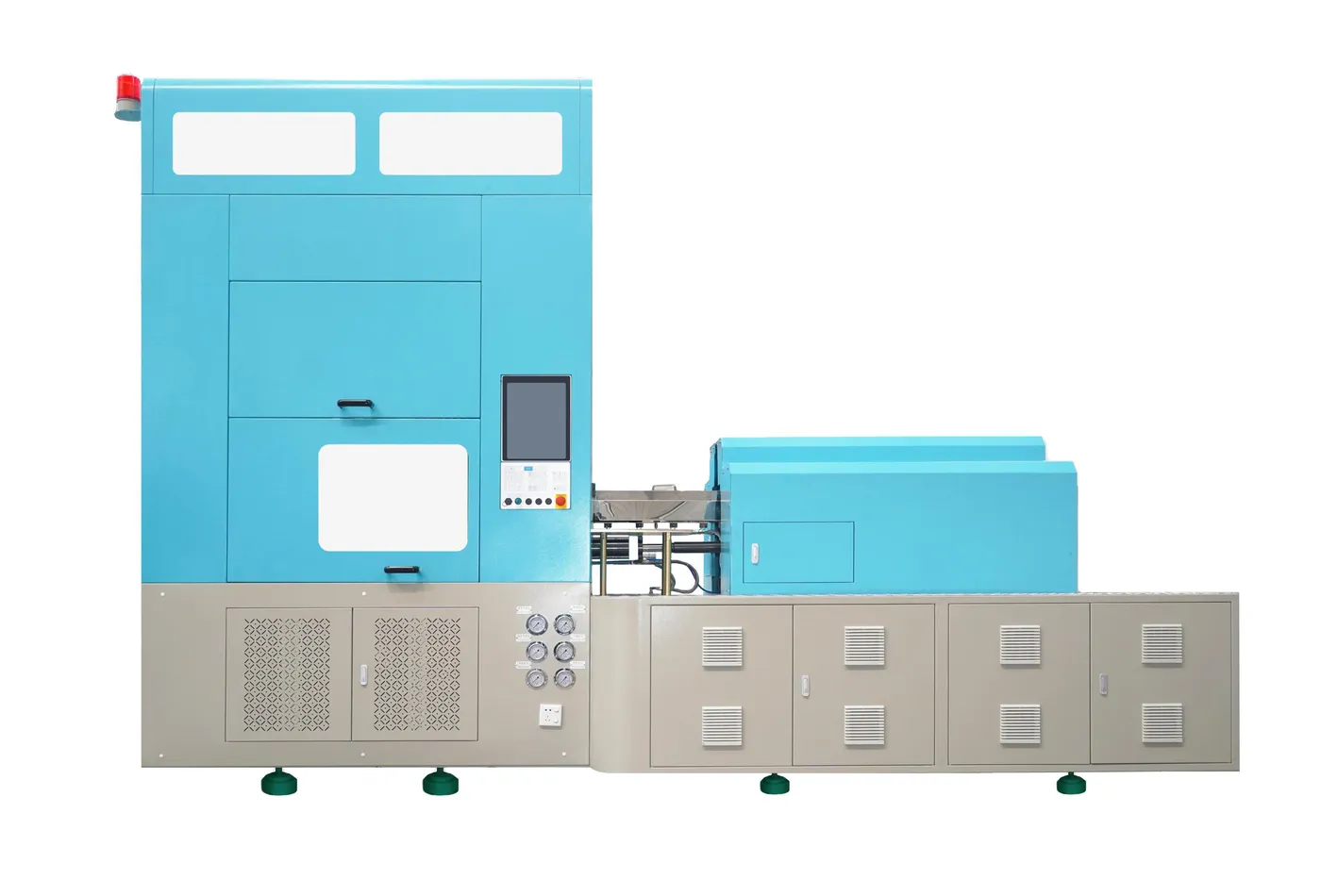 | Kompatibel dengan ASB-12M Jepang | Kompatibel dengan Aoki 250 Jepang | Kompatibel dengan ASB-70DPH Jepang |
| Y150-V4-B | Y500-V3 | - | |
| Kompatibel dengan Aoki 100 Jepang | Kompatibel dengan Aoki 500 Jepang | - | |
| Penjepitan hidraulik, injeksi sekrup hidraulik. | |||
| Model Servo | YS150-V4 | YS200-V4 | YS250-V4 |
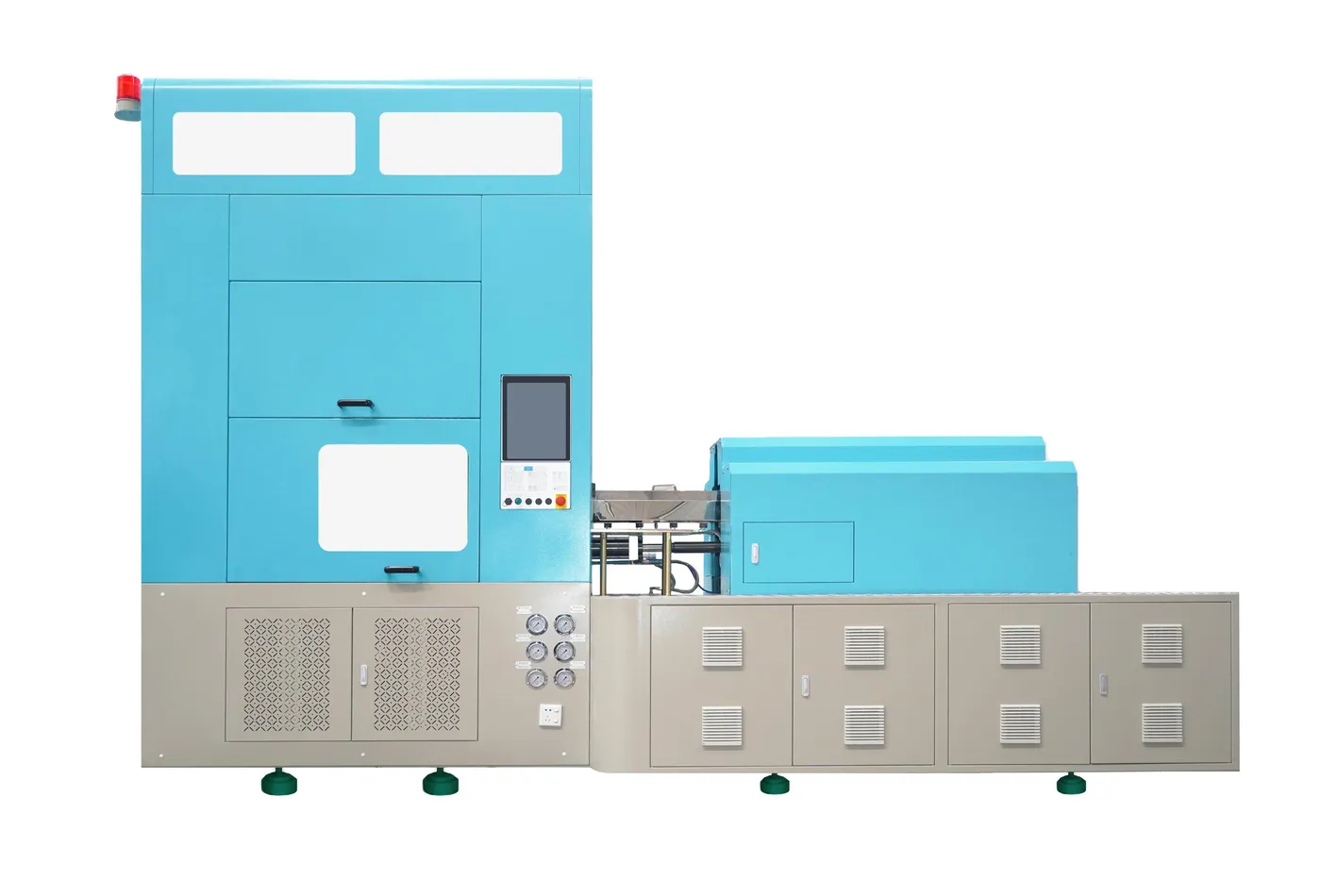 | Penjepitan servo, injeksi sekrup servo, presisi tinggi, energi rendah, stabilitas jangka panjang. | ||
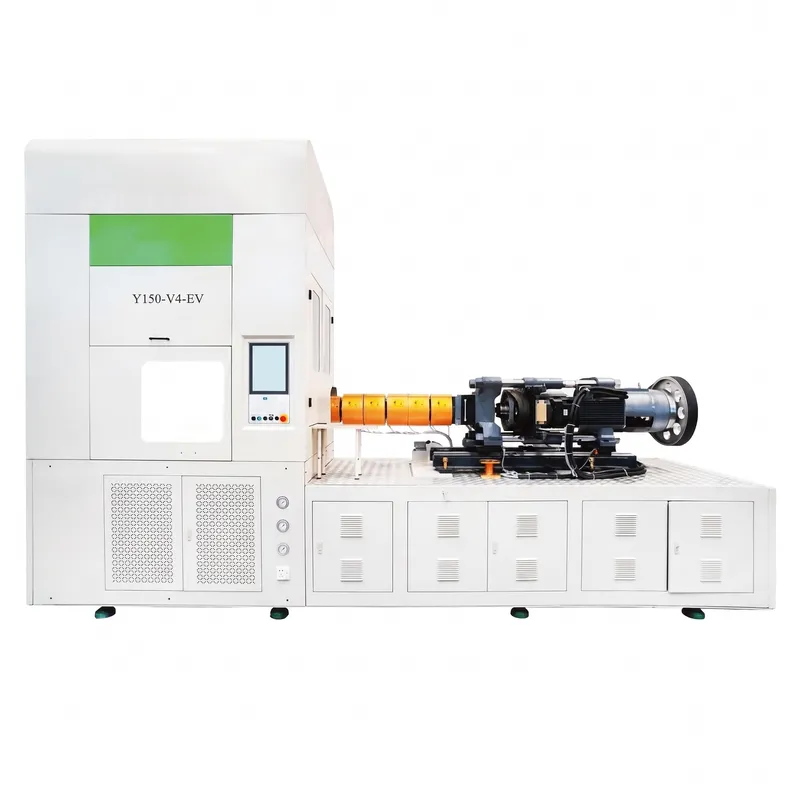
| Model Listrik Penuh | Y150-V4-EV | Y200-V4-EV | Y250-V4-EV |
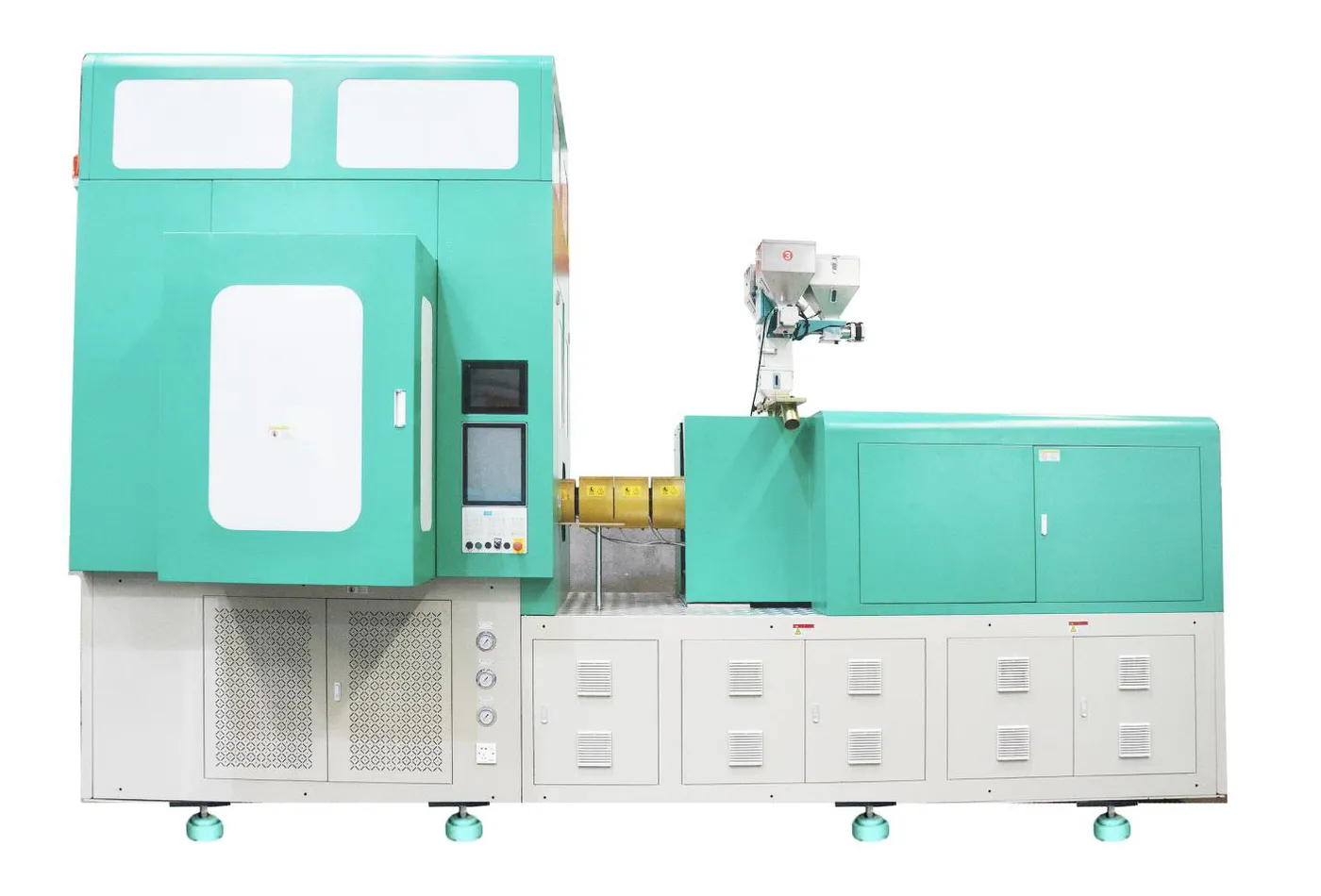 | Penggerak listrik sepenuhnya, menghindari produk yang terkontaminasi oli. | ||
Keunggulan Mesin ISBM Kami
1. Kualitasnya lebih baik. Botol plastik yang diproduksi dengan mesin cetak tiup dari Jepang semuanya memiliki garis pemisah. Terdapat tonjolan plastik di tengah kedua cetakan di kedua sisinya, yang menghasilkan bekas. Namun, cetakan kami memiliki presisi yang sangat tinggi, dan bekas tersebut sama sekali tidak terlihat.
2. Produksi kami cepat, dengan banyak solusi ulir dan kecepatan tinggi. Sementara Jepang dapat memproduksi empat botol plastik sekaligus, kami dapat memproduksi enam.
3. Hemat energi. Mesin kami mengonsumsi energi 15% hingga 25% lebih sedikit dibandingkan mesin di Jepang, Eropa, dan Amerika Serikat.
4. Berbagai teknologi kontrol listrik telah diadopsi untuk menggantikan komponen hidrolik dan pneumatik. Misalnya, komponen pneumatik yang digunakan pada mekanisme pemotongan bagian bawah di Jepang digantikan oleh motor servo di sini, dan kecepatan motor servo tersebut menjadi dua kali lipat. Di industri farmasi dan bidang lainnya, motor servo sepenuhnya dapat digunakan tanpa sistem hidrolik apa pun, sehingga memastikan kepatuhan terhadap standar GMP dan pengoperasian di lingkungan bebas minyak dan bebas polusi.
Spesifikasi Produk
| Barang | Satuan | Spesifikasi | |||||||
| Nama | One-step injection stretch blow molding machine (6-station) | ||||||||
| Model | Y280-V6 | ||||||||
| Pabrikan | Transmisi CMN | ||||||||
| Meterial | PET/PETG | ||||||||
| Diameter Sekrup | MM | 40 | 50 | 55 | 60 | ||||
| Volume Injeksi Teoritis | CM³ | 188 | 310 | 442 | 480 | ||||
| Kecepatan Putaran Sekrup (RPM) | r/min | 270 | 180 | 150 | 150~220 | ||||
| Gaya Penjepitan Injeksi | KN | 150 | |||||||
| Gaya Jepit Tiup | KN | 200 | |||||||
| Tenaga Motor | KW | 43.2 | |||||||
| Daya Pemanas | KW | 10 | |||||||
| Tekanan udara tiup | MPA | 2.0-3.5 | |||||||
| Tekanan Air Pendingin | MPA | 0.4-0.6 | |||||||
| Tekanan Air Pendingin Oli Mesin | MPA | 0.3-0.4 | |||||||
| Suhu Air Pendingin Oli Mesin | ℃ | 20-25 | |||||||
| Voltase | V | 370-400 | |||||||
| Ukuran (P*L*T) | MM | 5900x2600x3200 | |||||||
| Berat | T | 14 | |||||||
| Dimensi Produk | |||||||||
| Jumlah Produk | PCS | 1 | 2 | 4 | 5 | 6 | 7 | 9 | 10 |
| Diameter Botol (BD) | MM | 120 | 110 | 68 | 55 | 50 | 45 | 35 | 20 |
| Tinggi Botol (H) | MM | 210 | 150 | 100 | |||||
| Diameter Leher (E) | MM | 85 | 70 | 50 | 38 | 32 | 25 | 17 | 12 |
| Volume Botol Maksimum (ml) | ML | 2500 | 1500 | 900 | 400 | 250 | 100 | 30 | 20 |
| Berat Botol Maksimum (W) | G | 130 | 65 | 43 | 32 | 26 | 22 | 18 | 16 |
Parameter Mesin
| Diameter Sekrup: | 50mm (opsional) |
| Kapasitas Injeksi Teoritis: | 310g |
| Gaya penjepitan injeksi: | 150KN |
| Langkah cetakan atas: | 250 mm |
| Langkah cetakan bawah: | 205mm |
| TEMP. Mengatur langkah inti: | 250 mm |
| Pengaturan suhu pada langkah laras: | 230 mm |
| Pukulan take-out: | 170mm |
| Gaya penjepit tiup: | 200KN (satu sisi) |
| Pukulan inti tiup: | 250 mm |
| Langkah pencetakan tiup: | 75+75mm |
| Tangki minyak VOL: | 300 liter |
| Ukuran (P×L×T): | 5.9*2.6*3.2m |
| Berat: | 14T |
Standar Teknis
| Sistem Kontrol Servo: | Using 2 sets of servo pump systems. |
| Daya Motor Servo: | Inovance/ WEICHI servo motor power: 43.2KW. |
| Sistem Kontrol Komputer: | Menggunakan PLC Inovance/MiRLE. |
| Penggerak Meja Putar: | Meja putar ini dilengkapi dengan motor servo Yaskawa Jepang atau motor servo WEICHI dengan reduktor TSUNTIEN Taiwan. |
| Katup Tekanan Tinggi: | Menggunakan katup tekanan tinggi Parker buatan Amerika. |
| Tabung Udara: | Menggunakan tabung udara Aitak. |
| Kontrol Suhu: | Menggunakan kotak kontrol terintegrasi untuk mengontrol suhu, yang sangat akurat, stabil, dan mudah dioperasikan. |
| Katup Pengontrol Tekanan Hidraulik: | Menggunakan katup pengontrol tekanan hidrolik merek YUKEN dari Taiwan, Tiongkok. |
| Sekrup Pemanas: | The twin-screw is heated by a nano-far-infrared energy-saving heating ring(10KW). |
| Struktur Pencetakan Tiup: | Struktur pencetakan tiup mengadopsi sistem penjepitan cetakan silinder hidrolik atau motor servo ganda dengan fungsi kompensasi tekanan tinggi. |
| Unit Injeksi: | The double-injection unit is controled by a single cylinder. The melt motor may be controlled either hydraulically or by a servo motor. |
| Tabung Minyak: | Selang oli terbuat dari bahan impor dari Italia. |
| Daya Total Mesin: | Total power of the machine:53.2KW. |
Key Features of the Y280-V6 ISBM Machine
1. Superior Product Quality
The single-stage injection stretch blow molding machine process produces bottles directly from preforms without reheating, which preserves molecular alignment and surface integrity. Containers achieve high optical clarity, smooth surface finishes, and uniform wall thickness in every cycle. Because the preform and finished bottle are made on the same machine without intermediate handling, there is virtually no risk of contamination or surface damage. The Y280-V6 mold tooling is manufactured to extremely tight tolerances, making parting line marks invisible to the naked eye. This is a clear advantage over Japanese-brand alternatives where a visible parting line protrusion is common.
2. Flexible Design Capabilities
The Y280-V6 customized injection stretch blow molding machine platform supports intricate bottle shapes, custom neck finishes, and container volumes from 20 ml up to 2,500 ml. With 8 available cavity configurations per cycle, the machine adapts to both small-batch specialty orders and large-volume commodity runs. This adaptability makes it ideal for cosmetic brands requiring distinctive bottle profiles, pharmaceutical manufacturers demanding precise closure fitment, and premium beverage producers needing transparent PET bottles with high visual appeal. The machine's mold compatibility also extends to tooling originally designed for Japanese ASB and Aoki equipment.
3. Sustainability and Lower Energy Use
The one-step process eliminates the secondary preform reheating stage that two-step systems require, reducing overall energy consumption by 15% to 25% compared to equivalent Japanese, European, or American machines. Nano far-infrared energy-saving heating rings on the twin-screw system further reduce heat loss during the melting phase. The process also generates less material waste than extrusion blow molding because preform weight is precisely controlled before blowing. For manufacturers working with bio-based resins such as PLA or recycled PET content, the stable melt temperature management of the Y280-V6 helps maintain consistent processing conditions without degradation.
4. High Production Efficiency
The six-station rotary architecture of the Y280-V6 produces more bottles per cycle than the four-station designs found in competing Japanese ISBM machine models. While a standard four-station Japanese machine typically produces four bottles simultaneously, the Y280-V6 outputs six bottles per cycle. Combined with a servo-driven turntable and dual servo pump systems that reduce pressure stabilization delays, overall throughput increases significantly. The integrated single-stage processing cycle also reduces machine downtime between production runs, eliminating the need to synchronize separate injection and blow molding equipment. Full-process PLC automation reduces operator intervention and supports cost-effective mass production across extended shifts.
5. Versatile Application Range
As a true-purpose injection blow molding machine for packaging, the Y280-V6 produces containers ranging from 20 ml eye-drop bottles to 2,500 ml wide-mouth packaging. Supported materials include PET, PETG, PP, PC, Tritan, PS, ABS, and PLA, giving manufacturers broad flexibility to serve pharmaceutical, cosmetic, food, beverage, chemical, and personal care markets from a single machine platform. Multiple screw diameter configurations (40, 50, 55, or 60 mm) allow operators to match injection shot size to the specific product and material being run. This versatility makes the Y280-V6 one of the most commercially adaptable one step injection stretch blow molding machines currently available from Chinese manufacturers.
6. Compatible with Japanese ASB or Aoki Machine
One of the most significant commercial benefits of the Y280-V6 is its direct compatibility with mold tooling originally designed for Japanese ASB injection stretch blow molding machines. For manufacturers currently running ASB or Aoki machines, this means existing mold investments can be transferred to the CMN machine without costly retooling. The Y280-V6 is engineered as a direct replacement for ASB ISBM machine models and also offers compatibility paths for Aoki model formats. This mold compatibility dramatically reduces the total cost of switching from Japanese to CMN equipment.
Working Principle
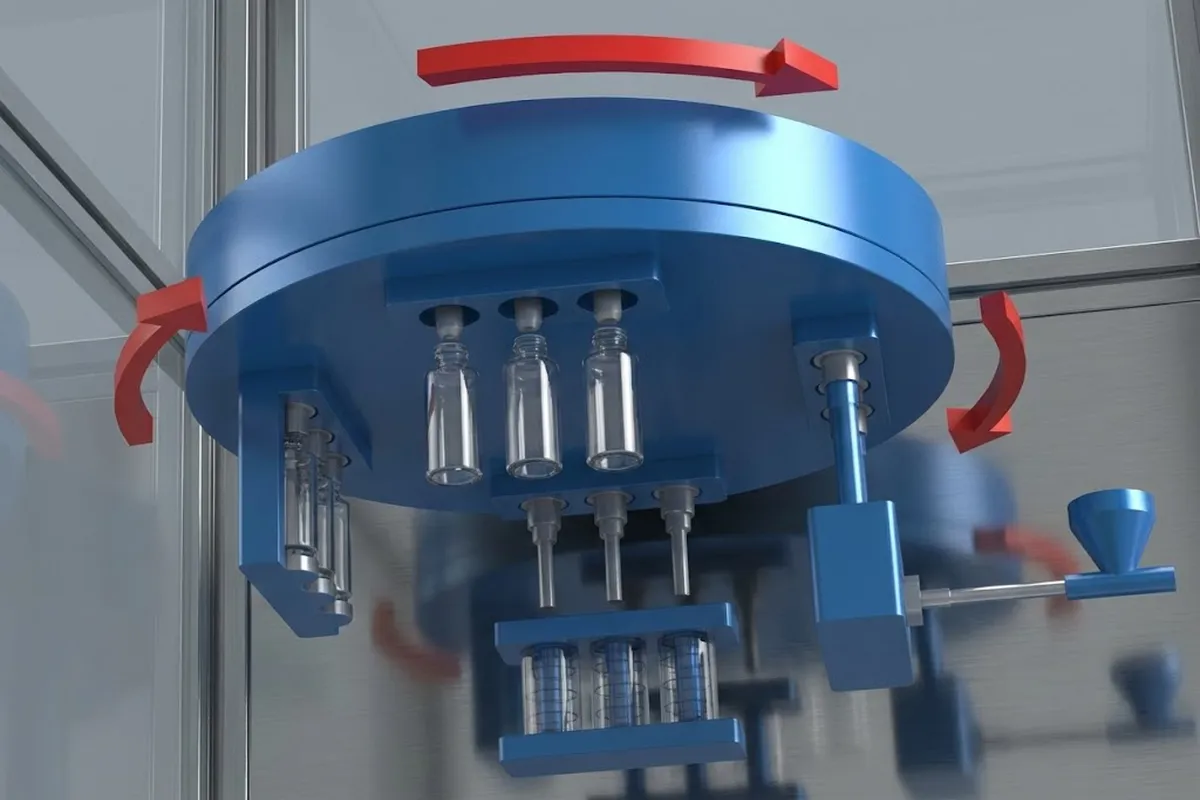
Langkah 1: Pencetakan Injeksi
The process begins by heating PET or PETG resin to a precise molten state using the nano far-infrared screw heating system. The molten material is injected under 150 KN clamping force into a mold cavity to form a preform. The preform is partially cooled to stabilize its shape while retaining sufficient heat to allow effective stretching in the next stage. During this phase, the neck finish, thread geometry, and sealing area are formed to their final dimensions. This ensures reliable cap fitment, dimensional accuracy, and consistent bottle weight from cycle to cycle. The injection unit operates under single-cylinder control, with the melt motor configurable as either hydraulic or servo-driven depending on the production environment and accuracy requirements.
Langkah 2: Lakukan Pengkondisian dan Transfer
The Japan Yaskawa or WEICHI servo motor drives the six-station rotary turntable, transferring the freshly molded preform from the injection station to the temperature conditioning zone with precise indexing accuracy. As the preform travels between stations, it passes through controlled thermal management zones managed by the integrated temperature control box. The TEMP. Regulating Core Stroke of 250 mm and TEMP. Regulating Barrel Stroke of 230 mm allow fine adjustment of heat distribution along the preform body. This consistent thermal conditioning step is critical for achieving uniform material behavior during the subsequent stretching and blowing stage. Uneven preform temperature is one of the primary causes of thin shoulders, thick bases, or cracking during blow molding, all of which the Y280-V6 conditioning system is engineered to prevent.
Langkah 3: Pencetakan Tiup Peregangan
This is the transformation stage where the preform becomes its final container shape. The blow core stroke of 250 mm and blow mold stroke of 75 + 75 mm on the Y280-V6 provide generous travel range to accommodate a wide range of bottle heights and body profiles. Biaxial stretching begins as a stretch rod extends the preform lengthwise, followed by compressed air at 2.0 to 3.5 MPa expanding it outward to match the blow mold cavity. The hydraulic cylinder or dual servo motor mold clamping system with high-pressure compensation function maintains 200 KN blowing clamping force (single side), ensuring the mold seals fully against the internal air pressure. This dual-axis orientation of the polymer molecules significantly improves the finished container's resistance to gas penetration, impact force, and internal pressure, making the output ideal for carbonated beverages, pharmaceutical liquids, and pressurized cosmetic packaging.
Langkah 4: Pendinginan dan Pengeluaran
Once the container has been fully blown into its final shape, the cooling water system (maintained at 0.4 to 0.6 MPa and 20 to 25 degrees Celsius through the machine oil cooler) rapidly removes heat from the mold cavity to solidify the bottle form. Controlled cooling is essential for dimensional stability, consistent bottle weight, and preventing internal stress that could lead to deformation during storage or transport. After sufficient cooling is achieved, the mold opens and the take-out mechanism (with a stroke of 170 mm) automatically ejects the finished bottle from the station. The complete molding cycle concludes with a ready-to-fill plastic container delivered directly to the take-out position, requiring no manual trimming, reheating, or secondary processing before use.
Bidang Aplikasi
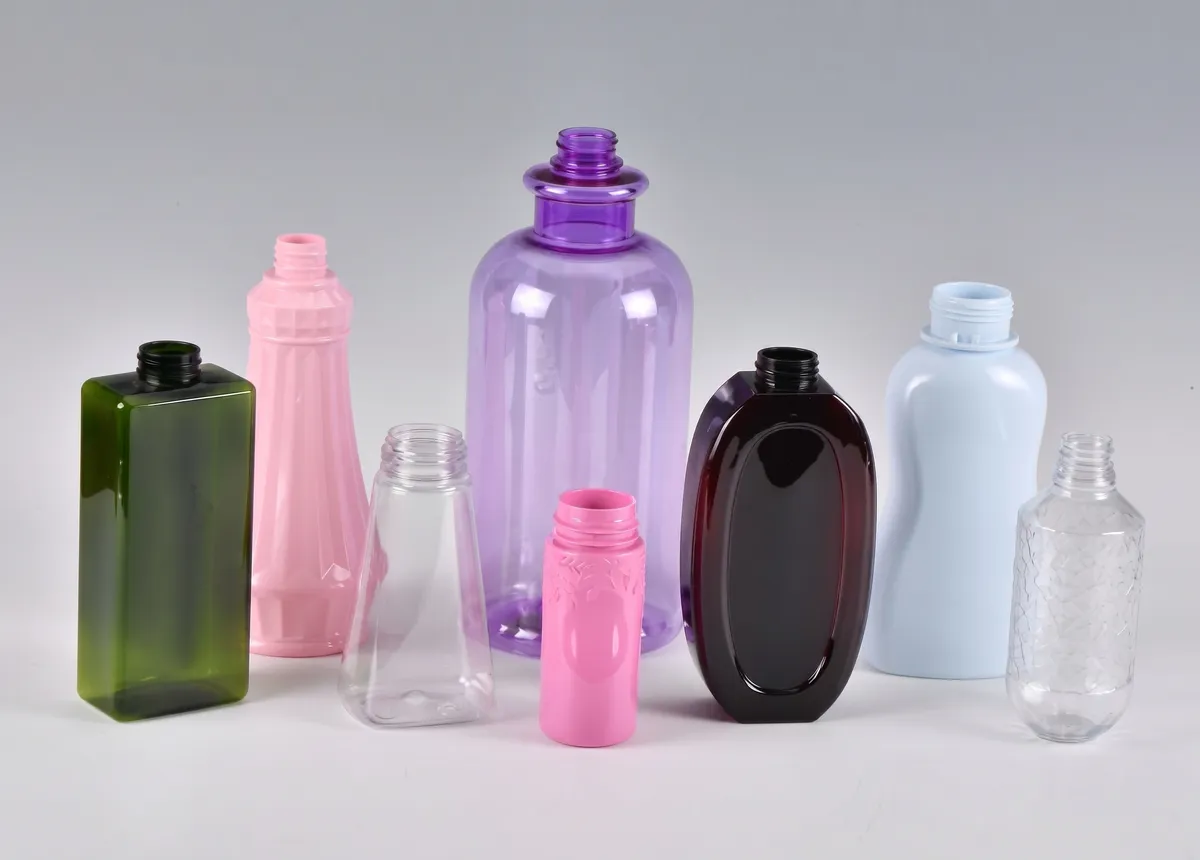
1. Cosmetic Bottles
High-end cosmetic packaging demands flawless surface aesthetics, transparency, and dimensional consistency. The Y280-V6 produces skincare, toner, serum, and lotion containers in Tritan, PETG, and PET with no visible parting lines and excellent optical clarity. The mold precision achievable with CMN tooling makes it the preferred mesin cetak tiup peregangan injeksi for cosmetic brands supplying premium retail markets in Europe, North America, and Southeast Asia.
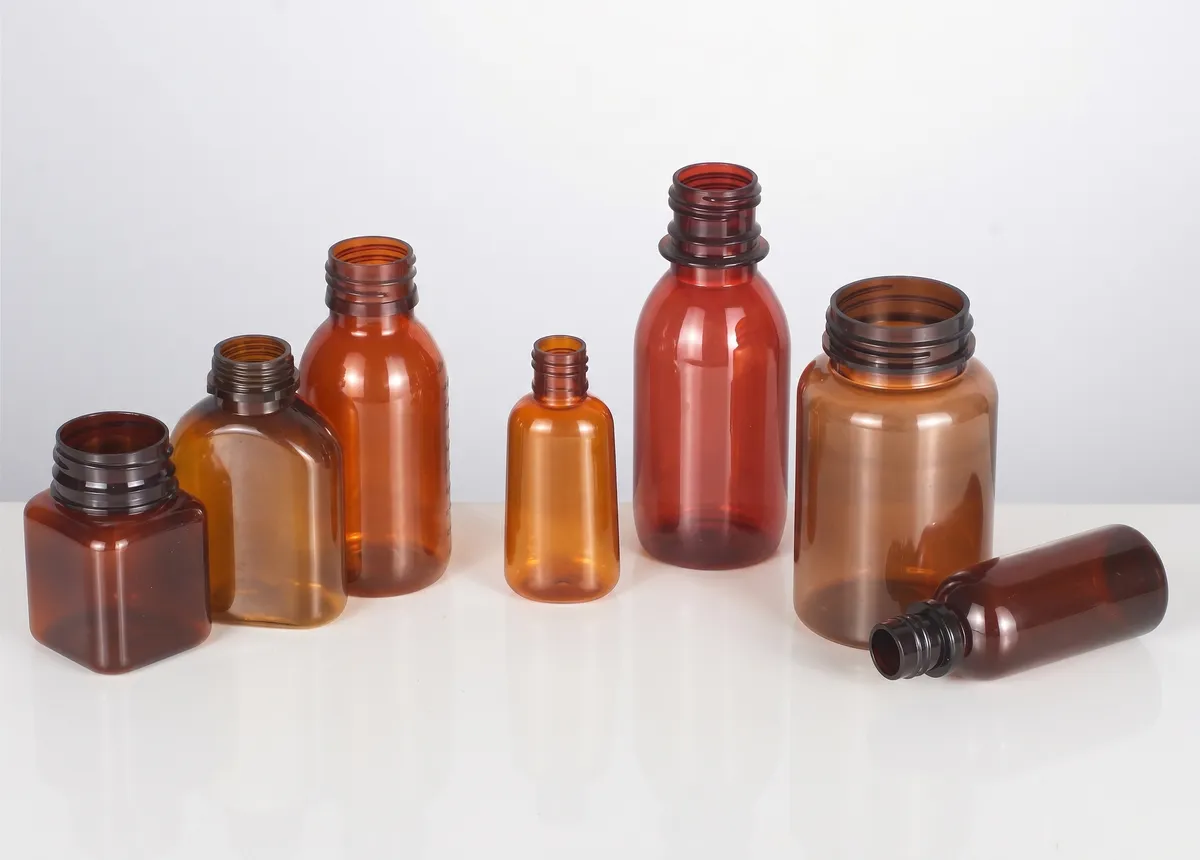
2. Botol Farmasi
The Y280-V6 is widely used in pharmaceutical packaging facilities requiring GMP-compliant production. The machine supports fully electric, oil-free servo configurations that eliminate hydraulic oil contamination risk. Pharmaceutical bottles for oral liquids, tablets, capsules, syrups, and eye drops can be produced in PET, PETG, and PP from 20 ml to 500 ml with highly accurate neck thread geometry to ensure reliable closure sealing and dosing accuracy.
3. Chemical Bottles
Chemical packaging requires containers that resist solvent permeation, maintain structural integrity under varied storage conditions, and offer tamper-evident closure compatibility. The Y280-V6 produces PP and PET chemical bottles with uniform wall thickness and stable shoulder geometry. Applications include agricultural chemical packaging, cleaning agent bottles, industrial lubricant containers, and specialty chemical packaging requiring chemical resistance and controlled vapor permeability.
4. Hand Wash Bottles
Hand wash, liquid soap, and antibacterial gel packaging often requires ergonomic shapes, pump neck compatibility, and high visual appeal on retail shelves. The Y280-V6 ISBM process handles the complex shapes common in personal care packaging, including oval, square-shoulder, and waisted body profiles. The biaxial orientation of the PET or PP material improves bottle squeeze resistance and drop impact performance, which are important factors for consumer personal care products during distribution.
5. Beverage Bottles
PET beverage bottles produced on the Y280-V6 benefit from the biaxial molecular orientation created by the stretch blow process, resulting in improved top-load strength, burst pressure resistance, and excellent optical clarity. The machine can produce still water, juice, tea, and edible oil containers from 100 ml to 2,500 ml per cycle. The servo-controlled turntable indexing ensures consistent preform positioning between stations, which directly affects fill volume accuracy and bottle weight stability across large production runs.
6. Feeding Bottles (Baby Bottles)
Baby bottle production is one of the most demanding applications for any ISBM machine because the materials must be BPA-free, completely transparent, and free of surface defects. The Y280-V6 processes Tritan, PPSU, PC, and PET resins for baby bottles that meet international food contact and chemical migration standards. The one-step ISBM process prevents contamination between stations that could occur with two-step systems, making it the preferred technology for premium infant feeding product manufacturers globally.
7. Body Wash Bottles
Body wash packaging must deliver both functional performance and strong shelf presence. The Y280-V6 supports production of wide-body, tinted, and frosted PET and PETG body wash containers with pump or flip-top closure neck finishes. The machine's temperature conditioning accuracy allows processing of opaque and semi-transparent resin blends without inconsistent color distribution or localized thin spots, which are common defects when bottle shape complexity increases. Output ranges from 200 ml travel sizes to 1,000 ml family-size formats within the same cavity configuration.
8. Drinking Water Buckets
Large-format PET drinking water containers require outstanding structural rigidity, high clarity, and stackable base geometry. The Y280-V6 accommodates wide-mouth neck configurations and large-body bottle designs up to 2,500 ml. The 200 KN blowing clamping force and 250 mm blow core stroke provide the dimensional control needed for consistent, thick-walled large containers. For water dispenser bottle manufacturers, the Y280-V6 offers a reliable, energy-efficient production platform that meets the volume demands of bulk water packaging markets in Asia, the Middle East, and Africa.
 |  |
| Botol Kosmetik | Botol Farmasi |
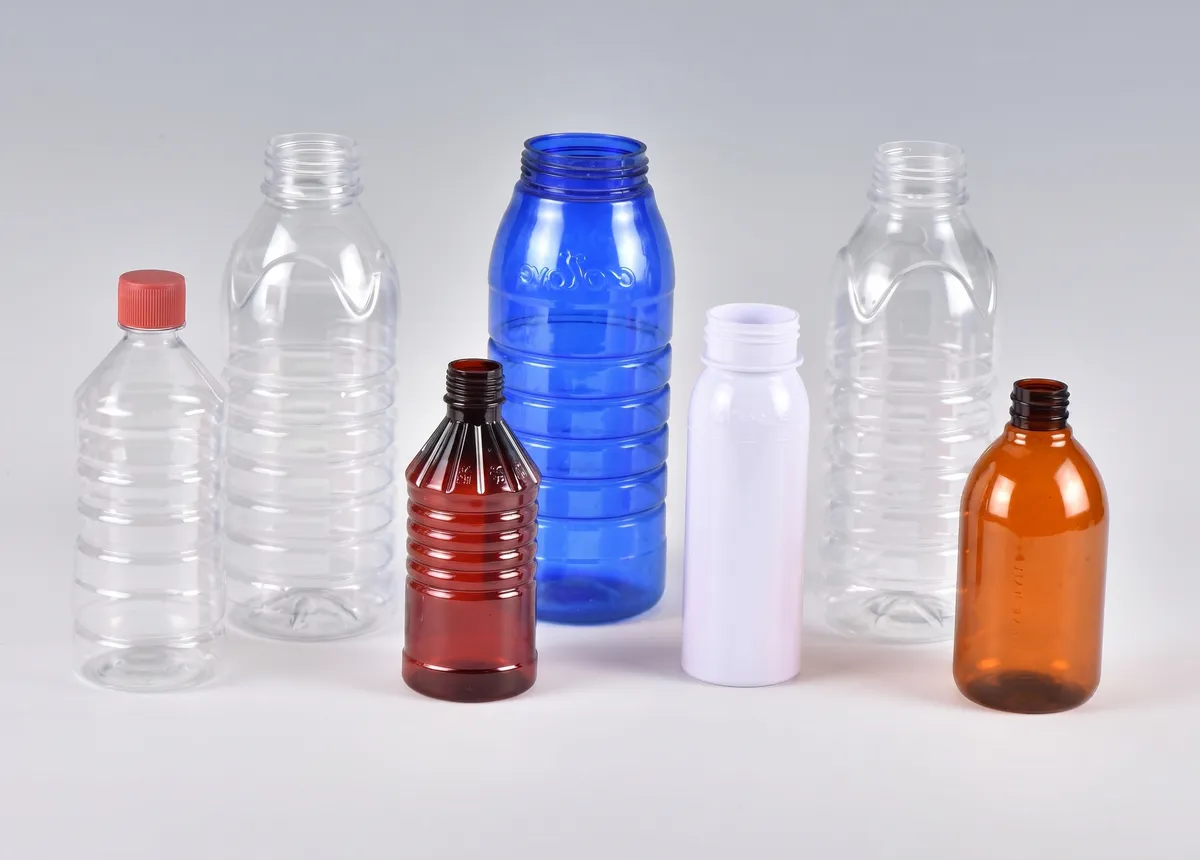 | 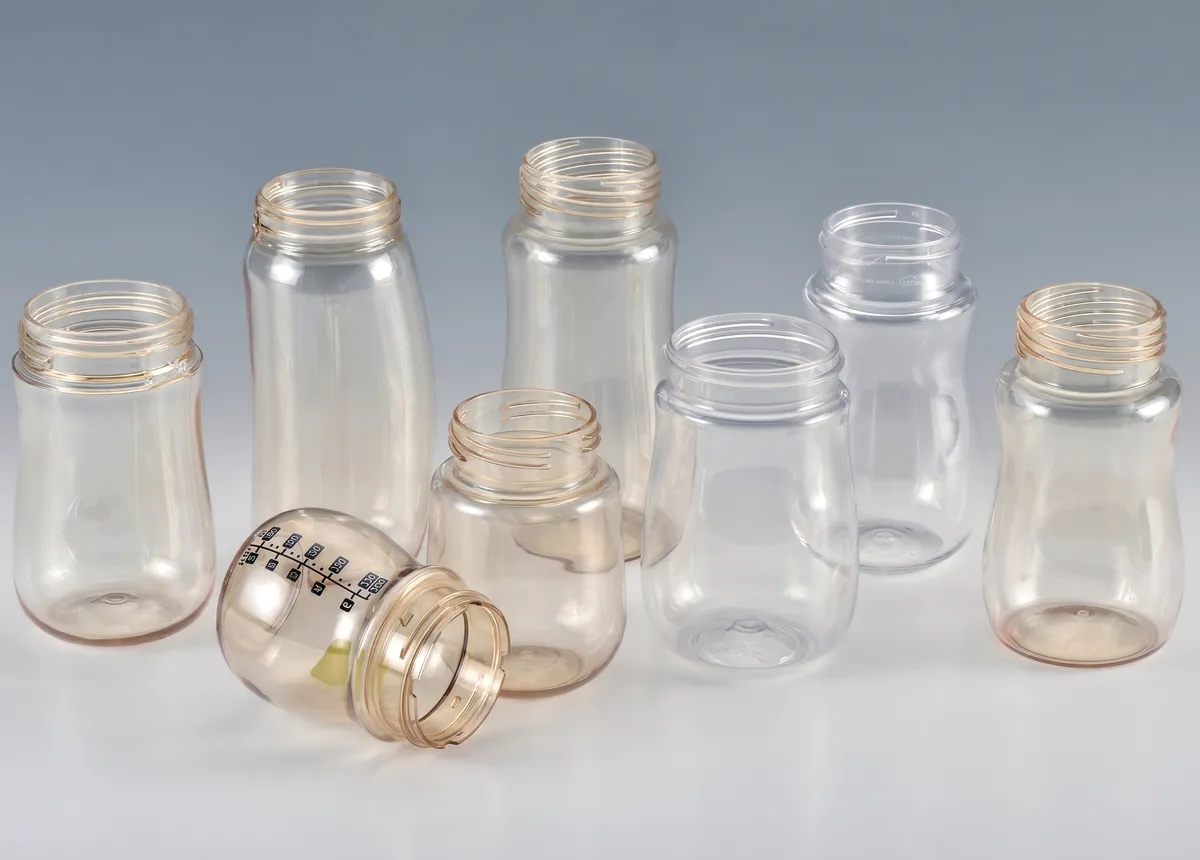 |
| Botol Kimia | Botol Susu |
Key Components of ISBM Y280-V6 Machine
Unit Penjepit
The Y280-V6 uses a dual-mode clamping system that supports either a hydraulic cylinder or dual servo motor configuration with high-pressure compensation. The injection clamping force of 150 KN and blow clamping force of 200 KN (single side) are precisely maintained throughout each production cycle. The upper mold stroke of 250 mm and lower mold stroke of 205 mm provide clearance for a wide range of bottle heights up to 210 mm. High-pressure compensation during mold closure eliminates parting line flash and ensures airtight sealing during the blow phase, directly improving finished bottle quality and reducing scrap rates.
Unit Injeksi
The double injection unit is controlled by a single cylinder, with the melt motor available in hydraulic or servo motor versions depending on the buyer's process requirements. The twin-screw design is heated by nano far-infrared energy-saving rings (10 KW total heating power) that distribute heat along the screw barrel with minimal energy loss. Available screw diameters of 40, 50, 55, and 60 mm allow the injection shot size to be matched precisely to the product cavity volume, with theoretical injection capacities ranging from 188 cm³ up to 480 cm³. This flexibility makes it practical to run both small cosmetic containers and large water containers on the same machine platform with screw changeovers.
Mold System
CMN Transmission manufactures injection stretch blow molds to extremely tight tolerances, producing finished containers with parting lines that are virtually invisible to the naked eye. This is a direct performance improvement over equivalent Japanese-brand machines where parting line protrusion is a common quality issue. The mold tooling is compatible with existing ASB injection stretch blow molding machine mold formats, which allows manufacturers transitioning from Japanese equipment to reuse their existing tooling investment. Cavity configurations range from 1 to 10 cavities per cycle, with bottle diameter ranges from 20 mm to 120 mm and volumes from 20 ml to 2,500 ml.
Blow Pin and Air Delivery System
The blow pin assembly on the Y280-V6 operates with a 250 mm blow core stroke, providing sufficient travel for tall bottle body profiles. High-pressure air is delivered through American Parker valves at blowing pressures of 2.0 to 3.5 MPa, which ensures complete mold filling during the blow phase even for complex or thick-walled bottle designs. The consistent air pressure management prevents thin spots, uneven wall distribution, and blow-out defects that can occur when air delivery timing or pressure fluctuates between cycles. The Parker valve specification also ensures long service life under continuous high-pressure cycling conditions typical of commercial production schedules.
Sistem Pendingin
The Y280-V6 cooling system maintains machine oil cooler water at 20 to 25 degrees Celsius at 0.3 to 0.4 MPa, while the primary mold cooling water circuit operates at 0.4 to 0.6 MPa. This dual-circuit approach separates hydraulic system heat management from mold cooling, allowing each to be optimized independently. Effective mold cooling directly determines cycle time and dimensional stability of the finished bottle. The 300-liter oil tank provides adequate thermal mass to buffer heat load fluctuations during high-speed production, maintaining consistent hydraulic oil temperature and preventing viscosity-related performance changes that could affect clamping force or injection pressure accuracy.
Sistem Ejeksi
The take-out mechanism operates with a 170 mm stroke and is driven by Airtak air cylinders for fast, consistent bottle removal at the ejection station. Servo-timed ejection is synchronized with the turntable indexing cycle through the Inovance or MiRLE PLC to prevent mechanical interference and allow maximum production speed without compromising bottle integrity during removal. The ejection stroke and speed are adjustable through the HMI interface, allowing operators to tune take-out timing when switching between different bottle heights or weights. Gentle ejection control is particularly important for thin-walled or elongated containers where rough handling at the take-out station can cause deformation before the bottle has fully solidified.
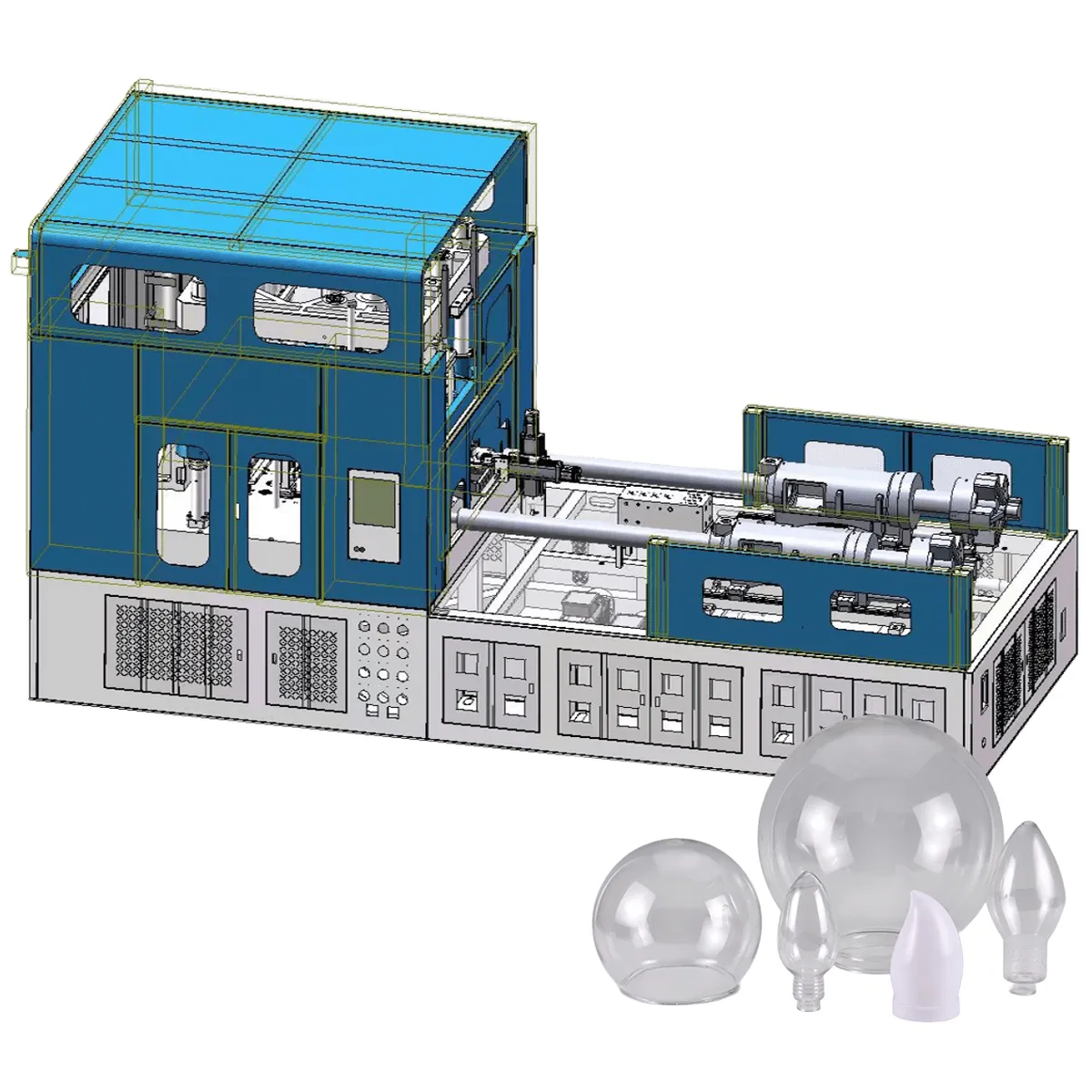
Injection Blow Molding vs Injection Stretch Blow Molding vs Extrusion Blow Molding
Choosing the right blow molding process is a fundamental decision that affects bottle quality, production cost, mold investment, and material compatibility. Here is how the three main processes compare.
EBM | Extrusion Blow Molding
EBM starts with a hot hollow parison formed by an extruder. The mold closes around the parison, and compressed air expands the plastic into the mold cavity. This method is highly flexible for producing large containers, handled bottles, drums, and HDPE packaging where exact neck precision is less critical. Common materials include HDPE, LDPE, PP, and PVC.
The primary advantage of EBM is shape freedom. Parison extrusion can form handles, wide bodies, and offset shapes more easily than injection-based processes. However, parison sag under gravity can create uneven wall thickness, and the mold closing process often produces flash that requires trimming. For buyers, the main quality risks are inconsistent wall distribution around handles or shoulders and less precise neck thread definition.
IBM | Injection Blow Molding
IBM starts with an injection-molded preform where the neck, thread, and sealing area are formed with high dimensional precision before the bottle body is blown. The preform is transferred into a blow mold and inflated into its final shape. Because the neck geometry is established during injection before blowing, IBM produces exceptionally accurate thread definitions and closure sealing surfaces.
This precision matters most for small pharmaceutical bottles, eye-drop containers, cosmetic jars, and medical packaging where cap and pump fitment must be leak-free. IBM also produces consistent bottle weight and repeatable dimensions. However, IBM does not include a stretch rod, so the biaxial orientation benefits of the ISBM process are not achieved, making IBM less suitable for large or lightweight PET containers where strength and clarity at low wall thickness are priorities.
ISBM | Injection Stretch Blow Molding
ISBM is the process used in the Y280-V6. Like IBM, it starts with an injection-molded preform that establishes the neck geometry. But ISBM adds a stretch rod that extends the preform vertically before compressed air expands it outward. This biaxial orientation aligns the polymer molecules in two directions simultaneously, producing bottles with significantly improved clarity, top-load strength, gas barrier performance, and lightweight potential.
These properties are critical for PET water bottles, carbonated beverage packaging, edible oil containers, and clear cosmetic bottles where both performance and visual clarity matter. The single-stage injection stretch blow molding machine design of the Y280-V6 combines injection and blow molding in one continuous cycle without secondary preform reheating, achieving 15 to 25% energy savings compared to two-step systems while maintaining superior bottle quality and production speed.
Tabel Perbandingan
| Jenis | Formulir Awal | Bahan Umum | Produk Terbaik | Kekuatan Utama | Keterbatasan Utama |
|---|---|---|---|---|---|
| EBM | Paris | HDPE, LDPE, PP, PVC | Wadah besar, botol bertangkai, drum | Flexible sizes and lower tooling cost | Presisi leher kurang baik, kemungkinan terjadi kilatan api. |
| IBM | Membentuk sebelumnya | HDPE, PP, PET, PS | Botol dan toples kecil presisi | Penyelesaian leher dan definisi ulir yang akurat | Biaya perkakas lebih tinggi, rentang ukuran lebih kecil. |
| ISBM | Bentuk awal yang diregangkan | PET, PETG, PP, Tritan | Clear bottles, beverage and cosmetic packaging | Strength, clarity, lightweighting, energy savings | Higher machine and mold initial cost |
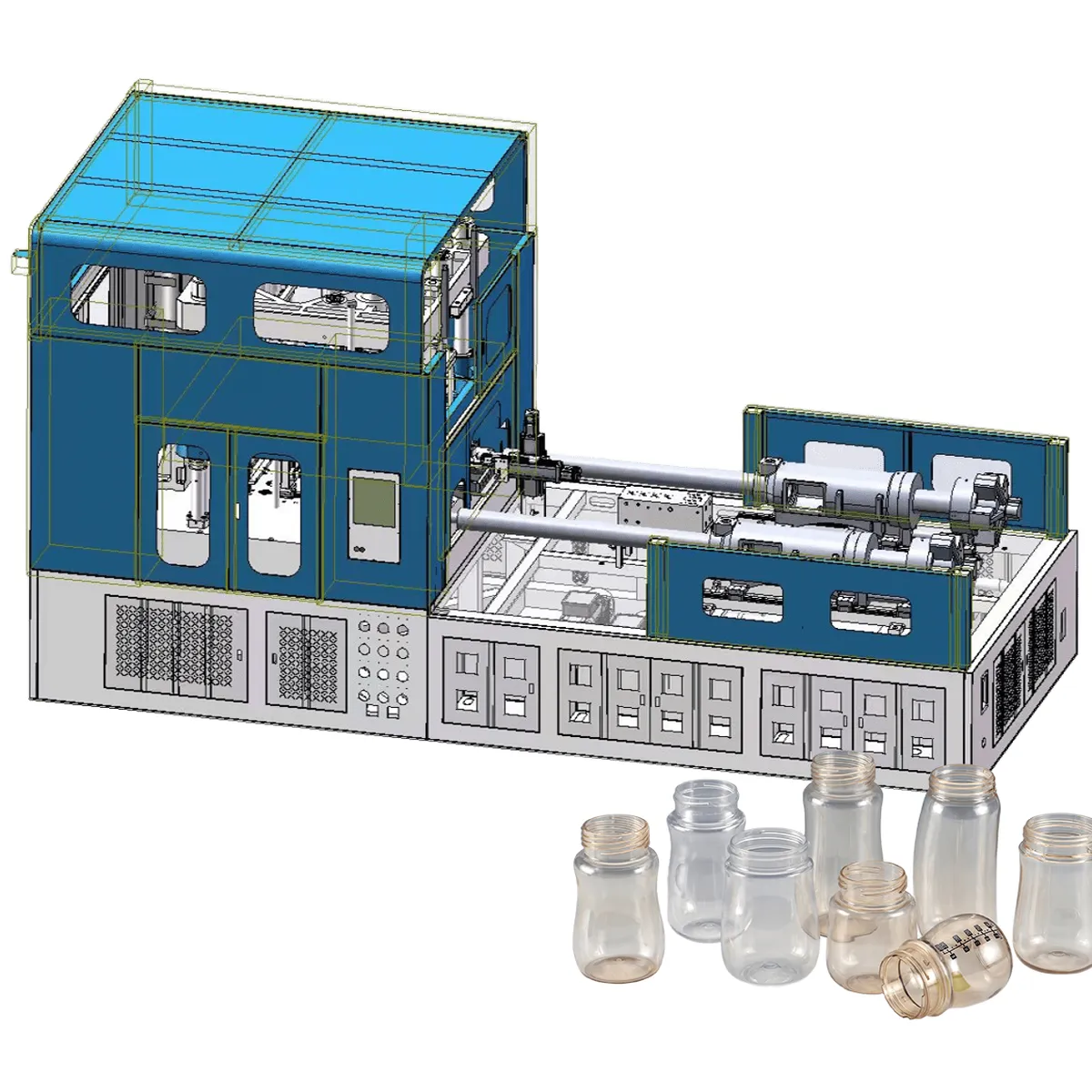
Bahan Baku yang Kompatibel untuk Mesin ISBM
PET (Polietilen Tereftalat)
PET is the most widely processed resin on the Y280-V6 and the material most closely associated with the ISBM process. Its excellent optical clarity, gas barrier properties, and lightweight strength make it the standard choice for water bottles, beverage containers, food packaging, and transparent cosmetic bottles. PET processed through biaxial ISBM stretching achieves significantly better mechanical properties than unstretched PET, including improved top-load strength and drop impact resistance.
PETG (PET yang Dimodifikasi Glikol)
PETG is a modified form of PET with superior impact resistance, easier processing, and the ability to be formed into complex shapes without cracking. It offers the same high clarity as standard PET but with greater flexibility and toughness. PETG is commonly chosen for cosmetic packaging, medical containers, and display packaging where the bottle must withstand rough handling or temperature variation without becoming brittle. The Y280-V6 handles PETG with consistent melt quality through its precise barrel temperature control.
PP (Polipropilen)
PP is valued for its excellent chemical resistance, high-temperature tolerance, and food-contact safety compliance. It is widely used in pharmaceutical packaging, food containers, and personal care applications where the bottle must survive sterilization cycles or hot-fill processes. PP on the Y280-V6 requires careful temperature management due to its narrower processing window compared to PET, but the machine's integrated control box temperature system handles this reliably. PP bottles produced on the Y280-V6 offer a cost-effective alternative to glass for pharmaceutical and food applications.
PPSU (Polyphenylsulfone)
PPSU is a high-performance engineering resin offering exceptional heat resistance, hydrolytic stability, and transparency that withstands repeated steam sterilization cycles at 134 degrees Celsius. It is the premium choice for baby bottles and medical containers that must endure autoclave sterilization without degradation or discoloration. PPSU is BPA-free and meets the most stringent global food contact regulations. The Y280-V6's precision temperature control capability ensures stable melt flow of this high-viscosity resin without causing surface defects or molecular degradation.
PC (Polikarbonat)
PC offers the highest impact resistance among common transparent engineering plastics and is traditionally used in reusable water bottles, large water dispensing containers, and baby bottles. While BPA concerns have reduced PC use in certain markets, it remains an important material for industrial containers and optical-quality applications requiring exceptional clarity combined with toughness. The Y280-V6 processes PC with precise barrel temperature profiles to prevent degradation and color change during the injection phase. PC containers produced on the ISBM machine achieve superior drop resistance compared to those produced by other molding methods.
Tritan (Kopoliester Tritan Eastman)
Tritan is a BPA-free copolyester developed by Eastman Chemical that combines the clarity and toughness of PC with enhanced chemical resistance and dishwasher durability. It has become the leading material for premium reusable water bottles, baby bottles, and kitchen containers marketed to health-conscious consumers. The Y280-V6 processes Tritan effectively through its stable screw temperature management, producing bottles with outstanding clarity, scratch resistance, and long-term durability that justify the premium positioning of Tritan-branded packaging in retail markets.
PCTG (Glycol-Modified PCT)
PCTG is a transparent copolyester with properties positioned between standard PETG and Tritan, offering excellent impact resistance, low-temperature clarity, and good chemical resistance. It is commonly used in cosmetic packaging, medical device housings, and consumer product containers where high clarity and toughness are both required at a cost point below Tritan. PCTG processes at moderate temperatures on the Y280-V6 and produces bottles with a crystal-clear appearance suitable for premium cosmetic and personal care packaging lines targeting demanding retail markets.
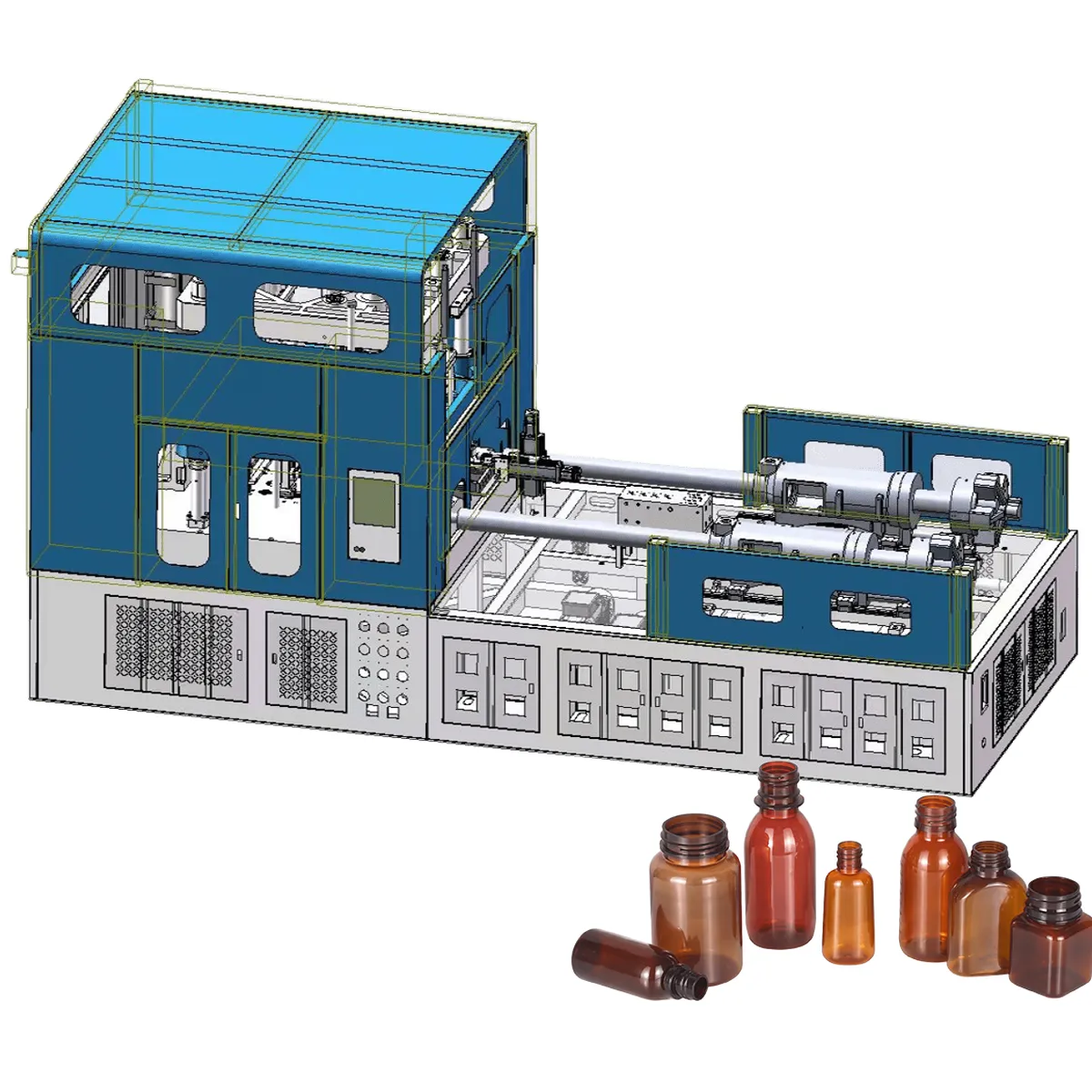
Injection Stretch Blow Molding Machine for Beverage Bottle Production
Step 1: PET Resin Drying and Hopper Loading
PET resin for beverage bottle production must be dried to a moisture content below 50 ppm before processing to prevent hydrolytic degradation during melt injection. A dehumidifying dryer operating at 160 to 170 degrees Celsius for 4 to 6 hours is typically required. Dried PET pellets are loaded into the machine hopper, which feeds the injection screw. Undried PET produces bottles with reduced intrinsic viscosity, visible surface haziness, and reduced mechanical strength that can cause bottles to fail burst pressure or drop tests during quality control inspection.
Step 2: Preform Injection Molding
The dried PET resin is fed to the screw barrel, melted at temperatures typically between 270 and 285 degrees Celsius, and injected under precise pressure into the injection mold to form the beverage bottle preform. The preform shape, including the neck thread, sealing surface, and body wall thickness distribution, is determined at this stage. For carbonated beverage bottles, neck finish accuracy is especially critical because the crown or screw cap must seal reliably against the internal CO2 pressure of 2.0 to 4.5 bar. The preform is partially cooled to a stable but pliable temperature before transfer.
Step 3: Temperature Conditioning and Turntable Transfer
The servo-driven rotary turntable transfers the freshly injected preform from the injection station to the temperature conditioning zone. The integrated control box temperature system manages thermal equilibration across the preform body length to achieve a consistent temperature profile before stretching begins. For beverage bottles, the optimal preform temperature for biaxial ISBM stretching is typically 85 to 100 degrees Celsius, varying by bottle design and wall thickness target. Uneven preform temperature at this stage is the most common cause of shoulder thinning, base thickening, and pearl white opacity in the finished bottle.
Step 4: Biaxial Stretch Blow Molding
The conditioned preform enters the blow station where the mold closes around it and a stretch rod extends the preform vertically to the base of the blow mold. High-pressure air at 2.0 to 3.5 MPa is then introduced through the blow pin to expand the preform outward against the mold cavity walls simultaneously. This biaxial stretching step is what produces the superior strength and clarity characteristic of ISBM PET bottles. For carbonated beverage bottles, the resulting molecular orientation improves CO2 barrier performance, burst pressure resistance, and thermal stability during hot filling or pasteurization processes.
Step 5: Mold Cooling and Bottle Solidification
Following the blow molding stage, the bottle is held inside the closed mold while cooling water circulated through the mold channels removes heat from the container surface. Cooling time is a direct determinant of cycle time and dimensional stability. For beverage bottles where high clarity and low haze are commercial requirements, rapid and uniform cooling prevents crystallization that would make the PET appear white or translucent. The Y280-V6 cooling water circuit maintains temperature at 20 to 25 degrees Celsius through the machine oil cooler, providing stable cooling conditions across extended production runs.
Step 6: Ejection and Quality Inspection
After sufficient cooling, the mold opens and the take-out mechanism with 170 mm stroke removes the finished beverage bottle from the blow station. The ejected bottle is transferred to the inspection and downstream packaging area. Quality checks for beverage bottles typically include visual inspection for surface defects and clarity, neck dimension gauging for cap fitment, weight measurement for fill volume consistency, and periodic burst pressure and drop impact testing according to the customer's quality plan. Bottles that pass inspection proceed directly to the filling line, conveyor system, or packing station without any secondary trimming or surface treatment.
Step 7: Downstream Packing and Storage
Finished beverage bottles from the Y280-V6 production line are typically collected on conveyors, counted into specified lot quantities, and packed into corrugated cartons or plastic bags for shipment to the filling plant. For high-volume operations, automatic bottle counting and bagging systems can be integrated downstream of the ISBM machine ejection station. Bottles should be stored in clean, dry conditions away from direct sunlight and chemical vapors that could affect PET surface quality before filling. Proper downstream handling protects the investment in bottle quality that the ISBM process provides throughout the entire production chain.
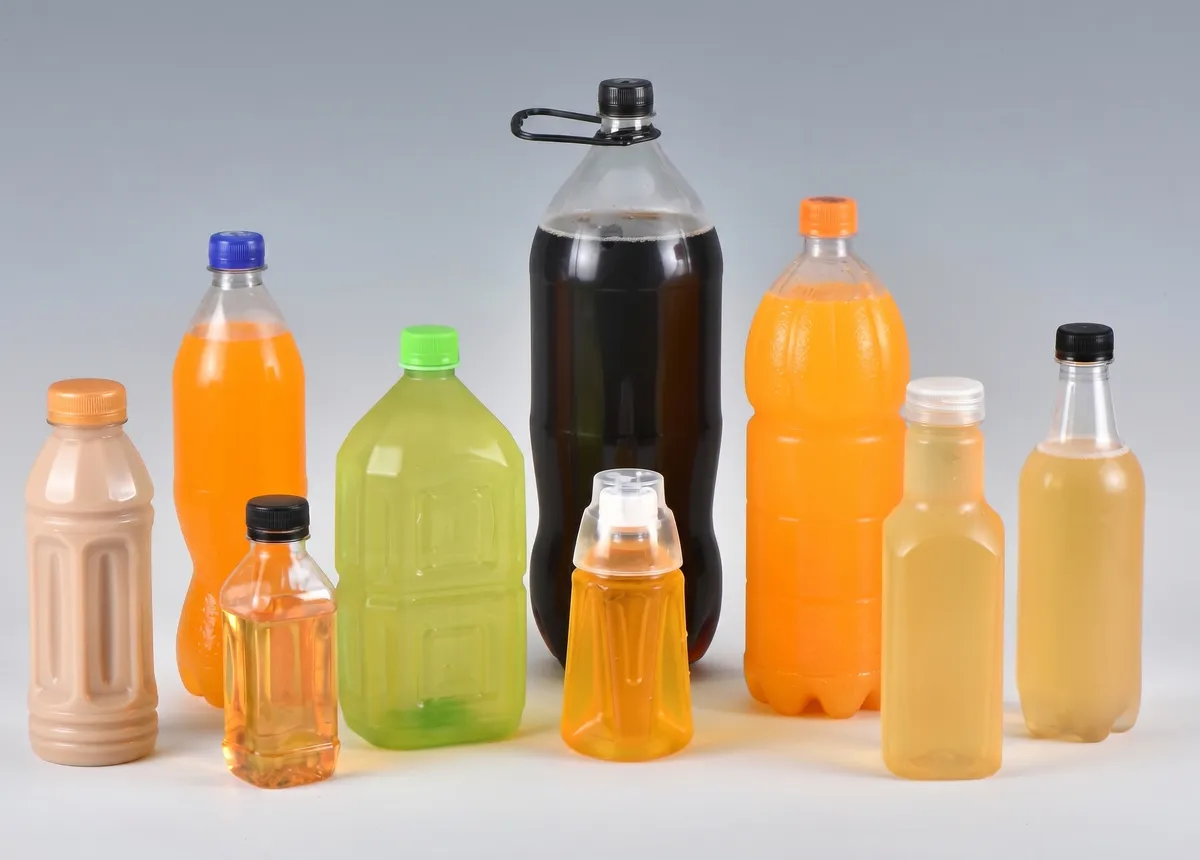
Maintenance and Care
1. Daily Lubrication and Mechanical Checks
At the start of each production shift, inspect all lubrication points on the clamping unit, turntable bearing, and ejection mechanism. Apply grease to specified points according to the maintenance schedule provided in the machine manual. Check that the turntable rotation is smooth and that no unusual vibration or noise is present during indexing. Verify that all air cylinder rod seals are intact and that there is no air leakage at cylinder connections. Addressing minor lubrication deficiencies early prevents accelerated wear on precision components and avoids unplanned downtime during production runs.
2. Hydraulic System Oil Management
The 300-liter hydraulic oil tank should be checked weekly for oil level, color, and contamination. Fresh hydraulic oil is typically light amber; darkening or cloudiness indicates oxidation, water contamination, or particle contamination from worn seals. Replace hydraulic oil completely according to the manufacturer's scheduled interval, typically every 2,000 to 3,000 hours of operation. Clean or replace hydraulic oil filters at each oil change. Maintaining clean hydraulic oil is critical because the YUKEN hydraulic control valves and high-pressure components have tight internal clearances that are sensitive to particulate contamination, which causes valve sticking, erratic pressure behavior, and accelerated component wear.
3. Cooling Water Circuit Maintenance
The cooling water circuit should be inspected monthly for scale buildup, biological growth, and flow rate consistency. The machine oil cooler must maintain water temperature between 20 and 25 degrees Celsius and pressure between 0.3 and 0.4 MPa to keep hydraulic oil viscosity within the operating range. The mold cooling circuit operates at 0.4 to 0.6 MPa and must be monitored for blockages that could cause uneven mold cooling and dimensional variation in bottles. Use treated water or a closed-loop cooling system with corrosion inhibitor to prevent scale and corrosion that would reduce heat transfer efficiency and restrict flow through mold cooling channels over time.
4. Screw and Barrel Cleaning
The injection screw and barrel should be purged and cleaned whenever changing between resin types or colors, and at scheduled intervals during extended production runs of the same material. For PET and PETG, purge with a commercial purging compound or a compatible transition resin to remove degraded material from the screw flights and barrel walls. Degraded PET deposits can cause black specks, yellow streaking, or molecular weight reduction in the finished container if not removed. The nano far-infrared heating ring system heats the barrel uniformly, but stagnant material in low-flow zones can still degrade if the screw is left stationary at temperature for extended periods without purging.
5. Mold Inspection and Cavity Care
Mold tooling should be inspected at regular intervals for wear on the cavity surface, parting line, venting channels, and neck ring components. Clean cavity surfaces with approved mold release agents and plastic-safe solvents to remove resin deposits and oxidation. Inspect water channel connections on the mold for leaks or blockages and verify that the cooling circuit is balanced across all cavities. Misaligned or worn parting surfaces can create flash on bottles, which affects container appearance and may indicate clamping force imbalance. Store molds in climate-controlled storage with protective coating on metal surfaces when not in production to prevent corrosion and humidity damage.
6. Servo Motor and Electrical System Checks
The Inovance or WEICHI servo motors driving the Y280-V6 clamping and injection systems should be inspected quarterly for bearing temperature, encoder signal quality, and cable condition. Check servo drive units in the electrical cabinet for adequate ventilation and absence of dust buildup that could cause overheating or signal interference. The Inovance or MiRLE PLC should have its battery backup status checked annually to ensure parameter memory is retained during power outages. Review the PLC fault log monthly to identify recurring alarms that may indicate developing mechanical or electrical issues before they cause a production stoppage. All electrical connections should be retorqued at commissioning and at annual service intervals to prevent high-resistance contacts from developing.
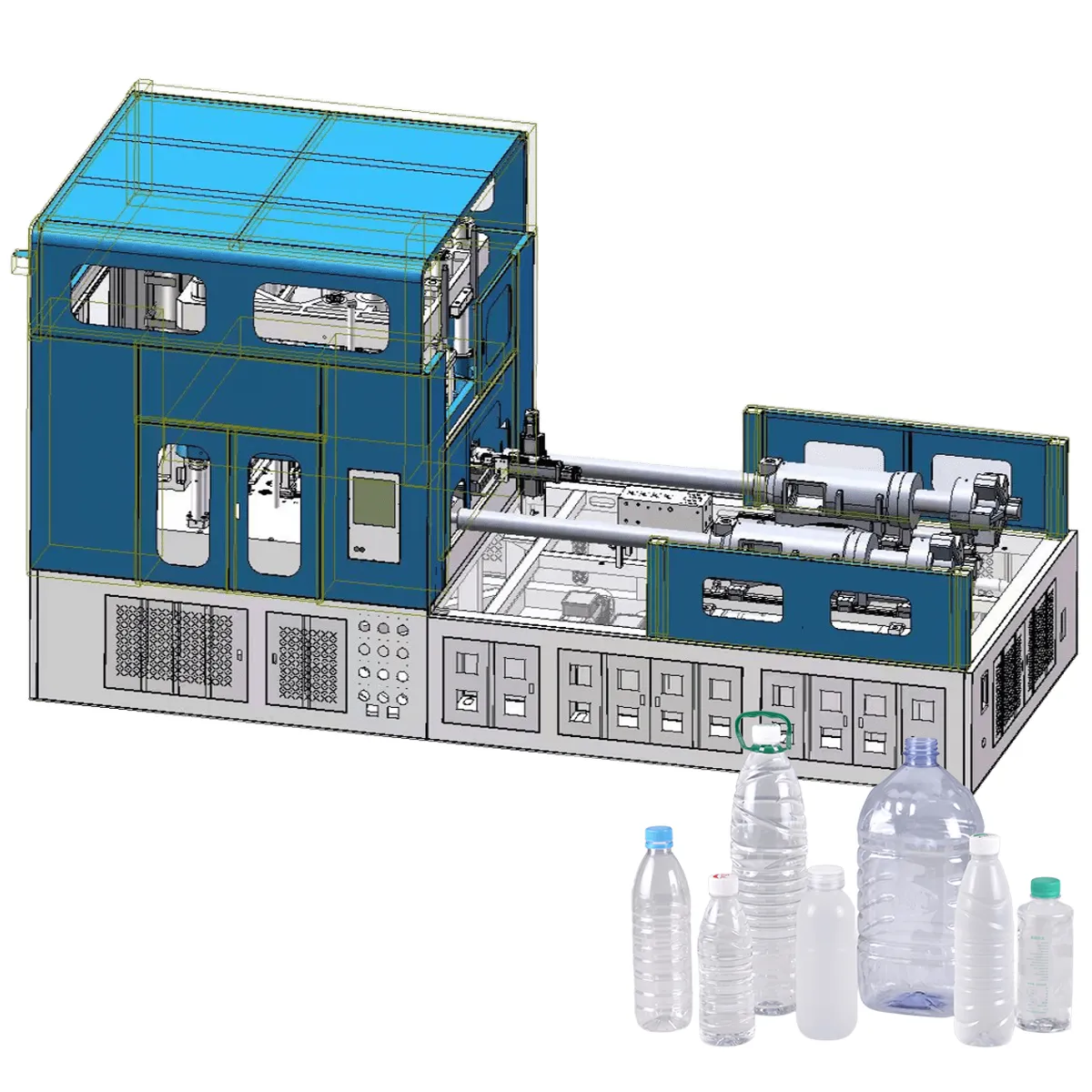
Mengapa Memilih Mesin Cetak Tiup Peregangan Injeksi CMN?
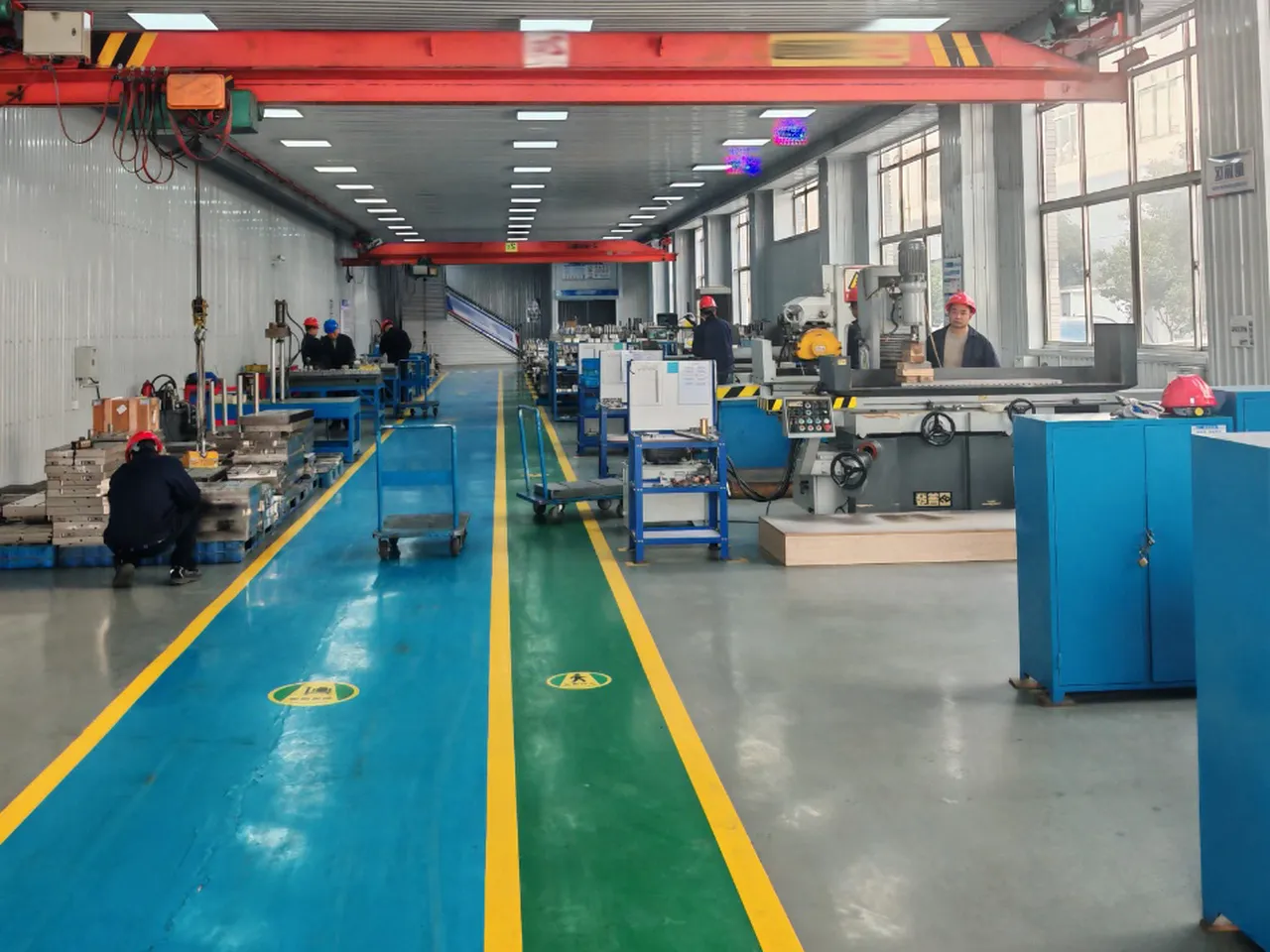
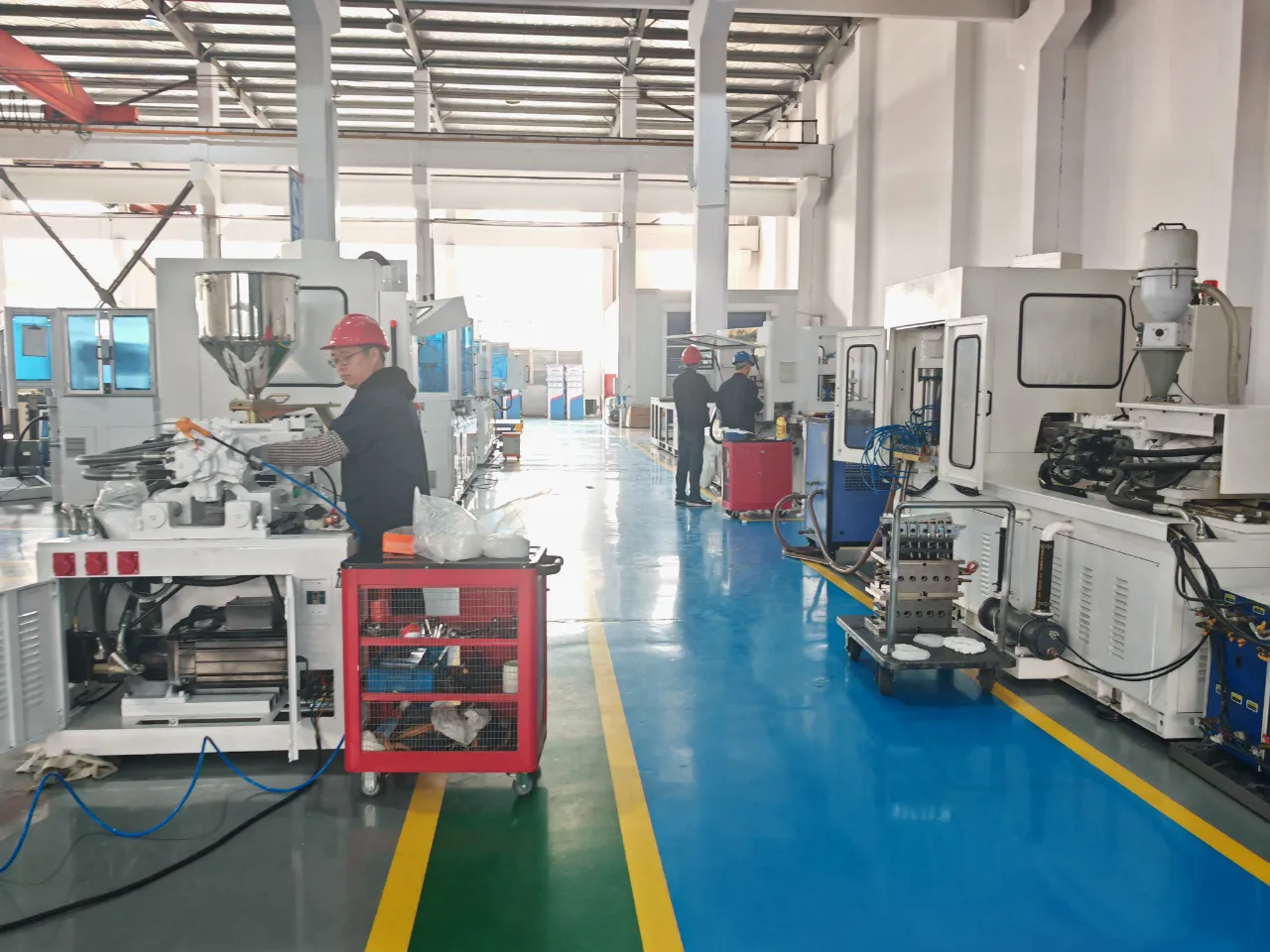
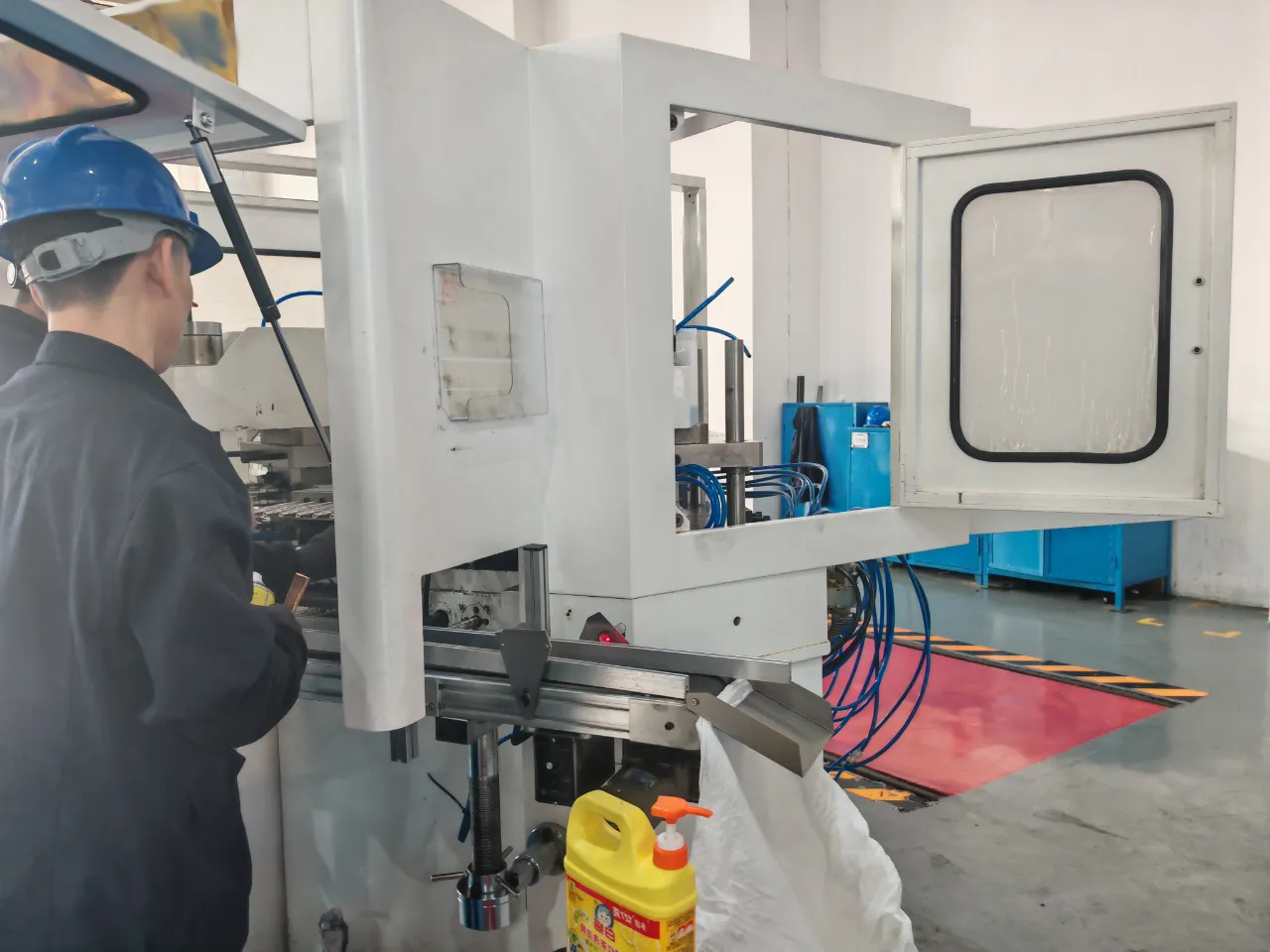
CMN Transmission is a dedicated manufacturer of automatic one-step injection blow molding machines and injection stretch blow molding machine equipment, with a product range covering injection blow molding machines, extrusion blow molding machines, injection stretch blow molding machines, molds, and auxiliary equipment. CMN operates from a well-located production base with efficient logistics access that supports reliable international delivery timelines for customers across Asia, the Middle East, Africa, South America, and Europe.
CMN maintains an experienced R&D team that brings together engineering and technical personnel with deep backgrounds in both injection-blowing machinery design and injection-blowing mold manufacturing. This dual expertise, covering both the machine and the tooling, gives CMN a significant advantage in helping customers solve complex bottle design challenges that combine difficult shapes, demanding materials, or tight dimensional tolerances. Combining strong theoretical knowledge with practical production experience, CMN's technical team provides detailed, personalized pre-sale consultation, responsive in-sale technical support, and committed after-sale service including on-site installation, operator training, process optimization, and spare parts supply.
CMN's product applications span pharmaceutical packaging, food and beverage packaging, healthcare and personal care packaging, cosmetic packaging, and a wide range of specialty plastic packaging products from 1 ml to 1,000 ml in materials including HDPE, LDPE, PET, PETG, PP, PS, PPSU, PC, Tritan, ABS, PLA, PCTG, EVA, and environmentally certified corn-based resins. CMN adheres to the development philosophy of self-reliance, integrity, practicality, innovation, and responsibility, building a comprehensive one-stop turnkey project capability that covers machine selection, mold design, process validation, and ongoing production support. This full-chain approach ensures that CMN customers receive high-end injection-blowing products that consistently meet quality requirements from the first production cycle through the life of the equipment.
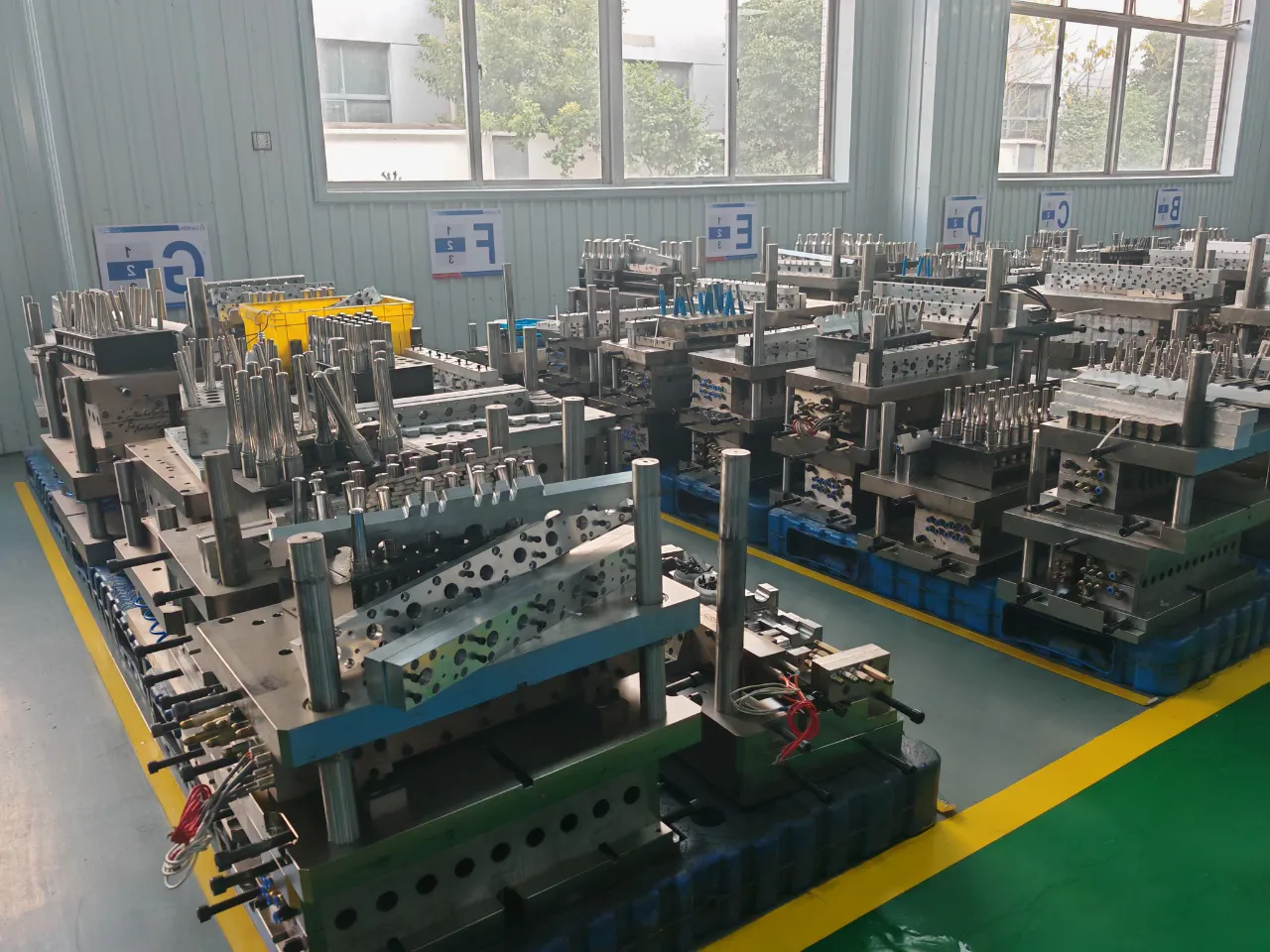 |  |
 |  |
Pertanyaan yang Sering Diajukan (FAQ)
Q: What is the difference between the Y280-V6 and a standard four-station injection stretch blow molding machine?
A: The Y280-V6 uses a six-station rotary turntable instead of the four-station design common in Japanese ISBM machines. This means the Y280-V6 can process six preforms simultaneously in a single rotation cycle, producing more bottles per cycle than a four-station machine running the same tooling configuration. In addition to higher output, the extra stations allow for longer temperature conditioning and cooling dwell times, which can improve bottle quality when running demanding materials or complex shapes.
Q: Can the Y280-V6 use existing ASB or Aoki injection stretch blow molding machine molds?
A: Yes. The Y280-V6 is designed to be compatible with mold tooling originally manufactured for Japanese ASB injection stretch blow molding machines, specifically ASB-12M and ASB-70DPH format molds. CMN's broader product range also includes models compatible with Aoki 100, Aoki 250, and Aoki 500 mold formats. This mold compatibility is a major commercial advantage for manufacturers who have existing tooling investment and want to switch to CMN equipment without the cost of replacing all their molds. Contact our sales team with your existing mold specifications to verify compatibility before purchase.
Q: Is a fully electric version of this one step injection stretch blow molding machine available?
A: Yes. CMN Transmission offers the Y280-V6 in a Fully Electric configuration that replaces all hydraulic drive systems with servo motors. The fully electric version produces no hydraulic oil, making it suitable for pharmaceutical manufacturing facilities that must comply with GMP standards and operate in clean-room-adjacent environments. The fully electric version also offers advantages in energy consumption, positioning repeatability, and quieter operation. It is available at a higher initial cost than the Standard or Servo hydraulic-assisted versions.
Q: What materials can the Y280-V6 PET injection stretch blow molding machine process?
A: The Y280-V6 is designed primarily for PET and PETG processing, which are the most common materials for ISBM production. However, the machine is also capable of processing PP, PC, Tritan, PPSU, PCTG, ABS, PS, and PLA with appropriate screw diameter selection, barrel temperature adjustment, and drying pre-treatment. Different materials require different processing parameters, and CMN's technical team can advise on the correct configuration for your specific material and bottle design before delivery.
T: Berapa banyak energi yang dihemat oleh mesin cetak tiup peregangan injeksi satu tahap Y280-V6 dibandingkan dengan mesin sejenis buatan Jepang?
A: Y280-V6 mengonsumsi energi 15% hingga 25% lebih sedikit daripada mesin cetak tiup peregangan injeksi Jepang, Eropa, atau Amerika yang sebanding yang menjalankan desain botol dan volume keluaran serupa. Penghematan ini berasal dari tiga sumber: sistem pompa servo yang hanya menghasilkan tekanan sesuai permintaan dan tidak beroperasi terus menerus pada aliran penuh, cincin pemanas sekrup inframerah jauh nano yang mengurangi kehilangan panas dibandingkan dengan pemanasan resistansi konvensional, dan proses ISBM satu tahap yang menghilangkan langkah pemanasan ulang preform sekunder yang diperlukan oleh sistem cetak tiup dua tahap. Penghematan aktual bervariasi tergantung pada desain botol, waktu siklus, dan tarif utilitas lokal.
T: Ukuran dan volume botol apa saja yang dapat diproduksi oleh mesin ISBM Y280-V6?
A: Mesin Y280-V6 dapat menampung botol dengan volume 20 ml hingga 2.500 ml, dengan diameter botol 20 mm hingga 120 mm dan tinggi botol hingga 210 mm. Mesin ini dapat menjalankan 1 hingga 10 rongga per siklus tergantung pada ukuran botol, dengan diameter leher 12 mm hingga 85 mm. Tabel dimensi produk menyediakan spesifikasi botol maksimum pada setiap jumlah rongga. Dimensi botol khusus di luar tabel standar dapat didiskusikan dengan tim teknik CMN, yang akan menilai kelayakan cetakan dan kompatibilitas langkah mesin sebelum mengkonfirmasi pesanan.
T: Apa perbedaan antara mesin ISBM satu langkah dan mesin cetak tiup PET dua langkah?
A: Pada mesin ISBM satu langkah seperti Y280-V6, resin plastik disuntikkan ke dalam preform dan langsung dipindahkan ke stasiun pencetakan tiup peregangan di dalam mesin yang sama, mempertahankan panas dari fase injeksi. Tidak diperlukan peralatan pemanasan ulang preform terpisah. Dalam sistem dua langkah, preform dicetak injeksi secara terpisah, disimpan dan didinginkan sepenuhnya, kemudian dipanaskan kembali di mesin kedua sebelum pencetakan tiup. Proses satu langkah menggunakan lebih sedikit energi karena menghindari siklus pemanasan ulang preform, memiliki jejak yang lebih kecil karena hanya membutuhkan satu mesin, dan menghasilkan botol langsung dari pelet resin. Sistem dua langkah menawarkan fleksibilitas yang lebih besar untuk produksi botol PET komoditas volume tinggi di mana preform dapat diproduksi dan disimpan secara terpisah untuk penjadwalan output yang fleksibel.
T: Berapa lama waktu yang dibutuhkan untuk instalasi dan pengoperasian Y280-V6?
A: Instalasi dan pengoperasian standar Y280-V6 biasanya memakan waktu 3 hingga 5 hari dengan tim teknis CMN di lokasi. Proses ini meliputi penempatan dan perataan mesin, koneksi listrik dan pneumatik, pengoperasian sirkuit air pendingin, pengisian awal dan pengaturan tekanan sistem hidrolik, pemasangan dan penyelarasan cetakan, serta uji coba produksi awal dengan material dan peralatan pembeli. Pelatihan operator yang mencakup pengaturan mesin, penyesuaian parameter, prosedur keselamatan, dan perawatan dasar dilakukan secara paralel selama pengoperasian. Penjadwalan kunjungan teknisi instalasi CMN dikoordinasikan pada saat pengiriman mesin dan bergantung pada kesiapan pembeli serta ketersediaan semua utilitas dan peralatan di lokasi.
T: Pasokan udara bertekanan apa yang dibutuhkan oleh mesin cetak tiup injeksi Y280-V6?
A: Y280-V6 membutuhkan pasokan udara terkompresi yang mampu menghasilkan udara tiup pada tekanan 2,0 hingga 3,5 MPa (20 hingga 35 bar). Kompresor bertekanan tinggi diperlukan untuk mencapai batas atas kisaran ini untuk desain botol atau material tertentu. Volume udara yang dikonsumsi per siklus bergantung pada volume rongga botol dan jumlah rongga, dengan botol yang lebih besar atau lebih banyak membutuhkan lebih banyak udara per siklus. Pembeli harus menghitung kapasitas kompresor yang dibutuhkan berdasarkan kecepatan produksi dan volume botol yang diharapkan sebelum pemasangan. Pasokan udara terkompresi yang kurang memadai adalah salah satu penyebab paling umum dari keterlambatan pengoperasian awal pada instalasi mesin ISBM baru.
T: Dapatkah Y280-V6 menghasilkan botol bebas BPA untuk aplikasi farmasi dan kontak dengan makanan?
A: Ya. Y280-V6 memproses material bebas BPA termasuk PET, PETG, PP, Tritan, PPSU, dan PCTG, yang semuanya memenuhi peraturan utama internasional untuk kontak makanan dan kemasan farmasi termasuk FDA, EU 10/2011, dan standar yang setara. Untuk aplikasi farmasi di mana GMP mensyaratkan penghapusan total risiko kontaminasi oli hidrolik, konfigurasi servo listrik penuh dari Y280-V6 direkomendasikan. Pembeli yang memerlukan dokumentasi kepatuhan material spesifik atau deklarasi keamanan kontak makanan untuk pasar akhir mereka harus meminta sertifikat yang relevan dari CMN dan dari pemasok resin mereka pada saat pembelian.
Ulasan Pelanggan
Kim Jae-won, Pengemasan Farmasi, Korea Selatan
"Kami memasang Y280-V6 di fasilitas pengemasan farmasi kami di Seoul sekitar empat belas bulan yang lalu dan jujur saja, ini adalah salah satu keputusan peralatan terbaik yang pernah kami buat. Kami memproduksi botol cairan oral PET 50 ml menggunakan cetakan 6 rongga dan konsistensi dimensi leher botol benar-benar luar biasa. Tingkat penolakan QC kami pada permukaan penyegelan turun dari sekitar 1,2% menjadi di bawah 0,25% setelah beralih dari mesin ISBM Jepang. Tagihan energi juga turun lebih dari yang kami perkirakan - teknisi pabrik kami menghitung pengurangan biaya listrik sekitar 22% per seribu botol yang diproduksi. Tim instalasi CMN menghabiskan empat hari penuh bersama kami selama proses commissioning. Sangat teliti."
Rajesh Mehta, Pengemasan Kosmetik, India
"Saya mengelola lini pengemasan kosmetik di Mumbai dan tahun lalu kami beralih ke Y280-V6 dari mesin satu langkah Jepang yang lebih tua. Peningkatan kualitas permukaan langsung terlihat. Klien kami terus mengeluhkan bekas garis pemisah yang samar pada botol perawatan kulit 150 ml kami, dan setelah beralih ke cetakan CMN, masalah itu benar-benar hilang. Pemrosesan Tritan dan PETG sangat stabil pada mesin ini. Waktu siklus lebih singkat dan sistem servo terasa jauh lebih responsif. Saya khawatir tentang dukungan layanan dari produsen Tiongkok, tetapi mereka cukup responsif. Balasan untuk pesan WhatsApp saya biasanya datang dalam beberapa jam."
Ahmed Hassan, Pengemasan Minuman, Mesir
"Kami memesan dua unit Y280-V6 untuk lini produksi botol air PET kami di Kairo. Waktu pengiriman sekitar 10 minggu sejak konfirmasi pesanan, yang dapat diterima. Mesin tiba dalam kondisi baik dengan kemasan ekspor yang sesuai. Peralatan cetakan ASB Jepang kami yang sudah ada dapat dipindahkan tanpa modifikasi apa pun, yang menghemat biaya cetakan baru secara signifikan. Output per shift lebih tinggi daripada mesin Jepang empat stasiun yang kami gunakan sebelumnya. Dukungan bahasa Arab pada antarmuka HMI akan menjadi tambahan yang sangat bermanfaat, tetapi antarmuka bahasa Inggris masih dapat digunakan oleh operator kami. Secara keseluruhan, biaya produksi telah menurun dan kualitas tetap konsisten."
Fernanda Costa, Kemasan Bayi, Brasil
"Perusahaan kami di Sao Paulo memproduksi botol bayi dari Tritan untuk pasar ritel Brasil. Kami memilih Y280-V6 secara khusus karena opsi konfigurasi listrik penuh yang kami butuhkan untuk memenuhi persyaratan GMP kami. Kami telah menjalankannya selama sekitar 8 bulan sekarang, memproduksi botol bayi 120 ml dengan 6 rongga. Konsistensi dimensi antar rongga sangat baik - dalam batas 0,15 mm pada diameter leher, yang masih dalam toleransi kami. Satu hal yang ingin saya sampaikan adalah dokumentasi suku cadang bisa lebih detail dalam bahasa Portugis, tetapi CMN mampu menyediakan tutorial video untuk tugas-tugas perawatan utama yang membantu teknisi kami. Hasil produksi tetap andal."
Budi Santoso, Peralatan Pengemasan, Indonesia
"Saya telah berkecimpung dalam bisnis peralatan blow molding di Jakarta selama lebih dari lima belas tahun dan Y280-V6 benar-benar kompetitif dibandingkan mesin-mesin Jepang dengan harga yang jauh lebih rendah. Kami membeli satu unit untuk klien yang memproduksi botol sabun cuci tangan berbahan PP dan PETG, dan hasilnya sangat memuaskan. Konsistensi berat botol sangat baik - dalam kisaran plus atau minus 0,3 gram, yang membuat klien sangat senang. Data konsumsi energi yang telah kami ukur secara praktis mengkonfirmasi penggunaan daya sekitar 20% lebih rendah daripada mesin Jepang sebelumnya untuk desain botol yang sama. CMN menangani pengiriman dan dokumen bea cukai tanpa masalah. Saya pasti akan merekomendasikan mereka kepada pelanggan lain."
Muhammad Khalid, Pengemasan Minuman dan Makanan, Pakistan
"Kami memproduksi botol jus dan minyak goreng PET di Lahore dan mengevaluasi tiga produsen mesin cetak tiup peregangan injeksi yang berbeda sebelum memilih CMN. Harganya kompetitif, tetapi yang benar-benar menjadi penentu keputusan adalah kompatibilitas cetakan dengan peralatan ASB kami yang sudah ada. Kami sudah memiliki enam set cetakan dan tidak siap untuk berinvestasi dalam peralatan baru. Proses transfer berjalan lancar dan botol-botol tersebut konsisten sejak hari pertama produksi. Koordinator logistik kami menyebutkan bahwa dokumentasi pengiriman dari CMN sangat terorganisir dengan baik, yang membuat proses bea cukai lebih cepat dari yang diharapkan. Ketersediaan suku cadang juga baik - kami telah melakukan dua penggantian katup hidrolik kecil dan kedua suku cadang tersebut tiba dalam waktu tiga minggu."
Nguyen Thi Lan, Pengemasan Kosmetik, Vietnam
"Pabrik kami di Kota Ho Chi Minh memproduksi botol kosmetik untuk pasar ekspor dan kami telah menggunakan mesin Y280-V6 selama sekitar sebelas bulan. Kami menggunakannya terutama untuk botol lotion dan serum PETG 200 ml dan 300 ml, biasanya 4 hingga 6 rongga per proses. Kualitas permukaan botol sangat baik - pembeli Eropa kami yang memeriksa sampel tidak mengajukan keluhan apa pun tentang kualitas permukaan sejak kami beralih ke mesin ini. Respons servo selama injeksi jauh lebih cepat daripada mesin hidrolik lama kami. Waktu pengaturan saat mengganti desain botol sekitar 40 menit, yang dapat diterima untuk jadwal produksi kami. Teknisi CMN mengunjungi kami dua kali dalam tiga bulan pertama untuk menyempurnakan parameter proses. Tingkat dukungan tersebut jauh lebih baik dari yang saya harapkan."
Thabo Ndlovu, Pengemasan Minuman, Afrika Selatan
"Kami mengoperasikan fasilitas produksi botol PET di Johannesburg yang memasok merek minuman di seluruh Afrika Selatan. Y280-V6 adalah pembelian pertama kami dari produsen mesin ISBM Tiongkok setelah bertahun-tahun membeli mesin buatan Jepang. Kurva pembelajaran bagi tim perawatan kami mungkin hanya sekitar dua bulan sebelum mereka benar-benar nyaman, terutama karena mereka terbiasa dengan tata letak mesin Jepang. Dari segi kinerja, mesin-mesin tersebut telah beroperasi dengan andal. Dalam dua belas bulan, kami tidak mengalami kerusakan besar - hanya perawatan terjadwal standar. Hasil uji kejernihan botol dan kekuatan pecah sesuai dengan spesifikasi kami. Hal utama yang ingin saya sampaikan kepada pembeli lain adalah untuk merencanakan kapasitas udara terkompresi yang cukup karena Y280-V6 memang menggunakan volume udara lebih banyak daripada mesin bertekanan rendah yang lebih lama."
Carlos Ramirez, Pengemasan Kontrak, Meksiko
"Kami adalah produsen kemasan kontrak di Mexico City dan menambahkan Y280-V6 ke lini produksi kami delapan belas bulan yang lalu. Kami memproduksi botol sabun mandi, sampo, dan pembersih tangan untuk beberapa klien dalam bahan PET dan PP dengan ukuran 250 ml hingga 1.000 ml. Desain enam stasiun adalah alasan utama kami memilihnya dibandingkan mesin empat stasiun dari pesaing karena klien kami mengharapkan siklus pengiriman yang cepat. Kecepatan produksi aktual dalam kondisi kami sangat baik. Penyimpanan resep PLC adalah fitur yang berguna untuk mengelola berbagai desain botol untuk klien yang berbeda. Satu kiat praktis untuk pembeli lain - pastikan pasokan udara terkompresi lokal Anda berukuran tepat untuk tekanan tiup 3,5 MPa sebelum pemasangan. Ini awalnya membuat kami kesulitan dan menunda pengoperasian sekitar satu minggu."
Informasi Tambahan
| Diedit oleh | Yjx |
|---|
Produk Terkait
-
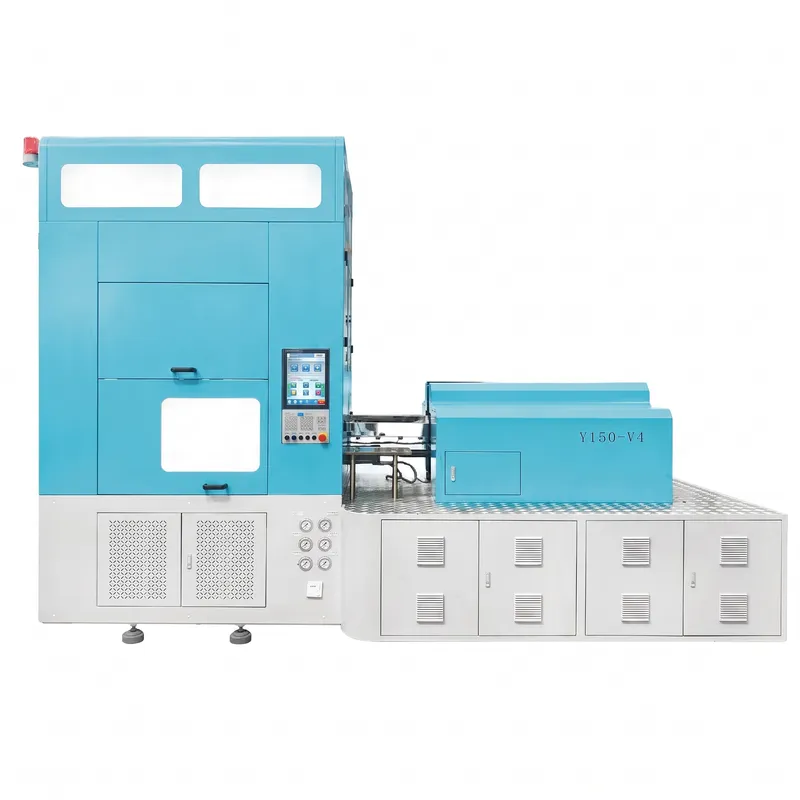
Mesin Cetak Tiup Peregangan Injeksi Satu Langkah Y150-V4 (4 Stasiun)
-
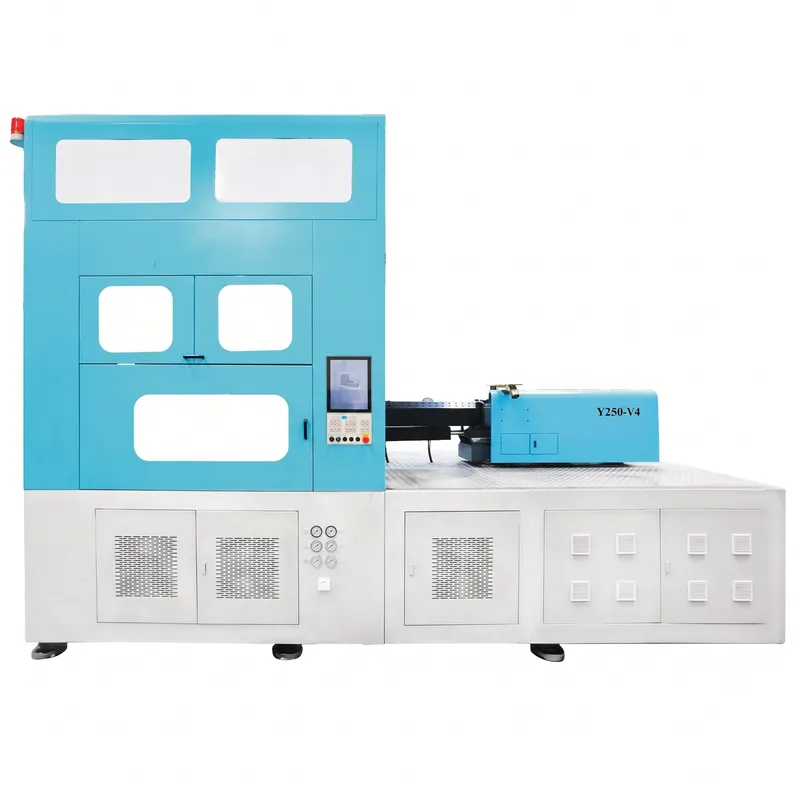
Mesin Cetak Tiup Peregangan Injeksi Satu Langkah Y250-V4 (4 Stasiun)
-
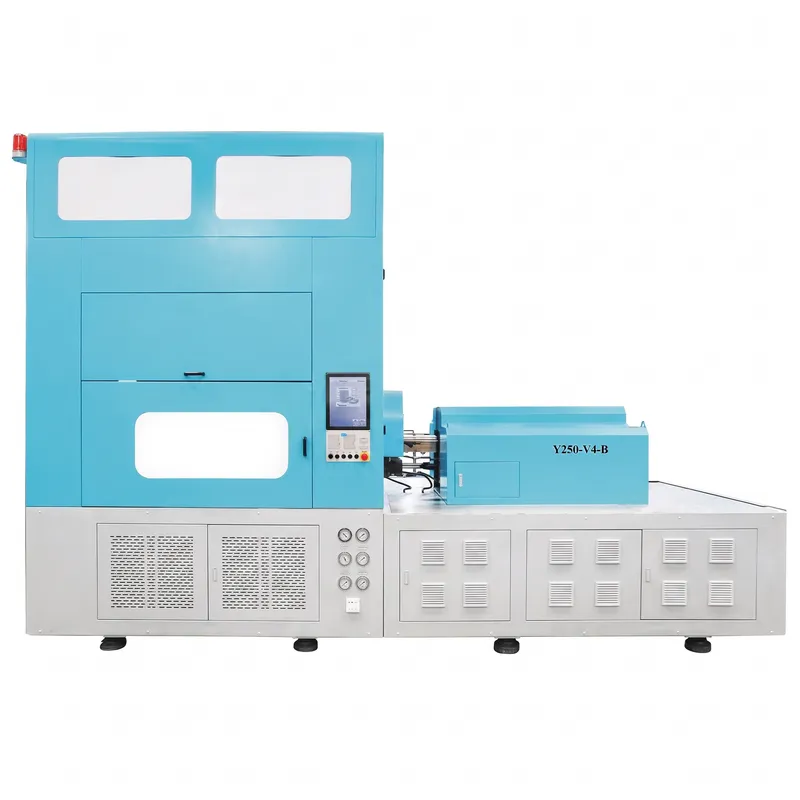
Mesin Cetak Tiup Peregangan Injeksi Satu Langkah Y250-V4-B (4 Stasiun)
-
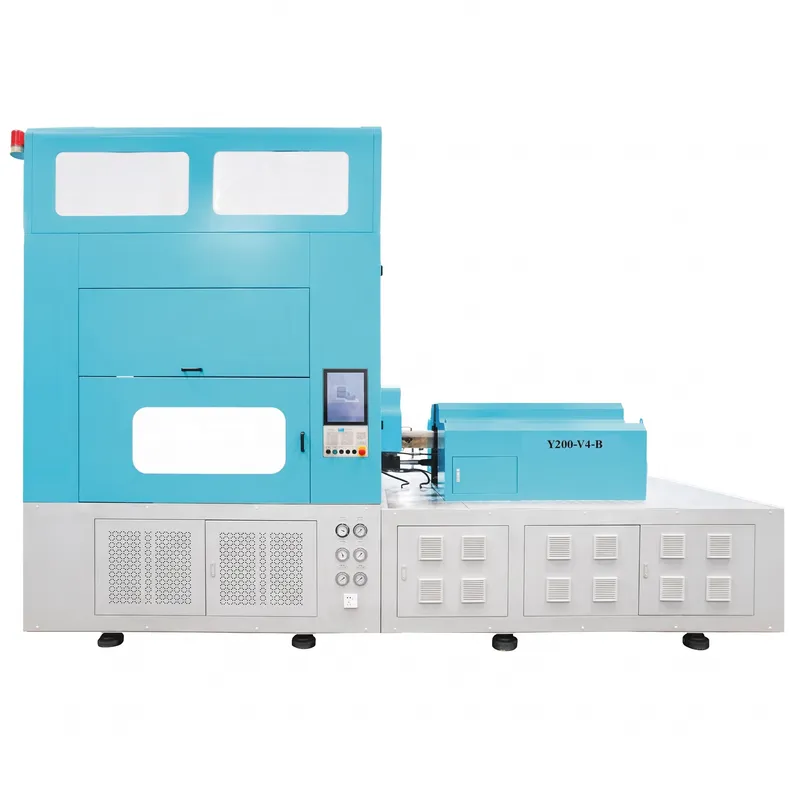
Mesin Cetak Tiup Peregangan Injeksi Satu Langkah Y200-V4-B (4 Stasiun)
-
Mesin Cetak Tiup Peregangan Injeksi Satu Langkah Y150-V4-EV (4 Stasiun)