フレイルモア用ギアボックス
The Flail mower gearbox is the essential component in a flail mower, designed to efficiently convert the tractor’s PTO power into the necessary torque for effective vegetation cutting. Constructed from high-quality materials such as cast iron or aluminum alloy, these gearboxes are built to withstand the demands of heavy-duty mowing operations.
交換可能なコーナーギアボックスモデル
TL-310A Flail Mower Gearbox
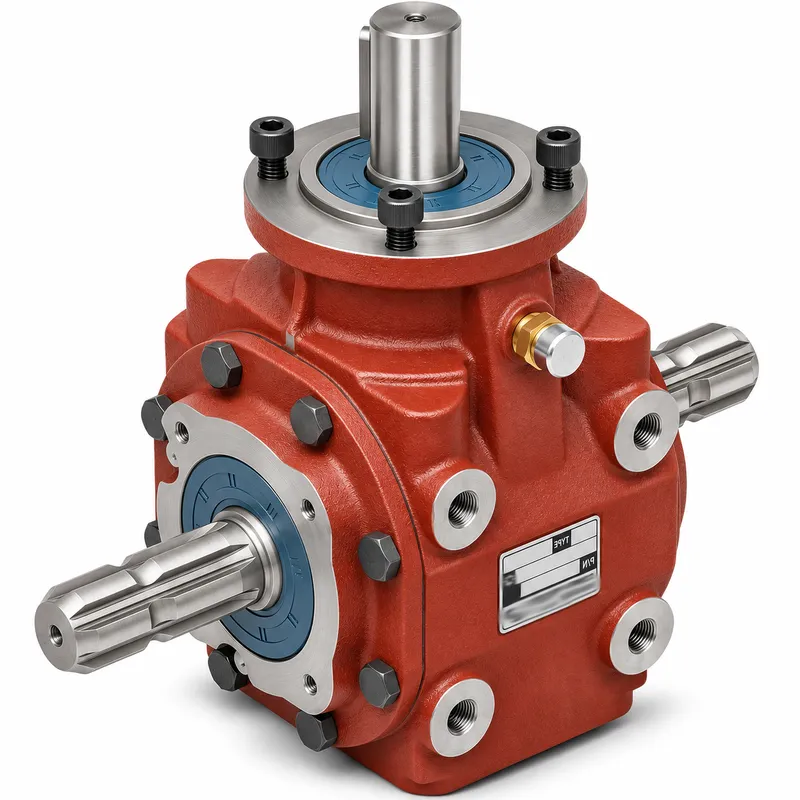
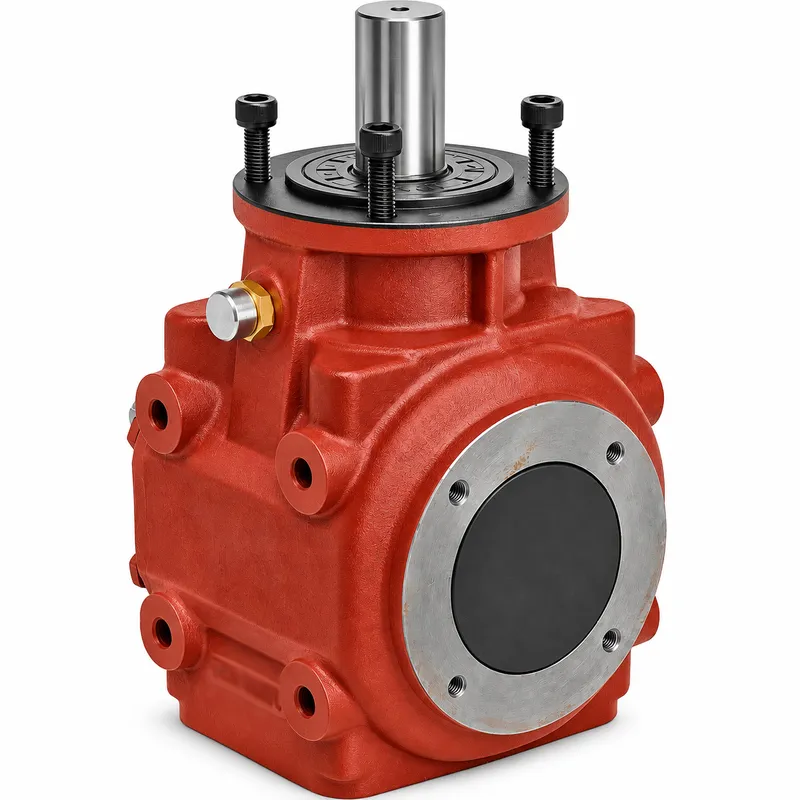
TL-311J Flail Mower Gearbox
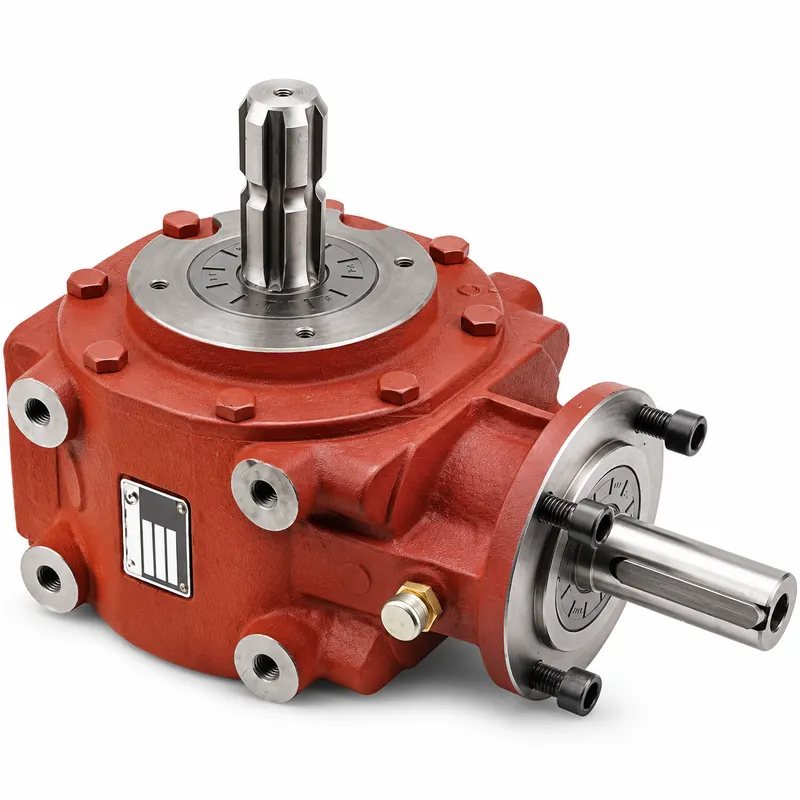
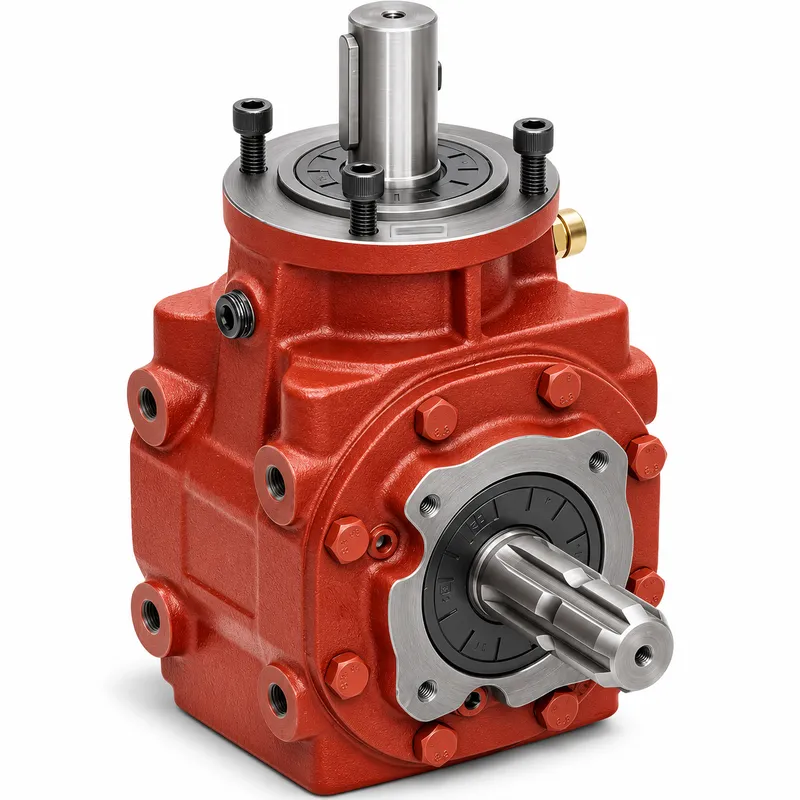
TL-312A Flail Mower Gearbox
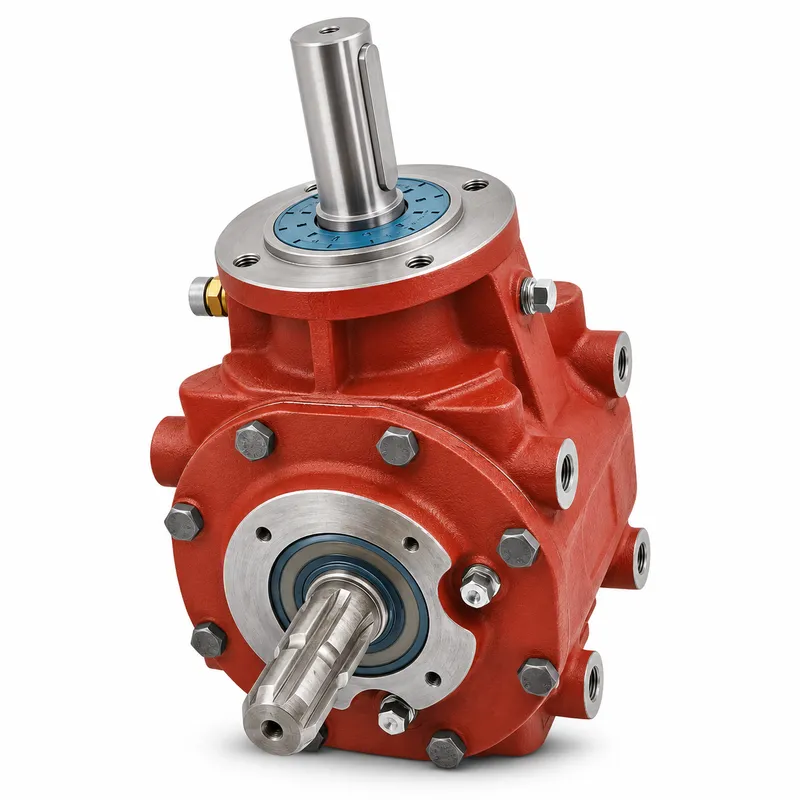
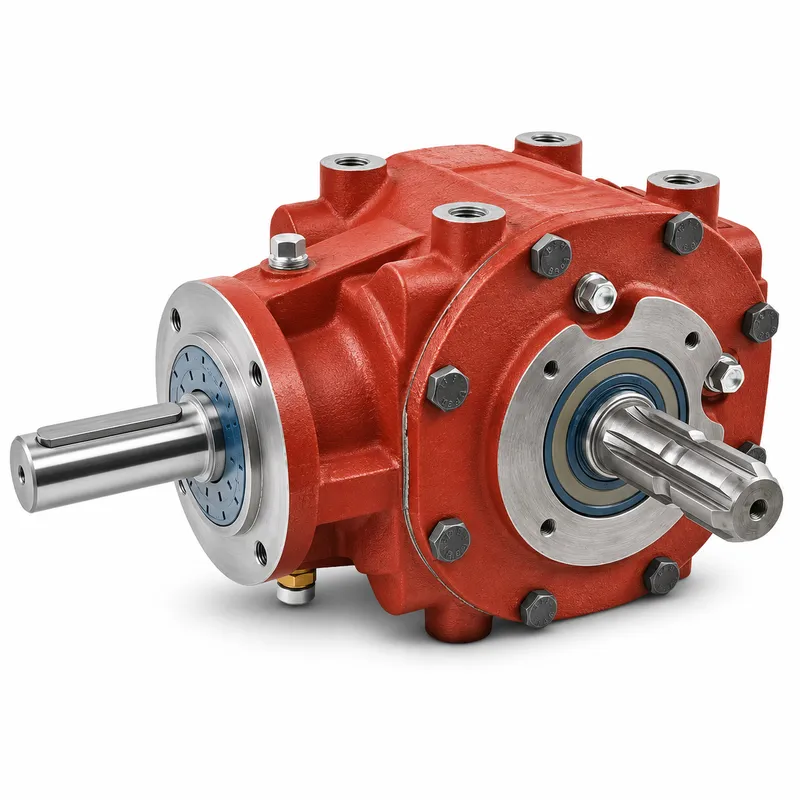
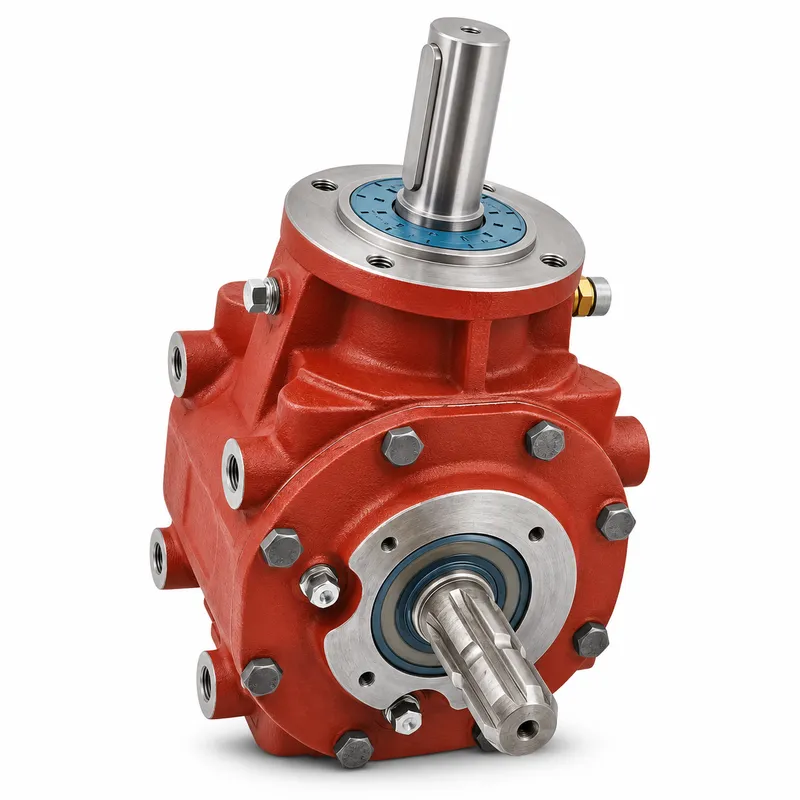
T-313J Flail Mower Gearbox
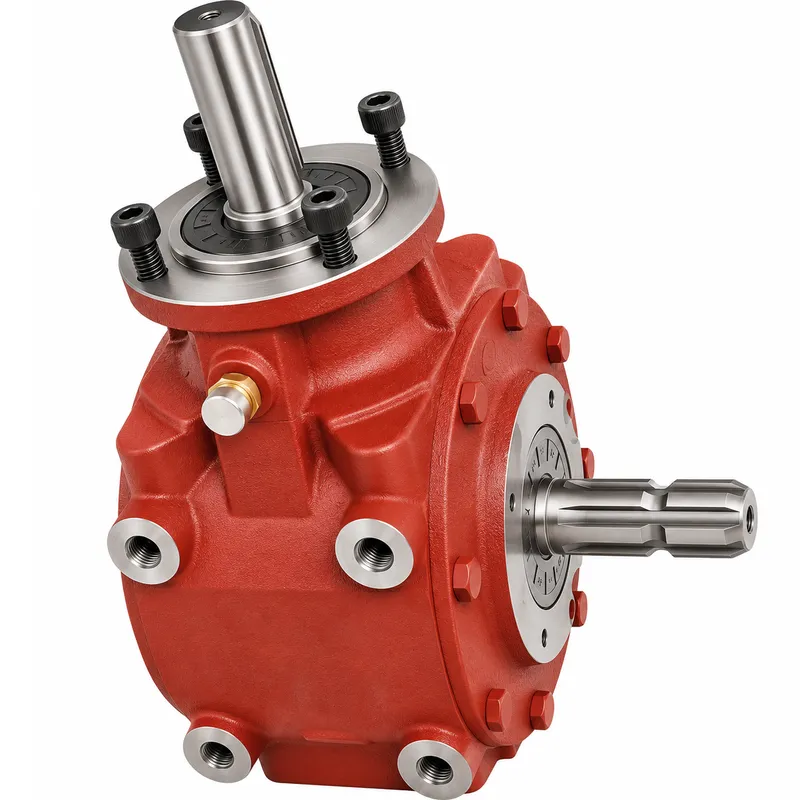
T-313J Gearbox 1:3
T-331A Flail Mower Gearbox
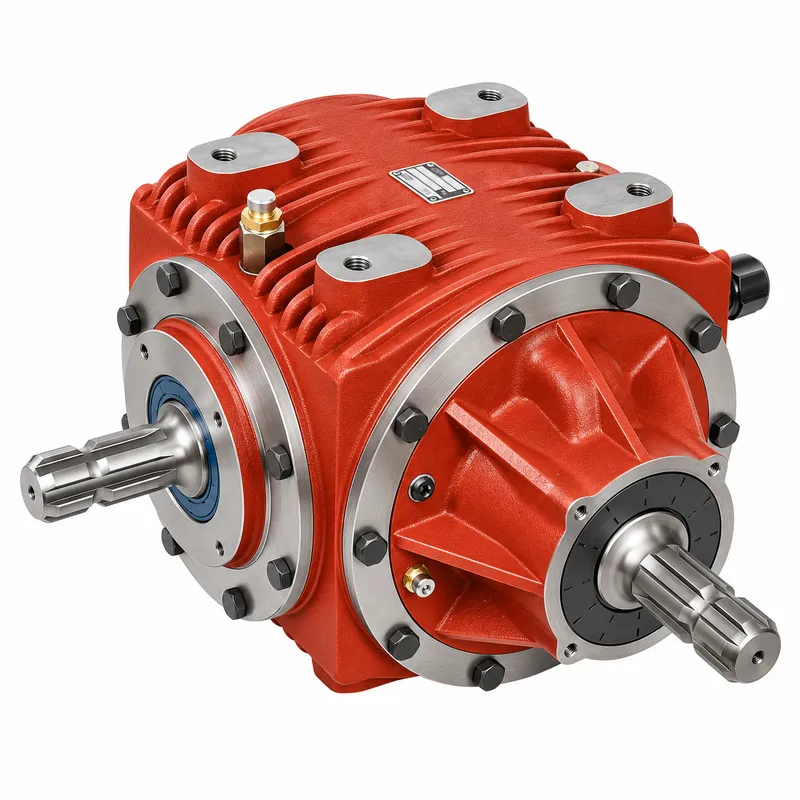
T-331A Gearbox 1:1
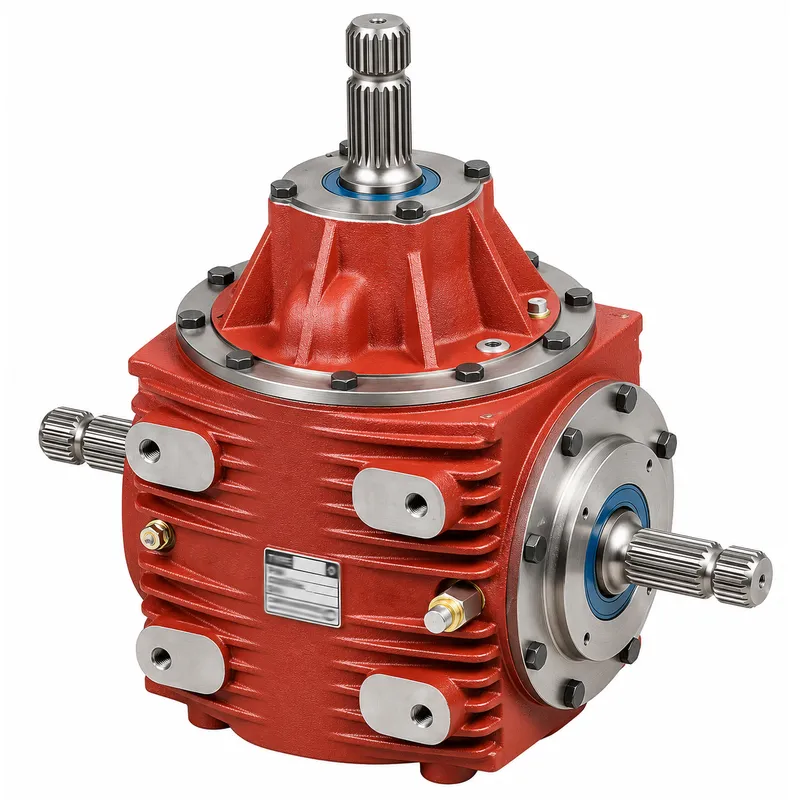
T-331A Gearbox 1:1.53
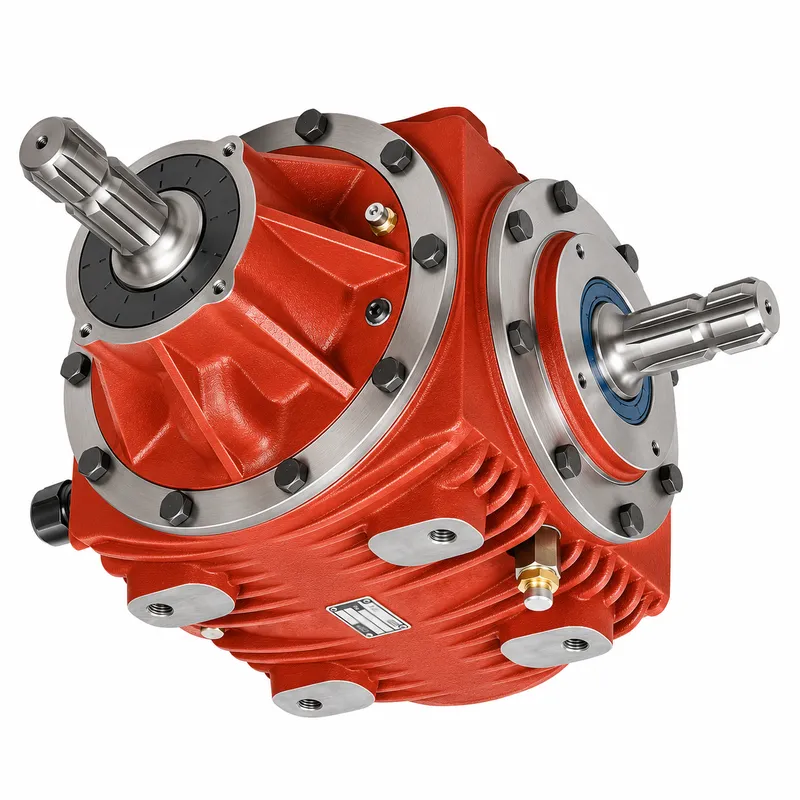
T-331A Gearbox 1:1.94
フレイルモアのギアボックスとは何ですか?
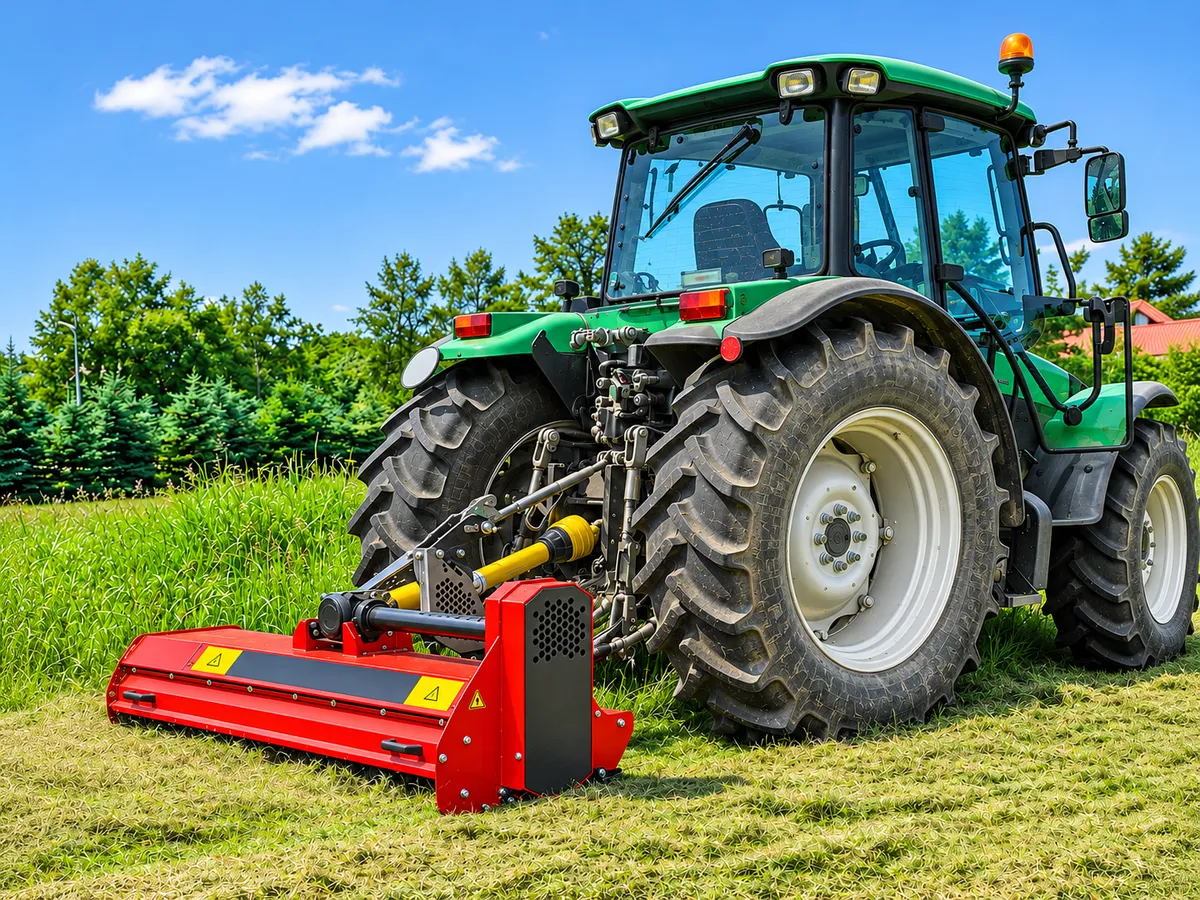
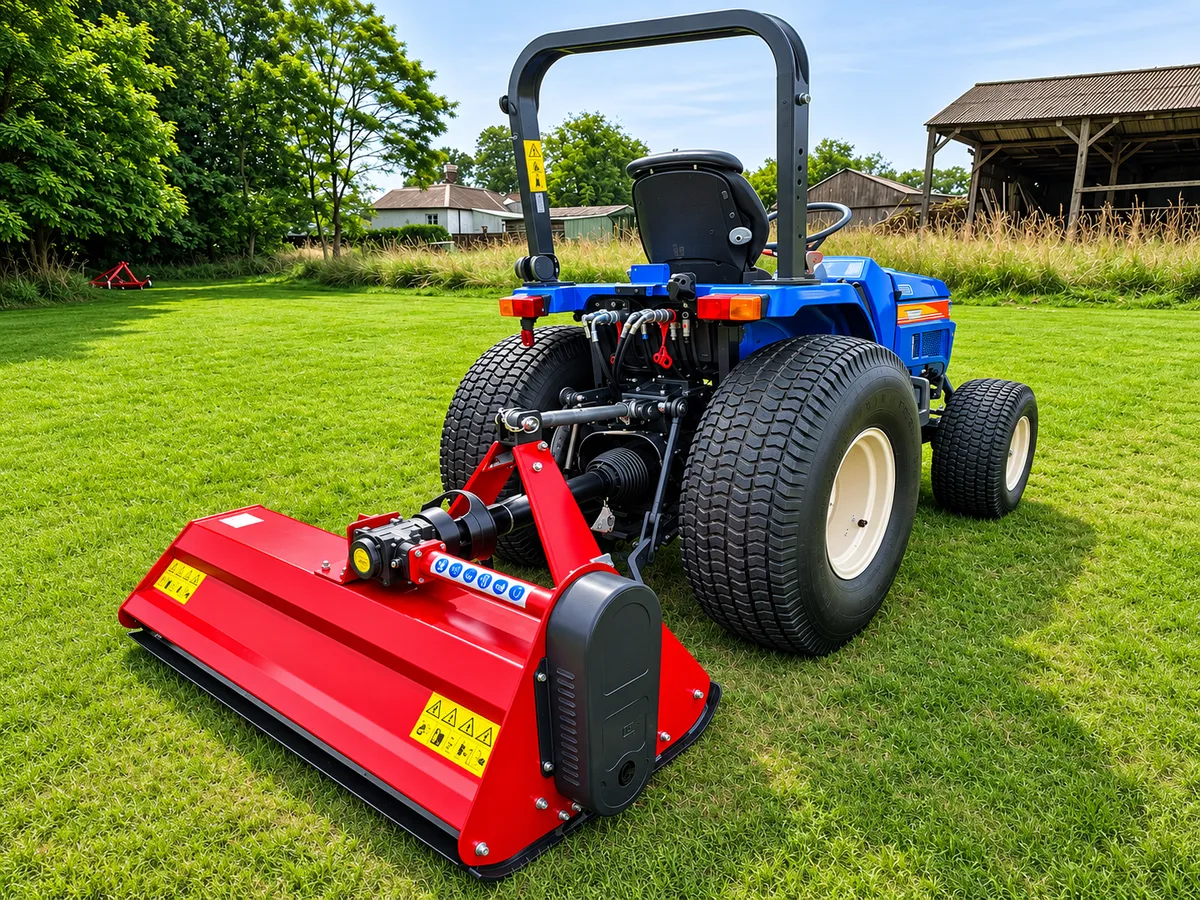
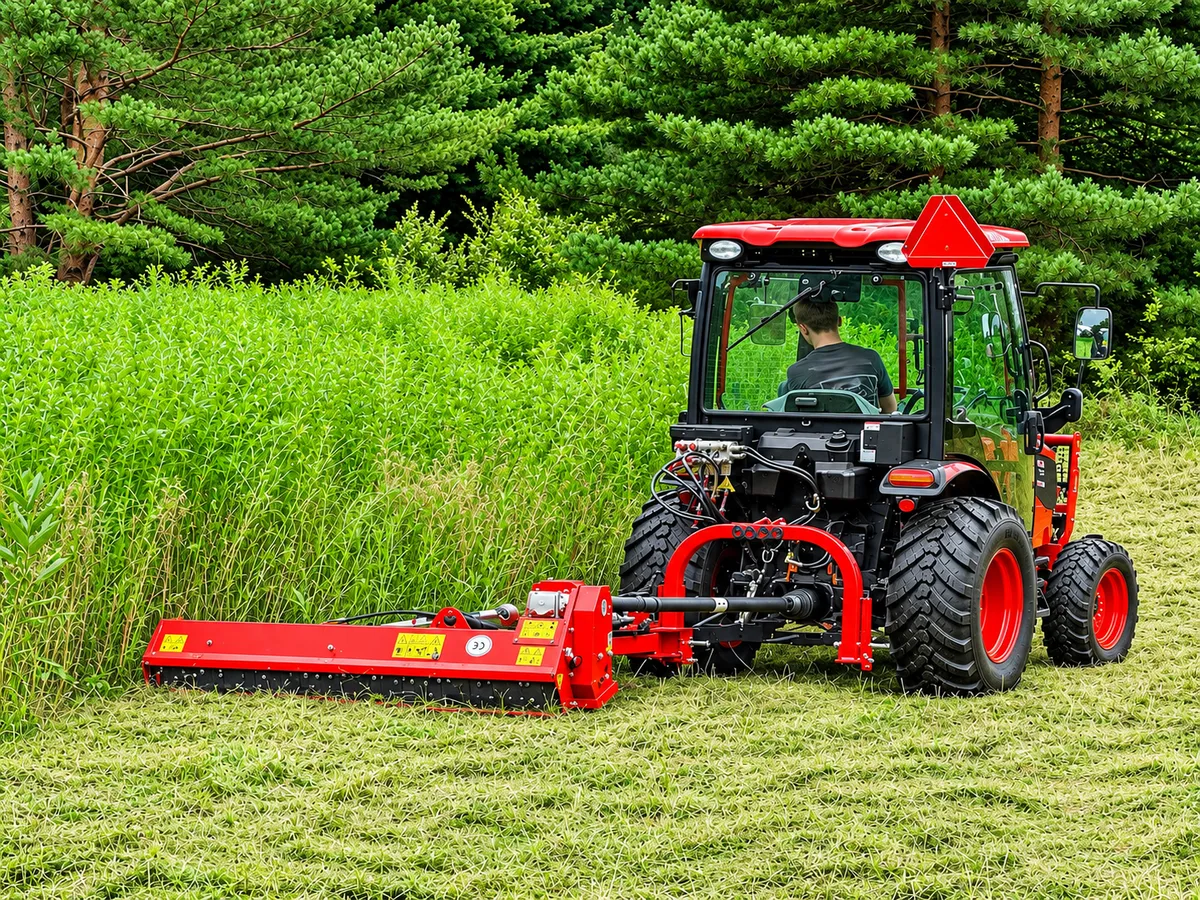
A Flail Mower Gearbox is a mechanical power transmission unit that transfers rotational power from a tractor’s Power Take-Off (PTO) shaft to the cutting mechanism of a flail mower. It uses internal gears to change the direction of rotation and provide the speed and torque required for mowing. In many tractor-mounted flail mowers, the gearbox drives a belt-and-pulley system connected to a horizontal rotor equipped with swinging hammer or Y-shaped blades. During operation, the rotating blades cut and shred grass, weeds, crop residue, and light brush into smaller pieces. This makes flail mowers suitable for pasture maintenance, roadside vegetation control, orchard management, and agricultural land clearing.
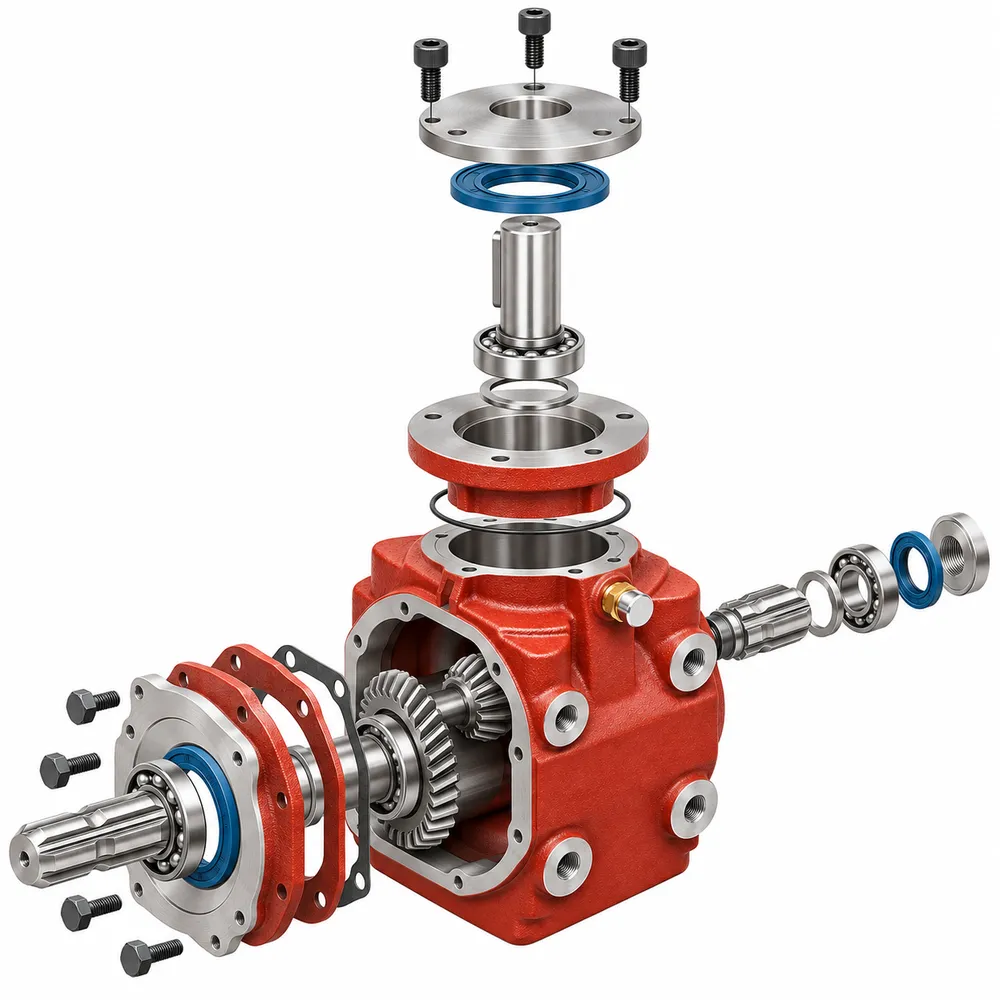
A typical flail mower gearbox contains precision-machined gears, input and output shafts, bearings, oil seals, and a durable housing designed to withstand vibration and demanding field conditions. Common tractor PTO operating speeds include 540 RPM or 1000 RPM, although gearbox specifications vary by mower design. Choosing the correct gearbox requires checking its horsepower rating, gear ratio, shaft configuration, mounting dimensions, and compatibility with the mower. Proper lubrication, routine oil-level inspections, and timely maintenance help prevent overheating, excessive gear wear, and unexpected equipment failure.
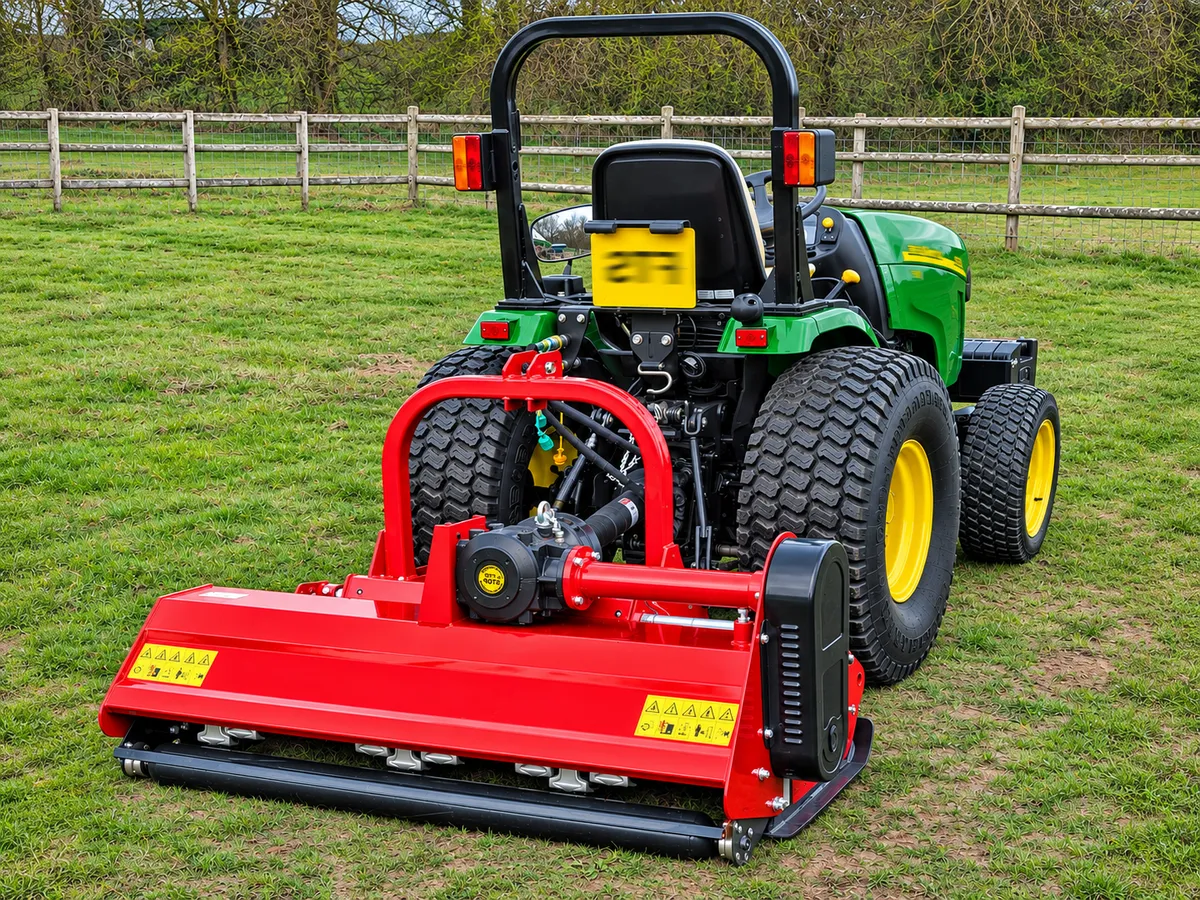
Key Components of Flail Mower Gearbox
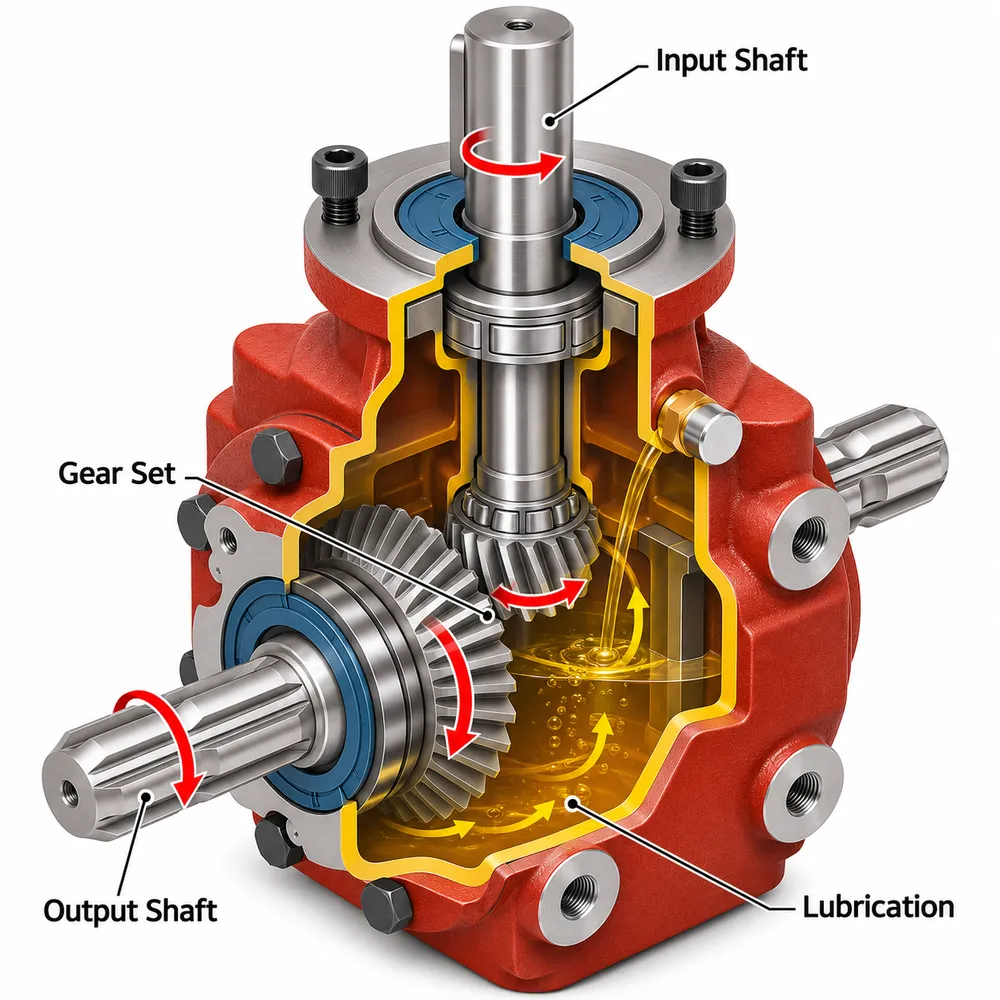
A flail mower gearbox consists of several essential components that work together to transfer power, control rotational speed, and maintain reliable cutting performance. Each component has a specific function in the gearbox’s operation and service life.
Housing: The gearbox housing provides a rigid enclosure for the internal gears, shafts, bearings, and lubricating oil. It maintains proper component alignment while protecting the transmission mechanism from dust, debris, moisture, and mechanical damage during demanding agricultural mowing operations.
入力軸: The input shaft receives rotational power from the tractor’s Power Take-Off (PTO) system through a connected driveline. It transfers this mechanical energy to the internal gear assembly, allowing the gearbox to operate at the speed required by the mower’s drive system.
Gears: The internal gears transmit rotational power between the input and output shafts while establishing the gearbox’s speed ratio. In reduction configurations, they convert higher-speed, lower-torque rotation into lower-speed, higher-torque output. Other gear ratios accommodate different flail mower operating requirements.
ベアリング: Bearings support the rotating shafts and help maintain accurate gear alignment under continuous mechanical loads. By reducing friction and controlling shaft movement, they minimize unnecessary wear, limit heat generation, and contribute to smoother gearbox operation throughout extended mowing periods.
Output Shaft: The output shaft delivers power from the internal gear assembly to the mower’s cutting drive mechanism. Depending on the machine design, it may connect to a pulley-and-belt system that rotates the flail rotor, providing the speed and torque needed for effective vegetation cutting.
Seals: Gearbox seals prevent lubricating oil from escaping around rotating shafts and housing joints while limiting the entry of dirt, moisture, and other contaminants. Proper sealing protects bearings and gear surfaces from premature wear, helping maintain dependable performance in dusty or wet field conditions.
Key Features of Flail Mower Gearbox
1. Gear Ratio Options
Flail mower gearboxes are available with different gear ratios to match specific cutting requirements and tractor PTO configurations. Depending on the transmission design, the gearing can increase or reduce rotational speed, helping achieve the correct operating RPM and torque for the mower’s flail rotor.
2. Flexible Output Shafts
Different output shaft configurations allow flail mower gearboxes to accommodate various pulley drives, rotor arrangements, and mower designs. Available shaft diameters, splined or keyed connections, and mounting configurations help ensure proper mechanical compatibility with different agricultural equipment and cutting systems.
3. 効率的な電力伝送
A flail mower gearbox transfers rotational power from the tractor’s PTO, commonly operating at 540 RPM, to the mower’s cutting drive system. The gearbox ratio and associated belt or pulley arrangement establish the required rotor speed and available torque, supporting consistent cutting performance across changing vegetation conditions.
4. Reliable Sealing
High-quality shaft seals, protective gaskets, and corrosion-resistant housing finishes help protect internal gearbox components from dust, moisture, and abrasive plant debris. These features retain lubricating oil, reduce contamination-related wear, and improve operating reliability in humid, muddy, or dusty agricultural environments.
5. Heavy-Duty Construction
Durable cast-iron housings, hardened alloy-steel gears, and properly supported shafts provide the mechanical strength needed for demanding mowing operations. Rigid construction maintains gear alignment under fluctuating loads, while protective surface finishes help resist corrosion and reduce deterioration during prolonged outdoor equipment use.
6. Overload Protection
Flail mower drive systems can incorporate slip clutches, shear bolts, or torque-limiting devices to protect the gearbox and driveline against sudden overloads. When rotating flails encounter hidden obstacles or become jammed, these protective mechanisms help limit damaging torque transmission, reducing the risk of mechanical failure and costly repairs.
フレイルモア用ギアボックスの用途
A flail mower gearbox supplies the mechanical power needed for cutting, shredding, and mulching vegetation across agricultural, landscaping, and municipal applications. Its operating requirements depend on the mower’s cutting capacity, rotor design, vegetation density, and working conditions.
1. Pasture Maintenance
Flail mower gearboxes power the cutting rotors used to manage overgrown grass, pasture weeds, and unwanted vegetation. They support regular pasture topping and field maintenance by driving the flail blades to cut and distribute plant material across the ground.
2. Crop Residue Shredding
In agricultural fields, flail mower gearboxes drive shredding equipment that processes corn stalks, wheat stubble, sunflower stems, and other crop residues after harvesting. Properly matched transmission systems maintain the required rotor speed, helping break down plant material and distribute it evenly for subsequent field operations.
3. Brush and Bramble Control
Heavy-duty flail mower gearboxes support machines designed to cut dense weeds, brambles, small woody stems, and light brush. When paired with suitable hammer blades and a correctly rated driveline, they deliver the power needed for vegetation clearing along field boundaries and neglected agricultural land.
4. Vineyard Maintenance
Compact flail mower gearboxes are used in narrow-row mowing equipment for vineyards, where space between vines is limited. They transmit power to cutting rotors that mulch grass, weeds, vine shoots, and pruning residues while supporting controlled vegetation management around established planting rows.
5. Orchard Floor Management
Flail mower gearboxes drive orchard mulchers used to maintain grass cover and shred fallen branches or pruning residues between fruit trees. Compatible low-profile and offset mower designs allow operators to work closer to tree rows while reducing excessive vegetation growth and returning shredded organic material to the soil.
6. 路側植生管理
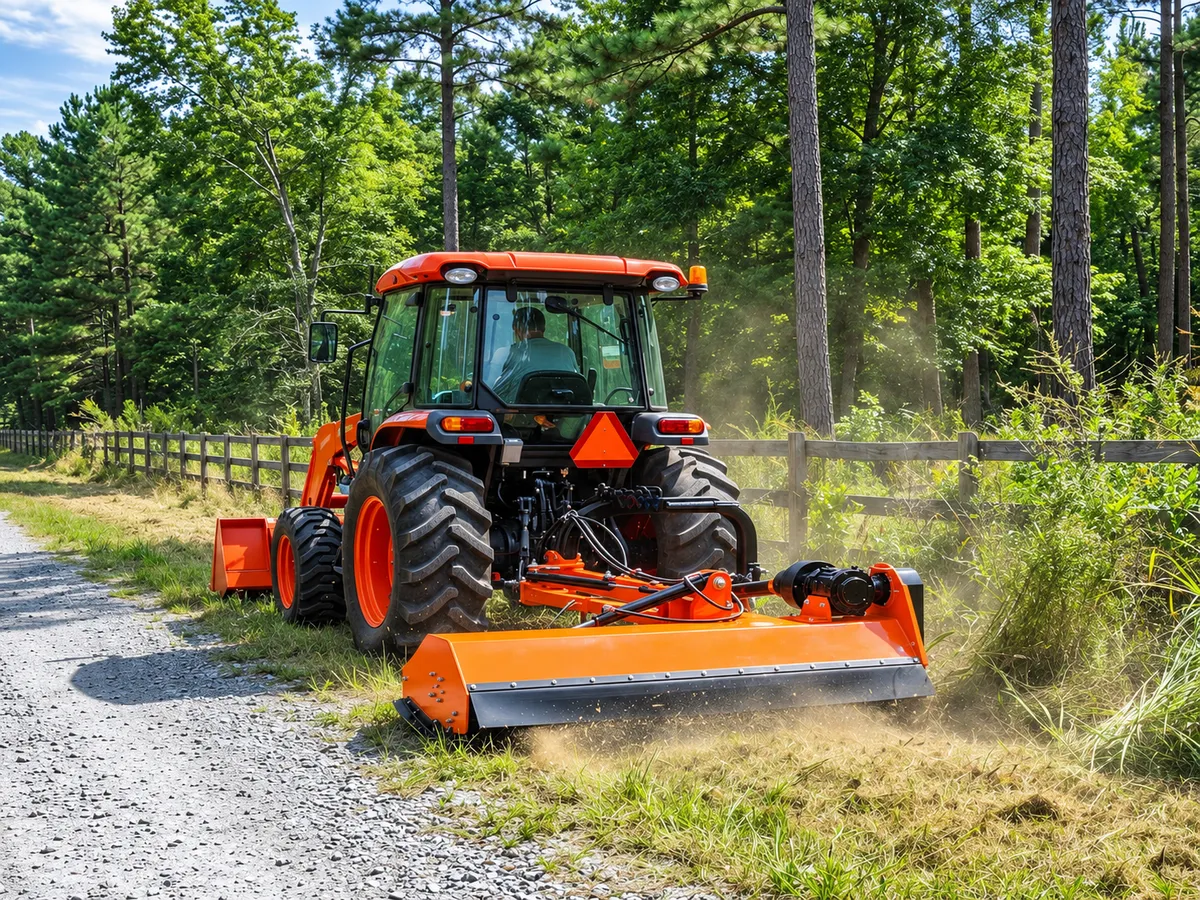
Roadside flail mowers use gearboxes to power cutting systems that maintain highway verges, road shoulders, and rural access routes. Suitable heavy-duty transmissions provide reliable operation when cutting tall grass and roadside weeds, while offset mower configurations help operators reach vegetation beyond the tractor’s wheel track.
7. Municipal Grounds Maintenance
Municipal maintenance teams use gearbox-driven flail mowers to manage vegetation in public parks, recreational areas, utility corridors, and other landscaped properties. These machines cut overgrown grass and weeds while shredding clippings into smaller pieces, reducing the need for separate collection during routine groundskeeping.
8. Ditch and Embankment Mowing
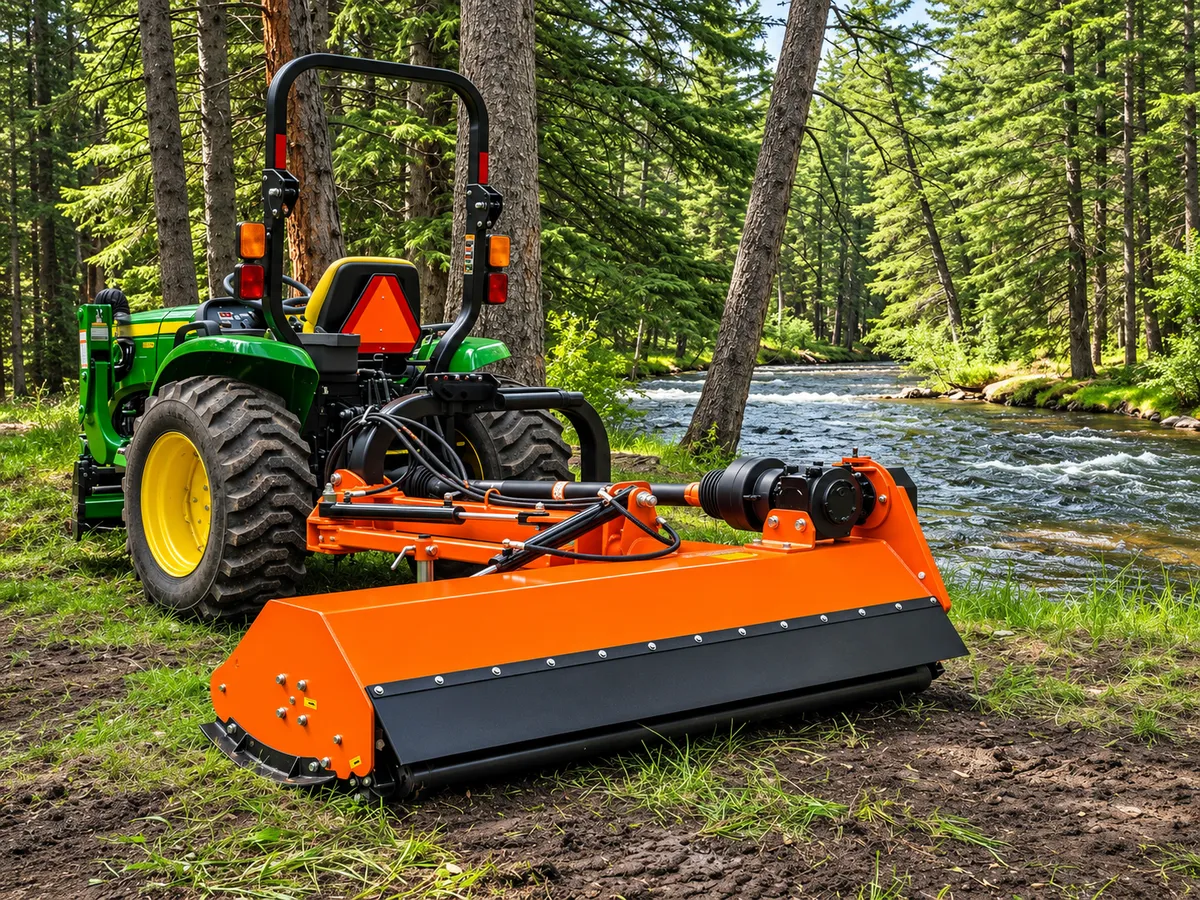
Flail mower gearboxes are used in specialized offset and articulated mowing equipment designed for drainage ditches, sloping embankments, and uneven terrain. They transmit power to the cutting rotor while the mower’s adjustable positioning system allows operators to reach difficult areas without driving directly onto steep slopes.