
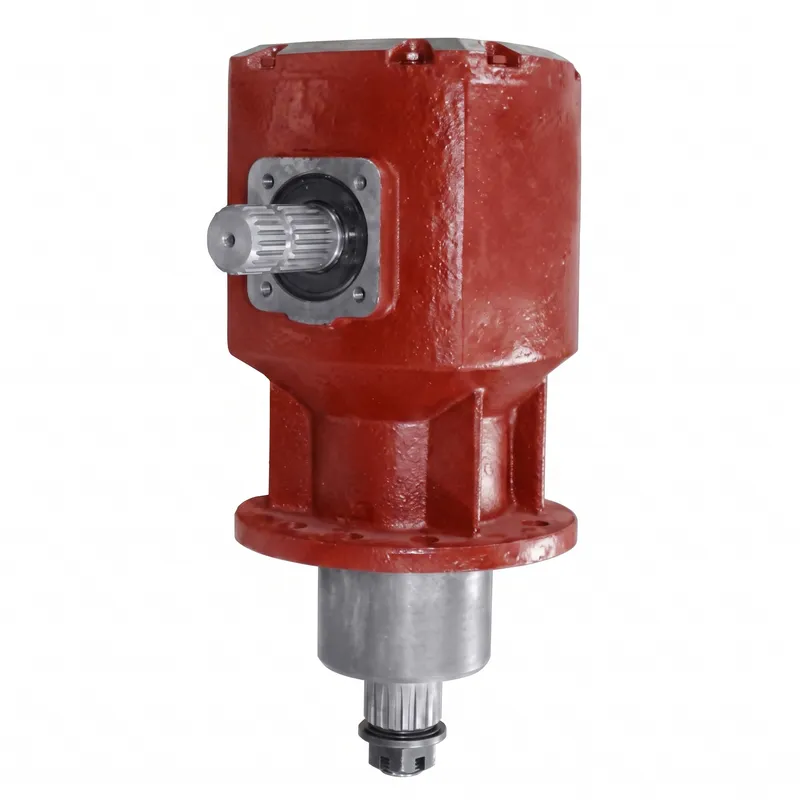
Ricambio per riduttore della troncatrice rotativa RC-120 per il riduttore Omni RC-120
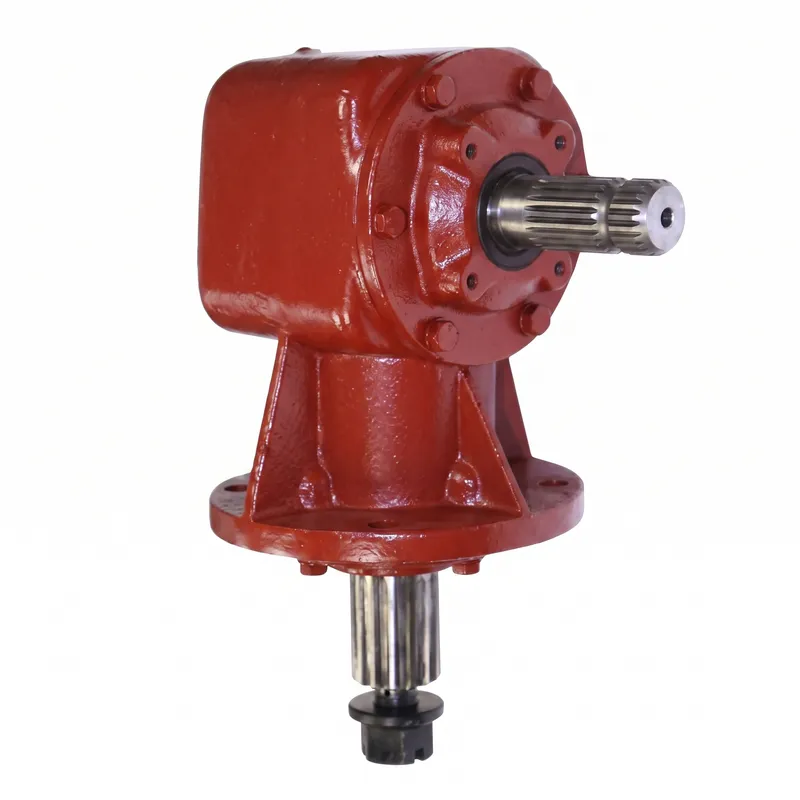
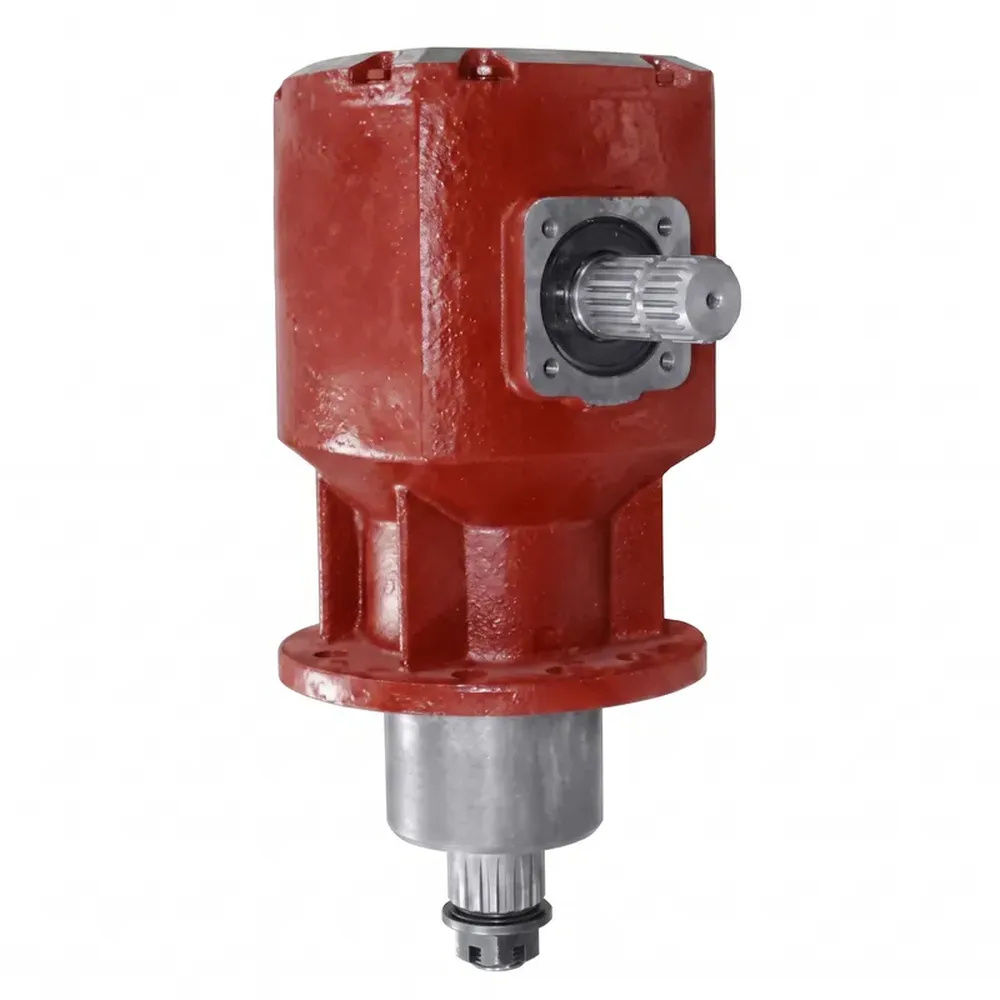
Il riduttore di ricambio RC-120 per trinciatrici rotative, compatibile con il riduttore Omni RC-120, è un'unità di trasmissione di alta qualità progettata specificamente per macchine agricole in ambienti di campo difficili. Progettato per essere un ricambio diretto del riduttore originale Omni RC-120, questo componente viene utilizzato principalmente per azionare le lame rotanti e i gruppi di taglio per operazioni efficienti di gestione della vegetazione, tra cui taglio dell'erba, trinciatura della paglia e pulizia della vegetazione. Con una potenza nominale da 51 a 161 CV e una coppia erogata tra 803 e 2.252 Nm, converte la rotazione ad alta velocità dell'albero cardanico di un trattore (540 o 1.000 giri/min) in una coppia stabile ed elevata, adatta anche ai carichi di taglio più pesanti.
The RC-120 Rotary Cutter Gearbox Replacement for Omni RC-120 Gearbox is a premium-grade power transmission unit engineered specifically for agricultural machinery across demanding field environments. Designed to serve as a direct drop-in replacement for the OEM Omni RC-120 gearbox, this unit is primarily used to drive rotary knives and cutting assemblies for efficient vegetation management operations, including grass cutting, straw crushing, and brush clearing. Rated from 51 to 161 HP and delivering torque between 803 and 2,252 Nm, it converts the high-speed rotation of a tractor PTO shaft (540 or 1,000 RPM) into stable, high-torque output suitable for even the heaviest cutting loads. Five selectable gear ratios (1.21:1, 1:1, 1:1.21, 1:1.46, 1:1.92) allow the operator to match output speed and torque to the specific crop density or terrain encountered. The bevel gear architecture, triple-lip spring-loaded seals, and tapered roller bearings ensure this agricultural gearbox withstands the relentless shock loads, contamination, and moisture exposure inherent to rotary cutter operation.
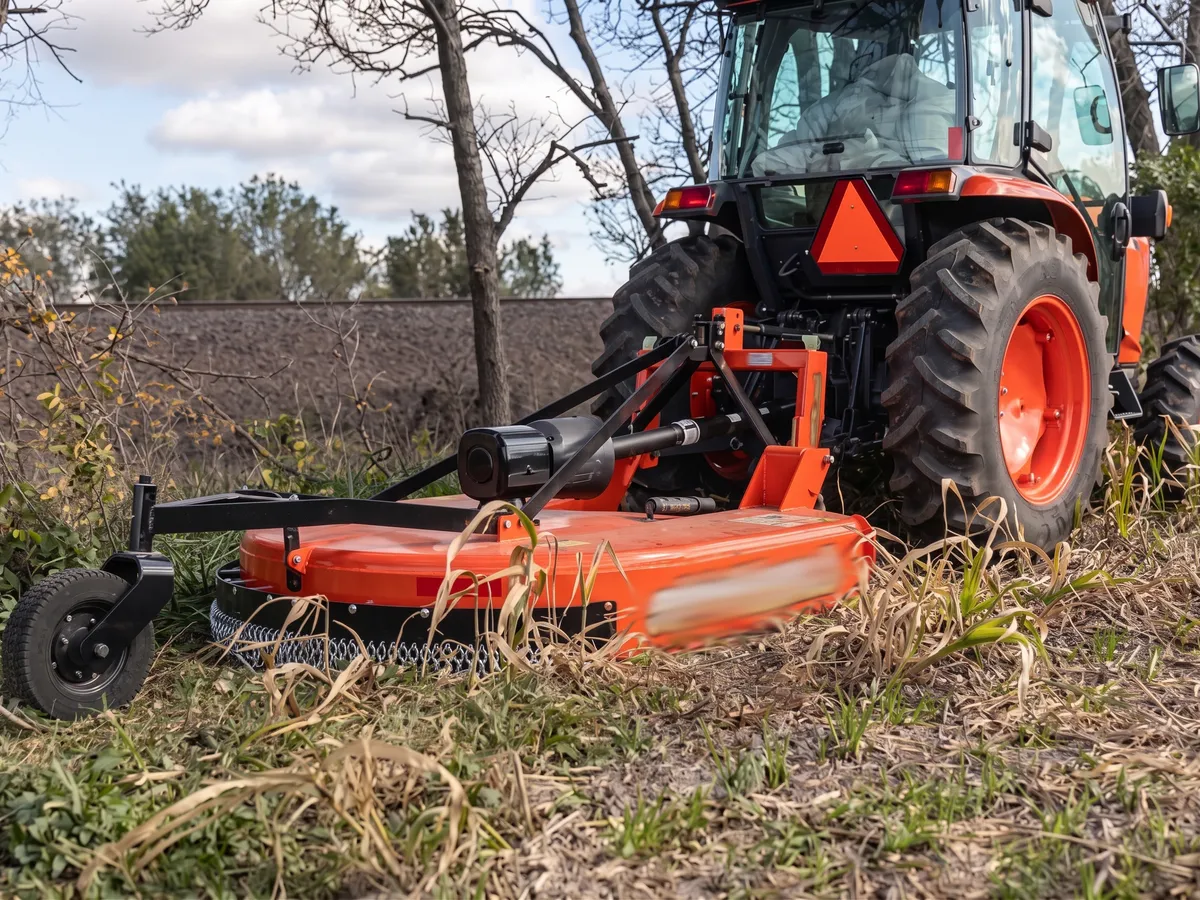
This gearbox for rotary cutter applications excels across a wide range of scenarios: slashing overgrown roadsides, cutting thick pasture grass between grazing cycles, mulching post-harvest crop stubble, and clearing brush along fence lines and waterways. The sealed ductile iron housing, weighing 49.9 kg (109 lbs), contains a precision bevel gear set that redirects PTO input through 90 degrees to drive the blade spindle vertically beneath the mower deck. Whether used on finishing mowers, rotary slashers, or heavy-duty rotary cutters, the RC-120 maintains consistent blade speed even as load conditions fluctuate, protecting both the cutting implement and the tractor driveline. For operators seeking a reliable, proven replacement rotary cutter gearbox that installs without modification and performs at OEM specification, the RC-120 from CMN Transmission is the definitive choice.
Specifiche del prodotto
| Modello: | Cambio RC-120 |
| Valutazione HP | 51 - 161 CV |
| Coppia: | 7.117 - 19.950 libbre-pollici (803 - 2.252 miglia nautiche) |
| Rapporti: | 1.21:1, 1:1, 1:1.21, 1:1.46, 1:1.92 |
| Tipo di ingranaggio: | Smusso |
| Tipo di sigillo: | Triplo labbro a molla |
| Tipo di cuscinetto: | Rullo conico |
| Capacità dell'olio: | 60 once (1,8 L) |
| Peso: | 109 libbre. (49,9 kg) |
| Applicazioni: | Tosaerba di finitura Taglierine rotative Tagliatori rotanti |
RC-120 Rotary Cutter Gearbox Dimensions
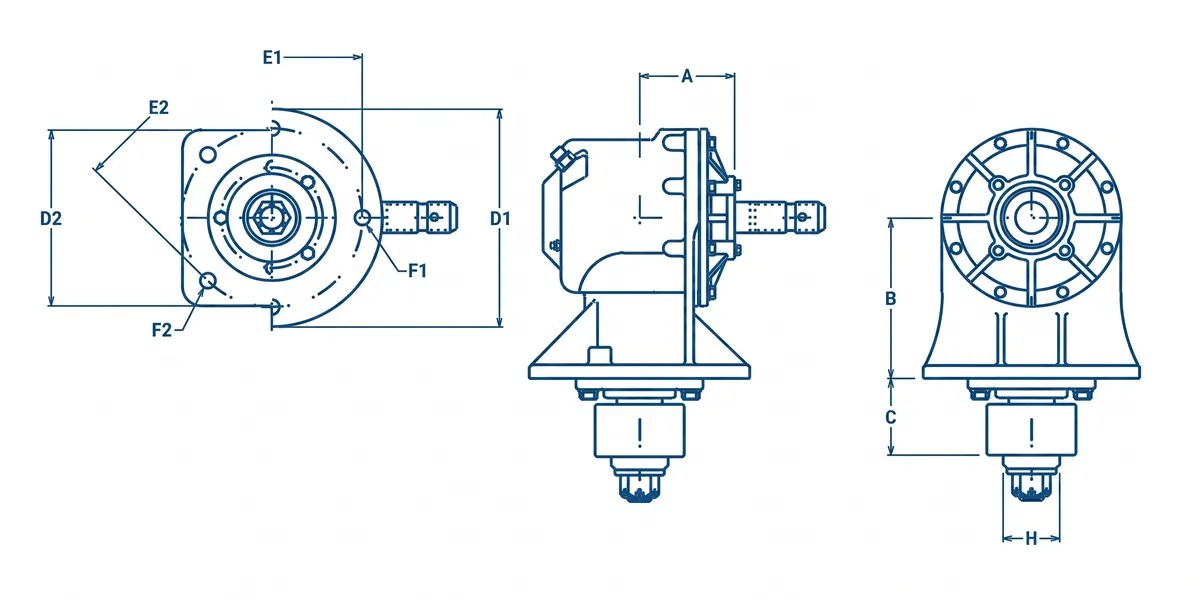
| Modello | Peso massimo dell'unità | CL al tappo passante A | CL alla flangia B | Flangia al mozzo pilota C | Diametro del mozzo H | Diametro flangia D1 | Schema fori bulloni E1 | Fori di montaggio F1 | Flangia quadrata di dimensioni D2 | Schema fori bulloni E2 | Fori di montaggio F2 | |||||||||||
|---|---|---|---|---|---|---|---|---|---|---|---|---|---|---|---|---|---|---|---|---|---|---|
| libbre | kg | In | mm | In | mm | In | mm | In | mm | In | mm | In | mm | In | mm | In | mm | In | mm | In | mm | |
| RC-20 | 34 | 15 | 3.0 | 76 | 6.5 | 165 | 2.40 | 61.0 | - | - | - | - | - | - | - | - | 6.18 | 157 | 6.8 | 171.5 | (4) 0.67 | (4) 17 |
| RC-27 | 47 | 21 | 3.5 | 88 | 6.4 | 164 | 2.40 | 61.0 | - | - | - | - | - | - | - | - | 6.18 | 157 | 6.8 | 171.5 | (4) 0.67 | (4) 17 |
| RC-30 | 51 | 23 | 3.9 | 100 | 6.4 | 164 | 3.30 | 84.0 | 2.5 | 63.5 | - | - | - | - | - | - | 6.89 | 175 | 6.8 | 171.5 | (4) 0.67 | (4) 17 |
| RC-51 | 56 | 25 | 3.7 | 94 | 6.4 | 164 | 3.50 | 88.9 | 2.5 | 63.5 | - | - | - | - | - | - | 6.89 | 175 | 6.8 | 171.5 | (4) 0.67 | (4) 17 |
| RC-61 | 81 | 37 | 4.2 | 107 | 7.2 | 183 | 3.50 | 88.9 | 2.5 | 63.5 | 9.5 | 242.0 | 8.0 | 203.2 | (4) 0.787 | (4) 20 | - | - | - | - | - | - |
| RC-71 | 83 | 38 | 4.2 | 107 | 7.2 | 183 | 3.50 | 88.9 | 2.5 | 63.5 | 9.5 | 242.0 | 8.0 | 203.2 | (4) 0.787 | (4) 20 | - | - | - | - | - | - |
| RC-81 | 98 | 45 | 4.6 | 116 | 11.0 | 279 | 3.50 | 88.9 | 2.5 | 63.5 | 9.6 | 245.0 | 8.0 | 203.2 | (4) 0.787 | (4) 20 | - | - | - | - | - | - |
| RC-100 | 96 | 44 | 4.8 | 121 | 7.1 | 180 | 3.78 | 96.0 | 2.5 | 63.5 | 9.4 | 240.0 | 8.0 | 203.2 | (4) 0.787 | (4) 20 | - | - | - | - | - | - |
| RC-130S | 109 | 49 | 5.1 | 130 | 7.1 | 180 | 4.00 | 102.0 | 2.9 | 73.0 | 9.8 | 250.0 | 8.0 | 203.2 | (6) 0.807 | (6) 21 | - | - | - | - | - | - |
| RC-130L | 120 | 54 | 5.1 | 130 | 7.1 | 180 | 7.20 | 184.0 | 3.8 | 96.0 | 9.8 | 250.0 | 8.0 | 203.2 | (6) 0.807 | (6) 21 | - | - | - | - | - | - |
| RC-145 | 110 | 50 | 5.6 | 142 | 8.9 | 225 | 8.05 | 204.5 | 3.8 | 96.0 | 10.2 | 260.0 | 8.0 | 203.2 | (6) 0.807 | (6) 21 | - | - | - | - | - | - |
| RC-150L | 145 | 66 | 5.1 | 130 | 11.0 | 280 | 7.20 | 184.0 | 3.8 | 96.0 | 9.8 | 250.0 | 8.0 | 203.2 | (6) 0.807 | (6) 21 | - | - | - | - | - | - |
| RC-200 | 220 | 100 | 6.4 | 162 | 9.5 | 241 | 8.00 | 203.0 | 5.3 | 135.0 | 11.8 | 300.0 | 10 | 254.0 | (6) 0.905 | (6) 23 | - | - | - | - | - | - |
Key Features of the RC-120 Rotary Cutter Gearbox
1. Terrain Adaptability and Floating Design
The floating gearbox mounting design allows the cutter deck and blade assembly to ride with ground undulations automatically, preventing the cutting blades from striking buried rocks, hardwood stumps, or irrigation fittings at full operating speed. This adaptive height adjustment is particularly critical when mowing on uneven pasture terrain, sloped embankments, or waterway banks where the ground surface can change rapidly across the working width. The result is reduced shock transmission to the gearbox housing and significantly extended gear and bearing service life.
2. Accessible Field Maintenance Design
Rotary cutter gearbox oil maintenance is simplified by externally accessible oil fill ports and a bottom-mounted drain valve that allow complete oil changes without removing the gearbox from the implement. Operators can check the rotary cutter gearbox oil level and add gear oil directly from ground level. The pressure relief plug prevents internal pressure buildup during operation, protecting seals from premature blow-out. This field-serviceable design reduces scheduled maintenance downtime and supports proper rotary cutter gearbox oil change intervals even during peak seasonal workloads.
3. Tractor PTO Drive Compatibility
Il riduttore RC-120 si collega direttamente all'albero della presa di forza (PTO) del trattore e supporta pienamente sia le velocità di ingresso standard di 540 giri/min che quelle di 1.000 giri/min. L'albero di ingresso scanalato accetta giunti a cambio rapido, consentendo un'installazione e una rimozione veloci sul campo senza attrezzi speciali. Questa ampia compatibilità con le prese di forza permette di abbinare il riduttore a trattori compatti, trattori per colture a filari di media cilindrata e grandi macchine agricole a trazione integrale senza la necessità di alberi adattatori o modifiche personalizzate.
4. Industrial-Grade Durability and Sealing
The housing is cast from high-strength ductile iron with a Red Oxide primer coating that resists corrosion from mud, water, gravel, and the acidic plant sap encountered in daily agricultural use. Triple-lip spring-loaded oil seals encircle each rotating shaft, creating a three-stage barrier against both gear oil leakage and field contamination ingress. This heavy-duty sealed construction is purpose-built to withstand the abrasive and moisture-laden environment of rotary cutting operations and to protect the tapered roller bearing assemblies from premature failure caused by contaminated lubrication.
5. Multiple Speed Ratios for Any Crop or Terrain
With five selectable rotary cutter gearbox ratios spanning from 1.21:1 to 1:1.92, this unit covers the complete range of rotary mower gearbox output requirements. Operators managing light grass on flat pasture can select a higher blade speed ratio for a cleaner cut, while those working through dense wetland vegetation or steep slope terrain can shift to a lower-speed, higher-torque ratio to maintain stable cutting power without overloading the tractor. This flexibility makes the RC-120 an outstanding finishing mower gearbox as well as a heavy-duty rotary slasher gearbox depending on the ratio selected.
6. Protezione di sicurezza contro il sovraccarico
L'RC-120 è progettato per accettare sistemi opzionali di protezione da sovraccarico con frizione a ruota libera o bullone di sicurezza sull'albero di ingresso. Quando le lame di taglio colpiscono un ostacolo fisso a piena velocità, il dispositivo di protezione da sovraccarico si disinnesta o si rompe prima che una coppia eccessiva venga trasmessa attraverso il gruppo di ingranaggi conici, proteggendo sia i componenti interni del cambio che la trasmissione della presa di forza del trattore da eventuali rotture. Questo meccanismo di sicurezza integrato è particolarmente importante quando si opera in aree con detriti interrati, ceppi d'albero nascosti o affioramenti rocciosi, dove non è possibile prevedere improvvisi blocchi delle lame.
Principio operativo
Il riduttore per falciatrici rotative RC-120 funge da elemento centrale di trasmissione della potenza in qualsiasi falciatrice rotativa, tosaerba o trinciatrice rotativa. Il suo principio di funzionamento inizia dall'albero di presa di forza del trattore, che fornisce energia rotazionale a 540 o 1.000 giri/minuto a seconda dello standard della presa di forza e della velocità selezionata. Questo input rotazionale orizzontale entra nel riduttore attraverso l'albero di ingresso in acciaio legato temprato, supportato a entrambe le estremità da cuscinetti a rulli conici di precisione che gestiscono sia i carichi radiali derivanti dalle forze di ingranamento sia i carichi assiali generati durante i cambi di direzione e le fluttuazioni di carico.
All'interno dell'alloggiamento in ghisa sferoidale, l'albero di ingresso aziona l'ingranaggio conico primario. Il gruppo di ingranaggi conici è il cuore del funzionamento del riduttore agricolo, poiché reindirizza l'ingresso orizzontale della presa di forza di esattamente 90 gradi, regolando contemporaneamente il rapporto di velocità e coppia tra ingresso e uscita. In rapporti di trasmissione elevati, come 1:1,92, l'albero di uscita ruota significativamente più velocemente di quello di ingresso, producendo l'elevata velocità della punta della lama necessaria per un taglio netto dell'erba in un'applicazione con riduttore per tosaerba. In rapporti di riduzione come 1,21:1, gli ingranaggi conici aumentano la coppia in uscita rispetto alla coppia in ingresso, conferendo al riduttore della trinciatrice rotativa il vantaggio meccanico necessario per attraversare cespugli fitti, steli legnosi e vegetazione umida densa senza bloccarsi.
The output shaft exits the base of the housing and transmits drive power directly to the blade carrier spindle below the mower deck. As cutting blades encounter varying material densities throughout a pass, such as cutting thick straw, weeds, or woody brush, the bevel gear set continuously maintains the operator-selected speed ratio while the tapered roller bearings absorb the resulting axial and radial load spikes without deflection. The triple-lip spring-loaded oil seals at both shaft exit points retain the 1.8 liters of gear oil that bathes the gear mesh surfaces and lower bearing races in a continuous lubrication film.
The built-in pressure relief plug regulates internal air pressure within the housing as operating temperature rises, preventing seal failure from internal pressure buildup during extended high-load operation. This self-regulating lubrication and pressure management system is why a properly maintained Riduttore per taglierina rotante can sustain continuous operation across a full working day without overheating or oil-related component failure. The carburized alloy steel shafts, precision-forged bevel gears, and heavy ductile iron housing work together as an integrated system to ensure that virtually the entire HP rating of 51 to 161 HP reaches the cutting blades efficiently rather than being lost as heat or vibration within the gearbox itself.
La configurazione a velocità variabile dell'RC-120 favorisce inoltre l'adattabilità al terreno, consentendo agli operatori di selezionare un rapporto di trasmissione della fresa rotativa adatto alle specifiche condizioni del campo: pendii ripidi e zone umide beneficiano di rapporti di coppia più elevati, mentre i campi pianeggianti e rifiniti sono serviti meglio da rapporti di velocità della lama più elevati che producono un'azione di taglio più fine.
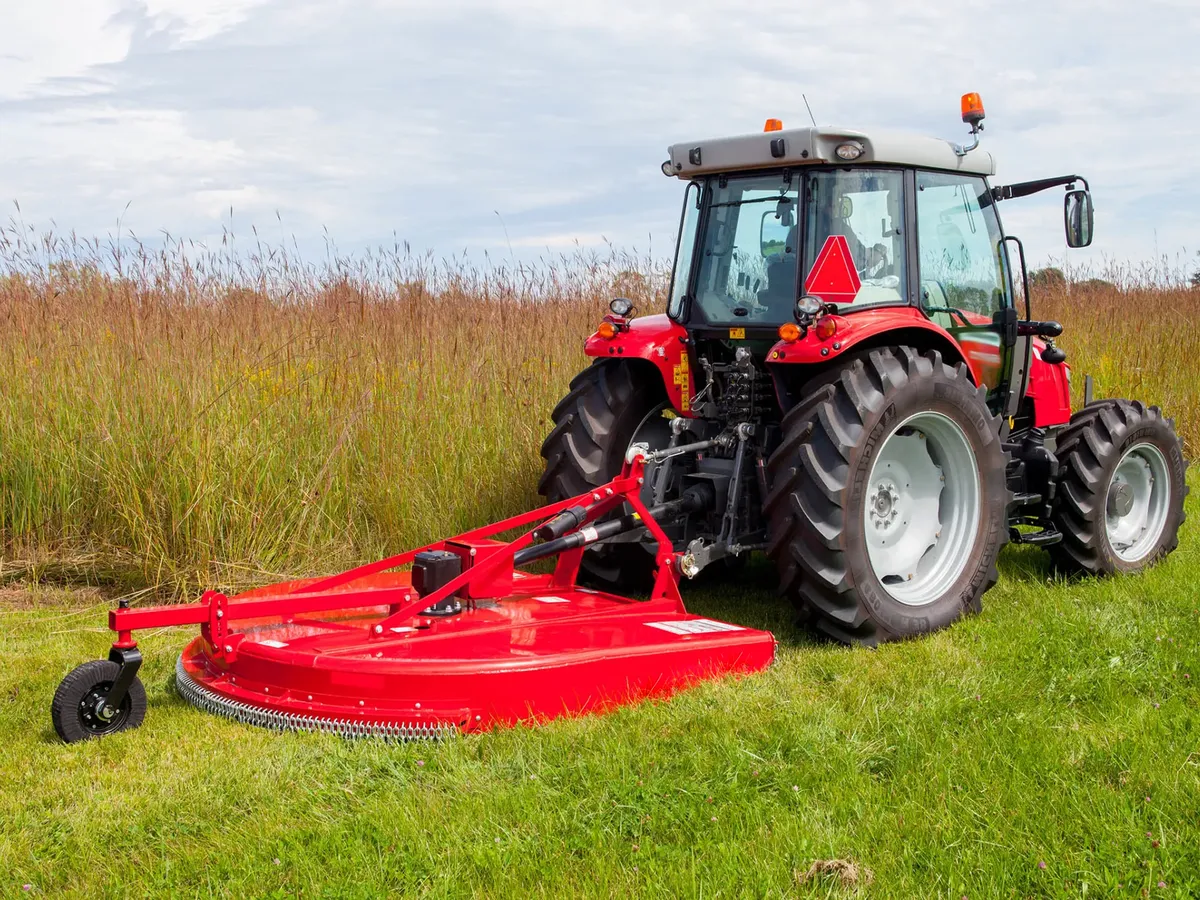
Applications of the RC-120 Gearbox
Taglio dell'erba e triturazione della paglia
Drives rotary blades to cut grass, straw, or cover crops such as cornstalks. The adjustable gear ratio controls blade speed, allowing operators to shift between coarse crushing for direct field return and fine crushing for forage feed applications. Suitable for pasture renovation, hay field preparation, and post-harvest cover crop termination across a wide range of grass densities and moisture contents.
Disboscamento di arbusti e rovi
Fornisce la coppia elevata necessaria per tagliare cespugli legnosi e resistenti, rovi e giovani alberi ai margini di frutteti, boschi e recinzioni. Il robusto ingranaggio conico e il corpo resistente dell'RC-120 assorbono l'energia d'impatto derivante dal colpire ripetutamente i fusti legnosi più densi durante la giornata lavorativa, senza usura dei denti degli ingranaggi o rottura del corpo, rendendo questo riduttore per trinciatrice rotativa la scelta ideale per i professionisti nelle operazioni di bonifica del terreno.
Preparazione dei terreni agricoli e trattamento delle stoppie
When combined with disc knives or flail blades, the RC-120 rapidly clears field stubble from rice, wheat, and corn harvests, cutting stalks down to a length suitable for rapid decomposition or subsequent tillage incorporation. Efficient stubble management accelerates field turnaround between harvest and planting, reducing the window before the next crop cycle begins and improving conditions for no-till seeding operations.
Gestione del pavimento del frutteto e del vigneto
The low-profile housing makes this finishing mower gearbox ideal for inter-row vegetation control in orchards and vineyards where implement height is restricted. Operators can mulch pruning debris, cover crops, and weed growth beneath tree canopies and between trellis rows without soil inversion, preserving the mycorrhizal soil structure that fruit and wine producers depend on for premium crop quality and consistent vine performance.
Controllo della vegetazione ai lati delle strade e nelle fasce di rispetto
Gli enti di manutenzione stradale, i corridoi di servizio e i programmi di manutenzione delle fasce di rispetto degli oleodotti e dei gasdotti si affidano alle falciatrici rotative per la falciatura stagionale continua. La gamma di potenza nominale dell'RC-120, da 51 a 161 CV, copre un'ampia gamma di applicazioni, dalle compatte falciatrici a spalla montate su trattore alle grandi unità portanti con braccio utilizzate nelle operazioni di falciatura ad alta velocità su autostrade, dove una coppia di uscita costante su diversi spessori di erba è essenziale per un funzionamento sicuro ed efficiente.
Levee, Canal Bank, and Embankment Mowing
Water management districts and flood control agencies require vegetation management on levee crowns and canal banks where hidden debris and uneven terrain demand a shock-resistant gearbox design. The floating cutter head compatibility of the RC-120 allows the implement to follow embankment contours without blade contact with the soil surface, keeping grass short to prevent rodent burrowing while protecting the gearbox from ground impact damage.
Pasture and Rangeland Renovation
Gli allevatori e i produttori di bestiame utilizzano le falciatrici rotative con il riduttore RC-120 per ridurre la presenza di erbe infestanti e favorire la ricrescita dell'erba tra un ciclo di pascolo e l'altro. Il taglio della vegetazione matura del pascolo all'altezza corretta stimola l'accestimento e la diffusione laterale delle specie foraggere desiderabili, migliorando la produttività del pascolo a lungo termine. La gamma di potenze del riduttore per falciatrici rotative da 75 CV e 100 CV copre le dimensioni più comuni dei trattori agricoli utilizzati per questo lavoro.
Light Forestry and Land Clearing
Le imprese di disboscamento che operano in aree con un'alta densità di giovani alberi utilizzano tagliasiepi rotanti per impieghi gravosi, abbinati al modello RC-120, per abbattere e cippare alberi giovani fino a diversi centimetri di diametro. La coppia massima erogata dal riduttore, pari a 2.252 Nm, fornisce la forza di taglio necessaria per attraversare materiale legnoso denso a una velocità produttiva, mentre l'alloggiamento in ghisa sferoidale garantisce la rigidità strutturale per assorbire ripetuti impatti ad alta energia senza incrinarsi o deformarsi in caso di utilizzo commerciale prolungato.
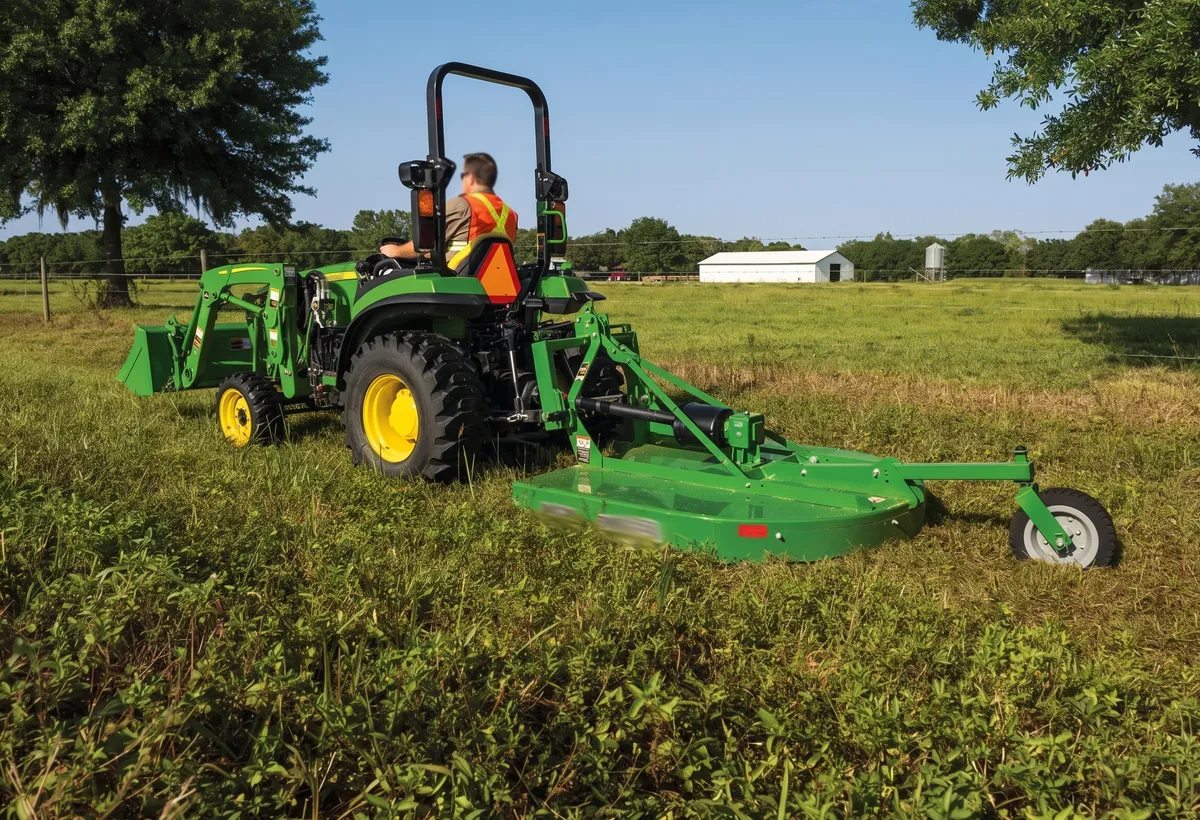
RC-120 Rotary Cutter Gearbox Components
1. Alloggiamento del cambio
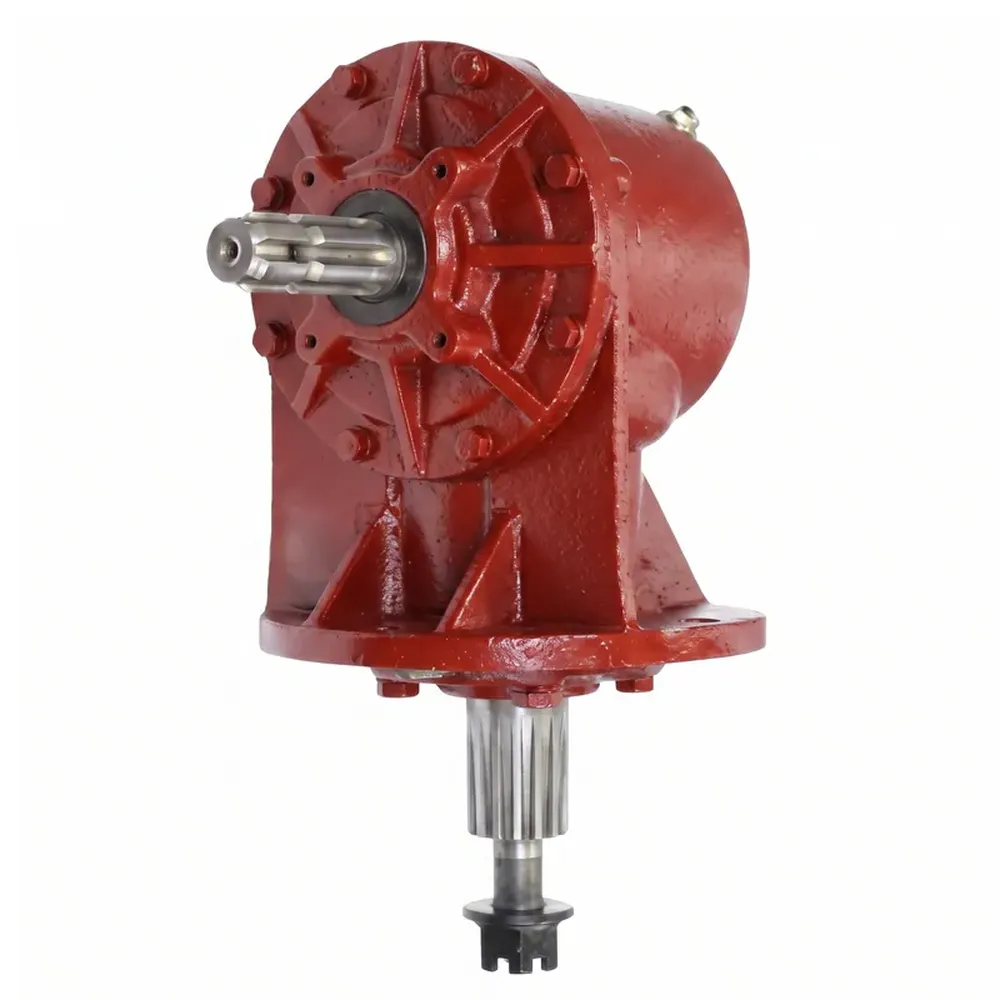
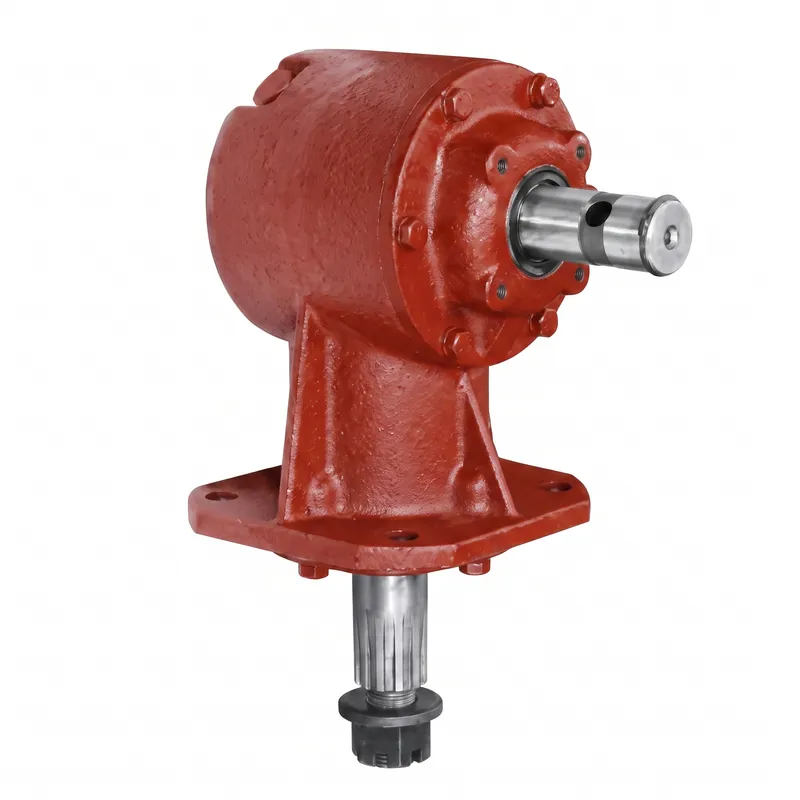
Manufactured from high-strength ductile iron to enclose and protect all internal components. The housing absorbs shock loads generated when blades strike field debris, maintains gear oil containment under all operating angles, and provides the structural backbone to which shafts, bearings, and seals are precisely mounted. A Red Oxide primer coating protects the exterior from corrosion in wet and abrasive field conditions encountered daily in agricultural rotary cutting applications.
2. Ingranaggi conici
The primary power-transmission elements inside the RC-120 rotary cutter gearbox. Precision forged and machine-cut from hardened alloy steel, the bevel gears redirect PTO shaft rotation through 90 degrees to drive the blade spindle, while simultaneously adjusting the output speed and torque according to the selected gear ratio. Precision straight bevel, spiral bevel, and lapped spiral bevel configurations are all available to match the specific performance and noise requirements of the application.
3. Albero di ingresso
L'albero che si collega direttamente alla presa di forza del trattore. Realizzato in acciaio legato cementato per la massima resistenza torsionale, riceve la potenza rotazionale dall'albero di trasmissione della presa di forza dell'attrezzo e la trasferisce all'ingranaggio. Le configurazioni standard delle scanalature, tra cui quelle da 1-3/8 pollici a sei scanalature e da 1-3/4 pollici a sei scanalature, consentono all'RC-120 di interfacciarsi con un'ampia gamma di modelli di trattori senza adattamenti o componenti aggiuntivi.
4. Albero di uscita
Positioned at the base of the housing, the output shaft delivers drive power downward to the blade spindle or cutting assembly. Manufactured from carburized alloy steel and dimensioned to handle the high torque loads and repeated impact stress generated during rotary cutting operations. Shaft extensions are available as splined, keyed, or with pin holes, and multiple shaft extension unit configurations are offered to suit different implement blade attachment designs.
5. Cuscinetti
ISO tapered roller bearings support both the input and output shafts, maintaining precise gear alignment under radial and axial load conditions simultaneously. Bearing quality has a direct effect on gearbox noise level, heat generation, and overall service life. The tapered roller design used in the RC-120 is specifically chosen to handle the combined axial and radial loading environment that bevel gear drives generate during normal rotary cutter operation.
6. Paraolio
High-quality triple-lip spring-loaded seals are fitted around all rotating shafts, creating a three-barrier system that simultaneously prevents gear oil from escaping the housing and blocks mud, water, and abrasive particles from entering and contaminating the lubrication system. Worn seals are among the most common causes of premature rotary cutter gearbox failure, making this triple-lip design a significant upgrade over single-lip alternatives. Viton seal and cartridge seal options are also available.
7. Pressure Relief Plug and Cast Iron End Caps
A pressure relief plug is fitted as standard to prevent internal air pressure from rising and forcing gear oil past the shaft seals as the gearbox warms up during operation. An optional oil level indicator is also available. Precision cast iron end caps close and seal both sides of the housing, creating a fully enclosed, contamination-resistant assembly that protects bearing races and gear tooth surfaces throughout the full operating life of the unit.
How to Properly Maintain Your Rotary Mower Gearbox
Check and Maintain Correct Oil Level
Before each use, verify the rotary cutter gearbox oil level using the sight glass or dipstick. The oil should be at the full mark when the gearbox is in its normal operating position. Running the unit below the correct rotary cutter gearbox oil level causes inadequate bearing and gear lubrication, leading to overheating and accelerated wear. Use gear oil of the grade specified in the service manual and top up with the same oil type already in the unit to prevent compatibility issues.
Follow a Regular Oil Change Schedule
For new gearboxes, perform the first oil change after approximately 25 hours of operation to flush any metallic particles generated during the break-in period. After that, change the rotary cutter gearbox oil every 100 to 200 hours of use, or at minimum once per season before storing the unit. Contaminated or degraded oil loses its viscosity protection and allows moisture to accelerate internal corrosion, so oil change intervals should never be extended beyond the recommended schedule regardless of how clean the drained oil appears.
Inspect Seals and Gaskets Regularly
Examine the shaft seals and housing gaskets visually each time the gearbox is serviced, looking for oil weeping, caked-on debris indicating a slow leak, or physical cracking of the seal lips. Seal failure allows gear oil to escape and field contamination to enter, dramatically shortening bearing and gear life. Replace any seal showing signs of wear or hardening immediately. Rotary cutter gearbox repair of seal failure is far less expensive when caught early than a full internal rebuild caused by contamination damage.
Clean the Housing After Every Use
Rinse or brush accumulated grass, mud, and plant sap from the gearbox housing exterior and shaft seal areas after every mowing session. Vegetation and soil packed around seal areas accelerates lip wear and creates moisture traps that promote rust formation on the housing surface. Keeping the housing clean also makes it easier to spot oil leaks, cracks in the casting, or loose fasteners before they develop into costly failures requiring rotary cutter gearbox rebuild procedures.
Check Mounting Bolts and Hardware Torque
The high shock load environment of rotary cutting causes mounting hardware to loosen progressively over time. Inspect and re-torque all flange mounting bolts, blade carrier fasteners, and PTO driveshaft connection hardware at the beginning of each season and after any blade strike event severe enough to trigger the overload protection system. Loose mounting bolts allow the gearbox to move under load, introducing misalignment stresses on the input and output shafts that accelerate bearing wear.
Store the Gearbox Correctly During Off-Season
Before long-term storage, drain and replace the gear oil to remove moisture and metallic particles accumulated during the season. Coat exposed shaft ends with a light film of anti-corrosion grease and store the implement in a dry, covered location. If the gearbox is stored with the output shaft pointing vertically downward, verify that oil is at the correct fill level so the lower bearing race remains submerged. A fresh oil fill going into storage is the single most effective step to prevent internal corrosion during the off-season.
Common Faults and Solutions
Excessive Noise or Grinding Sound
Causa: Worn or damaged bevel gears, incorrect gear backlash, or insufficient rotary cutter gearbox oil level.
Solution: Innanzitutto, controllare e correggere il livello dell'olio. Se il rumore persiste, rimuovere i coperchi dell'alloggiamento e ispezionare le superfici dei denti degli ingranaggi per verificare la presenza di vaiolatura, scheggiature o sbeccature. Regolare il gioco degli ingranaggi secondo le specifiche del produttore. Sostituire gli ingranaggi usurati durante la revisione del riduttore della fresa rotativa se, durante l'ispezione, si riscontra un danno ai denti.
Oil Leaking from Shaft Seals
Causa: Worn or hardened shaft seal lips, over-pressurized housing due to blocked pressure relief plug, or over-filled oil level.
Solution: Clean the shaft area and confirm the leak source. Clear or replace the pressure relief plug. Correct the oil level if over-filled. Replace the faulty seal with a new triple-lip seal. This is the most common rotary cutter gearbox repair task and should be addressed before the next use to prevent contamination.
Surriscaldamento durante il funzionamento
Causa: Low oil level, wrong oil viscosity, blocked housing ventilation, or sustained overload operation.
Solution: Check oil level and oil grade. Verify the pressure relief plug is functional and not blocked with debris. If the gearbox is consistently overloaded, select a lower gear ratio or reduce the cutting width. Overheating accelerates seal degradation and leads to bearing failure if left uncorrected over multiple operating sessions.
Shaft End Play or Vibration
Causa: Worn tapered roller bearings, loose bearing preload adjustment, or a bent shaft from a severe blade strike.
Solution: Misurare il gioco assiale dell'albero rispetto alla tolleranza del produttore. Regolare il precarico del cuscinetto se rientra nell'intervallo di regolazione. Sostituire i cuscinetti che presentano vaiolatura, scolorimento o ruvidità sulle superfici di rotolamento. Ispezionare l'albero per verificarne la rettilineità. Vibrazioni eccessive trasmettono forze dannose alla trasmissione della presa di forza del trattore se non vengono corrette tempestivamente.
Gearbox Loses Drive (No Blade Rotation)
Causa: Sheared shear bolt on the overload clutch hub, or a severely worn or broken bevel gear.
Solution: First check the shear bolt on the input shaft overload hub and replace it with the correct grade and diameter bolt if sheared. Do not substitute a higher-strength bolt, as this removes overload protection from the gearbox. If the shear bolt is intact, inspect internally for broken gear teeth and proceed with rotary cutter gearbox repair or full replacement as indicated.
Milky or Discolored Gear Oil
Causa: Water contamination through a failed seal, housing crack, or condensation from repeated cold starts.
Solution: Drain the contaminated oil completely, flush with clean gear oil, and refill with fresh oil of the correct specification. Identify and replace the failed seal or repair the housing crack before returning the gearbox to service. Water-contaminated gear oil destroys the lubricating film on gear teeth and causes rapid corrosive pitting of bearing races.
Cracked or Fractured Gearbox Housing
Causa: Severe blade strike against a large embedded obstruction, or operation beyond the rated HP and torque limits.
Solution: A cracked housing cannot be safely repaired by field welding without complete teardown and internal inspection. If the crack is minor and not through an oil-retaining wall, qualified cast iron welding and pressure testing may restore the housing. In most cases, replacement with a new RC-120 rotary cutter gearbox is the safest and most economical long-term solution.
Loose or Slipping PTO Shaft Connection
Causa: Worn splines on the input shaft or PTO yoke, or incorrect PTO shaft length causing the yoke to slip off the spline under load.
Solution: Inspect spline wear on both the gearbox input shaft and the PTO driveline yoke. Replace worn spline components. Verify the PTO shaft is the correct length for the implement-tractor combination and that the safety collar engages fully on the gearbox input shaft before applying power in the field.
PTO Drive Shaft and Rotary Cutter Gearbox
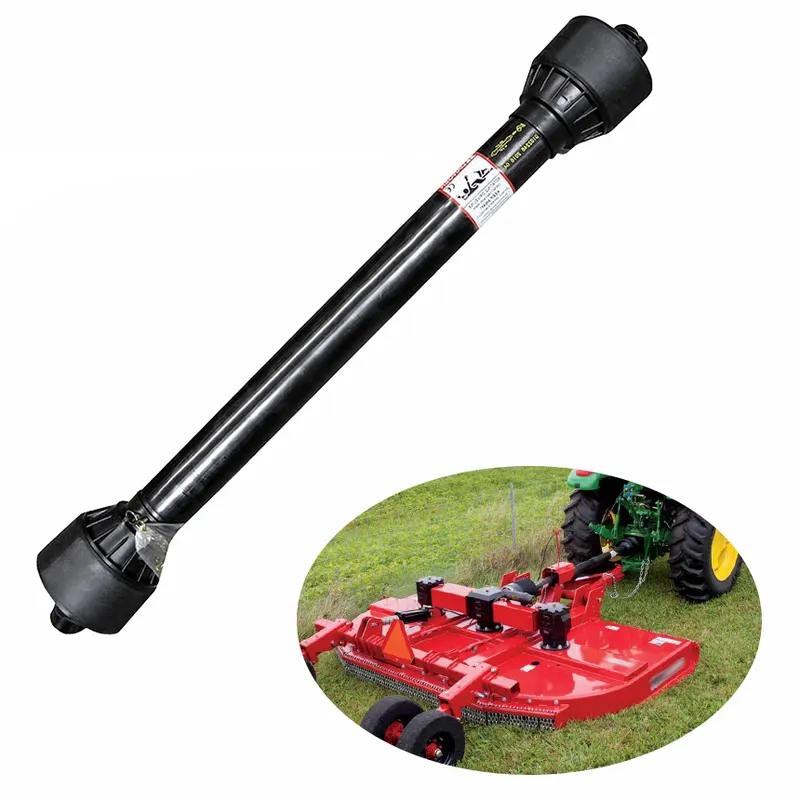
Il riduttore della falciatrice rotativa e l'albero cardanico costituiscono insieme il percorso di trasmissione meccanica completo tra il motore del trattore e le lame di taglio sotto il piatto di taglio. Comprendere questa relazione è fondamentale per chiunque selezioni, installi o effettui la manutenzione di questi componenti, sia che si tratti di acquistare un riduttore per falciatrice rotativa da 40 CV per un trattore compatto, sia di un riduttore per falciatrice rotativa da 100 CV per una grande falciatrice professionale.
L'albero della presa di forza (PTO) è un albero di trasmissione telescopico con giunti cardanici a entrambe le estremità che collega la flangia di uscita posteriore della PTO del trattore all'albero di ingresso del cambio. Gli standard per le prese di forza dei trattori prevedono che l'albero ruoti a 540 giri/minuto (tipicamente sui trattori con potenza inferiore a 50 CV) o a 1.000 giri/minuto (più comune sui trattori di potenza superiore), con la rotazione dell'albero nella direzione specificata dal costruttore del trattore. L'albero della PTO è protetto da uno schermo di sicurezza in plastica che impedisce il contatto con il gruppo rotante durante il funzionamento. Sia lo schermo che l'albero stesso devono essere sottoposti a una corretta manutenzione e devono essere compatibili con la capacità di coppia richiesta dall'attrezzo.
Il riduttore della falciatrice rotante si collega direttamente all'albero della presa di forza (PTO) del trattore, scendendo verticalmente fino alla barra porta-lame. Il riduttore e l'albero della PTO trasferiscono la potenza dalla presa di forza del trattore per far ruotare le pesanti lame della falciatrice sotto il piatto di taglio. Il riduttore è in grado di gestire gli elevati carichi d'urto che si generano quando le pesanti lame oscillanti colpiscono sterpaglie fitte, rocce o piccoli alberi alla velocità di esercizio. Questi urti generano picchi di coppia improvvisi, che possono essere molte volte superiori alla coppia media di esercizio, e l'alloggiamento del riduttore, la geometria dei denti degli ingranaggi e la selezione dei cuscinetti sono tutti progettati specificamente per assorbire e dissipare questi picchi senza guasti.
La lunghezza dell'albero della presa di forza (PTO) è fondamentale per una trasmissione di potenza sicura ed efficiente. Se l'albero è troppo corto, le sezioni telescopiche possono collassare completamente durante il sollevamento o l'abbassamento dell'attacco a tre punti dell'attrezzo, causando il disinnesto o la rottura dell'albero della PTO. Se è troppo lungo, l'albero può toccare il fondo nella sua posizione telescopica, impedendo all'attacco di sollevarsi completamente. La lunghezza corretta dell'albero si determina misurando le dimensioni in posizione compressa ed estesa per la specifica combinazione trattore-attrezzo e verificando che vi sia una sovrapposizione adeguata in entrambe le posizioni. La maggior parte dei produttori di attrezzi specifica una sovrapposizione minima dell'albero pari ad almeno un terzo della lunghezza compressa.
For optimum gearbox performance, the PTO driveshaft operating angle should be kept as small as possible during field operation. Excessive universal joint operating angles create velocity fluctuations in the driveshaft rotation that are transmitted as vibration and torque pulsation into the gearbox input shaft. These pulsations accelerate bearing wear, promote gear tooth surface fatigue, and increase noise levels. Setting up the implement so the driveshaft runs as straight as practicable between the PTO output and the gearbox input is one of the most effective and lowest-cost ways to extend gearbox service life considerably.
La protezione da sovraccarico tra l'albero della presa di forza e l'albero di ingresso del cambio è garantita da un bullone di sicurezza montato sull'albero di ingresso del cambio o da una frizione a slittamento integrata nell'albero di trasmissione della presa di forza. Il bullone di sicurezza utilizza un bullone in acciaio a bassa resistenza che si rompe a una coppia definita, interrompendo istantaneamente la trasmissione di potenza. La frizione a slittamento consente lo slittamento dell'albero di trasmissione a un limite di coppia preimpostato, fornendo una protezione continua senza la necessità di sostituire il bullone dopo ogni evento. CMN Transmission raccomanda di utilizzare sempre un dispositivo di protezione da sovraccarico adeguato e di non bypassare mai il bullone di sicurezza sostituendolo con uno di qualità superiore, poiché in tal caso il punto di rottura si sposta dal dispositivo di sicurezza ai componenti interni del cambio o all'albero della presa di forza del trattore.
L'ultimo controllo critico delle specifiche consiste nel verificare che la coppia nominale dell'albero della presa di forza (PTO) corrisponda alla coppia massima nominale del riduttore. Quando si selezionano i componenti del riduttore per la fresa rotativa, incluso un albero PTO di ricambio, è fondamentale verificare che la capacità di coppia indicata sull'albero sia pari o superiore alla coppia massima erogabile dalla RC-120 al rapporto di trasmissione selezionato. L'utilizzo di un albero PTO sottodimensionato su un riduttore per fresa rotativa da 60 CV o da 75 CV è una causa comune di rottura dell'albero, che mette a rischio sia le attrezzature che gli operatori durante le operazioni sul campo.
 |  |
Perché scegliere i riduttori per trinciatrici rotative di CMN Transmission?
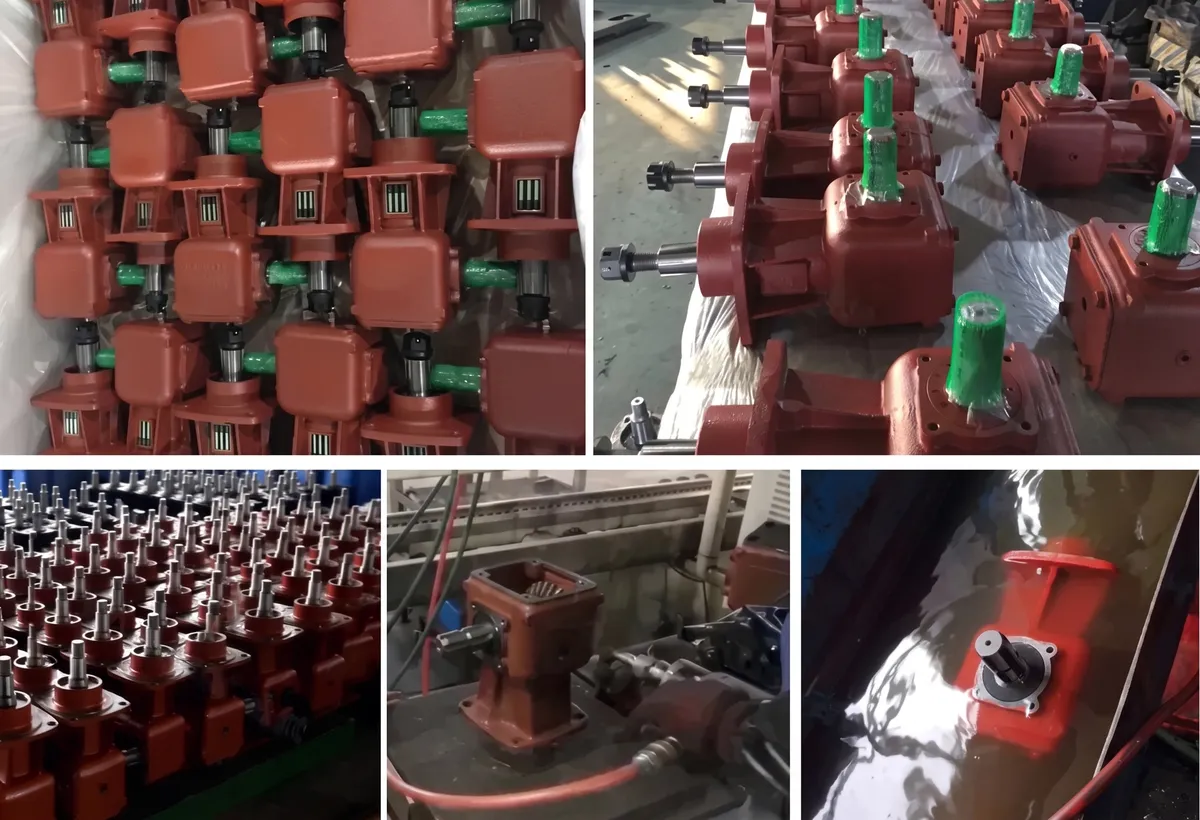
Korea CMN Transmission Co., Ltd. was established in 2000 and is headquartered in Sandan-o, Danwon-gu, Ansan-si, Gyeonggi-do, South Korea. With more than 100 factory employees dedicated to the research, development, manufacturing, sales, and after-sales service of agricultural power transmission equipment, CMN Transmission has spent over two decades building a reputation as one of the most trusted rotary cutter gearbox manufacturers in the global agricultural machinery industry. With an annual production volume exceeding 500,000 units, CMN consistently delivers reliable performance and long-term durability for OEM and aftermarket customers across every major agricultural market worldwide.
La gamma di prodotti CMN copre l'intero spettro delle applicazioni di riduttori agricoli: riduttori per trinciatrici rotative, riduttori per fresatrici rotative, riduttori per miscelatori di mangimi, riduttori per falciatrici rotative, riduttori per spandiconcime, riduttori per trinciatrici a flagelli, riduttori per trivellatrici per pali, riduttori per presse rotonde, riduttori per presse quadrate, riduttori per falciatrici a dischi, riduttori per irrigazione a pivot centrale, riduttori idraulici, riduttori per insilatiere, riduttori per irroratrici da frutteto, riduttori per rastrelli rotanti, riduttori per mietitrebbie, riduttori per stoccaggio e trasporto di cereali, riduttori per testate di raccolta del mais, riduttori per barre di taglio, riduttori per mangimi per pollame e riduttori agricoli personalizzati che coprono quasi mille specifiche. Questi prodotti servono attrezzature per la raccolta del grano, macchine per foraggio, falciatrici, presse, rastrelli, fresatrici rotative, spandiconcime, irroratrici, miscelatori di mangimi, macchine per insilati e mietitrebbie in tutto il mondo.
CMN Transmission holds CE, ISO 9001 Quality Management, Environmental Management, and Occupational Health and Safety certifications, giving procurement managers and equipment dealers the compliance documentation required for regulated markets without additional testing burden. Products are exported to the United States, Canada, Mexico, Brazil, Argentina, France, Germany, Italy, Spain, the United Kingdom, Russia, China, India, Thailand, Vietnam, Turkey, Australia, New Zealand, and more than 40 additional destinations worldwide, supported by a logistics network with extensive experience navigating agricultural equipment customs classifications and phytosanitary requirements in every major export market.
Domande frequenti
Q: What oil type and how much oil does the RC-120 rotary cutter gearbox require?
A: Il modello RC-120 ha una capacità di olio per ingranaggi di 60 once (1,8 litri). La maggior parte dei riduttori per frese rotative utilizza olio per ingranaggi SAE 90 o SAE 140, sebbene alcuni produttori raccomandino un olio per ingranaggi multigrado come l'80W-90. Verificare sempre le specifiche del produttore del riduttore ed evitare di miscelare diversi tipi di olio. Mantenere il corretto livello dell'olio nel riduttore della fresa rotativa è essenziale per prevenire il surriscaldamento e l'usura precoce. Controllare il livello dell'olio prima di ogni utilizzo e sostituirlo dopo le prime 25 ore di funzionamento su un'unità nuova, quindi ogni 100-200 ore di funzionamento successive.
Q: Is the RC-120 a direct replacement for the Omni RC-120 gearbox?
A: Yes. The CMN Transmission RC-120 Rotary Cutter Gearbox is designed as a direct bolt-on replacement for the original Omni RC-120 gearbox. It matches the OEM mounting bolt pattern, flange dimensions, input shaft spline specification, and output shaft dimensions. No modification, drilling, or custom adapters are required for installation. This replacement rotary cutter gearbox meets or exceeds OEM torque and HP ratings, so your implement performs at the same level as it did with the original gearbox.
Q: What does the rotary cutter gearbox ratio mean and which ratio should I choose?
A: Il rapporto di trasmissione del riduttore della falciatrice rotativa descrive la relazione tra la velocità dell'albero di ingresso (dalla presa di forza del trattore) e la velocità dell'albero di uscita (che aziona la lama). Un rapporto di 1:1 significa che l'uscita ruota alla stessa velocità dell'ingresso. Un rapporto di 1:1,92 significa che l'uscita ruota 1,92 volte più velocemente dell'ingresso, fornendo una maggiore velocità della punta della lama adatta per erba leggera e applicazioni con riduttori per tosaerba di finitura. Un rapporto di 1,21:1 fornisce una riduzione della velocità e un aumento della coppia, preferibile per sterpaglie fitte, vegetazione umida o terreni scoscesi. Selezionare il rapporto che meglio si adatta alla velocità della presa di forza del trattore e all'applicazione di taglio desiderata.
D: Come faccio a sapere se il riduttore della mia troncatrice rotante deve essere revisionato o sostituito?
A: Signs that a rotary cutter gearbox rebuild or replacement is needed include persistent grinding or growling noise that continues after correcting the oil level, visible gear oil leaks from shaft seal areas despite new seals, excessive output shaft end play beyond manufacturer tolerance, a bent or cracked housing, or complete loss of drive after replacing the shear bolt. If the internal gears show pitting, spalling, or chipped teeth on inspection, a full rotary cutter gearbox rebuild is required. In many cases, when the housing is cracked or heavily worn, purchasing a replacement RC-120 gearbox from CMN Transmission is more economical than a full internal rebuild.
Q: Can I use this gearbox on a 40 HP, 60 HP, 75 HP, or 100 HP tractor?
A: The RC-120 is rated for 51 to 161 HP, so it is appropriate for 60 HP, 75 HP, and 100 HP rotary cutter gearbox applications within that range. It is above the rated range for a 40 HP rotary cutter gearbox application, where a smaller RC-series model would be more suitable. Operating a gearbox below its rated HP does not cause damage, but selecting the correct HP rating ensures the gear tooth size, bearing capacity, and housing strength are properly matched to the load being transmitted. Contact CMN Transmission to confirm the correct model for your specific tractor HP and implement type before ordering.
Q: What causes rotary cutter gearbox oil leaks and how do I fix them?
A: Rotary cutter gearbox oil leaks most commonly originate from worn or hardened shaft oil seals, a blocked pressure relief plug causing internal overpressure, an over-filled oil level, or hairline cracks in the housing. To fix a shaft seal leak: drain the oil, remove the seal, clean the shaft and bore, press in a new triple-lip seal, refill to the correct oil level, and check that the pressure relief plug moves freely. For a cracked housing, consult a casting repair specialist or replace the gearbox. Always correct a seal leak before the next use to prevent contamination from entering and causing accelerated internal wear.
Q: What rotary cutter gearbox parts are available for the RC-120?
A: CMN Transmission offers a range of rotary cutter gearbox parts for the RC-120, including replacement seal kits (triple-lip shaft seals), tapered roller bearing sets, bevel gear pairs, input and output shaft assemblies, pressure relief plugs, and end cap gaskets. Blade hub kits and seal protector hubs are also available as optional accessories. When ordering replacement parts, always specify the model number and ratio of your gearbox to ensure compatibility. Keeping a basic seal kit and bearing set on hand reduces downtime when scheduled maintenance reveals worn components during the operating season.
Q: How long does delivery take and does CMN ship internationally?
A: CMN Transmission ships the RC-120 Rotary Cutter Gearbox to over 60 countries worldwide from its manufacturing facility in Ansan, South Korea. Delivery times vary by destination: express air freight typically delivers within 7 to 14 business days to major markets including the United States, Canada, the United Kingdom, Germany, France, Australia, and Brazil. Sea freight options are available for bulk orders at lower per-unit cost with longer lead times. CMN handles all export documentation, and units are supplied with CE certification. Contact the sales team for a freight quotation to your specific location and to confirm current stock availability.
Q: What is the difference between a rotary mower gearbox and a rotary cutter gearbox?
A: The terms rotary mower gearbox and rotary cutter gearbox are often used interchangeably in the agricultural industry, as both describe a bevel gear power transmission unit that drives rotating cutting blades on a PTO-powered tractor implement. The distinction, when it exists, is typically one of application weight: a rotary mower gearbox often refers to a unit used on lighter finishing mowers for turf and pasture maintenance, while a rotary cutter gearbox or rotary slasher gearbox implies a heavier-duty unit designed for brush clearing, roadside slashing, and rougher cutting conditions. The RC-120 covers both categories with its 51 to 161 HP rating and five available gear ratios.
Q: How do I find the correct rotary cutter gearbox for sale that fits my implement?
A: To identify the correct rotary cutter gearbox for your implement, you need: (1) the mounting flange bolt hole pattern diameter and number of bolts, (2) the hub pilot diameter, (3) the input shaft spline count and diameter (typically 1-3/8 inch or 1-3/4 inch 6-spline for agricultural PTO applications), (4) the output shaft dimensions and attachment interface, and (5) the HP or torque rating required by your implement. If your implement is an Omni RC-120 or equivalent, the CMN RC-120 is the confirmed direct replacement. For other models, share your implement make, model, and the dimensions listed above with the CMN technical team, who can confirm compatibility before you complete your order.
Q: Can I use synthetic gear oil in my rotary cutter gearbox?
A: Yes, synthetic gear oil can be used in the RC-120 if it meets the API GL-4 or GL-5 specification and the viscosity grade recommended for your operating temperature range. Synthetic oils generally provide better thermal stability at high operating temperatures, improved low-temperature flow for cold-start conditions, and longer drain intervals than conventional mineral gear oils. However, never mix synthetic and mineral gear oils in the same gearbox. If switching from mineral to synthetic, drain the old oil completely and flush with a small quantity of the new synthetic before filling to the full mark. Check the rotary cutter gearbox oil level after the first few hours of operation on the new fill to confirm correct level.
Recensioni dei clienti
Travis Holloway, Pasture Management, United States
"Gestisco circa 200 acri di terreno misto, tra pascoli e rive di torrenti, con un trattore John Deere da 90 CV. Il cambio originale del mio Rhino Cutter si è rotto dopo tre stagioni di utilizzo intensivo. Ho trovato questo ricambio RC-120 tramite CMN e, onestamente, non sapevo cosa aspettarmi da un ricambio aftermarket a questo prezzo. Beh, l'ho installato in circa un'ora usando lo stesso schema di foratura, senza forature, adattatori o altro. Lo sto usando intensamente da sei mesi, tra erba Bermuda fitta e cespugli lungo le rive dei torrenti, e non ho avuto il minimo problema. L'olio è pulito, non ci sono perdite e nessun rumore strano. Sono davvero impressionato. Ordinerò di nuovo quando sarà il momento."
Derek Fontaine, Vegetation Management, Canada
"Gestiamo un'azienda di sfalcio stradale in Ontario e consumiamo riduttori più velocemente della maggior parte delle altre. Abbiamo provato l'RC-120 di CMN circa un anno fa, su consiglio di un altro appaltatore. Due delle nostre macchine utilizzano ormai il riduttore di ricambio CMN da circa 350 ore ciascuna. Le guarnizioni sono ancora intatte, non c'è perdita d'olio ed entrambe funzionano con il rapporto di trasmissione 1:1,46, perfetto per il nostro Kubota da 100 CV, ideale per erba mista e sterpaglie leggere lungo le banchine stradali. Anche l'imballaggio proveniente dalla Corea era ottimo; nessun danno durante la spedizione, cosa che invece è stata un problema con altri fornitori. Il servizio clienti è stato rapido nel rispondere quando ho avuto una domanda sulla scelta del rapporto di trasmissione. Un prodotto e un fornitore davvero affidabili."
Rodrigo Alves Ferreira, Sugar Cane Operations, Brazil
"Ho acquistato questo riduttore per la mia azienda di coltivazione di canna da zucchero nello stato di San Paolo. Lo usiamo su un trattore da 75 CV per triturare i residui di canna dopo il raccolto e gestisce bene il carico. Il rapporto di trasmissione 1:1,21 ci fornisce la coppia necessaria senza sovraccaricare il trattore. La spedizione in Brasile ha richiesto circa 3 settimane, il che è normale per le merci importate, e la dogana non ha creato problemi. L'unico motivo per cui non ho dato cinque stelle è che ho dovuto procurarmi l'olio per il riduttore localmente, dato che non era incluso, cosa normale ma vale la pena menzionarla. Per il resto, l'acquisto è stato ottimo e lo ricomprerei senza esitazione. Il team di CMN ha risposto alle mie domande pre-vendita sulle dimensioni dell'albero in modo molto chiaro e rapido."
Klaus-Dieter Brandt, Farm Machinery, Germany
"Utilizziamo il riduttore RC-120 sulla nostra trinciatrice a flagelli con un trattore da 120 CV, principalmente per la pacciamatura dei margini dei campi e del sottobosco delle siepi. In termini di qualità, il riduttore fa un'ottima impressione; il carter in ghisa sferoidale è ben realizzato e le guarnizioni si adattano perfettamente. Nessuna perdita d'olio dopo la prima stagione, nessun rumore, niente di niente. Inizialmente ero preoccupato per via del produttore coreano, ma CMN ha chiaramente superato le mie aspettative. La comunicazione in inglese è stata semplice e la consegna in Germania ha richiesto 12 giorni lavorativi tramite DHL Express. Altamente raccomandato a chiunque cerchi un riduttore di ricambio affidabile."
Brendan Carrick, Pasture Maintenance, Australia
"Gestisco circa 400 ettari di pascoli ovini nel Nuovo Galles del Sud e la manutenzione dei pascoli non si ferma mai. Il mio cambio originale su una trinciatrice McConnel si è rotto a metà stagione, proprio quando ne avevo più bisogno. CMN aveva il modello RC-120 disponibile immediatamente e il loro team di assistenza ha confermato che le specifiche corrispondevano alla mia unità prima che lo ordinassi. È arrivato in 10 giorni lavorativi, più velocemente di quanto mi aspettassi per una consegna in una zona rurale del Nuovo Galles del Sud. Il montaggio ha richiesto meno di un'ora. Sono passati 8 mesi e da allora ho accumulato circa 180 ore di funzionamento su qualsiasi tipo di terreno, dal kikuyu asciutto alla segale bagnata. L'innesto delle marce è fluido, non c'è gioco nell'albero di uscita e le guarnizioni resistono perfettamente anche nelle condizioni polverose dei pascoli."
Hernan Gomez Vargas, Sugar Cane Farm, Colombia
"Ho acquistato l'RC-120 per sostituire il riduttore originale della mia mietitrice rotativa che utilizziamo nella piantagione di canna da zucchero a Tolima. Lo stiamo usando a pieno regime da 4 mesi e finora non abbiamo avuto alcun problema. L'abbiamo installato noi stessi seguendo le istruzioni che CMN ci ha inviato via e-mail. Ho apprezzato molto la rapidità con cui il team di vendita ha risposto alle mie domande via e-mail e ha confermato la compatibilità del modello con la mia macchina prima che effettuassi l'ordine. La spedizione in Colombia ha richiesto 3 settimane, il che è accettabile. Il prezzo è molto competitivo per la qualità offerta. Ho già consigliato il prodotto ad altri agricoltori della regione."
Simon Partridge, Roads Maintenance, United Kingdom
"Lavoro per un ente locale che si occupa della manutenzione stradale nel Lincolnshire e gestiamo circa 600 km di banchine stradali rurali ogni anno. Negli ultimi due anni abbiamo standardizzato il nostro parco macchine per la manutenzione delle trinciatrici montate su trattore con il modello RC-120 di CMN. Delle 11 unità acquistate finora, nessuna ha mai richiesto un intervento in garanzia. La costanza qualitativa tra i diversi lotti è un aspetto che abbiamo testato specificamente prima di affidarci a questo fornitore per un'ampia fornitura, e CMN ha superato la prova. Anche la documentazione per l'esportazione e la certificazione CE erano complete e corrette fin dalla prima richiesta, un fattore di enorme importanza per il nostro processo di approvvigionamento. A qualsiasi ente locale o impresa edile alla ricerca di fornitori affidabili di riduttori per trinciatrici rotative, consiglierei CMN senza esitazione."
Manuel Diaz Moreno, Sunflower and Cereal Stubble, Spain
"Lavoro con le trinciatrici rotative in Andalusia da molti anni e ho sempre cercato ricambi di qualità a un prezzo ragionevole. L'RC-120 di CMN Transmission è proprio quello che cercavo. L'abbiamo montato su una trinciatrice da 90 cavalli per ripulire le stoppie di girasole e cereali dopo il raccolto. Il rapporto 1:1,92 è perfetto per questo tipo di lavoro. La finitura del corpo è ottima, le guarnizioni sono ben regolate in fabbrica e non ha perso olio nelle prime 120 ore di utilizzo. Il servizio di assistenza tecnica di CMN ha risolto un nostro dubbio sul livello dell'olio corretto in meno di due ore via e-mail. Molto soddisfatto dell'acquisto e del servizio ricevuto dal team di vendita."
Suresh Patel, Cutting Paddy and Wheat Stalk, India
"Nella nostra azienda agricola utilizziamo questo riduttore RC-120 su una falciatrice rotativa con un trattore da 60 CV, che usiamo per tagliare gli steli di riso e l'erba. Il riduttore è stato piuttosto facile da installare e il team di CMN ha risposto a tutte le nostre domande durante l'intero processo. Non abbiamo avuto problemi nei primi tre mesi. Il nostro vecchio riduttore si è rotto dopo due stagioni; vista la qualità di questo nuovo, sembra che durerà di più. Consiglierei CMN. Anche l'imballaggio era ottimo, non c'erano danni e i tempi di consegna sono stati ragionevoli."
Informazioni aggiuntive
| A cura di | Yjx |
|---|
Prodotti correlati
-
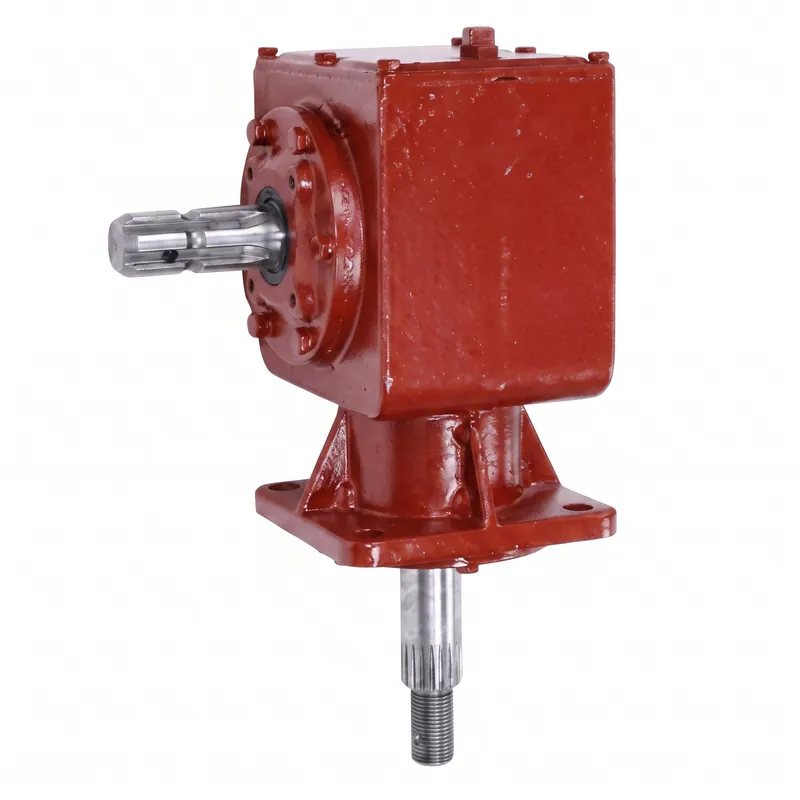
Ricambio per riduttore della troncatrice rotativa RC-27 per il riduttore Omni RC-27
-
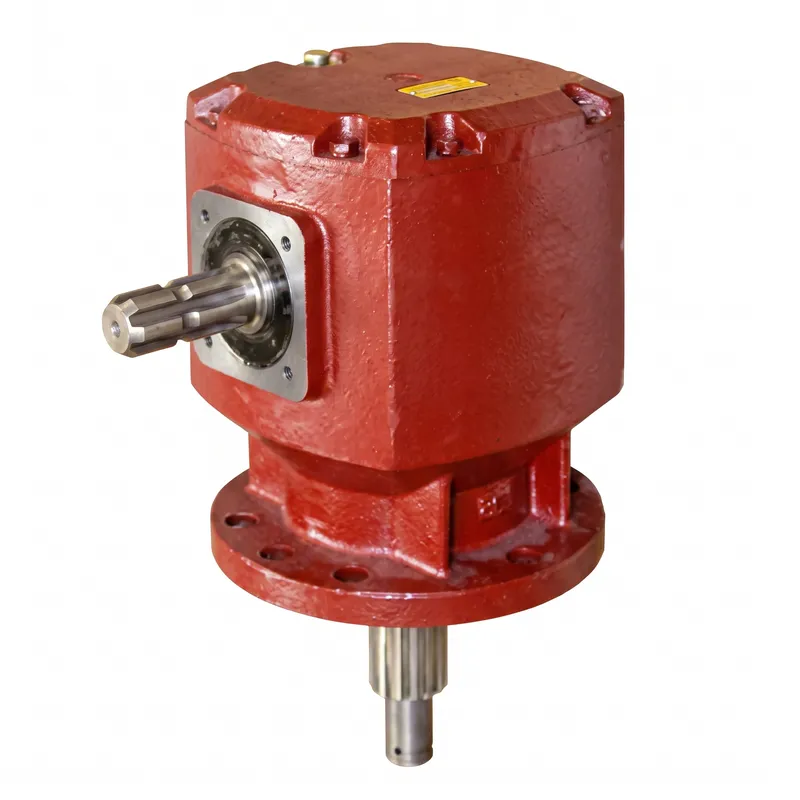
Ricambio per riduttore della troncatrice rotativa RC-100 per il riduttore Omni RC-100
-
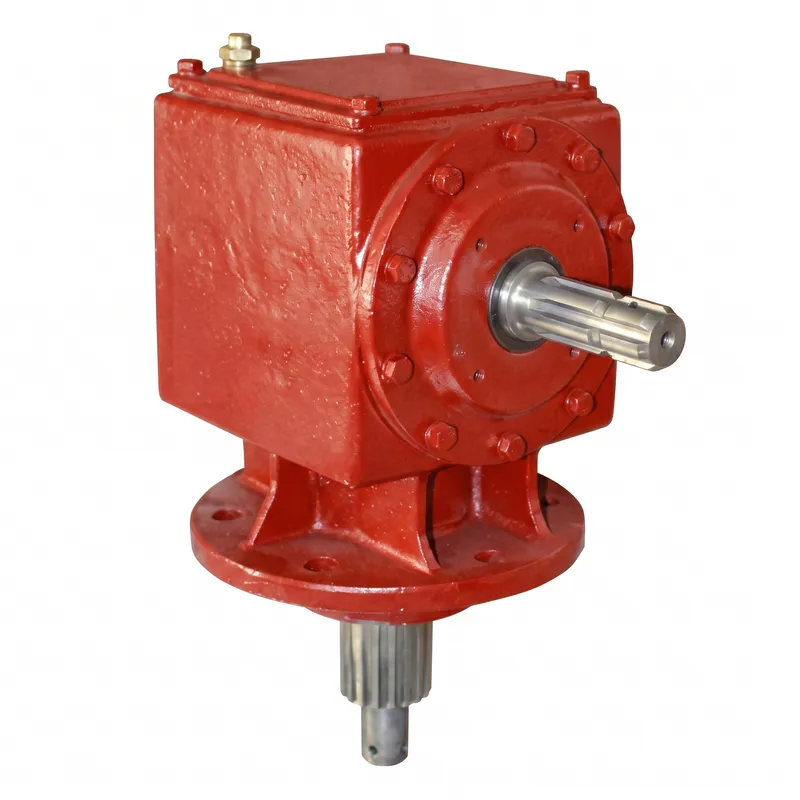
Ricambio per riduttore della troncatrice rotativa RC-130 per il riduttore Omni RC-130
-
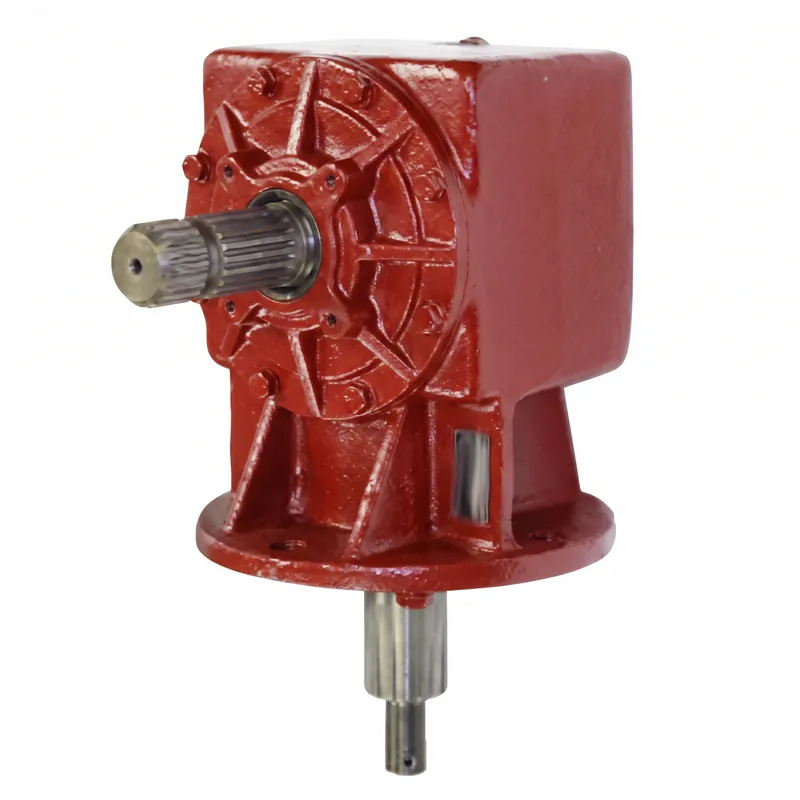
Ricambio per riduttore della troncatrice rotativa RC-71 per il riduttore Omni RC-71
-
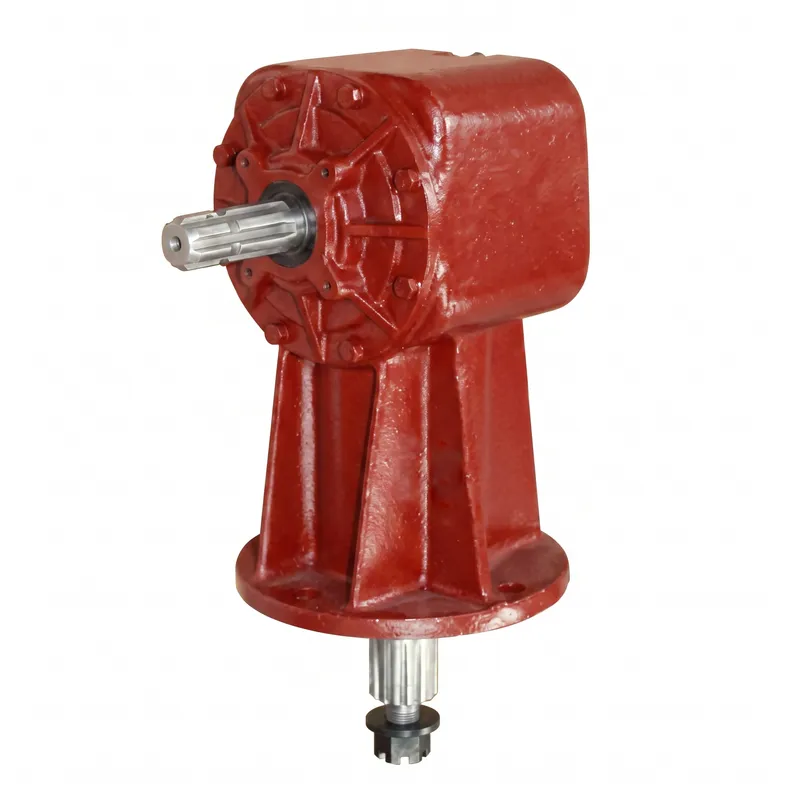
Ricambio per riduttore della troncatrice rotativa RC-81 per il riduttore Omni RC-81