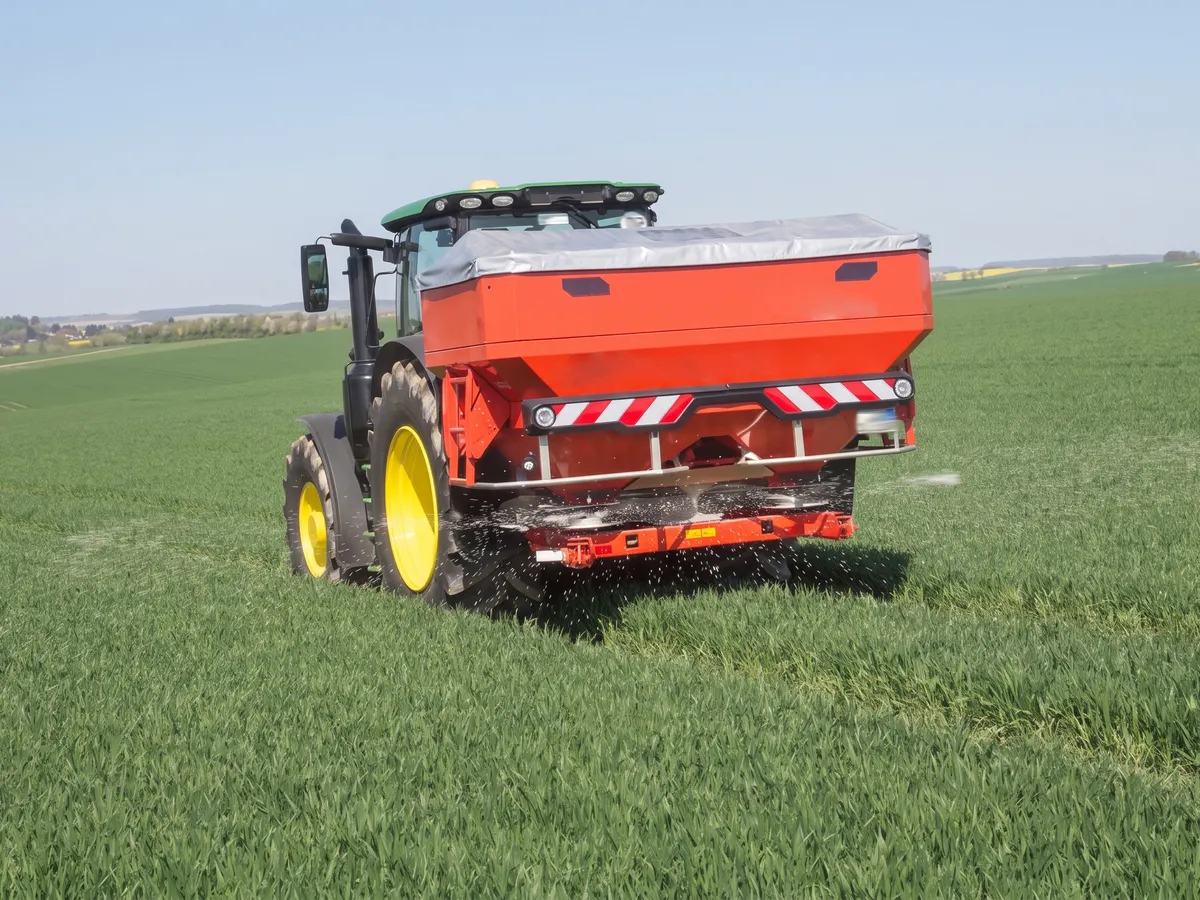
Hộp số máy rải phân bón
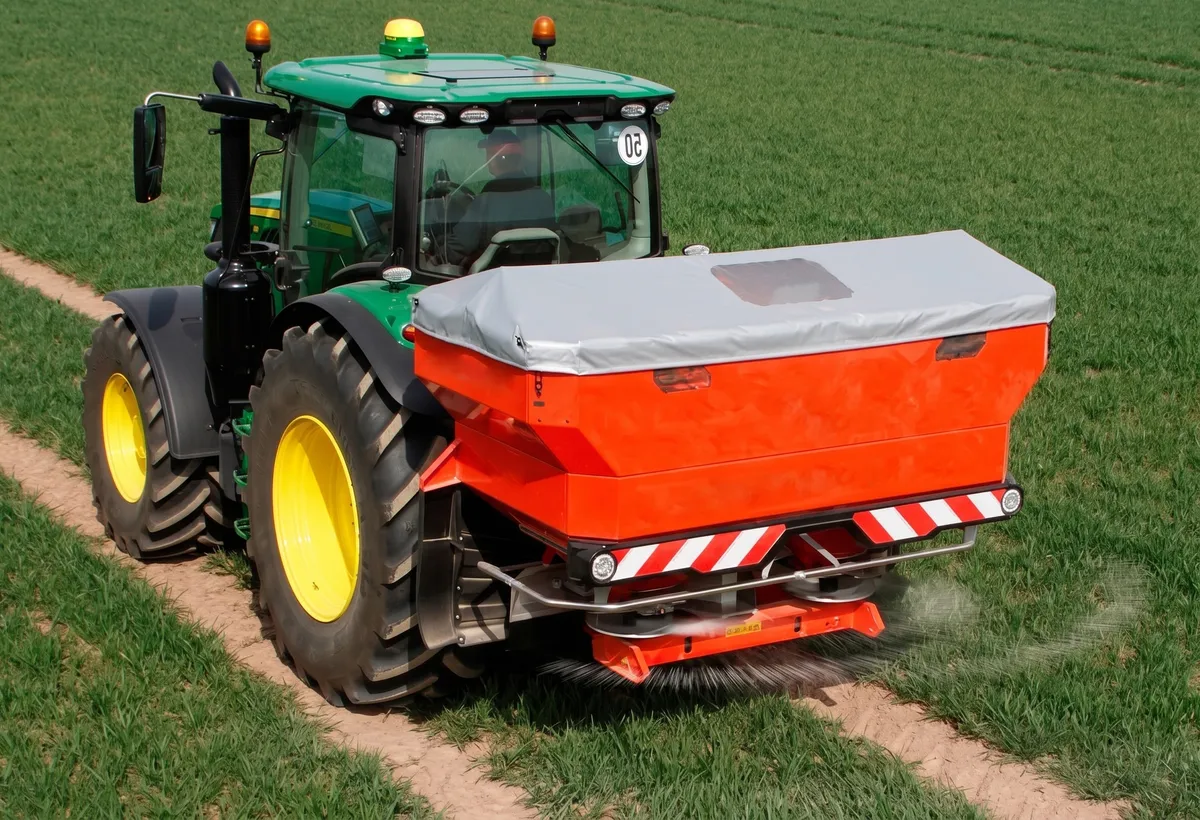
Hộp số máy rải phân bón, còn được gọi là hộp số phân phối phân bón, là một bộ phận thiết yếu của máy móc nông nghiệp, được thiết kế đặc biệt cho các công việc như chuẩn bị đất, xử lý cây trồng và rải phân bón. Nằm ở trung tâm của máy, nó truyền lực từ trục truyền động (PTO) của máy kéo đến các đĩa quay hoặc trục xoắn để phân phối phân bón đều khắp cánh đồng.
Mô hình hộp số góc có thể thay thế
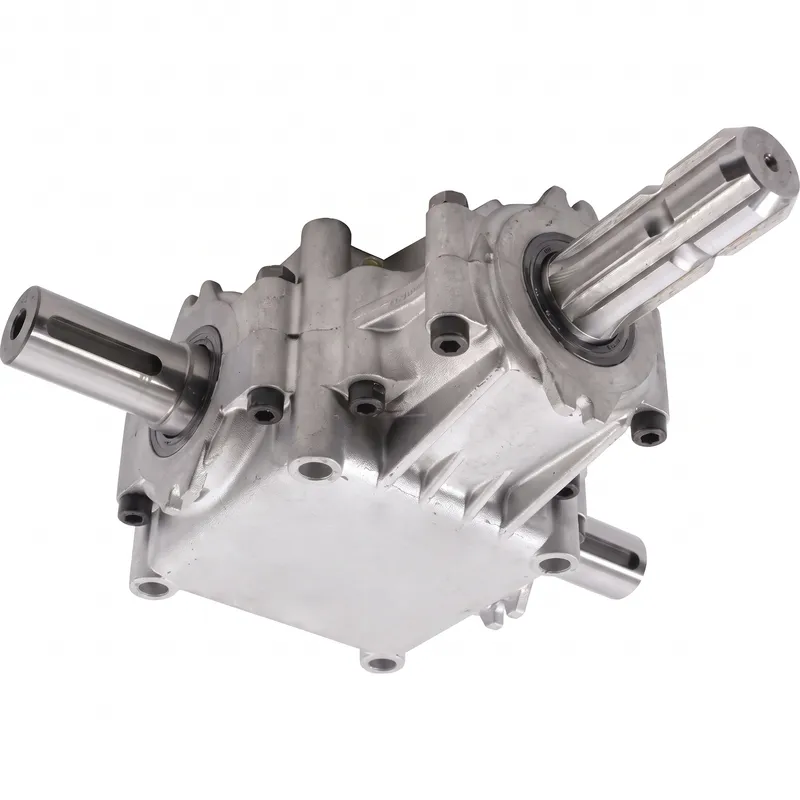
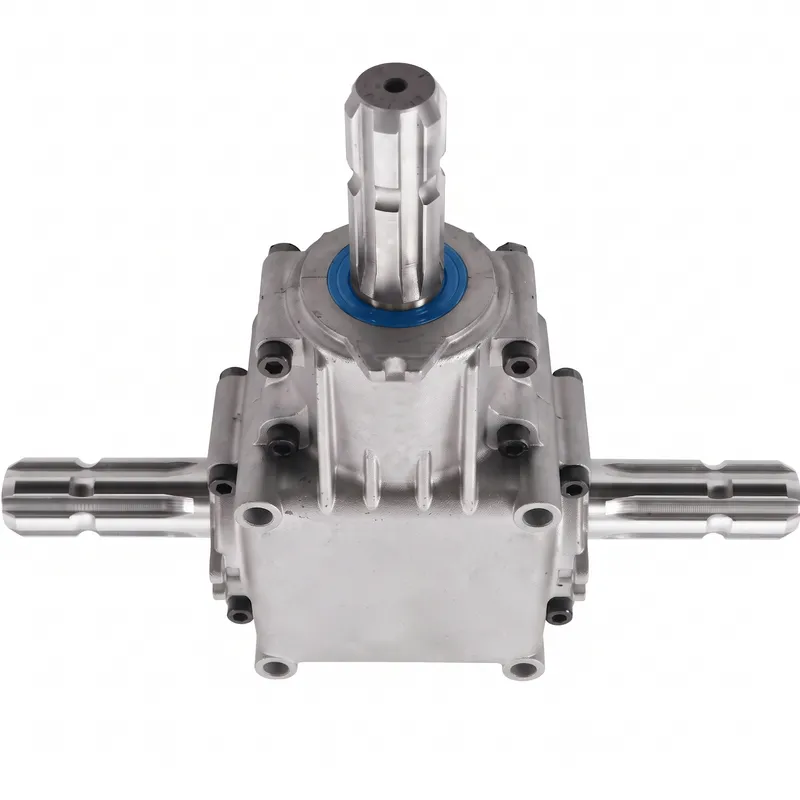
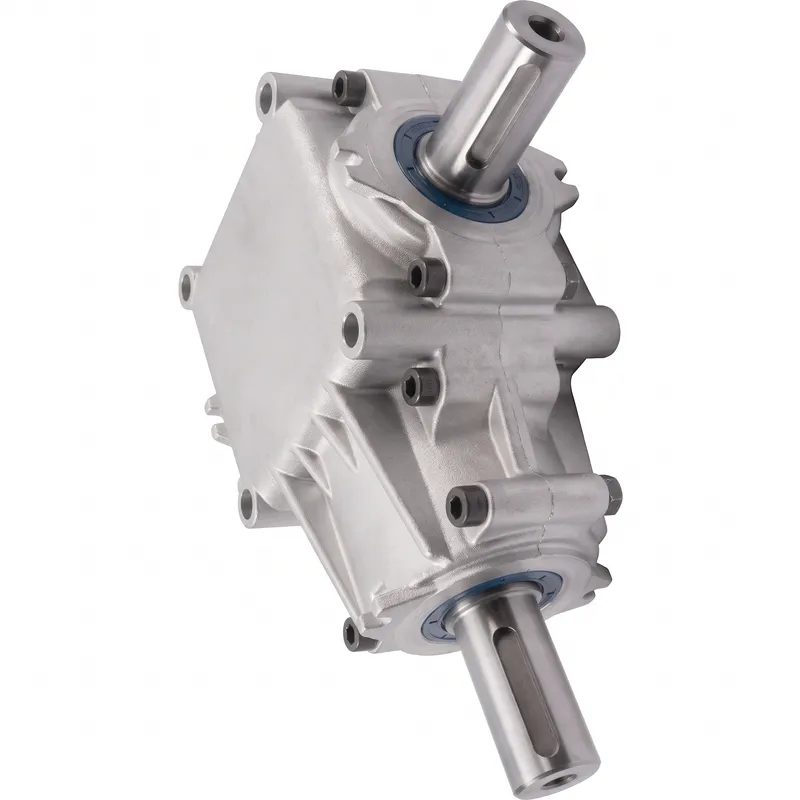
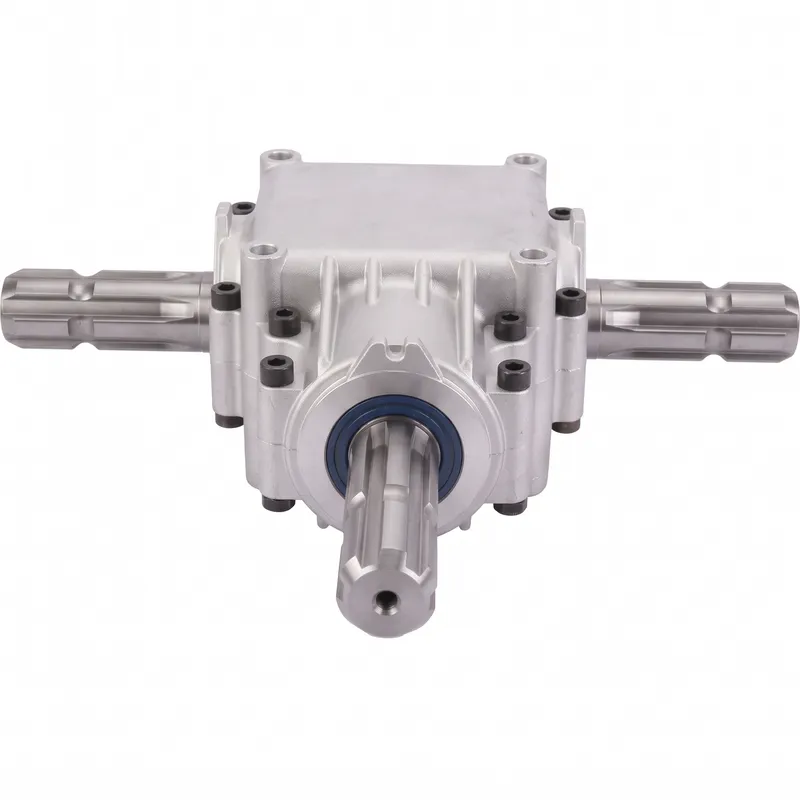
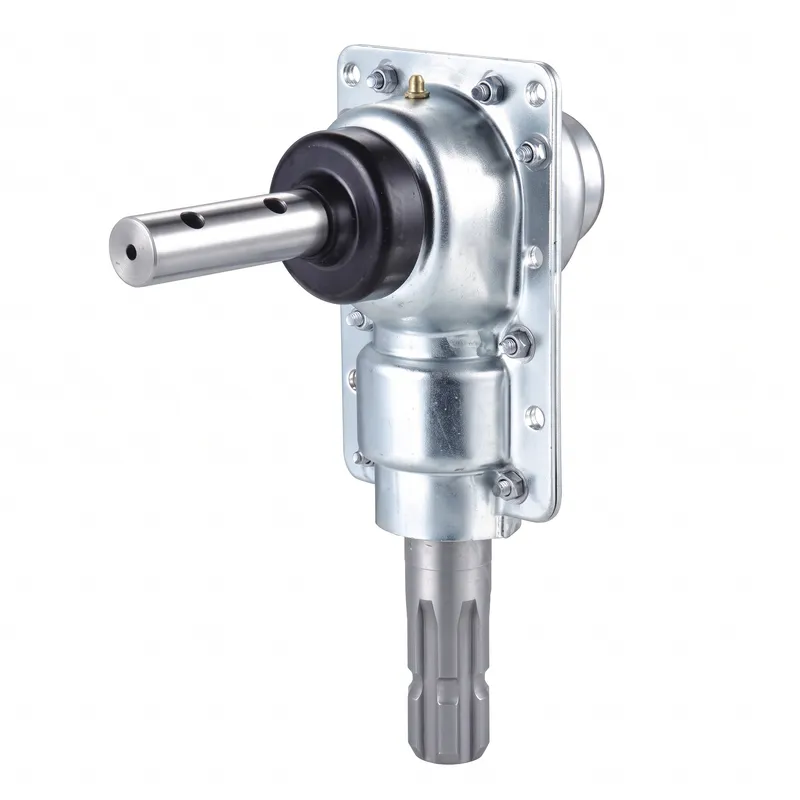
Các mẫu hộp số máy rải phân bón của chúng tôi, bao gồm L-25A, L-25J, T-281A và T-281J, hoàn toàn tương thích và là sản phẩm thay thế trực tiếp cho dòng sản phẩm Comer tương ứng, với kích thước và thông số lắp đặt giống hệt nhau, cho phép lắp đặt dễ dàng mà không cần bất kỳ sửa đổi nào. Được thiết kế cho các ứng dụng nông nghiệp đòi hỏi khắt khe, các hộp số này được sử dụng rộng rãi trong máy rải phân bón kéo theo và gắn trên máy móc, máy rải vôi, máy rải muối và cát, và máy phân phối phân hữu cơ, cung cấp khả năng truyền tải năng lượng đáng tin cậy trên các trang trại nhỏ, cánh đồng trồng trọt quy mô lớn, quản lý thảm cỏ và các hoạt động bảo trì đường bộ.
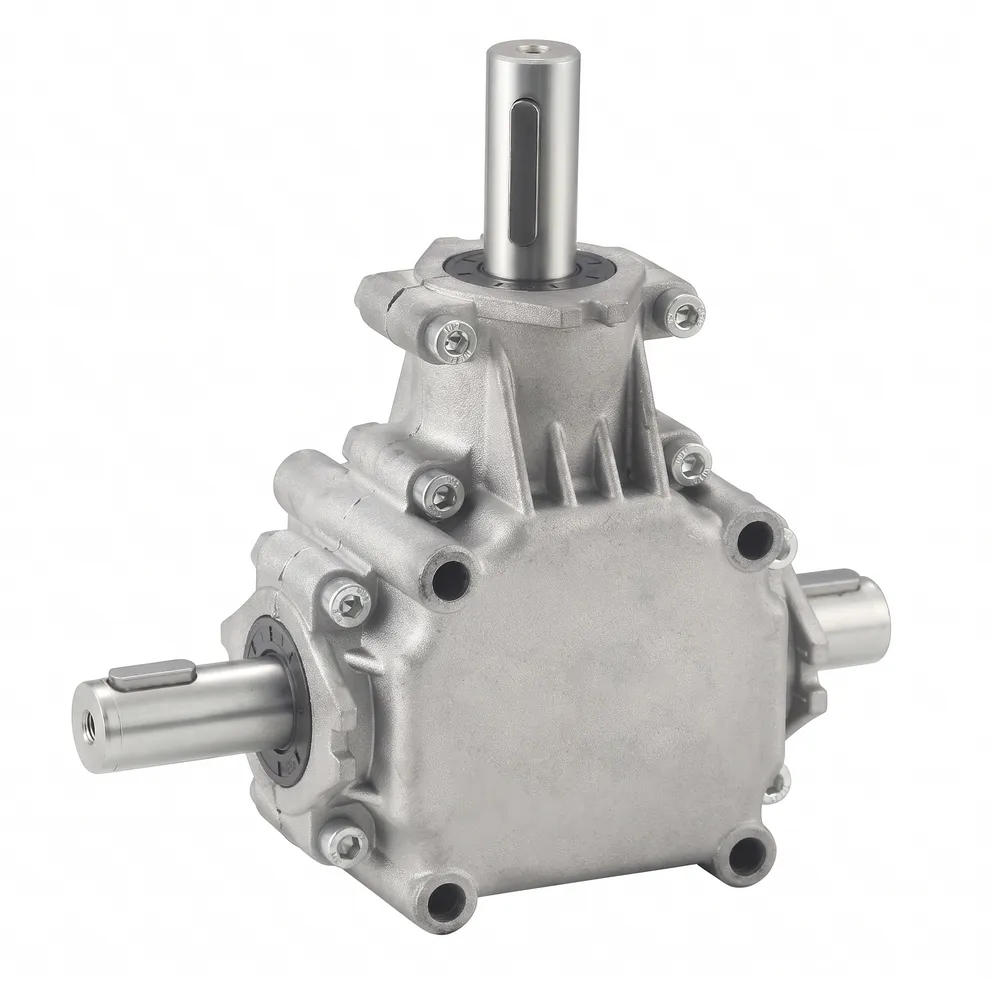
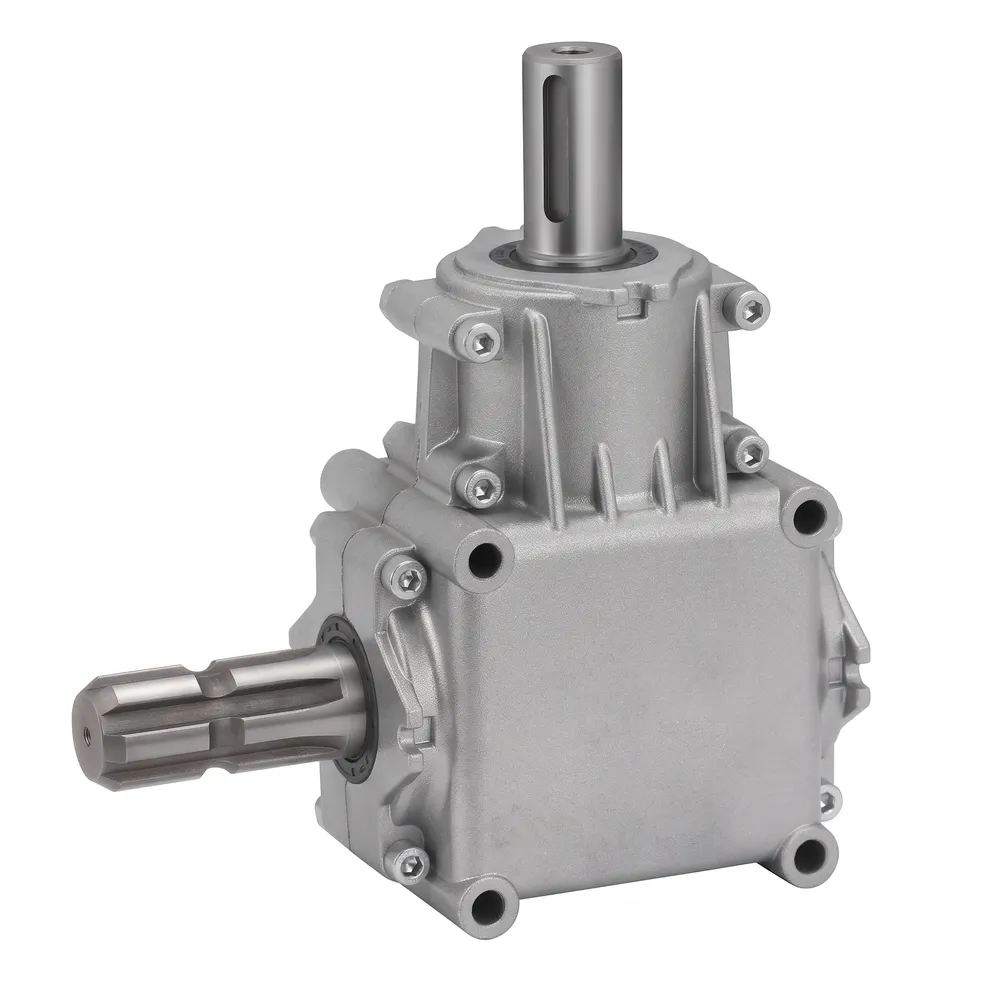
Hộp số máy rải phân bón L-25A
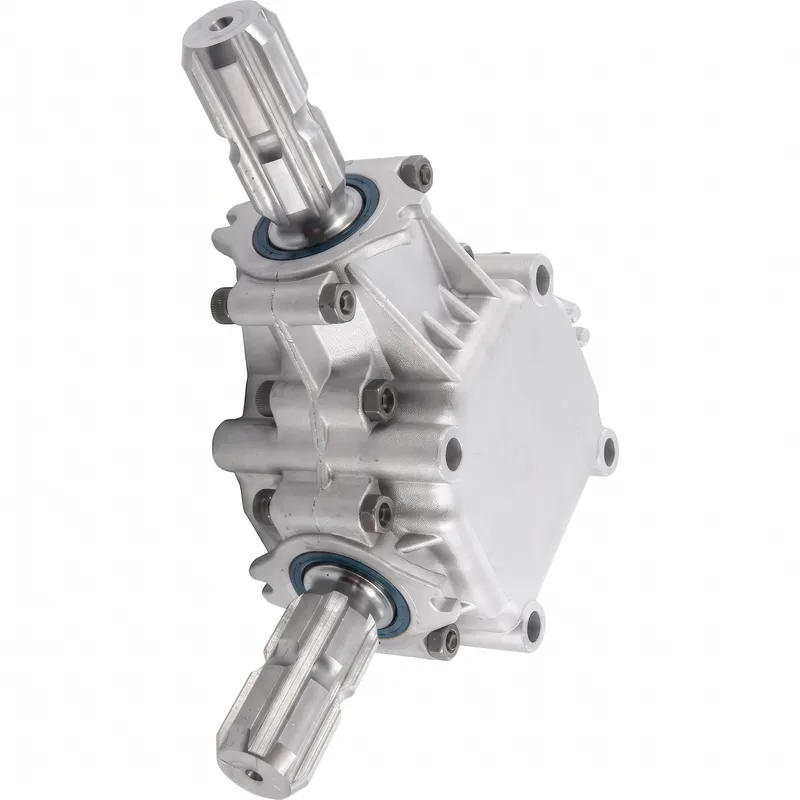
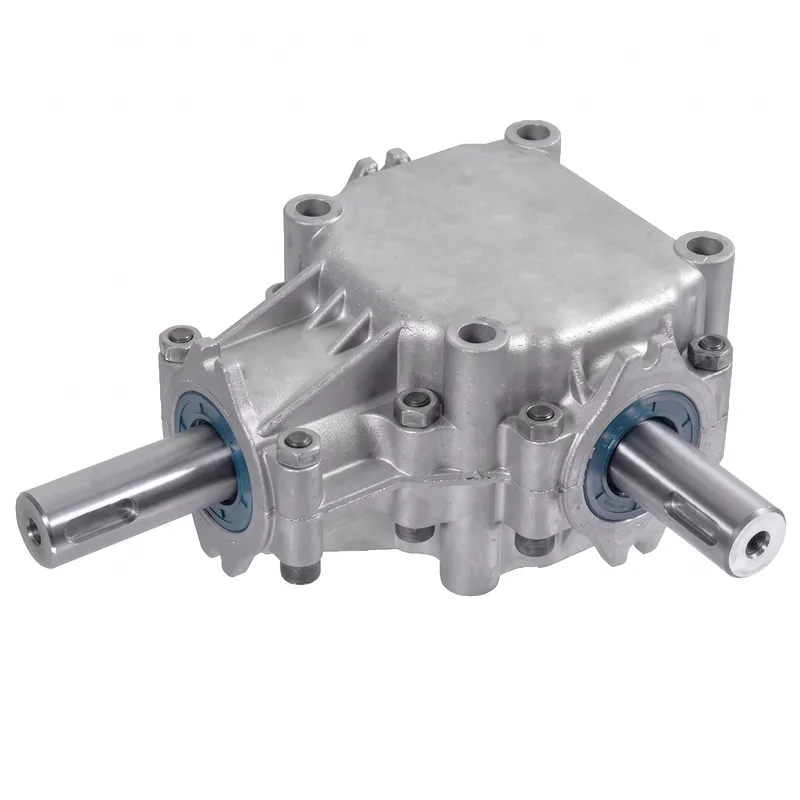
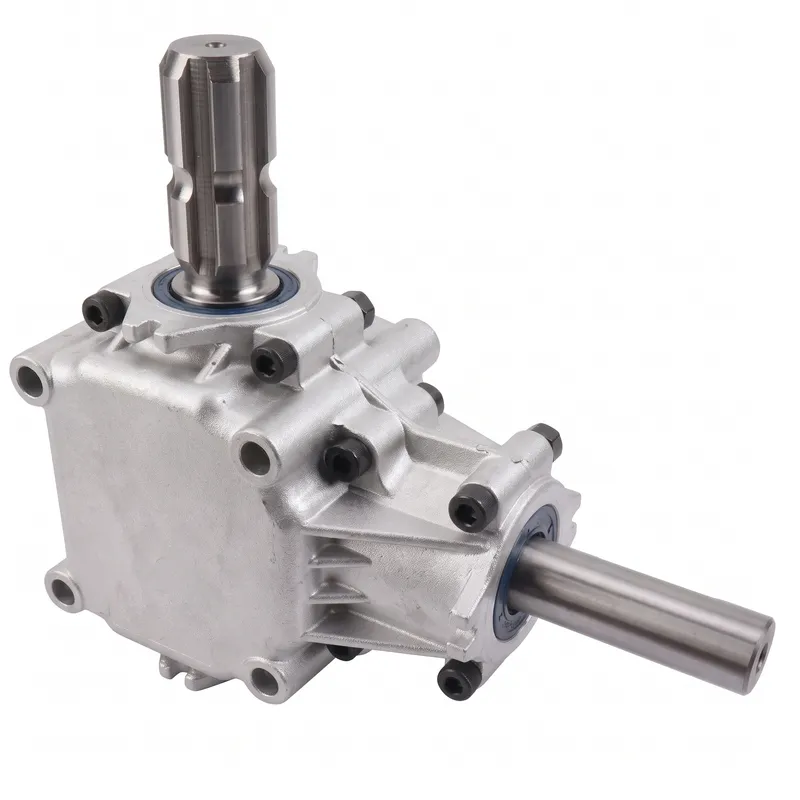
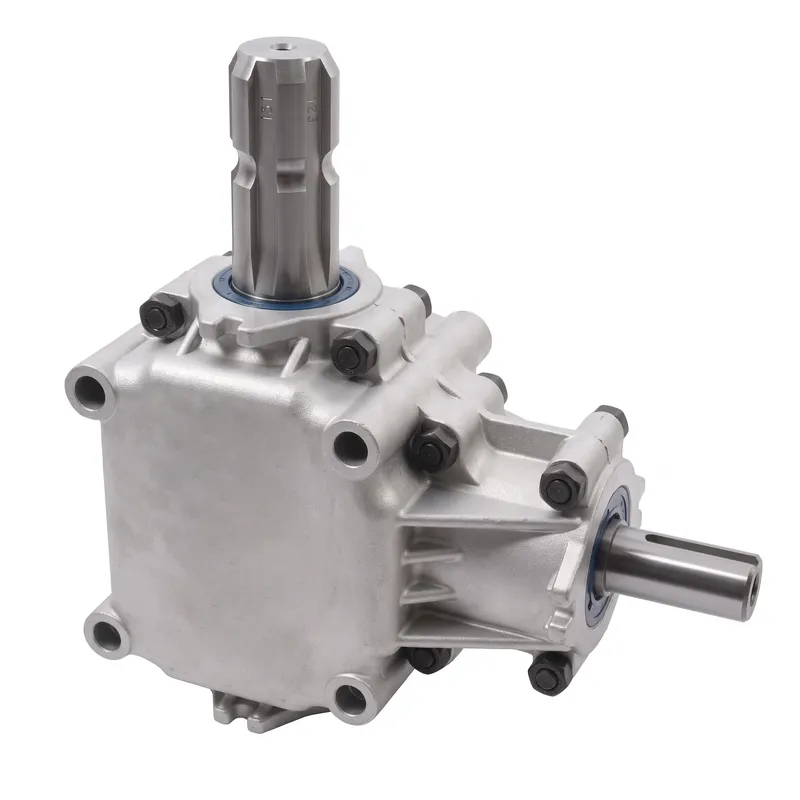
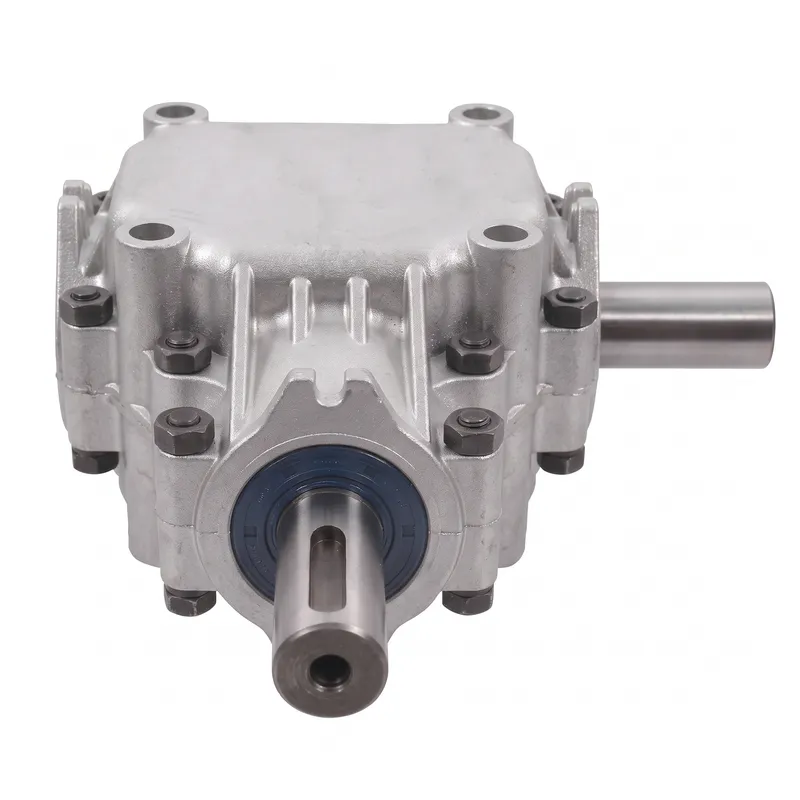
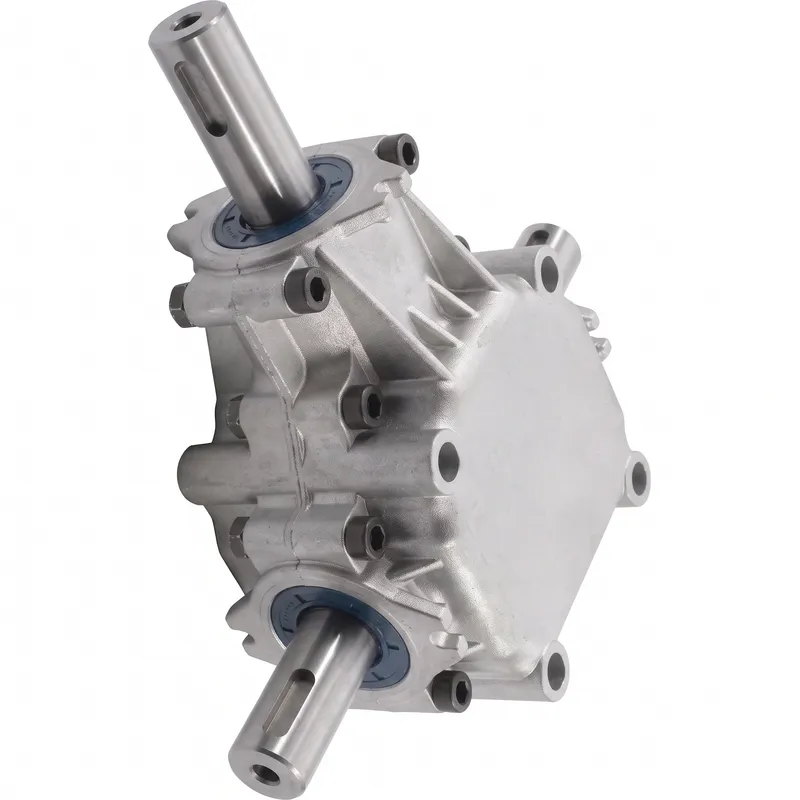
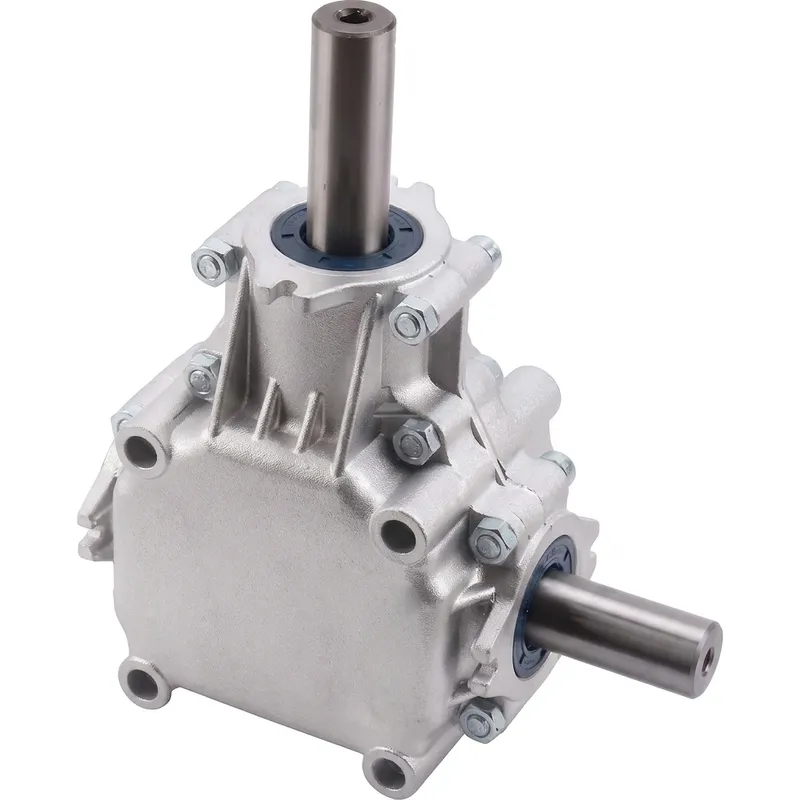
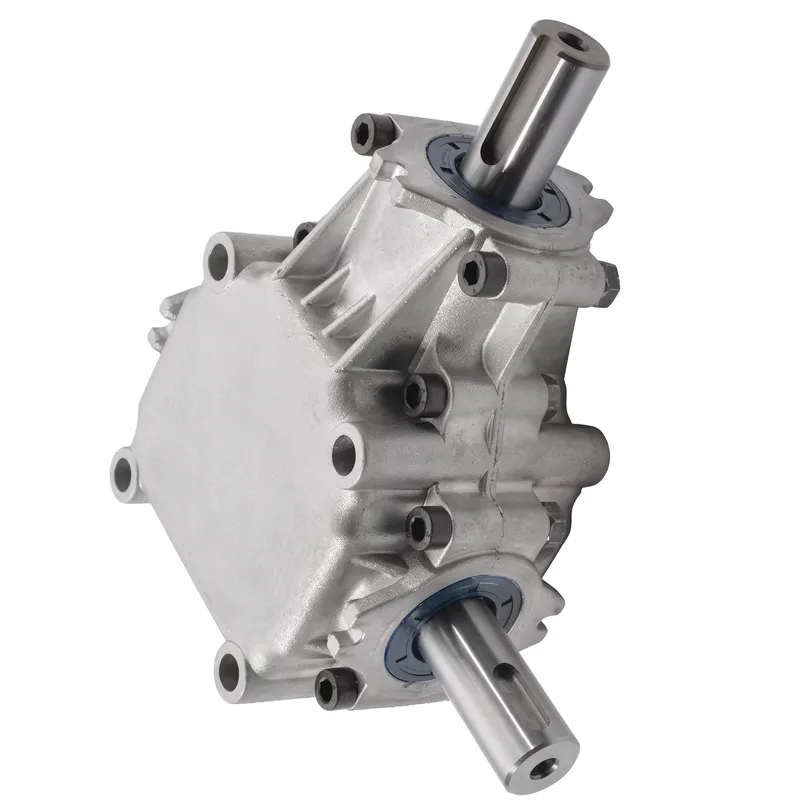
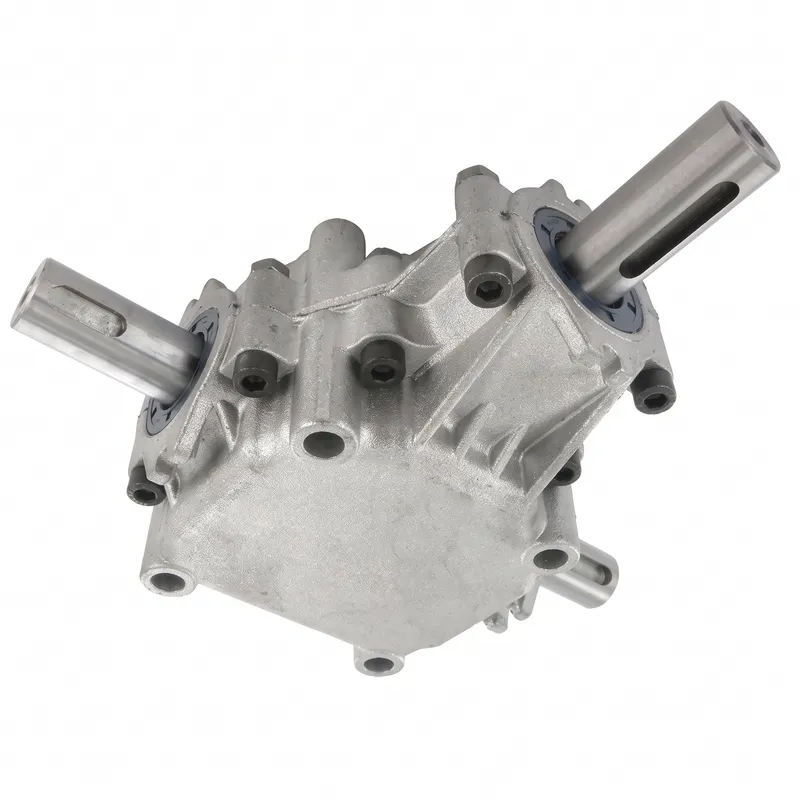
Hộp số máy rải phân bón T-281A
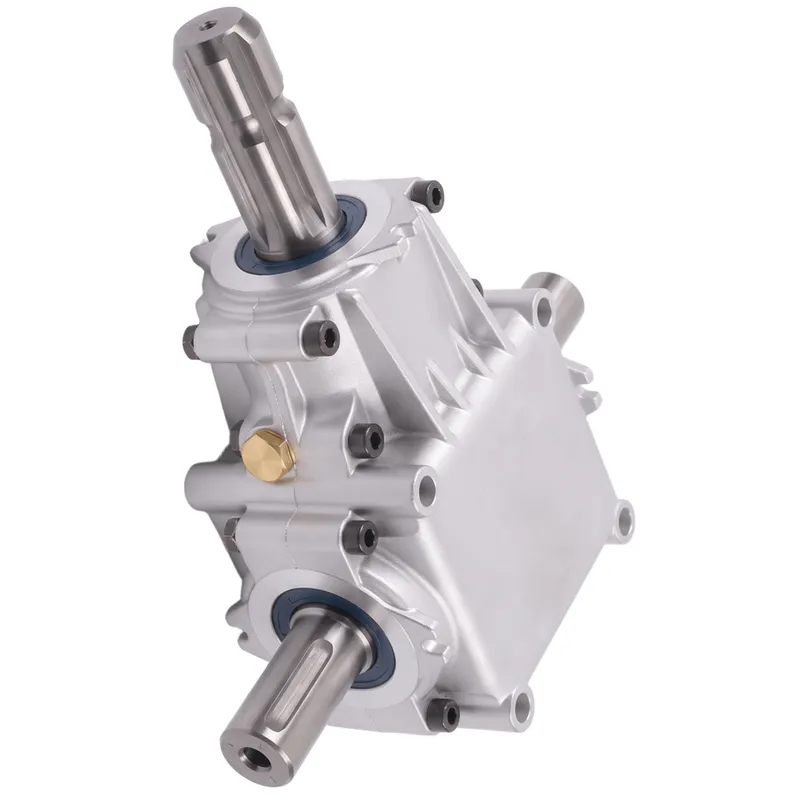
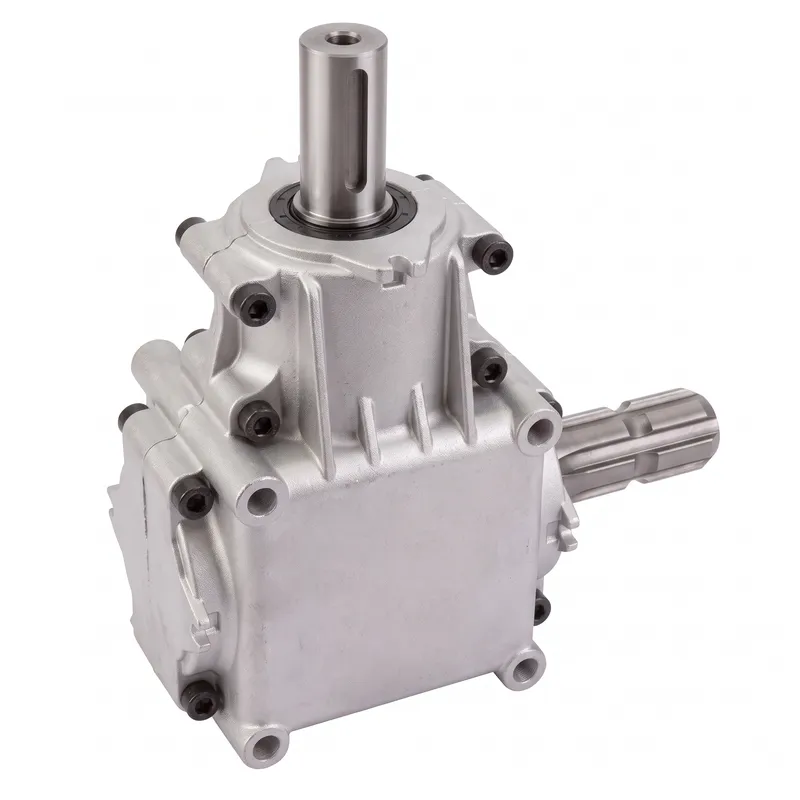
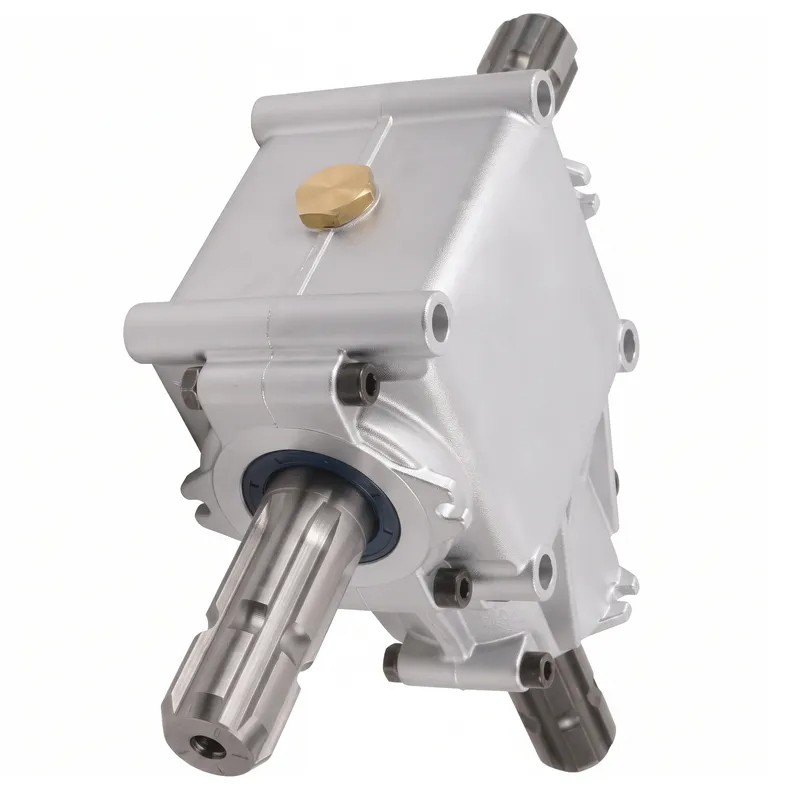
Hộp số máy rải phân bón L-25J
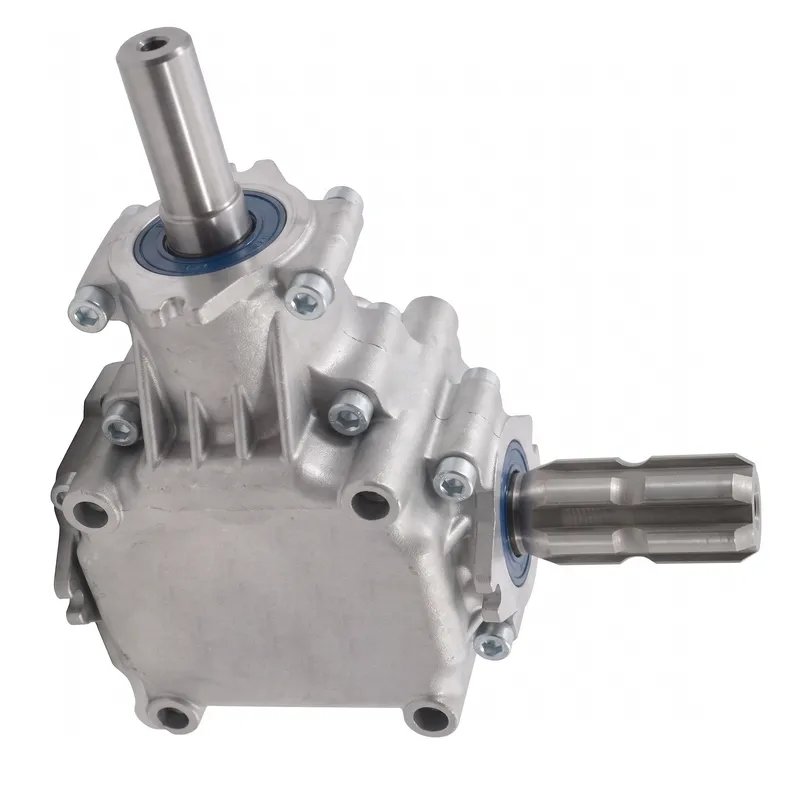
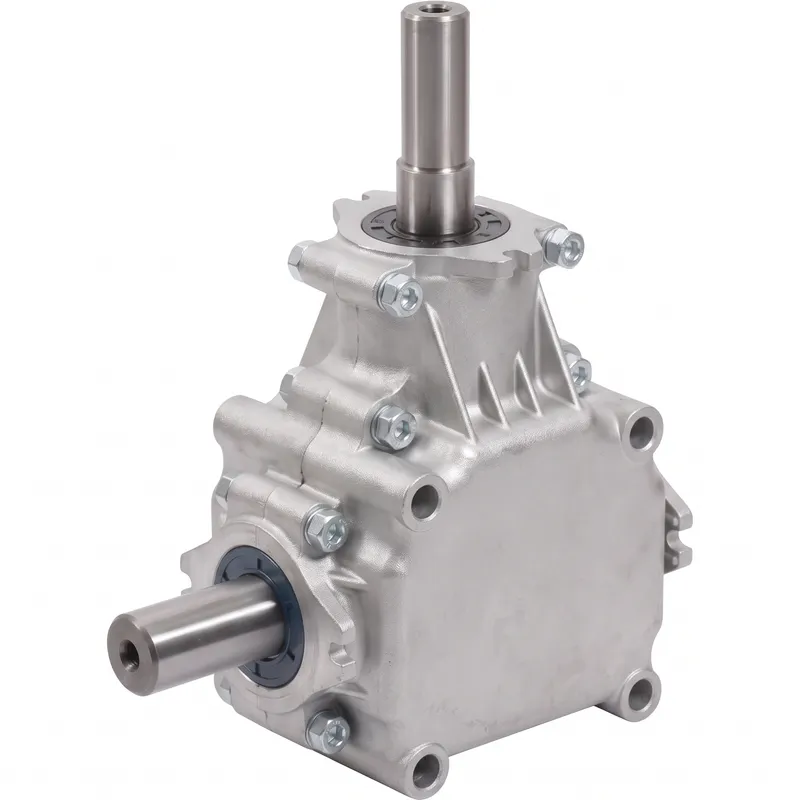
Các mẫu hộp số máy rải phân bón khác
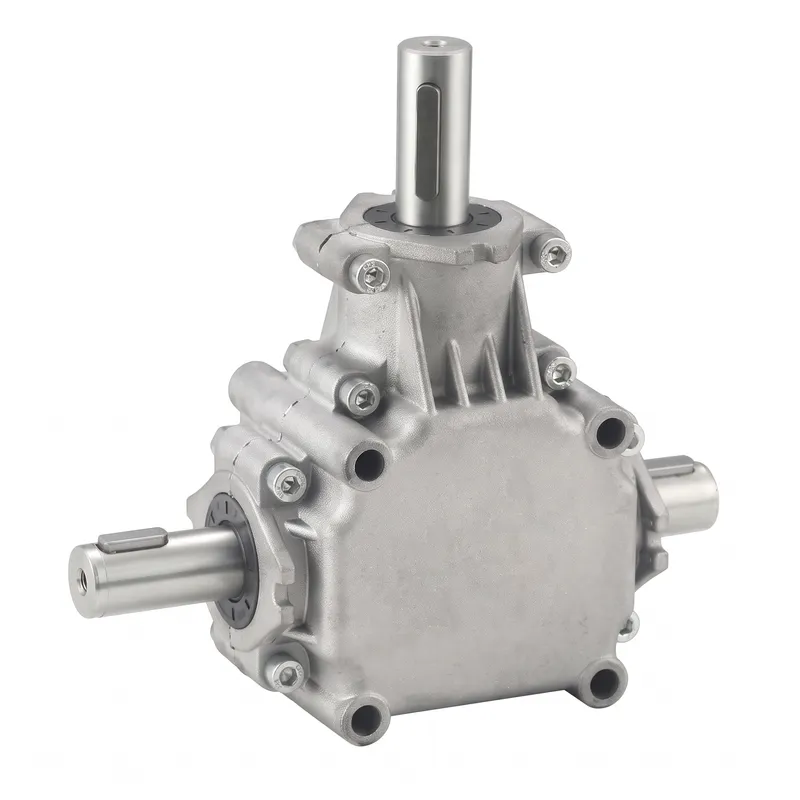
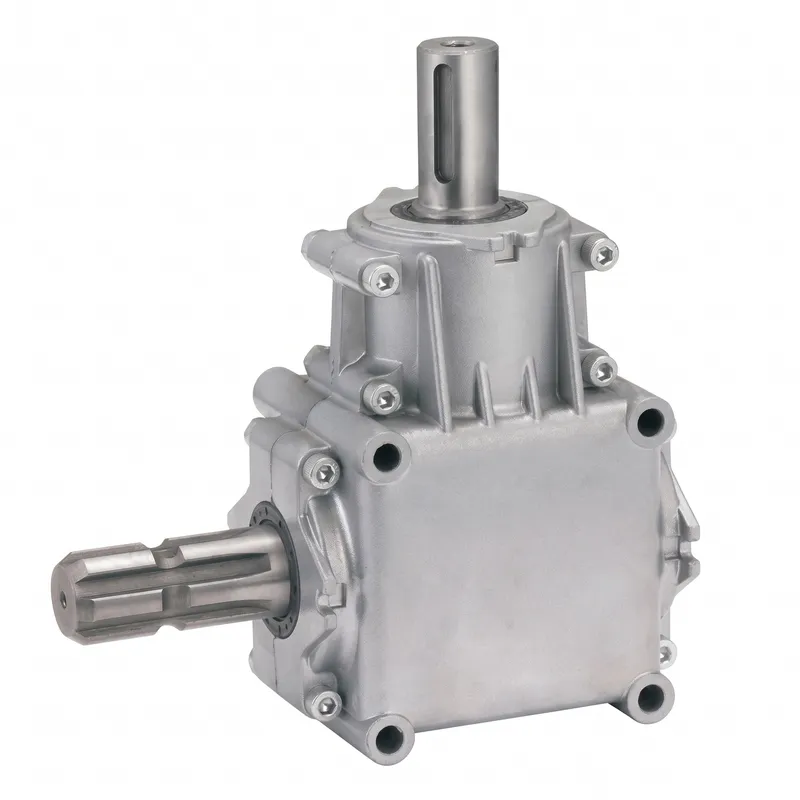
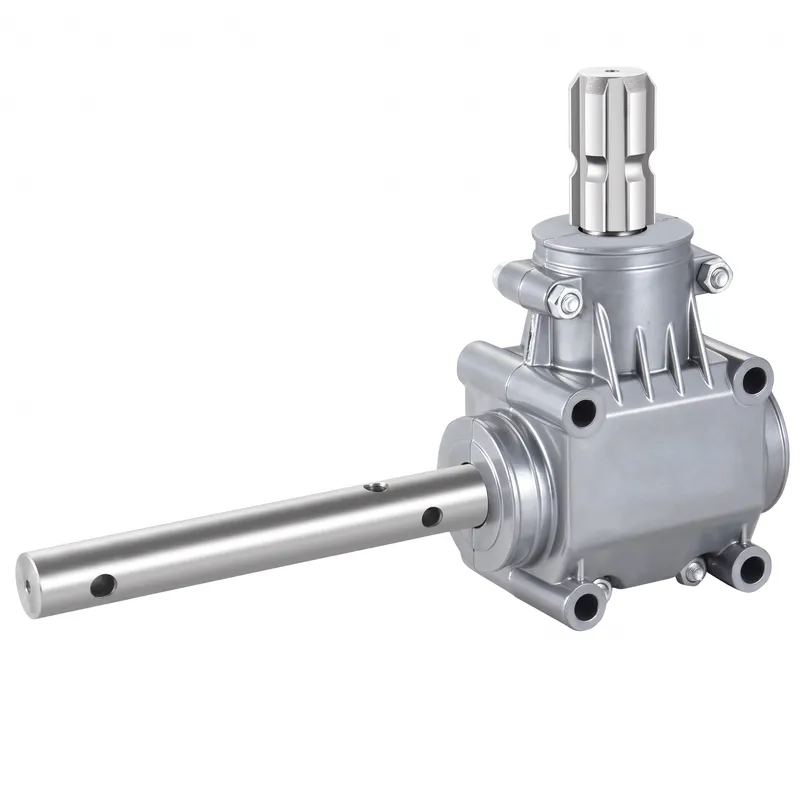
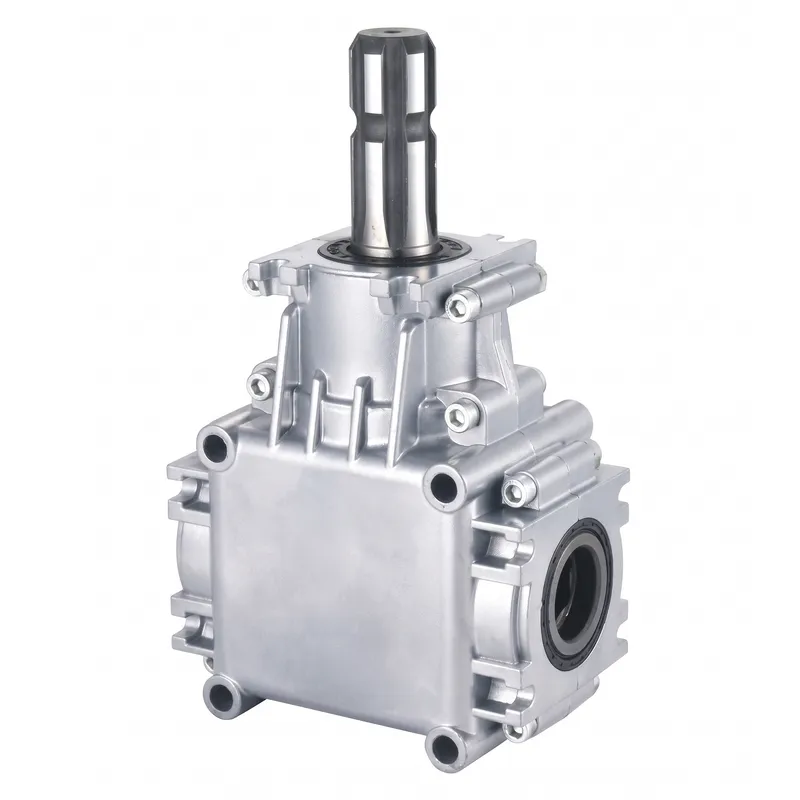
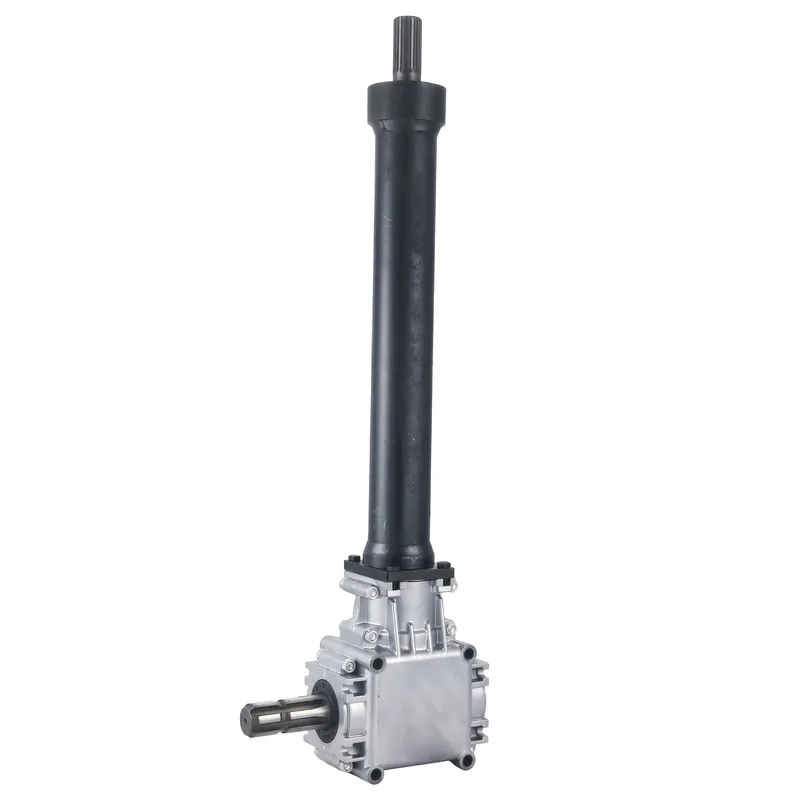
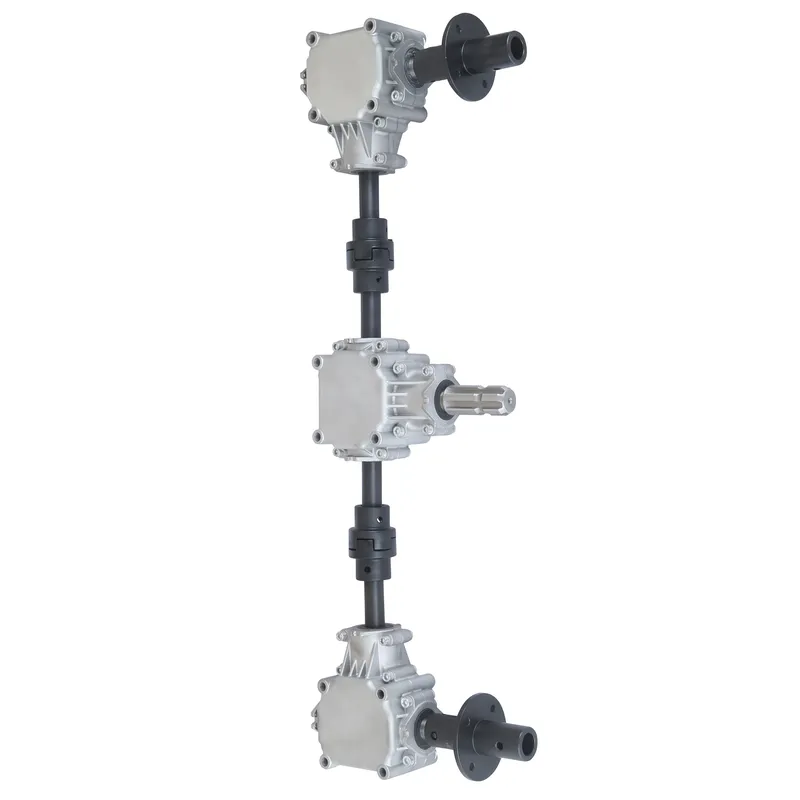
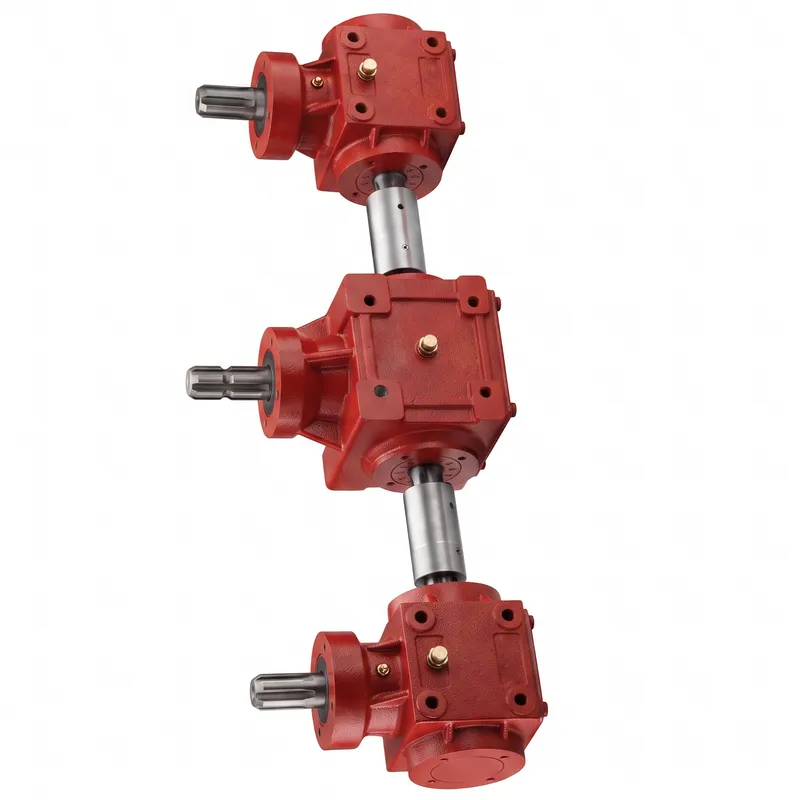
Hộp số máy rải phân bón đĩa đôi
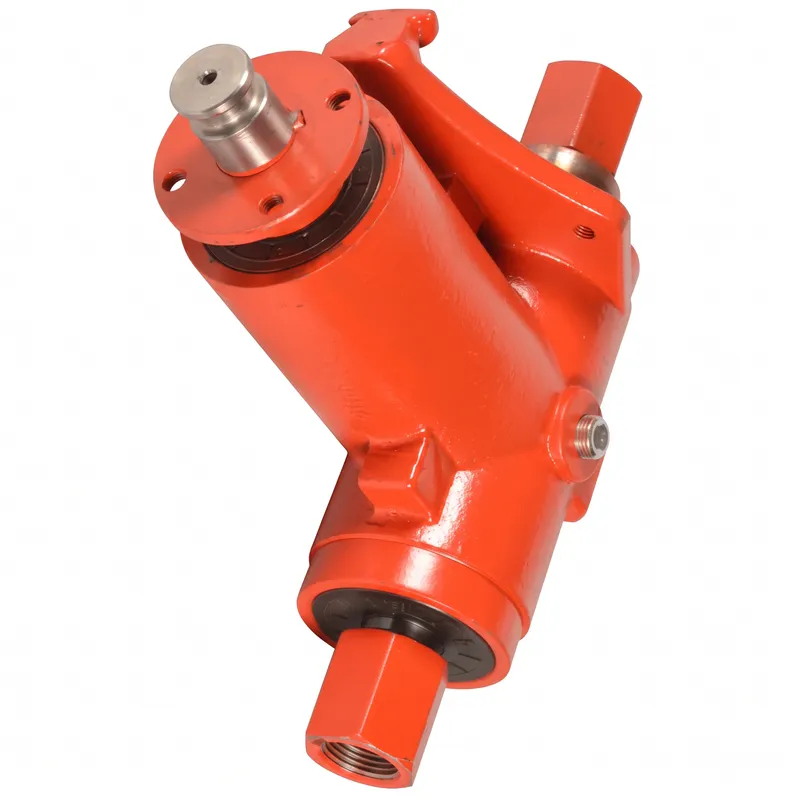
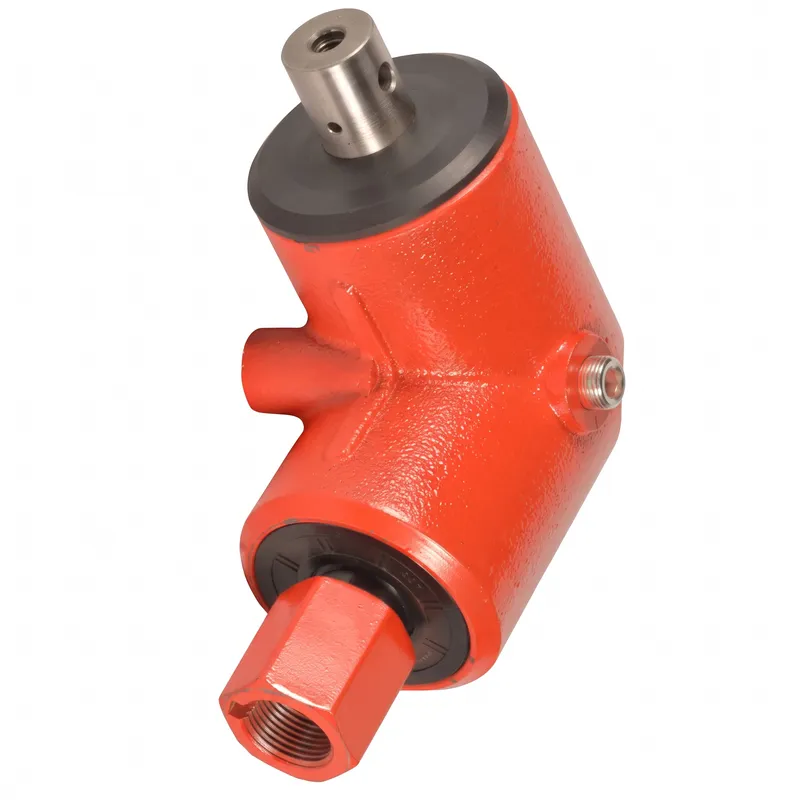
Hộp số máy rải phân bón
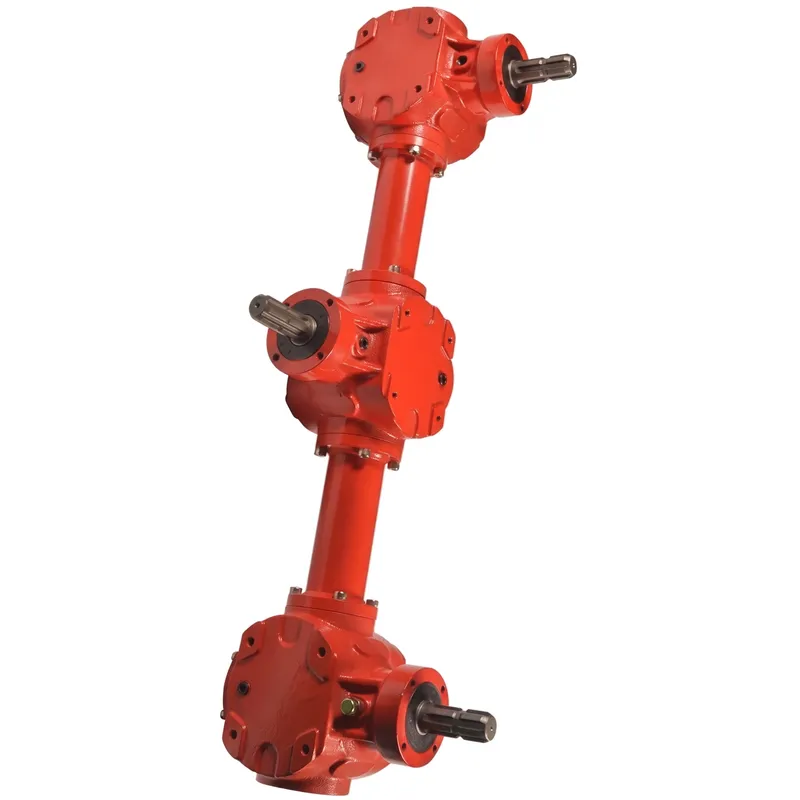
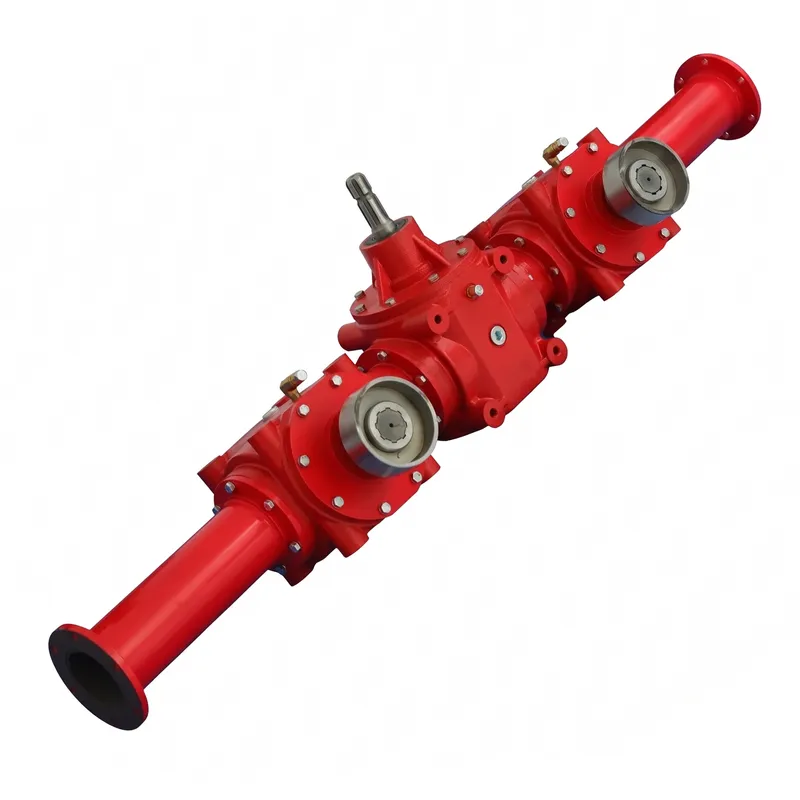
Hộp số của máy rải phân bón là gì?
Hộp số máy rải phân bón, còn được gọi là hộp số phân phối phân bón, là một bộ phận thiết yếu của máy móc nông nghiệp, được thiết kế đặc biệt cho các công việc như chuẩn bị đất, xử lý cây trồng và rải phân bón. Nằm ở trung tâm của máy, nó truyền lực từ trục truyền động (PTO) của máy kéo đến các đĩa quay hoặc trục xoắn để phân phối phân bón đều khắp cánh đồng. Được chế tạo từ gang đúc chịu lực cao hoặc hợp kim nhôm chống ăn mòn, với các bánh răng thép tôi cứng và vòng bi kín bên trong, bộ phận này được thiết kế để chịu được sự tiếp xúc lâu dài với bụi phân bón, độ ẩm và rung động trên đồng ruộng mà không làm mất đi độ chính xác về kích thước hoặc tính nhất quán của sản lượng.
Các hộp số này được thiết kế để có độ bền và độ tin cậy cao, đảm bảo truyền tải năng lượng ổn định nhằm đáp ứng các yêu cầu vận hành khác nhau. Chúng được trang bị một loạt các bánh răng và trục điều chỉnh tốc độ quay và mô-men xoắn dựa trên yêu cầu rải phân bón, tối ưu hóa hiệu suất máy. Được chế tạo để chịu được các điều kiện khắc nghiệt của công việc nông nghiệp, các hộp số này đóng vai trò quan trọng trong việc nâng cao hiệu quả và năng suất của các công việc nông nghiệp thiết yếu.
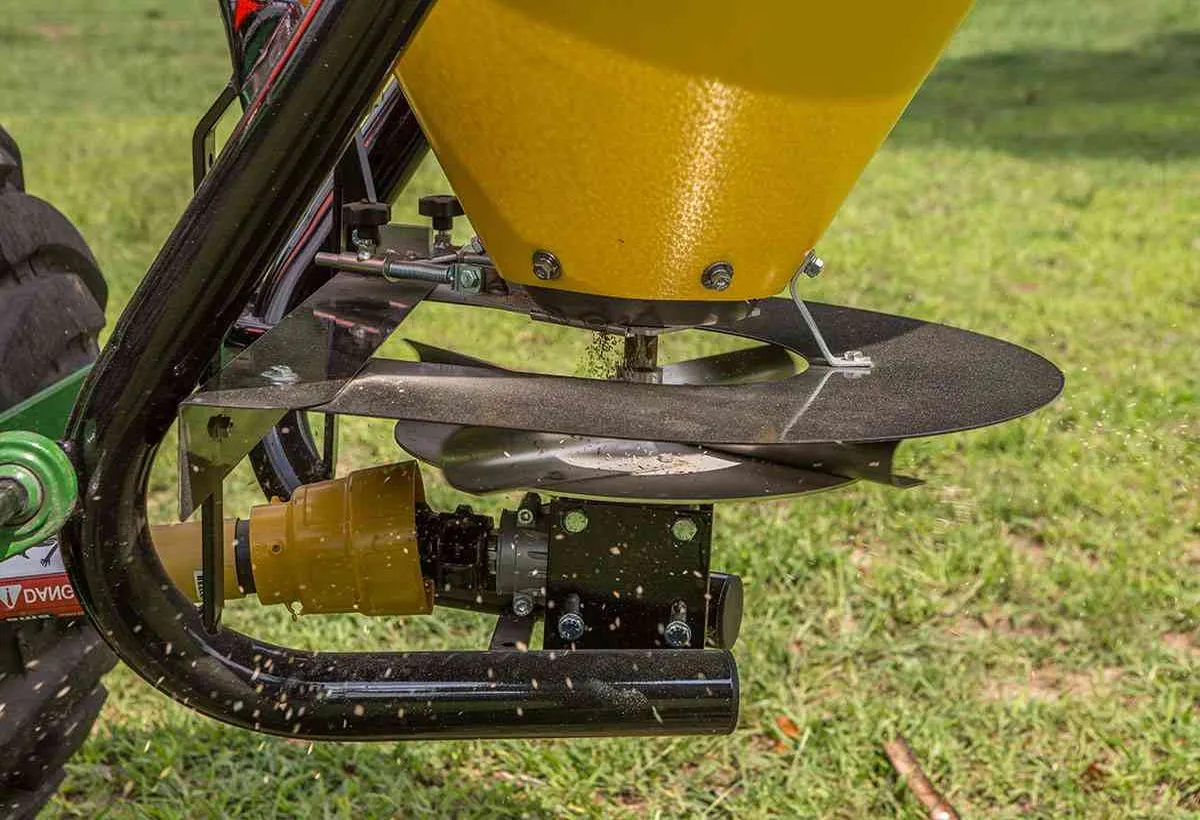
Phụ tùng hộp số máy rải phân bón
1. Vỏ hộp số
Vỏ máy tạo thành lớp vỏ ngoài cứng cáp giữ cố định mọi bộ phận bên trong trong quá trình hoạt động. Gang hoặc hợp kim nhôm là hai vật liệu thường được lựa chọn nhất cho lớp vỏ này, mỗi loại mang lại sự cân bằng khác nhau giữa trọng lượng và khả năng chịu đựng các tác động vật lý trong công việc ngoài đồng. Vỏ máy được bịt kín tốt cũng ngăn bụi phân bón, hơi ẩm và sạn tiếp xúc với bộ bánh răng - điều này rất quan trọng vì phân bón dạng hạt có tính ăn mòn hóa học nếu tiếp xúc lâu dài.
2. Trục đầu vào
Trục đầu vào kết nối trực tiếp với trục PTO của máy kéo và truyền công suất quay vào hộp số từ bên ngoài. Trên hầu hết các mẫu máy rải phân bón, đầu vào được gia công với tiết diện 1-3/8 inch, 6 khía, chạy ở tốc độ 540 hoặc 1.000 vòng/phút, phù hợp với tiêu chuẩn PTO của máy kéo Bắc Mỹ và Châu Âu. Độ khít của khía, đường kính trục và khả năng chịu mô-men xoắn định mức phải phù hợp với máy kéo trước khi lắp đặt bất kỳ trục thay thế nào.
3. Bánh răng côn (Bộ bánh răng)
Bộ bánh răng bên trong vỏ hộp chuyển đổi hướng và tốc độ của chuyển động quay đầu vào trước khi truyền đến đầu ra. Hộp số máy rải phân bón thường sử dụng bánh răng côn để chuyển hướng công suất theo góc vuông từ trục đầu vào đến trục đầu ra. Vật liệu chế tạo bánh răng thường là thép hợp kim 8620H hoặc 20CrMnTi, được xử lý nhiệt bằng phương pháp thấm cacbon và tôi để tăng độ cứng bề mặt và khả năng chống mài mòn mà không làm giảm độ dẻo dai ở lõi.
4. Trục đầu ra
Trục đầu ra nhận công suất quay đã được điều chỉnh từ bộ bánh răng và truyền trực tiếp đến đĩa quay hoặc trục vít để phân phối vật liệu khắp cánh đồng. Trục đầu ra có sẵn các cấu hình then tròn, khía hoặc mặt bích tùy thuộc vào kiểu lắp đĩa của máy rải. Tỷ số truyền phổ biến là 1:3 có nghĩa là trục đầu ra quay ba lần cho mỗi vòng quay của trục đầu vào, đạt được tốc độ quay của đĩa cần thiết để phủ đều và rộng cánh đồng.
5. Vòng bi
Vòng bi cầu và vòng bi lăn chịu tải trọng hướng tâm và hướng trục tác động lên mỗi trục quay, duy trì sự thẳng hàng và giảm ma sát trong toàn bộ hệ thống truyền động bánh răng. Việc lựa chọn vòng bi có liên quan trực tiếp đến tuổi thọ thực tế; các thiết bị được trang bị vòng bi kín, đã được bôi trơn sẵn có khả năng chịu được điều kiện ẩm ướt và bụi bẩn trong công việc bón phân tốt hơn nhiều so với các thiết kế vòng bi hở. Vòng bi bị mòn sẽ tạo ra tiếng ồn và cần được thay thế trước khi chúng gây ra hiện tượng lỏng trục làm lệch khớp bánh răng.
6. Gioăng phớt dầu
Các vòng đệm dầu được đặt tại mỗi điểm thoát của trục để ngăn chất bôi trơn rò rỉ ra ngoài đồng thời ngăn ngừa ô nhiễm từ bên ngoài xâm nhập vào bên trong. Hệ thống làm kín chất lượng cao ngăn chặn sự xâm nhập của bụi, hạt và hơi ẩm, những nguyên nhân hàng đầu gây mài mòn sớm bánh răng và ổ bi trong hộp số máy rải. Vòng đệm môi là thiết kế phổ biến nhất; chúng nên được kiểm tra mỗi khi hộp số được xả dầu để thay dầu, vì môi vòng đệm bị cứng hoặc rách sẽ làm dầu chảy ra nhanh hơn dự kiến.
7. Hệ thống bôi trơn
Hệ thống bôi trơn đảm bảo các bánh răng và ổ bi hoạt động với một lớp dầu liên tục, giảm ma sát và ngăn ngừa sự tích tụ nhiệt dẫn đến mỏi kim loại. Hầu hết các hộp số máy rải phân bón hoạt động bằng cách bôi trơn bằng dầu văng thay vì các mạch bôi trơn bằng áp suất. Các nút đổ đầy, xả và kiểm tra mức dầu cho phép tiếp cận khoang dầu tại hiện trường, và một lỗ thông hơi giúp cân bằng áp suất bên trong khi thiết bị nóng lên và nguội đi trong suốt một ngày làm việc. Thường xuyên kiểm tra mức dầu và tình trạng dầu là một trong những bước đơn giản nhất để kéo dài tuổi thọ của hộp số.
Đặc điểm hộp số máy rải phân bón
1. Vỏ chống ăn mòn
Các hóa chất nông nghiệp làm hư hỏng nhanh chóng các bộ phận kim loại không được bảo vệ. Hộp số máy rải phân bón chất lượng cao sử dụng các lớp phủ bảo vệ chuyên dụng hoặc vỏ thép không gỉ chắc chắn để ngăn ngừa gỉ sét và hư hỏng cấu trúc do tiếp xúc lâu dài với phân bón gốc nitơ và phốt phát.
2. Cấu hình bánh răng côn chính xác
Về cấu tạo bên trong, các bộ phận này sử dụng các bánh răng côn chịu tải nặng được gia công với độ chính xác cao. Thiết kế này đảm bảo truyền tải công suất quay liền mạch từ trục truyền động (PTO) của máy kéo đến các đĩa rải mà không bị gián đoạn hoặc mài mòn quá mức.
3. Cơ chế niêm phong tiên tiến
Công việc ngoài trời khiến máy móc tiếp xúc với bụi bẩn, độ ẩm và các chất hóa học độc hại. Các nhà sản xuất tích hợp các vòng đệm dầu nhiều lớp và gioăng chịu lực cao để giữ chất bôi trơn bên trong vỏ máy, đồng thời ngăn chặn hoàn toàn các chất gây ô nhiễm môi trường có hại tiếp xúc với các ổ trục bên trong nhạy cảm.
4. Khả năng chịu mô-men xoắn cao cho tải trọng thay đổi
Các hoạt động rải vật liệu thường đòi hỏi sự thay đổi đột ngột về tốc độ vận hành dựa trên nhu cầu của đất. Hệ thống truyền động được thiết kế để hấp thụ các tải trọng va đập mạnh và quản lý mô-men xoắn cao, duy trì sự quay đĩa ổn định bất kể dòng vật liệu đặc hay vón cục.
5. Hệ thống bôi trơn ít cần bảo trì
Nông dân cần thiết bị có thể sử dụng ngay trên đồng ruộng thay vì phải vào xưởng sửa chữa. Thiết kế hộp số hiện đại tích hợp các núm bôi trơn dễ tiếp cận hoặc hệ thống ngâm dầu dung tích lớn giúp kéo dài thời gian giữa các lần bảo dưỡng định kỳ và đơn giản hóa việc bảo trì theo mùa.
6. Khả năng tản nhiệt
Việc vận hành liên tục trong mùa gieo trồng cao điểm tạo ra lượng nhiệt đáng kể bên trong. Vỏ ngoài có cấu trúc gân hình học đặc biệt hoạt động như bộ tản nhiệt, hút nhiệt độ cao ra khỏi các bộ phận chuyển động để ngăn ngừa sự phân hủy chất lỏng và hư hỏng cơ học.
Ứng dụng của hộp số máy rải phân bón
1. Trồng trọt: Các loại cây trồng theo hàng, ngũ cốc, rau quả và cây ăn trái đều cần được cung cấp chất dinh dưỡng đều đặn ở các giai đoạn sinh trưởng cụ thể. Hộp số máy rải phân bón điều chỉnh tốc độ và mô-men xoắn để phân bón dạng hạt hoặc dạng bột được rải đều khắp các luống rộng, giảm thiểu lãng phí đồng thời bảo vệ vùng rễ khỏi bị cháy do nồng độ phân bón không đồng đều.
2. Quản lý đồng cỏ: Hoạt động chăn nuôi phụ thuộc vào mật độ thức ăn và giá trị dinh dưỡng trong suốt mùa chăn thả. Hộp số máy rải phân bón được thiết kế phù hợp giúp duy trì tốc độ quay ổn định trên địa hình không bằng phẳng và tốc độ di chuyển khác nhau, cho phép người vận hành phủ đều đồng cỏ bằng hỗn hợp nitơ, phốt pho và kali, giúp tái tạo chất hữu cơ trong đất và hỗ trợ sự phát triển của cỏ dày, giàu protein giữa các chu kỳ chăn thả.
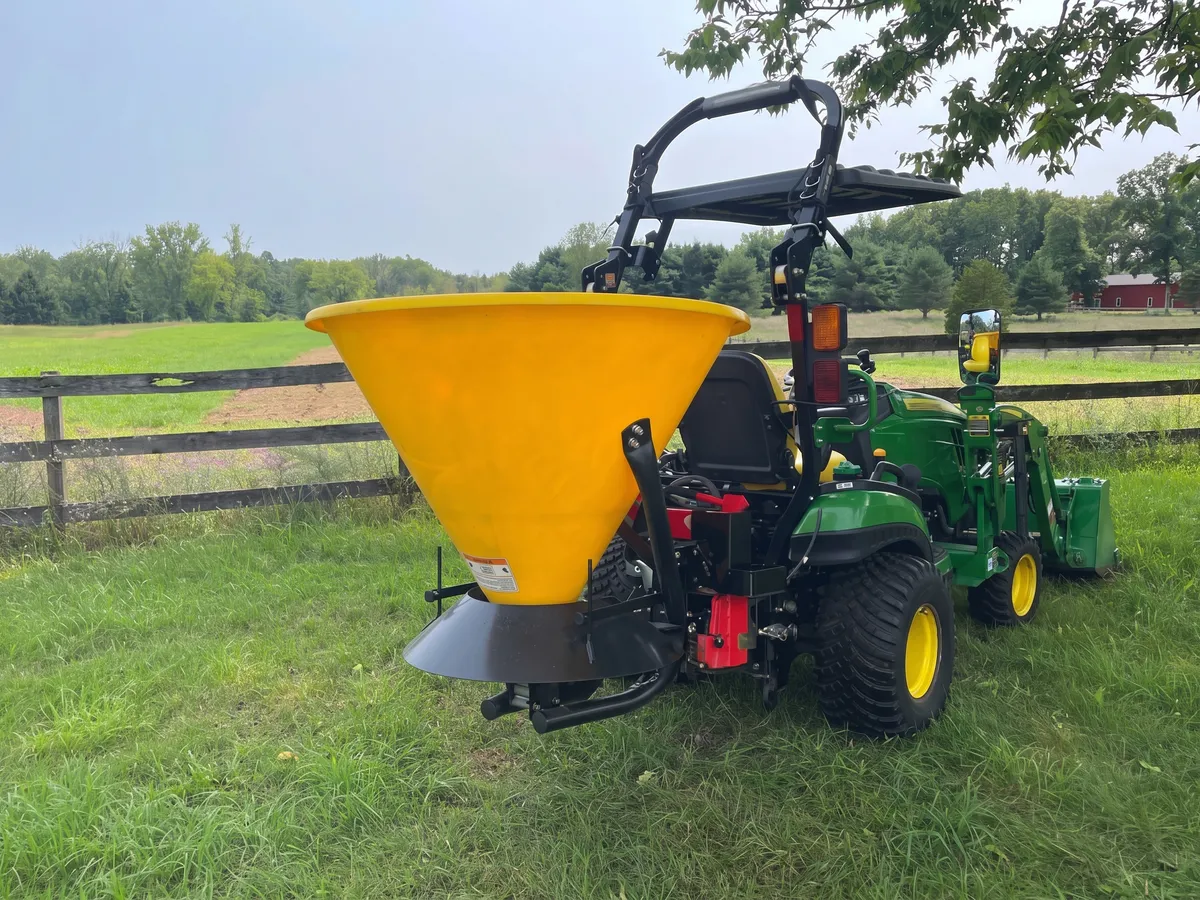
3. Quản lý bãi cỏ và thảm cỏ: Sân thể thao, sân golf và công viên đô thị cần các chương trình bón phân đủ chính xác để tránh tạo vệt hoặc cháy xém. Máy rải phân dẫn động bằng hộp số chuyển đổi tín hiệu từ trục PTO hoặc động cơ thành chuyển động quay đĩa mượt mà, lặp lại được, giúp người quản lý sân cỏ có được sự nhất quán về chiều rộng rải và khả năng kiểm soát tốc độ cần thiết để giữ cho các bề mặt có mật độ giao thông cao luôn dày đặc, đàn hồi và đồng nhất về mặt hình ảnh trong suốt mùa sử dụng nhiều.
4. Ngành trồng trọt và vườn ươm: Các luống trong nhà kính và vườn ươm ngoài trời chứa các loại cây ở các giai đoạn sinh trưởng khác nhau, mỗi loại có khả năng chịu đựng chất dinh dưỡng riêng biệt. Hộp số máy rải phân bón với tỷ số truyền điều chỉnh được cho phép người lao động điều chỉnh lượng phân bón nhỏ, dạng hạt mịn mà không làm xáo trộn hệ rễ nông hoặc làm ô nhiễm các cây trồng trong chậu lân cận do phân bón bay lạc.
5. Thiết kế cảnh quan và làm vườn: Vườn nhà ở, bồn hoa công cộng và không gian xanh thương mại thường có ranh giới không đều và nhiều loại cây trồng khác nhau, đòi hỏi hoạt động dừng và khởi động liên tục mà không để lại cặn hạt phân bón vón cục. Bộ truyền động nhỏ gọn trên máy rải phân bón đẩy tay hoặc gắn trên máy kéo duy trì tốc độ đĩa ổn định ngay từ khi người vận hành khởi động, đảm bảo mỗi mét vuông đều nhận được cùng một lượng phân bón đã tính toán bất kể tốc độ vận hành.
6. Phân phối chất cải tạo đất: Vôi nông nghiệp, thạch cao, than sinh học và chất hữu cơ ủ đều gặp phải thách thức về mật độ khối lượng và kích thước hạt không đồng đều, dẫn đến việc các hệ thống phân phối trọng lực thông thường phân phối không nhất quán. Hộp số máy rải được thiết kế đặc biệt sẽ bù đắp điều này bằng cách cung cấp mô-men xoắn ổn định dưới sự biến động tải trọng, cho phép nông dân và người quản lý đất đai trộn đều các chất cải tạo vào tầng đất và đạt được mục tiêu điều chỉnh độ pH hoặc cải thiện cấu trúc đất theo chương trình canh tác của họ.
Quản lý bãi cỏ và thảm cỏ
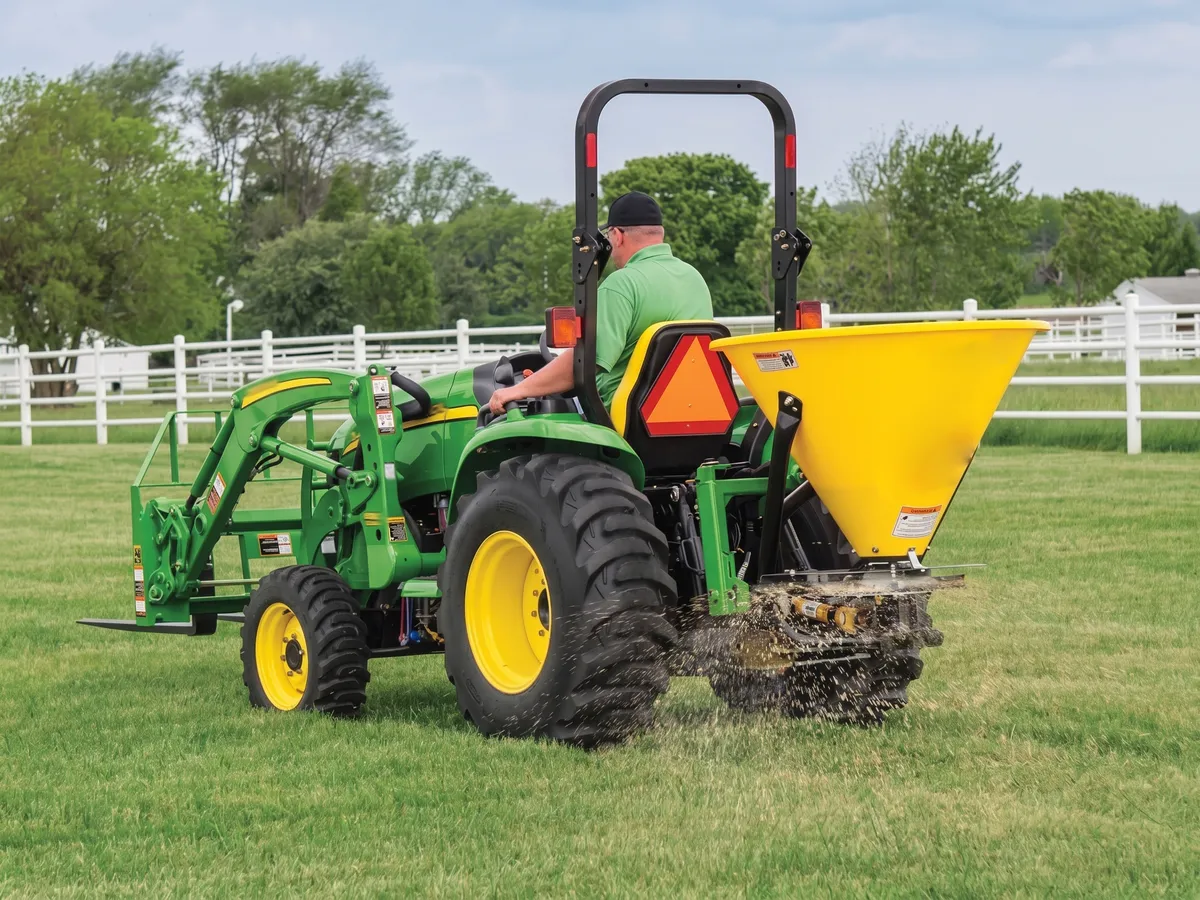
Thiết kế cảnh quan và làm vườn
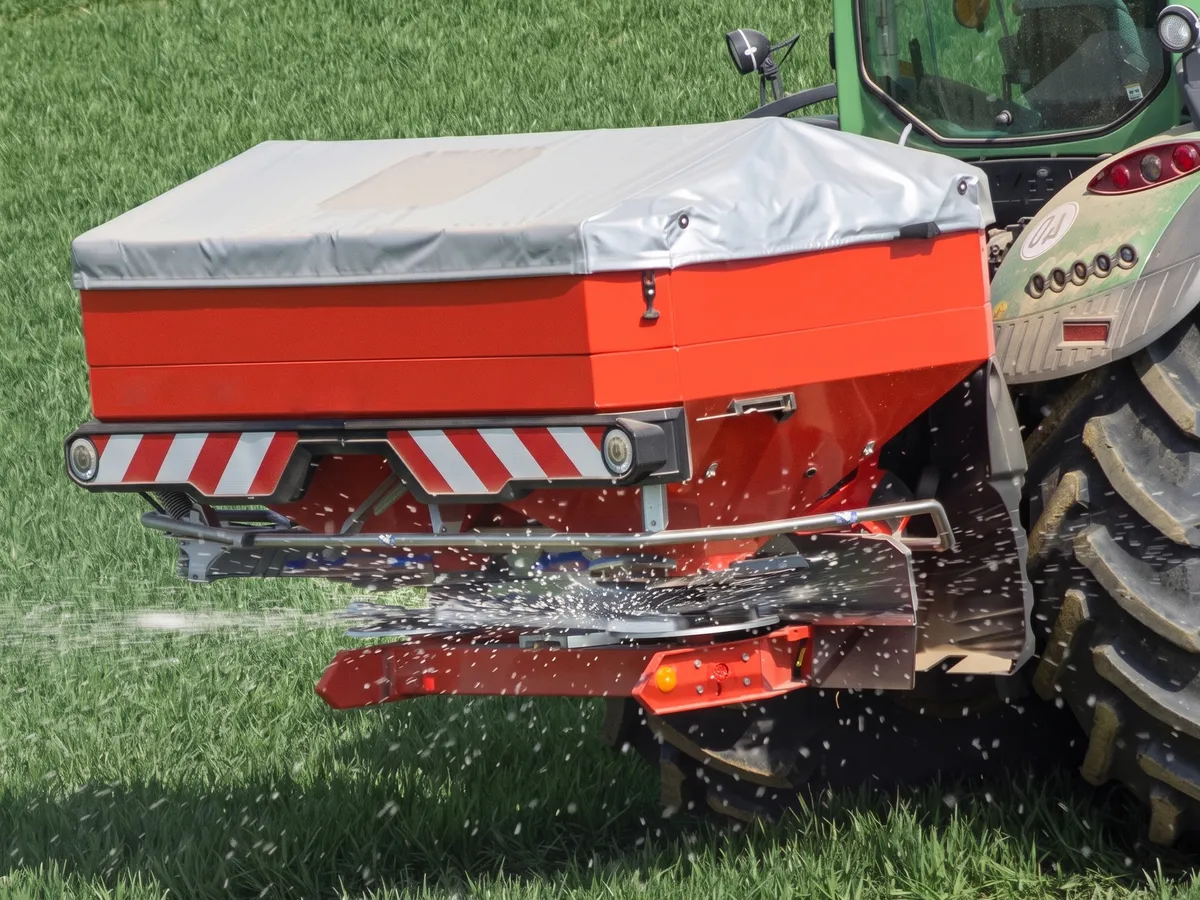
Trồng trọt