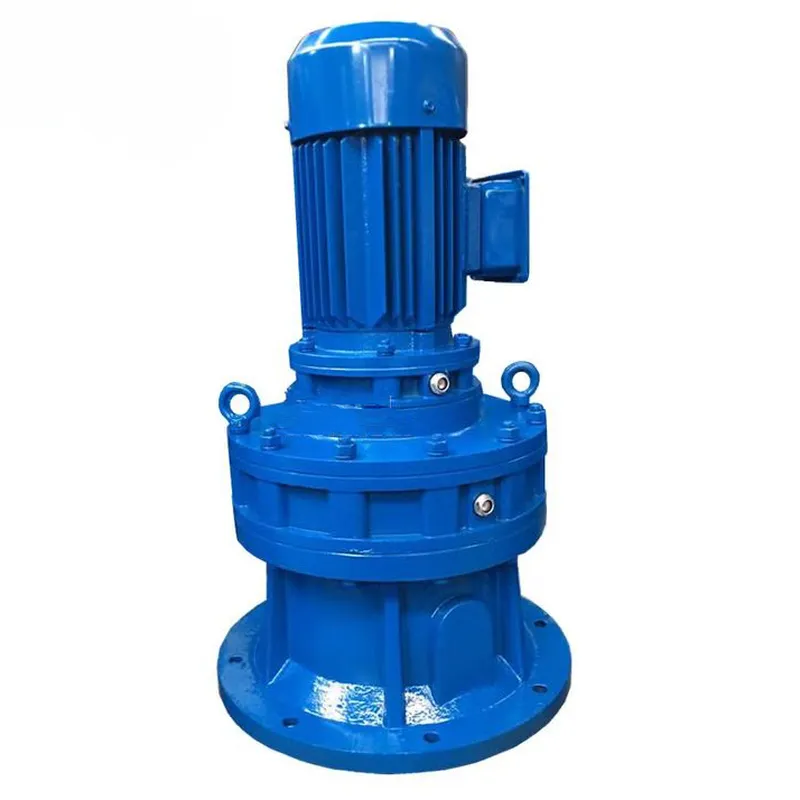
Hộp số hành tinh và hộp số cycloidal là hai loại hệ thống giảm tốc được sử dụng trong nhiều ứng dụng công nghiệp khác nhau. Mặc dù cả hai đều có chức năng giảm tốc độ và tăng mô-men xoắn, nhưng chúng khác nhau về nguyên lý hoạt động, các bộ phận và đặc tính hiệu suất.
Hiểu rõ sự khác biệt giữa hộp số hành tinh Việc hiểu rõ sự khác biệt giữa hộp số hành tinh và hộp số cycloidal là rất quan trọng để lựa chọn hệ thống phù hợp nhất cho ứng dụng cụ thể của bạn. Trong bài viết này, chúng ta sẽ cùng tìm hiểu nguyên lý hoạt động, các bộ phận, ứng dụng, ưu điểm và nhược điểm của cả hộp số hành tinh và hộp số cycloidal để giúp bạn đưa ra quyết định sáng suốt.
Sự khác biệt chính giữa hộp số hành tinh và hộp số cycloidal
| Tính năng | Hộp số hành tinh | Hộp số Cycloidal |
|---|---|---|
| Mật độ mô-men xoắn | Cao hơn | Thấp hơn |
| Độ chính xác | Thấp hơn | Cao hơn |
| Phản ứng dữ dội | Cao hơn | Thấp hơn |
| Hiệu quả | Cao hơn | Thấp hơn |
| Kích thước và trọng lượng | Lớn hơn và nặng hơn | Nhỏ gọn và nhẹ |
| Tỷ lệ giảm | Tỷ lệ lên đến 100:1 | Tỷ lệ lên đến 300:1 |
| Độ bền | Thấp hơn | Cao hơn |
| Trị giá | Thấp hơn | Cao hơn |
Nguyên lý hoạt động của hộp số hành tinh
Hộp số hành tinh, còn được gọi là hệ thống bánh răng hành tinh, là bộ giảm tốc nhỏ gọn và hiệu quả, sử dụng nhiều bánh răng để truyền công suất và mô-men xoắn. Các thành phần cốt lõi của hộp số hành tinh bao gồm bánh răng mặt trời, các bánh răng hành tinh, bánh răng vành và giá đỡ. Các thành phần này hoạt động cùng nhau để đạt được tỷ số giảm tốc cao trong một thiết kế nhỏ gọn.
Trong hộp số hành tinh, bánh răng mặt trời nằm ở trung tâm và thường được nối với trục đầu vào do động cơ dẫn động. Các bánh răng hành tinh, còn được gọi là bánh răng vệ tinh, được gắn trên giá đỡ và ăn khớp đồng thời với bánh răng mặt trời và bánh răng vành. Bánh răng vành là một bánh răng bên trong bao quanh các bánh răng hành tinh và đứng yên trong quá trình hoạt động.
Khi bánh răng mặt trời quay, nó truyền động cho các bánh răng hành tinh, các bánh răng này lại quay quanh trục của chính chúng đồng thời quay quanh bánh răng mặt trời. Bộ phận đỡ các bánh răng hành tinh quay với tốc độ chậm hơn so với trục đầu vào. Cấu trúc này cho phép tạo ra nhiều tỷ số truyền khác nhau và mô-men xoắn cao trong một thiết kế nhỏ gọn.
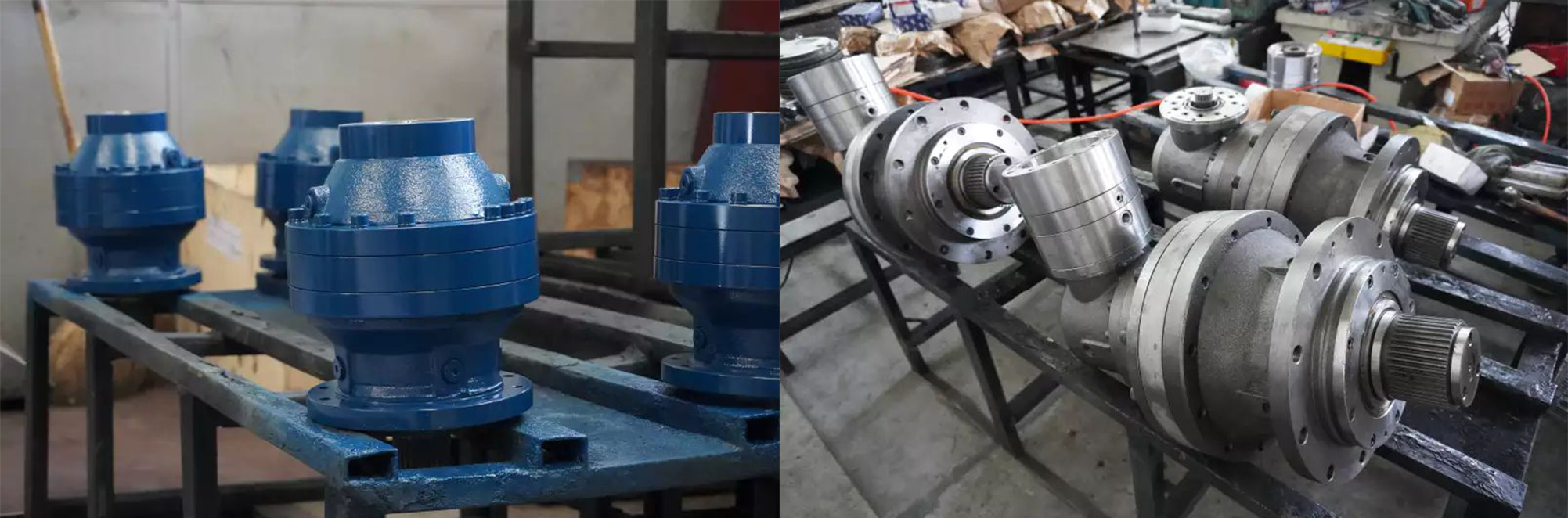
Các bộ phận của hộp số hành tinh
Hộp số hành tinh bao gồm nhiều thành phần quan trọng hoạt động cùng nhau để truyền tải năng lượng hiệu quả và giảm tốc độ.
- bánh răng mặt trời và trục đầu vàoBánh răng mặt trời, nằm ở trung tâm hộp số, được dẫn động bởi trục đầu vào nối với một động cơ. Bao quanh bánh răng mặt trời là nhiều bánh răng hành tinh, được gắn trên một giá đỡ quay quanh bánh răng mặt trời.
- bánh răng hành tinh và bánh răng vànhCác bánh răng hành tinh ăn khớp với cả bánh răng mặt trời và một bánh răng vành ngoài, còn được gọi là vành khuyên, được cố định vào vỏ hộp số. Khi bánh răng mặt trời quay, nó truyền động cho các bánh răng hành tinh, khiến chúng quay quanh trục của chính chúng và quay quanh bánh răng mặt trời. Chuyển động phức tạp này dẫn đến sự giảm tốc đáng kể và sự gia tăng mô-men xoắn.
- Trục đầu ra và giá đỡ hành tinhTrục đầu ra thường được nối với bộ truyền động hành tinh, bộ phận này truyền tốc độ giảm và mô-men xoắn tăng đến ứng dụng.
- Các loại bánh răng và ổ trụcCác bánh răng trong hộp số hành tinh thường là bánh răng xoắn hoặc bánh răng thẳng, mang lại hoạt động êm ái và hiệu suất cao. Vòng bi được sử dụng để đỡ các bánh răng và trục, đảm bảo sự quay trơn tru và tuổi thọ cao.
Ứng dụng của hộp số hành tinh
- Thiết bị tự động hóa công nghiệpMột trong những ứng dụng phổ biến nhất của hộp số hành tinh. Được sử dụng trong cánh tay robot, hệ thống băng tải và máy CNC.
- Ngành công nghiệp ô tôĐược sử dụng rộng rãi, đặc biệt là trong các loại xe điện và xe hybrid.
- Ngành công nghiệp hàng không vũ trụĐược sử dụng trong nhiều ứng dụng khác nhau như hệ thống điều khiển máy bay, bộ phận hạ cánh và cơ cấu định vị vệ tinh.
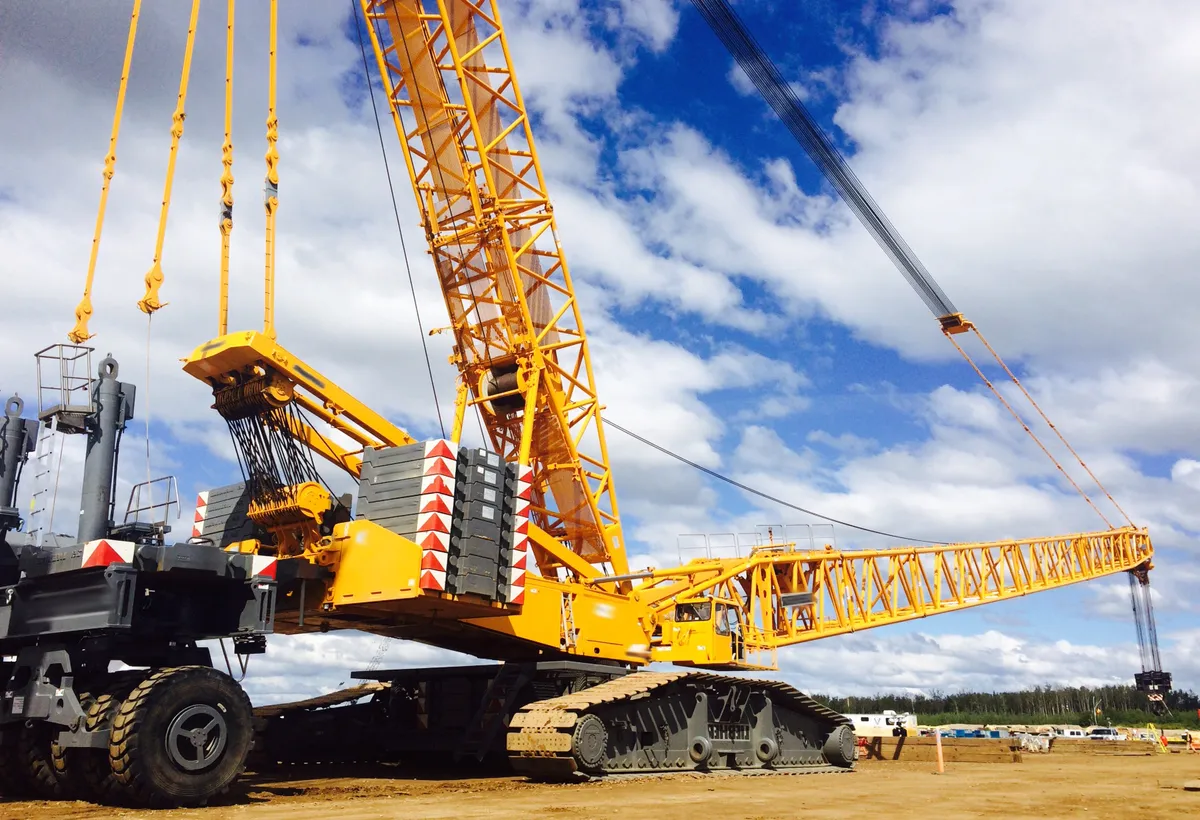
- Các ngành công nghiệp khácBao gồm thiết bị xử lý vật liệu, thiết bị xây dựng và hệ thống năng lượng tái tạo. Được sử dụng trong cần cẩu, máy nâng, tời, máy xúc, máy ủi, tua bin gió và hệ thống theo dõi năng lượng mặt trời.
 |  |
 |  |
Ưu điểm của hộp số hành tinh
- Thiết kế nhỏ gọn
Hộp số hành tinh có cấu trúc nhỏ gọn với nhiều bánh răng hoạt động cùng nhau trong một không gian nhỏ. Thiết kế này cho phép chúng tạo ra mô-men xoắn cao trong khi chiếm thể tích tối thiểu, lý tưởng cho những không gian chật hẹp. - Mật độ công suất cao
Nhờ khả năng phân bổ tải trọng trên nhiều bánh răng, hộp số hành tinh có mật độ công suất cao. Điều này có nghĩa là chúng có thể cung cấp công suất đáng kể so với kích thước của chúng, giúp nâng cao hiệu suất trong các ứng dụng đòi hỏi cao. - Hiệu suất cao (Lên đến 98%)
Hộp số hành tinh được thiết kế để giảm thiểu tổn thất năng lượng, đạt hiệu suất cao tới 98%. Điều này làm cho chúng trở thành lựa chọn tuyệt vời cho các hệ thống mà việc tiết kiệm năng lượng và giảm chi phí vận hành là rất quan trọng. - Thích hợp cho các ứng dụng tốc độ cao
Thiết kế chắc chắn và phân bổ tải trọng cân bằng trong hệ thống truyền động theo quỹ đạo hành tinh Hộp số cho phép chúng hoạt động cực kỳ tốt trong các ứng dụng tốc độ cao. Chúng có thể xử lý các vòng quay nhanh mà không ảnh hưởng đến hiệu suất hoặc độ bền. - Chi phí tương đối thấp hơn so với hộp số kiểu cycloidal.
Hộp số hành tinh thường có giá thành thấp hơn hộp số cycloidal trong khi vẫn mang lại hiệu suất tương đương trong nhiều ứng dụng. Tính hiệu quả về chi phí khiến chúng trở thành lựa chọn phổ biến cho máy móc công nghiệp và dân dụng. - Nhiều tỷ số truyền khác nhau
Hộp số hành tinh cung cấp nhiều tỷ số truyền khác nhau, cho phép kiểm soát chính xác tốc độ và mô-men xoắn. Tính linh hoạt này đảm bảo chúng có thể được tùy chỉnh để đáp ứng các yêu cầu cụ thể của nhiều ứng dụng khác nhau. - Có khả năng chịu được tải trọng va đập vừa phải.
Cấu trúc chắc chắn của hộp số hành tinh cho phép chúng chịu được các tải trọng va đập và rung động vừa phải. Độ bền này đảm bảo hoạt động đáng tin cậy ngay cả trong môi trường có tải trọng hoặc va chạm bất ngờ.
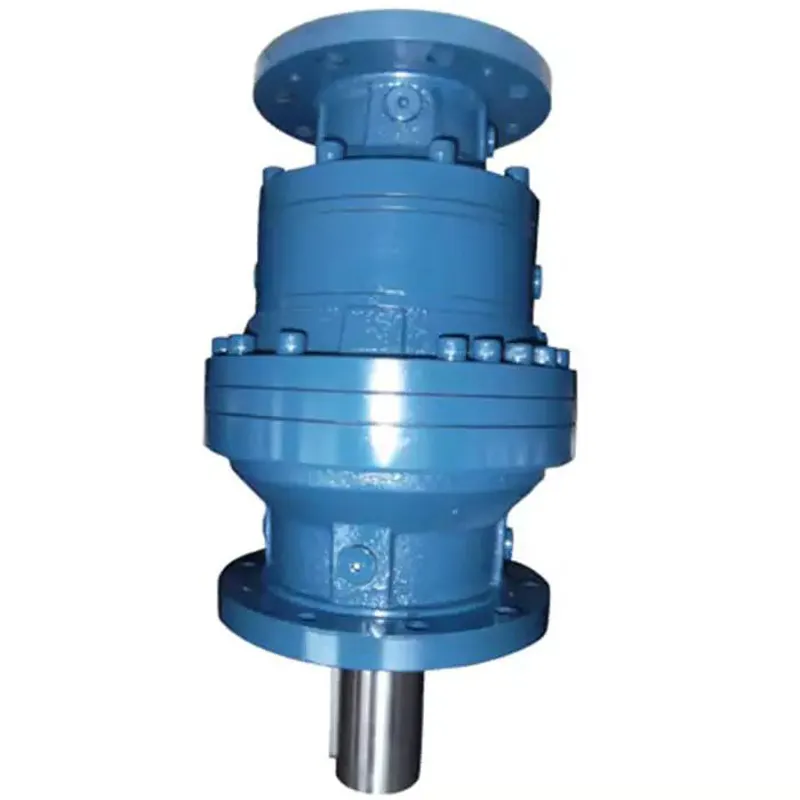
Nhược điểm của hộp số hành tinh
- Độ rơ lớn hơn so với hộp số kiểu cycloidal
So với hộp số hành tinh, hộp số thường có độ rơ lớn hơn. Điều này có thể hạn chế hiệu quả của chúng trong các ứng dụng đòi hỏi độ chính xác cao, vì độ rơ nhỏ trong các bánh răng có thể ảnh hưởng đến độ chính xác. - Khả năng truyền mô-men xoắn thấp hơn so với hộp số kiểu cycloidal.
Mặc dù hộp số hành tinh có thể tạo ra mô-men xoắn đáng kể, nhưng khả năng chịu mô-men xoắn của chúng thường thấp hơn so với hộp số cycloidal. Hạn chế này khiến chúng kém phù hợp hơn cho các ứng dụng đòi hỏi mô-men xoắn cực cao cho các công việc nặng nhọc. - Thiết kế phức tạp hơn so với hộp số trục song song tiêu chuẩn.
Hộp số hành tinh có thiết kế phức tạp hơn, bao gồm nhiều bánh răng tương tác với nhau theo các cấu hình chính xác. Sự phức tạp này làm tăng khó khăn trong việc bảo trì và sửa chữa, đòi hỏi kiến thức và công cụ chuyên dụng trong nhiều trường hợp. - Yêu cầu sản xuất và lắp ráp chính xác.
Sự hoạt động đúng đắn của truyền động bánh xe hành tinh Hộp số đòi hỏi sự chính xác cao trong sản xuất và lắp ráp. Những sai sót nhỏ về căn chỉnh hoặc dung sai có thể dẫn đến hoạt động kém hiệu quả, tăng hao mòn, hoặc thậm chí hỏng hóc, cho thấy tầm quan trọng của các tiêu chuẩn sản xuất cao. - Có thể tạo ra nhiều tiếng ồn hơn so với hộp số kiểu cycloidal.
Hộp số hành tinh, đặc biệt là ở tốc độ cao, có thể tạo ra nhiều tiếng ồn hơn so với hộp số cycloidal. Tiếng ồn này có thể gây khó chịu trong các ứng dụng mà hoạt động êm ái là yêu cầu hoặc mối quan tâm chính.
Nguyên lý hoạt động của hộp số cycloid
Hộp số kiểu cycloidal, còn được gọi là bộ giảm tốc cycloidal, hoạt động dựa trên nguyên lý chuyển động cycloidal. Chuyển động độc đáo này được tạo ra bởi sự tương tác giữa đĩa cycloidal và các con lăn bên trong hộp số. Đĩa cycloidal, là bánh răng trung tâm, có cấu hình răng cong ăn khớp với các con lăn, tạo ra sự truyền tải năng lượng trơn tru và hiệu quả.
Trục đầu vào được nối với một ổ đỡ lệch tâm, ổ đỡ này dẫn động đĩa cycloid. Khi ổ đỡ lệch tâm quay, nó làm cho đĩa cycloid quay và tịnh tiến đồng thời. Các răng của đĩa cycloid ăn khớp với các con lăn được gắn trên bánh răng vành cố định. Sự ăn khớp này làm cho các con lăn quay, truyền công suất đến trục đầu ra.
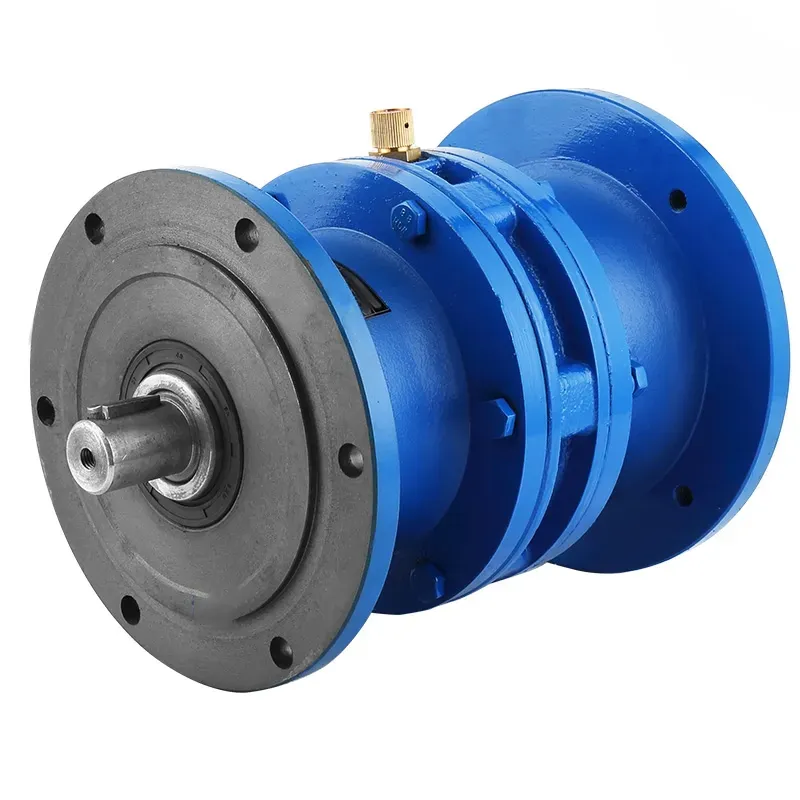
Các bộ phận của hộp số cycloid
Hộp số cycloidal bao gồm một số thành phần chính hoạt động cùng nhau để đạt được hiệu quả truyền tải năng lượng và mô-men xoắn cao.
- Trục đầu vào và ổ trục lệch tâmTrục đầu vào được nối với động cơ và truyền chuyển động quay đến ổ trục lệch tâm. Ổ trục này được lắp đặt lệch tâm, khiến các đĩa cycloid quay theo chuyển động cycloid độc đáo. Các đĩa cycloid có biên dạng răng cong ăn khớp với các con lăn, được cố định vào vỏ máy.
- Tương tác giữa đĩa và con lăn cycloidalKhi trục đầu vào quay, ổ trục lệch tâm sẽ dẫn động các đĩa cycloid, khiến chúng ăn khớp với các con lăn. Sự tương tác giữa các đĩa và con lăn tạo ra chuyển động lăn, sau đó được truyền đến trục đầu ra.
- Nhà ởNó bao bọc các bộ phận bên trong và hỗ trợ các trục đầu vào và đầu ra. Vỏ thường được làm bằng vật liệu có độ bền cao để chịu được các lực sinh ra trong quá trình hoạt động và đảm bảo độ bền lâu dài.
Ứng dụng của hộp số cycloid
- Robot và Tự động hóa
Hộp số cycloidal được sử dụng rộng rãi trong robot và tự động hóa, bao gồm cánh tay robot, bộ kẹp và hệ thống điều khiển chuyển động chính xác. Độ rơ thấp và độ chính xác cao khiến chúng trở nên lý tưởng cho các chuyển động tinh tế và chính xác trong robot công nghiệp và dịch vụ. - Ngành sản xuất
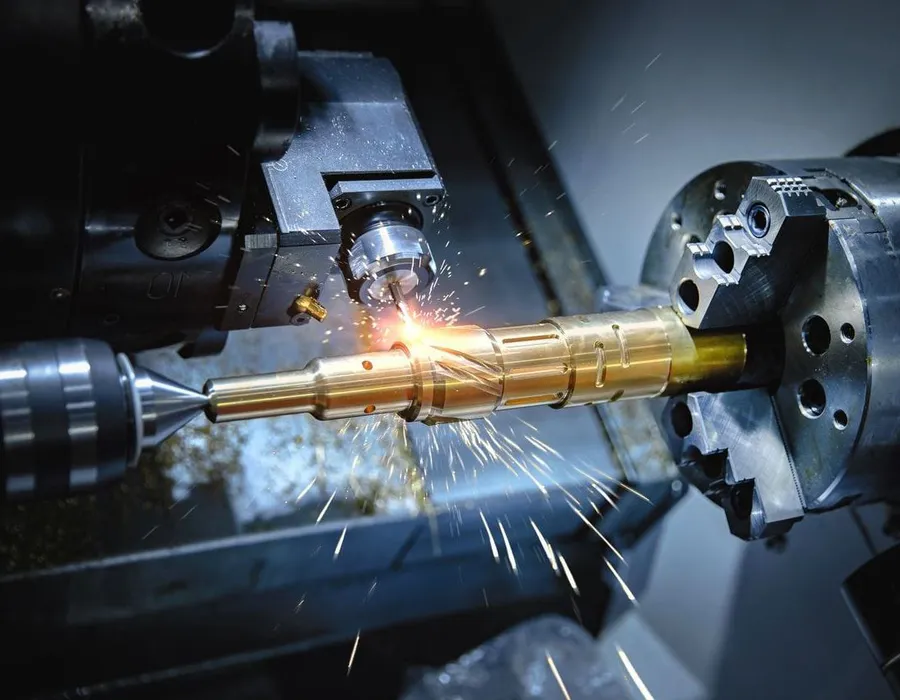
Trong ngành công nghiệp sản xuất, hộp số cycloidal đóng vai trò thiết yếu đối với máy CNC, thiết bị công nghiệp và máy in. Khả năng chịu được mô-men xoắn cao và cung cấp khả năng điều khiển tốc độ chính xác đảm bảo hiệu suất đáng tin cậy trong môi trường sản xuất đòi hỏi cao. - Công nghiệp hàng không vũ trụ và quốc phòng
Hộp số cycloidal đóng vai trò quan trọng trong các ứng dụng hàng không vũ trụ và quốc phòng, chẳng hạn như bộ truyền động máy bay, hệ thống dẫn hướng tên lửa và cơ cấu định vị vệ tinh. Mật độ công suất cao, độ tin cậy và khả năng chịu được các điều kiện khắc nghiệt khiến chúng trở nên không thể thiếu trong các lĩnh vực quan trọng này. - Lĩnh vực y tế
Nhiều thiết bị và hệ thống y tế, bao gồm robot phẫu thuật, chân tay giả và hệ thống hình ảnh, đều dựa vào hộp số cycloidal. Độ chính xác, hoạt động trơn tru và thiết kế nhỏ gọn của chúng góp phần cải thiện hiệu suất và độ chính xác trong các thiết bị cứu sinh và chẩn đoán. - Vận chuyển vật liệu và năng lượng tái tạo
Hộp số cycloidal được sử dụng trong các hệ thống vận chuyển vật liệu như băng tải và máy nâng, nơi mà mô-men xoắn cao và khả năng chịu tải trọng va đập là rất quan trọng. Chúng cũng được sử dụng trong các hệ thống năng lượng tái tạo, chẳng hạn như tua bin gió, để truyền tải điện năng hiệu quả.
 |  |
 |  |
Ưu điểm của hộp số cycloid
- Tỷ số truyền cao trong kích thước nhỏ gọn
Hộp số cycloidal cung cấp tỷ số truyền cực cao trong một thiết kế nhỏ gọn. Điều này làm cho chúng trở nên lý tưởng cho các ứng dụng có hạn chế về không gian, đồng thời vẫn đảm bảo giảm tốc độ và tăng mô-men xoắn một cách hiệu quả. - Khả năng mô-men xoắn cao
Hộp số kiểu cycloidal được thiết kế để xử lý hiệu quả các tải trọng mô-men xoắn cao. Cấu trúc chắc chắn của chúng cho phép chúng cung cấp mô-men xoắn đầu ra vượt trội so với nhiều loại hộp số khác, khiến chúng phù hợp cho các ứng dụng tải nặng. - Hiệu suất cao (Lên đến 95%)
Với hiệu suất đạt tới 95%, hộp số cycloidal giảm thiểu tổn thất năng lượng trong quá trình hoạt động. Điều này đảm bảo phần lớn công suất đầu vào được chuyển đổi thành công suất đầu ra hữu ích, cải thiện hiệu suất tổng thể của hệ thống và giảm chi phí vận hành. - Phản hồi thấp
Hộp số cycloidal có độ rơ rất thấp, khiến chúng rất phù hợp cho các ứng dụng đòi hỏi độ chính xác cao. Độ rơ tối thiểu giữa các bánh răng đảm bảo định vị chính xác và chuyển động mượt mà, điều này rất quan trọng trong robot và các hệ thống nhạy cảm khác. - Hoạt động êm ái và yên tĩnh
Thiết kế độc đáo của hộp số cycloidal cho phép vận hành êm ái và yên tĩnh. Đặc điểm này làm cho chúng trở nên lý tưởng cho các môi trường cần giảm thiểu tiếng ồn, chẳng hạn như thiết bị y tế và hệ thống tự động trong không gian công cộng. - Khả năng chịu tải va đập cao
Hộp số kiểu cycloidal có thể chịu được tải trọng va đập cao mà không bị hư hại. Độ bền này là nhờ khả năng phân bổ lực đều khắp các bộ phận bên trong, giúp chúng hoạt động đáng tin cậy trong điều kiện tải trọng đột ngột và cực đoan. - Tuổi thọ sử dụng lâu dài
Cấu trúc chắc chắn và sự phân bố ứng suất đồng đều của hộp số cycloidal góp phần vào tuổi thọ sử dụng lâu dài của chúng. Chúng được chế tạo để chịu được các điều kiện vận hành khắc nghiệt, đảm bảo hiệu suất ổn định trong thời gian dài với độ hao mòn tối thiểu. - Yêu cầu bảo trì thấp
Hộp số cycloidal yêu cầu bảo trì tối thiểu nhờ thiết kế đơn giản nhưng bền bỉ. Khả năng chống mài mòn giúp giảm nhu cầu bảo dưỡng thường xuyên, từ đó giảm chi phí bảo trì tổng thể và thời gian ngừng hoạt động cho người sử dụng.
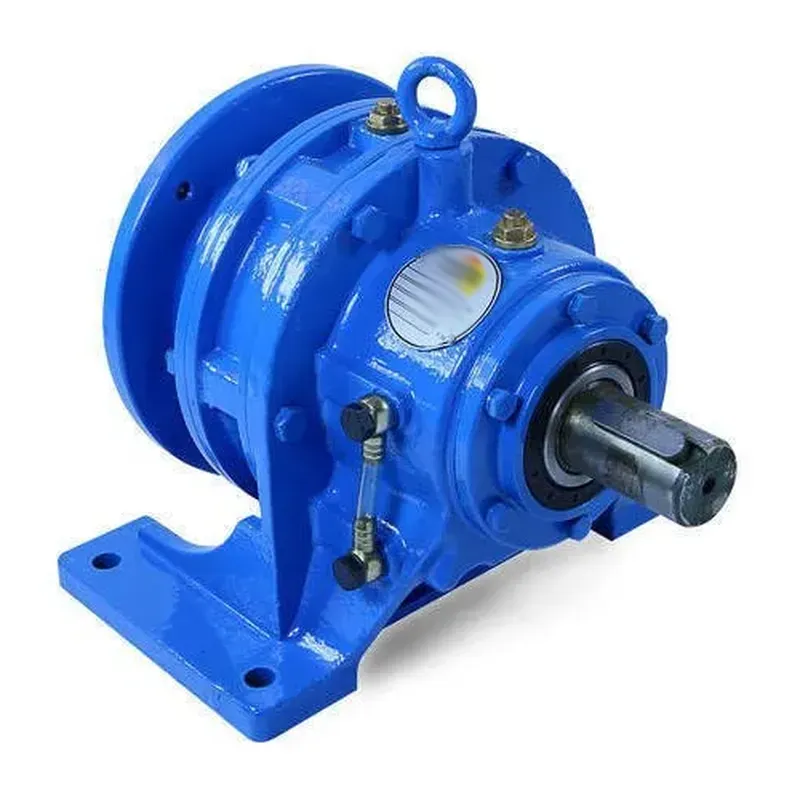
Nhược điểm của hộp số cycloidal
- Chi phí cao hơn so với hộp số hành tinh.
Hộp số cycloidal thường đắt hơn hộp số hành tinh. Chi phí cao hơn này là do cấu trúc bên trong phức tạp và yêu cầu sản xuất chính xác, làm tăng chi phí sản xuất và hạn chế khả năng chi trả đối với một số ứng dụng. - Tốc độ đầu vào tối đa bị giới hạn
Hộp số cycloidal có tốc độ đầu vào tối đa bị hạn chế, điều này có thể giới hạn khả năng sử dụng của chúng trong các hoạt động tốc độ cao. Vượt quá tốc độ này có thể dẫn đến hoạt động kém hiệu quả, quá nhiệt hoặc hư hỏng, khiến chúng không phù hợp với các ứng dụng yêu cầu tốc độ quay cực nhanh. - Thiết kế tương đối phức tạp
Thiết kế của hộp số kiểu cycloid phức tạp hơn so với các loại hộp số đơn giản hơn. Sự phức tạp này có thể khiến việc lắp ráp, khắc phục sự cố và sửa chữa trở nên khó khăn hơn, thường đòi hỏi chuyên môn và công cụ đặc biệt để đảm bảo hoạt động đúng cách và độ tin cậy. - Yêu cầu độ chính xác cao trong sản xuất.
Hộp số cycloidal đòi hỏi quy trình sản xuất chính xác để đảm bảo hiệu suất và độ tin cậy tối ưu. Những sai sót nhỏ về dung sai hoặc căn chỉnh có thể dẫn đến sự kém hiệu quả, tăng mài mòn hoặc hỏng hóc sớm, nhấn mạnh sự cần thiết của các kỹ thuật sản xuất tiên tiến và kiểm soát chất lượng nghiêm ngặt. - Không phù hợp cho các ứng dụng tốc độ cao.
Do những hạn chế về thiết kế và vận hành, hộp số cycloidal không phù hợp lắm cho các ứng dụng tốc độ cao. Hiệu suất của chúng được tối ưu hóa cho tốc độ thấp đến trung bình, khiến chúng kém hiệu quả hơn trong các ngành công nghiệp yêu cầu chuyển động nhanh hoặc tốc độ quay cao.