
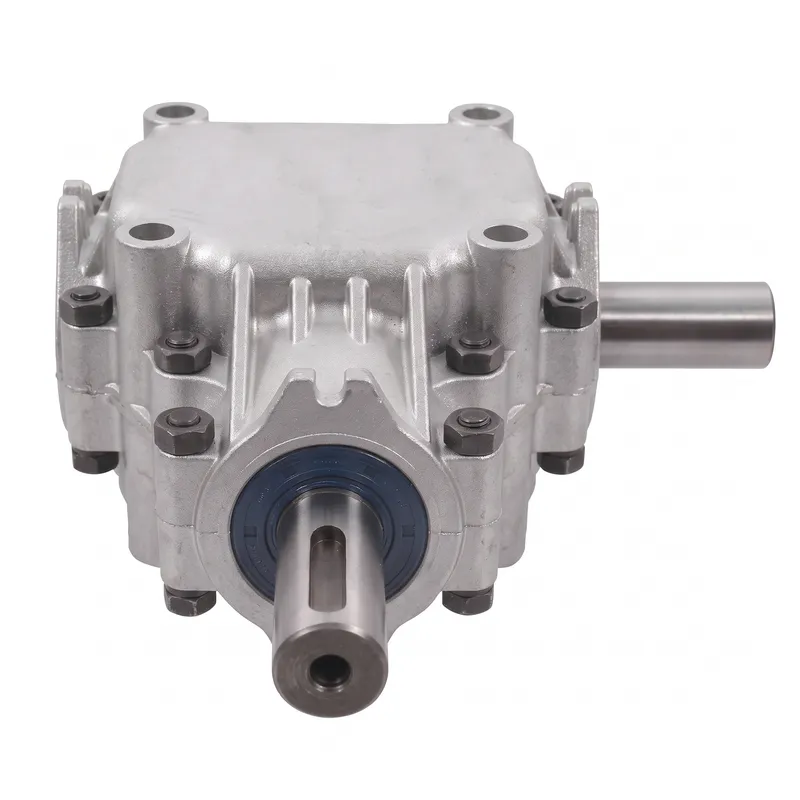
L-25A Fertilizer Spreader Gearbox Ratio 1:3 Replacement for Comer L-25A Gearbox
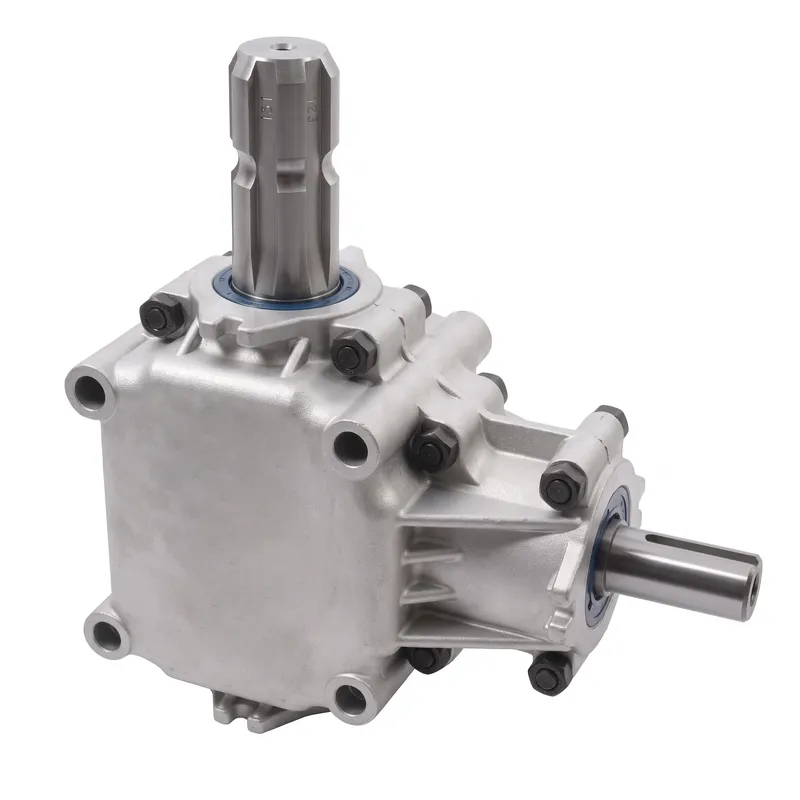
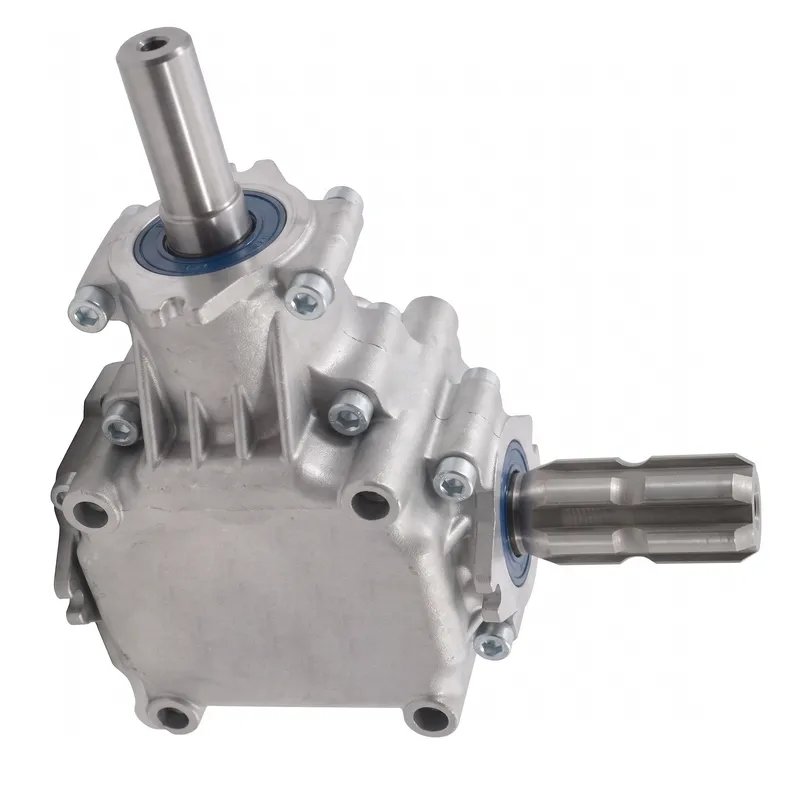
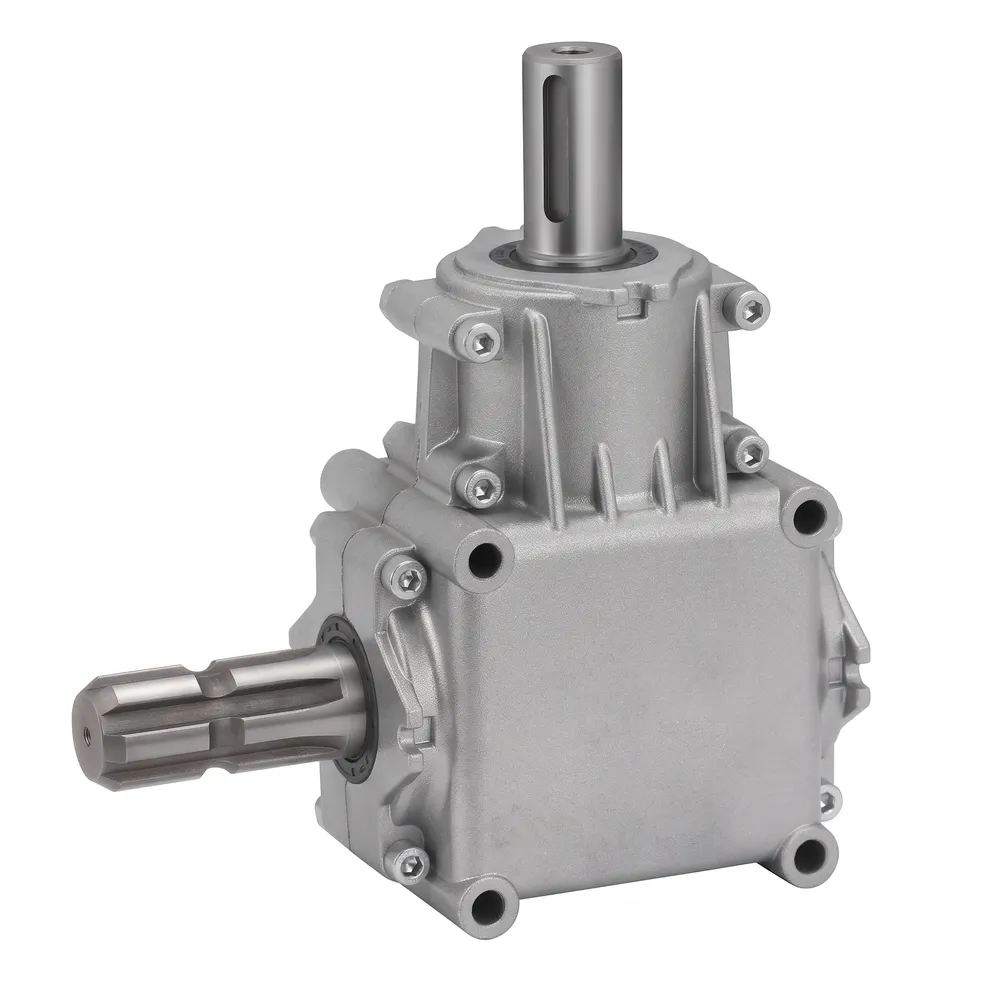
The L-25A Fertilizer Spreader Gearbox Ratio 1:3, a direct replacement for the Comer L-25A Gearbox, is also widely known as a fertilizer distributor gearbox. It is an essential component of modern agricultural machinery, engineered for soil preparation, crop treatment, and precision fertilizer spreading. Positioned at the center of the spreader, it transmits power directly from the tractor’s power take-off (PTO) to the spinning discs or augers responsible for even distribution of fertilizer across the fields. With a 1:3 gear ratio, a maximum input of 5 kW at 540 RPM, and a robust yet lightweight aluminium housing weighing just 4.1 kg, this agricultural gearbox is purpose-built for superior performance in demanding field conditions.
The L-25A Fertilizer Spreader Gearbox Ratio 1:3, a direct replacement for the Comer L-25A Gearbox, is also widely known as a fertilizer distributor gearbox. It is an essential component of modern agricultural machinery, engineered for soil preparation, crop treatment, and precision fertilizer spreading. Positioned at the center of the spreader, it transmits power directly from the tractor's power take-off (PTO) to the spinning discs or augers responsible for even distribution of fertilizer across the fields. With a 1:3 gear ratio, a maximum input of 5 kW at 540 RPM, and a robust yet lightweight aluminium housing weighing just 4.1 kg, this agricultural gearbox is purpose-built for superior performance in demanding field conditions.
These fertilizer spreader gearboxes are engineered for durability and long-term reliability, ensuring consistent power transmission to meet varying operational demands across diverse terrains. Equipped with precisely machined gears and shafts, they optimize rotational speed and torque based on spreading requirements, making them indispensable for granular fertilizer broadcast spreaders, chemical fertiliser spreaders, and band saws. Whether you are a large-scale commercial farmer or a specialist in precision agriculture, this fertilizer gearbox delivers the performance and consistency that modern farming operations require.
Technical Parameters
| Model | L-25A Gearbox 1:3 |
| Replace Brand | Comer |
| Product details | - All gearboxes are supplied without oil. - First oil change after 50-70 operating hours, then after 500- 700 operating hours or at least once a year. - Contact us for power at a different RPM. |
| Application range | - Various (agricultural) applications - Chemical fertiliser spreaders - Band saws |
| Ratio factor | 1:3 |
| Max. input power | 5 kW |
| Max. input rotation speed | 540 r/min |
| Max. output power | 7 HP |
| Max. output torque | 30 N·m |
| Connection 1 outside diameter | 25 mm |
| Connection 2 outside diameter | 25 mm |
| Contains oil | No |
| Max. oil capacity | 0.35 l |
| Max. oil change interval | 500 h |
| Oil SAE viscosity grade | 80W-90 |
| Housing material | Aluminium |
| Weight | 4.1 kg |
We have completed a third-party supplier audit and company verification supported by SGS / TÜV Rheinland. This verification helps buyers review company identity, business operations, supplier profile and general manufacturing capability. Product-specific inspection reports, material documents or compliance records can be provided according to order requirements.
Minimum Order Quantity (MOQ): Flexibly set based on the product type and order amount.
Samples: New customers may request 1–5 samples under appropriate circumstances.
Mixed Orders: Combining different models is supported; the total order amount must reach approximately $1,500.
Small Orders: Orders starting from 1–2 pieces are supported, but the unit price will be relatively higher.
Lead Time: 10–25 working days for standard parts; 20–45 working days for customized components; 45–120 working days for project-based equipment.
Trade Terms: EXW, FOB, CIF, and DAP are generally supported; FCA, CFR, CPT, CIP, and DDP terms can be specifically negotiated.
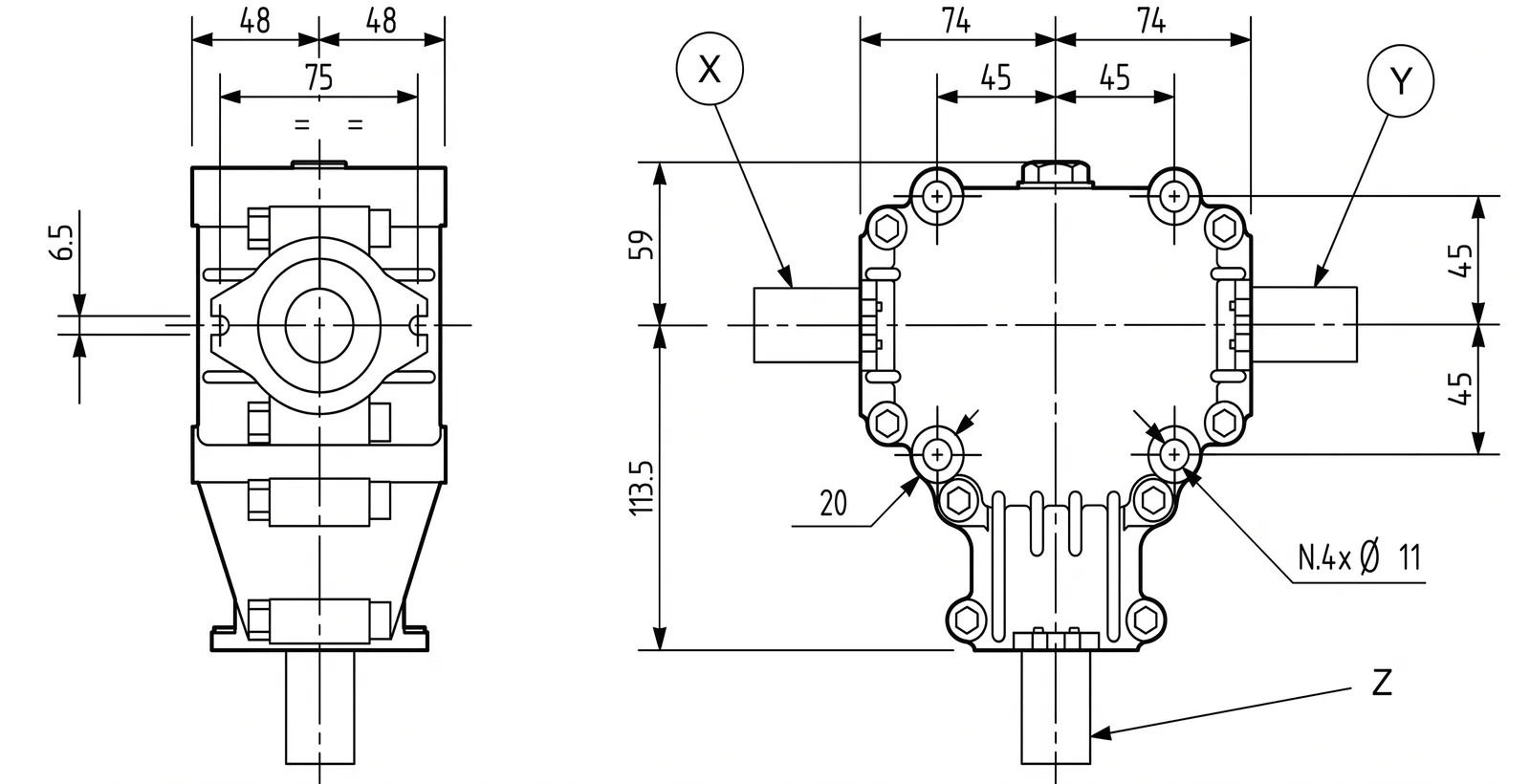
L-25A Fertilizer Spreader Gearbox Dimensions
Key Features of L-25A Fertilizer Spreader Gearbox 1:3
1. Precision Gear Ratio Control
The 1:3 step-up ratio is precisely calibrated to match the spinner disc speed requirements of chemical fertiliser spreaders, delivering uniform broadcast coverage without clumping or uneven distribution. Variable application rates remain consistent across headlands and mid-field passes, reducing costly over-application and protecting crop health while lowering input costs per hectare.
2. Corrosion-Resistant Aluminium Housing
The die-cast aluminium housing provides an outstanding strength-to-weight ratio at just 4.1 kg, significantly reducing the rear-linkage load on your tractor and minimizing soil compaction on vulnerable seedbeds. The alloy is inherently resistant to the corrosive effects of ammonium nitrate, urea, and phosphate compounds commonly encountered during fertilizer spreading seasons, ensuring long service life with minimal degradation.
3. Fuel-Efficient Torque Transfer
Optimized bevel gear geometry within this fertilizer gearbox minimizes parasitic losses during PTO engagement, reducing the mechanical load placed on the tractor engine at the rated 540 RPM input. Lower drivetrain resistance translates directly into measurable fuel savings during extended spreading operations, particularly on large arable farms where the spreader may run for multiple hours per day throughout peak application windows.
4. Wide Application Versatility
Beyond standard granular NPK blends, this agricultural gearbox for fertilizer spreaders handles pelletized lime, potash, organic granules, and compound fertilizers with equal reliability. The dual 25 mm output shaft connections support a range of spreader configurations, and the unit also performs effectively in band saw drives, making it one of the most versatile agricultural gearboxes in its class for small and medium machinery applications.
5. Low Maintenance Design
Splash lubrication with 80W-90 gear oil (0.35 L capacity) keeps all internal components protected with a minimal service footprint. The first oil change is required at just 50-70 hours, with subsequent intervals extending to 500 hours or annually, whichever comes first. Sealed oil chambers and quality lip seals prevent fertilizer dust ingress, dramatically reducing bearing wear and keeping downtime to a minimum during critical planting windows.
6. Direct Comer L-25A Replacement Compatibility
Engineered as a true drop-in replacement for the original Comer L-25A unit, this gearbox matches all critical mounting dimensions, shaft diameters (25 mm on both connections), and the standard 540 RPM PTO input profile. Operators can swap this unit onto existing spreader frames without modifying mounting brackets, shaft couplings, or PTO drive lines, reducing installation time significantly and avoiding costly machine downtime during the busiest periods of the agricultural calendar.
Working Principle of the L-25A Gearbox
The operating cycle begins when the tractor operator engages the PTO lever, transmitting rotational power from the tractor's power take-off shaft into the gearbox input shaft at the standard agricultural speed of 540 RPM. The input shaft is dimensioned at 25 mm outside diameter to match common PTO coupling hardware used across a wide range of European and North American tractor makes. The input connection is designed with precise machining tolerances to eliminate shaft play that could generate noise or premature wear during sustained field operation. From the moment PTO power enters the unit, the internal gear set begins converting that raw rotational input into the precise output characteristics demanded by the fertilizer spreading mechanism mounted downstream.
At the heart of this fertilizer spreader gearbox is a precisely engineered bevel gear pair that performs the fundamental speed and torque conversion function. With a 1:3 ratio, the gearbox steps up the input rotational speed from 540 RPM to 1,620 RPM at the output shaft, simultaneously reducing output torque to 30 N·m as required by lightweight spinner disc applications. Bevel gears are chosen for this application because they efficiently transmit power between intersecting shafts, allowing the gearbox to redirect the drive axis by 90 degrees from the input to the output without energy losses that would occur in chain or belt drives. The gear teeth are precision-cut and heat-treated to maintain profile accuracy under continuous loading.
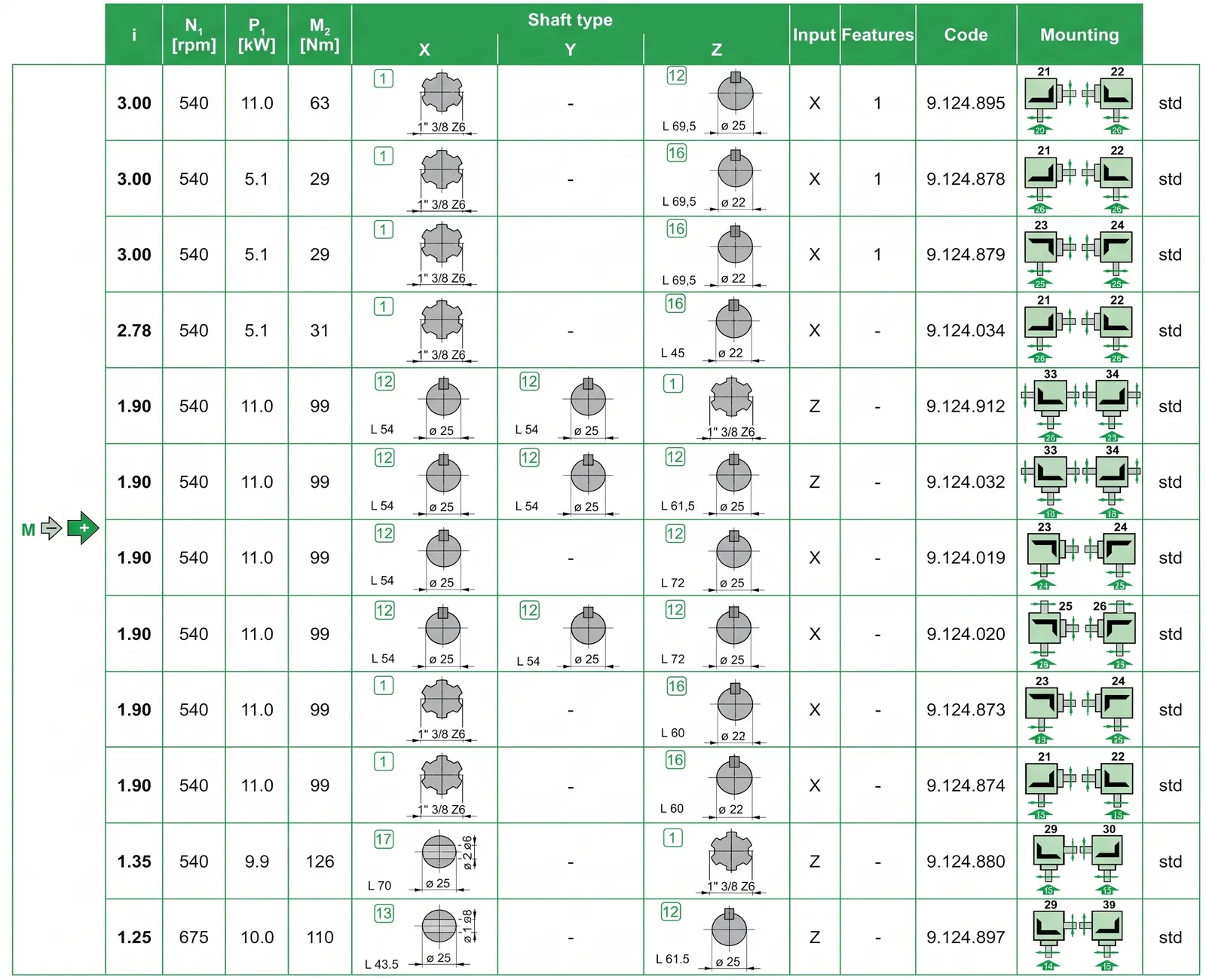
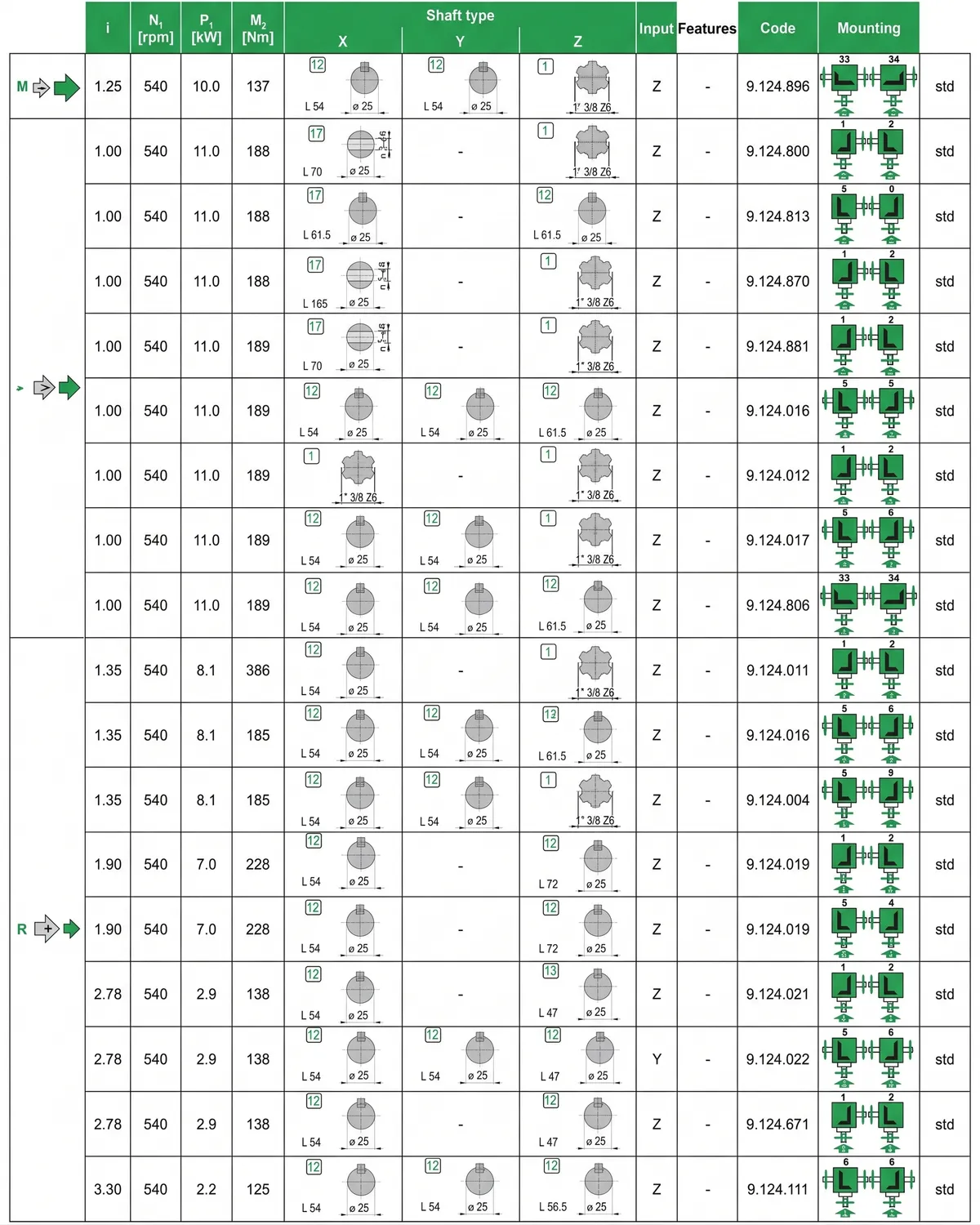
The output shaft, also measuring 25 mm in diameter and running to a length of approximately 69.5 mm as detailed in the Comer engineering drawings, drives the spinner disc or auger assembly that broadcasts fertilizer across the field surface. At 30 N·m maximum output torque and a maximum output power of 7 HP, the gearbox delivers sufficient mechanical energy to maintain consistent disc speed even as the material feed rate fluctuates, ensuring uniform spreading width and application pattern without disc slowdown that would create gaps in fertilizer coverage.
The aluminium housing contains a splash lubrication system filled with 80W-90 SAE grade gear oil to a maximum capacity of 0.35 L. As the gear set rotates, it continuously agitates the oil reservoir, distributing lubricant across all gear tooth contact faces, bearing races, and shaft support surfaces. This self-contained oil bath eliminates the need for external grease nipples or periodic manual lubrication during operation, and the sealed housing prevents fertilizer contamination from entering the oil supply. The aluminium alloy housing conducts heat away from the gear set efficiently, preventing oil temperature escalation during prolonged spreading sessions under summer field conditions.
Both input and output shaft exits are protected by precision-fitted oil seals that prevent gear oil from migrating outward onto the drivetrain while simultaneously blocking the ingress of fertilizer dust, moisture, and field debris into the internal gear chamber. This dual-function sealing is critical given that many fertilizers are hygroscopic and chemically aggressive: urea, ammonium nitrate, and potash compounds will attack unprotected metal surfaces and degrade bearing grease rapidly if allowed to penetrate the housing. The seals used in this fertilizer spreader gearbox are selected for compatibility with both gear oil chemistry and the corrosive agricultural environment surrounding the unit during field use.
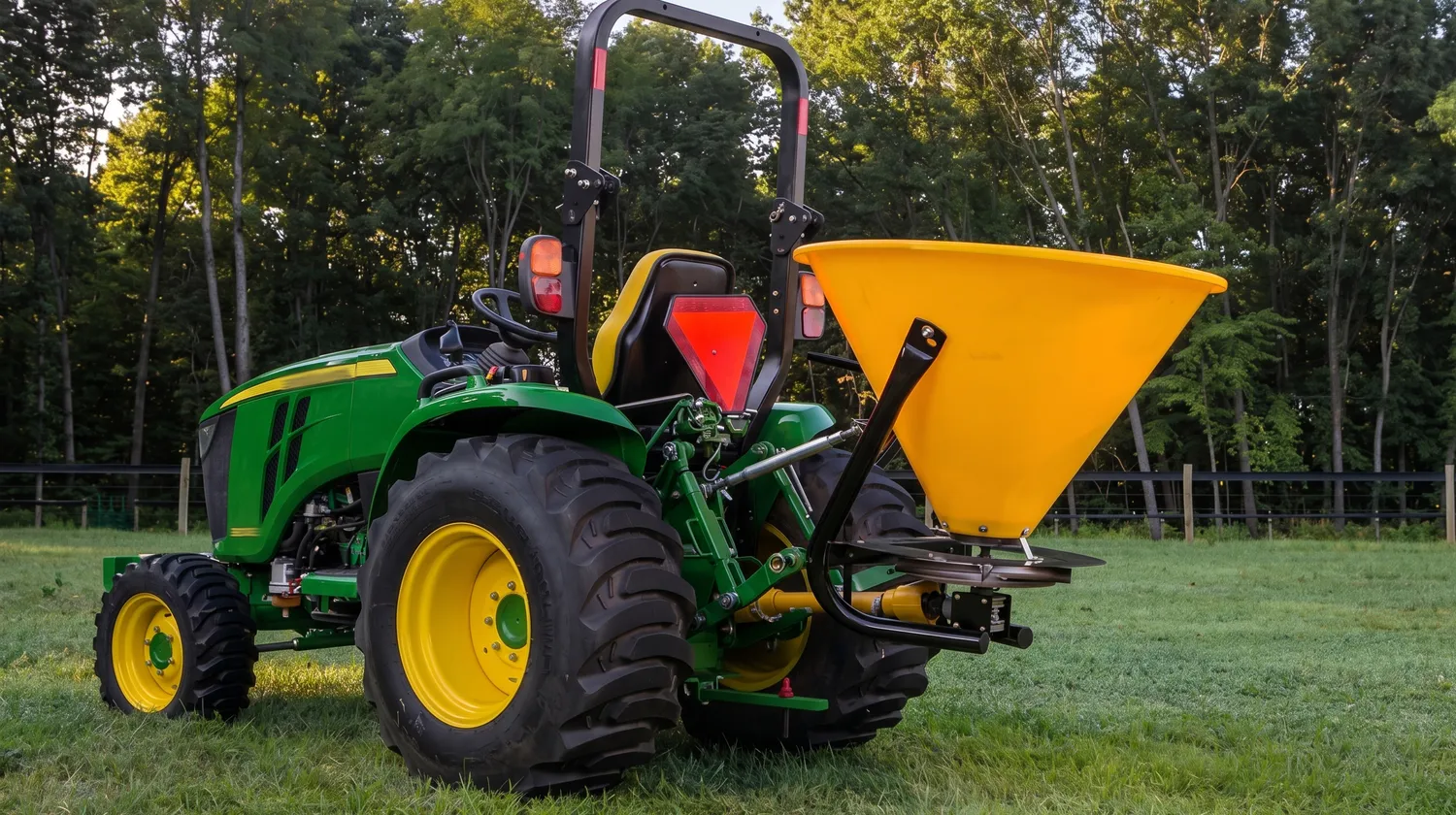
Application Scenarios
Crop Farming and Cereal Production
In large-scale arable farming, this fertilizer spreader gearbox drives broadcast spinner discs that distribute granular NPK blends, urea, and compound fertilizers uniformly across wheat, maize, rapeseed, and soybean fields. Even fertilizer coverage at 12-28 meter spread widths ensures consistent nutrient availability at every point of the root zone, maximizing yield potential across the entire cultivated area while reducing the likelihood of nutrient-deficiency patches developing mid-season.
Pasture and Livestock Grassland Management
Dairy, beef, and sheep farmers rely on fertilizer spreader gearboxes to maintain productive permanent pastures by distributing nitrogen, phosphate, and lime evenly across grazing land. Consistent spreading prevents the creation of over-fertilized patches that produce lush but unpalatable grass alongside under-fertilized areas with poor sward density, ensuring the entire pasture delivers high-quality, nutritious forage throughout the growing season for optimal livestock performance.
Lawn, Sports Turf, and Golf Course Maintenance
Turf managers on golf courses, sports pitches, and municipal parks use compact fertilizer spreader gearboxes to apply slow-release granular fertilizers, iron sulphate, and sand topdressings at precise, low application rates without visible streaking or localized burn. The consistent rotational output at low torque settings makes this gearbox suitable for the controlled, aesthetically sensitive application environment of high-quality turf management where application uniformity directly impacts surface playability and visual presentation.
Horticulture, Nurseries, and Greenhouse Production
Commercial nurseries and greenhouse operators use fertilizer spreader gearboxes in both mobile and fixed spreading equipment to distribute controlled-release fertilizer granules across growing media, container rows, and open-ground production beds. The precise output speed control ensures even fertilizer coverage across sensitive ornamental crops, potted plants, and soft fruit production where nutrient imbalances caused by uneven application can cause visible foliar symptoms that reduce the marketable quality of the entire crop batch.
Soil Amendment and Lime Application
Agricultural lime, gypsum, and granular soil conditioners are routinely spread using the same spreader platforms and fertilizer distributor gearbox configurations used for conventional fertilizers. The L-25A handles the variable particle sizes and bulk densities typical of prilled lime and pelleted gypsum without gearbox overloading, making it a cost-effective drive solution for soil pH correction programs across arable rotations where lime application is needed every four to six years as part of planned soil health management.
Orchards, Vineyards, and Permanent Crops
In orchard and vineyard environments where inter-row spacing limits spreader width and ground clearance is restricted, this compact aluminium gearbox enables precise fertilizer delivery between tree and vine rows without disturbing root systems or causing mechanical damage to trunk bases. The consistent torque output at lower travel speeds suits the precision spreading requirements around perennial crop root systems where nutrient placement directly influences fruit quality, yield consistency, and long-term crop productivity across multi-decade growing cycles.
Landscaping and Gardens Farming
Small-scale agricultural operations, market gardeners, and professional landscaping contractors use lighter-duty fertilizer spreader gearboxes mounted on compact tractor platforms to distribute granular fertilizers across flower beds, vegetable plots, and ornamental planting areas. The 4.1 kg unit weight makes installation and removal straightforward for operators working across multiple sites with a single spreader machine, and the aluminium housing withstands the varied chemical exposures associated with the diverse range of fertilizer products used in mixed horticultural and landscaping applications.
Band Saw Power Transmission
Beyond agricultural spreading, the L-25A gearbox's 1:3 speed-up ratio and dual 25 mm shaft connections make it applicable to PTO-driven band saw equipment used in timber processing and firewood production. The unit delivers the sustained rotational output needed for steady band saw blade speed when powered from a tractor PTO, providing a compact and cost-effective drive solution for farm workshops and forestry operations where PTO-powered machinery is preferred over dedicated electric motor drives.
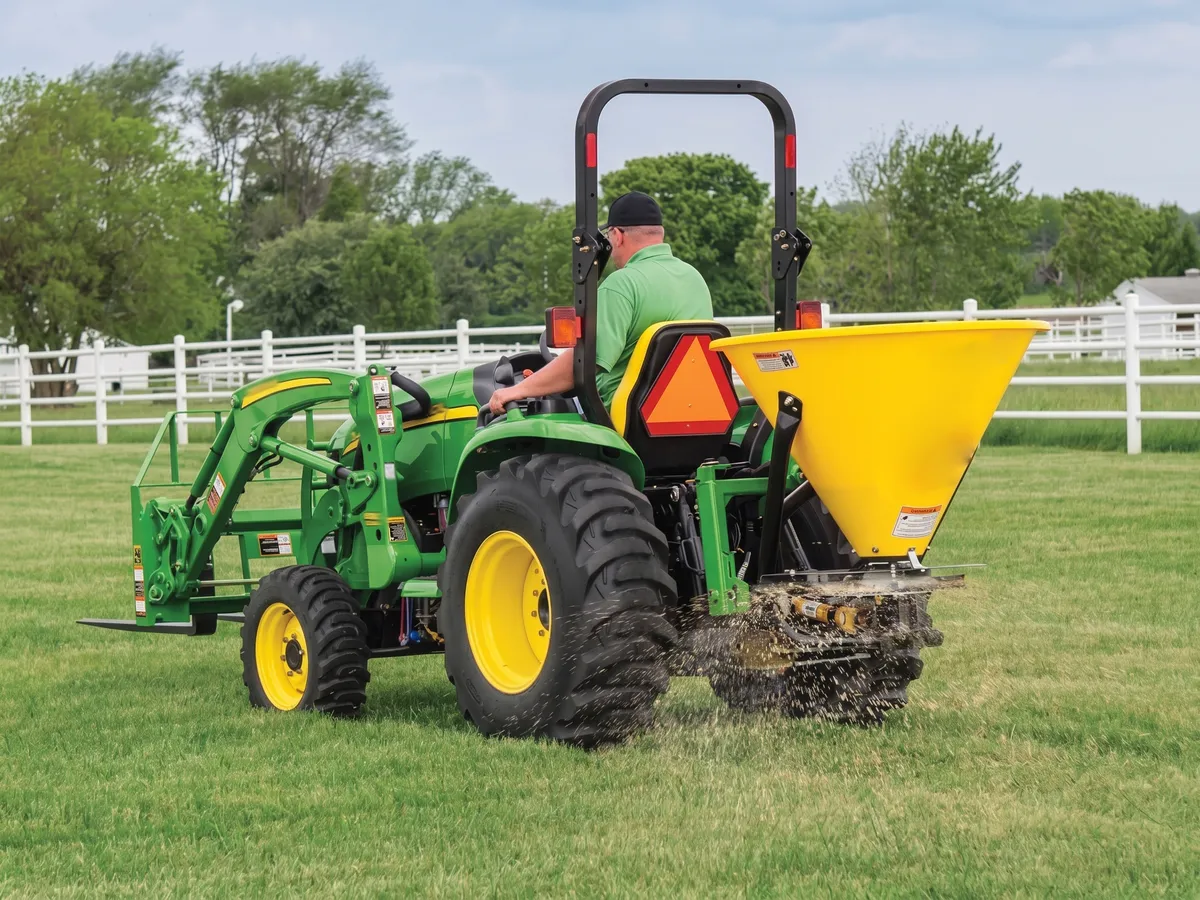
Fertilizer Spreader Gearbox Manufacturing Process
1. Material Selection and Incoming Quality Control
Premium aluminium alloy billets for the housing and alloy steel bar stock for all gear and shaft components are subjected to incoming material certification checks, including chemical composition verification and mechanical property testing, before entering production. All raw materials are traceable to mill certificates, ensuring that housing castings and gear steel meet the dimensional stability and hardness specifications required for agricultural gearbox applications operating across wide temperature ranges and under variable dynamic loading conditions.
2. Housing Die Casting and Machining
The aluminium housing is produced by high-pressure die casting to achieve near-net-shape geometry with consistent wall thickness and dense, porosity-free microstructure throughout. Following casting, CNC machining centres bore bearing seats, face the mounting flange, thread oil fill/drain ports, and drill the four mounting clearance holes to the precise dimensional tolerances shown in the engineering drawings. Machined surfaces are verified against the design specification using coordinate measuring equipment before the housing progresses to the assembly stage.
3. Gear Hobbing, Grinding, and Heat Treatment
Bevel gear blanks are rough-turned from alloy steel bar stock before undergoing gear hobbing or milling to generate the tooth profile geometry. After profile generation, gears are case-carburized and hardened to achieve a surface hardness of 58-62 HRC with a tough core retained beneath the hardened case. Gear flanks are subsequently ground to the required profile accuracy class, ensuring the matched bevel gear pairs operate with low noise levels and uniform load distribution across the tooth face width at all operating torque levels.
4. Shaft Turning, Keyway Milling, and Surface Finishing
Input and output shafts are precision-turned and ground to the 25 mm outside diameter specification with the close tolerances required for interference or transition fits with their respective bearings and couplings. Keyway slots are milled to exact width and depth specifications, and all shaft shoulders are finished to the correct radii to prevent stress concentration at the bearing seat transitions. Final shaft surfaces are inspected for roundness, cylindricity, and surface finish before clearance for assembly.
5. Sub-Assembly of Shaft and Bearing Units
Bearings are pressed onto input and output shaft journals using controlled-force hydraulic presses that apply the correct axial installation load without damaging bearing raceways. Shafts with bearings fitted are assembled with their respective bevel gears, and backlash between the matched gear pair is set precisely using shim adjustments at the bearing carrier positions within the housing. Correct backlash setting is critical for achieving specified noise levels and load distribution across the gear tooth faces during field operation.
6. Final Assembly, Sealing, and Torque Testing
After sub-assembly, oil seals are pressed into housing bores at shaft exit points, the housing halves are joined with sealant applied to mating faces, and all housing fasteners are torqued to specification. Each completed gearbox unit undergoes a no-load run test to verify smooth rotation, check for noise anomalies, and confirm correct output shaft rotation direction. Housing fastener torque is verified after initial run-in to account for any gasket compression settling before units are cleared for final packaging and dispatch.
7. Final Inspection and Dimensional Verification
Completed gearboxes are subjected to a full dimensional check of all external interfaces including shaft diameters, mounting hole positions, and overall envelope dimensions against the Comer L-25A reference drawings. Shaft runout is measured at both connection points to ensure compatibility with spreader coupling alignment requirements. Units that pass all dimensional, functional, and visual inspection criteria are tagged with batch traceability codes and packaged in protective cartons with installation and oil-filling instructions included for end-user reference.
8. Corrosion Protection and External Finishing
Exposed external housing surfaces and unpainted steel components receive an appropriate protective finish to resist the corrosive environment created by fertilizer dust accumulation, rain, and field moisture during seasonal storage between spreading campaigns. The aluminium housing's natural oxide layer provides inherent corrosion resistance, but all external steel fasteners, plugs, and exposed shaft surfaces receive additional phosphating or zinc coating treatments to prevent red rust formation that could compromise the structural integrity of threaded interfaces during long-term outdoor storage on farm.
Maintenance Tips
1. Monitor Fertilizer Spreader Gearbox Oil Level Regularly
Check the fertilizer spreader gearbox oil level before the start of each spreading season and at regular intervals throughout. The unit requires 0.35 L of 80W-90 SAE gear oil. Perform the first oil change after 50-70 operating hours to flush any manufacturing residues or initial wear particles, then repeat at 500-hour intervals or at least once annually. Low oil level is the leading cause of premature bearing and gear failure in agricultural gearboxes, and running any unit even briefly below the minimum oil level can cause catastrophic internal damage.
2. Inspect Seals and Shaft Areas for Fertilizer Ingress
Fertilizer dust is abrasive and chemically corrosive, making oil seal inspection a critical maintenance task after each spreading session. Examine the shaft exit points on both the input and output sides for signs of oil weeping outward (indicating a leaking seal) or discoloration from fertilizer dust compacted around the lip seal area. Replace seals at the first sign of weeping or cracking to prevent fertilizer contamination of the oil supply, which would rapidly accelerate gear and bearing wear through abrasive contamination of the lubricant film.
3. Check Mounting Fasteners and Shaft Connections Before Each Season
Verify that all four mounting bolts securing the gearbox to the spreader chassis are torqued to the correct specification before beginning seasonal spreading operations. Loose mounting fasteners allow the gearbox to move under the dynamic loads of field operation, generating fretting corrosion at the mounting flange interface and creating misalignment between the gearbox output shaft and the spreader's disc drive coupling. Also check disc bolts, agitator mounting hardware, and shaft key retaining fasteners, replacing any that show corrosion or deformation after the previous season's use.
4. Clean the Gearbox Thoroughly After Each Spreading Campaign
After completing each spreading campaign, wash the external surfaces of the gearbox housing with fresh water and a mild cleaning agent to remove all residual fertilizer deposits before they concentrate and intensify their corrosive effect during off-season storage. Pay particular attention to the shaft seal areas and mounting flange perimeter where fertilizer accumulates in crevices. Allow the gearbox to dry completely before storing, and apply a light corrosion inhibitor to any exposed unpainted steel surfaces that show early signs of surface rusting after chemical exposure during field use.
5. Inspect for Noise, Vibration, and Unusual Resistance During Operation
During spreading operations, periodically disengage the PTO and re-engage at low speed while listening for any change in operating noise from the gearbox, including new grinding, rumbling, or whining sounds that were not present at the start of the season. Increased operating noise typically indicates developing bearing wear, gear tooth damage, or inadequate lubrication within the unit. Catching these symptoms early allows the gearbox to be withdrawn from service for inspection and repair before a minor internal fault escalates into complete drivetrain failure in the middle of a critical spreading window.
6. Confirm Compatibility Before Ordering Replacement Parts
Before ordering this L-25A replacement gearbox or any fertilizer spreader gearbox parts, confirm that your spreader's PTO speed is 540 RPM, that the input and output shaft diameters match the 25 mm specification, and that the four-bolt mounting pattern aligns with your current spreader frame dimensions as shown in the dimensional drawings. Verify the required gear ratio (1:3 for this unit), and check that your spreader application falls within the 5 kW / 30 N·m operating envelope. Using an incompatible gearbox will result in either mechanical overload or insufficient output speed for effective spreading performance.
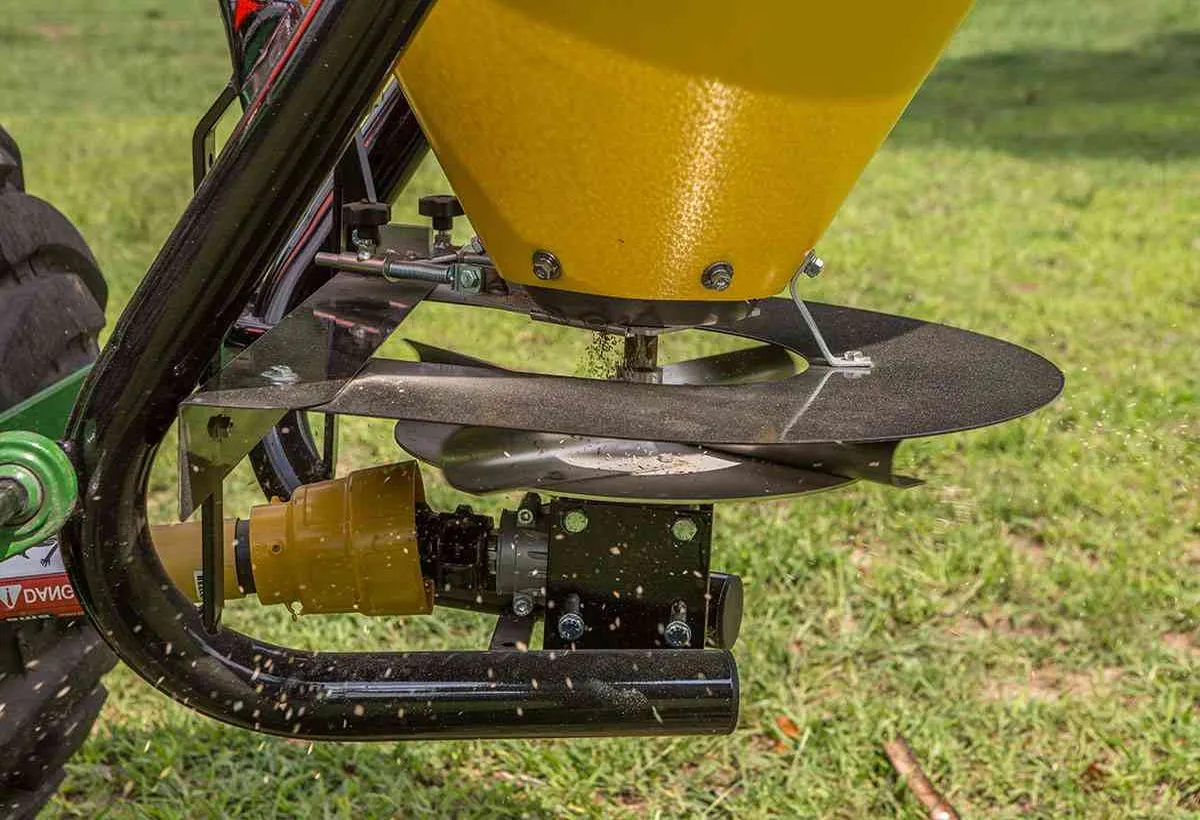
Fertilizer Spreader Gearbox and Agricultural PTO Shaft
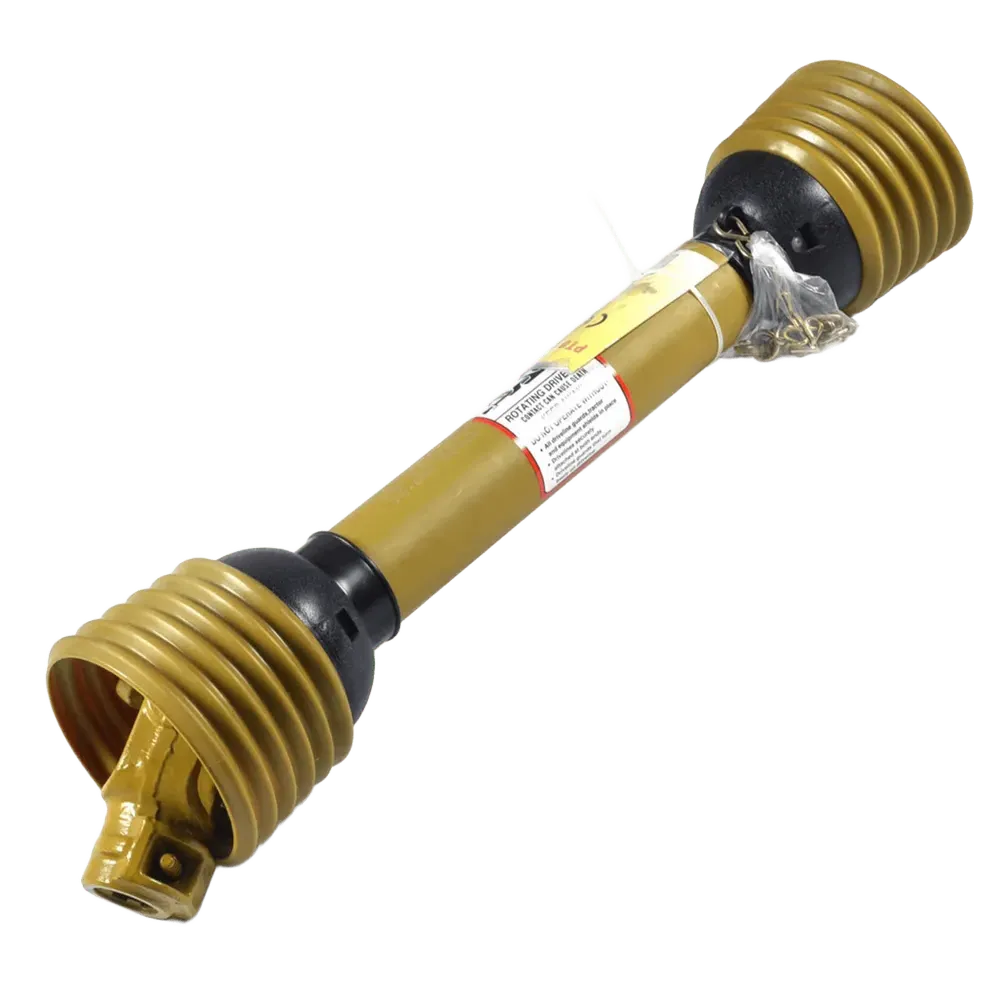
The Power Take-Off (PTO) shaft is the mechanical bridge that carries engine power from the tractor's gearbox output flange to the input shaft of the fertilizer spreader gearbox. On agricultural tractors worldwide, the PTO output rotates at a standardized speed of 540 RPM at the category 1 or category 2 stub shaft, enabling a universal connection standard across tractor makes and equipment types. The PTO shaft itself consists of telescoping steel tubes containing a splined inner shaft that allows the shaft length to change as the three-point hitch raises and lowers the spreader during headland turns, while universal joints at both ends accommodate angular misalignment between the tractor PTO stub and the gearbox input shaft throughout the full range of hitch movement.
PTO shafts used with fertilizer spreader equipment are typically shielded with a plastic protective cover that rotates freely on bearings, preventing crop debris, clothing, and body parts from contacting the rapidly rotating drive shaft. The standard 1-3/8 inch, 6-spline (Z6) female cup connection at the spreader-end of the PTO shaft engages directly with the input stub shaft of the fertilizer spreader gearbox, locking the two components into a single rotating drive assembly for the duration of the spreading operation.
The fertilizer spreader gearbox receives 540 RPM rotational power from the PTO shaft and transforms it through the internal bevel gear set into the 1,620 RPM output speed required to drive the spinner discs at the correct velocity for wide, even broadcast spreading. Without the gearbox, the PTO shaft would deliver raw tractor engine torque at a speed and direction incompatible with the spinner mechanism's requirements. The gearbox performs three simultaneous functions in this drive chain: it changes the direction of rotation by 90 degrees through the bevel gear set, it multiplies the output rotational speed by the 1:3 ratio, and it converts the high-torque, lower-speed PTO input into the lower-torque, higher-speed output that lightweight spinner discs require for effective fertilizer broadcast performance.
When the tractor operator engages the PTO lever, power flows from the tractor engine through the transmission PTO output shaft, through the telescoping driveline, through the universal joints, and into the gearbox input shaft. From there, the bevel gear set redirects and multiplies the rotation before delivering it to the output shaft connected to the spreader disc drive assembly. The entire system from PTO stub to disc centre operates as a single, continuous mechanical drive chain, with the gearbox acting as the critical conversion and direction-change node that makes the whole system functionally effective for agricultural spreading applications.
When pairing a PTO shaft with the L-25A Fertilizer Spreader Gearbox, several technical parameters must be matched to ensure a safe, effective, and mechanically compatible drive installation. The input connection of this gearbox accepts a 1-3/8 inch (approximately 35 mm) diameter stub shaft with a 6-spline (Z6) engagement profile as referenced in the Comer L-25A technical drawings, so the PTO shaft's spreader-end cup connection must match this spline specification exactly. The PTO shaft torque rating must be sufficient to carry the 5 kW maximum input power at 540 RPM continuously without shaft twist deformation or universal joint failure during peak spreading loads.
PTO shaft length selection depends on the distance between the tractor's PTO stub shaft and the gearbox input shaft in the working position, with the shaft compressed to its minimum length when the hitch is fully raised and extended to near maximum when the hitch is lowered to the working depth. Typically, the shaft should operate at between 20% and 80% of its total telescoping range in the working position, with adequate compression remaining to prevent separation when the hitch rises during headland turns. A shaft that is too short will separate dangerously during normal hitch operation, while one that is too long will bottom out on its telescoping tubes when the hitch is raised, creating a rigid connection that applies damaging axial loads to the gearbox input bearing.
For the L-25A Gearbox operating on standard 50-150 HP tractors with a rear-mounted fertilizer spreader, PTO shafts in the 1,000-1,400 mm total closed length range with adequate torque ratings are commonly used, though the exact specification should be measured from the tractor hitch geometry for each specific installation. Always ensure the PTO shaft guard is in place and in good condition before each spreading session, and inspect both the shaft and the gearbox input connection for wear, wobble, or spline damage at the start of each season before placing the machine back into productive field use.
 |  |
Fertilizer Spreader Gearbox vs. Manure Spreader Gearbox
What Is a Fertilizer Spreader Gearbox?
A fertilizer spreader gearbox is a mechanical power transmission component mounted between the tractor's PTO shaft and the spreading mechanism of a fertilizer applicator. It converts and redistributes rotational input from the power take-off into the precise speed and torque required to drive spinner discs, broadcast paddles, or conveyor chains, enabling uniform distribution of granular, pelletized, or powdered fertilizers across cultivated fields. Built to handle sustained high-speed operation, these gearboxes typically feature helical or bevel gear sets housed in cast iron or aluminum alloy cases, with sealed lubrication systems that maintain consistent performance across varied terrain and load conditions.
Advantages of Fertilizer Spreader Gearbox
- High-Speed Spinner Drive Capability
Fertilizer spreader gearboxes are engineered to sustain rotational output speeds that conventional gearboxes cannot reliably deliver, ensuring the spinner discs maintain the velocity needed for wide, even coverage across large field widths without product clumping or uneven distribution patterns. - Precise Speed Ratio Control
The internal gear ratios are calibrated to match specific application rates, allowing operators to adjust output speed in direct relation to forward travel speed. This coordination prevents over-application on headlands and under-application in mid-field runs, reducing input waste significantly. - Corrosion-Resistant Construction
Exposure to ammonium nitrate, urea, potash, and phosphate compounds creates aggressive chemical environments. Fertilizer spreader gearboxes are manufactured with corrosion-resistant seals, coated housing surfaces, and stainless hardware to resist degradation from fertilizer dust infiltration during extended field seasons. - Low Maintenance Lubrication Systems
Most modern units use splash or pressure-fed oil lubrication enclosed within sealed housings, eliminating the need for frequent manual greasing. This design reduces downtime during planting windows when field hours are most critical and machine availability directly affects yield outcomes. - Compact, Lightweight Mounting Profile
The gearbox is designed to sit within the compact undercarriage of a spreader without adding excessive weight to the rear linkage. Aluminum alloy housings reduce overall machine mass, improving tractor draft balance and reducing soil compaction on vulnerable seedbed surfaces.
Applications of Fertilizer Spreader Gearbox
- Broadcast Spreading of Granular Fertilizers
The gearbox drives twin or single spinner discs that fling granular NPK blends, urea, or lime across field widths of 12–36 meters, making it the core component in broadcast application equipment used on row crops, pastures, and cereal grain fields throughout the planting season. - Pneumatic Distributor Drive Systems
In air-assisted spreaders, the gearbox powers the fan or impeller that carries fertilizer particles through distribution tubes to multiple outlet points, enabling precise boom-style application with reduced drift widely used in hilly terrain where spinner uniformity is difficult to achieve. - Combination Seed and Fertilizer Applicators
Twin-product machines that apply seed and starter fertilizer simultaneously use dedicated gearboxes to independently control each product stream's output speed, allowing rate adjustments for one product without affecting the other critical for precision planting systems in smallholder and commercial farming alike. - Golf Course and Sports Turf Management
Smaller-format fertilizer spreader gearboxes are used in turf-grade spreaders on golf fairways, sports pitches, and park grounds where uniform, low-rate granular application is essential for maintaining consistent grass health without visible streaking or burn patches. - Orchard and Vineyard Row Application
Narrow-width spreaders fitted with these gearboxes distribute fertilizer between vine or tree rows where boom widths are restricted. The gearbox delivers consistent torque even at the lower travel speeds required in confined inter-row spaces with uneven ground surfaces.
What Is a Manure Spreader Gearbox?
A manure spreader gearbox is a heavy-duty power transmission unit that drives the beater, auger, or paddle assemblies of a manure spreading machine. It receives rotational power from the tractor PTO and converts it into the high-torque, lower-speed output necessary to break apart, agitate, and project semi-solid or solid animal manure including cattle slurry solids, composted poultry litter, and raw farmyard manure from the spreader's discharge end. Because manure material is dense, fibrous, abrasive, and highly variable in consistency, the gearbox must sustain far higher shock loads and torque spikes than those encountered in fertilizer spreading work, requiring robust internal components and heavy cast housings to survive continuous field use under demanding conditions.
Advantages of Manure Spreader Gearbox
- Exceptional Torque Handling Under Shock Loads
Manure spreader gearboxes are purpose-built to absorb sudden torque spikes caused by dense clods, straw-bound material, or frozen manure encountering the beater at full rotational speed. Internal shear bolt or slip clutch integration protects the drivetrain from catastrophic overload damage that would otherwise sideline equipment during busy spreading seasons. - Heavy-Wall Housing Construction for Long-Term Durability
The gearbox housing is typically cast from ductile iron or thick-wall steel, providing the structural rigidity necessary to withstand the sustained vibration transmitted from high-mass beater assemblies spinning through dense, uneven material loads over thousands of annual operating hours across rough farmyard terrain. - Low-Speed, High-Torque Output Ratios
Unlike fertilizer units tuned for speed, manure spreader gearboxes operate at reduction ratios that multiply PTO input torque significantly before it reaches the beater shaft. This mechanical advantage allows the spreading mechanism to process heavy, compacted material that would stall a lighter-duty drivetrain within seconds of engagement. - Sealed Bearing Packages Resistant to Contamination
Manure environments expose all mechanical components to ammonia vapors, liquid slurry, composted solids, and abrasive grit. The gearbox uses heavy-duty labyrinth seals and pressure-equalization vents to prevent contamination ingress into the bearing races and gear mesh zones that would otherwise accelerate internal wear.
Applications of Manure Spreader Gearbox
- Rear-Beater Box Spreaders for Solid Farmyard Manure
The most common application is driving the twin or single horizontal beaters at the discharge end of a box spreader, shredding and projecting cattle or pig manure at controlled rates onto arable and grassland fields — the gearbox determines both the output torque and beater speed that define spreading pattern width and particle size. - Vertical Beater High-Speed Spreaders
High-output vertical beater machines, commonly used for rapid stockpile clearance on large livestock farms, rely on heavy gearboxes to sustain the aggressive rotational forces needed to process material at rates exceeding 20 tonnes per hour without overheating or mechanical fatigue within the drive assembly. - Slurry Tanker Agitator Drives
In semi-solid slurry tank applications, the gearbox powers agitator paddles or pump impellers that maintain consistent slurry viscosity within the tank during transit and before discharge, preventing solids settlement that would otherwise create dangerous tank imbalance and uneven field application rates. - Poultry Litter Spreaders for Broiler Operations
Poultry house cleanout machines fitted with these gearboxes handle the densely packed, high-nitrogen litter from broiler and layer facilities, distributing it across cropland as a high-value organic amendment. The gearbox must manage the abrasive, dust-heavy litter material without seal failure across multiple cleanout cycles per growing year.
Why Choose CMN Transmission's Fertilizer Spreader Gearboxes?
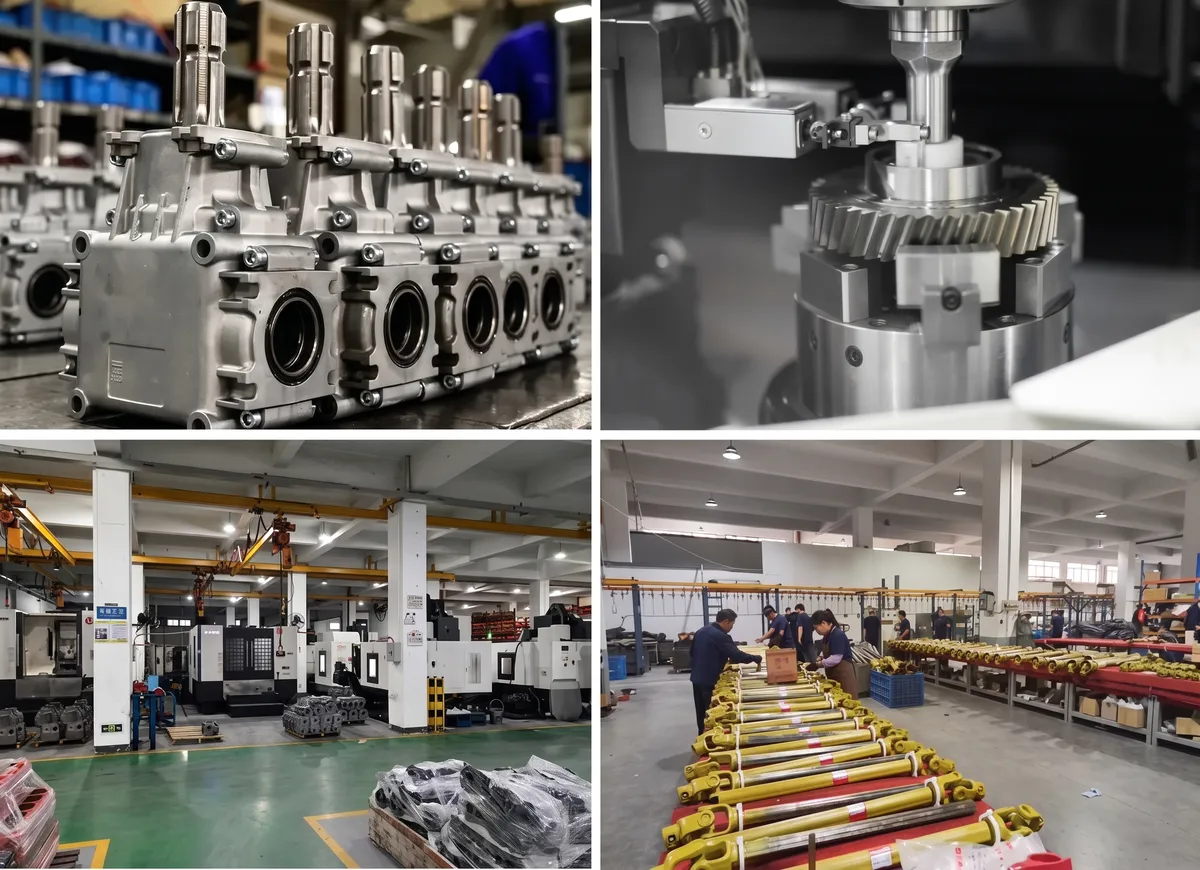
Korea CMN Transmission Co., Ltd. was established in 2000 and is headquartered in Sandan-o, Danwon-gu, Ansan-si, Gyeonggi-do, Korea. With over two decades of dedicated manufacturing experience and 100+ factory employees, CMN has grown from a regional agricultural gearbox producer into a globally recognized fertilizer spreader gearbox manufacturer trusted by OEMs, distributors, and independent farmers across six continents. Our longevity in this market reflects our consistent delivery of technically accurate, durably built products that meet the real demands of commercial agricultural operations year after year. CMN Transmission holds CE marking, ISO 9001 Quality Management System certification, Environmental Management certification, and Occupational Health and Safety certification. These accreditations are not simply paper qualifications: they underpin a systematic approach to incoming material control, process discipline, dimensional verification, and final product testing that ensures every fertilizer gearbox leaving our facility meets the specification the customer ordered. Third-party certification audits are conducted regularly, providing independent verification of our quality system's effectiveness.
CMN Transmission manufactures nearly one thousand specifications of agricultural gearbox, covering rotary cutter gearboxes, rotary tiller gearboxes, feed mixer gearboxes, rotary mower gearboxes, fertilizer spreader gearboxes, flail mower gearboxes, post hole digger gearboxes, round baler gearboxes, square baler gearboxes, disc mower gearboxes, center pivot irrigation gearboxes, hydraulic drive gearboxes, silage machine gearboxes, orchard sprayer gearboxes, rotary rake gearboxes, combine harvester gearboxes, grain storage gearboxes, grain transportation gearboxes, corn headers gearboxes, cutting bar gearboxes, poultry feeding gearboxes, and custom-engineered solutions for special applications. With an annual production quantity exceeding 500,000 units, CMN Transmission is one of the highest-volume agricultural gearbox producers in Asia, with the manufacturing scale to maintain consistent product quality across large production runs while retaining the flexibility to accommodate custom engineering requests from OEM partners requiring application-specific solutions.
CMN Transmission exports its agricultural gearboxes to the United States, Canada, Mexico, Brazil, Argentina, France, Germany, Italy, Spain, the United Kingdom, Russia, China, India, Thailand, Vietnam, Turkey, Australia, New Zealand, and many additional markets worldwide. This export experience translates into logistics competence: we understand the documentation requirements, shipping constraints, and customs processes for each major agricultural market, enabling us to deliver fertilizer spreader gearboxes reliably to farming operations on every continent. Whether you are a single-farm buyer or a regional agricultural equipment distributor seeking a reliable long-term supply partner, CMN Transmission has the scale, experience, and product range to meet your requirements consistently.
Frequently Asked Questions
Q: Is this L-25A gearbox a direct replacement for the original Comer L-25A fertilizer spreader gearbox?
A: Yes, this gearbox is engineered as a direct drop-in replacement for the Comer L-25A unit. All critical external dimensions, including the 25 mm shaft diameters on both connections, the four-bolt mounting flange hole pattern (N.4 x 11 mm), and the overall housing envelope, match the original Comer specifications. You should be able to mount this unit on your existing spreader frame using your existing hardware without any modification. We recommend cross-checking the mounting dimensions shown in our drawings against your original unit before installation to confirm fit.
Q: What fertilizer spreader gearbox oil should I use, and how do I check the oil level?
A: The L-25A Fertilizer Spreader Gearbox requires SAE 80W-90 gear oil, filled to a maximum capacity of 0.35 L. To check the fertilizer spreader gearbox oil level, place the gearbox on a level surface, remove the oil level plug, and confirm that oil is present at or just below the plug thread base. If oil does not reach the level plug opening, top up with 80W-90 until it begins to seep from the hole, then refit the plug securely. Perform the first oil change at 50-70 operating hours to remove initial wear particles, then repeat at 500-hour intervals or at least once per year.
Q: What does the 1:3 fertilizer spreader gearbox ratio mean in practice?
A: A fertilizer spreader gearbox ratio of 1:3 means that for every one revolution of the input shaft, the output shaft completes three revolutions. With a standard 540 RPM tractor PTO input, the output shaft of this gearbox rotates at 1,620 RPM. This speed multiplication is why the gearbox is described as a "step-up" unit: it increases the output rotational speed to the higher RPM required for fertilizer spinner discs to broadcast granular material effectively across wide spread widths. The corresponding effect on torque is a reduction from input to output, so the 5 kW input at low torque is converted into a higher-speed, lower-torque 7 HP equivalent output.
Q: Why is the gearbox supplied without oil?
A: All fertilizer spreader gearboxes in this range are supplied dry (without oil) to comply with international shipping regulations that restrict the transport of oil-filled mechanical units as hazardous goods. Before installing and running the gearbox, you must fill it with 0.35 L of SAE 80W-90 gear oil through the fill port. Failure to fill the gearbox with oil before initial operation will result in immediate and severe internal damage to the gear set and bearings, voiding any warranty. The fill procedure is straightforward: add oil until it begins to appear at the level plug, replace both plugs securely, and wipe external surfaces clean before installation.
Q: Can this gearbox be used on spreaders that require a different input RPM than 540?
A: This gearbox is rated for a maximum input rotation speed of 540 RPM, which corresponds to the standard agricultural PTO speed used on the vast majority of tractors worldwide for rear-mounted implements. If your application requires operation at a different PTO speed, such as 1,000 RPM economy PTO, please contact us directly before ordering. Running the gearbox at input speeds significantly above the rated 540 RPM maximum will exceed the design limits of the bearings and gear set, potentially causing premature failure and creating a safety hazard. Custom configurations matched to non-standard input speeds may be available on inquiry.
Q: How do I find fertilizer spreader gearbox parts for the L-25A, and which components are most commonly replaced?
A: The fertilizer spreader gearbox parts most frequently replaced on the L-25A class include oil seals (due to fertilizer abrasion and chemical degradation), input and output shaft bearings (typically after 1,500-2,000 operating hours or following oil contamination), and the bevel gear set (at the end of extended service life). Contact our technical team with your gearbox model number and the specific component required, and we can advise on part availability. In many cases, replacing only the worn seal or bearing is more cost-effective than replacing the complete gearbox unit, provided the housing and gear set remain within serviceable tolerances.
Q: Is this gearbox compatible with band saw equipment as well as fertilizer spreaders?
A: Yes. The Comer L-25A series, which this unit is designed to replace, is listed in the official Comer catalog as suitable for both chemical fertiliser spreaders and band saw applications. The 1:3 step-up ratio, 540 RPM input, and 25 mm output shaft diameter suit PTO-driven band saw installations commonly used in farm timber processing and firewood cutting operations. Ensure that the power demands of your specific band saw installation fall within the 5 kW / 30 N·m output torque envelope of this gearbox before connecting it to any band saw drive assembly.
Q: What are the dimensional key measurements of the L-25A gearbox for installation planning?
A: Based on the engineering drawings, key dimensions include: housing width across the top mounting flange area of 75 mm (48+48 mm bolt pitch symmetrically located), overall height of 113.5 mm from mounting base to input shaft centerline (with 59 mm from centerline to top), mounting bolt hole diameter of 11 mm (4 holes), input shaft outside diameter 25 mm, output shaft outside diameter 25 mm, and an overall housing depth of 90 mm at the widest point. For precise installation planning, always measure your existing Comer L-25A unit or refer to the official dimension drawings provided with this listing before fabricating any custom mounting adapters.
Q: How long does global shipping take, and are these gearboxes available to fertilizer spreader suppliers and distributors in bulk?
A: Shipping times vary by destination but typically range from 7-14 days for major markets in Europe, North America, and Australia, with longer transit times for some destinations in South America and Africa. For fertilizer spreader suppliers, agricultural equipment distributors, and OEM manufacturers requiring bulk quantities, please contact us directly for volume pricing, lead times, and custom specification options. CMN Transmission supplies fertilizer spreader gearboxes for sale to customers in over 60 countries globally and has established logistics partnerships that enable reliable delivery across all major agricultural regions worldwide.
Q: What is the difference between a fertiliser spreader gearbox and a fertilizer distributor gearbox?
A: These terms refer to the same category of agricultural power transmission component. "Fertilizer spreader gearbox" is the most common term used in North American markets, while "fertiliser spreader gearbox" (with the British spelling of fertiliser) is standard in UK, Australian, and most Commonwealth agricultural markets. "Fertilizer distributor gearbox" is an alternative technical descriptor used in some European markets and engineering literature. All three terms describe the same type of unit: a gearbox that transmits and converts PTO power to drive the spreading mechanism of a fertilizer applicator machine. The L-25A Gearbox fits all three descriptions.
Customer Reviews
James Whitmore, Crop Farming, United Kingdom
"Fitted the L-25A gearbox to my Vicon fertilizer spreader about four months ago after the original Comer unit wore out. Bolted straight on, no modifications needed at all. We run it at 540 PTO on our John Deere 6130R and it has been absolutely solid. Spread around 800 hectares of winter wheat with it so far. Oil level checks out fine and no leaks whatsoever. Really pleased with the build quality for the price."
Klaus Breitner, Pasture Management, Germany
"I ordered this gearbox for our fertilizer spreader and I am very satisfied. It fits exactly like the Comer original; all dimensions are correct. Delivery to Germany only took 9 days, faster than expected. The housing is neatly machined, no visible casting defects. Did the first oil change at 60 hours, the oil was clean. Clear recommendation for anyone looking for a replacement gearbox."
Craig Fullerton, Crop Farming, Australia
"We manage about 3,200 acres of mixed cropping in New South Wales and go through a lot of fertilizer spreader gearbox parts each season. Ordered three of these L-25A units as stock replacements. All three arrived well packaged, measured them against our original Comer units and they match perfectly. One has been running since early winter on our Amazone spreader with zero issues. Happy to order again when we need more."
Rodrigo Mendonca, Orchards and Vineyards, Brazil
"We bought two of these assemblies for our fertilizer spreaders in Mato Grosso. The customer service was excellent, they replied to me quickly by email and helped me confirm that the model was compatible with our machines before finalizing the order. The delivery time was 14 days to Brazil, which I thought was very good. Both are working well, a 1:3 ratio perfect for our operations. I will recommend it to other producers in the region."
Derek Calloway, Farm Equipment, United States
"Good gearbox overall. We installed it on a spreader used across about 600 acres of corn and soybean in Indiana. Fits the mounting pattern, shaft sizes are correct. My only minor issue was that no oil was included, which the listing does say but I didn't read carefully enough. Once we filled it with 80W-90 it ran perfectly. Would have given 5 stars if they included a small oil sample. Customer service team was helpful when I emailed with a question about the first oil change interval."
Michel Renard, Lawn Management, France
"We have been using this gearbox on a Kuhn fertilizer spreader for six months now. The manufacturing quality is really good, the aluminum housing is clean, and the bearings turn with no play. Delivery to France took 11 days, which is reasonable. We did the first oil change at 65 hours as recommended. The gearbox is quiet and stable. I am satisfied with this purchase and I recommend this supplier."
Antonio Morales, Crop Farming, Spain
"I bought this gearbox to replace the original Comer one on my fertilizer spreader. I mounted it on my 85 HP tractor and it works perfectly at 540 rpm PTO. We have already spent about 200 hours working distributing fertilizer in our cereal fields in Castile and it hasn't had any problems. The weight is light, the aluminum body is well-machined and has no leaks. Highly recommended for anyone looking for an affordable, high-quality replacement part."
Harpreet Singh, Agricultural Equipment, India
"Ordered two units for our cooperative's spreader fleet in Punjab. Communication was fast and professional, and they confirmed compatibility with our spreader specs before we finalised the order, which we appreciated. Both gearboxes arrived in good condition, well packed, 16 days shipping time to India. The aluminium housings are cleanly finished and shaft dimensions check out correctly. One unit is already running on our Vicon spreader and performing well. Will order more next season."
Patrick Leblanc, Agricultural Parts, Canada
"We distribute spare parts for agricultural machinery across Ontario and Quebec and have been sourcing these L-25A replacement gearboxes for about two years. The quality is consistent batch to batch, and our customers who have used them as Comer replacements have had no complaints. They hold up well through the Canadian spring fertilizing season which can be tough on equipment given the conditions. Packaging is secure and dimensions always match the originals. Reliable supplier, good product."
Additional information
| Edited by | Yjx |
|---|
Related products
-
T-281A Fertilizer Spreader Gearbox Ratio 1.46:1 Replacement for Comer T-281A Gearbox
-
CMN-BGB9-BGB8 Fertilizer Spreader Gearbox Ratio 1:1 Aluminum Right Angle 30HP 540RPM PTO
-
T-281A Fertilizer Spreader Gearbox Ratio 1:1 Replacement for Comer T-281A Gearbox
-
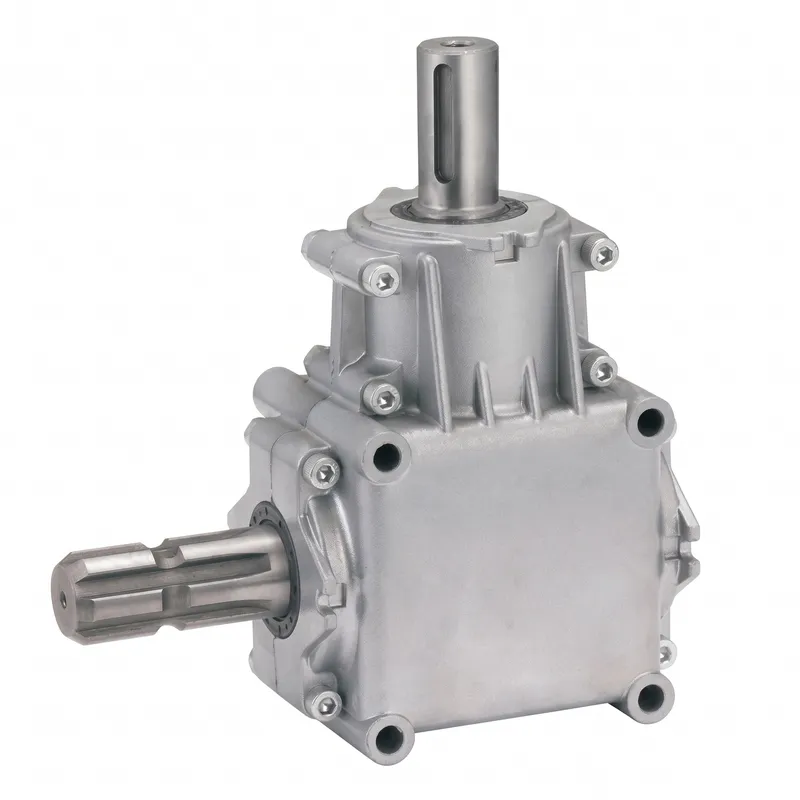
CMN-RV022(X) Fertilizer Spreader Gearbox Ratio 1.46:1 Aluminum Right Angle 15HP 540RPM PTO
-
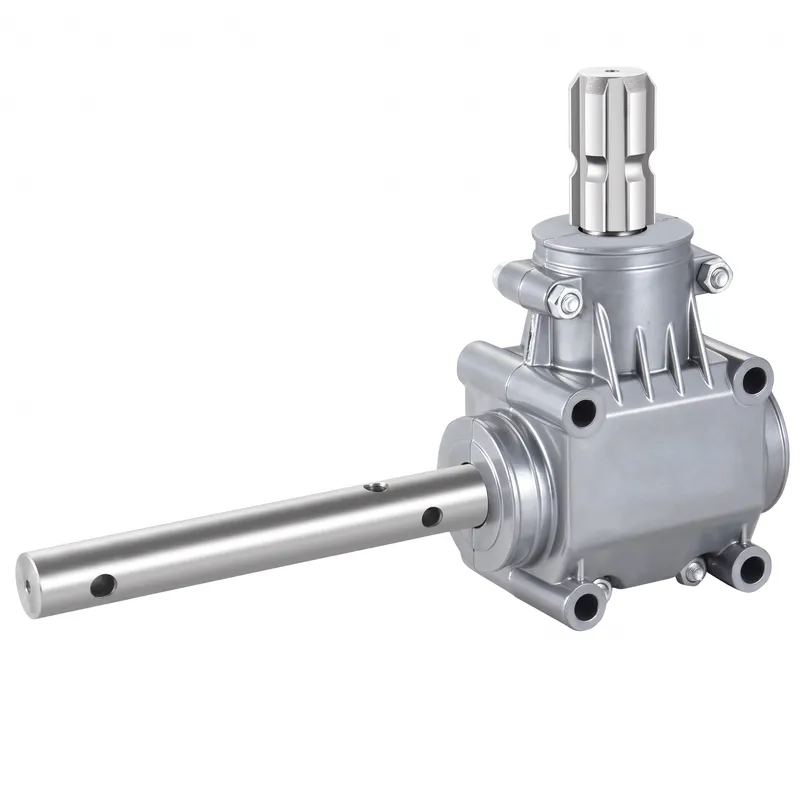
CMN-RV012 Fertilizer Spreader Gearbox Ratio 1:1 Aluminum Right Angle 10HP 540RPM PTO