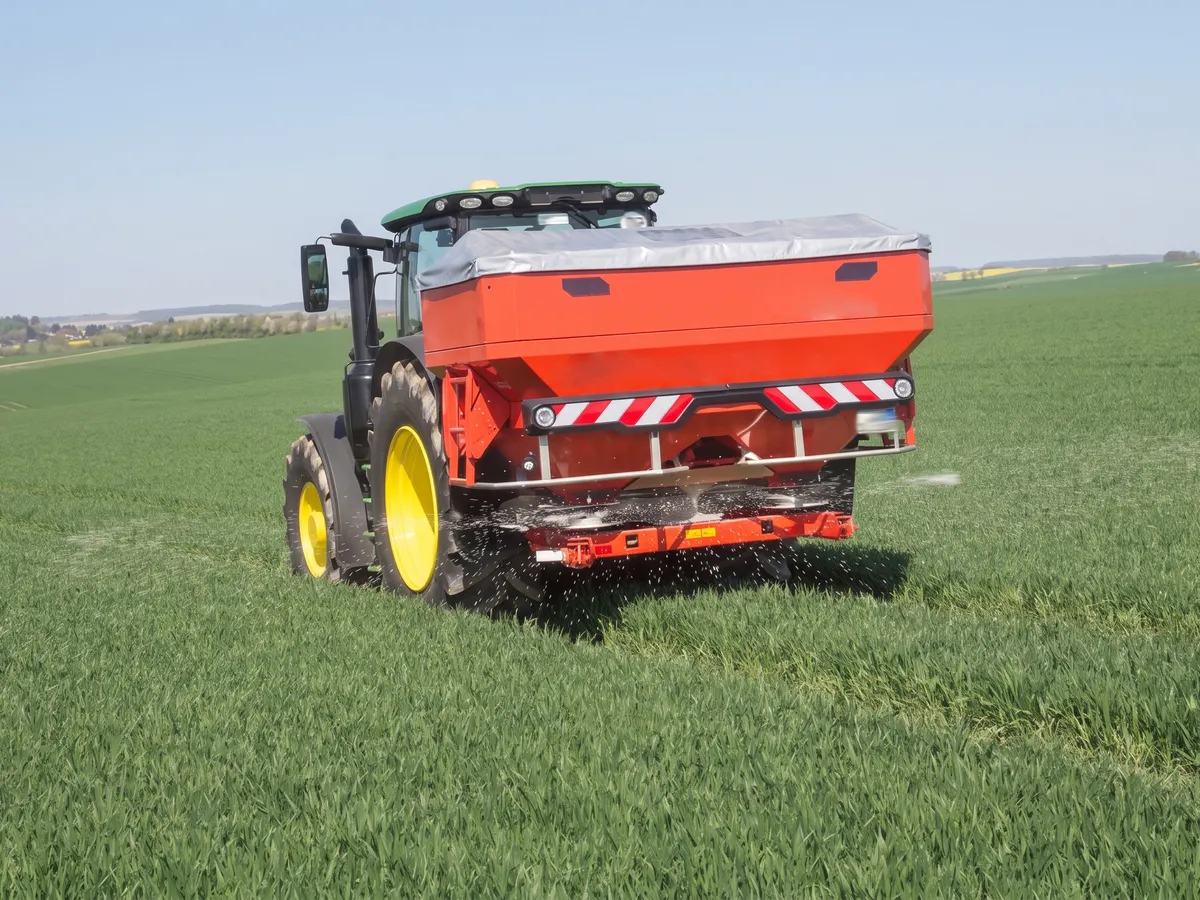
Fertilizer Spreader Gearbox
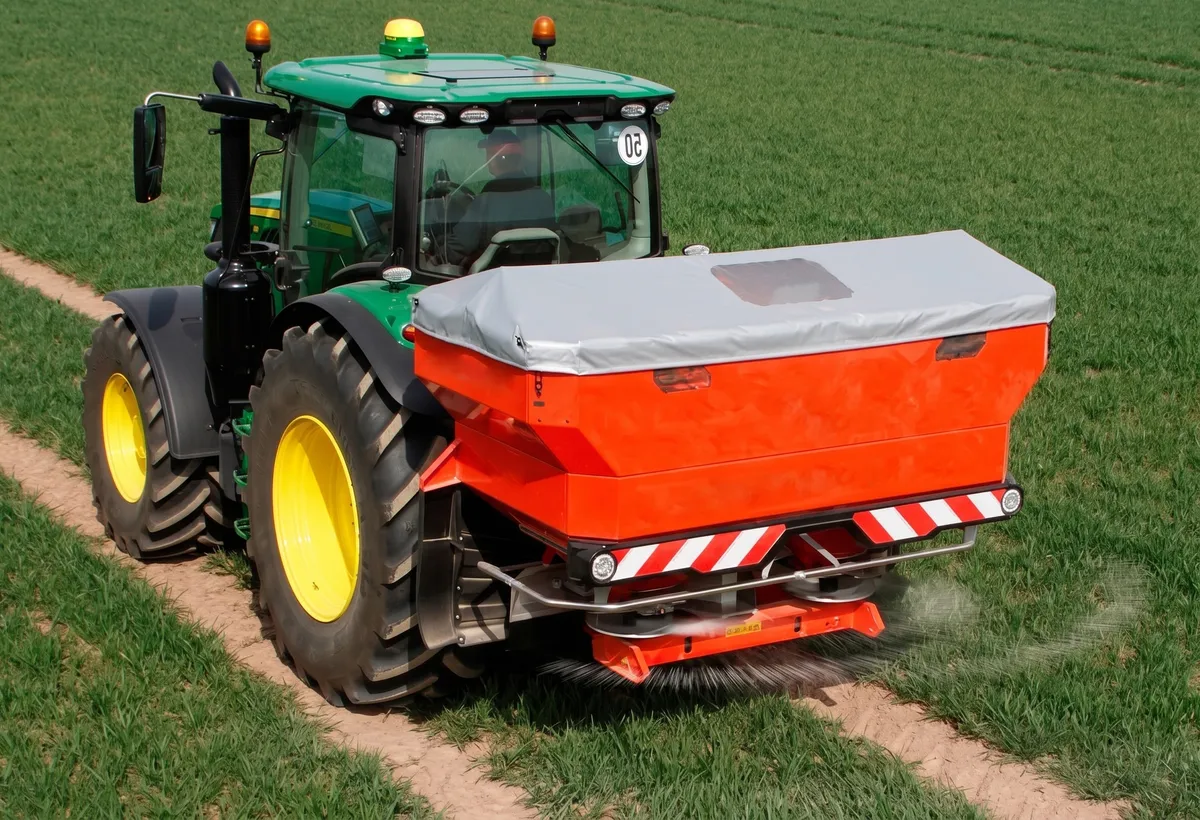
A fertilizer spreader gearbox, also called fertilizer distributor gearbox, is an essential component of agricultural machinery, specifically designed for tasks such as soil preparation, crop treatment, and fertilizer spreading. Located at the center of the machine, it transmits power from the tractor’s power take-off (PTO) to the spinning discs or augers that evenly distribute fertilizer across the fields.
Replaceable Comer Gearbox Model
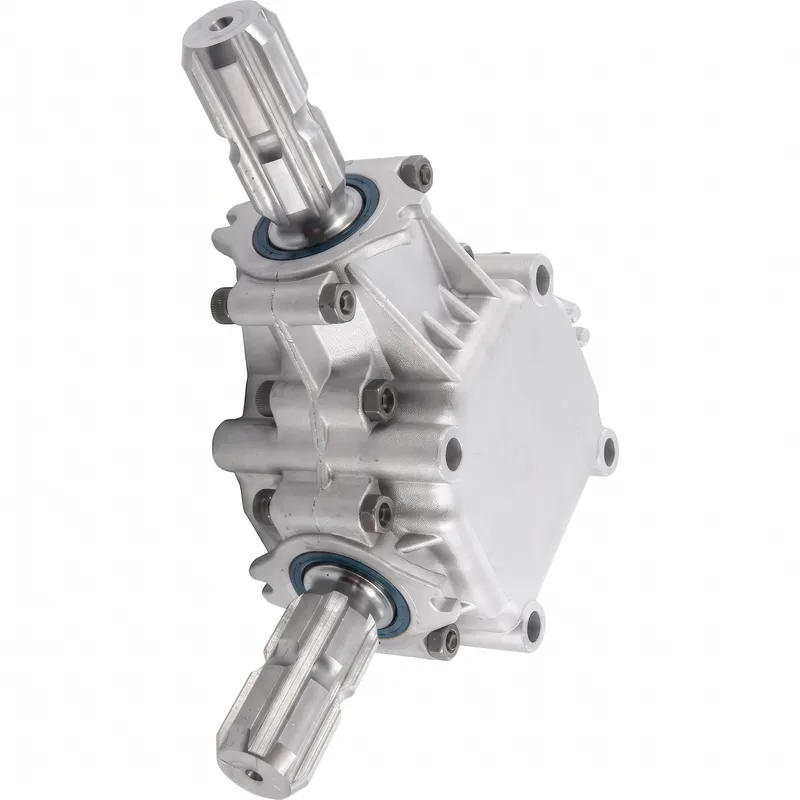
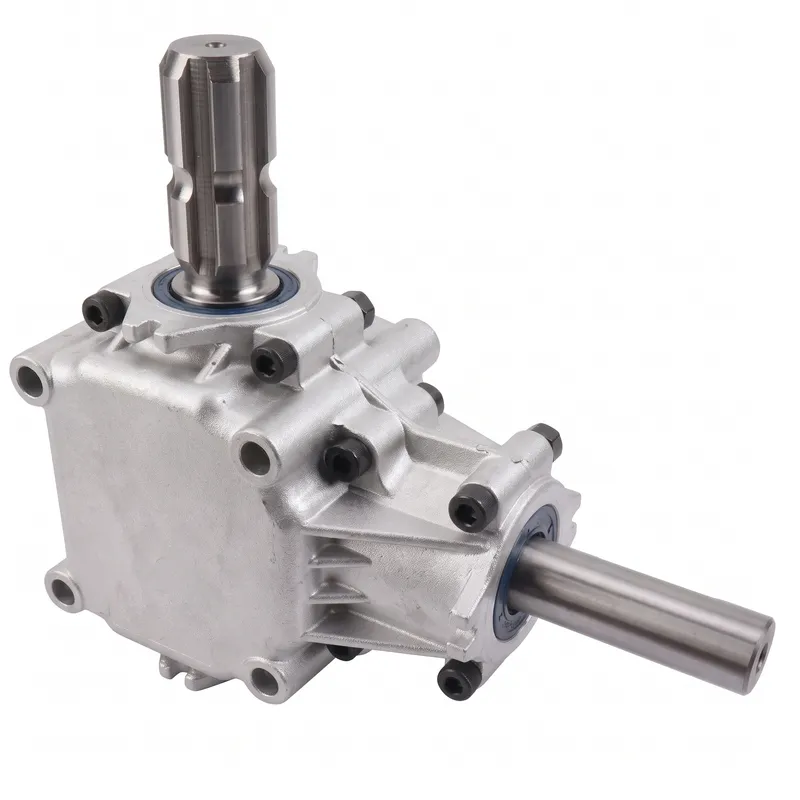
Our Fertilizer Spreader Gearbox models, including the L-25A, L-25J, T-281A, and T-281J, are fully compatible direct replacements for the corresponding Comer series, featuring identical dimensions and mounting specifications for seamless drop-in installation without any modification. Engineered for demanding agricultural applications, these gearboxes are widely used in tow-behind and mounted fertilizer spreaders, lime spreaders, salt and sand spreaders, and organic manure distributors, delivering reliable power transmission across small farms, large-scale crop fields, turf management, and road maintenance operations.
L-25A Fertilizer Spreader Gearbox
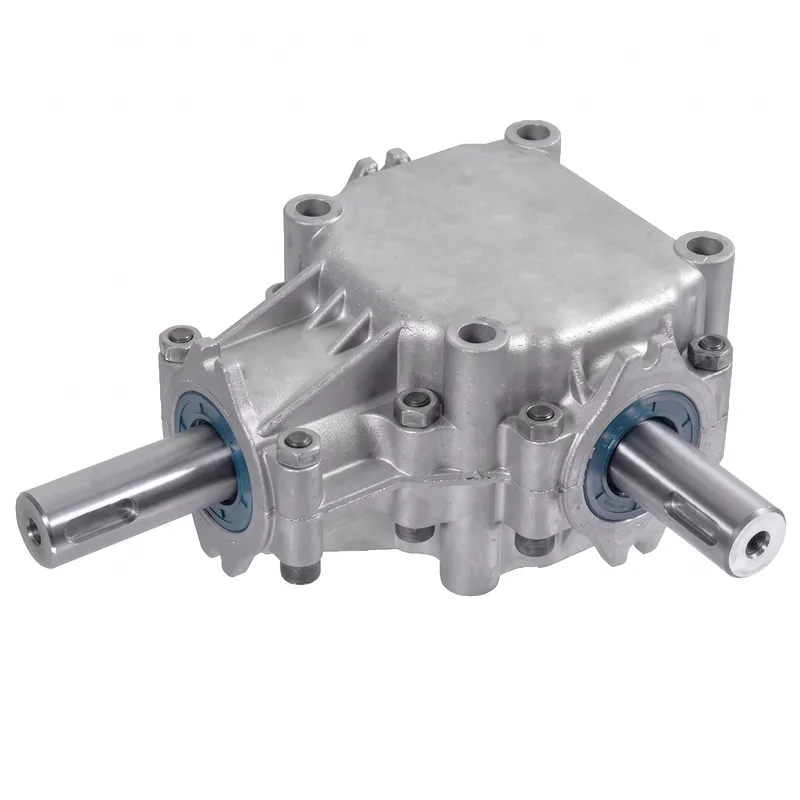
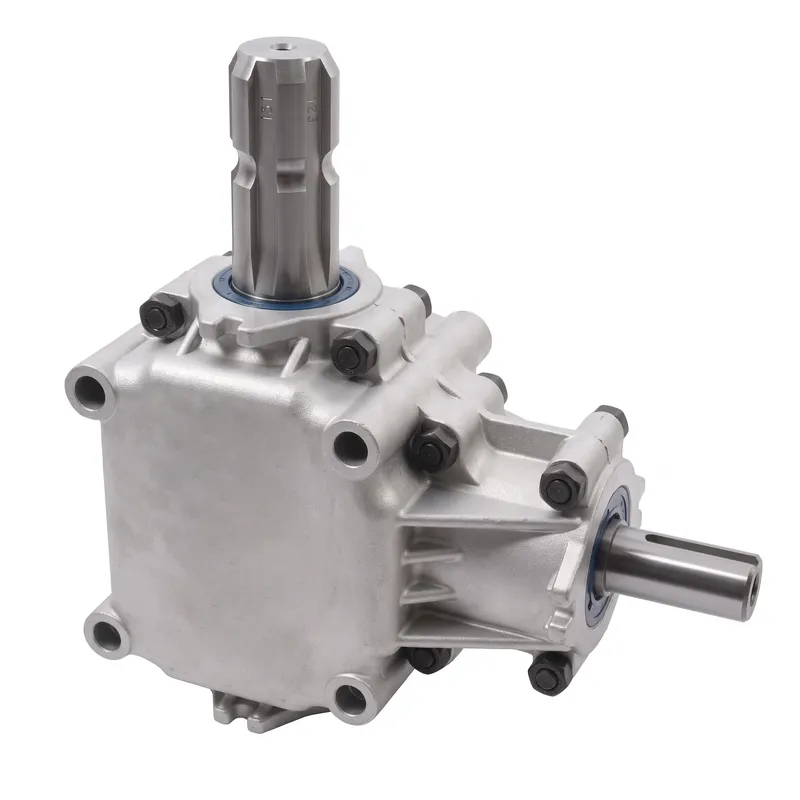
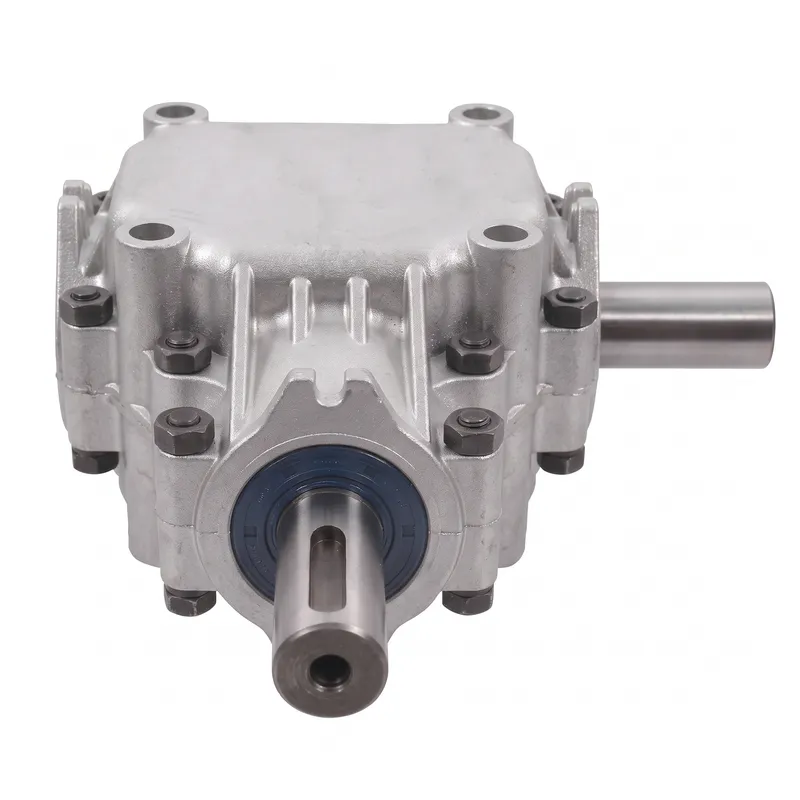
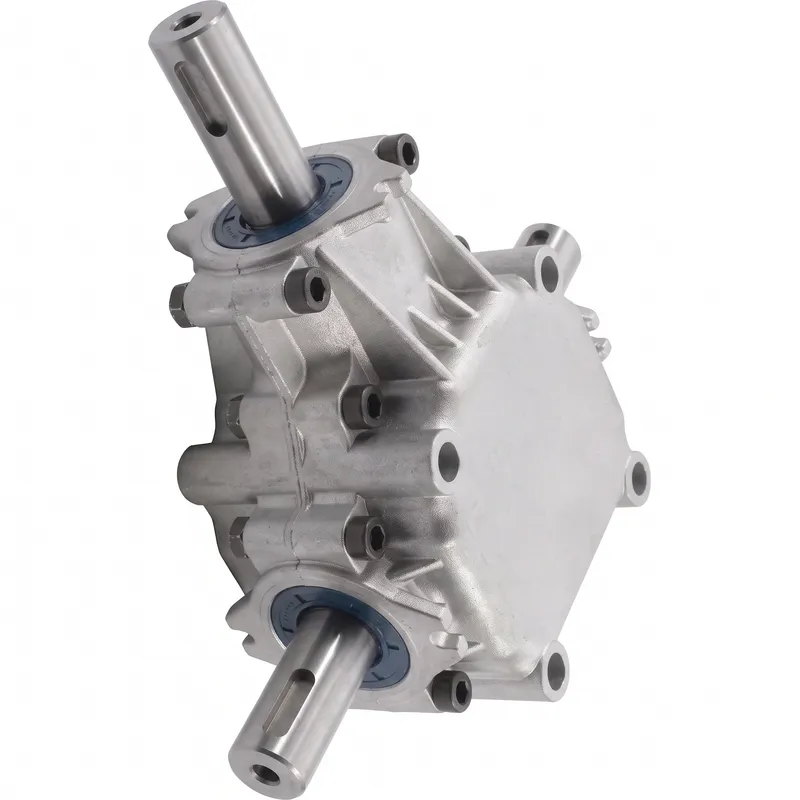
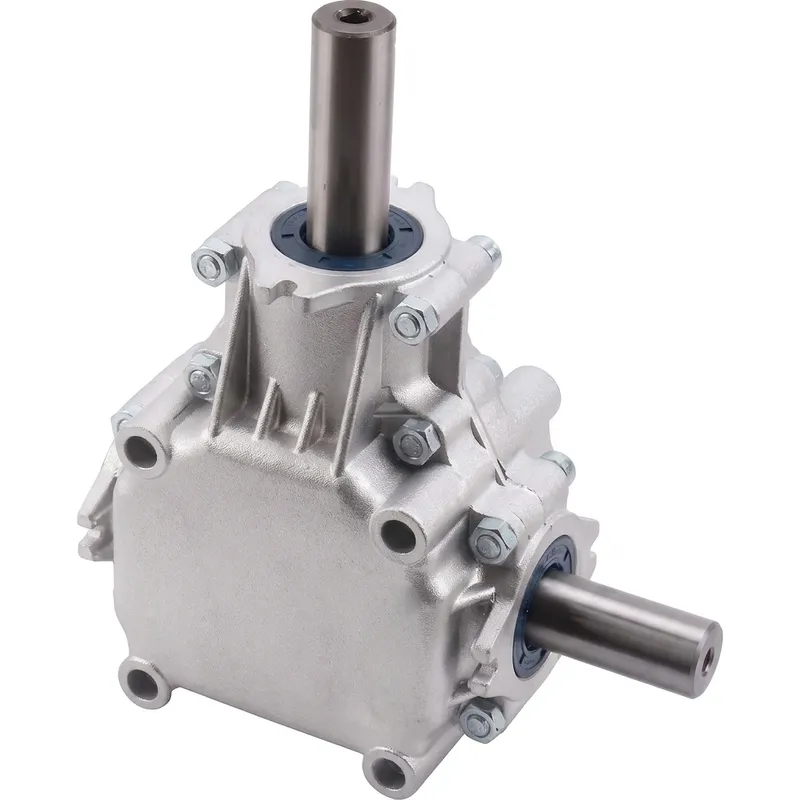
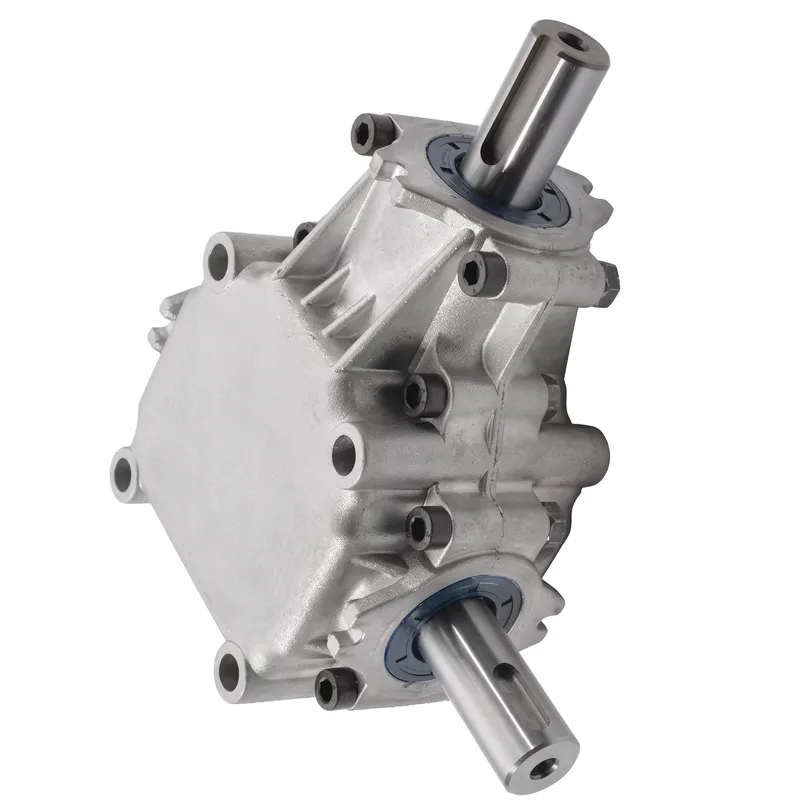
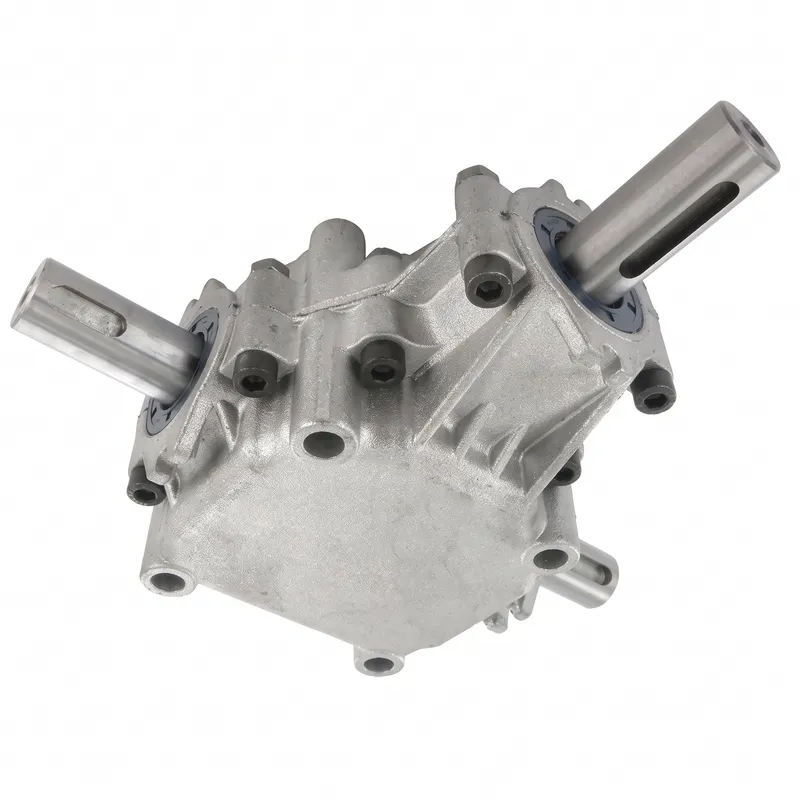
T-281A Fertilizer Spreader Gearbox
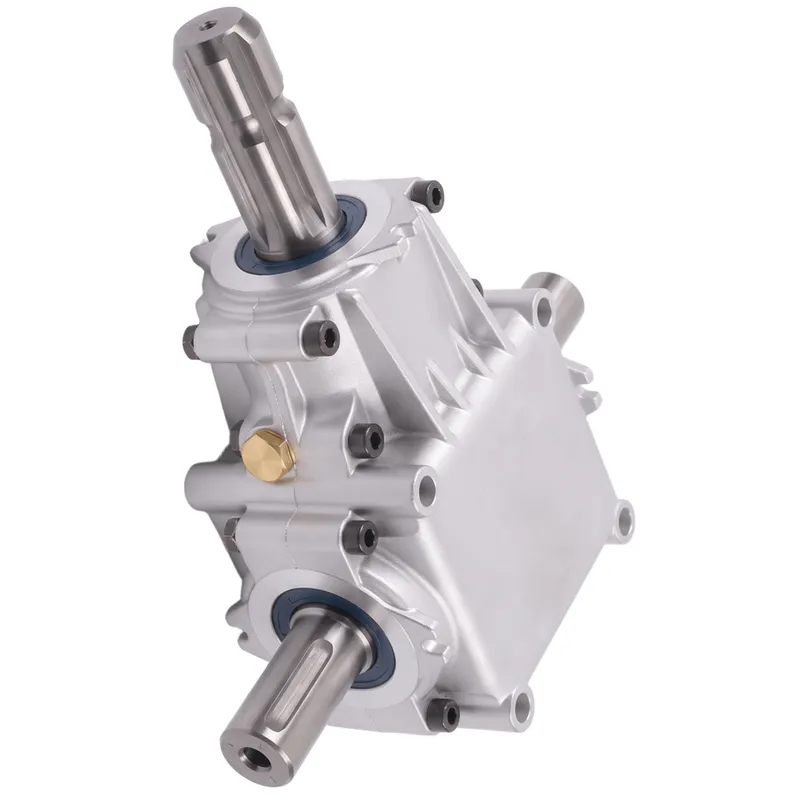
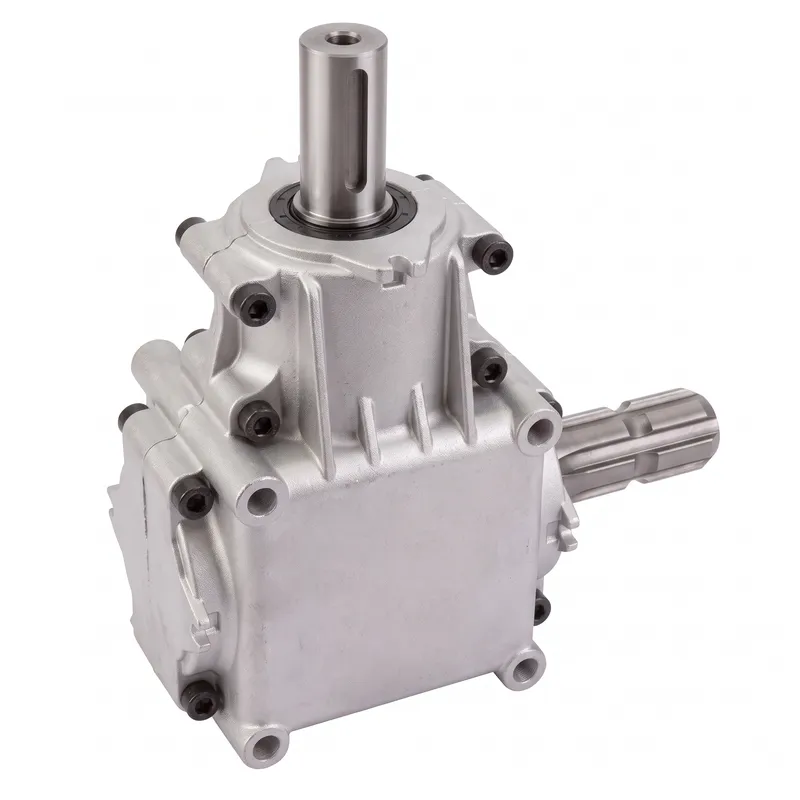
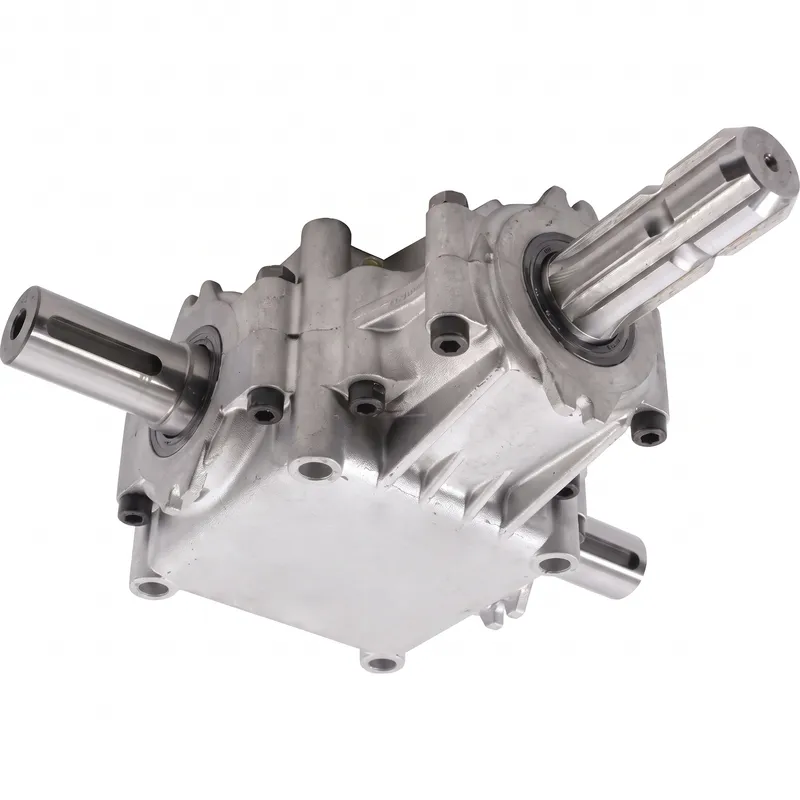
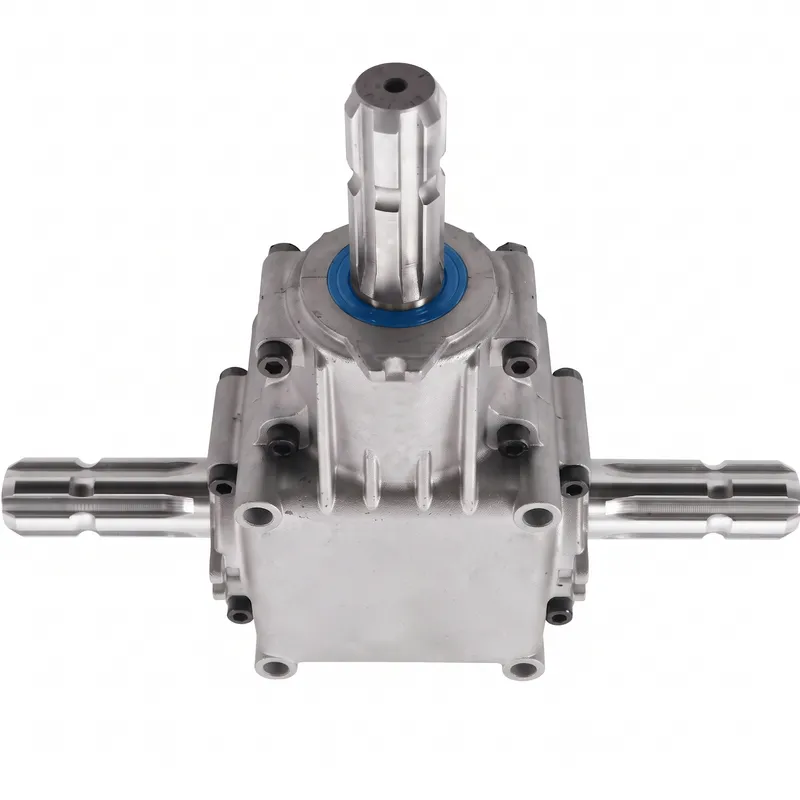
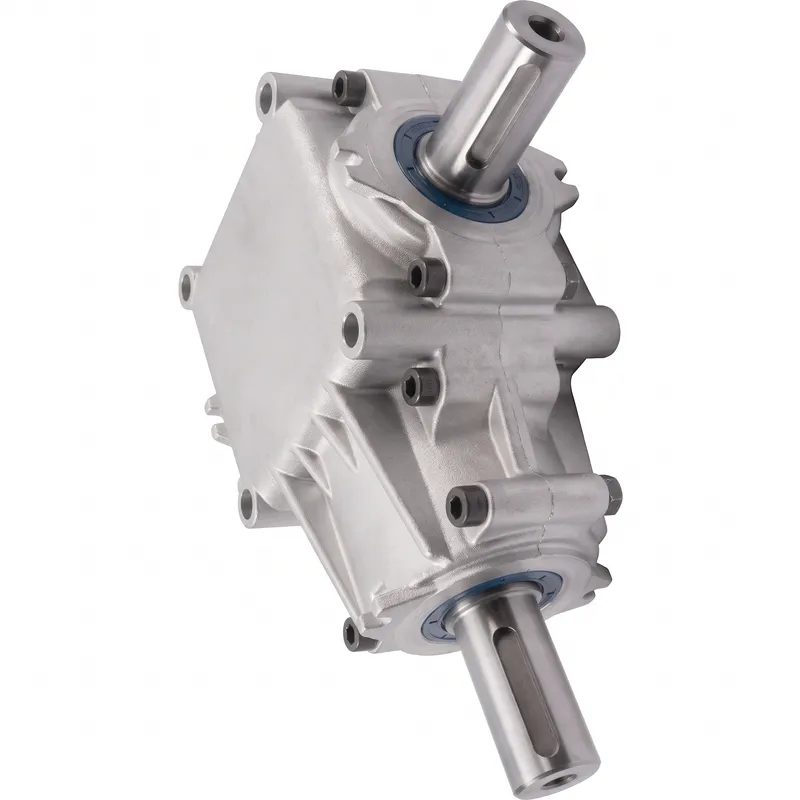
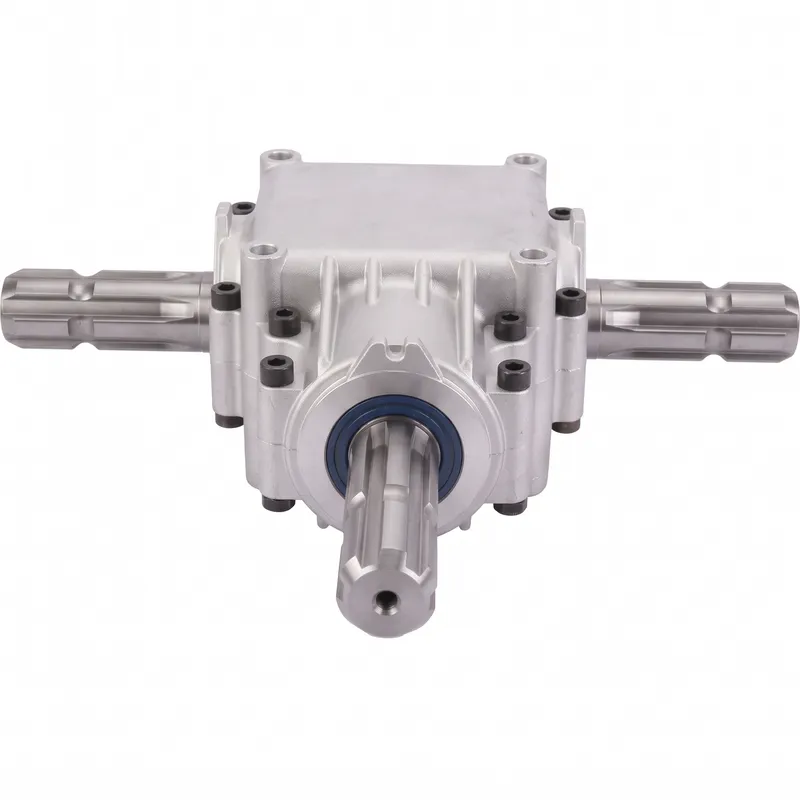
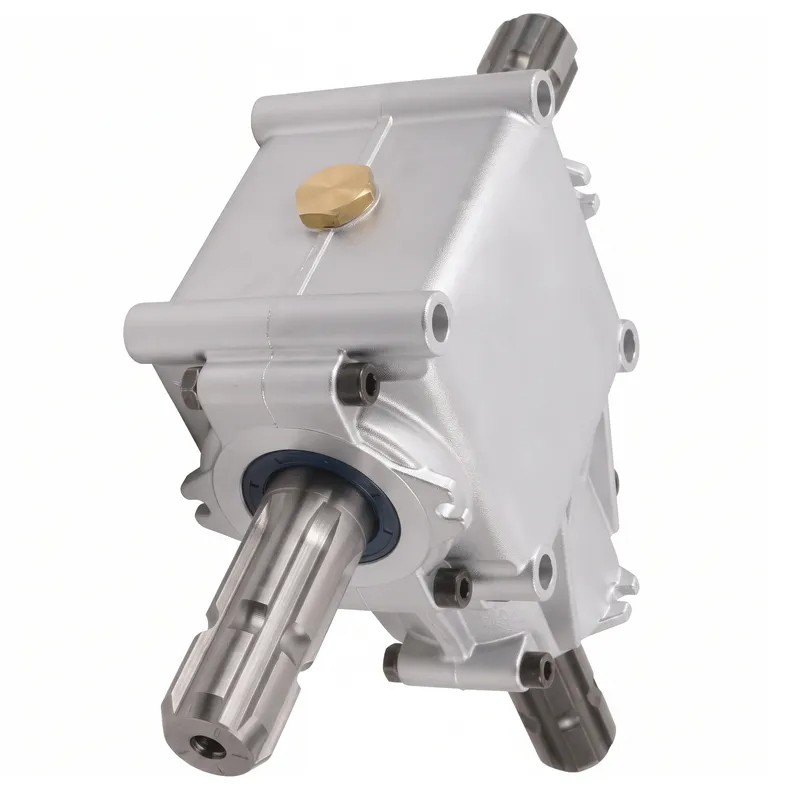
L-25J Fertilizer Spreader Gearbox
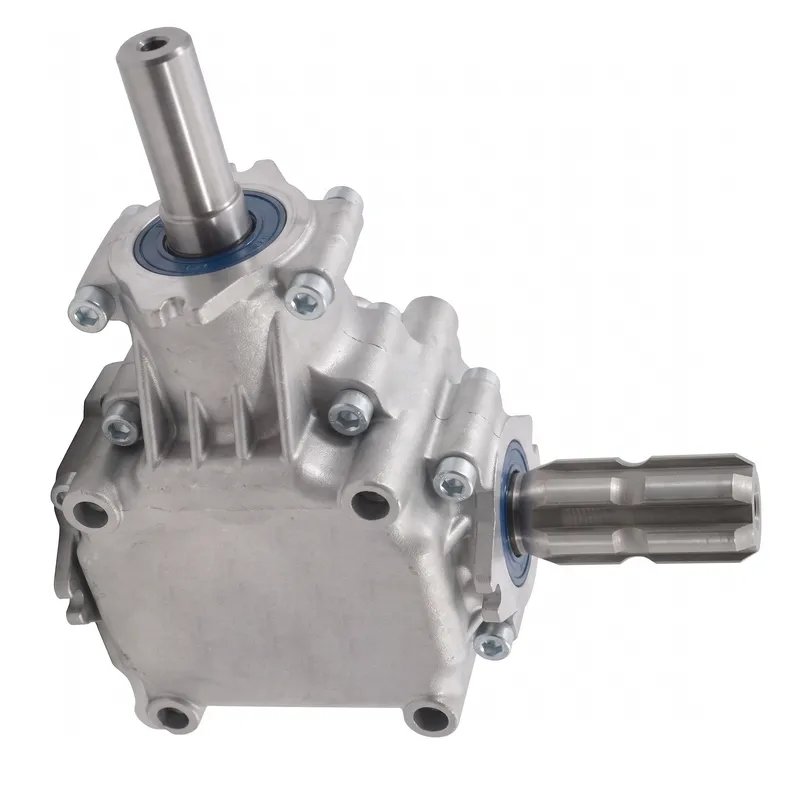
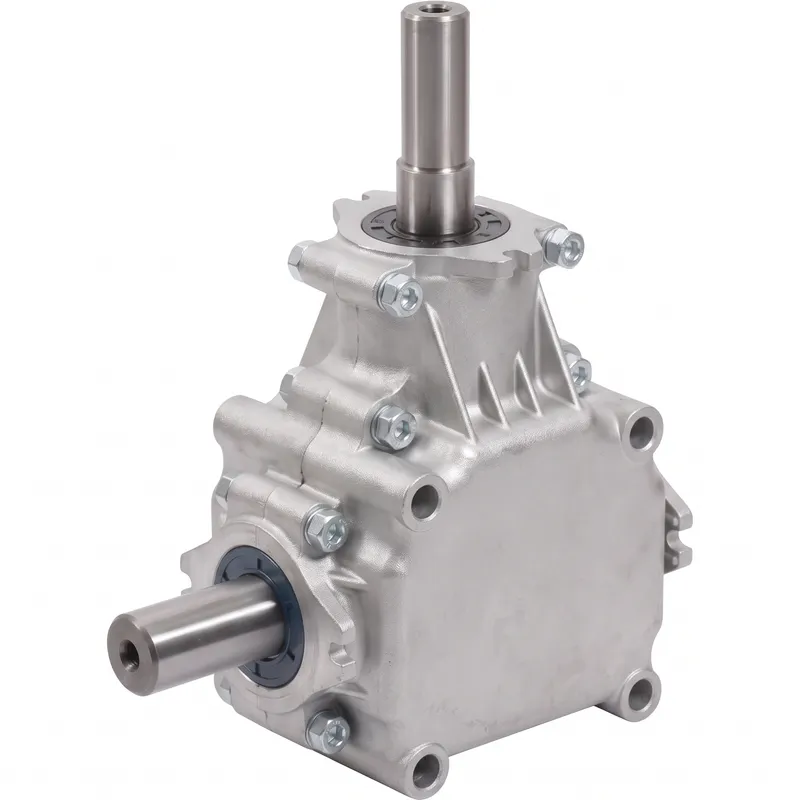
Other Fertilizer Spreader Gearbox Model
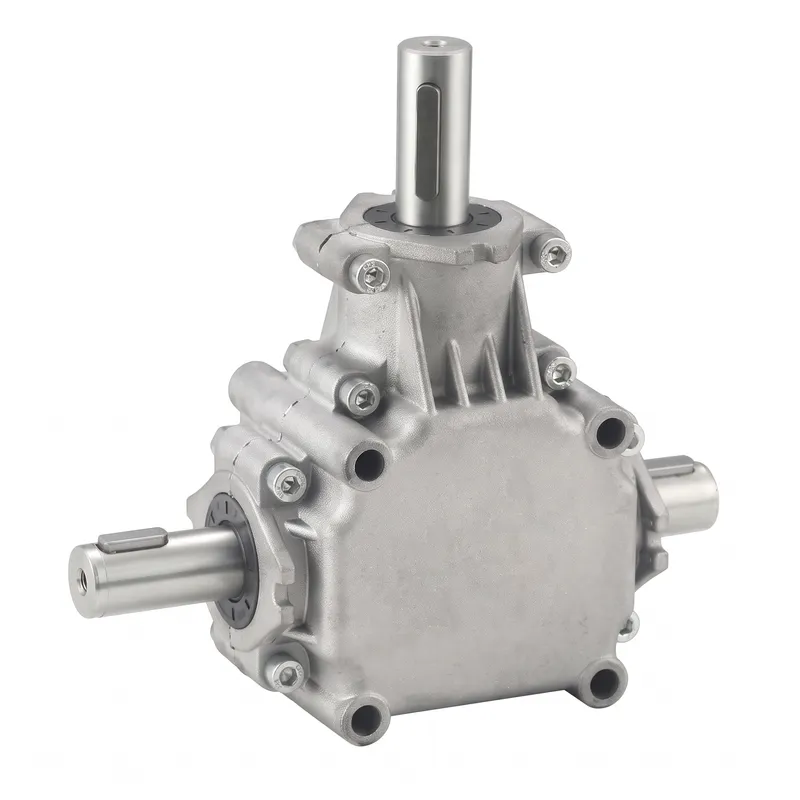
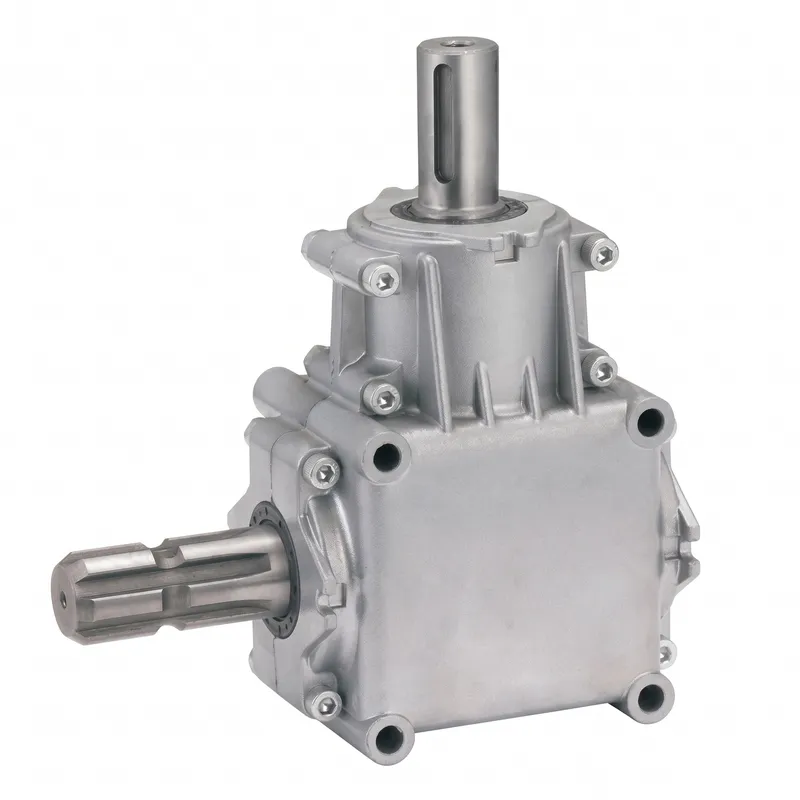
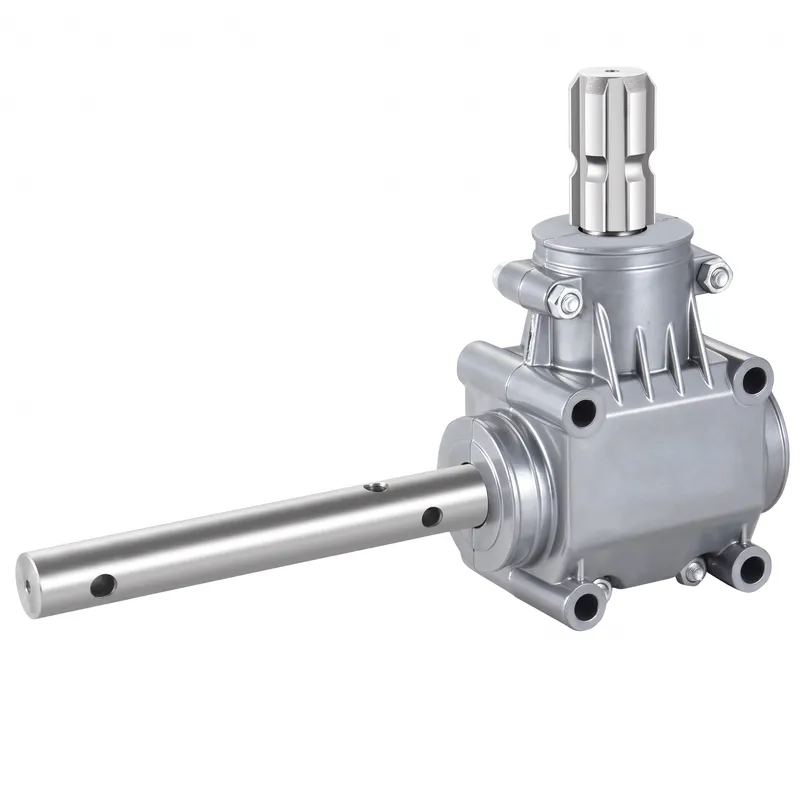
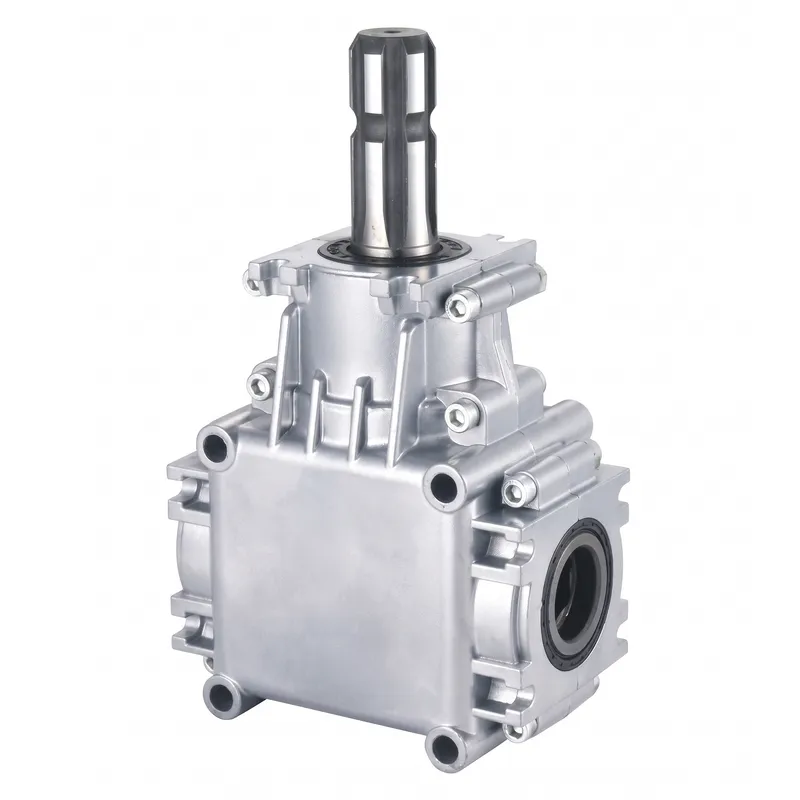
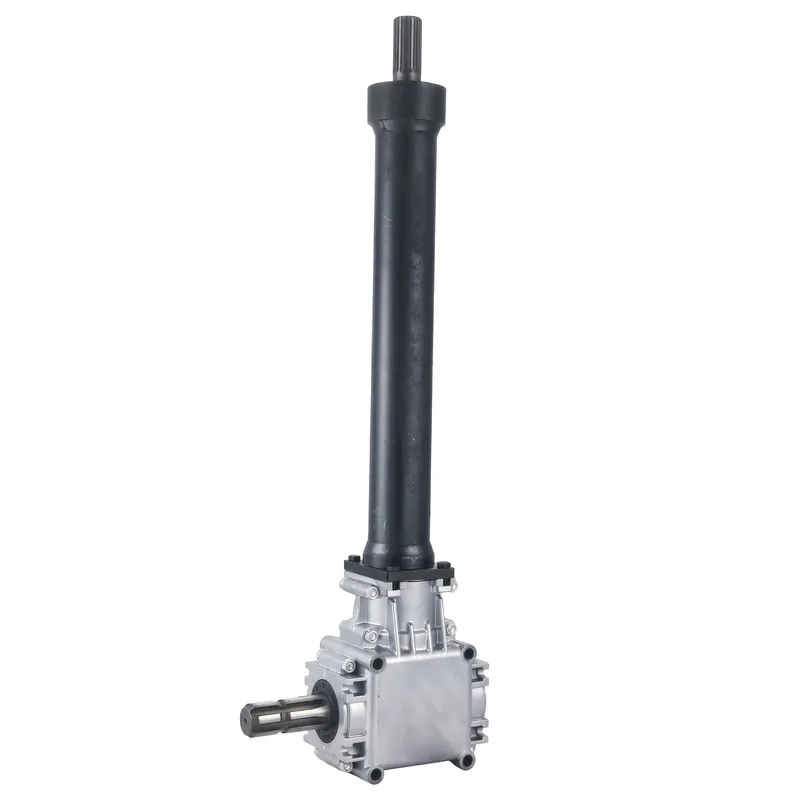
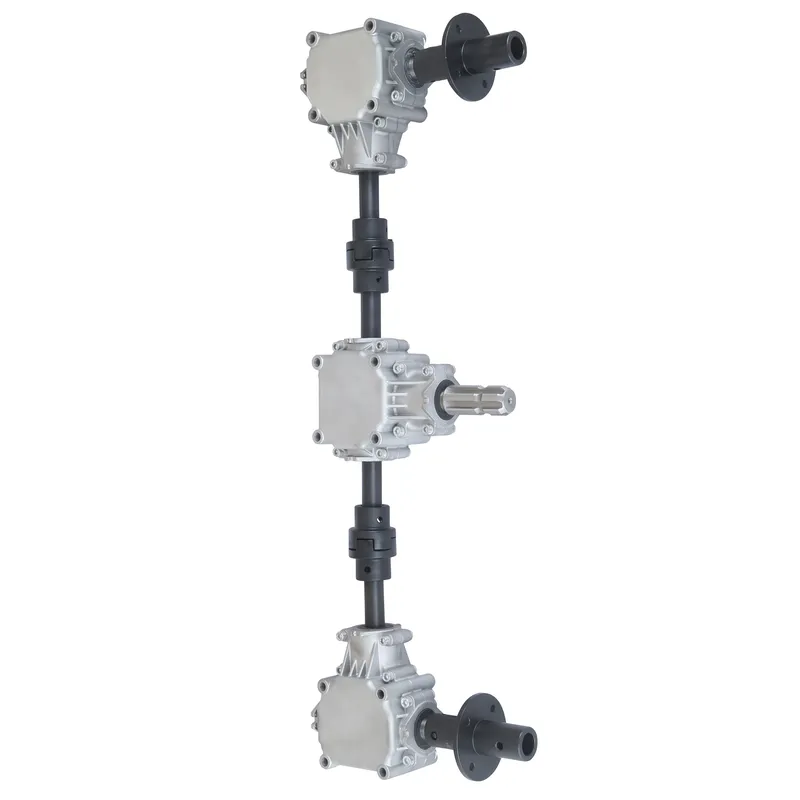
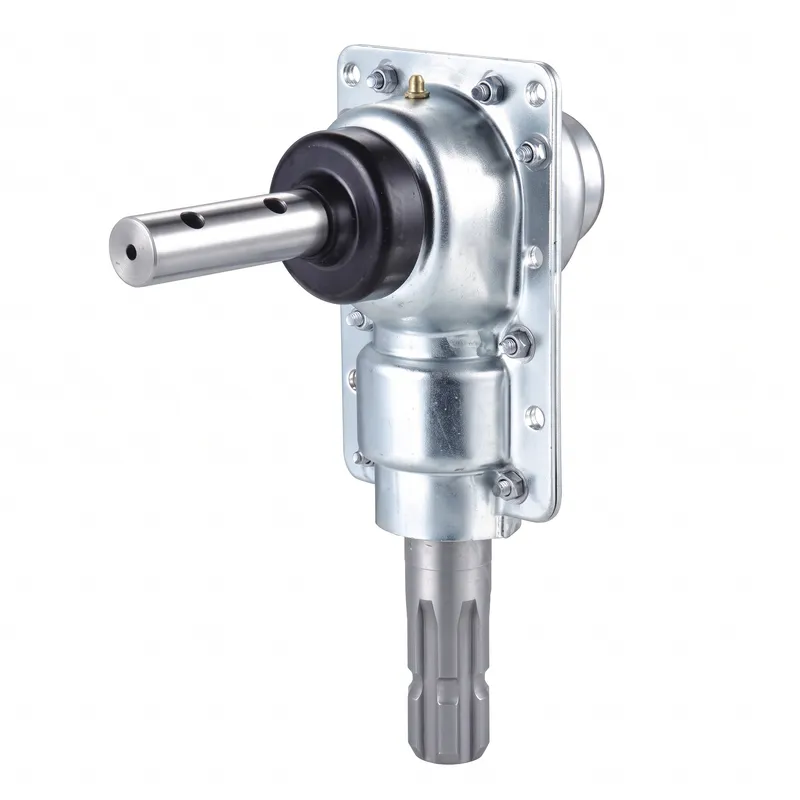
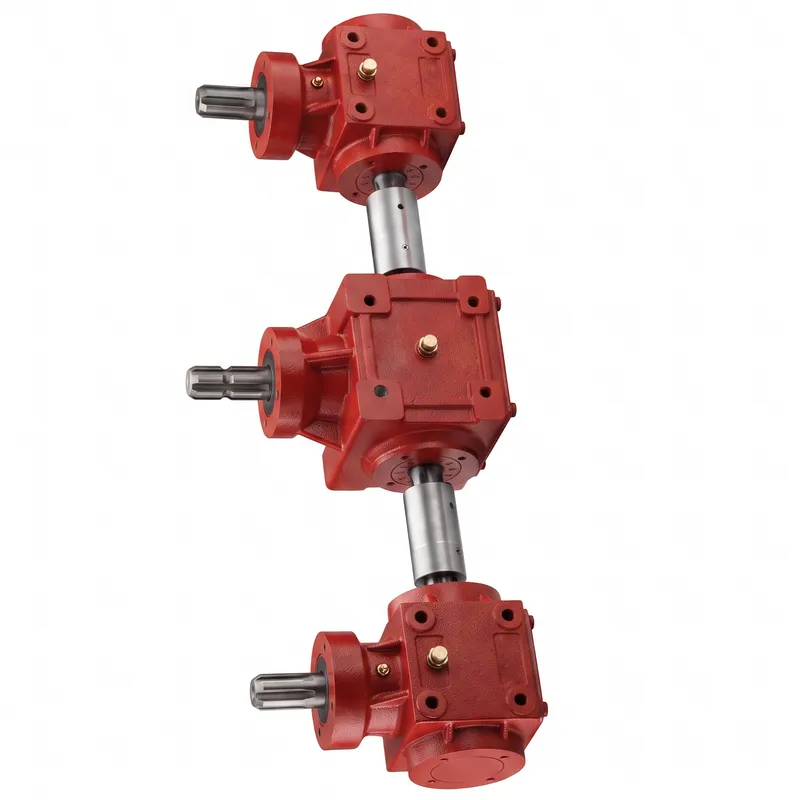
Double Disc Fertilizer Spreader Gearbox
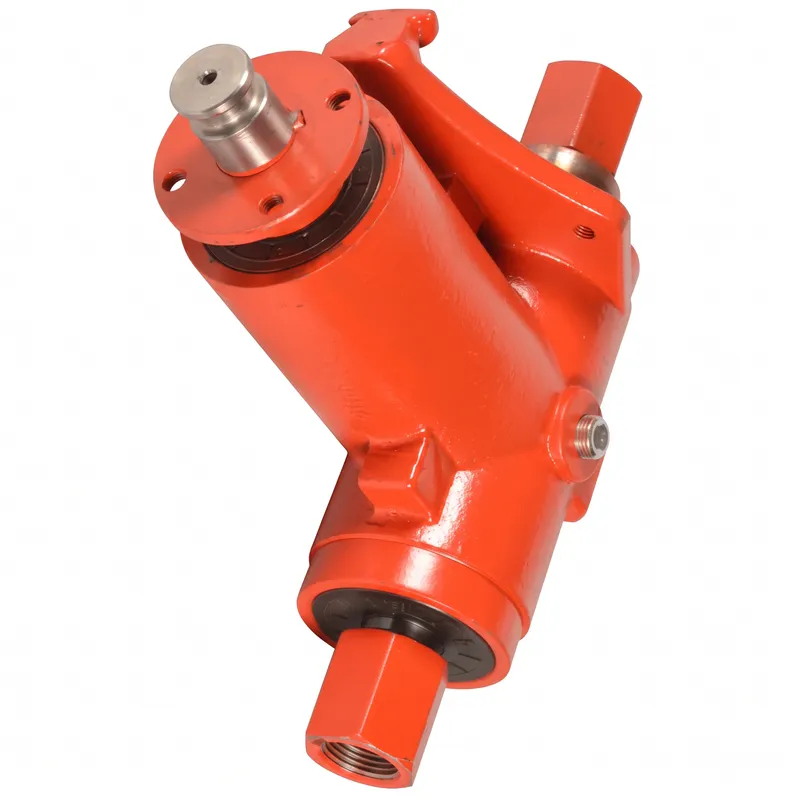
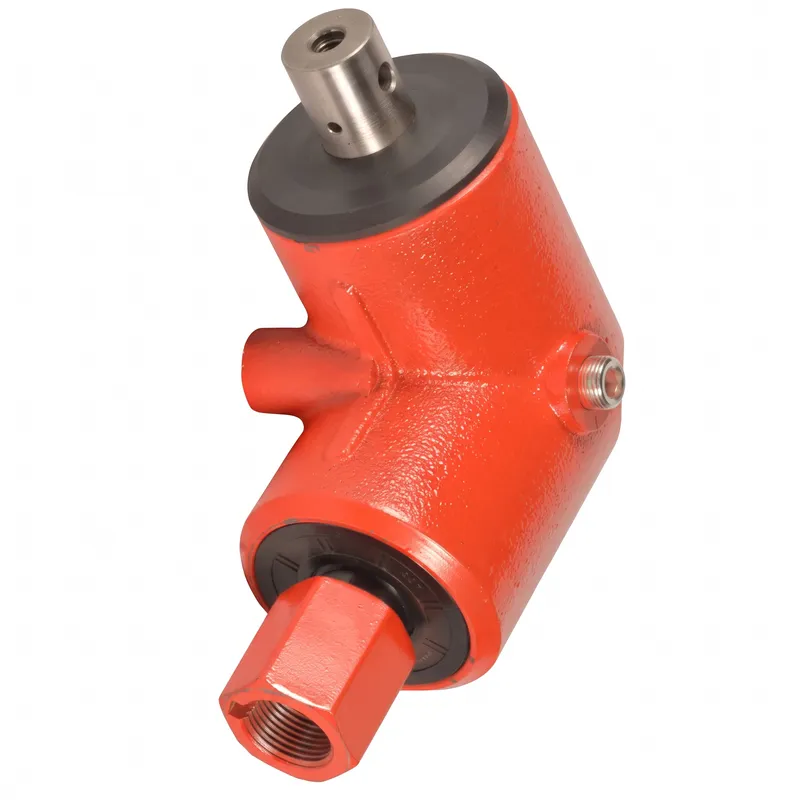
Fertilizer Broadcaster Gearbox
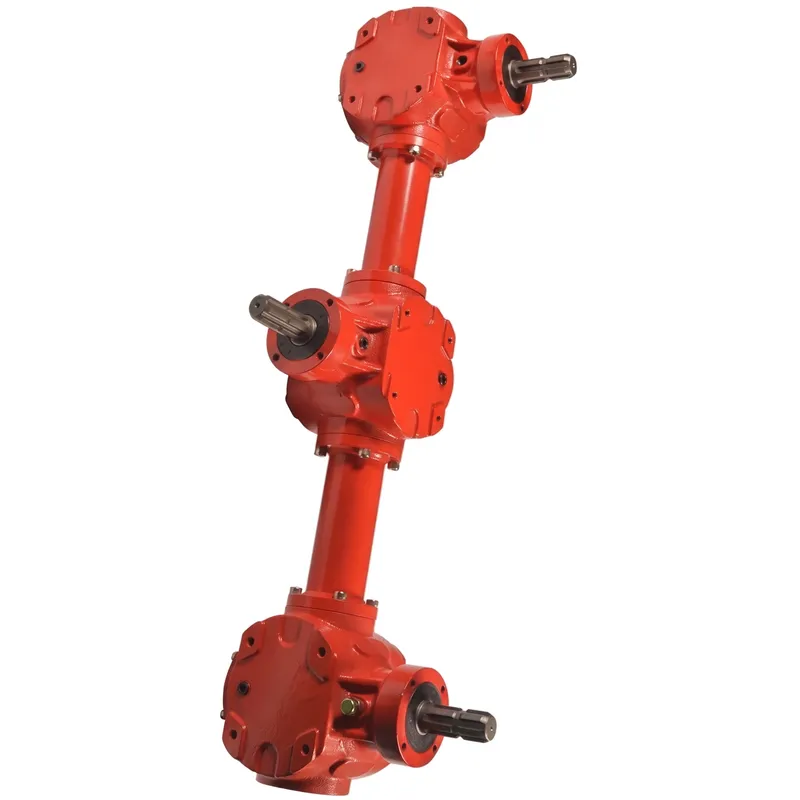
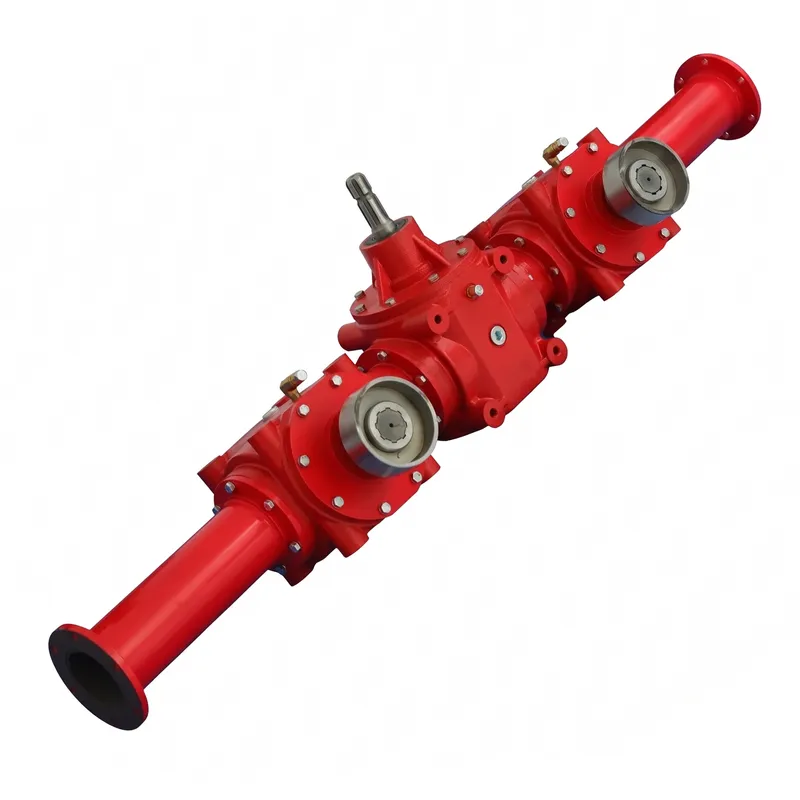
What Is a Gearbox for Fertilizer Spreader?
A fertilizer spreader gearbox, also called fertilizer distributor gearbox, is an essential component of agricultural machinery, specifically designed for tasks such as soil preparation, crop treatment, and fertilizer spreading. Located at the center of the machine, it transmits power from the tractor’s power take-off (PTO) to the spinning discs or augers that evenly distribute fertilizer across the fields. Built from heavy-duty cast iron or corrosion-resistant aluminum alloy, with hardened steel gears and sealed bearings inside, the unit is purpose-engineered to handle prolonged exposure to fertilizer dust, moisture, and field vibration without losing its dimensional accuracy or output consistency.
These gearboxes are engineered for durability and reliability, ensuring consistent power transmission to meet varying operational demands. They are equipped with a series of gears and shafts that adjust the rotational speed and torque based on the spreading requirements, optimizing machine performance. Built to withstand the rigorous conditions of agricultural work, these gearboxes play a crucial role in enhancing the efficiency and effectiveness of key farming tasks.
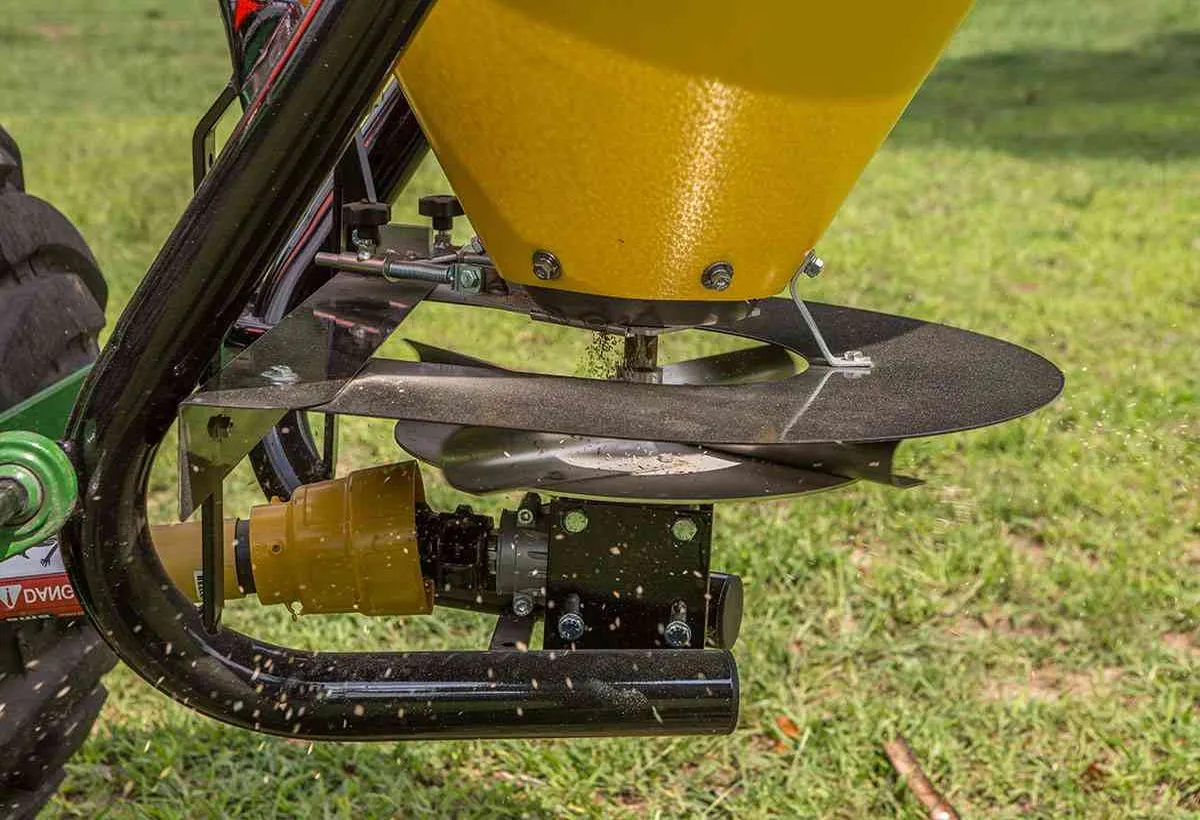
Fertilizer Spreader Gearbox Parts
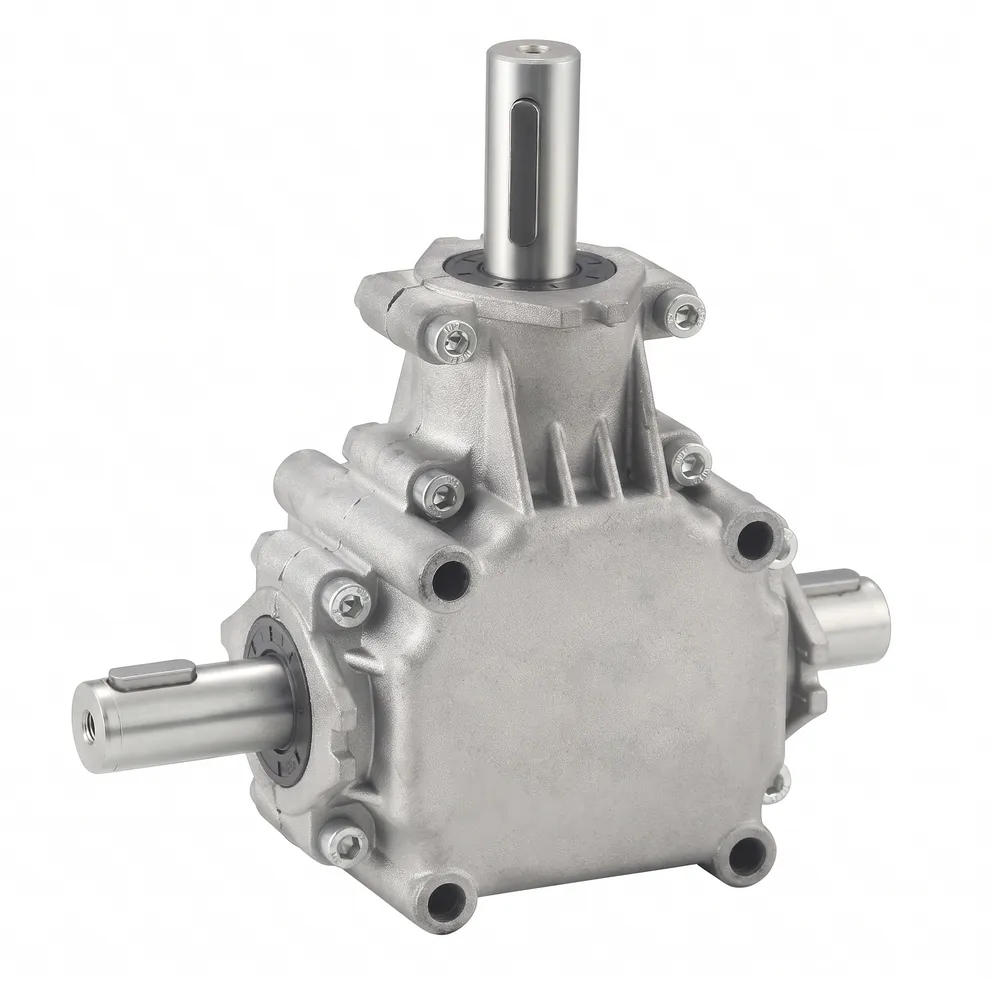
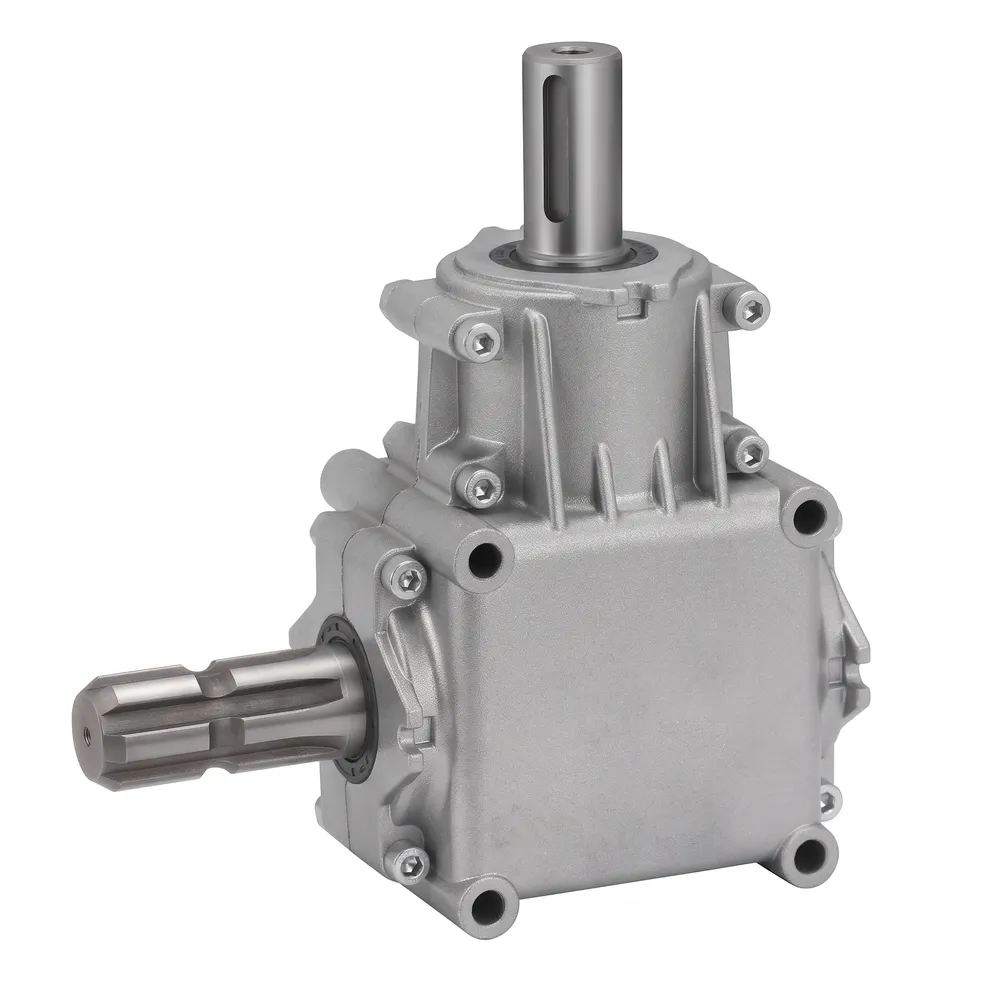
1. Gearbox Housing
The housing forms the rigid outer shell that holds every internal component in place during operation. Cast iron or aluminum alloy are the two materials most commonly selected for this shell, each offering a different balance between weight and resistance to the physical demands of field work. A well-sealed housing also blocks fertilizer dust, moisture, and grit from reaching the gear set a point that matters because granular fertilizer is chemically corrosive over extended contact.
2. Input Shaft
The input shaft connects directly to the tractor’s PTO and carries rotational power into the gearbox from the outside. On most spreader models the input end is machined to a 1-3/8-inch, 6-spline profile running at either 540 or 1,000 RPM, matching standard North American and European tractor PTO standards. Spline fit, shaft diameter, and rated torque capacity must all match the tractor before any replacement shaft is fitted.
3. Bevel Gears (Gear Set)
The gear set inside the housing converts the direction and speed of the incoming rotational motion before passing it to the output side. Fertilizer spreader gearboxes most often use bevel gears to redirect power at a right angle from the input shaft to the output shaft. Gear material is typically 8620H or 20CrMnTi alloy steel, heat-treated through carburizing and quenching to build surface hardness and wear resistance without sacrificing toughness at the core.
4. Output Shaft
The output shaft takes the conditioned rotational power from the gear set and delivers it directly to the spinning disc or auger that distributes material across the field. Output shafts are available in round-key, splined, or flanged configurations depending on the disc mounting pattern of the spreader. A common gear ratio of 1:3 means the output shaft turns three times for each revolution of the input, achieving the disc speed needed for wide, even coverage.
5. Bearings
Ball bearings and roller bearings carry the radial and axial loads placed on each rotating shaft, maintaining alignment and reducing friction throughout the gear train. Bearing selection is directly tied to field longevity units fitted with sealed, pre-greased bearings tolerate the wet and dusty conditions of fertilizer work far better than open-race designs. Worn bearings produce audible rumbling and should be replaced before they allow shaft play to misalign the gear mesh.
6. Oil Seals
Oil seals sit at each shaft exit point to stop lubrication from leaking out while preventing field contamination from working inward. High-quality sealing systems prevent ingress of dust, granules, and moisture, which are among the leading causes of premature gear and bearing wear in spreader gearboxes. Lip seals are the most common design; they should be checked whenever the gearbox is drained for an oil change, since a hardened or torn lip will drain the oil bath faster than expected.
7. Lubrication System
The lubrication system ensures that gears and bearings run with a continuous oil film, cutting friction and preventing the heat buildup that leads to metal fatigue. Most fertilizer spreader gearboxes run as splash-lubricated oil baths rather than pressure-fed circuits. Fill, drain, and level plugs give field access to the oil cavity, and a breather vent equalizes internal pressure as the unit heats and cools across a working day. Monitoring oil level and condition routinely is one of the simplest steps to extend gearbox service life.
Fertilizer Spreader Gearbox Features
1. Corrosion-Resistant Housing
Agricultural chemicals rapidly degrade unprotected metal components. High-quality spreader gearboxes utilize specialized protective coatings or rugged stainless-steel enclosures to prevent rust and structural degradation caused by prolonged exposure to nitrogen and phosphate-based fertilizers.
2. Precision Bevel Gear Configuration
Internally, these units rely on heavy-duty bevel gears machined to exact tolerances. This design ensures the seamless transfer of rotational power from the tractor’s power take-off (PTO) shaft to the spreader discs without skipping or excessive wear.
3. Advanced Sealing Mechanisms
Fieldwork exposes machinery to intense dust, moisture, and chemical grit. Manufacturers integrate multi-lip oil seals and heavy-duty gaskets to lock lubricants inside the casing while completely blocking destructive environmental contaminants from reaching the sensitive internal bearings.
4. High Torque Capacity for Variable Loads
Spreading operations often require sudden changes in operating speeds based on soil needs. The transmission systems are engineered to absorb heavy shock loads and manage high torque output, maintaining consistent disc rotation regardless of dense or clumpy material flow.
5. Low-Maintenance Lubrication Systems
Farmers need equipment that stays in the field rather than the repair shop. Modern gearbox designs incorporate easily accessible grease zerks or high-capacity oil bath systems that extend the time between regular servicing routines and simplify seasonal maintenance.
6. Thermal Dissipation Capabilities
Continuous operation during peak planting seasons generates significant internal heat. The external housing features specific geometric ribbed structures that act as heat sinks, pulling high temperatures away from the moving parts to prevent fluid breakdown and mechanical failure.
Applications of the Fertilizer Spreader Gearbox
1. Crop Farming: Row crops, cereal grains, market vegetables, and orchard fruits all demand consistent nutrient delivery at specific growth stages. The fertilizer spreader gearbox regulates output speed and torque so that granular or powdered fertilizers land at calibrated rates across wide field passes, cutting waste while protecting root zones from chemical burn caused by uneven concentration.
2. Pasture Management: Livestock operations depend on forage density and nutritional value throughout the grazing season. A well-matched spreader gearbox maintains steady rotational output across uneven terrain and varying ground speeds, allowing operators to blanket pastures with nitrogen, phosphorus, and potassium blends that rebuild soil organic matter and support thick, high-protein grass growth between grazing cycles.
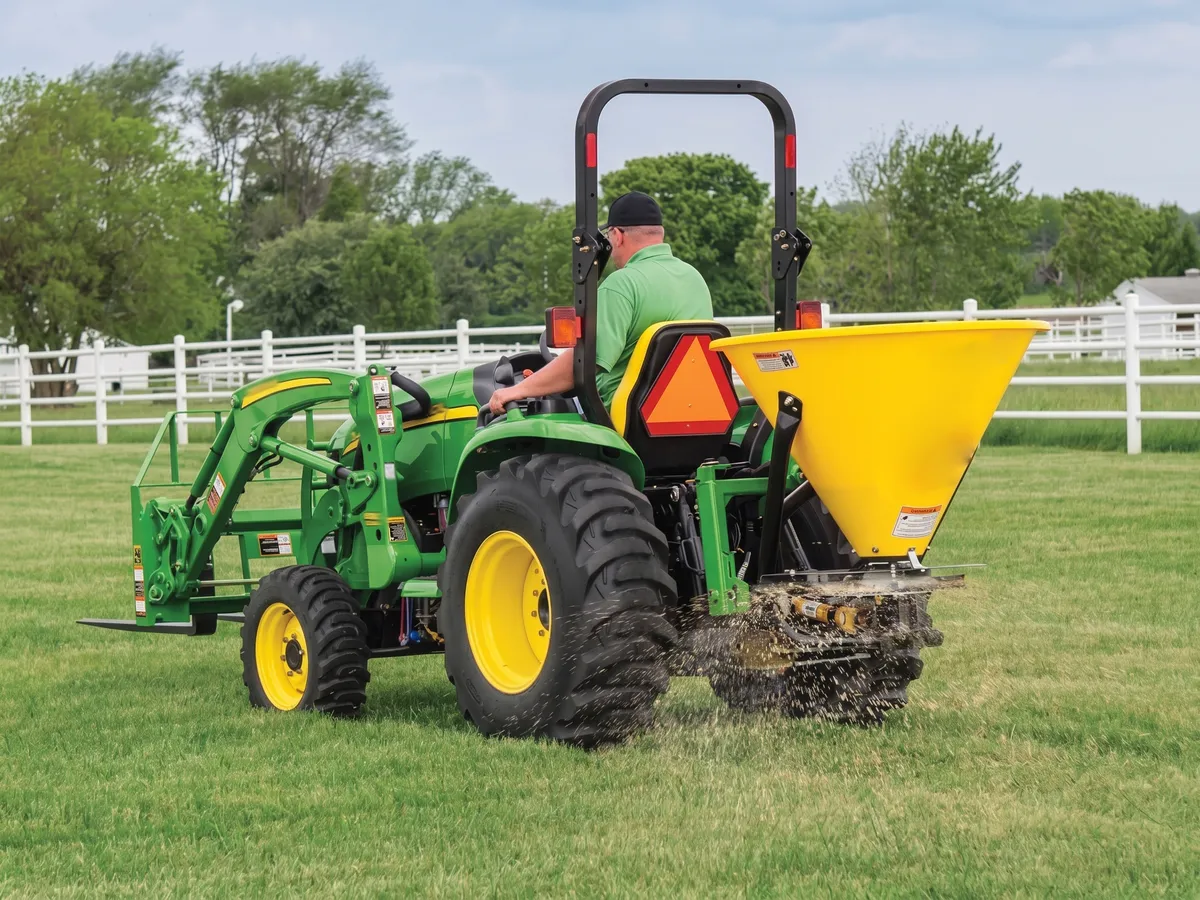
3. Lawn and Turf Management: Sports pitches, golf fairways, and municipal parks require fertilizer programs precise enough to avoid striping or scorching. Gearbox-driven spreaders translate PTO or motor input into smooth, repeatable disc rotation, giving turf managers the spread-width consistency and rate control needed to keep high-traffic surfaces dense, resilient, and visually uniform through heavy seasonal use.
4. Horticulture and Nurseries: Greenhouse benches and outdoor nursery rows contain plants at radically different growth stages, each with distinct feeding tolerances. Spreader gearboxes with adjustable output ratios allow workers to dial in low-volume, fine-particle applications without disturbing shallow root systems or contaminating neighboring container stock with off-target fertilizer drift.
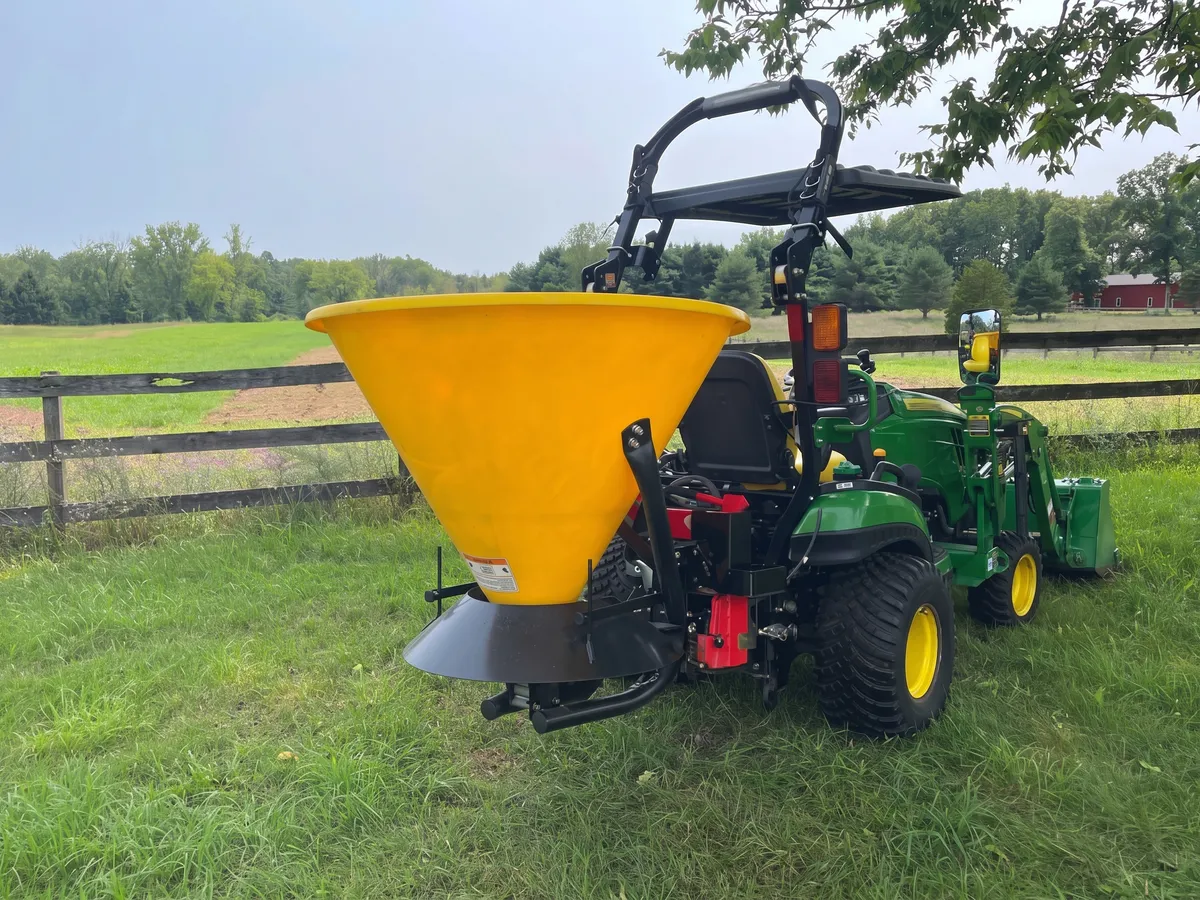
5. Landscaping and Gardening: Residential gardens, municipal flower beds, and commercial green spaces often feature irregular boundaries and mixed plantings that demand stop-and-start operation without residual granule clumping. Compact gearbox assemblies on walk-behind or tractor-mounted spreaders maintain consistent disc speed from the moment the operator engages the drive, ensuring that every square metre receives the same calculated nutrient load regardless of operator pace.
6. Soil Amendment Distribution: Agricultural lime, gypsum, biochar, and composted organic matter share the physical challenge of variable bulk density and particle size, which causes conventional gravity systems to meter inconsistently. A purpose-built spreader gearbox compensates through stable torque delivery under load fluctuations, enabling farmers and land managers to incorporate amendments evenly into the soil profile and achieve the pH correction or structural improvement targeted by their agronomic program.
Lawn and Turf Management
Landscaping and Gardening
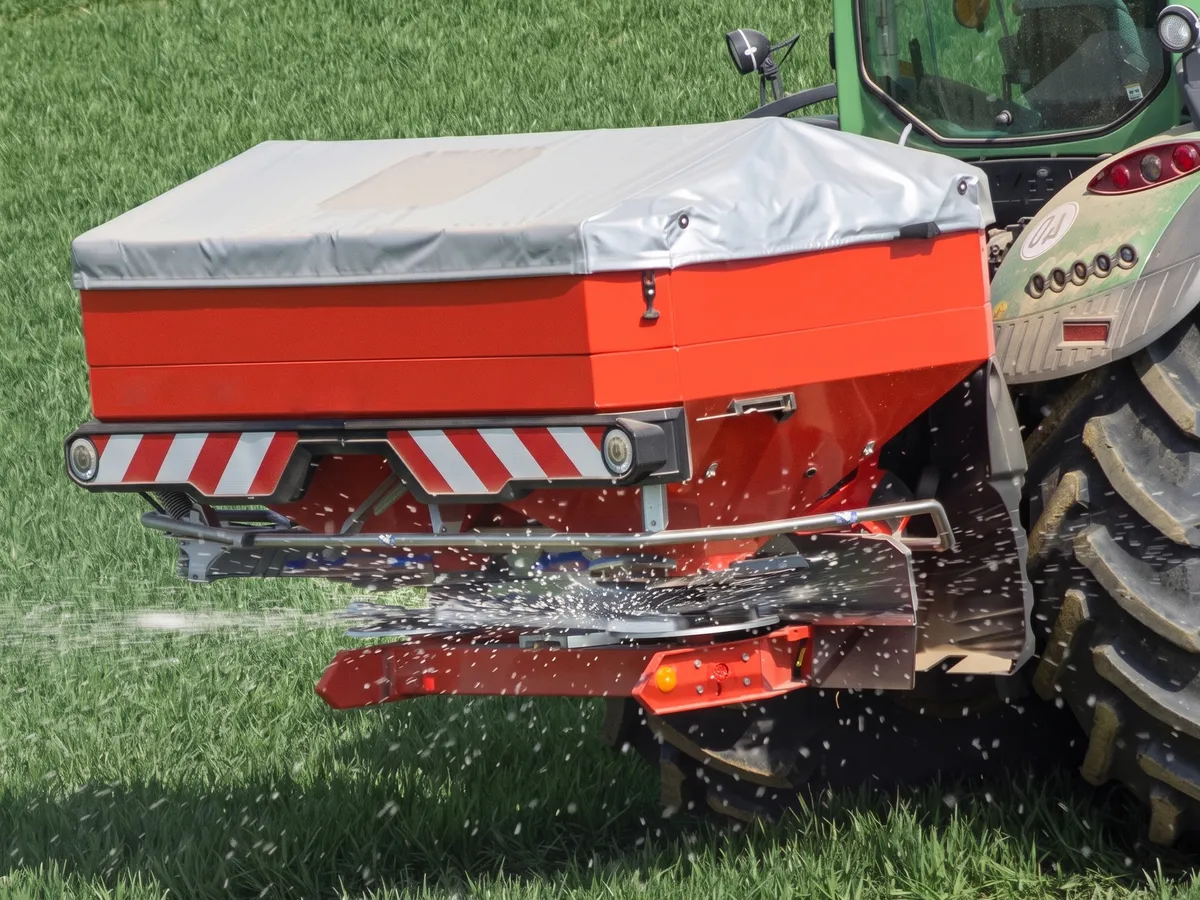
Crop Farming