Injection Blow Molding Machine
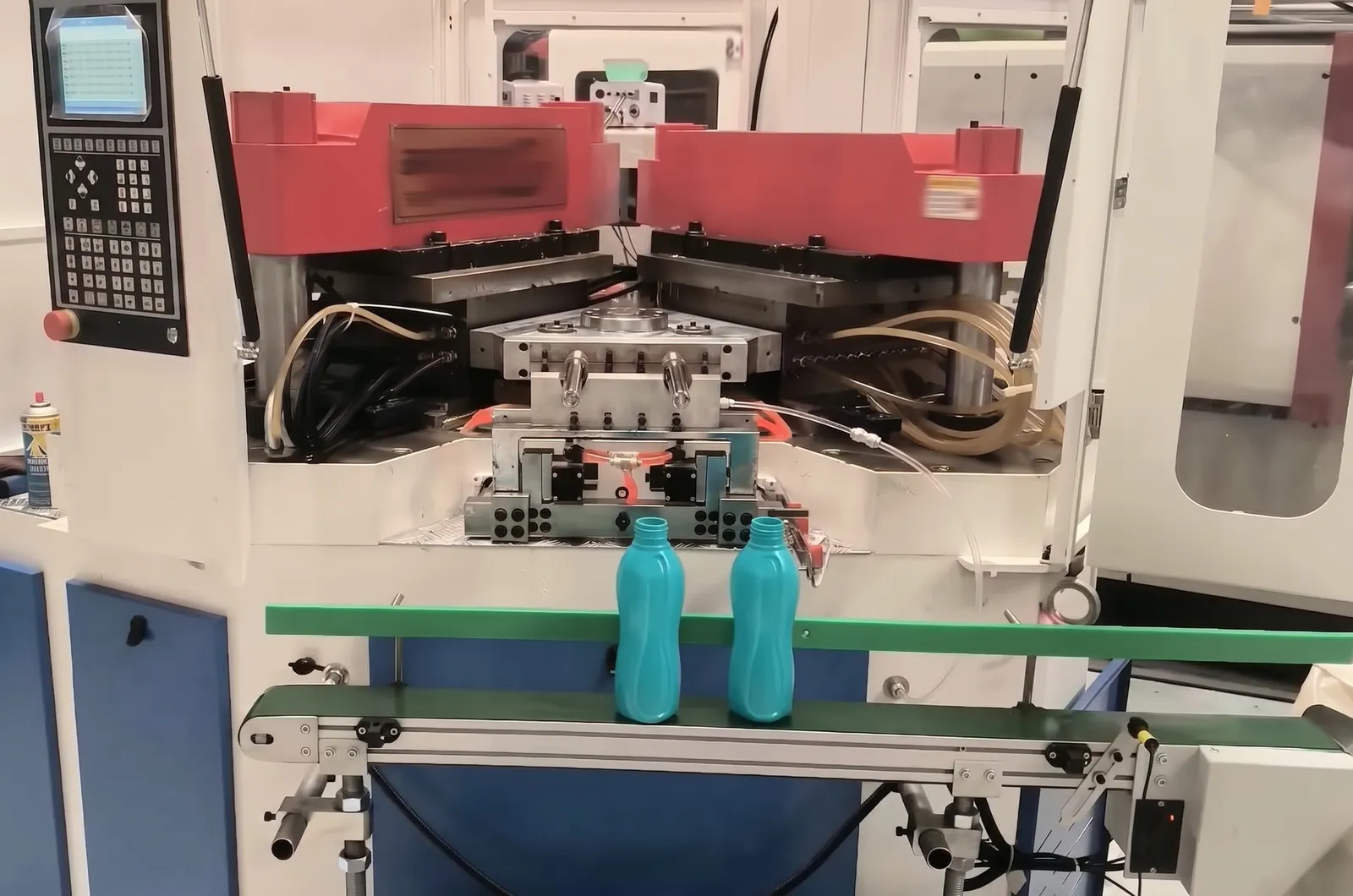
An injection blow molding machine, also called an IBM Machine, is a kind of plastic molding manufacturing equipment that integrates injection molding and blow molding processes in one machine, which is widely used in the production of plastic bottles. IBM machines feature high precision, high automation, and high efficiency. Also, it can meet the production requirements of plastic bottles with complex shapes. With the continuous improvement of manufacturing, energy conservation, and environmental protection, the technology of the injection blow molding machine is also constantly advancing.
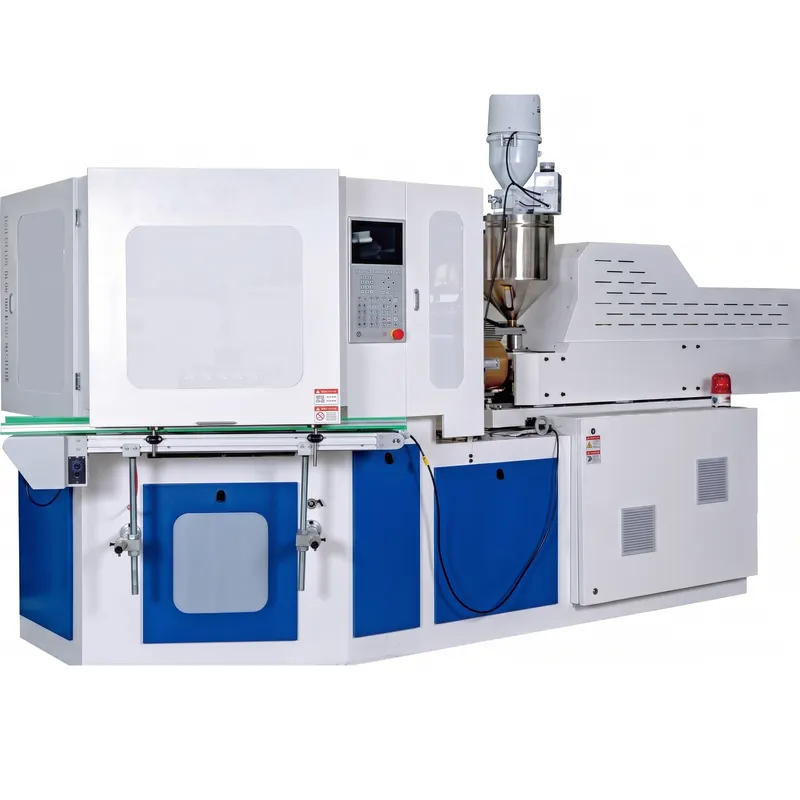
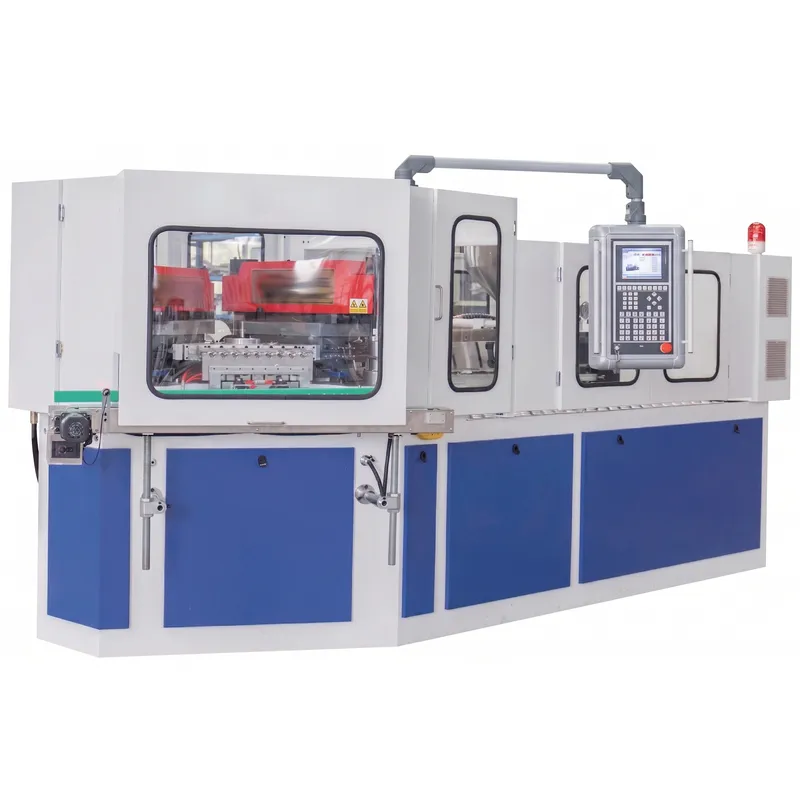
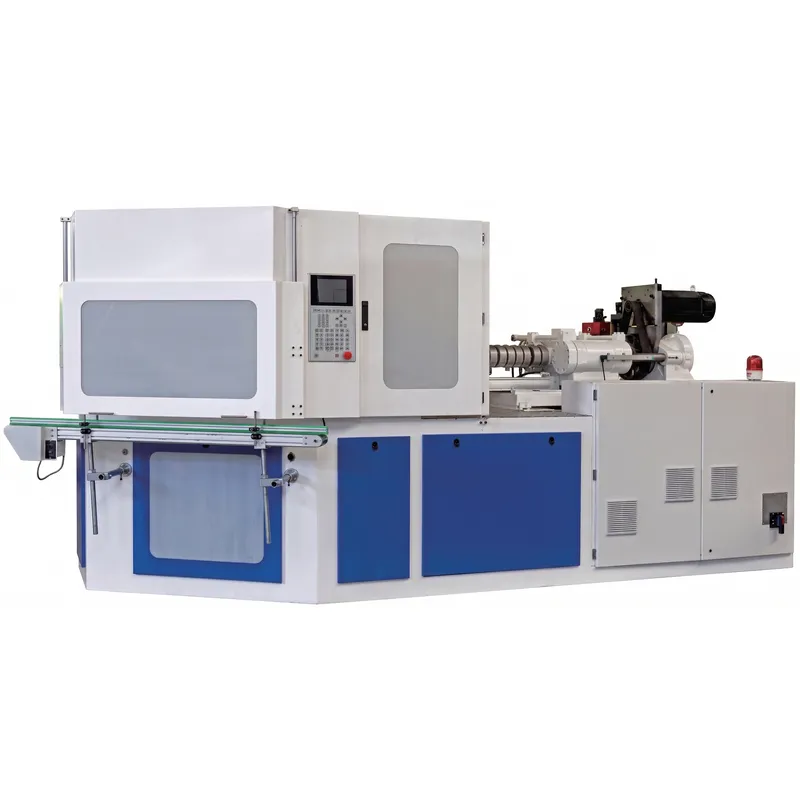
Injection Blow Molding Machine Models
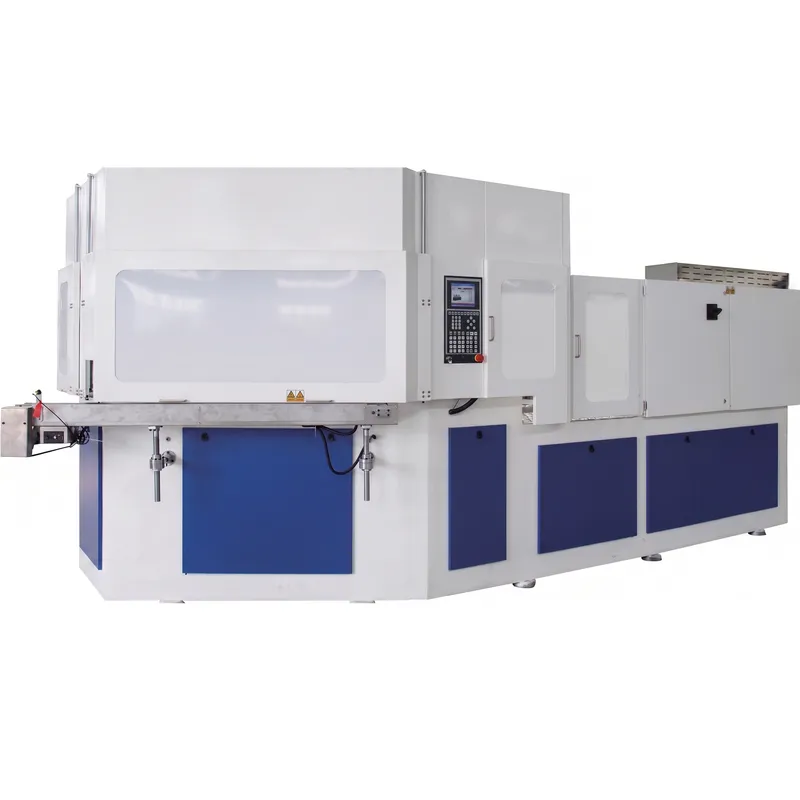
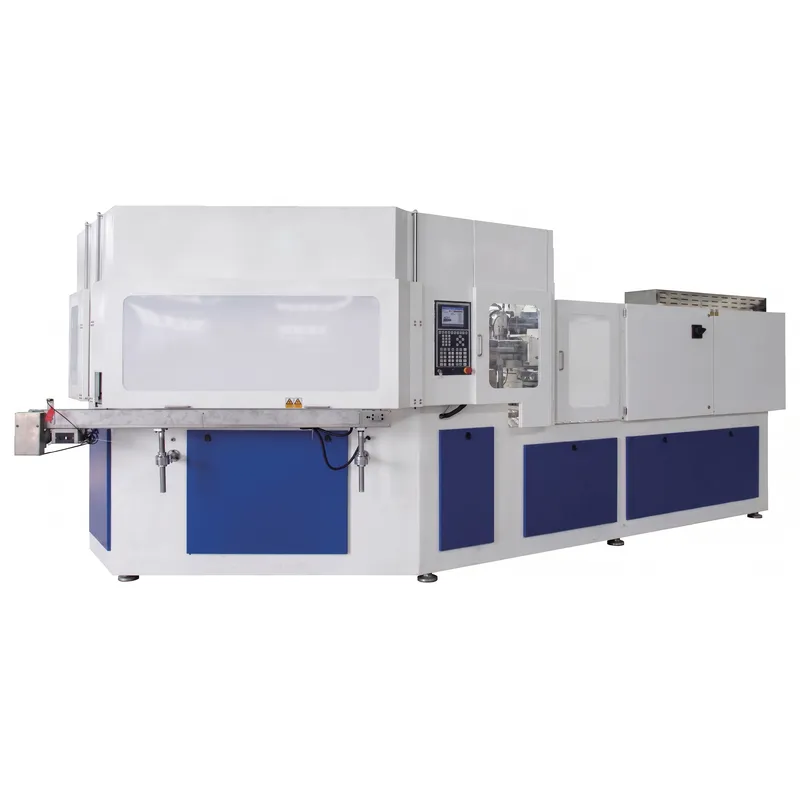
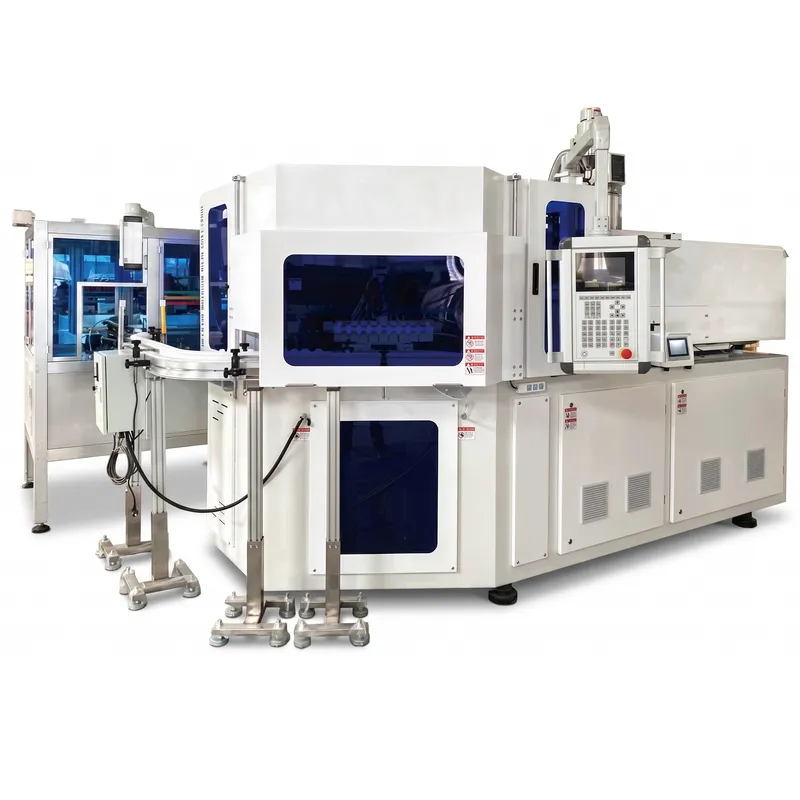
What is an Injection Blow Molding Machine?
The injection blow molding machine, also called the IBM machine, is a kind of plastic molding manufacturing equipment that integrates injection molding and blow molding processes in one machine, which is widely used in the production of plastic bottles. IBM machines feature high precision, high automation, and high efficiency. Also, it can meet the production requirements of plastic bottles with complex shapes. With the continuous improvement of manufacturing, energy conservation, and environmental protection, the technology of the injection blow molding machine is also constantly advancing. It completes multiple steps such as injection molding of preforms, cooling and blow molding, automatic ejection through a one-step molding process, achieving high-precision of plastic bottles.
Compared with the traditional two-step molding process, the IBM machine has significant advantages, such as a short production cycle, good consistency of finished product, and high precision of the bottle neck. It has a compact structure and a high degree of automation, making it an indispensable piece of equipment in the modern clean packaging industry.
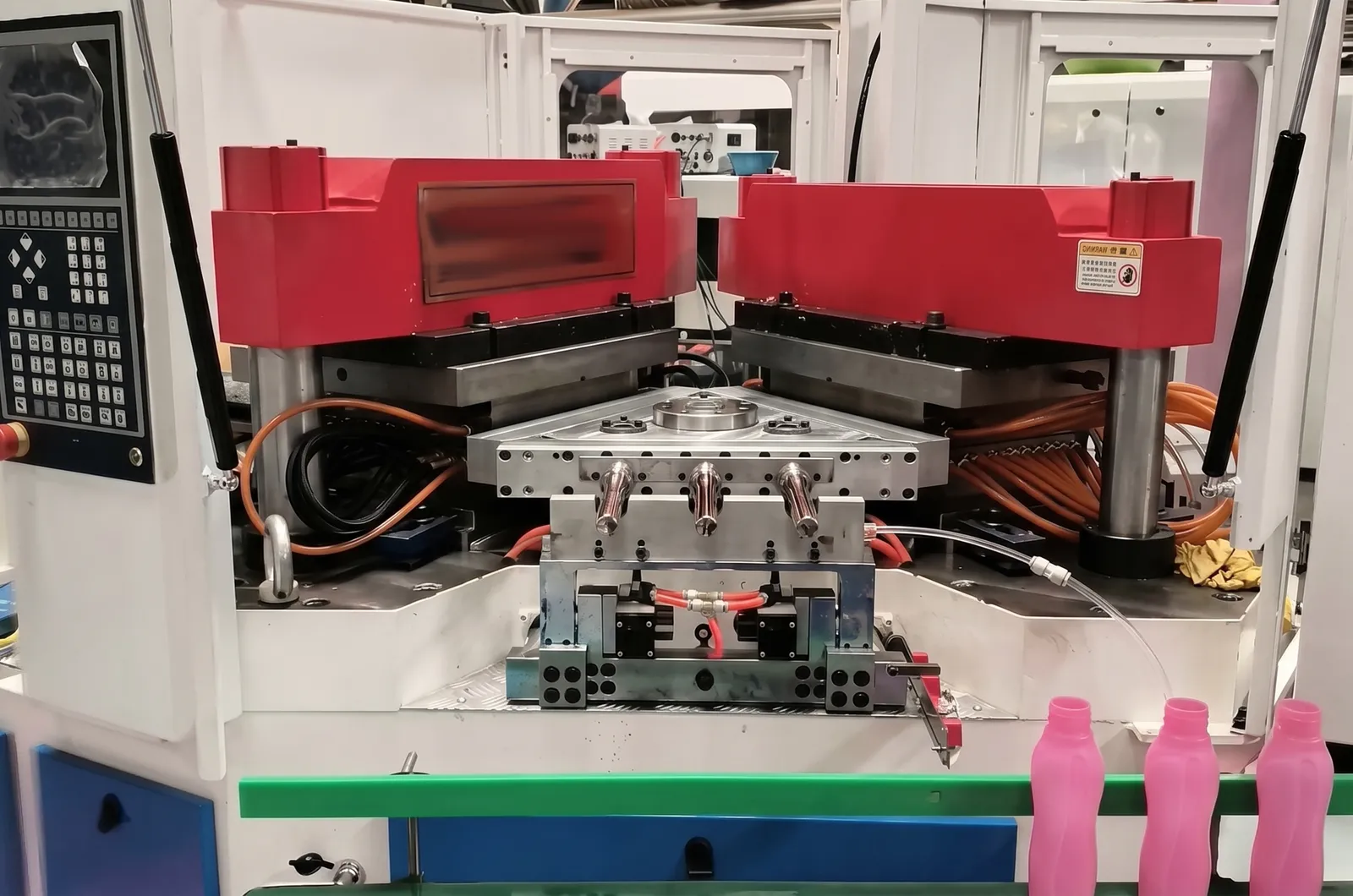
Operating Principle
1. Preform Injection
Molten material is precisely injected into the preform cavity under controlled temperature and pressure conditions, accurately forming the bottle neck and threaded finish to exact dimensional tolerances. Once the injection cycle is complete and the preform has sufficiently cooled, the mold opens and the mandrel, along with the shaped preform blank, is smoothly transferred to the blow molding station for the next stage of production.
2. Blow Molding
At the blow molding station, high-pressure air is introduced through the mandrel, which expands the heated preform outward until it conforms precisely to the contours of the surrounding mold cavity. The bottle shape and wall thickness are determined at this stage, and the number of cavities depends on the desired bottle design and production output. After sufficient cooling to stabilize the final shape, the mold opens and the mandrel, together with the fully formed bottle, rotates to the stripping station.
3. Stripping (Ejection)
At the stripping station, the finished bottles are automatically and cleanly ejected from the cold rods without manual intervention, then conveyed directly for quality inspection and packaging. Because all three operations preform injection, blow molding, and bottle ejection occur simultaneously at their respective stations in each machine cycle, the overall production process achieves exceptionally high efficiency, minimal material waste, and consistent product quality throughout continuous operation.
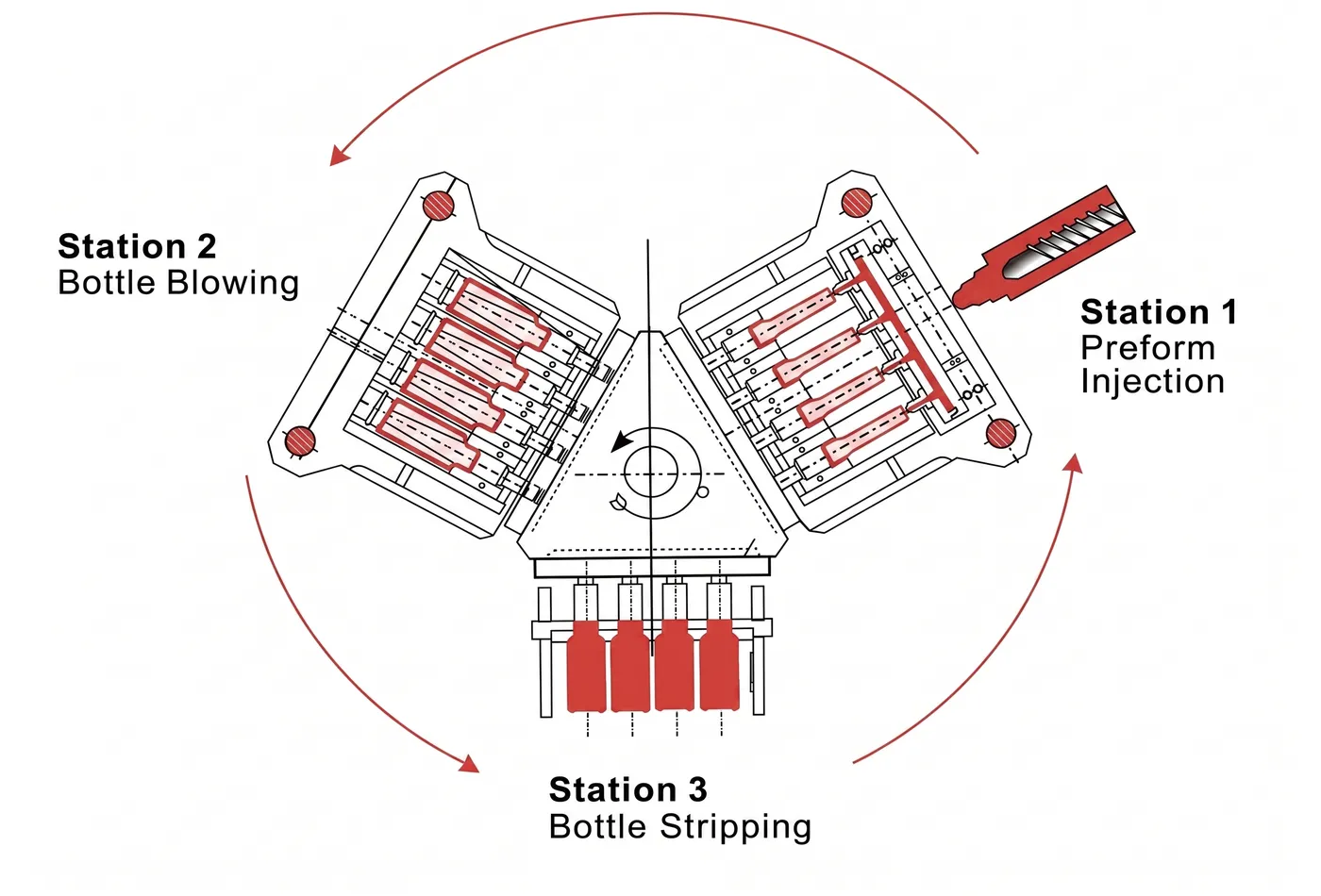
| 1 | Stock Preparation/injection Device | 2 | Hot Runner |
| 3 | Core Rod | 4 | Bottle Preform |
| 5 | Injection Mold | 6 | Injection Station |
| 7 | Blow Station | 8 | Blow Mold |
| 9 | Stripping Station |
Advantages of IBM Machine
1. High-Precision Injection Mold Design
The injection mold is engineered to exacting tolerances, guaranteeing consistent bottle neck dimensions, superior coaxiality, and reliable sealing performance across every production run. This level of dimensional accuracy directly satisfies the stringent quality and safety standards demanded by pharmaceutical, cosmetic, and food-grade packaging applications.
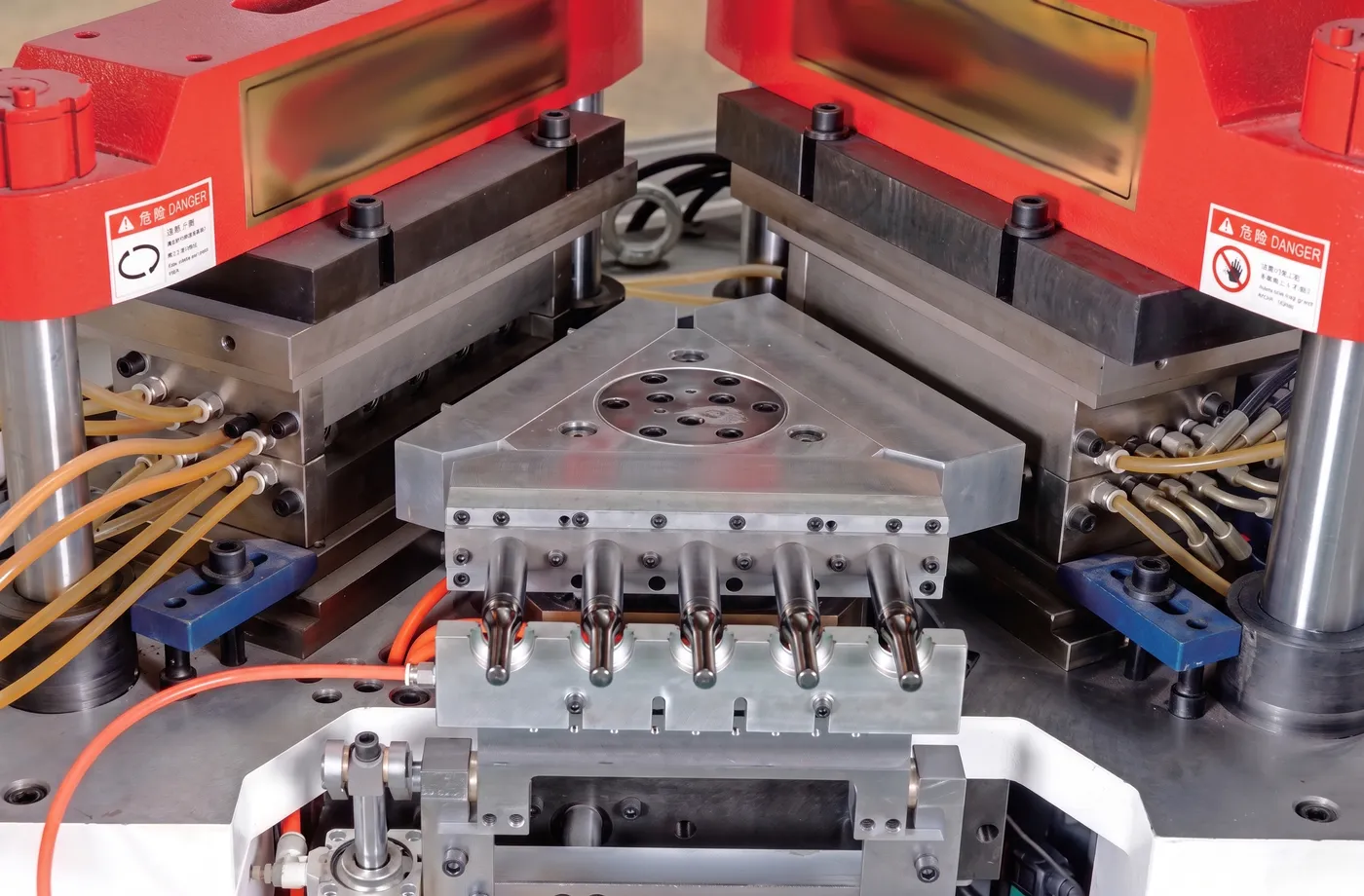
2. Rotary Table Structure
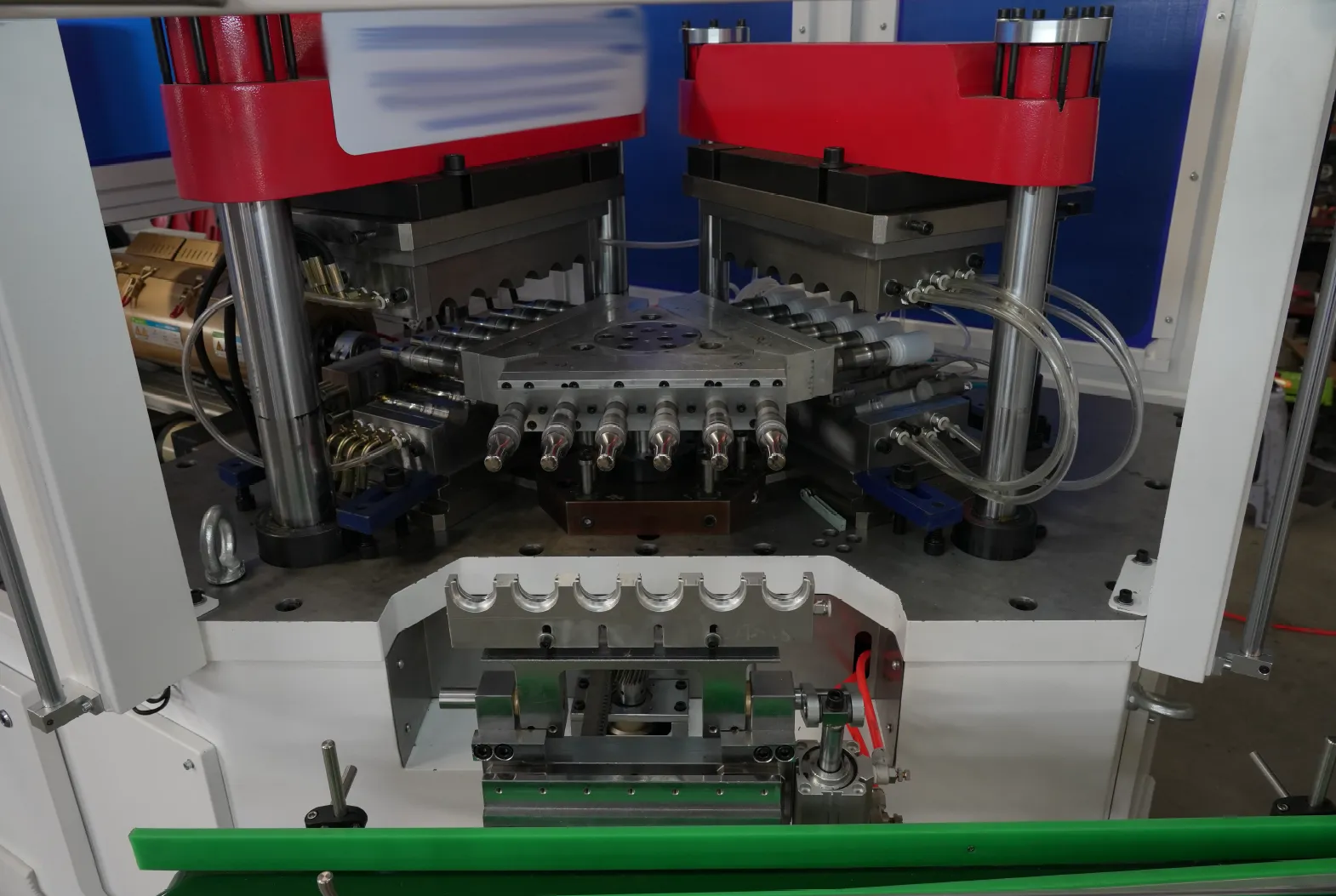
The rotary table mechanism transfers preforms seamlessly between stations injection, blowing, and ejection within a single continuous cycle. This synchronized multi-station layout eliminates idle time between operations, maximizes throughput, and maintains stable production rhythm, resulting in higher output capacity without compromising dimensional consistency or bottle integrity.
3. Intelligent PLC Control System
An advanced programmable logic controller governs every critical process variable, including injection pressure, melt temperature, blow timing, and cooling duration with real-time precision. Operators can store and recall specific product recipes, reducing changeover time significantly and ensuring that every batch meets identical quality benchmarks regardless of shift or operator.
4. Energy-Saving System
The machine incorporates an optimized thermal management design that maintains uniform, stable temperatures across the barrel, mold, and cooling channels. This balanced heat distribution shortens molding cycles, reduces resin degradation, lowers electricity consumption per unit produced, and supports environmentally responsible manufacturing targets without sacrificing output speed.
5. Automatic Demolding Device
Bottles are released from the mandrels automatically through a dedicated stripping mechanism, eliminating the need for manual removal at this stage. The controlled ejection force prevents surface scratching, deformation, or neck damage, directly reducing reject rates, lowering labor dependency, and cutting per-unit production costs over long-term continuous operation.
6. Pollution-Free Molding Environment
The machine frame and mold area feature a robust sealed enclosure that physically blocks airborne dust, particulates, and environmental contaminants from reaching the mold cavity during production. This built-in contamination control is particularly critical for pharmaceutical vials, eye-drop bottles, and medical containers where cleanliness compliance is a non-negotiable regulatory requirement.
Application of Injection Blow Molding Machines
1. Food and Beverage
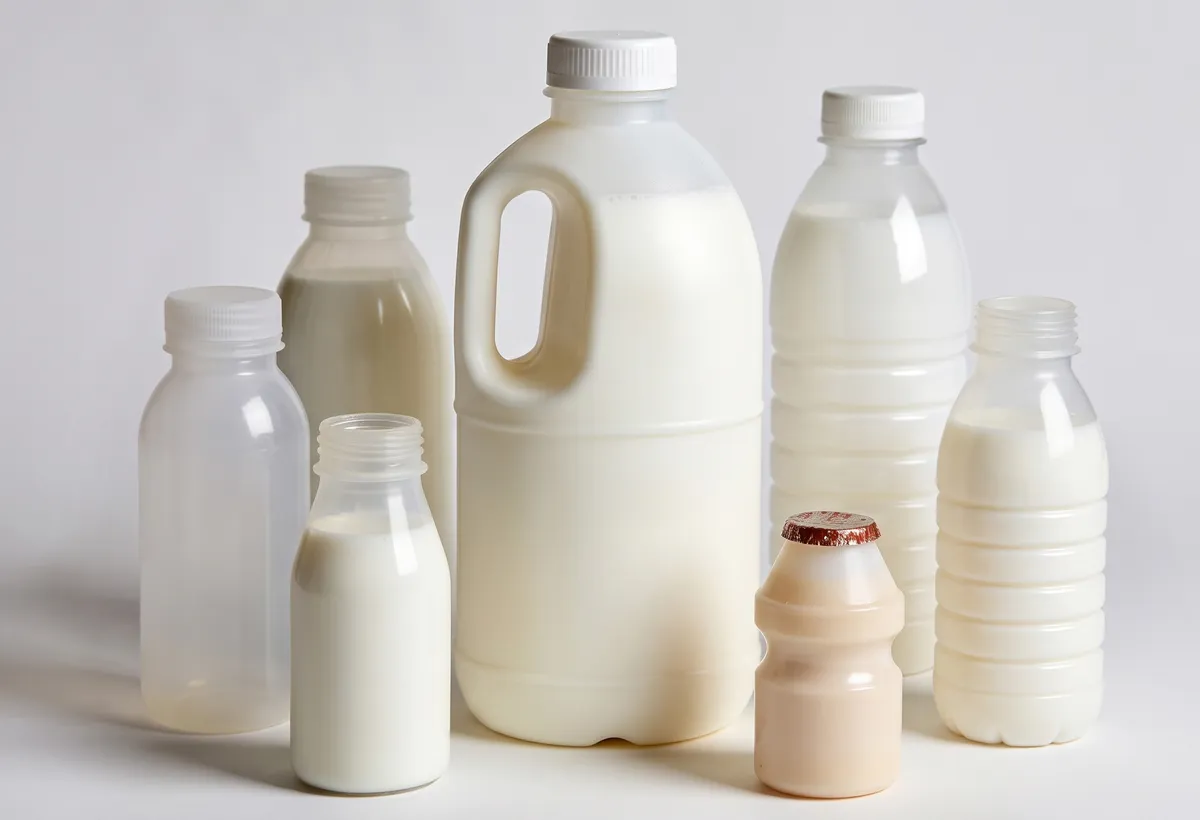
The food and beverage industry relies heavily on injection blow molding for safe and efficient packaging. Manufacturers use this process to create plastic bottles, jars, and closures for milk, juices, sauces, and condiments. The IBM machine produces food packaging that meets strict FDA and GMA regulations, ensuring consumer safety.
- Injection blow molding supports high-volume production of customized containers with consistent quality.
- Food-grade plastics, such as PET and HDPE, provide durability and chemical resistance.
- The process creates airtight seals, which preserve freshness and extend shelf life.
- Complex shapes and tight tolerances help maintain packaging integrity and prevent leaks.
- Temperature-resistant containers protect food and beverages during storage and transport.
This technology enables the food and beverage industry to deliver safe, attractive, and reliable packaging for a wide range of products.
2. Cosmetics and Personal Care
The cosmetics and personal care industry values injection blow molding for its ability to create visually appealing and functional packaging. Companies use this process to manufacture lotion bottles, deodorant sticks, and cosmetic jars. Compared to ISBM machine, the IBM machine enables custom mold designs, allowing brands to differentiate their products with unique shapes and ergonomic forms.
Food Bottle
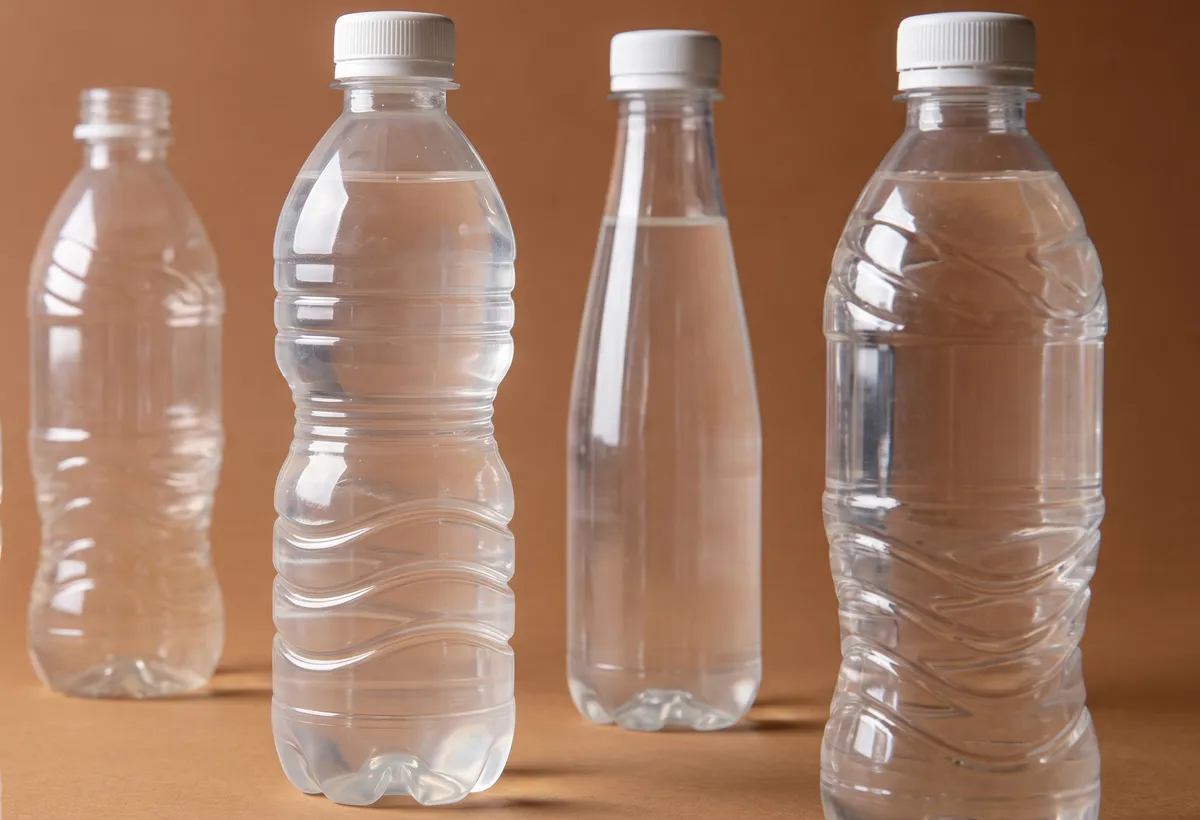
Beverage Bottle
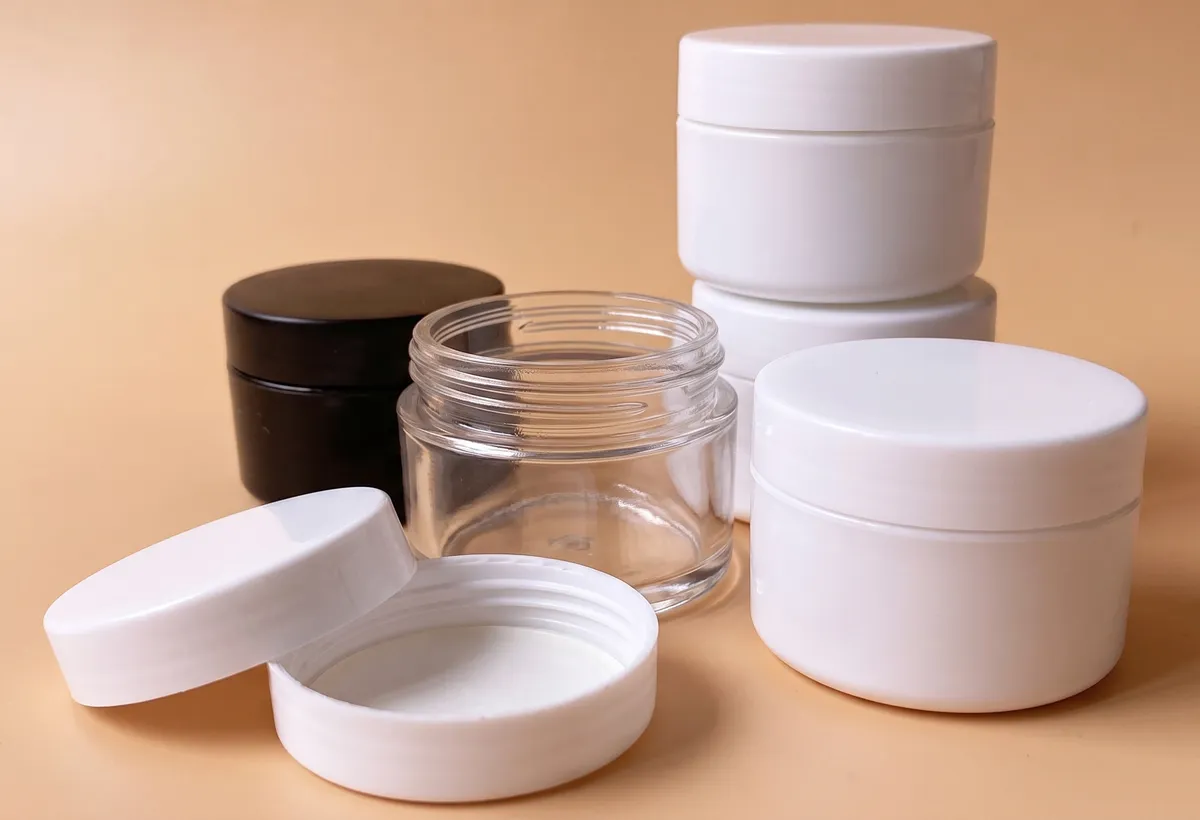
Cosmetic Bottle
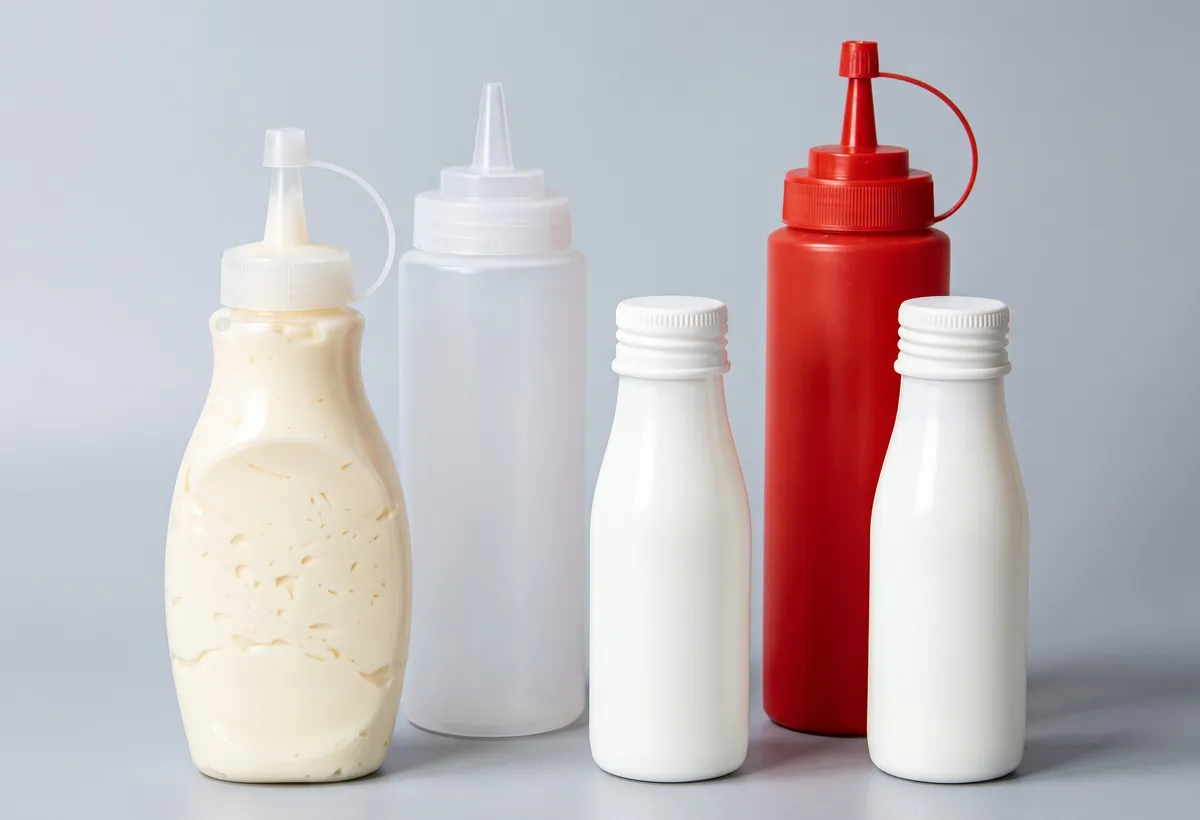
Condiment Bottle

Shampoo Bottle

Body Wash Bottle
3. Pharmaceuticals
Pharmaceutical companies depend on injection blow molding to produce precise plastic containers for medicines, syrups, and supplements. The process creates ISBM bottles and vials that meet global regulatory standards. PET bottles dominate pharmaceutical packaging due to their clarity, strength, and lightweight properties. These containers offer excellent barrier protection against moisture and oxygen, preserving drug stability and shelf life.
Manufacturers use IBM machine in clean room environments to maintain sterility. Automated inspection systems check every stage of production for quality and compliance. Tamper-evident and child-resistant closures enhance safety. The injection molded neck finish ensures a secure seal, preventing leaks and contamination. Pharmaceutical packaging must pass rigorous tests for chemical compatibility and mechanical strength, making injection blow molding the preferred choice for this industry.
4. Chemicals
Chemical manufacturers use injection blow molding to produce packaging components such as caps, closures, dosing caps, pumps, and sprayers. The process ensures chemical resistance and safety by selecting appropriate polymers like HDPE, LDPE, and PET. These materials withstand aggressive chemicals and environmental stresses.
- Rapid injection molding allows quick prototyping and testing for compatibility.
- Design features include uniform wall thickness and safety mechanisms like child-resistant closures.
- Quality control involves dimensional inspection, leak testing, and material verification.
Injection blow molding provides durable, safe, and customizable packaging components, supporting the chemical industry’s need for reliable product containment.

Eye Drop Bottle

Chemical Bottle

Pharmaceutical Bottle

Pesticide Bottle
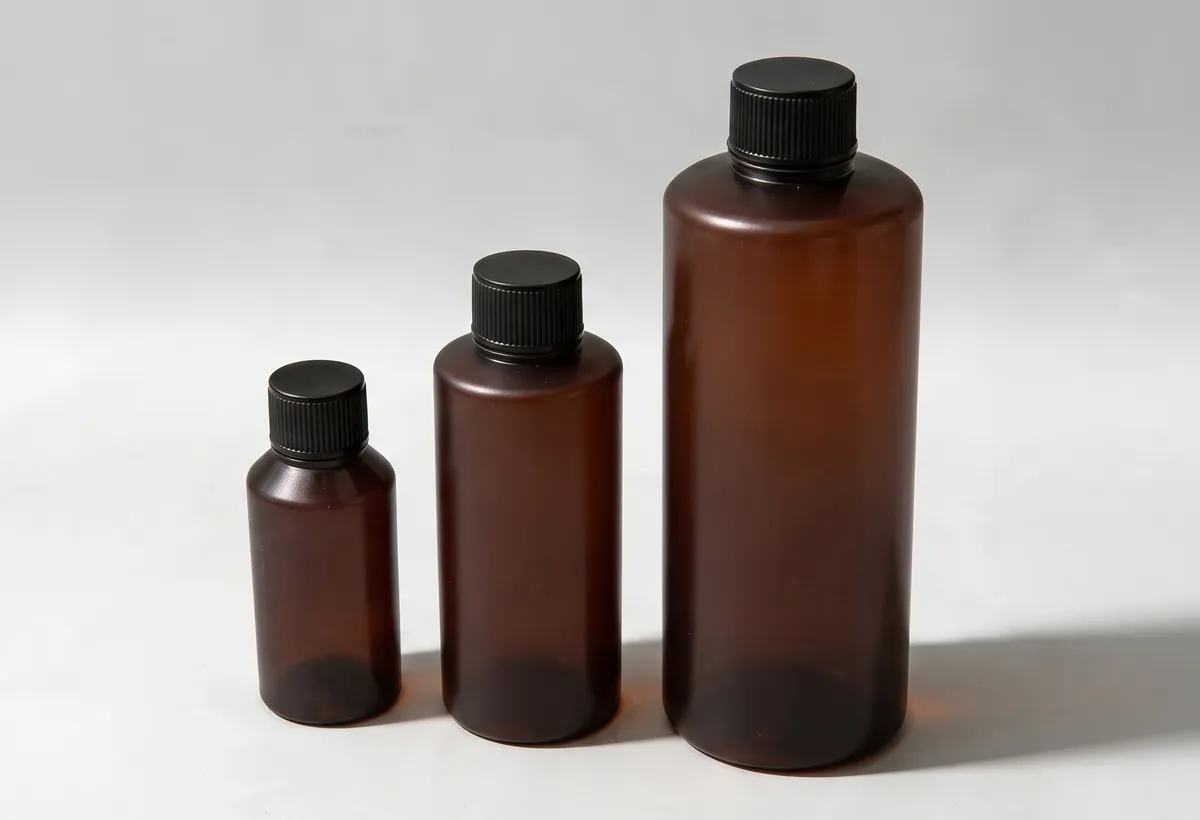
Pharmaceutical Dry Syrup Bottle

Medicinal Spray Bottle
Injection Blow Molding vs Extrusion Blow Molding
This difference affects neck precision, wall thickness control, trimming waste, mold structure, material behavior, cycle stability and the type of bottle each process can produce efficiently.
Injection Blow Molding (IBM)
- Injection: molten plastic is injected around a core rod to form a precise preform and neck finish.
- Blowing: the preform moves to the blow station and is inflated inside the bottle mold.
- Stripping: the finished bottle is removed without trimming flash.
Extrusion Blow Molding (EBM)
- Extrusion: molten plastic is extruded downward as a hollow tube called a parison.
- Clamping: the mold closes around the parison and pinches off excess material.
- Blowing and trimming: air forms the bottle, then flash must be trimmed after cooling.
Raw Materials Used in IBM vs EBM
Both processes can work with common packaging plastics, but material choice should always be validated against bottle geometry, sealing requirements, regulatory needs and production stability.
IBM vs EBM Process Differences
| Feature | Injection Blow Molding (IBM) | Extrusion Blow Molding (EBM) |
|---|---|---|
| Starting form | Injection molded preform | Extruded parison |
| Neck precision | Extremely high; the neck is pre-molded by injection | Standard; depends on mold closing, trimming and neck calibration |
| Scrap / waste material | Zero flash and very low process waste | Generates flash that requires trimming and recycling |
| Best container size | Small to medium precision bottles | Medium to large hollow containers |
| Initial mold cost | Higher upfront investment for precision tooling and core rods | Lower initial mold costs for many large hollow containers |
| Best applications | Pharmaceutical pill bottles, eye droppers, cosmetics, lab containers | Large milk jugs, detergent drums, jerry cans, complex handles |
| Quality priority | Dimensional consistency, clean production and sealing reliability | Size flexibility, output and container-volume economics |
Common Bottle Applications for IBM and EBM
| Application | Better fit | Why it matters |
|---|---|---|
| Pharmaceutical pill bottles | Injection blow molding | Precise neck finish, clean production and stable sealing are usually more important than low tooling cost. See the pill bottle manufacturing guide. For medical and pharmaceutical packaging specifically, read the dedicated medical packaging process comparison. |
| Eye dropper and nasal spray bottles | Injection blow molding | Small dosage packaging requires accurate neck geometry and consistent dimensions. Review pharmaceutical eye dropper solutions. |
| Cosmetic jars and small daily chemical bottles | Injection blow molding | Surface finish, dimensional control and reduced trimming waste improve product quality. Explore cosmetic bottle machine applications. |
| Jerry cans, drums and large containers | Extrusion blow molding | Large volume and flexible hollow shapes are usually better matched with EBM equipment. |
| Large industrial hollow parts | Extrusion blow molding | EBM can handle larger parisons and wider product shapes, even though trimming is required. |
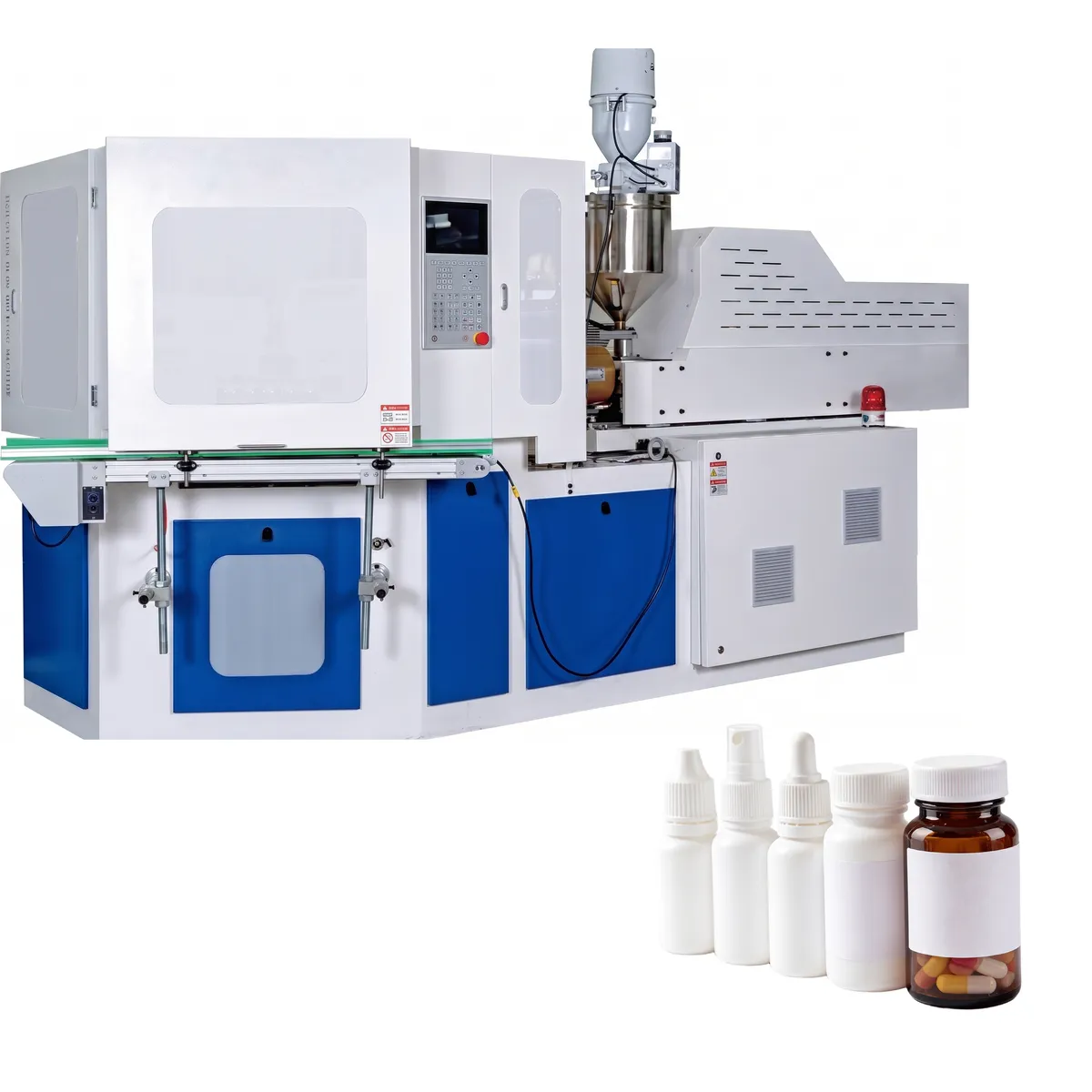
IBM Machine
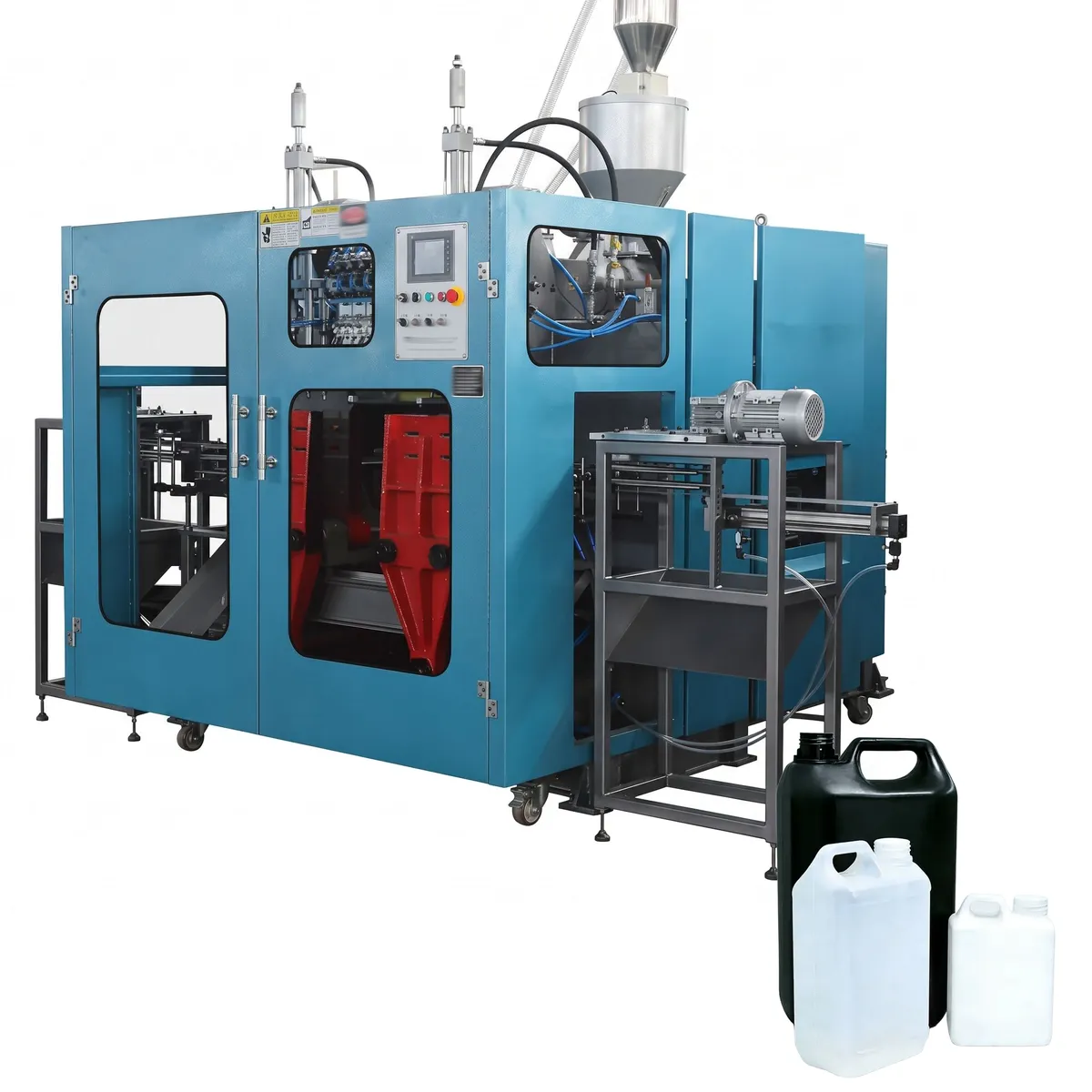
EBM Machine
ZQ Series Automatic Mould Characteristics
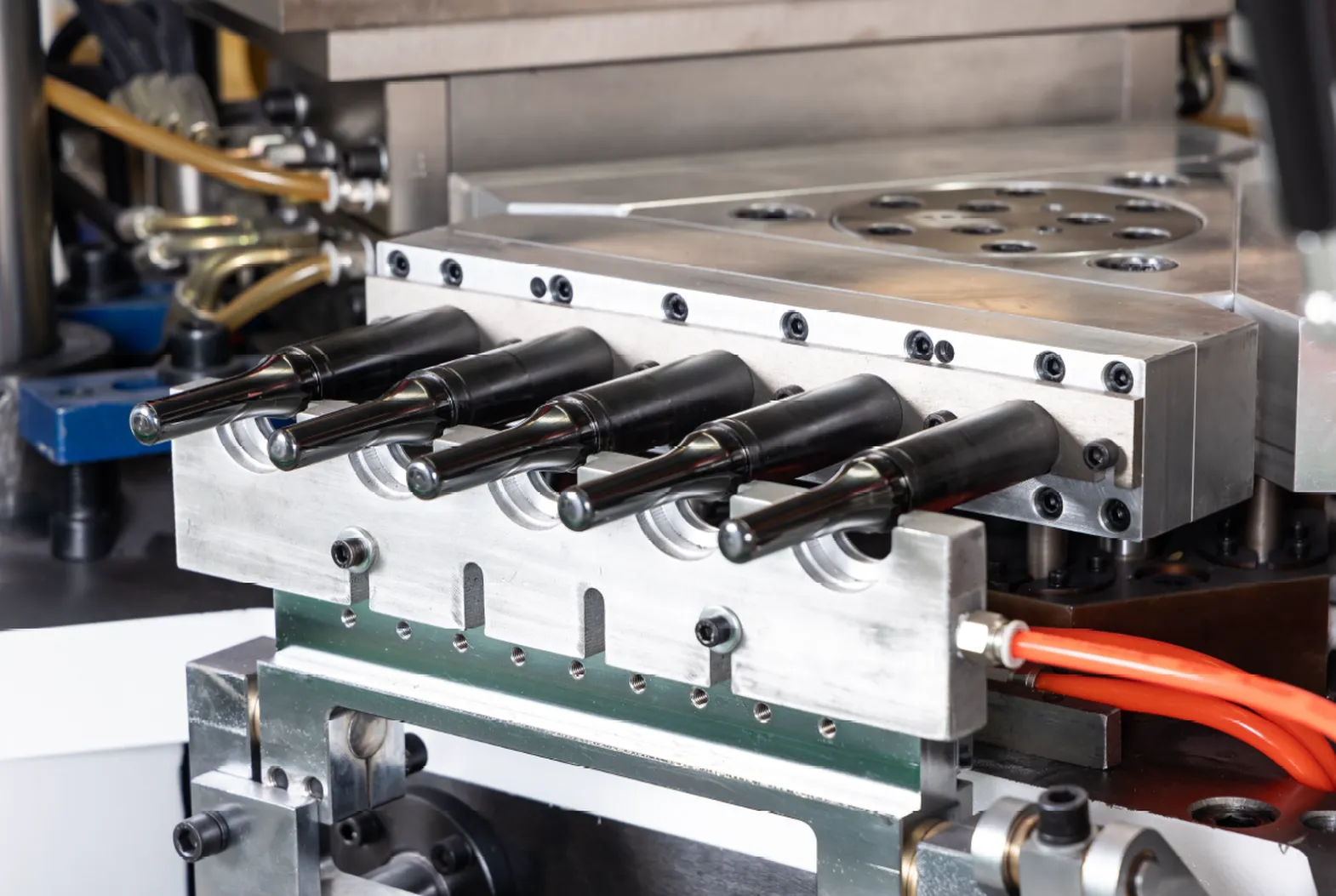
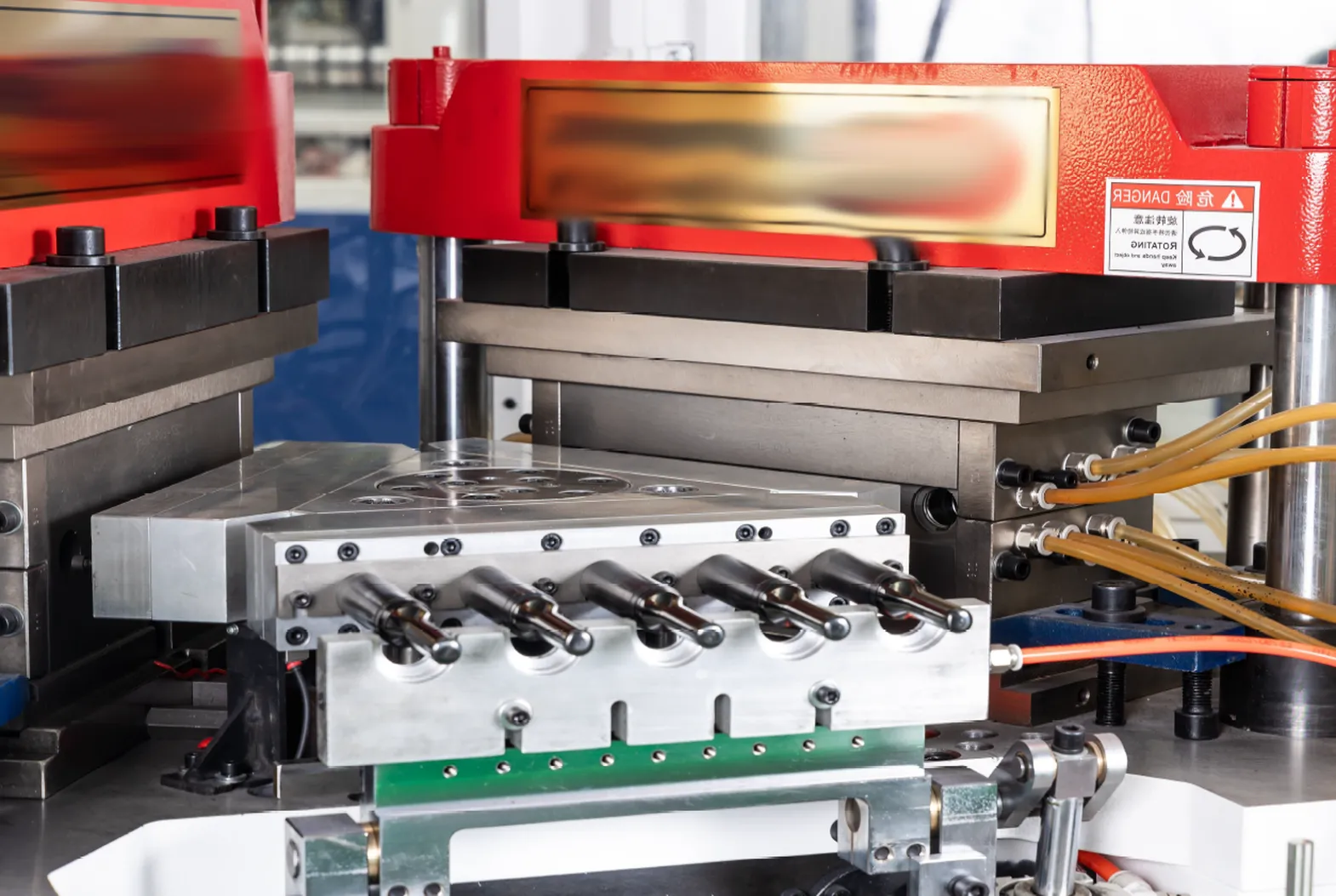
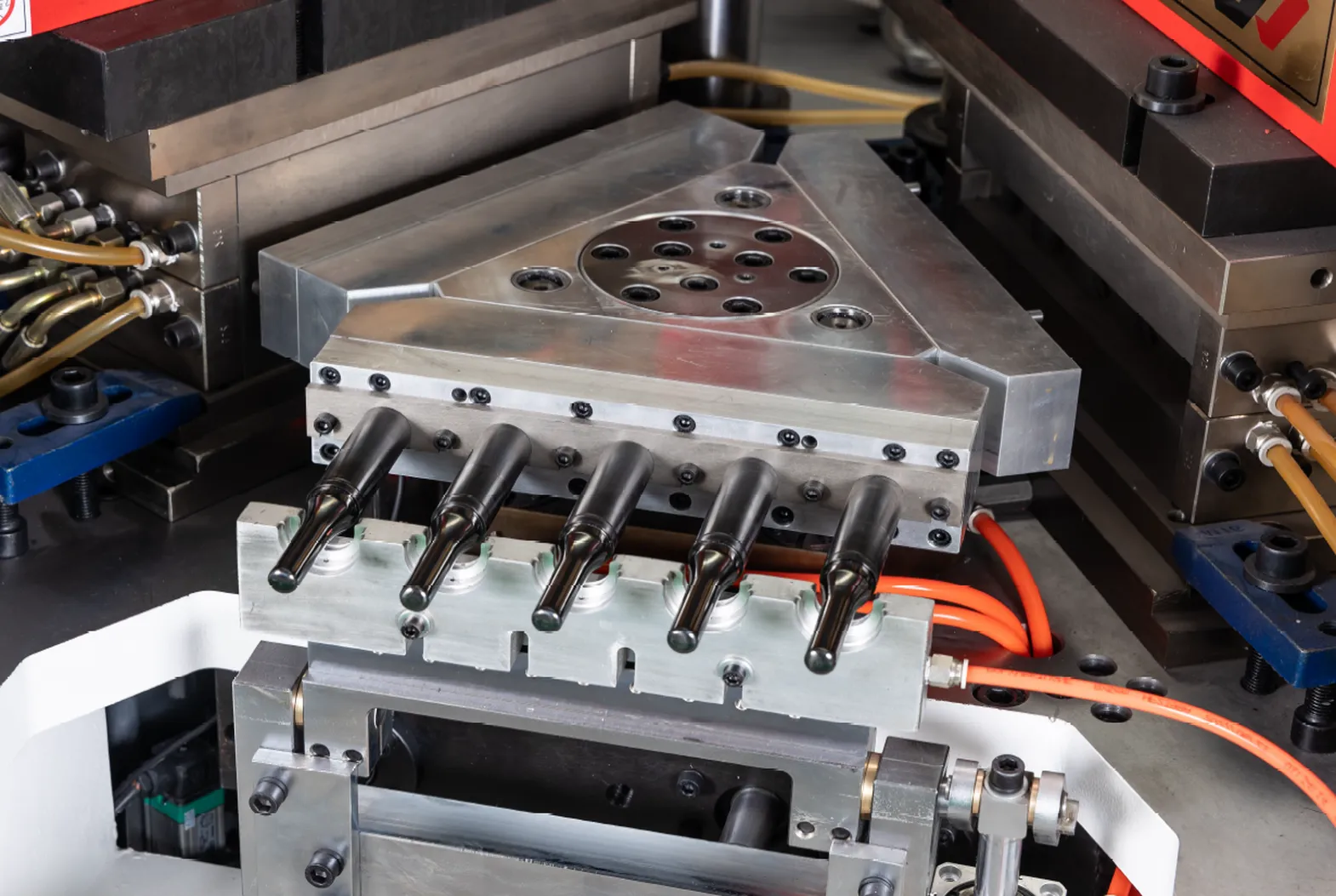
1. The activity designed a cavity and neck of an injection mold and specially designed oil way, which can be changed conveniently to ensure the tube billet size and stable temperature.
2. Injection mold material adopts imported S136 steel alloy or 4Cr13 stainless steel. The high-strength steel increases the service life.
3. The optimized hot runner system and bottle embryo to ensure the gram weight deviation and wall thickness deviation minimization. The special structure of the mandrel will keep the fast molding cycle and good core cooling effect.
4. The mouth and thread are accurate in size and 100% sealed.
5. There are no burs and non-waste on the mouth and bottom of the bottle.
6. The product size, weight, mold line, and bottle thickness are consistent.
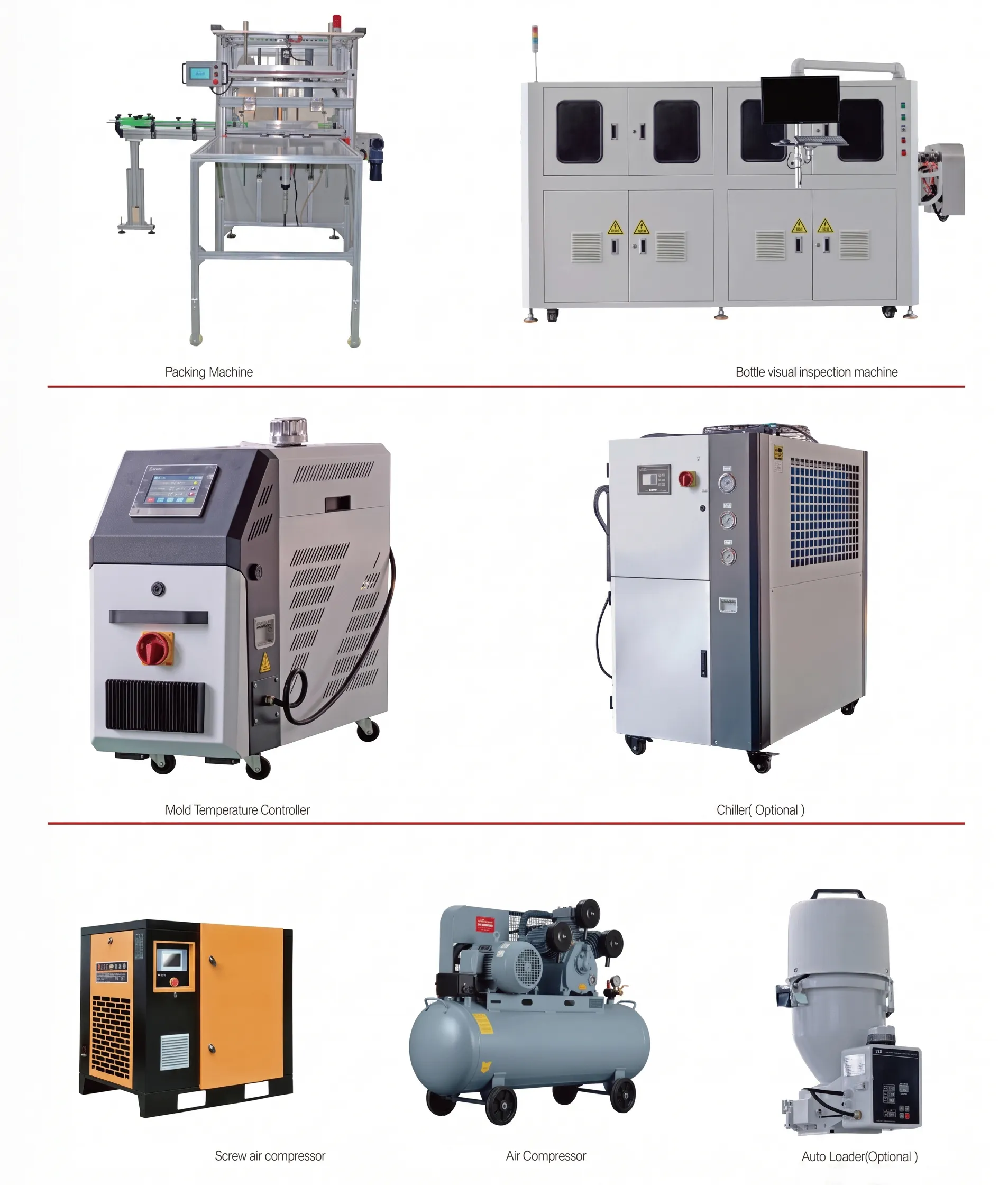
Auxiliary Equipment