
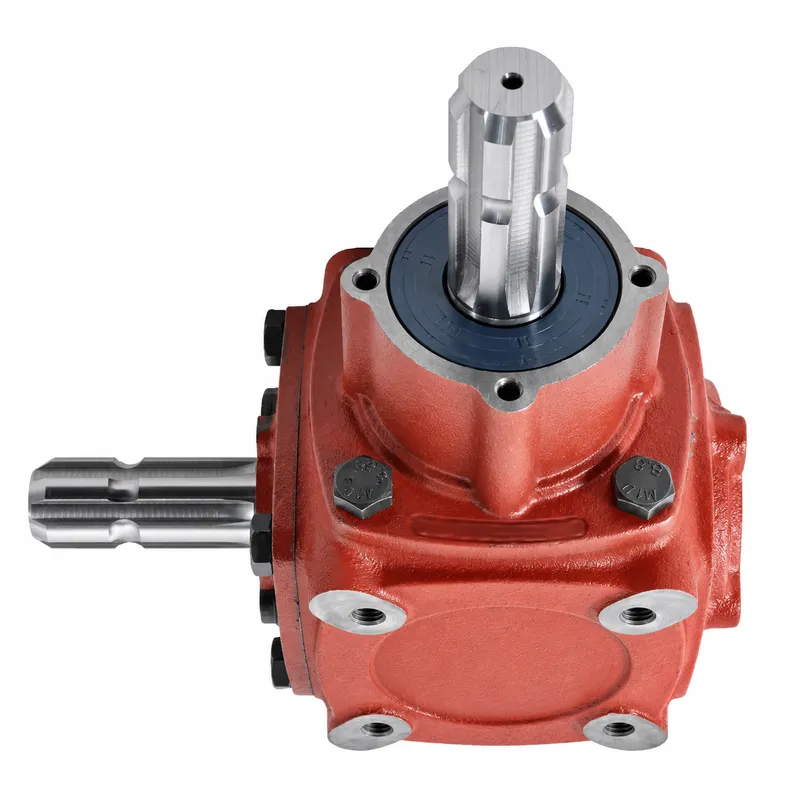
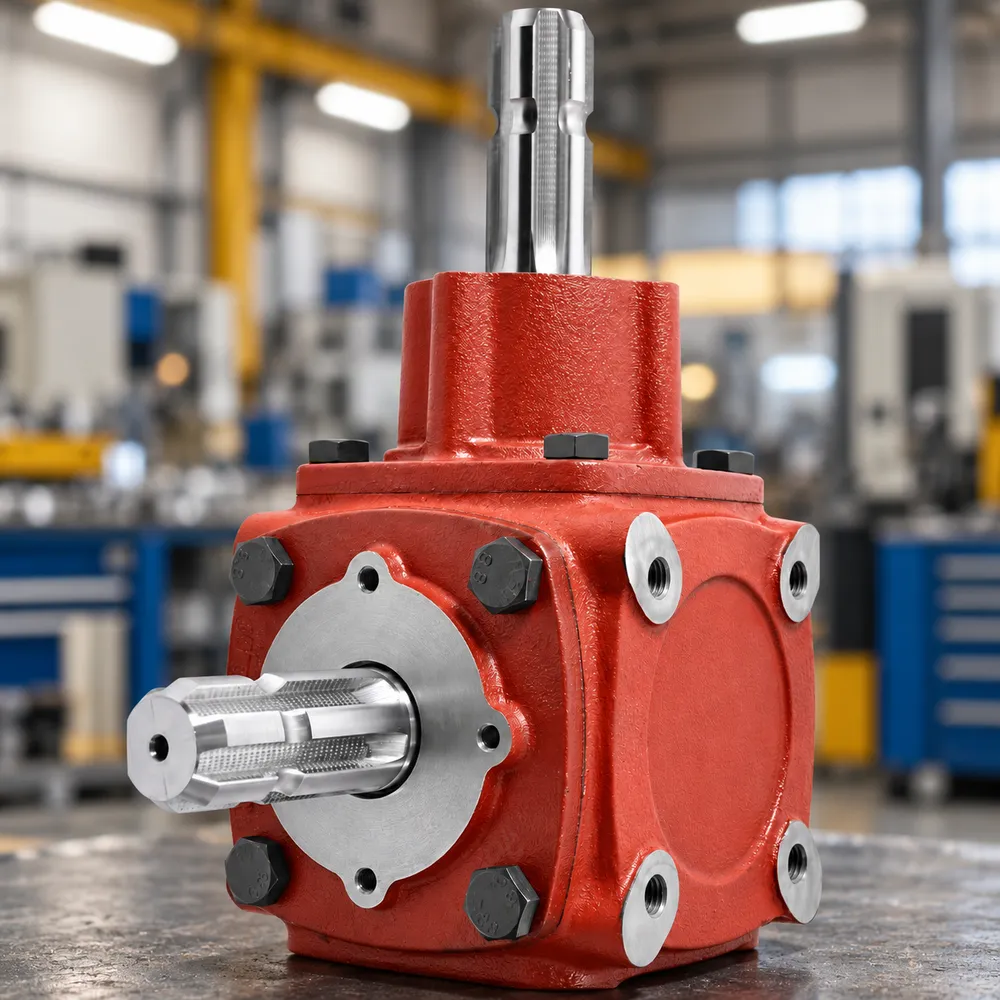
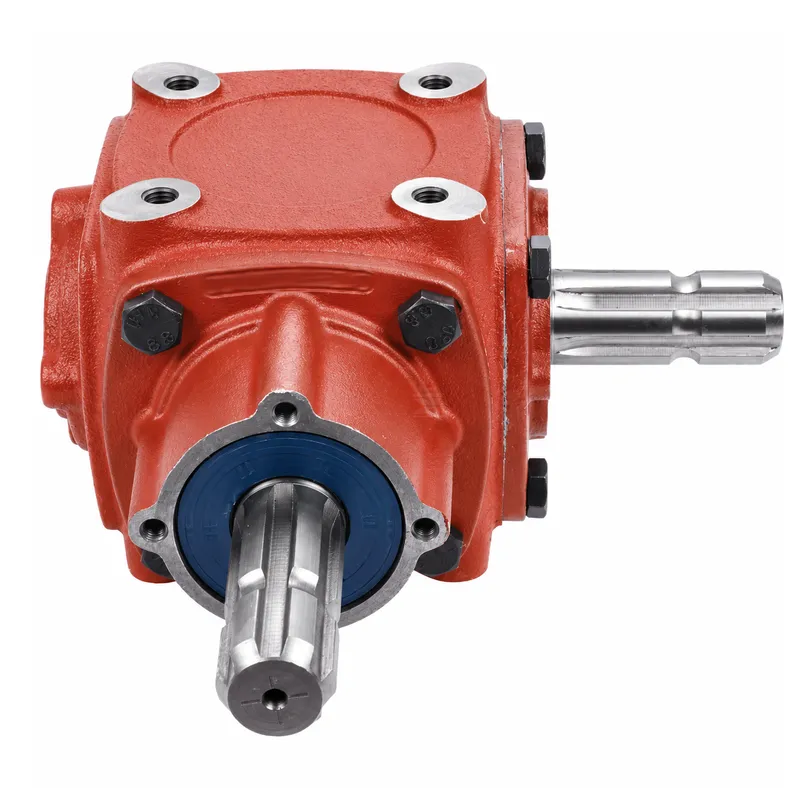
T-19A Rotary Tiller Gearbox Ratio 1:1 Replacement for Comer T-19A Gearbox
The T-19A rotary tiller gearbox is an agricultural power transmission unit built for transferring rotational force from a tractor’s power take-off (PTO) shaft to the rotor blades of a rotary tiller, also known as a rotavator. Rated at 24.3 kW input power and capable of producing 33 HP with 416 NM of output torque, this gearbox operates at a 1:1 ratio through a precision bevel gear arrangement. The unit serves as a direct dimensional and functional replacement for the Comer T-19A gearbox, sharing identical spline connections, mounting bolt patterns, and housing geometry.
The T-19A rotary tiller gearbox is an agricultural power transmission unit built for transferring rotational force from a tractor's power take-off (PTO) shaft to the rotor blades of a rotary tiller, also known as a rotavator. Rated at 24.3 kW input power and capable of producing 33 HP with 416 NM of output torque, this gearbox operates at a 1:1 ratio through a precision bevel gear arrangement. The unit serves as a direct dimensional and functional replacement for the Comer T-19A gearbox, sharing identical spline connections, mounting bolt patterns, and housing geometry. Constructed with cast iron GG25 housing and hardened steel internal gears, the T-19A withstands heavy soil loads across extended work cycles without overheating or premature component failure.
On the field, this rotary cultivator gearbox performs best in seedbed preparation, residue incorporation, and soil aeration for both small-scale vegetable operations and large cereal crop rotations. Its 1:1 ratio maintains the same rotational speed at the output as received from the PTO input at 540 r/min, allowing tiller rotors to match ground speed and tillage depth for different soil types. From clay-rich bottomland to sandy loam fields, the T-19A transfers power steadily to keep blade tip velocity consistent across varying resistance levels. Both input and output shafts use 1-3/8 inch 6-spline connections, matching the most widely adopted PTO standard in modern agricultural machinery.
Technical Parameters
| Model | T-19A Gearbox 1:1 |
| Replace Brand | Comer |
| Product Details |
|
| Application Range |
|
| Ratio | 1:1 |
| Connection 1 Outside Diameter inch and splines | 1.3/8-6 |
| Connection 2 Outside Diameter inch and splines | 1.3/8-6 |
| Max. input Power | 24.3 kW |
| Max. input Rotation Speed | 540 r/min |
| Max. output Power | 33 HP |
| Max. output Torque | 416 N·m |
| Gear Arrangement Increasing | 1-2 |
| Gear Arrangement Reducing | 1-2 |
| Contains Oil | No |
| Max. oil Capacity | 0.9 L |
| Max. oil Change Interval | 500 h |
| Oil SAE Viscosity Grade | 80W-90 |
| Housing Material | Cast iron GG25 |
| Weight | 14 kg |
We have completed a third-party supplier audit and company verification supported by SGS / TÜV Rheinland. This verification helps buyers review company identity, business operations, supplier profile and general manufacturing capability. Product-specific inspection reports, material documents or compliance records can be provided according to order requirements.
Minimum Order Quantity (MOQ): Flexibly set based on the product type and order amount.
Samples: New customers may request 1–5 samples under appropriate circumstances.
Mixed Orders: Combining different models is supported; the total order amount must reach approximately $1,500.
Small Orders: Orders starting from 1–2 pieces are supported, but the unit price will be relatively higher.
Lead Time: 10–25 working days for standard parts; 20–45 working days for customized components; 45–120 working days for project-based equipment.
Trade Terms: EXW, FOB, CIF, and DAP are generally supported; FCA, CFR, CPT, CIP, and DDP terms can be specifically negotiated.
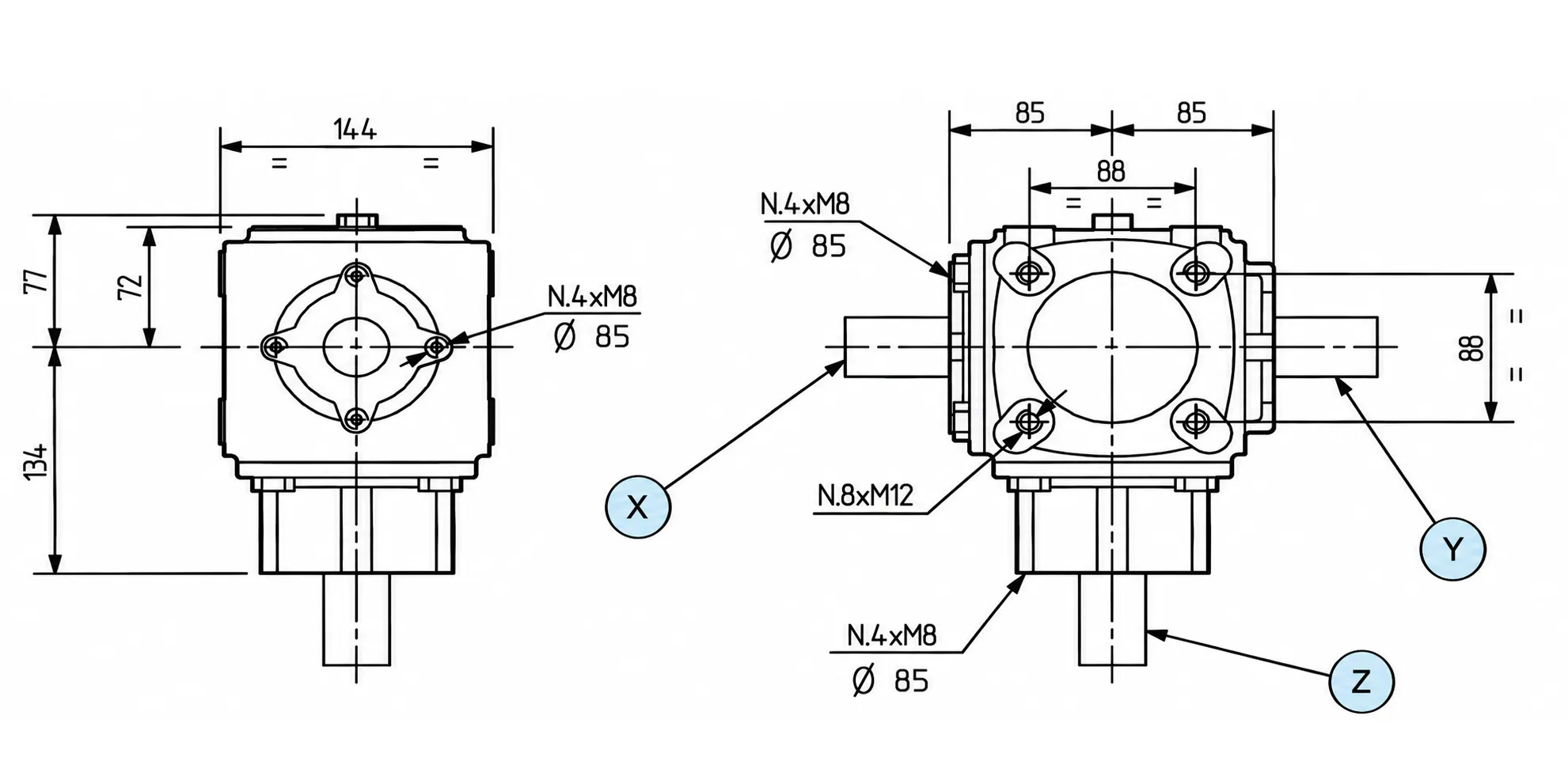
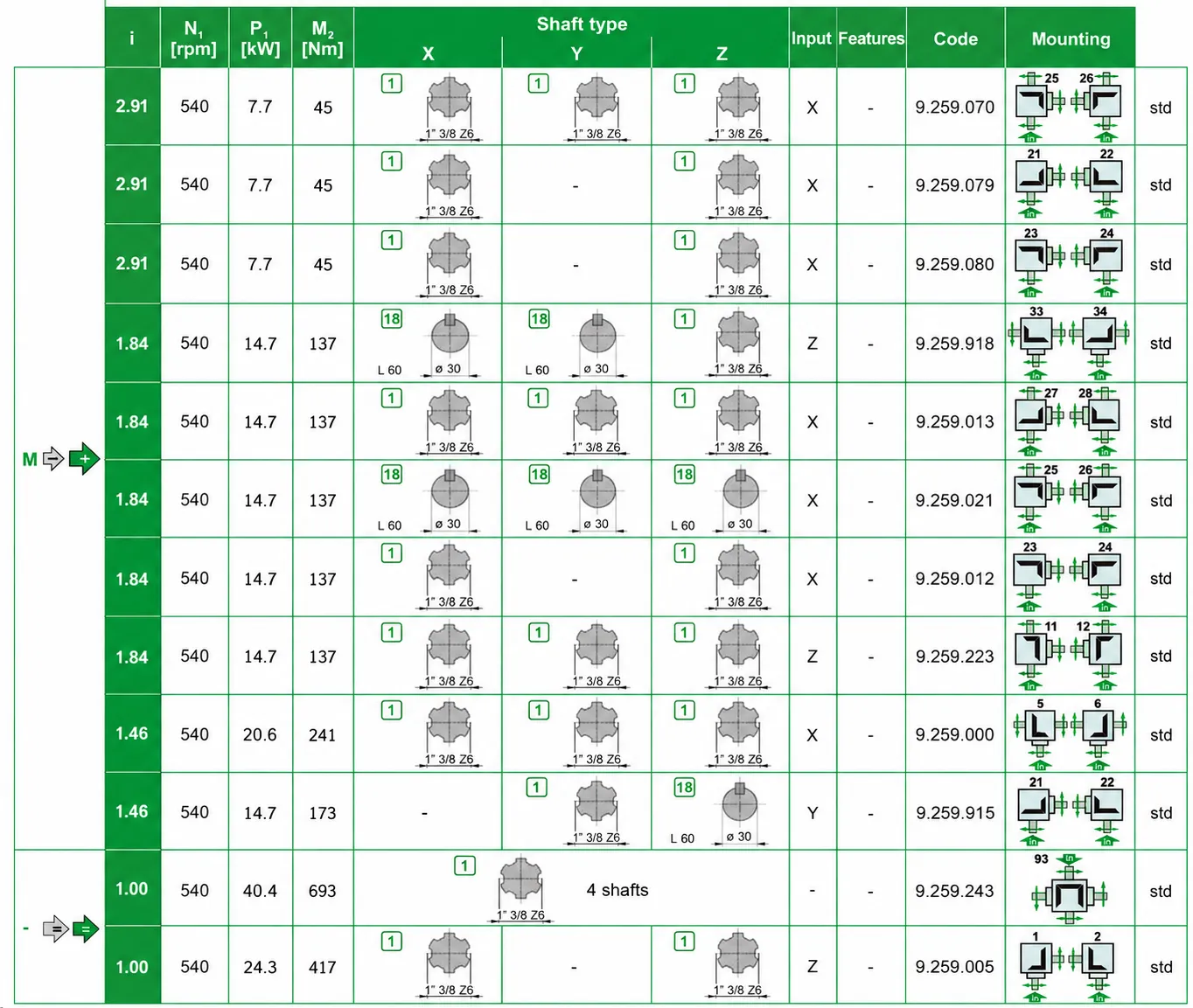
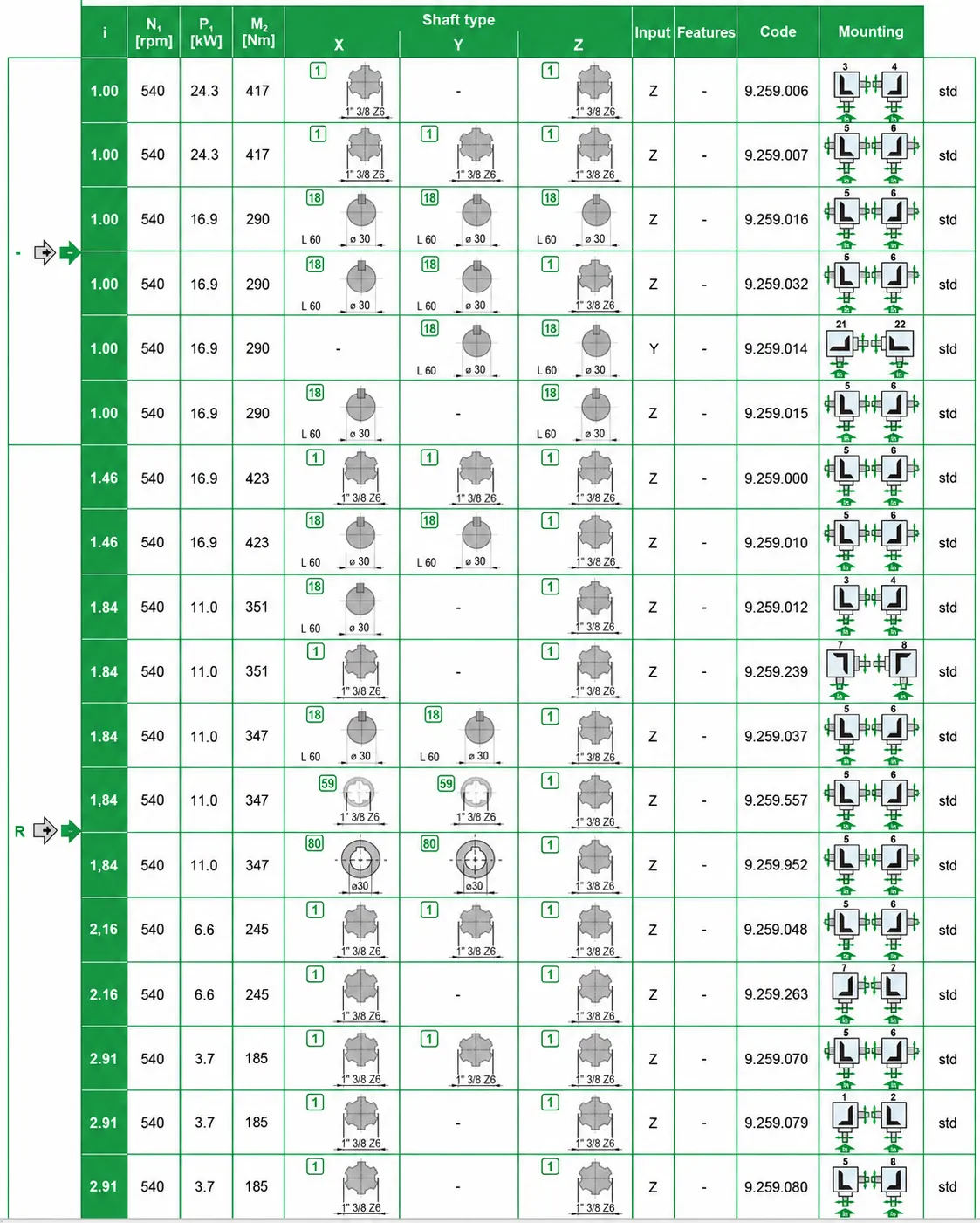
T-19A Rotary Tiller Gearbox Dimensions
Key Features of the T-19A Rotary Tiller Gearbox
1. PTO Interface and Spline Standards
The T-19A accepts a standard 1-3/8 inch 6-spline input shaft, matching the most widely used PTO connection type found on compact and mid-range agricultural tractors worldwide. This spline profile ensures correct alignment between the tractor PTO output and the gearbox input, reducing vibration and eliminating uneven load distribution. Proper spline engagement also helps prevent premature wear on both the gearbox for rotary tiller and PTO drive shaft components.
2. 1:1 Ratio with Direct Power Delivery
Operating at a 1:1 rotary tiller gearbox ratio, the T-19A delivers output speed equal to the input speed from the tractor PTO. At a standard 540 r/min input, the output shaft turns at 540 r/min with a peak torque of 416 NM. This direct speed transfer suits rotary tillers that require higher blade tip velocity for aggressive soil mixing, breaking compacted layers, and producing fine seedbed texture in a single pass across the working width.
3. Mounting and Layout Compatibility
The housing dimensions and bolt hole pattern of this gearbox replicate the Comer T-19A layout, allowing it to drop into existing tiller frames without modifications. Four mounting bolts secure the unit to the tiller's main beam, and the input and output shafts align with standard driveline positions. This bolt-on compatibility reduces installation time, eliminates the need for adapter plates, and allows operators to resume work quickly after a gearbox replacement.
4. Field-Ready Serviceability
Oil maintenance is straightforward on the T-19A. The housing features accessible fill, level check, and drain plugs located where servicing can happen without removing the gearbox from the tiller. The unit needs 0.9 liters of SAE 80W-90 gear oil and follows a first oil change interval at 50 to 70 operating hours, with subsequent changes every 500 to 700 hours or annually. Checking the rotary tiller gearbox oil level regularly keeps internal parts protected throughout the season.
5. Heavy-Duty Housing and Gear Protection
Cast iron grade GG25 forms the exterior shell of the T-19A, providing impact resistance and thermal stability during prolonged field use. The internal bevel gear set runs on precision bearings with oil bath lubrication, and double-lip oil seals at both shaft openings prevent dust, moisture, and soil particles from entering the gear chamber. A breather valve balances internal air pressure during temperature changes, preventing seal blowout and maintaining consistent oil coverage over all contact surfaces inside this agricultural gearbox.
6. Overload and Safety Considerations
When paired with a torque-limiting PTO drive shaft, the T-19A operates within a protected driveline that absorbs sudden shock loads. If the rotor contacts a buried rock or dense root mass, the torque limiter in the PTO shaft disengages before the overload reaches the gearbox internals. This arrangement protects the bevel gears, bearings, and housing from catastrophic failure and reduces total repair cost after a field incident.
7. Broad Application Range
Beyond standard rotary tiller use, the T-19A gearbox supports connection to multi-row cultivators, mowers, fertilizer spreaders, and band saw equipment. The dual 1-3/8 inch 6-spline shaft configuration and 24.3 kW power rating give it enough flexibility to serve as a replacement unit across multiple implement types within the same farm fleet. This versatility reduces inventory needs when maintaining several machines and keeps operations running with fewer spare parts on hand.
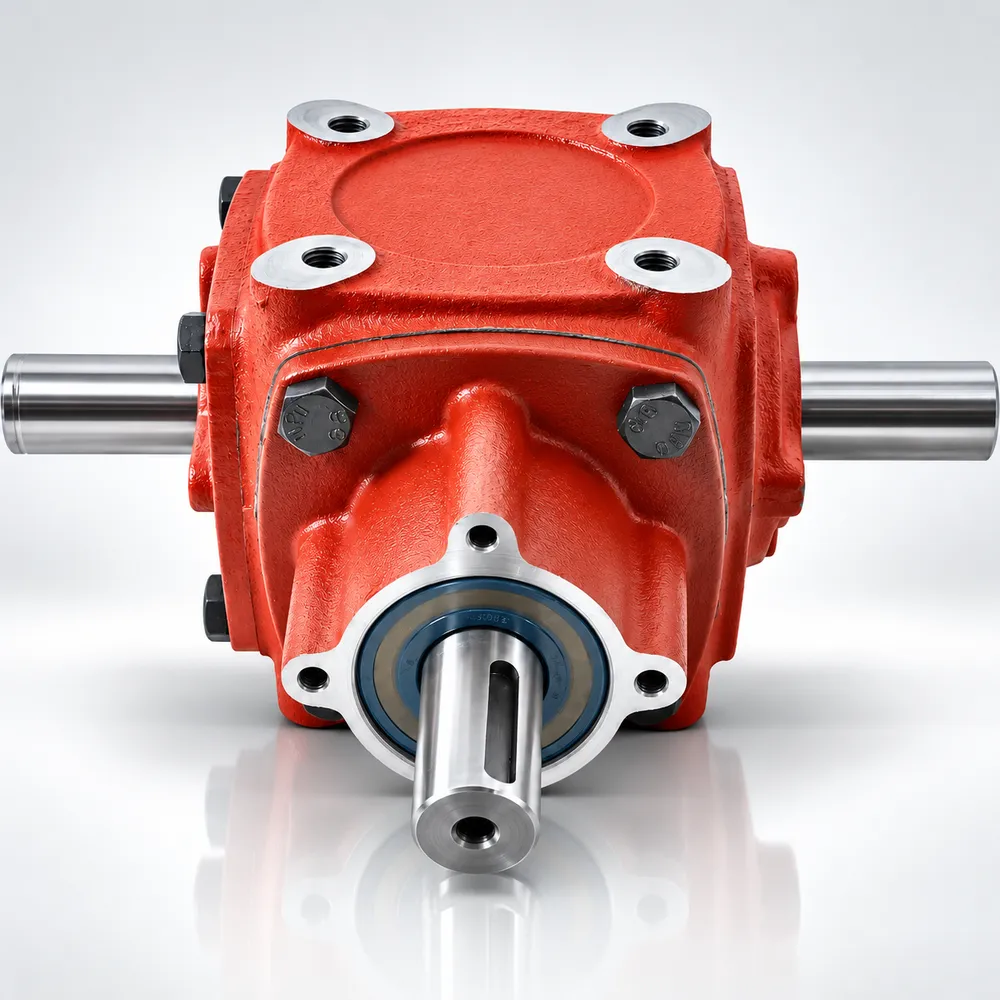
Working Principle
The T-19A rotary tiller gearbox converts rotational energy from a tractor's PTO system into the mechanical force needed to drive tiller rotor blades through the soil. Power enters the gearbox through the input shaft, which connects to the tractor PTO via a standard 1-3/8 inch 6-spline drive shaft. Inside the housing, a pair of matched bevel gears redirects the power flow by 90 degrees, changing the axis of rotation from the horizontal PTO line to the vertical or angled output axis required by the tiller rotor.
At a 1:1 gear ratio, the T-19A maintains the same rotational speed at the output as it receives at the input. When connected to a 540 r/min PTO source, the output shaft turns at 540 r/min, delivering up to 416 NM of torque to the rotor shaft assembly. This torque level drives the tiller blades deep enough to break compacted surface layers, shatter clods, and blend crop residues or soil amendments into the topsoil. The direct speed conversion makes this tiller gearbox well suited for applications requiring higher blade tip velocity at the rotor.
Inside the cast iron GG25 housing, the bevel gears run submerged in SAE 80W-90 gear oil, which serves both as a lubricant and as a cooling medium. The oil bath reduces friction between gear teeth and bearing surfaces, carrying away heat generated during extended operation. Double-lip shaft seals at the input and output openings prevent oil from escaping while blocking external contaminants such as dust, soil particles, and moisture from reaching the gear chamber. A breather valve mounted on the housing equalizes internal pressure as temperatures rise and fall during work cycles, protecting the seals from excessive pressure buildup.
The overall result is a compact, enclosed power transmission path that converts tractor PTO output into consistent rotor speed, enabling uniform tillage depth and soil particle size across the full working width of the tiller. When the rotor encounters sudden resistance from dense soil patches or buried obstacles, the torque load increases through the gear set. Pairing this agricultural gearbox for rotary tiller with a torque-limiting PTO shaft provides an additional safety buffer, interrupting the drive before internal components reach their mechanical limits.
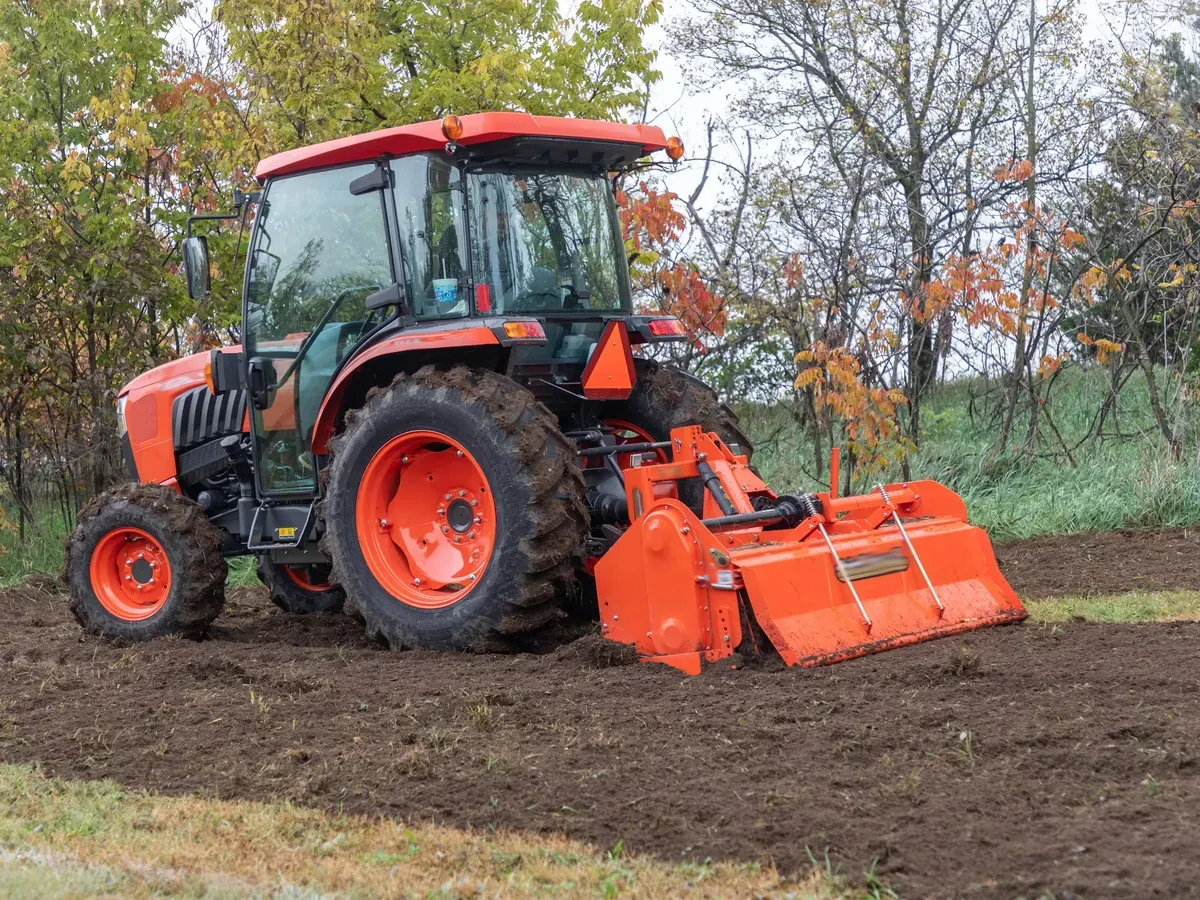
Applications of the T-19A Rotary Cultivator Gearbox
Seedbed Preparation
The primary function of a rotary tiller gearbox is driving blade assemblies that break apart and pulverize soil to create uniform seedbeds. The T-19A delivers enough torque at the rotor to process both loose sandy soils and heavier clay ground, producing a consistent particle size and level surface suitable for direct seeding or transplanting. This saves time compared to multiple passes with disc harrows or moldboard plows.
Crop Residue Incorporation
After harvest, straw, stalks, and root material left on the surface need to be mixed into the topsoil. The rotary tiller powered by the T-19A chops residues and blends them into the top 6 to 8 inches of soil, accelerating decomposition and returning nutrients to the root zone. This reduces reliance on burn-off practices and supports organic matter buildup over successive growing seasons.
Compost and Fertilizer Mixing
Applying granular fertilizer, lime, gypsum, or composted material before tillage allows the rotary tiller to mix these amendments evenly throughout the cultivation depth. The T-19A ensures the rotor maintains consistent blade tip speed under load, preventing uneven pockets of concentrated fertilizer that could damage seed germination or stress young root systems during early growth stages.
Orchard and Vineyard Floor Management
In tree fruit orchards and vineyards, rotary tillers fitted with this rotavator gearbox work between rows to control weed growth and break surface crusting. The compact 14 kg weight and matched dimensions of the T-19A allow installation on narrow-profile tillers that fit within tight row spacing without contacting tree trunks or vine posts during operation.
Vegetable Bed Formation
Market gardeners and vegetable producers rely on finely tilled beds for crops such as carrots, lettuce, onions, and root vegetables. This gearbox for rotary cultivator powers the rotor at speeds that produce a smooth, clump-free soil surface in a single pass, reducing hand raking and bed shaping labor. This is especially valuable during short planting windows when multiple beds must be prepared each day.
Landscape and Turf Establishment
For landscaping contractors and sports turf installers, the rotary cultivator gearbox drives soil preparation ahead of sod laying or seeding. Working the top layer to a consistent depth with the T-19A ensures proper root contact and drainage, reducing callbacks for uneven settlement or poor turf establishment after installation on new construction sites and renovated fields.
Greenhouse Soil Renewal
In protected growing environments, soil becomes compacted and depleted over successive crop cycles. Small rotary tillers equipped with the T-19A gearbox loosen and refresh greenhouse beds between plantings, incorporating fresh compost and restoring porosity without the need to replace topsoil entirely. This keeps production costs down while maintaining healthy soil structure year after year.
Road and Construction Site Grading
Light land leveling and base preparation for rural roads, farm tracks, and building pads can be accomplished with rotary tillers. The T-19A transfers enough power to the rotor to work through mixed soil and gravel substrates, blending layers and producing a more uniform grade before compaction. This reduces the number of separate grading passes required with other equipment.
Erosion Control Preparation
On sloped agricultural land prone to water erosion, rotary tillers prepare the soil surface for cover crop seeding. The agricultural gearbox for rotavator maintains consistent rotor speed across undulating terrain, ensuring seed placement depth remains uniform even as the tiller moves over humps and depressions. Establishing cover crops on these slopes helps hold soil in place during heavy rain events.
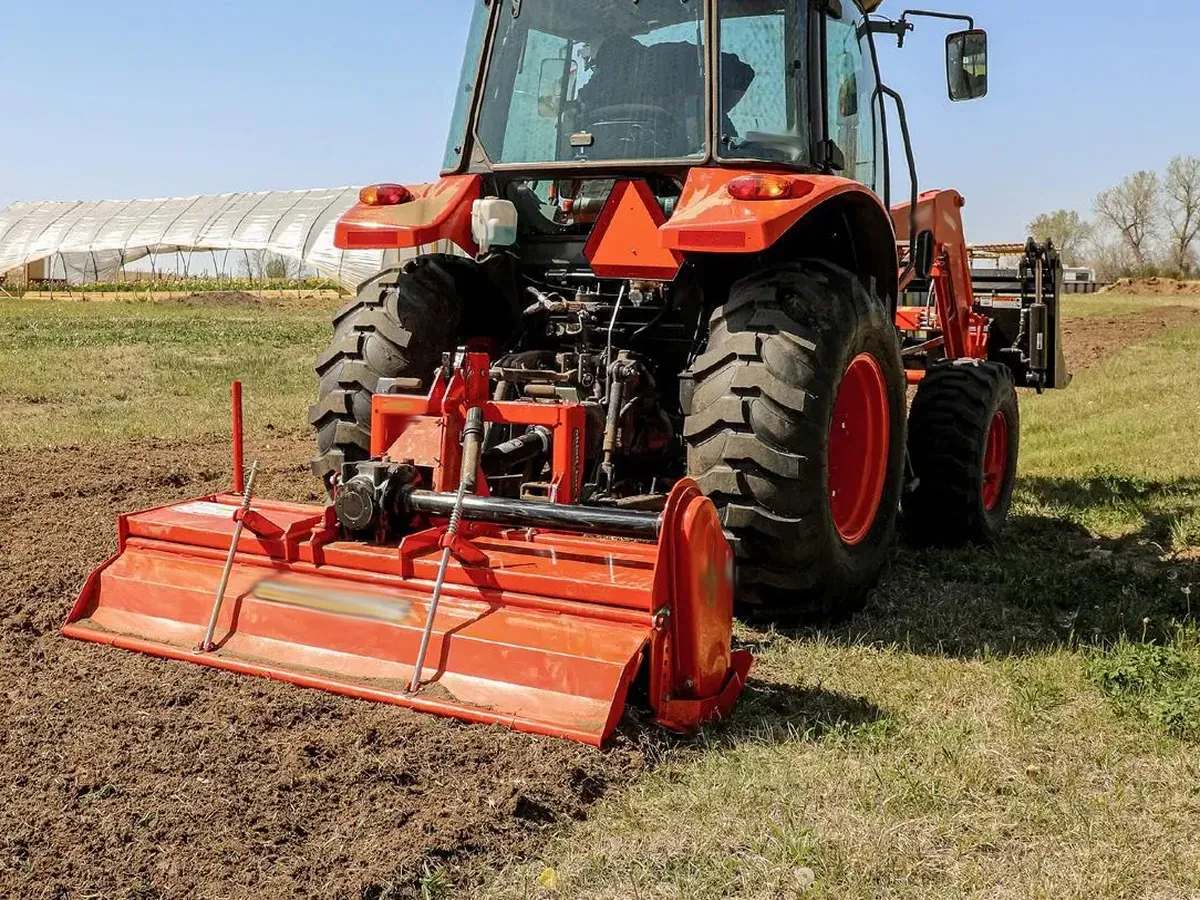
T-19A Rotary Tiller Gearbox Parts
Gearbox Housing
The T-19A housing is cast from GG25 grade iron, a material selected for its combination of compressive strength, vibration damping, and thermal conductivity. It encloses all internal components and provides the mounting flange used to attach the gearbox to the tiller frame. Precision machined bearing bores and shaft seating surfaces ensure proper alignment of internal rotating parts, and the exterior surfaces resist cracking from impact loads common in field environments.
Input Shaft
The input shaft receives rotational power from the tractor PTO through a 1-3/8 inch 6-spline connection. This spline profile matches the output on standard agricultural PTO drive shafts, providing a positive lock that resists axial slip under load. The shaft runs on tapered roller bearings that handle both radial and axial forces generated during operation, and an oil seal at the housing entrance prevents lubricant from leaking along the shaft surface.
Gear Set
A pair of hardened steel gears inside the T-19A meshes at a 90-degree angle to redirect the power flow from the input axis to the output axis. The gears are heat-treated and precision ground for smooth tooth engagement, low noise, and minimal power loss during transmission. At a 1:1 ratio, both gears share the same number of teeth, which balances loading between the two rotary tiller gearbox parts and promotes even wear.
Output Shaft
The output shaft transfers torque from the driven gear to the tiller rotor assembly through a 1-3/8 inch 6-spline connection. The shaft exits the housing and engages the rotor hub directly or through an intermediate coupling. Supported by bearings at both ends, the output shaft maintains concentricity under heavy soil loads that create lateral forces during tillage operations across uneven terrain.
Bearings
The T-19A uses precision ball or tapered roller bearings at each shaft support point to maintain smooth rotation and absorb radial and thrust loads. These bearings are sized for the 24.3 kW power rating and designed to run in an oil bath environment. Correct bearing preload is set during assembly to prevent excessive play that could lead to gear misalignment, accelerated tooth wear, and increased operating noise.
Oil Seals
Double-lip oil seals fitted at the input and output shaft openings serve two functions: retaining lubricant inside the gear chamber and blocking soil particles, dust, and moisture from entering. These seals are pressed into machined grooves in the housing and ride against polished seal surfaces on each shaft. Replacing worn seals during scheduled maintenance is one of the most effective ways to extend the service life of any rotary tiller gearbox.
Lubrication System
The T-19A operates with oil bath lubrication using 0.9 liters of SAE 80W-90 gear oil. The oil level is maintained through a check plug on the housing, and a drain plug at the lowest point allows complete oil removal during changes. A breather valve on the top surface releases air pressure that builds from thermal expansion during operation, preventing seal damage and ensuring oil stays evenly distributed across all gear and bearing contact surfaces.
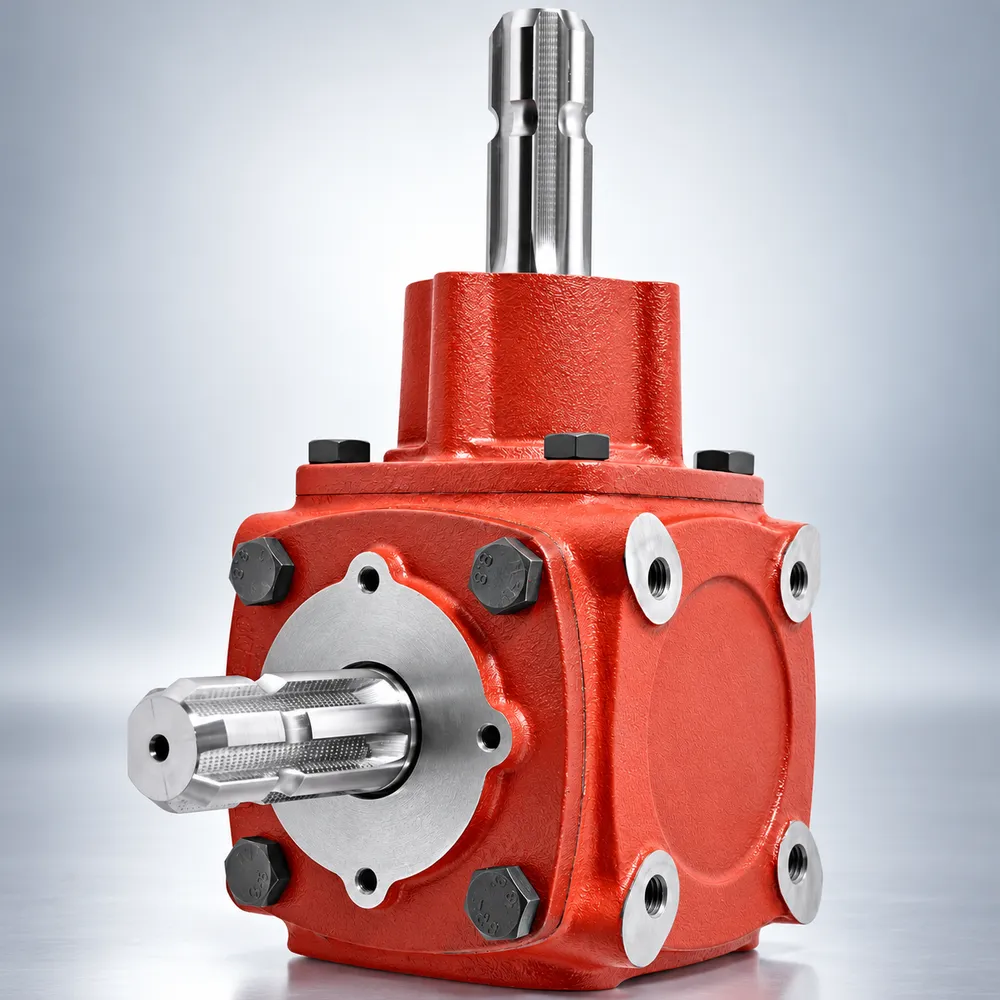
Maintenance Tips
1. Inspect the Gearbox Exterior
Before each operating session, walk around the tiller and check the T-19A housing for visible cracks, dents, or impact damage. Look for loose mounting bolts, signs of oil seepage around shaft seals and plugs, and accumulated dirt near sealing surfaces. A quick pre-operation check takes less than five minutes and can catch developing problems before they lead to field breakdowns. Pay attention to any changes from normal appearance, as even small shifts can signal internal issues.
2. Check Lubricant Level and Condition
Remove the oil level plug and verify that lubricant reaches the correct fill line on the housing. If the oil level has dropped since the last check, inspect the housing and seals for leakage before simply topping off. When draining for inspection or scheduled changes, examine the oil for water contamination (milky appearance), metal particles (indicating gear or bearing wear), unusual color changes, burnt smell, or excessive dirt content. Always use SAE 80W-90 gear oil as specified for the T-19A rather than substituting another viscosity grade.
3. Inspect and Replace Oil Seals
Oil leaks most commonly appear around the input and output shaft seals. During routine checks, look for wetness or oil film around each shaft exit point, around plug threads, and along housing mating surfaces. A damaged seal allows lubricant to escape and permits dust and moisture to enter the gear chamber, accelerating wear on internal components of the tiller gearbox. If leakage persists after tightening plugs, replace the affected seal rather than continuously adding oil.
4. Listen for Abnormal Operating Sounds
While the tiller is running, stand near the gearbox and listen for grinding, knocking, or rattling sounds that differ from its normal operating tone. These noises may point to gear tooth wear, bearing deterioration, low lubricant levels, shaft misalignment, loose internal components, or excessive load on the rotor. A new sound does not confirm a specific failure, but it should prompt further inspection before continued use to prevent minor issues from developing into major repairs.
5. Monitor Vibration Levels
New or increasing vibration can originate from the gearbox itself or from another component in the drive train. Check the gearbox mounting bolts for tightness, inspect the PTO shaft for damage or imbalance, examine bearings for roughness, and verify that rotor blades are evenly weighted and securely fastened. Tiller blade wear or soil buildup on the rotor can create imbalance that transmits back through the output shaft to the housing. Address the root cause before assuming the gearbox needs replacement.
6. Check Shafts and Spline Connections
Remove the PTO drive shaft and inspect the input spline on the T-19A for signs of excessive play, spline tooth wear, or keyway damage. Also check the output shaft spline where it connects to the tiller rotor hub. Worn splines allow angular movement that increases gear loading inside the housing. Verify that all connections between the tractor PTO, drive shaft, gearbox input, gearbox output, and rotor are properly engaged and free of looseness.
7. Keep the Gearbox Clean
After each work session, remove accumulated soil, crop residue, and debris from around the T-19A housing, especially near shaft seals and plug openings. A clean gearbox surface makes it much easier to spot fresh oil leaks, cracks, or hardware looseness. Use a brush or compressed air for cleaning rather than high-pressure water, which can force moisture past shaft seals and contaminate the lubricant inside the gear chamber.
Rotary Tiller Gearbox vs. Rotary Cutter Gearbox
What Is a Rotary Tiller Gearbox?
Rotary tiller gearboxes, also called rotary cultivator gearboxes, are widely used in both agricultural and garden applications. They prepare seedbeds, mix fertilizers, eliminate weeds, and prepare ground for road construction. A rotary tiller gearbox is a critical component in soil cultivation equipment, designed to transmit power from the tractor's PTO to the rotary tiller's blades for effective soil processing.
Advantages
- Produces fine, uniform soil texture in a single pass, saving time and fuel compared to multi-implement tillage systems.
- Multiple gear ratio options allow operators to match rotor speed to specific soil conditions and tiller working widths.
- Heavy-duty cast iron housings and hardened bevel gears provide long service life under continuous, high-torque field loads.
- Standard PTO spline connections ensure compatibility across a wide range of tractor brands and models worldwide.
Applications
- Seedbed preparation for cereal crops, vegetables, and cover crop seeding on farms of all sizes.
- Incorporating crop residues, compost, lime, and granular fertilizers into the topsoil layer after harvest.
- Weed control and soil loosening between rows in orchards, vineyards, and nursery operations.
- Light grading and base preparation for rural roads, building pads, and landscaping projects.
What Is a Rotary Cutter Gearbox?
A rotary cutter gearbox is a key component in rotary cutters used for mowing or trimming tall grasses, weeds, brush, and other vegetation. Built to handle high torque and shock loads encountered during cutting operations, the rotary cutter gearbox features precisely engineered gears arranged for smooth power transmission and effective speed reduction. The input shaft connects to the tractor's PTO, and rotational power is transferred to the cutting blades through the output shaft.
Advantages
- Designed to absorb high impact loads from striking stumps, rocks, and debris in rough terrain without gear damage.
- Heavy flywheel effect on the output side stores rotational energy, maintaining blade momentum through thick vegetation stands.
- Available in multiple HP ratings and output configurations to match cutters from 4-foot pull-behind to 15-foot batwing units.
- Sealed housings with external cooling fins help dissipate heat generated during extended mowing sessions in hot conditions.
Applications
- Clearing overgrown pastures, fence rows, and ditchbanks with heavy brush and woody vegetation growth.
- Highway and utility right-of-way mowing where tall grass, weeds, and saplings need periodic clearing.
- Maintaining firebreaks, airfields, solar farm perimeters, and large open spaces where vegetation must be kept short.
- Land clearing and reclamation projects that require removal of dense undergrowth before cultivation or construction begins.
Comparison Table
| Feature | Rotary Tiller Gearbox | Rotary Cutter Gearbox |
|---|---|---|
| Primary Function | Soil cultivation and seedbed prep | Vegetation cutting and mowing |
| Output Direction | Horizontal rotor axis | Vertical blade axis |
| Load Type | Continuous, high-torque | Intermittent, high-impact |
| Typical Ratios | 1:1 to 1:3 | 1:1 to 1:2 |
| Gear Type | Bevel gears | Bevel or spur gears |
| Working Depth | 6-10 inches below surface | Above ground level |
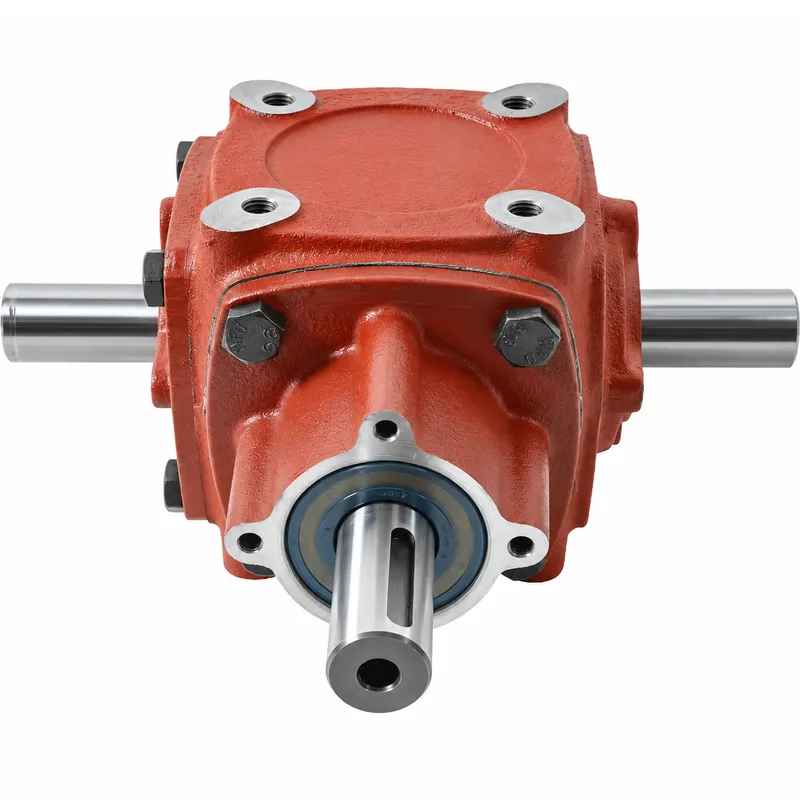 | 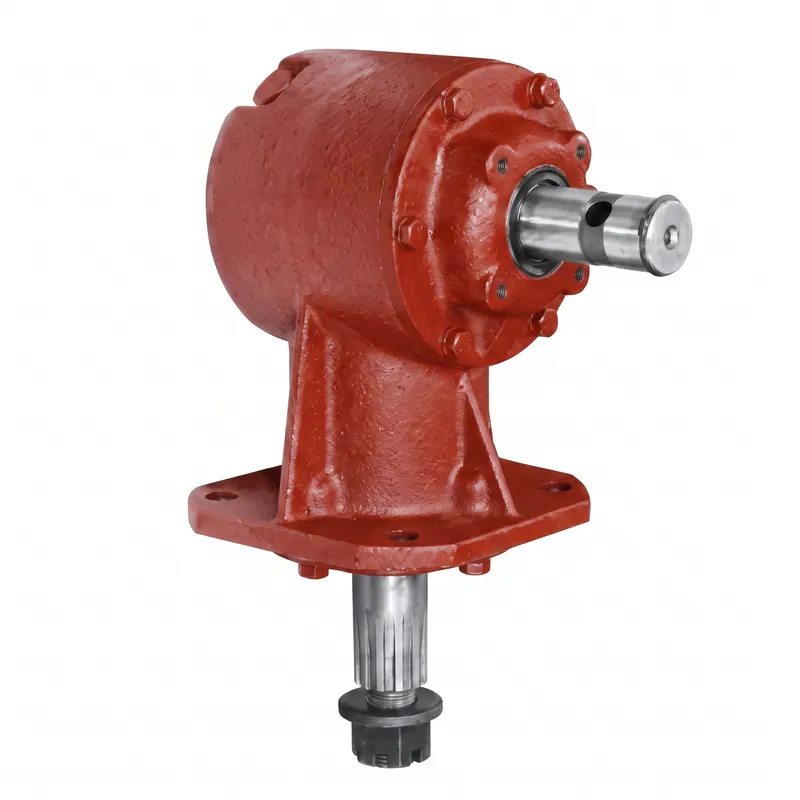 |
| Rotary Tiller Gearbox | Rotary Cutter Gearbox |
Rotary Tiller Gearbox and PTO Drive Shaft
Rotary tiller gearboxes are fundamental components in agricultural machinery, transferring power from the tractor's PTO or engine to the tiller rotor while ensuring consistent soil cultivation performance. The internal gear set adjusts speed and torque to handle varying soil conditions, and the heavy-duty construction ensures long-term durability. In the T-19A, a bevel gear pair operating at a 1:1 ratio transmits up to 24.3 kW of input power to the rotor shaft, producing 416 NM of output torque at 540 r/min. This power is sufficient to drive standard-width tiller rotors through moderate to heavy soil resistance without stalling or overloading the tractor's driveline.
The PTO shaft for a rotary tiller functions as the critical driveline that transmits mechanical power from a tractor's rear output directly to the implement's gearbox. This shaft drives the horizontal rotor and its array of tines, facilitating thorough soil cultivation by breaking apart clods, aerating the ground, and incorporating organic matter to form a suitable seedbed. The PTO drive shaft bridges the physical gap between the tractor and the tiller, allowing the implement to follow the tractor at a fixed trailing distance while continuously receiving rotational power.
The PTO shaft and the gearbox for rotary tiller form a single power chain that begins at the tractor's rear PTO stub and ends at the tiller rotor blades. Power flows from the PTO stub through the telescoping drive shaft, which accommodates the changing distance between tractor and implement during turns and over uneven terrain. At the tiller end, the PTO shaft's yoke engages the gearbox input spline, delivering rotation at the speed set by the tractor's PTO selection (typically 540 or 1,000 r/min). The gearbox then redirects this rotation through its bevel gear set and sends it to the rotor at the speed and torque determined by its gear ratio.
Correct sizing of the PTO shaft to the gearbox is essential. The shaft's spline profile must match the gearbox input, its length must allow full telescoping travel without bottoming out, and its torque rating must meet or exceed the gearbox's maximum input capacity. For the T-19A, a PTO shaft with 1-3/8 inch 6-spline ends rated for at least 24.3 kW at 540 r/min provides the correct match. An undersized shaft creates a weak point in the driveline that may fail under peak loads.
Many PTO shafts used with rotary tiller gearboxes include a torque-limiting device, such as a shear bolt hub or friction clutch, positioned between the shaft and the gearbox input. This device acts as a mechanical fuse that disconnects the driveline if the rotor hits an immovable object, protecting both the gearbox internals and the tractor's own PTO components from damage. Selecting a PTO shaft with the appropriate torque limit for your gearbox and application is one of the most important steps when setting up a rotary tiller for field work.

Why Choose CMN Transmission's Rotary Tiller Gearboxes?
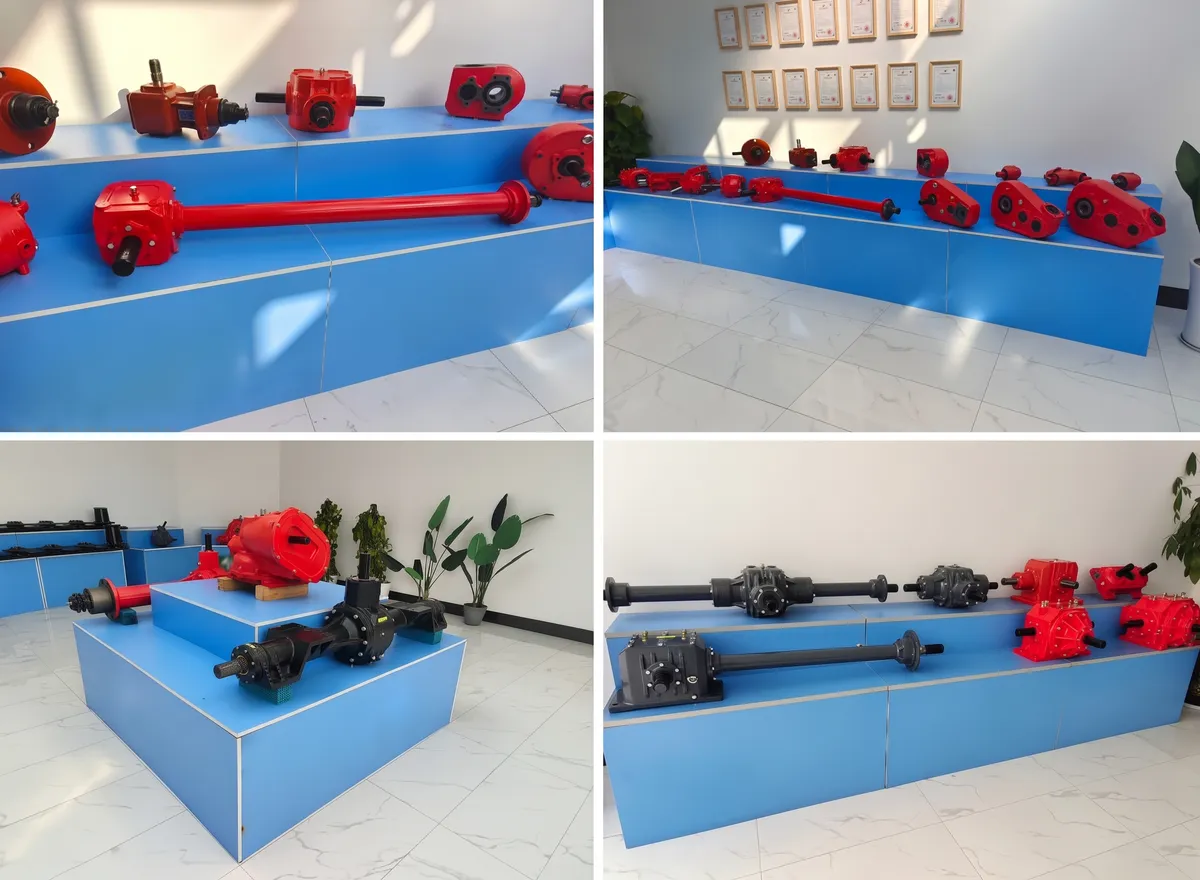
Korea CMN Transmission Co., Ltd. was established in 2000 and is located in Sandan-o, Danwon-gu, Ansan-si, Gyeonggi-do, Korea. With over 100 factory employees, CMN Transmission is dedicated to the research, development, manufacturing, sales, and service of agricultural gearboxes. Over the past two decades, CMN Transmission has grown into a trusted supplier in the global agricultural gearbox industry, exporting to more than 60 destinations worldwide across North America, South America, Europe, Asia, and Oceania.
Our product range covers rotary cutter gearboxes, rotary tiller gearboxes, feed mixer gearboxes, rotary mower gearboxes, fertilizer spreader gearboxes, flail mower gearboxes, post hole digger gearboxes, round baler gearboxes, square baler gearboxes, disc mower gearboxes, center pivot irrigation gearboxes, hydraulic drive gearboxes, silage machine gearboxes, orchard sprayer gearboxes, rotary rake gearboxes, combine harvester gearboxes, grain storage gearboxes, grain transportation gearboxes, corn headers gearboxes, cutting bar gearboxes, poultry feeding gearboxes, and custom agricultural gearbox solutions covering nearly one thousand specifications.
These products are widely used in grain harvesting equipment, forage machinery, mowers, balers, rakes, rotary tillers, fertilizer spreaders, sprayers, feed mixers, silage machines, and combine harvesters. Our complementary product range includes PTO shafts, U-joints, yokes, tubes, torque limiters, covers, adapters, couplings, bearings, blades, chains, and sprockets.
With an annual production quantity exceeding 500,000 units, CMN Transmission consistently delivers reliable performance and long-term durability for global OEMs and distributors. Our products are manufactured under CE and ISO 9001 certified management systems, ensuring consistent quality and dependable performance. We export to the United States, Canada, Mexico, Brazil, Argentina, France, Germany, Italy, Spain, the United Kingdom, Russia, China, India, Thailand, Vietnam, Turkey, Australia, and New Zealand, with extensive experience providing technical solutions for global agricultural machinery partners. We support custom production based on customer drawings and specifications for agricultural gearboxes, PTO shafts, and various agricultural machinery components.
Frequently Asked Questions
Q: What gear ratio does the T-19A rotary tiller gearbox use?
A: The T-19A operates at a 1:1 rotary tiller gearbox ratio, meaning the output shaft turns at the same speed as the input. When connected to a 540 r/min PTO, the rotor receives 540 r/min with up to 416 NM of torque. This ratio works well for applications that require higher blade tip speed for aggressive soil mixing and fine seedbed creation.
Q: Is the T-19A a direct replacement for the Comer T-19A gearbox?
A: Yes. The T-19A matches the Comer T-19A in all critical dimensions, including mounting bolt pattern, input and output shaft positions, spline type, and housing profile. It installs directly onto tiller frames designed for the Comer unit without any adapter plates, bracket modifications, or shaft changes required.
Q: What type of oil should I use in my rotary tiller gearbox?
A: The T-19A requires SAE 80W-90 gear oil with a capacity of 0.9 liters. This viscosity grade provides adequate protection across a wide range of operating temperatures common in agricultural environments. Do not substitute with engine oil, hydraulic fluid, or other lubricant types, as these lack the extreme-pressure additives that gear oils contain for bevel gear protection.
Q: How often should I check the rotary tiller gearbox oil level?
A: Check the rotary tiller gearbox oil level before each day of operation during active tillage seasons. The first full oil change should happen at 50 to 70 operating hours, and subsequent changes should follow every 500 to 700 hours or at least once annually. If the oil level drops between checks, inspect the seals and plugs for leakage before adding more oil.
Q: What PTO shaft do I need for the T-19A gearbox?
A: You need a PTO shaft with 1-3/8 inch 6-spline ends rated for at least 24.3 kW at 540 r/min. The shaft should include a torque-limiting device (shear bolt or friction clutch) to protect the gearbox from sudden overloads. Make sure the shaft length allows full telescoping travel for your tractor-to-implement distance. CMN Transmission offers compatible PTO drive shafts for this unit.
Q: Does the T-19A come with oil pre-filled?
A: No. All CMN gearboxes are shipped dry to prevent leakage during transit and to allow you to add fresh oil at installation time. Fill the T-19A with 0.9 liters of SAE 80W-90 gear oil before the first operation. Check the oil level through the level plug after filling to confirm the correct amount has been added.
Q: How much horsepower can the T-19A handle?
A: The T-19A is rated for a maximum input power of 24.3 kW, which translates to approximately 33 HP at the output. This makes it suitable for compact and mid-range tractors commonly used with small to medium rotary tillers. Operating beyond the rated power capacity reduces the service life of gears and bearings and may void the warranty.
Q: Can I use this gearbox on implements other than rotary tillers?
A: Yes. The T-19A is also compatible with multi-row cultivators, mowers, fertilizer spreaders, and band saws that share the same mounting pattern and shaft configuration as the Comer T-19A. Verify that your implement's power requirement does not exceed 24.3 kW and that the spline type and mounting bolt pattern match before installation.
Q: Does CMN Transmission offer custom gearbox configurations?
A: Yes. As experienced rotary tiller gearbox manufacturers, CMN Transmission supports custom production based on customer drawings and specifications. If your application requires a different gear ratio, shaft type, mounting arrangement, or power rating, contact our engineering team to discuss a custom solution. Minimum order quantities may apply for non-standard configurations.
Customer Reviews
Mike Taylor, Grain Farming, United States
"We run a 600-acre corn and soybean operation in central Illinois and needed a fast turnaround on a gearbox replacement for our 72-inch tiller. The T-19A shipped from CMN and was here in about two weeks. The spline fit was spot on, bolt pattern matched our existing frame, and we had it running the same afternoon it arrived. After around 120 hours of spring tillage, I drained the oil and it looked clean with no metal shavings. Very solid unit for the price point. Will order again when the other tiller needs service."
Daniel Roy, Mixed Farming, Canada
"I had a Comer gearbox on my rotavator that finally gave out after fifteen years. Finding an original replacement at a reasonable price in Alberta was not going to happen, so I took a chance on the CMN T-19A. Packaging was excellent, the unit came well protected in a wooden crate. Installation took me about forty minutes by myself. The 1:1 ratio keeps my rotor at the 540 rpm I need for our heavy black soil. After a full season of use preparing about 200 acres of canola seedbed, everything runs smooth and quiet."
Rafael Silva, Sugar Cane Production, Brazil
"Our cooperative in Sao Paulo state uses rotary tillers between sugar cane rows for soil preparation. We bought four T-19A units and installed them on our fleet of tillers. The cast iron housing handles the red laterite soil conditions here without any corrosion problems after eight months. One small complaint: the units arrived without oil, so make sure you have SAE 80W-90 ready before installation day. Aside from that, the quality is on par with the European originals and customer service answered our pre-order questions quickly."
Alejandro Morales, Crop Farming, Argentina
"We manage about 900 hectares of wheat and sorghum in the Pampas and use rotary tillers for seedbed work between harvests. Replaced two worn Comer gearboxes with the CMN T-19A units mid-season and the fit was identical. The 1-3/8 inch spline matched our existing PTO shafts without any adapter. After doing the first oil change at 60 hours as instructed, the oil came out clean with no metal particles at all. Shipping to Buenos Aires took about three weeks by sea. Very satisfied with the build quality and will continue ordering from CMN."
Klaus Wagner, Agricultural Equipment Dealer, Germany
"As a dealer serving farmers in Niedersachsen, I stock replacement gearboxes for several brands. The T-19A from CMN has become our standard recommendation when customers need a Comer T-19A replacement. The dimensional accuracy is excellent - every unit we have sold has been a direct drop-in with no machining or bracket work needed. Our customers report smooth operation and consistent oil levels between services. The CE certification gives my European customers confidence in the product. We have sold about thirty units over the past year with zero warranty returns."
Marco Pellegrini, Vineyard Operations, Italy
"I use a small rotary tiller between my Sangiovese vine rows in Tuscany. The old gearbox was leaking oil and making a grinding noise. I ordered the T-19A and it arrived well packed with clear documentation. My mechanic installed it in under an hour. What I noticed most is how quiet this unit runs compared to the old one. The seals keep oil where it belongs, and after about 80 hours of inter-row cultivation, there has been no leakage at all. For vineyard work where the tiller runs close to vines, a reliable gearbox is not optional."
Rajesh Kumar, Rice and Wheat Farming, India
"In Punjab we prepare fields twice a year for rice and wheat rotations using a 48-inch rotavator. The previous gearbox cracked its housing after hitting a buried irrigation pipe. I ordered the T-19A from CMN Transmission based on their product page details. The GG25 cast iron housing feels noticeably stronger than what I had before. It has been running for about five months now through heavy clay soil with no problems. The 14 kg weight keeps the overall implement balance correct. Delivery to Amritsar took a bit longer than expected, around four weeks, but the product quality makes up for the wait."
Somchai Lertpreecha, Cassava and Fruit Farming, Thailand
"Our farm in Nakhon Ratchasima province grows cassava and longan. We use rotary tillers for land preparation before each planting season. The T-19A replaced a damaged gearbox on our main tiller and the installation was straightforward because the bolt holes lined up perfectly. After two planting cycles in our sandy loam soil, the gearbox still operates smoothly with no oil leaks. The CMN team responded to our questions in English before we ordered, and shipping to Bangkok was reasonable. Good value for a product that does exactly what it should."
James Henderson, Broadacre Farming, Australia
"Running a mixed cropping property in the Riverina, I put my rotary tiller through some pretty tough conditions. Our soil ranges from hard red clay to sandy creek flats, and the gearbox takes a hiding every season. I fitted the T-19A about ten months ago and it has handled everything without complaint. The 416 NM torque output is more than enough for our 60-inch working width. I did the first oil change at about 65 hours and the second at 550 hours - both times the oil looked clean and the magnetic drain plug had only a very fine dusting. I would recommend this as a solid aftermarket option for anyone running Comer-pattern tillers in Australian conditions."
Additional information
| Edited by | Yjx |
|---|
Related products
-
T-19A Rotary Tiller Gearbox Ratio 1:1.84 Replacement for Comer T-19A Gearbox
-
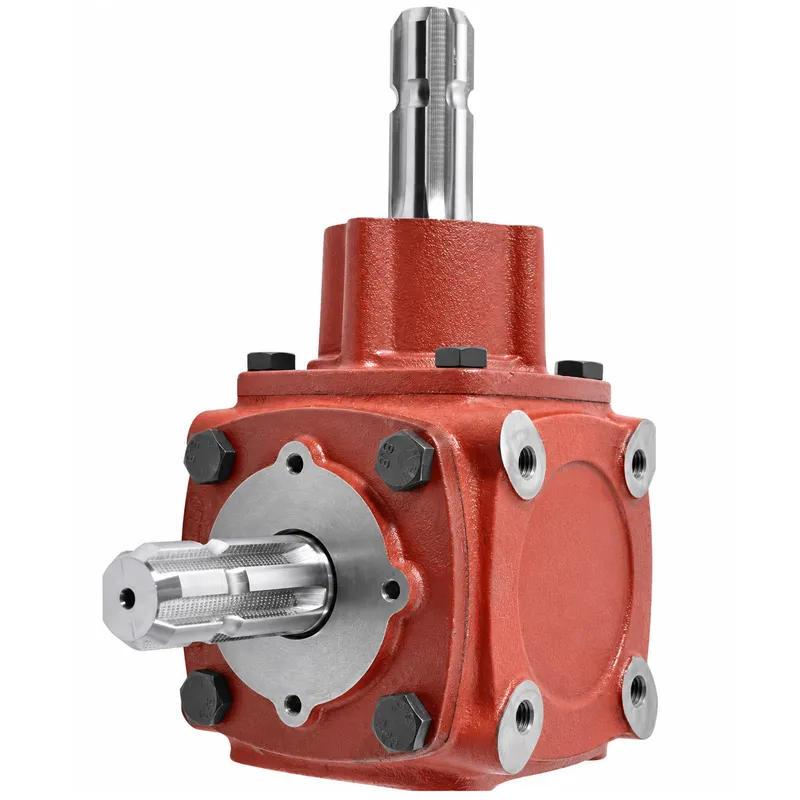
T-19A Rotary Tiller Gearbox Ratio 1:2.16 Replacement for Comer T-19A Gearbox
-
T-19A Rotary Tiller Gearbox Ratio 1:1.46 Replacement for Comer T-19A Gearbox
-
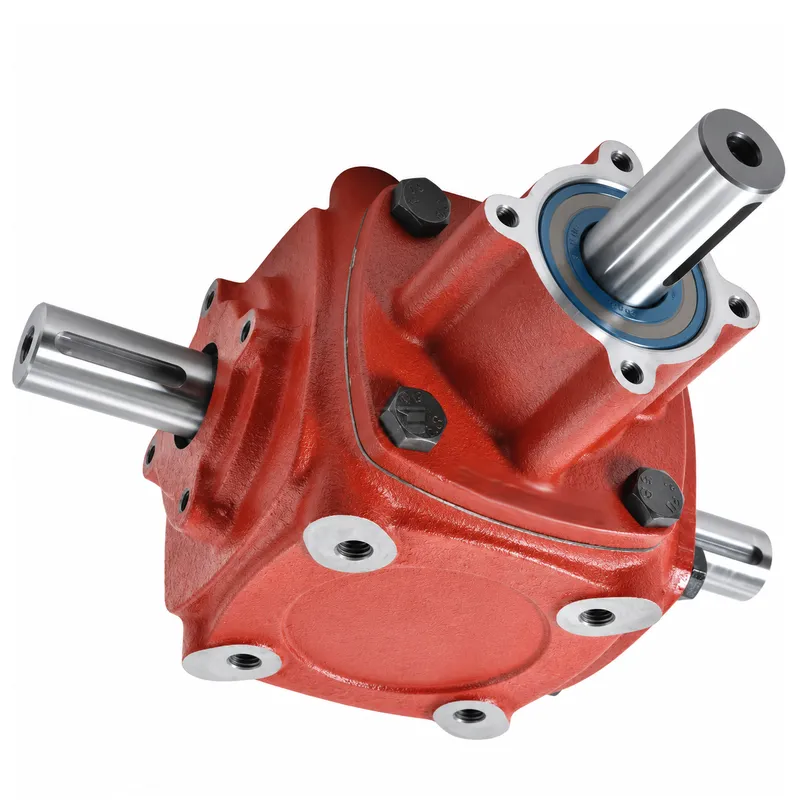
T-19A Rotary Tiller Gearbox Ratio 1.46:1 Replacement for Comer T-19A Gearbox
-
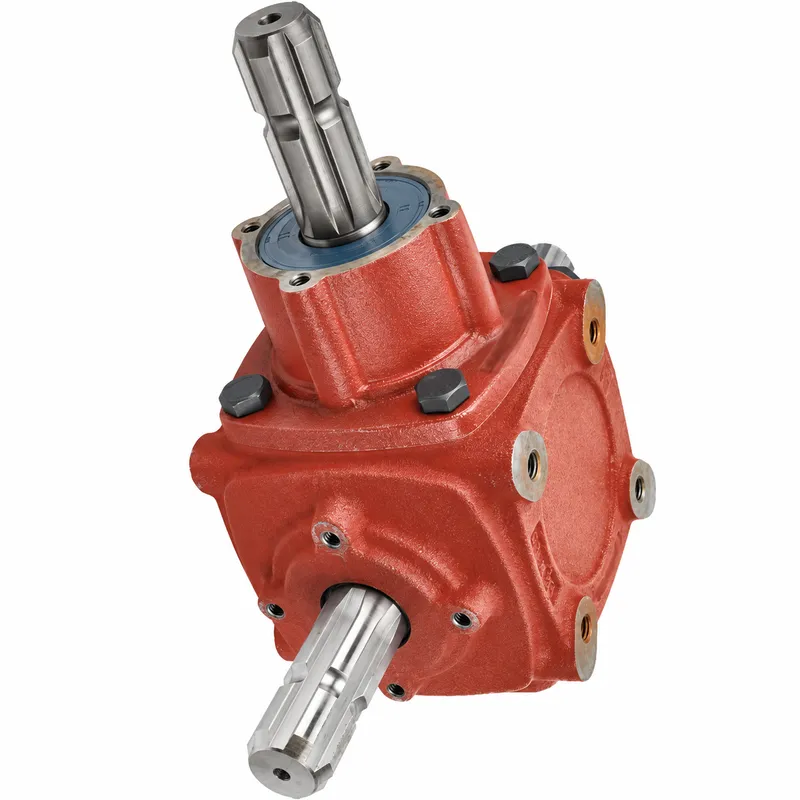
T-19A Rotary Tiller Gearbox Ratio 1.84:1 Replacement for Comer T-19A Gearbox


