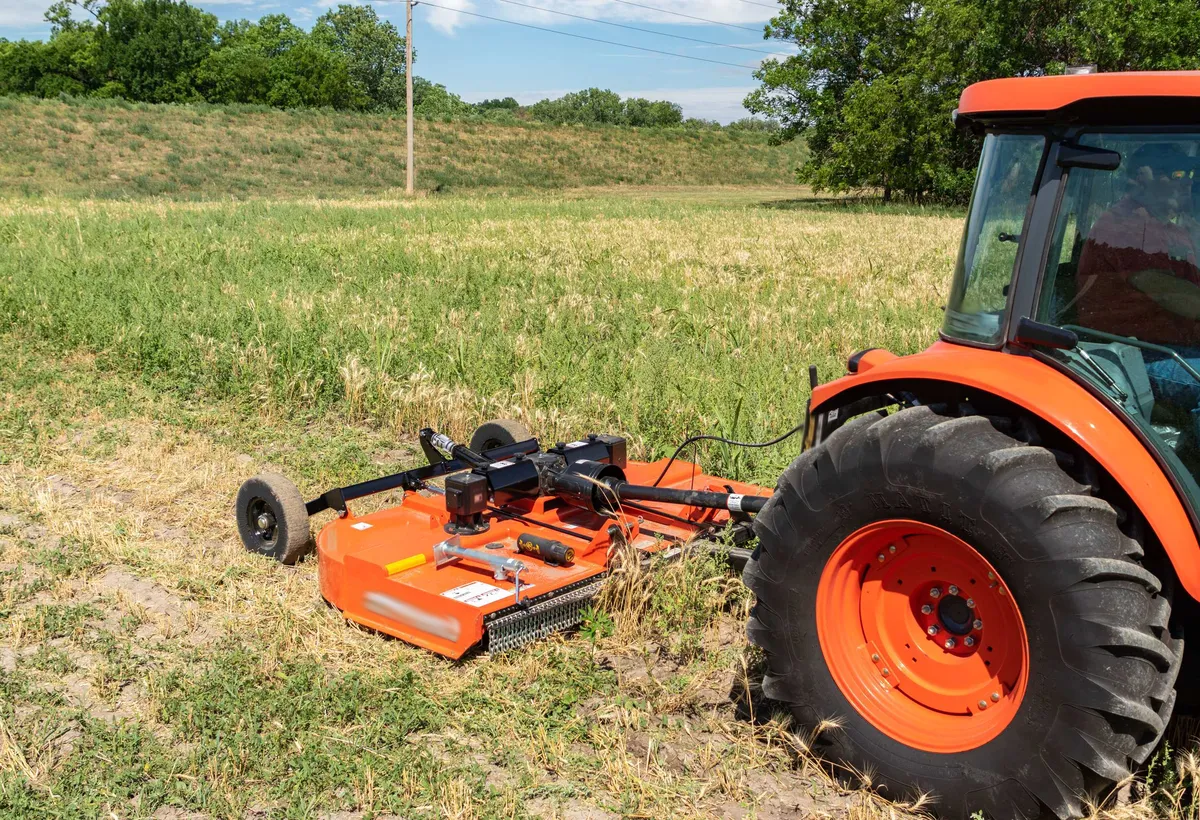
Rotary Cutter Gearbox
A rotary cutter gearbox is a key component used in agricultural machinery (such as lawn mowers and rotary cutters). Its main function is to transmit the power of the PTO shaft to the blade or cutting device so that it can cut efficiently. The gearbox usually contains a gear set to adjust the speed and torque to meet different operating requirements. Its design needs to be highly durable and reliable to cope with complex working conditions in agricultural environments.
Rotary Cutter Gearbox Models
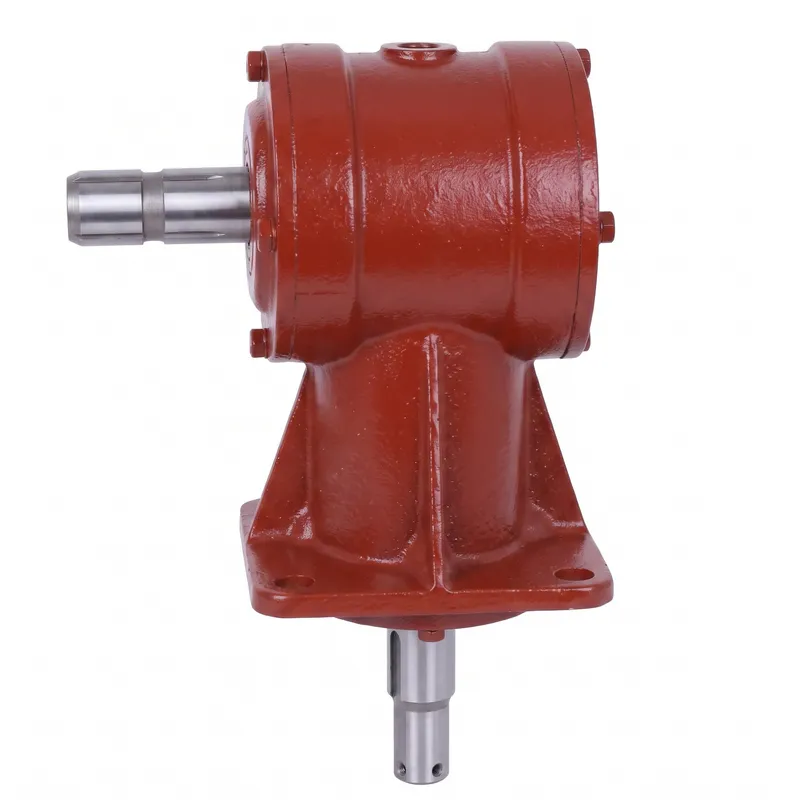
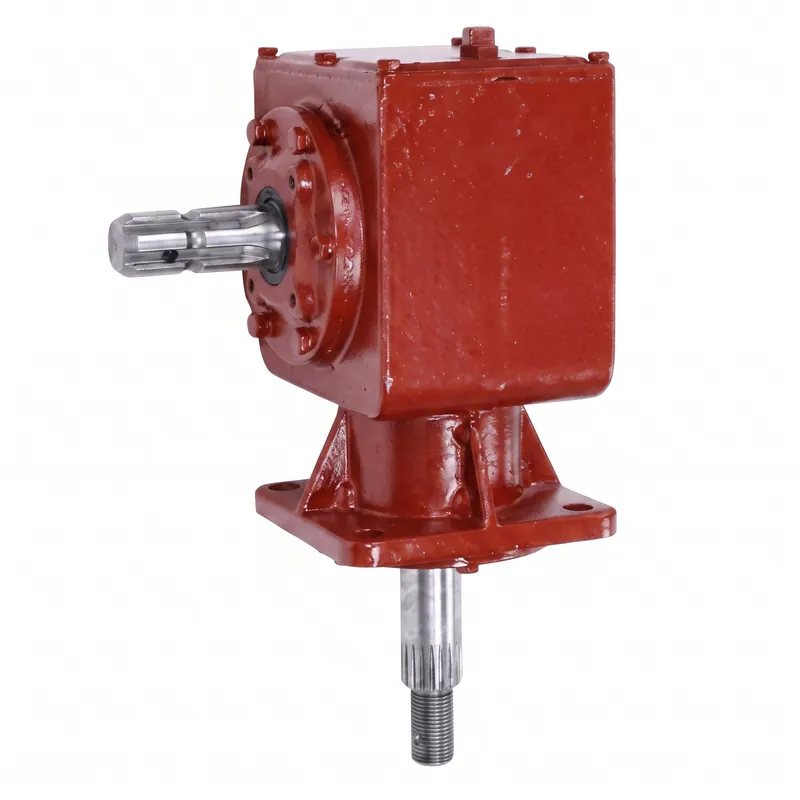
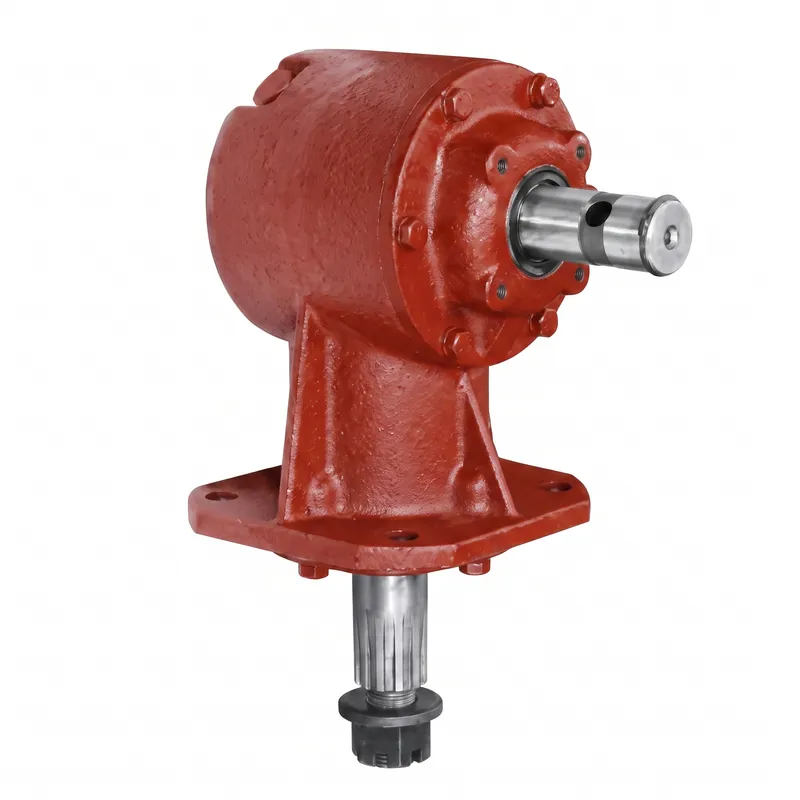
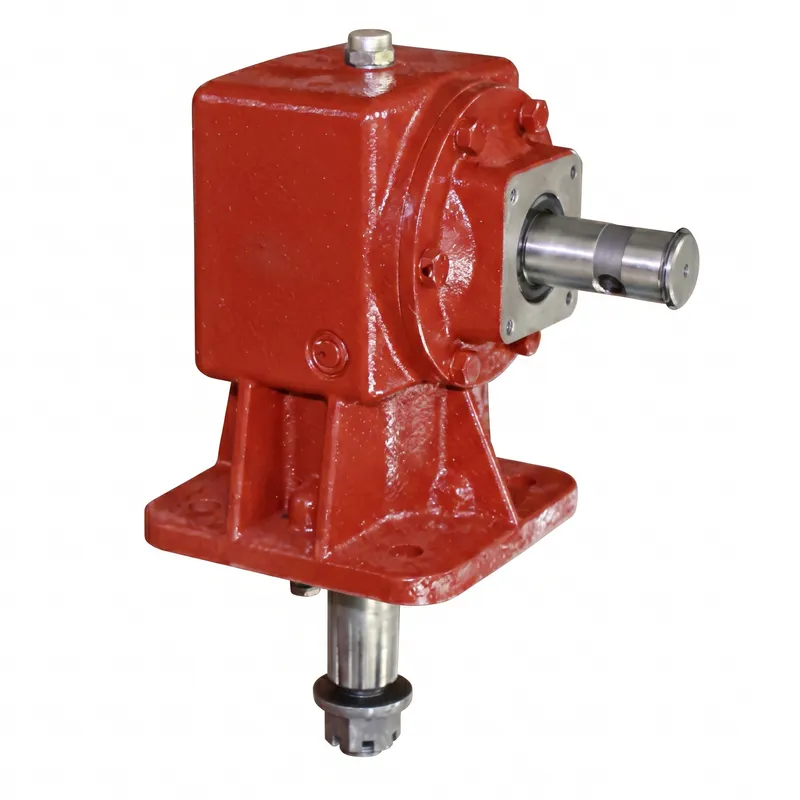
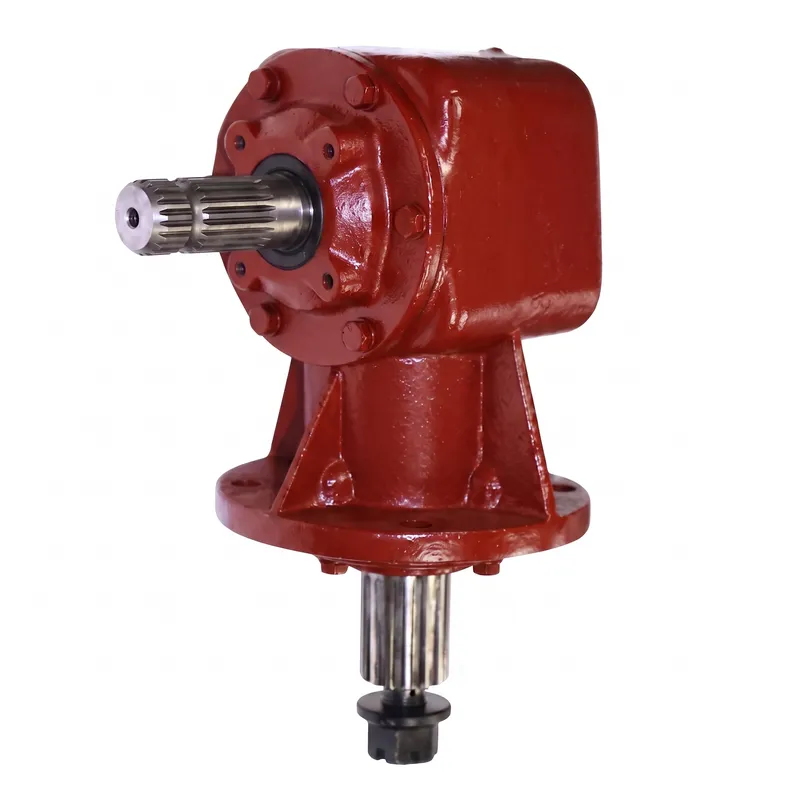
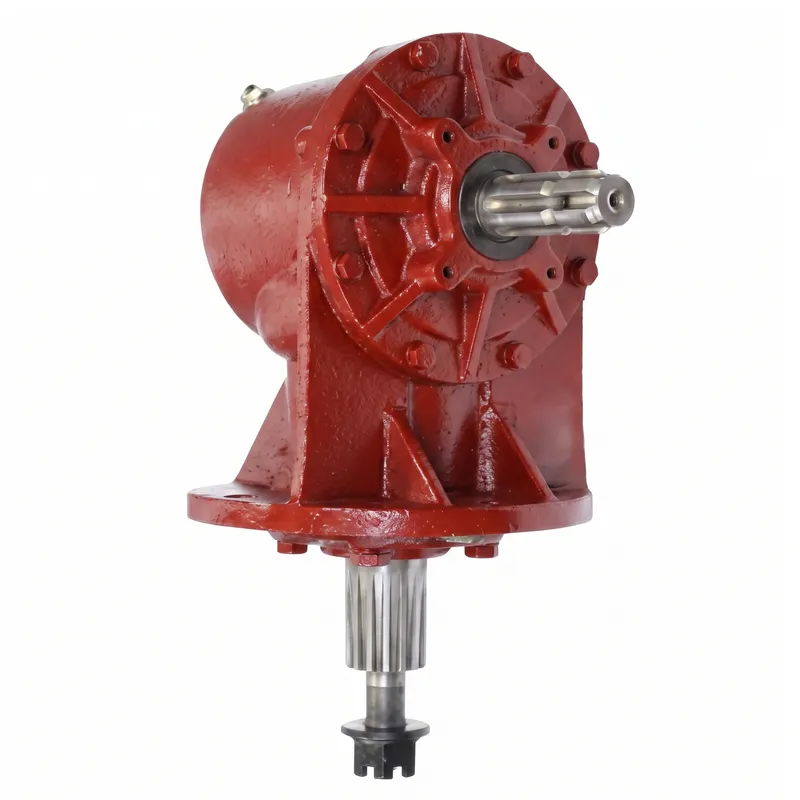
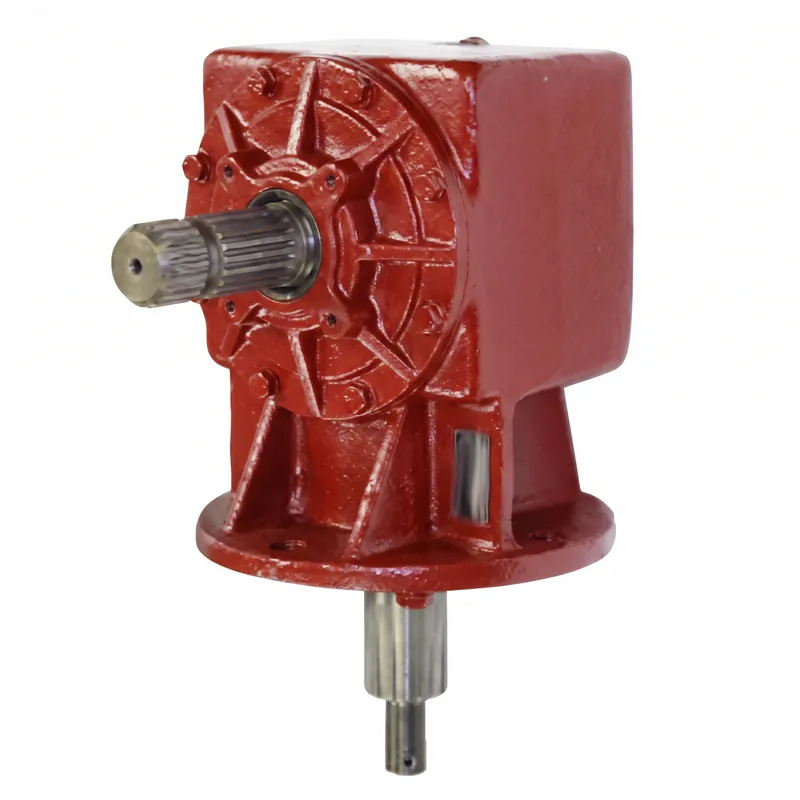
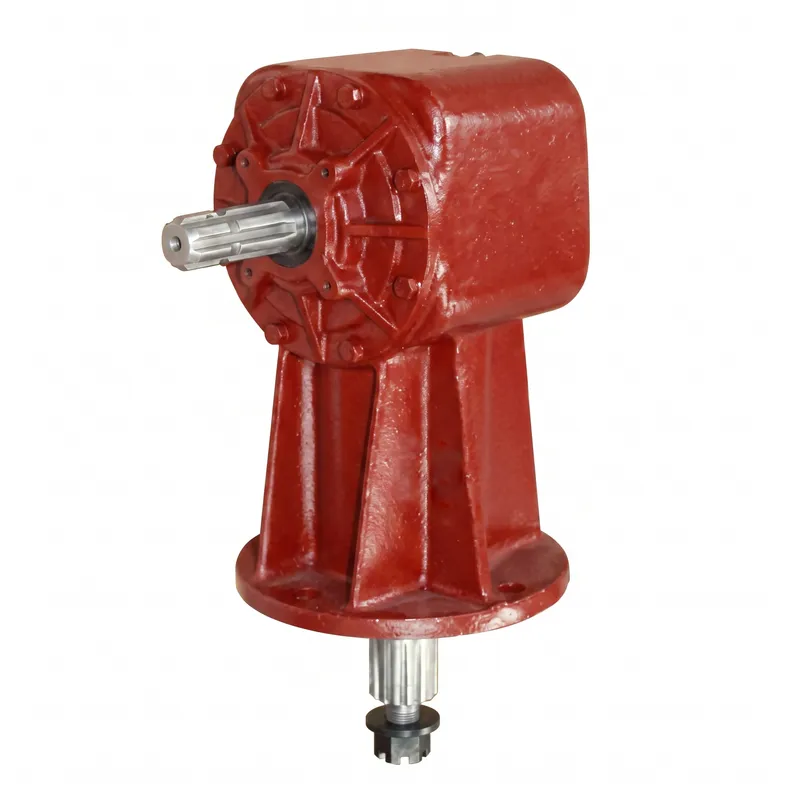
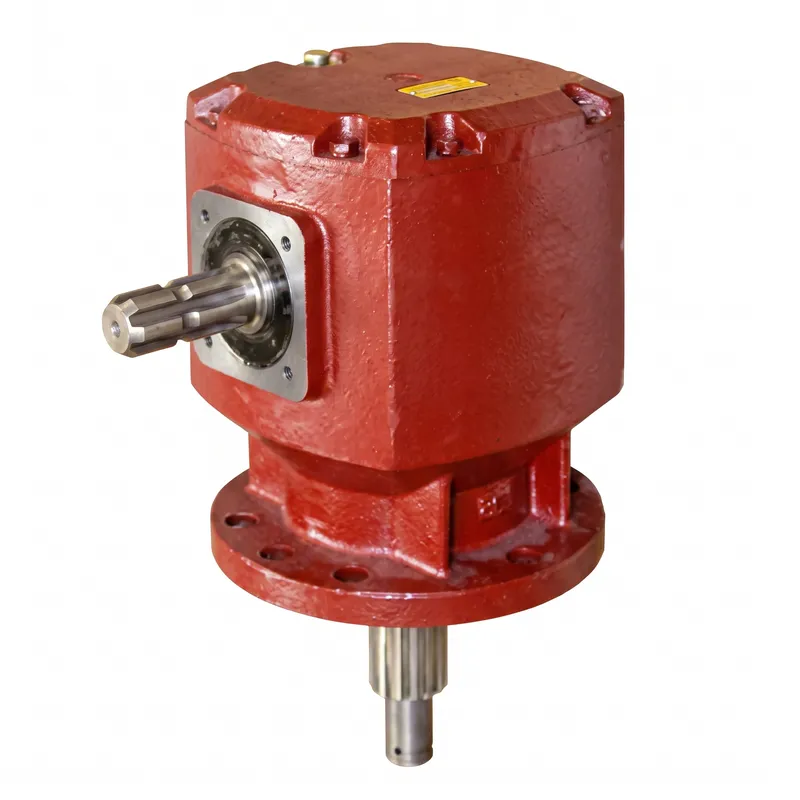
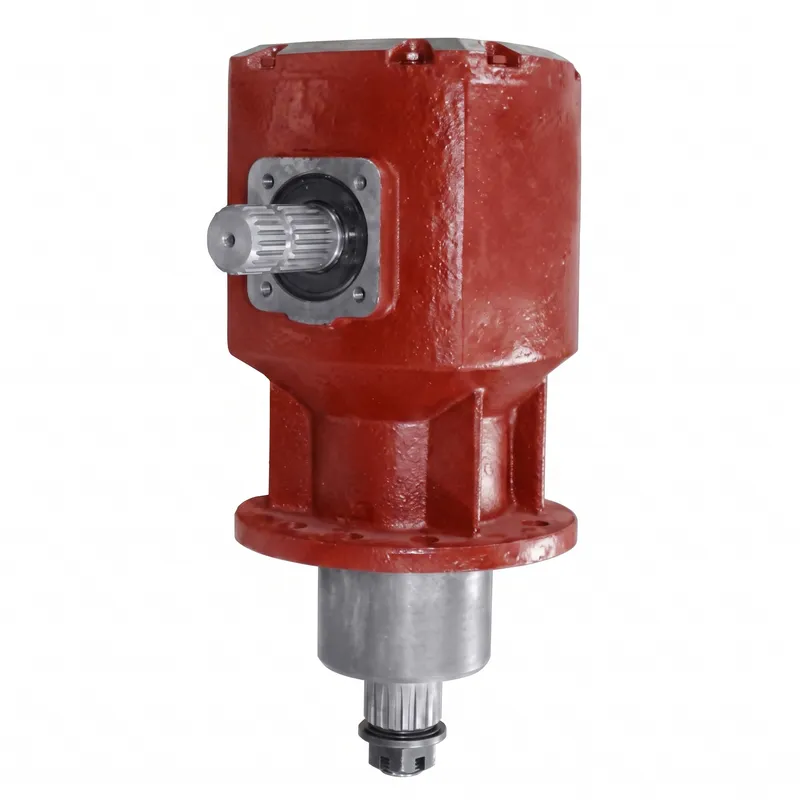
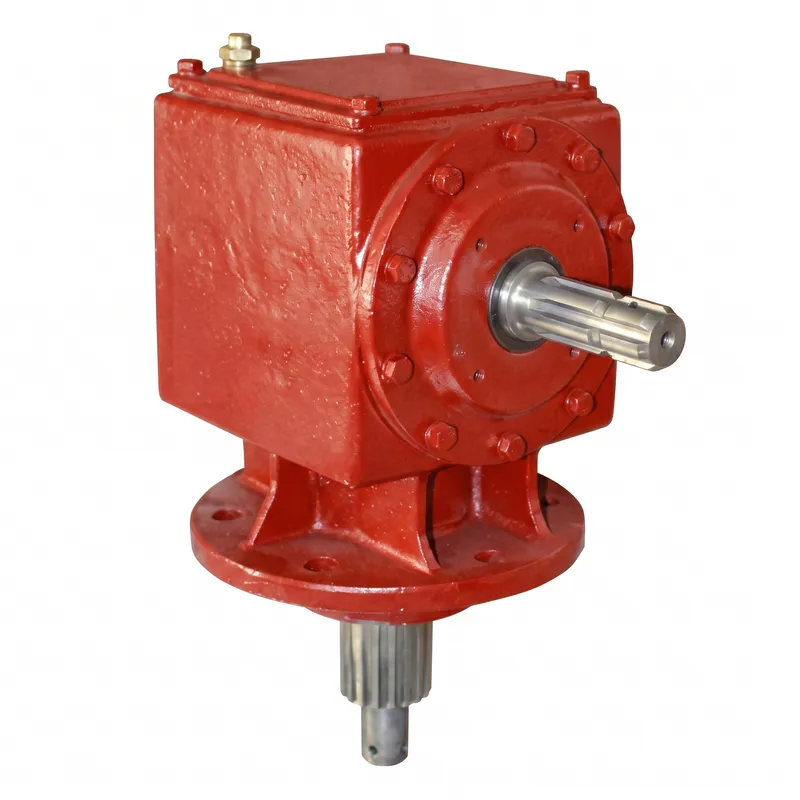
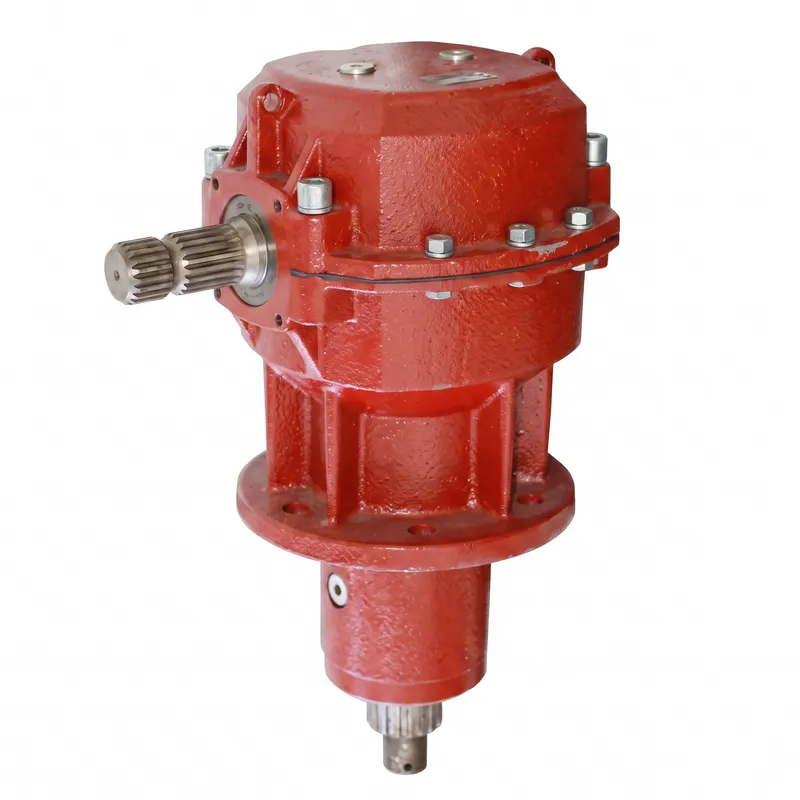
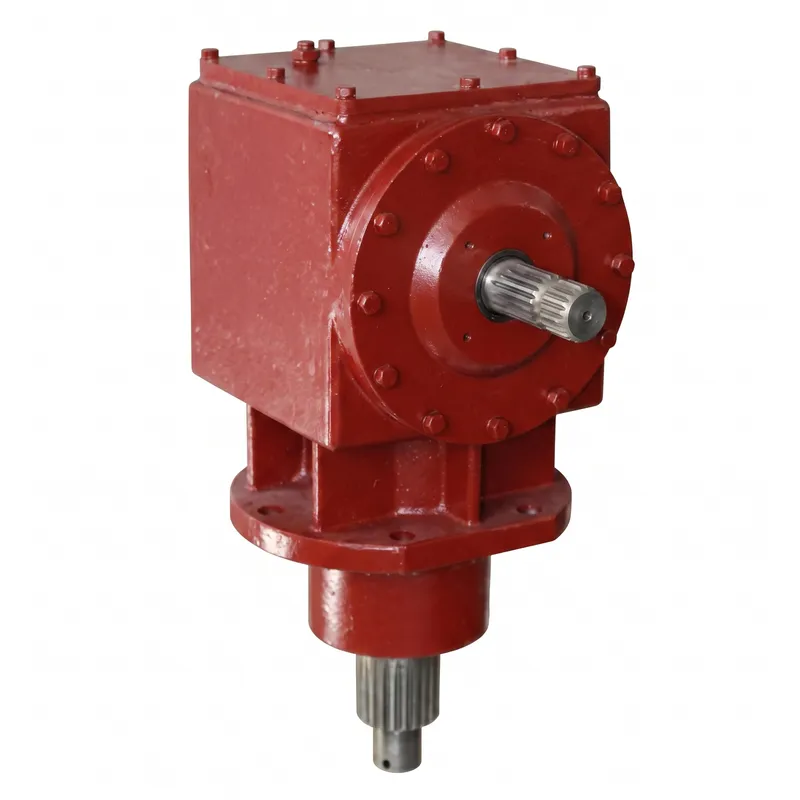
What Is a Gearbox for Rotary Cutter?
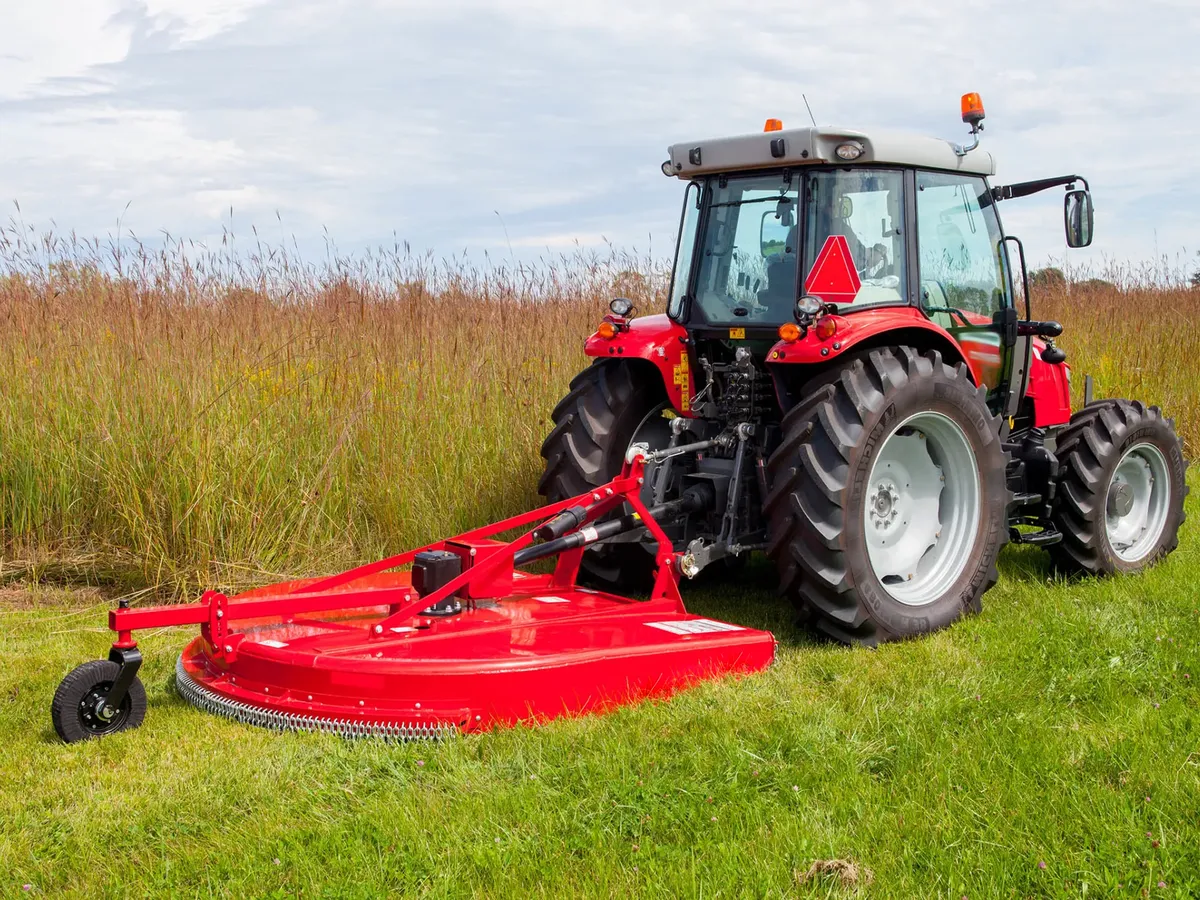
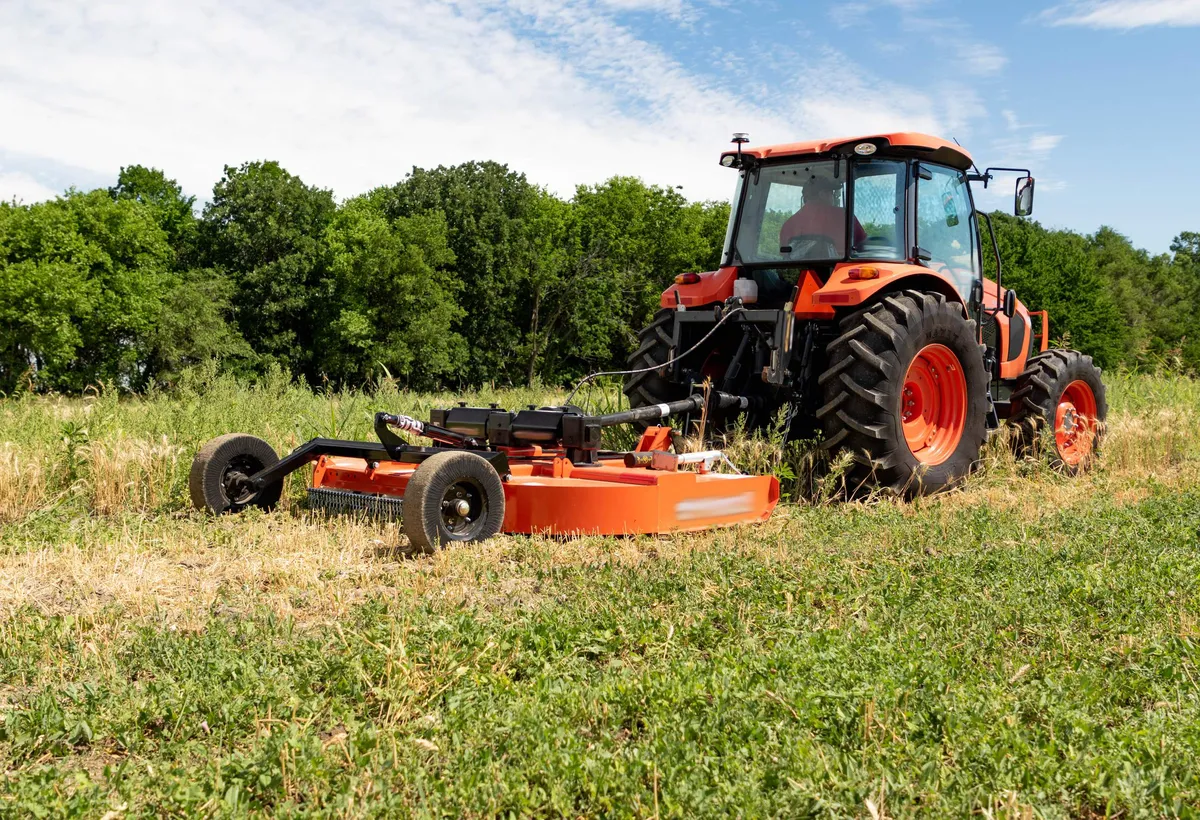
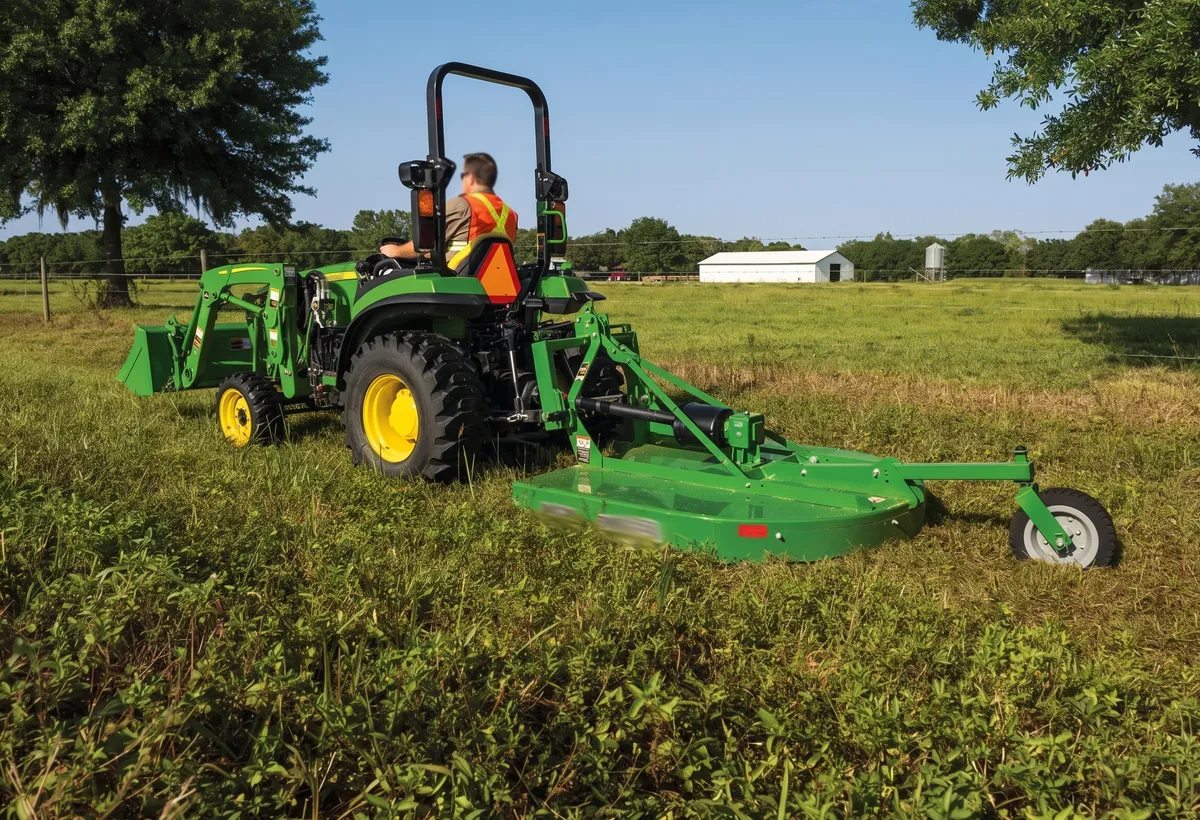
It is used to drive the rotary blade to cut grass, straw, or cover crops (e.g., cornstalks); the blade speed can be adjusted to control the size of crushing (coarse crushing to return to the field or fine crushing to feed). For cutting brush at the edge of orchards and woodlands, the gearbox provides high torque to cope with hard woody stalks. Combined with the disc knife or dumping knife, it can quickly clean up field stubble (such as rice stubble, wheat stubble) in preparation for planting or plowing. The low-profile gearbox design is suitable for orchard machinery, and it can complete the cutting of weeds between rows in a narrow space.
Rotary Cutter Gearbox Parts
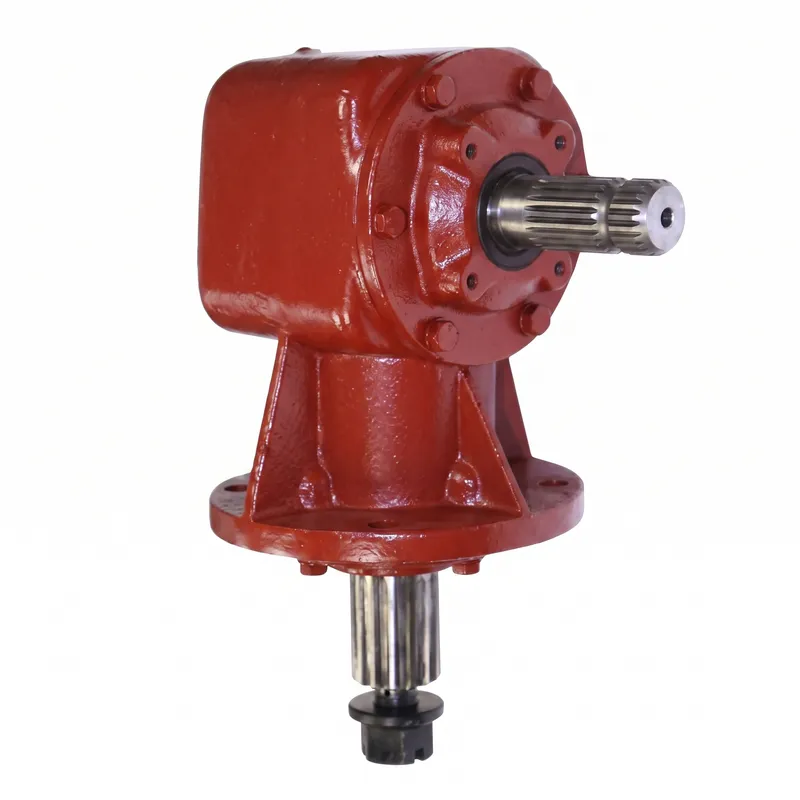
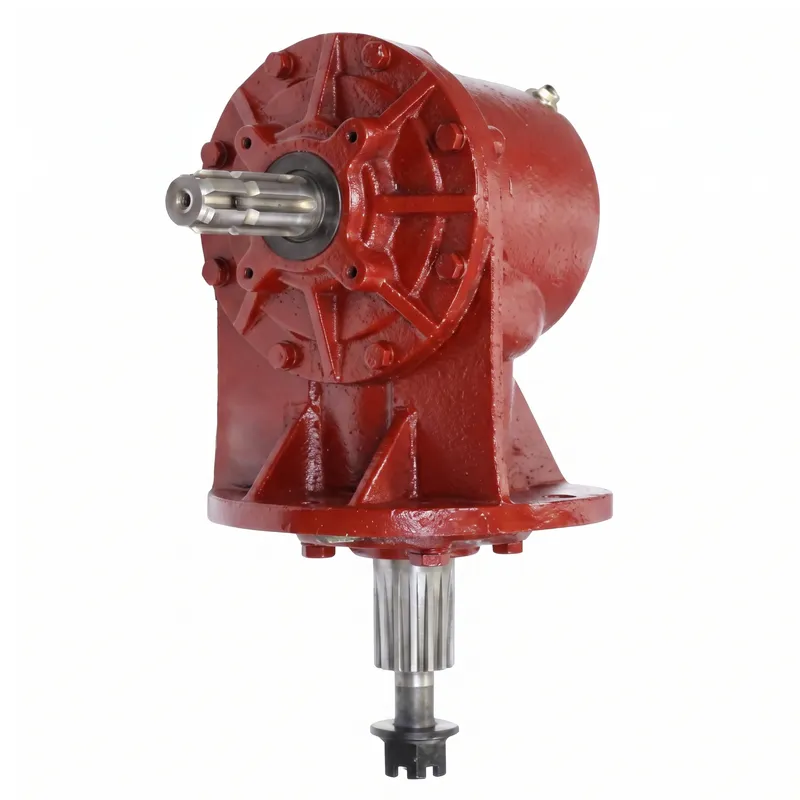
1. Gearbox Housing
The outer shell is typically cast iron or heavy-duty aluminum and encloses and protects all internal components. It absorbs shock loads from field debris, maintains oil containment, and provides the structural backbone to which all other parts are mounted.
2. Bevel Gears
The primary power-transmission elements inside the gearbox. Hardened alloy steel bevel gears redirect PTO shaft rotation (usually by 90 degrees) to drive the blade spindle, while also adjusting output speed and torque to match cutting demands.
3. Input Shaft
The shaft that connects directly to the tractor’s PTO. It receives rotational power from the driveline and transfers it into the gearbox. Standard spline configurations, 1-3/8″ six-spline or 1-3/4″ six-spline, allow compatibility across different tractor models.
4. Output Shaft
Positioned beneath or at the side of the housing, the output shaft delivers drive power to the blade spindle or cutting assembly. It must withstand high torque loads and repeated impact stress generated during cutting operations.
5. Bearings
Precision roller or tapered bearings support both input and output shafts, keeping them correctly aligned under radial and axial loads. Bearing quality has a direct effect on gearbox noise level, heat generation, and overall service life.
6. Oil Seals
Rubber or polyurethane lip seals are fitted around rotating shafts to prevent gear oil from leaking out and field contamination from entering the housing. Worn seals are among the most common causes of premature gearbox failure.
7. Gear Oil / Lubrication System
Most rotary cutter gearboxes use an oil-bath lubrication system where gears and bearings run partially submerged in gear oil. Proper oil level and scheduled oil changes are essential to prevent metal-on-metal wear and overheating.
8. Shear Bolt or Slip Clutch
A sacrificial protection device installed at the input shaft. When the blade hits a solid obstacle, rock, stump, or buried debris, the shear bolt breaks (or the slip clutch disengages) to absorb the shock before it damages the gears or input shaft.
9. Inspection / Fill Plug
A threaded plug on the housing used to check oil level, add lubricant, or drain old oil during maintenance. Easy access to this plug simplifies routine servicing and helps prevent neglected oil changes that lead to early wear.
Features of Rotary Cutter Gearbox
1. PTO Drive Adaptation
Converts tractor PTO speed (540 or 1000 RPM) into the lower-speed, higher-torque output that cutting blades require, maintaining consistent power delivery even when load conditions shift mid-operation such as hitting dense weed patches or thick crop rows.
2. Durability and Protection
Housing materials cast iron or alloy steel combined with corrosion-resistant surface treatment hold up against mud, standing water, gravel impact, and plant sap exposure that would compromise lighter-duty gearbox builds over a single season of field work.
3. Overload Safety Mechanism
An integrated slip clutch or sacrificial shear bolt interrupts the driveline the instant blade rotation is blocked by a solid obstacle. This single feature prevents gear tooth fracture and shaft damage that would otherwise turn a minor field incident into a costly repair.
4. Modular Blade Compatibility
The output shaft accepts multiple blade types: Y-blades for grass, hammer blades for brush, mulching blades for residue management — letting one gearbox unit serve across different cutting tasks simply by swapping the blade configuration on the deck.
5. Ground-Following Design
A floating mount arrangement allows the cutter head to rise and fall with uneven terrain independently of the tractor frame, reducing the frequency of blade-to-ground contact on rough fields, slopes, or waterlogged paddocks where surface height changes constantly.
6. Maintenance Convenience
External oil fill ports and bottom drain valves mean lubrication checks and oil changes can be completed without removing the gearbox from the machine. Select models use sealed maintenance-free bearings that further reduce the service intervals required during heavy seasonal use.
Application of Rotary Cutter Gearboxes
1. Grass Cutting and Crop Residue Mulching
Rotary cutter gearboxes are widely used to drive high-speed blades through standing grass, cover crops, and post-harvest straw. By adjusting blade tip speed through gearbox ratio selection, operators can control whether residue is chopped coarsely for direct field incorporation or reduced to a finer mulch suitable for livestock feed or composting. Cornstalk and sorghum stubble are both notoriously tough on cutting equipment and are handled reliably when the gearbox delivers adequate torque without overheating under sustained load.
2. Brush and Bramble Clearing
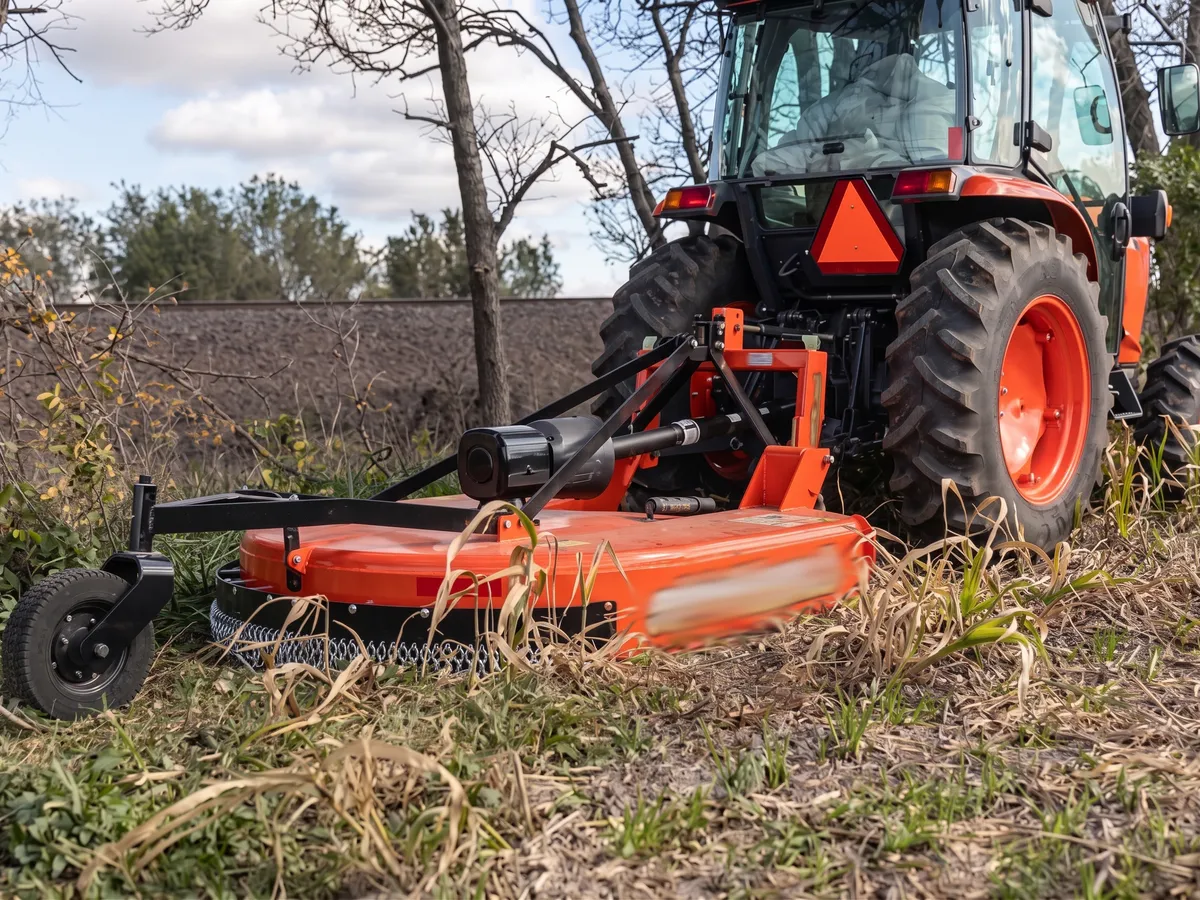
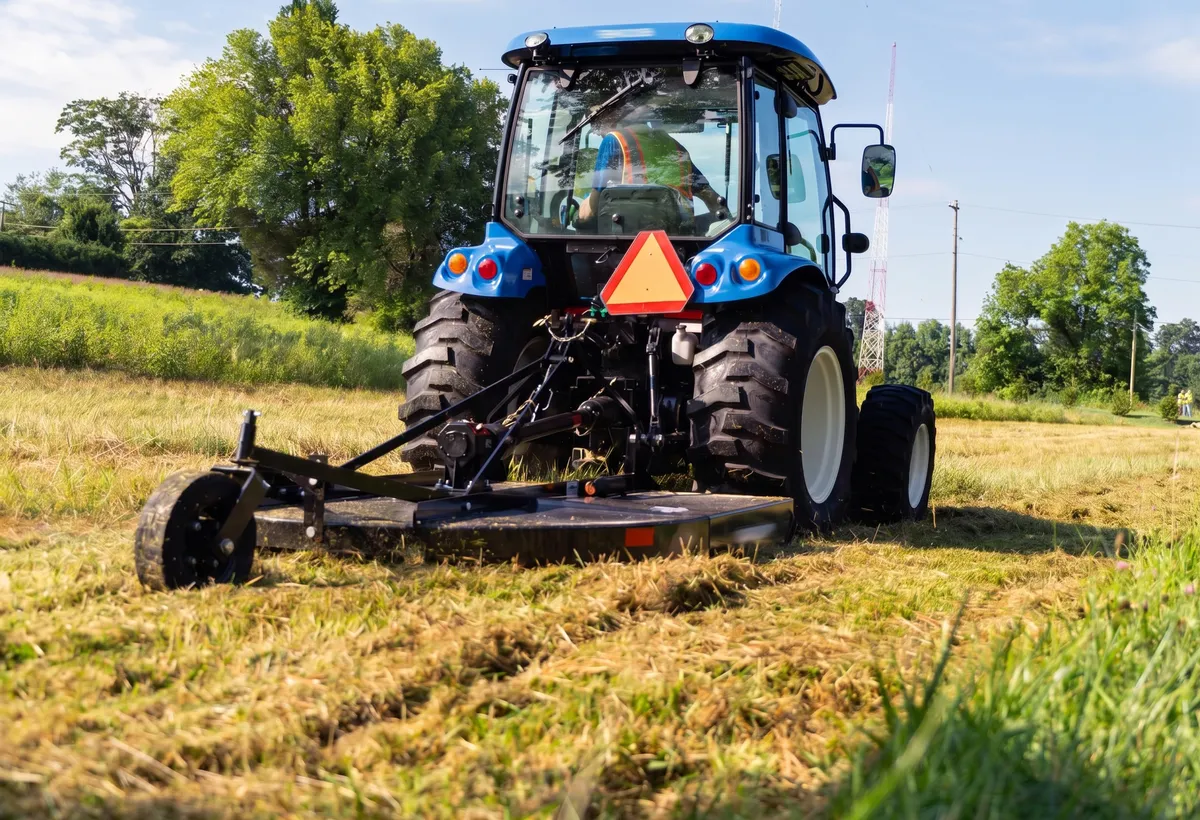
Along fence lines, orchard perimeters, and woodland edges, rotary cutters encounter woody stems, tangled bramble, and saplings that demand significantly more torque than grass cutting. A heavy-duty gearbox in this application must sustain high output torque continuously, not just in short bursts, while the shear bolt or slip clutch protects the drivetrain each time the blade contacts buried roots or embedded stones. This application is where housing strength and bearing quality make the clearest difference between a gearbox that lasts a season and one that lasts a decade.
3. Farmland Preparation and Stubble Management
Before planting or primary tillage, fields left with rice stubble, wheat stalks, or vegetable crop remnants need to be broken down quickly and evenly. Rotary cutter gearboxes paired with disc blades or offset cutting heads can cover wide swaths in a single pass, shredding stubble to a height and particle size that allows conventional tillage equipment to follow without blockage. Consistent power transfer from the PTO through the gearbox is critical here, as uneven torque delivery leaves strips of uncut material that complicate subsequent field operations.
4. Orchard and Vineyard Row Management
Between tree rows and vine rows, working space is narrow and overhead clearance is limited. Low-profile gearbox designs with compact housings and side-discharge blade decks allow inter-row mowers to operate close to the trunk line without damaging irrigation lines or root zones. The gearbox must handle frequent start-stop cycles as the operator maneuvers around posts and stakes, making smooth power engagement and robust bearing support especially important in this use case. Weed suppression between rows, managed through regular cutting rather than herbicide, is increasingly common in certified organic orchard and vineyard operations.
Grass Cutting and Straw Crushing
Shrub and Bramble Clearing
Orchard and Vineyard Clearing