
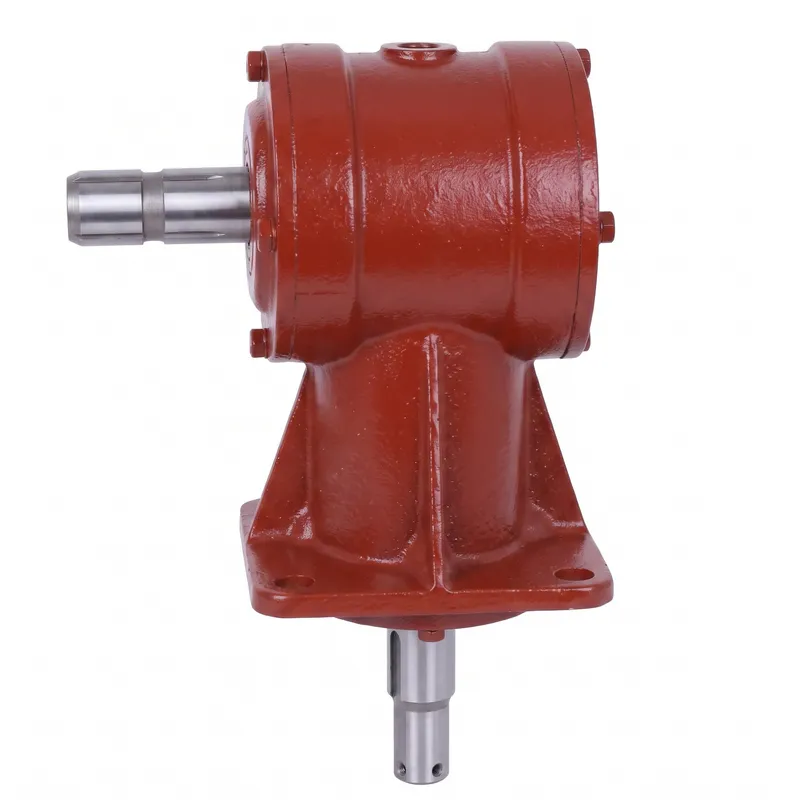
RC-20 Rotary Cutter Gearbox Replacement for Omni RC-20 Gearbox
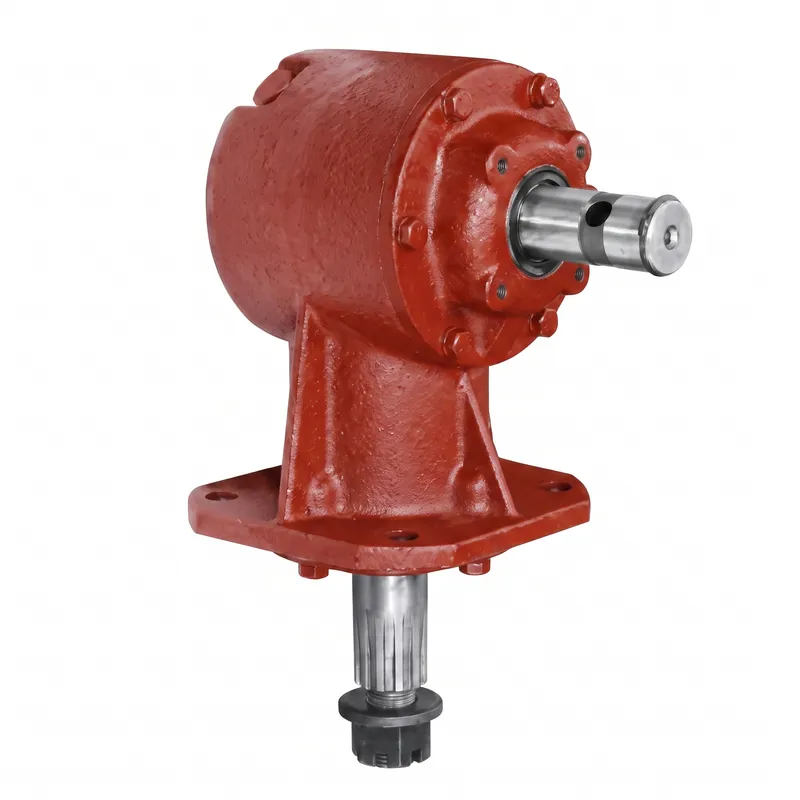
The RC-20 Rotary Cutter Gearbox Replacement for Omni RC-20 Gearbox is a heavy-duty power transmission unit engineered specifically for agricultural machinery. It is designed to drive rotary blades for demanding field operations including grass cutting, straw crushing, and brush clearing. As a precision gearbox for rotary cutter applications, its core function is to convert tractor power into high-torque, stable mechanical energy that remains consistent even as field loads shift unpredictably. Whether you are running a compact 75 hp rotary cutter gearbox setup or scaling up to a 40 hp rotary cutter gearbox configuration, the RC-20 delivers dependable performance matched to your horsepower range.
The RC-20 Rotary Cutter Gearbox Replacement for Omni RC-20 Gearbox is a heavy-duty power transmission unit engineered specifically for agricultural machinery. It is designed to drive rotary blades for demanding field operations including grass cutting, straw crushing, and brush clearing. As a precision gearbox for rotary cutter applications, its core function is to convert tractor power into high-torque, stable mechanical energy that remains consistent even as field loads shift unpredictably. Whether you are running a compact 75 hp rotary cutter gearbox setup or scaling up to a 40 hp rotary cutter gearbox configuration, the RC-20 delivers dependable performance matched to your horsepower range.
Through precision bevel gearing, the unit converts the high rotational speed of the tractor PTO shaft (540 or 1,000 RPM) into the low-speed, high-torque output required for effective cutting. The dual gear ratios (1:1.25 and 1:2.83) enable multi-speed operation to accommodate varying crop densities and terrain types, from steep hillside pastures to low-lying wetlands. Rated for 15-18 hp (11-21 kW) with torque reaching 3,267 lb-in (369 Nm), this agricultural gearbox handles thick straw, tough weeds, and heavy overgrowth with no power falloff. It is a direct drop-in replacement gearbox for rotary cutter machines originally fitted with the Omni RC-20 unit, reducing downtime and simplifying parts sourcing for global operators.
Product Specifications
| Model: | RC-20 Gearbox |
| Power: | 15 -18 hp 11 - 21 kW |
| Torque: | 1,750 - 3,267 lb.-in. (198 - 369 Nm) |
| Ratios: | 1:1.25, 1:2.83 |
| Gear Type: | Bevel |
| Seal Type: | Triple Lip Spring Loaded |
| Bearing Type: | Deep Groove Ball |
| Oil Capacity: | 16 oz. (0.47 L) |
| Weight: | 34 lbs. (15.4 kg) |
| Applications: | Finishing Mowers Rotary Cutters Rotary Slashers |
RC-20 Rotary Cutter Gearbox Dimensions
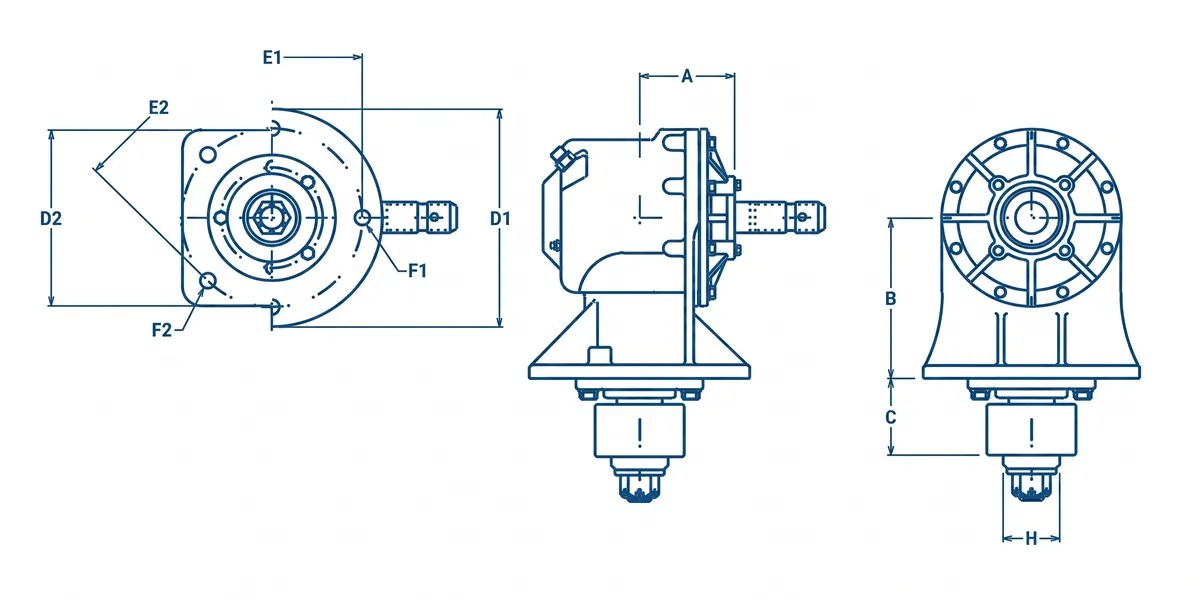
| Model | Maximum Weight of Unit | CL to Thru Cap A | CL to Flange B | Flange to Hub Pilot C | Hub Pilot Diameter H | Flange Diameter D1 | Bolt Hole Pattern E1 | Mounting Holes F1 | Flange Square Size D2 | Bolt Hole Pattern E2 | Mounting Holes F2 | |||||||||||
|---|---|---|---|---|---|---|---|---|---|---|---|---|---|---|---|---|---|---|---|---|---|---|
| lb | kg | in | mm | in | mm | in | mm | in | mm | in | mm | in | mm | in | mm | in | mm | in | mm | in | mm | |
| RC-20 | 34 | 15 | 3.0 | 76 | 6.5 | 165 | 2.40 | 61.0 | - | - | - | - | - | - | - | - | 6.18 | 157 | 6.8 | 171.5 | (4) 0.67 | (4) 17 |
| RC-27 | 47 | 21 | 3.5 | 88 | 6.4 | 164 | 2.40 | 61.0 | - | - | - | - | - | - | - | - | 6.18 | 157 | 6.8 | 171.5 | (4) 0.67 | (4) 17 |
| RC-30 | 51 | 23 | 3.9 | 100 | 6.4 | 164 | 3.30 | 84.0 | 2.5 | 63.5 | - | - | - | - | - | - | 6.89 | 175 | 6.8 | 171.5 | (4) 0.67 | (4) 17 |
| RC-51 | 56 | 25 | 3.7 | 94 | 6.4 | 164 | 3.50 | 88.9 | 2.5 | 63.5 | - | - | - | - | - | - | 6.89 | 175 | 6.8 | 171.5 | (4) 0.67 | (4) 17 |
| RC-61 | 81 | 37 | 4.2 | 107 | 7.2 | 183 | 3.50 | 88.9 | 2.5 | 63.5 | 9.5 | 242.0 | 8.0 | 203.2 | (4) 0.787 | (4) 20 | - | - | - | - | - | - |
| RC-71 | 83 | 38 | 4.2 | 107 | 7.2 | 183 | 3.50 | 88.9 | 2.5 | 63.5 | 9.5 | 242.0 | 8.0 | 203.2 | (4) 0.787 | (4) 20 | - | - | - | - | - | - |
| RC-81 | 98 | 45 | 4.6 | 116 | 11.0 | 279 | 3.50 | 88.9 | 2.5 | 63.5 | 9.6 | 245.0 | 8.0 | 203.2 | (4) 0.787 | (4) 20 | - | - | - | - | - | - |
| RC-100 | 96 | 44 | 4.8 | 121 | 7.1 | 180 | 3.78 | 96.0 | 2.5 | 63.5 | 9.4 | 240.0 | 8.0 | 203.2 | (4) 0.787 | (4) 20 | - | - | - | - | - | - |
| RC-130S | 109 | 49 | 5.1 | 130 | 7.1 | 180 | 4.00 | 102.0 | 2.9 | 73.0 | 9.8 | 250.0 | 8.0 | 203.2 | (6) 0.807 | (6) 21 | - | - | - | - | - | - |
| RC-130L | 120 | 54 | 5.1 | 130 | 7.1 | 180 | 7.20 | 184.0 | 3.8 | 96.0 | 9.8 | 250.0 | 8.0 | 203.2 | (6) 0.807 | (6) 21 | - | - | - | - | - | - |
| RC-145 | 110 | 50 | 5.6 | 142 | 8.9 | 225 | 8.05 | 204.5 | 3.8 | 96.0 | 10.2 | 260.0 | 8.0 | 203.2 | (6) 0.807 | (6) 21 | - | - | - | - | - | - |
| RC-150L | 145 | 66 | 5.1 | 130 | 11.0 | 280 | 7.20 | 184.0 | 3.8 | 96.0 | 9.8 | 250.0 | 8.0 | 203.2 | (6) 0.807 | (6) 21 | - | - | - | - | - | - |
| RC-200 | 220 | 100 | 6.4 | 162 | 9.5 | 241 | 8.00 | 203.0 | 5.3 | 135.0 | 11.8 | 300.0 | 10 | 254.0 | (6) 0.905 | (6) 23 | - | - | - | - | - | - |
RC-20 Rotary Cutter Gearbox Features
1. PTO Drive Adaptation
The RC-20 directly connects to standard tractor PTO shafts operating at 540 or 1,000 RPM, supporting quick-change splined couplings for fast field installation or removal. This compatibility spans a wide range of tractor brands and configurations, from compact utility models running a 75 hp rotary cutter gearbox up to mid-range machines in the 75 hp rotary cutter gearbox bracket, eliminating the need for custom adapters or specialized tooling during changeover. The standardized spline interface ensures secure torque transfer with minimal backlash under dynamic cutting loads.
2. Modular Blade Compatibility
The output shaft is machined to accept interchangeable blade types including Y-type flail knives, hammer blade assemblies, and disc cutting heads. This modular design lets operators switch cutting configurations for different seasonal tasks, from fine-cut grass mulching to coarse straw crushing or dense brush clearing, without replacing the gearbox itself. Versatility across crop types and terrain conditions is a core design priority for any high-demand agricultural gearbox serving multiple operational roles across the farming year.
3. Terrain-Following Gearbox Design
The floating gearbox mounting geometry allows the cutter deck to follow natural ground contours automatically, rising and falling with undulations in pasture or field terrain. This self-leveling action prevents blade-to-stone impacts that cause sudden shock loads and premature gearbox failure. Whether navigating sloped hillsides, drainage swales, or uneven rangeland, the gearbox maintains consistent blade clearance without operator adjustment, reducing component stress and improving cut quality across variable terrain types.
4. Field-Service Maintenance Convenience
External fill ports and a bottom-mounted drain valve make checking rotary cutter gearbox oil level and performing oil changes straightforward without removing the unit from the machine. This design is critical for operations in remote field conditions where workshop access is limited. The gearbox accepts both mineral and synthetic gear lubricants per application requirements, and its 16 oz (0.47 L) oil bath capacity is sized for extended drain intervals under normal operating loads. The pressure relief plug vents internal thermal pressure without oil loss.
5. Heavy-Duty Durability and Field Protection
The gearbox housing is constructed from high-strength ductile cast iron, providing structural rigidity under the impact loads generated during cutting operations. Surface treatments provide corrosion resistance against mud, moisture, agricultural chemicals, and plant sap encountered in daily field use. The triple lip spring-loaded seal system actively expels contaminants while retaining lubricant, and the deep groove ball bearings maintain shaft alignment even under combined radial and axial loading, substantially extending the service life of this rotary cutter gearbox.
6. Overload Safety Protection
An integrated overload protection system, either a shear bolt mechanism or a slip-type torque limiter depending on driveline configuration, disconnects the PTO immediately when a blade strike causes a sudden torque spike. This safety cutout prevents catastrophic gearbox damage during rock strikes or tool jams and is a fundamental requirement for any rotary cutter gearbox operating across mixed terrain. Some driveline configurations additionally feature rubber shock dampeners on the input coupling to absorb torsional vibration before it reaches the gear set.
How Does a Rotary Cutter Gearbox Work
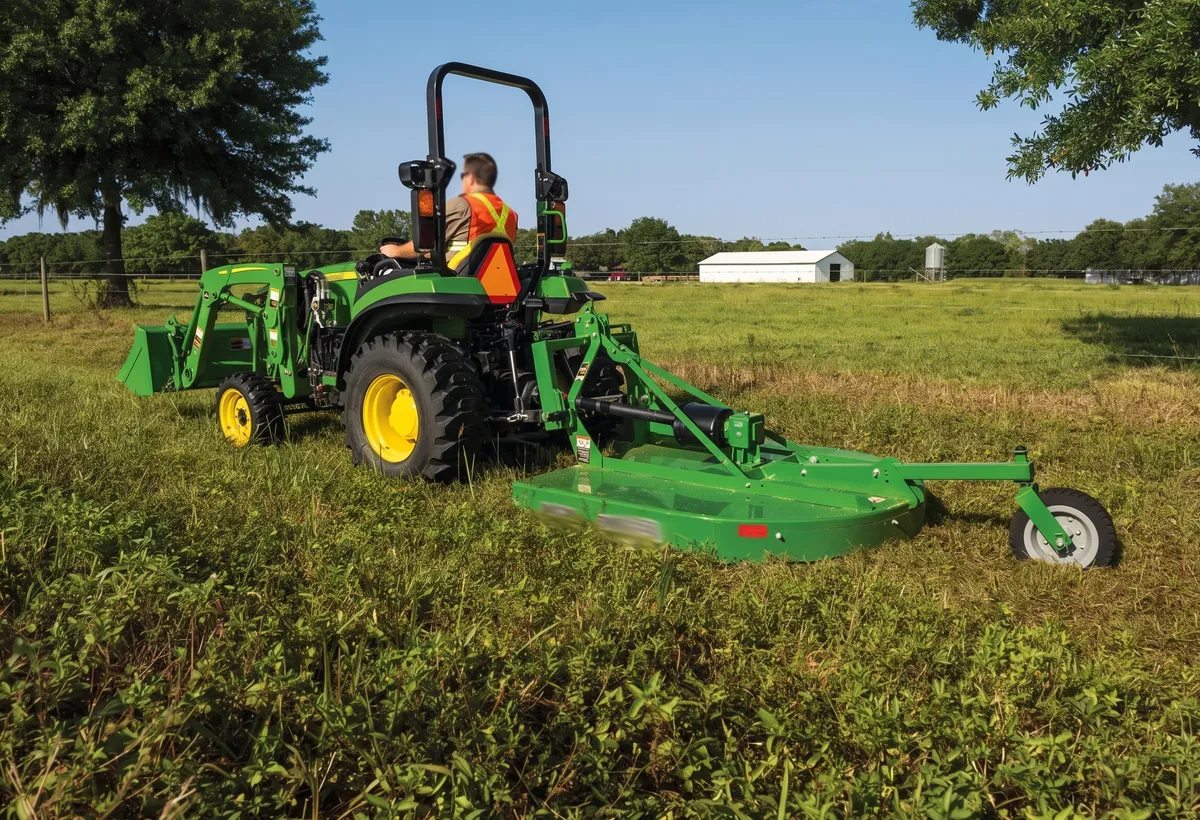
A rotary cutter gearbox is the mechanical heart of any PTO-driven cutting machine. Its job is to receive high-speed, relatively low-torque rotational power from the tractor's PTO shaft and transform it into the low-speed, high-torque output that spinning cutting blades require. Without this conversion, the blade system would either spin too fast to maintain control or lack sufficient torque to power through dense vegetation. Understanding how this process works helps operators match the right gearbox specification to their tractor's horsepower and the demands of their field conditions.
In the RC-20, power enters through the splined input shaft, which connects directly to the PTO driveline. The input shaft drives a precision-cut bevel gear, which meshes with a second bevel gear mounted on the output shaft at a 90-degree angle. This right-angle geometry is the defining feature of the rotary cutter gearbox design, redirecting horizontal PTO rotation downward to drive the vertical blade spindle beneath the cutter deck. The bevel gear set simultaneously changes the rotational speed and torque according to the selected gear ratio, either 1:1.25 or 1:2.83 in this model.
At 540 RPM PTO input with a 1:2.83 ratio, the output shaft delivers significantly increased torque at reduced RPM, the configuration suited to heavy brush clearing, thick straw, and high-density cover crop termination where blade load fluctuates dramatically. The 1:1.25 ratio is chosen for finishing mower applications and lighter grass cutting tasks where higher blade speed gives a cleaner cut surface finish. This dual-ratio capability means a single gearbox unit can serve multiple seasonal roles on the same farm, making it one of the most cost-effective components in the agricultural gearbox inventory for any diversified operation.
Throughout operation, the gear set and bearings run in an oil bath with a 16 oz (0.47 L) capacity. Gear oil circulates via the rotation of the gears themselves, coating contact surfaces and drawing heat away from the gear mesh zone. The triple lip spring-loaded seals at each shaft exit point maintain oil containment while blocking field debris ingestion. The cast iron housing absorbs vibration and distributes impact loads across the entire structure rather than concentrating stress at the gear teeth or shaft journals, making this unit appropriate for demanding conditions spanning from gearbox compact operations through 60 hp rotary cutter gearbox and 75 hp rotary cutter gearbox configurations across the RC series range.
Field terrain adaptation is built into the system at the mounting level. The gearbox pivots with the cutter deck as it follows ground contours, keeping blade tip-to-ground clearance consistent without operator intervention. On steep slopes, undulating pastures, or wetland edges where terrain changes rapidly, this passive adaptation protects blades and gearbox alike from the sudden overloads that occur when a rigid cutting assembly encounters an unexpected obstacle. This design logic makes the RC series the preferred choice among leading rotary cutter gearbox manufacturers for machines expected to work across varied and challenging terrain types.
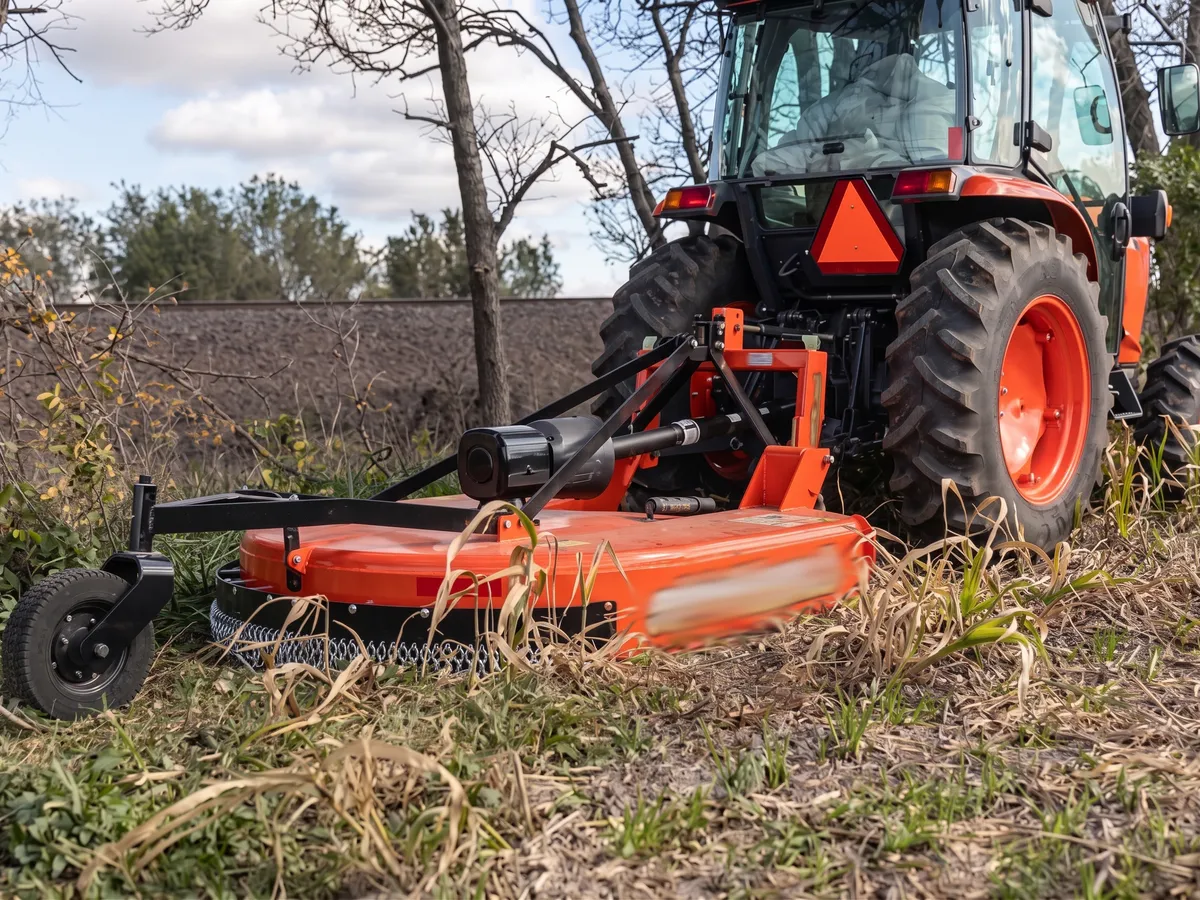
RC-20 Rotary Cutter Gearbox Applications
Grass Cutting and Straw Crushing
Drive rotary blades to cut pasture grass, wheat straw, corn stalks, or cover crops across large acreage. The adjustable gear ratio allows operators to dial in blade tip speed for coarse mulching that returns organic matter to the field or finer crushing suitable for livestock feed. This is the most common application for operators running both 40 hp rotary cutter gearbox and 60 hp rotary cutter gearbox setups on mixed-use row crop and livestock farms globally.
Shrub and Bramble Clearing
Clearing overgrown fence lines, orchard edges, and woodland margins requires consistent high torque through hard woody stems and tangled root systems. The RC-20's bevel gear set generates the torque multiplication needed to power through dense bramble and secondary growth without stalling, while the overload protection prevents sudden blade jams from damaging the gearbox housing or gear teeth. Ideal for land reclamation and annual right-of-way maintenance programs where cutting conditions are unpredictable.
Farmland Stubble Treatment
After grain harvest, rice or wheat stubble must be cleared or incorporated quickly before the next planting window opens. The rotary cutter gearbox paired with disc or dumping knives achieves this efficiently, chopping residue to a manageable length for tillage incorporation or surface decomposition. Operators with 75 hp rotary cutter gearbox tractors can cover significant stubble acreage per day, compressing the turnaround time between harvest and replanting on commercial farms.
Orchard and Vineyard Row Management
The compact dimensional footprint of the RC-20 makes it well suited to under-tree mowing and between-row weed management in orchards, vineyards, and soft fruit plantations. Low deck height allows the gearbox assembly to pass under low-hanging canopies while providing enough blade reach to cut competitive weeds in the row middles. For rotary mower gearbox tractor configurations common in specialty crop operations, this is a key piece of season-long vegetation management infrastructure.
Road Verge and Right-of-Way Maintenance
Municipalities, utility companies, and landowners use PTO-driven rotary cutters with robust agricultural gearboxes to maintain road shoulders, drainage ditches, and pipeline corridors. The ability to handle mixed vegetation including tall grass, young saplings, and invasive shrubs in a single pass makes this setup highly productive. Units handling road verge duty benefit greatly from the overload protection features that guard against frequent rock strikes encountered on unpaved roadsides and compacted verge terrain.
Wetland and Marginal Land Management
Reed beds, marsh margins, and seasonally flooded pastures present cutting challenges that standard mowers cannot handle. The rugged seal system of this rotary cutter gearbox keeps water and fine silt out of the housing during shallow water operations, while the floating deck geometry accommodates the irregular micro-topography typical of wetland edges. This application demands maximum seal integrity and bearing protection, both of which the triple lip spring-loaded seal system and deep groove ball bearings of the RC-20 are specifically engineered to deliver across extended seasonal use.
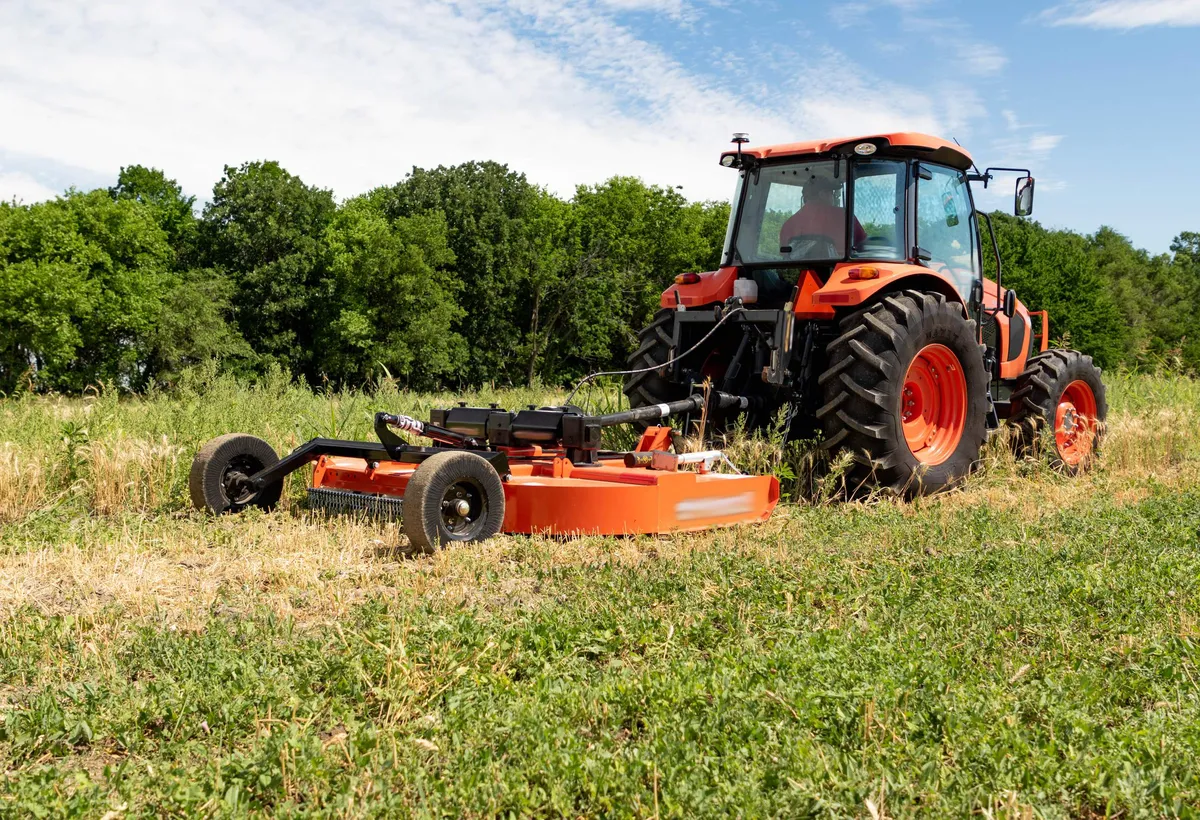
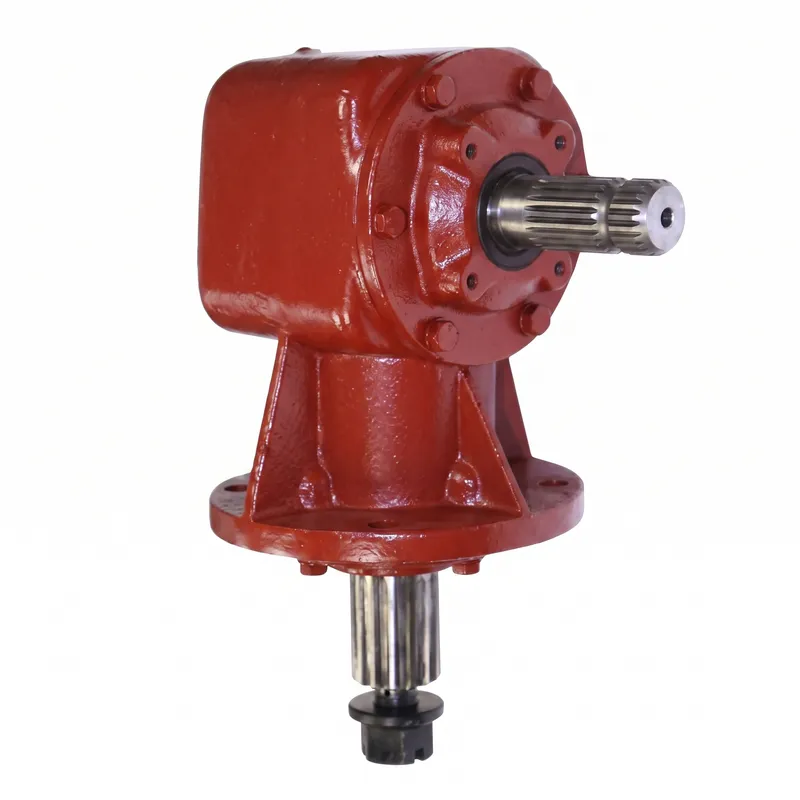
RC-20 Rotary Cutter Gearbox Parts
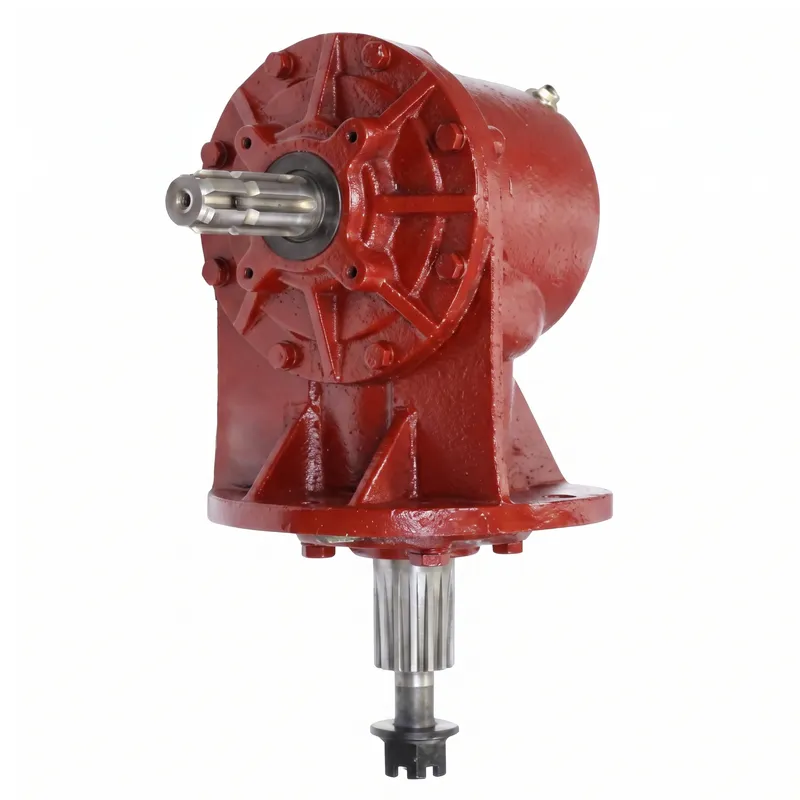
Gearbox Housing
The outer shell is manufactured from ductile cast iron, the same material grade used across the Omni Gear RC series. It encloses all internal components, absorbs impact loads from blade strikes and field debris, maintains oil containment under all operating orientations, and provides the structural backbone to which input and output shaft bearings, seals, and end caps are mounted. The housing geometry is precision-machined to maintain shaft alignment tolerances even after years of high-vibration field service. When assessing rotary cutter gearbox parts condition, the housing should be inspected for cracks, porosity, or stripped mounting holes that indicate structural fatigue requiring immediate attention.
Bevel Gears
The bevel gear pair is the primary power transmission element inside the gearbox. Manufactured from forged alloy steel and precision machine-cut, these hardened gears redirect PTO shaft rotation through 90 degrees to drive the blade spindle below the cutter deck. The tooth profile and hardness specification determine both the maximum torque capacity and the gear set's resistance to fatigue pitting under repeated loading cycles. Standard precision-cut straight bevel gears are fitted in the RC-20; spiral bevel and lapped spiral bevel options are available for applications requiring reduced noise or higher-speed smooth power transmission.
Input Shaft
The input shaft connects directly to the tractor's PTO driveline, receiving rotational power from the driveshaft assembly. Manufactured from carburized alloy steel to handle the torsional loads and shock inputs transmitted from the PTO, it is available in standard spline configurations including 1-3/8 inch six-spline or 1-3/4 inch six-spline to match tractor PTO output specifications. The input shaft is supported by a deep groove ball bearing at the housing entry point, which maintains correct shaft alignment and absorbs radial forces generated during engagement and load cycling throughout the working day.
Output Shaft
Positioned below the housing, the output shaft delivers drive power to the blade spindle or cutting hub assembly. It must withstand not only continuous torque load but also the severe impact forces generated each time a blade strikes embedded debris or a hard object in the cutting path. The shaft is machined from heat-treated alloy steel, and the splined end face is designed for direct blade hub mounting or adaptation to various cutting assembly configurations. Shaft integrity is a critical inspection point during any rotary cutter gearbox repair or rebuild procedure, particularly at the spline and bearing journal surfaces.
Deep Groove Ball Bearings
Precision deep groove ball bearings support both the input and output shafts, keeping them correctly aligned under combined radial and axial loads throughout the gearbox operating speed range. Bearing selection has a direct effect on gearbox noise level, heat generation, and overall service life, which is why the RC-20 specifies deep groove ball bearing types matched to its power and speed envelope. Bearing failure is among the most common causes of gearbox seizure in field service, so correct lubrication and seal integrity are the two most important factors in maximizing bearing longevity across the service interval.
Triple Lip Spring-Loaded Oil Seals
The triple lip seal configuration is one of the RC-20's distinguishing specifications. Three sequentially positioned sealing lips, each spring-loaded to maintain contact pressure as the lip wears, create a defense-in-depth barrier against both outward rotary cutter gearbox oil loss and inward contamination by field dirt, dust, water, and crop debris. Worn seals are among the most frequent causes of premature gearbox failure in field service, and the triple lip design substantially extends the service interval before replacement becomes necessary compared to standard single-lip or conventional double-lip configurations commonly found in lower-cost units.
Gear Oil / Oil-Bath Lubrication System
The RC-20 uses an oil-bath lubrication system in which gears and lower bearings run partially submerged in gear oil. The 16 oz (0.47 L) oil capacity is calibrated to the unit's size and operating temperature range. Correct rotary cutter gearbox oil level is critical: low oil causes accelerated gear and bearing wear through lubrication starvation, while overfilling causes churning losses, foaming, and internal seal pressure that forces oil past lip seals prematurely. Scheduled oil changes using the manufacturer-specified oil grade and viscosity are the single most important maintenance action for maximizing gearbox service life in demanding agricultural conditions.
Rotary Cutter Gearbox Manufacturing Process
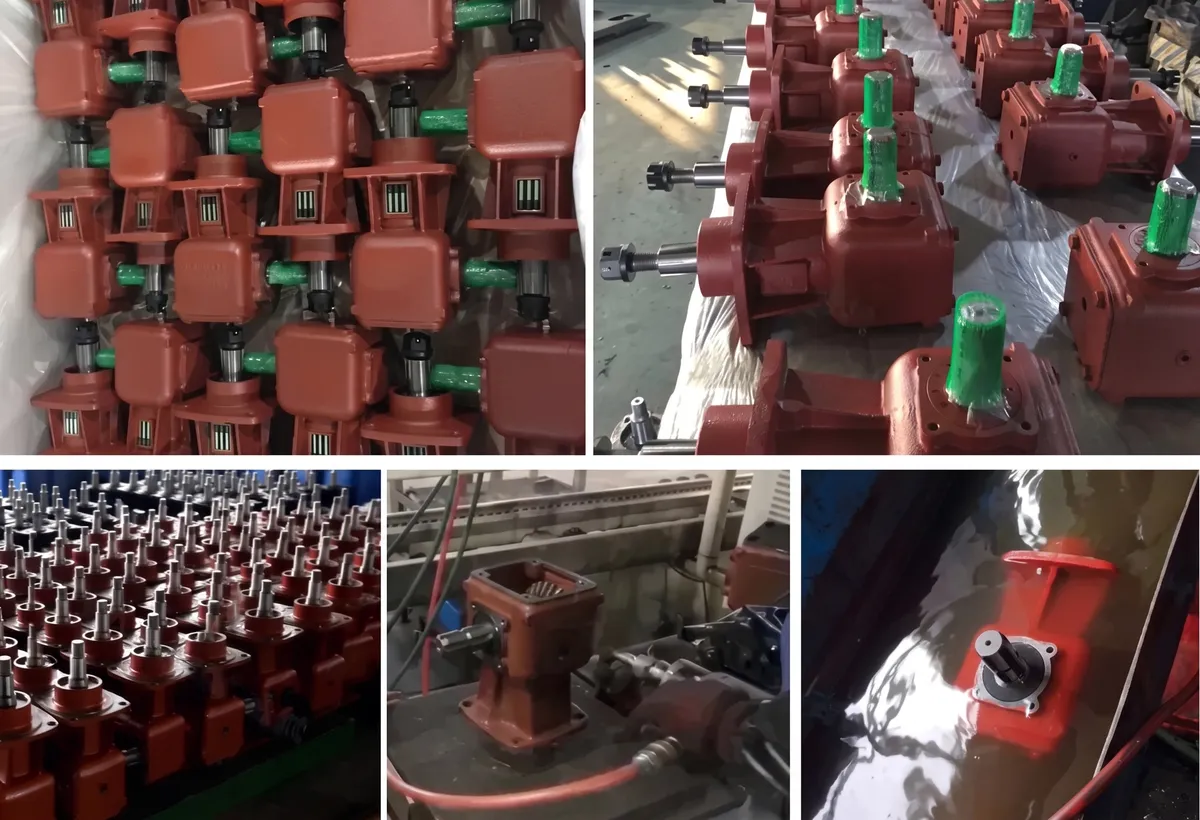
1. Raw Material Procurement and Incoming Inspection
Ductile cast iron billets for housings and end caps, and forged alloy steel rod stock for shafts and gear blanks, are sourced from certified mills with full material traceability documentation. Each batch undergoes incoming chemical composition testing and mechanical property verification before release to production. This traceability protocol allows any field failure to be traced back to its source material lot for root cause analysis, ensuring corrective actions address the actual cause rather than symptoms.
2. Housing Casting and CNC Dimensional Machining
Housing blanks are gravity or pressure sand cast, then stress-relief heat-treated before any machining begins. CNC machining centers mill all mating surfaces, bore the bearing seats to tight dimensional tolerances, and thread the mounting and fill/drain ports. Precision in these operations directly determines shaft alignment, bearing preload, and oil seal performance in service. Consistent machining tolerances across production batches are what qualifies CMN's units as true drop-in replacements for leading OEM rotary cutter gearbox specifications.
3. Gear Blank Forging and Precision Hobbing
Bevel gear blanks are hot-forged from alloy steel rod to achieve the grain flow orientation that maximizes tooth root strength under bending fatigue. The forged blanks are rough-turned on CNC lathes, then transferred to gear hobbing machines where the tooth form is precision-cut to specification. All gear tooth geometry is verified against master gauges and CMM measurement before the heat treatment stage, ensuring that the tooth profile accuracy required for efficient power transmission is established before hardening locks in the geometry.
4. Heat Treatment and Case Hardening
Gear blanks and shafts undergo carburizing and case hardening in controlled-atmosphere furnaces to achieve the specified surface hardness while maintaining a tough core. This dual-property structure, a hard exterior for wear resistance paired with a soft interior for impact toughness, is essential for agricultural gearbox components that experience both steady-state torque and sudden shock loading during blade strikes. Post-quench tempering relieves brittleness, and all hardened components are 100% hardness-tested before advancing to the grinding stage.
5. Precision Grinding and Tooth Profile Finishing
After heat treatment, gear tooth flanks and shaft bearing journals are precision-ground to final dimensional tolerances. Grinding removes the dimensional distortion introduced by thermal cycling during hardening and brings tooth profile accuracy to levels required for quiet, efficient power transmission. For lapped spiral bevel versions, a matched-set lapping process refines tooth contact pattern geometry further to reduce noise and extend fatigue life. Ground and lapped components are fully inspected using gear-checking equipment before assembly clearance is issued.
6. Component Sub-Assembly and Bearing Installation
Shafts are assembled with their respective bevel gears, bearings, and seals in a controlled sub-assembly area before housing installation. Bearing presses apply hydraulically controlled force to seat bearings without damaging races or seal lips. Shaft end-play and bearing preload are measured and adjusted to the specified range at this stage. Correct preload is critical: insufficient preload allows shaft deflection that misaligns the gear mesh, while excessive preload causes overheating and early bearing failure in field service.
7. Final Assembly, Oil Fill, and Functional Testing
Complete gearbox assembly is performed in a clean build area. Housing halves are joined with specified gasket sealant and all fasteners torqued uniformly. Units are filled with the specified gear oil charge (16 oz / 0.47 L for the RC-20), then run on a test stand at rated input speed for a functional test cycle. Oil leakage checks at all seal and joint faces, noise and vibration levels, and operating temperature rise are all verified before the unit receives its final surface coating and export packaging preparation.
8. Surface Coating, QC Audit, and Export Packaging
Completed units receive a red oxide primer coat followed by the specified topcoat for corrosion protection during shipping and outdoor storage. A final QC audit samples dimensional, functional, and cosmetic attributes against the product drawing and acceptance standard. Units destined for export receive additional moisture-proof packaging with desiccant packs and impact-absorbing foam to survive ocean container shipping to North America, Europe, Australia, and other global rotary cutter gearbox suppliers destination markets with zero transit damage.
Installation Precautions
1. Verify Dimensional Compatibility Before Mounting
Before beginning installation, confirm that the replacement unit's mounting flange dimensions, bolt hole pattern, and shaft specifications match the cutter deck's design envelope using the dimension table provided above. The RC-20 uses a square flange (D2: 6.18 in / 157 mm, E2: 6.8 in / 171.5 mm) with a four-bolt mounting configuration. Attempting to install a mismatched unit by forcing it will damage mounting surfaces and create dangerous misalignment in service. This check is especially important when this gearbox is used as a replacement gearbox for rotary cutter machines sourced from multiple OEMs with varying mounting tolerances.
2. Check and Set Oil Level Before First Operation
Although most units are shipped pre-filled, always verify the oil level at the fill port before the first run. The RC-20 requires 16 oz (0.47 L) of gear oil, typically SAE 80W-90 GL-5 unless the operating environment requires a synthetic alternative for extreme temperature conditions. Running the unit without oil even briefly will cause rapid gear and bearing damage. After the first hour of operation, re-check the level since air pockets in the oil bath may settle, reducing the effective oil volume and requiring a top-up to maintain the correct rotary cutter gearbox oil level.
3. Align PTO Driveshaft Within Specified Angle Limits
The PTO driveshaft connecting the tractor to the gearbox input must operate within the universal joint angle specification for your driveshaft type, typically no more than 15 to 20 degrees under load. Excessive operating angle causes accelerated universal joint wear, vibration that damages input shaft bearings, and uneven torque delivery to the gearbox. Adjust tractor hitch height and cutter deck linkage geometry so that the driveshaft runs as close to parallel as the configuration allows across the full range of deck float movement during field operation.
4. Torque All Mounting Fasteners to Specification
The four mounting bolts that secure the gearbox flange to the cutter deck must be torqued evenly and to the specified value using a calibrated torque wrench rather than an impact driver. Under-torqued fasteners allow the gearbox to shift under shock loading, causing fretting damage at the mating faces and eventual fastener fatigue failure. Over-torqued fasteners can crack the cast iron flange. Always use hardened washers and grade-8 or equivalent hardware, and re-check torque after the first 8-10 hours of operation as new fastener joint sets typically relax slightly during initial bedding-in.
5. Confirm Overload Protection Device Is Correctly Set
Before field operation, verify that the shear bolt, slip clutch, or torque limiter on the PTO driveshaft is correctly configured for the tractor's PTO horsepower output. An overload device set too high will not protect the rotary cutter gearbox from damaging torque spikes; one set too low will trip constantly during normal heavy-crop cutting, interrupting work and causing premature clutch wear. Consult the cutter deck manufacturer's documentation for the correct torque limiter setting for your specific tractor and crop conditions before starting field work.
6. Run a No-Load Break-In Before Field Work
After installation, engage the PTO at low engine RPM with no load on the blade system and run the gearbox for 5 to 10 minutes while checking for oil leaks, unusual noise, or excessive heat at the housing. Gradually increase to operating speed and verify that all seals remain dry, mounting fasteners stay tight, and the housing temperature stabilizes within a normal operating range. Only after a successful no-load break-in should the machine be put into field work service. This procedure catches installation errors before they cause costly gearbox damage that requires full replacement.
Common Faults and Troubleshooting
Oil Leakage at Shaft Seals
Symptom: Gear oil appearing around the input or output shaft exits, pooling on the cutter deck or ground.
Cause: Seal lip wear from abrasive contaminant ingestion, a damaged seal from installation error, or operating with overfilled oil capacity causing excessive internal pressure.
Resolution: Drain the oil, remove the shaft end cap, press out the old seal, and install a new triple lip seal of the correct dimension. Recheck oil level and do not overfill past the specified 16 oz (0.47 L) capacity. Inspect the shaft journal surface for scoring that would prevent a new seal from seating and sealing correctly across its service life.
Excessive Noise or Whining During Operation
Symptom: Grinding, whining, or clattering sounds not present when the unit was new.
Cause: Insufficient oil level causing gear mesh starvation and metal-to-metal contact; worn or pitted gear tooth surfaces; bearing race damage from contamination or loss of preload over time.
Resolution: Stop operation immediately, check oil level, and top up if low. If noise persists after oil correction, disassemble and inspect gear tooth contact pattern and bearing condition. A full rotary cutter gearbox rebuild using new bearings and gear set components is required if tooth surface pitting or spalling is confirmed during internal inspection.
Gearbox Overheating
Symptom: Housing too hot to hold a hand on after normal operation, or oil discoloring and smelling burnt after a working session.
Cause: Low oil level reducing lubrication and cooling capacity; overfilled oil causing churning losses and foaming; bearing preload out of specification; operating continuously beyond the rated power range; incorrect viscosity oil for the ambient temperature and duty cycle.
Resolution: Check oil level first. If correct, reduce duty cycle to allow cooling intervals. If overheating recurs consistently, inspect bearing preload and consider upgrading to synthetic oil with better thermal stability for high-demand rotary cutter gearbox applications in hot climates.
Loss of Output Power or Blade Speed Drop
Symptom: Blade speed drops noticeably under load even though tractor PTO is at rated RPM throughout.
Cause: Internal gear tooth failure causing intermittent slippage; worn spline connection between input shaft and PTO driveline; shear bolt in overload device has failed and has not been replaced.
Resolution: Check the overload shear bolt first, as this is the most common and simplest fix. If the shear bolt is intact, inspect the input spline for wear or damage. If gears are slipping internally, the gearbox requires disassembly and full gear set inspection followed by replacement of affected components through a qualified rotary cutter gearbox repair procedure.
Excessive Vibration Transmitted to Tractor
Symptom: Unusually strong vibration through the tractor's hydraulic system, linkage, or cab structure during cutting operations compared to normal working conditions.
Cause: Blade imbalance from blade strikes or uneven wear; loose gearbox mounting fasteners allowing the unit to rock in service; PTO driveshaft universal joints operating at excessive angles or with worn crosses and bearing cups.
Resolution: Balance or replace damaged blades. Re-torque all four mounting fasteners to specification. Inspect PTO driveshaft joint angles and universal joint cross condition. Excessive vibration left unaddressed will cause accelerated bearing failure and housing fatigue cracking over time.
Contaminated Gear Oil: Metal Particles or Water
Symptom: Oil drained during service appears milky-white (water contamination) or contains visible metal particles or a gritty texture indicating active internal wear.
Cause: Seal failure allowing water ingestion from stream crossings or pressure washing; active gear or bearing surface wear generating metal debris in the oil bath.
Resolution: Drain and flush the housing, identify and replace the failed seals, then refill with fresh oil and reinspect after 10 operating hours. Fine metal debris after a fresh-oil start during break-in is normal; coarse particles indicate a gearbox repair or full rebuild is required before continued field operation to prevent further damage escalation.
Rotary Cutter Gearbox vs Rotary Tiller Gearbox
What Is a Rotary Cutter Gearbox?
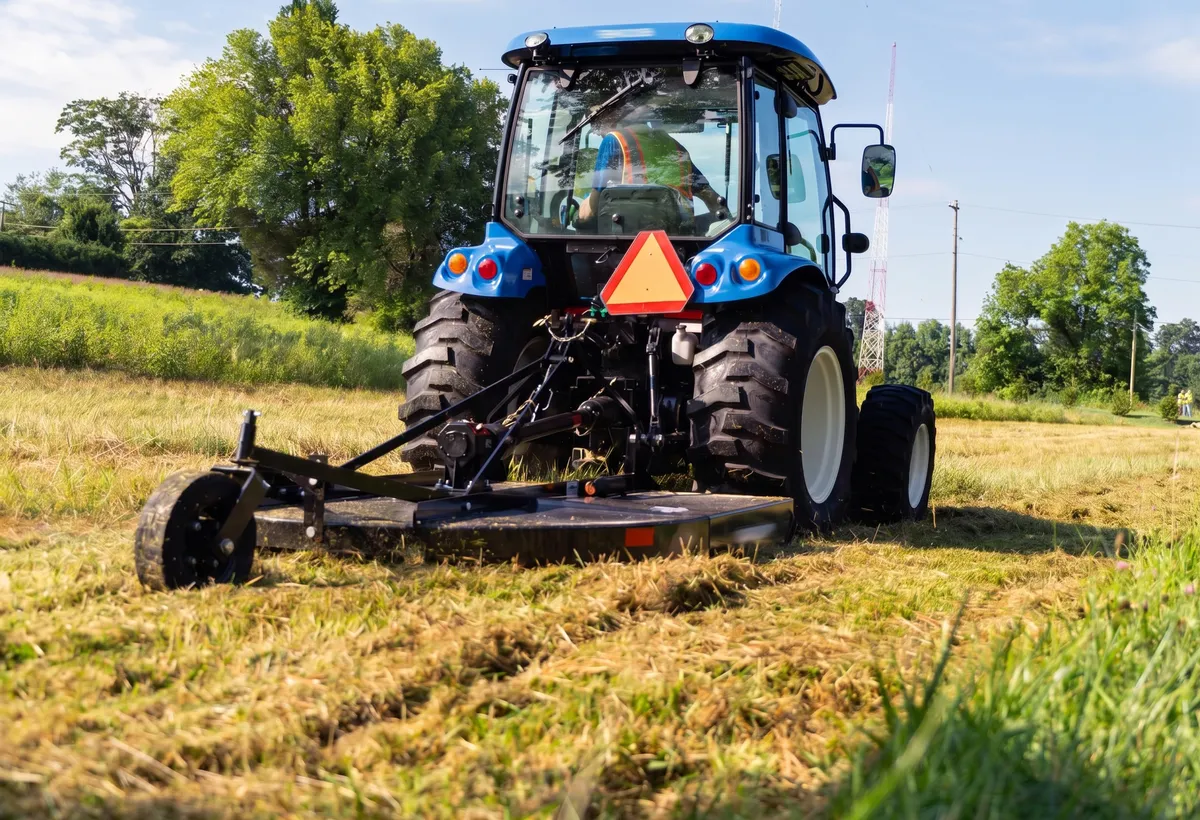
A rotary cutter gearbox is an agricultural power transmission component designed primarily for cutting surface vegetation. It receives PTO input power, converts it through a bevel gear set, and delivers high-torque output to spinning blade assemblies that sever grass, weeds, crop stalks, and brush at or near ground level. The defining application characteristics are high blade tip speed, substantial impact resistance, and the ability to operate through varying crop densities without stalling. Operators running machines from 40 hp rotary cutter gearbox rely on the same fundamental design geometry, with components scaled to match each power level. The RC-20 serves the 15-18 hp bracket, making it suitable for compact and utility tractor applications across a wide range of cutting environments.
What Is a Rotary Tiller Gearbox?
A rotary tiller gearbox serves a fundamentally different purpose: soil preparation rather than surface cutting. It drives a set of rotating tines that penetrate the soil profile, breaking up compacted layers, incorporating organic residue, and creating the fine, aerated seedbed structure needed for optimal crop establishment. The tiller gearbox must handle sustained high-torque loads generated by tines working through clay, compacted loam, or stony soils at relatively slow forward travel speeds. Power requirements are moderate but continuous, and the mechanical shock profile differs from cutting applications since soil resistance, while variable, does not produce the sudden spike loads associated with blade-to-rock contact in field cutting operations.
Detailed Comparison
| Parameter | Rotary Cutter Gearbox | Rotary Tiller Gearbox |
|---|---|---|
| Primary Function | Cutting and clearing surface vegetation | Soil tillage and seedbed preparation |
| Gear Configuration | Right-angle bevel gears, 90-degree drive | Right-angle or inline with chain/belt drives |
| Output Speed | Higher blade tip speed for clean cut finish | Lower tine speed, high sustained torque |
| Typical Ratios | 1:1.25 to 1:2.83 (RC-20 series) | Wider ratios for higher reduction, lower tine speed |
| Impact Loading Profile | Severe, unpredictable blade-to-debris strikes | Moderate, more predictable soil resistance |
| Seal Requirements | Very high; exposure to dust, debris, moisture | High; soil and moisture contamination concern |
| Power Range | 20 hp to 100+ hp rotary cutter gearbox | Compact to mid-range tractor configurations |
| Applications | Pasture management, brush, stubble clearing | Vegetable farming, seedbed prep, cover crop incorporation |
| Cutting Tool Type | Y-knives, hammer blades, flat blades | L-shaped or C-shaped tines, pick tines |
Advantages of the Rotary Cutter Gearbox
- Clears large areas of overgrown grass, weeds, and brush efficiently in a single pass across wide cutting widths
- Handles dense and tough vegetation including woody stalks and brambles with consistent high-torque output
- Scalable across a broad horsepower range from compact tractors up to 100 hp rotary cutter gearbox applications
- Dual gear ratios provide operational flexibility for different crop types, terrain conditions, and seasonal tasks
Advantages of the Rotary Tiller Gearbox
- Creates fine, aerated seedbeds in vegetable, grain, and specialty crop production systems with a single pass
- Incorporates crop residue and organic matter into the soil profile in a single combined operation
- Versatile for intensive horticulture, greenhouse bed preparation, and small-scale market garden operations globally
Choosing the Right Gearbox for Your Needs
Choose a rotary cutter gearbox when your operation prioritizes pasture maintenance, road verge clearing, orchard floor management, or crop residue management after harvest on large-acreage farms. The gearbox suits compact tractor operations in orchards and small farms; the 60 hp, 75 hp, and 100 hp rotary cutter gearbox brackets suit large commercial pasture operations and municipal right-of-way maintenance programs.
Choose a rotary tiller gearbox when seedbed preparation, residue incorporation, and soil structure improvement are your primary seasonal needs. For diversified operations requiring both vegetation management and tillage capabilities, CMN Transmission's full agricultural gearbox product range covers both categories with the same engineering quality standard. Contact our sales team for advice on matching the right gearbox specification to your specific tractor and implement combination.
Why Choose CMN Transmission's Rotary Cutter Gearboxes?
Korea CMN Transmission Co., Ltd. was established in 2000 and is headquartered in Sandan-o, Danwon-gu, Ansan-si, Gyeonggi-do, South Korea. Over more than 25 years of dedicated focus on agricultural power transmission, CMN has grown from a regional manufacturer into a globally recognized source of agricultural gearboxes serving customers in 60+ destination countries across every major agricultural market on six continents.
With over 100 factory employees working across engineering, manufacturing, quality control, and customer support, CMN's facility produces more than 500,000 gearbox units annually. This production scale, combined with a deep investment in CNC machining, gear manufacturing, and heat treatment capabilities, enables CMN to deliver consistent dimensional accuracy and mechanical quality across every batch, every model, and every market cycle. For buyers sourcing rotary cutter gearbox parts or complete replacement units, consistency across production batches is a critical factor that CMN's manufacturing system is specifically designed to provide at competitive global pricing.
CMN's product range is among the broadest in the agricultural gearbox category, covering rotary cutter gearboxes, rotary tiller gearboxes, feed mixer gearboxes, rotary mower gearboxes, fertilizer spreader gearboxes, flail mower gearboxes, post hole digger gearboxes, round baler gearboxes, square baler gearboxes, disc mower gearboxes, center pivot irrigation gearboxes, hydraulic drive gearboxes, silage machine gearboxes, orchard sprayer gearboxes, rotary rake gearboxes, combine harvester gearboxes, grain handling gearboxes, corn header gearboxes, cutting bar gearboxes, poultry feeding gearboxes, and custom-specification units across nearly one thousand product configurations. This breadth allows equipment manufacturers and parts distributors to consolidate multiple gearbox categories with a single qualified supplier rather than managing multiple vendor relationships across different product lines.
CMN holds CE, ISO 9001 Quality Management, Environmental Management, and Occupational Health and Safety certifications, providing the compliance documentation that OEM customers and international importers require. Our products are exported to the United States, Canada, Mexico, Brazil, Argentina, France, Germany, Italy, Spain, the United Kingdom, Russia, China, India, Thailand, Vietnam, Turkey, Australia, New Zealand, and a growing list of emerging agricultural markets worldwide. For buyers evaluating rotary cutter gearbox suppliers on a global basis, CMN's combination of manufacturing scale, product breadth, certification portfolio, and verified field performance across diverse climate and operational conditions represents a benchmark standard in the agricultural gearbox category.
Frequently Asked Questions
Q: What type of oil should I use in my rotary cutter gearbox?
A: The RC-20 requires gear oil conforming to SAE 80W-90, API GL-5 specification as the standard fill under normal operating temperatures. For high-temperature environments or extended-interval maintenance programs, a full-synthetic 75W-90 GL-5 lubricant is an acceptable upgrade that provides better thermal stability. The RC-20 oil capacity is 16 oz (0.47 L). Always verify the correct rotary cutter gearbox oil level through the fill port with the unit level before each operating session, and change oil at the manufacturer-recommended interval or sooner if the oil appears discolored or contaminated with debris from field operation.
Q: How often should I change the oil in my rotary cutter gearbox?
A: Most rotary cutter gearbox manufacturers recommend an initial break-in oil change after the first 50 hours of operation to remove any metal particles released during the run-in phase. Subsequent oil changes should be performed at 250-hour intervals or at the start of each season, whichever comes first. In high-contamination environments, wet conditions, or when the gearbox operates at elevated temperatures due to heavy-duty cutting cycles, shortening the interval to 100-150 hours is strongly advisable. Always drain at operating temperature when the oil flows freely and contaminants remain suspended throughout the oil bath for complete removal.
Q: What is the rotary cutter gearbox ratio on the RC-20?
A: The RC-20 offers two rotary cutter gearbox ratio options: 1:1.25 and 1:2.83. The 1:1.25 ratio is used for finishing mower and light grass cutting applications where higher output speed provides a cleaner cut on fine-textured turf surfaces. The 1:2.83 ratio provides greater torque multiplication for heavier work including dense brush, crop stubble, and tall-grass cutting where blade stall resistance is critical. The ratio required is determined by your specific cutting application and tractor PTO speed (540 or 1,000 RPM). When ordering, specify the required ratio to ensure the correct internal gear set is supplied from the factory.
Q: Is the RC-20 a true direct replacement for the original Omni RC-20 gearbox?
A: Yes. The CMN RC-20 is dimensionally engineered to match the Omni Gear RC-20 specifications including mounting flange size (D2: 6.18 in / 157 mm), bolt pattern (E2: 6.8 in / 171.5 mm), four-bolt mounting configuration, and CL-to-flange dimension (B: 6.5 in / 165 mm). This makes it a genuine drop-in replacement gearbox for rotary cutter machines originally fitted with the Omni RC-20. Always cross-reference the dimension table before installation to confirm fit on your specific machine, as cutter deck tolerances may vary between different OEM implement manufacturers using this gearbox specification.
Q: What causes a rotary cutter gearbox to leak oil?
A: Rotary cutter gearbox oil leaks most commonly originate from worn or damaged shaft seals, cracked housing from impact damage, a failed end cap gasket, or a clogged pressure relief plug causing internal pressure to force oil past seals. Overfilling beyond the specified oil capacity is also a frequent cause since excess oil increases internal pressure beyond what the seals are designed to contain during operation. Inspect all shaft exits and housing joint faces carefully to identify the oil source location. Seal replacement is a straightforward rotary cutter gearbox repair that typically does not require full gearbox disassembly in most workshop situations.
Q: How do I perform a rotary cutter gearbox rebuild at my own workshop?
A: A rotary cutter gearbox rebuild involves draining oil, disassembling the housing halves, pressing out old bearings and seals, inspecting gear tooth condition, replacing worn components, and reassembling to specified shaft end-play and bearing preload values. Standard workshop tools including a hydraulic press, bearing pullers, a torque wrench, and feeler gauges are sufficient for most rebuild procedures. CMN supplies rebuild kits containing bearings, seals, gaskets, and hardware matched to the RC-20 specification. Contact our parts team with your model number to order a rebuild kit. For severe internal damage including gear tooth failure, a complete replacement unit is typically more cost-effective than a full component rebuild.
Q: What tractor horsepower range is the RC-20 gearbox rated for?
A: The RC-20 is rated for tractor PTO power inputs of 15-18 hp (11-21 kW), making it suitable for compact and sub-compact tractor applications in the 75 hp rotary cutter gearbox bracket. It is not intended for higher-power applications requiring a 40 hp rotary cutter gearbox, 60 hp rotary cutter gearbox, or 75 hp rotary cutter gearbox. For higher horsepower applications, CMN's RC series continues through models covering requirements up to 100 hp rotary cutter gearbox and above, including the RC-27, RC-51, RC-61, RC-81, RC-100, RC-130, RC-145, RC-150L, and RC-200 specifications.
Q: Can the RC-20 gearbox be used on a finishing mower?
A: Yes. Finishing mowers are explicitly listed as one of the three primary applications for the RC-20 rotary cutter gearbox, alongside rotary cutters and rotary slashers. The 1:1.25 gear ratio option is particularly well suited to finishing mower use, providing higher output shaft speed for cleaner blade tip performance on fine turf and managed grass areas. The compact weight (34 lbs / 15.4 kg) and relatively small mounting footprint make it ideal for the lighter deck constructions typical of finishing mower designs compared to heavy-duty brush cutter implementations.
Q: Does CMN provide rotary cutter gearbox tractor supply support for OEM customers and distributors?
A: CMN Transmission serves both direct end users and OEM implement manufacturers requiring rotary cutter gearbox sourcing for production builds or aftermarket service parts programs. Our OEM support includes dimensional engineering consultation, custom shaft configurations, alternative seal or bearing material options, volume-based lead time commitments, and factory audit access for quality-verified sourcing programs. With annual production exceeding 500,000 units and exports to 60+ countries, we have the production capacity and quality infrastructure to support both small distributor accounts and large OEM purchasing programs with consistent quality and reliable delivery schedules.
Customer Reviews
James, Livestock Farmer, USA
"I was skeptical about ordering a rotary cutter gearbox replacement from an overseas supplier but figured I'd try it after the local dealer quoted twice the price. Bolted straight onto my Land Pride RCR1260 without any modifications, and the fit was exactly right. I've put about 40 hours through thick fescue and some creek-bank brush and it hasn't skipped a beat. No leaks, no noise, runs cool to the touch. Definitely ordering again when I need the RC-27 for my bigger cutter."
Derek, Farm Equipment, Canada
"Got this for our operation up in Alberta where we run Kubota M-series tractors on 8-foot rotary slashers. The original Omni unit took a hard hit last fall and cracked the housing. The CMN replacement arrived in just over a week, well packaged, and the triple-lip seal setup is actually an improvement over what was on the machine before. After one full season of heavy use on rough pasture terrain, oil is still clean and the gear mesh sounds tight. Good value at this price point for the quality delivered."
Eduardo, Agricultural Machinery, Brazil
"We bought four units for our fleet of rotary cutters in the sugarcane fields. The delivery arrived on time and the packaging protected the parts well. The best part is that the oil level is easy to check with the external plug, and the seals have not shown any leaks after three months of intensive fieldwork. The price is very competitive compared to local suppliers. We recommend CMN to other agricultural machinery operators in the region without hesitation."
Paul, Fleet Maintenance, Australia
"We run a municipal maintenance contract covering around 300 km of road verges and this gearbox has been the most reliable part on our Rhino cutters this season. The manufacturing quality is noticeably better than some cheaper units we've tried previously - the bevel gear tooth finish is clean and the castings show no obvious porosity defects. Shipping to Victoria took just under three weeks by sea which is quite reasonable. Took one star off only because the documentation pack could include a more detailed oil fill specification sheet."
Thomas, Agricultural Parts, Germany
"Excellent product and customer service throughout the ordering process. We import agricultural machinery parts and have been buying from CMN for about eight months. The RC-20 dimensions matched our technical drawings exactly and our workshop confirmed the 1:2.83 gear ratio with a spin test before installation. Customers so far have reported zero issues with these units in the field. Lead times are predictable which matters for our inventory planning cycle. Will expand our orders to include RC-61 and RC-81 models next quarter."
Marco, Equipment Fleet, Italy
"We had a season where three rotary cutter gearbox units from our previous supplier failed within six months due to seal issues. Switched to CMN on a colleague's recommendation. Twelve months later, zero failures across the whole fleet. The triple lip seal is clearly a different standard to what we were getting before. Our workshop manager noted the housing machining quality is consistently better across batches - no sloppy bore tolerances or uneven surfaces. This is what a reliable agricultural gearbox supplier should look like."
Lucien, Farm Owner, France
"I manage a livestock farm in Normandie and I've replaced a lot of rotary cutter gearboxes over the years so I know quality when I see it. This CMN unit arrived faster than expected, under two weeks from order to my workshop door. The weight was exactly 15.4 kg as stated which tells me the housing is not undersized or underbuilt to cut costs. After one full grass cutting season on mixed terrain including some wet clay lowland, the gearbox is running smoothly and the oil was clean on the first change interval. Good product, good price."
Rajwinder, Farm Operations, India
"We operate a sugarcane and fodder grass farm in Punjab and have been sourcing rotary cutter gearboxes from various suppliers for our tractor fleet for many years. The CMN RC-20 has consistently outlasted cheaper domestic alternatives by a significant margin - we're now at 14 months on the first units ordered with no rebuilds needed at all. The pre-sales team was responsive to our technical questions about shaft compatibility with our local implement designs, which is something other suppliers couldn't manage. For serious agricultural operations in demanding tropical conditions, this quality level makes real economic sense."
Miguel, Plantation Manager, Mexico
"We run banana plantations in Chiapas and use rotary cutters to manage cover crop and weed growth between rows year-round. This RC-20 replacement fit our Massey Ferguson implements with absolutely no modification and the gearbox has handled wet tropical conditions better than I honestly expected. We work in mud and humidity every single day and the seals have held perfectly. There was a slight delay in shipping during a busy period but the CMN team kept us informed throughout the process. Would rate their customer communication a full 5 out of 5 without question."
Additional information
| Edited by | Yjx |
|---|
Related products
-
RC-100 Rotary Cutter Gearbox Replacement for Omni RC-100 Gearbox
-
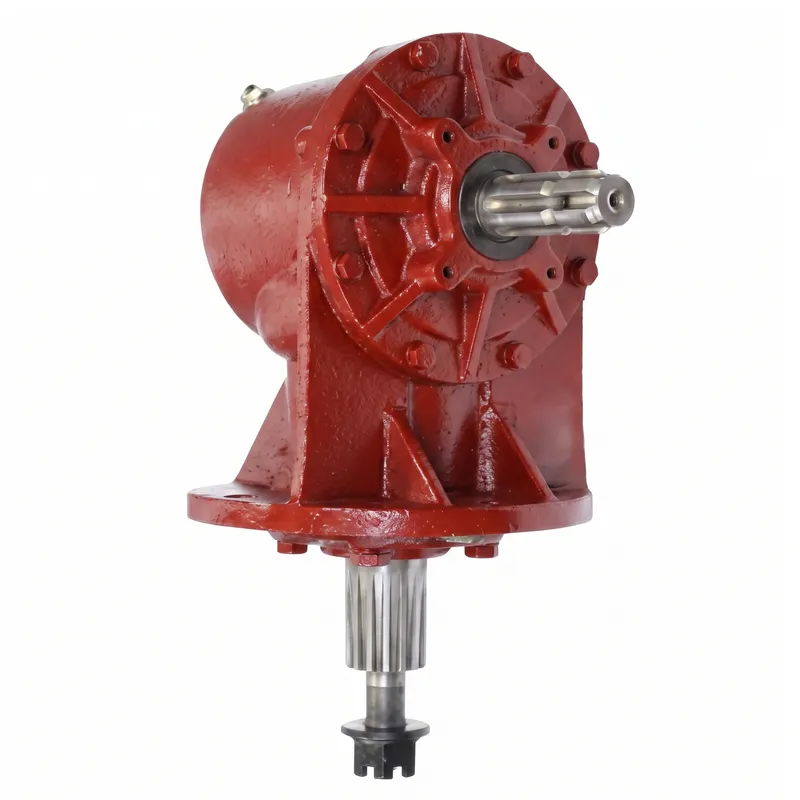
RC-61 Rotary Cutter Gearbox Replacement for Omni RC-61 Gearbox
-
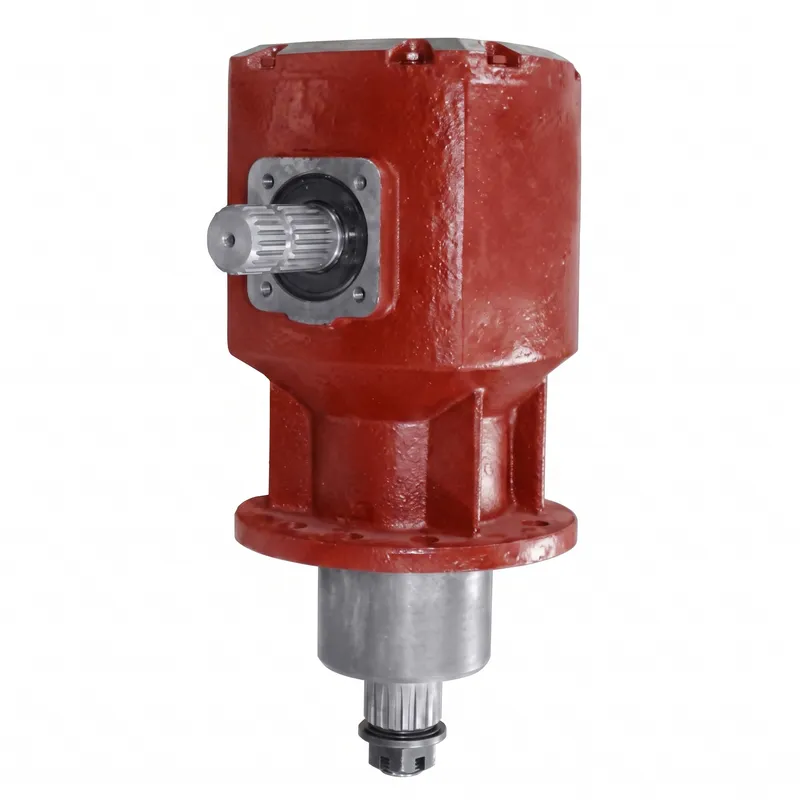
RC-120 Rotary Cutter Gearbox Replacement for Omni RC-120 Gearbox
-
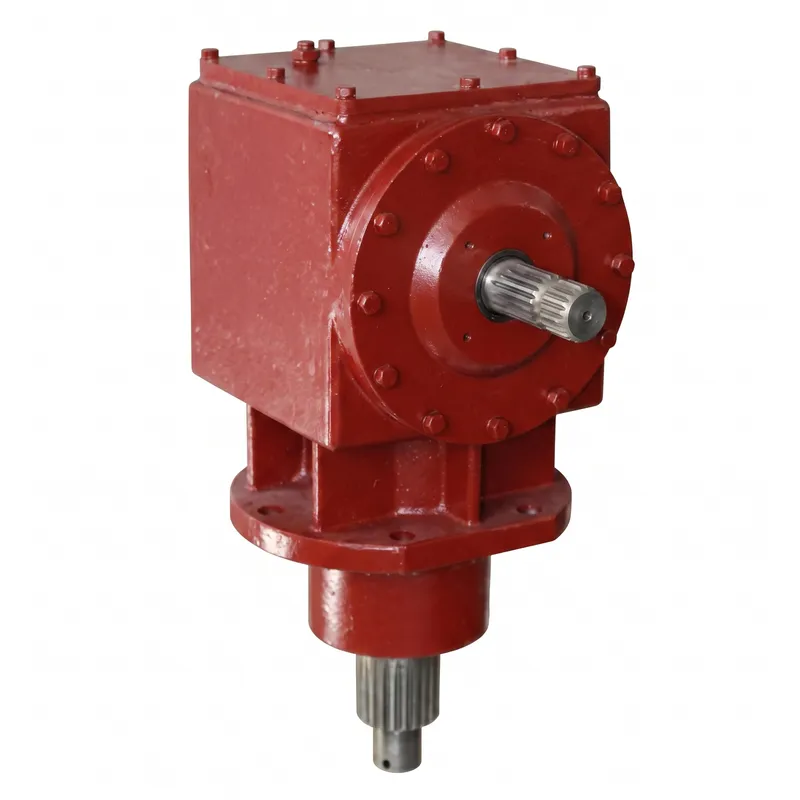
RC-200 Rotary Cutter Gearbox Replacement for Omni RC-200 Gearbox
-
RC-30 Rotary Cutter Gearbox Replacement for Omni RC-30 Gearbox