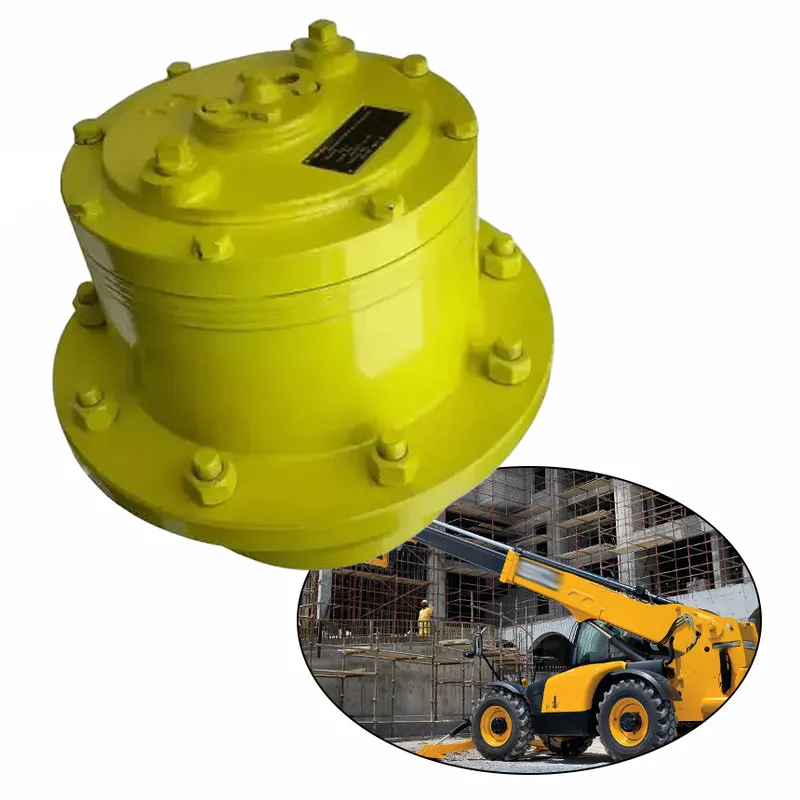
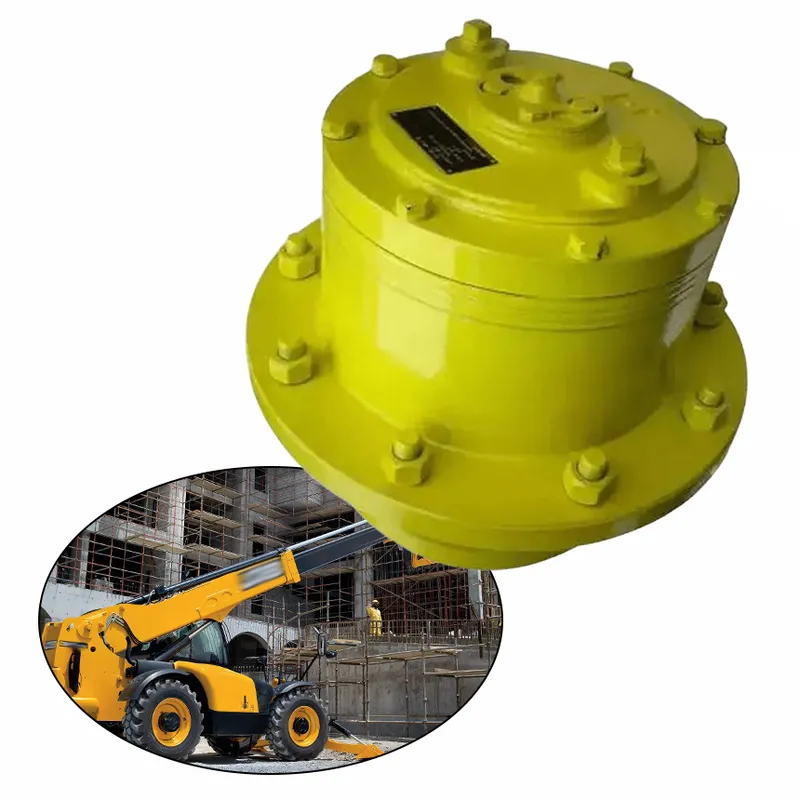
เกียร์ทดรอบแบบเฟืองดาวเคราะห์สำหรับรถยกแบบยืดได้
The planetary wheel drive gearbox is a specialized, compact gear system designed to provide torque multiplication and speed reduction, specifically for mobile heavy-duty machinery like telehandlers. It operates using an epicyclic gear arrangement, consisting of three primary components: a central sun gear, multiple planet gears mounted on a rotating carrier, and an outer stationary or rotating ring gear. When the input from a hydraulic or electric motor drives the sun gear, the planet gears orbit within the ring gear, evenly distributing the load across the system. This configuration amplifies torque and reduces output speed, delivering smooth and powerful motion directly to the wheel hub.
The planetary wheel drive gearbox is a specialized, compact gear system designed to provide torque multiplication and speed reduction, specifically for mobile heavy-duty machinery like telehandlers. It operates using an epicyclic gear arrangement, consisting of three primary components: a central sun gear, multiple planet gears mounted on a rotating carrier, and an outer stationary or rotating ring gear. When the input from a hydraulic or electric motor drives the sun gear, the planet gears orbit within the ring gear, evenly distributing the load across the system. This configuration amplifies torque and reduces output speed, delivering smooth and powerful motion directly to the wheel hub.
The planetary design ensures high efficiency, durability, and compactness, making it ideal for telehandlers, which require precise control, enhanced traction, and stability on rugged or uneven terrain. This wheel drive planetary gearbox system enables telehandlers to lift, extend, and maneuver heavy loads with precision while maintaining stability in construction and agricultural environments. Its robust design also minimizes wear and tear, ensuring long-lasting performance under extreme conditions.
มิติของระบบขับเคลื่อนล้อเฟืองดาวเคราะห์
คำจำกัดความทางเทคนิค
| สัญลักษณ์ | หน่วยวัด | คำอธิบาย |
| ฉัน | - | อัตราส่วนการลดลง |
| ที2แม็กซ์ | [นม] | แรงบิดเอาต์พุตสูงสุด |
| ที2พี | [นม] | แรงบิดเอาต์พุตสูงสุด |
| ที2แม็กซ์อินท์ | [นม] | แรงบิดสูงสุดแบบไม่ต่อเนื่อง |
| ที2คอนท์ | [นม] | แรงบิดเอาต์พุตต่อเนื่อง |
| พีคอนท์ | [กิโลวัตต์] | กำลังไฟฟ้าต่อเนื่องสูงสุด |
| ไพนต์ | [กิโลวัตต์] | กำลังสูงสุดแบบไม่ต่อเนื่อง |
| n1max | [รอบต่อนาที] | ความเร็วอินพุตสูงสุด |
| n2max | [รอบต่อนาที] | ความเร็วเอาต์พุตสูงสุด |
จีอาร์ 80
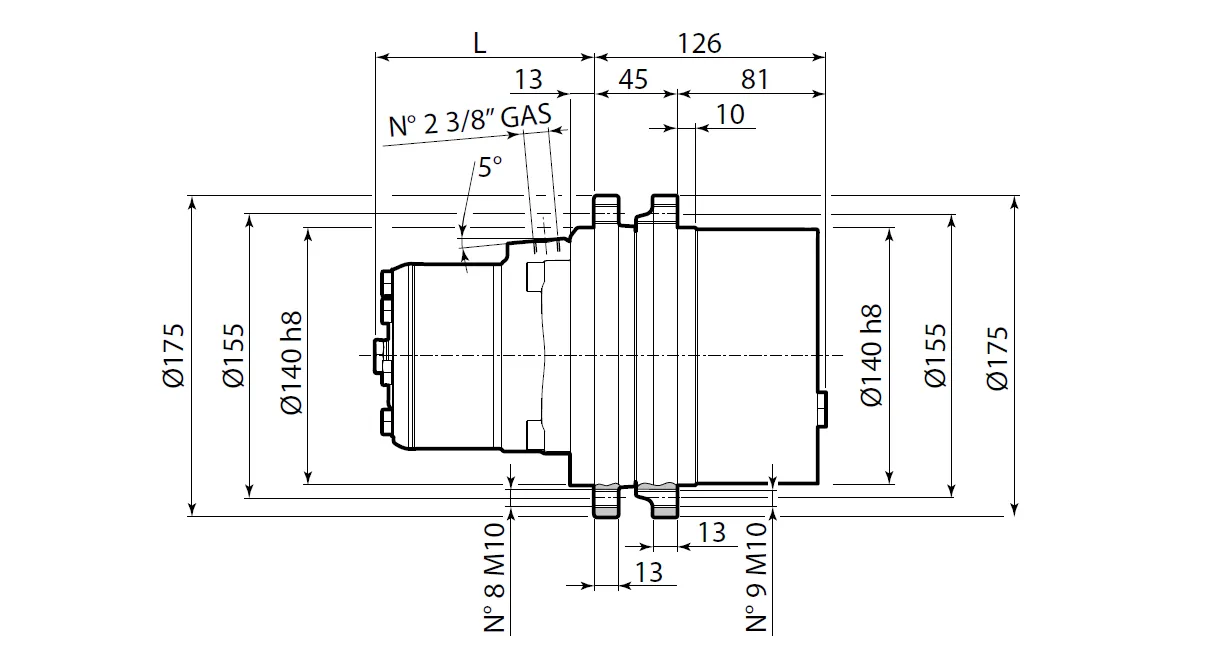
| พิมพ์ | มอเตอร์ดิสพลาซึม [cc] | การกระจายทั้งหมด [cc] | ฉัน | แรงบิด | ความเร็ว n2max | พลัง | |||||||
| ที2คอนท์ | ที2แม็กซ์อินท์ | ที2พี | พีคอนท์ [กิโลวัตต์] | ไพนต์ [กิโลวัตต์] | |||||||||
| [นม] | Δp [บาร์] | [นม] | Δp [บาร์] | [นม] | Δp [บาร์] | [รอบต่อนาที] | พอร์ตาตา ไหล [ลิตร/นาที] | ||||||
| จีอาร์80-เอ็มอาร์50 | 51,6 | 269,9 | 5,23 | 470 | 145 | 570 | 175 | 630 | 205 | 115 | 30 | 5,5 | 7 |
| จีอาร์80-เอ็มอาร์80 | 80,3 | 420,0 | 800 | 145 | 960 | 175 | 1060 | 205 | 68 | 30 | 5,5 | 7 | |
| จีอาร์80-เอ็มอาร์100 | 99,8 | 522,0 | 800 | 115 | 1000 | 145 | 1310 | 205 | 55 | 30 | 5,5 | 7 | |
| จีอาร์80-เอ็มอาร์125 | 125,7 | 657,4 | 800 | 95 | 1000 | 120 | 1500 | 190 | 45 | 30 | 5,5 | 7 | |
| จีอาร์80-เอ็มอาร์160 | 159,6 | 834,7 | 800 | 75 | 1000 | 95 | 1500 | 145 | 33 | 30 | 5 | 7 | |
| จีอาร์80-เอ็มอาร์200 | 199,8 | 1045,0 | 800 | 60 | 1000 | 75 | 1500 | 115 | 26 | 30 | 5 | 7 | |
| จีอาร์80-เอ็มอาร์250 | 249,3 | 1303,8 | 800 | 50 | 1000 | 60 | 1500 | 95 | 21 | 30 | 4,5 | 6 | |
จีอาร์ 200
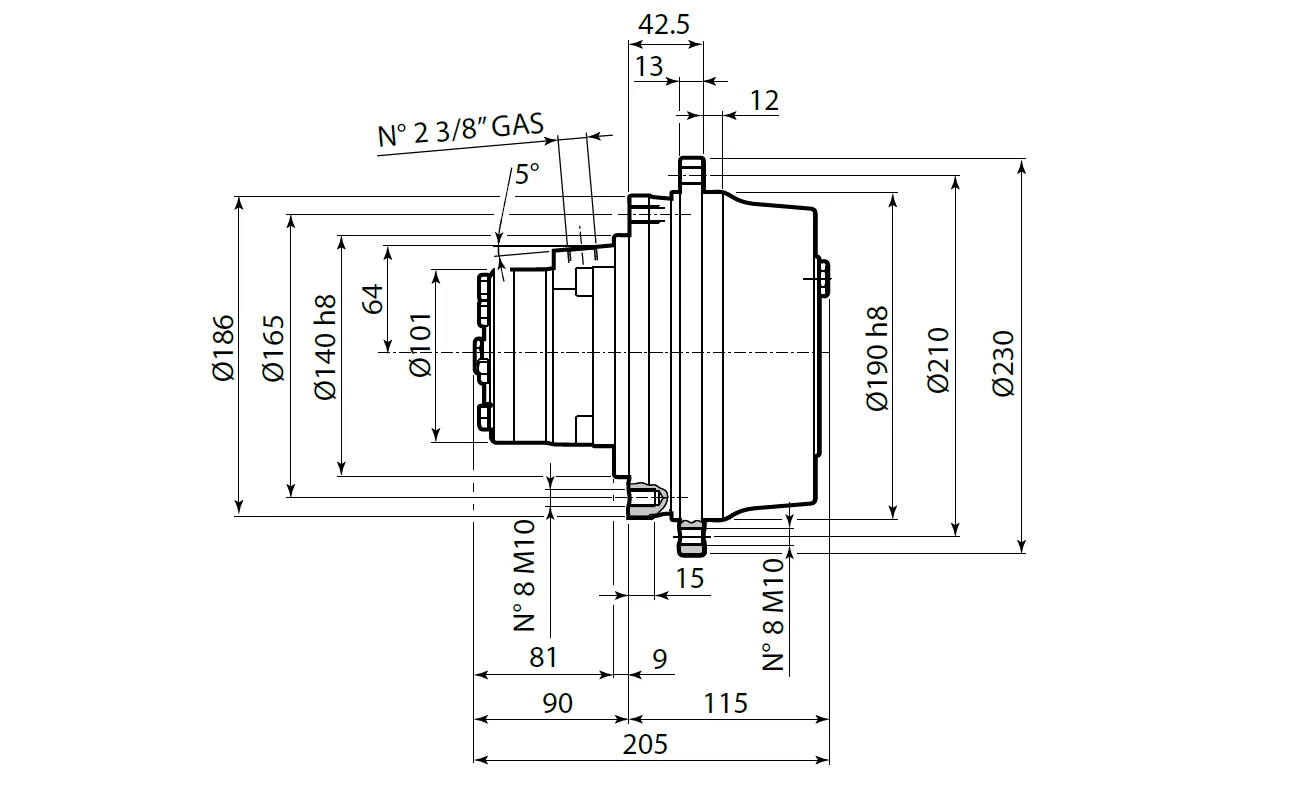
| พิมพ์ | มอเตอร์ดิสพลาซึม [cc] | การกระจายทั้งหมด [cc] | ฉัน | แรงบิด | ความเร็ว n2สูงสุด | พลัง | |||||||
| ที2ต่อ | ที2แม็กซ์อินท์ | ที2พี | พีคอนท์ [กิโลวัตต์] | ไพนต์ [กิโลวัตต์] | |||||||||
| [นม] | Δp [บาร์] | [นม] | Δp [บาร์] | [นม] | Δp [บาร์] | [รอบต่อนาที] | พอร์ตาตา ไหล [ลิตร/นาที] | ||||||
| จีอาร์200-เอ็มอาร์50 | 51,6 | 319,9 | 6,20 | 560 | 145 | 670 | 175 | 740 | 205 | 98 | 30 | 5,5 | 7 |
| จีอาร์200-เอ็มอาร์80 | 80,3 | 497,9 | 950 | 145 | 1150 | 175 | 1250 | 205 | 58 | 30 | 5,5 | 7 | |
| จีอาร์200-เอ็มอาร์100 | 99,8 | 618,8 | 1180 | 145 | 1420 | 175 | 1560 | 205 | 46 | 30 | 5,5 | 7 | |
| จีอาร์200-เอ็มอาร์125 | 125,7 | 779,3 | 1450 | 145 | 1750 | 175 | 1920 | 205 | 38 | 30 | 5,5 | 7 | |
| จีอาร์200-เอ็มอาร์160 | 159,6 | 989,5 | 1600 | 125 | 2100 | 165 | 2450 | 205 | 29 | 30 | 5 | 7 | |
| จีอาร์200-เอ็มอาร์200 | 199,8 | 1238,8 | 1600 | 100 | 2150 | 135 | 2500 | 165 | 23 | 30 | 5 | 7 | |
| จีอาร์200-เอ็มอาร์250 | 249,3 | 1545,7 | 1600 | 80 | 2150 | 105 | 2500 | 135 | 18 | 30 | 4,5 | 6 | |
| จีอาร์200-เอ็มอาร์315 | 315,7 | 1957,3 | 1600 | 65 | 2150 | 85 | 2500 | 110 | 15 | 30 | 4 | 5 | |
| จีอาร์200-เอ็มอาร์375 | 372,6 | 2310,1 | 1600 | 55 | 2150 | 70 | 2500 | 90 | 12 | 30 | 3,5 | 4,5 | |
อีเอช 210
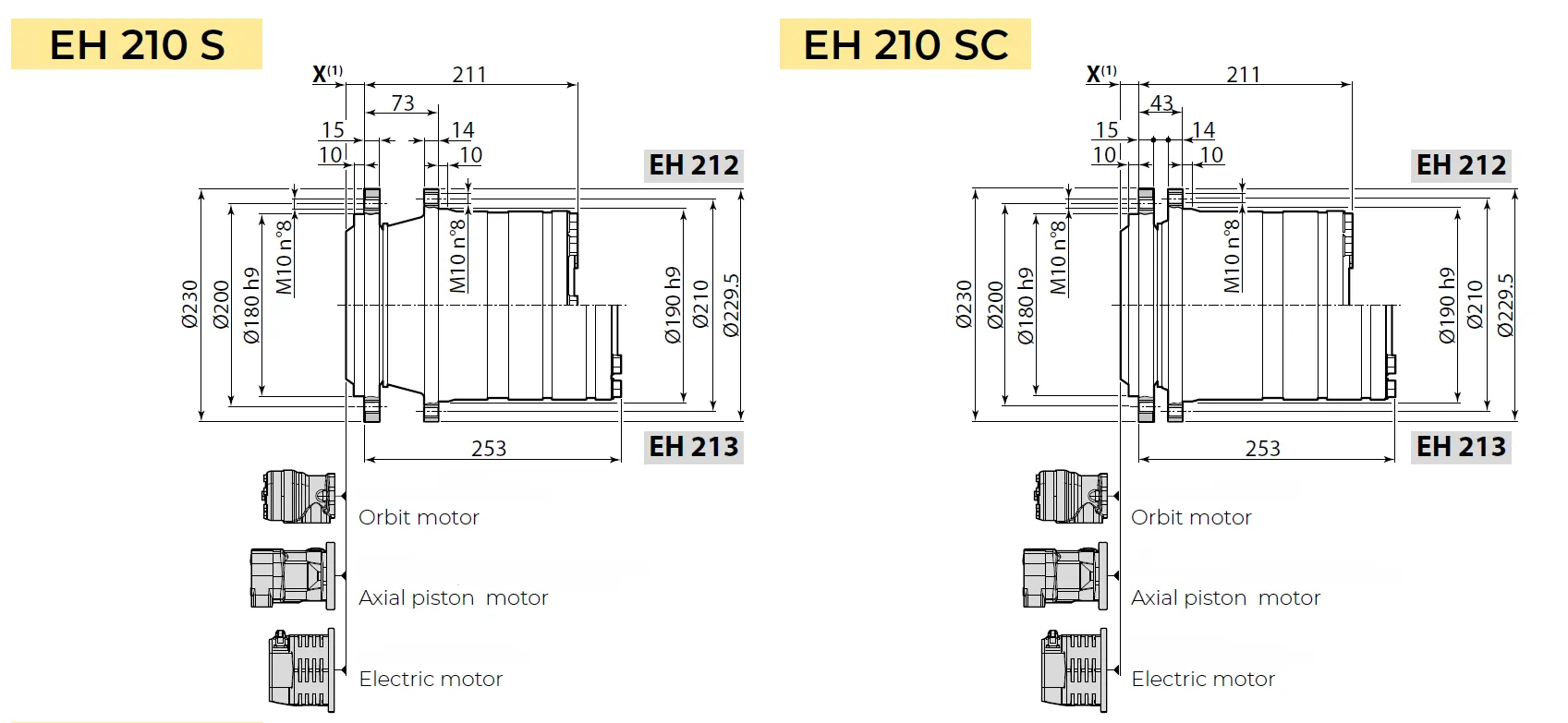
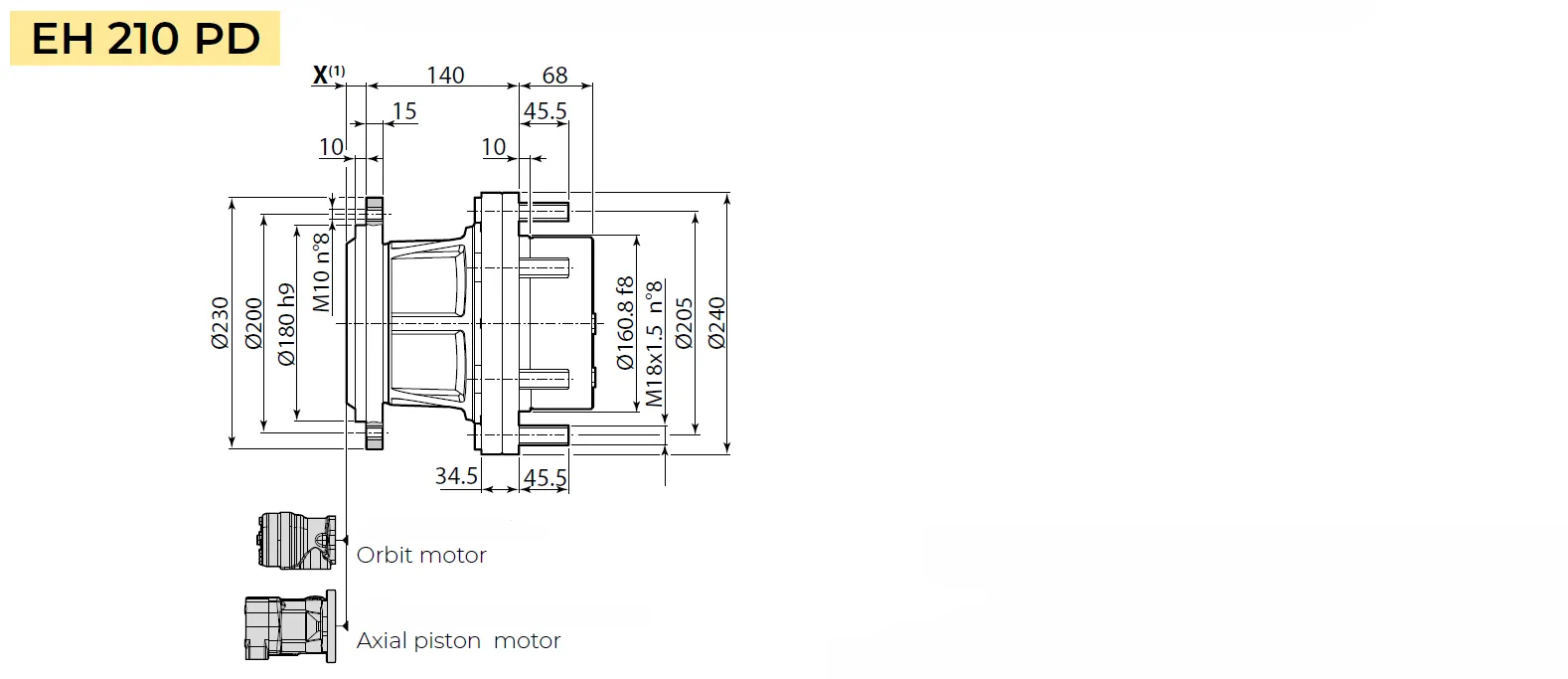
| พิมพ์ | น้ำหนัก | ปริมาณน้ำมัน | i (da÷a / From÷to) | ที2แม็กซ์ [นม] | n1max [รอบต่อนาที] | ||||
| อีเอช 212 | อีเอช 213 | อีเอช 212 | อีเอช 213 | อีเอช 212 | อีเอช 213 | ||||
| อีเอช 210 เอส | 35 | 40 | 0.8 | 1 | 11 ÷ 29 | 41 ÷ 129 | 3950 | 3500 | |
| อีเอช 210 เอสซี | |||||||||
| อีเอช 210 พีดี | - | - | |||||||
อีเอช 240
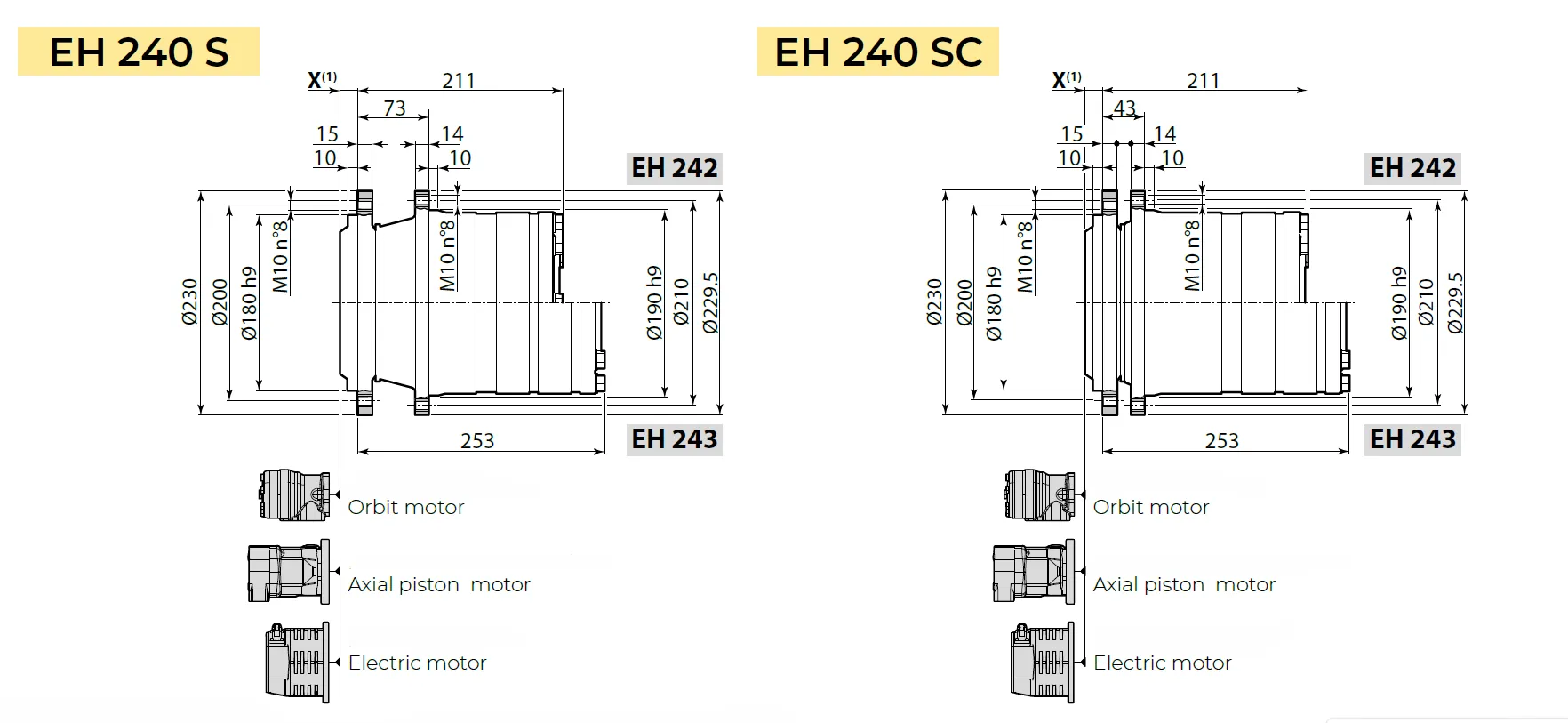
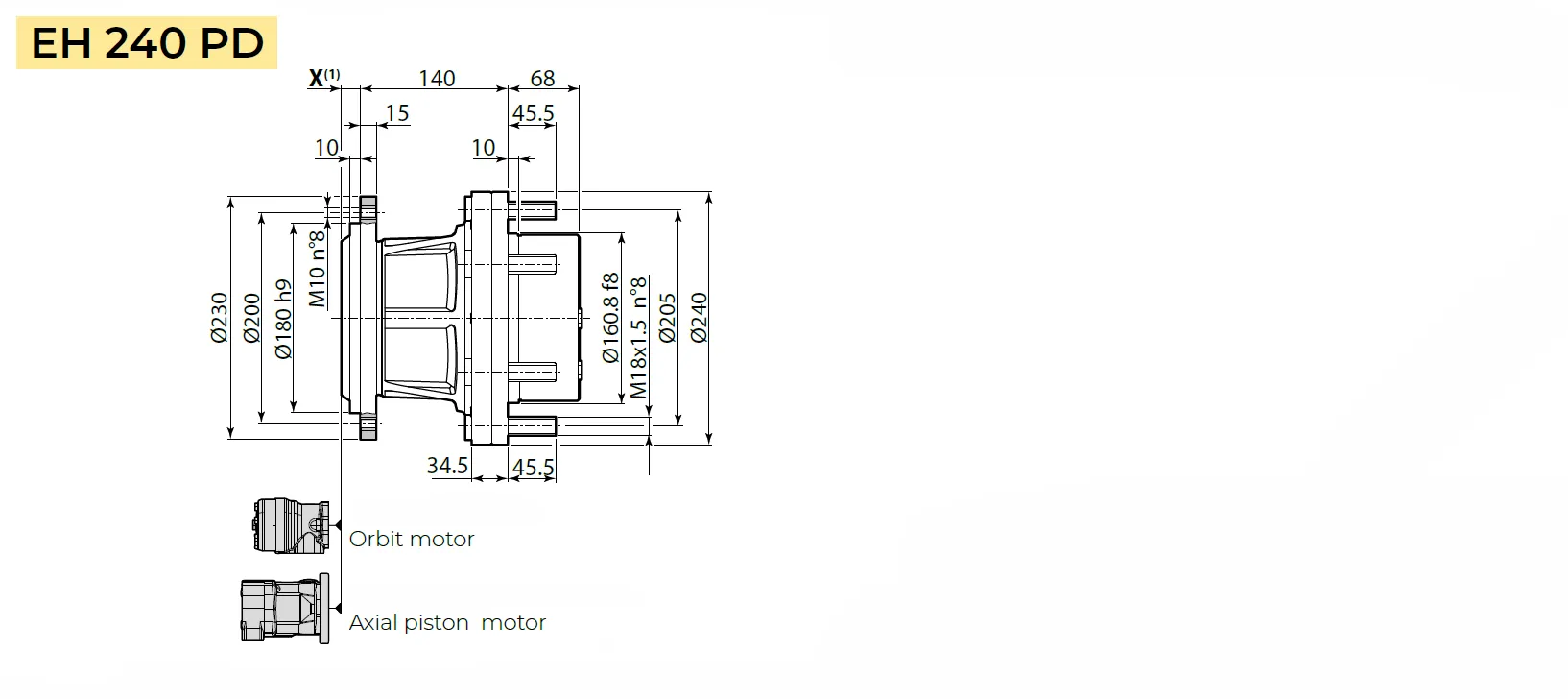
| พิมพ์ | น้ำหนัก | ปริมาณน้ำมัน | i (da÷a / From÷to) | ที2แม็กซ์ [นม] | n1max [รอบต่อนาที] | ||||
| อีเอช 242 | อีเอช 243 | อีเอช 242 | อีเอช 243 | อีเอช 242 | อีเอช 243 | ||||
| อีเอช 240 เอส | 35 | 40 | 0.8 | 1 | 12 ÷ 31 | 45 ÷ 135 | 5600 | 3500 | |
| อีเอช 240 เอสซี | |||||||||
| อีเอช 240 พีดี | - | - | |||||||
อีเอช 350
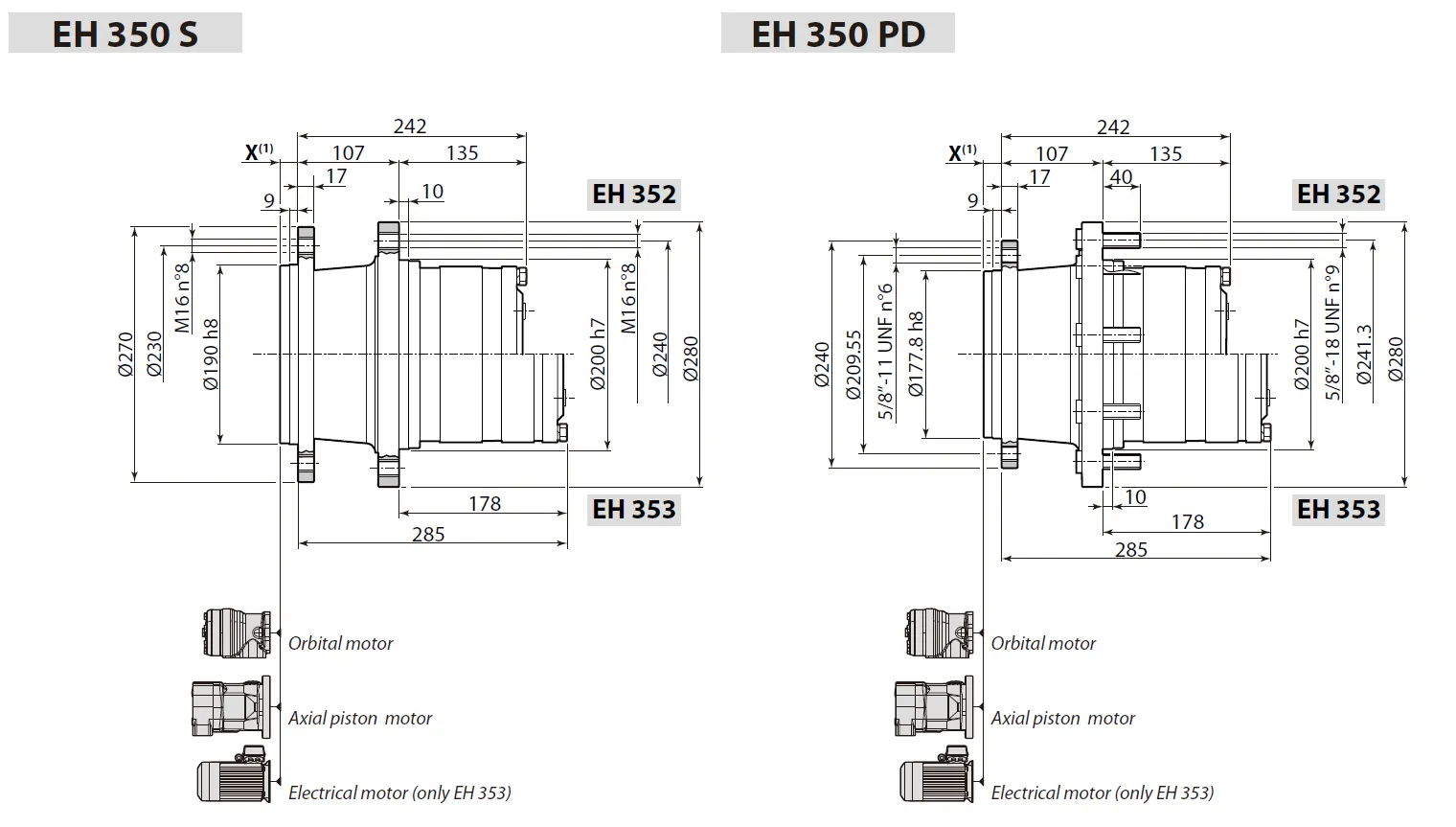
| พิมพ์ | น้ำหนัก | ปริมาณน้ำมัน | i (da÷a / From÷to) | ที2แม็กซ์ [นม] | n1max [รอบต่อนาที] | ||||
| อีเอช 352 | อีเอช 353 | อีเอช 352 | อีเอช 353 | อีเอช 352 | อีเอช 353 | ||||
| อีเอช 350 เอส | 55 | 60 | 1 | 1.2 | 15 ÷ 31 | 52 ÷ 135 | 7200 | 3500 | |
| อีเอช 350 พีดี | |||||||||
อีเอช 610
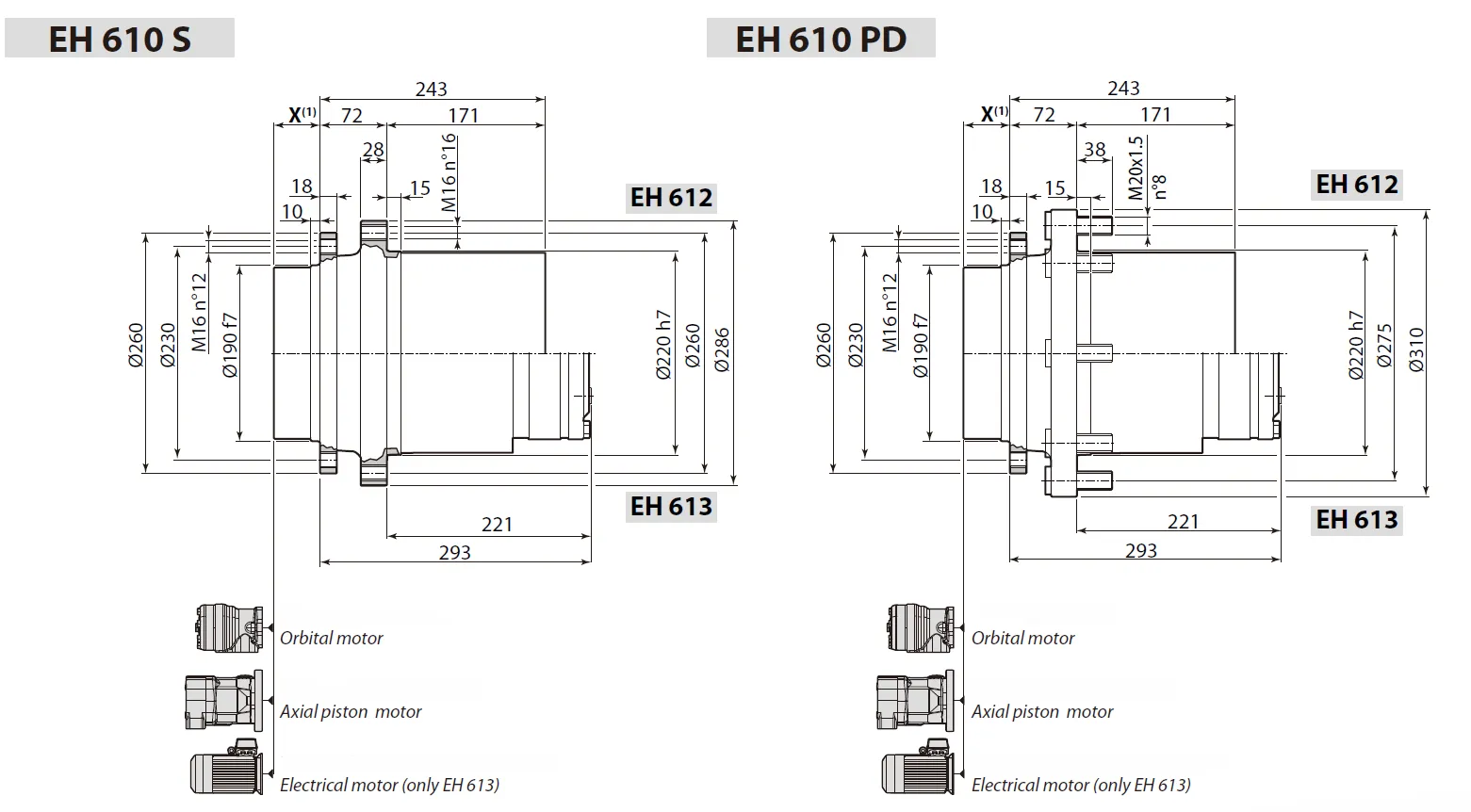
| พิมพ์ | น้ำหนัก | ปริมาณน้ำมัน | i (da÷a / From÷to) | ที2แม็กซ์ [นม] | n1max [รอบต่อนาที] | ||||
| อีเอช 612 | อีเอช 613 | อีเอช 612 | อีเอช 613 | อีเอช 612 | อีเอช 613 | ||||
| อีเอช 610 เอส | 60 | 70 | 1.2 | 1.5 | 12 ÷ 31 | 47 ÷ 138 | 13500 | 3500 | |
| อีเอช 610 พีดี | |||||||||
อีเอช 910
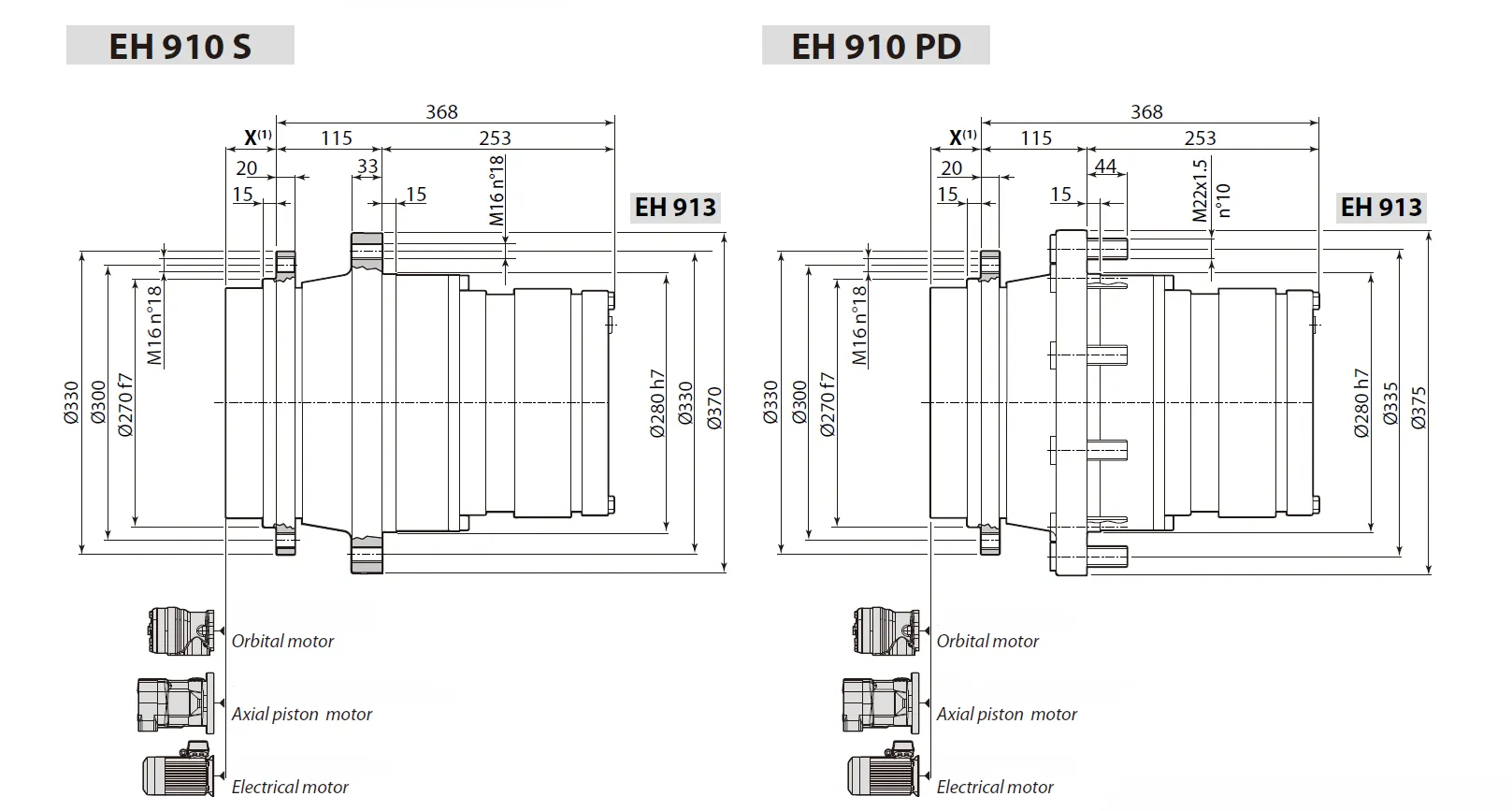
| พิมพ์ | น้ำหนัก | ปริมาณน้ำมัน | i (da÷a / From÷to) | ที2แม็กซ์ | n1max | |
| อีเอช 913 | อีเอช 913 | อีเอช 913 | [นม] | [รอบต่อนาที] | ||
| อีเอช 910 เอส | 130 | 1 | 47 ÷ 131 | 24200 | 3500 | |
| อีเอช 910 พีดี | ||||||
เวอร์ชั่น S

| ขนาด | มิติ | ||||||||||
| ดี1 | ดี2 | ดี3 | ดี4 | ดี5 | ดี6 | ดี7 | ดี8 | แอล1 | แอล2 | แอล3 | |
| อีเอช 210 เอส | 230 | 200 | 180 น. | 190 น. | 210 | 229.5 | M10 หมายเลข 8 | M10 หมายเลข 8 | 253 | 73 | 180 |
| อีเอช 240 เอส | 230 | 200 | 180 น. | 190 น. | 210 | 229.5 | M10 หมายเลข 8 | M10 หมายเลข 8 | 253 | 73 | 180 |
| อีเอช 350 เอส | 270 | 230 | 190 น. | 200 ชั่วโมง | 240 | 280 | M16 หมายเลข 8 | M16 หมายเลข 8 | 242 | 107 | 178 |
| อีเอช 610 เอส | 260 | 230 | 190 ฟ7 | 220 น. | 260 | 286 | M16 หมายเลข 12 | M16 หมายเลข 16 | 243 | 72 | 171 |
| อีเอช 910 เอส | 330 | 300 | 270 ฟ7 | 280 น. | 350 | 370 | M16 หมายเลข 18 | M16 หมายเลข 18 | 368 | 115 | 253 |
เวอร์ชัน PD
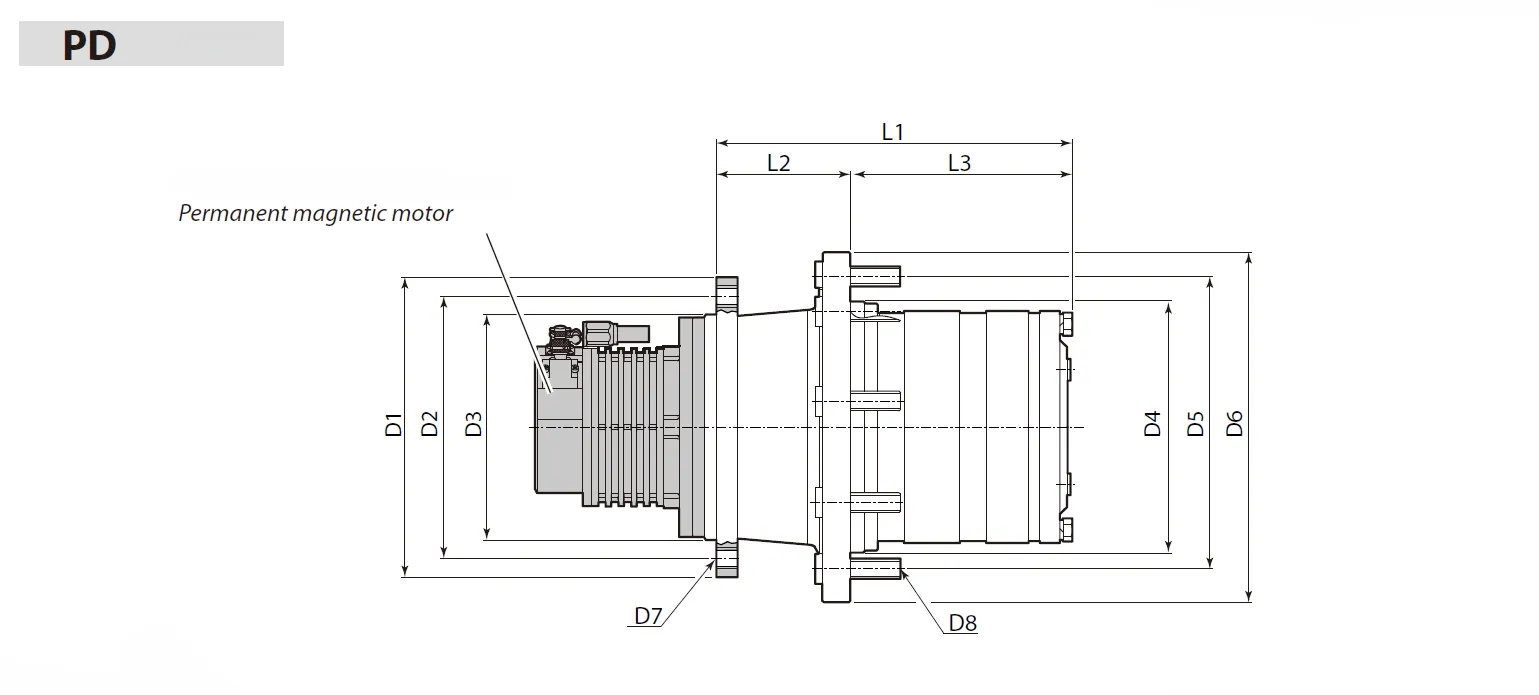
| ขนาด | มิติ | ||||||||||
| ดี1 | ดี2 | ดี3 | ดี4 | ดี5 | ดี6 | ดี7 | ดี8 | แอล1 | แอล2 | แอล3 | |
| อีเอช 210 พีดี | 230 | 200 | 180 น. | 160.8 ฟ.8 | 205 | 240 | M10 (8x) | M18x1.5 (6x) | 210 | 140 | 70 |
| อีเอช 240 พีดี | 230 | 200 | 180 น. | 160.8 ฟ.8 | 205 | 240 | M10 (8x) | M18x1.5 (6x) | 210 | 140 | 70 |
| อีเอช 350 พีดี | 240 | 209.55 | 177.8 ชั่วโมง | 200 ชั่วโมง | 241.3 | 280 | 5/8"-11 UNC (6x) | 5/8"-19 UNF (9x) | 285 | 107 | 178 |
| อีเอช 610 พีดี | 260 | 230 | 190 ฟ7 | 220 น. | 275 | 310 | M16 (12x) | M20x1.5 (8x) | 293 | 72 | 221 |
| อีเอช 910 พีดี | 330 | 300 | 270 ฟ7 | 280 น. | 335 | 375 | M16 (18x) | M22x1.5 (10x) | 368 | 115 | 253 |
Telehandler Planetary Wheel Drive Gearbox Advantages
1. ดีไซน์กะทัดรัดและประหยัดพื้นที่
Planetary wheel drive gearboxes feature a highly compact structure that integrates multiple gears within a small footprint, making them ideal for telehandlers where space constraints are critical. This design allows for seamless installation in wheel hubs, reducing overall vehicle weight and enhancing maneuverability on construction sites without compromising performance.
2. High Torque Transmission and Power Density
These wheel drive gearboxes excel in delivering exceptional torque multiplication, enabling telehandlers to handle heavy loads and steep inclines with ease. By distributing torque evenly among multiple planet gears, they achieve high power density, which translates to superior lifting and propulsion capabilities in demanding applications like agriculture and material handling.
3. Enhanced Efficiency and Energy Savings
Planetary gearboxes operate with high mechanical efficiency, often exceeding 95%, due to their precise gear meshing and reduced friction losses. In telehandlers, this efficiency contributes to lower fuel consumption or extended battery life in electric models, promoting cost-effective operations over extended periods.
4. Superior Durability and Reliability
Built with robust materials and a design that spreads stress across several gears, planetary wheel drives offer exceptional longevity and resistance to shock loads common in telehandler usage. This reliability minimizes downtime from failures, ensuring consistent performance in harsh environments such as rough terrain or extreme weather conditions.
5. Versatile Speed Reduction and Ratio Flexibility
These planetary gearboxes provide a wide range of gear ratios, allowing precise control over speed and torque to match specific telehandler tasks, from slow, high-torque lifting to faster travel modes. This versatility enhances operational adaptability, enabling seamless transitions between functions without additional hardware.
6. Low Noise and Vibration Levels
The inherent design of planetary gear reducers, with balanced gear interactions, significantly reduces operational noise and vibrations, creating a more comfortable working environment for telehandler operators. This feature is particularly beneficial during prolonged use in noise-sensitive areas like urban construction sites.
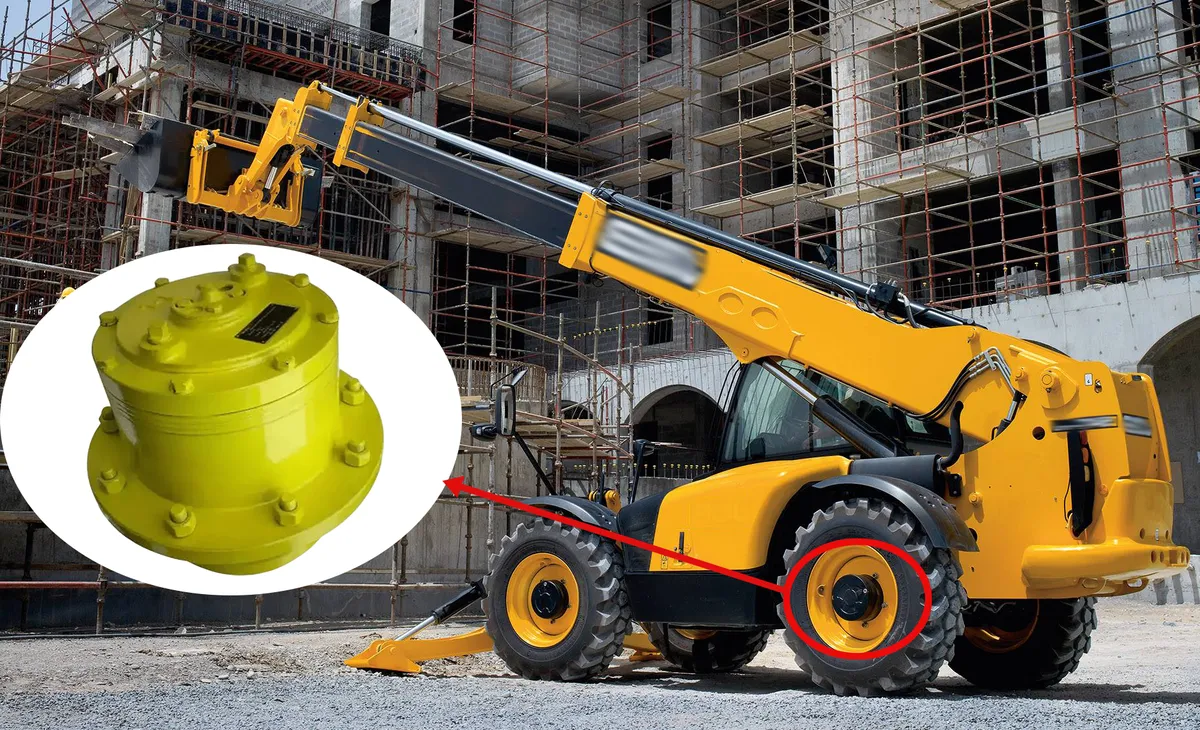
Wheel Drive Planetary Gearbox Application Fields
1. เครื่องจักรกลก่อสร้าง
Wheel drive planetary gearboxes are extensively utilized in construction equipment such as excavators, loaders, and bulldozers, where they facilitate wheel drives, track drives, and slew drives for reliable torque transmission under harsh conditions. Their compact design and high torque density enable efficient handling of heavy loads and rough terrains, enhancing machine performance and durability in demanding construction environments.
2. Mining and Quarrying Operations
Wheel drive gearboxes play a vital role in mining machinery like dump trucks, underground loaders, and drilling rigs, delivering exceptional torque for wheel and track propulsion in extreme environments. Their ability to handle shock loads and high stresses makes them ideal for continuous heavy-duty use, supporting efficient material extraction and transport while minimizing downtime in challenging subterranean or open-pit settings.
3. Agricultural Equipment
In agricultural vehicles, including tractors, harvesters, and sprayers, these planetary gearboxes are integrated into wheel hubs to provide robust propulsion and speed reduction, allowing for precise control over varying field conditions. They ensure high efficiency in torque distribution, which is essential for tasks such as plowing, seeding, and harvesting, while withstanding exposure to dust, moisture, and uneven ground for prolonged operational reliability.
4. Material Handling and Logistics
These wheel drive planetary gearboxes are commonly applied in automated guided vehicles (AGVs), forklifts, and industrial trucks within warehouses and distribution centers, enabling precise wheel hub drives for smooth navigation and load carrying. The design's space efficiency and high power density facilitate seamless integration into compact systems, improving maneuverability in confined spaces and boosting throughput in logistics operations.
5. Forestry Machinery
In forestry equipment such as log loaders, forwarders, and harvesters, planetary wheel drives provide the necessary torque multiplication for traversing dense woodlands and handling timber loads effectively. Their durable construction resists impacts from debris and uneven surfaces, ensuring stable performance during cutting, skidding, and transporting activities, which are crucial for sustainable forest management practices.
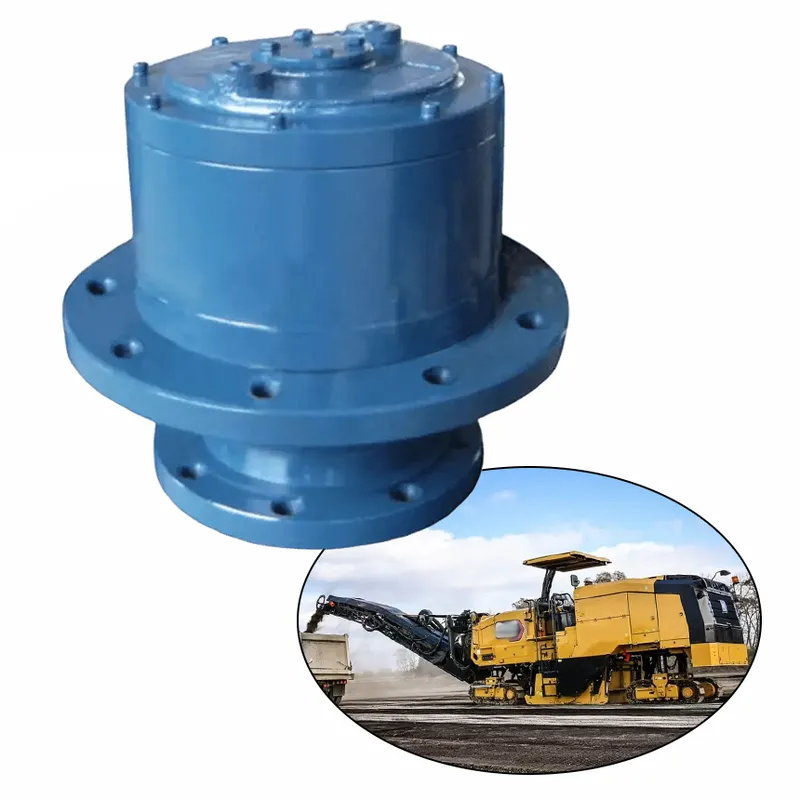
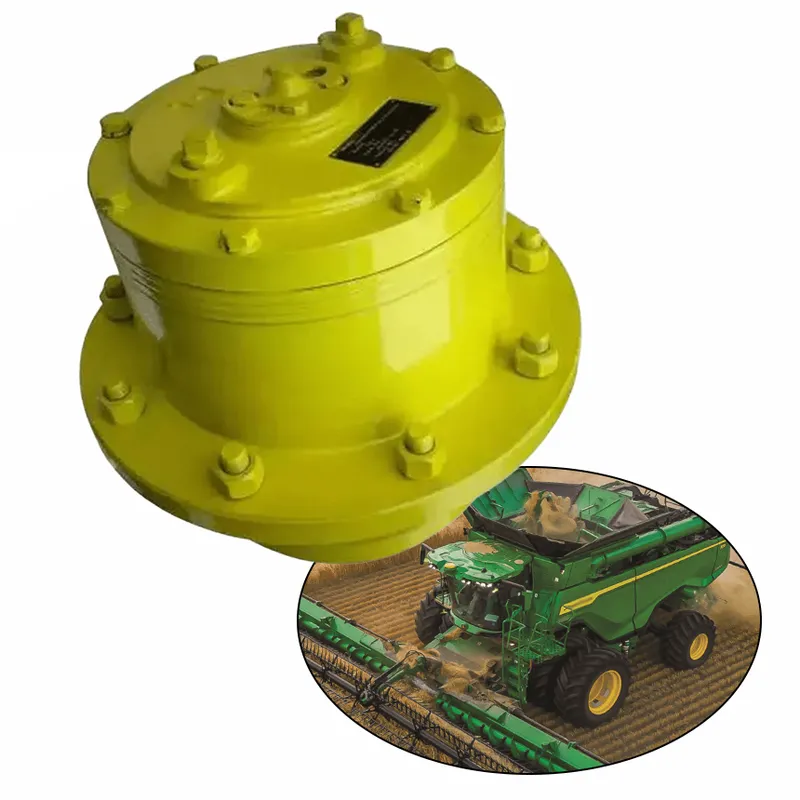
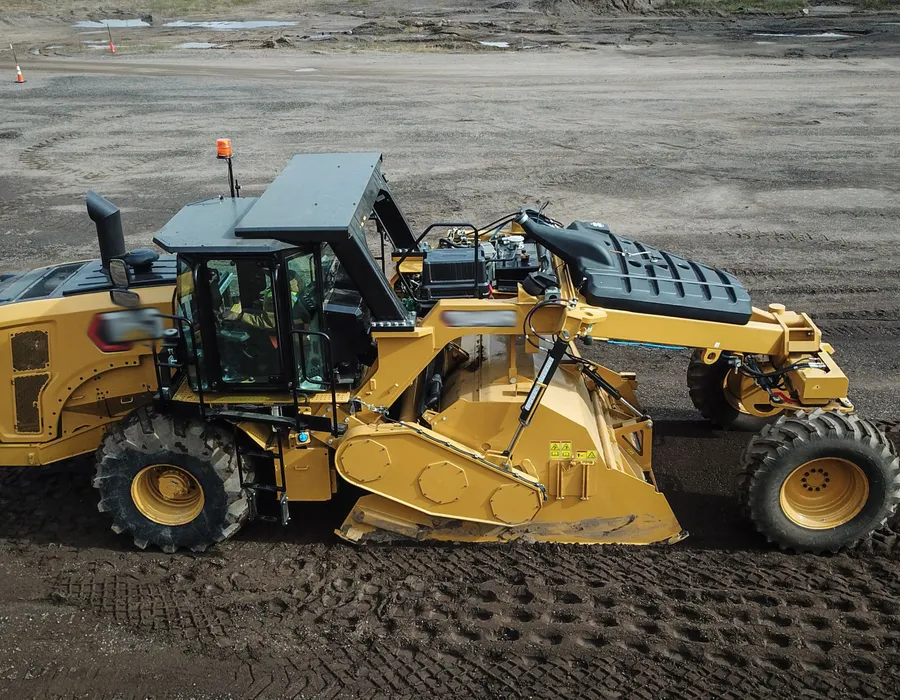 | 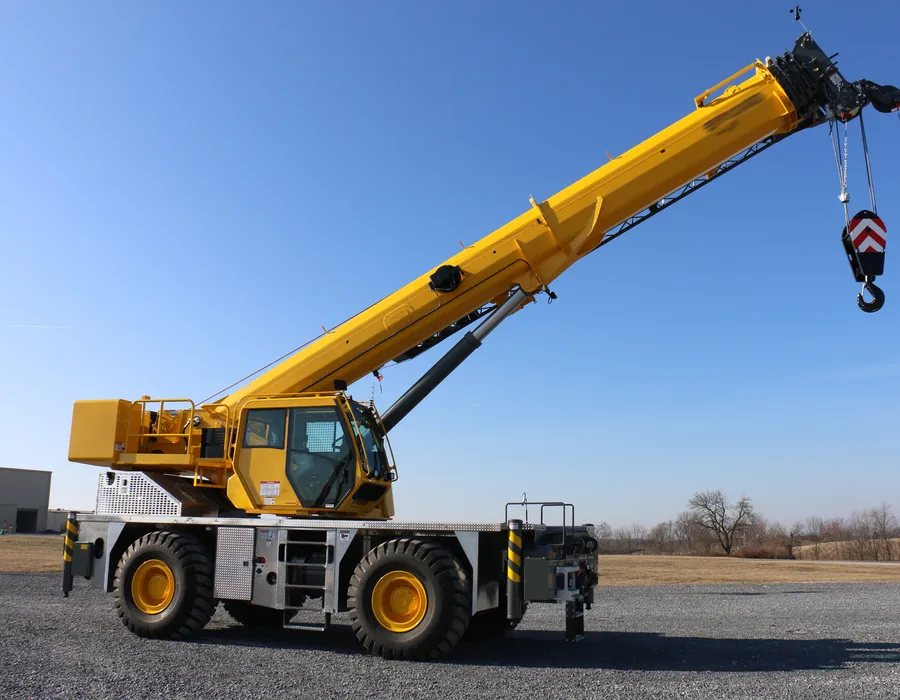 |
| ระบบขับเคลื่อนล้อแบบดาวเคราะห์สำหรับเครื่องถมถนน | ระบบขับเคลื่อนล้อแบบเฟืองดาวเคราะห์สำหรับเครนล้อ |
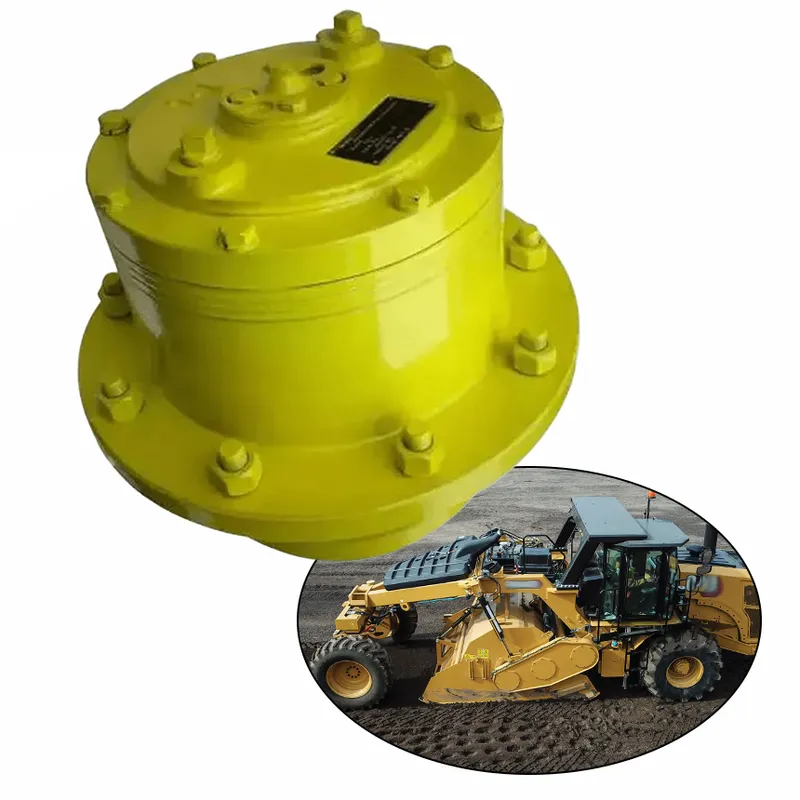
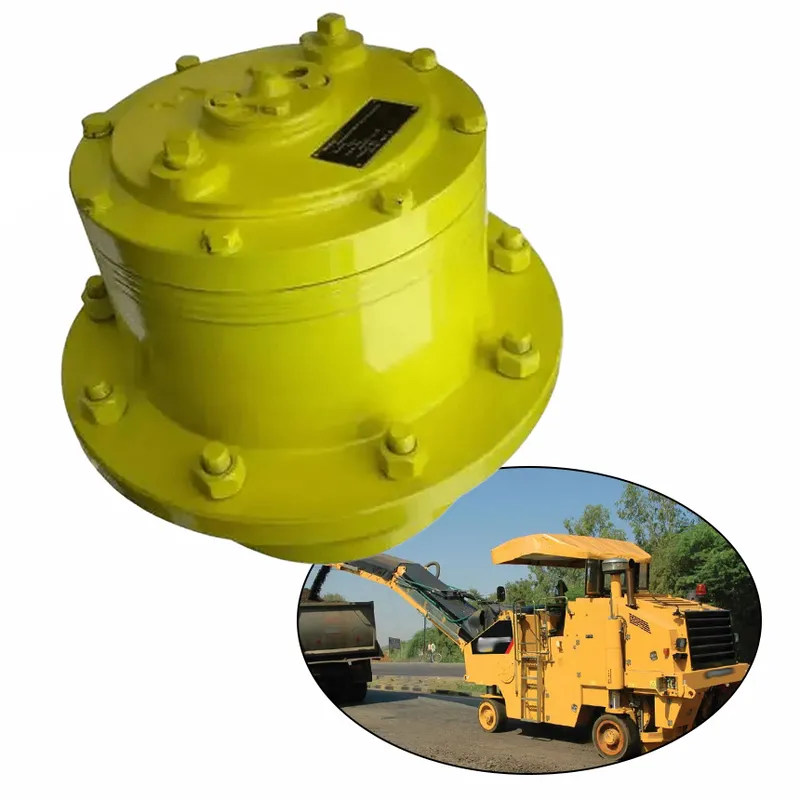
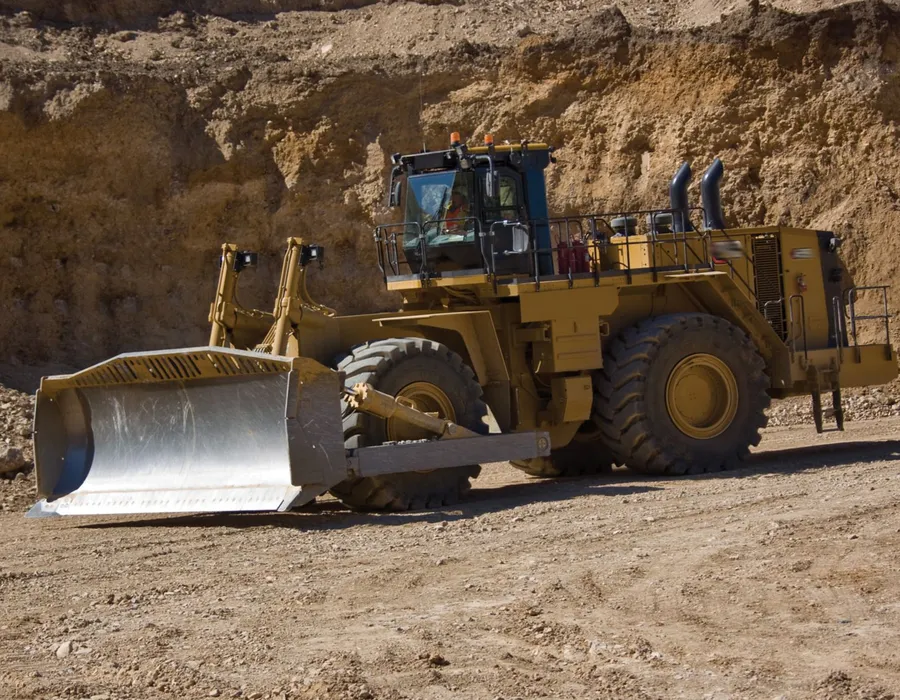 |  |
| ระบบขับเคลื่อนล้อแบบดาวเคราะห์สำหรับรถดันดินล้อเลื่อนในเหมืองแร่ | ระบบขับเคลื่อนล้อแบบดาวเคราะห์สำหรับเครื่องพ่นสารเคมีแบบบูม |
Telehandler Planetary Wheel Drive Troubleshooting
1. Oil Leakage Issues
Oil leakage in planetary wheel drive gearboxes often occurs at seals, joints, or observation windows due to worn oil seals, damaged gaskets, or excessive lubricating oil levels. To troubleshoot, inspect seals and gaskets for damage, tighten loose bolts, drain and clean the oil system, replace with high-quality lubricant according to manufacturer specifications, and ensure coaxial alignment during installation to prevent recurrence and maintain operational integrity.
2. Excessive Noise and Vibration
Abnormal noise and vibration may stem from worn gears, loose bolts, damaged bearings, or foreign objects within the planetary gear reducer, impacting stability in telehandler operations. Troubleshooting involves dismantling for inspection, replacing damaged components, adjusting chain tightness if applicable, tightening bolts, and ensuring proper lubrication to reduce friction and restore smooth performance.
3. Overheating Problems
Overheating in wheel drive planetary gearboxes can result from poor lubricant quality, inadequate lubrication, excessive loads, or high operational speeds, leading to degraded efficiency and potential failure. Address this by monitoring temperature regularly, using recommended lubricant grades, reducing input speeds or loads, improving heat dissipation, and replacing damaged bearings to ensure sustained functionality.
4. Gear and Bearing Wear
Wear on gears and bearings is common due to insufficient lubrication, contamination, or misalignment, causing pitting, gluing, or tooth deviation that affects torque transmission in telehandlers. Troubleshoot by conducting preventive maintenance, inspecting for metal residue in oil, replacing worn parts, and maintaining clean environments to extend component lifespan and minimize downtime.
5. Lubricant Contamination
Contamination from dust, dirt, or impurities accelerates wear on gears and bearings, reducing gearbox efficiency in demanding telehandler applications. To resolve, perform regular oil inspections and changes, clean the gearbox interior, use protective covers to prevent ingress of foreign particles, and adhere to scheduled maintenance to preserve lubricant quality and system reliability.
ข้อมูลเพิ่มเติม
| เรียบเรียงโดย | วายเจเอ็กซ์ |
|---|