Planeettavinssin käyttö
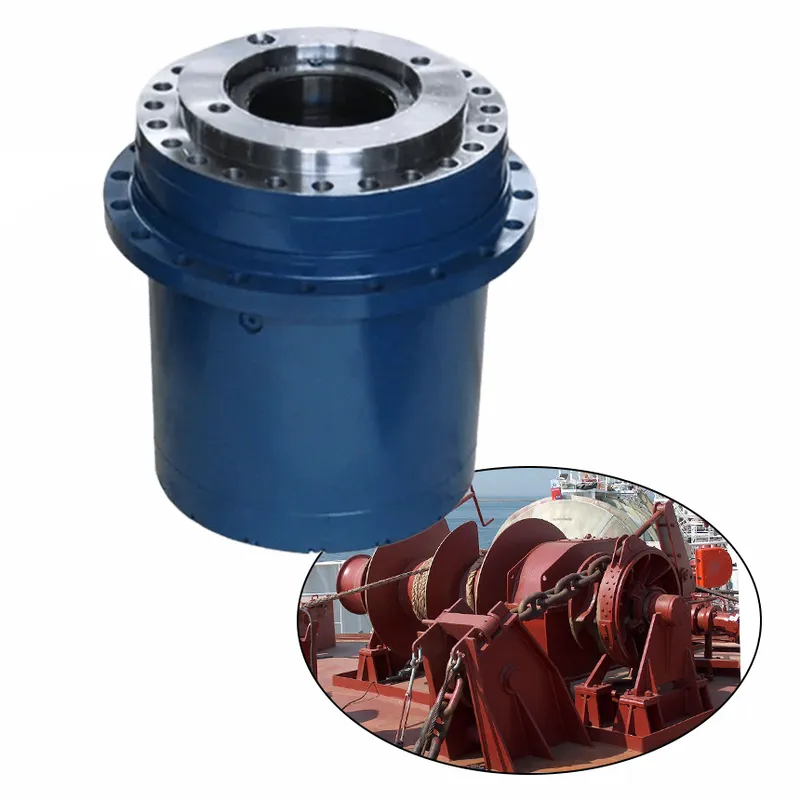
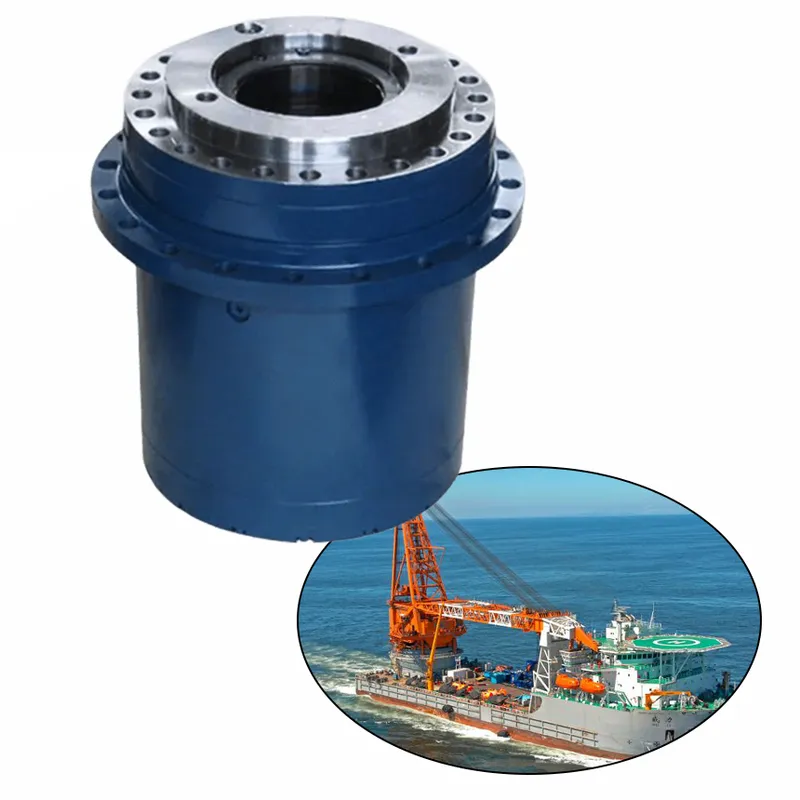
The planetary winch drive, also known as the winch drive planetary gearbox, is a specialized planetary gear system employed in heavy-duty applications requiring high torque and compact design. Commonly integrated into equipment such as anchor windlasses, tugger winches, offshore construction vessels, platforms, and hoisting systems, it supports reliable operation in marine, industrial, and construction environments by providing precise control over lifting and pulling forces while maintaining durability and ease of integration into drum assemblies.
Planetary Winch Drive for Different Applications
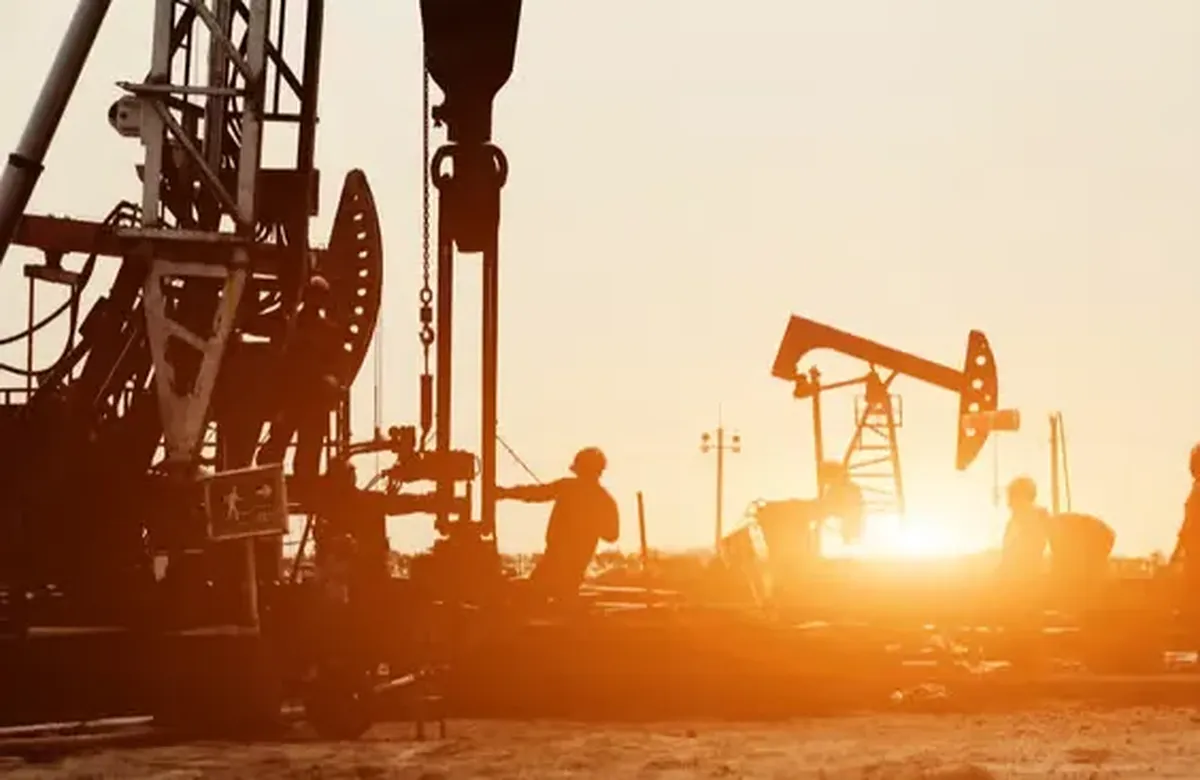
Drilling rigs benefit from their use in drawworks and hoisting equipment, enabling precise control over drilling tools and pipe handling in petroleum operations. Mine hoisting equipment employs planetary winch drives for vertical transport of materials and personnel, offering high load capacity and reliability in underground settings.
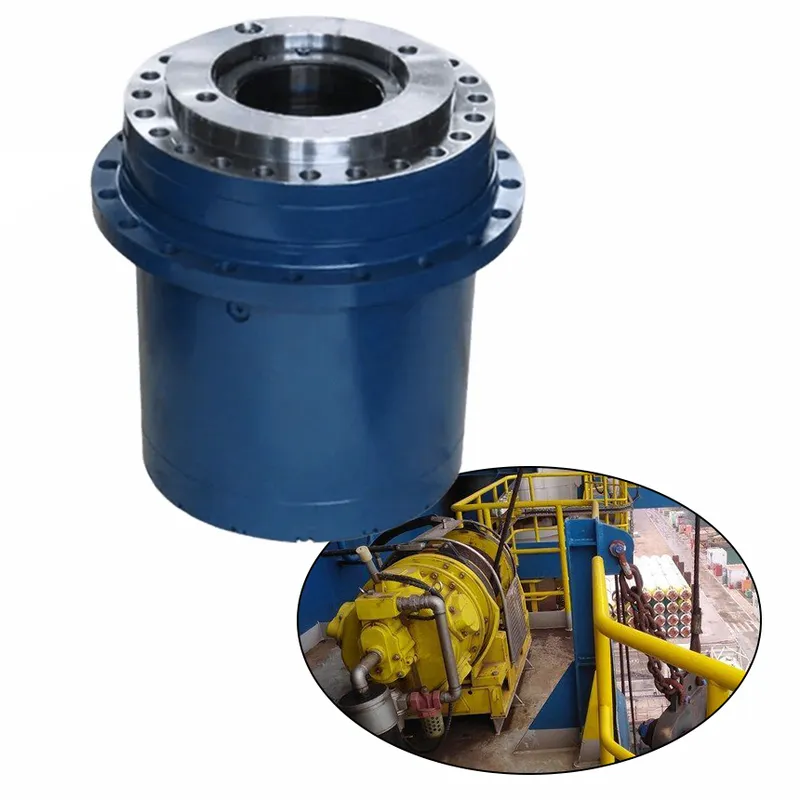
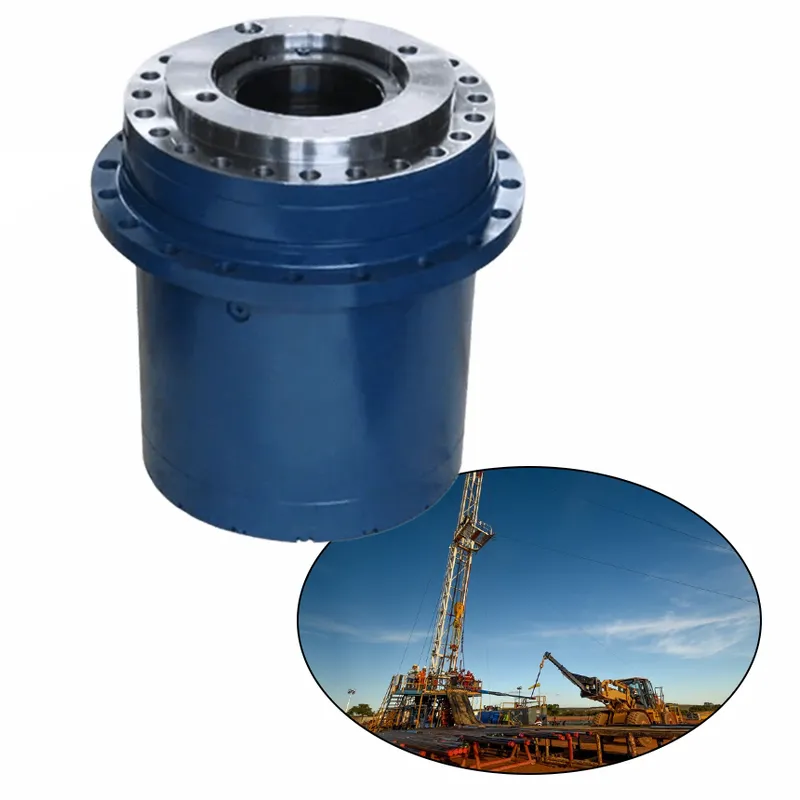
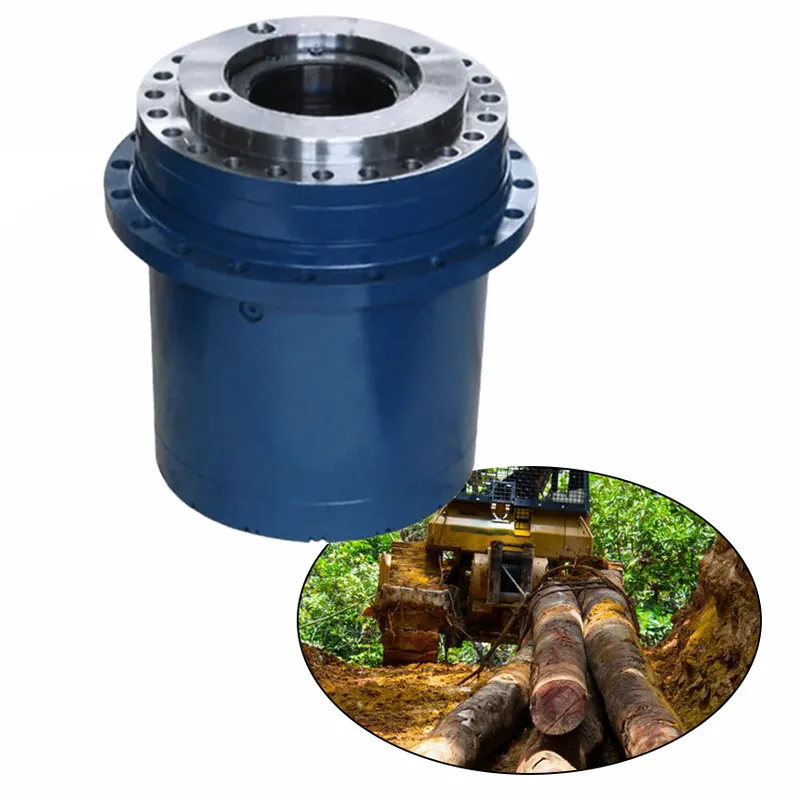
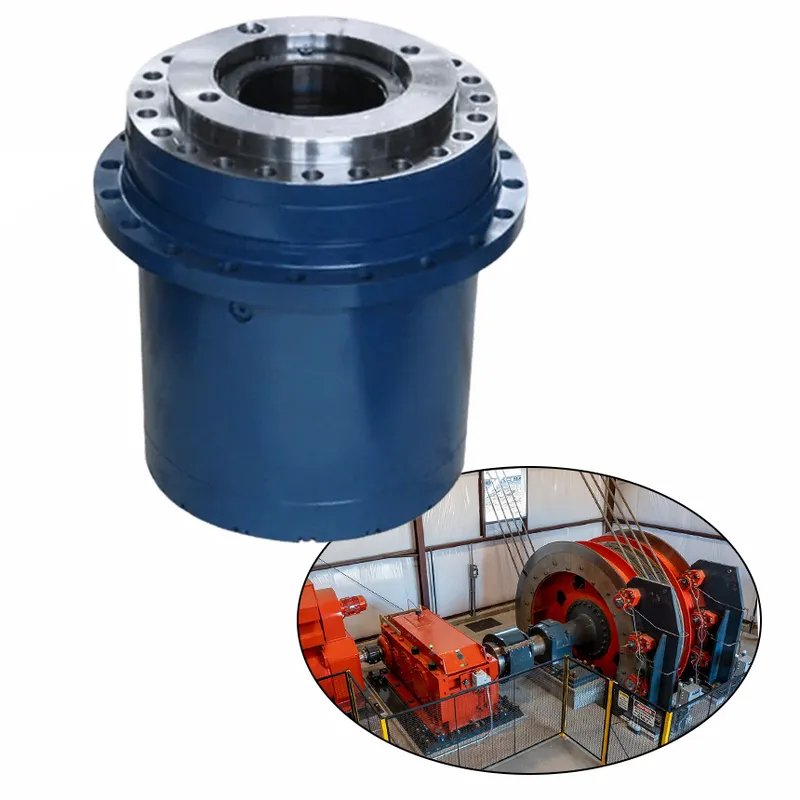

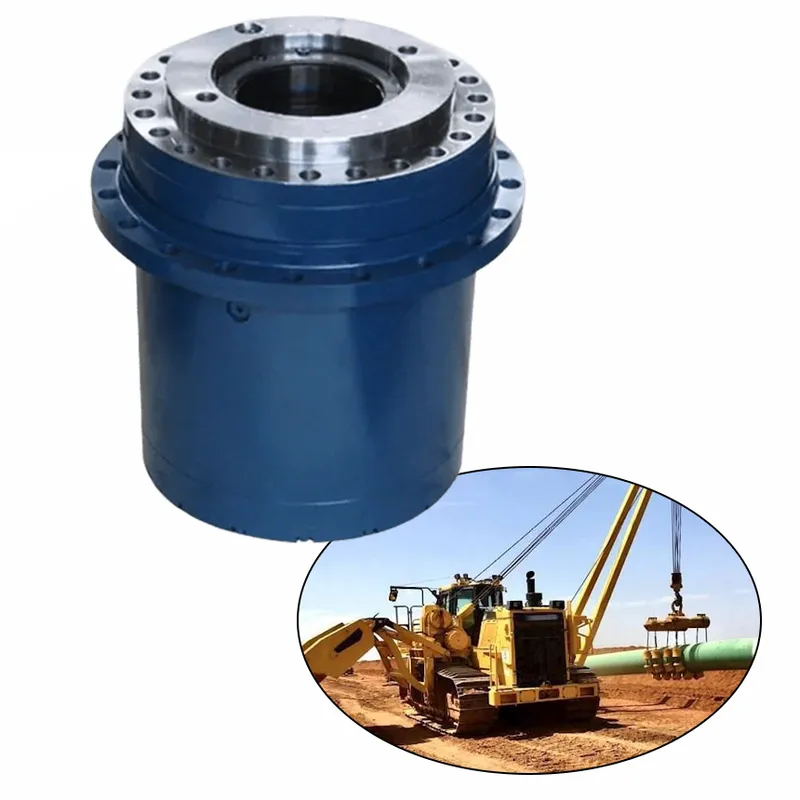
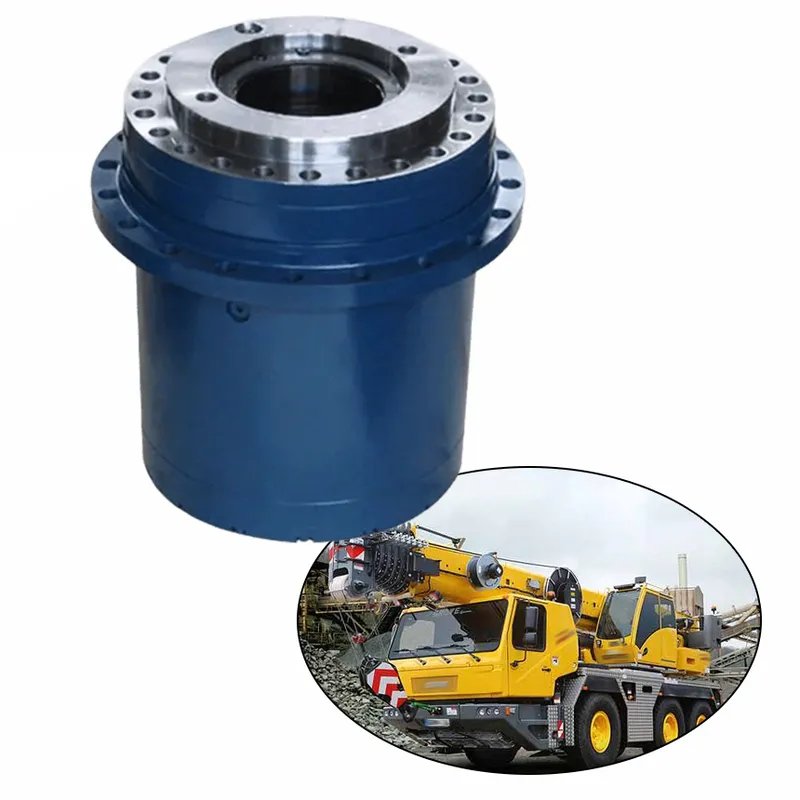
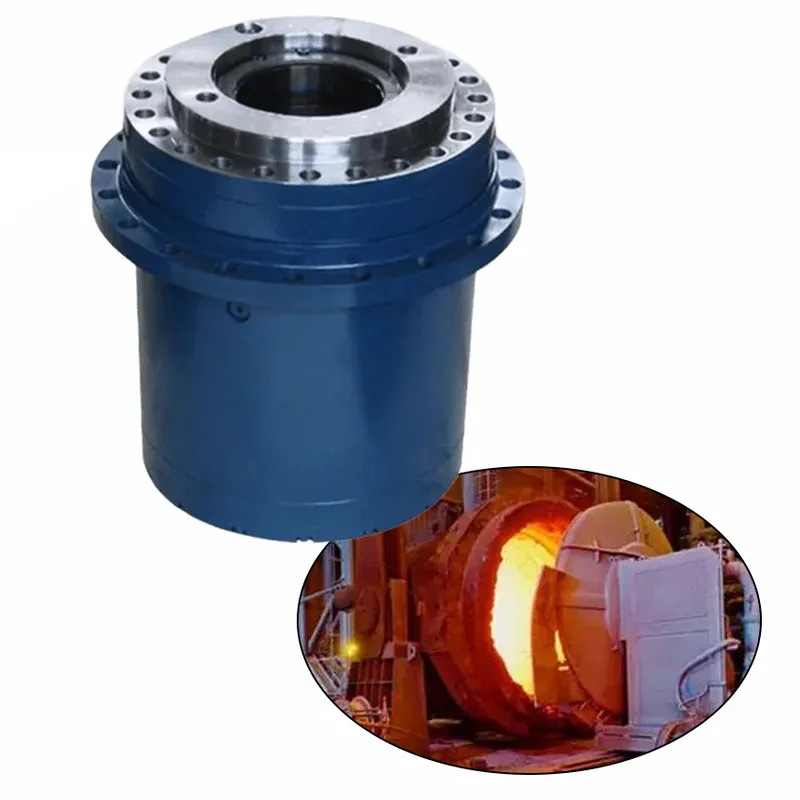

What is a Planetary Winch Drive Gearbox?
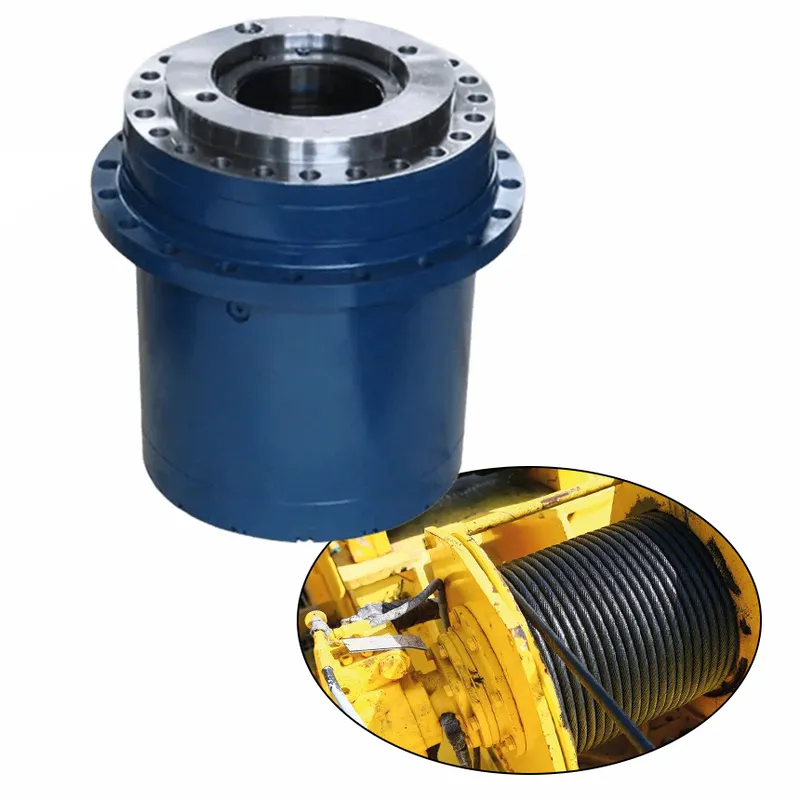
A planetary winch drive gearbox is a specialized type of planetary gear system designed for integration into winches, facilitating high-torque applications such as lifting, pulling, and hoisting in industries including construction, marine, and off-road equipment. It features a central sun gear surrounded by multiple planetary gears that rotate within an outer ring gear, enabling efficient power transmission and substantial gear reduction ratios in a compact form factor. This configuration achieves high mechanical efficiency, often exceeding 90%, while distributing loads evenly across the gears to enhance durability and minimize wear under heavy loads.
Planetary winch drives are available in single-stage or multi-stage variants to accommodate varying torque requirements and are typically housed within the winch drum for seamless operation. Compared to alternatives like worm gears, they offer superior efficiency and reduced backlash, making them ideal for demanding environments where reliability and space savings are critical.
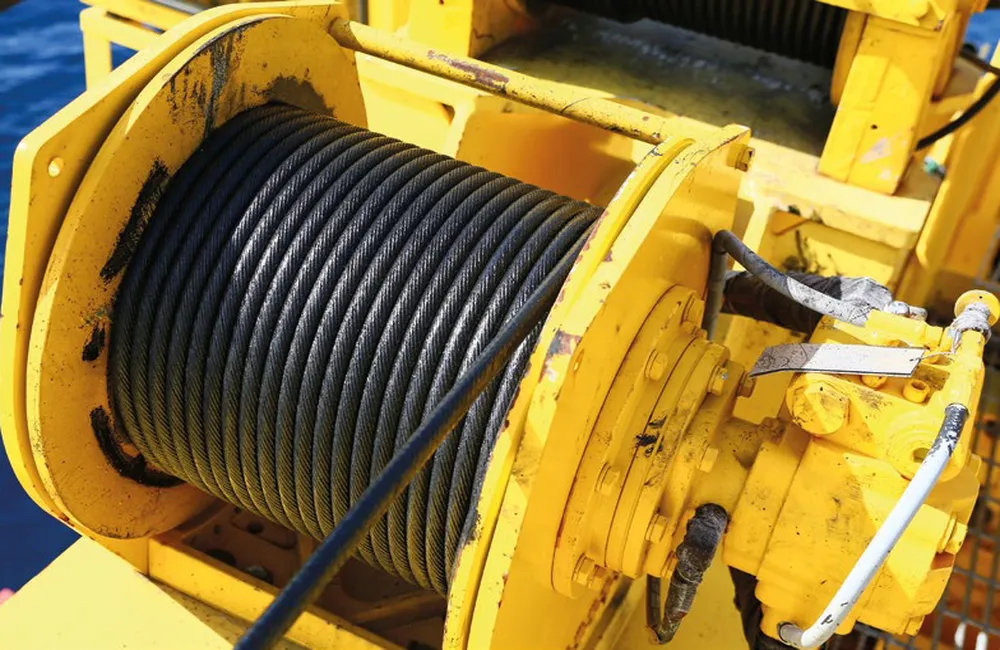
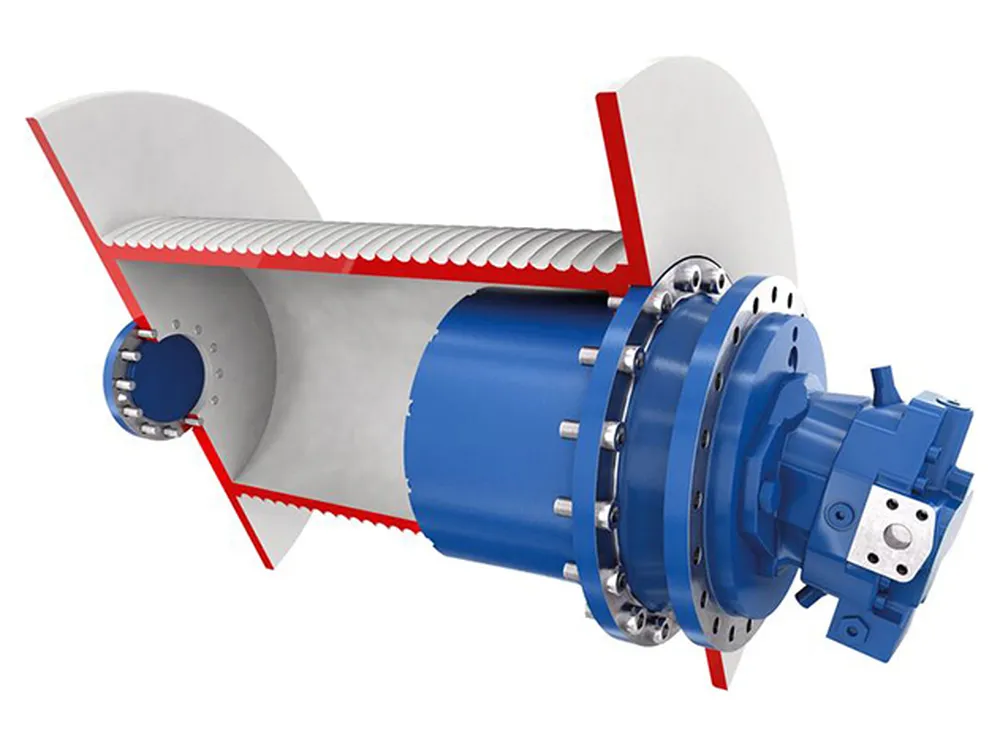
Planetary Winch Drive Working Principle
The working principle of a winch drive planetary gearbox revolves around a compact epicyclic gear system that efficiently transmits high torque for applications such as lifting and pulling in winches, utilizing a central sun gear, multiple planet gears, a ring gear, and a carrier to achieve superior load distribution and gear reduction.
- The central sun gear receives input power from a motor or hydraulic source, initiating rotation and meshing directly with the surrounding planet gears to transfer mechanical energy while maintaining alignment within the gearbox housing for optimal performance in high-torque winch operations.
- Multiple planet gears, mounted on a rotating carrier, simultaneously rotate on their own axes and orbit around the sun gear, engaging with both the sun gear and the internal teeth of the outer ring gear to distribute torque evenly across several contact points.
- The outer ring gear remains stationary in typical winch configurations, providing a fixed reference that forces the planet gears to revolve, thereby enabling significant speed reduction and torque multiplication through the epicyclic motion for handling heavy loads effectively.
- The carrier assembly connects to the output shaft or winch drum, rotating as a result of the planet gears’ movement and delivering amplified torque output with high efficiency, often exceeding 95 percent, while minimizing backlash and vibration in demanding industrial environments.
- In multi-stage variants commonly used in winches, additional planetary sets compound the gear ratio, further enhancing torque capacity and allowing for precise control under variable loads, with the overall system ensuring durability through even load sharing and advanced lubrication mechanisms.

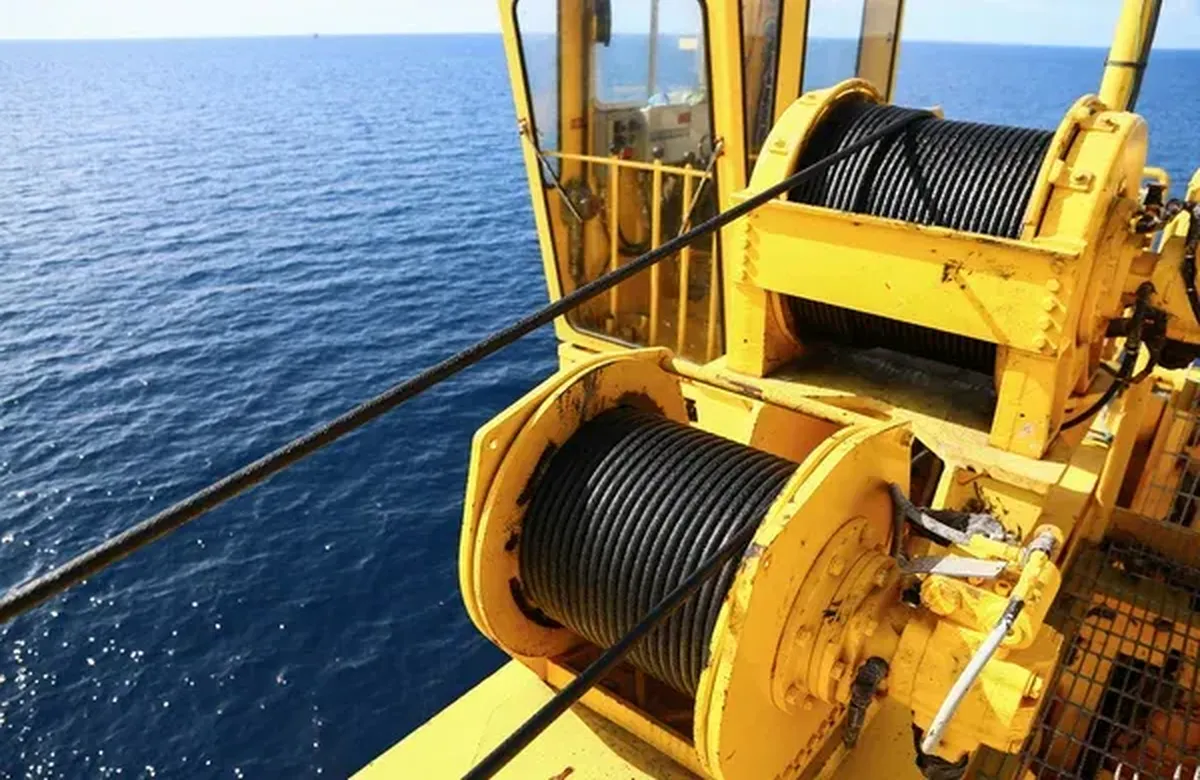
Winch Drive Planetary Gearbox Advantages
(1) High Torque Density in a Compact Design
The planetary gearbox delivers substantial power output within a compact footprint, making it ideal for space-limited winch systems. Its ability to handle demanding loads without compromising performance ensures exceptional reliability in heavy-duty applications.
(2) Exceptional Mechanical Efficiency
With mechanical efficiency often exceeding 90%, the gearbox minimizes energy loss during operation. This results in lower operational costs, reduced heat generation, and improved performance, even in prolonged winch usage scenarios.
(3) Enhanced Durability Through Even Load Distribution
The even load distribution across multiple planet gears reduces stress on individual components. This design significantly extends the planetary winch drive gearbox’s service life, even under high-stress and heavy-duty operating conditions.
(4) Precise Control with Low Backlash
Low backlash ensures precise control and smooth operation, which is essential for applications requiring accurate positioning. This feature also minimizes vibration, enhancing safety and reliability in winch-driven machinery.
(5) Quiet and Noise-Reduced Operation
The epicyclic gear arrangement contributes to quieter operation, creating a noise-reduced environment. This improves operator comfort and ensures compliance with workplace safety standards in demanding industrial settings.
(6) Versatility Through Multi-Stage Configurations
Multi-stage configurations allow for customizable gear ratios, accommodating diverse torque and speed requirements. This makes the gearbox suitable for applications ranging from off-road recovery and marine towing to industrial lifting and offshore operations.
Planeettavinssin vaihteiston sovellukset
1. Rakennusteollisuus
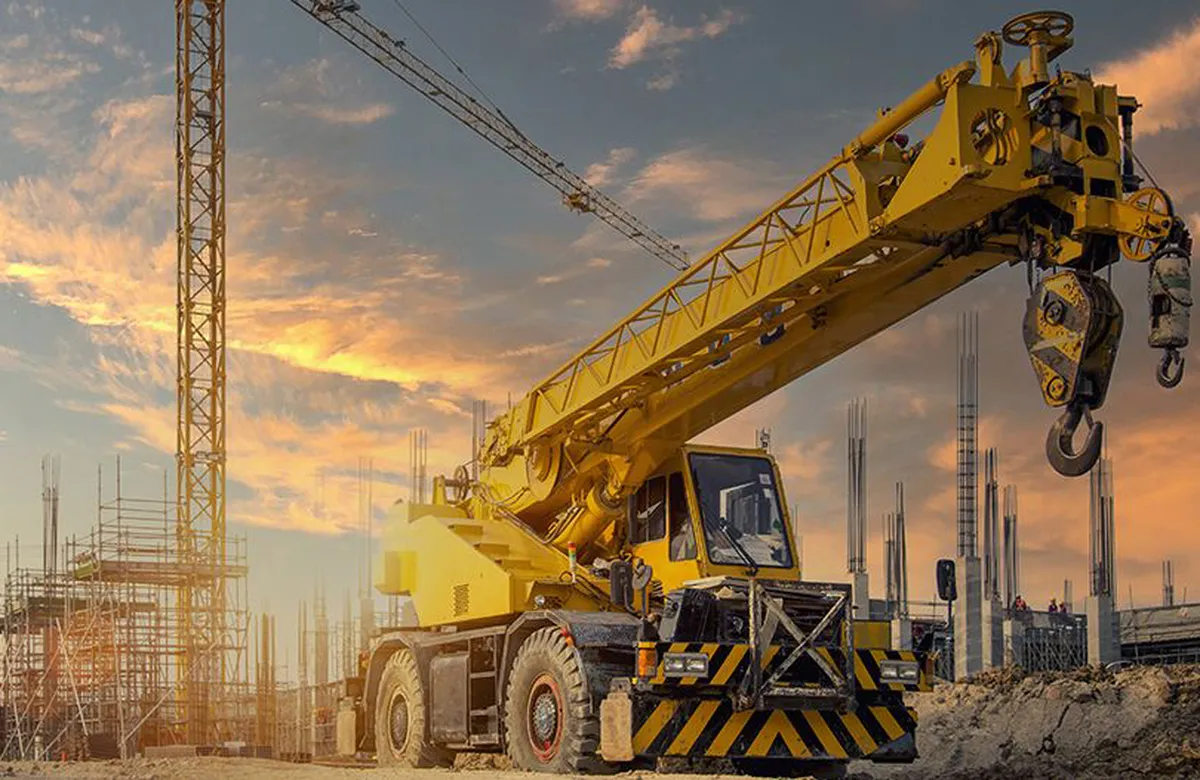
2. Marine and Offshore Industry

3. Mining Industry
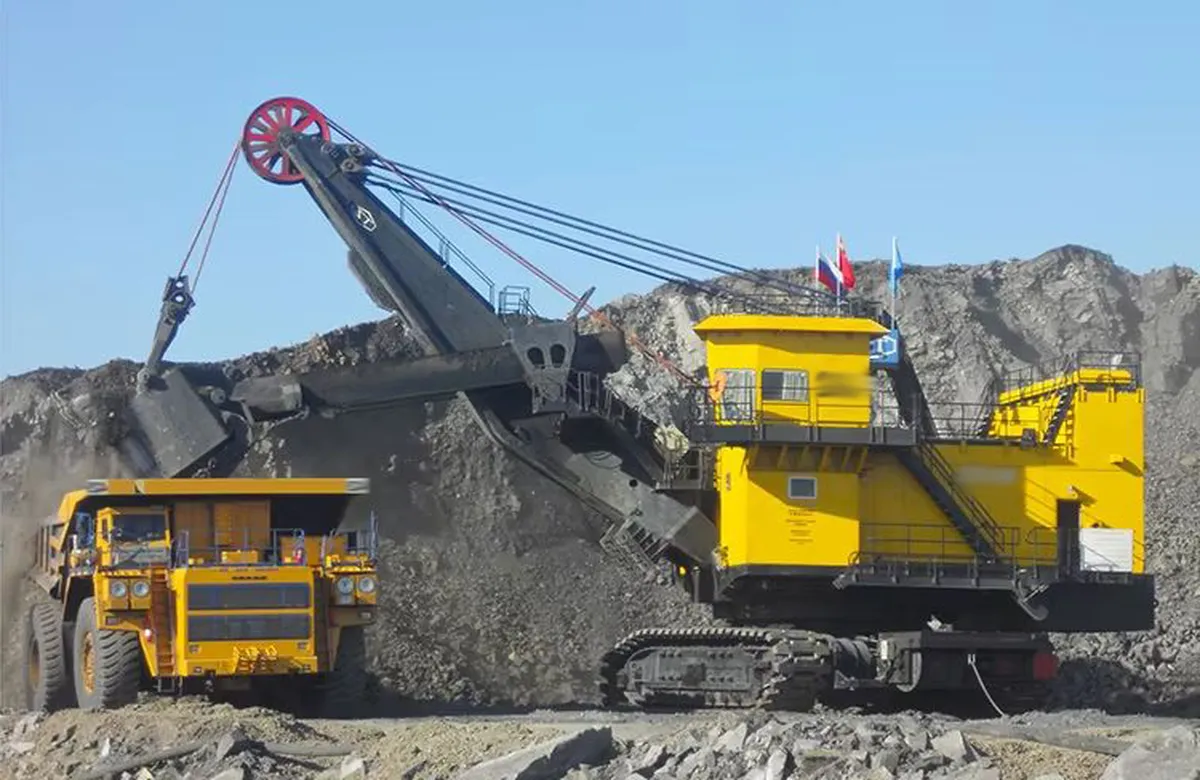
Within mining operations, planetary winch drive gearboxes facilitate underground and surface hoisting systems, conveyor pulls, and dragline equipment, handling extreme loads in dusty, abrasive settings. Their multi-stage configurations allow for high gear reduction ratios, improving energy efficiency and longevity under continuous heavy-duty cycles, thus supporting extraction processes for minerals like coal and ore with reduced maintenance needs.
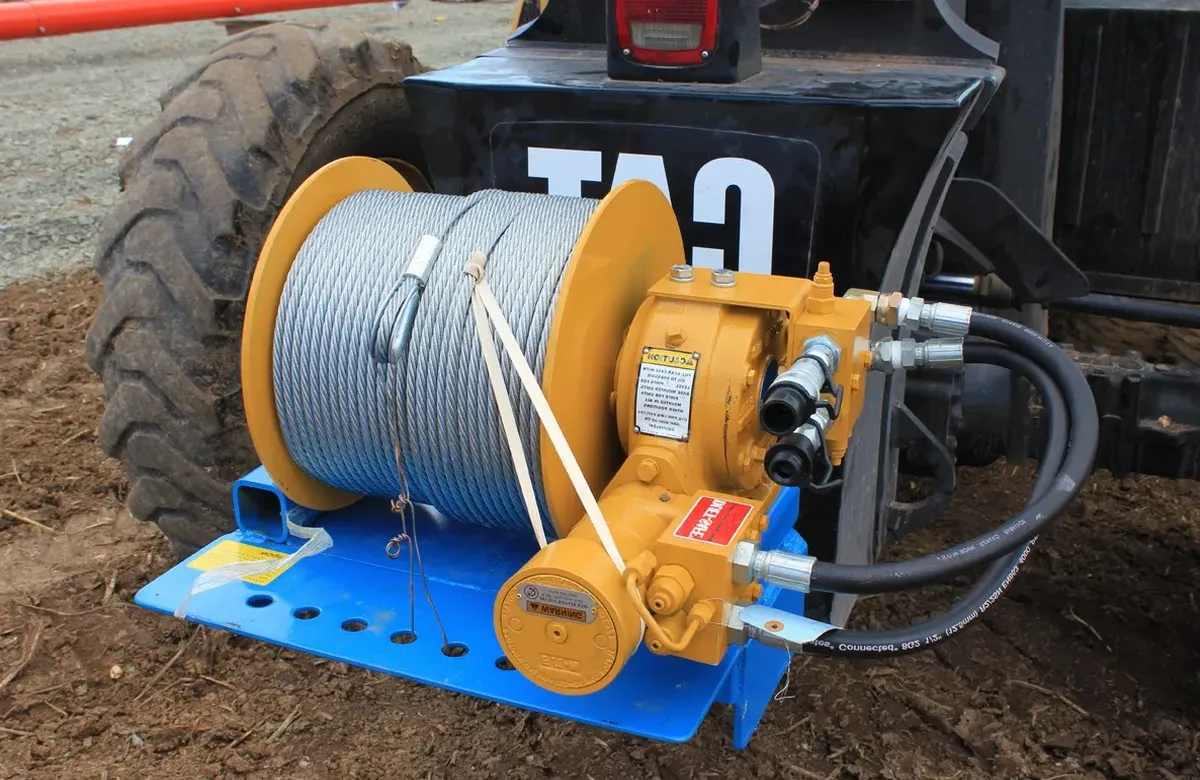
3. Agriculture Industry
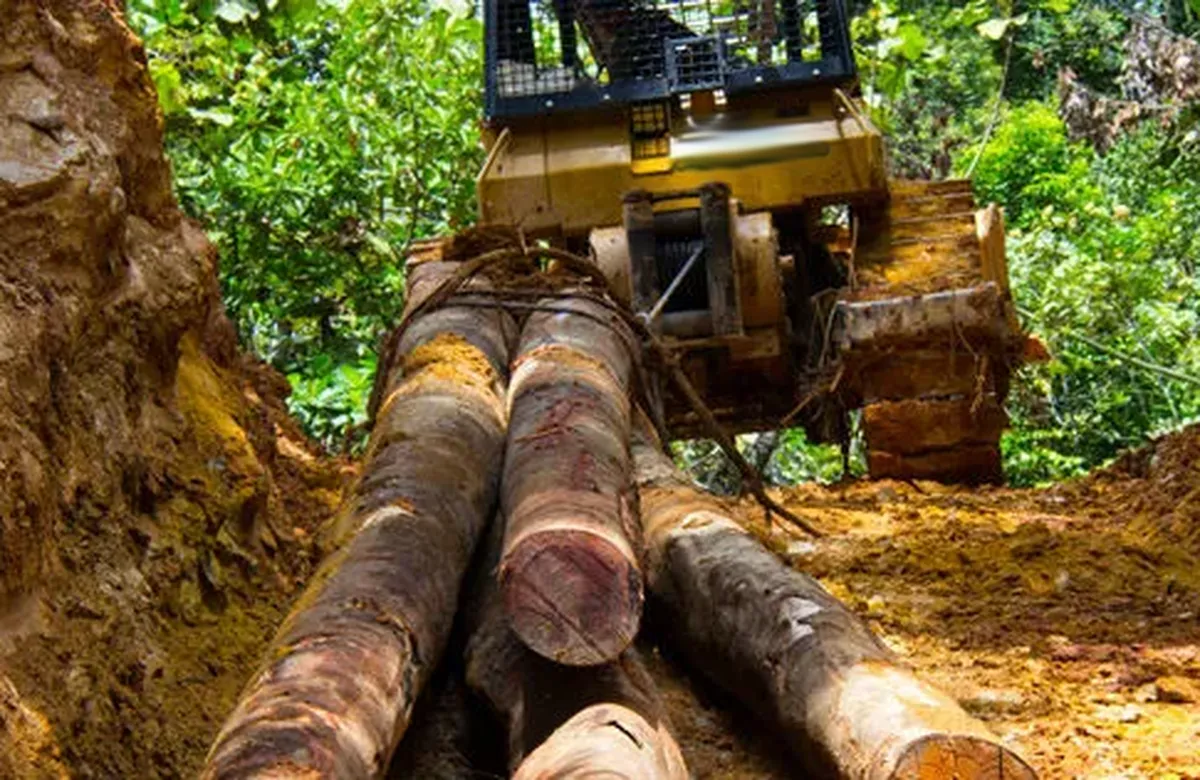
5. Forestry and Logging Industry