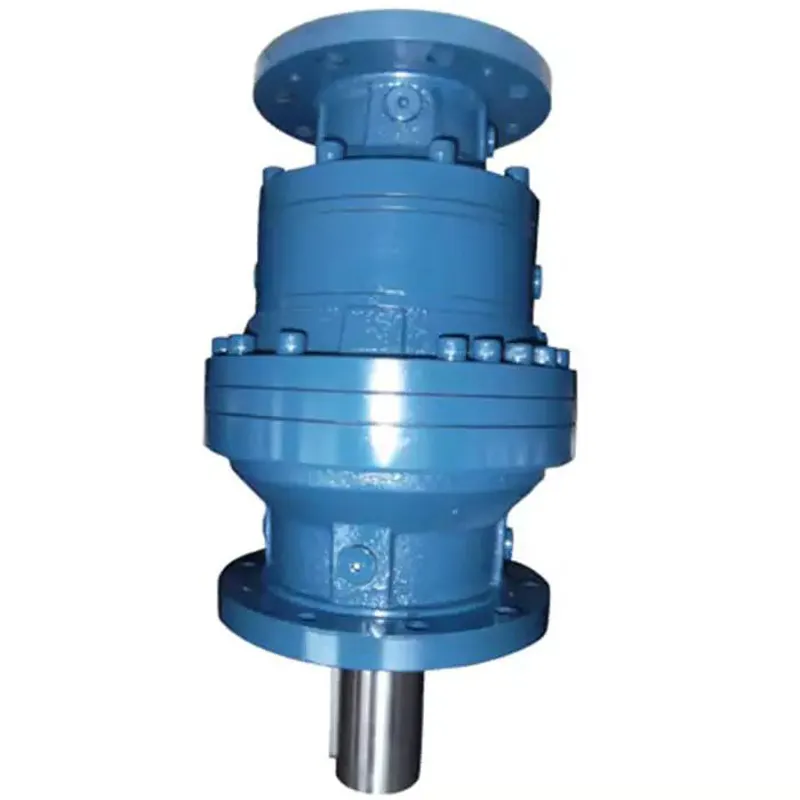
Planetary gearboxes are a crucial component in many industrial applications, offering high torque density and efficiency in a compact form factor. These powerful transmission systems utilize a unique configuration of gears that revolve around a central sun gear, similar to the planets orbiting the sun in our solar system.
Hộp số hành tinh là gì?
A planetary gearbox, also known as an epicyclic gearbox, is a type of gear system that consists of 4 main components: a sun gear, planet gears, planet carrier, and a ring gear. This unique configuration allows for high torque density, compact design, and efficient power transmission, making hộp số hành tinh suitable for a wide range of applications, including wind turbines, electric motors, and automatic transmissions.
Hộp số hành tinh được đặt tên theo hình dạng giống hệ mặt trời, với bánh răng mặt trời ở trung tâm, các bánh răng hành tinh quay xung quanh nó, và bánh răng vành bao bọc toàn bộ cơ cấu. Thiết kế này cho phép nhiều tỷ số truyền và giảm tốc độ đáng kể trong một không gian nhỏ gọn, điều này đặc biệt có lợi trong các ứng dụng hạn chế về không gian và yêu cầu mô-men xoắn cao.
How Do Planetary Gearboxes Work
Trong hộp số hành tinh, trục đầu vào được nối với bánh răng mặt trời, nằm ở trung tâm của hộp số. Bánh răng mặt trời được bao quanh bởi một số bánh răng hành tinh, được lắp trên một giá đỡ, còn được gọi là giá đỡ bánh răng hành tinh. Các bánh răng hành tinh ăn khớp với cả bánh răng mặt trời và bánh răng vành ngoài, được cố định vào vỏ hộp số.
Khi trục đầu vào quay, nó truyền động cho bánh răng mặt trời, bánh răng này lại ăn khớp với các bánh răng hành tinh. Các bánh răng hành tinh sau đó quay quanh trục của chính chúng đồng thời cũng quay quanh bánh răng mặt trời. Chuyển động kết hợp này được truyền đến giá đỡ bánh răng hành tinh, được kết nối với trục đầu ra, dẫn đến tốc độ giảm và mô-men xoắn đầu ra tăng.
Tỷ số truyền giảm của hộp số hành tinh được xác định bởi số răng trên mỗi bánh răng và cách bố trí các bánh răng trong hệ thống. Bằng cách thay đổi số răng trên bánh răng mặt trời, bánh răng hành tinh và bánh răng vành, có thể đạt được các tỷ số truyền khác nhau, cho phép tạo ra phạm vi giảm tốc và tăng mô-men xoắn rộng.

Types of Planetary Gearboxes
Planetary gearboxes come in various configurations to suit different applications and requirements. The three main types of planetary gearboxes are wheel drive, shaft output, and spindle output.
Wheel Drive Planetary Gearboxes
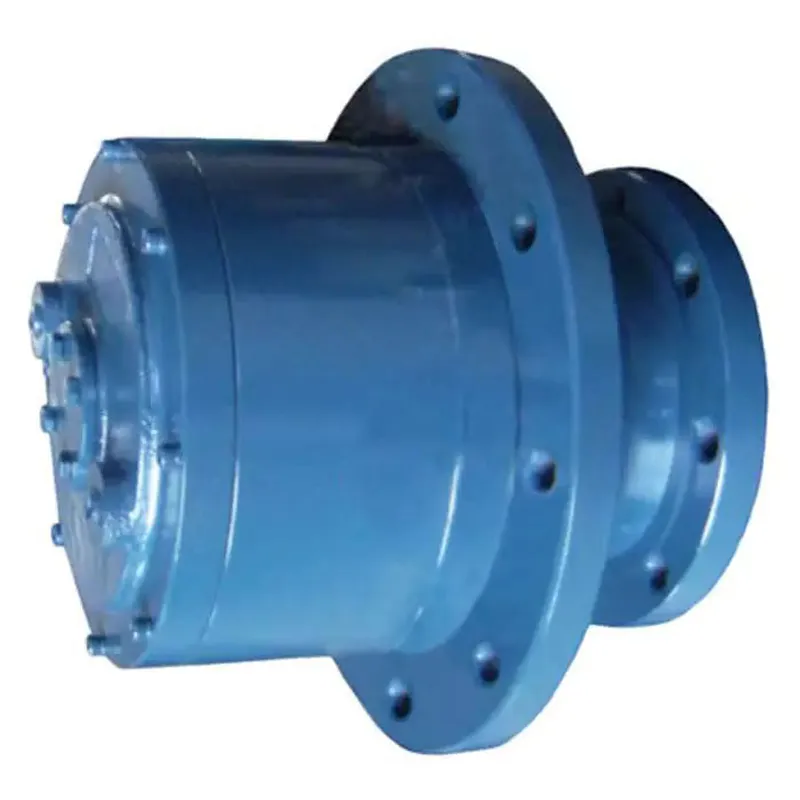
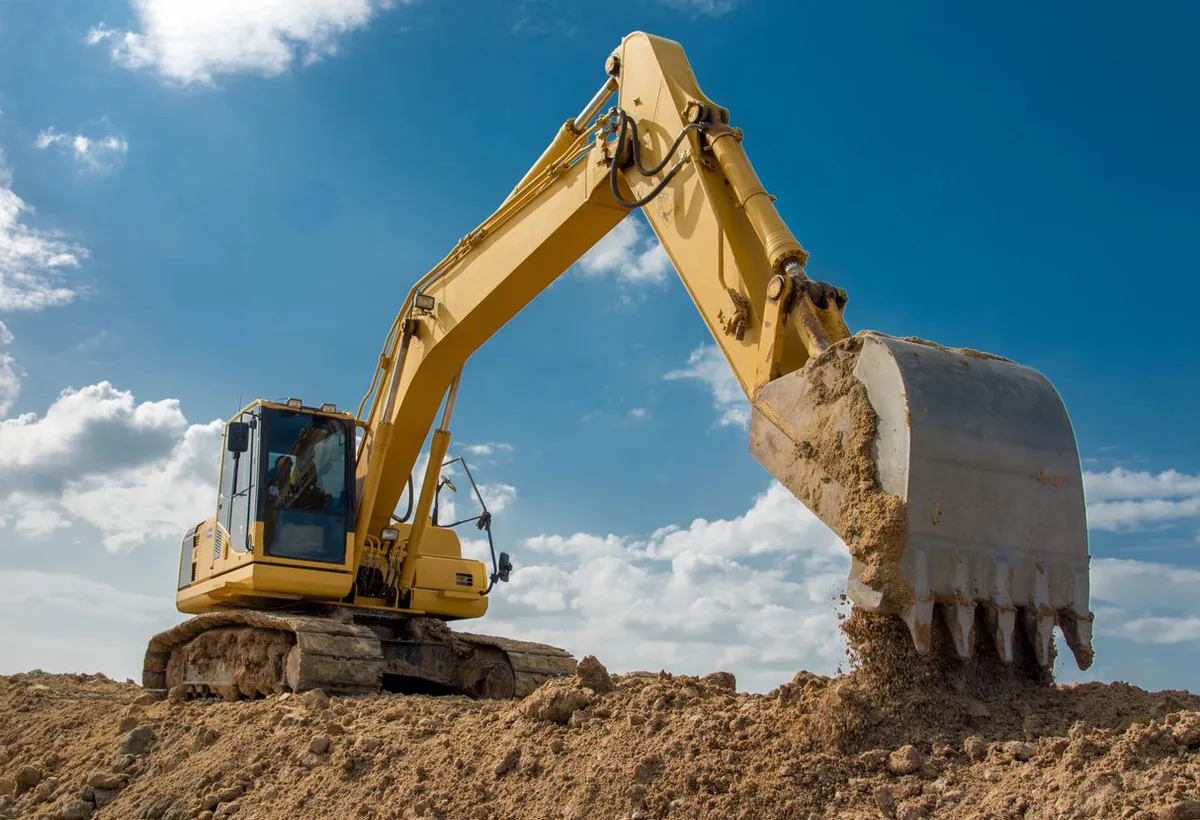
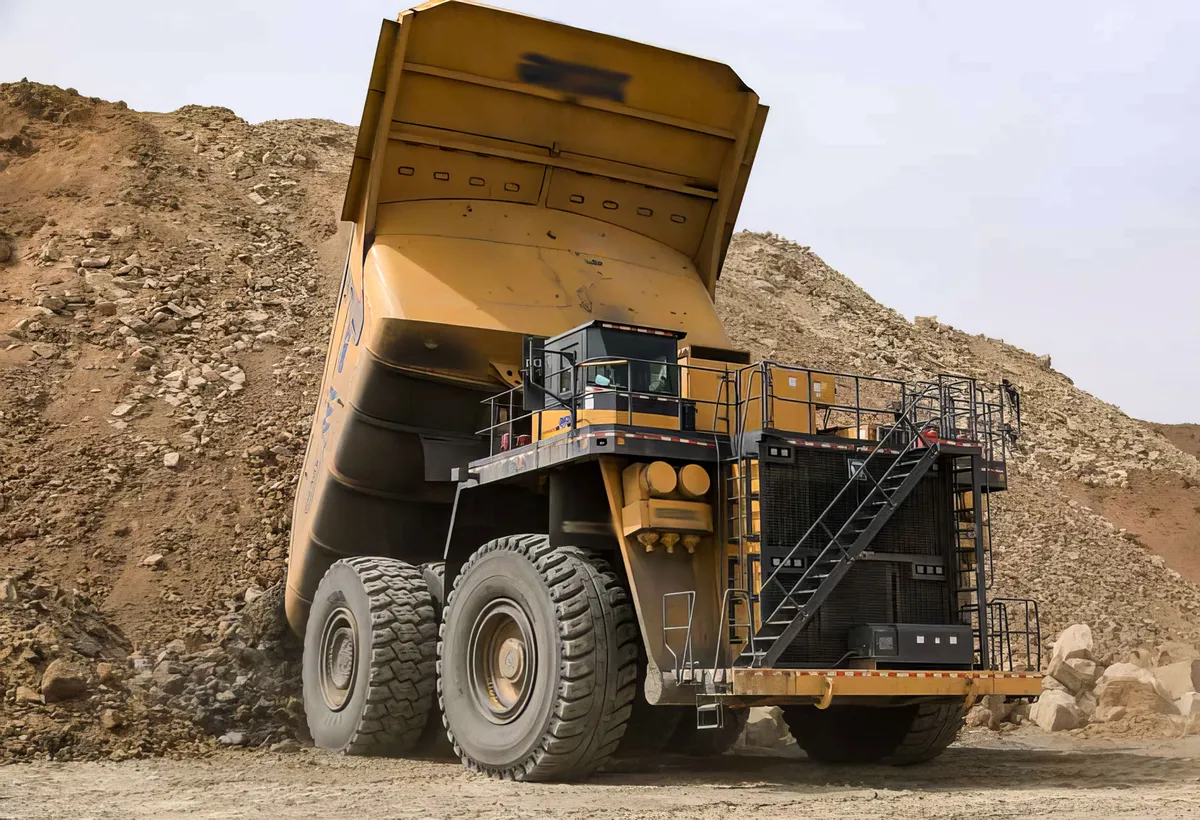
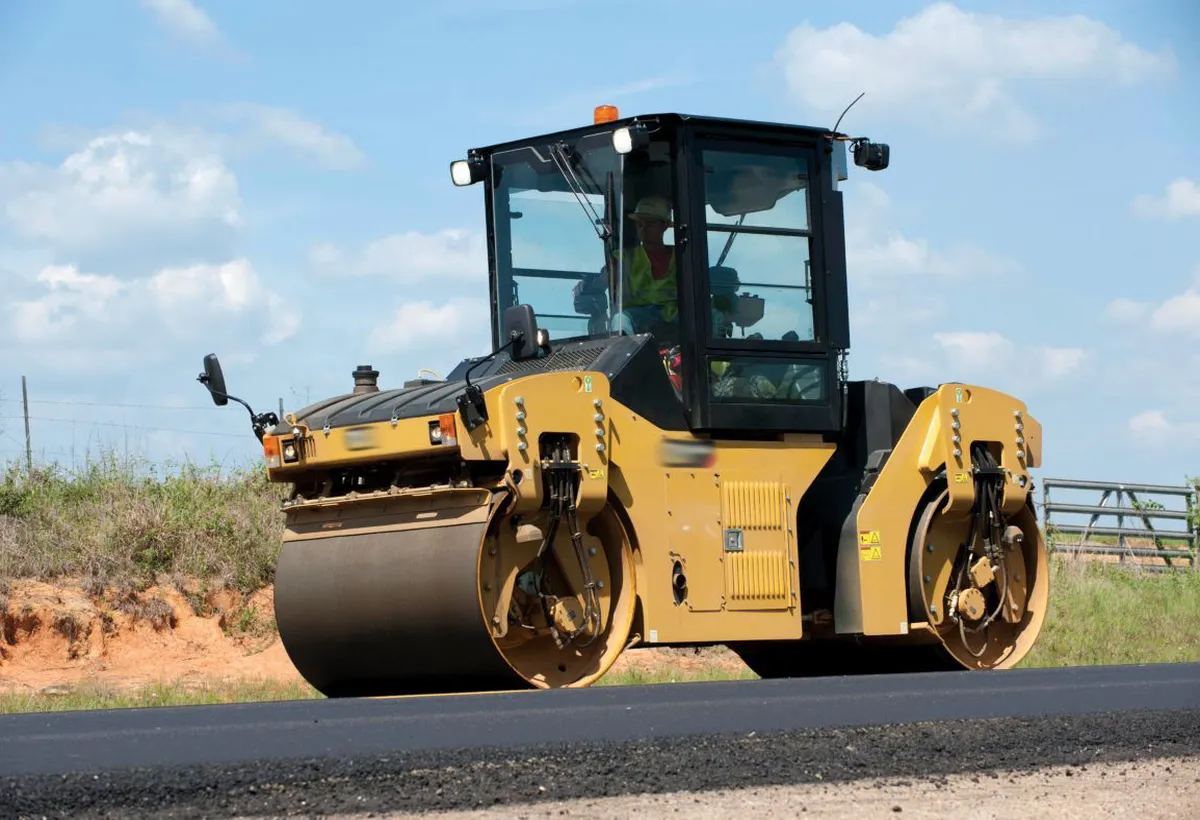
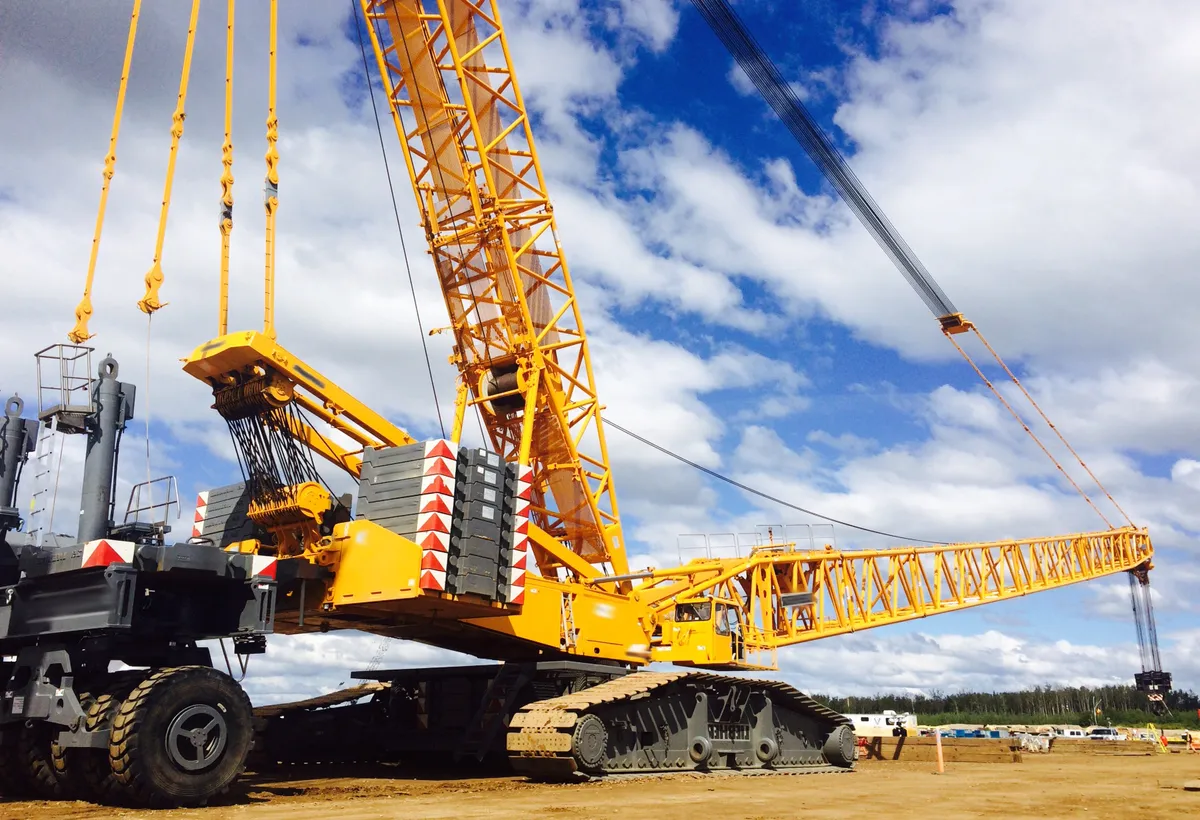
Wheel drive planetary gearboxes are commonly used in mobile equipment, such as construction machinery, agricultural vehicles, and robotics. In this configuration, the planet carrier is connected to the output shaft, while the ring gear remains stationary. The sun gear acts as the input, driven by a motor or engine. As the sun gear rotates, it engages the planet gears, causing the planet carrier to rotate, which in turn drives the output shaft connected to the wheels or tracks.
Wheel drive planetary gearboxes offer several advantages, including high torque density, compact design, and the ability to handle shock loads. The distribution of load among multiple planet gears ensures efficient power transmission and reduced wear on individual gears. Additionally, the planetary configuration allows for a wide range of gear ratios, enabling optimal speed reduction and torque multiplication for various applications.
Shaft Output Planetary Gearboxes
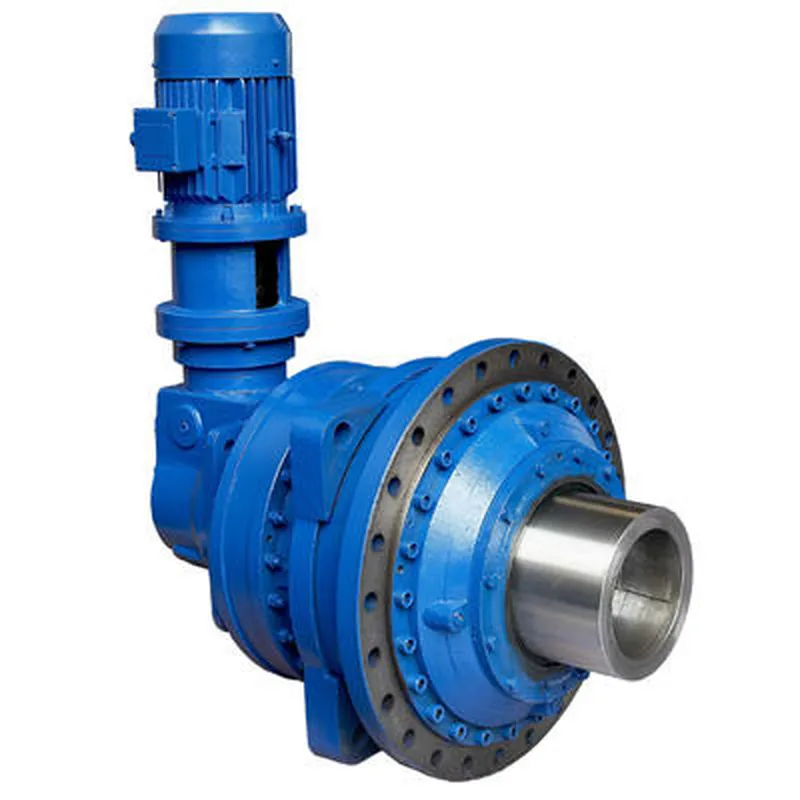
Shaft output planetary gearboxes are widely used in industrial applications, such as manufacturing equipment, conveyor systems, and wind turbines. In this arrangement, the sun gear acts as the input, while the planet carrier is fixed to the gearbox housing. The output shaft is connected to the ring gear, which rotates as the planet gears revolve around the sun gear.
Shaft output planetary gearboxes provide high efficiency, smooth operation, and the ability to handle both radial and axial forces. The compact design of these gearboxes makes them suitable for space-constrained applications, while the multiple planet gears ensure even load distribution and reduced stress on individual components. Shaft output planetary gearboxes can be single-stage or multi-stage, depending on the required speed reduction and torque output.
Spindle Output Planetary Gearboxes
Spindle output planetary gearboxes, also known as flange output gearboxes, are designed for applications requiring high precision and rigidity, such as machine tools, robotics, and indexing tables. In this configuration, the output is a spindle or flange mounted directly to the gearbox housing, while the sun gear serves as the input. The planet carrier is fixed, and the ring gear is connected to the output spindle or flange.
Spindle output planetary gearboxes offer excellent positioning accuracy, high torsional stiffness, and the ability to handle heavy radial and axial loads. The direct mounting of the output spindle eliminates the need for additional couplings or bearings, reducing backlash and improving overall system rigidity. These gearboxes are ideal for applications requiring precise rotary motion control and high dynamic performance.
Advantages of Planetary Gearboxes
High Torque Density
One of the primary advantages of planetary gear systems is their high torque density. The unique arrangement of the sun gear, planet gears, and ring gear allows for a greater load capacity and torque transmission within a given space compared to other types of gearboxes.
Thiết kế nhỏ gọn
Hộp số hành tinh có thiết kế nhỏ gọn nhờ vào sự sắp xếp đồng tâm của các bánh răng. Trục đầu vào, trục đầu ra và nhiều bộ bánh răng hành tinh được căn chỉnh đồng trục, dẫn đến kích thước nhỏ hơn so với các thiết kế hộp số khác.
High Efficiency
Planetary gear trains offer high efficiency due to their unique power transmission method. The load is distributed among multiple planet gears, resulting in reduced individual gear loads and increased power density. Additionally, the use of spur gears or helical gears in planetary gearboxes minimizes sliding friction, further enhancing efficiency.
Durability and Reliability
Planetary gearboxes are known for their durability and reliability, even under demanding operating conditions. The distribution of load among multiple planets reduces stress on individual gears, minimizing wear and tear. Furthermore, the compact and rigid design of planetary gearboxes allows for better load sharing and reduced vibrations, enhancing their longevity. These gearboxes can withstand high shock loads and overload conditions, making them suitable for rugged industrial applications.
Smooth Operation
Một ưu điểm khác của hộp số hành tinh là hoạt động êm ái và yên tĩnh. Nhiều bánh răng hành tinh ăn khớp đồng thời với bánh răng mặt trời và bánh răng vành, dẫn đến sự phân bổ lực cân bằng. Sự chia sẻ tải trọng giữa các bánh răng hành tinh này giúp giảm thiểu độ rơ và giảm rung động, dẫn đến truyền tải năng lượng mượt mà hơn và ít tiếng ồn hơn so với các thiết kế hộp số khác.
Disadvantages of Planetary Gearboxes
Complex Design
One of the main drawbacks of planetary gearboxes is their complex design compared to other types of gearboxes. The concentric arrangement of the sun gear, planet gears, ring gear, and planet carrier requires precise manufacturing and assembly to ensure proper functioning.
Limited Ratio Range
While planetary gearboxes offer a wide range of gear ratios, they have limitations compared to other gearbox designs. The maximum gear ratio achievable in a single-stage planetary gearbox is typically lower than that of a multi-stage gearbox or a worm gear. For applications requiring extremely high reduction ratios, a combination of planetary stages or other gearbox types may be necessary.
Potential for Gear Wear
Although planetary gearboxes distribute load among multiple planets, the gears are still subject to wear over time. The constant mesh between the sun gear, planet gears, and ring gear can result in gear tooth wear, especially in high-load applications.
Higher Initial Cost
The complex design and precise manufacturing requirements of planetary gearboxes often result in a higher initial cost compared to simpler gearbox designs.
Applications of Planetary Gearboxes
Máy móc công nghiệp
Planetary gearboxes are widely used in various industrial applications, such as machine tools, packaging equipment, and material handling systems. Their compact design, high torque density, and efficiency make them ideal for powering motors, drives, and other mechanical components in these demanding environments.
Automotive and Transportation
In the automotive industry, planetary gearboxes are commonly found in automatic transmissions, where they facilitate smooth gear shifting and efficient power transmission. The compact design of planetary gear sets allows for efficient packaging within the limited space of a vehicle. Planetary gearboxes are also used in electric vehicles to optimize the performance of electric motors and enhance overall drivetrain efficiency.
Aerospace and Defense
Planetary gearboxes play a crucial role in aerospace and defense applications, where high power density, reliability, and precision are paramount. They are used in aircraft engines, helicopter transmissions, and satellite positioning systems.
Renewable Energy
In the renewable energy sector, planetary gearboxes are extensively used in wind turbines and solar tracking systems. Wind turbines rely on planetary gearboxes to increase the low rotational speed of the rotor blades to the high speed required by the generator. The high torque capacity and efficiency of planetary gears enable efficient power transmission from the wind turbine rotor to the generator. Similarly, solar tracking systems employ planetary gearboxes for precise positioning of solar panels to maximize energy capture throughout the day.
Robot và Tự động hóa
Planetary gearboxes are essential components in robotic arms, automated guided vehicles (AGVs), and other automation systems. They provide the necessary speed reduction and torque multiplication to enable precise motion control and high load capacity. The compact design of planetary gearboxes allows for integration into the joints and actuators of robotic systems, enabling smooth and accurate movements. The high efficiency of planetary gears minimizes power losses, extending the operating time of battery-powered robotic devices.
 |  |
 |  |
Choosing the Right Planetary Gearbox for Your Application
Torque Requirements
Determine the maximum torque that the gearbox needs to transmit and ensure that the chosen gearbox has a sufficient torque capacity. Consider factors such as peak loads, continuous operation, and any shock loads that may occur. Planetary gearboxes with higher torque density can handle greater loads in a more compact package.
Speed Ratios
Consider the desired speed reduction or multiplication required for your application. Planetary gearboxes offer a wide range of speed ratios, allowing for significant speed reductions in a single stage. Multi-stage planetary gear sets can achieve even higher ratios. Select a gearbox with the appropriate speed ratio to match the speed requirements of your motor and driven equipment.
Space Constraints
Evaluate the available space within your system and choose a planetary gearbox that fits within those constraints. Planetary gearboxes are known for their compact design, making them suitable for applications with limited space. Consider the diameter, length, and mounting options of the gearbox to ensure proper integration into your system.
Environmental Conditions
Consider the environmental conditions in which the planetary gearbox will operate. Factors such as temperature, humidity, dust, and corrosive substances can impact the performance and longevity of the gearbox. Look for gearboxes with appropriate sealing, lubrication, and materials that can withstand the specific environmental challenges of your application.