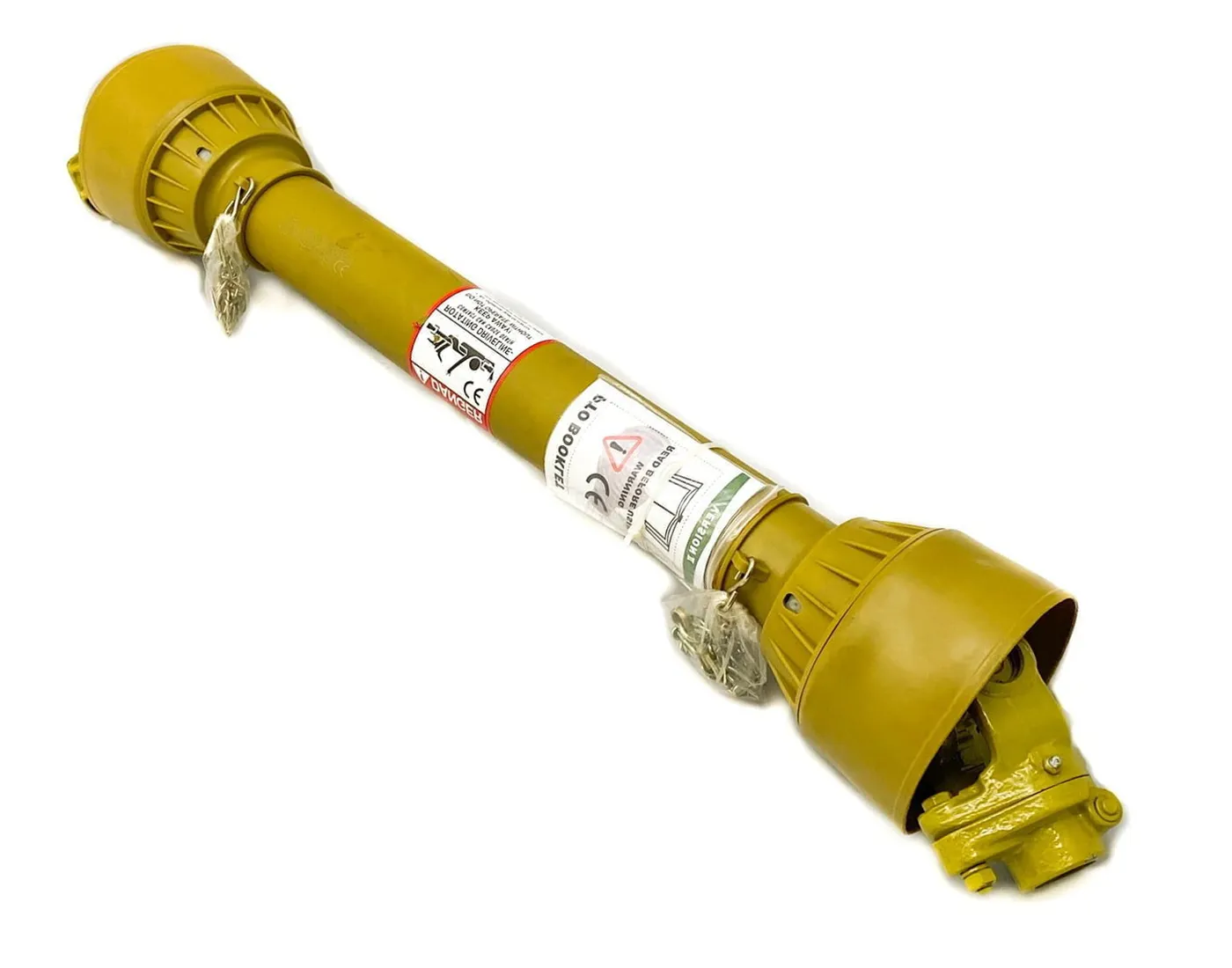
PTO Shaft
A PTO shaft, also called a Power Take-Off shaft, is a mechanical drivetrain component that transfers rotational power from a tractor or engine directly to an attached implement or piece of equipment. Rather than requiring every piece of farm machinery to carry its own engine, the PTO shaft lets a single tractor power a wide range of tools, from rotary tillers and flail mowers to wood chippers, balers, and manure spreaders.
Tractor PTO Shaft Types
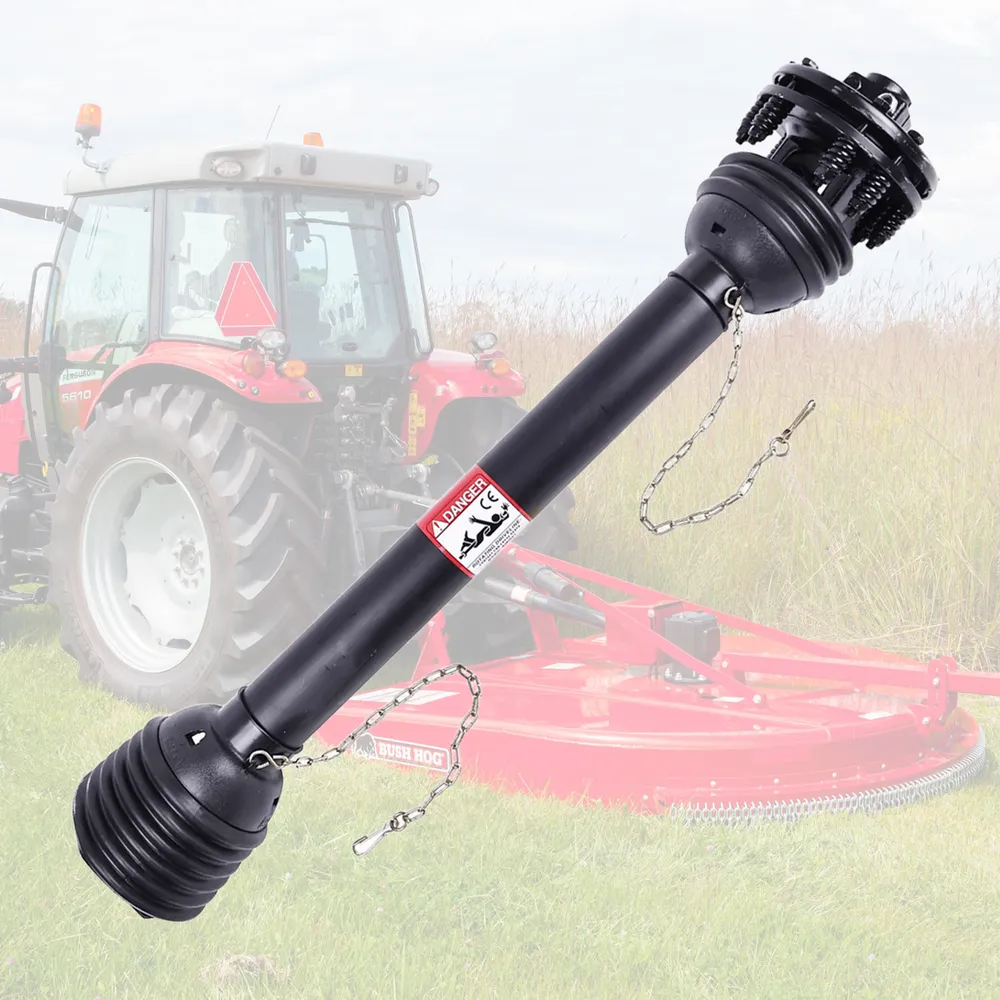
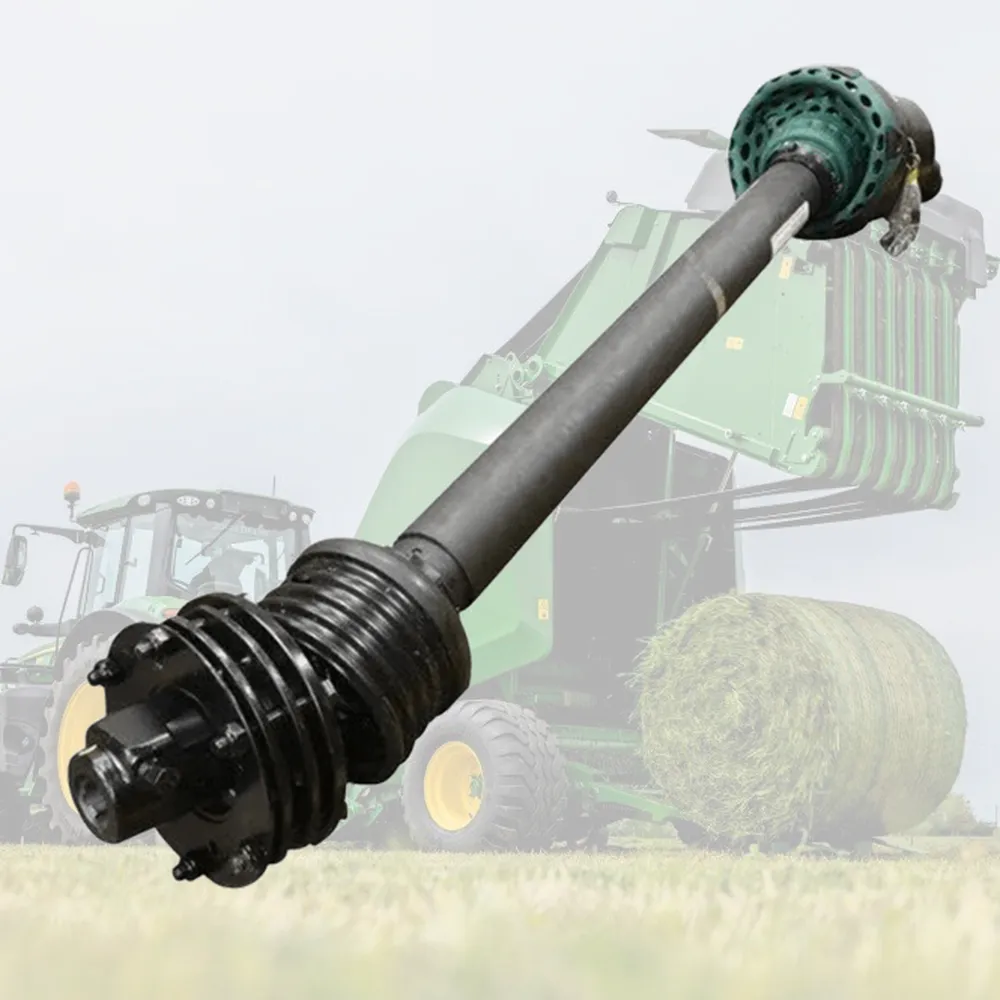
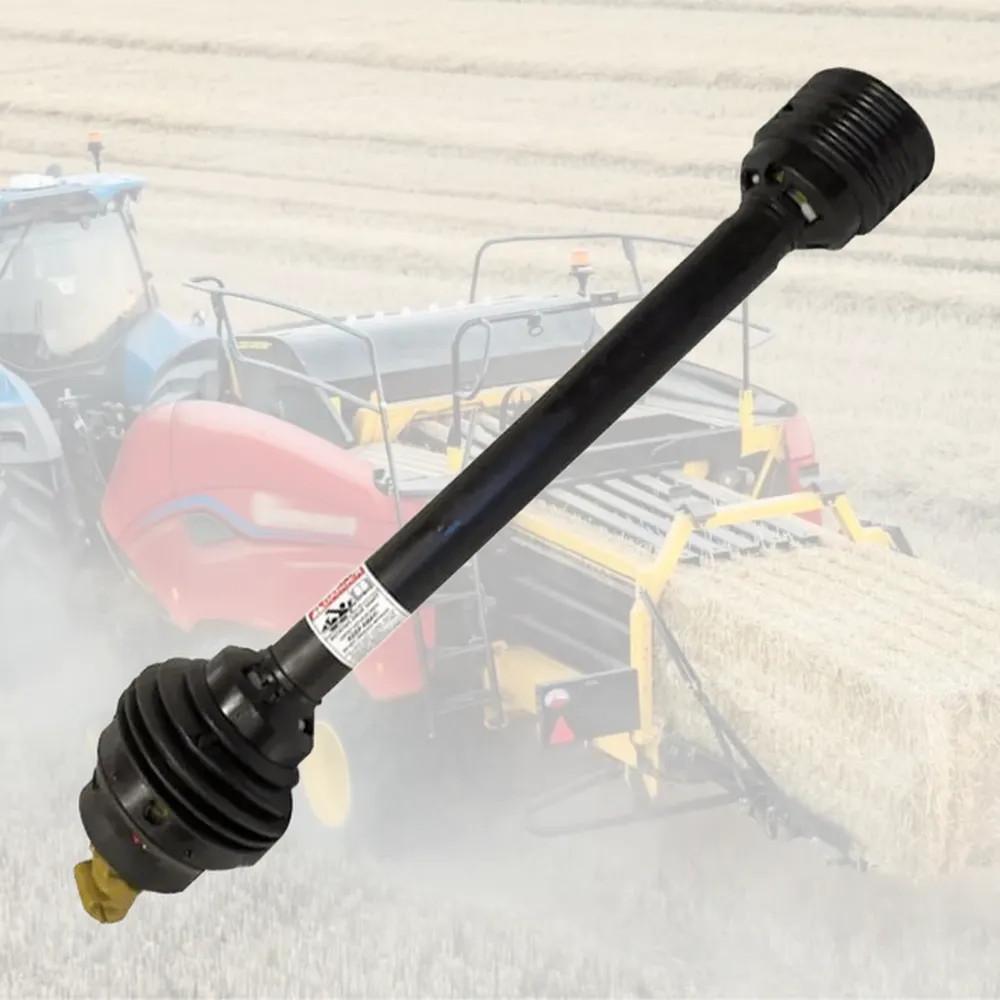
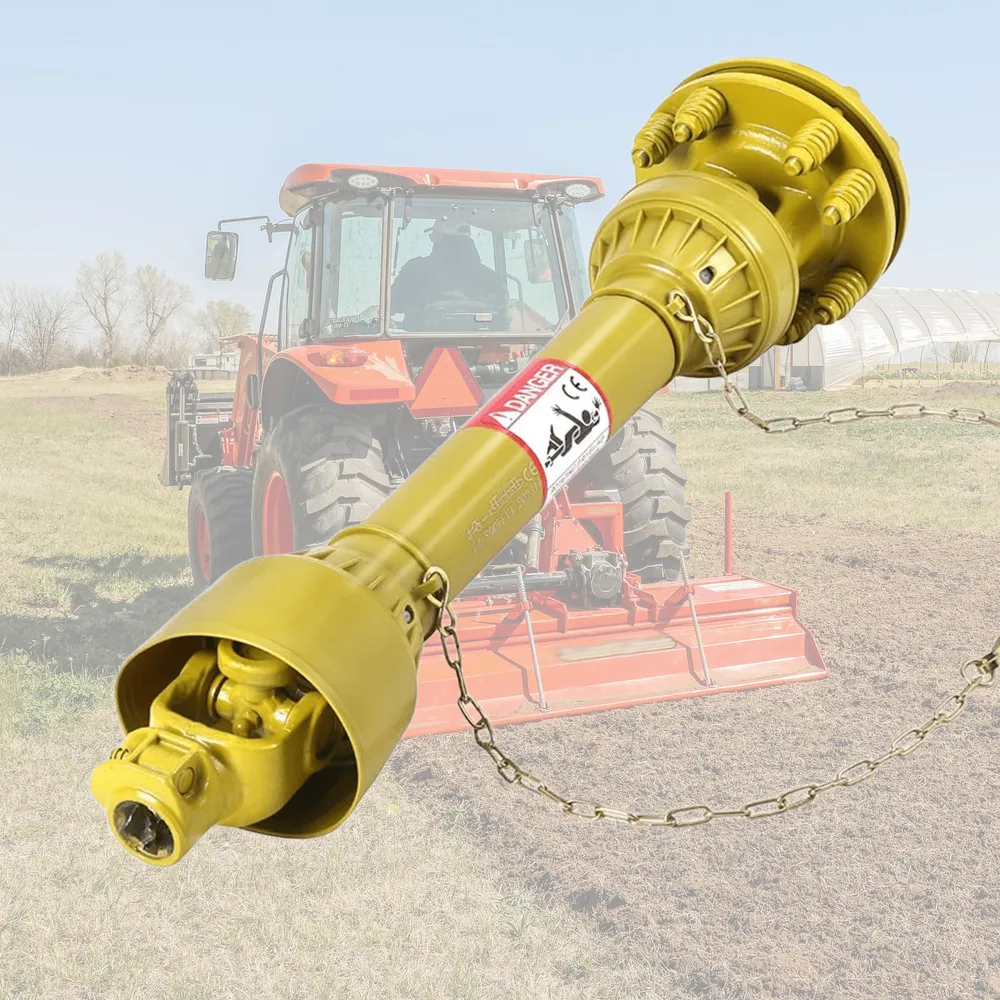
PTO Shaft for Rotary Tiller
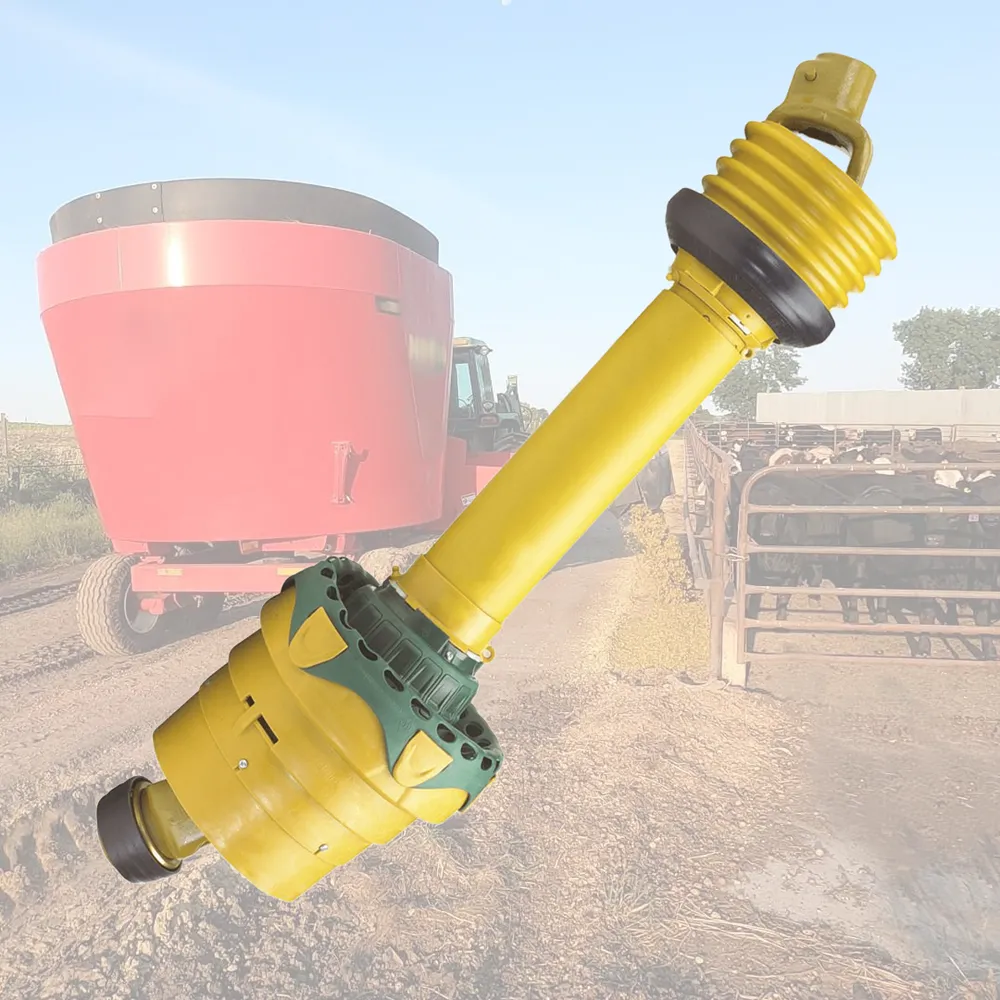
PTO Shaft for Feed Mixer
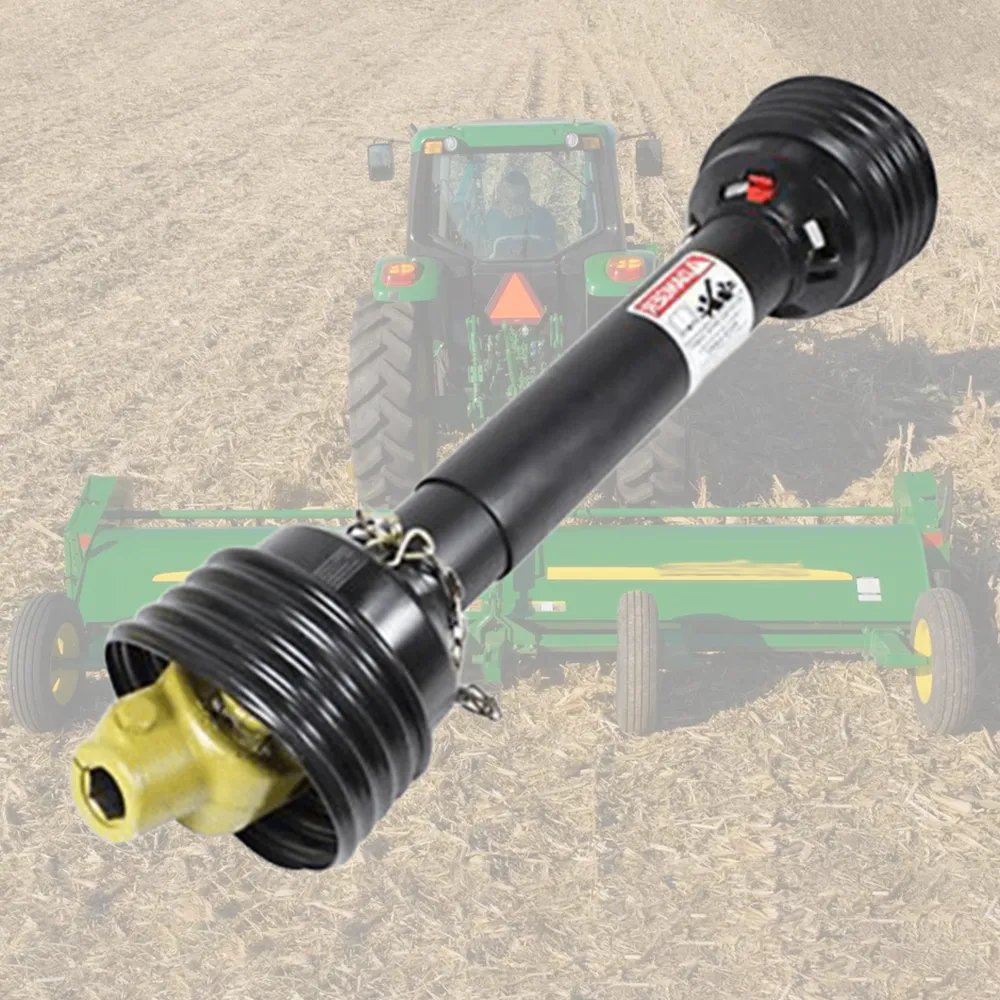
PTO Shaft for Flail Shredder
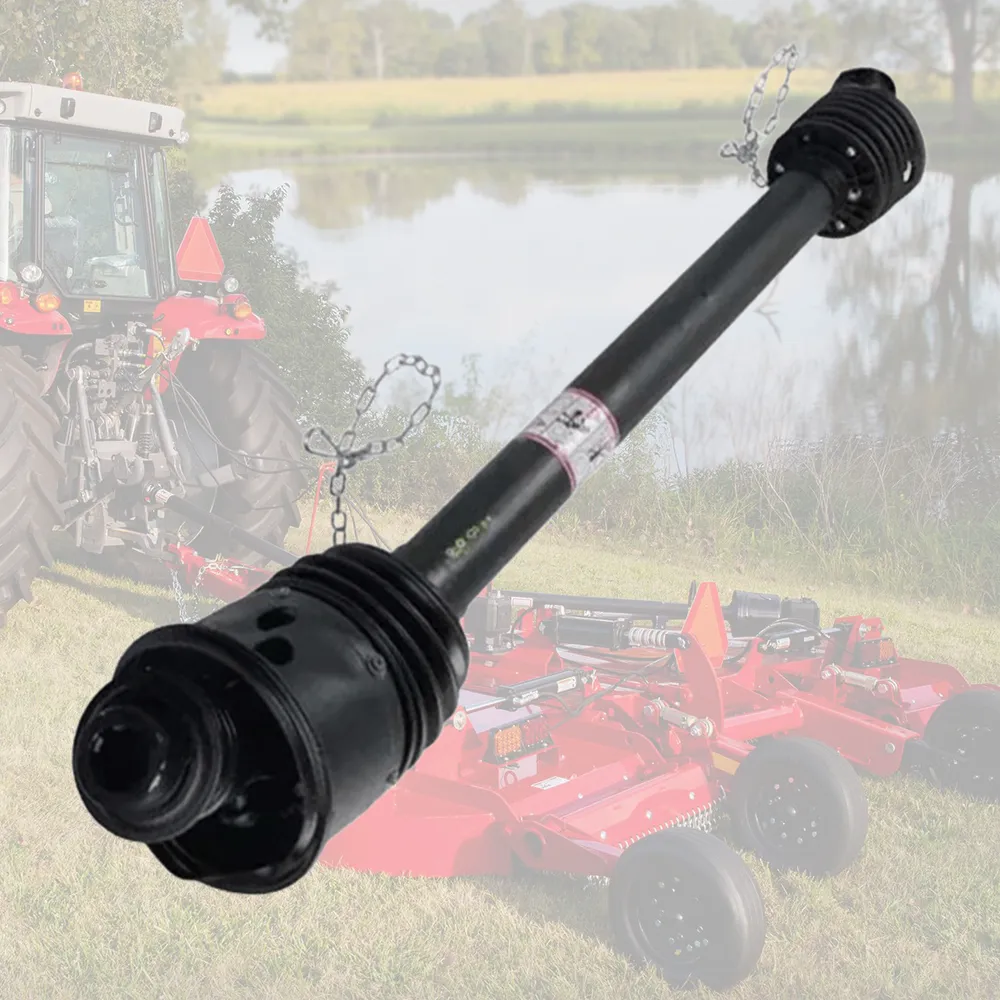
PTO Shaft For Flexwing Mower
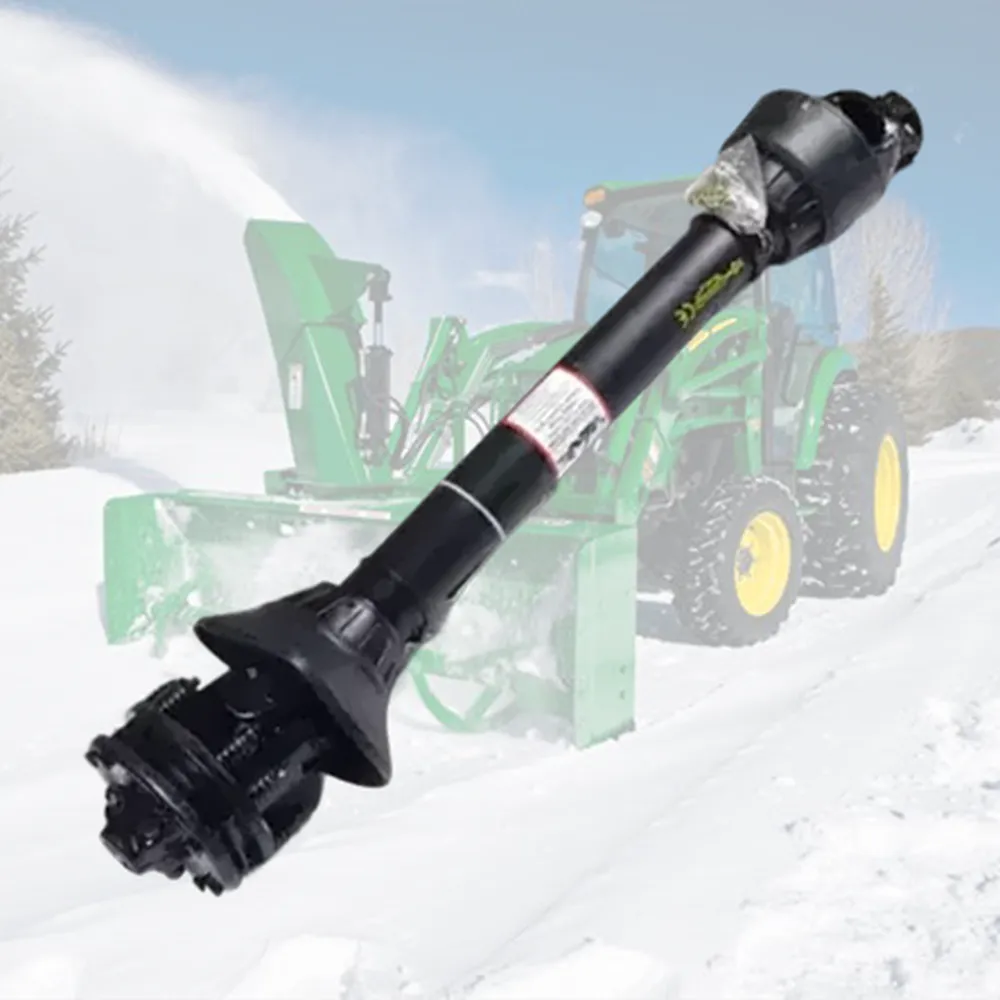
PTO Shaft for Snow Blower
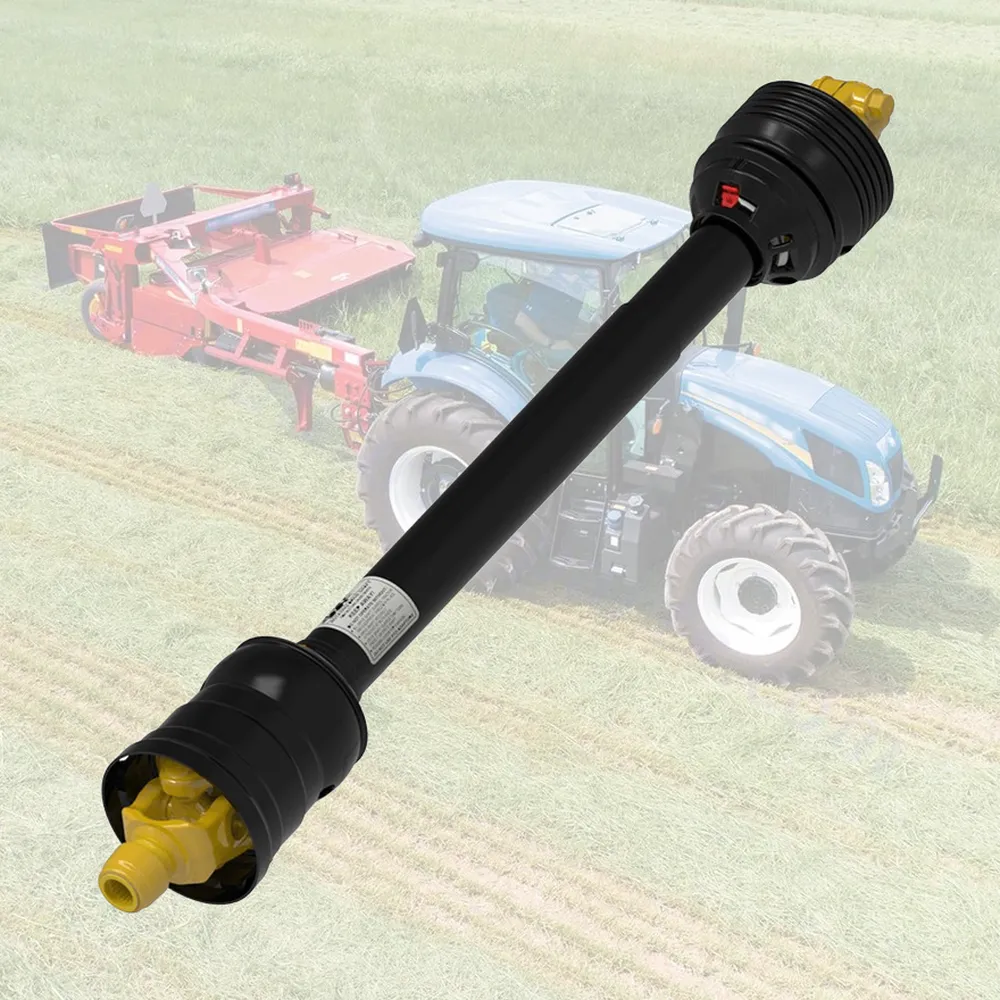
PTO Shaft for Discbine
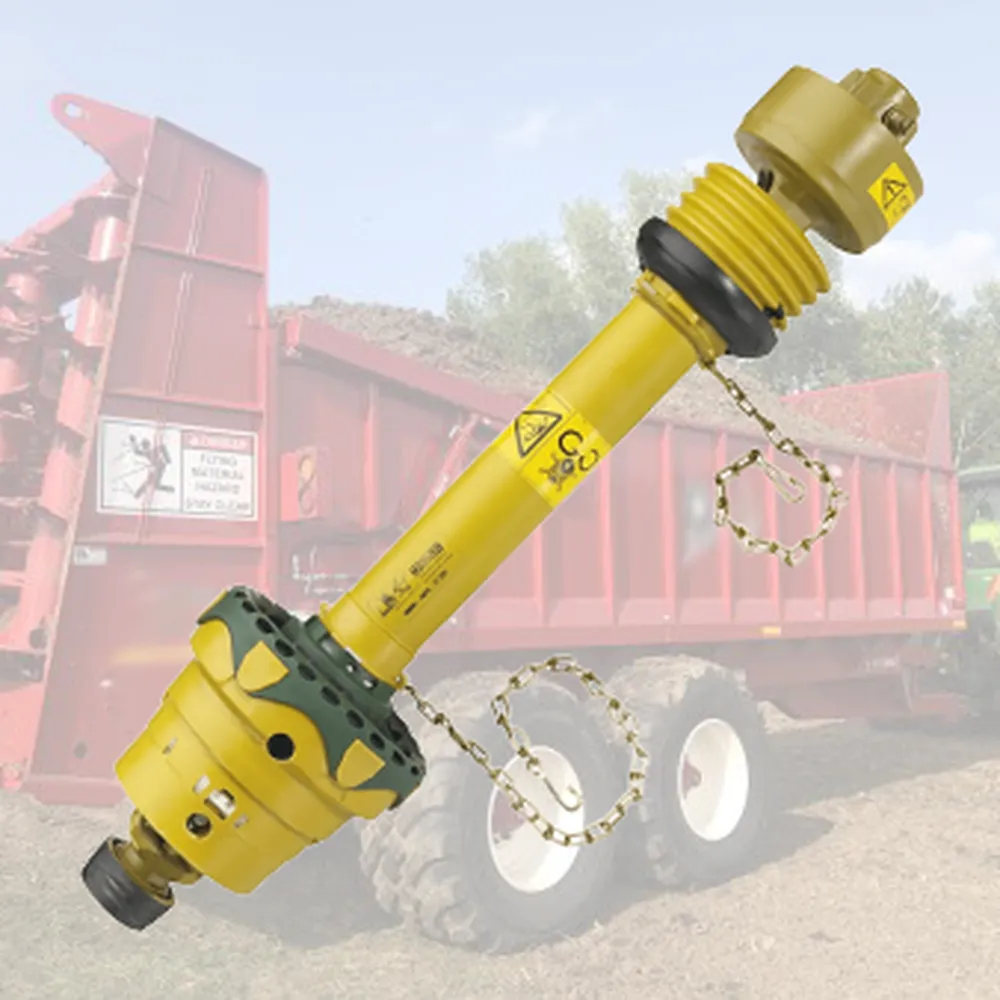
PTO Shaft for Spreader
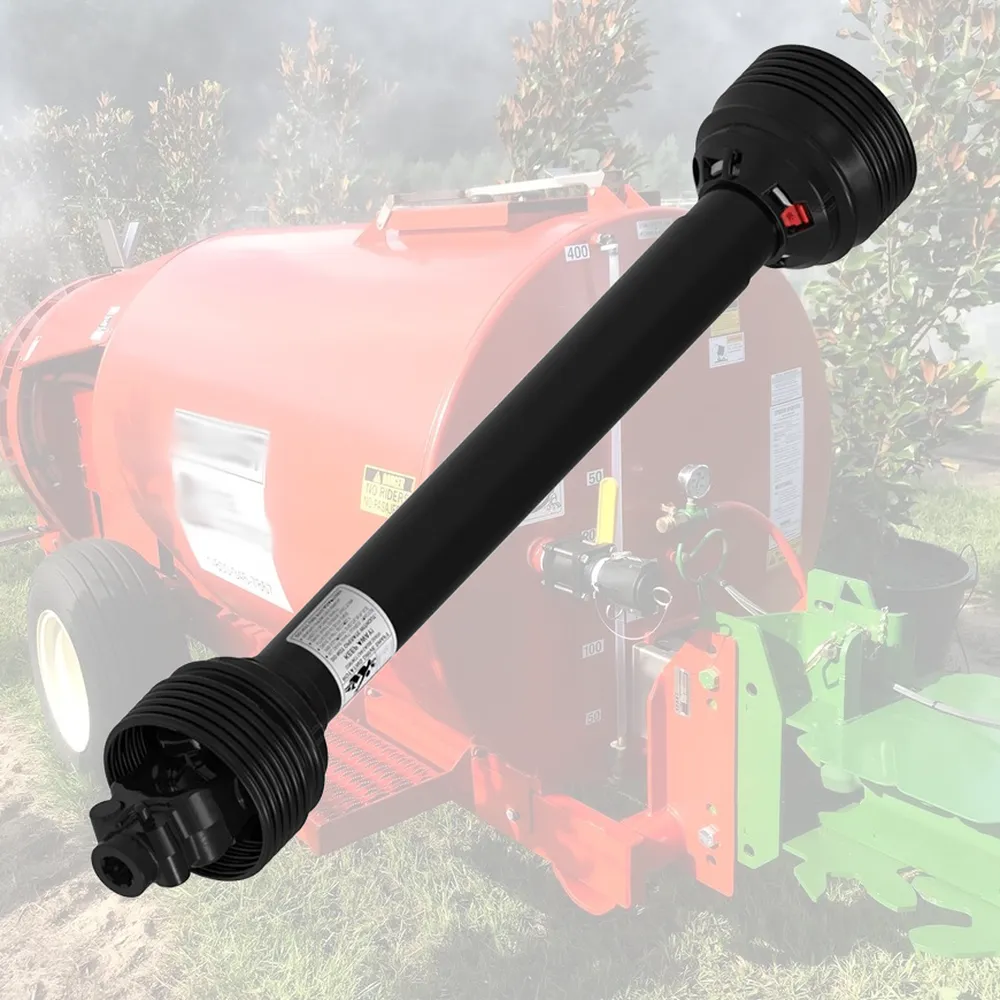
PTO Shaft for Sprayer
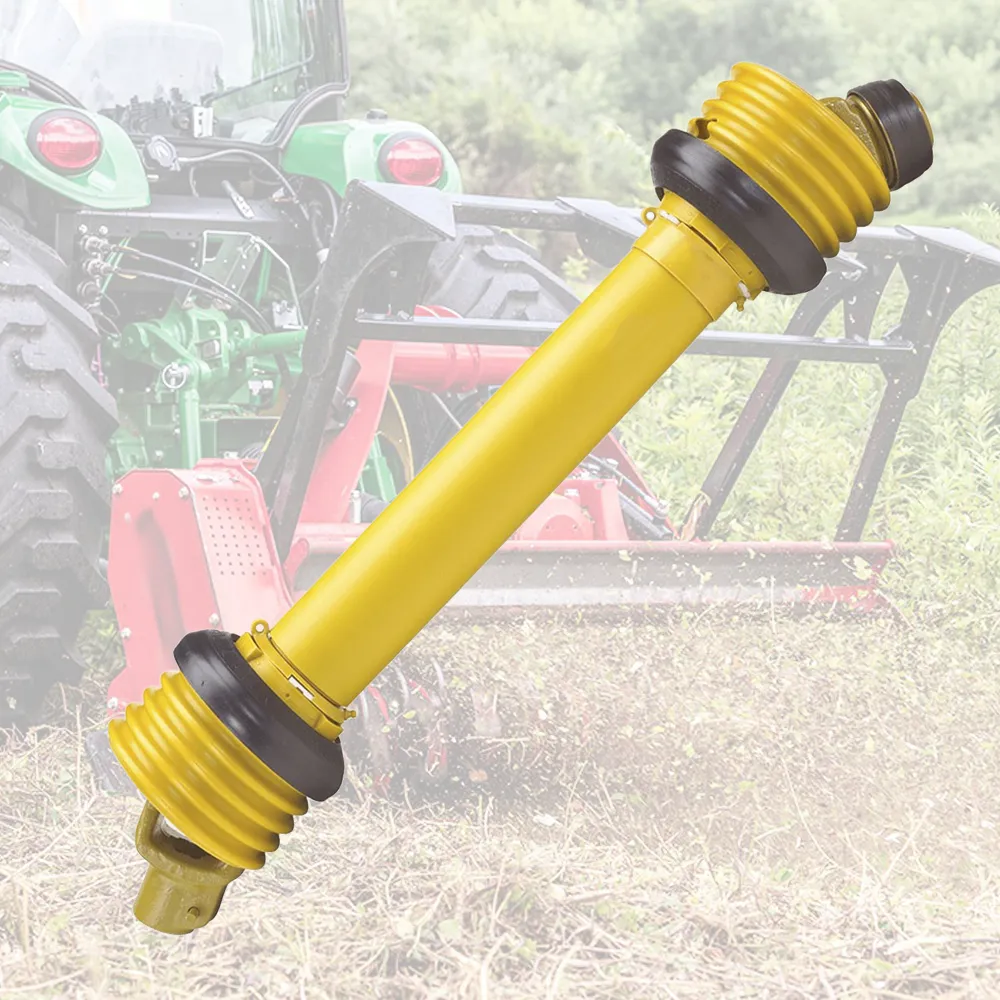
PTO Shaft for Mulcher
Replaceable PTO Drive Shaft Brand
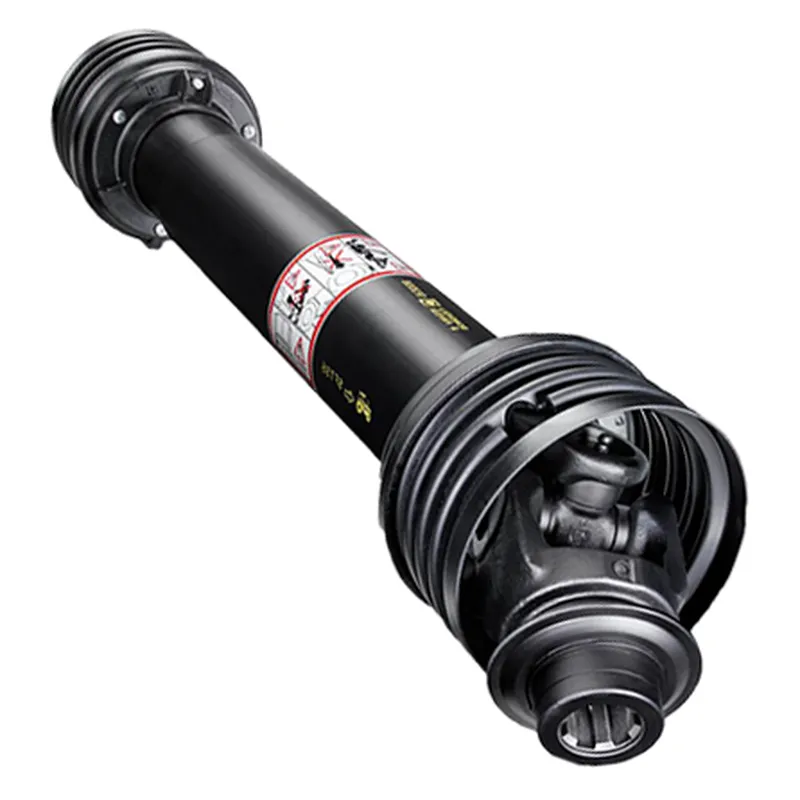
PTO Shaft Replacement of Bondioli & Pavesi
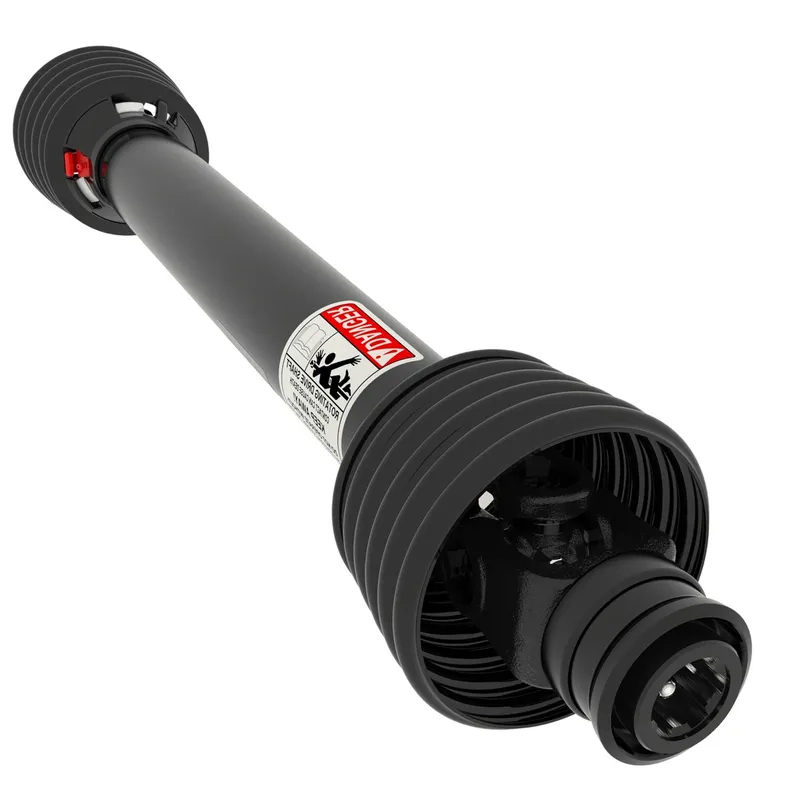
PTO Shaft Replacement of Weasler
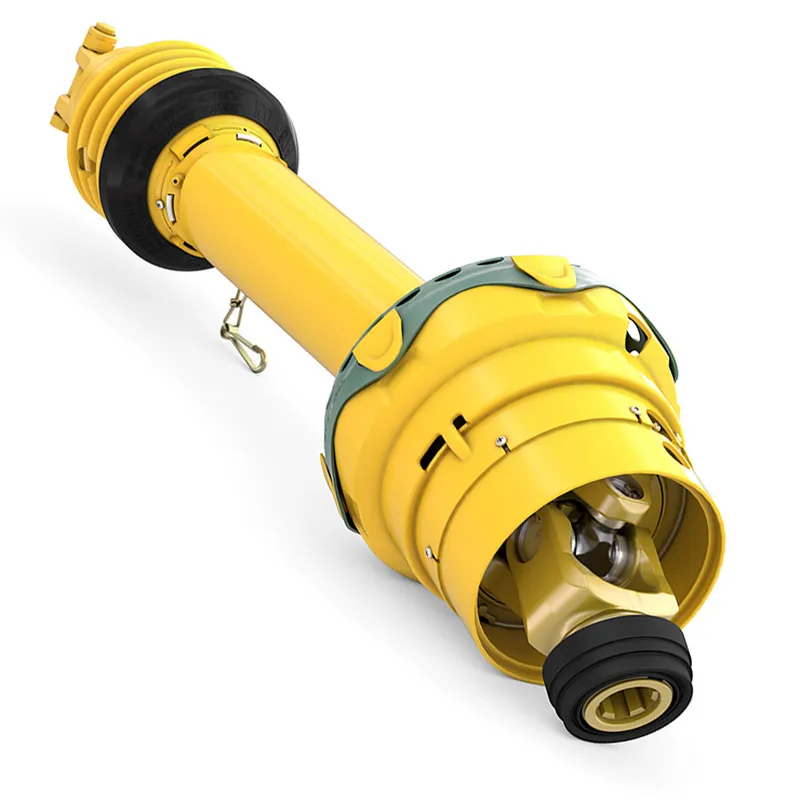
PTO Shaft Replacement of Walterscheid
PTO Shaft Parts
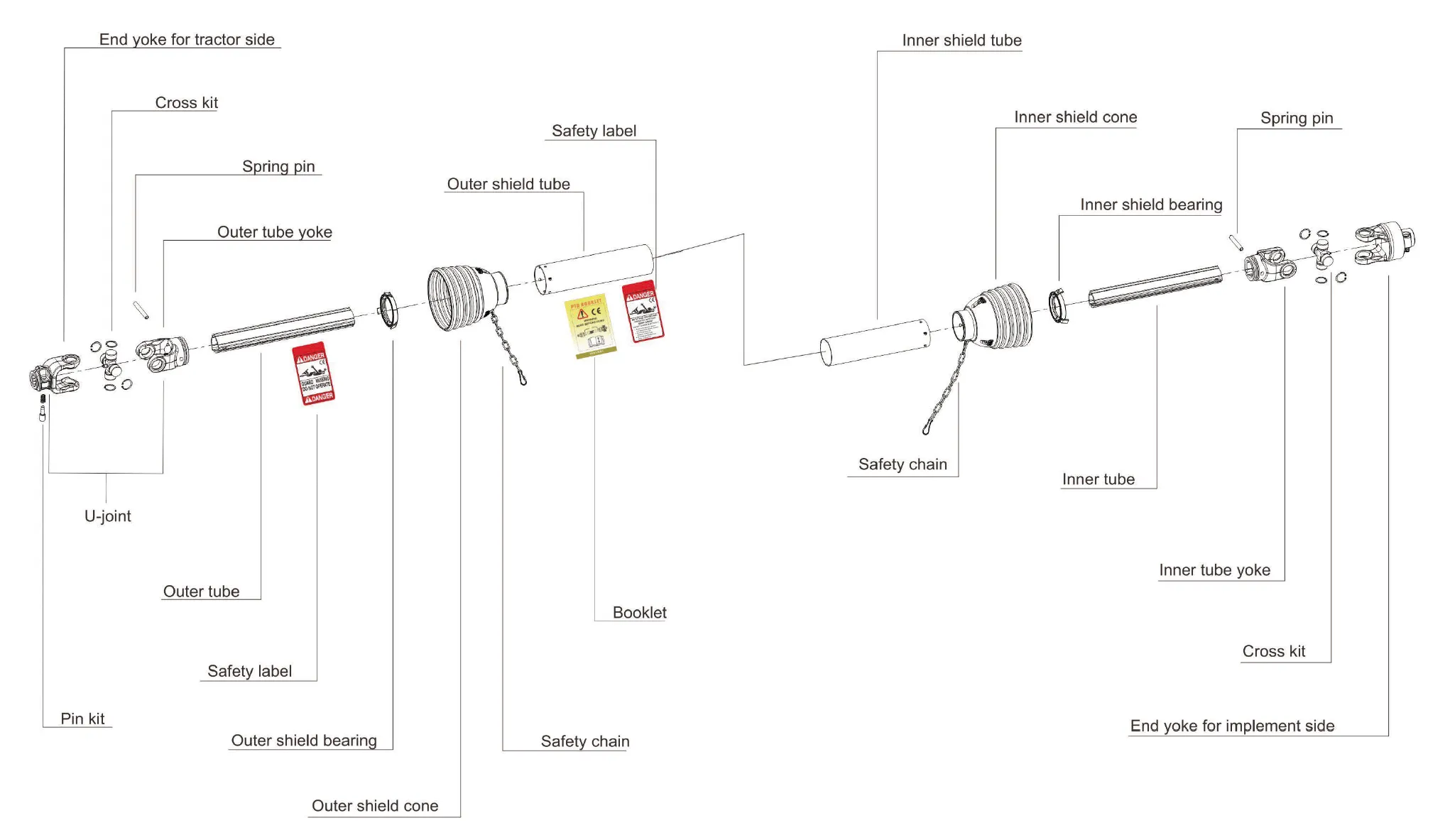
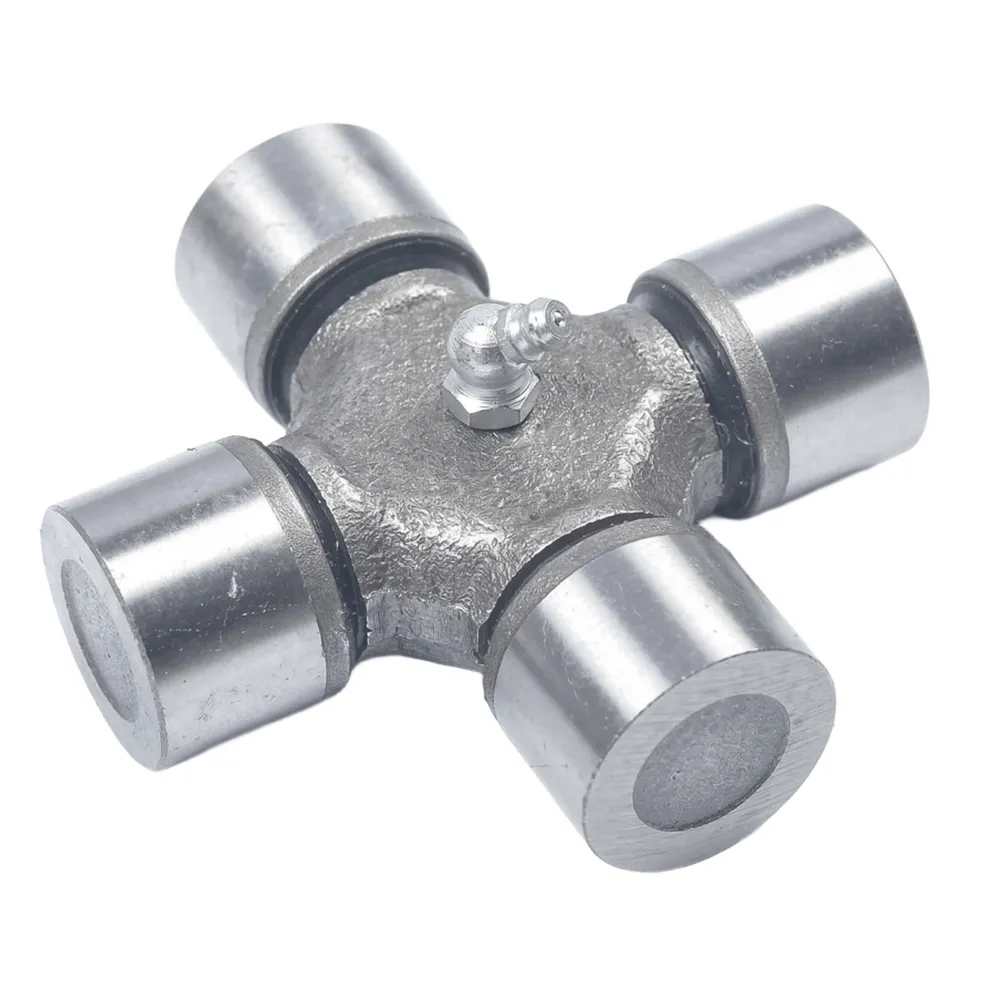
PTO Shaft U joint
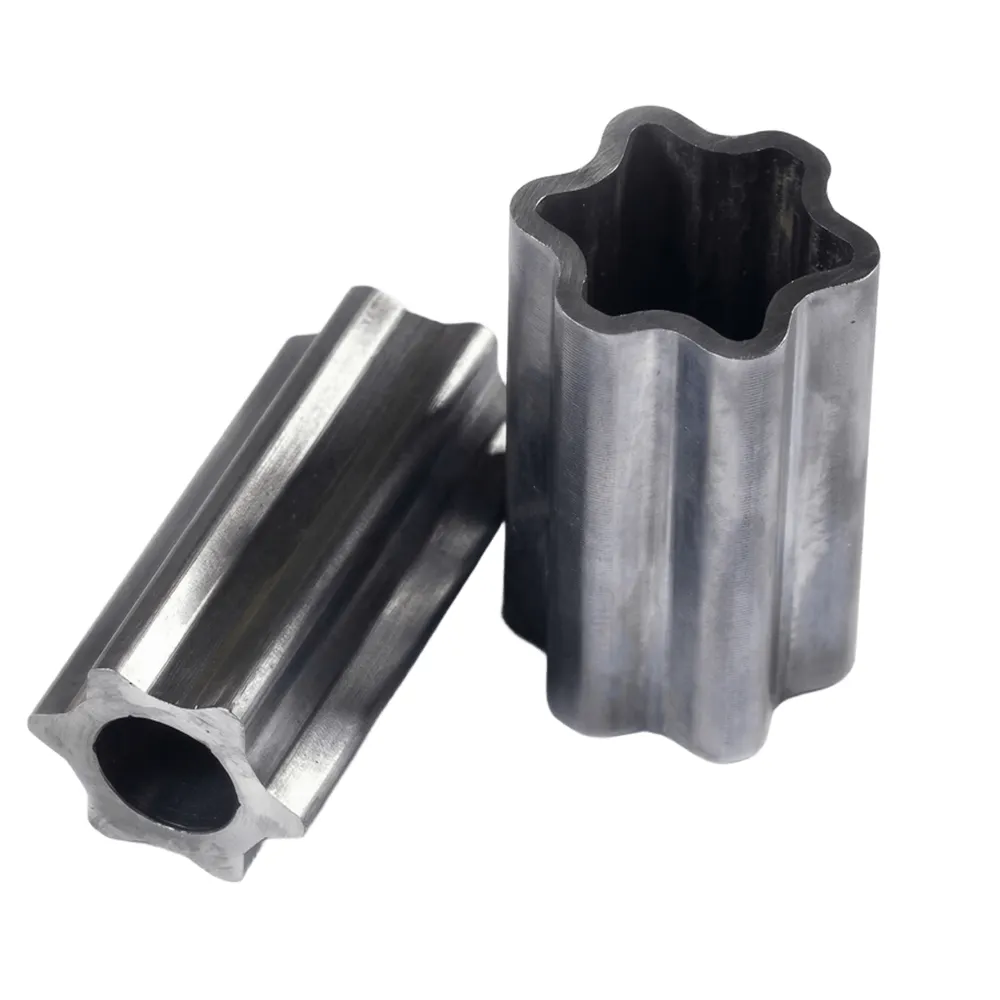
PTO Shaft Tube
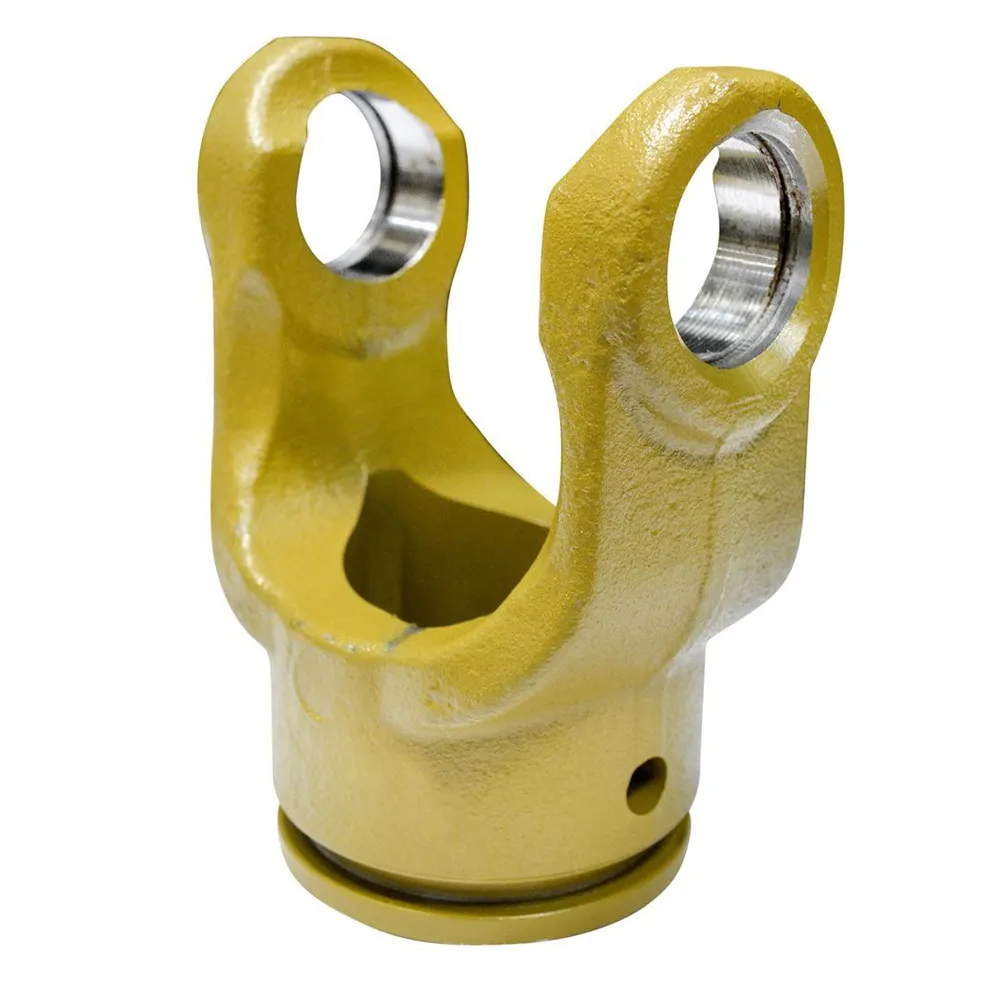
PTO Shaft Yoke
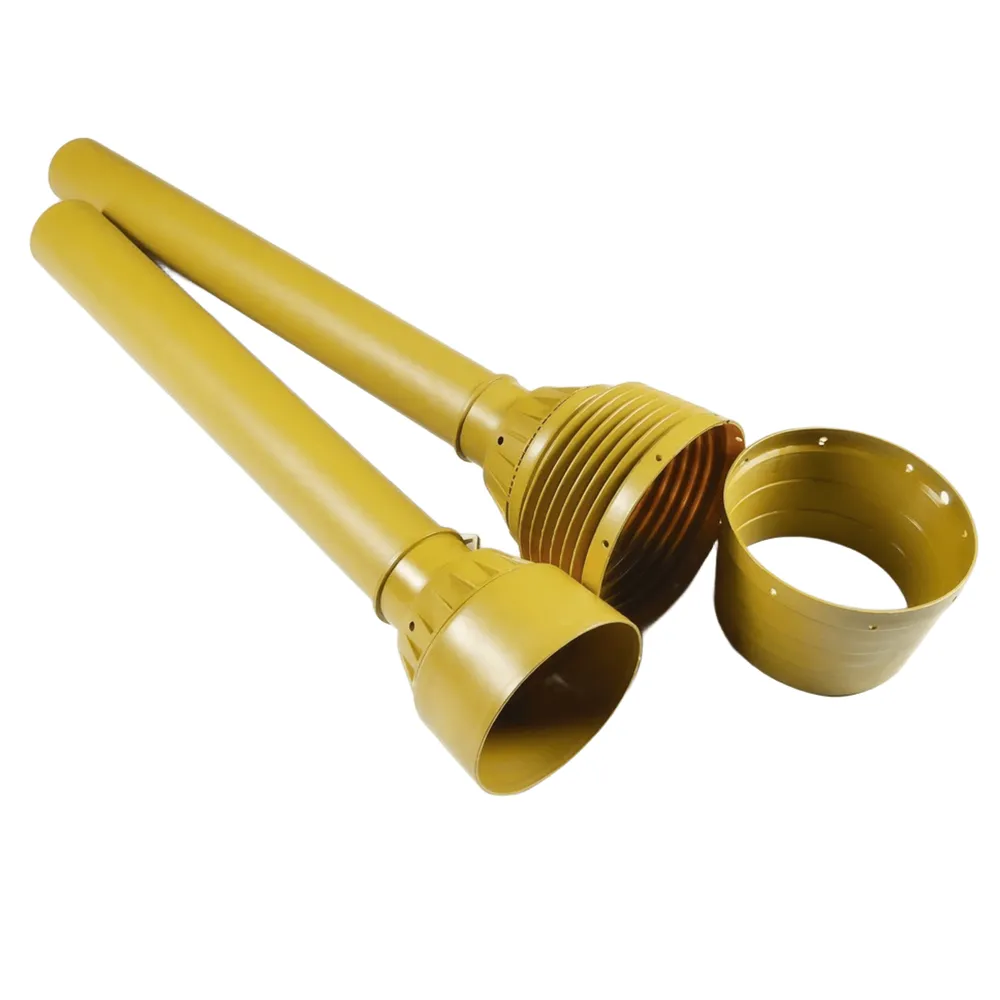
PTO Shaft Safty Shield
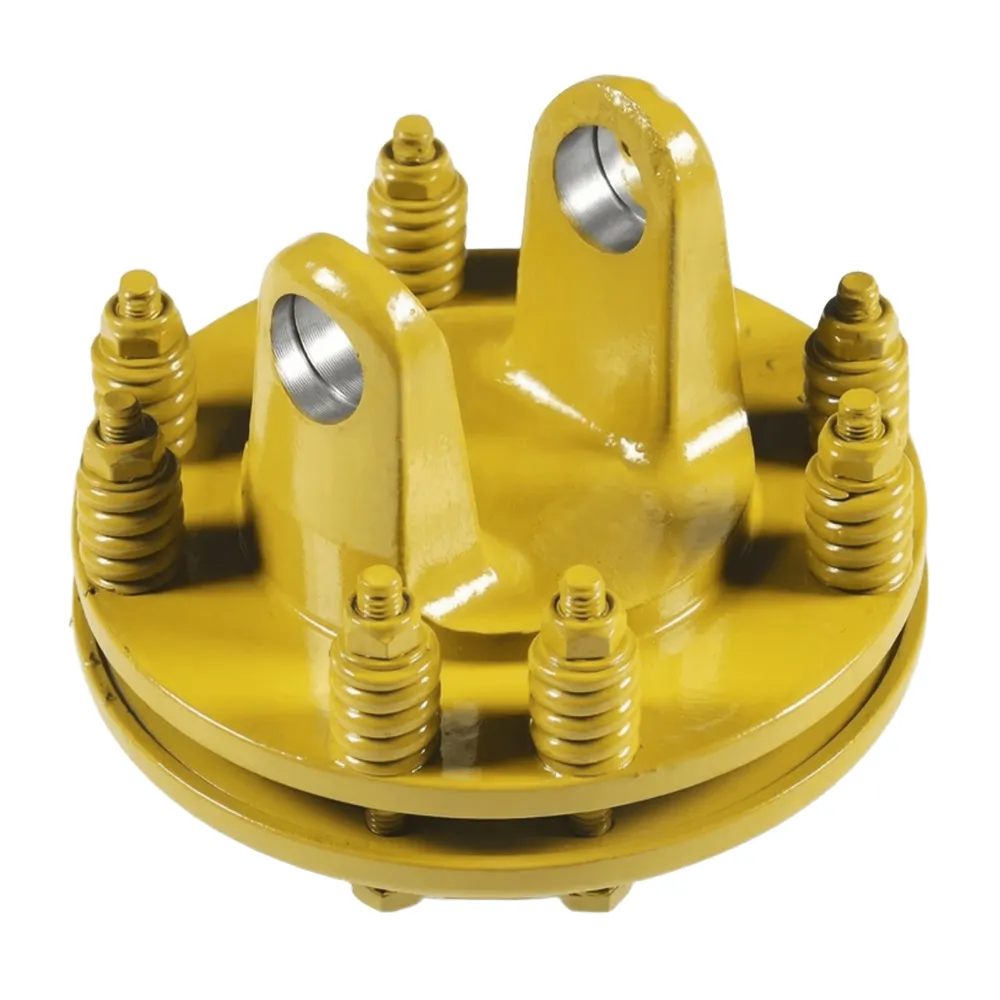
PTO Shaft Torque Limiter
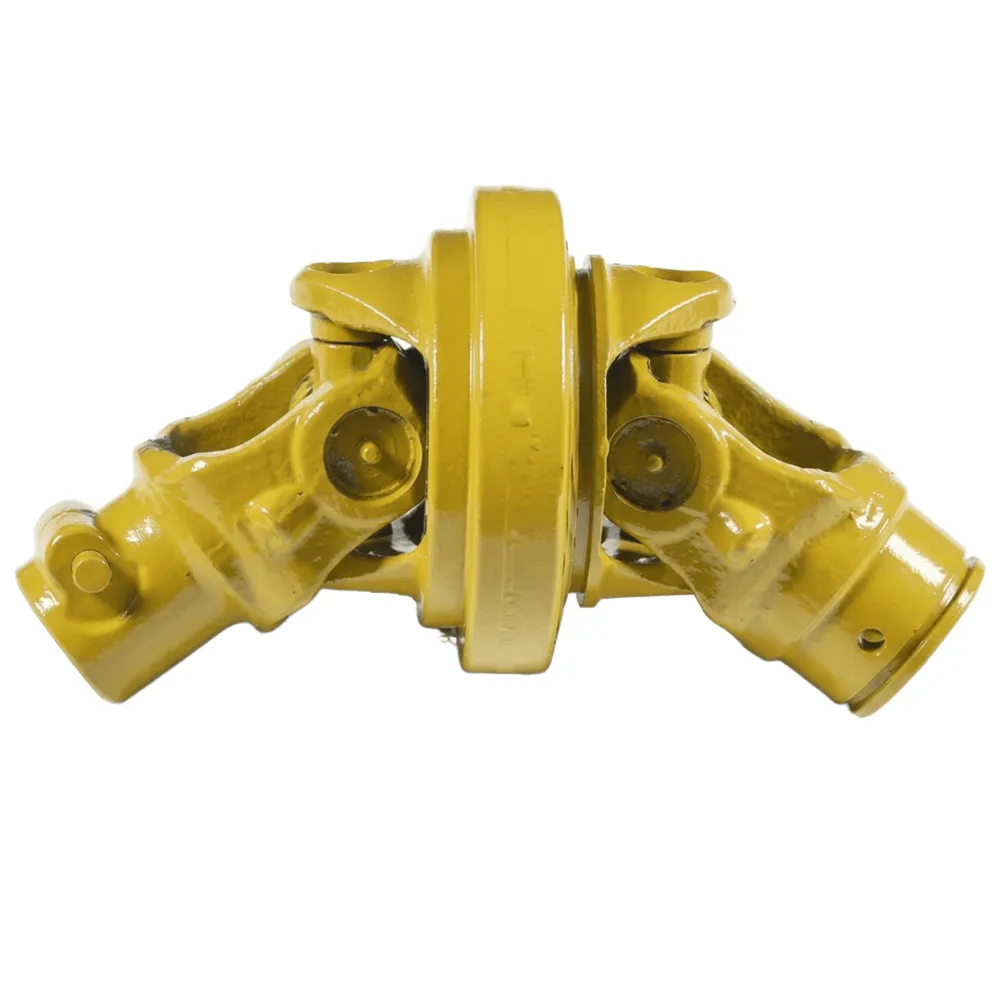
PTO Shaft Wide Angle Joint
What Is a PTO Shaft?
The Power Take-Off shaft, or PTO shaft, serves as a core mechanical linkage in agricultural operations. It connects a tractor directly to external implements and attachments, such as rotary tillers for soil preparation, mowers for vegetation control, or balers for crop handling. By transmitting rotational power from the tractor’s engine to these devices, the shaft eliminates the need for each implement to carry its own independent power unit. Instead, one tractor supplies energy to a range of tools, delivering measurable gains in daily productivity and lowering overall equipment expenditures on the farm.
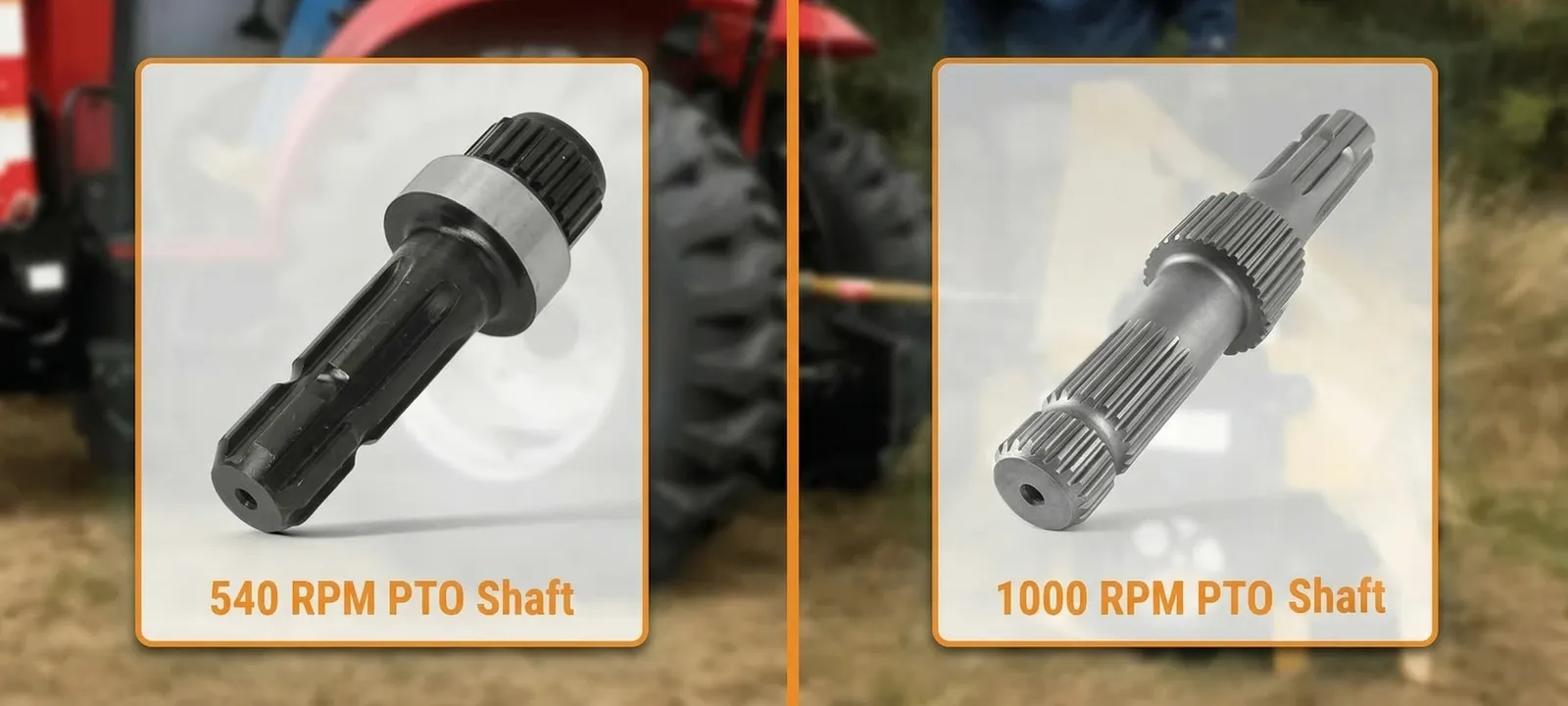
The tractor’s built-in PTO stub shaft rotates at standardized speeds—most often 540 RPM or 1000 RPM to match the requirements of different implements. The PTO shaft attaches securely to this stub and channels the turning force through a series of precision-engineered universal joints and telescoping tube sections. These components maintain consistent alignment and smooth energy delivery, even as the tractor moves across uneven ground or adjusts its position relative to the implement. At the far end, the shaft engages the implement’s gearbox, converting incoming rotation into the mechanical action needed for the task at hand.
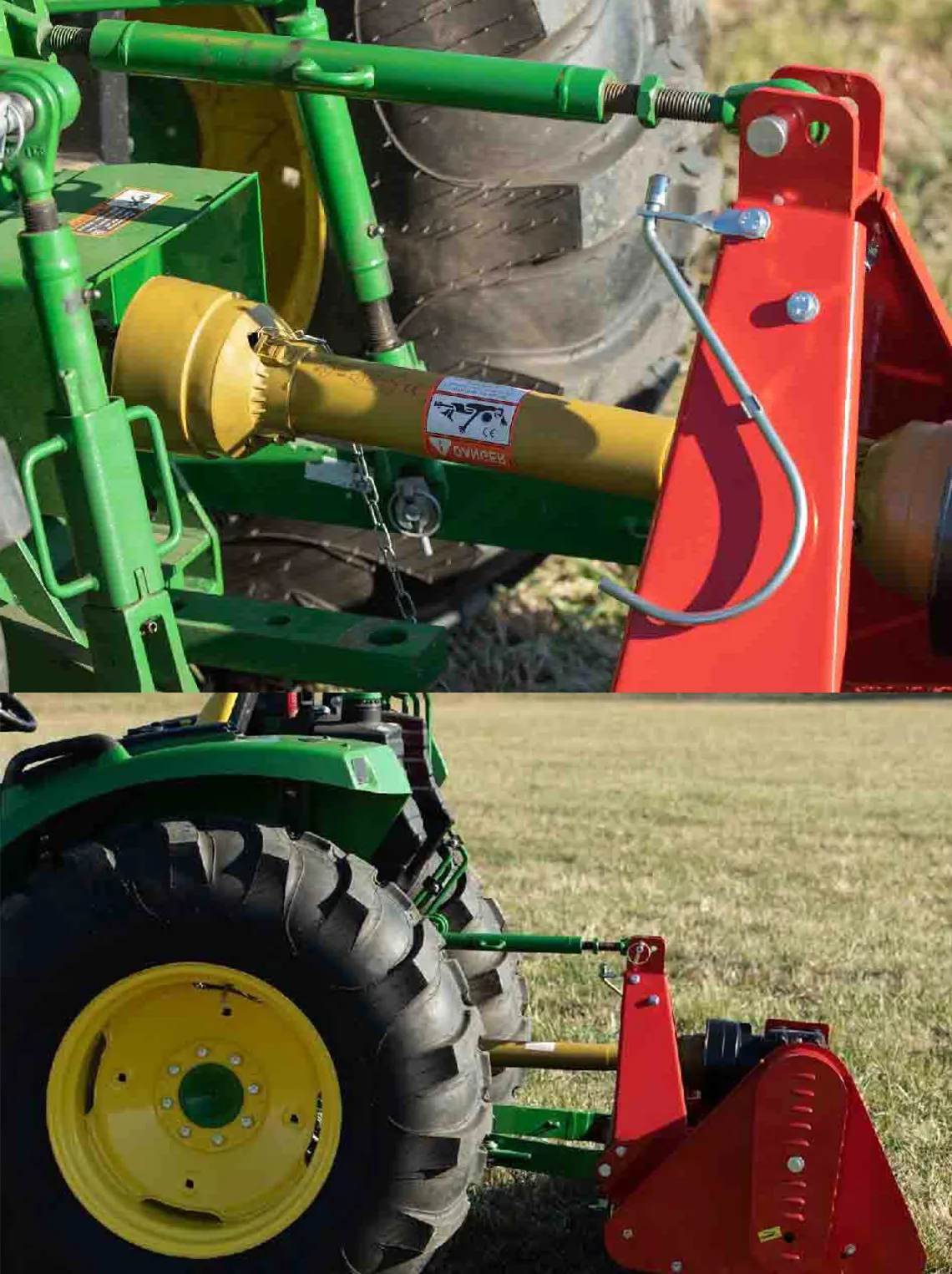
540 PTO Shaft Vs. 1000 PTO Shaft
| No. | Comparison Aspect | 540 PTO Shaft | 1000 PTO Shaft |
|---|---|---|---|
| 1 | Rotational Speed | 540 RPM | 1,000 RPM |
| 2 | Spline Count | 6 splines | 21 splines |
| 3 | Shaft Diameter | 1-3/8 inches | 1-3/4 inches |
| 4 | Power Output | Lower power output | Higher power output |
| 5 | Torque Characteristics | Higher torque at lower speed | Lower torque, compensated by higher speed |
| 6 | Suitable Tractor Size | Small to medium tractors (under ~100 HP) | Large, high-horsepower tractors (100+ HP) |
| 7 | Compatible Implements | Mowers, balers, augers, tillers, hay rakes | Large rotary cutters, big sprayers, high-capacity balers, large combines |
| 8 | Common Use Cases | Medium-duty agricultural tasks | Heavy-duty, power-intensive operations |
| 9 | Fuel Consumption | Lower fuel consumption | Higher fuel consumption |
| 10 | Maintenance Costs | Generally lower | Generally higher |
| 11 | Equipment Wear & Tear | Less wear at lower speeds | More wear due to higher rotational stress |
| 13 | Market Availability of Implements | Wider selection; more implements available | Narrower selection; fewer compatible implements |
| 14 | Versatility | More versatile; compatible with a broader range of implements | Less versatile; best suited for specific high-power applications |
| 15 | Safety Risk at Wrong Speed | Lower risk of runaway speeds if operated near design range | Higher risk of injury and damage if speed is mismatched |
| 16 | Operator Skill Requirement | Easier to manage for general-purpose use | Requires more attention to speed matching and safety protocols |
| 17 | Cost of Equipment | Lower cost; widely available used equipment | Higher cost; typically newer, specialized machinery |
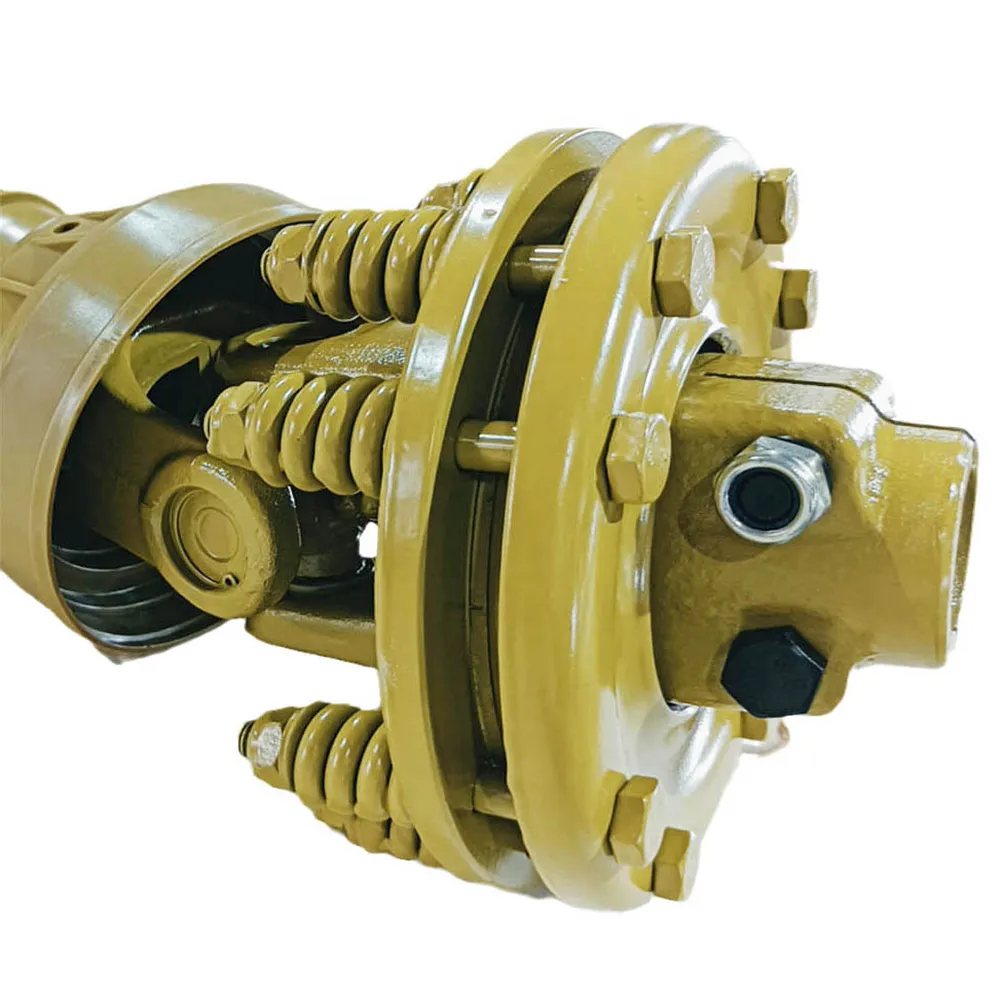
What Is a PTO Shaft Slip Clutch?
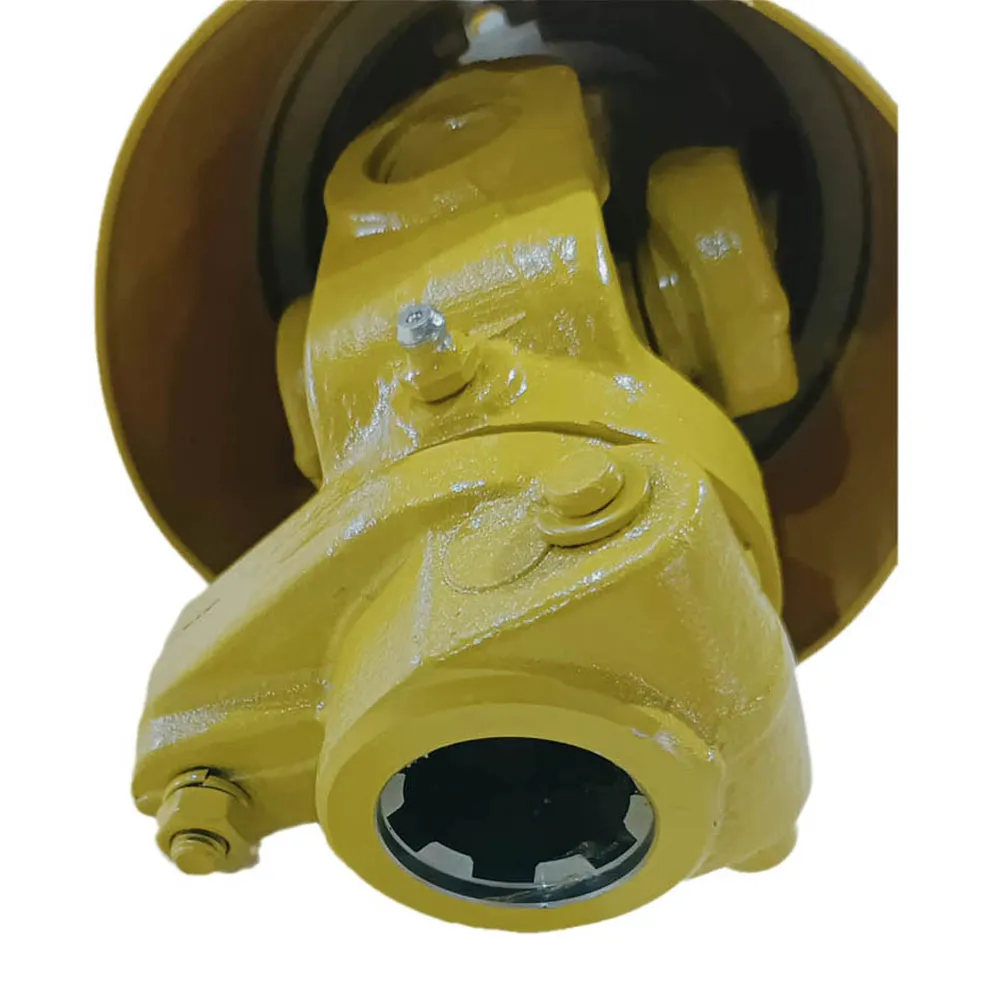
What Is a PTO Shaft Shear Bolt?
A PTO shaft shear bolt, also referred to as a shear pin, serves as a critical safety component in agricultural and industrial equipment powered by power take-off systems. It is commonly selected for implements operating in open, unobstructed environments, such as rotary cutters or tillers on level terrain, where sudden jams are infrequent. Compared to a more expensive PTO slip clutch, the shear bolt offers an economical alternative while delivering reliable overload protection. Engineered to fracture at a precise torque threshold, the bolt snaps cleanly when excessive resistance occurs—for instance, upon striking a hidden rock or dense root during mowing. This action immediately disconnects drive to the implement, allowing the PTO to rotate freely and preventing costly damage to the driveline, gearbox, or tractor. Once sheared, operators must halt the machine, remove the blockage, and install a replacement bolt of the correct grade and size before resuming work.
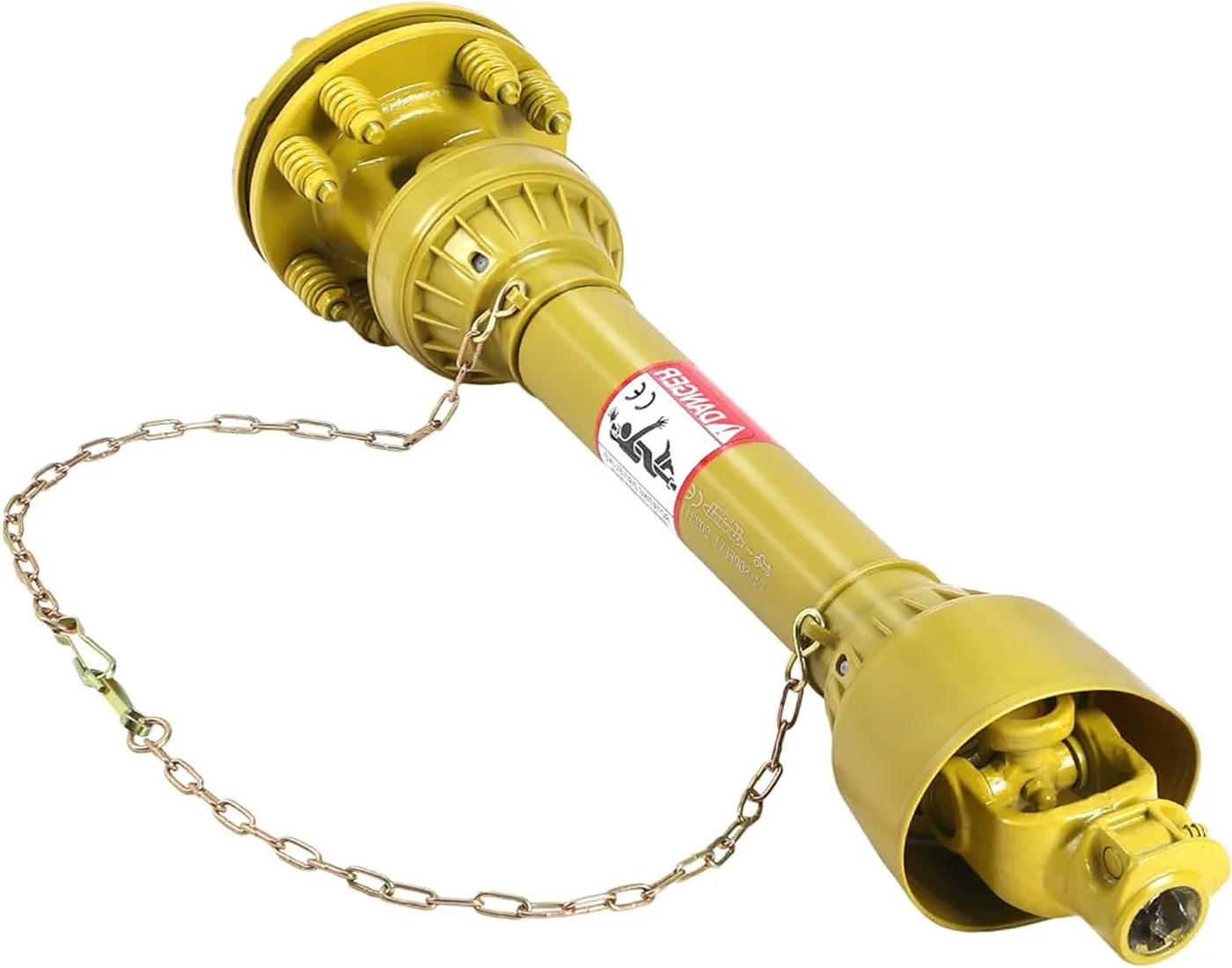
Slip Clutch PTO Shaft Vs. Shear Bolt PTO Shaft
| No. | Type | Slip Clutch PTO Shaft | Shear Bolt PTO Shaft |
|---|---|---|---|
| 1 | Protection Mechanism | Uses spring-and-disc plates that slip/free-wheel when torque exceeds a limit | A bolt/pin physically shears/breaks under a designated torque load |
| 2 | How It Works | The two shaft ends spin independently at different speeds when overloaded | When the bolt shears, the PTO spins freely and stops powering the implement |
| 3 | Recovery After Overload | Automatically re-engages once the obstruction is cleared; no parts replacement needed | Must stop the tractor, clear the obstruction, and manually replace the sheared bolt |
| 4 | Downtime | Minimal — work can resume almost immediately after obstruction is cleared | Requires full work stoppage each time a bolt shears |
| 5 | Cost | Higher upfront cost due to more complex mechanism | Lower upfront cost; simpler and cheaper to manufacture |
| 6 | Ongoing Running Cost | Low — no consumable parts under normal use | Recurring cost of replacement shear bolts; must keep a supply on hand |
| 7 | Ease of Use | More user-friendly; no manual intervention needed during operation | Requires the operator to dismount the tractor and change bolts each time |
| 8 | Best Environment | Ideal for rough, obstacle-heavy terrain (unkept land, rocky/littered soil) | Better suited for areas where obstructions are unlikely or infrequent |
| 9 | Typical Applications | Rotovators, stone buriers, heavy brush cutters, rotary mowers, hay tedders, balers, post hole borers | Topper mowers and machinery with low obstruction risk |
| 10 | Frequency of Obstruction Handling | Handles multiple obstruction events per session without stopping | Each obstruction event requires a full work halt and bolt replacement |
| 11 | Maintenance Requirements | Requires periodic spring tension checks; clutch plates may rust/seize if not occasionally loosened | Low mechanical maintenance; bolt replacement is the primary service task |
| 12 | Risk of Neglect | Plates can rust and seize if springs are left too tight, rendering the clutch ineffective | Negligible mechanical degradation risk, but running out of spare bolts is a practical hazard |
Slip Clutch PTO Shaft