
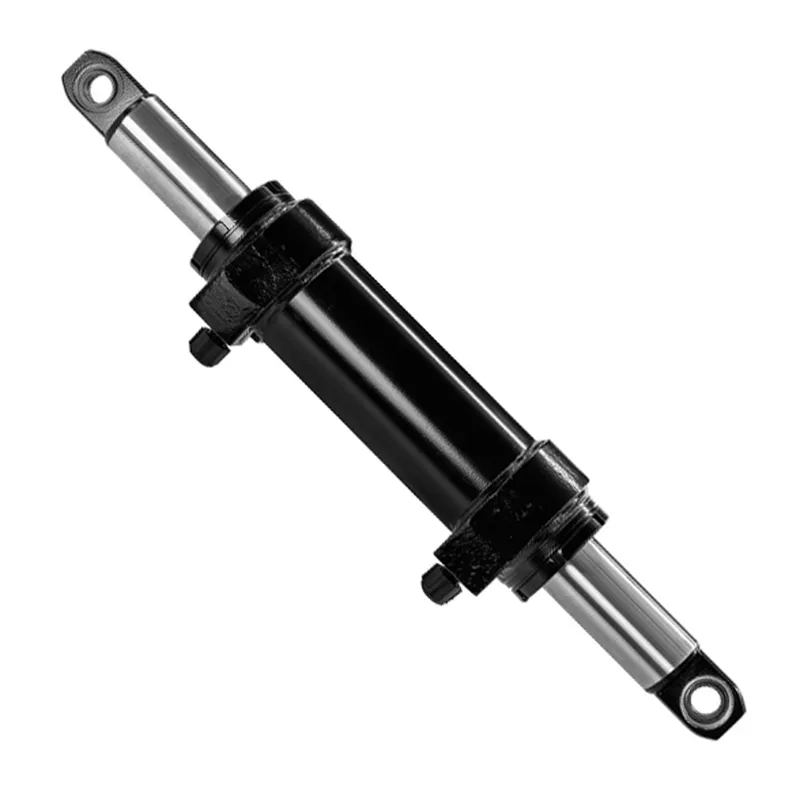
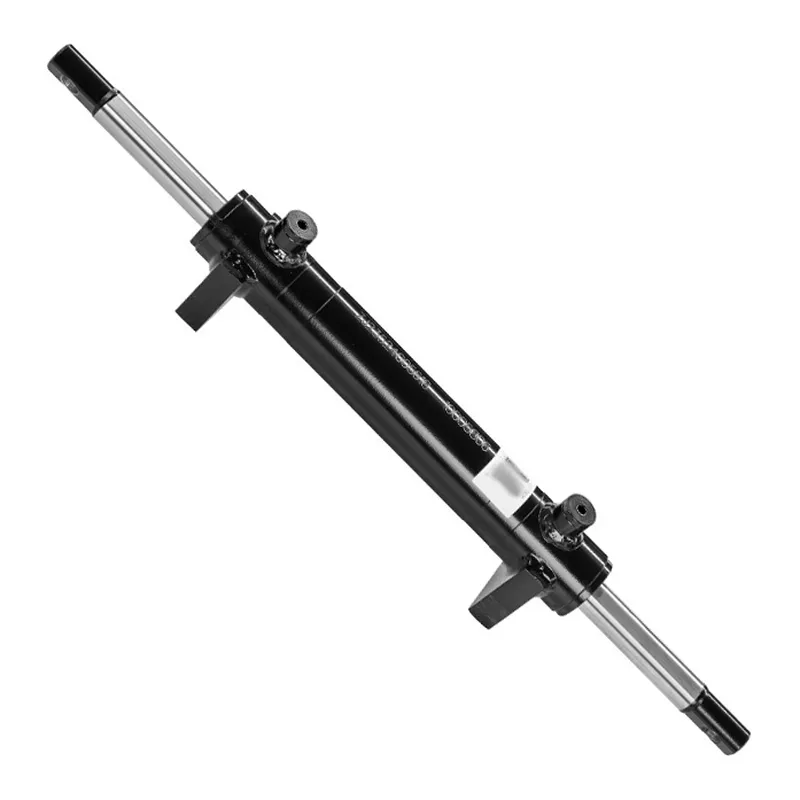
Steering Hydraulic Cylinder for Small Tonnage Forklift
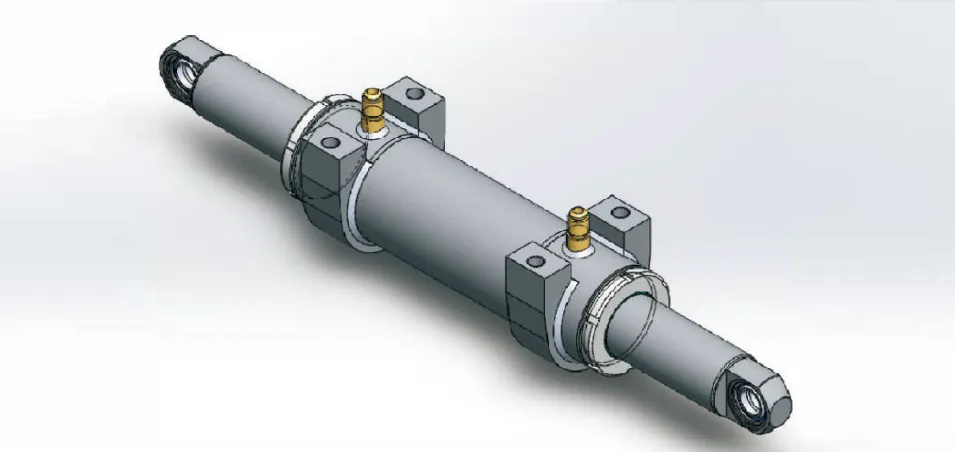
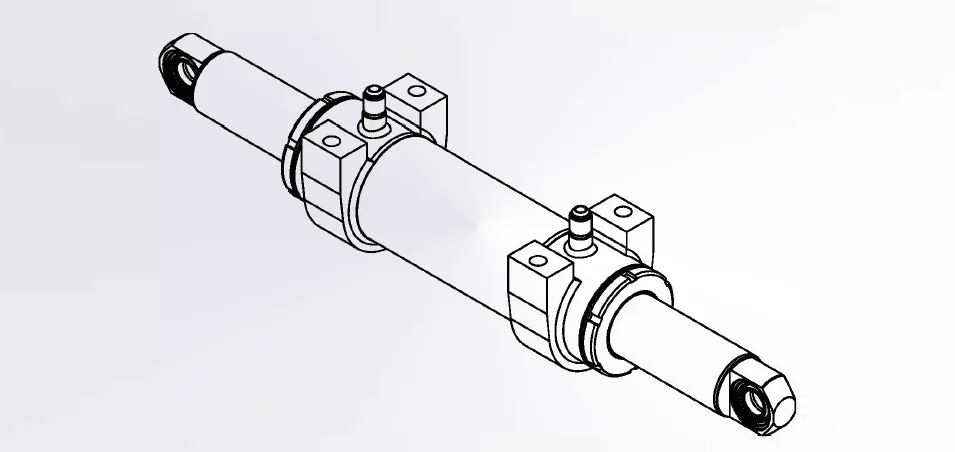
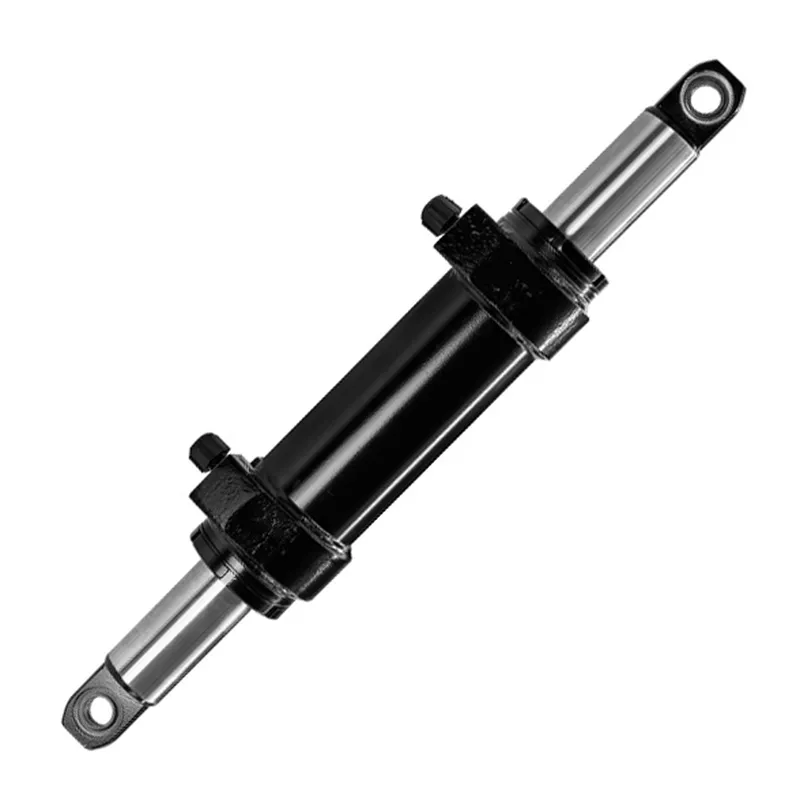
A steering hydraulic cylinder for a small tonnage forklift is a double-acting hydraulic component critical for precise and efficient steering. Typically used in forklifts with a capacity of 1–3 tons, it converts hydraulic fluid pressure into linear mechanical force to control the rear wheels, enabling smooth left and right turns. The cylinder features a piston rod extending from both ends of the barrel, allowing equal force in opposite directions for balanced steering. Connected to an orbital valve and powered by a hydraulic pump, it ensures responsive maneuverability in tight warehouse spaces.
A steering hydraulic cylinder for a small tonnage forklift is a double-acting hydraulic component critical for precise and efficient steering. Typically used in forklifts with a capacity of 1–3 tons, it converts hydraulic fluid pressure into linear mechanical force to control the rear wheels, enabling smooth left and right turns. The cylinder features a piston rod extending from both ends of the barrel, allowing equal force in opposite directions for balanced steering. Connected to an orbital valve and powered by a hydraulic pump, it ensures responsive maneuverability in tight warehouse spaces.
In electric forklifts, it operates via a separate pump, while in internal combustion models, it shares the main pump. Its robust seals prevent leaks, ensuring reliable performance under varying loads.
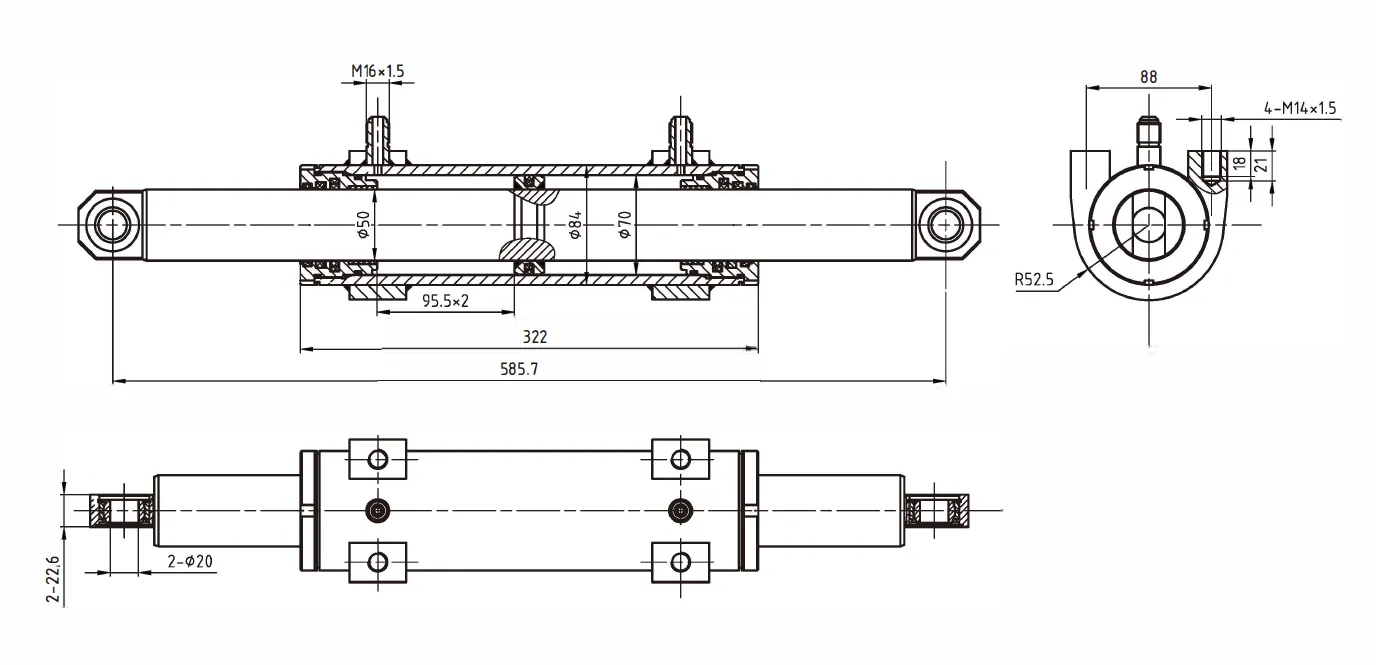
Forklift Steering Hydraulic Cylinder Dimensions
 | |
 |  |
| Forklift Steering Cylinder | ||||||
| Cylinder model | Specifications | Working pressure | Maximum withstand pressure | Trip | Installation distance | Weight |
| CMN11112002 | Φ70xΦ50x95.5x2 | 16MPa | 24MPa | 96.5X2 | 585.7 | 16.5kg |
| Product Name: | Steering Hydraulic Cylinder |
| Function: | Implement forklift steering axle action and enable forklift tire steering. |
| Cylinder diameter: | 50mm-80mm |
| Rod diameter: | 30mm-50mm |
| Travel: | 160mm-206mm |
| Maximum pressure: | 10MPa |
| Maximum thrust: | 50KN |
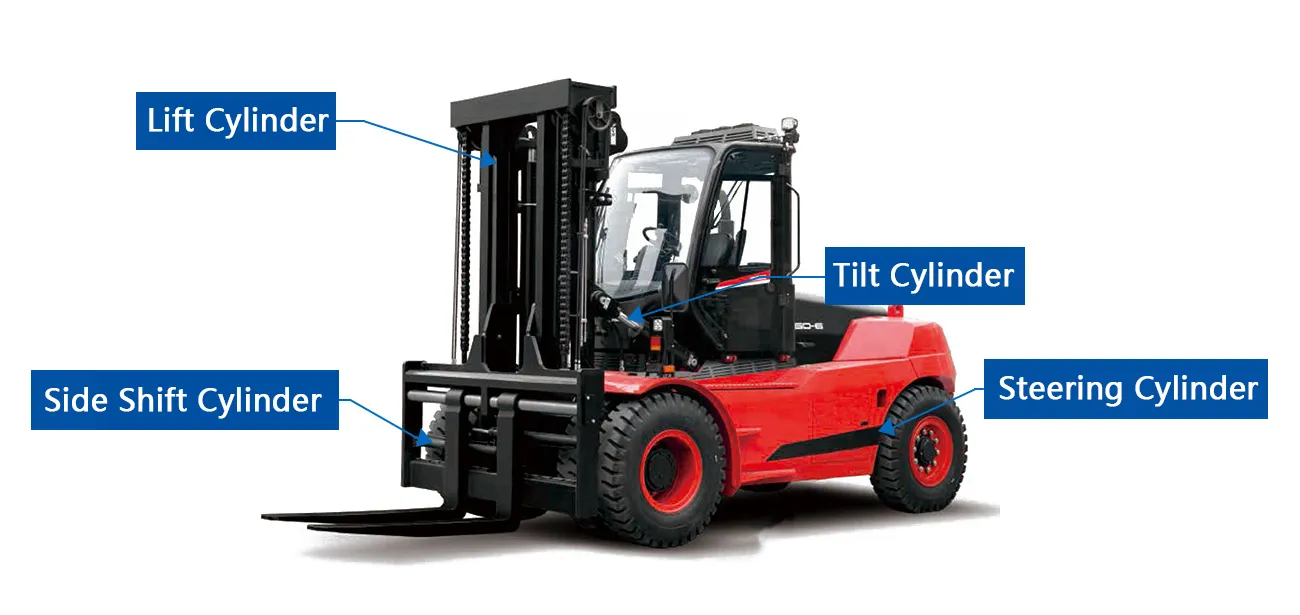
Small Tonnage Forklift Hydraulic Cylinder Types
- Tilt Hydraulic Cylinders
Tilt hydraulic cylinders are responsible for tilting the forklift's mast forward or backward, allowing the operator to adjust the angle of the load. These cylinders provide precise control over the tilt motion, ensuring stability and preventing load slippage. Built to withstand heavy loads, they are made from high-strength materials and are essential for stacking, loading, and unloading tasks. Their smooth operation enhances safety and efficiency when handling goods in various industrial settings. - Lift Hydraulic Cylinders
Lift hydraulic cylinders are designed to raise and lower the forklift’s forks or platform, enabling vertical movement of loads. These cylinders handle the primary lifting function and are critical for stacking items at different heights. They work under high pressure and provide consistent, powerful lifting performance, even for heavy loads. Their durable construction ensures reliability during repeated use, making them indispensable for operations in warehouses, factories, and logistics environments. - Steering Hydraulic Cylinders
Steering hydraulic cylinders control the movement of the forklift’s wheels, enabling smooth and precise turning. They convert hydraulic pressure into mechanical force, allowing the operator to maneuver the forklift effortlessly. These cylinders are built to provide responsive steering, especially in confined spaces where agility is crucial. - Side Shift Hydraulic Cylinders
Side shift hydraulic cylinders enable the horizontal movement of the forklift’s forks, allowing the operator to align the load without repositioning the forklift. This feature enhances precision and efficiency during loading and unloading tasks. These cylinders are particularly useful in tight spaces where small adjustments are necessary.
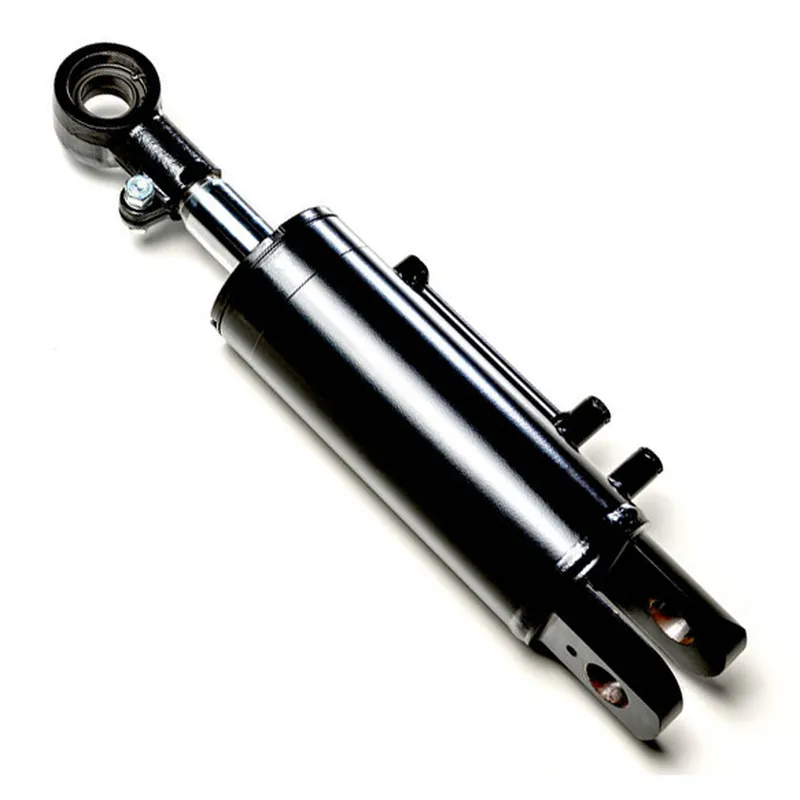 |  |
| Tilt Hydraulic Cylinders | Lift Hydraulic Cylinders |
Forklift Hydraulic Steering Cylinder Features
- Double-Acting Design
The hydraulic steering cylinder in small tonnage forklifts features a double-acting mechanism. Hydraulic fluid drives the piston in both directions, ensuring equal force for precise left and right turns, enhancing maneuverability in confined spaces. - Compact and Lightweight
Designed for small tonnage forklifts, these forklift hydraulic cylinders are compact and lightweight to fit tight chassis spaces. Their reduced size maintains high performance, allowing efficient steering without compromising the forklift’s payload capacity or operational efficiency. - High-Pressure Capability
These hydraulic cylinder for steering withstand high hydraulic pressures to deliver robust steering force. Engineered with durable materials, they maintain structural integrity under stress, ensuring reliable performance during frequent, demanding maneuvers in warehouse environments. - Precision Sealing Technology
Advanced sealing systems prevent hydraulic fluid leaks, ensuring consistent performance. High-quality seals resist wear and contamination, maintaining steering accuracy and extending the cylinder’s lifespan, even under continuous operation in dusty or humid conditions. - Corrosion-Resistant Materials
Constructed from corrosion-resistant materials like stainless steel or treated alloys, the hydraulic steering cylinders endure harsh environments. This durability reduces maintenance needs and ensures long-term reliability, critical for forklifts operating in varied industrial settings. - Integrated with Steering Gear
The hydraulic cylinder works seamlessly with the forklift’s steering gear and multi-way valve. This integration translates hydraulic force into smooth wheel movement, providing operators with responsive control, essential for safe navigation in tight spaces.
How Does a Hydraulic Steering Cylinder for Forklift Work?
A hydraulic steering cylinder for a small tonnage forklift is a pivotal component that enables precise and efficient steering, crucial for navigating tight spaces in warehouses or industrial settings. Typically a double-acting, double-rod cylinder, it operates by converting hydraulic fluid pressure into mechanical force to control the forklift’s rear wheel movement. The cylinder consists of a barrel housing a piston connected to a rod that extends from both ends, allowing bidirectional movement.
Hydraulic fluid, pressurized by a pump, is directed into one side of the forklift hydraulic cylinder through a multi-way valve, which is controlled by the operator’s steering input. This fluid pushes the piston, moving the rod in one direction, which, through a steering gear mechanism, pivots the rear wheels to execute a turn.
When the operator turns the steering wheel in the opposite direction, the valve redirects fluid to the other side of the hydraulic cylinder for steering, reversing the piston’s movement and adjusting the wheels accordingly. The double-acting design ensures equal force in both directions, providing smooth and responsive steering. High-quality seals prevent fluid leaks, maintaining consistent pressure and performance.
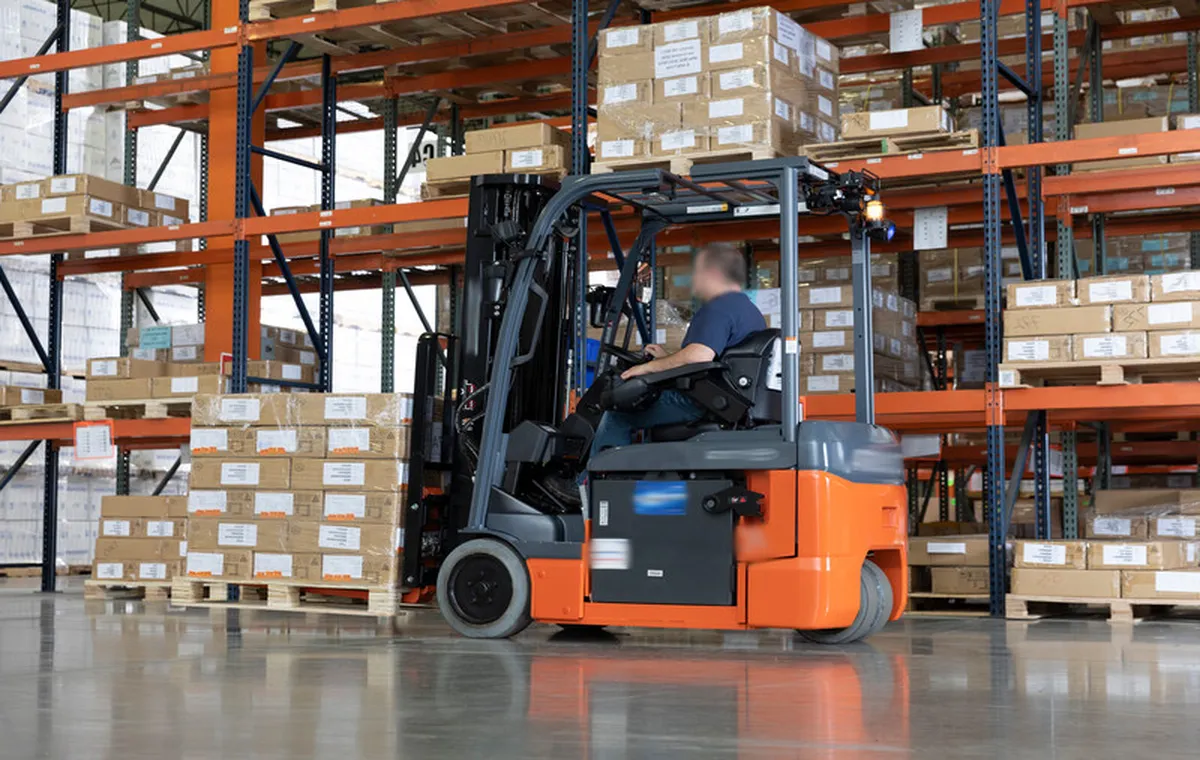
The compact yet robust construction of the hydraulic steering cylinders suits small tonnage forklifts, ensuring durability under frequent use. This system allows precise control, enhancing safety and efficiency by enabling the forklift to maneuver accurately in confined spaces without excessive effort from the operator.
Additional information
| Edited by | Yjx |
|---|
Related products
-
Steering Hydraulic Cylinder for Mast Type Aerial Work Platform
-

Telescopic Hydraulic Cylinder for Arm Type Aerial Work Platform
-

Lifting Hydraulic Cylinder for Warehouse Storage Forklift
-

Lifting Hydraulic Cylinder for Scissor Type Aerial Work Platform
-

Jib Hydraulic Cylinder for Arm Type Aerial Work Platform