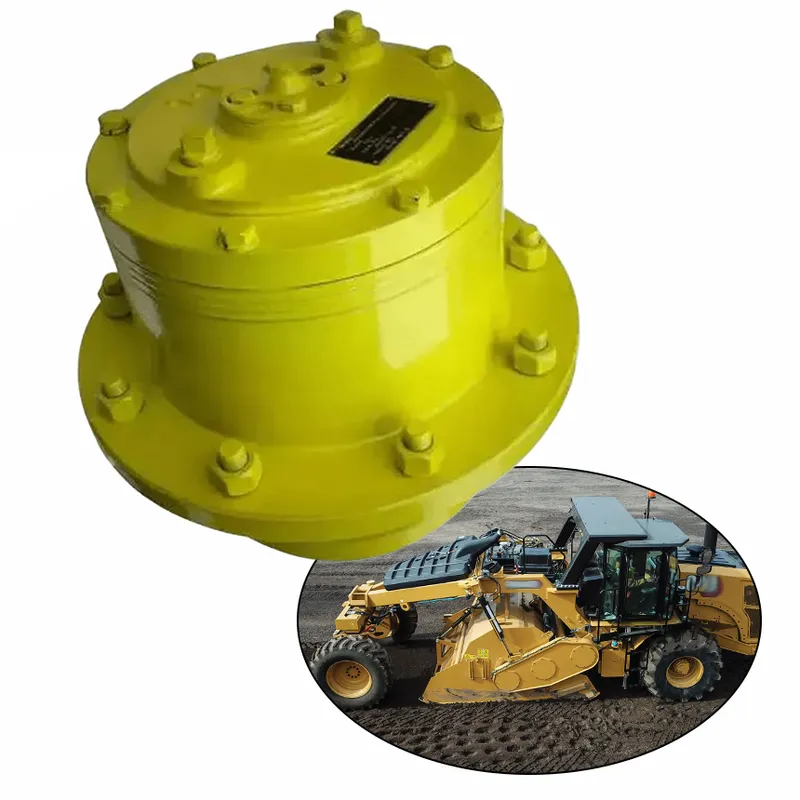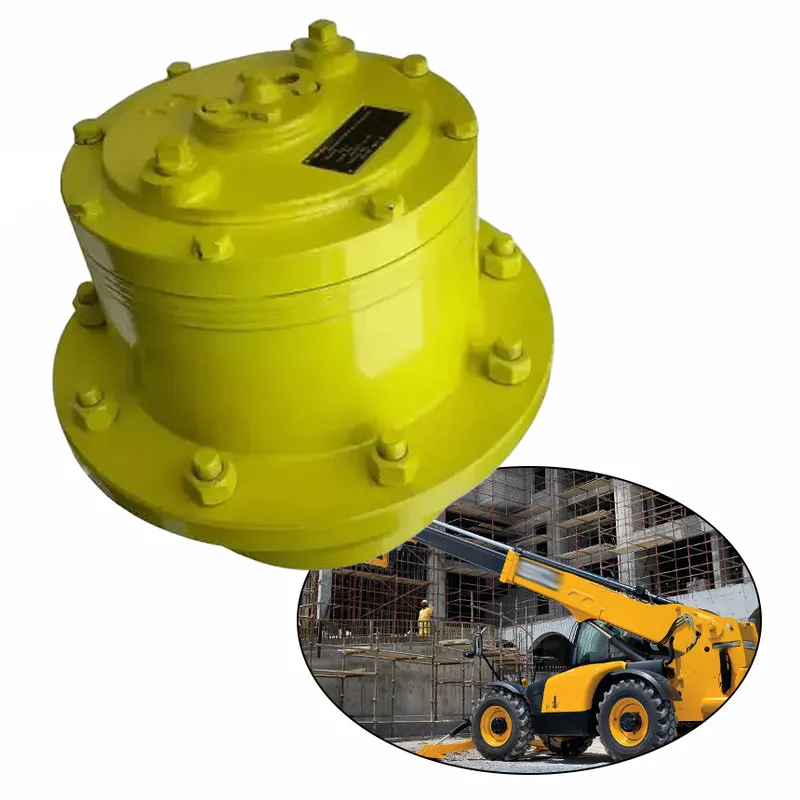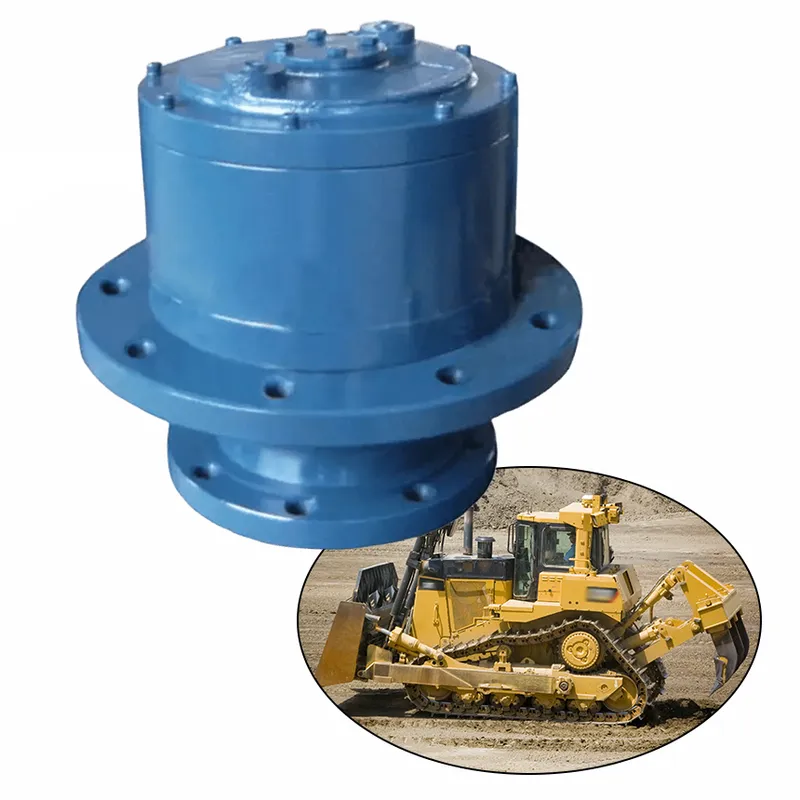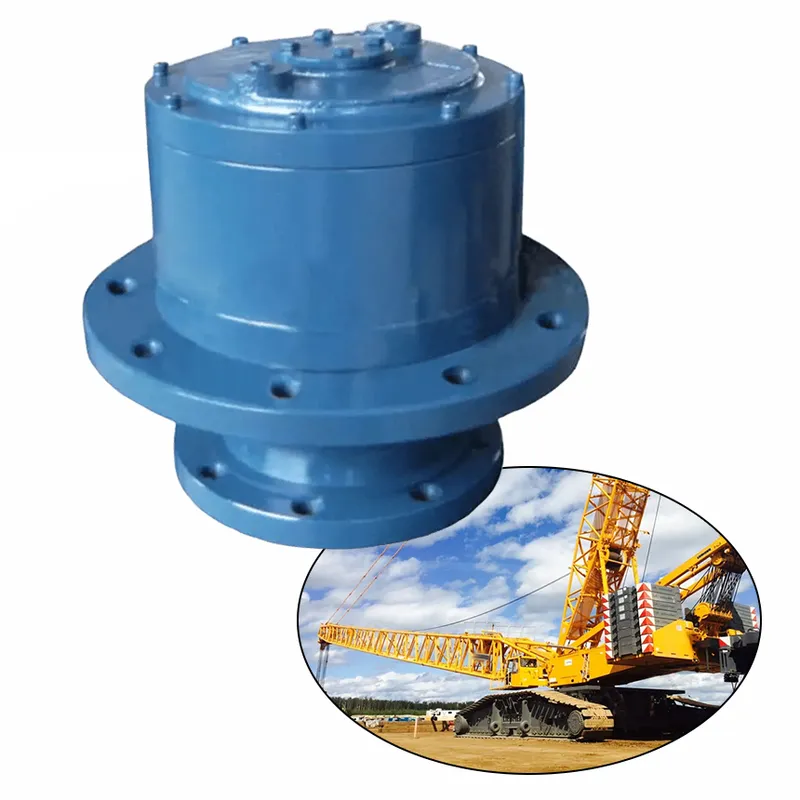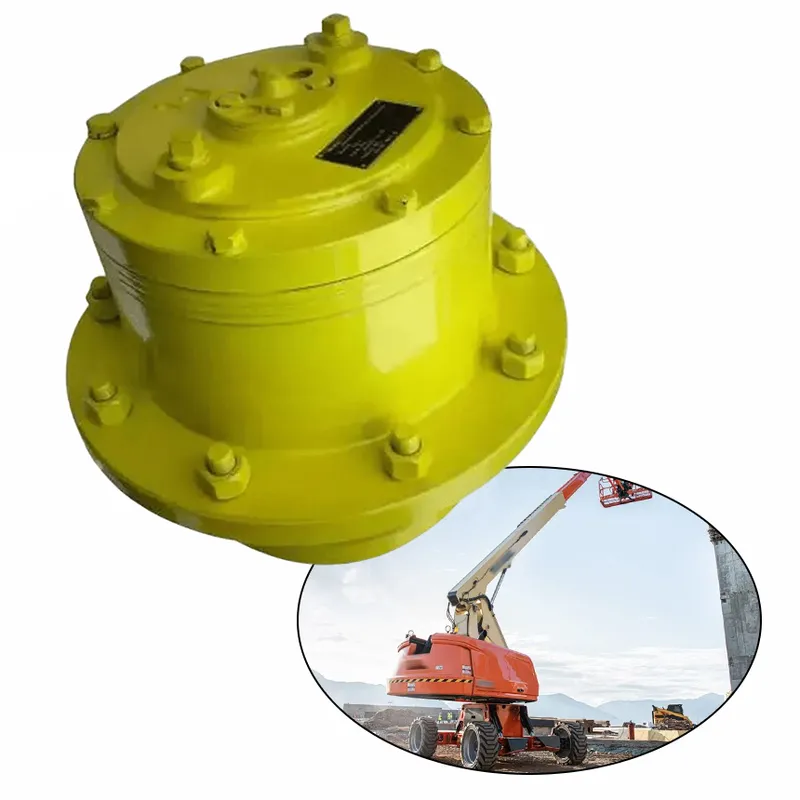
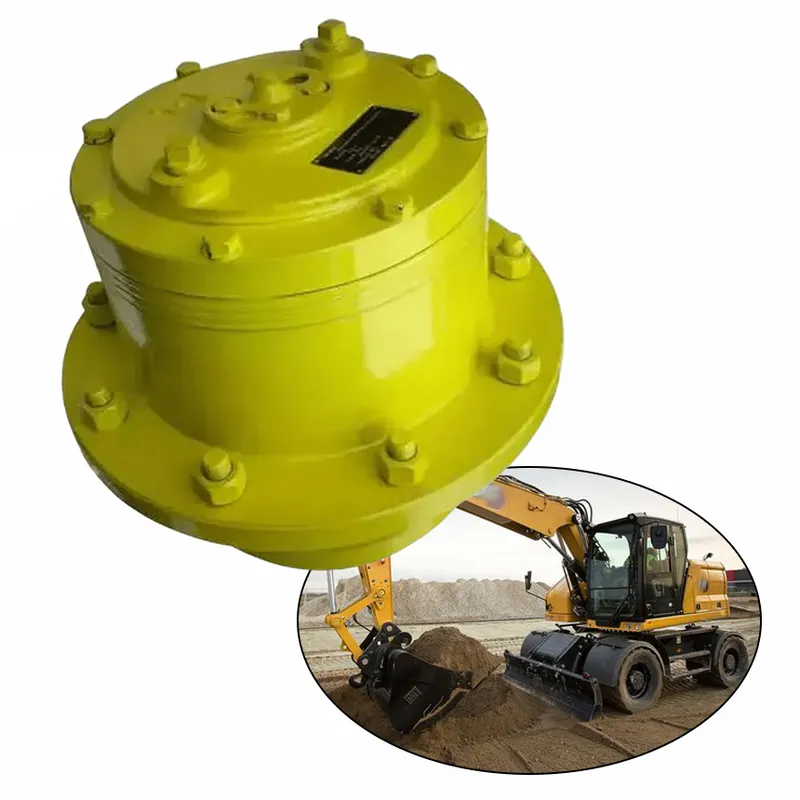
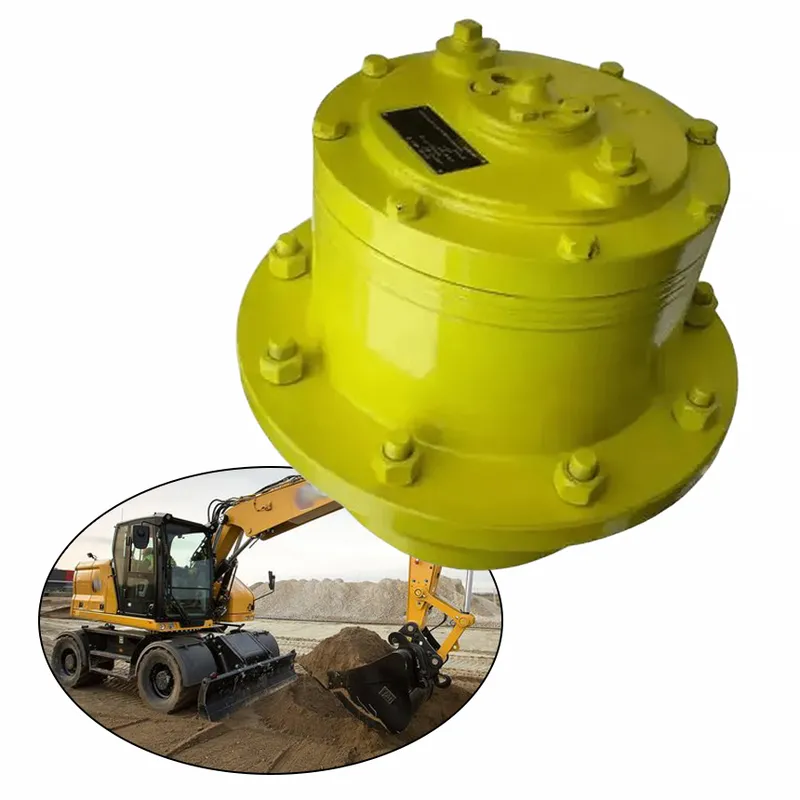
Planetary Wheel Drive Gearbox for Mining Wheel Excavators
The planetary wheel drive gearbox for mining wheel excavators is a compact, epicyclic gear system engineered for high-torque transmission and speed reduction in heavy-duty mobile machinery. It integrates directly into the wheel hubs of wheel excavators used in mining operations, providing efficient power delivery from hydraulic or electric motors to the wheels. This planetary gearbox features a multi-stage planetary arrangement with sun, planet, and ring gears that distribute loads evenly, while minimizing noise, vibration, and backlash for enhanced operator comfort in harsh environments.
The planetary wheel drive gearbox for mining wheel excavators is a compact, epicyclic gear system engineered for high-torque transmission and speed reduction in heavy-duty mobile machinery. It integrates directly into the wheel hubs of wheel excavators used in mining operations, providing efficient power delivery from hydraulic or electric motors to the wheels. This planetary gearbox features a multi-stage planetary arrangement with sun, planet, and ring gears that distribute loads evenly, while minimizing noise, vibration, and backlash for enhanced operator comfort in harsh environments. In mining applications, it excels by delivering superior traction and maneuverability on uneven terrains, supporting tasks such as material extraction in open-pit or underground sites, haul trucks, drills, and loaders.
Planetary Wheel Drive Dimensions
Technical Definitions
| Symbols | Units of measurement | Description |
| i | - | Reduction ratio |
| T2max | [Nm] | Maximum output torque |
| T2p | [Nm] | Peak output torque |
| T2maxint | [Nm] | Maximum intermittent torque |
| T2cont | [Nm] | Continuous output torque |
| Pcont | [kW] | Maximum continuous power |
| Pint | [kW] | Maximum intermittent power |
| n1max | [rpm] | Maximum input speed |
| n2max | [rpm] | Maximum output speed |
GR 80
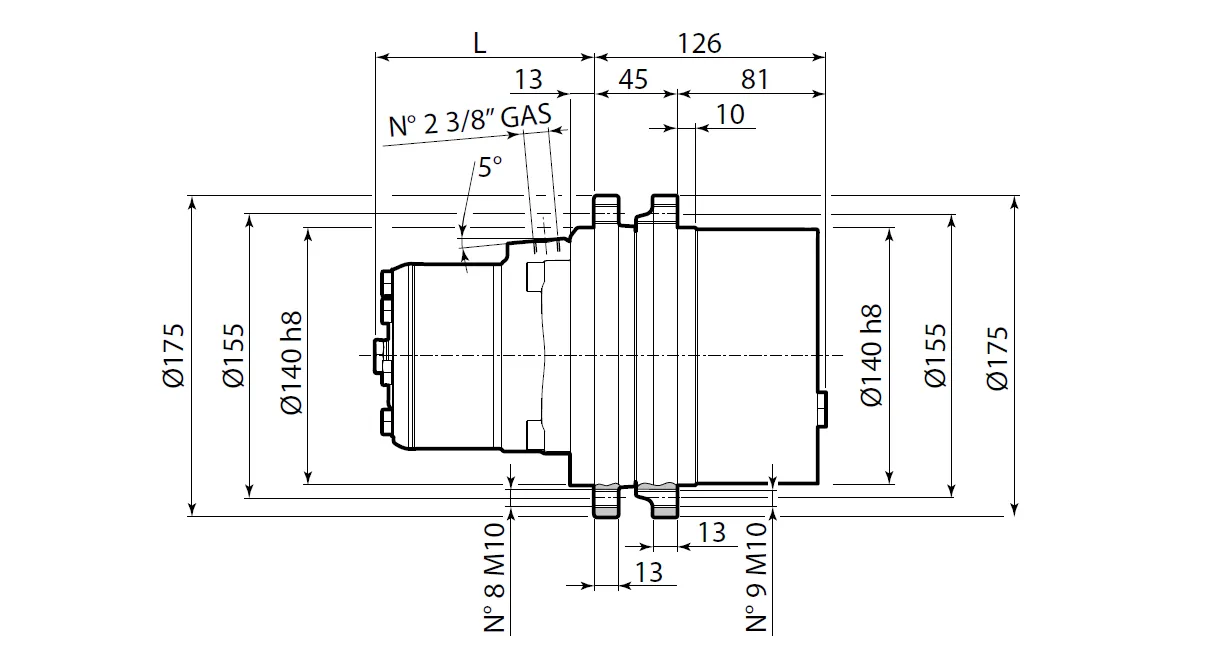
| Type | Motor disp. [cc] | Total disp. [cc] | i | Torque | Speed n2max | Power | |||||||
| T2cont | T2maxint | T2p | Pcont [kW] | Pint [kW] | |||||||||
| [Nm] | Δp [bar] | [Nm] | Δp [bar] | [Nm] | Δp [bar] | [rpm] | portata flow [l/min] | ||||||
| GR80-MR50 | 51,6 | 269,9 | 5,23 | 470 | 145 | 570 | 175 | 630 | 205 | 115 | 30 | 5,5 | 7 |
| GR80-MR80 | 80,3 | 420,0 | 800 | 145 | 960 | 175 | 1060 | 205 | 68 | 30 | 5,5 | 7 | |
| GR80-MR100 | 99,8 | 522,0 | 800 | 115 | 1000 | 145 | 1310 | 205 | 55 | 30 | 5,5 | 7 | |
| GR80-MR125 | 125,7 | 657,4 | 800 | 95 | 1000 | 120 | 1500 | 190 | 45 | 30 | 5,5 | 7 | |
| GR80-MR160 | 159,6 | 834,7 | 800 | 75 | 1000 | 95 | 1500 | 145 | 33 | 30 | 5 | 7 | |
| GR80-MR200 | 199,8 | 1045,0 | 800 | 60 | 1000 | 75 | 1500 | 115 | 26 | 30 | 5 | 7 | |
| GR80-MR250 | 249,3 | 1303,8 | 800 | 50 | 1000 | 60 | 1500 | 95 | 21 | 30 | 4,5 | 6 | |
GR 200
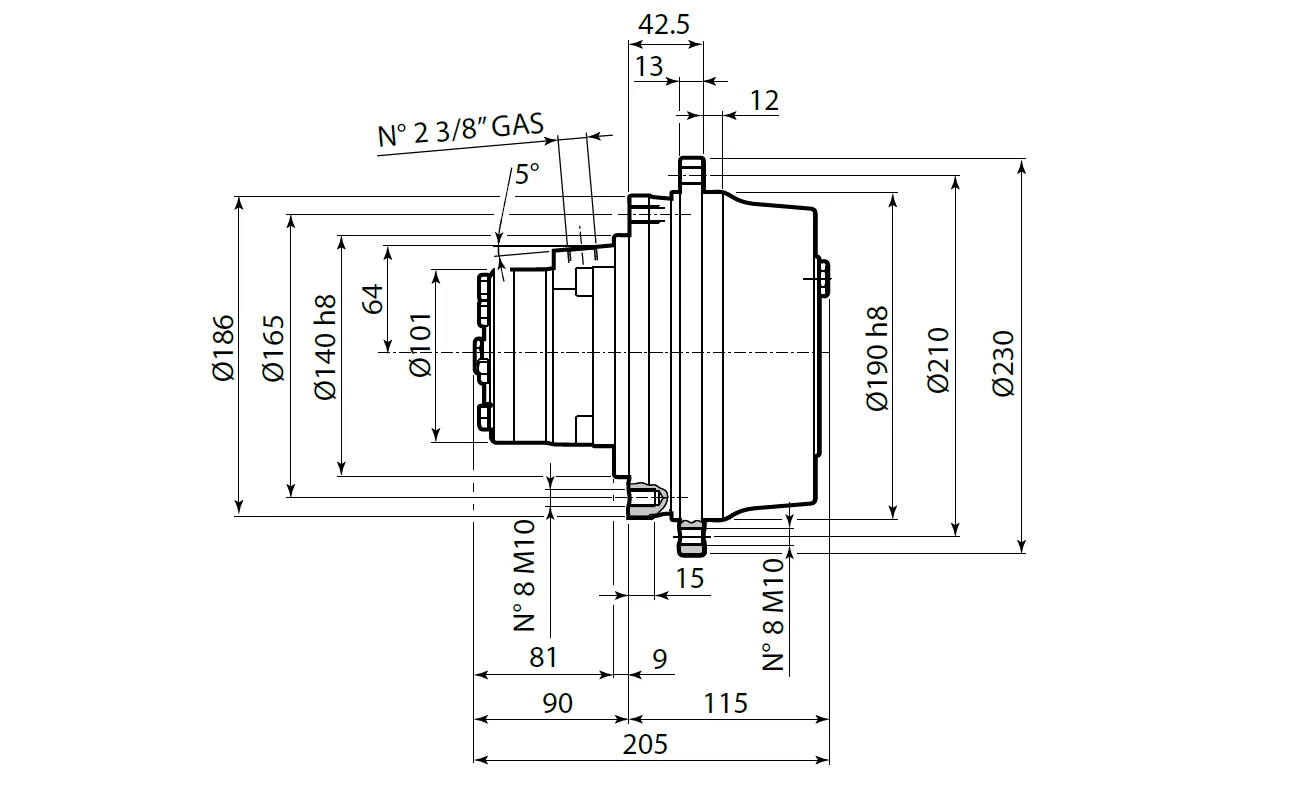
| Type | Motor disp. [cc] | Total disp. [cc] | i | Torque | Speed n2max | Power | |||||||
| T2cont | T2maxint | T2p | Pcont [kW] | Pint [kW] | |||||||||
| [Nm] | Δp [bar] | [Nm] | Δp [bar] | [Nm] | Δp [bar] | [rpm] | portata flow [l/min] | ||||||
| GR200-MR50 | 51,6 | 319,9 | 6,20 | 560 | 145 | 670 | 175 | 740 | 205 | 98 | 30 | 5,5 | 7 |
| GR200-MR80 | 80,3 | 497,9 | 950 | 145 | 1150 | 175 | 1250 | 205 | 58 | 30 | 5,5 | 7 | |
| GR200-MR100 | 99,8 | 618,8 | 1180 | 145 | 1420 | 175 | 1560 | 205 | 46 | 30 | 5,5 | 7 | |
| GR200-MR125 | 125,7 | 779,3 | 1450 | 145 | 1750 | 175 | 1920 | 205 | 38 | 30 | 5,5 | 7 | |
| GR200-MR160 | 159,6 | 989,5 | 1600 | 125 | 2100 | 165 | 2450 | 205 | 29 | 30 | 5 | 7 | |
| GR200-MR200 | 199,8 | 1238,8 | 1600 | 100 | 2150 | 135 | 2500 | 165 | 23 | 30 | 5 | 7 | |
| GR200-MR250 | 249,3 | 1545,7 | 1600 | 80 | 2150 | 105 | 2500 | 135 | 18 | 30 | 4,5 | 6 | |
| GR200-MR315 | 315,7 | 1957,3 | 1600 | 65 | 2150 | 85 | 2500 | 110 | 15 | 30 | 4 | 5 | |
| GR200-MR375 | 372,6 | 2310,1 | 1600 | 55 | 2150 | 70 | 2500 | 90 | 12 | 30 | 3,5 | 4,5 | |
EH 210
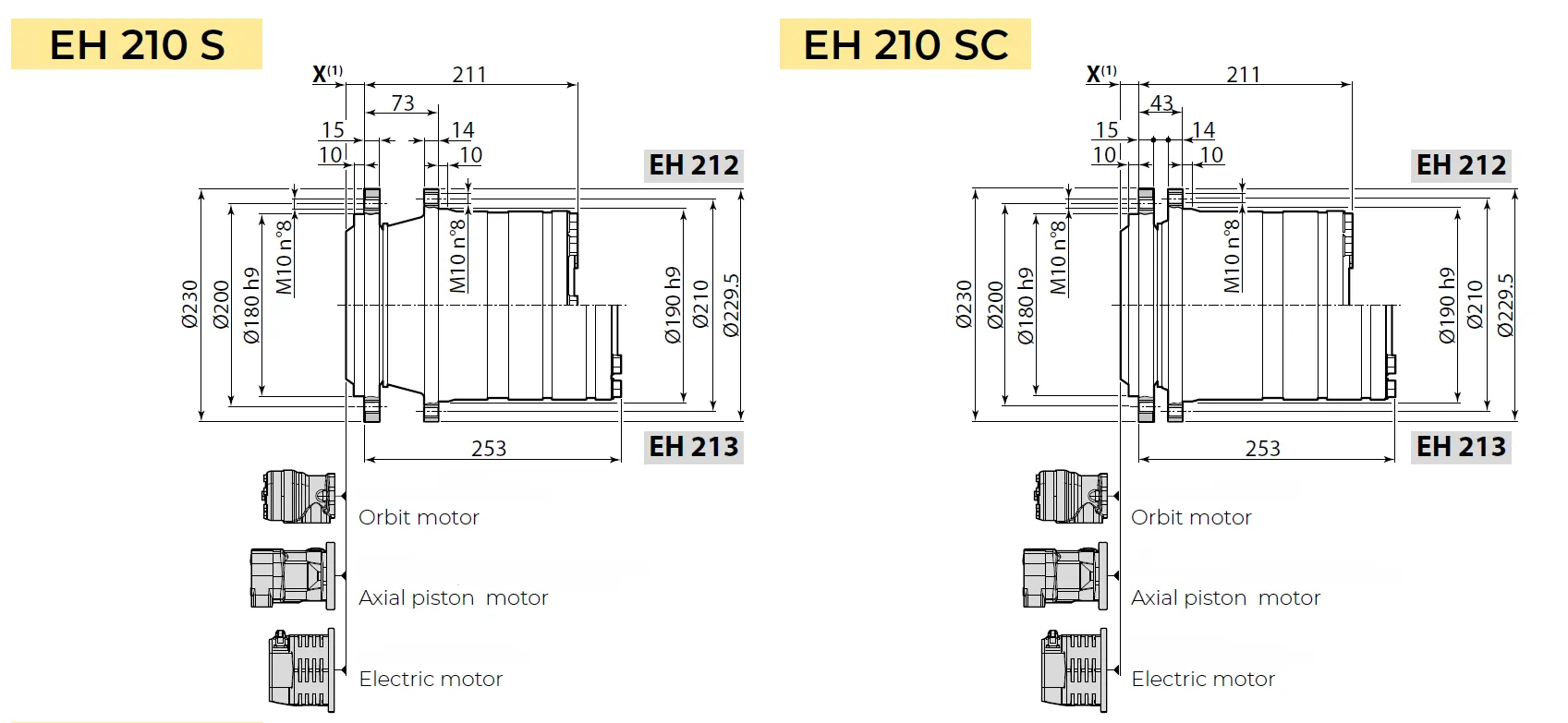
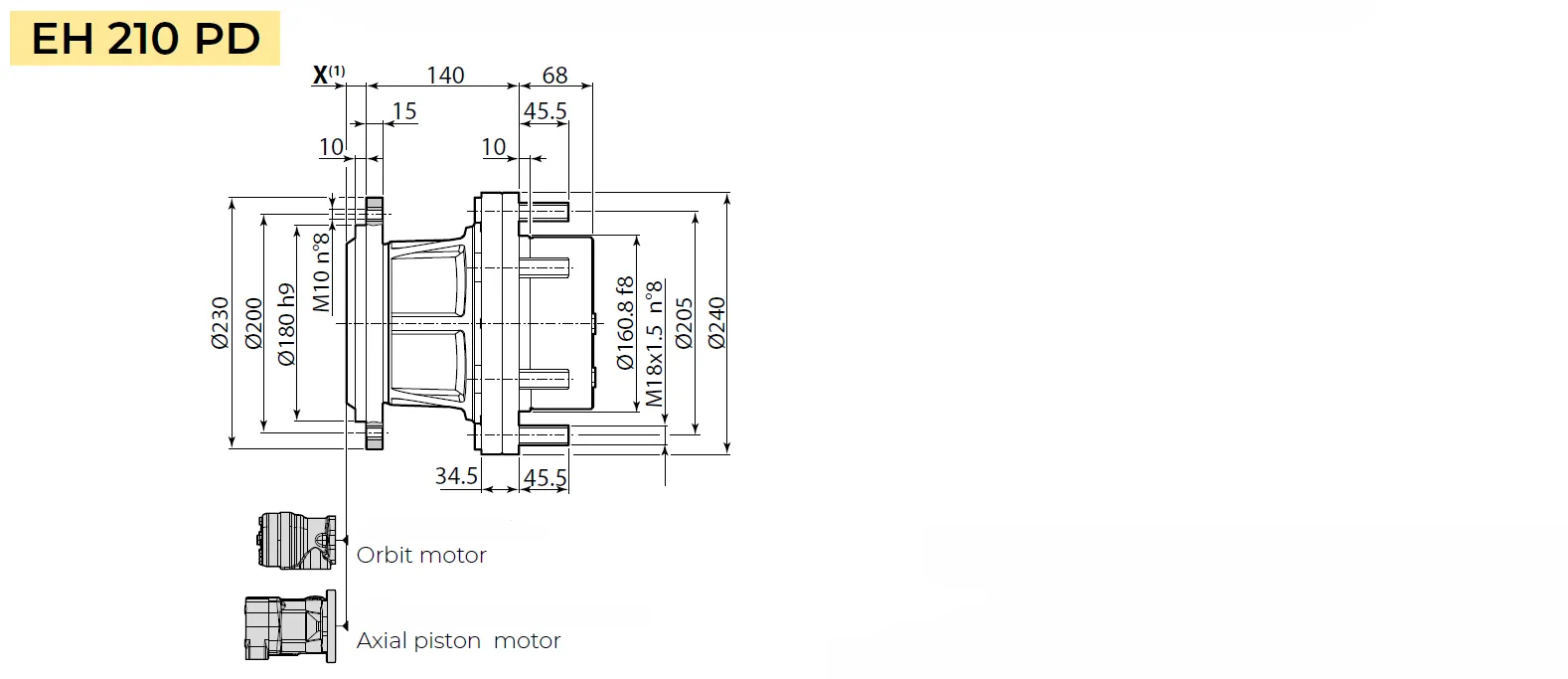
| Type | Weight | Oil quantity | i (da÷a / From÷to) | T2max [Nm] | n1max [rpm] | ||||
| EH 212 | EH 213 | EH 212 | EH 213 | EH 212 | EH 213 | ||||
| EH 210 S | 35 | 40 | 0.8 | 1 | 11 ÷ 29 | 41 ÷ 129 | 3950 | 3500 | |
| EH 210 SC | |||||||||
| EH 210 PD | - | - | |||||||
EH 240
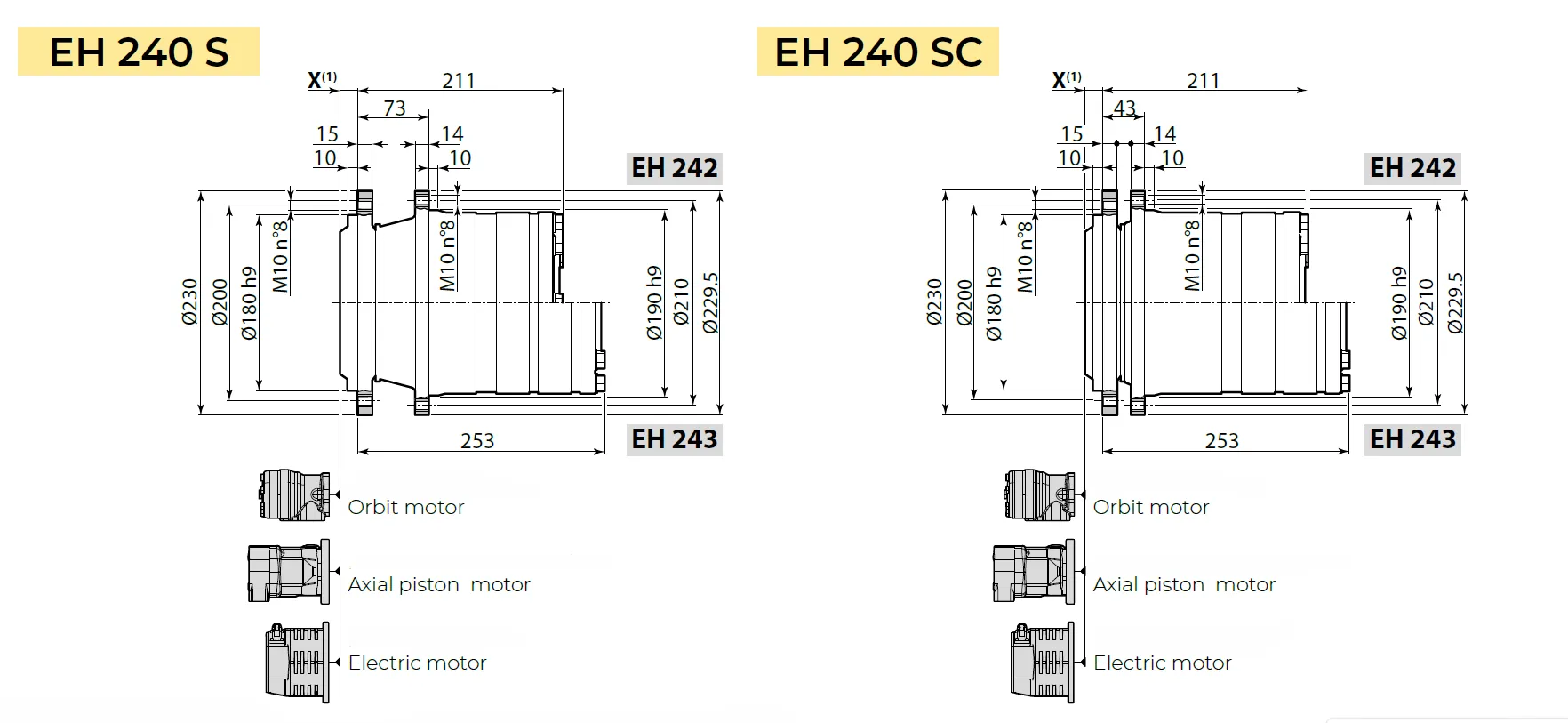
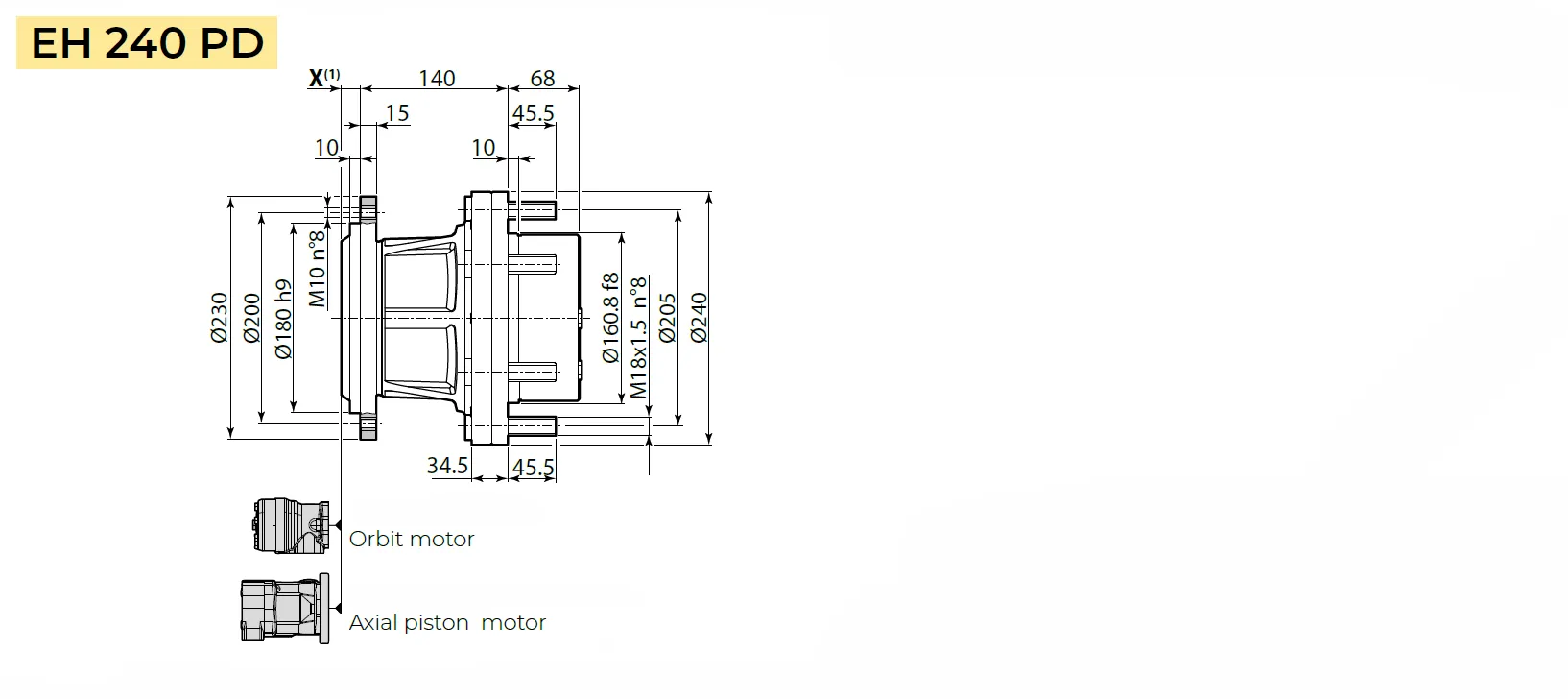
| Type | Weight | Oil quantity | i (da÷a / From÷to) | T2max [Nm] | n1max [rpm] | ||||
| EH 242 | EH 243 | EH 242 | EH 243 | EH 242 | EH 243 | ||||
| EH 240 S | 35 | 40 | 0.8 | 1 | 12 ÷ 31 | 45 ÷ 135 | 5600 | 3500 | |
| EH 240 SC | |||||||||
| EH 240 PD | - | - | |||||||
EH 350
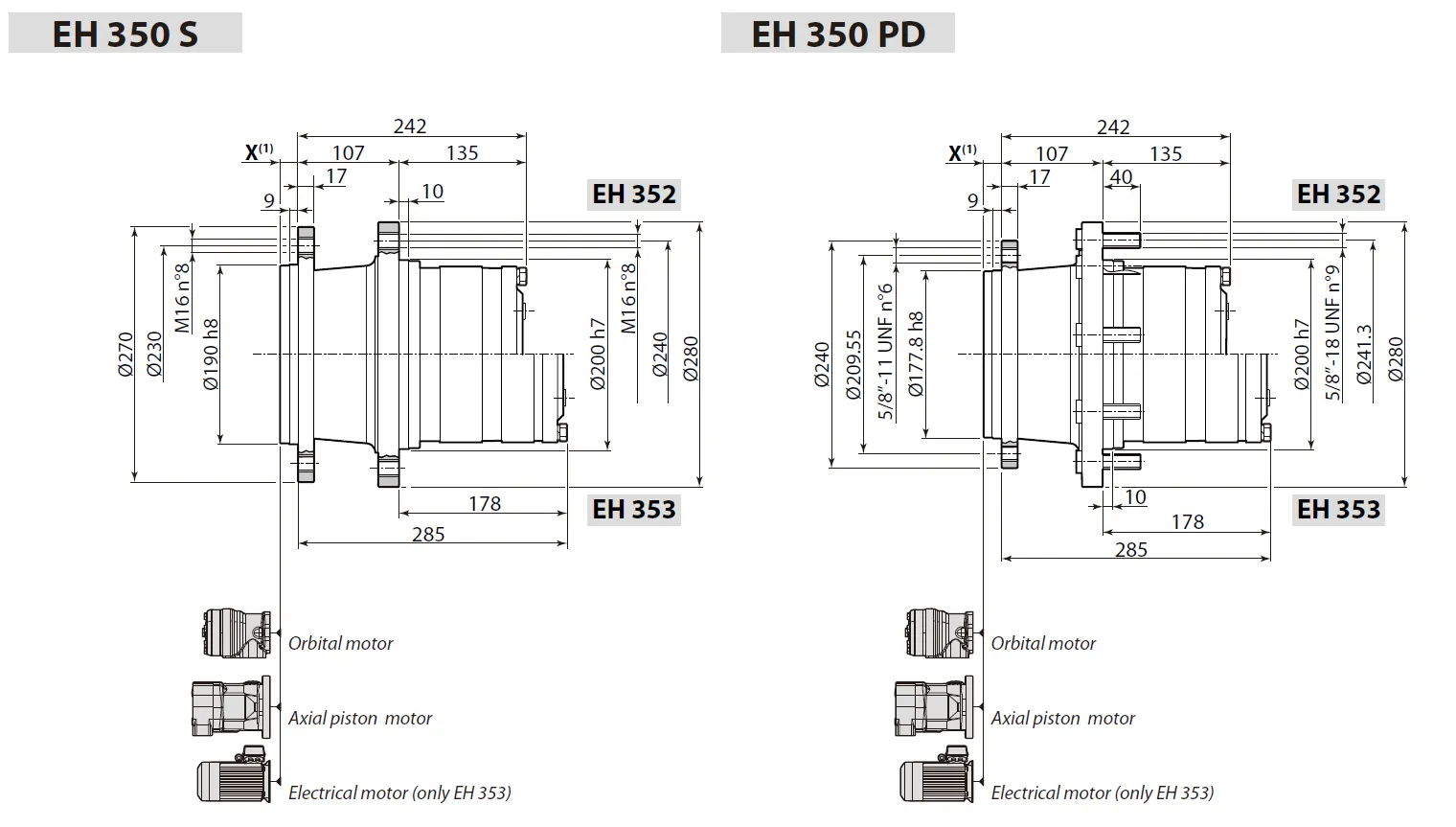
| Type | Weight | Oil quantity | i (da÷a / From÷to) | T2max [Nm] | n1max [rpm] | ||||
| EH 352 | EH 353 | EH 352 | EH 353 | EH 352 | EH 353 | ||||
| EH 350 S | 55 | 60 | 1 | 1.2 | 15 ÷ 31 | 52 ÷ 135 | 7200 | 3500 | |
| EH 350 PD | |||||||||
EH 610
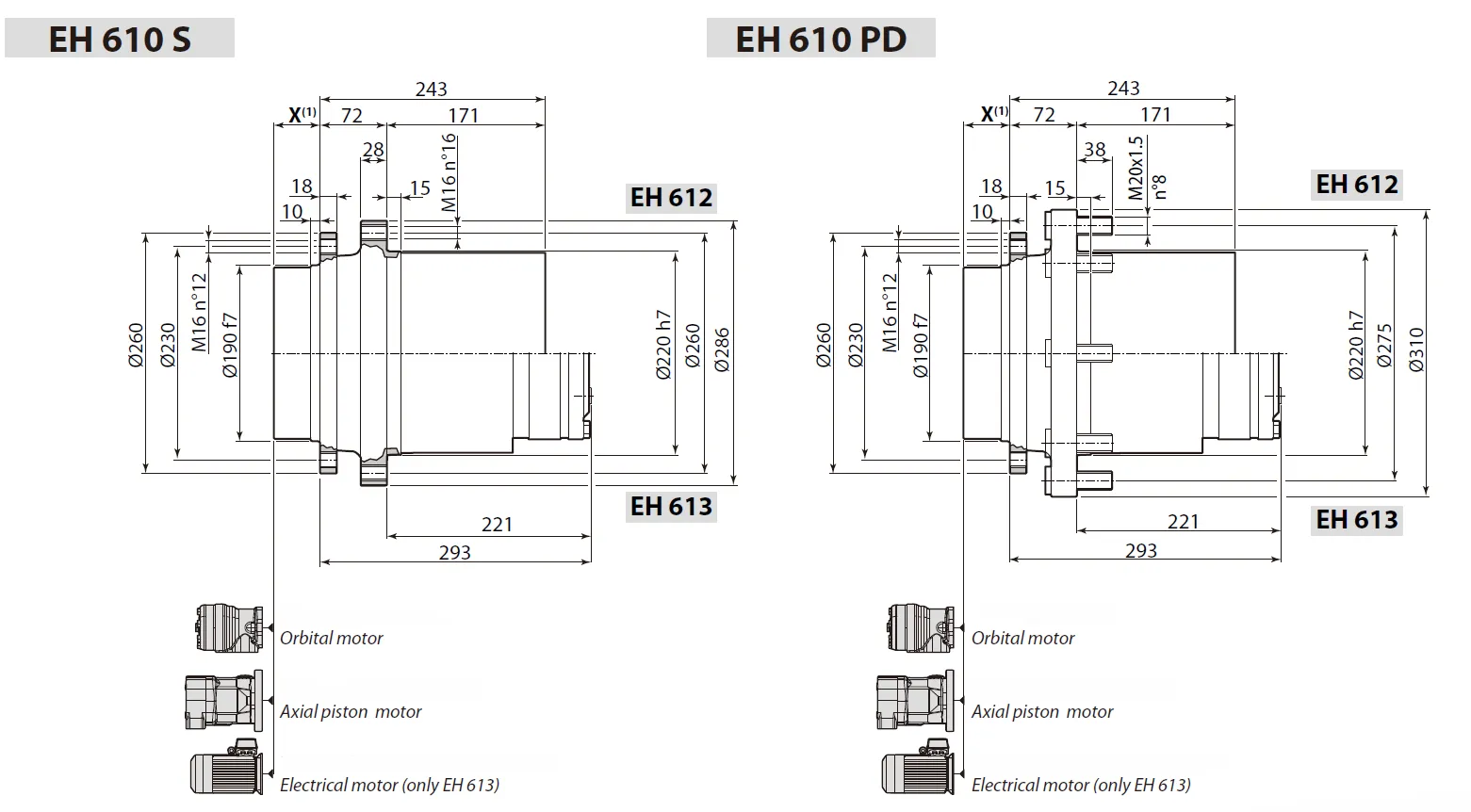
| Type | Weight | Oil quantity | i (da÷a / From÷to) | T2max [Nm] | n1max [rpm] | ||||
| EH 612 | EH 613 | EH 612 | EH 613 | EH 612 | EH 613 | ||||
| EH 610 S | 60 | 70 | 1.2 | 1.5 | 12 ÷ 31 | 47 ÷ 138 | 13500 | 3500 | |
| EH 610 PD | |||||||||
EH 910
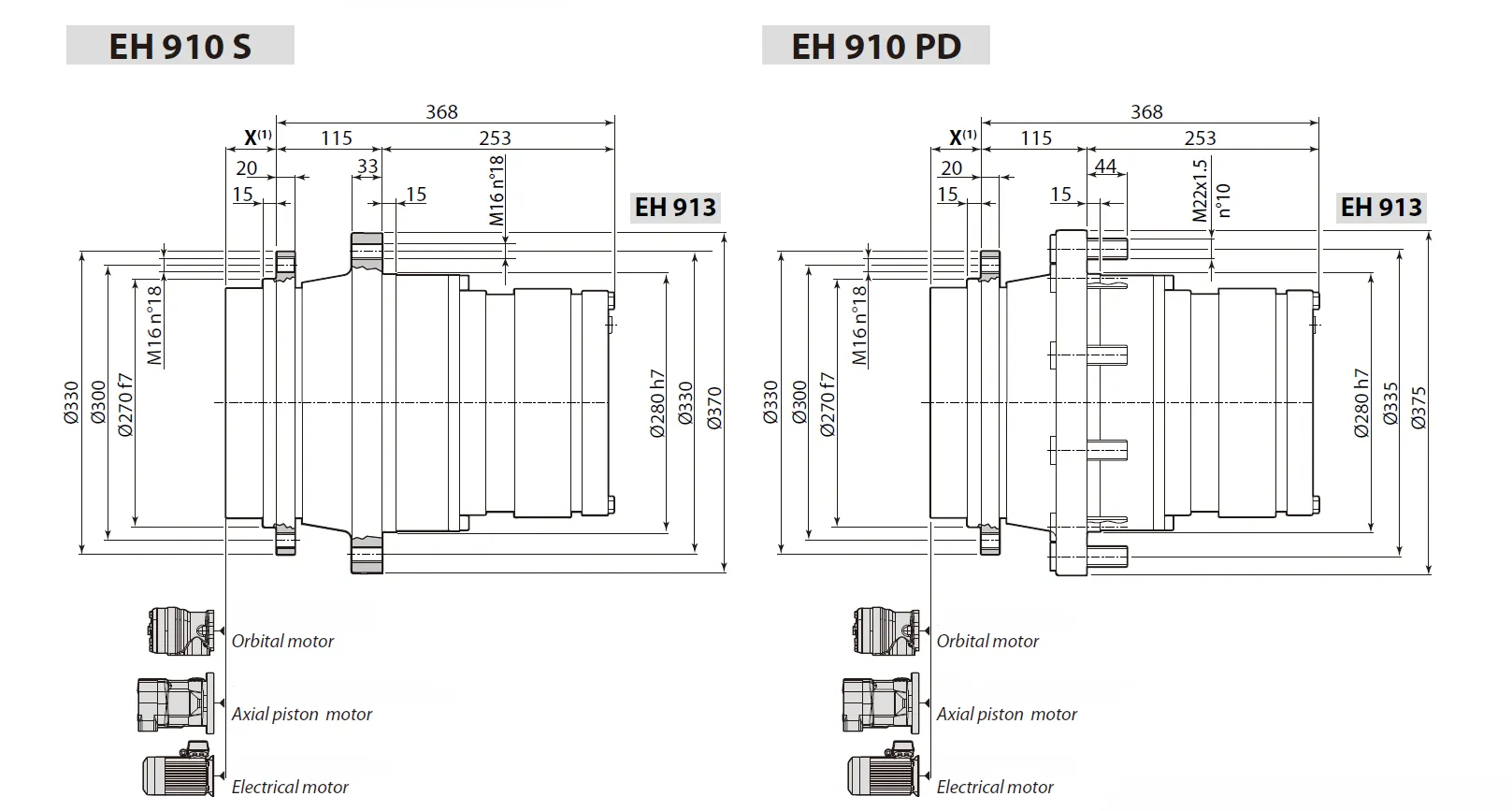
| Type | Weight | Oil quantity | i (da÷a / From÷to) | T2max | n1max | |
| EH 913 | EH 913 | EH 913 | [Nm] | [rpm] | ||
| EH 910 S | 130 | 1 | 47 ÷ 131 | 24200 | 3500 | |
| EH 910 PD | ||||||
S Version

| Size | Dimensions | ||||||||||
| D1 | D2 | D3 | D4 | D5 | D6 | D7 | D8 | L1 | L2 | L3 | |
| EH 210 S | 230 | 200 | 180 h9 | 190 h9 | 210 | 229.5 | M10 n°8 | M10 n°8 | 253 | 73 | 180 |
| EH 240 S | 230 | 200 | 180 h9 | 190 h9 | 210 | 229.5 | M10 n°8 | M10 n°8 | 253 | 73 | 180 |
| EH 350 S | 270 | 230 | 190 h8 | 200 h7 | 240 | 280 | M16 n°8 | M16 n°8 | 242 | 107 | 178 |
| EH 610 S | 260 | 230 | 190 f7 | 220 h7 | 260 | 286 | M16 n°12 | M16 n°16 | 243 | 72 | 171 |
| EH 910 S | 330 | 300 | 270 f7 | 280 h7 | 350 | 370 | M16 n°18 | M16 n°18 | 368 | 115 | 253 |
PD Version
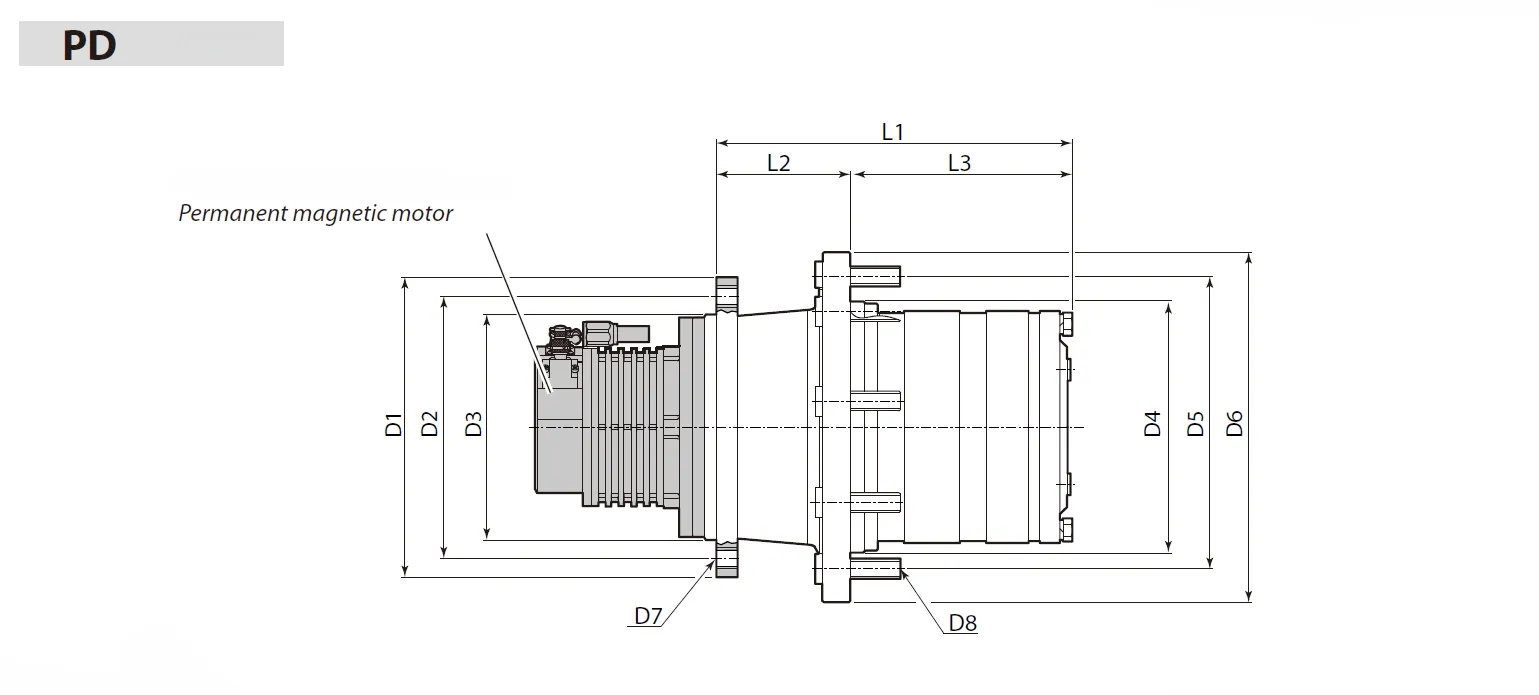
| Size | Dimensions | ||||||||||
| D1 | D2 | D3 | D4 | D5 | D6 | D7 | D8 | L1 | L2 | L3 | |
| EH 210 PD | 230 | 200 | 180 h9 | 160.8 f8 | 205 | 240 | M10 (8x) | M18x1.5 (6x) | 210 | 140 | 70 |
| EH 240 PD | 230 | 200 | 180 h9 | 160.8 f8 | 205 | 240 | M10 (8x) | M18x1.5 (6x) | 210 | 140 | 70 |
| EH 350 PD | 240 | 209.55 | 177.8 h8 | 200 h7 | 241.3 | 280 | 5/8"-11 UNC (6x) | 5/8"-19 UNF (9x) | 285 | 107 | 178 |
| EH 610 PD | 260 | 230 | 190 f7 | 220 h7 | 275 | 310 | M16 (12x) | M20x1.5 (8x) | 293 | 72 | 221 |
| EH 910 PD | 330 | 300 | 270 f7 | 280 h7 | 335 | 375 | M16 (18x) | M22x1.5 (10x) | 368 | 115 | 253 |
Mining Wheel Excavator Wheel Drive Planetary Gearbox Advantages
- High Torque Capacity
The planetary wheel drive gearbox excels in delivering exceptional torque output, distributing loads evenly across multiple planet gears to handle the demanding forces encountered in mining operations, such as digging through dense rock formations, thereby preventing gear failure and ensuring consistent performance under extreme conditions. - Compact and Space-Efficient Design
Engineered for integration directly into wheel hubs, this planetary gear reducer offers a compact footprint that optimizes space in mining wheel excavators, allowing for greater maneuverability in confined mining sites while maintaining structural integrity and facilitating easier installation and maintenance procedures. - Superior Efficiency and Power Density
With efficiency rates often exceeding 95%, the planetary configuration minimizes energy loss during power transmission, providing high power density that enhances fuel economy and operational productivity in heavy-duty mining tasks, such as continuous excavation and material handling. - Enhanced Durability in Harsh Environments
Built to withstand the rigors of mining environments, including dust, moisture, and high-impact loads, the planetary gearbox's robust construction with hardened gears ensures prolonged service life, reducing downtime and operational costs in applications like open-pit mining and earthmoving. - Reduced Noise and Vibration Levels
Through precise gear meshing and balanced load distribution, this wheel drive planetary gearbox significantly lowers noise and vibration, improving operator comfort and safety during extended shifts in noisy mining settings, while also extending the lifespan of associated components like bearings and seals. - Improved Traction and Maneuverability
By providing reliable traction and precise speed control, the planetary wheel drive enhances the excavator's ability to navigate uneven terrains in mining operations, supporting efficient material extraction and transport with customizable gear ratios that adapt to varying load requirements.
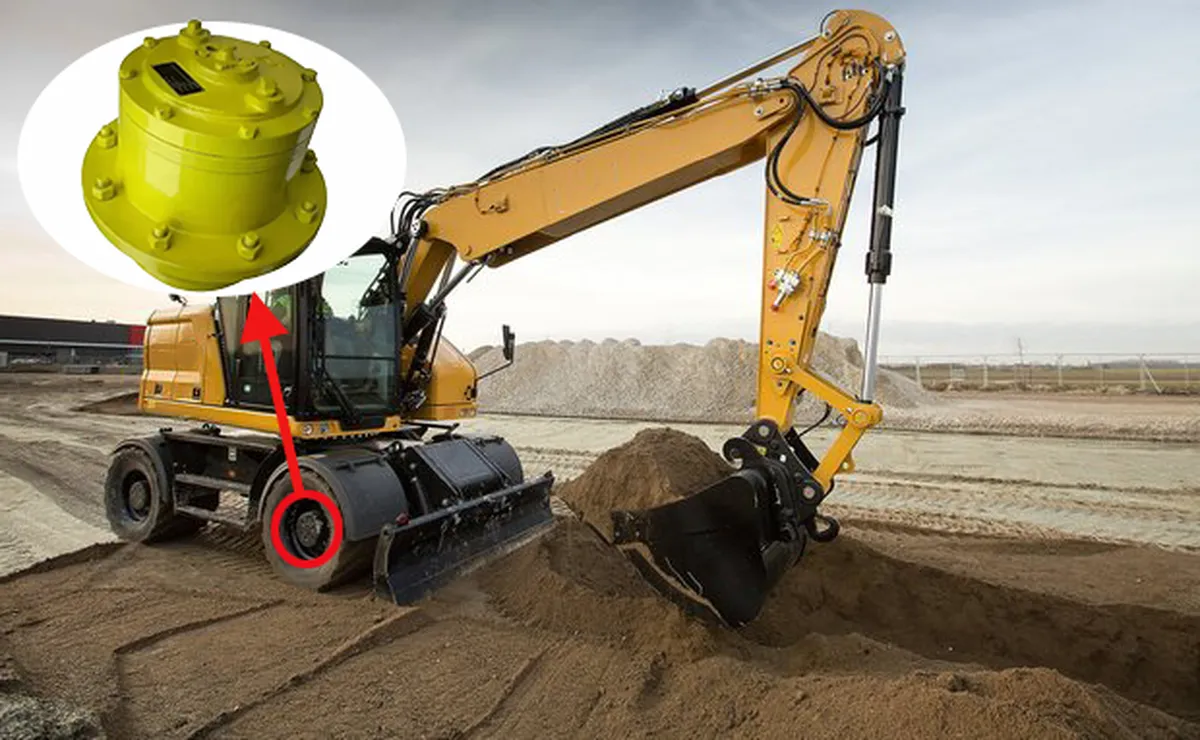
Planetary Wheel Drive Application Fields
- Mining Operations
Planetary wheel drive gearboxes are integral to mining wheel excavators and loaders, providing high torque and efficient power transmission for navigating rugged terrains and handling heavy loads during material extraction in open-pit or underground sites, ensuring durability and reduced downtime in demanding environments. - Construction Machinery
In construction equipment such as excavators, bulldozers, and wheel loaders, these planetary gearboxes facilitate robust wheel drives that deliver superior traction and maneuverability on uneven job sites, supporting tasks like earthmoving and demolition with high load capacity and minimal maintenance requirements. - Agricultural Machinery
Planetary wheel drives enhance tractors, combines, and harvesters by offering compact, high-torque solutions for wheel propulsion, enabling efficient operation across varied farmlands while optimizing fuel consumption and providing reliable performance in plowing, harvesting, and other field activities. - Port Industry
In port operations, wheel drive gearboxes are essential for cargo handling equipment like straddle carriers, reach stackers, and automated port vehicles, delivering high torque and precise control for efficient container movement on docks, while withstanding corrosive marine environments and heavy loads to minimize maintenance and enhance throughput in busy harbors. - Forestry Industry
Planetary gear reducers power forestry machinery such as harvesters, forwarders, and mulchers, providing robust torque transmission for navigating dense woodlands and uneven terrain, enabling efficient timber harvesting and processing with high load capacity and reliability in rugged, outdoor conditions to boost productivity and reduce equipment failures. - Marine Applications
Utilized in marine vessels and offshore equipment, these wheel drive planetary gear reducers drive winches, thrusters, and deck machinery, offering compact designs that handle high shock loads and provide seamless power delivery in harsh saltwater environments, supporting tasks like dredging and anchor handling with enhanced durability and operational efficiency.
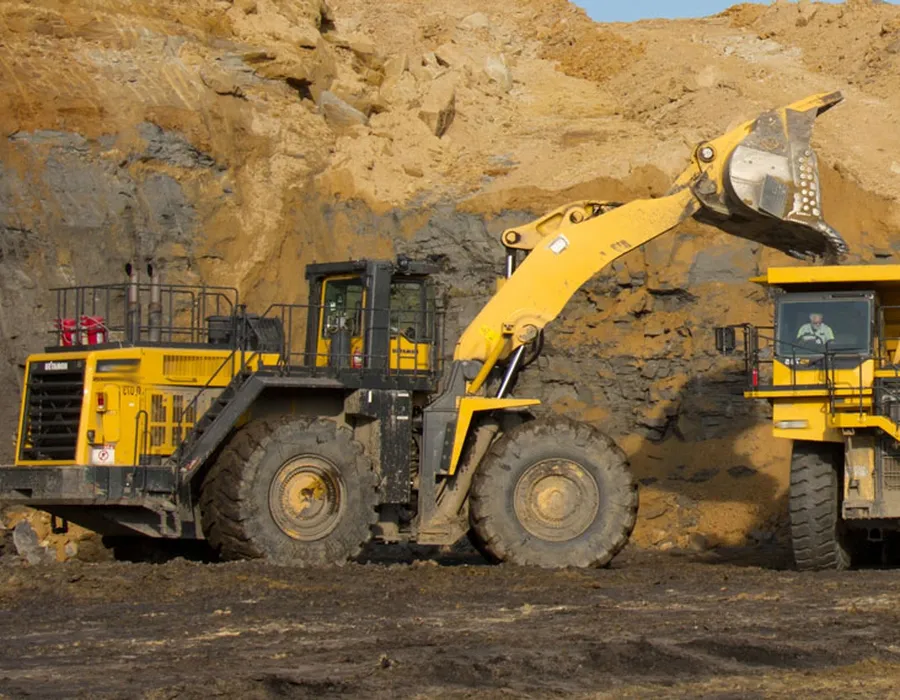 | 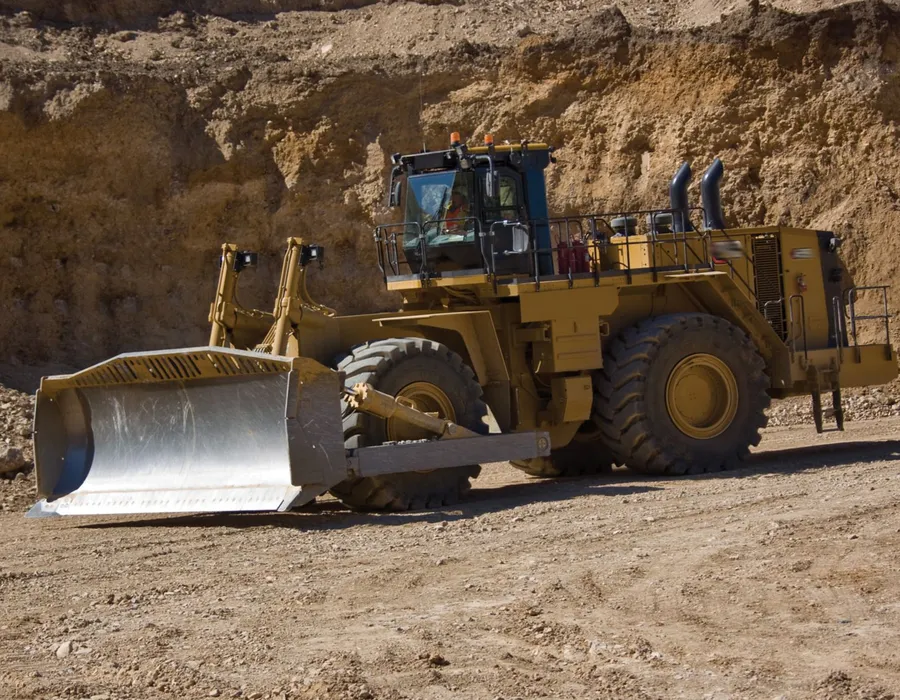 |
| Planetary Wheel Drive for Mining Wheel Loaders | Planetary Wheel Drive for Mining Wheel Dozers |
 | 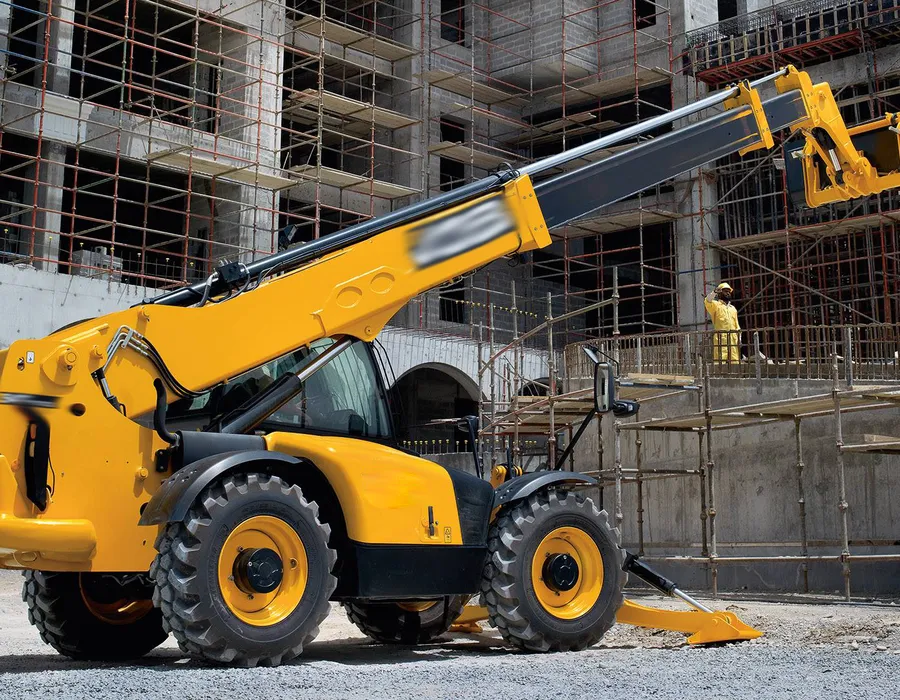 |
| Planetary Wheel Drive for Motor Graders | Planetary Wheel Drive for Telehandlers |
Wheel Drive Planetary Gearbox Manufacturing Process
- Raw Material Preparation
In the manufacturing of wheel drive planetary gearboxes, high-quality metals such as alloy steel, cast iron, or stainless steel are procured and subjected to rigorous quality inspections to ensure purity and strength. Surface impurities are meticulously removed, and the materials are pre-cut into blanks approximating the final shapes of components like gears and carriers, optimizing efficiency for subsequent forming processes and minimizing waste in heavy-duty applications. - Forging or Casting
Key components, including the planetary carrier, sun gear, and inner ring gear, are typically forged by heating metals to high temperatures and applying hammering or pressing to achieve preliminary shapes with enhanced density and strength. For larger or intricate parts, casting methods are employed to pour molten metal into molds, ensuring structural integrity suitable for the high-torque demands of mining wheel excavators. - Rough Machining
Utilizing CNC machine tools, the formed blanks undergo turning, milling, and drilling to remove excess material and establish basic contours, including inner and outer cylindrical surfaces, planes, keyways, and threaded holes. This step forms the foundational structure of gearbox components, preparing them for finer processing while maintaining dimensional tolerances critical for operational reliability. - Heat Treatment Processes
Initial heat treatments like normalization, annealing, or tempering adjust the metal's internal structure post-rough machining to enhance hardness and toughness. Subsequent treatments, such as carburization quenching or nitriding, strengthen contact areas like gears to resist wear and fatigue, ensuring longevity under extreme loads in industrial environments. - Precision Machining
Heat-treated parts receive grinding, honing, gear hobbing, shaving, or slotting to achieve precise tooth profiles, accuracy, and surface roughness on gears, while planetary carriers undergo leveling and fine grinding. Secondary ultra-precision steps like polishing further refine components, reducing noise, vibration, and wear for superior transmission efficiency and extended service life. - Quality Inspection
Finished parts are rigorously evaluated through dimensional measurements, hardness testing, and non-destructive methods such as magnetic particle or ultrasonic inspections to detect defects like cracks or inclusions. This comprehensive quality control ensures all components meet stringent design standards, preventing failures and guaranteeing reliability in demanding mining operations. - Assembly Stage
Cleaned components are lubricated with specialized oils or greases and assembled according to precise design specifications, ensuring proper gear meshing, bearing installation, and seal placement. This orderly integration forms the complete planetary gearbox, optimizing torque distribution and functionality for seamless integration into wheel drive systems of excavators. - Testing Phase
The assembled planetary gearbox reducer undergoes no-load run-in tests, load simulations, noise evaluations, vibration analysis, and performance assessments to verify compliance with operational requirements. These pre-factory validations confirm stable long-term performance under predetermined conditions, enhancing safety and productivity in high-stress mining applications.
Additional information
| Edited by | Yjx |
|---|