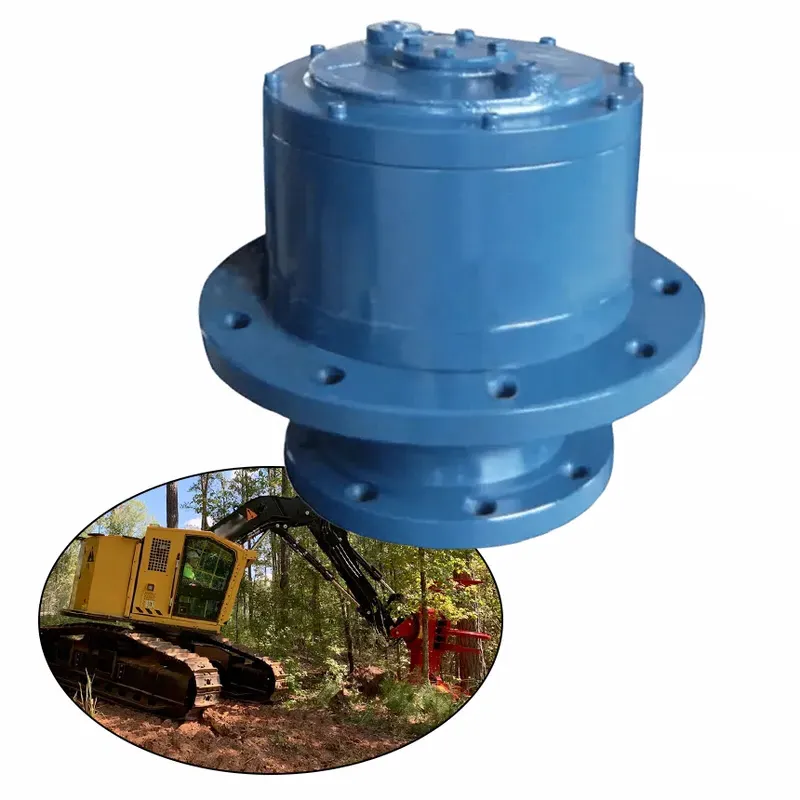
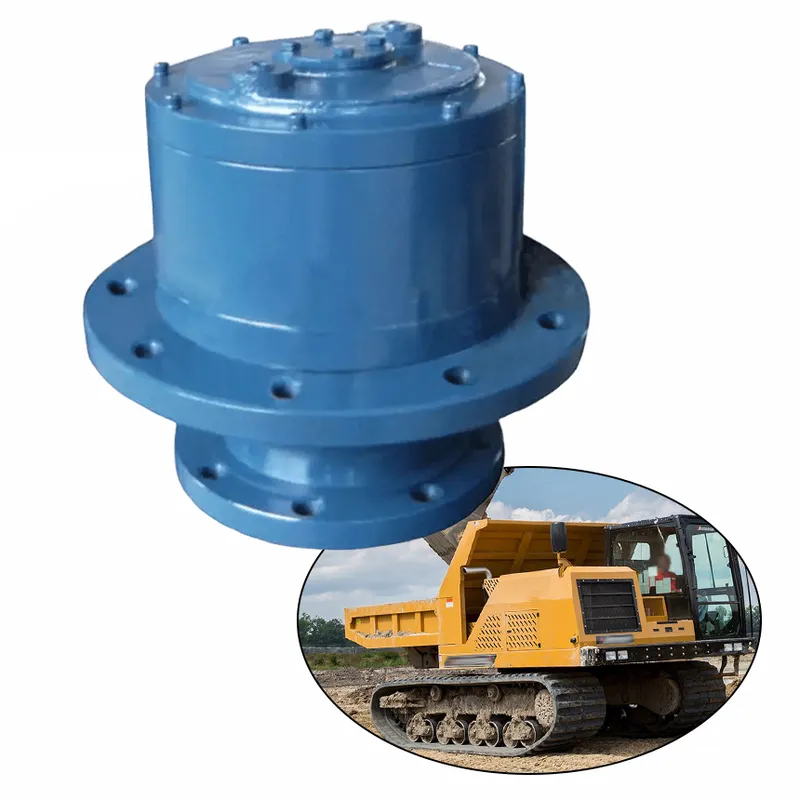
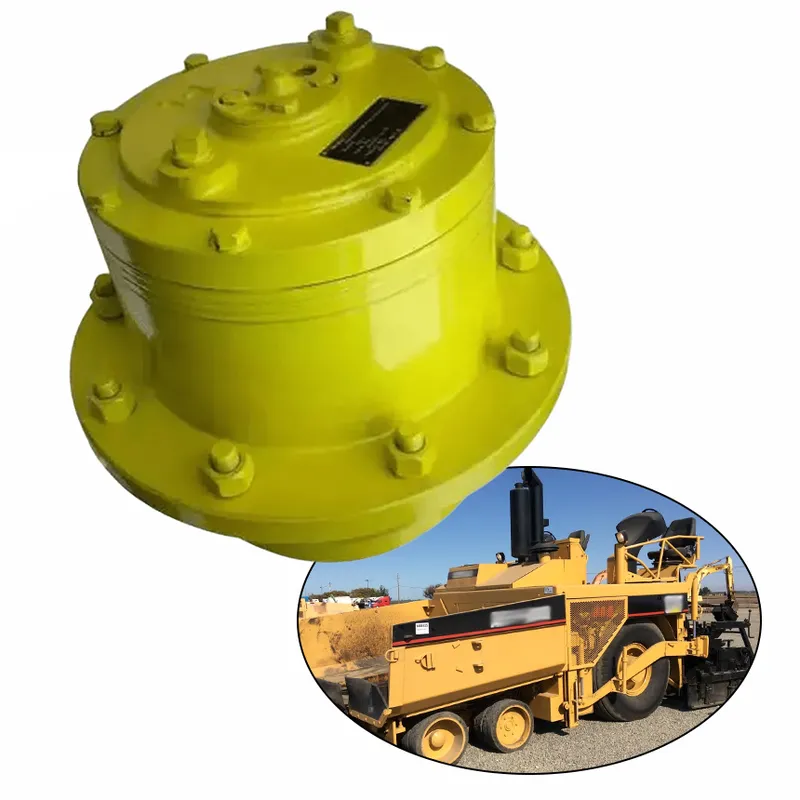
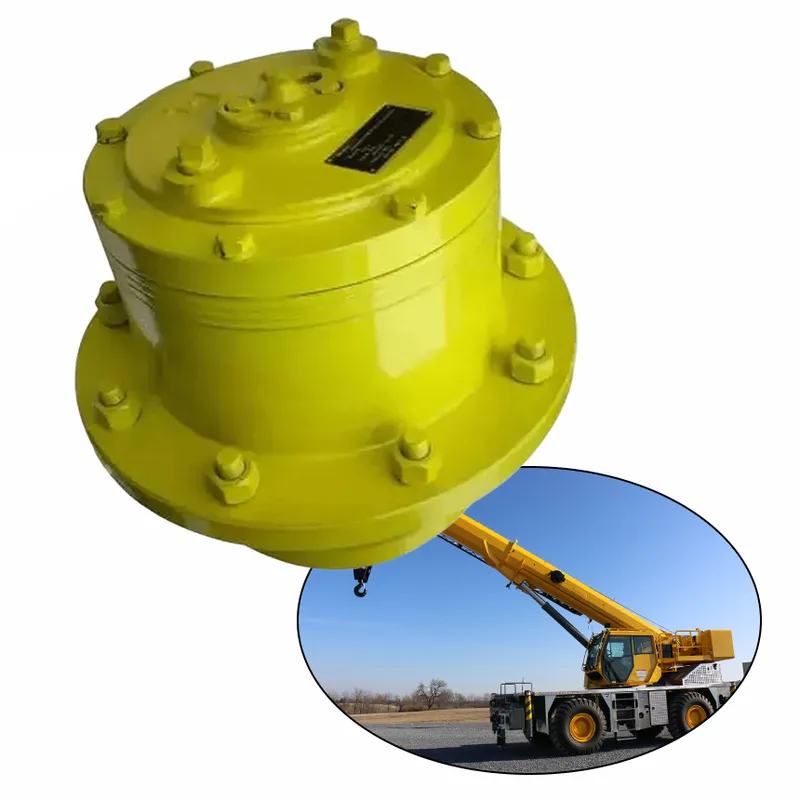
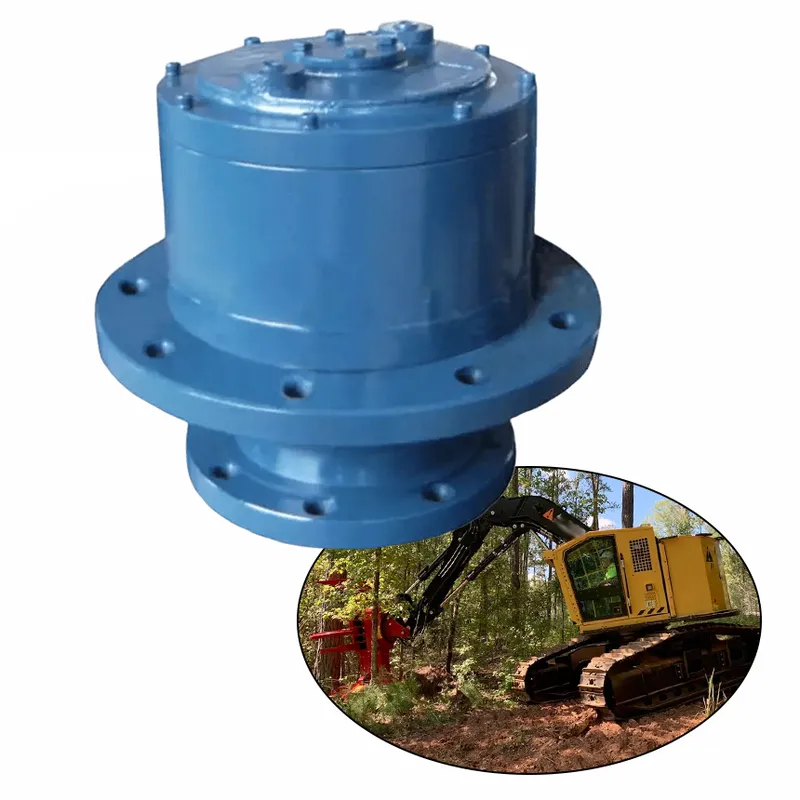
The planetary track drive gearbox is a specialized transmission system integral to tracked feller bunchers, which are heavy-duty forestry machines designed for cutting and gathering trees in rugged environments. This track drive planetary gearbox serves as a critical component in the undercarriage, converting engine power into high torque to propel the machine's tracks, enabling smooth navigation over uneven terrain, steep slopes, and obstacles commonly encountered in logging operations.
At its core, the planetary gearbox features a compact planetary gear arrangement, including a central sun gear, multiple planet gears mounted on a carrier, a fixed outer ring gear, an input shaft connected to the engine, and an output shaft linked to the tracks. This configuration allows for efficient power distribution and torque multiplication.
In operation, the input shaft receives rotational force from the engine, causing the planet gears to orbit around the sun gear while meshing with the ring gear. This epicyclic motion generates substantial torque at the output shaft, facilitating forward, backward, or pivoting movements with precise speed control. By varying gear ratios, the system optimizes performance for tasks requiring high power, such as maneuvering through dense forests or handling heavy loads.
Wymiary napędu planetarnego
EH 10000 SC
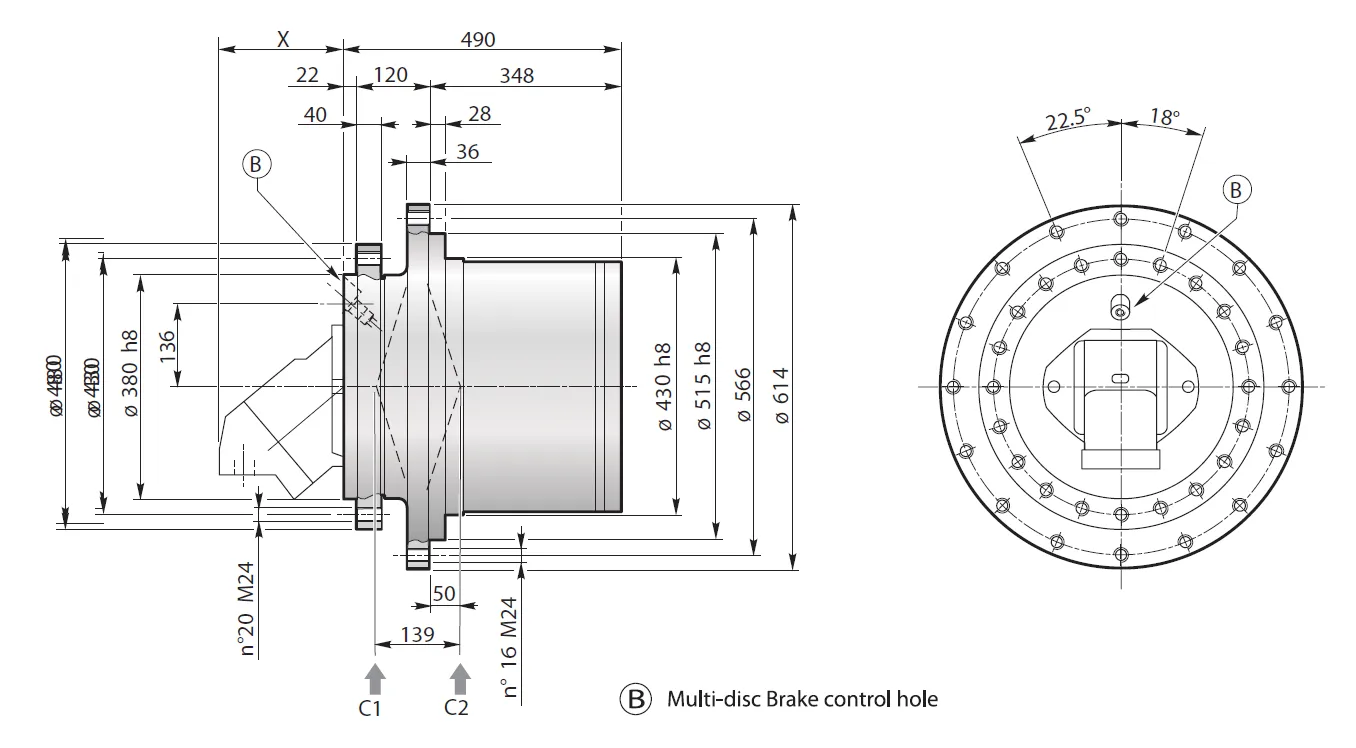
| Wyposażony w silnik hydrauliczny |
| VOAC F12-60 | X = 146 | VOAC F12-80 | X = 157 | VOAC F12-110 | X = 175 |
| SAUER 51C060 | X = 207 | SAUER 51C080 | X = 212 | SAUER 51C110 | X = 219 |
| Różne wykonania wejściowe dostępne na żądanie. |
| Wymiar wyjściowy |
| Maksymalny moment wyjściowy | Nośność łożysk | Waga bez silnika | Ilość oleju | Moment obrotowy hamulca | Ciśnienie otwarcia | Maksymalne ciśnienie hamulca |
| [ Nm ] | Cd dynamiczny [ kN ] | C0 statyczny [ kN ] | [kg] | [ litrów ] | [ Nm ] | [ bar ] | [ bar ] |
| 100000 | 512 | 1080 | 410 | 6.5 | 1500÷460 | 42÷17 | 300 |
| Efektywny współczynnik redukcji |
| 76.1 | 86 | 101.3 | 114.4 | 124.2 | 132.4 | 140.2 | 153.9 |
| 173.7 | 185.4 | 209.3 |
TOR EH 13000 SC
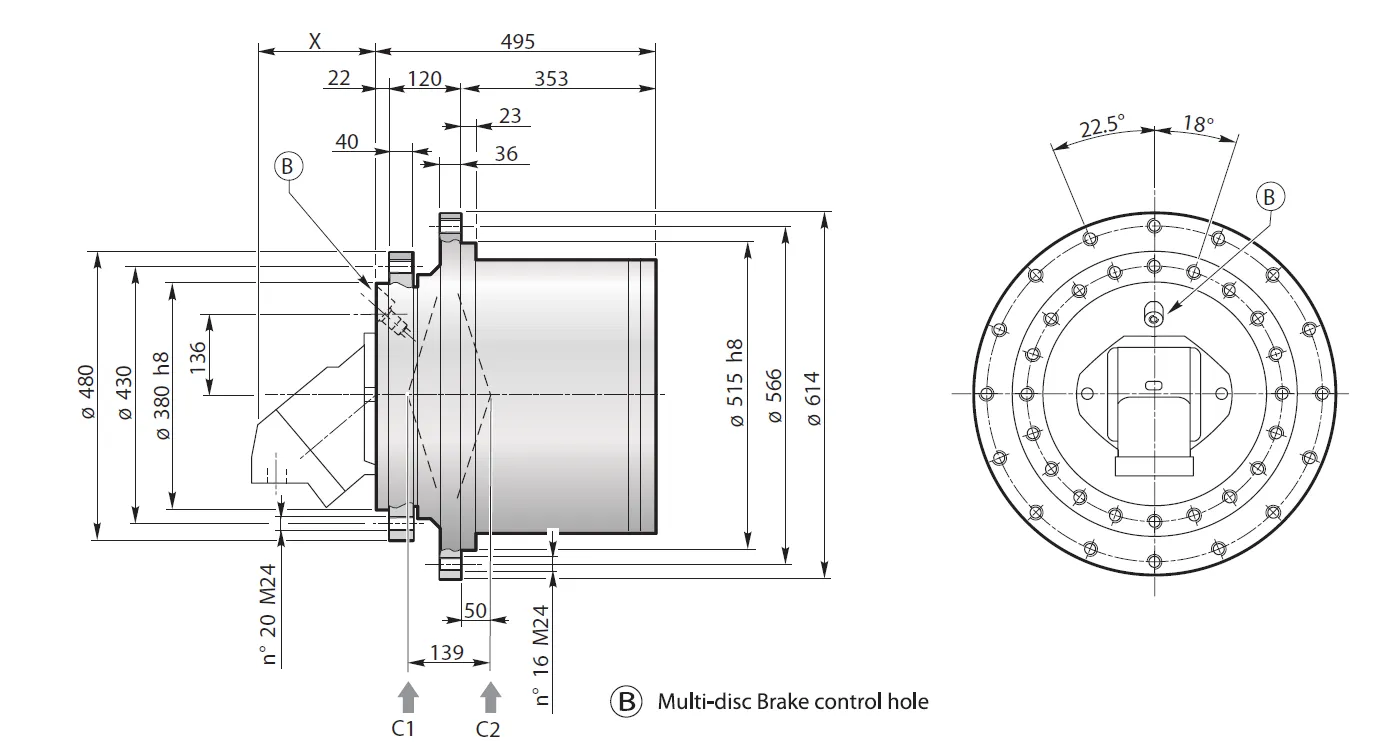
| Wyposażony w silnik hydrauliczny |
| VOAC F12-80 | X = 157 | VOAC F12-110 | X = 175 | | |
| SAUER 51C080 | X = 212 | SAUER 51C110 | X = 219 | SAUER 51C160 | X = 240 |
| Różne wykonania wejściowe dostępne na żądanie. |
| Wymiar wyjściowy |
| Maksymalny moment wyjściowy | Nośność łożysk | Waga bez silnika | Ilość oleju | Moment obrotowy hamulca | Ciśnienie otwarcia | Maksymalne ciśnienie hamulca |
| [ Nm ] | Cd dynamiczny [ kN ] | C0 statyczny [ kN ] | [kg] | [ litrów ] | [ Nm ] | [ bar ] | [ bar ] |
| 150000 | 512 | 1080 | 440 | 7.5 | 2200÷650 | 42÷17 | 300 |
| Efektywny współczynnik redukcji |
| 76.1 | 86 | 101.3 | 114.4 | 124.2 | 131 | 140.2 | 149 |
| 168.1 | 175.3 | 197.8 | 214.8 | 242.3 | | | |
EH 16000 SC
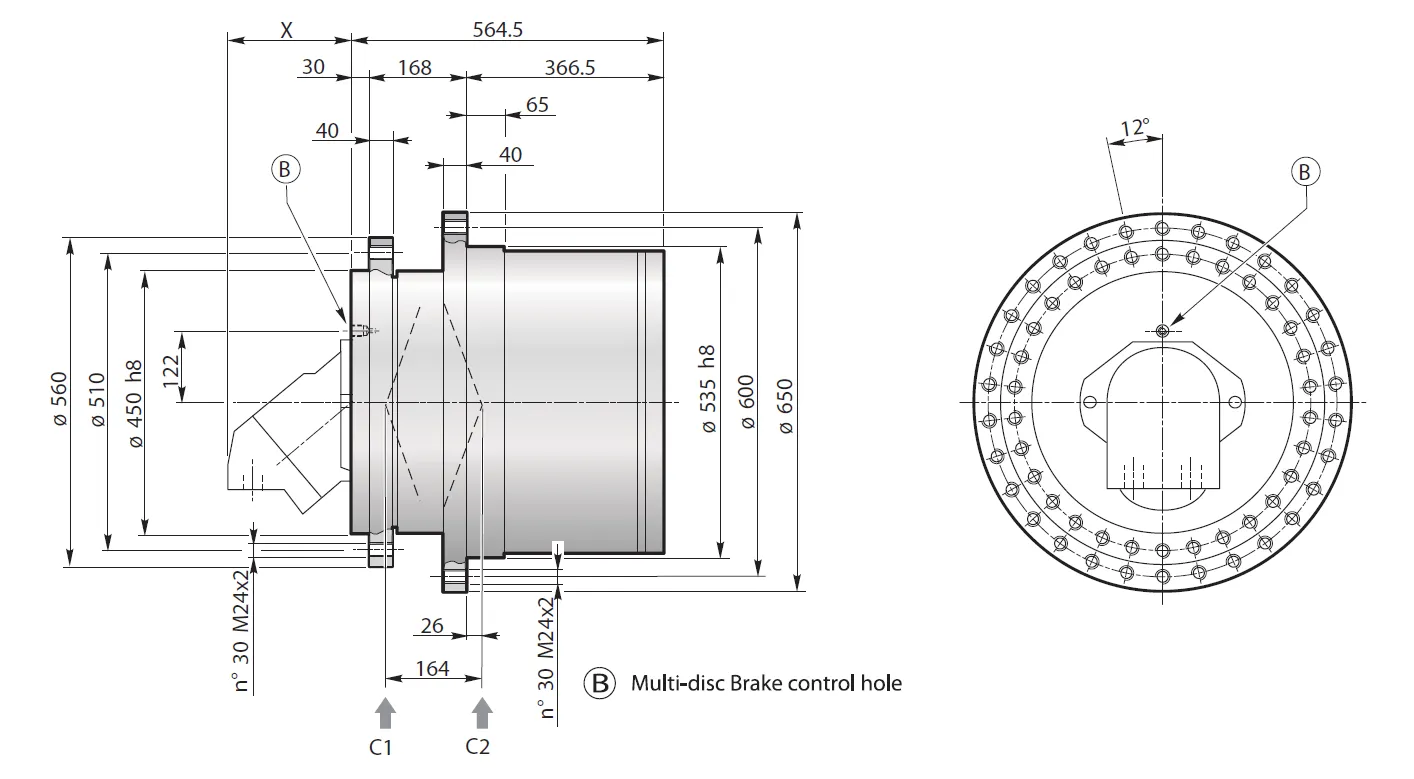
| Wyposażony w silnik hydrauliczny |
| VOAC F12-110 | X = 175 | VOAC F11-150 CETOP | X = 307 | | |
| SAUER 51C110 | X = 219 | SAUER 51C160 | X = 240 | | |
| Różne wykonania wejściowe dostępne na żądanie. |
| Wymiar wyjściowy |
| Maksymalny moment wyjściowy | Nośność łożysk | Waga bez silnika | Ilość oleju | Moment obrotowy hamulca | Ciśnienie otwarcia | Maksymalne ciśnienie hamulca |
| [ Nm ] | Cd dynamiczny [ kN ] | C0 statyczny [ kN ] | [kg] | [ litrów ] | [ Nm ] | [ bar ] | [ bar ] |
| 170000 | 765 | 1660 | 680 | 11.5 | 2200÷700 | 50÷20 | 300 |
| Efektywny współczynnik redukcji |
| 85.2 | 96.2 | 109.2 | 123.2 | 141.7 | 160 | 182.1 | 188.4 |
| 212.6 | 227.8 | 257.1 | | | | | |
EH 22000 SC
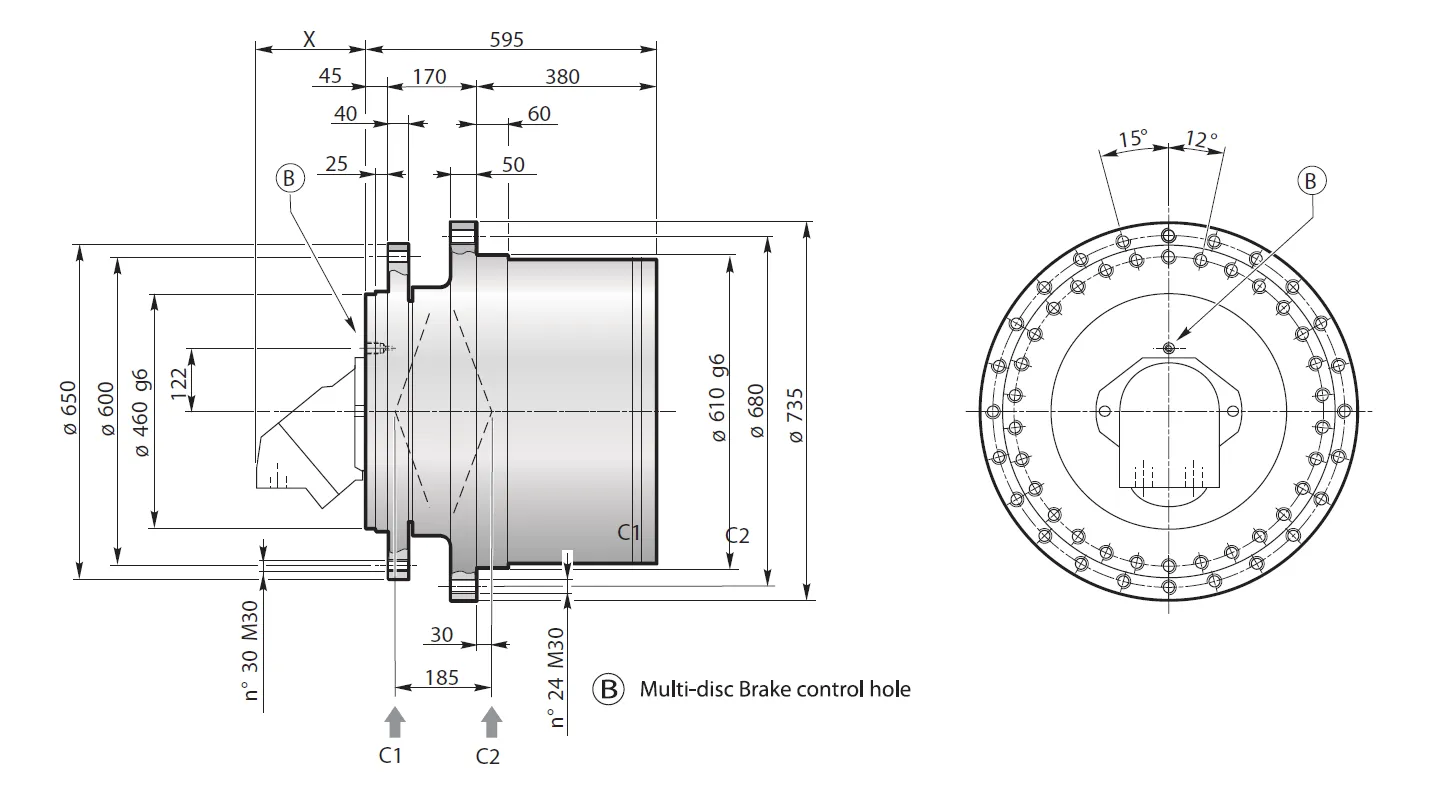
| Wyposażony w silnik hydrauliczny |
| VOAC F11-150 CETOP | X = 307 | VOAC F11-250 | X = 431 | | |
| SAUER 51C160 | X = 239 | SAUER 51V250 | X = 460 | | |
| Różne wykonania wejściowe dostępne na żądanie. |
| Wymiar wyjściowy |
| Maksymalny moment wyjściowy | Nośność łożysk | Waga bez silnika | Ilość oleju | Moment obrotowy hamulca | Ciśnienie otwarcia | Maksymalne ciśnienie hamulca |
| [ Nm ] | Cd dynamiczny [ kN ] | C0 statyczny [ kN ] | [kg] | [ litrów ] | [ Nm ] | [ bar ] | [ bar ] |
| 240000 | 765 | 1660 | 880 | 15 | 2350÷950 | 50÷20 | 300 |
| Efektywny współczynnik redukcji |
| 86.6 | 97.6 | 112.6 | 127.1 | 142.7 | 151.9 | 161.1 | 168.1 |
| 182.3 | 211 | 223.3 | 252 | | | | |
EH 26000 SC
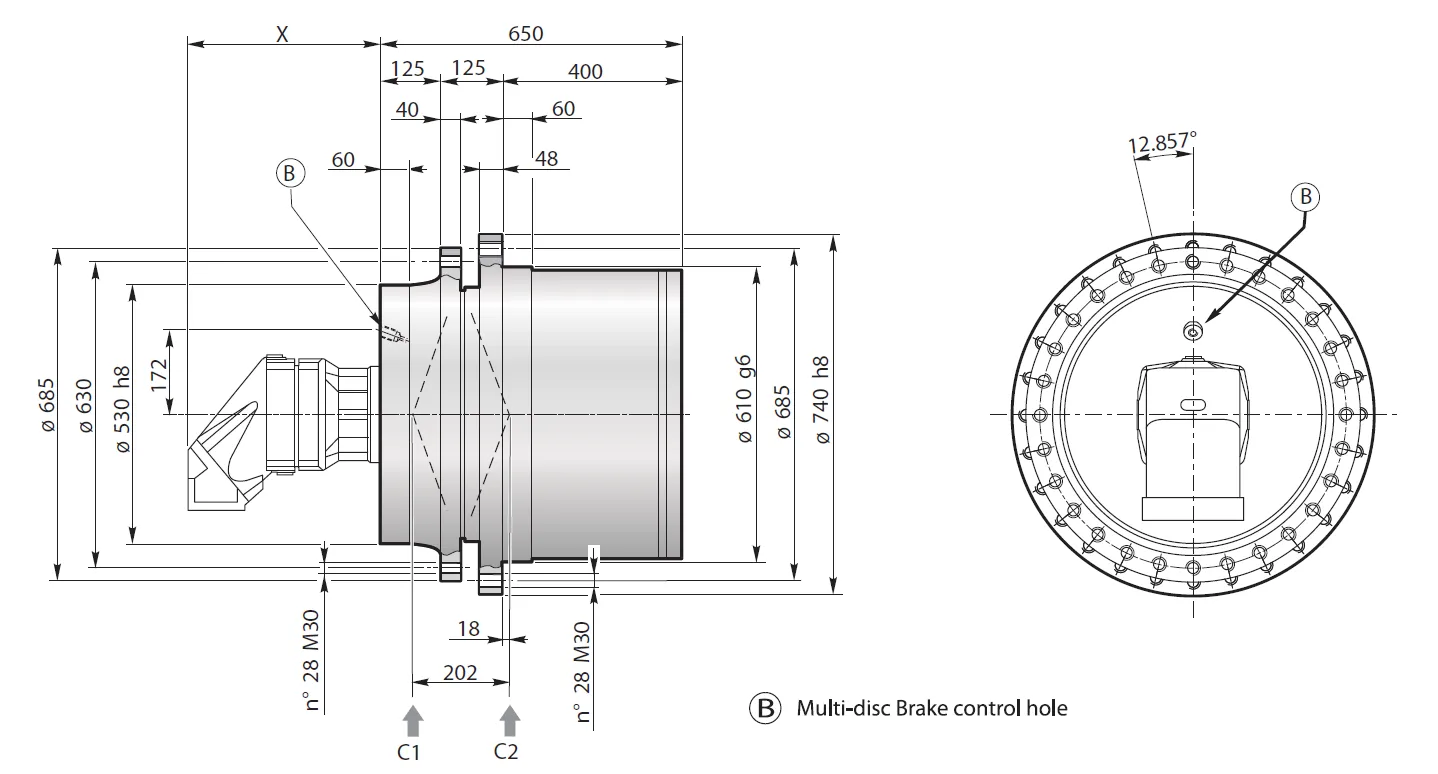
| Wyposażony w silnik hydrauliczny |
| VOAC F11-250 | X = 431 | | | | |
| SAUER 51V250 | X = 460 | SAUER 51C160 | X = 239 | | |
| Różne wykonania wejściowe dostępne na żądanie. |
| Wymiar wyjściowy |
| Maksymalny moment wyjściowy | Nośność łożysk | Waga bez silnika | Ilość oleju | Moment obrotowy hamulca | Ciśnienie otwarcia | Maksymalne ciśnienie hamulca |
| [ Nm ] | Cd dynamiczny [ kN ] | C0 statyczny [ kN ] | [kg] | [ litrów ] | [ Nm ] | [ bar ] | [ bar ] |
| 280000 | 1080 | 2360 | 980 | 18 | 2500÷1100 | 50÷20 | 300 |
| Efektywny współczynnik redukcji |
| 86.6 | 97.6 | 112.6 | 127.1 | 142.7 | 151.9 | 161.1 | 168.1 |
| 182.3 | 211 | 223.3 | 252 | | | | |
EH 33000 SC
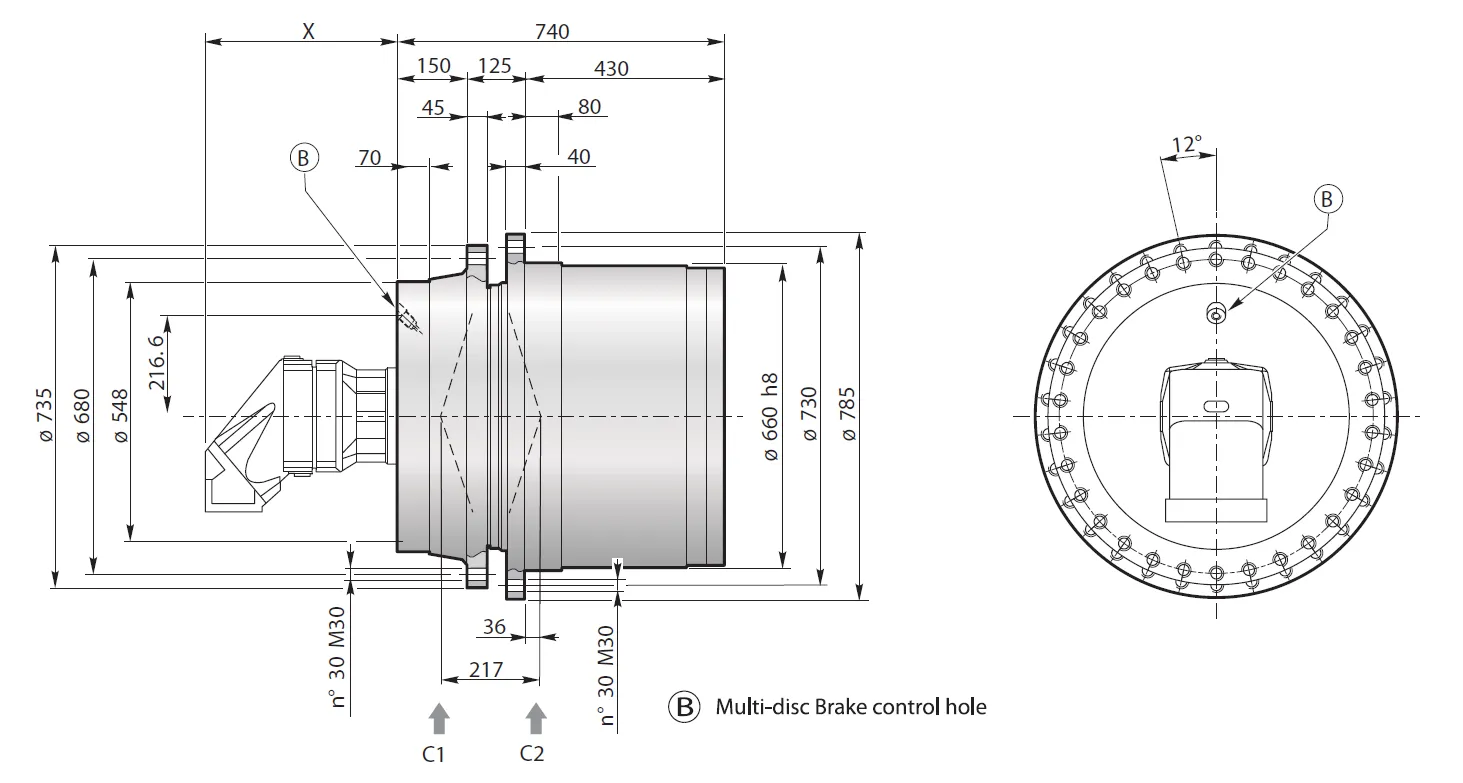
| Wyposażony w silnik hydrauliczny |
| VOAC F11-250 | X = 431 | | | | |
| SAUER 51V250 | X = 460 | | | | |
| Różne wykonania wejściowe dostępne na żądanie. |
| Wymiar wyjściowy |
| Maksymalny moment wyjściowy | Nośność łożysk | Waga bez silnika | Ilość oleju | Moment obrotowy hamulca | Ciśnienie otwarcia | Maksymalne ciśnienie hamulca |
| [ Nm ] | Cd dynamiczny [ kN ] | C0 statyczny [ kN ] | [kg] | [ litrów ] | [ Nm ] | [ bar ] | [ bar ] |
| 350000 | 1120 | 2550 | 1280 | 21 | 3550÷1350 | 40÷20 | 300 |
| Efektywny współczynnik redukcji |
| 86.6 | 97.6 | 112.6 | 127.1 | 142.7 | 151.9 | 161.1 | 182.3 |
| 211 | 223.3 | 252 | | | | | |
EH 33000 W
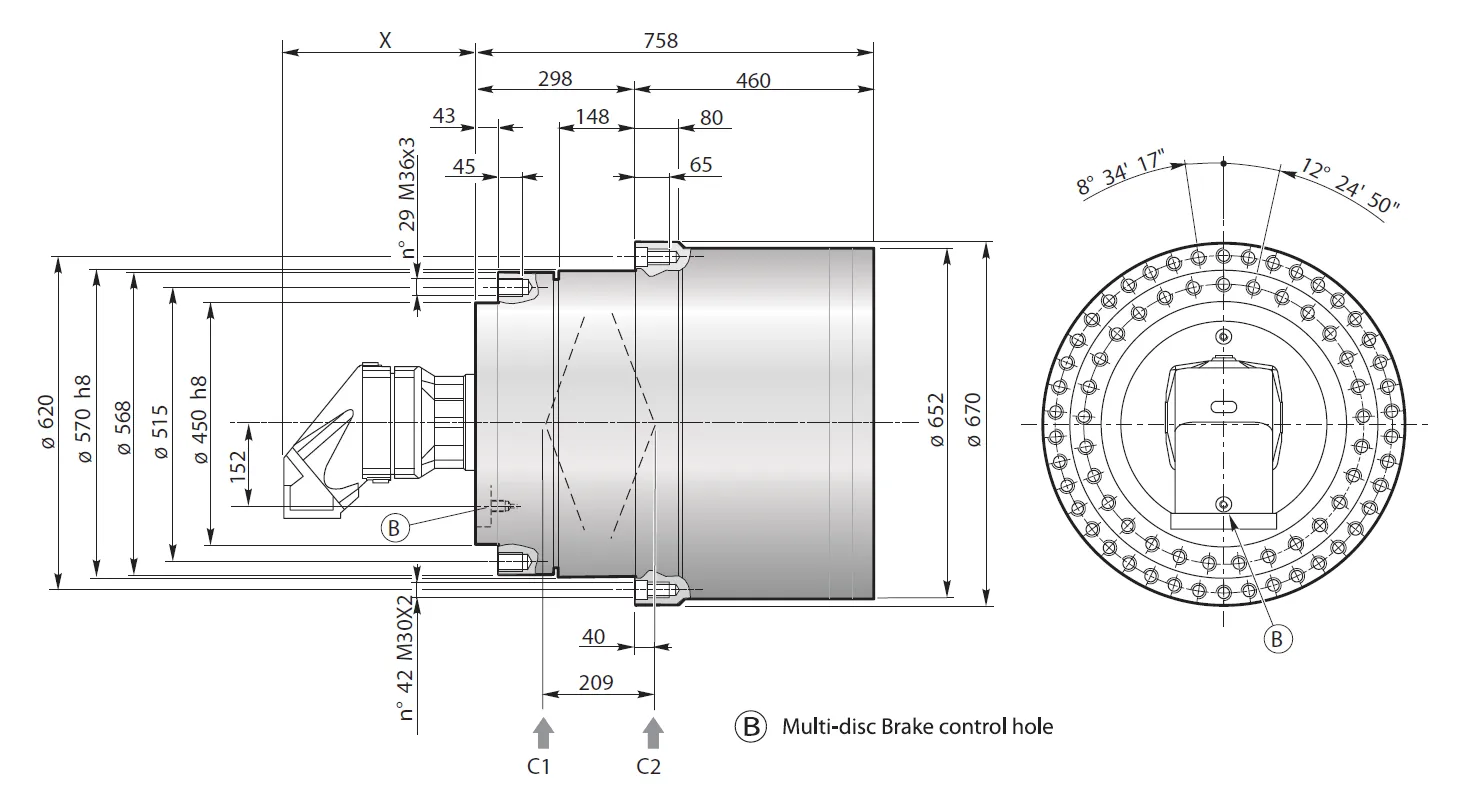
| Wyposażony w silnik hydrauliczny |
| VOAC F11-250 | X = 431 | | | | |
| SAUER 51V250 | X = 460 | | | | |
| Różne wykonania wejściowe dostępne na żądanie. |
| Wymiar wyjściowy |
| Maksymalny moment wyjściowy | Nośność łożysk | Waga bez silnika | Ilość oleju | Moment obrotowy hamulca | Ciśnienie otwarcia | Maksymalne ciśnienie hamulca |
| [ Nm ] | Cd dynamiczny [ kN ] | C0 statyczny [ kN ] | [kg] | [ litrów ] | [ Nm ] | [ bar ] | [ bar ] |
| 350000 | 1120 | 2550 | 1280 | 25 | 3550÷1350 | 40÷20 | 300 |
| Efektywny współczynnik redukcji |
| 86.6 | 97.6 | 112.6 | 127.1 | 142.7 | 151.9 | 161.1 | 182.3 |
| 211 | 223.3 | 252 | | | | | |
EH 45000 SC
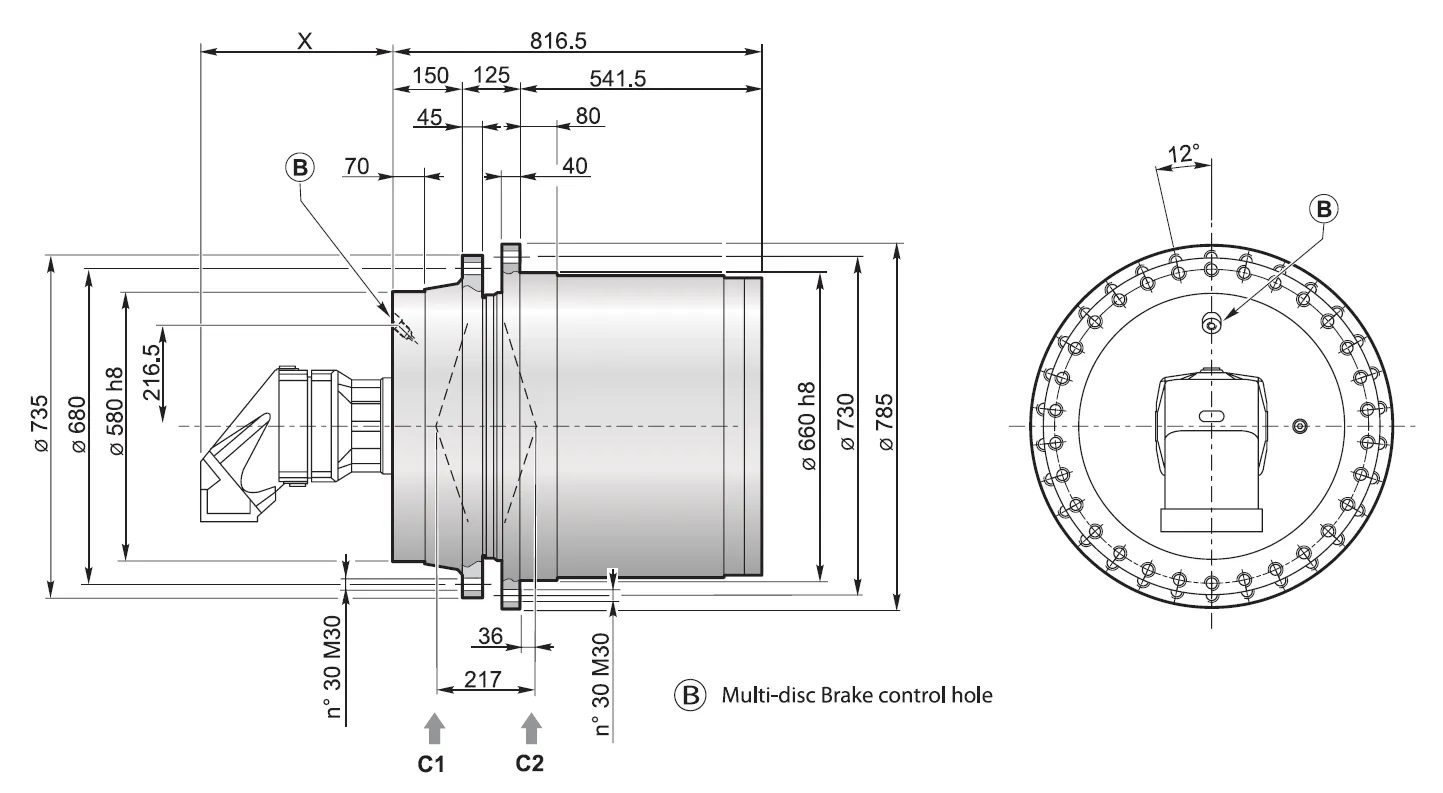
| Wyposażony w silnik hydrauliczny |
| VOAC F11-250 | X = 431 | | | | |
| SAUER 51V250 | X = 460 | | | | |
| Różne wykonania wejściowe dostępne na żądanie. |
| Wymiar wyjściowy |
| Maksymalny moment wyjściowy | Nośność łożysk | Waga bez silnika | Ilość oleju | Moment obrotowy hamulca | Ciśnienie otwarcia | Maksymalne ciśnienie hamulca |
| [ Nm ] | Cd dynamiczny [ kN ] | C0 statyczny [ kN ] | [kg] | [ litrów ] | [ Nm ] | [ bar ] | [ bar ] |
| 450000 | 1120 | 2550 | 1560 | 24 | 3750÷1500 | 40÷20 | 300 |
| Efektywny współczynnik redukcji |
| 85.2 | 95.9 | 110.7 | 132.3 | 140.3 | 158.8 | 183.8 | 219.6 |
EH 60000 SC
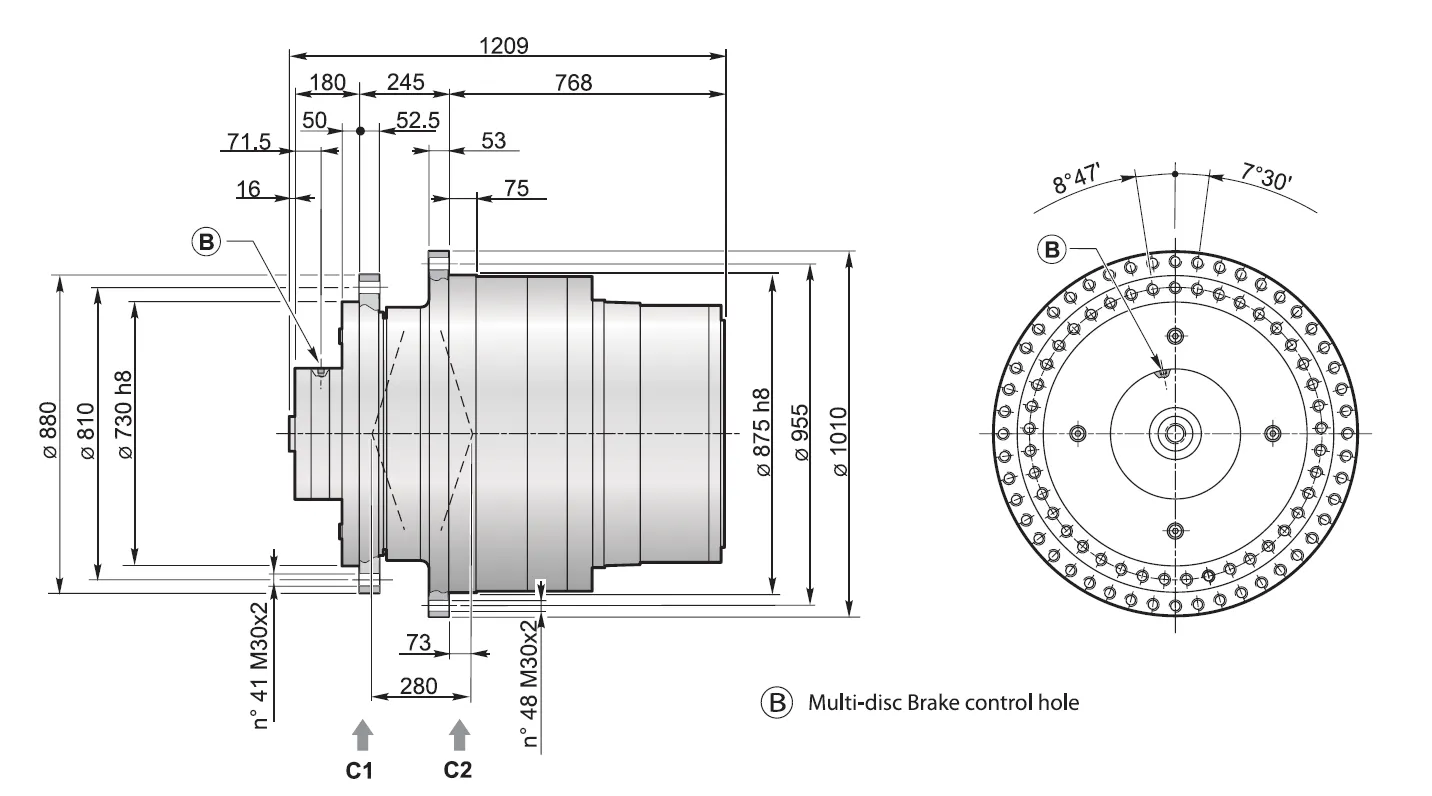
| Wymiar wyjściowy |
| Maksymalny moment wyjściowy | Nośność łożysk | Waga bez silnika | Ilość oleju | Moment obrotowy hamulca | Ciśnienie otwarcia | Maksymalne ciśnienie hamulca |
| [ Nm ] | Cd dynamiczny [ kN ] | C0 statyczny [ kN ] | [kg] | [ litrów ] | [ Nm ] | [ bar ] | [ bar ] |
| 685000 | 1380 | 3050 | 3120 | 50 | 4000÷1300 | 30÷20 | 300 |
| Efektywny współczynnik redukcji |
| 330.7 | 373.1 | 442.3 | | | | | |
EH 70000 SC
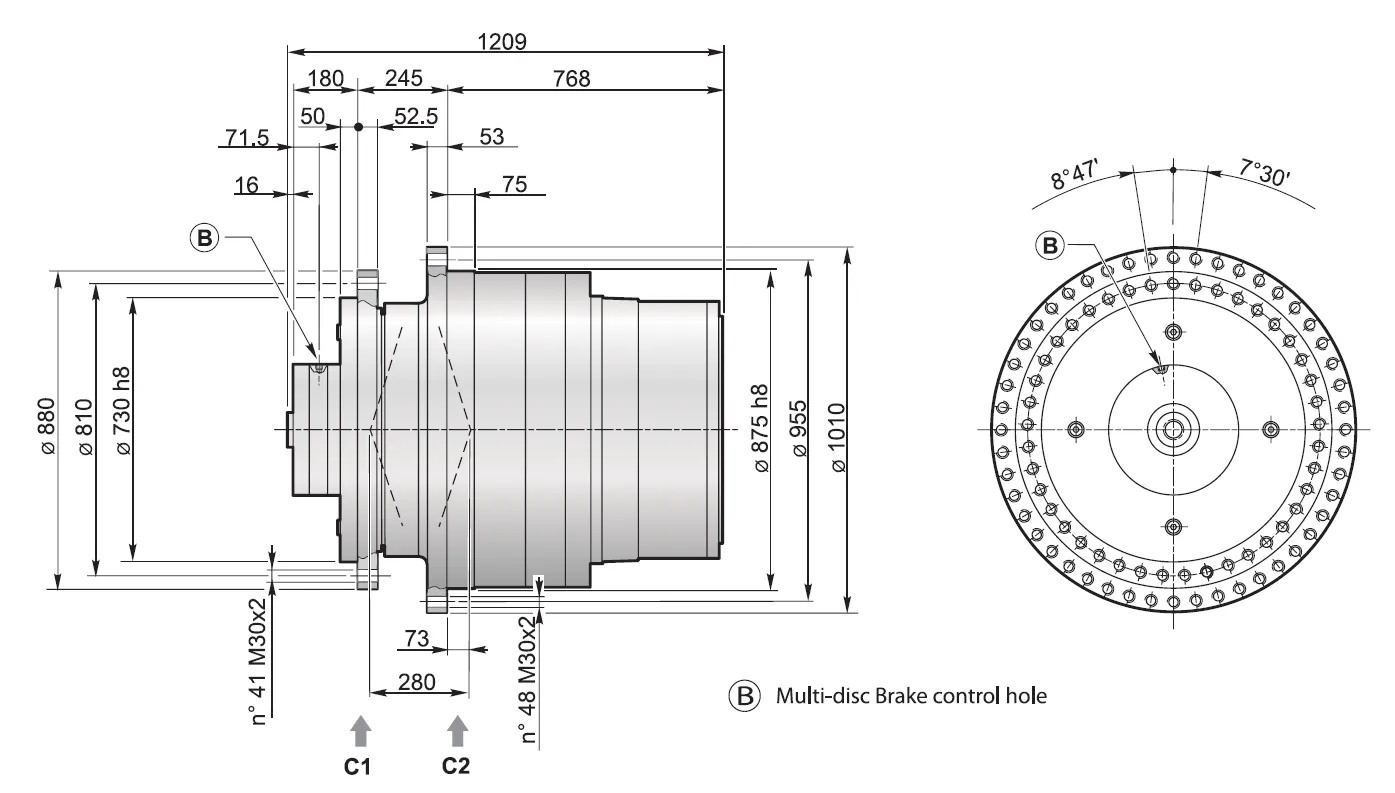
| Wymiar wyjściowy |
| Maksymalny moment wyjściowy | Nośność łożysk | Waga bez silnika | Ilość oleju | Moment obrotowy hamulca | Ciśnienie otwarcia | Maksymalne ciśnienie hamulca |
| [ Nm ] | Cd dynamiczny [ kN ] | C0 statyczny [ kN ] | [kg] | [ litrów ] | [ Nm ] | [ bar ] | [ bar ] |
| 865000 | 1380 | 3050 | 3120 | 50 | 4000÷1700 | 30÷20 | 300 |
| Efektywny współczynnik redukcji |
| 287 | 323.8 | 368.6 | 415.8 | 437.7 | 493.7 | | |
Feller Buncher Planetary Track Drive Gearbox Characteristics
- Wysoka nośność momentu obrotowego
The planetary track drive gearbox delivers exceptional torque capacity, enabling feller bunchers to handle heavy loads and traverse challenging terrains with ease. Its multi-stage gear system efficiently multiplies engine torque, distributing force evenly across the planetary gears. This design prevents overload during demanding forestry tasks, ensuring consistent power delivery for tree felling and bunching operations, even under extreme stress. - Kompaktowa i zajmująca mało miejsca konstrukcja
The track drive planetary gearbox features a highly compact configuration that optimizes space within the feller buncher's undercarriage. Its epicyclic gear arrangement, consisting of sun, planet, and ring gears, achieves high reduction ratios in a small footprint. This compactness enhances the machine's maneuverability in dense forests, improves stability on uneven ground, and reduces the overall size of the vehicle, making transportation and integration more efficient without sacrificing performance. - Exceptional Durability and Reliability
Constructed from hardened materials, the track drive gearbox is designed to withstand the harsh environmental conditions of logging sites, including dust, moisture, and temperature extremes. Its sealed housing and stress-distributing gear configuration minimize wear, ensuring long-term reliability. The gearbox is specifically engineered to endure constant vibrations, impacts from terrain obstacles, and the heavy timber handling that feller bunchers encounter daily, reducing downtime and maintenance needs. - High Power Transmission Efficiency
With efficiency often exceeding 95 percent, the planetary track drive ensures minimal friction losses during operation. This high efficiency reduces fuel consumption and heat generation, enabling feller bunchers to operate for extended periods without wasted energy. The system optimizes the balance between speed and tractive effort, making it ideal for tasks such as climbing steep slopes or navigating muddy forestry environments, while maintaining consistent power delivery. - Versatility and Customization Options
The planetary gearbox offers significant versatility through customizable features, including variable gear ratios and modular designs tailored to specific feller buncher requirements. These options enable seamless integration with hydraulic or electric motors, supporting precise performance for diverse forestry tasks. From tight navigation in constrained spaces to handling varying load conditions, the gearbox is adaptable to industry standards, allowing for effortless upgrades and tailored configurations. - Precise Control and Low Backlash
The track drive planetary gear reducer ensures precise control with its tight tolerances and coaxial alignment, enabling smooth, accurate movements in feller bunchers. This precision facilitates bidirectional operation and fine-tuned speed adjustments, giving operators enhanced control during cutting and bunching processes. Integrated features such as brakes and triple reduction mechanisms further enhance safety and responsiveness, allowing for reliable handling in dynamic and unpredictable woodland environments.
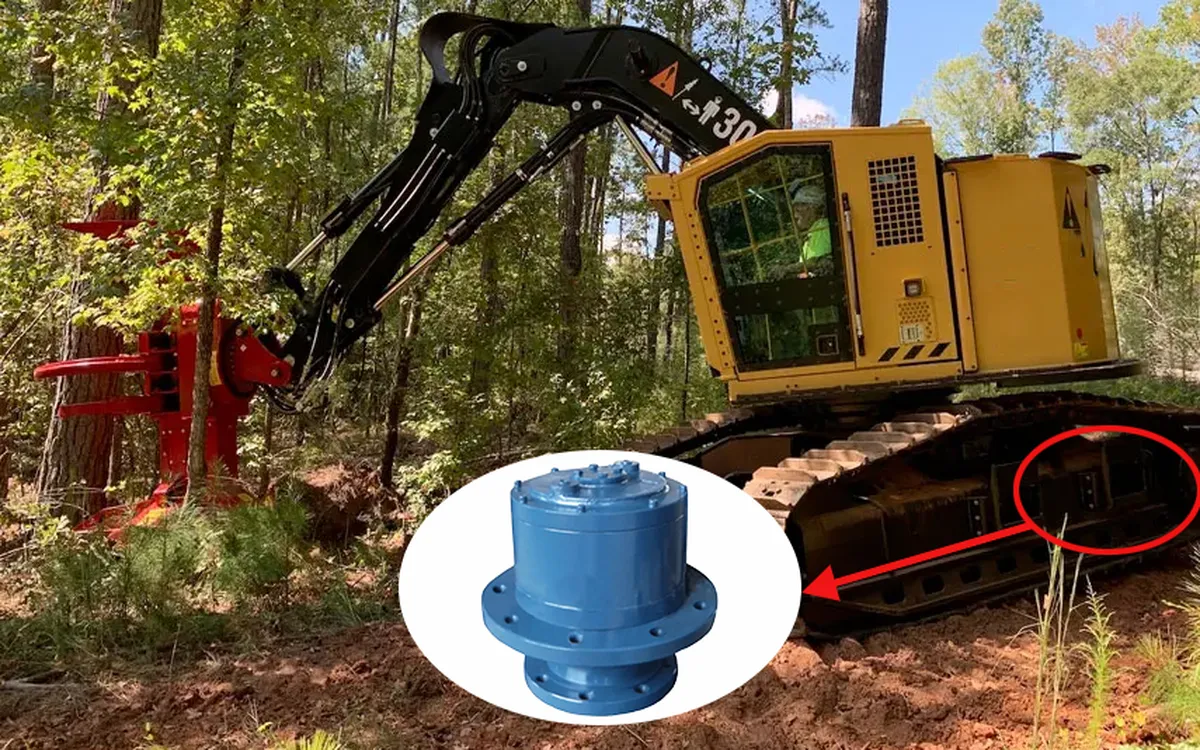
Track Drive Planetary Gearbox Application Industry
- Branża budowlana
The track drive planetary gearbox is widely used in construction machinery such as excavators, bulldozers, and loaders, which require high torque transmission for efficient operation. Its compact design ensures seamless integration into track systems, enabling reliable performance on rough terrains and under extreme conditions. By reducing downtime and handling heavy loads with precision, it significantly enhances productivity in large-scale building projects and earthmoving operations, making it a cornerstone of modern construction equipment. - Agricultural Industry
In the agricultural sector, the planetary gearbox powers tracked tractors, combines, and harvesters, ensuring efficient navigation across challenging field conditions like mud, uneven soil, and crop residues. Its ability to deliver high torque multiplication and withstand environmental factors such as dust and moisture supports essential tasks like plowing, planting, and harvesting. This durability and efficiency contribute to increased agricultural yield, reduced fuel consumption, and the overall advancement of modern farming practices. - Przemysł górniczy
The planetary track drive plays a critical role in mining applications, powering equipment such as conveyor systems, drilling rigs, and tracked loaders. Designed to handle harsh environments, it delivers high torque to withstand shock loads and constant vibrations in underground or open-pit operations. Its compact yet robust construction ensures safe and continuous material extraction and transport, optimizing resource recovery, reducing wear, and extending the lifespan of mining equipment in demanding conditions. - Przemysł leśny
The planetary track drive gearbox is essential in forestry equipment like feller bunchers and tracked harvesters, enabling precise control and high torque for cutting, bunching, and maneuvering through dense woodlands and over steep slopes. Its sealed and rugged construction protects against debris, humidity, and temperature fluctuations, ensuring uninterrupted operation in harsh forestry environments. This reliability and performance support sustainable logging practices while minimizing maintenance requirements, making it indispensable for modern forestry operations. - Przemysł naftowy i gazowy
In the oil and gas sector, the track drive planetary gear reducer is integral to driving tracked rigs and equipment used in drilling, pipeline installation, and transportation tasks. Its ability to handle extreme torque requirements and operate under challenging conditions, including high temperatures and corrosive environments, ensures reliable performance. The gearbox’s durability and efficiency reduce downtime and optimize energy usage, supporting critical operations in both offshore and onshore applications while maintaining safety and operational continuity.
 |  |
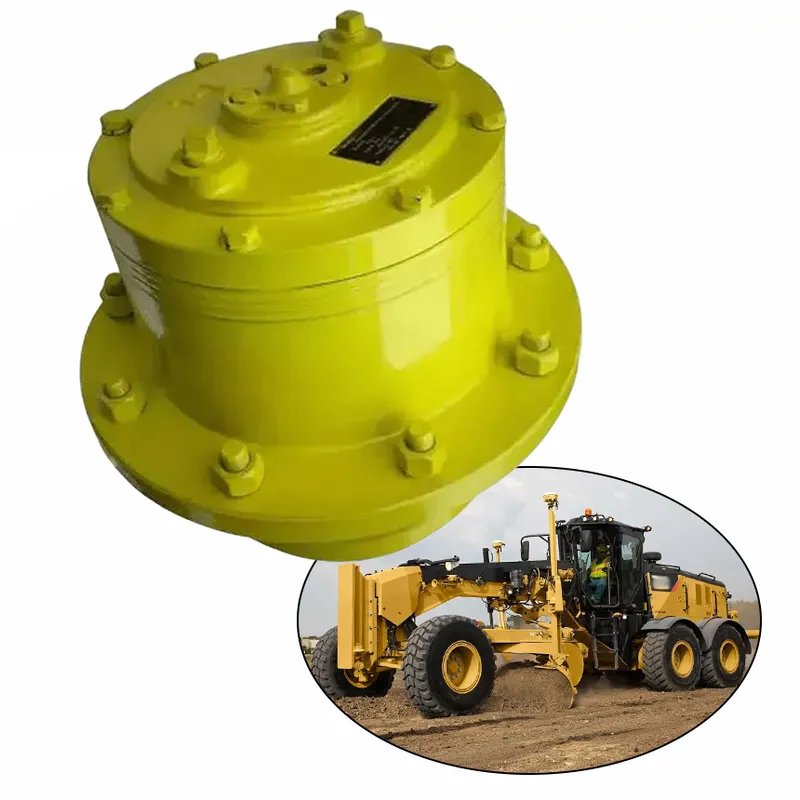
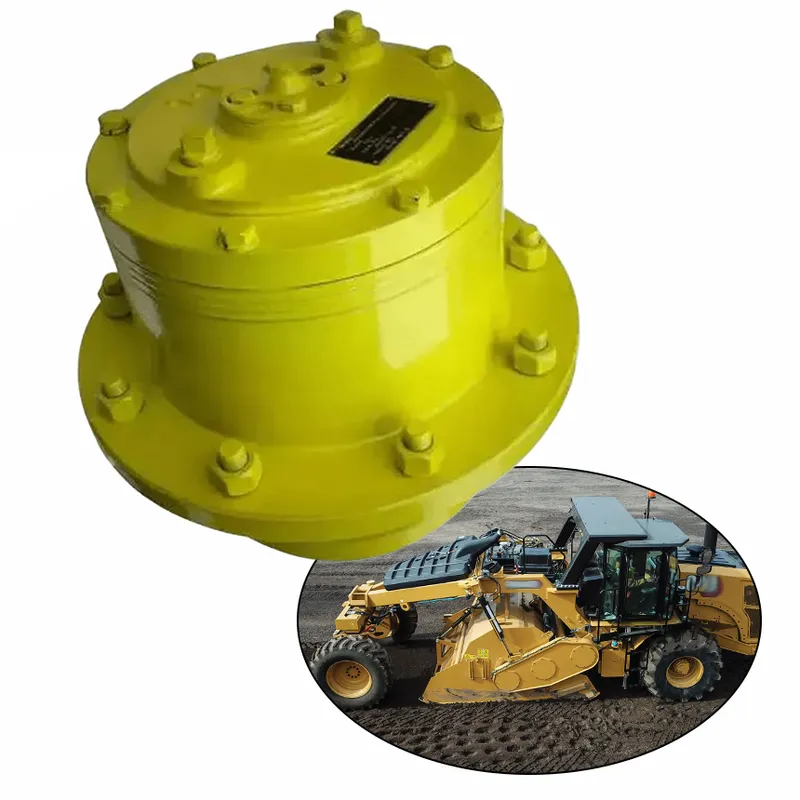
| Napęd gąsienicowy planetarny do ładowarek | Napęd planetarny do strugarek na zimno |
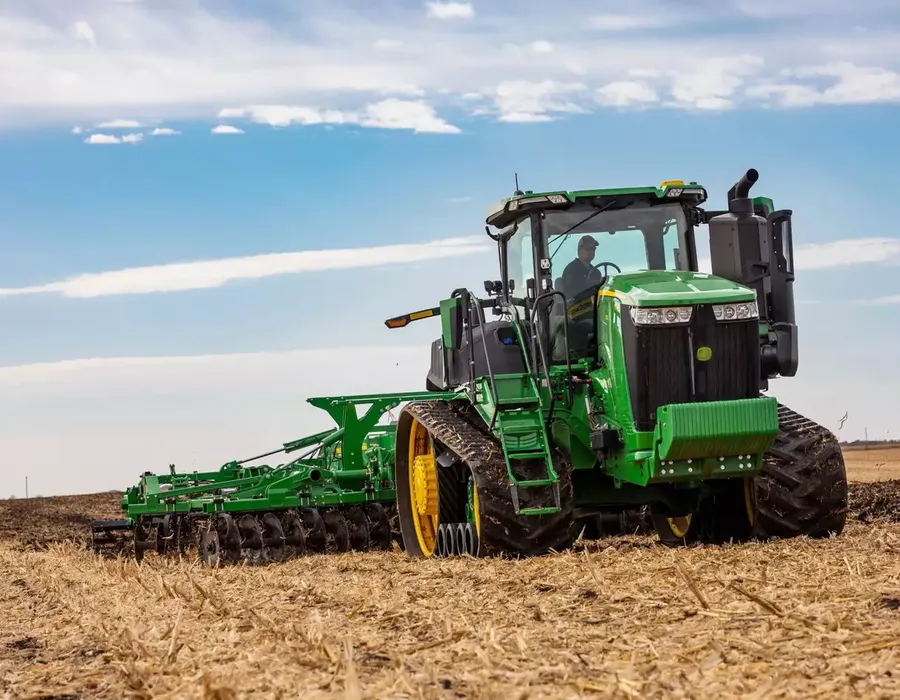 | 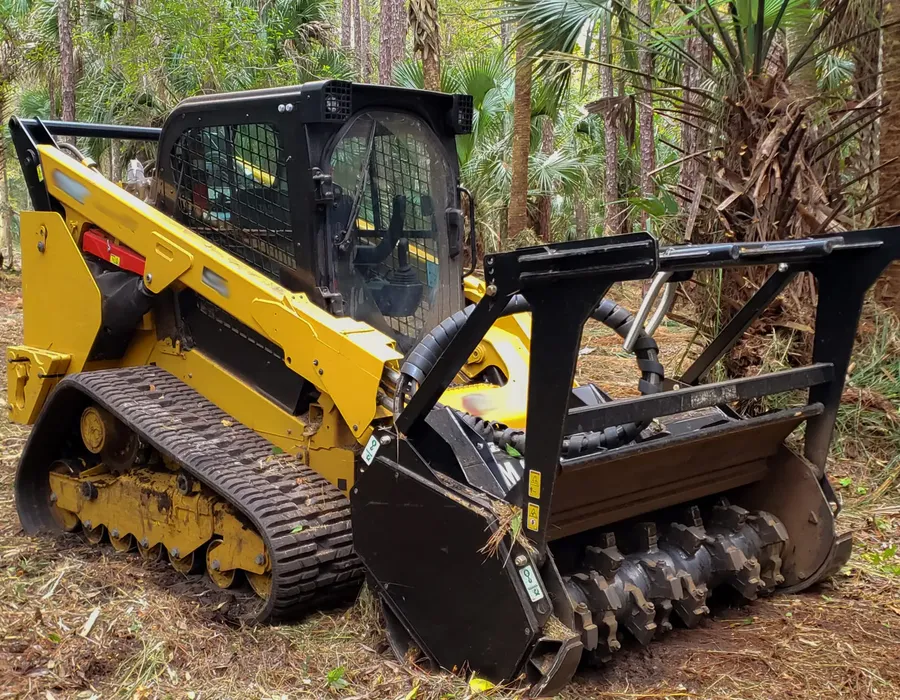 |
| Planetary Track Drive for Harrows | Napęd planetarny do rozdrabniaczy |
Planetary Track Drive Gearbox Troubleshooting
- Overheating During Operation
Overheating in the planetary track drive gearbox often results from insufficient lubrication, excessive loads, or blocked cooling passages. To address this issue, inspect lubricant levels and ensure the oil meets manufacturer specifications. Clean debris blocking ventilation or cooling systems and verify proper heat dissipation. If the problem persists, check for misalignment or excessive operational loads. Replace worn seals or damaged gears to restore thermal performance and prevent long-term component failure during demanding applications. - Excessive Noise and Vibration
Excessive noise and vibration typically indicate worn or damaged gears, insufficient lubrication, or misaligned planetary components, all of which reduce efficiency and durability. Troubleshooting involves inspecting the gearbox visually and audibly, measuring vibration levels with specialized tools, and replenishing or replacing lubricant. Realign shafts and components as necessary to minimize irregularities. If problems persist, disassemble the gearbox to inspect gear teeth for pitting or cracks and replace faulty parts to ensure smooth and reliable operation. - Lubricant Leaks
Lubricant leaks in the gearbox are usually caused by degraded seals, cracked housings, or improper assembly, leading to contamination and reduced functionality. To troubleshoot, check all seals and gaskets for wear or damage and tighten loose fittings. Perform a pressure test to identify hidden fractures in the housing. Clean affected areas and apply sealants or replace damaged components as needed. Maintaining proper fluid containment will enhance performance and prolong the gearbox’s service life in harsh conditions. - Gear Wear or Scoring
Gear wear or scoring often arises from contamination by debris, overloading, or insufficient material hardening, resulting in decreased torque transmission and potential breakdowns. Troubleshooting requires regular oil analysis to detect particulates, inspecting gear surfaces with endoscopic tools for irregularities, and checking operational loads to prevent overstrain. Resurfacing lightly damaged gears or fully replacing severely worn ones, combined with improved filtration systems, will help mitigate future wear and ensure consistent reliability in tough applications. - Loss of Torque or Power
Loss of torque or power can stem from internal slippage, bearing failures, or inefficiencies in hydraulic motors, reducing the gearbox’s ability to perform heavy-duty tasks. Troubleshooting involves testing output torque with a dynamometer, inspecting bearings for signs of play, seizure, or wear, and verifying input power sources for irregularities. Corrective actions include lubricating or replacing bearings, recalibrating the system, and clearing any blockages in the drive path. These measures will restore full operational capacity and improve performance under load.