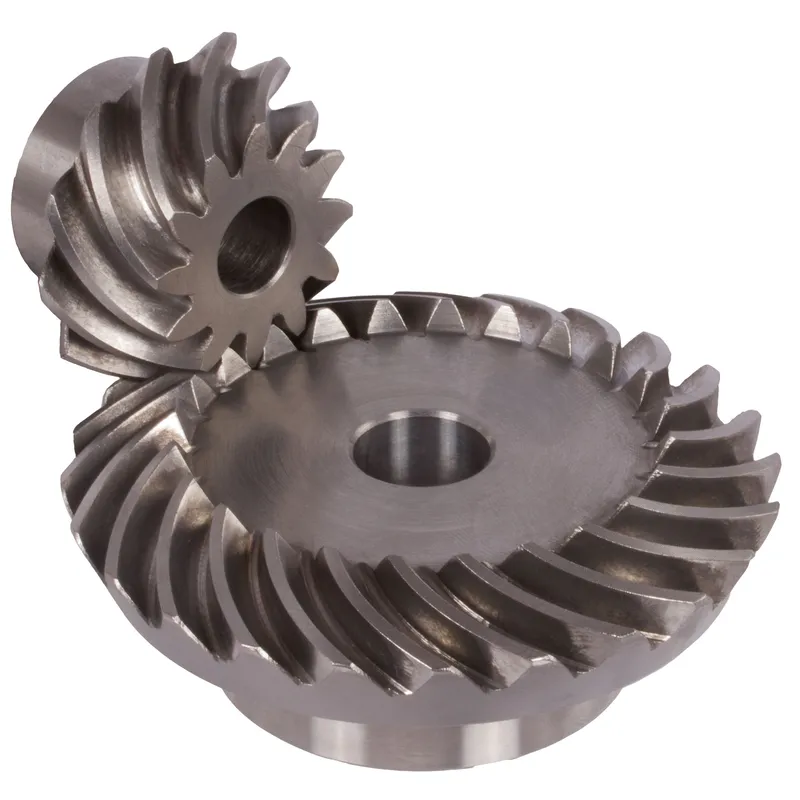
Przekładnie stożkowe spiralne ze stali o stosunku zębów 1:1 – 4:1
Stalowe przekładnie stożkowe spiralne o przełożeniu od 1,2:1 do 1,6:1 i układzie zębów spiralnych to przekładnie stożkowe przeznaczone do przenoszenia mocy między przecinającymi się wałami, zazwyczaj pod kątem 90 stopni. Konstrukcja zębów spiralnych, z zębami zakrzywionymi i skośnymi (często o kącie skosu 35°), zapewnia płynniejszą i cichszą pracę w porównaniu z prostymi przekładniami stożkowymi dzięki stopniowemu zazębieniu i wyższym współczynnikom styku. Te stalowe przekładnie stożkowe są wykonane z wysokowytrzymałej stali węglowej lub stopowej, takiej jak 42CrMo4 lub 16MnCr5, i nadają się do umiarkowanej redukcji prędkości w zastosowaniach takich jak mechanizmy różnicowe w samochodach czy maszyny przemysłowe.
Stalowe przekładnie stożkowe spiralne o przełożeniu od 1:1 do 4:1 i układzie zębów spiralnych to przekładnie stożkowe zaprojektowane do przenoszenia mocy między przecinającymi się wałami, zazwyczaj pod kątem 90 stopni. Konstrukcja zębów spiralnych, z zakrzywionymi i ukośnymi zębami (często o kącie spiralnym 35°), zapewnia płynniejszą i cichszą pracę w porównaniu z prostymi przekładniami stożkowymi dzięki stopniowemu zazębieniu zębów i wyższym stosunkom styku. Koła te wykonane są z wysokowytrzymałej stali węglowej lub stopowej, takiej jak 42CrMo4 (dla modułów do 1,5) lub 16MnCr5 (dla modułów 2,0 i wyższych), z hartowanymi zębami dla zapewnienia trwałości. Przełożenie, obliczane jako liczba zębów koła napędzanego podzielona przez zębnik, waha się od 1:1 do 4:1, dzięki czemu nadają się do umiarkowanych redukcji prędkości w zastosowaniach takich jak mechanizmy różnicowe w samochodach lub maszyny przemysłowe.
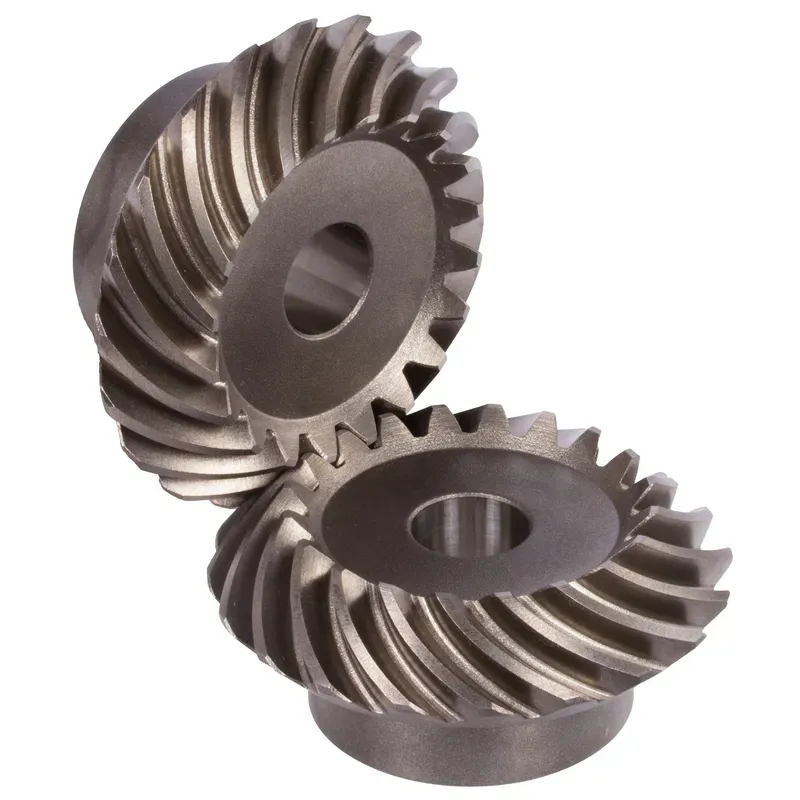
Przekładnia stożkowa spiralna ze stali o przełożeniu 1:1
 | 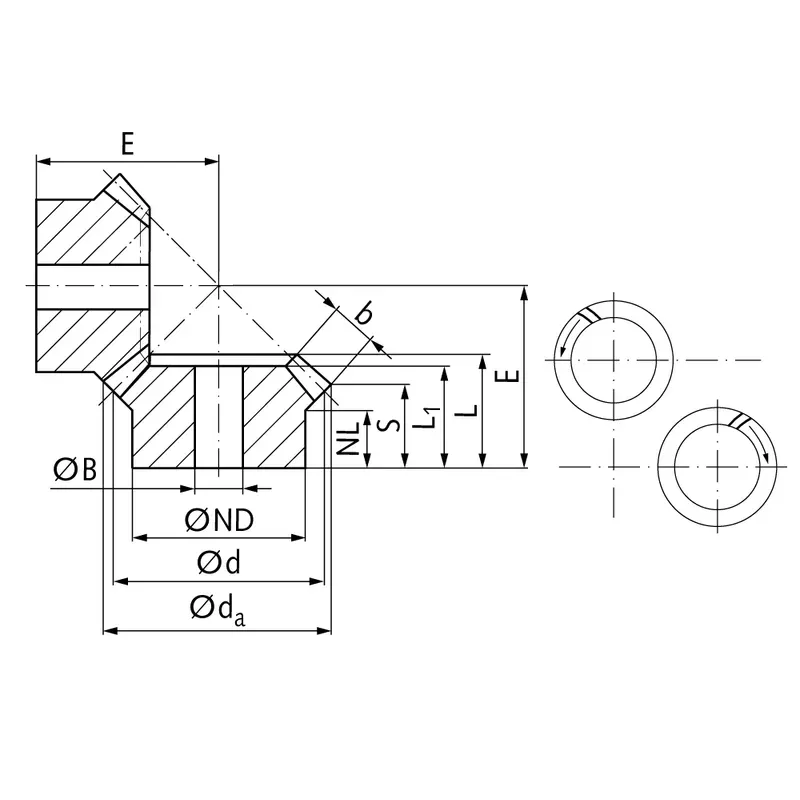 |
| Moduł | Numer zębów | DA | D | ND | Holandia | L1 | L | S1) | B | BH7 | mi | Moment obrotowy* | Waga |
| mm | mm | mm | mm | mm | mm | mm | mm | mm | mm | Ncm | G | ||
| 0,6 | 16 | 15,8 | 15,5 | 10 | 4,5 | 9 | 10,0 | 7,7 | 3,3 | 5 | 15 | 0,64 | 12 |
| 0,6 | 20 | 16,9 | 16,5 | 12 | 6,5 | 11 | 12,0 | 9,2 | 4 | 5 | 17 | 1,27 | 19 |
| 0,6 | 25 | 23,3 | 22,5 | 19 | 7,2 | 12 | 13,4 | 9,2 | 6 | 6 | 20 | 2,1 | 50 |
| 0,6 | 30 | 27,8 | 27 | 22 | 7 | 13 | 14,9 | 9,9 | 7 | 8 | 23 | 3,0 | 75 |
| 0,6 | 35 | 32,3 | 31,5 | 25 | 7,2 | 15 | 16,3 | 10,6 | 8 | 8 | 26 | 3,5 | 116 |
| 1 | 16 | 25,4 | 24 | 17 | 7,5 | 13,5 | 15,95 | 11,7 | 6 | 6 | 23 | 2,5 | 55 |
| 1 | 20 | 31,4 | 30 | 25 | 8,4 | 15 | 17,3 | 11,7 | 8 | 8 | 26 | 6,3 | 112 |
| 1 | 25 | 38,9 | 37,5 | 25 | 8 | 16 | 19,0 | 11,9 | 10 | 10 | 30 | 10,0 | 155 |
| 1 | 30 | 46,4 | 45 | 30 | 8 | 19 | 21,7 | 13,2 | 12 | 10 | 35 | 14,3 | 278 |
| 1,3 | 20 | 41,8 | 40 | 30 | 7,3 | 19 | 20,7 | 12,9 | 11 | 10 | 32 | 14,8 | 222 |
| 1,3 | 25 | 51,8 | 50 | 30 | 8 | 19 | 21,8 | 11,9 | 14 | 10 | 36 | 18,5 | 326 |
| 1,3 | 30 | 61,8 | 60 | 35 | 8 | 21 | 24,2 | 12,9 | 16 | 12 | 42 | 31,5 | 530 |
| 1,5 | 18 | 41,7 | 39,6 | 30 | 8 | 17 | 20,3 | 13,2 | 10 | 10 | 32 | 15,9 | 209 |
| 1,5 | 24 | 54,9 | 52,8 | 35 | 8 | 20 | 22,6 | 12,7 | 14 | 10 | 38 | 21,2 | 408 |
| 1,5 | 28 | 63,7 | 61,6 | 40 | 8 | 20 | 23,2 | 13,3 | 14 | 12 | 43 | 34,5 | 576 |
| 2,2881 | 21 | 71,5 | 70 | 45 | 15 | 28 | 32,22 | 22,5 | 15 | 16 | 55 | 70 | 973 |
| 2,236 | 24 | 79,0 | 78 | 45 | 15 | 29 | 32,48 | 23,7 | 14 | 16 | 60 | 73 | 1200 |
| 2 | 26 | 82,0 | 80 | 55 | 20 | 35 | 37,73 | 26,8 | 16 | 16 | 65 | 42 | 1581 |
| 2,5 | 19 | 90,0 | 88 | 56 | 18 | 34 | 36,91 | 23,5 | 20 | 20 | 65 | 185 | 1700 |
| 2,5 | 24 | 98,0 | 96 | 54 | 16 | 32 | 37,2 | 24,5 | 19 | 20 | 70 | 188 | 2000 |
| 3 | 21 | 103,0 | 100 | 68 | 17 | 36 | 43,4 | 27,7 | 23 | 25 | 75 | 240 | 2600 |
| 3 | 24 | 115,0 | 112 | 64 | 18 | 34 | 41,7 | 26,7 | 22 | 25 | 80 | 260 | 2800 |
| 3,5 | 24 | 131,0 | 128 | 72 | 20 | 38 | 46,15 | 29,5 | 25 | 30 | 90 | 396 | 4200 |
| 3,5 | 26 | 144,0 | 140 | 85 | 30 | 57 | 62,3 | 43,0 | 28 | 30 | 110 | 238 | 7300 |
Przekładnia stożkowa spiralna ze stali o przełożeniu 1,214:1
| 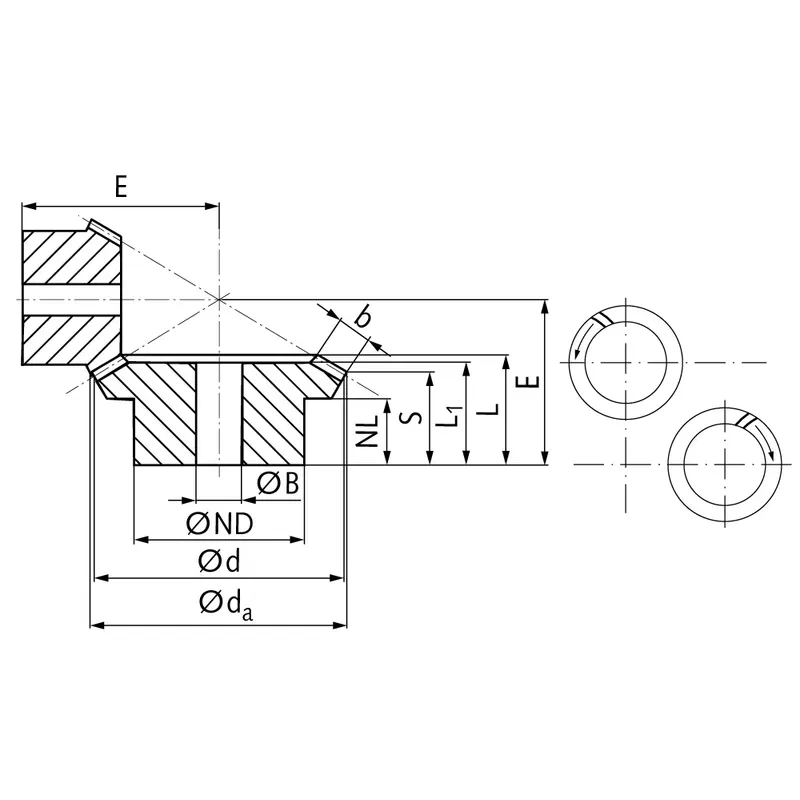 |
| Moduł | Numer zębów | DA | D | ND | Holandia | L1 | L | S | B | BH7 | mi | Moment obrotowy* | Waga |
| mm | mm | mm | mm | mm | mm | mm | mm | mm | mm | Ncm | G | ||
| 1,5 | 14 | 41,0 | 38,7 | 22 | 11 | 21,1 | 24,3 | 15,4 | 11,5 | 12 | 38,0 | 14,1 | 236 |
| 1,5 | 17 | 48,9 | 47,0 | 30 | 11 | 20,9 | 23,9 | 16,6 | 11,5 | 15 | 34,8 | 17,1 | 236 |
Przekładnia stożkowa spiralna ze stali o przełożeniu 1,385:1
| |
| Moduł | Numer zębów | DA | D | ND | Holandia | L1 | L | S | B | BH7 | mi | Moment obrotowy* | Waga |
| mm | mm | mm | mm | mm | mm | mm | mm | mm | mm | Ncm | G | ||
| 1,5 | 13 | 36,7 | 33,9 | 22 | 11 | 21,6 | 24,1 | 16,0 | 10 | 12 | 38,5 | 11,3 | 216 |
| 1,5 | 18 | 48,5 | 47,0 | 30 | 11 | 20,9 | 24,7 | 18,9 | 10 | 15 | 34,8 | 15,7 | 216 |
Przekładnia stożkowa spiralna ze stali o przełożeniu 1,5:1
| |
| Moduł | Numer zębów | DA | D | ND | Holandia | L1 | L | S | B | BH7 | mi | Moment obrotowy* | Waga |
| mm | mm | mm | mm | mm | mm | mm | mm | mm | mm | Ncm | G | ||
| 0,6 | 22 | 20,8 | 19,8 | 17 | 7 | 13 | 14,3 | 8,5 | 7 | 6 | 23 | 2,2 | 116 |
| 0,6 | 33 | 30,3 | 29,7 | 20 | 8 | 14 | 15,5 | 11,6 | 7 | 8 | 21 | 3,3 | 116 |
| 1 | 20 | 31,6 | 30 | 25 | 8 | 17 | 18,3 | 10,0 | 10 | 8 | 32 | 8,1 | 166 |
| 1 | 30 | 46,3 | 45 | 30 | 8 | 17 | 19,5 | 14,0 | 10 | 10 | 28 | 12,2 | 166 |
| 1,3 | 16 | 34,3 | 32 | 25 | 8 | 18 | 19,9 | 10,7 | 11 | 8 | 34 | 11,9 | 220 |
| 1,3 | 24 | 49,4 | 48 | 30 | 8 | 18 | 21,1 | 15,0 | 11 | 10 | 30 | 17,9 | 220 |
| 1,5 | 16 | 37,8 | 35,8 | 30 | 8 | 17 | 18,8 | 10,5 | 10 | 10 | 36 | 14,3 | 273 |
| 1,5 | 24 | 54,4 | 52,8 | 35 | 8 | 17 | 21,1 | 15,6 | 10 | 10 | 32 | 21,5 | 273 |
| 2 | 16 | 53,0 | 50 | 35 | 6 | 18 | 21,37 | 12,8 | 11 | 10 | 48,45 | 41,0 | 561 |
| 2 | 24 | 76,0 | 75 | 39 | 15 | 24 | 27,53 | 21,7 | 11 | 16 | 45 | 61,5 | 561 |
| 2,5 | 16 | 67,0 | 64 | 40 | 14 | 25 | 31,89 | 19,9 | 16 | 16 | 65 | 84 | 1300 |
| 2,5 | 24 | 97,5 | 96 | 54 | 14 | 23 | 28,66 | 20,1 | 16 | 20 | 50 | 126 | 1300 |
| 3 | 16 | 79,0 | 76 | 50 | 15 | 28 | 35,71 | 21,9 | 19 | 20 | 75 | 160 | 1682 |
| 3 | 24 | 115,0 | 114 | 64 | 18 | 28 | 34,69 | 24,8 | 19 | 25 | 60 | 240 | 1682 |
Przekładnia stożkowa spiralna ze stali o przełożeniu 1,615:1
| |
| Moduł | Numer zębów | DA | D | ND | Holandia | L1 | L | S | B | BH7 | mi | Moment obrotowy* | Waga |
| mm | mm | mm | mm | mm | mm | mm | mm | mm | mm | Ncm | G | ||
| 1 | 13 | 20,8 | 18,6 | 16 | 8,2 | 12 | 13,9 | 9,3 | 5 | 8 | 24 | 2,4 | 45 |
| 1 | 21 | 30,8 | 30,0 | 20 | 6 | 10,5 | 12,0 | 9,3 | 5 | 10 | 18 | 3,9 | 45 |
Przekładnia stożkowa spiralna ze stali o przełożeniu 2:1
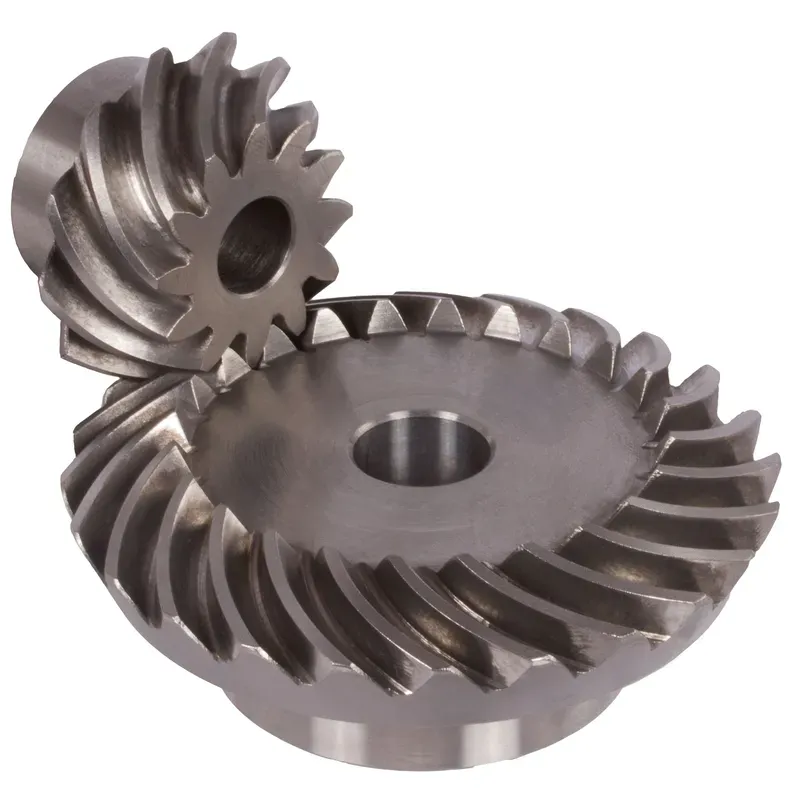 | 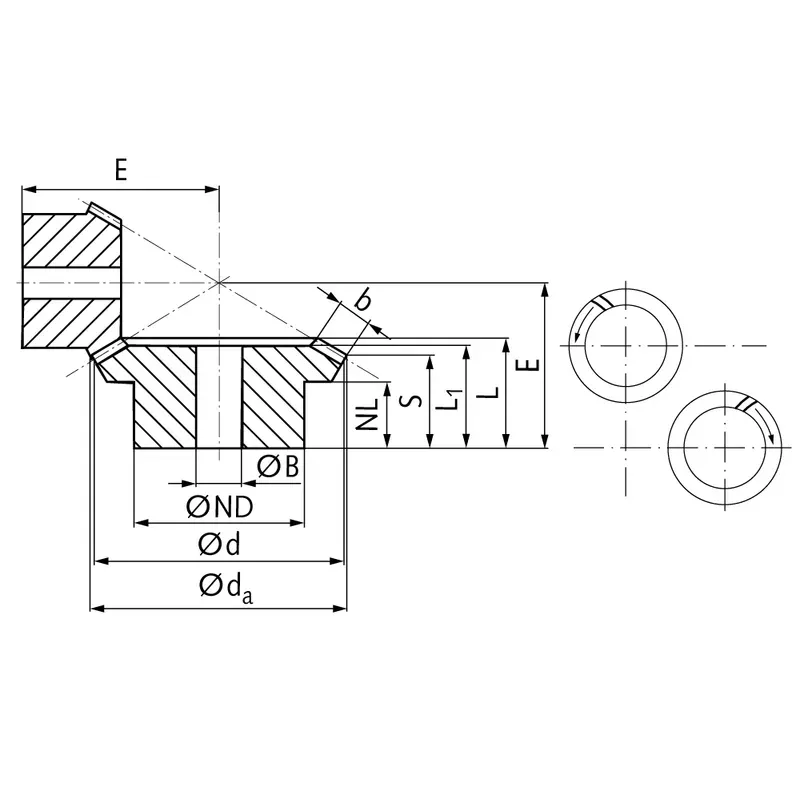 |
| Moduł | Numer zębów | DA | D | ND | Holandia | L1 | L | S | B | BH7 | mi | Moment obrotowy* | Waga |
| mm | mm | mm | mm | mm | mm | mm | mm | mm | mm | Ncm | G | ||
| 0,6 | 22 | 20,8 | 19,8 | 16 | 7,4 | 15 | 15,6 | 8,5 | 8 | 6 | 28 | 2,3 | 116 |
| 0,6 | 44 | 40,1 | 39,6 | 25 | 8 | 15 | 17,2 | 13,6 | 8 | 10 | 23 | 4,6 | 116 |
| 1 | 20 | 31,8 | 30 | 25 | 8 | 19 | 20,2 | 9,4 | 12 | 8 | 39 | 9,8 | 323 |
| 1 | 40 | 60,9 | 60 | 40 | 8 | 18 | 21,2 | 15,9 | 12 | 12 | 30 | 19,6 | 323 |
| 1,3 | 16 | 34,4 | 32 | 25 | 7 | 20 | 22,1 | 9,6 | 14 | 8 | 41 | 12,0 | 397 |
| 1,3 | 32 | 65,1 | 64 | 40 | 8 | 20 | 23,3 | 17,1 | 14 | 12 | 32 | 24,0 | 397 |
| 1,5 | 16 | 38,0 | 35,2 | 30 | 8,4 | 19 | 21,2 | 10,5 | 12 | 10 | 45 | 14,4 | 435 |
| 1,5 | 32 | 71,7 | 70,4 | 45 | 8 | 17 | 21,0 | 15,7 | 12 | 12 | 32 | 28,8 | 435 |
| 2,269 | 12 | 44,0 | 41,5 | 30 | 12 | 28,23 | 28,23 | 17,6 | 15 | 12 | 55 | 10,1 | 846 |
| 2,269 | 24 | 83,0 | 83 | 50 | 15 | 27 | 32,41 | 26,0 | 15 | 16 | 45 | 20,2 | 846 |
| 2,321 | 13 | 47,0 | 45 | 30 | 15 | 30 | 33,0 | 21,7 | 15 | 10 | 63,65 | 49 | 818 |
| 2,321 | 26 | 91,0 | 90 | 40 | 22 | 30 | 35,5 | 29,8 | 15 | 16 | 50 | 98 | 818 |
| 2,5 | 11 | 57,0 | 52,5 | 40 | 15 | 36,72 | 36,72 | 19,7 | 20 | 16 | 70 | 17,8 | 2000 |
| 2,5 | 22 | 106,0 | 105 | 70 | 20 | 39 | 44,65 | 35,8 | 20 | 20 | 60 | 35,6 | 2000 |
| 2,5 | 13 | 59,0 | 56 | 39 | 15 | 34 | 38,37 | 22,9 | 20 | 16 | 75,13 | 95 | 1400 |
| 2,5 | 26 | 113,0 | 112 | 54 | 21 | 30 | 37,72 | 29,0 | 20 | 25 | 55 | 190 | 1400 |
| 3 | 13 | 68,0 | 64 | 45 | 16 | 37 | 41,95 | 24,9 | 22 | 20 | 84,62 | 133 | 2000 |
| 3 | 26 | 128,0 | 128 | 54 | 20 | 32 | 39,9 | 30,6 | 22 | 25 | 60 | 266 | 2000 |
| 3 | 14 | 76,0 | 72,5 | 55 | 25 | 51,46 | 51,46 | 32,0 | 25 | 20 | 100 | 644 | 4800 |
| 3 | 28 | 146,0 | 145 | 90 | 25 | 50 | 57,1 | 46,2 | 25 | 30 | 80 | 128 | 4800 |
| 3,5 | 13 | 77,0 | 72 | 54 | 12 | 34 | 39,8 | 21,1 | 24 | 20 | 88,38 | 197 | 2800 |
| 3,5 | 26 | 146,0 | 144 | 64 | 25 | 38 | 47,1 | 36,5 | 24 | 30 | 70 | 394 | 2800 |
Przekładnia stożkowa spiralna ze stali 2,066:1
| |
| Moduł | Numer zębów | DA | D | ND | Holandia | L1 | L | S | B | BH7 | mi | Moment obrotowy* | Waga |
| mm | mm | mm | mm | mm | mm | mm | mm | mm | mm | Ncm | G | ||
| 1 | 15 | 24,1 | 21,8 | 19 | 6 | 13,2 | 13,3 | 7,0 | 7 | 8 | 29,0 | 3,6 | 112 |
| 1 | 31 | 45,6 | 45,0 | 24 | 8 | 14,0 | 16,3 | 13,2 | 7 | 10 | 23,5 | 7,4 | 112 |
Przekładnia stożkowa spiralna ze stali o przełożeniu 2,5:1
| |
| Moduł | Numer zębów | DA | D | ND | Holandia | L1 | L | S | B | BH7 | mi | Moment obrotowy* | Waga |
| mm | mm | mm | mm | mm | mm | mm | mm | mm | mm | Ncm | G | ||
| 0,6 | 22 | 20,9 | 19,8 | 16 | 6,8 | 16 | 16,7 | 7,5 | 10 | 6 | 32 | 2,6 | 172 |
| 0,6 | 55 | 49,9 | 49,5 | 30 | 8 | 16 | 19,3 | 15,6 | 10 | 10 | 25 | 6,5 | 172 |
| 1,0 | 20 | 31,8 | 30 | 25 | 8,4 | 21 | 22,8 | 9,8 | 14 | 8 | 47 | 9,9 | 355 |
| 1,0 | 50 | 75,7 | 75 | 50 | 8 | 18 | 21,1 | 15,9 | 14 | 12 | 30 | 24,8 | 355 |
| 1,3 | 14 | 30,5 | 28 | 22 | 8,7 | 20 | 21,6 | 10,5 | 12 | 8 | 45 | 11,3 | 420 |
| 1,3 | 35 | 70,9 | 70 | 45 | 8 | 18 | 21,6 | 17,1 | 12 | 12 | 30 | 28,2 | 420 |
| 1,5 | 16 | 38,0 | 35,2 | 30 | 7,5 | 20 | 21,6 | 9,6 | 13 | 10 | 53 | 14,5 | 624 |
| 1,5 | 40 | 89,1 | 88 | 60 | 8 | 16 | 20,6 | 15,8 | 13 | 15 | 32 | 36,3 | 624 |
| 3,6 | 9 | 62,0 | 54,78 | 40 | 14,17 | 34 | 38,35 | 20,9 | 21 | 16 | 87,06 | 150 | 2400 |
| 3,6 | 23 | 141,0 | 140 | 70 | 35 | 45 | 52,53 | 45,0 | 21 | 30 | 70 | 383 | 2400 |
Przekładnia stożkowa spiralna ze stali o przełożeniu 3:1
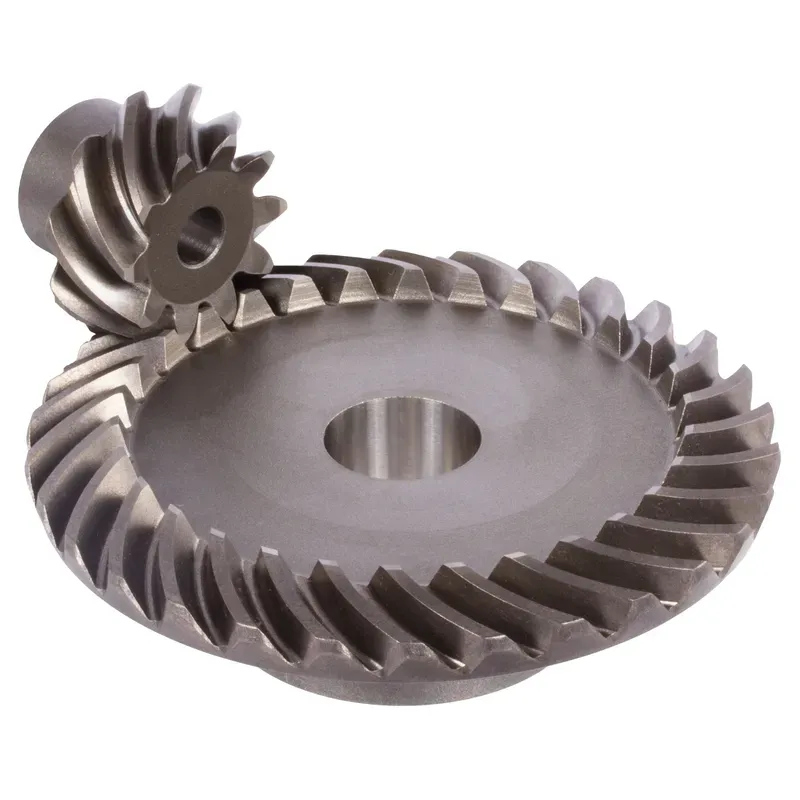 | 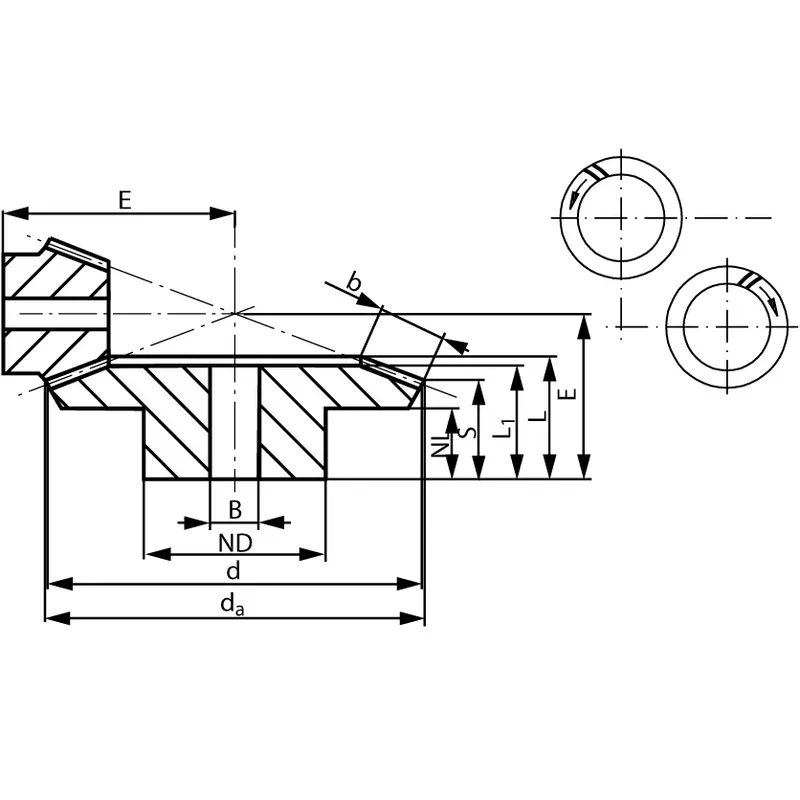 |
| Moduł | Numer zębów | DA | D | ND | Holandia | L1 | L | S | B | BH7 | mi | Moment obrotowy* | Waga |
| mm | mm | mm | mm | mm | mm | mm | mm | mm | mm | Ncm | G | ||
| 0,6 | 20 | 19,1 | 18 | 15 | 7,5 | 17,7 | 17,7 | 8,2 | 10 | 6 | 35 | 2,1 | 175 |
| 0,6 | 60 | 54,3 | 54 | 45 | 8 | 16 | 19,7 | 16,6 | 10 | 10 | 25 | 6,3 | 175 |
| 1 | 16 | 26,1 | 24 | 20 | 8,3 | 22 | 22,6 | 9,3 | 14 | 8 | 45 | 5,8 | 380 |
| 1 | 48 | 72,5 | 72 | 50 | 8 | 18 | 21,3 | 16,8 | 14 | 12 | 28 | 17,4 | 380 |
| 1,3 | 11 | 25,1 | 22 | 19 | 6 | 17 | 17,9 | 7,5 | 11 | 8 | 40 | 7,7 | 320 |
| 1,3 | 33 | 66,6 | 60 | 40 | 8 | 17 | 20,4 | 16,9 | 11 | 12 | 27 | 23,1 | 320 |
| 1,5 | 10 | 26,0 | 22 | 17 | 8 | 19 | 20,1 | 9,6 | 11 | 8 | 42 | 9,1 | 380 |
| 1,5 | 30 | 66,6 | 66 | 40 | 8 | 17 | 21,3 | 17,8 | 11 | 12 | 28 | 27,3 | 380 |
| 2,2291 | 9 | 36,5 | 32 | 22 | 11 | 24 | 25,8 | 15,4 | 13 | 8 | 60,52 | 28 | 638 |
| 2,2291 | 27 | 96,0 | 96 | 48 | 19 | 25 | 29,5 | 25,5 | 13 | 20 | 40 | 84 | 638 |
| 2,5736 | 9 | 42,0 | 37,5 | 27 | 12 | 26,5 | 28,64 | 15,1 | 15 | 12 | 69,84 | 46 | 1100 |
| 2,5736 | 27 | 113,0 | 112,5 | 54 | 24 | 32 | 38,41 | 33,9 | 15 | 25 | 50 | 138 | 1100 |
| 3,5 | 9 | 59,0 | 52,5 | 40 | 12 | 33 | 36,2 | 18,9 | 22 | 16 | 92,64 | 132 | 2700 |
| 3,5 | 27 | 158,5 | 157,5 | 70 | 29 | 40 | 47,9 | 41,2 | 22 | 30 | 65 | 396 | 2700 |
Przekładnia stożkowa spiralna ze stali o przełożeniu 4:1
| |
| Moduł | Numer zębów | DA | D | ND | Holandia | L1 | L | S | B | BH7 | mi | Moment obrotowy* | Waga |
| mm | mm | mm | mm | mm | mm | mm | mm | mm | mm | Ncm | G | ||
| 1 | 16 | 25,9 | 24 | 20 | 7,3 | 21 | 21,8 | 8,2 | 14 | 8 | 56 | 7,8 | 842 |
| 1 | 64 | 96,5 | 96 | 70 | 8 | 19 | 22,4 | 19 | 14 | 20 | 30 | 31,2 | 842 |
| 1,5 | 11 | 27,8 | 24,2 | 20 | 8 | 19 | 20,7 | 9 | 12 | 8 | 57 | 11,3 | 775 |
| 1,5 | 44 | 97,3 | 96,8 | 70 | 8 | 17 | 21,9 | 19 | 12 | 20 | 30 | 45,2 | 775 |
Zalety stalowych przekładni stożkowych spiralnych
1. Wysoka nośność momentu obrotowego
Jedną z kluczowych zalet przekładni stożkowych jest ich zdolność do przenoszenia obciążeń o wysokim momencie obrotowym. Geometria i konstrukcja przekładni stożkowych umożliwiają efektywne przenoszenie mocy i momentu obrotowego między zazębiającymi się wałami.
2. Kompaktowa konstrukcja
Przekładnie stożkowe oferują kompaktowe rozwiązanie do przenoszenia mocy między wałami nierównoległymi. Dzięki zastosowaniu geometrii stożkowej, przekładnie stożkowe mogą skutecznie zmieniać kierunek obrotów w ograniczonej przestrzeni.
3. Płynna i cicha praca
Prawidłowo zaprojektowane i wyprodukowane przekładnie stożkowe zapewniają płynną i cichą pracę. Postęp w geometrii zębów kół zębatych, taki jak zastosowanie przekładni stożkowych o zębach spiralnych i hipoidalnych, znacznie poprawił płynność pracy i zdolność redukcji hałasu przekładni stożkowych. Zakrzywiony profil zębów przekładni stożkowych o zębach spiralnych umożliwia stopniowe zazębianie i rozprzęganie, co przekłada się na cichszą pracę w porównaniu z przekładniami stożkowymi o zębach prostych.
4. Wszechstronność kątów wału
Przekładnie stożkowe oferują elastyczność pod względem kątów nachylenia wału, jakie mogą przyjąć. Chociaż najczęstszym kątem nachylenia wału w przekładniach stożkowych jest 90 stopni, można je zaprojektować do pracy z różnymi kątami nachylenia wału.
Wady stalowych przekładni stożkowych spiralnych
1. Większa złożoność produkcji
Jedną z głównych wad przekładni stożkowych jest ich większa złożoność produkcyjna w porównaniu z innymi rodzajami przekładni, takimi jak koła zębate walcowe. Produkcja przekładni stożkowych wymaga specjalistycznych maszyn i precyzyjnych procesów produkcyjnych, aby uzyskać pożądaną geometrię zębów i wykończenie powierzchni. Ta złożoność może skutkować wyższymi kosztami produkcji i dłuższym czasem realizacji.
2. Wrażliwość na nieprawidłowe ustawienie
Przekładnie stożkowe są bardziej wrażliwe na niewspółosiowość niż inne rodzaje przekładni. Niewspółosiowość może prowadzić do nierównomiernego rozkładu obciążenia, zwiększonego obciążenia zębów przekładni i przedwczesnej awarii.
3. Ograniczona prędkość
Przekładnie stożkowe mają ograniczenia pod względem dopuszczalnej prędkości obrotowej. Przy wysokich prędkościach przekładnie stożkowe są podatne na generowanie nadmiernego hałasu i wibracji z powodu ślizgania się zębów. Może to prowadzić do obniżenia sprawności i zwiększonego zużycia. W rezultacie przekładnie stożkowe są zazwyczaj stosowane w zastosowaniach wymagających umiarkowanych lub niskich prędkości obrotowych.
4. Wyższy koszt
Złożoność i precyzja produkcji wymagana w przypadku przekładni stożkowych często przekładają się na wyższe koszty w porównaniu z prostszymi typami przekładni. Potrzeba specjalistycznych maszyn, wykwalifikowanej siły roboczej i rygorystycznych środków kontroli jakości przyczynia się do wzrostu kosztów przekładni stożkowych. Ponadto, wymagania dotyczące personalizacji i specyficznej konstrukcji przekładni stożkowych dla konkretnych zastosowań mogą dodatkowo zwiększyć ich koszt.
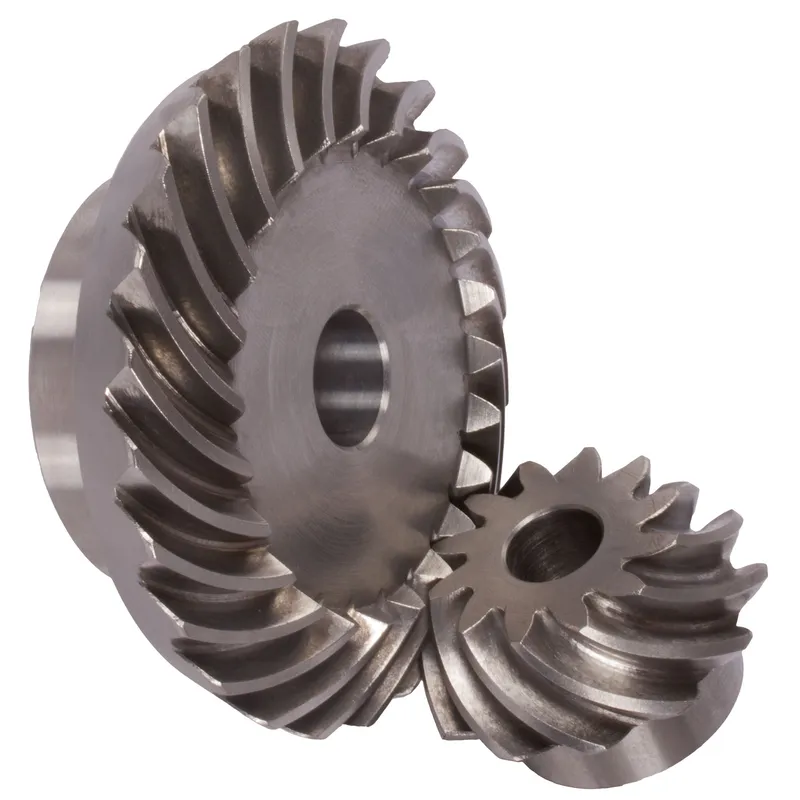
Kluczowe wymiary i kąty kół zębatych stożkowych
Przekładnie stożkowe to złożone elementy mechaniczne charakteryzujące się szerokim zakresem krytycznych wymiarów i kątów.
A. Szczegółowe badanie podstawowych wymiarów
Kilka kluczowych wymiarów definiuje ogólną geometrię i rozmiar przekładni stożkowej:
- Średnica podziałowa:Średnica ta jest mierzona na końcu zęba koła stożkowego. Reprezentuje ona efektywny rozmiar koła zębatego i jest podstawowym parametrem do obliczeń i projektowania przekładni.
- Kąt stożka nachylenia:Kąt stożka podziałowego opisuje kąt utworzony przez stożek podziałowy względem osi koła zębatego. Definiuje on orientację zębów koła zębatego i określa sposób zazębienia koła zębatego z pasującym do niego zębnikiem.
- Dodatek i Dedendum:Wyrostek zębowy to wysokość zęba koła zębatego nad stożkiem podziałowym, a dołek zębowy to głębokość poniżej. Razem określają one całkowitą głębokość zęba. Wyrostek zębowy i dołek zębowy są zazwyczaj określane proporcjonalnie do modułu koła zębatego.
- Szerokość twarzySzerokość czoła zęba odnosi się do rozmiaru zęba koła zębatego mierzonego wzdłuż tworzącej stożka podziałowego, od podstawy do palca. Wpływa ona na wytrzymałość i nośność zęba koła zębatego. Większa szerokość czoła zęba zazwyczaj umożliwia większe przenoszenie momentu obrotowego.
- Odległość stożka:Odległość stożka to odległość od wierzchołka stożka podziałowego do środkowej powierzchni koła zębatego stożkowego. Jest to kluczowy wymiar do ustawienia koła zębatego względem współpracującego z nim zębatki podczas montażu.
- Odległość wierzchołków:Odległość wierzchołkowa mierzy przesunięcie od osi koła zębatego do wierzchołka stożka podziałowego. Pomaga zlokalizować teoretyczny punkt zazębienia między kołami zębatymi.
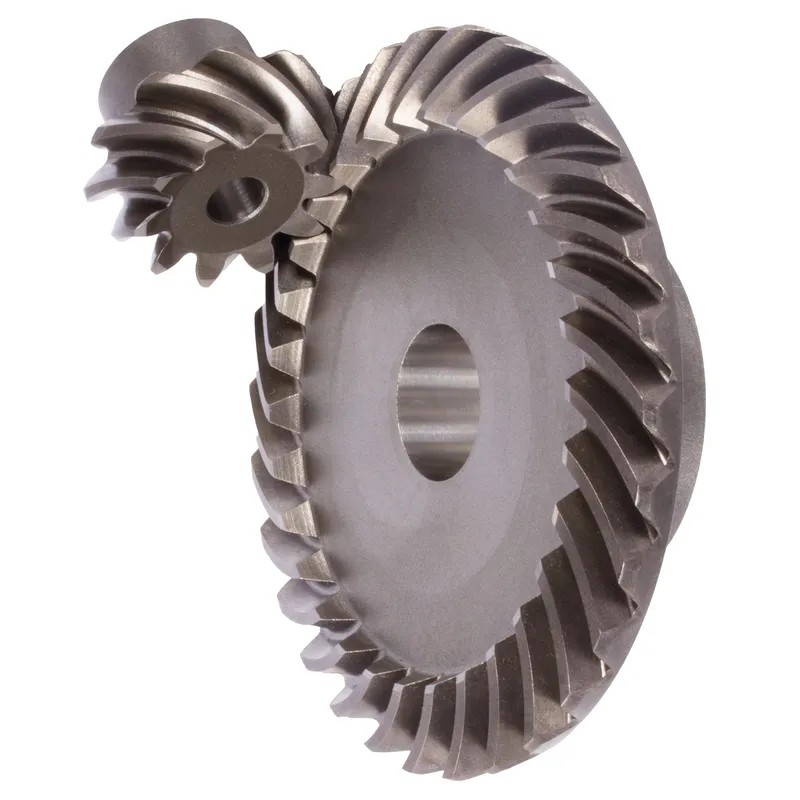
B. Podstawowe kąty przekładni stożkowej
Oprócz wymiarów liniowych, przy określaniu geometrii przekładni stożkowej istotne są również pewne kąty:
- Kąt twarzy:Kąt między tworzącą stożka czołowego a osią koła zębatego. Określa kąt zewnętrznych końców zębów koła zębatego względem osi obrotu.
- Kąt krawędzi:Kąt krawędzi mierzony między zewnętrzną tworzącą stożka a osią koła zębatego określa nachylenie wewnętrznych końców zębów najbliższych wierzchołka.
- Kąt wyrostka robaczkowego:Jest to kątowy odpowiednik wyrostka zębodołowego, definiujący wysokość zęba w jednostkach kątowych od kąta powierzchni czołowej do krawędzi zewnętrznej.
- Kąt podstawy:Kąt podstawy zęba mierzy głębokość kątową zęba od linii podziałowej do korzenia zęba.
C. Reakcja zwrotna
Luz zwrotny odnosi się do luzu między zębami dwóch zazębiających się kół zębatych. Pewien luz zwrotny jest niezbędny do zapewnienia smarowania, tolerancji produkcyjnych i rozszerzalności cieplnej. Jednak nadmierny luz zwrotny może powodować hałas, wibracje i niedokładne pozycjonowanie. Luz zwrotny jest zazwyczaj mierzony w najciaśniejszym punkcie zazębienia za pomocą specjalistycznych narzędzi lub poprzez ocenę luzu kątowego przy kołach zębatych zamocowanych na stałe.
D. Moduł
Moduł koła zębatego to znormalizowana jednostka określająca rozmiar zęba. Jest on definiowany jako stosunek średnicy podziałowej do liczby zębów. W przekładniach stożkowych moduł jest zazwyczaj podawany na końcu zęba, w celach produkcyjnych. Większe wartości modułu odpowiadają większym, grubszym zębom, natomiast koła zębate o drobniejszym podziale mają mniejsze moduły.
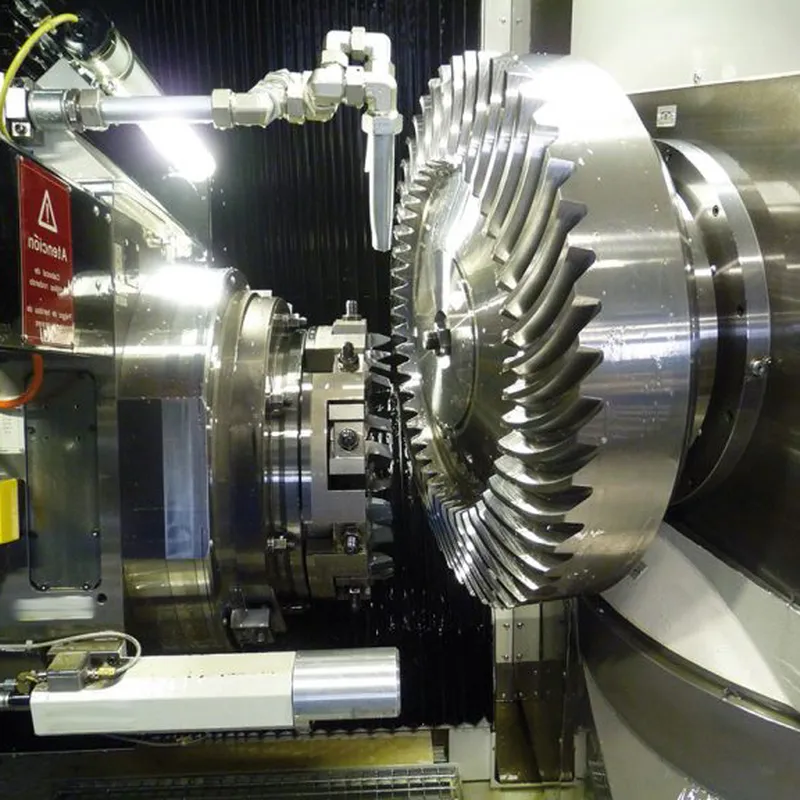
Informacje dodatkowe
| Edytowane przez | Yjx |
|---|
Podobne produkty
-
Przekładnie stożkowe spiralne ze stali o stosunku zębów 3:1
-
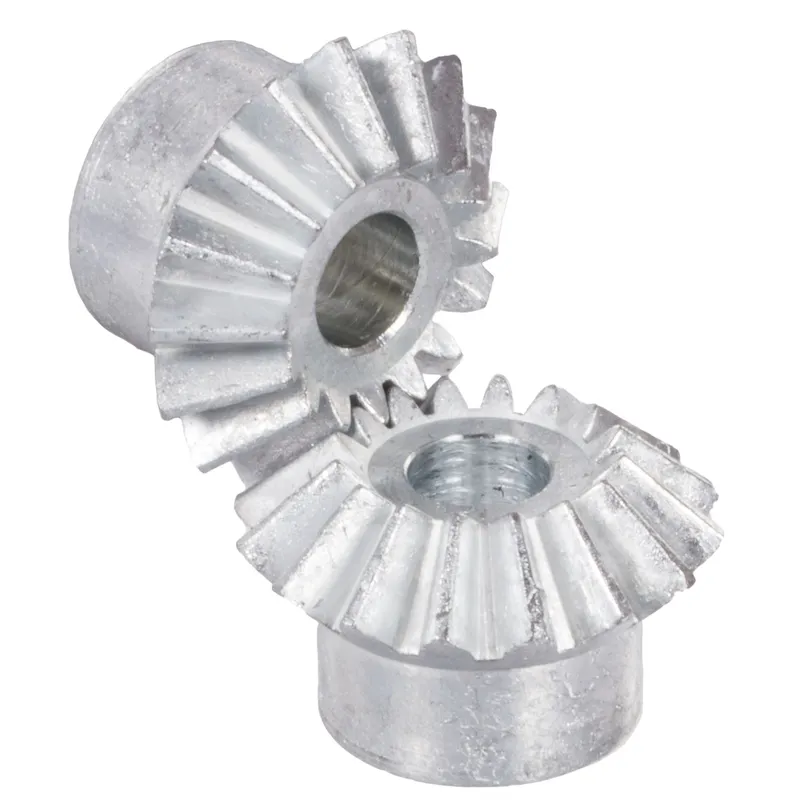
Koła zębate stożkowe odlewane ciśnieniowo z cynku, przełożenie 1:1, układ z zębami prostymi
-
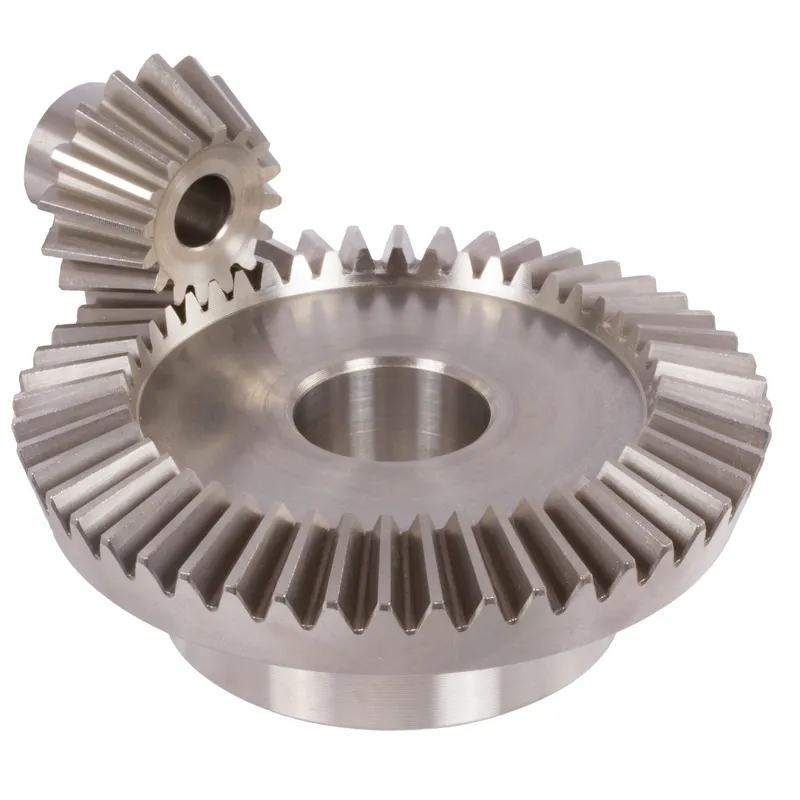
Przekładnie stożkowe ze stali nierdzewnej o stosunku 3:1 i zębach prostych
-
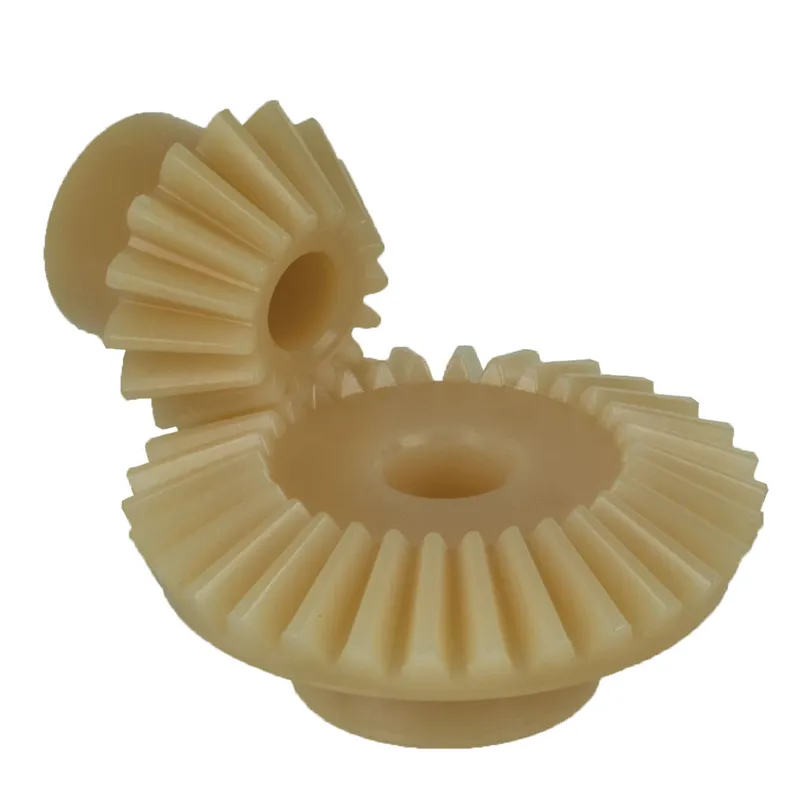
Przekładnie stożkowe z żywicy poliketonowej o stosunku 1:1 – 5:1
-
Przekładnie stożkowe ze stali nierdzewnej o stosunku 4:1 i zębach prostych