
What Is an Excavator Hydraulic Cylinder?
An excavator hydraulic cylinder is a hydraulic device that uses pressurized oil to create a piston-like effect. This piston-like effect is used to move the excavator arm up and down. A hydraulic cylinder is a device that uses a liquid to create a force that can move an object. The liquid is contained in a cylinder, and the object is attached to a piston. When the piston is moved, the liquid is forced through a small opening, called a port. This pressure creates a force that can move the object.
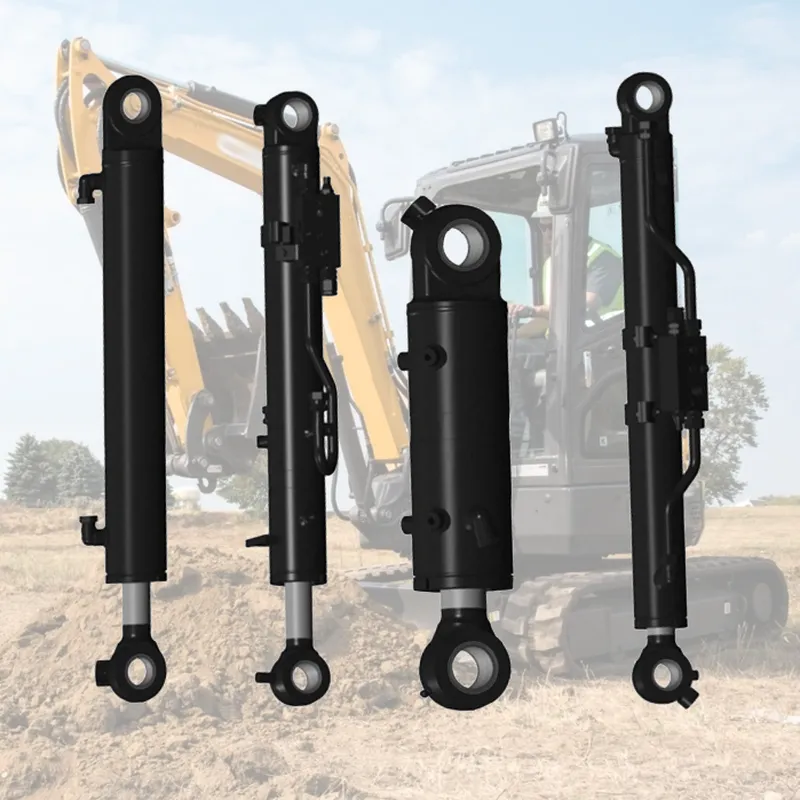
Different Types of Hydraulic Cylinders in Excavators
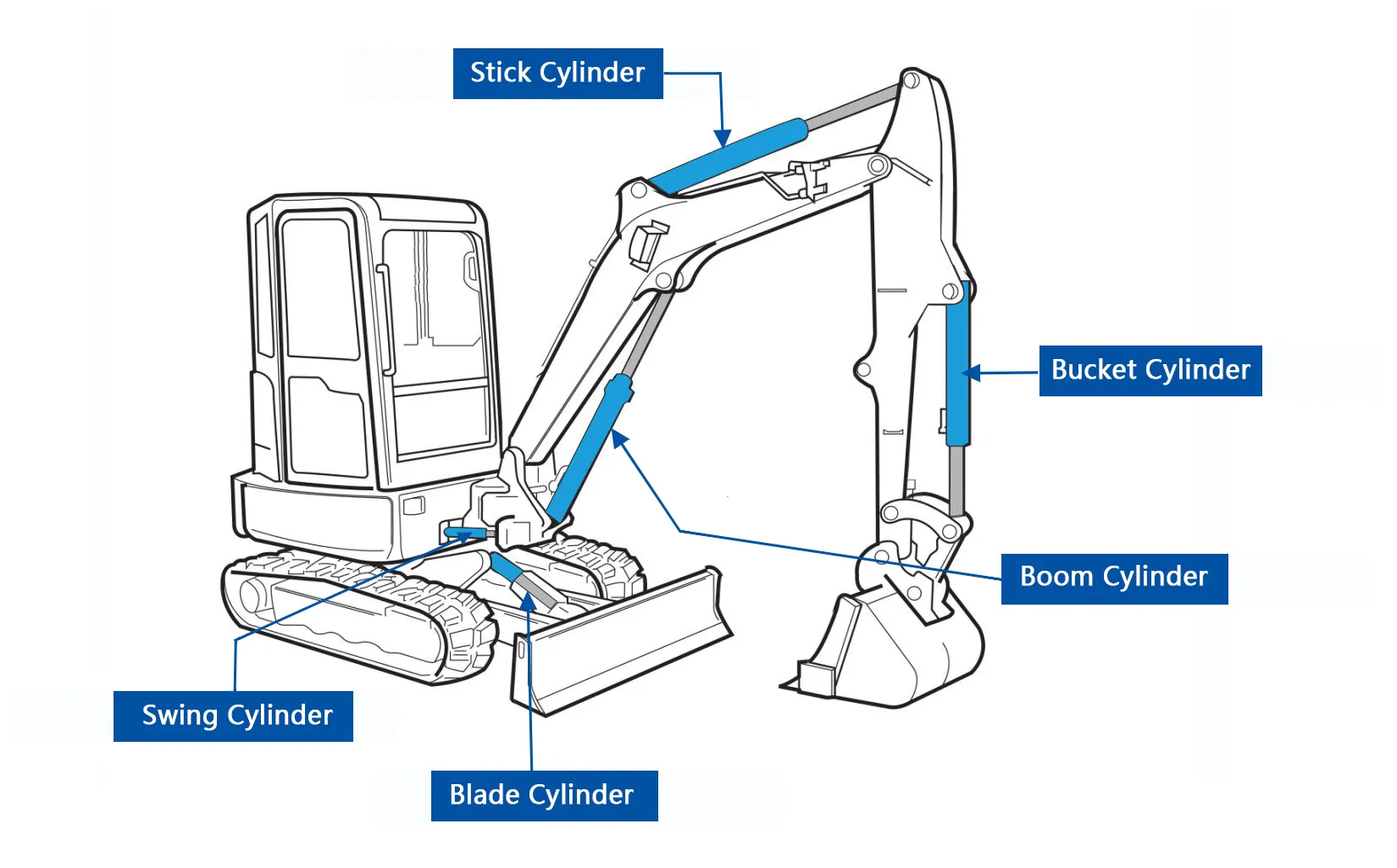
1. Boom Cylinder
The boom cylinder is connected to the boom and enables the vertical movement of the boom. It allows the excavator to raise and lower the boom for digging, lifting, and reaching different heights.
2. Arm Cylinder
The arm cylinder is attached to the arm or stick of the excavator. It controls the extension and retraction of the arm, allowing the excavator to reach forward and pull back during digging operations.
3. Bucket Cylinder
The bucket cylinder is responsible for operating the excavator’s bucket. It controls the opening and closing of the bucket jaws or the tilt movement of the bucket. This cylinder allows the operator to dig, scoop, and release materials.
4. Swing Cylinder
The swing cylinder enables the rotation of the upper structure of the excavator. It allows the excavator to swing or rotate horizontally, typically up to 360 degrees, allowing the operator to position the machine in different directions without having to move the tracks.
5. Track or Travel Cylinder
Excavators equipped with crawler tracks have track cylinders that control the movement of the machine. These cylinders extend and retract to move the tracks, enabling the excavator to navigate across different terrains, change direction, and adjust its position.
How Does an Excavator Hydraulic Cylinder Work?
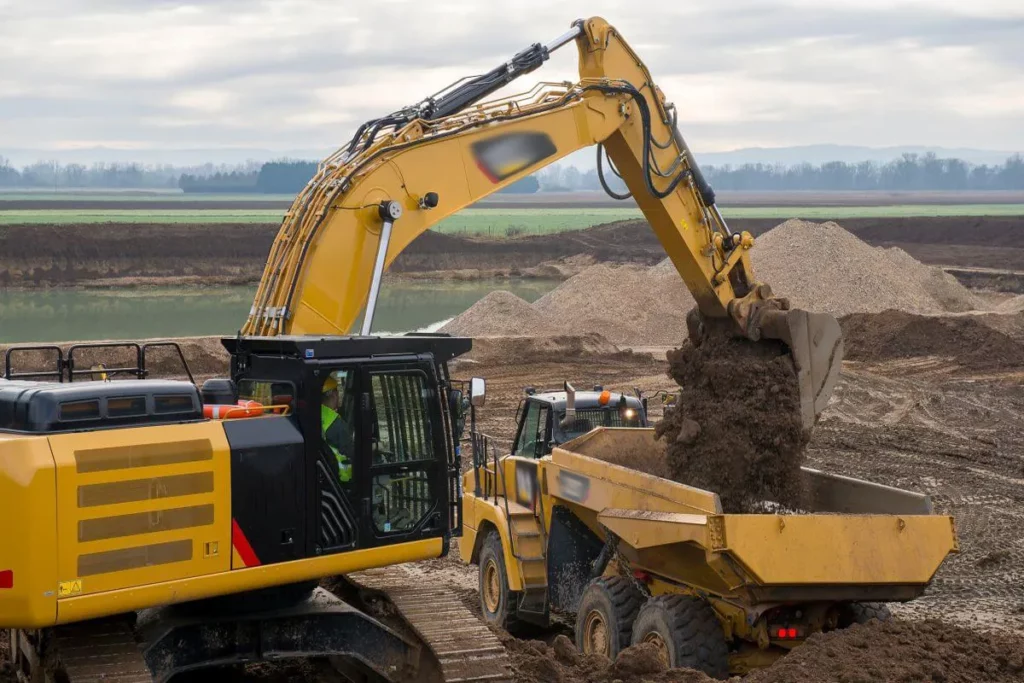
An excavator hydraulic cylinder works by using pressurized oil, directed by control valves, to push a piston inside a barrel, extending or retracting a rod to create powerful linear motion for moving the boom, dipper, and bucket. An engine-driven pump pressurizes oil, which is sent to one side of the piston, forcing it out; sending fluid to the other side retracts it, allowing the operator precise control over heavy lifting and digging tasks through joystick commands.
How It Functions (Step-by-Step)
- Pump & Reservoir: The excavator’s engine powers a hydraulic pump that draws oil from a reservoir.
- Control Valve: The operator moves a joystick, which directs the pump’s pressurized oil through a control valve.
- Fluid to Cylinder: The valve sends the oil into one port of the cylinder.
- Piston Movement: The pressurized fluid pushes against the piston, creating force.
- Rod Extension/Retraction: The piston is attached to a rod; as the piston moves, the rod extends (pushing) or retracts (pulling).
- Return Flow: Oil on the opposite side of the piston is forced out and returns to the reservoir, often through the control valve.
Components of Hydraulic Cylinders in Excavators
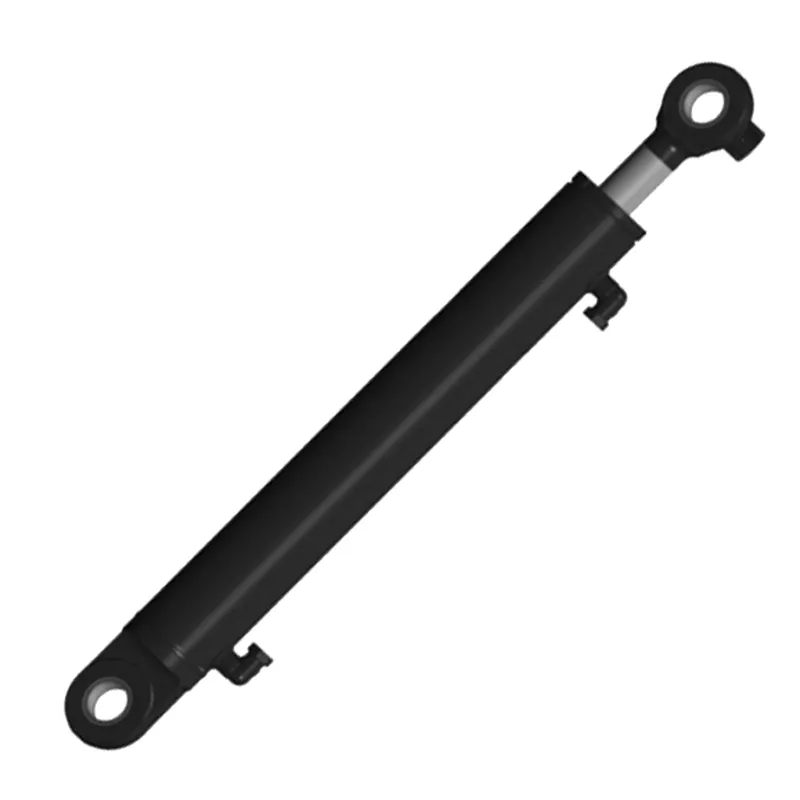
A hydraulic cylinder is a crucial part of any excavator, converting hydraulic fluid into mechanical energy to perform tasks. Essentially, hydraulic cylinders are devices that use a pressurized fluid to generate linear motion and force. They are comprised of the cylinder barrel, piston, and seals, which work together to ensure the cylinder operates efficiently.
Laras Silinder
The cylinder barrel is the main housing that stores the hydraulic fluid and provides the linear movement. The barrel is typically made from robust materials like steel or cast iron to withstand the stresses and strains of heavy-duty digging operations.
Piston
The piston is a cylindrical component within the barrel that moves back and forth. It is attached to the rod and works in conjunction with the cylinder barrel to generate force. The piston is designed to handle high pressure and is often manufactured from durable materials like aluminum or brass.
Seals
Seals are essential for maintaining the integrity of the hydraulic system. They ensure that the hydraulic fluid does not leak from the cylinder and that particles do not enter the system. Commonly, seals are made from materials like nitrile rubber or polyurethane.
Hydraulic cylinders operate by directing pressurized fluid into the chamber on one side of the piston, pushing the piston and rod in that direction. This linear motion is then converted into rotational or oscillatory motion to drive the excavator’s arm movements.
Troubleshooting of Excavator Hydraulic Cylinders
1. Check for External Leaks
External hydraulic fluid leaks are one of the most common issues in cylinders. Inspect the cylinder for visible oil leaks around seals, connections, or the piston rod. Leaks often indicate worn or damaged seals, loose fittings, or cracks in the cylinder housing. Promptly addressing leaks prevents further fluid loss, contamination, or damage to the hydraulic system.
2. Inspect for Internal Leaks
Internal leaks occur when hydraulic fluid bypasses seals within the cylinder. Symptoms include reduced cylinder performance, slow movement, or difficulty in holding a load. To identify internal leaks, check for uneven motion or pressure loss in the system. Disassembling the cylinder and inspecting seals and pistons is often required to resolve this issue.
3. Examine the Piston Rod for Damage
A bent, scratched, or corroded piston rod can hinder the cylinder’s operation and damage seals. Inspect the rod for signs of wear or physical damage. A bent rod can cause misalignment, leading to uneven cylinder movement or premature seal failure. Replace or repair the rod as necessary to restore proper function.
4. Check for Contaminated Hydraulic Fluid
Contaminated fluid can severely affect cylinder performance, causing sluggish movement or wear on internal components. Look for signs of debris, dirt, or water in the hydraulic fluid. Test the fluid for viscosity and cleanliness, and replace or filter it if contamination is detected. Regular fluid maintenance prevents long-term damage.
5. Test Cylinder Pressure
If the cylinder is underperforming, test the hydraulic pressure using a pressure gauge. Low pressure may indicate issues with the pump, valve block, or internal cylinder leaks. Ensure the hydraulic system maintains the correct operating pressure specified by the manufacturer. Addressing pressure imbalances improves cylinder efficiency and power.
6. Inspect Mounting Points and Alignment
Loose or misaligned cylinder mounts can cause erratic motion, increased wear, or damage to the cylinder. Check all mounting points, bolts, and bushings for tightness and alignment. Misalignment can lead to excessive stress on the cylinder components, so realign and tighten mounts as needed to prevent further issues.
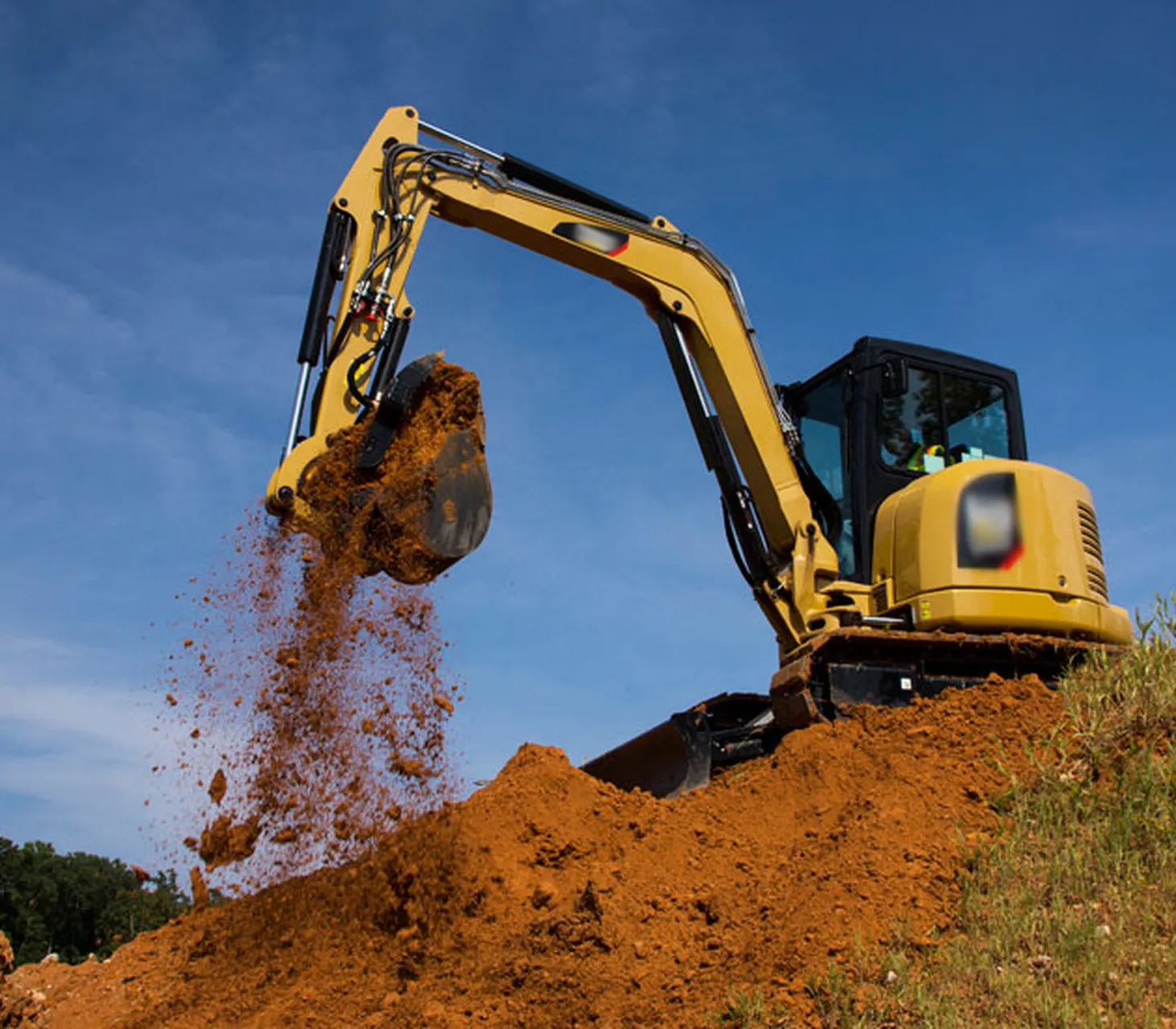
How to Choose the Right Hydraulic Cylinder for Excavators
Selecting the appropriate hydraulic cylinder for an excavator is crucial to ensure optimal performance, reliability, and efficiency.
1. Determine the Type of Cylinder Based on Application
The type of hydraulic cylinder needed depends on the specific application of the excavator. For general tasks like digging, double-acting cylinders are ideal, while telescopic cylinders may be required for extended reach in specialized operations. Understanding the machine’s primary functions ensures the cylinder provides the required power and motion.
2. Understand the Required Force and Pressure
The force a hydraulic cylinder can generate is determined by its bore size and the hydraulic system’s pressure. Calculate the force needed for tasks like lifting, digging, or pushing heavy loads. Ensure the cylinder is rated for the maximum operating pressure of the excavator to avoid underperformance or damage.
3. Choose the Right Stroke Length
The stroke length determines how far the cylinder can extend and retract, affecting the range of motion of the excavator’s components. Select a cylinder with a stroke length that matches the machine’s operational requirements, such as boom height or digging depth, to maximize efficiency and versatility.
4. Check Material and Build Quality
Hydraulic cylinders in excavators endure high loads, pressure, and harsh environments. Choose cylinders made from durable materials like high-strength steel with corrosion-resistant coatings. Welded cylinders are preferred for heavy-duty applications due to their robust and compact design, ensuring longevity and reliability under demanding conditions.
5. Consider Compatibility with the Hydraulic System
Ensure the hydraulic cylinder is compatible with the existing hydraulic system, including fittings, ports, and fluid requirements. Mismatched components can cause leaks, inefficiency, or system failure. Verify the cylinder’s dimensions and mounting points align with the excavator to simplify installation and integration.
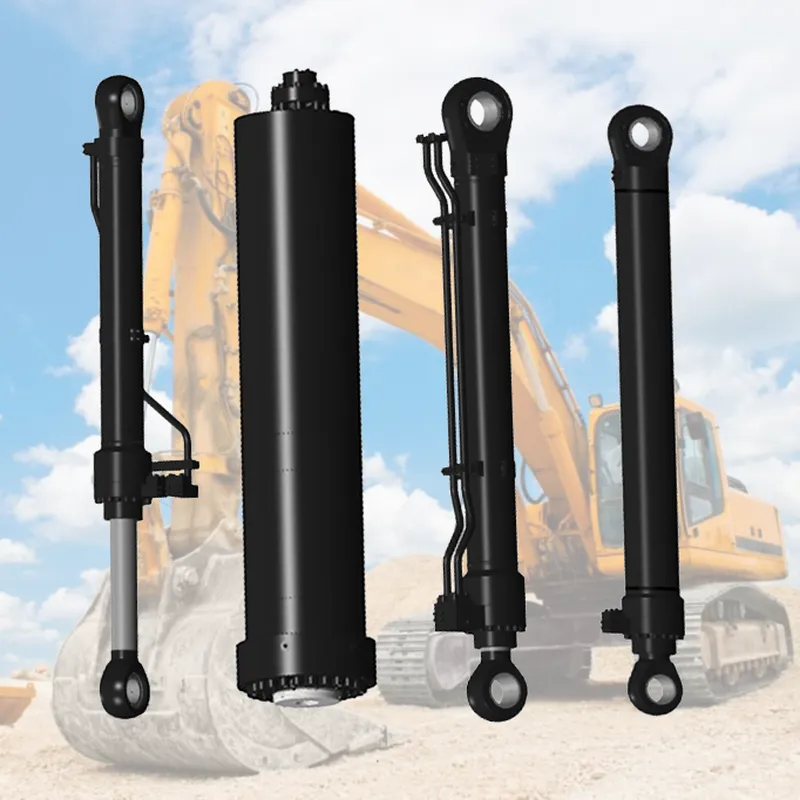
Pertanyaan yang Sering Diajukan (FAQ)
1. How can I maintain an excavator hydraulic cylinder?
Proper maintenance is essential to extend the lifespan of hydraulic cylinders. Key steps include:
- Inspect Regularly: Check for leaks, cracks, or unusual wear on the cylinder body, piston rod, and seals.
- Clean Components: Keep the cylinder and surrounding area free of dirt and debris.
- Use Quality Hydraulic Fluid: Ensure the fluid meets the manufacturer’s specifications and is free from contaminants.
- Replace Seals Promptly: Address seal damage immediately to prevent fluid leaks and further damage.
- Monitor Operating Conditions: Avoid overloading the excavator or operating it in extreme conditions without proper precautions.
2. How do I identify a leaking hydraulic cylinder?
Signs of a leaking hydraulic cylinder include:
- Visible Fluid Leaks: Hydraulic fluid dripping or pooling around the cylinder.
- Reduced Performance: Slower or weaker movement of the excavator’s parts.
- Unusual Noise: Squealing or hissing sounds during operation may indicate a loss of pressure.
- Irregular Movements: Jerky or erratic movement of the boom, arm, or bucket.
If you notice these symptoms, inspect the cylinder and seals immediately to prevent further damage.
3. Can hydraulic cylinders be repaired, or do they need replacement?
In many cases, hydraulic cylinders can be repaired rather than replaced, depending on the extent of the damage. Common repair tasks include:
- Seal Replacement: Replacing worn or damaged seals to restore functionality.
- Rod Polishing or Replacement: Fixing bent or corroded rods.
- Barrel Repairs: Welding or honing the cylinder barrel to address cracks or wear.
- Reassembly and Testing: Ensuring all components work seamlessly after repairs.
However, if the damage is extensive or the cost of repair exceeds the cost of replacement, a new cylinder may be more practical.
4. What should I consider when replacing a hydraulic cylinder?
When replacing a hydraulic cylinder, consider the following factors:
- Compatibility: Ensure the new cylinder matches the specifications of your excavator, including dimensions, mounting style, and pressure ratings.
- Quality: Choose a cylinder made from high-quality materials with reliable seals and finishes.
- OEM vs. Aftermarket: Decide whether to purchase an original equipment manufacturer (OEM) part or a cost-effective aftermarket option.
- Warranty and Support: Opt for a product with a solid warranty and technical support.
5. How do I troubleshoot hydraulic cylinder issues?
When a hydraulic cylinder is not functioning properly, follow these steps:
- Check for Leaks: Inspect seals, fittings, and hoses for hydraulic fluid leaks.
- Examine the Piston Rod: Look for bends, scratches, or corrosion.
- Test the Hydraulic System: Verify that the pump, valves, and hoses are supplying adequate pressure and flow.
- Inspect the Cylinder Barrel: Check for cracks, dents, or internal damage.
- Listen for Unusual Noises: Hissing or knocking sounds may indicate internal issues.
If you cannot identify the problem, consult a professional technician for a detailed diagnosis.
6. How long do excavator hydraulic cylinders last?
The lifespan of an excavator hydraulic cylinder depends on factors such as usage, maintenance, and operating conditions. On average, a well-maintained cylinder can last 5,000 to 10,000 hours of operation. Regular inspections, timely repairs, and proper handling can significantly extend its service life.
Diedit oleh Yjx