
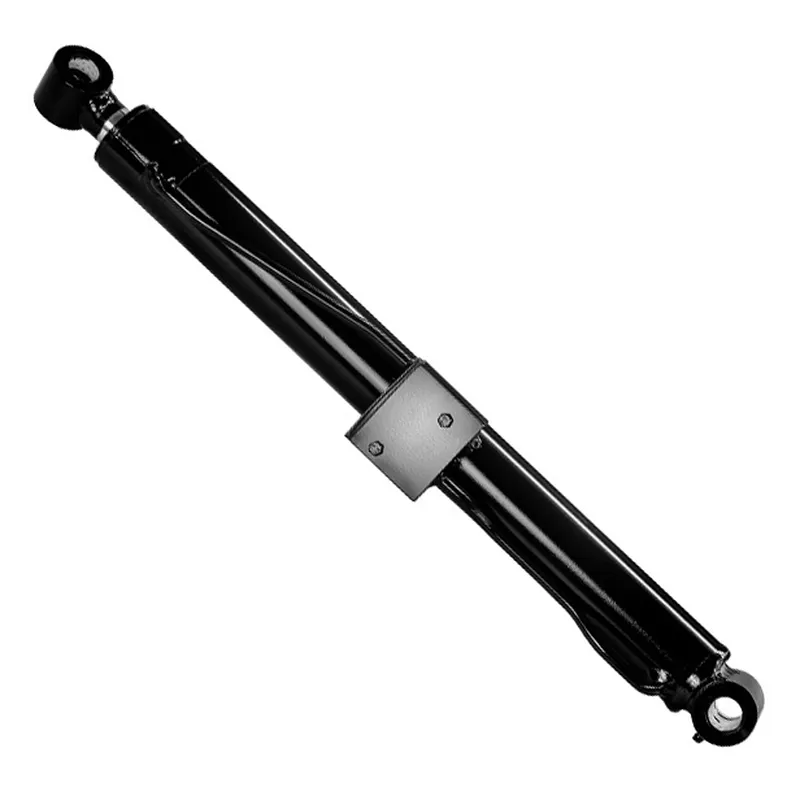
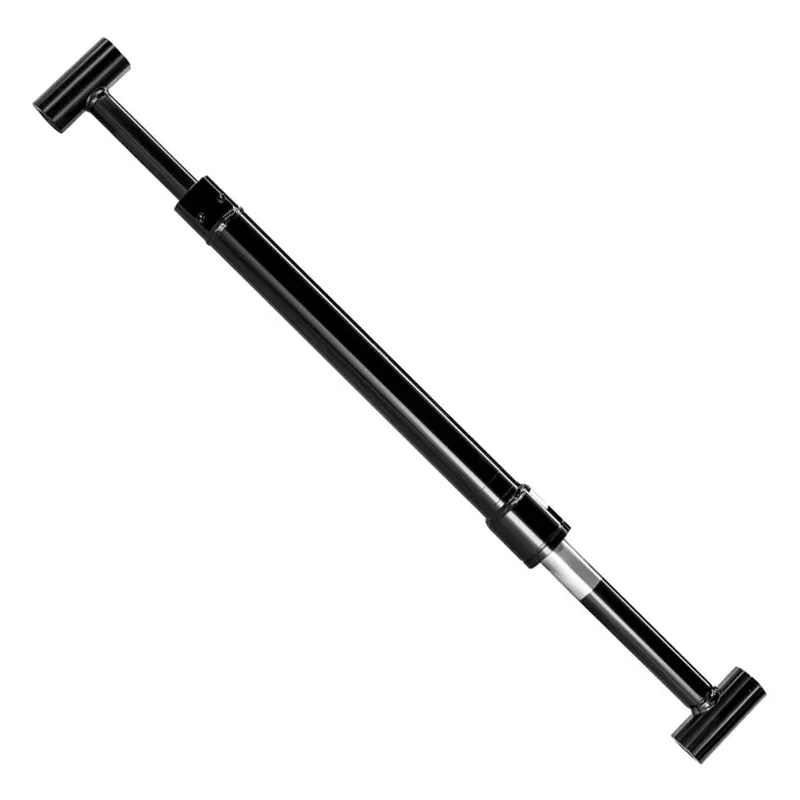
Vérin hydraulique de relevage pour nacelle élévatrice à bras
A luffing hydraulic cylinder for an arm-type aerial work platform (AWP) is a critical component that controls the vertical up-and-down pitching motion of the platform’s boom, enabling precise positioning at elevated heights. Typically mounted at the boom’s top and connected through linkages, it uses hydraulic pressure to extend or retract, causing the boom to pitch up or down.
A luffing hydraulic cylinder for an arm-type aerial work platform (AWP) is a critical component that controls the vertical up-and-down pitching motion of the platform’s boom, enabling precise positioning at elevated heights. Typically mounted at the boom’s top and connected through linkages, it uses hydraulic pressure to extend or retract, causing the boom to pitch up or down. This allows operators to adjust the platform’s height and angle for safe and efficient access to hard-to-reach areas in applications like construction, maintenance, and utilities.
Luffing Hydraulic Cylinder Dimensions
 | |
 |  |
| Vérin hydraulique de relevage | ||||||
| Modèle de cylindre | Caractéristiques | Pression de travail | Pression de résistance maximale | Voyage | Distance d'installation | Poids |
| CMNYY11112011 | Φ100xΦ80x1458 | 21 MPa | 32 MPa | 1458 | 1899 | 137kg |
| Nom du produit: | Vérin hydraulique de relevage |
| Fonction: | Control the amplitude change angle action of the main arm. |
| Diamètre du cylindre : | 80mm-230mm |
| Diamètre de la tige : | 40mm-135mm |
| Voyage: | 1000mm-200mm |
| Pression maximale: | 24MPa |
| Poussée maximale : | 997KN |
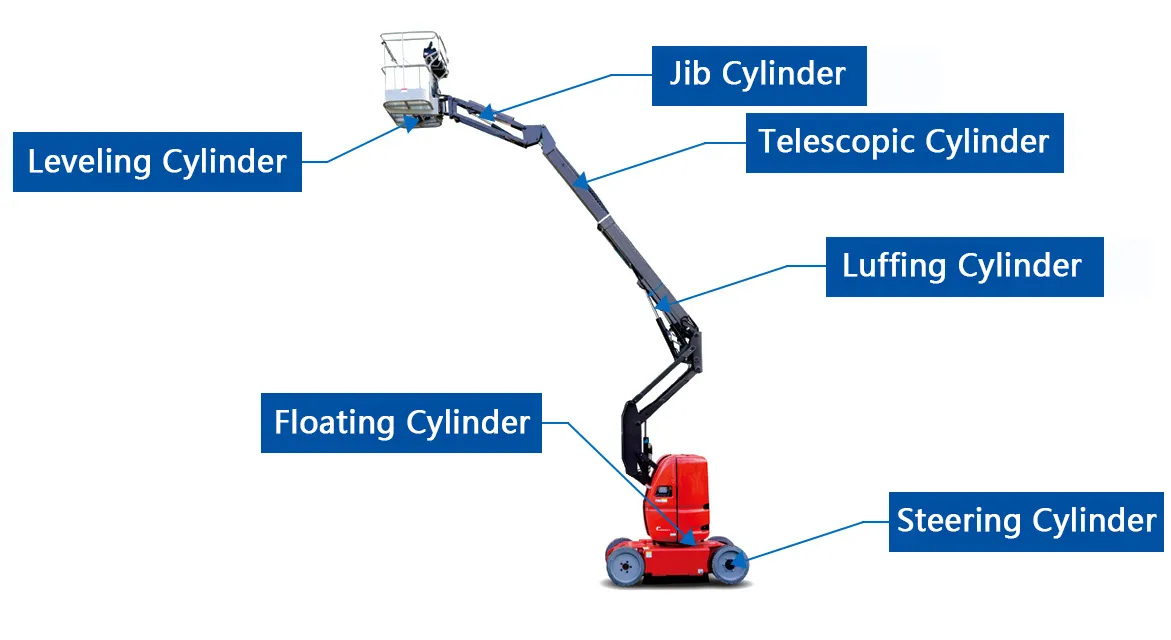
Arm Type Aerial Work Platform Hydraulic Cylinder Types
- Hydraulic Telescopic Cylinders
Hydraulic telescopic cylinders extend and retract in multiple stages to adjust the boom length of an arm-type aerial work platform. They use nested tubular sections powered by hydraulic fluid to achieve compact storage and extended reach. These cylinders enable precise positioning for tasks like maintenance or construction at varying heights. - Hydraulic Floating Cylinders
Hydraulic floating cylinders provide flexibility in arm-type aerial work platforms by allowing slight free movement to absorb shocks and vibrations. They stabilize the platform during dynamic operations on uneven terrain. These cylinders use hydraulic fluid to maintain balance, reducing stress on the structure. - Hydraulic Luffing Cylinders
Hydraulic luffing cylinders control the vertical pitching motion of the boom in arm-type aerial work platforms. Mounted at the boom’s base or linkage, they extend or retract to adjust the platform’s height and angle. Constructed from robust materials, they ensure smooth, controlled movements. They are essential for precise positioning in tasks like window cleaning or electrical repairs. - Hydraulic Leveling Cylinders
Hydraulic leveling cylinders maintain the platform’s horizontal position in arm-type aerial work platforms, ensuring operator safety at height. They adjust automatically to compensate for boom angle changes or uneven ground. Using hydraulic pressure, they provide stability and precision. These cylinders are vital for tasks requiring a level working surface, such as painting or installation. - Hydraulic Jib Cylinders
Hydraulic jib cylinders control the movement of the jib arm, a secondary articulated section on arm-type aerial work platforms. They enable fine-tuned positioning for reaching over obstacles or into confined spaces. Powered by hydraulic systems, they offer smooth articulation. These cylinders enhance versatility in applications like tree trimming or building maintenance. - Hydraulic Steering Cylinders
Hydraulic steering cylinders manage the directional control of arm-type aerial work platforms, particularly in wheeled models. They use hydraulic pressure to turn wheels or adjust the chassis for precise navigation. Built for durability, they ensure reliable maneuvering in tight spaces. These cylinders are crucial for safe and efficient operation on complex job sites.
Arm Type Aerial Work Platform Hydraulic Luffing Cylinder Benefits
- Precise Vertical Movement Control
The hydraulic luffing cylinder enables highly accurate vertical pivoting of the arm, allowing operators to adjust the platform's height and angle effectively. This precision is crucial for accessing hard-to-reach areas safely. - Enhanced Load-Bearing Capacity
Designed to handle significant loads, the luffing cylinder provides stability and strength during operation. Its robust construction ensures it can support heavy equipment and workers without compromising on performance or safety. - Smooth and Controlled Operation
The hydraulic system ensures the luffing hydraulic cylinder provides smooth and steady movement, reducing jerks or sudden shifts. This controlled motion enhances operator confidence and ensures safer handling of the aerial work platform. - Improved Worker Safety
By maintaining platform stability during vertical adjustments, the hydraulic luffing cylinder plays a critical role in preventing accidents. Its reliable design ensures safe operations even in challenging environments or with uneven weight distributions. - Durability and Long Service Life
Manufactured with high-strength materials and advanced engineering, the luffing hydraulic cylinder is built to withstand harsh conditions. Its resistance to wear and tear ensures a long lifespan, reducing maintenance costs and downtime. - Versatility for Varied Applications
The luffing cylinder’s ability to provide precise height and angle adjustments makes it suitable for diverse tasks, including construction, maintenance, and inspections. Its adaptability enhances the overall functionality of the aerial work platform.
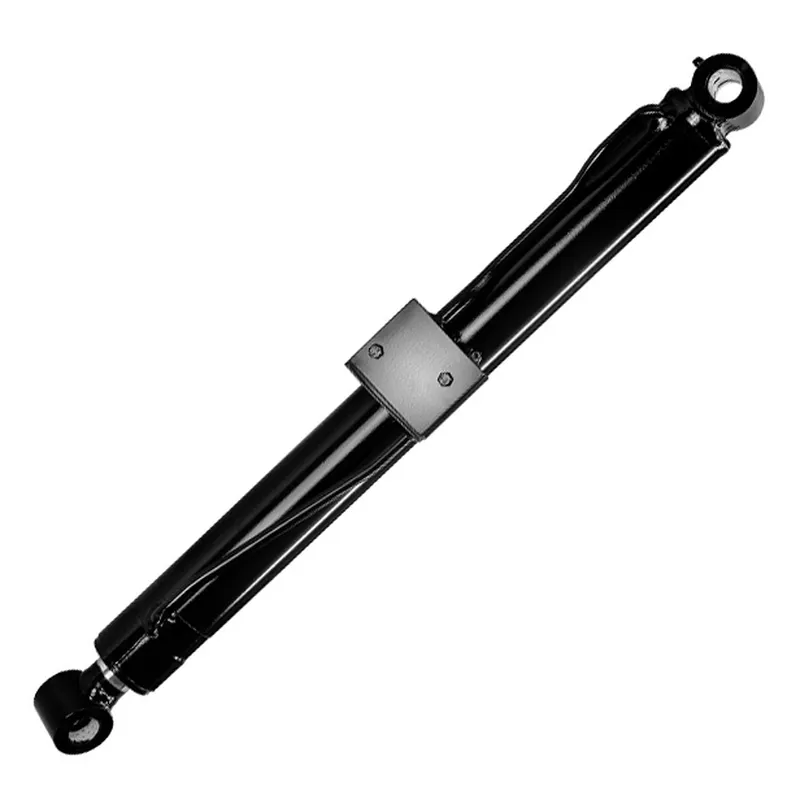
Arm Type Aerial Work Platform Luffing Hydraulic Cylinder Maintenance
- Regular Inspection for Wear and Damage
Conduct routine visual checks on hydraulic luffing cylinders to identify wear, corrosion, or physical damage. Inspect seals, rods, and mounting points to ensure structural integrity, preventing failures during operation and extending cylinder lifespan on aerial work platforms. - Monitor Hydraulic Fluid Levels and Quality
Check hydraulic fluid levels regularly to ensure proper lubrication and operation of luffing cylinders. Test fluid for contamination or degradation, replacing it as needed to maintain smooth performance and prevent internal corrosion in the hydraulic system. - Clean Cylinder Components Thoroughly
Keep hydraulic luffing cylinders free of dirt, debris, and grease buildup to avoid abrasion and seal damage. Use appropriate cleaning solutions to wipe down rods and external surfaces, ensuring optimal function in demanding work environments. - Lubricate Moving Parts Consistently
Apply manual-recommended lubricants to the cylinder’s moving parts, such as rods and pivot points, to reduce friction and wear. Regular lubrication enhances smooth operation and prevents premature failure, ensuring reliable performance in aerial work platforms. - Check and Tighten Mounting Hardware
Inspect and tighten bolts, pins, and other mounting hardware securing the luffing hydraulic cylinder to the boom. Loose connections can cause misalignment or instability, so regular checks ensure safe operation and prevent costly repairs on job sites. - Test Cylinder Performance Periodically
Perform functional tests to verify the luffing cylinder’s extension, retraction, and pressure-holding capabilities. Regular testing identifies leaks or performance issues early, allowing timely repairs to maintain safe and efficient operation of the aerial work platform.
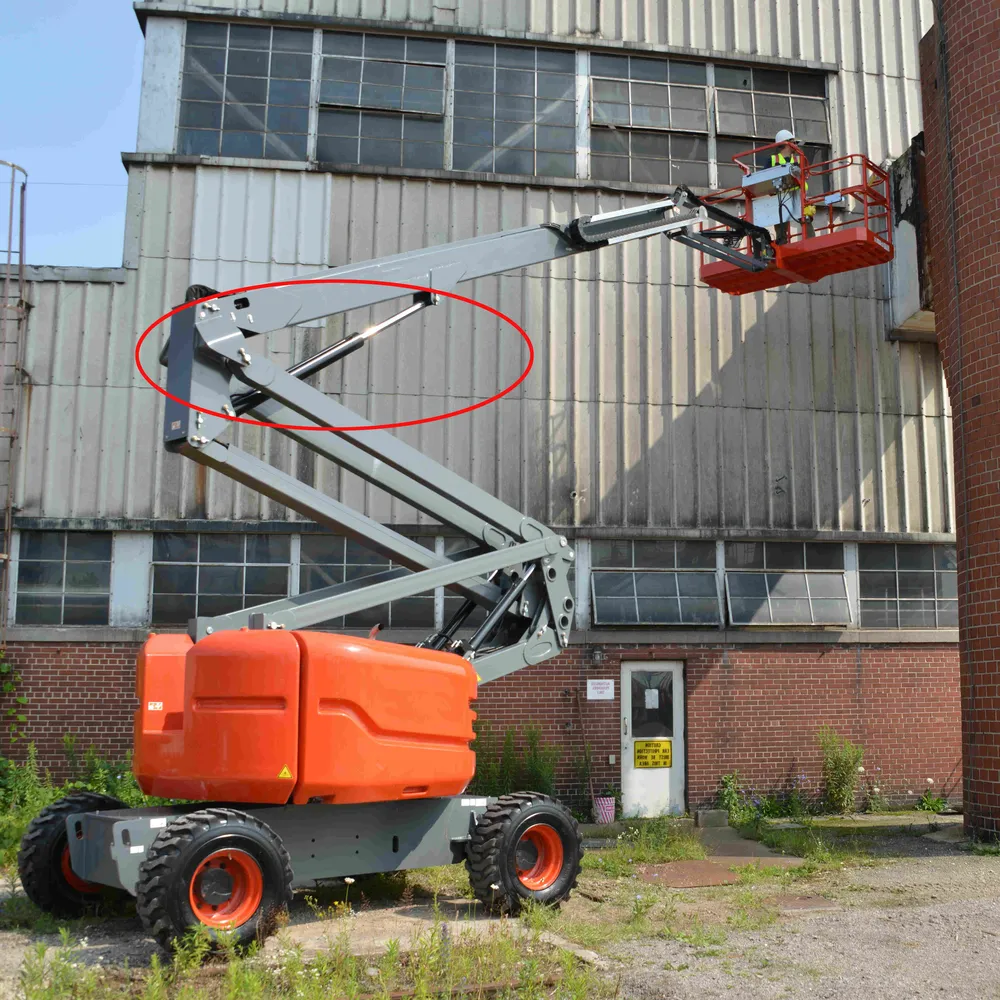
Informations complémentaires
| Édité par | Yjx |
|---|
Produits similaires
-
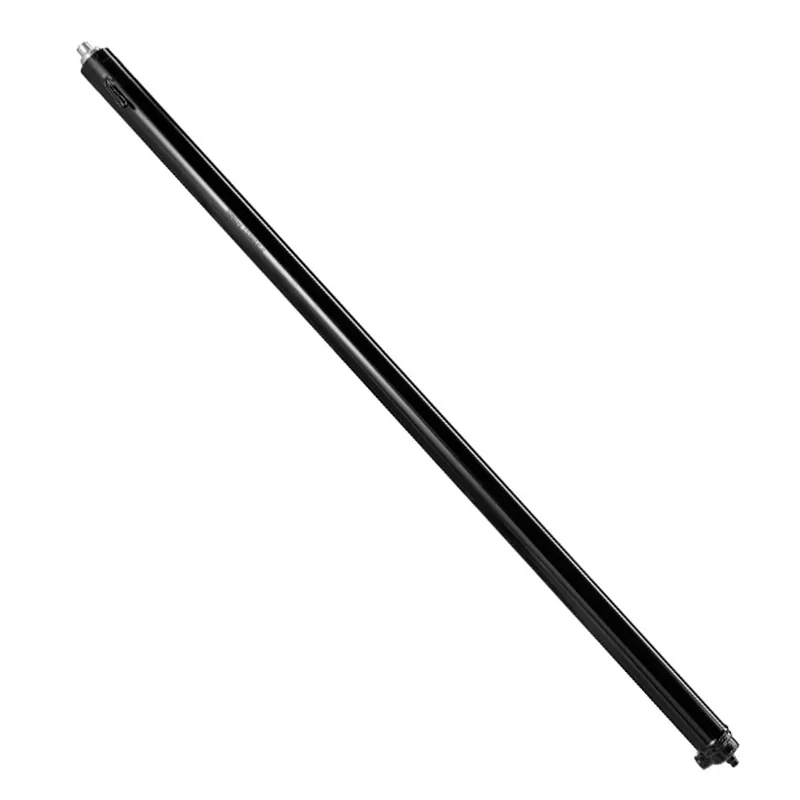
Vérin hydraulique de levage pour chariot élévateur de grande capacité
-
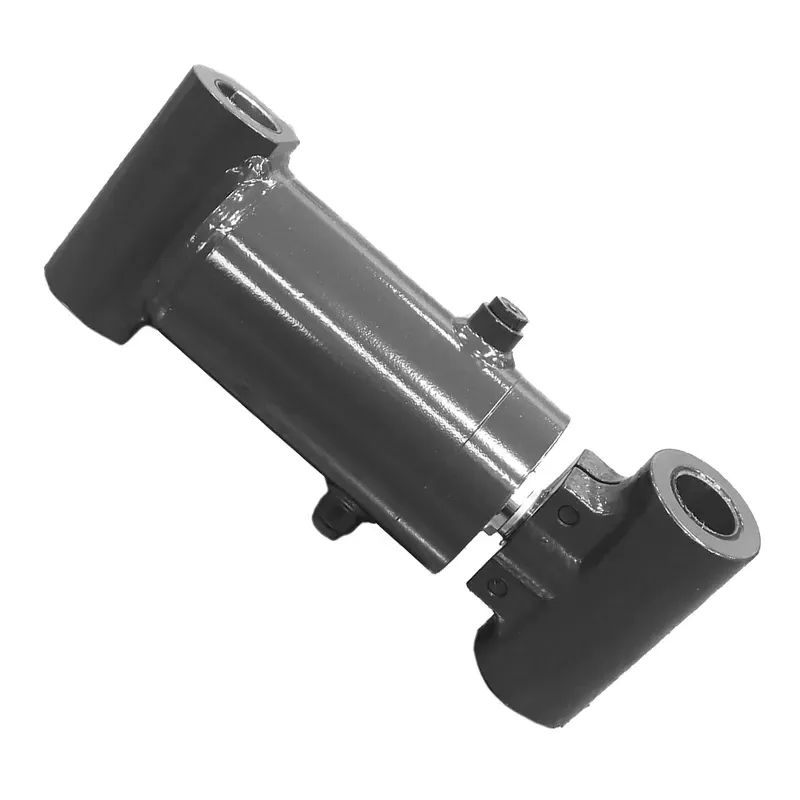
Vérin hydraulique flottant pour nacelle élévatrice à ciseaux
-
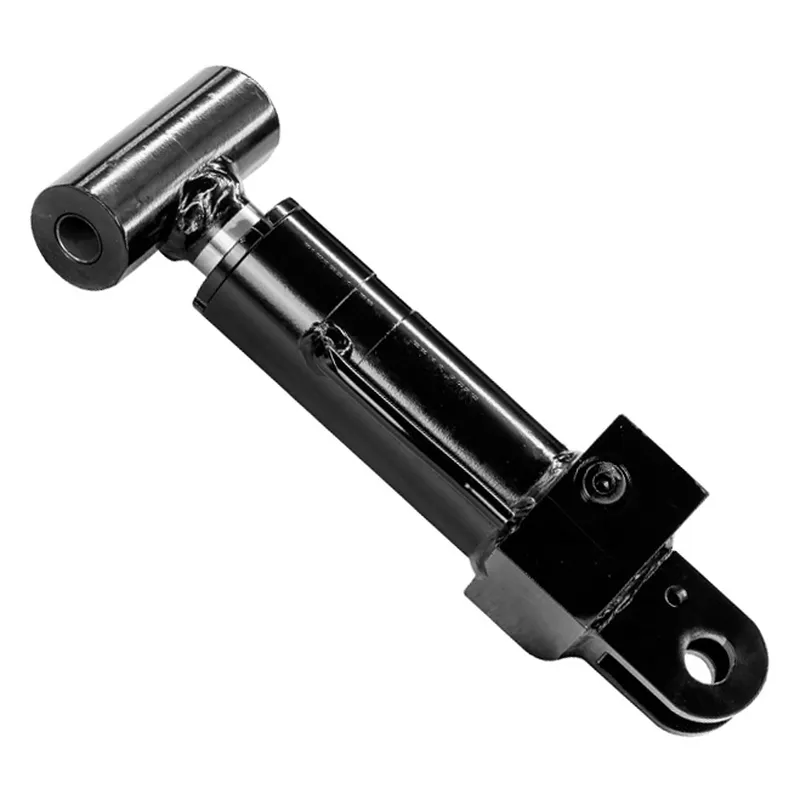
Vérin hydraulique de mise à niveau pour nacelle élévatrice à bras articulé
-
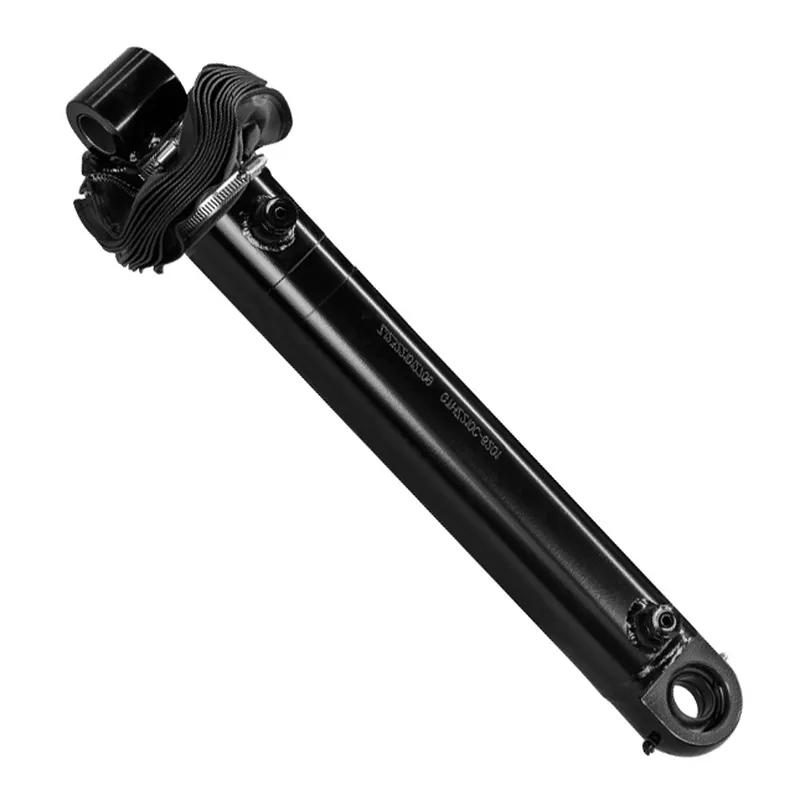
Vérin hydraulique de direction pour nacelle élévatrice à bras
-
Vérin hydraulique à tige pivotante pour plate-forme élévatrice à mât