
¿Qué es un cilindro hidráulico para carretillas elevadoras de baja capacidad?
A cilindro hidráulico Es un componente fundamental en las carretillas elevadoras de baja capacidad, ya que les permite levantar, bajar y transportar cargas de manera eficiente. Este actuador mecánico convierte la energía hidráulica en movimiento lineal y fuerza, lo que lo hace esencial para el funcionamiento de la carretilla elevadora.
Las carretillas elevadoras de baja capacidad, utilizadas habitualmente en almacenes y aplicaciones industriales a pequeña escala, requieren cilindros hidráulicos compactos, ligeros y a la vez resistentes para manejar cargas de entre 1 y 3 toneladas. Estos cilindros están diseñados para adaptarse al espacio limitado de la carretilla elevadora, manteniendo un alto rendimiento y fiabilidad.
Los cilindros hidráulicos en estas carretillas elevadoras suelen constar de un cañón del cilindro, pistón, vara, y sellosEl fluido hidráulico, presurizado por la bomba, mueve el pistón dentro del cilindro, generando la fuerza necesaria para levantar o inclinar las horquillas de la carretilla elevadora. Los diseños avanzados incluyen características para una mayor precisión, como sistemas de amortiguación para minimizar el impacto durante el funcionamiento.
La durabilidad es fundamental, ya que estos cilindros suelen operar en entornos exigentes con ciclos frecuentes. Se utilizan materiales de alta calidad, como acero endurecido y juntas robustas, para garantizar una larga vida útil y resistencia al desgaste, la corrosión y las fugas.
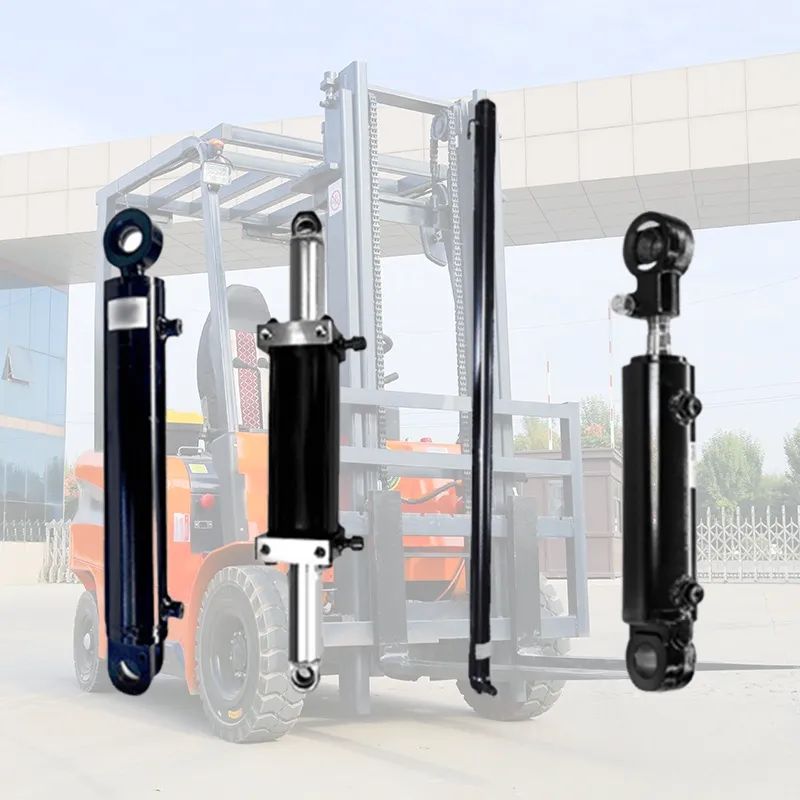
Tipos de cilindros hidráulicos para carretillas elevadoras de pequeño tonelaje
1. Cilindro hidráulico de inclinación
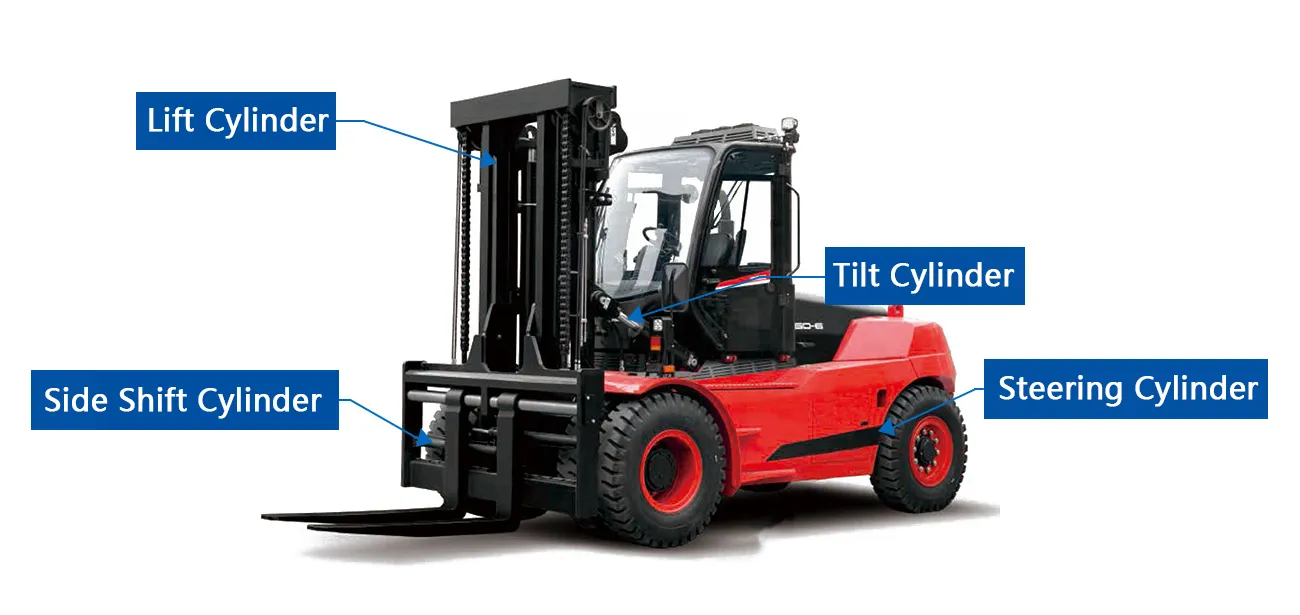
El cilindro hidráulico de inclinación controla el ángulo del mástil de la carretilla elevadora. Permite al operario inclinar las horquillas hacia adelante o hacia atrás, garantizando la estabilidad durante la manipulación de cargas. Esta función es crucial para evitar derrames durante el transporte y permitir un posicionamiento preciso al apilar mercancías. Diseñados para soportar cargas elevadas y movimientos repetitivos, los cilindros de inclinación suelen incorporar juntas y materiales robustos para resistir el desgaste en entornos exigentes.
2. Cilindro hidráulico de elevación
El cilindro hidráulico de elevación es el actuador principal para subir y bajar las horquillas o la plataforma de la carretilla elevadora. Proporciona el movimiento vertical necesario para trasladar cargas a diferentes alturas, como estantes o palés. Este cilindro debe ofrecer una fuerza lineal constante para elevar materiales pesados de forma segura, garantizando al mismo tiempo un funcionamiento suave. Un diseño de precisión y una alta capacidad de presión son esenciales para este componente, ya que su rendimiento afecta directamente a la capacidad de elevación y la seguridad de la carretilla elevadora.
3. Cilindro hidráulico de dirección
El cilindro hidráulico de dirección es fundamental para maniobrar carretillas elevadoras de baja capacidad en espacios reducidos. Transmite presión hidráulica para ajustar el ángulo de las ruedas delanteras o traseras, lo que permite un control preciso y giros suaves. Estos cilindros son compactos pero potentes, diseñados para proporcionar movimientos rápidos y con gran capacidad de respuesta. La durabilidad es clave, ya que los cilindros de dirección deben funcionar de forma fiable ante cambios de dirección constantes en entornos industriales o de almacén confinados.
4. Cilindro hidráulico de desplazamiento lateral
El cilindro hidráulico de desplazamiento lateral permite el movimiento lateral de las horquillas de la carretilla elevadora, lo que permite a los operarios ajustar su posición sin necesidad de mover toda la carretilla. Esta función mejora la eficiencia al alinear cargas para su apilamiento o manipulación en pasillos estrechos. Diseñados para ofrecer precisión, los cilindros de desplazamiento lateral proporcionan un movimiento suave y controlado, a la vez que soportan fuerzas laterales. Son especialmente útiles para optimizar la colocación de la carga y reducir el tiempo de operación.
Problemas comunes de los cilindros hidráulicos para carretillas elevadoras
1. Fugas de fluido hidráulico
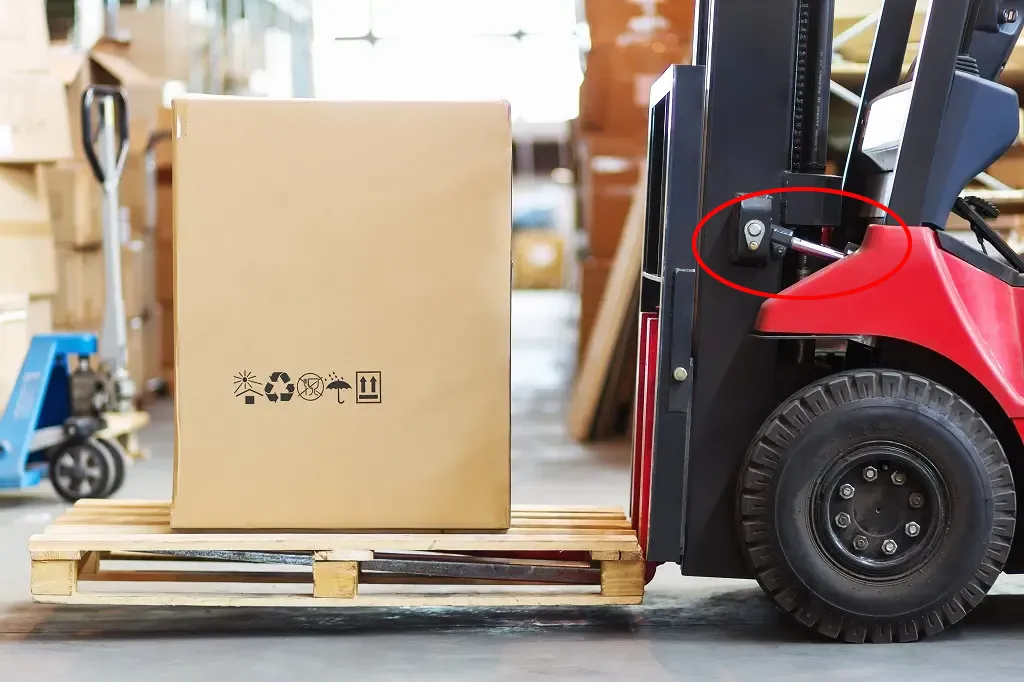
Uno de los problemas más comunes en los cilindros hidráulicos de las carretillas elevadoras son las fugas de fluido, a menudo causadas por sellos dañados, vástagos desgastados o una instalación incorrecta. Las fugas reducen la presión hidráulica, lo que disminuye la capacidad de elevación y la eficiencia operativa. Además, pueden provocar contaminación en el lugar de trabajo, aumentando los costos de mantenimiento y los posibles riesgos para la seguridad.
2. Corrosión o picaduras en la varilla del cilindro
La corrosión o el picado del vástago del cilindro pueden producirse debido a la exposición a la humedad, la suciedad o los productos químicos corrosivos del entorno operativo. Esto daña la superficie del vástago, lo que provoca un desgaste más rápido de los sellos y una menor vida útil del cilindro. Con el tiempo, la corrosión también puede causar una desalineación del vástago, lo que resulta en un movimiento irregular o a tirones durante el funcionamiento.
3. Desgaste del sello
Los sellos son fundamentales para mantener la presión hidráulica dentro del cilindro. Con el tiempo, pueden deteriorarse debido al envejecimiento, el calor excesivo, la contaminación o una lubricación inadecuada. Los sellos desgastados reducen la eficiencia, provocan fugas de fluido y disminuyen la capacidad de elevación o inclinación, lo que requiere reparación o reemplazo inmediato para evitar daños mayores.
4. Vástagos de cilindro doblados o desalineados
Las varillas de los cilindros pueden doblarse o desalinearse debido a cargas excesivas, uso inadecuado o colisiones durante el funcionamiento. Una varilla doblada aumenta la fricción dentro del cilindro, acelerando el desgaste de los componentes internos y provocando un movimiento errático. Si no se soluciona a tiempo, este problema puede provocar una falla hidráulica total.
5. Contaminación interna
La suciedad, las partículas metálicas o el fluido hidráulico degradado pueden contaminar los componentes internos del cilindro. Esta contaminación daña los sellos, los pistones y las válvulas, lo que provoca un rendimiento deficiente y un mayor desgaste. Es fundamental realizar revisiones y filtraciones periódicas del fluido hidráulico para prevenir este problema y garantizar el funcionamiento constante del cilindro.
Preguntas frecuentes
1. ¿Cuál es la función de los cilindros hidráulicos en las carretillas elevadoras de pequeño tonelaje?
Los cilindros hidráulicos se utilizan para realizar tareas críticas como levantar, inclinar, girar y desplazar lateralmente las carretillas elevadoras de baja capacidad. Convierten la presión hidráulica en movimiento lineal, lo que permite a las carretillas levantar cargas, ajustar el ángulo de las horquillas y maniobrar con eficacia. Sin cilindros hidráulicos, las carretillas elevadoras carecerían de la precisión y la fuerza necesarias para manipular materiales en espacios reducidos o almacenes.
2. ¿Cómo puedo identificar signos de desgaste o fallo en un cilindro hidráulico?
Los síntomas más comunes incluyen fugas de fluido hidráulico, reducción de la capacidad de elevación, movimientos lentos o bruscos y ruidos inusuales durante el funcionamiento. Los signos físicos, como varillas dobladas, componentes corroídos o sellos dañados, también indican desgaste. La inspección periódica y el mantenimiento oportuno son esenciales para prevenir averías costosas y garantizar un funcionamiento seguro.
3. ¿Qué causa las fugas en los cilindros hidráulicos y cómo se pueden prevenir?
Las fugas suelen deberse a juntas dañadas, vástagos desgastados o una instalación incorrecta. Las medidas preventivas incluyen el uso de juntas de alta calidad, una lubricación adecuada y evitar la sobrecarga de la carretilla elevadora. El mantenimiento regular, que incluye la revisión y limpieza del fluido hidráulico, ayuda a identificar posibles problemas a tiempo y minimiza el riesgo de fugas.
4. ¿Con qué frecuencia se debe realizar el mantenimiento de los cilindros hidráulicos?
La frecuencia del mantenimiento depende de la intensidad de uso y las condiciones ambientales. Para carretillas elevadoras de baja capacidad, se recomiendan inspecciones rutinarias cada 250 horas de funcionamiento, con una revisión de mantenimiento integral cada 1000 horas. Esta revisión incluye la inspección de juntas, la comprobación de los niveles de fluido hidráulico y la limpieza de componentes para garantizar un rendimiento óptimo y una mayor durabilidad.
5. ¿Se pueden reparar los cilindros hidráulicos o siempre deben reemplazarse?
Los cilindros hidráulicos suelen poder repararse, dependiendo de la magnitud del daño. Problemas como el reemplazo de sellos, el enderezamiento de vástagos o daños superficiales menores son reparables. Sin embargo, daños graves, como corrosión extensa o fallas estructurales, pueden requerir el reemplazo completo del cilindro para garantizar un funcionamiento seguro y confiable de la carretilla elevadora.