
Hydraulic Cylinder for Telescopic Crawler Crane
A hydraulic cylinder for telescopic crawler cranes is a mechanical device used to provide controlled linear motion and force, enabling the extension and retraction of the crane’s telescopic boom. This specialized hydraulic component consists of a cylindrical barrel, a piston, and a rod, which work together to convert hydraulic energy into mechanical force.
In telescopic crawler cranes, these cylinders play a critical role in adjusting the length of the boom, allowing the crane to reach various heights and distances. By pressurizing hydraulic fluid, typically oil, the piston inside the cylinder extends or retracts the boom sections. The precision and load-handling capacity of hydraulic cylinders are essential for lifting heavy loads, maintaining stability, and ensuring safe operations in diverse construction or industrial environments.
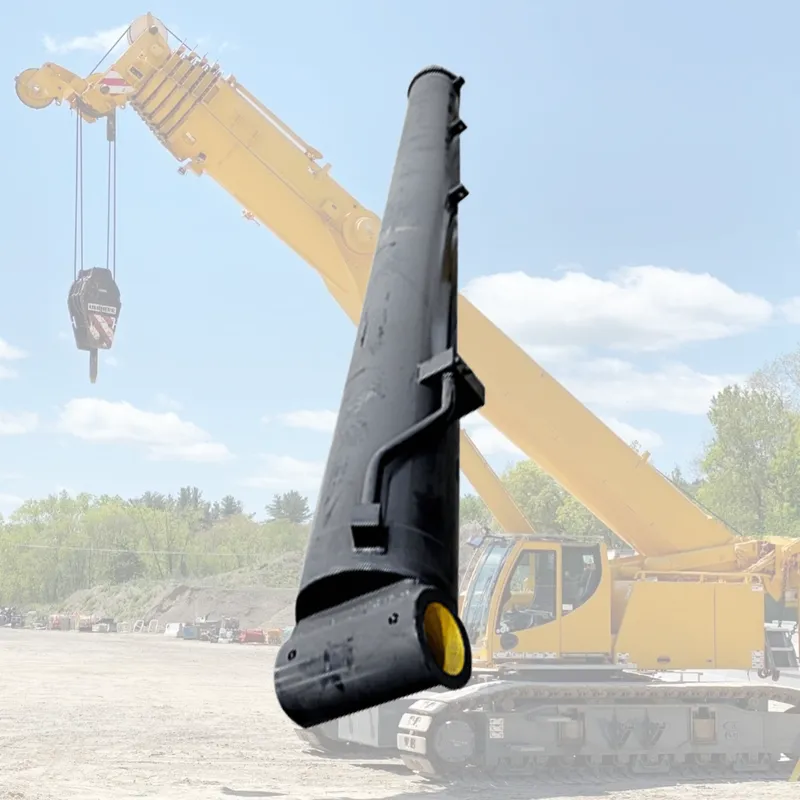
Crawler Crane Hydraulic Cylinder Types
1. Single-Acting Hydraulic Cylinders
Single-acting cylinders use hydraulic pressure to extend the piston in one direction, while the return stroke relies on gravity or a spring. These are commonly used in applications where external forces aid retraction. Their simple design makes them cost-effective and easy to maintain, but they are less versatile compared to double-acting cylinders. They are often used in crawler crane stabilizers or support systems where minimal retraction force is required.
2. Double-Acting Hydraulic Cylinders
Double-acting cylinders utilize hydraulic fluid to create motion in both directions—extension and retraction. This bidirectional control ensures precise movements, making them ideal for telescopic booms and crane jibs. These cylinders provide high efficiency and are capable of handling heavy loads and repetitive operations. Their versatility makes them the most commonly used type in crawler cranes, though they require more complex maintenance compared to single-acting cylinders.
3. Telescopic Hydraulic Cylinders
These cylinders consist of multiple nested tubes, allowing them to achieve an extended reach while maintaining a compact design. Telescopic cylinders are primarily used in the telescopic booms of crawler cranes, offering extensive range and adjustability for lifting operations. Their ability to perform long strokes with a compact retracted size makes them highly efficient in space-constrained environments. However, their complex design can lead to higher production and repair costs.
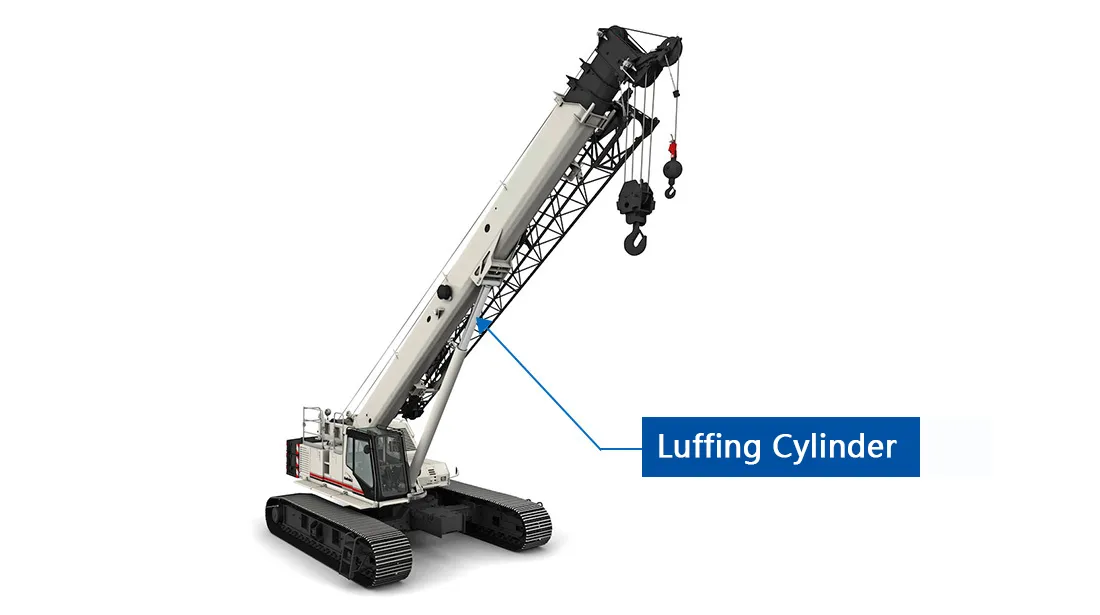
How to Install a Hydraulic Cylinder in a Crawler Crane?
1. Inspect the Hydraulic Cylinders and Crane Components
Before installation, thoroughly inspect the hydraulic cylinder for any damage, leakage or manufacturing defects. At the same time, inspect the installation points and hydraulic connectors of the crane to ensure they are clean, properly aligned and free of debris. This step can minimize the risk of failure and ensure a safe and efficient installation process.
2. Prepare the Installation Area and the Required Tools
Ensure that the installation area is flat, stable and capable of bearing the weight of the crane. Prepare the necessary tools, including wrenches, lifting equipment and safety protection gear. Having the appropriate tools ready and keeping the work area clean and orderly can reduce downtime and lower potential dangers.
3. Position and Align the Hydraulic Cylinders
Use cranes, hoists or other lifting equipment to carefully place the hydraulic cylinder near its installation point. Align the hydraulic cylinder with the crane’s bracket or flange, and ensure that the piston rod is fully retracted to avoid damage during installation. Correct alignment can ensure smooth operation and prevent premature wear.
4. Fix the Hydraulic Cylinder to the Installation Point
According to the manufacturer’s instructions, use bolts or pins to fix the hydraulic cylinder to the installation point of the crane. Tighten the fasteners evenly to ensure a firm and reliable connection. Avoid over-tightening, as this may damage the components or installation structure of the hydraulic cylinder.
5. Connect the Hydraulic Hose and Check the Seals
Connect the hydraulic hose to the port of the hydraulic cylinder and ensure that the joint is clean and properly installed. Tighten the connecting parts to the recommended torque specification. Check for leaks in the seals and joints by slowly pressurizing the system. Proper hose connections can prevent hydraulic oil leakage and maintain system efficiency.
6. Test the Hydraulic Cylinder and Adjust the Settings
After installation, conduct a functional test on the telescopic hydraulic cylinder under low pressure to verify whether it operates smoothly. Check for any abnormal noise, vibration or leakage. According to the operational requirements of the crane, make necessary adjustments to the hydraulic pressure Settings. Testing can ensure that the hydraulic cylinder can be used safely and reliably.

Maintenance of Crawler Crane Hydraulic Cylinder
1. Inspect Hydraulic Cylinders Regularly
Perform routine visual inspections to check for signs of wear, leaks, or damage to the cylinder body, rods, and seals. Look for oil drips, dents, or scratches on the piston rod. Identifying issues early helps prevent further damage and ensures uninterrupted crane operation.
2. Monitor Hydraulic Fluid Levels and Quality
Consistently check the hydraulic fluid level and ensure it’s within the manufacturer-recommended range. Inspect the fluid for contamination, discoloration, or a burnt smell, as these can indicate system issues. Clean, high-quality fluid improves cylinder efficiency and prevents internal damage.
3. Lubricate Moving Parts Properly
Ensure all moving parts, such as the cylinder rod and mounting points, are adequately lubricated using the recommended type of grease or oil. Proper lubrication reduces friction, prevents wear, and ensures smooth operation under heavy loads.
4. Protect Hydraulic Cylinder Rods
Keep the piston rods clean and free from dirt, corrosion, or debris, as these can damage seals and reduce cylinder performance. Use protective covers or wipers on the rods to minimize exposure to contaminants, especially in harsh environments.
5. Check Seals and Connections for Leaks
Inspect the seals, fittings, and connections for signs of wear or hydraulic fluid leakage. Replace damaged or worn seals immediately to prevent further fluid loss. Leaks reduce system efficiency and can lead to costly repairs if not addressed.
6. Test Cylinder Performance Periodically
Perform periodic functional tests by operating the crane’s hydraulic system under normal and simulated working conditions. Look for irregular movements, vibrations, or reduced power in the cylinder. Testing ensures early detection of performance issues and minimizes unexpected failures during operations.
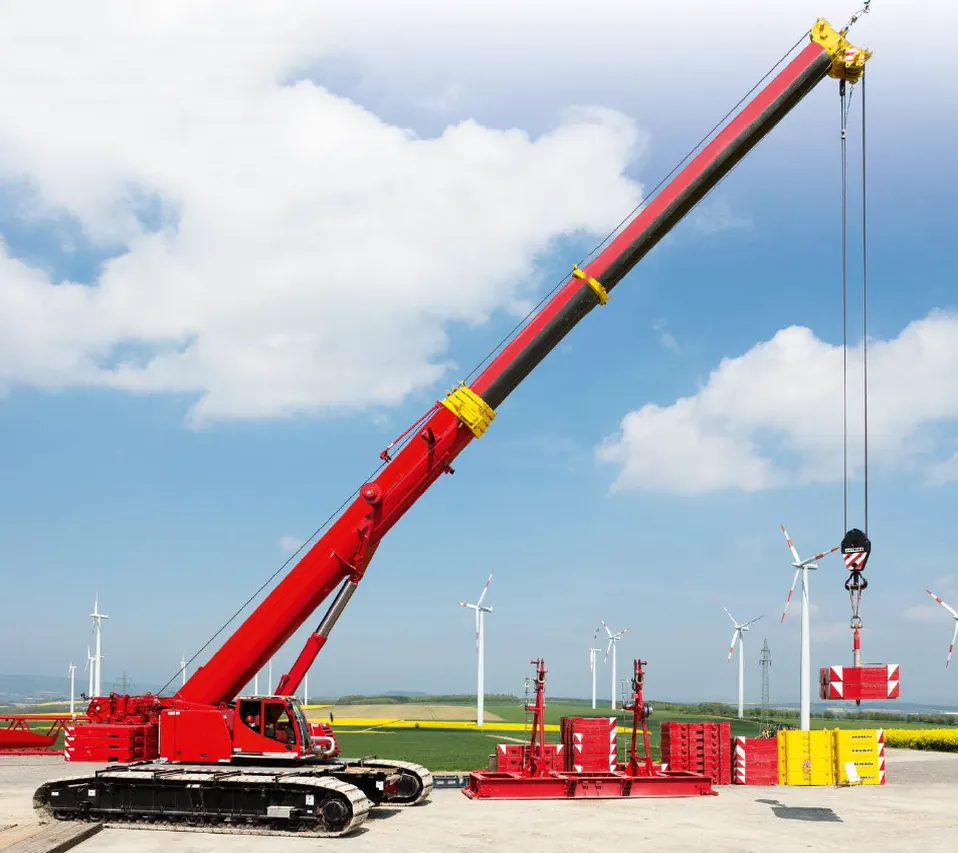
FAQs
1. What is the role of a hydraulic cylinder in a crawler crane?
Hydraulic cylinders provide the linear motion and force required to control various crane functions, such as extending the boom, lifting heavy loads, and stabilizing the crane. They convert hydraulic fluid pressure into mechanical force, enabling precise operation and high lifting power in demanding construction environments.
2. How do I choose the right hydraulic cylinder for my crawler crane?
Selecting the right hydraulic cylinder depends on factors such as the crane’s load capacity, required stroke length, operating pressure, and application type (e.g., boom extension or stabilizer control). Consult the crane manufacturer’s recommendations to ensure compatibility and optimal performance.
3. What are the common signs of hydraulic cylinder failure?
Common symptoms include hydraulic fluid leaks, reduced lifting power, slow or uneven cylinder movement, unusual noises, and visible damage to the cylinder body or piston rod. Immediate inspection and repair are necessary to prevent further damage and downtime.
4. How often should hydraulic cylinders be maintained?
Hydraulic cylinders should undergo routine inspections and maintenance as part of the crane’s regular service schedule. Maintenance frequency depends on usage, working conditions, and manufacturer guidelines but typically includes monthly inspections and annual overhauls for high-usage equipment.
5. Can hydraulic cylinders be repaired, or do they need to be replaced?
Most hydraulic cylinder issues, such as seal damage, leaks, or rod wear, can be repaired by replacing faulty components. However, severe damage to the cylinder body or extensive internal wear may necessitate a complete replacement. Repairs should always be performed by qualified technicians.
6. What causes hydraulic fluid leaks, and how can they be prevented?
Hydraulic fluid leaks are often caused by damaged seals, worn components, or loose fittings. To prevent leaks, ensure seals are regularly inspected and replaced if needed, keep the hydraulic system clean, and use high-quality hydraulic fluid that meets the manufacturer’s specifications.
7. How do environmental conditions affect hydraulic cylinders?
Extreme temperatures, dust, and moisture can negatively impact hydraulic cylinders by causing seal degradation, corrosion, or contamination of hydraulic fluid. Protective measures, such as using proper rod covers and cleaning the cylinders regularly, can minimize environmental damage.